Showing Posts From
Do androids dream of
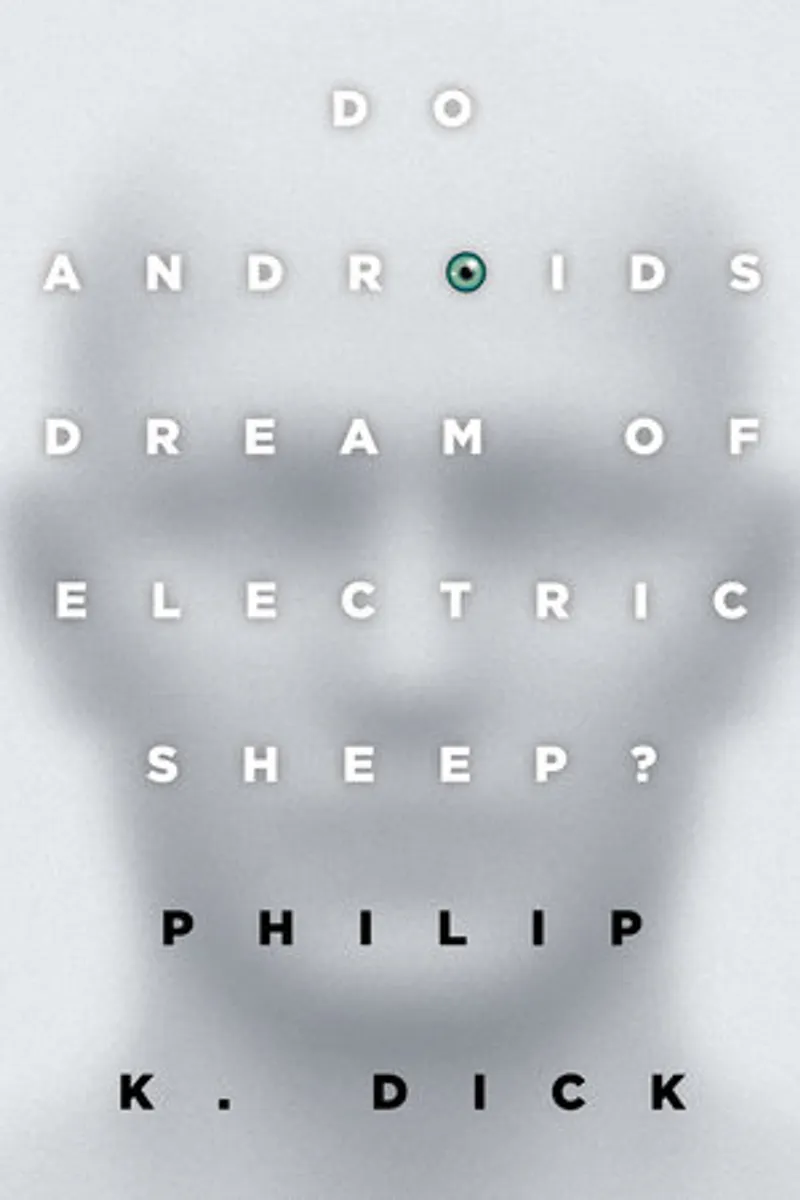
Do Androids Dream of Electric Sheep? Author: Philip K. DickPage Count: UnknownPublication Date: 1996-PRH In the realm of science fiction, few authors have managed to capture the essence of a dystopian future as vividly as Philip K. Dick in his seminal novel, Do Androids Dream of Electric Sheep?. Written in 1968 and published in various editions, including one in 1996, this masterpiece is a testament to Dick's prophetic vision and his ability to craft a narrative that is both haunting and thought-provoking. Set in a post-apocalyptic world where the lines between humanity and artificial intelligence have become increasingly blurred, the novel is a powerful exploration of what it means to be human. The story takes place in a world that has been ravaged by war, where entire species have been driven to extinction, and the few remaining humans are forced to live in a bleak, radiation-soaked environment. In this desolate landscape, advanced androids, known as Nexus-6, have been created to serve humanity, but these androids have evolved to the point where they are almost indistinguishable from humans. The novel follows the journey of Rick Deckard, a bounty hunter tasked with "retiring" rogue androids that have escaped and are living among humans. As Deckard navigates this complex web of human and artificial life, he begins to question the nature of his own humanity and the morality of his mission. Through Deckard's character, Dick raises important questions about empathy, compassion, and what it means to be alive. One of the most striking aspects of Dick's writing style is his ability to create a sense of unease and uncertainty. The novel is full of ambiguity, leaving the reader to ponder the implications of a world where the boundaries between human and android are constantly shifting. Dick's prose is sparse and economical, yet it conjures up a vivid picture of a world that is both familiar and yet, utterly alien. The novel's exploration of humanity is also noteworthy. Dick's vision of a future where humans are forced to live in a state of constant paranoia, where the threat of androids is ever-present, is a powerful commentary on the human condition. The novel shows how humanity's obsession with technology and innovation can lead to a dehumanizing of society, where empathy and compassion are seen as weaknesses. The influence of Do Androids Dream of Electric Sheep? can be seen in many other works of science fiction, including the film Blade Runner, which was loosely based on the novel. The novel's themes of humanity, artificial intelligence, and what it means to be alive continue to resonate with audiences today. In conclusion, Do Androids Dream of Electric Sheep? is a masterpiece of science fiction that continues to captivate readers with its thought-provoking themes and haunting vision of a dystopian future. Philip K. Dick's writing style is a perfect blend of sparse prose and vivid imagination, making this novel a must-read for anyone interested in science fiction. #PhilipKDick #DoAndroidsDreamOfElectricSheep #ScienceFiction #DystopianFuture #ArtificialIntelligence #BladeRunner Related InsightsVanity Fair Book Review and Summary Scion Book Review and Summary The Lost Life of Sylvia Song Book Review and Summary{ "@context": "https://schema.org", "@type": "FAQPage", "mainEntity": [ { "@type": "Question", "name": "What is the main focus of Do Androids Dream of Electric Sheep? Book Review and Summary?", "acceptedAnswer": { "@type": "Answer", "text": "Everything you need to know about Do Androids Dream of Electric Sheep? with our detailed review." } }, { "@type": "Question", "name": "Who authored the comprehensive guide on Do Androids Dream of Electric Sheep? Book Review and Summary?", "acceptedAnswer": { "@type": "Answer", "text": "This detailed article and its insights were carefully researched and authored by Philip K. Dick." } }, { "@type": "Question", "name": "Where can I find more related content about Books?", "acceptedAnswer": { "@type": "Answer", "text": "You can explore more articles, detailed reviews, and similar insights by browsing the Related Insights section at the bottom of this article or visiting our dedicated Books category page." } } ] }