Showing Posts From
Dolomites
-
 Chloe Tremblay
 - 09 Sep, 2026 11:46
Vertical Dreams: Navigating the Dolomitic Majesty of Northern Italy
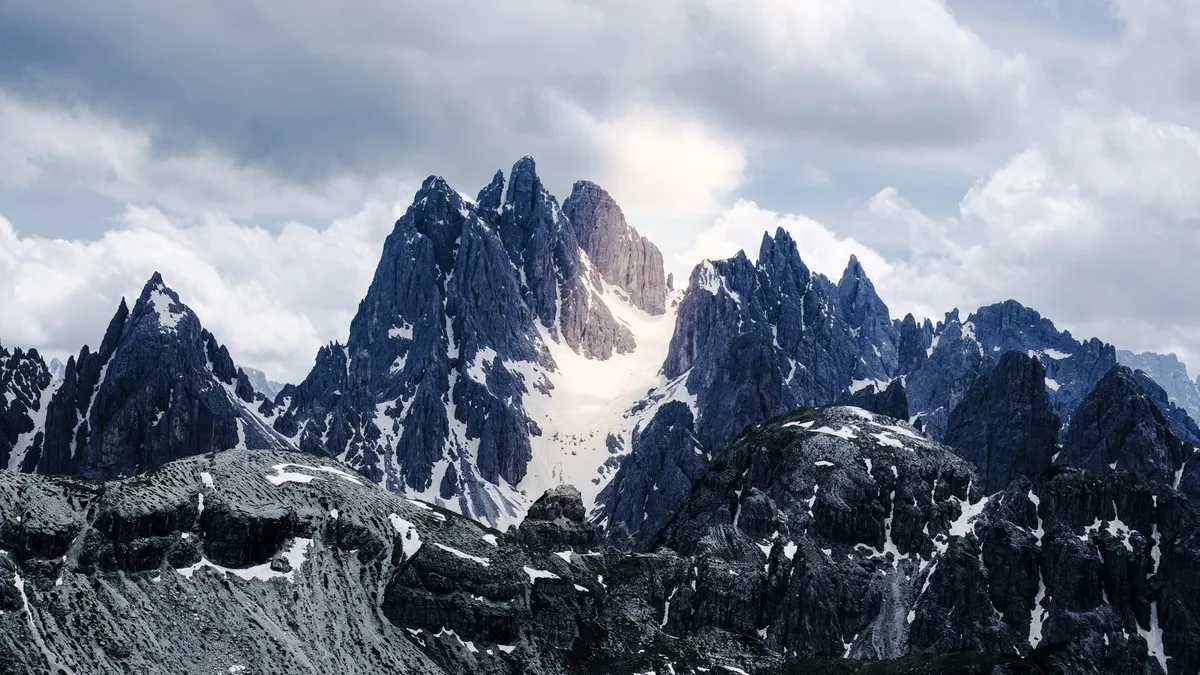
Where the Earth Touches the Sky: Understanding the Pale Mountains The Dolomites, often referred to as the 'Pale Mountains' due to the unique chemical composition of dolomite rock that glows a soft, ethereal pink at sunset—a phenomenon known as enrosadira—represent one of the most geologically significant landscapes on the planet. As a UNESCO World Heritage site, this massive limestone range in northeastern Italy offers more than just aesthetic beauty; it provides a profound connection to geological time. For the hiker, the Dolomites are not merely a collection of trails but an intricate network of vie ferrate (iron paths) and high-altitude refugios that define the essence of Alpine exploration. Navigating this region requires an understanding of the sheer verticality of the terrain. Unlike the softer, rolling hills of Tuscany, the Dolomites demand respect. The peaks of the Sella Group, the iconic spires of the Tre Cime di Lavaredo, and the sheer face of the Marmolada glacier constitute a vertical playground that has challenged mountaineers for centuries. As someone who has spent years traversing these trails, I have found that the magic lies in the transition: one moment you are walking through dense coniferous forests, and within an hour, you are navigating scree slopes beneath towering monoliths that seem to scrape the very heavens. For those planning an extended stay, it is essential to consider the logistical reality of the Italian Alps. While the wilderness feels untouched, the infrastructure is world-class. You are never truly 'off the grid' in the way you might be in the remote Rockies or the Andes. Instead, you are traversing a landscape where ancient Ladin culture meets modern Italian hospitality. Whether you are aiming for a multi-day trek along the Alta Via 1 or seeking a quiet week in the Val Gardena, preparation is the difference between a grueling ordeal and a transformative journey. Understanding the rhythm of the mountain—when the mist rolls in, how the weather shifts in the afternoons, and the importance of timing your ascents—is the hallmark of a true mountain expert.The Logistics of the Alpine Nomadic Life In the modern era, the allure of the Dolomites is not restricted to those on a two-week sabbatical. With the rise of remote work, many are choosing to base themselves in alpine hubs like Cortina d’Ampezzo, Bolzano, or Ortisei. However, living in the shadow of giants comes with specific economic considerations. According to current data, the cost of living for a nomadic professional in Italy hovers around $1,629 per month, a figure that remains stable due to the country’s robust market-data collection. For those contemplating this transition, the Italian Digital Nomad Visa serves as a gateway, provided one meets the established monthly income requirement of $2,532. This financial threshold is designed to ensure sustainability for both the nomad and the local economy. When we analyze the cost-of-living metrics provided by global databases like Numbeo, we see that Italy offers a balanced lifestyle. While rental prices in tourist-heavy hubs during peak season can fluctuate, the access to high-quality healthcare, reliable public transport, and a superior standard of living—often characterized by the Mediterranean diet and a slower, more intentional pace of life—justifies the investment. Living here requires balancing the high cost of mountain-side accommodation with the reality of local supply chains. You will find that local markets are your best friends. Purchasing fresh speck, mountain cheese, and seasonal produce from village vendors is not only cheaper than dining out exclusively but is also a deeply integrated part of the Dolomitic experience. If you are planning to work remotely, prioritize areas with high-speed fiber connectivity, which is increasingly common in towns like Bolzano, yet can be elusive in the higher-altitude mountain huts. This duality—the need for high-tech stability and the desire for low-tech wilderness—is the central challenge of the modern Dolomite wanderer. By aligning your financial planning with these regional realities, you turn a dream into a viable, sustainable lifestyle. Gastronomy and the Art of the Refugio Refuel One cannot discuss the Dolomites without bowing to the culinary traditions that fuel the hike. After six hours on a vertical incline, nothing tastes quite as exquisite as Canederli—the hearty, local bread dumplings served in broth or smothered in browned butter and sage. The cuisine here is a hybrid of Italian refinement and Austrian robustness, a testament to the complex history of the South Tyrol region. A day on the trail typically starts with an espresso at the base and a hearty lunch at a refugio (mountain hut). These huts are the backbone of the Dolomite hiking experience. They are not merely rest stops; they are culinary sanctuaries. Places like the Rifugio Lagazuoi offer more than just a place to sleep; they offer a vantage point to watch the light change over the Tofane mountains while enjoying a glass of local Lagrein wine. The strategy for eating well in the mountains is simple: embrace the seasonal. In the autumn, mushroom dishes and game meats dominate the menus. In the spring and summer, fresh alpine herbs and mountain cheeses take center stage. For the budget-conscious traveler, eating at these huts is far more efficient than carrying heavy, non-perishable goods up the mountain. Furthermore, because the local economy relies heavily on the success of these refugios, your patronage helps maintain the trail networks and preserves the alpine heritage that makes this UNESCO site so precious. Always carry cash, as connectivity issues can occasionally render card terminals useless in the most remote reaches of the range.Mastering the Trails: A Guide to the Alta Via 1 and Beyond When we speak of the 'best' hiking, we are really speaking about the Alta Via 1—the most famous of the high-altitude routes. Spanning approximately 120 kilometers from Lago di Braies to Belluno, it is a trek that demands respect but rewards with unparalleled panoramic views. However, the expert hiker knows that the real secret to the Dolomites lies in the diversions. Do not be afraid to step off the primary trail markers. The Dolomites are crisscrossed by a secondary network of paths that often lead to hidden cirques and abandoned World War I fortifications. The history of this region is etched into the stone; you are literally hiking through a theater of the Great War. It is common to find remnants of tunnels and lookout points carved directly into the rock face. This adds a somber, reflective quality to the hiking experience that is rare in other alpine ranges. Safety is non-negotiable. Even in the height of August, the weather can turn within minutes. A clear, sunny morning can quickly devolve into a violent electrical storm, especially at higher altitudes. My authoritative advice: always check the Meteo Dolomiti forecasts, which are localized and significantly more accurate than generic weather apps. Pack for the 'four-season' reality of the mountains: technical base layers, a lightweight down jacket, a reliable shell, and sturdy, broken-in trekking boots. If you are planning to attempt any of the vie ferrate, professional gear—a helmet, harness, and ferrata-specific carabiner set—is mandatory. Do not overestimate your fitness level; the elevation gain here is often steeper than in the Alps of France or Switzerland, and the thin air at 2,500 meters will test your endurance.Expense Category Estimated Monthly Cost (USD) Notes for the Dolomite NomadRent (One-bedroom apartment) $850 - $1,100 Varies by proximity to tourist centersUtilities (Water, Electricity, Heating) $200 - $250 Higher during winter heating seasonsGroceries (Fresh Produce & Local Staples) $350 - $450 Utilizing local markets is keyTransportation (Public Bus/Train Pass) $80 - $120 Highly efficient and reliable in the regionDining & Leisure $250 - $350 Includes sporadic visits to refugiosTotal Estimated Monthly Expenditure $1,730 - $2,270 Depends on lifestyle and locationNote: Data derived from regional averages; individual spending may vary based on specific town selection. The Ethics of Stewardship in a UNESCO Frontier As hikers, we are guests in a fragile environment. The Dolomites are a UNESCO World Heritage site for a reason: their geological and ecological integrity is unique. Yet, the pressure of mass tourism is real. The paths are becoming eroded, and the noise pollution in once-quiet valleys is on the rise. To be an expert in this region is to be a guardian of it. Practicing 'Leave No Trace' is the absolute minimum requirement. This means carrying out every piece of waste, staying strictly on marked trails to prevent soil erosion, and respecting the wildlife. The flora of the Dolomites, including the elusive Edelweiss and the various mountain gentians, are protected species. Photograph them, admire them, but never disturb them. Moreover, consider your impact on the local communities. Opt for public transportation whenever possible; the regional bus network (Südtirol Alto Adige) is excellent and reduces the traffic congestion that plagues the mountain passes during the peak summer months. Engage with the Ladin culture—the indigenous people of the Dolomites—by learning a few phrases and supporting local artisan crafts rather than buying mass-produced souvenirs. This is not just about 'responsible tourism'; it is about enriching your own experience. When you treat the mountains as a sacred space rather than a backdrop for a digital profile, the mountains offer you much more in return. They grant you silence, perspective, and a sense of belonging that is difficult to find elsewhere.Finding Stillness in the High Alpine Silence As we look toward the future of travel in the Dolomites, the focus must shift from 'conquering' the peaks to 'coexisting' with them. Whether you are a digital nomad seeking a high-altitude office or a seasoned trekker tracing the steps of the pioneers, the Dolomites offer a unique synthesis of rigor and rejuvenation. The cost of living, while requiring careful financial navigation, is a small price for the quality of life afforded by the clean air, the dramatic landscape, and the deep, abiding quiet of the high mountains. Remember that the best time to experience this region is in the shoulder seasons—late June or early September—when the trails are less crowded and the weather is arguably at its most stable. You will find that the Dolomites do not just change your perspective on landscapes; they change your perspective on your own limitations. The exertion of the climb, the reward of the view, and the comfort of a warm meal at a high-altitude refuge combine to create a life-defining experience. Do not rush your time here. Allow the mountains to dictate your schedule. If a storm is predicted, stay in the valley and explore the local museums or the quiet charm of a village piazza. If the sun is out, reach for the heights, but always remain humble before the scale of the rock. The Pale Mountains are ancient, indifferent to our presence, and utterly magnificent. They invite us to witness their majesty, but they demand that we play our part in preserving their story for the generations of explorers who will follow in our boot prints. May your climbs be steady, your equipment reliable, and your appreciation for this UNESCO wonder never cease to grow. As you descend into the valleys, carrying the silence of the summits within you, you will realize that you have not just visited a destination—you have been shaped by a landscape. #Dolomites #HikingItaly #DigitalNomad #UNESCOHeritage #AlpineLife