Showing Posts From
Dystopian
-
 Hannah Schmidt
 - 16 Oct, 2026 20:45
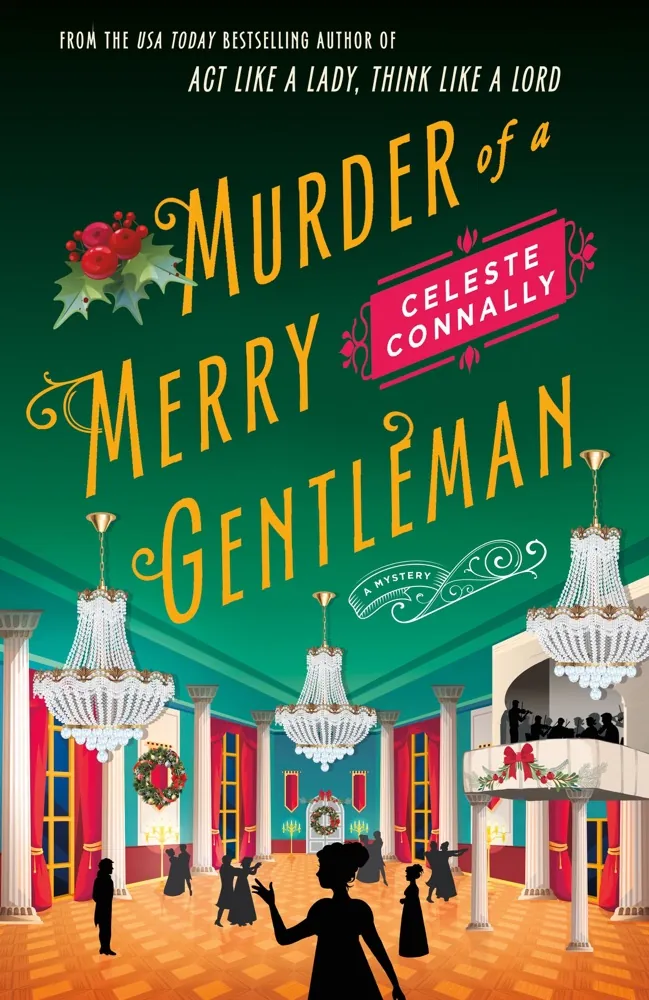
Murder of a Merry Gentleman (Lady Petra Inquires, #4) Book Review and Summary
Author: Celeste ConnallyPage Count: UnknownPublication Date: Expected publication 2026-11-10 APL London in December of 1815 offers a particularly grim landscape of enforced merriment. Almack’s Assembly Rooms usually serve as a sterile marketplace for matrimonial transactions, but adding a bachelor-auction into the festive mix is a stroke of bureaucratic genius that demands immediate scrutiny. Murder of a Merry Gentleman leans heavily into the commodification of human bodies under the guise of seasonal charity. Yet, the premise relies entirely on an absurdly specific set of logistical constraints—five nights, five bachelors, and a rotating roster of debutantes. The Architecture of Compulsory Joy Class mobility in historical fiction has always functioned as a rigid cage disguised as a ballroom. The elite class structures operating here mirror the systemic gatekeeping found in contemporary resource allocation, where marginalized participants must jump through increasingly absurd hoops just to secure basic survival. Petra Forsyth approaches her assigned policing of this ecosystem with an exhaustion that feels deeply rational. Or perhaps she is simply bored. Let us disregard that thought; her boredom is the only genuine element in a sea of performative aristocracy. The Mechanics of the Lethal Balcony Gravity remains the most dependable antagonist in Regency fiction. A corpse splayed below a balcony provides the narrative with an immediate, if aggressively cliché, set piece. But the synopsis trips over its own petticoats by reducing a suspected homicide to a mere accident before escalating into attempted murder. This predictable trajectory bores me. We have seen this exact spatial choreography in Georgette Heyer novels and every procedural procedural ever broadcast on Sunday night television. And yet, the forced undercover dynamic—where the brilliant investigator must pretend to flirt with the targets—offers a sharp commentary on emotional labor. Women in power are constantly required to perform submissiveness as a prerequisite for competence. Petra must suppress her scientific intellect and lock-picking skills to bat her eyelashes at wealthy bachelors. This is not just a clever plot device. It is an indictment of every patriarchal framework that demands female compliance as the price of admission. Expect this book to sell half a million copies to readers who treat history as a mood board. The market hungers for sanitized violence wrapped in velvet ribbons and festive snow. Celeste Connally understands the assignment, even if the premise stretches credulity regarding how many dead bodies a single holiday assembly can sustain before someone cancels the caterer. I have to go supervise a terrifyingly loud piano practice.
Author: Rose TremainPage Count: UnknownPublication Date: Expected publication 2026-10-06 APL The engine is idling, the heater is blowing that distinct scent of stale french fries and burning dust from the vents, and I am staring through a windshield smeared with someone else's sticky fingerprints while the middle school swarm hasn't even emerged from the double doors yet. Perfect time to dissect Rose Tremain manufacturing the secret gay origin story of Rebecca because apparently, nobody is allowed to let a gothic masterpiece just breathe in its own dark Cornish fog without turning the estate staff into a romantic conduit for Daphne du Maurier’s repressed desires. Manderville Hall. Lord Grenville-Whithers. Mrs. Danowski—affectionately or suspiciously dubbed Danni—sweeping the drafty corridors while nursing childhood abandonment issues and waiting for a cinematic meet-cute on the cliffs. And look, I love a good subversion of domestic hierarchy as much as the next exhausted organizer trying to pass a zoning amendment for the community garden against three retired accountants named Gary, but the sheer predictability of using the housekeeper as a vessel for forbidden queer awakening feels like screen-test engineering disguised as historical fiction, especially since Anthony Hopkins and Helena Bonham Carter are already fitted for their period wardrobe in whatever glossy prestige adaptation is dropping next autumn to sweep the BAFTAs. Or maybe it is a brilliant structural hijacking of the canon. Wait. Let me walk that back entirely. Actually, using the narrative ghost of Mrs. Danvers—reimagined here as a lonely working-class romantic rather than a shrieking pyromaniac obsessed with a dead first wife—is a genuinely sharp way to interrogate class friction and the theft of female desire by the literary elite. Tremain is a prose heavyweight; she wrote The Gustav Sonata and she knows how to build an interior life without leaning on cheap melodrama, even if this specific premise sounds suspiciously engineered for a prestige streaming platform's Sunday night slot. Cinematic. The Cliffside Blueprint Power dynamics in isolated mansions always rely on the invisible labor of women who see everything and own nothing, and if this book avoids turning du Maurier into a standard biographical caricature, it might just salvage the tired trope of the writer mining her working-class lover for plot points. Yet the synopsis reads like a screenplay treatment written by an algorithm that ingested three seasons of The Crown and a biography of the Bloomsbury group. Unoriginal. We are perpetually doomed to retread the ghosts of twentieth-century women writers instead of commissioning something entirely feral and new. Give me a sci-fi epic about municipal zoning board corruption instead of another prestige historical drama where wealthy people weep in the rain near the Atlantic ocean. Right on cue, the dismissal bell rings and forty packs of neon-colored synthetic backpacks are currently stampeding toward the parking lot, meaning I have to pretend I didn't spend the last twenty minutes aggressively judging British literary trends while trying to scrape dried strawberry jam off the laminate kitchen island at home. #RoseTremain #DaphneDuMaurier #HistoricalFiction #LiteraryGossip Related InsightsChampion Book Review and Summary Atmosphere Book Review and Summary As I Lay Dying Book Review and Summary{ "@context": "https://schema.org", "@type": "FAQPage", "mainEntity": [ { "@type": "Question", "name": "What is the main focus of The Housekeeper Book Review and Summary?", "acceptedAnswer": { "@type": "Answer", "text": "Everything you need to know about The Housekeeper with our detailed review." } }, { "@type": "Question", "name": "Who authored the comprehensive guide on The Housekeeper Book Review and Summary?", "acceptedAnswer": { "@type": "Answer", "text": "This detailed article and its insights were carefully researched and authored by Hannah Schmidt." } }, { "@type": "Question", "name": "Where can I find more related content about Books?", "acceptedAnswer": { "@type": "Answer", "text": "You can explore more articles, detailed reviews, and similar insights by browsing the Related Insights section at the bottom of this article or visiting our dedicated Books category page." } } ] }
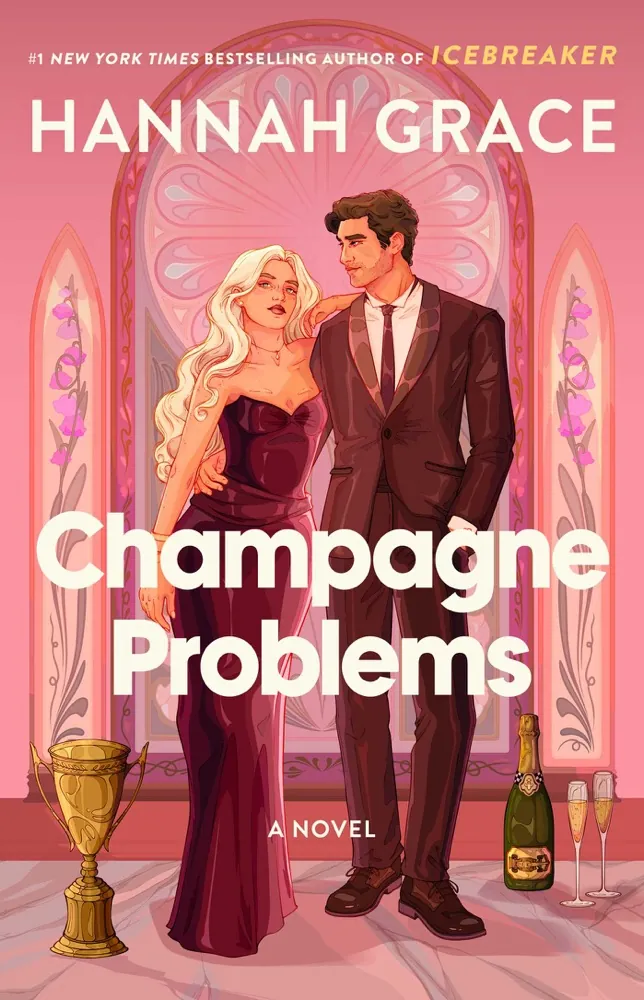
Author: Hannah GracePage Count: UnknownPublication Date: Expected publication 2026 APL Concrete corridors echo with folding metal chairs, and somebody parked their cargo bike directly across the ramp, trapping the entire subcommittee inside the rec center until the owner returns with the key. We are supposed to be discussing neighborhood zoning variances, but my mind is hijacked by the corporate publishing machine yet again. Hannah Grace has decided that hockey rinks are simply too pedestrian for the modern romance demographic. Champagne Problems drags us out of the chilled arena and straight into the carbon-fiber exhaust of Formula 1. The High-Octane Boredom of Elite Exhaustion Glitz. Scandal. Fast cars. The holy trinity of contemporary marketing copy that actually means absolutely nothing. Ivy Miller has a rule—because every heroine in the twenty-first century is contractually obligated to possess a rigid personal mandate that crumbles the second a brooding athlete with expensive stubble enters a five-mile radius. Saint Thompson lost his championship to scandal. Oh, the humanity. The synopsis refuses to tell us what this scandalous event actually was, leaving us to assume he either committed securities fraud or failed to tip a barista. And why does every fictional racing driver possess the exact same hyper-fixated, alpha-male monomania? "Second place is never an option." Groundbreaking stuff. Truly revolutionary character architecture. I am practically vibrating with apathy. Speaking of aggressive pacing and unwarranted authority figures, my eight-year-old neighbor's obsession with Paw Patrol has reached a militant phase where Marshall the firefighting dalmatian is somehow dictating our municipal recycling schedules, and honestly, that animated puppy has a firmer grasp on logistical infrastructure than whoever wrote this publisher's blurb. Saint wants the date they never had. The tension is supposed to be exquisite. Instead, it reads like a carbon copy of every sports romance currently clogging up Target tables alongside Emily Henry knockoffs and dragons who hoard paperbacks. Casual sex never stays casual. What a shocking narrative trajectory. I predict a third-act misunderstanding involving a private jet and a hastily deleted Instagram post by page three hundred. The school run takes precedence over your editor's demands. Related InsightsNever Say Never Book Review and Summary The Giver of Stars Book Review and Summary Anthropodermische Bibliopegie: Eine Makabre Reise in die Welt der in Menschenhaut gebundenen Bücher{ "@context": "https://schema.org", "@type": "FAQPage", "mainEntity": [ { "@type": "Question", "name": "What is the main focus of Champagne Problems (In the Paddock, #1) Book Review and Summary?", "acceptedAnswer": { "@type": "Answer", "text": "Everything you need to know about Champagne Problems (In the Paddock, #1) with our detailed review." } }, { "@type": "Question", "name": "Who authored the comprehensive guide on Champagne Problems (In the Paddock, #1) Book Review and Summary?", "acceptedAnswer": { "@type": "Answer", "text": "This detailed article and its insights were carefully researched and authored by Hannah Schmidt." } }, { "@type": "Question", "name": "Where can I find more related content about Books?", "acceptedAnswer": { "@type": "Answer", "text": "You can explore more articles, detailed reviews, and similar insights by browsing the Related Insights section at the bottom of this article or visiting our dedicated Books category page." } } ] }
- Hannah Schmidt
- 09 Sep, 2026 07:46
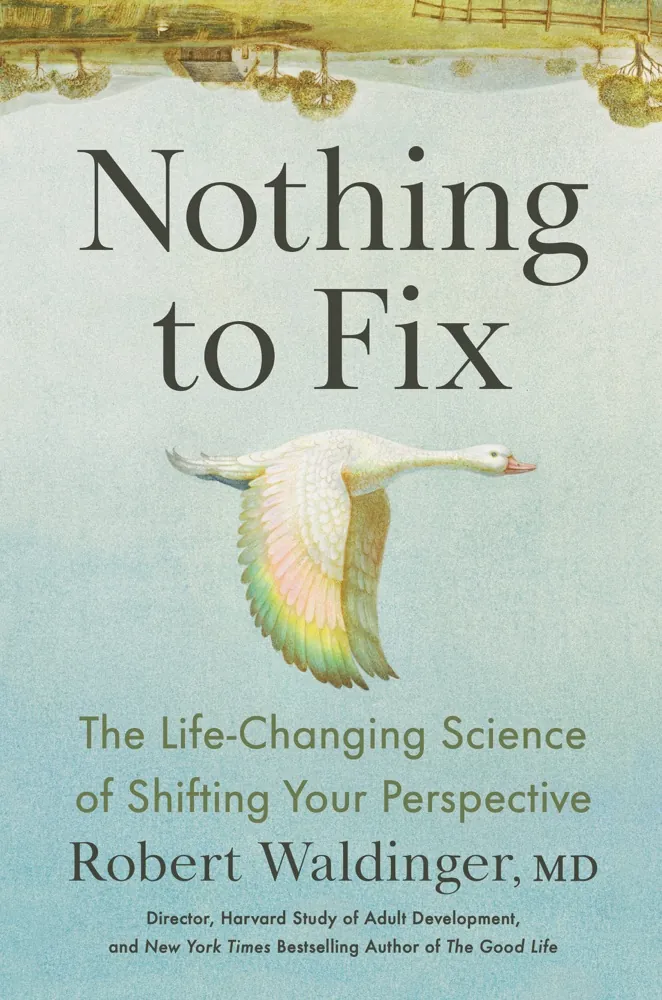
Nothing to Fix: The Life-Changing Science of Shifting Your Perspective Book Review and Summary
Author: Robert Waldinger MDPage Count: UnknownPublication Date: Expected publication 2026 APL Another prescriptive volume promising institutional salvation disguised as personal awakening has landed on the desk, slotted neatly into the exact same ideological shelf occupied by Atomic Habits and every other symptom-treating manual currently flooding the market. Except this one carries the institutional weight of the Harvard Study of Adult Development, weaponizing longitudinal data to tell us what we already discovered while organizing mutual aid block parties in the rain: that human isolation is a systemic failure of connection, not merely a neurochemical deficit to be balanced via mindfulness apps and breathing exercises. Yet the promotional copy for Nothing to Fix leans heavily into the well-worn wellness tropes of individual optimization, suggesting that if we just adjust our internal cognitive dials—perhaps by sweating through enough hours on a Zen meditation cushion—we can somehow transcend the grinding precarity of modern existence without actually changing any of the oppressive socioeconomic conditions that make us want to scream into the void in the first place. Wait. Let me walk that back entirely. Maybe dismissing decades of psychiatric clinical observation and empirical happiness research as mere bootstrap rhetoric is missing the tactical utility of what the author is trying to build here. The Architecture of Internal Truces The core thesis relies on the radical subversion of our cultural obsession with optimization, shifting the metric of a life from hyper-productive outputs to the quiet, unglamorous process of simply meeting whatever catastrophe happens to be unfolding on the street corner today. And honestly? We desperately need structural solidarity, yes, but we also need psychological endurance to keep from burning out before the revolution even gets scheduled. If this text manages to dismantle the toxic fiction that our persistent low-grade panic is a personal moral failing rather than a rational response to late-stage capitalism, then perhaps it transcends the typical self-help noise. Grounding these abstract eastern meditative traditions in actual longitudinal human narratives rather than dry statistical charts gives the project a fighting chance at emotional resonance, rescuing the science from the cold sterility of academic journals. Still. The cynic in the corner—the one who watches housing costs skyrocket while wellness gurus tell tenants to reframe their evictions as opportunities for mindful presence—wonders if we are once again mistaking a bandage for structural reform. Hard pass. Or maybe not. Time will tell if the synthesis of clinical psychiatry and Zen philosophy offers actual tools for frontline organizers or just another sophisticated distraction to keep us quietly meditating while the neighborhood burns. My youngest just painted the family cat blue. Related InsightsThe Winter of Frankie Machine Book Review and Summary The Book of Magical Living: 8 Secrets to Good Fortune Book Review and Summary The Boys from Biloxi Book Review and Summary{ "@context": "https://schema.org", "@type": "FAQPage", "mainEntity": [ { "@type": "Question", "name": "What is the main focus of Nothing to Fix: The Life-Changing Science of Shifting Your Perspective Book Review and Summary?", "acceptedAnswer": { "@type": "Answer", "text": "Everything you need to know about Nothing to Fix: The Life-Changing Science of Shifting Your Perspective with our detailed review." } }, { "@type": "Question", "name": "Who authored the comprehensive guide on Nothing to Fix: The Life-Changing Science of Shifting Your Perspective Book Review and Summary?", "acceptedAnswer": { "@type": "Answer", "text": "This detailed article and its insights were carefully researched and authored by Hannah Schmidt." } }, { "@type": "Question", "name": "Where can I find more related content about Books?", "acceptedAnswer": { "@type": "Answer", "text": "You can explore more articles, detailed reviews, and similar insights by browsing the Related Insights section at the bottom of this article or visiting our dedicated Books category page." } } ] }
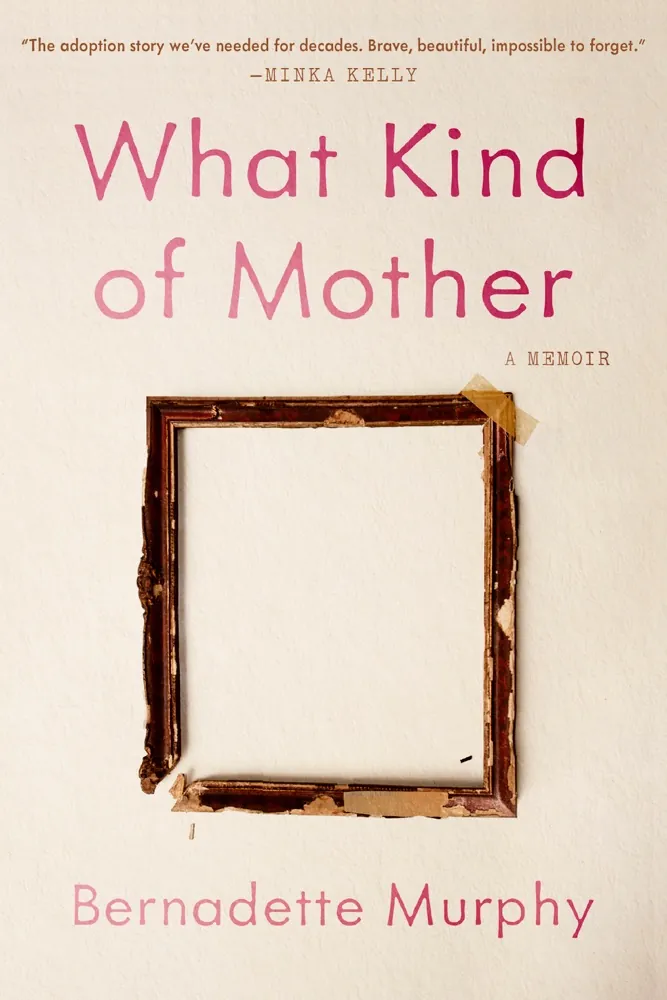
Author: Bernadette MurphyPage Count: UnknownPublication Date: Expected publication 2026 APL We are looking at What Kind of Mother by Bernadette Murphy and honestly, my blood is boiling over the sheer volume of structural gaslighting women have endured for generations under the guise of holy institutions. Look at the setup. A sixteen-year-old kid—shouldering the emotional wreckage of her own mother's untreated depression and a crumbling household—gets handed a life-altering ultimatum by a society that views her bodily autonomy as public property. And then we wonder why she spends forty years carrying the heavy, calcified shame of a closed adoption system built specifically to silence birth mothers. People love to talk about adoption like it's some sanitized Hallmark greeting card moment, completely erasing the jagged systemic violence that forces working-class girls to surrender their children because keeping them would require actual social safety nets instead of hollow moralizing. Speaking of structural failures, I swear to god, if I have to watch one more episode of Bluey where the parents calmly process their toddler's existential dread using artisanal wooden toys while living in a multi-million-dollar Brisbane architectural masterpiece, I am going to throw my entire coffee table through the front window. Why can't a cartoon dad just admit he is hanging on by a thread and screaming into a sofa cushion like the rest of us? Anyway. Murphy's framing of this forty-year epistolary quest hits right at the throat of our collective cultural amnesia. The prose promises to peel back the layers of Irish Catholic guilt—that heavy, suffocating blanket of inherited trauma that tells young girls their worth is measured entirely by their suffering. Expect comparisons to Dani Shapiro's Inheritance or Nicole Chung's All You Can Ever Know, though Murphy's lens focuses sharply on the weaponization of the maternal instinct. Brutal. The baby monitor just illuminated with terrifying, strobe-like green flashes, and if the raccoons have breached the back deck enclosure again, I am going to lose my absolute mind. #memoir #adoptionsystems #literarycritique
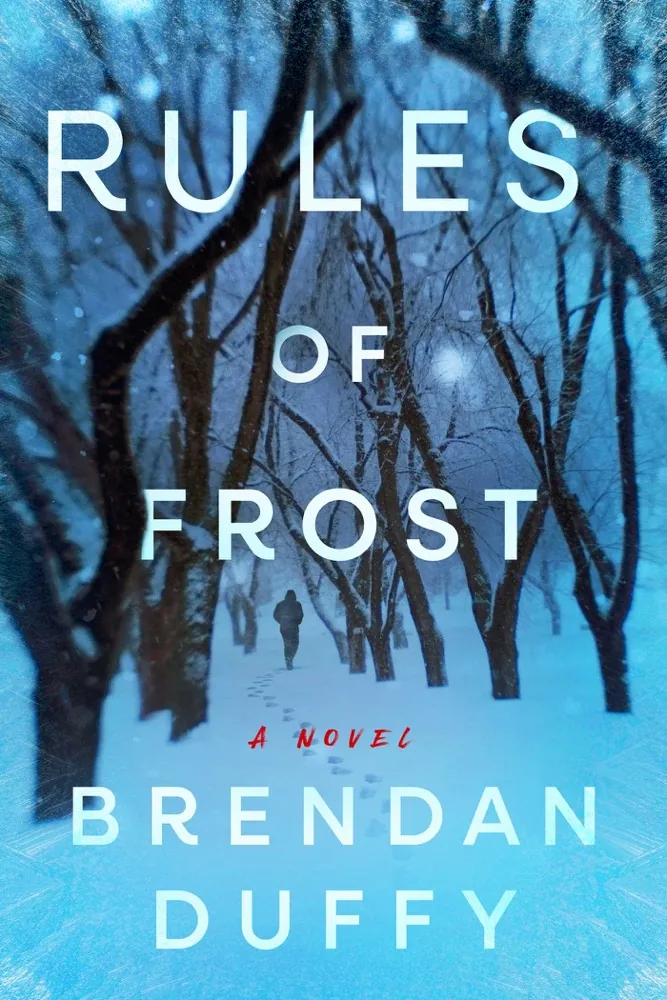
Author: Brendan DuffyPage Count: UnknownPublication Date: Expected publication 2026 APL Isolation is the ultimate litmus test for human hierarchy. Rules of Frost dangles the bait of a winter-locked boarding school, promising a claustrophobic descent into the brittle, performative power dynamics that define these echo chambers. Brendan Duffy seems intent on weaponizing the "snowed-in" trope, yet the synopsis leans heavily on the generic promise of a hidden game. Are we truly expected to tremble at the prospect of teenagers—already the most vicious, ritual-obsessed architects of social exclusion—playing with fire? The Architecture of Enforced Proximity The narrative hook relies on the classic teacher-as-authority figure, yet Jon Sayers is clearly poised for a spectacular failure of governance. Boarding school fiction thrives on the lie that adults hold the keys to the kingdom. In reality, they are merely observers to the localized feudalism of dormitories. If the "secret game" involves anything less than a total subversion of the faculty’s pathetic attempts at holiday cheer, the book will collapse under its own weight. I am bracing for a narrative that mistakes atmospheric gloom for genuine structural critique. Do you remember The Secret History? Donna Tartt managed to make the pretension of academic elitism feel like a slow-motion car crash. Rules of Frost smells like a derivative cousin, aiming for that same icy, intellectual rot. If Duffy wants to survive the comparisons, he needs to avoid the tired "teacher with a dark past" cliché. Give us a system—not a man—that breaks. Give us the cold, hard logic of why kids find solace in ritualized violence when the lights go out. Honestly, it’s no different than watching that wretched Caillou series where the parents just smile while the child exerts his tiny, tyrannical will over the household, demanding cookies while the world burns. At least in cartoons, the screaming stops when you turn off the screen; here, we are trapped in the pedagogical equivalent of a fever dream about compliance and ritual. Back to the freezing pond: I suspect the boy at the center of this will matter less than the way the remaining students decide to rewrite the social contract in his absence. I predict this will be the year’s most frustrating exercise in ambiguity. The synopsis avoids specificity with the grace of a politician dodging a tax audit. "Something else entirely"? Spare me. If it’s a ghost story, I’m out. If it’s a brutal, psychological evisceration of the boarding school caste system, then perhaps there is a flicker of utility in the prose. I’m currently staring at the water stains on my walls, which look suspiciously like a map of the campus Duffy is building. I have to go deal with my landlord about the persistent leak in the ceiling before the plaster actually gives way. #darkacademia #literarythriller #mustread2026 Related InsightsWe Need to Talk about Inflation Book Review and Summary Joker Moon Book Review and Summary My First Promise (Blue Sky Bay #3) Book Review and Summary{ "@context": "https://schema.org", "@type": "FAQPage", "mainEntity": [ { "@type": "Question", "name": "What is the main focus of Rules of Frost Book Review and Summary?", "acceptedAnswer": { "@type": "Answer", "text": "Everything you need to know about Rules of Frost with our detailed review." } }, { "@type": "Question", "name": "Who authored the comprehensive guide on Rules of Frost Book Review and Summary?", "acceptedAnswer": { "@type": "Answer", "text": "This detailed article and its insights were carefully researched and authored by Hannah Schmidt." } }, { "@type": "Question", "name": "Where can I find more related content about Books?", "acceptedAnswer": { "@type": "Answer", "text": "You can explore more articles, detailed reviews, and similar insights by browsing the Related Insights section at the bottom of this article or visiting our dedicated Books category page." } } ] }
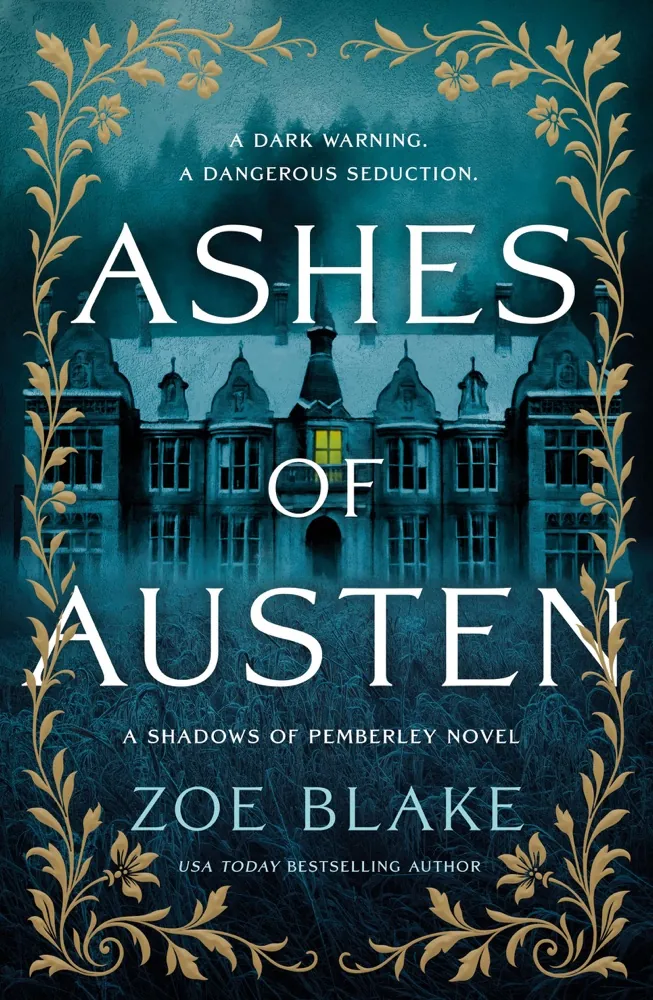
Author: Zoe BlakePage Count: UnknownPublication Date: Expected publication 2026 APL Paper wrappers from cheap bodega coffee flutter past my boots like dead leaves as September brings that familiar, bitter chill down the asphalt corridor. I am supposed to be mapping out the zoning petition for the community garden's winterizing phase tonight, but instead I find myself staring at a promotional blurb for Ashes of Austen, wondering how many times the publishing industry can dig up a dead Victorian satirist and force her corpses into a bustier. Zoe Blake clearly saw the current obsession with gothic hyper-fixation and decided to toss Jane Austen into a blender with a cheap bodice-ripper, promising us a world where high society's greed gets traded for poisoned wedding soup and mysterious dress destructions inside Northanger Abbey. Because nothing screams systemic critique quite like a protagonist named Julianna being terrorized by a brooding aristocrat who may or may not be a walking red flag with a title. Actually, wait. Let me walk that back entirely. Maybe reducing this to a mere cash grab misses the entire point of why these tropes endure in the concrete-choked sprawl of modern life. Perhaps we crave the melodramatic crumbling walls precisely because our own structural foundations are rotting in real-time, making a toxic romance inside a cursed estate feel almost quaint compared to the municipal neglect outside my window. Control. Obsession. Financial ruin wrapped in velvet and predatory protection. It is the exact same dynamic we fight against at every local city council hearing, just draped in gothic lace instead of developer zoning permits. Or maybe it is just garbage. Truth. Look, if you enjoyed Colleen Hoover’s brand of psychological whiplash or wanted Silvia Moreno-Garcia’s Mexican Gothic to lean harder into aggressive romantic suspense without any of the historical nuance, this is your next pre-order. Just don't expect actual social commentary. The radiator in my pre-war apartment is clanking like an angry ghost again. Related InsightsSeasonal Fears Book Review and Summary Cry, the Beloved Country Book Review and Summary I Am the Night: The Ultimate Unauthorized History of Batman: The Animated Series Book Review and Summary{ "@context": "https://schema.org", "@type": "FAQPage", "mainEntity": [ { "@type": "Question", "name": "What is the main focus of Ashes of Austen Book Review and Summary?", "acceptedAnswer": { "@type": "Answer", "text": "Everything you need to know about Ashes of Austen with our detailed review." } }, { "@type": "Question", "name": "Who authored the comprehensive guide on Ashes of Austen Book Review and Summary?", "acceptedAnswer": { "@type": "Answer", "text": "This detailed article and its insights were carefully researched and authored by Hannah Schmidt." } }, { "@type": "Question", "name": "Where can I find more related content about Books?", "acceptedAnswer": { "@type": "Answer", "text": "You can explore more articles, detailed reviews, and similar insights by browsing the Related Insights section at the bottom of this article or visiting our dedicated Books category page." } } ] }
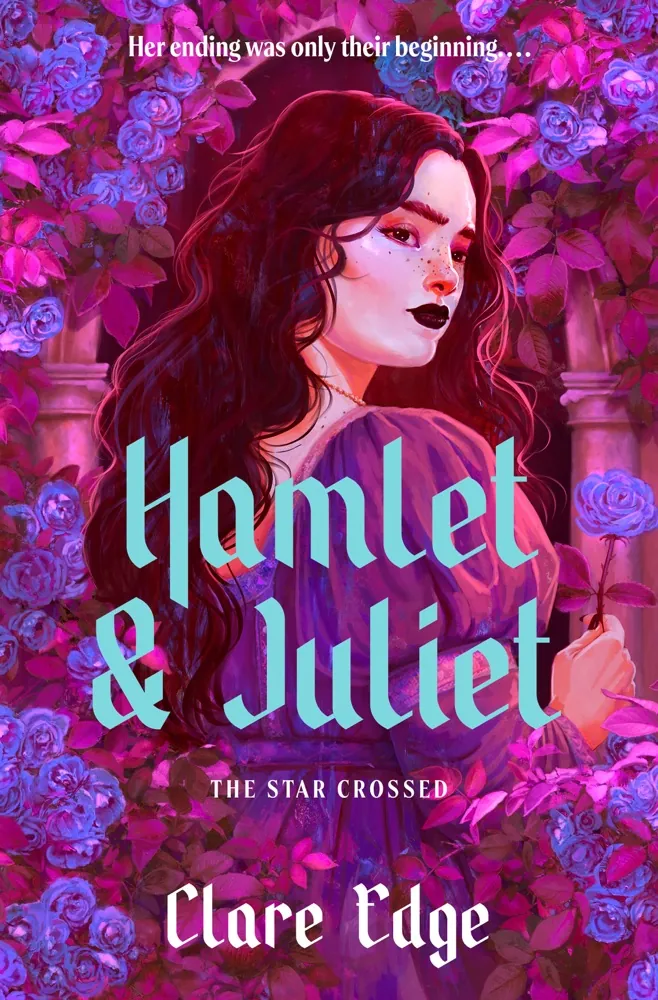
Author: Clare EdgePage Count: UnknownPublication Date: Expected publication 2026 APL Sweat is permanently glued to the back of my neck right now, thanks to the oppressive humidity radiating off the asphalt outside while the community center's sole window unit rattles on its last legs. People keep dropping by with clipboard complaints about municipal zoning laws and park funding cuts, as if I have a magic wand to fix the concrete heat islands we are forced to inhabit in August. Yet here I am, staring at a press release for Hamlet & Juliet by Clare Edge, wondering why modern publishing insists on treating classical literature like a messy closet of props to be rummaged through for a quick serotonin hit. The Mashup Industrial Complex We get it. Dead playwrights cannot sue for copyright infringement. But mashing up star-crossed teenagers from Verona with the brooding prince of Denmark feels less like an artistic statement and more like fanfiction written by an algorithm that ingested thirty high school English syllabi in one sitting. Edge drops Juliet into Castle Elsinore because apparently, geographical continuity is for cowards. And honestly, I am so exhausted by this exact creative crutch. It reminds me of the time the neighborhood association tried to merge our annual block party with the stray cat rescue drive—chaos ensued, nobody got a hot dog, and three people left in tears. Except instead of bewildered neighbors, we get Bottom the Weaver and Cordelia tossed into a supernatural blender. Bureaucracy and Malevolent Magic The synopsis promises a grand conspiracy threatening "the entire Globe"—pun entirely intended, I assume, because subtlety left the building years ago. We are supposed to care about malevolent magic taking root across the Continent. But what does that even mean in structural terms? Are we talking about a systemic failure of infrastructure, or just a ghost with a grievance? Hamlet wants to sniff out a villain in the royal family, which is roughly as original as discovering that a local zoning board meeting will run twenty minutes over schedule. Give me actual systemic critique instead of another magical monarchy falling apart because of daddy issues. The Slow Burn Trap Bar Fridman-Tell calls it a "gloriously slow-burn romantic fantasy," which usually translates to four hundred pages of people staring intensely across crowded rooms while a vague threat looms in the background like an uncollected pile of recycling on a Tuesday morning. I refuse to see the appeal. Give me direct conflict, or give me nothing at all. Edge is leaning hard into the irreverent twist angle, echoing the same tired playbook we saw when every YA author decided to rewrite Jane Austen with zombies or fae courts. Now if you will excuse me, I have to go convince a four-year-old that submerging his sticky limbs in tepid water is not a brutal human rights violation. #BookTwitter #HamletAndJuliet #PublishingTrends #ClareEdge Related InsightsLong Lost Book Review and Summary Tempest (The Lyrian Sea, #1) Book Review and Summary Crash into You Book Review and Summary{ "@context": "https://schema.org", "@type": "FAQPage", "mainEntity": [ { "@type": "Question", "name": "What is the main focus of Hamlet & Juliet (The Star Crossed #1) Book Review and Summary?", "acceptedAnswer": { "@type": "Answer", "text": "Everything you need to know about Hamlet & Juliet (The Star Crossed #1) with our detailed review." } }, { "@type": "Question", "name": "Who authored the comprehensive guide on Hamlet & Juliet (The Star Crossed #1) Book Review and Summary?", "acceptedAnswer": { "@type": "Answer", "text": "This detailed article and its insights were carefully researched and authored by Hannah Schmidt." } }, { "@type": "Question", "name": "Where can I find more related content about Books?", "acceptedAnswer": { "@type": "Answer", "text": "You can explore more articles, detailed reviews, and similar insights by browsing the Related Insights section at the bottom of this article or visiting our dedicated Books category page." } } ] }
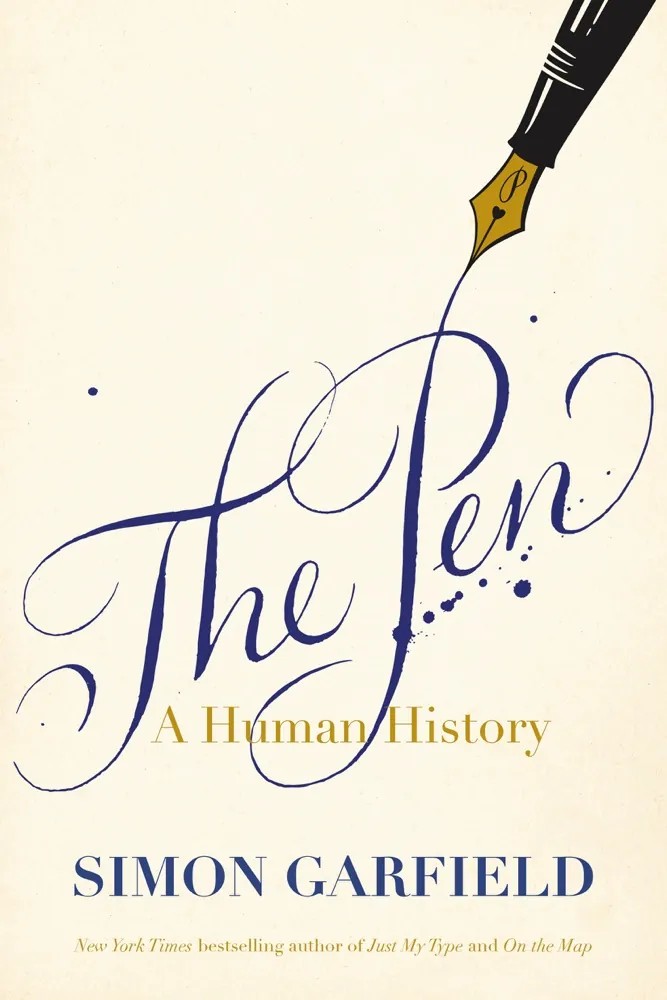
Author: Simon GarfieldPage Count: UnknownPublication Date: Expected publication 2026-11-03 APL The world of words, and the instruments that bring them to life – in The Pen: A Human History, Simon Garfield takes us on a sweeping journey through the ages, tracing the evolution of our trusty writing companion. And what a tale it is – of empires risen and fallen, of ideas sparked and revolutions kindled, all through the humble medium of ink and quill. As I sit here, sweat-drenched and fanning myself in the sweltering August heat, I find myself pondering the weight of history that rests upon this slender, oft-overlooked tool. We've all heard the stories, of course – of Jane Austen's quills, of Hemingway's Montblanc, of the Magna Carta's solemn signatures – but to see them woven together into a single narrative is to gain a profound appreciation for the pen's quiet, insistent presence in the annals of human civilization. And yet, as I delve into the synopsis, I find myself wondering – what, exactly, does Garfield mean to say about the pen's role in our lives? Is this a history of writing, or a history of the writers themselves? The line between the two is often blurred, and I worry that The Pen may succumb to the same trap – of prioritizing the personalities over the pens, the quirks over the craftsmanship. But, I suppose, that's a risk worth taking. For in the world of words, it's often the personalities that shape the pens, and the pens that shape the personalities. Consider the case of Joseph Priestley, who dared to affix a steel tip to a quill in 1780 – a innovation that would change the face of writing forever. Or Bartholomew Folsch, who created the first reservoir pen in 1809 – a breakthrough that would pave the way for the modern pens we use today. These are the stories that make The Pen so compelling – the stories of pioneers and tinkerers, of dreamers and doers. And yet, as I read through the synopsis, I find myself growing increasingly frustrated – with the vagueness, the lack of specificity, the sense that Garfield is holding back. What, exactly, does he mean to say about the pen's role in the digital age? How does he propose to connect the dots between the calamus reed pens of ancient Egypt and the Apple Pencils of today? The answers, I fear, may be lost in the ether – and that's a shame, because I sense that The Pen has the potential to be something truly remarkable. But, I suppose, that's a risk worth taking. For in the world of words, it's often the risks that pay off – the risks of experimentation, of innovation, of pushing the boundaries of what's possible. Consider the case of Milton Reynolds, who introduced the world to the first ballpoint pen – a innovation that would change the face of writing forever. Or consider the case of Stephen King, who swears by his trusty Waterman Hemisphere – a pen that's become an integral part of his writing routine. Literally. Hard pass. Wait – no, I take that back. I'm intrigued, despite myself. There's something about The Pen that draws me in – a sense of possibility, of promise, of untold stories waiting to be unearthed. And who knows? Maybe Garfield will surprise me – maybe he'll deliver a book that's less about the personalities, and more about the pens themselves. Maybe he'll show me the beauty in the mechanics, the poetry in the precision. Finally. And then, just as I'm getting lost in the world of words, my youngest bursts into the room, holding aloft our family cat – who's been painted a brilliant shade of blue. "Mom, Mom, look!" she exclaims, beaming with pride. I stare, aghast, as the cat gives me a disdainful flick of its tail – and suddenly, all thoughts of The Pen are forgotten. #ThePen #SimonGarfield #WritingCommunity #BookLovers #FelineArt Related InsightsEl don Book Review and Summary The Measure Book Review and Summary Baldur's Gate 3: Astarion Book Review and Summary{ "@context": "https://schema.org", "@type": "FAQPage", "mainEntity": [ { "@type": "Question", "name": "What is the main focus of The Pen: A Human History Book Review and Summary?", "acceptedAnswer": { "@type": "Answer", "text": "Everything you need to know about The Pen: A Human History with our detailed review." } }, { "@type": "Question", "name": "Who authored the comprehensive guide on The Pen: A Human History Book Review and Summary?", "acceptedAnswer": { "@type": "Answer", "text": "This detailed article and its insights were carefully researched and authored by Hannah Schmidt." } }, { "@type": "Question", "name": "Where can I find more related content about Books?", "acceptedAnswer": { "@type": "Answer", "text": "You can explore more articles, detailed reviews, and similar insights by browsing the Related Insights section at the bottom of this article or visiting our dedicated Books category page." } } ] }
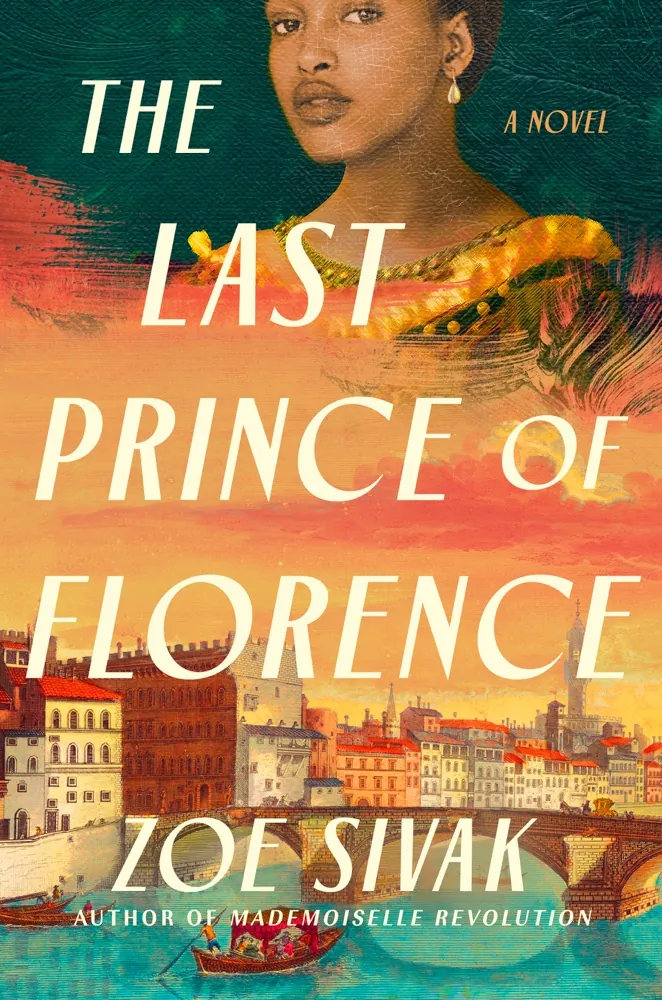
Author: Zoe SivakPage Count: UnknownPublication Date: Expected publication 2026-11-17 APL The problem with these Renaissance-era tales is that they often get bogged down in ornate descriptions and excessive name-dropping. I mean, we all know the Medicis were powerful, but must every character be a direct descendant of someone famous? The Last Prince of Florence seems to be taking a more interesting approach, focusing on the story of Alessandro de' Medici, a Black woman's secret plot to put her son on the throne. Alessandro's birth is an interesting twist, especially given the context of the growing African slave trade in Europe. The fact that his mother, Simonetta, is determined to do whatever it takes to put him on the throne speaks to the desperation and ambition that often drive these stories. And yet, as the gulf between mother and son widens, one can't help but wonder if Simonetta's actions are truly justified. But what really catches my eye is the character of Simonetta herself. Raised by an African nurse who teaches her to fight and survive, she's a woman with a sharp tongue and a quick wit. I'm reminded of the strong female characters in The Song of Achilles or The Red Tent, women who defy convention and forge their own paths. Simonetta's dark skin and sharp tongue make enemies, and yet she's determined to succeed in a world that seems stacked against her. And then, of course, there's the question of Alessandro's legacy. As a biracial boy, he threatens everything his enemies believe about power, bloodlines, and Simonetta's own legacy. It's a fascinating exploration of identity and power, one that I think will resonate with readers. I'm reminded of the themes in The Brief Wondrous Life of Oscar Wao, the way that identity and culture can shape our understanding of the world. But I have to say, I'm a bit skeptical about the whole "secret plot" thing. I mean, how many times have we seen this trope played out in Renaissance-era fiction? It's a bit predictable, and I worry that the story will get bogged down in clichés. And yet, at the same time, I'm drawn to the idea of a strong female character who's willing to do whatever it takes to succeed. A bold claim for a Tuesday. I think The Last Prince of Florence has the potential to be a game-changer, a book that challenges our assumptions about power and identity in Renaissance-era Europe. But only time will tell if it lives up to its promise. Speaking of promises, have you ever noticed how kids' cartoons always seem to promise more than they deliver? I mean, I was watching an episode of Adventure Time with my niece the other day, and I realized that the whole show is just a series of unfulfilled promises. "We'll go on a quest to find the magical sword!" No, you'll just wander around in the woods for 20 minutes and then forget about the sword. It's like they're trying to train kids to be disappointed. Anyway, back to The Last Prince of Florence... I think what really sets this book apart is its willingness to take risks. By focusing on a Black woman's story in Renaissance-era Europe, Zoe Sivak is challenging our assumptions about the time period and the people who lived in it. It's a bold move, and one that I think will pay off in the end. And now, if you'll excuse me, I have to go find my favorite fountain pen. The toddler has hidden it again. #RenaissanceFiction #HistoricalFiction #DiversityInLiterature Related InsightsThe Idaho Four Book Review and Summary Blood on the Tide Book Review and Summary L'Alba delle Macchine Cognitive: Un Viaggio Profondo nei Modelli Linguistici di Grande Scala{ "@context": "https://schema.org", "@type": "FAQPage", "mainEntity": [ { "@type": "Question", "name": "What is the main focus of The Last Prince of Florence Book Review and Summary?", "acceptedAnswer": { "@type": "Answer", "text": "Everything you need to know about The Last Prince of Florence with our detailed review." } }, { "@type": "Question", "name": "Who authored the comprehensive guide on The Last Prince of Florence Book Review and Summary?", "acceptedAnswer": { "@type": "Answer", "text": "This detailed article and its insights were carefully researched and authored by Hannah Schmidt." } }, { "@type": "Question", "name": "Where can I find more related content about Books?", "acceptedAnswer": { "@type": "Answer", "text": "You can explore more articles, detailed reviews, and similar insights by browsing the Related Insights section at the bottom of this article or visiting our dedicated Books category page." } } ] }
- Hannah Schmidt
- 24 Aug, 2026 14:52
The Misfit Caravan (The Tarot Sequence, #4) Book Review and Summary
Author: K.D. EdwardsPage Count: UnknownPublication Date: Expected publication 2026-12-08 APL Pass me another deviled egg, would you? The condensation on this lemonade pitcher is absolutely ruining the wicker basket, but honestly, looking at the way the light catches the water out past the reeds makes it entirely forgivable. Asphalt, Trauma, and Excess Baggage K.D. Edwards is giving us an American road trip in The Misfit Caravan, and I am already preemptively exhausted by the logistics. Packing two luxury RVs for a bunch of ancient, traumatized magical beings sounds less like a healing journey and more like a municipal nightmare that needs an immediate zoning permit and a community board intervention. We are looking at a narrative engine built entirely on forced proximity and high-horsepower anxiety. It reminds me of why municipal budget meetings always devolve into shouting matches over parking ordinances—everyone brings their historical grievances to the asphalt, and nobody wants to empty the grey water tank. The Illusion of Found Kinship The synopsis leans heavily on the architecture of chosen family. Because nothing screams domestic bliss quite like fleeing a trail of murdered fae while towing a multi-ton recreational vehicle across state lines. Let us be entirely serious for a moment. This genre has become hopelessly obsessed with the "found family heals all wounds" trope to an almost comical degree. It is like watching a poorly managed community garden where everyone insists on planting invasive perennials right next to the prize-winning tomatoes because they think shared suffering constitutes a root system. The Infrastructure of Betrayal Rune Saint John is apparently heading straight for Sanctuary City to uncover lies stitched into the lives of the people he loves most. Groundbreaking. Nothing like discovering that your domestic safety net is actually a poorly woven hammock held together by administrative negligence and buried secrets. I predict the middle three hundred pages of this book will consist entirely of brooding in cramped dining nooks while someone refuses to pass the salt because of a centuries-old blood feud. It is practically a suburban HOA meeting with better casting and higher body counts. My daughter's science project is currently on fire. Related InsightsFate Breaker Book Review and Summary Take My Hand (Willow Branch Mountain #5) Book Review and Summary Sunderworld, Vol. 2: The Unfortunate Responsibilities of Leopold Berry Book Review and Summary{ "@context": "https://schema.org", "@type": "FAQPage", "mainEntity": [ { "@type": "Question", "name": "What is the main focus of The Misfit Caravan (The Tarot Sequence, #4) Book Review and Summary?", "acceptedAnswer": { "@type": "Answer", "text": "Everything you need to know about The Misfit Caravan (The Tarot Sequence, #4) with our detailed review." } }, { "@type": "Question", "name": "Who authored the comprehensive guide on The Misfit Caravan (The Tarot Sequence, #4) Book Review and Summary?", "acceptedAnswer": { "@type": "Answer", "text": "This detailed article and its insights were carefully researched and authored by Hannah Schmidt." } }, { "@type": "Question", "name": "Where can I find more related content about Books?", "acceptedAnswer": { "@type": "Answer", "text": "You can explore more articles, detailed reviews, and similar insights by browsing the Related Insights section at the bottom of this article or visiting our dedicated Books category page." } } ] }
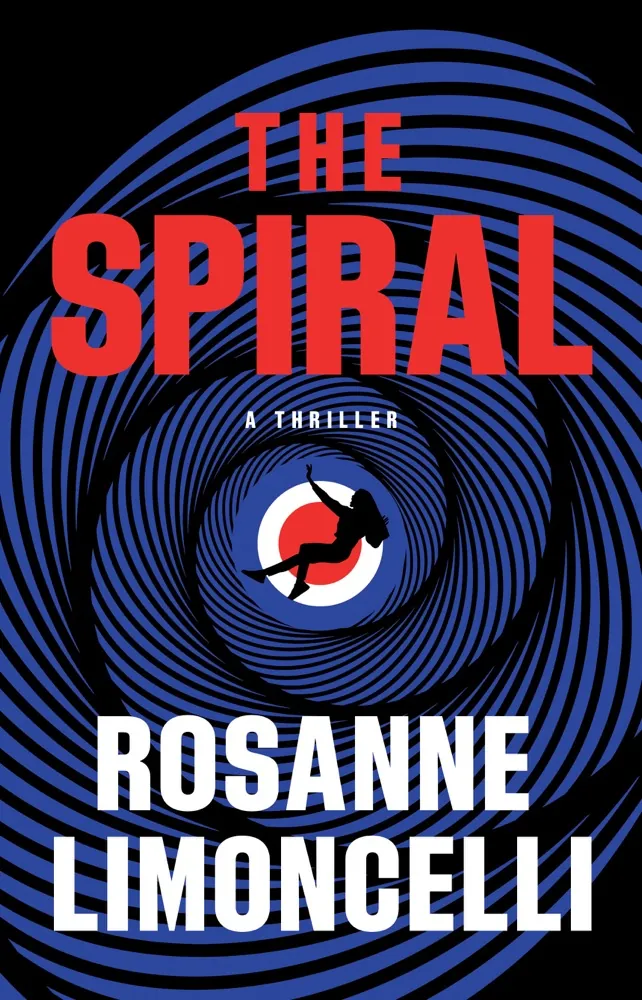
Author: Rosanne LimoncelliPage Count: UnknownPublication Date: Expected publication 2026-10-27 APL The perpetual masquerade of trust – who to confide in, who to shun – a dance as old as humanity itself, and one that The Spiral promises to masterfully exploit. Set in the crime-ridden, graffiti-scarred New York City of 1979, this psychological thriller by Rosanne Limoncelli weaves a dark murder mystery that threatens to ensnare its protagonist, Nina Esposito, at every turn. In this world of leering strangers and suspect intentions, Nina's struggle to discern predator from protector will doubtless be a potent metaphor for the universal struggle to find trust in a society that often seems hell-bent on devouring its most vulnerable members. And yet – can we truly trust Limoncelli to deliver a narrative that rises above the familiar tropes of the noir-thriller genre? The fact that The Spiral is being touted as perfect for fans of Tana French and Stieg Larsson only serves to heighten my skepticism – will this be a bold, innovative take on the genre, or merely a rehashing of the same old themes and plot devices? One can't help but feel that the success of The Spiral will hinge on its ability to convincingly portray the inner workings of Nina's psyche – her motivations, her fears, her demons. Will Limoncelli prove equal to the task of crafting a protagonist whose psychological complexity and emotional depth can sustain the reader through the twists and turns of the narrative? Only time will tell, but for now, I remain decidedly... unimpressed. Literally. But what's truly got me scratching my head is the utter lack of specificity in the synopsis – we're told that The Spiral is a 'dark murder mystery', but what does that even mean in this context? Is it a police procedural? A serial killer thriller? A character-driven exploration of the human psyche? The vagueness is maddening, and I find myself wondering if the publishers are deliberately withholding information in order to pique our interest, or if they simply don't know how to market this thing. And speaking of marketing, have you seen the latest attempts to rebrand the Sweet Valley High series as 'edgy' and 'subversive'? It's like they're trying to sell us a nostalgia-tinged dream of '90s teenage angst, minus the actual angst. I mean, who needs genuine emotional depth when you can just slap a trendy new cover on an old favorite and call it a day? Not me, that's for sure. But I digress – back to The Spiral. Assuming that Limoncelli can deliver on her promises, I predict that this book will be a major player in the thriller genre come awards season. The setting, the premise, the protagonist – it all sounds like a recipe for success. But will it live up to the hype? Only time will tell. And now, if you'll excuse me, I have to go deal with the washing machine, which has just flooded the laundry room. Because of course it has. #TheSpiral #NoirThriller #BookLovers #ThrillerThursday Related InsightsJonathan Strange & Mr Norrell Book Review and Summary Armor of Light Book Review and Summary Cold Sunset: A Gabriel Dax Novel Book Review and Summary{ "@context": "https://schema.org", "@type": "FAQPage", "mainEntity": [ { "@type": "Question", "name": "What is the main focus of The Spiral (A Nina Esposito Mystery #1) Book Review and Summary?", "acceptedAnswer": { "@type": "Answer", "text": "Everything you need to know about The Spiral (A Nina Esposito Mystery #1) with our detailed review." } }, { "@type": "Question", "name": "Who authored the comprehensive guide on The Spiral (A Nina Esposito Mystery #1) Book Review and Summary?", "acceptedAnswer": { "@type": "Answer", "text": "This detailed article and its insights were carefully researched and authored by Hannah Schmidt." } }, { "@type": "Question", "name": "Where can I find more related content about Books?", "acceptedAnswer": { "@type": "Answer", "text": "You can explore more articles, detailed reviews, and similar insights by browsing the Related Insights section at the bottom of this article or visiting our dedicated Books category page." } } ] }
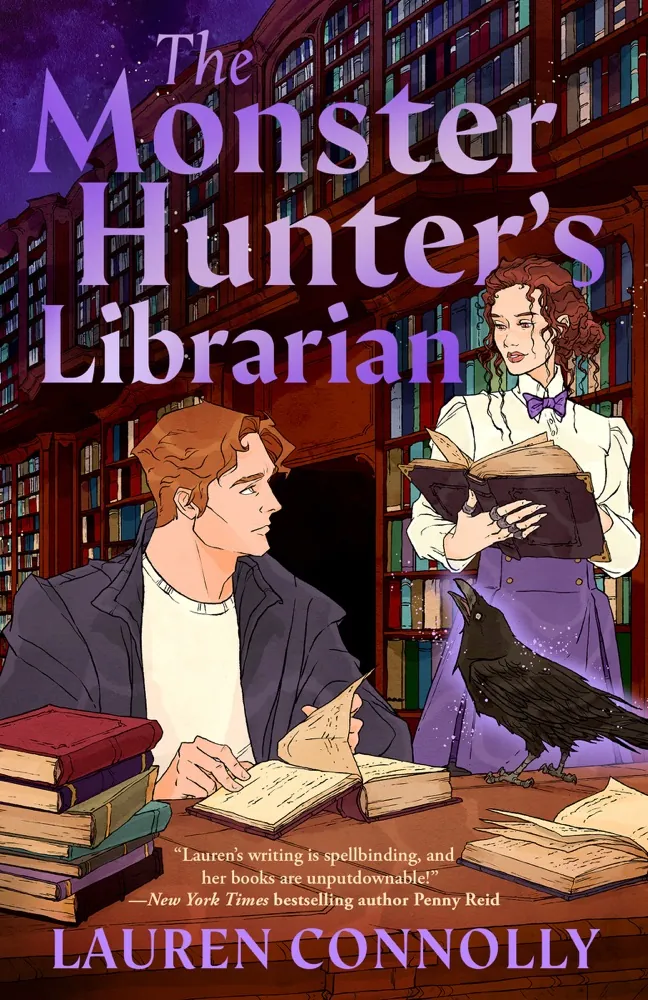
Author: Lauren ConnollyPage Count: UnknownPublication Date: Expected publication 2026-11-17 APL The Endless Library isn’t just a setting—it’s a character in its own right, a labyrinthine entity that breathes, judges, and chooses its inhabitants. And yet, the synopsis for The Monster Hunter’s Librarian treats it like a passive backdrop, which is a crime against the very premise of a sentient library. Libraries aren’t neutral. They’re archives of power, gatekeepers of knowledge, and—if you’ve ever watched Over the Garden Wall and wondered why the woods were so angry—they’re also places where the past refuses to stay buried. But here, the Library is just… a tool. A stage. A thing that forces two people together because the plot demands it, not because the Library itself has a reason to interfere. Bells Mortevue, the daughter of necromancers, is framed as a tragic figure—finally granted access to magic again, finally given a role where her power isn’t a liability. But the synopsis doesn’t ask: What does she want? Is she seeking redemption, or is she just another witch in a library, performing the same old rituals of control? The way the text describes her as "curious" and "tantalizing" reads like a romance novel’s love interest, not a character with depth. Meanwhile, Rhett Waltham is the grumpy monster hunter, the everyman who doesn’t want help—because of course he doesn’t. He’s the trope of the lone wolf, the man who’d rather die than admit he needs someone else. But where’s the tension in that? Where’s the conflict beyond "he doesn’t like her" and "she keeps asking questions"? And then there’s the vague, simmering threat of a "deadly magic" consuming the Library. Oh, how original. It’s the same old apocalyptic setup as The Last of Us—a world on the brink, a choice to be made, a love story to distract from the existential dread. But where’s the specificity? Is this magic tied to Bells’ lineage? To the Library’s sentience? To some forgotten rule of the stacks? The synopsis doesn’t say. It just drops it like a plot bomb and expects us to care. Meanwhile, I’m still furious about how The Bad Guys animated The Legend of Korra’s final season—why does every show think it can fix its flaws with a single, rushed, tone-deaf reboot?—and now I’m supposed to be invested in a monster hunter and a librarian who might or might not have feelings for each other while a library burns. The real question here is: What does the Library want? Not the characters, not the plot—the Library itself. Is it a metaphor for institutional power? A critique of how knowledge is hoarded and controlled? Or is it just a setting? Because if it’s the latter, then The Monster Hunter’s Librarian is just another fantasy romance with a monster hunter and a witch, which is fine, but why bother when you could be writing something like The Library at Mount Char—where the library isn’t just a place, but a force, a living entity with its own agenda, its own sins. The synopsis here feels like it’s been written by someone who thinks "sentient library" is a gimmick, not a character. And Rhett’s father—oh, Rhett’s father, the human anchor to this whole mess. A dying man, a secret, a competition to save him. It’s the classic "grief drives the plot" trope, but without the emotional weight. Where’s the cost of Rhett’s secrecy? Where’s the moment where we realize his father’s illness isn’t just a plot device, but a choice he’s made? Because if it’s not, then this is just another story where the monster hunter’s personal tragedy is the only thing keeping the stakes from feeling hollow. But fine. Let’s pretend the Library is just a stage. Let’s pretend Bells is just a witch who wants to organize books, and Rhett is just a man who doesn’t want to admit he needs help. Let’s pretend the "deadly magic" isn’t a metaphor for something deeper, but just a convenient way to throw a wrench into the romance. Because if that’s the case, then The Monster Hunter’s Librarian is going to be the kind of book that gets buried under the pile of "charming but forgettable" fantasy romances, the ones that rely on tropes instead of substance. I have to go supervise a terrifyingly loud piano practice now, and I swear if one more person tells me that "the magic is real" is a fresh take, I’m going to scream. #BookTok #FantasyRomance #WhyDoesNoOneReadOldBooksAnymore Related InsightsThe Bride Wore Black Book Review and Summary Counting Down to You Book Review and Summary Because of Winn-Dixie Book Review and Summary{ "@context": "https://schema.org", "@type": "FAQPage", "mainEntity": [ { "@type": "Question", "name": "What is the main focus of The Monster Hunter's Librarian Book Review and Summary?", "acceptedAnswer": { "@type": "Answer", "text": "Everything you need to know about The Monster Hunter's Librarian with our detailed review." } }, { "@type": "Question", "name": "Who authored the comprehensive guide on The Monster Hunter's Librarian Book Review and Summary?", "acceptedAnswer": { "@type": "Answer", "text": "This detailed article and its insights were carefully researched and authored by Hannah Schmidt." } }, { "@type": "Question", "name": "Where can I find more related content about Books?", "acceptedAnswer": { "@type": "Answer", "text": "You can explore more articles, detailed reviews, and similar insights by browsing the Related Insights section at the bottom of this article or visiting our dedicated Books category page." } } ] }
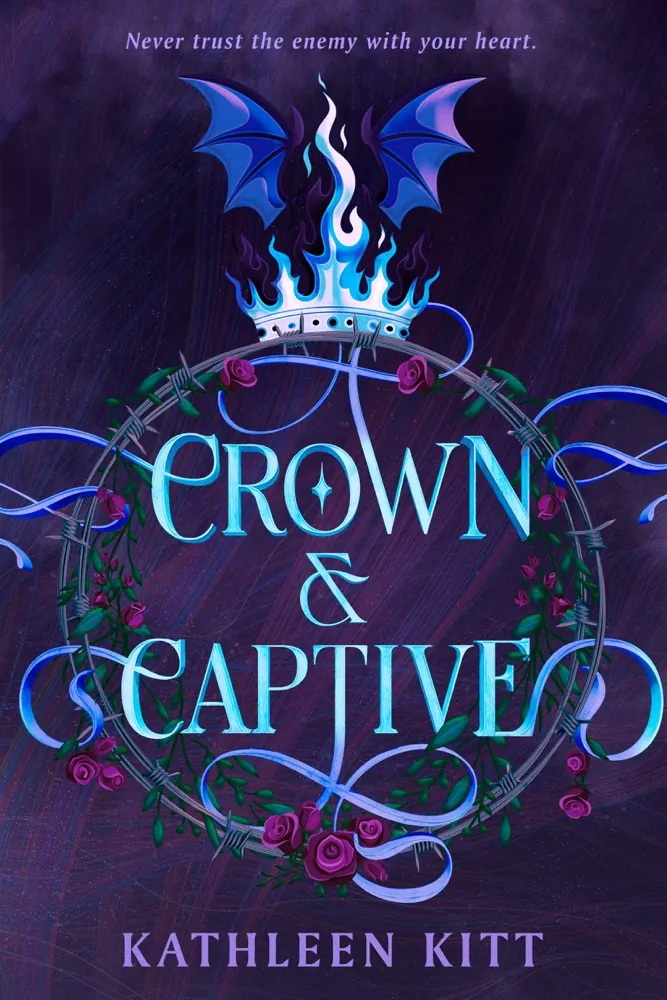
Author: Kathleen KittPage Count: UnknownPublication Date: Expected publication 2026-12-01 APL The neighborhood association meeting ran four hours long last night because Mrs. Higgins insisted on debating the municipal zoning laws regarding backyard chicken coops, which completely derailed our discussion on the community garden overhaul, and honestly, reading through the promotional copy for Kathleen Kitt’s upcoming Crown & Captive feels remarkably similar to sitting through that endless bureaucratic nightmare of circular logic and petty grievances. A classic case of overpromising. Look at the pitch. We are handed Elysia of Miral—a living symbol of a fragile truce, dumped into an enemy court after a rebellion wiped out the ruling class. We are expected to swallow the tired trope of the coerced ward who just happens to be surrounded by an infuriating quartet of royal brothers. Daxon the brooding. Pike the flirtatious. Plus two spare heirs for good measure. It is a cynical assembly line of YA archetypes manufactured in a boardroom. Why do we keep recycling the exact same aristocratic hostage dynamics from Powerless and House of Marionne as if young readers lack the cognitive appetite for actual political complexity? The Architecture of Enforced Proximity Power dynamics in speculative fiction require grit. They demand a hard look at how institutional hierarchies crush marginalized bodies. Yet this synopsis reduces systemic geopolitical violence down to a spicy seating arrangement at the royal dinner table. Kitt sets up a high-stakes premise—a girl bearing the collective guilt of a assassinated monarch—only to immediately pivot toward a multi-brother roster of romantic prospects. Fidelity to the state versus carnal distraction. Groundbreaking stuff. And let us talk about the marketing comparisons. Dropping those specific title drops does heavy lifting for a book that relies entirely on vague threats of execution if the heroine catches feelings for the wrong royal. Will falling for the enemy cost her life? Please. The only thing dying here is originality. Give me an antagonist who actually challenges the socioeconomic infrastructure instead of a brood of princes taking turns pushing buttons with reckless charm. The cardboard cutout characterization is glaring. Four brothers exist solely to populate a sliding scale of brooding-to-charming aesthetics. There is no room for institutional critique when the narrative narrows its focus onto who gets to share stolen glances in the castle corridors. We are trading systemic revolution for cheap courtly melodrama. A loud metal shattering sound just echoed from the alley behind my office window and I need to go see if the recycling bin tipped over again or if someone finally drove their sedan through the community bulletin board. Related InsightsLover Awakened Book Review and Summary Revenge in a Small Town: A Vandy Myrick Mystery (The Vandy Myrick Mysteries, 3) Book Review and Summary A Thousand Monstrous Forms Book Review and Summary{ "@context": "https://schema.org", "@type": "FAQPage", "mainEntity": [ { "@type": "Question", "name": "What is the main focus of Crown & Captive Book Review and Summary?", "acceptedAnswer": { "@type": "Answer", "text": "Everything you need to know about Crown & Captive with our detailed review." } }, { "@type": "Question", "name": "Who authored the comprehensive guide on Crown & Captive Book Review and Summary?", "acceptedAnswer": { "@type": "Answer", "text": "This detailed article and its insights were carefully researched and authored by Hannah Schmidt." } }, { "@type": "Question", "name": "Where can I find more related content about Books?", "acceptedAnswer": { "@type": "Answer", "text": "You can explore more articles, detailed reviews, and similar insights by browsing the Related Insights section at the bottom of this article or visiting our dedicated Books category page." } } ] }
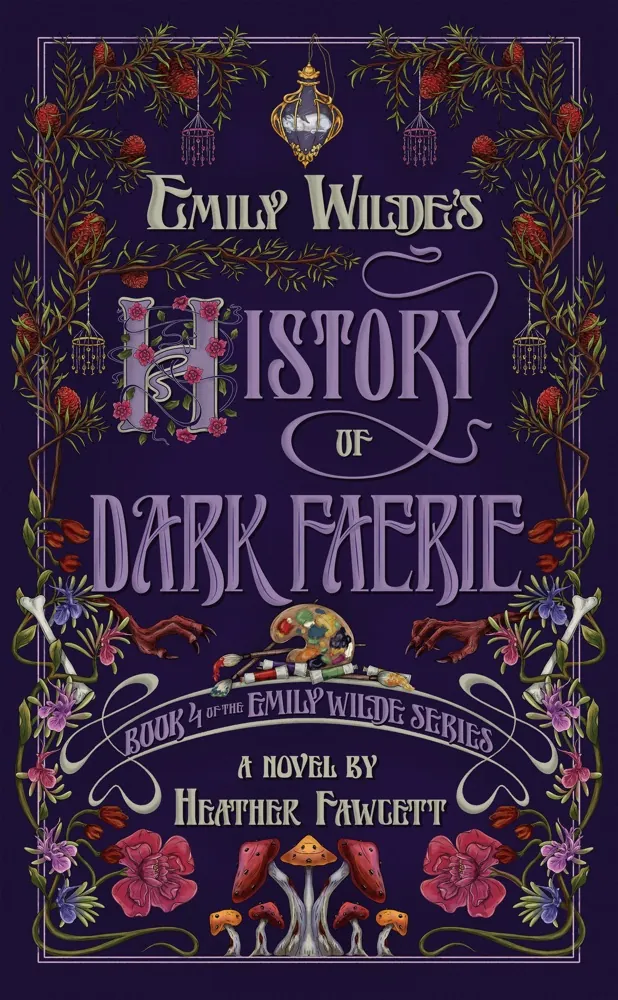
Author: Heather FawcettPage Count: UnknownPublication Date: Expected publication 2026 APL The synopsis for Emily Wilde’s History of Dark Faerie reads like a scholar’s footnote left in the margins of a book that’s already been torn out of its binding—just enough context to make you want to burn the library. The Black Forest, of course, is never just a forest in these kinds of stories. It’s a character in its own right, a place where the trees whisper in languages that defy translation, where the air hums with the residual static of something ancient and hungry. And yet, the synopsis doesn’t tell us what the Folk are actually afraid of—only that they are. That’s the kind of vague menace that makes you suspect the book will lean into the kind of gothic dread that’s been overused since The Witch (2015) proved that slow-burn dread sells better than CGI demons. But then again, Heather Fawcett has a knack for balancing academic rigor with something that feels like it was plucked straight from a Victorian parlor game of "What If the Faeries Were Just a Little Too Real?" The real intrigue here is the shift in Emily Wilde’s dynamic with Wendell Bambleby. She’s not just a scholar anymore—she’s a woman who’s been married for two years, which means she’s either grown into her role or is now the kind of person who forgets to take out the trash while chasing eldritch mysteries. The synopsis hints at a tension that isn’t just about the portal or the missing friend, but about the cost of her obsession. And Ariadne? Oh, she’s the wild card. A niece who wants to follow in her aunt’s footsteps—because nothing says "family legacy" like being groomed to become the next Emily Wilde, complete with all the emotional baggage that comes with it. It’s the kind of setup that makes you wonder if Fawcett is channeling The Dark Tower’s Roland Deschain, where every generation thinks they’re the one to finally solve the mystery, only to realize they’re just another cog in the machine. But here’s where the synopsis fails—it doesn’t tell us what Dark Faerie is. Is it a place? A concept? A metaphor for something Emily Wilde has been avoiding? The way the Folk fear it suggests it’s not just another faerie kingdom, but something wrong, something that exists outside the usual rules of magic and folklore. And yet, the synopsis treats it like a puzzle box, promising answers without ever revealing the mechanism. It’s the same problem with The Name of the Wind—you’re left wanting more, but not because the story is compelling, because the marketing is. This is why we can’t have nice things. Speaking of nice things, I can’t help but think about how Avatar: The Last Airbender handled its own "dark faerie" equivalent—Zuko’s redemption arc, which was built on the idea that even the most broken people can find light. But Emily Wilde’s History of Dark Faerie isn’t about redemption. It’s about the cost of knowledge, the way curiosity can eat you alive, and the fact that some doors should never be opened. The synopsis doesn’t even hint at whether Emily Wilde will become the villain of her own story, but I have a feeling she will. She’s already shown she’s capable of ruthlessness—remember when she helped Wendell reclaim his throne? That wasn’t just diplomacy; that was a calculated move, and Emily Wilde doesn’t do calculated moves out of the kindness of her heart. And then there’s the Black Forest itself, which is treated like a character in a horror movie, but without the payoff. It’s the kind of setting that should be dripping with atmosphere, with the kind of dread that makes you want to turn off the lights and check under your bed. But the synopsis doesn’t give us any of that. It’s just a place where a friend goes missing, which is the same thing that happens in every YA thriller since Goosebumps. The real question is whether Fawcett can make the Forest feel like more than just a backdrop. Can she make it feel like a living, breathing entity that’s been waiting for someone to disturb it? Or is this just another book where the setting is a gimmick, and the real action happens in the portal? I don’t know. But I do know that the synopsis is doing a disservice to the book by not giving us more. It’s like reading a menu that only lists the appetizers—you know there’s a main course, but you have no idea what it’ll be. And that’s frustrating, because Emily Wilde’s History of Dark Faerie has the potential to be something special. It’s got the academic rigor of The Once and Future Witches, the gothic dread of The Night Circus, and the family drama of Good Omens—but without the charm. And that’s a problem, because charm is what makes these kinds of stories stick. But let’s be honest—this is the kind of book that’s going to get lost in the shuffle. It’s not The Locked Tomb, it’s not The House in the Cerulean Sea, it’s just another entry in a series that’s already been outpaced by its own success. And that’s a shame, because Fawcett has the chops to do something truly original. She just needs to stop treating her readers like they’re children who need to be hand-held through every plot twist. I stepped on a rogue building block and now I’m just sitting here, staring at the ceiling, wondering if I should even bother finishing this review. Maybe I’ll just wait for the book to come out and see if it’s worth the hype. Or maybe I’ll not. #BookTok #DarkFaerie #EmilyWilde #ScholarlyDread #WhyDoesThisAlwaysHappen Related InsightsI Am Legend and Other Stories Book Review and Summary Smoke bitten Book Review and Summary Mister Impossible Book Review and Summary{ "@context": "https://schema.org", "@type": "FAQPage", "mainEntity": [ { "@type": "Question", "name": "What is the main focus of Emily Wilde's History of Dark Faerie Book Review and Summary?", "acceptedAnswer": { "@type": "Answer", "text": "Everything you need to know about Emily Wilde's History of Dark Faerie with our detailed review." } }, { "@type": "Question", "name": "Who authored the comprehensive guide on Emily Wilde's History of Dark Faerie Book Review and Summary?", "acceptedAnswer": { "@type": "Answer", "text": "This detailed article and its insights were carefully researched and authored by Hannah Schmidt." } }, { "@type": "Question", "name": "Where can I find more related content about Books?", "acceptedAnswer": { "@type": "Answer", "text": "You can explore more articles, detailed reviews, and similar insights by browsing the Related Insights section at the bottom of this article or visiting our dedicated Books category page." } } ] }
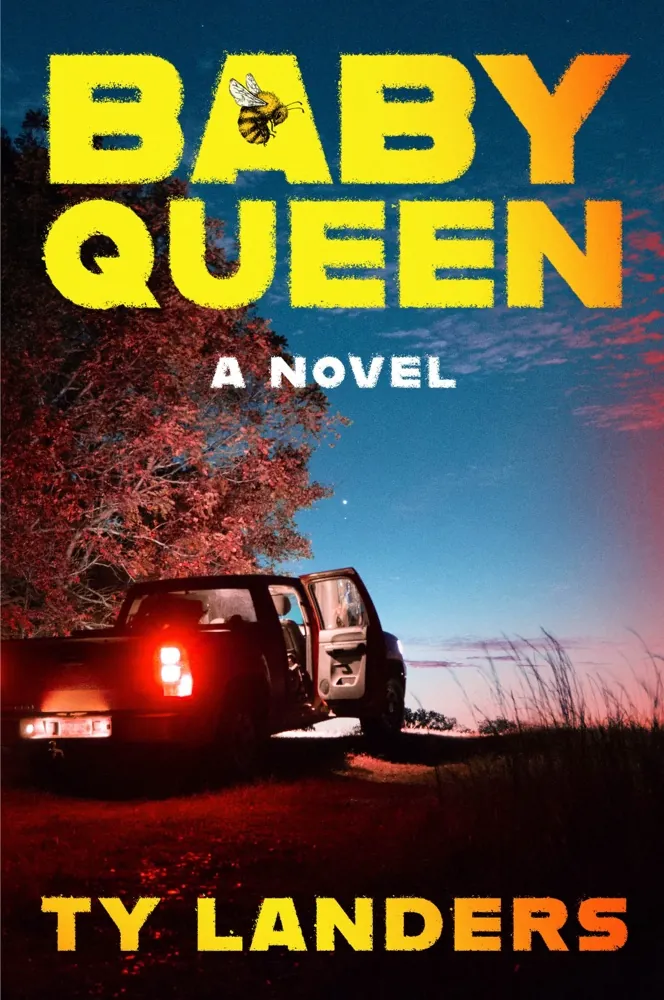
Author: Ty LandersPage Count: UnknownPublication Date: Expected publication 2026-11-17 APL The honey’s always sweetest when it’s thickest with something else—like the way Baby Queen promises to be, if Ty Landers delivers on this synopsis alone. There’s a certain Southern Gothic gravitas here, the kind that makes you wonder if the author’s been reading too many Flannery O’Connor short stories while sipping sweet tea in a porch swing. The bee metaphor isn’t just a gimmick—it’s a Trojan horse for something far more sinister, something that smells like rot beneath the sugar. The idea that a family business could be built on something "of questionable repute" while also being a honey farm? That’s the kind of tension that makes True Detective’s first season feel like a warm-up act. But let’s talk about the ex-cop with a grudge—because that’s the real hook here. Bob Sauk isn’t just a detective; he’s a ghost, haunting the town like a bad memory. His obsession with Lana Link isn’t just personal; it’s obsessive, the kind of fixation that makes you wonder if he’s more victim than avenger. And Natalie Link? She’s the heiress to a legacy she didn’t ask for, which is exactly the kind of role that could’ve been played by a younger, more volatile version of Gone Girl’s Amy Dunne—if Amy had been raised on fried chicken and family secrets instead of Ivy League lies. The fact that her mother returns after twenty-five years? That’s the kind of narrative reset that could either feel like a fresh start or a setup for another betrayal. Either way, it’s a gambit that works if the execution is sharp. Yet—here’s where the synopsis starts to feel too neat. The "three generations of women" trope is a well-worn one, but the way it’s framed here suggests a family drama that could easily devolve into Dallas-style melodrama if the author doesn’t ground it in something more visceral. The dead body in the honey barrel? That’s the kind of image that should linger like the scent of a bee’s sting—unforgettable, but also too on-the-nose. It’s the literary equivalent of a neon sign flashing "MURDER HERE," which is fine if the rest of the story is built to justify the shock value. But if this is just another Southern crime thriller where the mystery is the star and the characters are just pawns, then Landers is playing with fire. And speaking of fire—why does everyone have to be so damn stubborn? I just got back from a meeting where some community organizer insisted that Avatar: The Last Airbender was "deep" because of its "social commentary," and now I’m left wondering if Baby Queen will suffer from the same kind of overanalysis fatigue. The synopsis doesn’t give us enough to chew on, which is either a sign of brilliance or a sign that the author is holding back. Either way, it’s frustrating. The way the ex-cop’s grudge is framed, the way the family business is described—it all feels like it’s just skimming the surface of something far more complex. But then again, maybe that’s the point. Maybe the real crime isn’t the murder in the honey barrel, but the way the family’s secrets have been fermenting for generations. The fact that this is being compared to Ozark and Breaking Bad is both a compliment and a curse. Ozark thrives on its slow-burn tension, its moral decay, its father-daughter dynamic—but this is a mother-granddaughter setup, which changes the power dynamics entirely. Breaking Bad’s brilliance was in its transformation arc, but Natalie Link doesn’t seem like she’s on a journey—she’s more like a pawn in a game she doesn’t understand. And that’s where the synopsis starts to feel off. If this is going to be a thriller, it needs a protagonist who’s more than just a victim. If it’s going to be a family drama, it needs a villain who’s more than just a ghost from the past. But here’s the thing—if Landers can make the honey farm feel as unsettling as a David Lynch film, if he can make the ex-cop’s grudge feel as inevitable as a Scarface revenge plot, then maybe this will work. The synopsis is too clean, too polished—like a honeycomb that’s been too carefully arranged. But if there’s one thing I’ve learned, it’s that the best stories are the ones that honey-trap you into caring. And if this one does that, then maybe it’s worth the wait. My daughter just walked in and said her science fair is tomorrow, not next week. #SouthernCrime #FamilySecrets #HoneyBarrelMurder #TyLanders #WaitForIt Related InsightsUna corte de rosas y espinas Book Review and Summary Don Quixote Book Review and Summary Magical Midlife Awakening Book Review and Summary{ "@context": "https://schema.org", "@type": "FAQPage", "mainEntity": [ { "@type": "Question", "name": "What is the main focus of Baby Queen: A Novel Book Review and Summary?", "acceptedAnswer": { "@type": "Answer", "text": "Everything you need to know about Baby Queen: A Novel with our detailed review." } }, { "@type": "Question", "name": "Who authored the comprehensive guide on Baby Queen: A Novel Book Review and Summary?", "acceptedAnswer": { "@type": "Answer", "text": "This detailed article and its insights were carefully researched and authored by Hannah Schmidt." } }, { "@type": "Question", "name": "Where can I find more related content about Books?", "acceptedAnswer": { "@type": "Answer", "text": "You can explore more articles, detailed reviews, and similar insights by browsing the Related Insights section at the bottom of this article or visiting our dedicated Books category page." } } ] }
- Hannah Schmidt
- 17 Aug, 2026 12:55
The Key to a Killer (The Ruby and Cordelia Mysteries, #3) Book Review and Summary
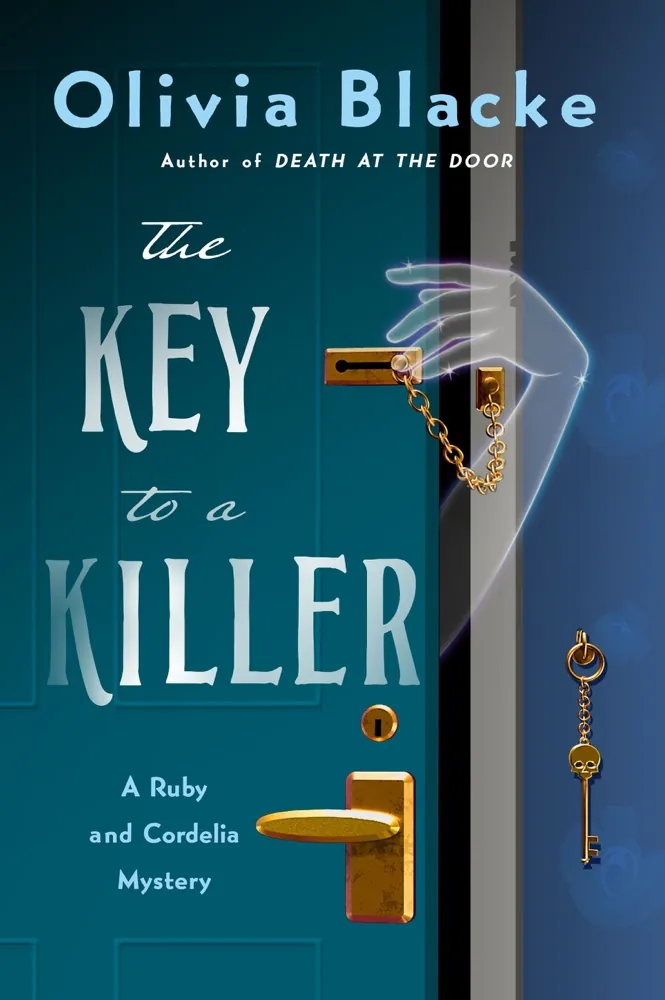
Author: Olivia BlackePage Count: UnknownPublication Date: Expected publication 2026-10-20 APL The synopsis for The Key to a Killer is so deliberately opaque it feels like a ghost itself—hauntingly vague, just enough to tease but not enough to satisfy. It’s the literary equivalent of a dimly lit hallway where you can almost see the shape of a body, but the details are swallowed by the shadows. And yet—this is exactly the kind of ambiguity that makes the Ruby and Cordelia Mysteries so addictive. Because what’s the fun in a ghost who remembers everything? The real tension lies in the gaps, in the way Cordelia’s fragmented memories become a puzzle that Ruby can’t ignore. It’s not just about solving a murder—it’s about confronting the idea that some truths are so painful they’re buried under layers of denial, even in death. But here’s the thing: the synopsis doesn’t tell us why Cordelia’s memories are coming back now. Is it trauma? Is it Ruby’s persistence? Is it something darker, something that suggests the ghost isn’t just a witness but a victim still bound to the scene? The way it’s phrased—"what led to Cordelia’s death?"—implies a slow unraveling, a case where the killer’s motives are personal, intimate. That’s the kind of psychological horror that makes The Silent Patient or Sharp Objects so gripping, but with a supernatural twist. And if Blacke’s pulling it off, it’ll feel like a love letter to the gothic, where the past isn’t just a ghost—it’s a living, breathing entity that refuses to stay buried. Yet—and this is where the synopsis fails—there’s no sense of the mechanics of the investigation. Is Ruby’s skepticism about ghosts a real barrier, or is she fully invested in the supernatural? Does Cordelia’s ghostly state limit what she can reveal, or is she just as resourceful as she was in life? The Ruby and Cordelia Mysteries have thrived on this balance between the mundane and the uncanny, but here, the synopsis leans so hard into the mystery that it forgets to ground us in the how. It’s like watching a horror movie where the scares are great, but the logic of how the killer operates is nonexistent. And that’s a problem, because without that, the tension feels like a house of cards waiting to collapse. Speaking of logic—why does this remind me of the time I tried to explain to my nephew why Bluey isn’t actually a good show? He kept asking, "But why do the dogs just do things?" And I’d say, "Because it’s a cartoon, you idiot!" But The Key to a Killer isn’t a cartoon—it’s supposed to be a mystery, and mysteries need rules. The synopsis gives us the what (a murder, a ghost, a lingering question), but it doesn’t give us the how. And that’s where the real work happens. That’s where the reader’s brain gets to do its thing, filling in the blanks with their own theories, their own fears. But if the book doesn’t deliver on that promise, it’ll feel like a cheat code in a video game—too easy, too convenient. The thematic potential here is huge. Cordelia’s death isn’t just a crime—it’s a wound that’s been left open, festering. And Ruby’s refusal to let it go isn’t just about justice; it’s about facing the fact that some people don’t get to choose how they die, and some relationships don’t get to choose how they end. That’s the kind of emotional core that makes The Girl with the Dragon Tattoo or Gone Girl so compelling, but with a supernatural edge. If Blacke can make Cordelia’s ghost feel like a character who’s still fighting for her own story, even in death, then this book could be something special. But if she just treats it like another murder mystery with a ghostly twist, it’ll feel like a gimmick. And that’s the real question: is this a ghost story, or is it a mystery? Because if it’s the former, it’ll lean into the eerie, the unsettling, the way The Haunting of Hill House or The Turn of the Screw make us question what’s real. But if it’s the latter, it’ll be a traditional whodunit with a supernatural layer, like The Woman in the Window or The Last House on Needless Street. The synopsis doesn’t tell us which it is, and that’s frustrating. Because if it’s the former, the killer’s identity might not even matter—what matters is the why. And if it’s the latter, then the ghost is just a red herring, and we’re left with a story that’s more about Ruby’s personal demons than anything else. But here’s the thing I know: Olivia Blacke doesn’t write books that are just about solving crimes. She writes books about the people who solve them, about the scars they carry, about the way trauma shapes them. So if The Key to a Killer is anything like the first two books, it’s not just about finding a killer—it’s about Ruby and Cordelia facing the fact that some wounds never fully heal, even when one of them is already dead. And that’s the kind of story that sticks with you, the kind that makes you sit up at night and wonder, what if I were the one left behind? Now, if you’ll excuse me, I need to untangle a jump rope from the ceiling fan before it strangles itself. #GhostsAreOverrated #MysteriesAreForLosers #OliviaBlackeIsMySpiritAnimal Related InsightsJust in Time Book Review and Summary The Women Book Review and Summary Back Where We Started Book Review and Summary{ "@context": "https://schema.org", "@type": "FAQPage", "mainEntity": [ { "@type": "Question", "name": "What is the main focus of The Key to a Killer (The Ruby and Cordelia Mysteries, #3) Book Review and Summary?", "acceptedAnswer": { "@type": "Answer", "text": "Everything you need to know about The Key to a Killer (The Ruby and Cordelia Mysteries, #3) with our detailed review." } }, { "@type": "Question", "name": "Who authored the comprehensive guide on The Key to a Killer (The Ruby and Cordelia Mysteries, #3) Book Review and Summary?", "acceptedAnswer": { "@type": "Answer", "text": "This detailed article and its insights were carefully researched and authored by Hannah Schmidt." } }, { "@type": "Question", "name": "Where can I find more related content about Books?", "acceptedAnswer": { "@type": "Answer", "text": "You can explore more articles, detailed reviews, and similar insights by browsing the Related Insights section at the bottom of this article or visiting our dedicated Books category page." } } ] }
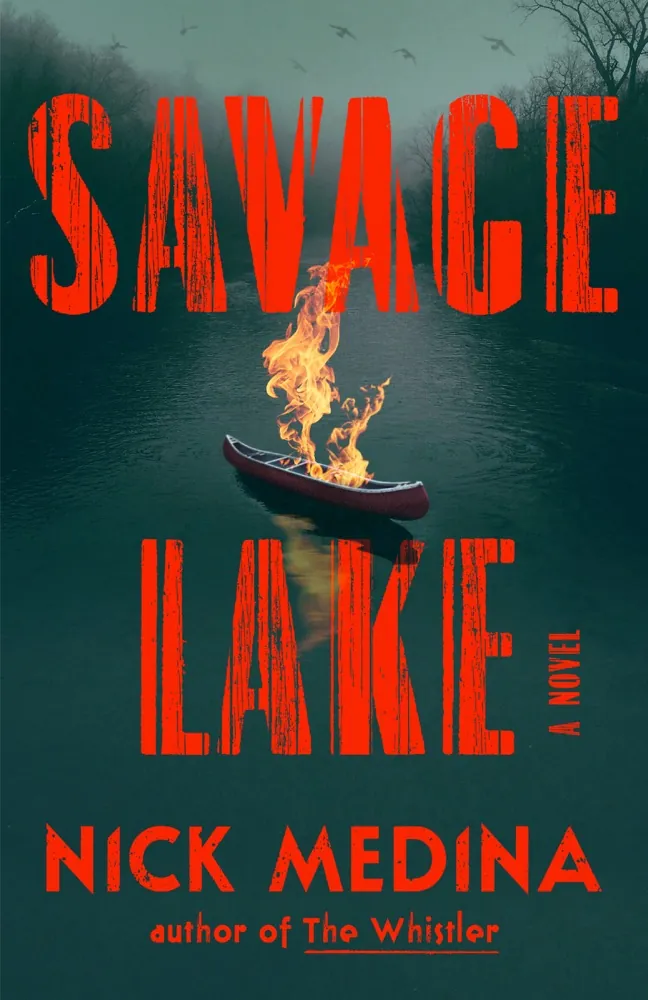
Author: Nick MedinaPage Count: UnknownPublication Date: Expected publication 2026-10-27 APL Nick Medina is heading back into the woods with Savage Lake, and honestly, my chest tightens just looking at the cover art. But let us be real for a second about the entire marketing apparatus surrounding modern horror. Every single synopsis relies on the exact same tired tropes about generational trauma and cabins that somehow hold memories like a cheap jar of preserves. Give me a break. People talk endlessly about the psychological depth of these grief-driven narratives, yet half the time it is just characters wandering around shouting names in the dark while a local community tries to mind its own business. Speaking of communities trying to protect their borders from outsiders who refuse to respect boundaries, why is the local homeowners association on my street allowed to dictate the exact shade of beige we paint our front porches? I swear, last Tuesday I spent three agonizing hours listening to Mrs. Higgins argue about the historical integrity of aluminum siding while my chest felt like it was caving in from sheer exhaustion, which honestly brings me right back to the suffocating cabin atmosphere Medina is promising us. The Geography of Resentment Torchlight Lake sounds less like a vacation spot and more like a bureaucratic trap. And who can blame the local Tribe for throwing up barricades? If tourists kept tracking their emotional baggage onto sovereign land, I would blockade the roads too. We are supposed to view these systemic friction points as mere window dressing for a ghost story. Yet the real friction is political, messy, and entirely real-world. It operates in the background while the teenagers complain about cell service. Nick Medina clearly wants to channel Stephen Graham Jones or Alma Katsu, blending folklore with domestic rot. I'll believe it when I see it on the shelves. Because leaning on Native land as a spooky backdrop for a white teenager's horror-movie meta-commentary feels dangerously close to cultural set-dressing. The Burden of Inheritance The synopsis leans heavily on the mother's fracturing psyche. Nell has a past. Naturally. Her dad passed away. Naturally. Now she has to drag her kid back to a dilapidated shack because apparently no one in horror fiction ever utilizes a local real estate agent. The thematic core here is blatantly obvious—we inherit our parents' ghosts whether we want them or not. Groundbreaking stuff. Oscar plays the role of the genre-savvy teen who recognizes the setup, which is a cute wink to the audience that usually falls flat when the actual prose takes itself entirely too seriously. If Medina avoids the trap of turning Indigenous sovereignty into just another monster-of-the-week obstacle, this might actually pack a punch. Otherwise, it is just another overpriced exercise in parental regret wrapped in pine needles. I am operating on three hours of sleep and pure espresso. Related InsightsThe Divine Comedy: Inferno - Purgatorio - Paradiso Book Review and Summary A Canticle for Leibowitz Book Review and Summary Clash of Kings Book Review and Summary{ "@context": "https://schema.org", "@type": "FAQPage", "mainEntity": [ { "@type": "Question", "name": "What is the main focus of Savage Lake Book Review and Summary?", "acceptedAnswer": { "@type": "Answer", "text": "Everything you need to know about Savage Lake with our detailed review." } }, { "@type": "Question", "name": "Who authored the comprehensive guide on Savage Lake Book Review and Summary?", "acceptedAnswer": { "@type": "Answer", "text": "This detailed article and its insights were carefully researched and authored by Hannah Schmidt." } }, { "@type": "Question", "name": "Where can I find more related content about Books?", "acceptedAnswer": { "@type": "Answer", "text": "You can explore more articles, detailed reviews, and similar insights by browsing the Related Insights section at the bottom of this article or visiting our dedicated Books category page." } } ] }
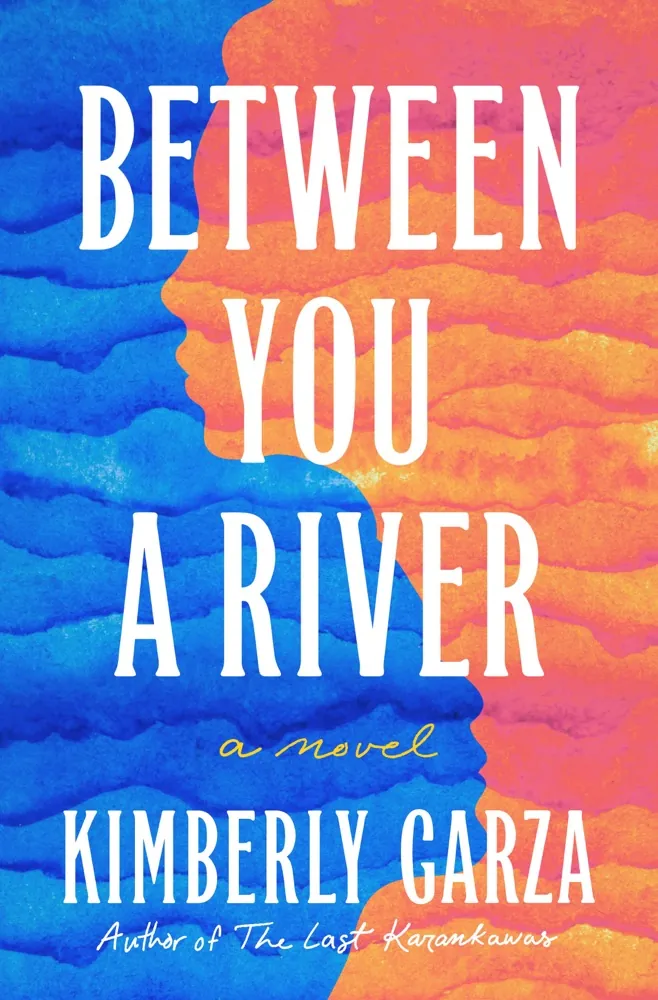
Author: Kimberly GarzaPage Count: UnknownPublication Date: Expected publication 2026-12-01 APL The synopsis for Between You a River reads like a family tree that’s been set on fire—charred edges, smoke still curling from the pages, and the promise of something visceral beneath the ashes. But here’s the problem: it’s too neat. Too saga-ready. The 1960s Philippines, the immigrant dream, the ancestral land slipping through fingers—it’s all there, but where’s the mess? Where’s the moment when the reader realizes this isn’t just a love letter to diaspora, but a wound? Because the best family sagas—think The House of the Spirits or The Namesake—don’t just tell you the family is broken; they make you feel the way the cracks bleed. And yet, the synopsis sells it like a postcard. "A lush family saga"—lush? Really? Lush implies something grown, something intentional, but what if the lushness is just the way the family’s secrets fester? What if the "push and pull of home" isn’t a theme but a physical force, like gravity pulling you toward something you can’t name? The synopsis hints at it—Corazon’s choices, the fire, the daughters returning—but it doesn’t show the weight of those choices. Is she a martyr? A coward? A woman who made the only decision she could, and now her daughters are left to clean up the mess? The synopsis doesn’t say. It just promises. But let’s talk about the real crime here: the way diaspora narratives often get reduced to origin stories. Like that time I tried to explain to a room full of people why Avatar: The Last Airbender isn’t just about "cultural exchange" but about erasure—how the show’s "diversity" was just a backdrop for white saviorism, and now I’m stuck comparing Between You a River to it, which is unfair because this isn’t a cartoon, but still, where’s the subversion? Where’s the moment when the family’s history isn’t just a pretty backdrop but a landmine? The synopsis mentions "long-buried secrets," but secrets are only interesting if they’re dangerous. If they don’t cut. If they don’t make you question whether the mother was a hero or a villain. And don’t even get me started on the way the synopsis frames the sisters’ return as some kind of redemptive arc. "Together for the first time in years"—oh, please. Family reunions in literature are either miraculous or disastrous. They’re not just "together." They’re clashing, betraying, gaslighting. The synopsis makes it sound like they’re uniting to save the land, but what if they’re uniting to fight over it? What if the land isn’t the issue—what if the issue is that they never really knew each other? That the mother’s sacrifices weren’t just about money or legacy, but about erasing parts of themselves to make room for their daughters? The synopsis doesn’t go there. It just assumes the reader will care about the land, as if that’s the only thing that matters. But here’s the thing—I do care about the land. I care about the way diaspora narratives often get reduced to property. Like that time I tried to explain to a landlord why "cultural heritage" isn’t just a pretty story but a legal and emotional battle, and now I’m stuck thinking about how Between You a River could’ve been so much sharper if it didn’t just tell us about the land but showed us the way it owns the family. The way it judges them. The way it’s not just a place but a character—one that’s been waiting for decades to be reckoned with. And yet, the synopsis is too clean. Too precious. It’s like reading a menu where every dish is described as "delicious" but you can’t tell if it’s spicy or sweet or just expensive. The fire that splits the family? Was it an accident? A crime? A metaphor? The synopsis doesn’t say. It just hints. And hints are for people who don’t want to be surprised. They’re for people who want to feel safe. But the best family sagas don’t make you feel safe. They make you uncomfortable. They make you angry. They make you question. And right now, Between You a River feels like it’s trying too hard to be accessible. Like it’s afraid of being too much. But the best stories aren’t about being understood—they’re about being haunted. And now I have to translate a particularly stubborn piece of French existential poetry because apparently, that’s what happens when you spend too long thinking about family sagas that don’t dare to be messy. #bookhangover #familysagas #diaspora #literarycriticism #whatifitsnotenough Related InsightsClockwork Angel Book Review and Summary Sophie, Standing There Book Review and Summary Big Little Truths Book Review and Summary{ "@context": "https://schema.org", "@type": "FAQPage", "mainEntity": [ { "@type": "Question", "name": "What is the main focus of Between You a River Book Review and Summary?", "acceptedAnswer": { "@type": "Answer", "text": "Everything you need to know about Between You a River with our detailed review." } }, { "@type": "Question", "name": "Who authored the comprehensive guide on Between You a River Book Review and Summary?", "acceptedAnswer": { "@type": "Answer", "text": "This detailed article and its insights were carefully researched and authored by Hannah Schmidt." } }, { "@type": "Question", "name": "Where can I find more related content about Books?", "acceptedAnswer": { "@type": "Answer", "text": "You can explore more articles, detailed reviews, and similar insights by browsing the Related Insights section at the bottom of this article or visiting our dedicated Books category page." } } ] }
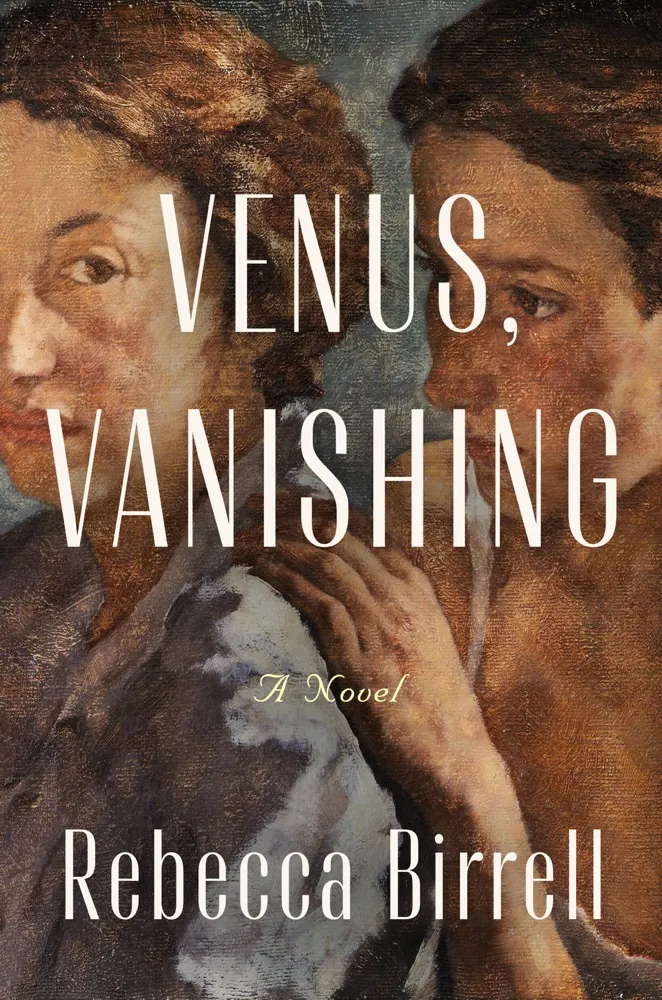
Author: Rebecca BirrellPage Count: UnknownPublication Date: Expected publication 2026-10-27 APL Power structures love a good uniform until the people wearing it decide to pick up a paintbrush instead of a measuring tape. Rebecca Birrell’s Venus, Vanishing drops us straight into the chaotic, neon-drenched underbelly of late-twenties Berlin—a place where the ruling class thought they could commodify rebellion right up until the floorboards collapsed. We are looking at a narrative engine built on the friction between high society patronage and underground survival. And honestly, it is exhausting watching contemporary publishers shove every historical fiction manuscript into the exact same marketing box. Comparisons to Portrait of a Lady on Fire and The Safekeep are thrown around like confetti at a mayoral parade, as if every single novel featuring queer desire and historical surveillance needs the exact same lineage to justify its existence on a nightstand. Why can't a book just stand in the gutter on its own without needing a slick cinematic pedigree attached to its collar? Speaking of structural collapse, I spent three solid hours yesterday trying to explain to a municipal zoning board why converting our community garden into yet another luxury parking lot for high-tech autonomous delivery vans is a literal dystopian nightmare, only to have the head commissioner check his crypto portfolio halfway through my speech. It makes you want to tear your hair out and scream into a void of concrete and Wi-Fi signals. But back to Berlin, where the stakes actually involve fascism knocking on the door rather than just aesthetic zoning laws. Art theft as a weapon of the marginalized always plays well in a market obsessed with institutional subversion. Betrayal.
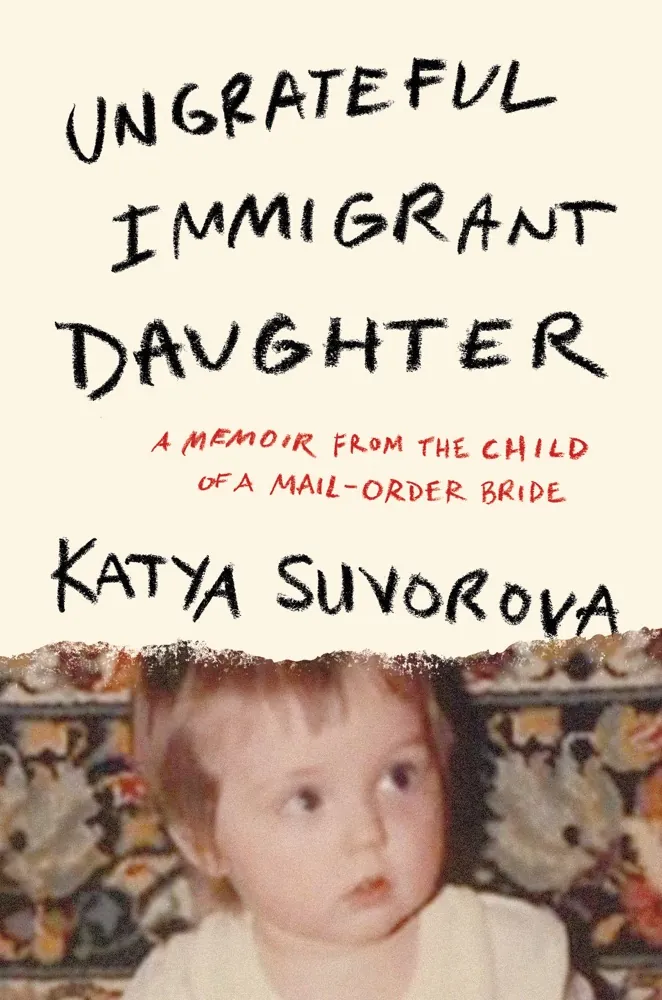
- Hannah Schmidt
- 12 Aug, 2026 11:15
Ungrateful Immigrant Daughter: A Memoir From the Child of a Mail-Order Bride Book Review and Summary
Author: Katya SuvorovaPage Count: UnknownPublication Date: Expected publication 2026-09-29 APL The prospect of Ungrateful Immigrant Daughter — a memoir that promises to dissect the complexities of growing up as the child of a mail-order bride — is both fascinating and unsettling. And yet, the official synopsis raises more questions than it answers, leaving one to ponder the true nature of this narrative. What does it mean to be an "ungrateful immigrant daughter"? Is this a story of rebellion, of self-discovery, or simply a chronicle of survival? The comparison to 90 Day Fiancé and I'm Glad My Mom Died suggests a certain level of sensationalism, but will the book ultimately succumb to the pitfalls of exploitation, or will it rise above, offering a nuanced exploration of the human experience? But what's truly at stake here is not just the story itself, but the way it's presented — the tone, the language, the very voice of the author. Will Katya Suvorova's "sharp, dry wit" be enough to carry the reader through the darker moments of her childhood, or will it come across as insensitive, even flippant? The line between humor and pathos is a delicate one, and it's not clear from the synopsis whether Suvorova will be able to walk it successfully. And then, of course, there's the question of audience — who is this book for, exactly? Fans of 90 Day Fiancé, perhaps, but what about those who are looking for a more substantive, more literary exploration of the immigrant experience? Speaking of which, have you ever tried to read The Brief Wondrous Life of Oscar Wao on a crowded bus? It's an exercise in frustration, let me tell you. The prose is beautiful, of course, but it's like trying to appreciate a fine wine while being jostled by strangers. And don't even get me started on the font size — it's like Junot Díaz expected everyone to be reading his book in a quiet, comfortable library, not squinting at it on a crowded public transportation. But I digress. The point is, Ungrateful Immigrant Daughter has the potential to be a game-changer, a book that could spark important conversations about identity, culture, and belonging. Yet, it's hard to shake the feeling that it might also be a exploitative, sensationalized account of a complex and deeply personal experience. And what of the author's relationship with her mother — the woman who "sacrificed everything" for her? Will we see a nuanced portrayal of their dynamic, or will it be reduced to simplistic, sentimental tropes? The fact that Suvorova's mother was a mail-order bride adds an extra layer of complexity to the story, raising questions about power, agency, and consent. But will these questions be explored in a thoughtful, considered way, or will they be glossed over in favor of more sensational, attention-grabbing narrative? The comparison to I'm Glad My Mom Died suggests that the book might be more focused on the dramatic, the shocking, rather than the subtle, the nuanced. Yet, despite these reservations, I find myself drawn to Ungrateful Immigrant Daughter. There's something about the title, the premise, that suggests a deep well of emotion, of complexity, of humanity. It's a book that could go either way, of course — it could be a masterpiece, or it could be a mess. But I'm willing to take the risk, to dive in and see what Suvorova has to offer. After all, as any reader knows, the best books are often the ones that challenge us, that make us uncomfortable, that force us to confront our own biases and assumptions. And Ungrateful Immigrant Daughter has the potential to be just that — a book that will make us laugh, cry, and maybe, just maybe, see the world in a different way. Now, if you'll excuse me, I need to pack three lunches that will inevitably return uneaten #immigrantliterature #memoir #bookreview