Showing Posts From
El club de la lucha
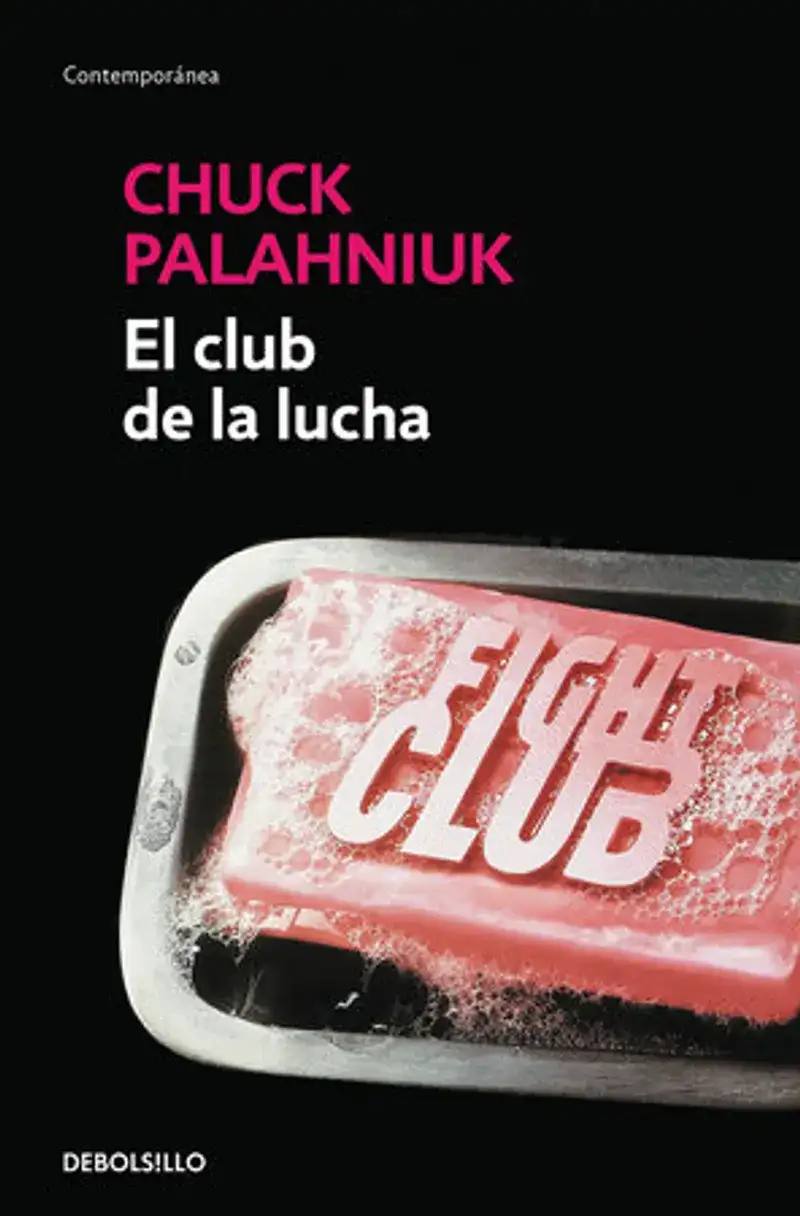

El club de la lucha / Fight Club Author: Chuck PalahniukPage Count: UnknownPublication Date: 2016-PRH Chuck Palahniuk’s Fight Club isn’t just a novel—it’s a cultural Molotov cocktail disguised as a pulp thriller, a book that detonates in your hands and leaves behind a haze of smoke, questions, and the unsettling realization that you might actually agree with its anarchic premise. Originally published in 1996, this 2016 reissue reaffirms its status as a literary grenade: equal parts satire, psychological horror, and manifesto, it dissects modern masculinity, consumerist emptiness, and the desperate need for self-destruction disguised as liberation. At its core, Fight Club is a rebellion against the emasculated, soul-crushing grind of late-20th-century corporate life. The unnamed narrator—a walking case study in chronic insomnia and existential paralysis—finds purpose only when he stumbles upon Tyler Durden, a charismatic saboteur who preaches that self-annihilation is the ultimate act of authenticity. Their underground fight clubs, where men beat each other senseless in basements and parking lots, become the counterpoint to a society that measures worth in credit scores and IKEA furniture. But the brilliance of Palahniuk’s narrative lies in its refusal to offer easy answers. Is Tyler a liberator or a madman? Is the narrator reclaiming his masculinity or spiraling into delusion? The book thrives in this ambiguity, forcing readers to confront their own complicity in a system that worships convenience over meaning. Palahniuk’s prose is a weapon—jagged, rhythmic, and relentless. His sentences are short, staccato, often devoid of adornment, mirroring the narrator’s fractured psyche. There’s no lyrical indulgence here, no purple prose to distract from the raw, unfiltered chaos of the story. Instead, Palahniuk wields blunt force, using repetition, abrupt shifts in tone, and a conversational cadence that feels like a whispered secret. The result is a reading experience that’s viscerally engaging, almost cinematic in its pacing. You don’t just read Fight Club—you experience it, like a punch to the gut. The novel’s themes are timeless precisely because they’re so deeply rooted in modern anxieties. The narrator’s hollow life—trapped in a cycle of consumerism, therapy-speak, and self-medication—mirrors the emptiness of late-stage capitalism. Tyler Durden isn’t just a character; he’s the id unleashed, the voice screaming that destruction is the only honest response to a world that sells you happiness in the form of a $200 coffee maker. Yet Palahniuk never lets the satire devolve into preachiness. The satire is woven into the fabric of the story itself, through the narrator’s job (recalling defective consumer products) and Tyler’s Project Mayhem, a terrorist cell disguised as a self-help cult. The twist ending—well, you know it already, or you’ll know it soon enough—elevates Fight Club from a clever provocation to something far more unsettling. It forces a reckoning: if the narrator and Tyler are the same person, then the fight isn’t just against society—it’s against the self. The novel’s final act suggests that the real enemy isn’t capitalism or conformity, but the human desire to destroy and rebuild, to erase the old self and forge something new, even if that something is monstrous. Palahniuk’s genius lies in his ability to make the absurd feel inevitable. The fight clubs spread like a virus not because they’re logical, but because they offer something the modern world denies: purpose. In a culture that sells you self-improvement books and anti-aging creams, Tyler Durden’s message—"You are not your khakis"—is both seductive and terrifying. The novel dares to ask: What if the thing we’re fighting against is also the thing we secretly need? Fight Club is a book that lingers, not just because of its shock value, but because it refuses to let you off the hook. It doesn’t just critique consumerism—it implicates the reader in the same cycle of dissatisfaction and rebellion. By the time you finish, you’ll find yourself questioning not just the book’s morality, but your own. And that, perhaps, is the most dangerous idea of all. #FightClub #ChuckPalahniuk #UndergroundNovel #AnarchyInLiterature #MasculinityInCrisis #NoRulesJustRealTalk Related InsightsA Map to Murder: A Serial Killer Guide to San Francisco Mystery Book Review and Summary All I Know (Silver Springs, #3) Book Review and Summary A Room of One’s Own Book Review and Summary{ "@context": "https://schema.org", "@type": "FAQPage", "mainEntity": [ { "@type": "Question", "name": "What is the main focus of El club de la lucha / Fight Club Book Review and Summary?", "acceptedAnswer": { "@type": "Answer", "text": "Everything you need to know about El club de la lucha / Fight Club with our detailed review." } }, { "@type": "Question", "name": "Who authored the comprehensive guide on El club de la lucha / Fight Club Book Review and Summary?", "acceptedAnswer": { "@type": "Answer", "text": "This detailed article and its insights were carefully researched and authored by Marta Wisniewska." } }, { "@type": "Question", "name": "Where can I find more related content about Books?", "acceptedAnswer": { "@type": "Answer", "text": "You can explore more articles, detailed reviews, and similar insights by browsing the Related Insights section at the bottom of this article or visiting our dedicated Books category page." } } ] }