Showing Posts From
El nombre de la rosa
-
 Emma Thompson
 - 26 Apr, 2026 09:51
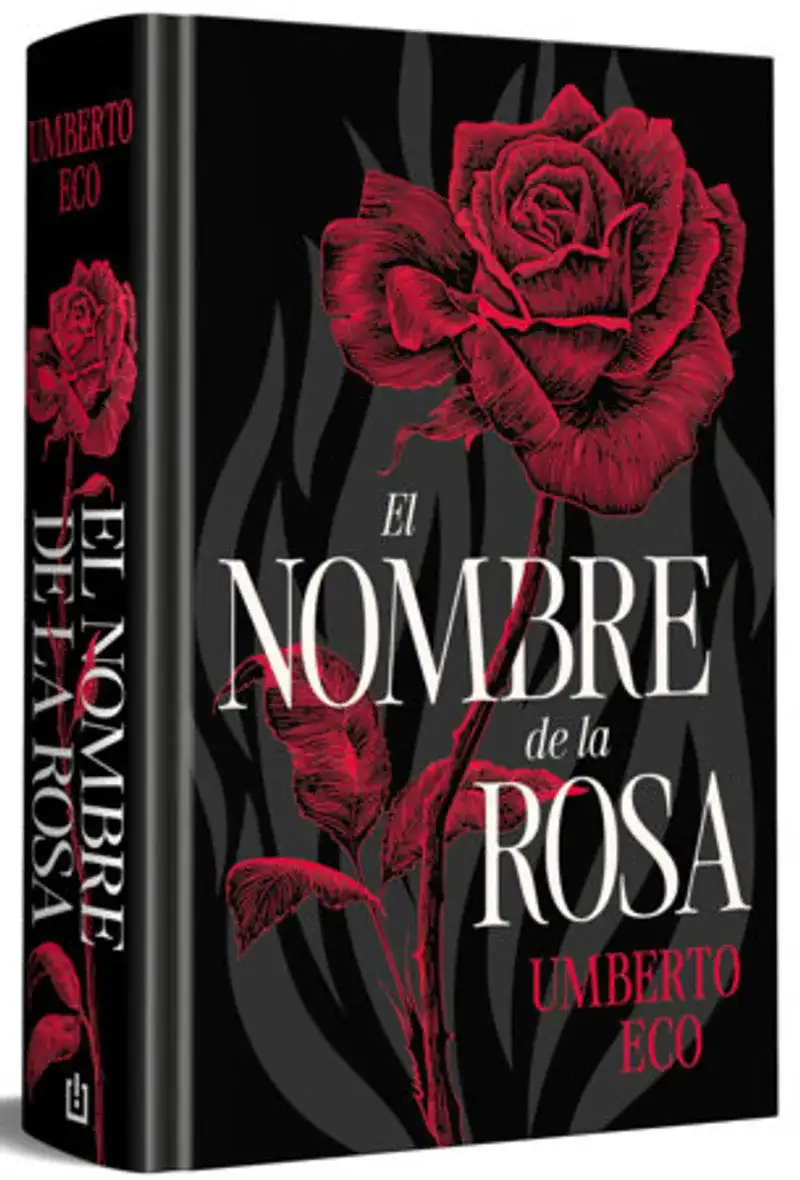
El nombre de la rosa (edición especial en tapa dura) / The Name of the Rose (Special Hardcover Edition) Book Review and Summary
El nombre de la rosa (edición especial en tapa dura) / The Name of the Rose (Special Hardcover Edition) Author: Umberto EcoPage Count: UnknownPublication Date: 2026-PRH The Name of the Rose: A Labyrinth of Faith, Murder, and the Power of Words Umberto Eco’s The Name of the Rose has long been celebrated as a masterpiece of postmodern fiction, a work that weaves medieval theology, detective intrigue, and philosophical depth into a single, intoxicating narrative. Now, with the release of the special hardcover edition, readers have yet another reason to immerse themselves in Eco’s labyrinthine world—a world where books are as dangerous as they are sacred, and where the pursuit of truth is a path fraught with heresy, blood, and the echoes of a forgotten past. Set in 1327 in a remote Italian monastery, the novel follows Brother William of Baskerville, a Franciscan friar and former inquisitor, as he investigates a series of bizarre deaths among the monks. The monastery, a repository of forbidden knowledge, hides secrets not just in its scriptorium but in the very texts its inhabitants read—or refuse to read. Murder, as it turns out, is the least of the dangers lurking within its walls; the greater peril lies in the power of words themselves. Eco’s genius lies in his ability to transform a medieval murder mystery into a meditation on semiotics, the nature of truth, and the fragility of human belief. At its core, The Name of the Rose is a detective story, but not one in the traditional sense. There are no hard-boiled detectives or red herrings in the conventional mold. Instead, William’s investigation is a battle of wits against an institution that guards its secrets with the ferocity of a fortress. The monks are scholars, theologians, and scribes, each interpreting texts through the lens of their own biases, fears, and desires. The library, a labyrinthine maze of shelves and locked rooms, becomes a metaphor for the human mind—endless, circular, and resistant to easy answers. Eco’s prose is dense with references to Aristotle, Augustine, and Aquinas, yet it never feels like a dry academic exercise. The erudition is leavened by dry humor, sharp irony, and a narrator, Adso of Melk, whose youthful awe and occasional naivety ground the story in a relatable humanity. Eco’s style is what elevates this novel from a clever whodunit to a work of enduring literary significance. His writing is meticulous, almost obsessive in its attention to detail, yet it never feels overwrought. The dialogue crackles with intellectual tension, and the descriptions of the monastery—its architecture, its rituals, its hidden passages—are so vivid that one can almost smell the ink and wax of the scriptorium. The hardcover edition, with its luxurious binding and crisp pages, only enhances the immersive experience, making it feel like holding a relic from the past in your hands. But The Name of the Rose is more than just a historical puzzle or a philosophical treatise. It is a warning about the dangers of dogma, whether religious, political, or intellectual. The monks of the abbey are not just scholars; they are prisoners of their own beliefs, willing to kill rather than confront the contradictions in their faith. The novel’s most chilling moments come not from the murders themselves but from the way Eco exposes how easily truth can be manipulated, how fragile the line is between revelation and heresy. Eco’s genius is in making the reader complicit in the act of interpretation. Just as William and Adso must decipher the hidden meanings in texts and symbols, so too must we as readers grapple with the novel’s ambiguities. Is the library truly a labyrinth, or is it the human mind that twists and distorts meaning? Are the murders the work of a madman, or a system that punishes those who dare to question? The answers, if they exist at all, are left tantalizingly out of reach. For those who love books that challenge as much as they entertain, The Name of the Rose is a must-read. It is a novel that rewards patience, curiosity, and a willingness to lose oneself in its pages. The special hardcover edition, with its tactile beauty, only deepens the experience, making it a treasure for collectors and a gateway for new readers to discover Eco’s unparalleled vision. In an age where misinformation spreads as quickly as ink on parchment, Eco’s tale feels more relevant than ever. The past, as he reminds us, is never truly past. It lingers in the books we read, the words we speak, and the stories we tell ourselves to make sense of the world. The Name of the Rose is not just a novel; it is a mirror held up to humanity’s eternal struggle between faith and doubt, order and chaos, truth and illusion. Pick it up, if you dare. But be warned: once you enter its labyrinth, you may never find your way out. #TheNameOfTheRose #UmbertoEco #MedievalMystery #PostmodernFiction #BookLover #PhilosophicalNovel Related InsightsThe Woman in the Window: A Novel Book Review and Summary Adam and Eve Book Review and Summary Hecate Cavendish and the Angel of Death (The Hecate Cavendish Series, 3) Book Review and Summary{ "@context": "https://schema.org", "@type": "FAQPage", "mainEntity": [ { "@type": "Question", "name": "What is the main focus of El nombre de la rosa (edición especial en tapa dura) / The Name of the Rose (Special Hardcover Edition) Book Review and Summary?", "acceptedAnswer": { "@type": "Answer", "text": "Everything you need to know about El nombre de la rosa (edición especial en tapa dura) / The Name of the Rose (Special Hardcover Edition) with our detailed review." } }, { "@type": "Question", "name": "Who authored the comprehensive guide on El nombre de la rosa (edición especial en tapa dura) / The Name of the Rose (Special Hardcover Edition) Book Review and Summary?", "acceptedAnswer": { "@type": "Answer", "text": "This detailed article and its insights were carefully researched and authored by Emma Thompson." } }, { "@type": "Question", "name": "Where can I find more related content about Books?", "acceptedAnswer": { "@type": "Answer", "text": "You can explore more articles, detailed reviews, and similar insights by browsing the Related Insights section at the bottom of this article or visiting our dedicated Books category page." } } ] }