Showing Posts From
El padrino the godfa
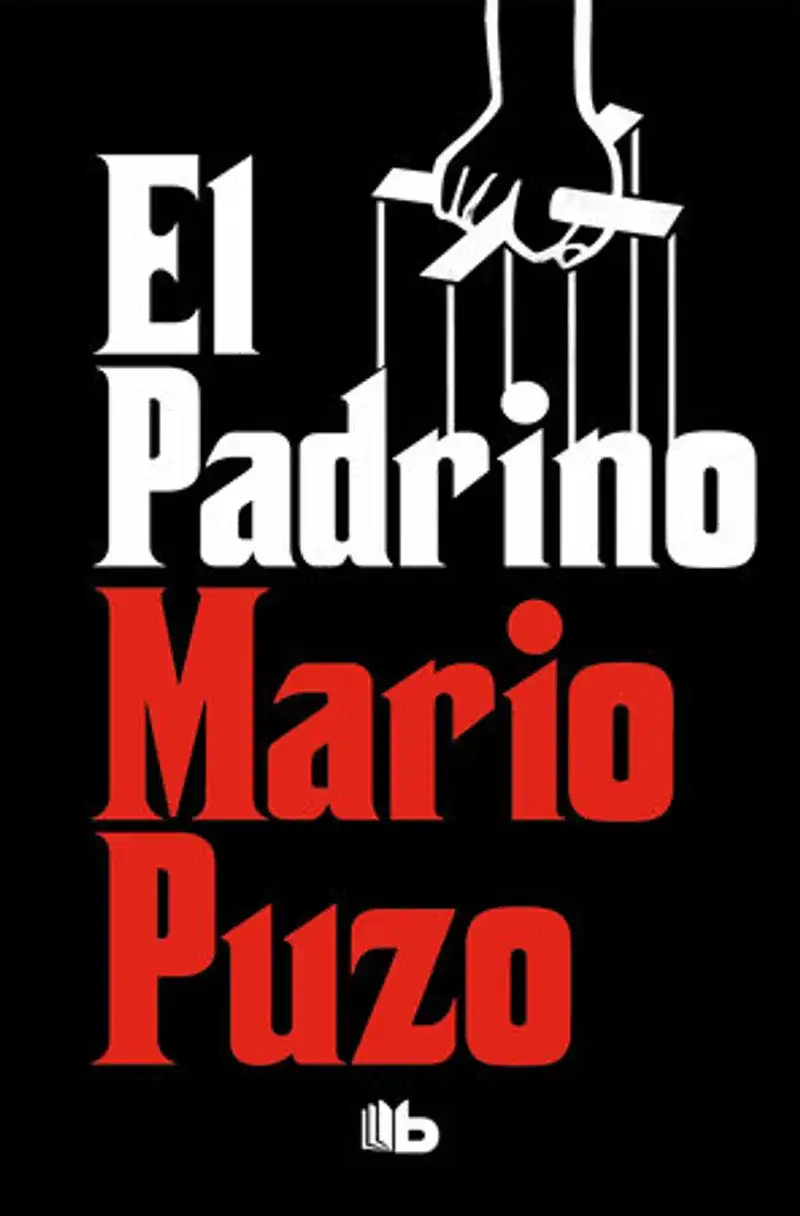
El padrino / The Godfather Author: Mario PuzoPage Count: UnknownPublication Date: 2023-PRH The Godfather: A Mafia Epic That Redefined Literature and Culture Mario Puzo’s The Godfather is more than just a novel—it is a cultural earthquake. First published in 1969, it shattered the boundaries of crime fiction by transforming the Mafia from a faceless menace into a tragic, almost noble dynasty. Puzo didn’t just write about gangsters; he crafted a saga of power, family, and the corrupting allure of the American Dream, all wrapped in the velvet glove of honor and the iron fist of vengeance. Over half a century later, the Corleone family remains the most indelible crime dynasty in fiction, and their story endures because it is, at its core, a deeply human drama. The genius of The Godfather lies in its ability to humanize its antagonists. Vito Corleone, the aging patriarch, is not a cartoon villain but a man of contradictions—a man who controls an empire of vice yet clings to a strict moral code. He is both a ruthless crime lord and a devoted father, a man who dispenses justice with a cold smile while insisting, "I’m a businessman. Blood is a big expense." Puzo’s genius is in making us understand, if not condone, the logic of his world. The Mafia, in his telling, is not just a criminal enterprise but a twisted reflection of traditional society, with its own rituals, hierarchies, and twisted sense of loyalty. Puzo’s prose is deceptively simple, yet it carries the weight of a Shakespearean tragedy. His dialogue crackles with tension—whether it’s Don Corleone’s measured words in his study or Michael’s brutal transformation from war hero to cold-blooded killer. The novel’s pacing is masterful: it unfolds like a slow-burning fuse, with moments of shocking violence erupting unexpectedly, leaving the reader breathless. The infamous restaurant scene, where Michael calmly assassinates Sollozzo and McCluskey, is one of the most chilling sequences in literature—not just for its brutality, but for the way it marks Michael’s irreversible descent into darkness. Yet The Godfather is not merely a story of crime; it is a story of family. The Corleones are bound by blood, tradition, and an unbreakable code, yet their love is as destructive as it is protective. Sonny’s explosive temper, Fredo’s tragic incompetence, Kay’s quiet resilience—each character embodies a different facet of the family’s soul. And then there is Michael, the reluctant heir, whose journey from reluctant outsider to ruthless don is one of the most compelling character arcs in modern literature. His famous line—"It’s not personal, it’s strictly business"—is both a justification and an indictment, capturing the cold efficiency of power. Puzo’s depiction of the Mafia as a parallel society is what makes The Godfather timeless. The Corleones operate outside the law, yet they adhere to their own rigid rules. They are outsiders in America, yet they embody its capitalist ethos—success through any means necessary. The novel’s exploration of power, corruption, and the cost of ambition resonates far beyond the world of organized crime. It asks whether morality is a luxury when survival is at stake, and whether a man can remain pure in a world that demands bloodshed. Perhaps what makes The Godfather immortal is its ambivalence. Puzo never glorifies the Mafia, yet he doesn’t entirely condemn it either. The Corleones are both monsters and men, and that duality is what lingers. The novel is a cautionary tale, but it’s also a seductive fantasy—a world where loyalty is rewarded, where power is earned through respect rather than democracy, and where a man’s word is his bond. Francis Ford Coppola’s film adaptation elevated Puzo’s work to mythic status, but the novel stands on its own as a literary achievement. Its influence is everywhere—in crime fiction, in cinema, even in the way we romanticize (or demonize) organized crime. Yet no adaptation, no imitation, has ever captured the raw, unfiltered power of Puzo’s original. The Godfather is not just a great crime novel; it is a great American novel, a dark mirror held up to society’s contradictions. For anyone who has ever wondered what it truly means to be a king—or what it costs to wear the crown—The Godfather remains essential reading. It is a story that haunts you, not just for its violence, but for its haunting truth: that power, no matter how corrupt, is still power, and that in its pursuit, we lose more than we gain. #TheGodfather #MarioPuzo #MafiaSaga #CrimeFiction #ClassicNovel #DarkLiterature Related InsightsZen and the Art of Motorcycle Maintenance: An Inquiry Into Values Book Review and Summary Heartstopper #1-3 Book Review and Summary Dreamland Book Review and Summary{ "@context": "https://schema.org", "@type": "FAQPage", "mainEntity": [ { "@type": "Question", "name": "What is the main focus of El padrino / The Godfather Book Review and Summary?", "acceptedAnswer": { "@type": "Answer", "text": "Everything you need to know about El padrino / The Godfather with our detailed review." } }, { "@type": "Question", "name": "Who authored the comprehensive guide on El padrino / The Godfather Book Review and Summary?", "acceptedAnswer": { "@type": "Answer", "text": "This detailed article and its insights were carefully researched and authored by Victoria Smith." } }, { "@type": "Question", "name": "Where can I find more related content about Books?", "acceptedAnswer": { "@type": "Answer", "text": "You can explore more articles, detailed reviews, and similar insights by browsing the Related Insights section at the bottom of this article or visiting our dedicated Books category page." } } ] }