Showing Posts From
Empire
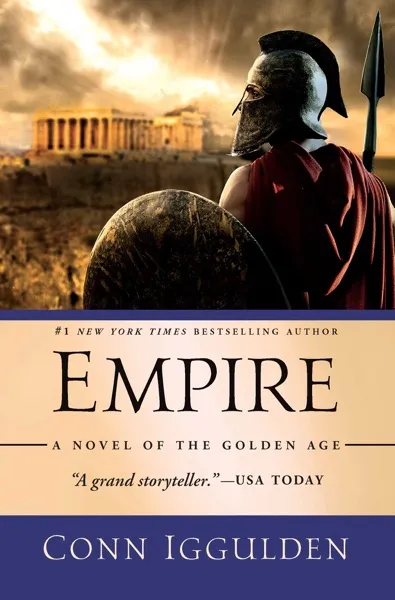

Empire Author: Conn IgguldenPage Count: UnknownPublication Year: 2024-GB Conn Iggulden’s Empire (2024) is a sweeping historical epic that cements his reputation as one of the modern masters of the genre. Following his blockbuster The Gates of Rome and the Emperor series, Iggulden returns to the ancient world, this time to the rise of Rome itself—a tale of ambition, power, and the relentless march of history. With his signature blend of meticulous research, cinematic prose, and unflinching character studies, Iggulden crafts a story that is as much about the birth of an empire as it is about the men and women who made it possible. At its core, Empire explores the transformative power of vision—how a single idea, nurtured by ruthless pragmatism and sheer will, can reshape the world. The novel centers on the legendary figure of Julius Caesar, though Iggulden resists the temptation to mythologize him. Instead, Caesar emerges as a complex, flawed genius, a man whose ambition is both his greatest strength and his undoing. The book doesn’t just retell the familiar story of conquest and political maneuvering; it delves into the psychological toll of empire-building, the sacrifices required, and the moral ambiguities that lurk beneath the glittering surface of power. Iggulden’s strength lies in his ability to humanize history. He doesn’t just present Caesar as a distant, larger-than-life figure but as a man besieged by doubt, haunted by his own mortality, and driven by an almost compulsive need to leave a mark on the world. The supporting cast is equally compelling—Brutus, the reluctant idealist; Cicero, the sharp-tongued orator; and Cleopatra, the shrewd strategist whose own empire-building ambitions collide with Rome’s rise. Each character is given depth, their motivations dissected with a novelist’s eye, making their triumphs and failures feel deeply personal. The novel’s pacing is relentless, mirroring the inexorable expansion of Rome itself. Iggulden balances grand set pieces—battles that shake the earth, political intrigues that shift alliances overnight—with intimate, introspective moments where characters grapple with their own demons. His prose is muscular yet fluid, carrying the reader through vast landscapes and crowded senate chambers with equal ease. There’s a tactile quality to his writing; you can almost feel the dust of Gaul on Caesar’s boots or the weight of a toga on a Roman senator’s shoulders. One of the most striking aspects of Empire is its refusal to shy away from the brutality of the ancient world. Iggulden doesn’t glorify war or violence, but he doesn’t soften it either. The cost of empire is laid bare—cities burned, families torn apart, and lives sacrificed on the altar of ambition. Yet, even in these moments of darkness, there’s a dark humor, a wry acknowledgment of human folly that keeps the narrative from becoming oppressive. The historical backdrop is richly detailed, but Iggulden never lets the research overshadow the story. The world of Empire feels alive, from the clatter of sandals on marble floors to the scent of incense in temples. His depiction of Rome isn’t just a backdrop; it’s a character in its own right, a city that grows and changes alongside its people. The political machinery of the Republic is rendered with particular care, showing how fragile and contingent power really is. One misstep, one miscalculated alliance, and empires crumble. Iggulden’s style is deceptively simple—he writes in a way that feels effortless, but every word is carefully chosen. He excels at dialogue, giving each character a distinct voice that reveals their personality and status. The conversations crackle with tension, whether it’s a backroom deal in the Forum or a desperate strategy session before battle. His battle scenes are visceral, not just in their description of violence but in their portrayal of the chaos and fear that accompany war. There’s no romanticizing the ancient world here; it’s a place of grit and grime, where survival often comes at a terrible price. At its heart, Empire is a meditation on the nature of power—how it corrupts, how it elevates, and how it inevitably slips through the fingers of those who grasp too tightly. Caesar’s story is one of rise and fall, but it’s also a story about the people who enable that rise and hasten that fall. Iggulden doesn’t take sides; he presents the contradictions, the competing visions of what Rome should be, and lets the reader decide where justice lies. For fans of historical fiction, Empire is a must-read—a masterclass in blending history with compelling storytelling. For newcomers, it’s an invitation into a world that is both familiar and strange, where the echoes of the past still resonate in the present. Conn Iggulden has once again proven why he’s a name synonymous with epic historical fiction. #ConnIggulden #HistoricalFiction #AncientRome #JuliusCaesar #EmpireBuilding #HistoricalEpic Related InsightsLongitude Book Review and Summary Untitled #1 Book Review and Summary El peor vecino del mundo Book Review and Summary{ "@context": "https://schema.org", "@type": "FAQPage", "mainEntity": [ { "@type": "Question", "name": "What is the main focus of Empire Book Review and Summary?", "acceptedAnswer": { "@type": "Answer", "text": "Everything you need to know about Empire with our detailed review." } }, { "@type": "Question", "name": "Who authored the comprehensive guide on Empire Book Review and Summary?", "acceptedAnswer": { "@type": "Answer", "text": "This detailed article and its insights were carefully researched and authored by Lucia Garcia." } }, { "@type": "Question", "name": "Where can I find more related content about Books?", "acceptedAnswer": { "@type": "Answer", "text": "You can explore more articles, detailed reviews, and similar insights by browsing the Related Insights section at the bottom of this article or visiting our dedicated Books category page." } } ] }