Showing Posts From
Europeanarchitecture
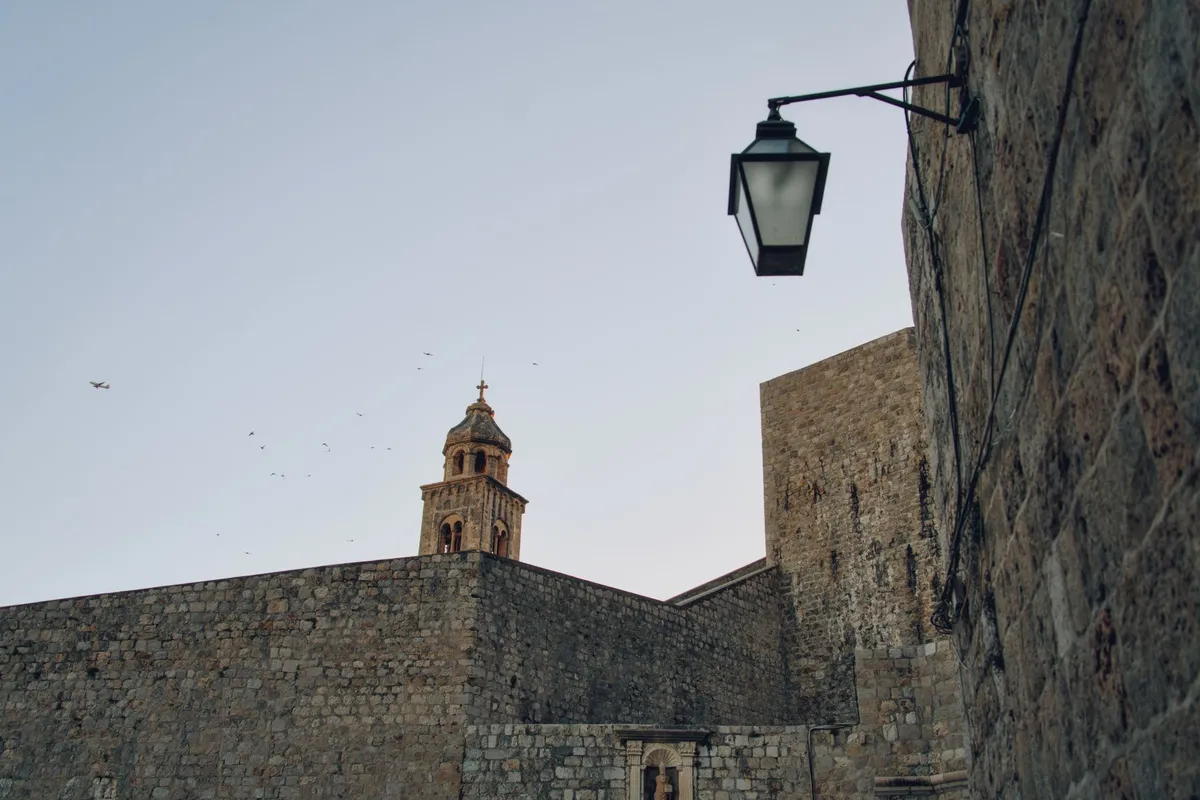

The sun does not merely shine upon the Adriatic; it illuminates a living tapestry of stone, salt, and centuries of defiance. To walk the streets of a Croatian coastal town is to step through a veil of time, where the modern traveler finds themselves brushing shoulders with the ghosts of Venetians, Ragusans, and ancient Illyrian tribes. Croatia is not just a destination; it is a monumental archive of human resilience carved into the very karst of the Balkan Peninsula. The Bastions of Ragusa and the Adriatic Horizon Dubrovnik, the legendary "Pearl of the Adriatic," remains the most profound testament to the medieval obsession with security and aesthetic grandeur. As you stand atop the Minceta Tower, the highest point of the city’s massive defensive system, the world narrows down to the rhythm of the waves crashing against the base of limestone ramparts. These walls, constructed predominantly between the 12th and 17th centuries, represent a masterclass in fortification. Unlike many European cities that lost their medieval character to fire or modernization, Dubrovnik preserved its core. Walking the Stradun, the main thoroughfare, one notices the uncanny uniformity of the buildings—a result of the Great Earthquake of 1667, which forced a rapid and structured reconstruction. The city was once the Republic of Ragusa, a maritime powerhouse that dared to rival the Venetian Republic. Its independence was bought not just with gold, but with the genius of diplomacy, navigating the complex power dynamics between the Ottoman Empire and the burgeoning kingdoms of the West.Diocletian’s Palatial Ghost in Split If Dubrovnik is a fortress preserved, Split is a city living inside a palace. The Diocletian’s Palace is arguably one of the most significant archaeological wonders in Europe. Built for the Roman Emperor Diocletian at the turn of the 4th century, it was never merely a temporary residence; it was a retirement fortress designed to be an entire city within itself. To navigate the Peristyle today is to participate in a strange, beautiful historical synthesis. Locals sip coffee where Roman soldiers once stood watch. The substructures, or the "cellars" of the palace, provided the blueprint for the living quarters above. As the Roman Empire receded, the citizens of Salona fled into these massive walls, building their homes within the very corridors designed for imperial guards. You are not visiting a ruin; you are visiting a layer cake of human habitation that spans 1,700 years. The Venetian Influence on the Istrian Peninsula Heading north to the Istrian Peninsula, the architectural dialect shifts. The town of Rovinj stands as a beacon of Venetian Gothic influence. Here, the landscape is defined by tight, winding alleys that climb toward the Basilica of St. Euphemia. The Venetian influence is unmistakable in the ornate balconies, the lion motifs carved into the stone lintels, and the vibrant, pastel-colored facades that reflect off the emerald waters of the Adriatic. The history of Istria is a complex narrative of shifting allegiances. It was a frontline of culture, where the Mediterranean influence of Italy met the rugged, Slavic soul of the hinterlands. While the coastal towns became hubs of maritime commerce and trade, the inland villages—often perched on hilltop plateaus like Motovun—functioned as defensive bastions against inland invaders. These towns, constructed from the local gray stone, offer a stark contrast to the opulence of the coast, revealing the tougher, more stoic side of the medieval Croatian experience.The Sacred Geometry of Zadar and Sibenik The medieval spirit of Croatia is deeply rooted in its religious heritage. In Zadar, the Church of St. Donatus, a pre-Romanesque structure from the 9th century, stands as an architectural anomaly. Its circular shape and massive, thick walls evoke the spirit of early Byzantine influence that permeated the Dalmatian coast long before the Gothic cathedrals began to dominate the skyline. Sibenik, however, takes this stone-carving mastery to an apex with the Cathedral of St. James. This structure is unique in the world, having been constructed entirely from stone without the use of wood or mortar for its structural joints. It is a masterpiece of the Renaissance, yet its spirit is purely medieval—an ambitious project that required the ingenuity of multiple generations of architects, including the legendary Juraj Dalmatinac. When you stand inside, looking at the stone barrel vaulting, you are witnessing the pinnacle of stone-crafting in the medieval period. The Living Heritage of the Adriatic Beyond the grand cathedrals and the intimidating ramparts, the true medieval world of Croatia survives in its traditions. It is found in the "klapa" singing, a form of a cappella music that echoes through the stone alleys of Dalmatia—a tradition recognized by UNESCO for its intangible cultural value. It is found in the local trade of salt, olive oil, and wine, industries that have defined the coastal lifestyle since the arrival of the Ancient Greeks. To travel through Croatia is to learn the language of stone. Every block in a wall, every archway in a cellar, and every crest above a doorway has a story of a merchant, a king, or a commoner fighting to maintain their autonomy against the tides of larger, more aggressive empires.Preserving the Past for Future Explorations The challenge for the modern visitor is to look past the glitz of the tourism industry and see the endurance beneath. Croatia has survived seismic shifts in borders, regimes, and ideologies. What remains is a testament to the fact that beauty, when crafted with the permanence of stone, can outlast even the most volatile historical eras. When you walk the ancient walls of Ston, or the narrow, labyrinthine alleys of Korcula—the purported birthplace of Marco Polo—you are connecting with a tangible, physical manifestation of medieval life. These towns were designed for a time when survival meant being able to seal the gates at sunset. Today, the gates are open, but the atmosphere remains thick with the scent of pine, sea salt, and the enduring weight of history. As the sun sets over the Adriatic, painting the limestone in hues of gold and violet, one cannot help but feel a deep sense of gratitude for those who labored to preserve these spaces. Croatia remains one of the few places in Europe where the medieval world hasn't just been preserved behind glass, but remains the backdrop for the daily lives of the people who call it home. It is a place where you don't just learn history; you inhabit it.#CroatiaTravel #MedievalHistory #Dubrovnik #Dalmatia #EuropeanHeritage Related InsightsIm Bann der Gezeiten: Wenn Stein und Meer den Mont Saint-Michel umarmen Sardinian Nuraghe Trails: Mapping the Bronze Age Megalithic Landscapes Lalibela : Le Chant de la Pierre Vivante – Plongée au Cœur des Églises Monolithiques d'Éthiopie{ "@context": "https://schema.org", "@type": "FAQPage", "mainEntity": [ { "@type": "Question", "name": "What is the main focus of Croatia Unveiled: Stepping Back into the Medieval World?", "acceptedAnswer": { "@type": "Answer", "text": "Journey through the ancient limestone corridors and fortress walls of Croatia, where the whispers of the Adriatic sea tell tales of empires past." } }, { "@type": "Question", "name": "Who authored the comprehensive guide on Croatia Unveiled: Stepping Back into the Medieval World?", "acceptedAnswer": { "@type": "Answer", "text": "This detailed article and its insights were carefully researched and authored by John Explorer." } }, { "@type": "Question", "name": "Where can I find more related content about Travel?", "acceptedAnswer": { "@type": "Answer", "text": "You can explore more articles, detailed reviews, and similar insights by browsing the Related Insights section at the bottom of this article or visiting our dedicated Travel category page." } } ] }