Showing Posts From
Extreme sports
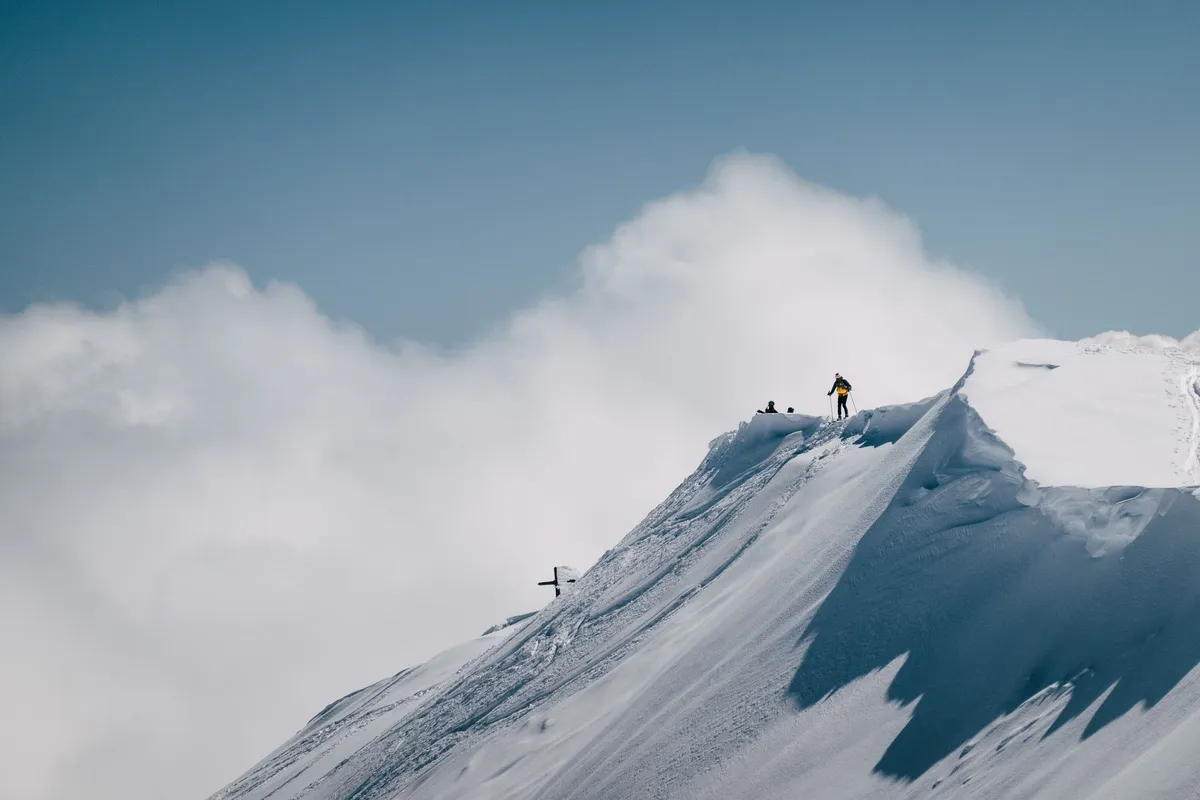
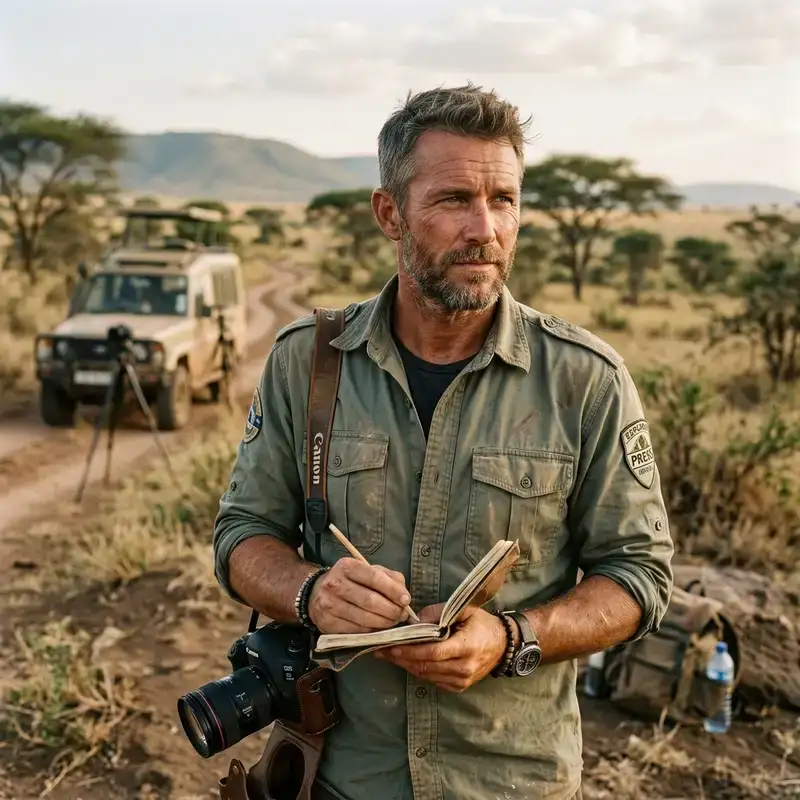
The wind doesn't care about your resume. It doesn't check your bank balance before it howls across the North Face of the Eiger, and the current of the Colorado River has zero interest in your comfort zone. It simply is. And for a specific, growing tribe of travelers, that indifference is exactly the point. We don't travel to escape life; we travel so life doesn't escape us. We chase the razor's edge where fear metabolizes into focus, where the map ends and the territory begins. This is the anatomy of adventure travel—a sector born not from brochures, but from the primordial human need to see what lies beyond the horizon, even if the price of admission is a pounding heart and scraped knuckles. The Primal Architecture of Risk Why do we do it? The data suggests it’s not a death wish. It’s a life wish. Adventure tourism is structurally defined by three pillars: physical activity, cultural exchange, and a connection with nature. But the engine driving the machine is psychological. Participants chase "rush" and "flow"—those elusive mental states where the noise of modernity silences, replaced by the immediate, high-stakes demand of the now. Stepping outside the comfort zone isn't a side effect; it's the product. Whether it’s the culture shock of a remote village in the Pamirs or the perceived danger of a bungee cord snapping taut over a canyon, the mechanism is the same: significant effort, real or perceived risk, and the subsequent recalibration of the self. The Adventure Travel Trade Association codifies this, but the feeling predates the acronym. It is the biology of the explorer. We are wired to seek the "roads less traveled," a market trend that exploded in the late 20th and early 21st century in the United States, yet remains notoriously difficult to measure because the definition refuses to sit still. Is it mountaineering? Trekking? Geocaching? Canyoneering? Sandboarding? River trekking? The answer is a resounding yes. It is a kaleidoscope of motion: mountain biking, cycling, canoeing, scuba diving, rafting, kayaking, zip-lining, paragliding, hiking, exploring, caving, rock climbing. The list grows faster than the guidebooks can print.Ghosts on the Matterhorn: The Birth of Modern Adventure To understand where we are, we must touch the ice axe marks on history. Long before "adventure tourism" was a market segment, humans moved for survival—food, skills, survival. But the leisure of danger? That has a timestamp. The modern era kicked open the door in 1865 with the mountaineering of the Matterhorn. That ascent wasn't just a climb; it was a declaration that vertical terrain was a playground, not just a barrier. Four years later, 1869 saw the first river rafting descent of the Colorado River. John Wesley Powell didn't have a dry bag or a self-bailing raft; he had wooden boats and iron will. These weren't vacations. They were expeditions. They birthed institutions that still hold the keys to the kingdom: the National Geographic Society and The Explorers Club. These organizations didn't just document the world; they legitimized the pursuit of the unknown. Then came the watershed moment of the mid-20th century. The 1950 French Annapurna Expedition—the first 8,000-meter peak summited—proved the death zone was survivable. The 1953 British Mount Everest Expedition planted the flag on the roof of the world. Post-WWII, the surplus of nylon, pitons, and hardened veterans turned exploration into a reproducible, albeit niche, commercial sector. Today, it remains a fast-changing beast, mutating new variants of experience every season. The Great Equalizer: Wheels, Wings, and Water The taxonomy of adventure is vast, but certain modalities define the culture. The Vertical Dance: Climbing and Mountaineering This is the aristocracy of risk. From the craggy limestone of Kalymnos to the ice smears of the Canadian Rockies, rock climbing and mountaineering demand a synthesis of chess-match intellect and balletic power. It is the direct descendant of that 1865 Matterhorn moment. The gear has evolved—cams replace chocks, dynema replaces hemp—but the physics of gravity and the psychology of the lead remain unchanged. The Liquid Arteries: Paddling and Rafting Water doesn't negotiate. Whether it’s the silent stroke of a kayak in a fjord or the violent choreography of a Class V rafting run on the Futaleufú, river travel strips away pretense. Canoeing connects us to the voyageur heritage; kayaking connects us to the Inuit lineage. Rafting adds the tribe dynamic—synchronized paddling as a survival language. The Silent World: Scuba Diving Jacques Cousteau gave us the Aqua-Lung, and suddenly the 70% of the planet covered in water became accessible. Scuba diving is unique in adventure travel: it removes gravity and sound. You are a visitor in a hostile envelope, breathing compressed air, weightless. The destinations read like a bucket list written by Poseidon:Belize's Great Blue Hole: A giant marine sinkhole, a dark eye staring up at the sky, demanding technical precision. Tahiti: Warm water, big animals, drama. Sipadan Island's Barracuda Point: A tornado of silver fish, a vortex of life off the coast of Borneo.The Long Walk: Trekking and Hiking The most democratic adventure. No engine, no rope (usually), just boots and biomechanics. It ranges from the teahouse trails of the Annapurna Circuit to the trailless wilderness of Patagonia. It is the slowest way to see the world, and therefore the deepest. The Niche and the Novel The fringe is where innovation lives. Canyoneering (slot canyon descent) blends climbing, swimming, and problem-solving. Geocaching gamifies exploration with GPS. Sandboarding brings the surf to the dunes. Caving (spelunking) is the anti-Everest—going down, into the dark, where the map is drawn by the beam of your headlamp. And on the controversial fringe: Disaster tourism and Ghetto tourism, forms that walk a razor-thin ethical line between witness and voyeurism. Overlanding: The Original Slow Travel Before flights, there was the wheel. Overlanding traces its DNA to Marco Polo’s 13th-century expedition from Venice to the court of Kublai Khan. It is the antithesis of the weekend warrior trip. It is a commitment measured in weeks or months. You don't visit a country; you transit a continent. The modern format crystalized in the 1960s. A converted truck or bus, a tour leader, a group of strangers becoming a tribe. The routes are legendary arteries: the trans-Africa routes, the Silk Road corridors across Asia, the Pan-American Highway. The "Hippie Trail" of the 60s and 70s saw a river of youth flow from Europe through the Middle East to India and Nepal, chasing enlightenment (or just cheap hash). Many of those traditional routes persist, paved over by time but still dusty at the edges. New veins have opened: Iceland to South Africa overland, and the Central Asian post-Soviet states—the Stans—where the steppe stretches infinite and the hospitality is aggressive. Overlanding teaches self-sufficiency. When the differential locks up in the Mongolian steppe, 500km from a mechanic, you don't call AAA. You fix it. You wait. You drink airag with nomads. That is the curriculum. The Green Heart: Jungle Tourism If the desert is minimalism, the jungle is maximalism. Jungle tourism is defined by "active multifaceted physical means of travel in the jungle regions of the earth." It is a major component of green tourism in tropical destinations—a relatively recent phenomenon in Western international tourism. Here, the biomass is the attraction and the obstacle. You don't just walk; you machete. You don't just look; you listen for the jaguar, the howler, the silent slide of a fer-de-lance. It demands a humidity tolerance that separates the tourists from the travelers. It is biology in 4K resolution, unfiltered, biting, screaming, rotting, and blooming simultaneously. The Frontier of Access: Adaptive Adventure One of the most profound shifts in the last decade is the rise of Accessible Tourism. Adventure travel for disabled people is a US$13 billion a year industry in North America alone. This isn't "wheelchair accessible" ramps at a visitor center. This is sit-skiing in Whistler, adaptive scuba in Cozumel, hand-cycling the Great Trail, paraplegic climbers on El Capitan. Destinations are building diverse programs and job opportunities specifically for the disabled community. It shatters the ableist assumption that adventure requires a standard-issue body. It proves the spirit of exploration is not housed in the legs, but in the will. The Extremes: When the Map Ends Extreme Tourism This overlaps with extreme sport. It is travel to dangerous (extreme) locations or participation in dangerous events. Volcano boarding in Nicaragua. Skiing the Chernobyl Exclusion Zone. Base jumping from the Burj Khalifa. The risk here is not perceived; it is statistical. The margin for error is zero. Remote Travel This is the introvert’s extreme. Travelling to locations far away from human settlements and/or infrastructure. It might be a straight-line stone's throw from a major city, but reaching it requires a "long period of time and/or a large amount of effort." Self-sufficiency is non-negotiable. Rescue is not a phone call away; it is a prayer. This is where the "flashpacking" tech—GPS, satellite messengers (Garmin inReach, Zoleo), solar charging—becomes survival gear, not gadgets. The interest in independent adventure travel has surged as specialist websites unlock previously niche locations and sports, allowing solo operators to plan logistics that once required an expedition committee.The Gender Gap on the Sharp End The data reveals a persistent, uncomfortable truth: Adventure sports tourism has traditionally been dominated by men. Women's participation has grown, yet the gender gap is still pronounced in terms of quantitative engagement. Fewer women sign up, show up, and stay in the pipeline for hard adventure. But here is the paradox that should make the industry sit up: In competitive adventure sport tourism, the success rate of women is currently higher than that of men. Read that again. When the stopwatch starts, or the summit bid goes down, or the race gun fires—women win more often. They manage risk better. They pace better. They suffer better. The barrier isn't capacity; it's culture. It's marketing. It's the "boys' club" narrative that still permeates gear shops and guide services. The next frontier of adventure travel isn't a new mountain or a deeper cave; it's closing that participation gap. The market is leaving money—and talent—on the table. The Digital Sherpa: Technology as Enabler We love to romanticize the "unplugged" adventure, but let's be honest: Access to inexpensive consumer technology turbocharged the industry. Global Positioning Systems (GPS) turned navigation from a black art into a screen glance. Flashpacking—backpacking with high-end tech (lightweight laptops, DSLRs, drones)—blurred the line between suffering and content creation. Social networking and photography created the feedback loop: the 'gram makes the dream, the dream books the trip, the trip feeds the 'gram. This connectivity is a double-edged sword. It enables independent adventure travel—you can download the .gpx file for a traverse in Kyrgyzstan, book a homestay via WhatsApp, and hire a local guide through a niche platform. But it also exports the crowd. The "secret spot" lasts about as long as a viral Reel. The challenge for the modern explorer is using the tools without becoming a tool of the algorithm. The Philosophy of the Uncomfortable Adventure travel is not a checkbox on a bucket list. It is a practice. It is the deliberate cultivation of discomfort as a teacher. When you are cold, wet, tired, and lost (temporarily) in the Cairngorms or the Cascades, the trivialities of modern anxiety—email, status, comparison—burn off like morning fog. You are reduced to the essentials: shelter, water, calories, direction, companionship. The Wikipedia definition mentions "real or perceived risk." That distinction is everything. Perceived risk (zip-lining, guided rafting) opens the door for the novice. Real risk (solo alpinism, unsupported polar travel) lives at the far end of the spectrum. A healthy adventure ecosystem needs both. The novice on the zip line today might be the alpinist on the North Face in a decade. The gateway drug is the gateway. Writing Your Own Chapter The map is never finished. The 1865 Matterhorn climbers didn't know they were inventing an industry. Powell didn't know he was founding a sport. Marco Polo didn't know he was drafting the first overlanding itinerary. They just moved. They engaged with the world on its terms, not a resort's terms. Today, the sector is a fast-changing niche with "new variants of activities for a travel experience" appearing constantly. E-foiling. Volcano diving. Ice climbing on man-made structures. Fat biking across frozen lakes. The labels will change. The gear will get lighter, stronger, smarter. The demographics will shift—hopefully toward parity. The technology will get more invisible, more integrated. But the core? The core is immutable. It is the human animal, upright and curious, looking at a horizon and wondering: What if I go there? What will I find? What will I become? Pack the bag. Check the forecast. Tell someone where you're going. And then—go. The wind is waiting.#AdventureTravel #Overlanding #ExtremeSports #TravelPsychology #ExploreMore Related InsightsShadows of Angkor: Unveiling the Jungle‑Cloaked Temples Beyond the Tourist Trail L'Orizzonte Senza Fine: Viaggio nell'Anima e nel Motore del Turismo Australiano Ein Tag in München{ "@context": "https://schema.org", "@type": "FAQPage", "mainEntity": [ { "@type": "Question", "name": "What is the main focus of Chasing the Rush: Why We Risk It All for the Road Less Traveled?", "acceptedAnswer": { "@type": "Answer", "text": "From the slopes of Matterhorn to the depths of the Blue Hole, we dissect the primal pull of adventure tourism and the modern tribes rewriting the map." } }, { "@type": "Question", "name": "Who authored the comprehensive guide on Chasing the Rush: Why We Risk It All for the Road Less Traveled?", "acceptedAnswer": { "@type": "Answer", "text": "This detailed article and its insights were carefully researched and authored by John Explorer." } }, { "@type": "Question", "name": "Where can I find more related content about Travel?", "acceptedAnswer": { "@type": "Answer", "text": "You can explore more articles, detailed reviews, and similar insights by browsing the Related Insights section at the bottom of this article or visiting our dedicated Travel category page." } } ] }