Showing Posts From
Fallen beauty
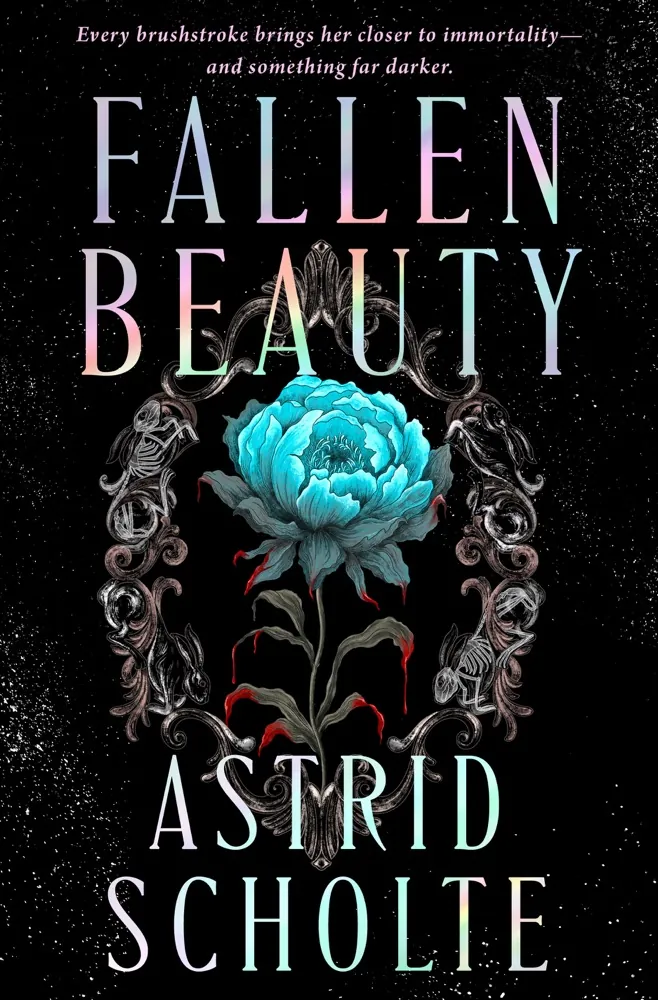

Author: Astrid ScholtePage Count: UnknownPublication Date: Expected publication 2026-11-03 APL The sun bleeds through the blinds of my office, casting jagged gold across the spine of a first-edition The Picture of Dorian Gray—because, of course, I’m still waiting for the right book to justify its purchase. And here we are, with Fallen Beauty, a synopsis that smells of old oil paints and unpaid rent, the kind of premise that makes you wonder if Scholte has been reading too many Crimson Peak afternoons by the pool. But let’s be honest, the real question is: does it have the gravitas of a true gothic romance, or is it just another summer blockbuster waiting to be drowned in a glass of prosecco? The setting, if we can call it that, is a prison of a tower—hardly a new trope, but the execution here is potentially interesting. Thorelea’s life is one of forced artistry, a modern-day Sisyphean artist trapped in a cycle of painting the dead. The imagery is rich, the stakes clear: she’s not just a prisoner, she’s a captive muse, and the moment that dead animal stirs back to life? That’s the kind of narrative hook that could either elevate or embarrass. It’s the kind of twist that makes you think of The Night Circus’s slow-burn mystery, but with the emotional weight of a Rebecca protagonist—if Rebecca had been a painter instead of a wife. The problem? The synopsis doesn’t show us the horror of it. It tells us Thorelea is "forced," but does she resist? Does she hate the act of painting? Or is she, like so many tragic heroines, complicit in her own suffering? That’s the kind of psychological depth that separates a good gothic romance from a forgettable one. And then there’s the court. A royal court where immortality is bought with portraits—because nothing says "love" like a magical portrait contract. The idea of a painter sustaining the monarchy’s eternity is deliciously dark, a twist on the classic "artist as doomed soul" trope. But—and this is critical—does Scholte have the chops to make this feel fresh? The royal court is a well-worn setting, but the synopsis doesn’t hint at whether it’s being subverted. Is this a Game of Thrones meets The Secret History vibe, or is it just another fairy tale with fancier costumes? The lack of specificity here is frustrating. Where’s the political intrigue? The courtly betrayals? The synopsis gives us Kelter, the prince desperate for immortality, but is he a love interest, a pawn, or just another man with a deal too good to be true? The way the relationship is framed—"they meet at night in secret"—sounds like it could be lush or cliché, depending on how Scholte handles it. And let’s not forget, the deal itself is a dangerous gamble: Thorelea paints, Kelter escapes, but what’s the catch? Is it her soul? Her art? Her heart? The synopsis doesn’t say. It’s all too vague, like a menu with only the prices circled. Yet—and this is where the romance in me takes over—the core of this story is the tension between love and freedom. That’s the kind of dichotomy that makes a gothic romance sing. Think Jane Eyre’s Bertha Mason, but with a paintbrush instead of a wild heart. Or The Ten Thousand Doors of January, where the protagonist’s desires are tied to a larger, magical world. But here’s the thing: the synopsis doesn’t show us the emotional stakes. Is Thorelea in love with Kelter? Is she just using him? Is she terrified of what her powers might cost her? The way it’s written, it reads like a transactional romance, which is fine—The Hunger Games did it well—but it’s not Fallen Beauty’s job to prove it. Scholte’s got a chance to make this haunting, but right now, it’s just a haunting promise. And then there’s the art itself. The synopsis mentions Thorelea’s powers, but does it feel like we’re getting a sense of her genius? Is she a real artist, or just a plot device? The best gothic romances—The Turn of the Screw, Dracula—make the art matter. They make the brushstrokes bloody. Here, we’re told she’s talented, but we’re not shown how. Is she a Watteau of melancholy, or a Goya of rage? The synopsis doesn’t tell us. It’s a shame, because the potential is there. A painter who can bring the dead to life? That’s the kind of magic that could make this book unforgettable. But will it? The summer market is cruel. There’s The Silent Patient and The Vanishing Half and a dozen other books vying for the same gothic romance shelf. Fallen Beauty needs more than just a pretty premise—it needs bite. It needs anger. It needs to make us feel the weight of Thorelea’s choices. Right now, it’s just a shadow of what it could be. So tell me—when the first draft arrives, will Scholte have painted us a masterpiece, or just another pretty picture? #GothicRomance #BookTok #SummerReading Related InsightsAtmosphere Book Review and Summary Lethal Kiss Book Review and Summary Bridge to Bat City Book Review and Summary{ "@context": "https://schema.org", "@type": "FAQPage", "mainEntity": [ { "@type": "Question", "name": "What is the main focus of Fallen Beauty Book Review and Summary?", "acceptedAnswer": { "@type": "Answer", "text": "Everything you need to know about Fallen Beauty with our detailed review." } }, { "@type": "Question", "name": "Who authored the comprehensive guide on Fallen Beauty Book Review and Summary?", "acceptedAnswer": { "@type": "Answer", "text": "This detailed article and its insights were carefully researched and authored by Chloé Laurent." } }, { "@type": "Question", "name": "Where can I find more related content about Books?", "acceptedAnswer": { "@type": "Answer", "text": "You can explore more articles, detailed reviews, and similar insights by browsing the Related Insights section at the bottom of this article or visiting our dedicated Books category page." } } ] }