Showing Posts From
Faroeislands
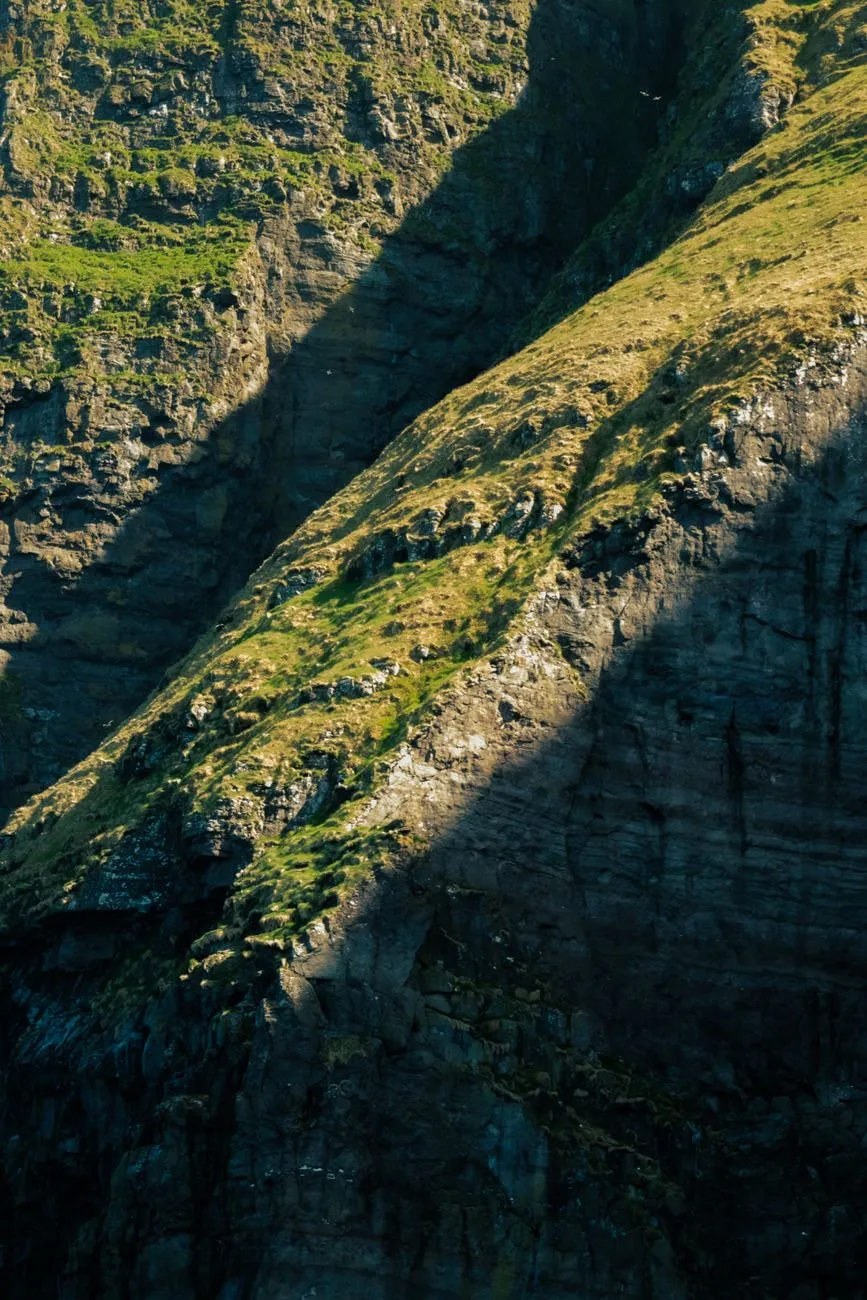

Where the North Atlantic crashes against basalt columns and the fog clings to verdant, grass-roofed villages, you will find the Faroe Islands. As a traveler who has traversed the globe, I find few places as hauntingly beautiful or as fiercely independent as this collection of eighteen volcanic islands. Situated roughly halfway between Norway and Iceland, the Faroes are more than just a cluster of rocks in the sea; they are a living, breathing testament to Viking resilience and a sanctuary for those seeking to escape the frantic pulse of the modern world. For the digital nomad or the intrepid explorer, these islands offer a unique blend of ancient Scandinavian tradition and surprisingly modern infrastructure, though this solitude comes with a price—both in currency and in the willingness to endure the whims of the North Atlantic weather. Stepping Into a Nordic Realm of Basalt and Legend The moment your plane touches down at Vágar Airport, you realize you have entered a domain where nature dictates the schedule. The islands, a self-governing territory of the Kingdom of Denmark, are rugged, precipitous, and utterly captivating. Historically, the islands served as a key stopover for Viking voyagers, and today, that seafaring spirit remains woven into the very fabric of the culture. The Faroese language, a direct descendant of Old Norse, is a rhythmic reminder of this heritage, still spoken daily by the resilient locals. Geographically, the islands are defined by steep cliffs that plummet into the churning ocean, dotted with sheep—which actually outnumber the human population—and waterfalls that defy gravity as they are blown upward by powerful gale-force winds. When you explore places like Gásadalur, where the Múlafossur waterfall plunges directly into the sea, the sense of being at the edge of the world is absolute. It is a landscape that demands respect; the weather shifts in seconds, transforming a bright, sun-drenched morning into a brooding, atmospheric grey afternoon. This is not a destination for the casual tourist seeking a resort-style retreat. It is a rugged frontier for those who wish to experience the raw power of the elements.Traveling here requires a shift in mindset. You must be prepared for the reality that your itinerary is merely a suggestion, easily overruled by a storm or a ferry cancellation. Yet, this uncertainty is precisely what makes the Faroe Islands so intoxicating. You aren’t just visiting a landscape; you are entering an agreement with it. You provide the patience, and the islands provide vistas that have remained largely unchanged since the first longships pulled onto these shores over a millennium ago. The Economic Realities of the North Atlantic Frontier For the digital nomad or the long-term visitor, one must confront the cold, hard numbers. Living in the Faroe Islands is an investment in exclusivity. My assessment of the current cost of living reveals that the islands function as a high-tier economic environment. For a single digital nomad, a budget of approximately $2,960 per month is the realistic median to maintain a comfortable standard of living. This figure covers a balanced mix of modest local housing, essential utilities, and a combination of cooking at home versus occasional dining out. Because the Faroe Islands are an autonomous territory, they occupy a unique legal space. They are not part of the European Union, nor are they part of the Schengen Area. This distinction is vital for long-term planning. Travelers generally follow Danish entry rules, which often means visa-free access for short-term stays for many nationalities. However, if you intend to plant roots as a remote worker for an extended period, you must navigate the process for a special long-term residency permit. Transportation is another significant line item. While the road infrastructure is world-class—featuring sub-sea tunnels that connect major islands like Streymoy and Eysturoy—car rentals and fuel are notably expensive. You are paying for the engineering marvels that make connectivity possible in such a hostile, disconnected environment. Utilities, particularly heating and electricity, also reflect the cost of importing resources and maintaining power grids in remote, wind-battered regions. Budgeting for the Faroes isn't just about saving money; it’s about understanding the premium placed on accessibility and comfort in a location that is, by its very nature, isolated. Navigating the Cost of Living in TórshavnCategory Typical Monthly Expense (USD) NotesApartment (1 Bedroom, Central) $1,200 - $1,600 High demand, limited supplyUtilities (Heating, Electricity) $250 - $400 Depends heavily on the seasonFood (Grocery staples + Coffee) $600 - $800 Prices elevated due to importTransportation (Car Rental/Fuel) $400 - $600 Essential for exploring remote areasConnectivity (High-speed Internet) $80 - $120 Surprisingly robust for the locationTotal Median Monthly Estimate $2,960 Baseline for a single digital nomadThis table provides a snapshot of what you can expect to pay. It is important to note that while Tórshavn, the capital, offers the most amenities, the real cost of living spikes when you venture into more remote villages where grocery options are limited to local, often pricier, goods. The Cultural Pulse of the Capital and Beyond Tórshavn is one of the smallest and most enchanting capitals in the world. It doesn't scream for your attention with glittering towers; instead, it whispers with the charm of grass-roofed houses in the historic Tinganes district, where the government has operated for centuries. As you walk the narrow, winding lanes of Tinganes, you are effectively stepping back into the 16th century, though the offices inside these preserved buildings are equipped with high-speed fiber optics. This juxtaposition of the ancient and the digital is the hallmark of the Faroe experience.Eating here is an exercise in local sustainability. The Faroese kitchen relies heavily on the sea and the rugged hillsides. You will find "ræst"—a process of fermenting lamb or fish in traditional drying sheds—which is a culinary cornerstone you must try to truly understand the local identity. It is an acquired taste, salty and intense, much like the climate itself. When you dine in Tórshavn, you are tasting the history of a people who survived for centuries on what could be caught, foraged, or grazed. Modern chefs have elevated these humble origins into world-class gastronomy, but the spirit of the food remains deeply rooted in the soil and the current. Beyond the capital, the islands of Eysturoy and Borðoy offer a deeper dive into the industrial and fishing history of the archipelago. Klaksvík, the second-largest town, sits nestled between towering mountains and serves as the epicenter for the islands' massive fishing industry. Watching the fleet return at sunset, the harbor glowing with life, provides a stark contrast to the quiet, ethereal silence of the mountain hiking trails. Every town, regardless of size, feels like a sanctuary protected by the mountains and the sea, offering a sense of community that is rare in today’s disconnected world. Masterclass in Nordic Adventure and Logistics To truly conquer the Faroe Islands, you must be a master of the elements. Hiking is the primary method of engagement with the geography, but it is not without risk. Trails are often unmarked and can be obscured by sudden shifts in visibility. Always consult local resources such as the "Hiking in the Faroe Islands" guides, and never underestimate the "mountain fog." It is a cliché for a reason: when the fog rolls in, it can make even the most familiar trail vanish in minutes.Preparation starts with gear. You need high-quality, windproof, and waterproof layers. Forget umbrellas; the wind will snap them in seconds. Instead, invest in technical shells and sturdy hiking boots that can handle boggy, uneven terrain. Before setting out, check the weather reports obsessively. The Faroese Meteorological Office provides reliable data, but even then, rely on your own observation. If the locals are staying put, you should likely do the same. For the remote professional, finding a "base camp" is essential. Tórshavn offers the most reliable infrastructure for digital nomads, including co-working spaces and high-speed satellite connectivity that ensures you remain tethered to your global responsibilities while you are physically situated at the edge of the map. Renting a small, traditional house with a grass roof in a slightly quieter village can provide the creative solitude many seek, but ensure your host guarantees stable internet. Remote island living sounds poetic, but when you are trying to push a large file during a storm, reliability becomes your most prized luxury. Embracing the Viking Spirit in a Modern World As I prepare to leave these rugged shores, I am struck by the permanence of the place. The Faroe Islands don’t change to accommodate you; you change to accommodate them. That is the true gift of this destination. In a world of over-tourism and curated Instagram moments, the Faroes remain fiercely authentic. They offer a rare opportunity to disconnect from the noise of the digital age and reconnect with the primal, elemental forces that have shaped human existence for millennia. The echoes of the Vikings are not just in the place names or the preservation of the language; they are in the way the locals look at a brewing storm—with respect, not fear. They are in the way the silence of the mountains rings in your ears after a long day of hiking. This is a place where you can find genuine solitude, where the scale of nature reminds you of your own place in the grand tapestry of the world. Whether you are a digital nomad searching for a new base of operations or a traveler seeking a landscape that challenges your senses, the Faroe Islands will leave an indelible mark on your psyche. It is an expensive journey, both in time and currency, but the dividends are measured in perspectives shifted and perspectives expanded. You arrive looking for scenery, but you leave with a deeper appreciation for the resilience of life in the most unlikely of places. So, pack your warmest gear, bring your sense of wonder, and prepare for the wind to change, because the Faroes are waiting to show you exactly what it means to live at the edge of the Atlantic. Your next great adventure is not just a trip; it is a pilgrimage to the core of the North. #FaroeIslands #DigitalNomad #AdventureTravel #VikingHeritage #TravelExpert Related InsightsMount Fuji: The Sacred Mountain of Japan Les Sentinelles Solitaires du Bout du Monde : Une Odyssée vers les Phares Oubliés de Patagonie Chilienne The Whispering Ice Temples: Tracing the Vanishing Footprints to Patagonia's Subterranean Sanctuaries{ "@context": "https://schema.org", "@type": "FAQPage", "mainEntity": [ { "@type": "Question", "name": "What is the main focus of Echoes of the North Atlantic: Navigating the Untamed Faroe Islands?", "acceptedAnswer": { "@type": "Answer", "text": "Discover the Faroe Islands, a hidden archipelago of Viking heritage and dramatic cliffs. Expert travel insights on costs, logistics, and wild landscapes." } }, { "@type": "Question", "name": "Who authored the comprehensive guide on Echoes of the North Atlantic: Navigating the Untamed Faroe Islands?", "acceptedAnswer": { "@type": "Answer", "text": "This detailed article and its insights were carefully researched and authored by Zola Ndlovu." } }, { "@type": "Question", "name": "Where can I find more related content about Travel?", "acceptedAnswer": { "@type": "Answer", "text": "You can explore more articles, detailed reviews, and similar insights by browsing the Related Insights section at the bottom of this article or visiting our dedicated Travel category page." } } ] }