Showing Posts From
Fast food
-
 Marcus Vance
 - 14 Aug, 2026 07:59
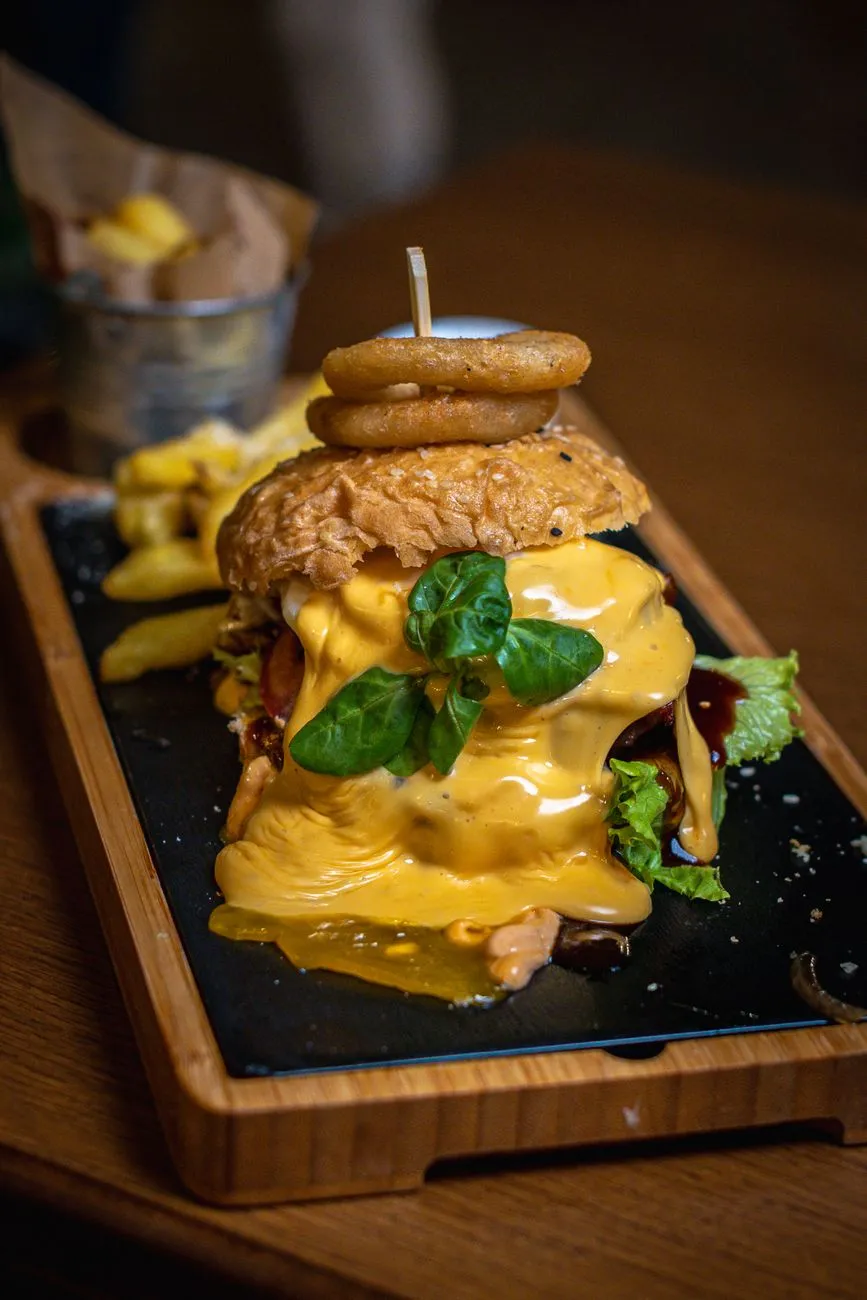
From Mongolian Steppes to American Diner Classics: The Untold Saga of the Hamburger
From Mongolian Steppes to American Diner Classics: The Untold Saga of the HamburgerIn the pantheon of global cuisine, few dishes command the universal adoration—or the fierce debate—surrounding the humble hamburger. This seemingly simple creation, a symphony of ground meat, bread, and condiments, has transcended its humble origins to become a symbol of cultural identity, economic power, and culinary innovation. But where did the hamburger truly begin? Was it born in the bustling streets of Hamburg, Germany, or did its roots stretch back further, to the nomadic tribes of Central Asia? And how did a dish once considered peasant food evolve into a multi-billion-dollar industry that shapes diets worldwide? The journey of the hamburger is not merely a culinary tale; it is a reflection of human migration, industrialization, and the democratization of food. From the Mongol horsemen who carried dried meat under their saddles to the German immigrants who brought their culinary traditions to America, and from the street vendors of late 19th-century New York to the gleaming fast-food chains of the 21st century, the hamburger’s evolution is a testament to the adaptability and ingenuity of human culture. To understand this iconic dish, we must peel back the layers of history, separating myth from reality, and explore the forces that transformed it from a simple meat patty into a global phenomenon.The Steppes of Genghis Khan: The Ancient Origins of Ground Meat The story of the hamburger begins not in a kitchen, but on the vast, windswept steppes of Central Asia, where the Mongol Empire under Genghis Khan reshaped the world in the 13th century. The Mongols were a nomadic people, and their survival depended on their ability to travel long distances with minimal supplies. One of their most ingenious culinary innovations was khoormog, a method of drying meat by pounding it thin, salting it, and then hanging it to dry in the sun or wind. This process not only preserved the meat but also made it lightweight and easy to carry—ideal for soldiers and travelers. But the Mongols took this concept further. According to historical accounts, they would place thin slices of meat under their saddles while riding, allowing the combination of body heat and movement to tenderize the meat. This practice, known as sukha, is often cited as an early precursor to ground meat. When the Mongols expanded their empire westward, they brought this technique with them, influencing the culinary traditions of Persia, the Middle East, and eventually Europe. By the time the technique reached the port city of Hamburg in northern Germany, it had evolved into Hamburg steak, a dish of minced beef mixed with onions, salt, and spices, often served raw or lightly cooked. This dish became a staple among German sailors and immigrants, who carried it with them as they traveled to the New World. The connection between the Mongol sukha and the German Hamburg steak is more than just culinary—it is a thread that weaves through centuries of cultural exchange, proving that even the humblest of dishes can carry the weight of history.The American Melting Pot: How Hamburgers Conquered the New World The transformation of the hamburger from a European delicacy to an American icon is a story of immigration, innovation, and sheer entrepreneurial spirit. In the mid-19th century, German immigrants flocked to the United States, bringing with them their culinary traditions, including the Hamburg steak. These immigrants settled primarily in cities like New York, Chicago, and Cincinnati, where they opened butcher shops, restaurants, and street carts that served their beloved dish. One of the earliest recorded instances of a hamburger-like dish in America dates back to 1885, when a vendor named Charlie Nagreen, just 15 years old, flattened a meatball and placed it between two slices of bread at a fair in Seymour, Wisconsin. Nagreen’s innovation was born out of necessity—he wanted to make it easier for customers to eat while walking around the fairgrounds. This simple act of culinary ingenuity is often credited as the birth of the modern hamburger. Meanwhile, in other parts of the country, the hamburger was gaining traction in different forms. In 1891, a restaurant owner named Fletcher Davis in Athens, Texas, began serving a dish he called a "hamburger sandwich," which consisted of a ground beef patty served between two slices of bread with lettuce, tomatoes, and onions. Davis’s creation caught the attention of a traveling salesman named Fletcher Davis, who later popularized the dish at the 1904 St. Louis World’s Fair. The fair was a turning point for the hamburger, as it introduced millions of Americans to the dish and sparked a nationwide craze. The rise of the hamburger in America was not just a culinary phenomenon; it was also a reflection of the country’s industrialization and urbanization. As cities grew and the pace of life quickened, the hamburger’s convenience and affordability made it the perfect meal for the working class. Street vendors, diners, and eventually fast-food chains capitalized on this demand, turning the hamburger into a symbol of American ingenuity and capitalism.The Fast-Food Revolution: How McDonald’s and the Drive-Thru Changed the Game The hamburger’s journey from street food to global dominance reached its apex in the mid-20th century, thanks to the rise of fast food and the visionary entrepreneurs who transformed the industry. While the hamburger had been a staple of American diners for decades, it was the post-World War II economic boom and the advent of the automobile that truly catapulted it into the stratosphere of global cuisine. The most pivotal figure in this transformation was Ray Kroc, a milkshake machine salesman who joined the McDonald’s brothers’ small burger stand in San Bernardino, California, in 1954. Kroc saw the potential of the McDonald’s concept—standardized, efficient, and affordable—and he set out to turn it into a franchise empire. By 1961, Kroc had bought out the McDonald’s brothers and began expanding the chain at a breakneck pace. The introduction of the drive-thru window in 1975 was a game-changer, allowing customers to enjoy their hamburgers without ever leaving their cars. This innovation not only catered to the growing car culture of America but also set the stage for the global fast-food phenomenon. McDonald’s wasn’t alone in its quest to dominate the hamburger market. Competitors like Burger King, Wendy’s, and White Castle also played crucial roles in shaping the industry. White Castle, founded in 1921, is often credited as the first fast-food hamburger chain. Its small, square patties and distinctive architecture were designed to appeal to the middle-class families of the era, and its emphasis on cleanliness and consistency set the standard for the industry. Wendy’s, launched in 1969 by Dave Thomas, differentiated itself with its square patties and fresh, never-frozen beef, appealing to a more discerning customer base. The fast-food revolution also had a profound impact on global culture. As American fast-food chains expanded overseas, they brought the hamburger with them, often adapting it to local tastes and preferences. In Japan, for example, McDonald’s introduced the Teriyaki Burger, while in India, the chain created the McAloo Tikki, a vegetarian patty made from potatoes and peas. This globalization of the hamburger not only made it a ubiquitous presence in nearly every corner of the world but also turned it into a symbol of American cultural influence.The Science of the Burger: What Makes a Perfect Patty? Behind every great hamburger lies a carefully crafted balance of ingredients, techniques, and science. The perfect patty is not just a matter of taste; it is a result of understanding the chemical and physical properties of meat, the role of fat, and the importance of cooking methods. To appreciate the hamburger fully, we must delve into the science that makes it so irresistible. The foundation of any hamburger is the meat itself. Ground beef is typically made from a blend of different cuts, including chuck, brisket, and round. The fat content is crucial—too little, and the patty will be dry and tough; too much, and it will shrink excessively during cooking and become greasy. The ideal fat content for a hamburger patty is around 20-30%, which provides both flavor and juiciness. The fat also plays a key role in the Maillard reaction, the chemical process that gives the patty its characteristic brown crust and rich, savory flavor. The grind of the meat is another critical factor. A coarse grind, with visible chunks of fat and connective tissue, will result in a more textured and flavorful patty. A fine grind, on the other hand, produces a smoother texture but can lead to a denser, less juicy burger. The temperature of the meat is also important. Cold meat is easier to handle and shape, but it can lead to a tougher patty. Many chefs recommend letting the meat sit at room temperature for about 30 minutes before forming the patties to achieve the best balance of texture and tenderness. The cooking method is where the science truly comes into play. Grilling, pan-searing, and griddling are the most common techniques, each with its own advantages. Grilling imparts a smoky flavor and creates a desirable char, while pan-searing and griddling allow for more precise temperature control and even cooking. The use of a meat thermometer is essential to ensure that the patty reaches a safe internal temperature of 160°F (71°C) without overcooking. Resting the patty for a few minutes after cooking allows the juices to redistribute, ensuring a moist and flavorful bite. Condiments and toppings also play a role in the science of the burger. The acidity in ketchup, mustard, and pickles helps to cut through the richness of the meat, while the sweetness of caramelized onions or the umami of cheese enhances the overall flavor profile. The bun, often an overlooked component, is equally important. A high-quality bun should be soft yet sturdy enough to hold the patty and toppings without falling apart. Brioche buns, with their buttery richness, are a popular choice for gourmet burgers, while sesame seed buns are a classic staple.Hamburger Patty ComparisonCut Blend Fat ContentChuck (70%) + Brisket (30%) 25%Chuck (80%) + Short Rib (20%) 20%Sirloin (100%) 15%The Global Burger: How Different Cultures Reinvented the Classic While the hamburger is undeniably an American icon, its adaptability has allowed it to thrive in cultures around the world. From the teriyaki burgers of Japan to the lamb kofta burgers of the Middle East, each region has put its own unique spin on this global dish, creating a diverse tapestry of flavors and traditions. In Japan, the hamburger has been embraced and reimagined in ways that reflect the country’s culinary sensibilities. The Teriyaki Burger, introduced by McDonald’s in the 1980s, combines the sweet and savory flavors of teriyaki sauce with a beef patty, often served with shredded cabbage and a sesame seed bun. Another popular variation is the Katsu Burger, which features a breaded and fried pork cutlet instead of beef, topped with tonkatsu sauce and cabbage. These burgers highlight Japan’s love for umami-rich flavors and crispy textures, proving that the hamburger can be both familiar and innovative. In the Middle East, the hamburger has been adapted to local tastes and ingredients. In Lebanon, for example, the Kafta Burger is a popular street food made from spiced ground lamb or beef, grilled and served in a pita bread with garlic sauce, pickles, and fresh vegetables. In Turkey, the Izgara Burger is a grilled beef patty served with melted cheese, tomatoes, and a spicy red pepper sauce called acili sos. These variations showcase the region’s love for bold spices and fresh, vibrant flavors, demonstrating how the hamburger can be transformed into a dish that feels both local and global. In India, where beef consumption is limited due to religious and cultural beliefs, the hamburger has been reinvented with plant-based ingredients. The McAloo Tikki Burger, introduced by McDonald’s in the 1990s, features a spiced potato and pea patty, served with mint chutney and onions in a sesame seed bun. This vegetarian burger has become a staple in India and has even inspired similar creations in other countries, proving that the hamburger’s appeal extends far beyond meat. Even in Europe, where the hamburger originated, the dish has been reimagined in ways that reflect local traditions. In Germany, the Rundstück warm is a classic hamburger-style sandwich served with pickles, onions, and mustard on a soft roll. In France, the Steak Haché Burger is a simple yet elegant creation, featuring a high-quality beef patty served with a fried egg, cheese, and a side of fries. These variations highlight the hamburger’s versatility and its ability to adapt to different culinary landscapes.The Burger of Tomorrow: Innovation and the Future of Fast Food As we look to the future, the hamburger is poised to continue its evolution, driven by advances in technology, changing consumer preferences, and a growing emphasis on sustainability. The fast-food industry is under increasing pressure to reduce its environmental impact, and the hamburger, with its reliance on beef, is at the forefront of this conversation. Innovations in plant-based and lab-grown meat are already transforming the industry, offering alternatives that are more sustainable, ethical, and healthier. Plant-based burgers, such as the Impossible Burger and the Beyond Burger, have gained widespread popularity in recent years. These burgers are designed to mimic the taste and texture of traditional beef patties, using ingredients like pea protein, beet juice, and coconut oil to achieve a meat-like experience. In 2023, the global plant-based meat market was valued at over $10 billion, and it is projected to continue growing as consumers seek more sustainable and ethical food options. Lab-grown meat, also known as cultured or cell-based meat, is another promising innovation. This technology involves growing meat from animal cells in a lab, eliminating the need for traditional livestock farming. While still in the early stages of development, lab-grown meat has the potential to revolutionize the hamburger industry by offering a product that is both environmentally friendly and indistinguishable from traditional beef. Companies like Memphis Meats and Mosa Meat are leading the charge in this field, with products that could hit the market as early as 2025. The future of the hamburger is not just about what’s inside the patty; it’s also about how it’s served. The rise of digital ordering, delivery apps, and ghost kitchens is changing the way we interact with fast food. Customers can now customize their burgers with the touch of a screen, and restaurants are leveraging data analytics to predict demand and optimize their menus. The drive-thru, once the hallmark of fast food, is being reimagined with touchless ordering systems and autonomous delivery vehicles. Sustainability is also becoming a key focus for the hamburger industry. Restaurants are exploring ways to reduce food waste, such as using imperfect produce or repurposing leftover ingredients. Packaging is another area of innovation, with many chains switching to compostable or biodegradable materials to minimize their environmental footprint. The Zero-Waste Burger, a concept gaining traction in Europe, features a patty made from upcycled ingredients like spent grain from breweries or vegetable scraps, proving that even the humblest of dishes can contribute to a more sustainable future.A Bite of History: Why the Hamburger Endures In a world where culinary trends come and go, the hamburger’s enduring popularity is a testament to its simplicity, versatility, and cultural resonance. It is a dish that has traveled across continents and centuries, adapting to the tastes and needs of each generation. From the Mongol horsemen who carried dried meat under their saddles to the fast-food chains that now serve billions of burgers every year, the hamburger’s journey is a reflection of humanity’s ingenuity and love for good food. But the hamburger is more than just a meal; it is a symbol of community and shared experience. Whether enjoyed at a backyard barbecue, a bustling street cart, or a high-end restaurant, the hamburger brings people together. It is a dish that transcends class, culture, and geography, uniting us in our love for a simple yet perfect combination of meat, bread, and condiments. As we look to the future, the hamburger will continue to evolve, shaped by innovation, sustainability, and the ever-changing tastes of consumers. But no matter how it changes, one thing is certain: the hamburger will always be a beloved part of our global culinary heritage. So the next time you sink your teeth into a juicy, perfectly cooked patty, take a moment to appreciate the rich history and cultural significance behind every bite.#HamburgerHistory #GlobalCuisine #FastFoodEvolution #CulinaryJourney #FoodCulture Related InsightsThe Unfolding Tapestry of Flavor: A Millennia-Spanning Journey Through the Epic Evolution of Curry 'From Sacred Ritual to Sweet Obsession: The Untold History of Chocolate That Will Change How You Taste It' The Alchemist's Kitchen: When Physics Met the Pot and Changed Dinner Forever{ "@context": "https://schema.org", "@type": "FAQPage", "mainEntity": [ { "@type": "Question", "name": "What is the main focus of From Mongolian Steppes to American Diner Classics: The Untold Saga of the Hamburger?", "acceptedAnswer": { "@type": "Answer", "text": "Uncover the surprising journey of the hamburger—from ancient nomadic delicacies to a global fast-food phenomenon. Discover the cultural, culinary, and historical forces that shaped this iconic dish." } }, { "@type": "Question", "name": "Who authored the comprehensive guide on From Mongolian Steppes to American Diner Classics: The Untold Saga of the Hamburger?", "acceptedAnswer": { "@type": "Answer", "text": "This detailed article and its insights were carefully researched and authored by Marcus Vance." } }, { "@type": "Question", "name": "Where can I find more related content about Food?", "acceptedAnswer": { "@type": "Answer", "text": "You can explore more articles, detailed reviews, and similar insights by browsing the Related Insights section at the bottom of this article or visiting our dedicated Food category page." } } ] }