Showing Posts From
Fear and loathing in
- 10 Oct, 2024 12:18
Fear and Loathing in Las Vegas: A Savage Journey to the Heart of the American Dream Book Review and Summary
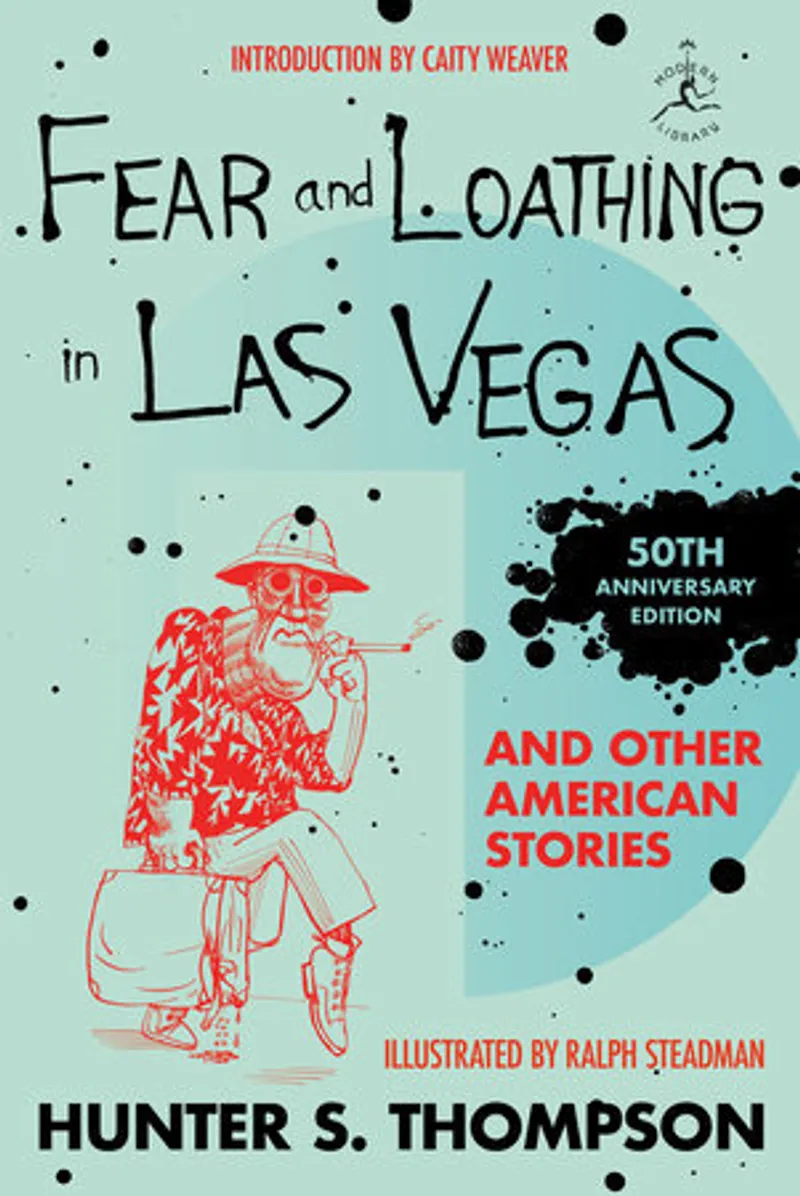
Fear and Loathing in Las Vegas and Other American Stories Author: Ralph SteadmanPage Count: UnknownPublication Date: 1998-PRH Hunter S. Thompson’s Fear and Loathing in Las Vegas and Other American Stories, with its iconic illustrations by Ralph Steadman, remains a searing, hallucinatory time capsule of the American 1960s—a decade that, in Thompson’s acid-tongued prose, feels less like history and more like a fever dream. This 50th-anniversary edition, replete with Steadman’s grotesque, ink-splattered visions and a fresh introduction by New York Times writer Caity Weaver, is less a book than an experience: a ride-along with Thompson and his attorney, Raoul Duke, as they barrel through Las Vegas in a drug-fueled haze, chasing the American Dream while it dissolves into smoke and neon. At its core, Fear and Loathing is a satire of excess—a merciless dissection of the American obsession with spectacle, consumerism, and self-destruction. Thompson doesn’t just describe the chaos of Las Vegas; he immerses the reader in it, using language as a drug, a weapon, and a mirror. The book’s genius lies in its refusal to distinguish between the narrator’s madness and the world’s. When Thompson writes, “We were somewhere around Barstow on the edge of the desert when the drugs began to take hold,” he’s not just setting a scene—he’s declaring war on the very idea of objective reality. The trip to Las Vegas becomes a metaphor for the nation itself: a place where ideals curdle into parody, where the pursuit of freedom curdles into paranoia, and where the American Dream is revealed as a hallucination sustained by bad whiskey and worse decisions. Thompson’s style, which would come to define “gonzo journalism,” is a frenetic, stream-of-consciousness assault on the senses. His sentences coil and uncoil like a rattlesnake, each one packed with enough amphetamine-fueled imagery to make a lesser writer’s head spin. He doesn’t just report; he transmutes, turning the mundane (a hotel room, a slot machine, a waitress) into something mythic and grotesque. The prose is a collision of highbrow allusions and lowbrow slang, of Hunter S. Thompson quoting Nietzsche while snorting cocaine off a hotel room desk. It’s exhausting, exhilarating, and impossible to look away from. Ralph Steadman’s illustrations amplify this effect, transforming Thompson’s manic prose into something visually grotesque. His drawings—smeared, distorted, and dripping with ink—capture the book’s themes of decay and disintegration. Steadman doesn’t just illustrate Fear and Loathing; he embodies it, giving form to the book’s nightmarish energy. The result is a collaboration that feels less like a book and more like a descent into someone else’s fractured psyche. The companion pieces included in this edition—“Jacket Copy for Fear and Loathing in Las Vegas,” “Strange Rumblings in Aztlan,” and “The Kentucky Derby Is Decadent and Depraved”—serve as further proof of Thompson’s genius. Each piece is a microcosm of his style: raw, unfiltered, and dripping with the same manic energy. “The Kentucky Derby” in particular is a masterclass in gonzo journalism, a piece that captures the absurdity and violence of American spectacle with a precision that feels almost prophetic. What makes Fear and Loathing endure isn’t just its style, but its prescience. Thompson’s Las Vegas is a harbinger of the modern world—a place where reality is commodified, where truth is whatever you can shout loudest, and where the line between performance and pathology has long since vanished. The book’s 50th anniversary isn’t just a celebration of a classic; it’s a reminder that Thompson’s warnings about America’s addiction to spectacle and self-destruction are more relevant than ever. For those who’ve never experienced Fear and Loathing, this edition is the definitive introduction. For those who have, it’s a chance to revisit a masterpiece that refuses to be tamed. Thompson’s prose is a drug, and once you’ve taken it, you’ll never see America—or yourself—the same way again. #FearAndLoathing50 #GonzoJournalism #HunterSThompson #RalphSteadman #AmericanNightmare #SixtiesCounterculture Related InsightsColour of Hope Book Review and Summary Christmas Fix Book Review and Summary Eleven Days: The Fascinating True Account of Agatha Christie's Mysterious Disappearance Book Review and Summary{ "@context": "https://schema.org", "@type": "FAQPage", "mainEntity": [ { "@type": "Question", "name": "What is the main focus of Fear and Loathing in Las Vegas: A Savage Journey to the Heart of the American Dream Book Review and Summary?", "acceptedAnswer": { "@type": "Answer", "text": "Everything you need to know about Fear and Loathing in Las Vegas: A Savage Journey to the Heart of the American Dream with our detailed review." } }, { "@type": "Question", "name": "Who authored the comprehensive guide on Fear and Loathing in Las Vegas: A Savage Journey to the Heart of the American Dream Book Review and Summary?", "acceptedAnswer": { "@type": "Answer", "text": "This detailed article and its insights were carefully researched and authored by Hunter S. Thompson." } }, { "@type": "Question", "name": "Where can I find more related content about Books?", "acceptedAnswer": { "@type": "Answer", "text": "You can explore more articles, detailed reviews, and similar insights by browsing the Related Insights section at the bottom of this article or visiting our dedicated Books category page." } } ] }