Showing Posts From
Fiction
-
 Lucas Martin
 - 08 Jul, 2026 16:19
Le Pulitzer de la Fiction : Une Odyssée Littéraire au Cœur de l'Âme Américaine
Dans le vaste panthéon des distinctions littéraires, certaines étoiles brillent d'un éclat particulier, guidant les lecteurs à travers les constellations des récits les plus marquants. Parmi elles, le Prix Pulitzer de la Fiction s'impose comme un phare inaltérable, non seulement en tant que gardien de l'excellence narrative américaine, mais aussi comme le miroir d'une nation en constante redéfinition de son identité littéraire. Plus qu'un simple prix, c'est une saga, un testament vivant des évolutions de la pensée, des mœurs et des frontières de l'imaginaire américain, dont les chapitres se sont écrits et réécrits au fil des décennies. Son histoire est celle d'une quête perpétuelle, d'une ambition sans cesse renouvelée pour honorer les voix qui, avec audace et perspicacité, osent explorer les profondeurs de l'expérience humaine. Les Fondations d'une Légende : Du Roman à la Fiction Le Prix Pulitzer, institution vénérable fondée par Joseph Pulitzer, n'est pas qu'un simple ensemble de récompenses ; il est l'incarnation d'une aspiration à reconnaître les plus hautes formes d'accomplissement dans les domaines des lettres, du théâtre et de la musique aux États-Unis. Parmi les vingt-trois catégories qui le composent, celle dédiée à la fiction occupe une place centrale et historiquement significative. Initialement connu sous le nom de "Prix Pulitzer pour le Roman" (Pulitzer Prize for the Novel), il fut l'un des prix originaux inaugurés en 1917. Bien que le programme ait été lancé cette année-là avec sept récompenses, le prix du roman fut le seul à ne pas être décerné en 1917, sa première attribution ayant eu lieu en 1918. Cette distinction primitive était conçue avec une intention claire, presque prescriptive, telle que définie dans le Plan de Récompense original : honorer "annuellement, le roman américain publié au cours de l'année qui présentera le mieux l'atmosphère saine de la vie américaine, et le plus haut niveau de manières et de masculinité américaines". Il est fascinant de noter que, dès ses prémices, une nuance sémantique majeure fit l'objet de discussions : fallait-il employer le mot "wholesome" (sain, salutaire) ou "whole" (entier, complet) – le mot que Pulitzer aurait inscrit dans son testament ? En 1927, le conseil consultatif, dans un geste discret mais décisif, institua le choix de Pulitzer, remplaçant "wholesome" par "whole". Cette substitution n'était pas anodine ; elle signalait une première ouverture, une reconnaissance implicite de la complexité inhérente à la vie américaine, qui ne pouvait être réduite à une simple dimension "salutaire". Cette période initiale, qui dura trente-et-une années sous l'appellation "Roman", vit le prix être décerné à vingt-sept reprises, marquant les premières pierres d'un édifice littéraire destiné à devenir monumental. Ces premières années ont posé les jalons d'une tradition d'excellence, tout en amorçant un dialogue perpétuel sur ce qui constitue véritablement l'essence du roman "américain" et la manière dont il doit refléter la société qui l'engendre. L'Évolution des Critères : Une Odyssée vers l'Universalité L'histoire du Prix Pulitzer de la Fiction est profondément marquée par l'évolution de ses propres critères, témoignant d'une institution capable de s'adapter et de se réinventer face aux réalités mouvantes de la création littéraire. Cette adaptabilité fut mise à l'épreuve de manière spectaculaire en 1928, lorsque le jury du Pulitzer recommanda à l'unanimité Le Pont de San Luis Rey de Thornton Wilder pour le prix. L'œuvre, incontestablement magistrale, présentait un défi de taille aux définitions établies : elle traitait de Péruviens au Pérou, et non d'Américains en Amérique. Richard Burton, président du jury de l'Université Columbia, insista sur la valeur morale du livre dans son rapport au conseil consultatif, louant "non seulement un admirable exemple de compétence littéraire dans l'art de la fiction, mais aussi une portée philosophique et une élévation spirituelle qui augmentent considérablement sa valeur littéraire." Malgré cette ferveur, Robert Morss Lovett exprima son désaccord, affirmant qu'il serait une "simple supercherie de dire que cela a quoi que ce soit à voir avec le plus haut niveau de manières et de masculinité américaines". Cependant, il s'aligna sur le jury, trouvant "moins de mérite littéraire" dans les autres romans en lice. Cette tension aboutit à une première redéfinition significative. Le conseil consultatif, ayant opté pour Le Pont, modifia les conditions, passant de "atmosphère entière de la vie américaine, et le plus haut niveau de manières et de masculinité américaines" à "de préférence celui qui présentera le mieux l'atmosphère entière de la vie américaine". Bien que cette modification n'ait pas directement abordé la question du cadre étranger, elle marqua une première étape vers une flexibilité accrue.Une autre illustration emblématique de cette évolution fut le cas de La Bonne Terre de Pearl S. Buck en 1932. Ce roman, qui explorait la vie villageoise chinoise dans l'Anhui, en Chine orientale, un cadre résolument étranger, fut également couronné. Cette victoire précipita un nouvel affinement des critères, qui devinrent simplement "le meilleur roman publié cette année par un auteur américain". Cette reformulation élimina tout obstacle lié au cadre géographique, ouvrant la voie à une appréciation de la littérature américaine au-delà de ses frontières immédiates. Parallèlement à ces ajustements sur la géographie et les mœurs, d'autres changements substantiels prirent effet. En 1929, le conseil modifia le libellé pour stipuler "de préférence celui qui présentera le mieux l'atmosphère entière de la vie américaine", supprimant l'exigence que le roman dépeigne "le plus haut niveau de manières et de masculinité américaines". Cette suppression fut cruciale, libérant les auteurs des contraintes d'une représentation idéalisée et parfois restrictive de l'identité américaine, et reconnaissant la richesse des nuances et des ambiguïtés de l'expérience humaine. En 1936, l'accent fut une nouvelle fois modifié, le prix étant désormais attribué à "un roman distingué publié au cours de l'année par un auteur américain, traitant de préférence de la vie américaine". Ces révisions successives montrent une quête constante pour définir une distinction qui, tout en honorant l'excellence littéraire, refléterait une compréhension de plus en plus sophistiquée et inclusive de ce que signifie être un écrivain américain. L'Ère de la Fiction : Une Vision Élargie et Inclusive Le tournant le plus significatif dans l'histoire de ce prix survint en 1948. Cette année-là, le Prix Pulitzer pour le Roman fut officiellement rebaptisé "Prix Pulitzer de la Fiction" (Pulitzer Prize for Fiction). Ce changement de nom n'était pas une simple formalité linguistique ; il signalait une expansion fondamentale de la portée du prix. Le conseil consultatif élargit la définition de l'admissibilité à "Pour la fiction distinguée publiée sous forme de livre au cours de l'année par un auteur américain, traitant de préférence de la vie américaine." Cette reformulation permit au prix de récompenser pour la première fois une collection de nouvelles, défiant ainsi l'exigence implicite d'un roman complet. L'opportunité de couronner Contes du Pacifique Sud (Tales of the South Pacific) de James A. Michener fut le catalyseur de cette évolution. Pour pouvoir honorer cette œuvre acclamée, il devint nécessaire d'élargir les critères de la catégorie et de lever l'interdiction de récompenser des recueils de nouvelles. Cette décision fut un jalon majeur, reconnaissant la valeur intrinsèque et l'impact de la forme courte et d'autres types de fiction, au-delà du roman traditionnel. Elle ouvrit la porte à une plus grande diversité de formes narratives, enrichissant le paysage littéraire du Pulitzer. Depuis 1980, le processus de sélection a gagné en transparence avec l'annonce publique des finalistes, généralement au nombre de trois. Cette pratique offre non seulement un aperçu des délibérations du jury, mais met également en lumière d'autres œuvres méritantes qui ont failli remporter la prestigieuse récompense, contribuant à façonner le discours littéraire de l'année. Palmarès et Légendes : Les Étoiles Éternelles du Pulitzer Au fil de son histoire, le Prix Pulitzer, sous ses deux appellations, a tissé une toile riche de la littérature américaine. Durant les trente-et-une années où il fut désigné comme le prix du "Roman", la distinction fut décernée à vingt-sept reprises. Par la suite, sur les soixante-seize années écoulées jusqu'en 2024 sous le nom de "Fiction", il a honoré soixante-dix œuvres. Ces chiffres révèlent une reconnaissance régulière de l'excellence, mais aussi une sélectivité rigoureuse. Onze années ont vu le prix ne pas être attribué, soulignant l'exigence intransigeante du comité, préférant parfois l'absence de lauréat plutôt que de compromettre ses standards. Une innovation récente est survenue en 2023, lorsque le prix fut partagé pour la première fois par deux auteurs, un événement rare qui témoigne d'une reconnaissance mutuelle de l'excellence irréfutable de deux œuvres distinctes. La diversité des voix primées est également notable : depuis sa création en 1918, trente-trois femmes ont été honorées, preuve d'une reconnaissance croissante de leur contribution fondamentale au canon littéraire américain. Certaines figures se sont distinguées par leur capacité à captiver et à émouvoir le jury à plusieurs reprises, rejoignant ainsi un cercle très restreint de lauréats multiples. Quatre auteurs, véritables titans de la fiction, ont remporté deux prix chacun dans la catégorie Fiction, ou dans sa forme antérieure :Booth Tarkington : Couronné en 1919 et 1922. Son œuvre, ancrée dans la vie américaine du début du 20e siècle, a su capturer l'essence d'une époque. William Faulkner : Un géant de la littérature américaine, il a été récompensé en 1955 et, à titre posthume, en 1963, pour ses explorations profondes et complexes du Sud américain. John Updike : Sa plume incisive lui a valu le prix en 1982 et 1991, marquant son empreinte indélébile sur la fiction contemporaine. Colson Whitehead : Plus récemment, il a rejoint ce club exclusif avec des victoires en 2017 et 2020, démontrant sa capacité à aborder des thèmes sociaux cruciaux avec une maîtrise narrative exceptionnelle.Il est intéressant de noter que le nom d'Ernest Hemingway aurait pu figurer plus tôt sur cette liste prestigieuse. Sélectionné par le jury en 1941, sa récompense fut malheureusement annulée cette année-là sans attribution. Il fut finalement couronné en 1953, confirmant sa place dans l'histoire littéraire. Ces lauréats multiples incarnent la pérennité de l'excellence, la capacité à maintenir un niveau de création exceptionnel sur des décennies.Les Noms Pluriels : Nominations et Reconnaissances Multiples Au-delà des lauréats, l'histoire du Pulitzer est également jalonnée de noms d'auteurs dont le travail a été salué à plusieurs reprises par des nominations, témoignant d'une reconnaissance constante de leur contribution remarquable à la littérature. Si remporter le prix est un exploit immense, être régulièrement sur la liste des finalistes est une preuve de persévérance, d'innovation et d'une qualité d'écriture qui marque les esprits des jurés année après année. Certains auteurs ont notamment accumulé un nombre impressionnant de nominations, soulignant une carrière d'une excellence rare :Quatre nominations : Seuls deux écrivains d'envergure ont atteint ce sommet, attestant d'une influence durable et d'une œuvre constamment pertinente.Joyce Carol Oates : Sa prolificité et sa capacité à explorer une multitude de genres et de thèmes en font une figure incontournable de la littérature américaine contemporaine. Philip Roth : Maître de la fiction psychologique et sociale, Roth a marqué son époque par son exploration sans concession de l'identité américaine, recevant à maintes reprises les éloges du jury.Trois nominations : Un groupe restreint de talents dont la constance et la profondeur ont été maintes fois soulignées.Alice McDermott Anne Tyler Colson Whitehead (qui a d'ailleurs remporté le prix deux fois, ce qui rend ses trois nominations encore plus significatives).Deux nominations : Une liste étendue d'auteurs qui, par la richesse et l'impact de leurs récits, ont laissé une empreinte indélébile sur le jury du Pulitzer. Cette catégorie inclut des noms prestigieux qui ont façonné le paysage littéraire moderne :Russell Banks Raymond Carver Don DeLillo Hernan Diaz E. L. Doctorow Louise Erdrich Percival Everett Richard Ford Adam Haslett Oscar Hijuelos Ha Jin Denis Johnson Gayl Jones Barbara Kingsolver Richard Powers Annie Proulx Marilynne Robinson Robert Stone John Updike (double lauréat également, ce qui témoigne de l'exceptionnalité de sa reconnaissance) David Levering LewisCes listes de nominations multiples ne sont pas de simples statistiques ; elles racontent l'histoire de la persévérance, de la quête inlassable de la perfection stylistique et de la pertinence thématique. Elles illustrent la manière dont certains auteurs réussissent à rester à la pointe de la création littéraire pendant des décennies, leurs œuvres continuant de résonner et d'être considérées comme essentielles par les arbitres de l'excellence. Ces reconnaissances répétées confèrent à ces écrivains un statut particulier, celui de phares éclairant les sentiers de la fiction américaine, année après année. L'Héritage d'une Institution Vivante Le Prix Pulitzer de la Fiction, de ses débuts ancrés dans une définition stricte du roman "américain et wholesome" à sa forme actuelle, plus englobante et ouverte à la "fiction distinguée sous forme de livre", incarne un voyage remarquable. Ce parcours n'est pas seulement celui d'une distinction honorifique ; c'est le reflet en miroir des transformations profondes de la littérature américaine elle-même. Chaque modification de ses critères, chaque débat sur l'éligibilité d'une œuvre, chaque lauréat controversé ou unanimement célébré, a contribué à sculpter non seulement l'identité du prix, mais aussi la compréhension collective de ce qu'est et devrait être la grande fiction américaine. De la rigidité initiale concernant le cadre national et les mœurs à l'acceptation de récits se déroulant à l'étranger ou sous forme de recueils de nouvelles, le Pulitzer a prouvé sa capacité à évoluer sans jamais compromettre son engagement envers l'excellence. Il a reconnu les voix fondatrices et les innovateurs, les conteurs de la condition humaine et les critiques de la société. Le prix continue de susciter l'anticipation, le débat et, surtout, la lecture. Il reste une boussole essentielle pour les lecteurs et les écrivains, un rappel vibrant que la fiction, sous toutes ses formes, détient le pouvoir unique de nous faire voir le monde, de nous comprendre et, in fine, de nous transformer. L'odyssée du Pulitzer de la Fiction est loin d'être achevée ; elle continue de s'écrire, un chapitre distingué après l'autre, au rythme de l'imagination américaine.#PulitzerFiction #Littérature #PrixLittéraireAméricain #Écriture #HistoireDuLivre Related InsightsFallow Book Review and Summary Things We Left Behind Book Review and Summary To All the Boys I've Loved Before Book Review and Summary{ "@context": "https://schema.org", "@type": "FAQPage", "mainEntity": [ { "@type": "Question", "name": "What is the main focus of Le Pulitzer de la Fiction : Une Odyssée Littéraire au Cœur de l'Âme Américaine?", "acceptedAnswer": { "@type": "Answer", "text": "Plongez dans l'histoire fascinante du Prix Pulitzer de la Fiction, une distinction littéraire qui a su s'adapter, se redéfinir et célébrer l'excellence de la narration américaine à travers les époques." } }, { "@type": "Question", "name": "Who authored the comprehensive guide on Le Pulitzer de la Fiction : Une Odyssée Littéraire au Cœur de l'Âme Américaine?", "acceptedAnswer": { "@type": "Answer", "text": "This detailed article and its insights were carefully researched and authored by Lucas Martin." } }, { "@type": "Question", "name": "Where can I find more related content about Books?", "acceptedAnswer": { "@type": "Answer", "text": "You can explore more articles, detailed reviews, and similar insights by browsing the Related Insights section at the bottom of this article or visiting our dedicated Books category page." } } ] }
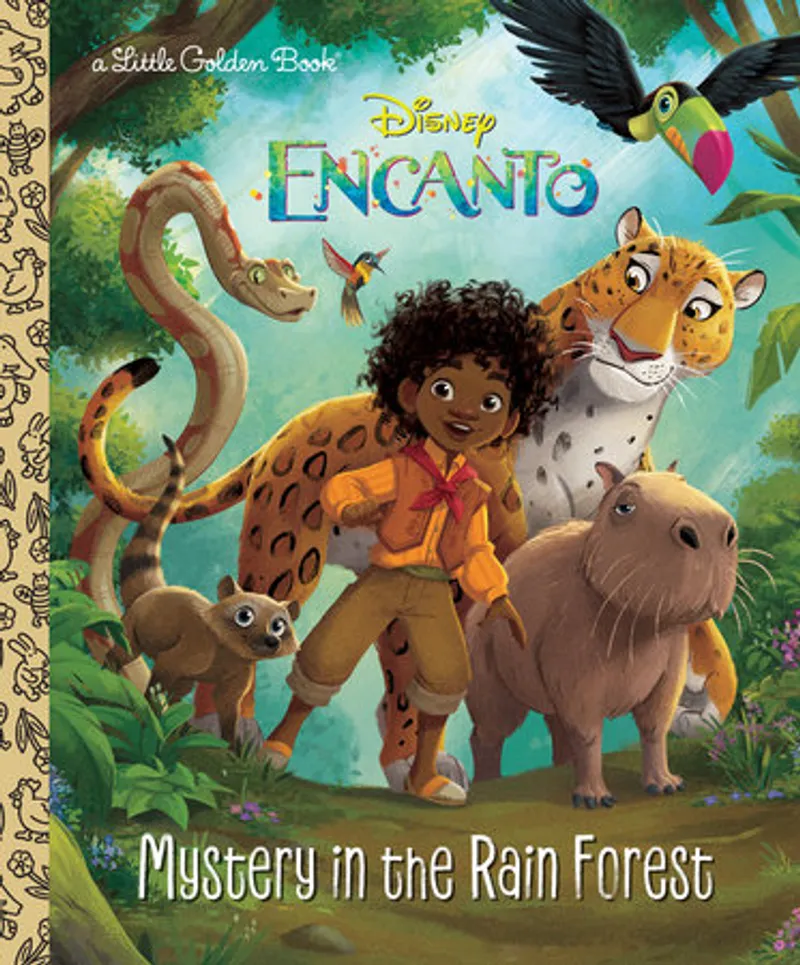
Mystery in the Rain Forest (Disney Encanto) Author: Disney Storybook Art TeamPage Count: UnknownPublication Date: 2023-PRH Mystery in the Rain Forest, a Little Golden Book, is a charming addition to the Disney Encanto series. Written by the Disney Storybook Art Team, this beautifully illustrated book tells an original story about Antonio, the youngest Madrigal, and his animal friends as they embark on a journey to save their beloved town. The story takes place in the vibrant town of Encanto, where the Madrigal family resides in a magical house filled with unique gifts and talents. However, when the town's plants stop growing, it's up to Antonio to use his special power to communicate with animals to find the solution. This heartwarming tale of friendship and courage is perfect for kids aged 2 to 5 who loved the Disney movie Encanto. One of the standout features of this book is its stunning illustrations. The Disney Storybook Art Team has done an excellent job in bringing the magical world of Encanto to life with their vibrant and colorful artwork. The characters are beautifully designed, and the attention to detail is impressive. The illustrations will surely captivate young readers and transport them to the enchanting world of Encanto. The story itself is engaging and easy to follow, making it perfect for early readers or for parents to read aloud to their children. The author's use of simple language and short sentences makes the story accessible to young readers, while the plot is exciting and unpredictable enough to keep them engaged. The main theme of the book, which is the power of friendship and courage, is beautifully conveyed through Antonio's journey. The story shows how one person can make a difference when they work together with others and use their unique talents to solve a problem. This is a valuable lesson for young readers, and the story is told in a way that is both entertaining and educational. The author's style is reminiscent of classic children's books, with a focus on storytelling and imagination. The use of descriptive language and vivid imagery helps to create a sense of wonder and magic, drawing the reader into the world of Encanto. The story is also full of action and suspense, making it a thrilling ride for young readers. Overall, Mystery in the Rain Forest is a delightful addition to the Disney Encanto series. With its stunning illustrations, engaging storyline, and valuable lessons, this book is sure to delight young readers and their parents. It's a must-read for fans of the Disney movie and a great introduction to the magical world of Encanto. #DisneyEncanto #LittleGoldenBooks #KidsLit #ChildrensBooks #EncantoInspired #MysteryInTheRainForest Related InsightsThe Italian Job: A Memoir of an American Reporter in Rome Book Review and Summary Harry Potter and the Philosopher's Stone Book Review and Summary American Heroes Book Review and Summary{ "@context": "https://schema.org", "@type": "FAQPage", "mainEntity": [ { "@type": "Question", "name": "What is the main focus of The Arnolfini Art Mysteries Book Review and Summary?", "acceptedAnswer": { "@type": "Answer", "text": "Everything you need to know about The Arnolfini Art Mysteries with our detailed review." } }, { "@type": "Question", "name": "Who authored the comprehensive guide on The Arnolfini Art Mysteries Book Review and Summary?", "acceptedAnswer": { "@type": "Answer", "text": "This detailed article and its insights were carefully researched and authored by Rich DiSilvio." } }, { "@type": "Question", "name": "Where can I find more related content about Books?", "acceptedAnswer": { "@type": "Answer", "text": "You can explore more articles, detailed reviews, and similar insights by browsing the Related Insights section at the bottom of this article or visiting our dedicated Books category page." } } ] }
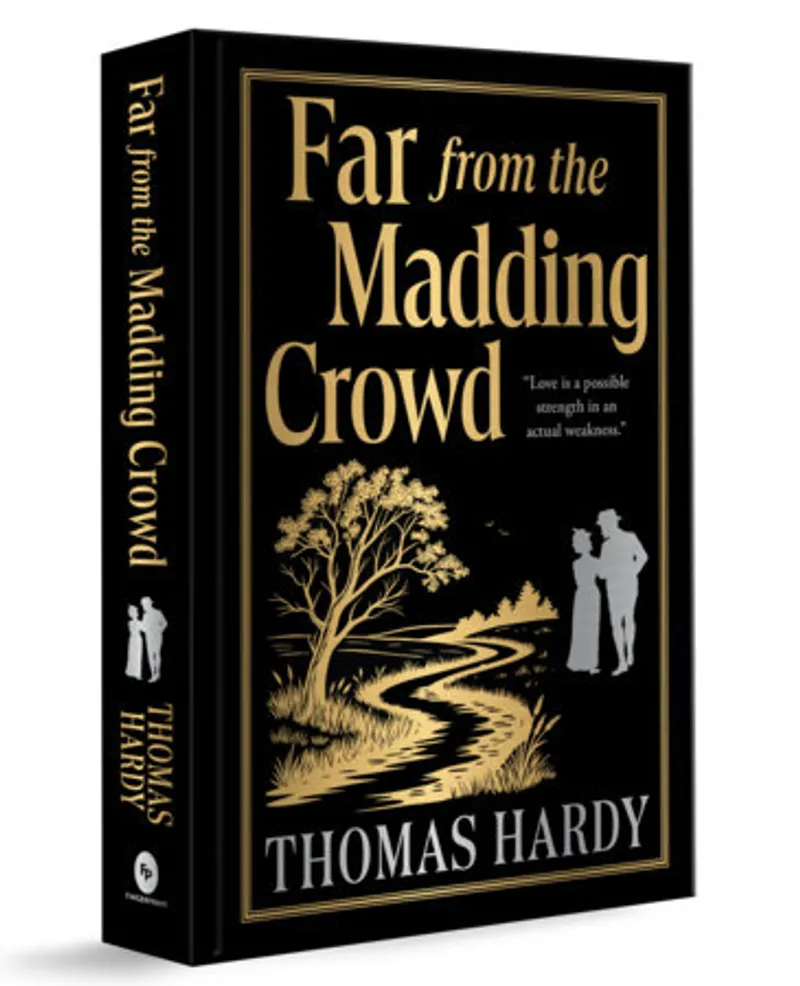
Far from the Madding Crowd (Deluxe Hardbound Edition) Author: Thomas HardyPage Count: UnknownPublication Date: 2026-PRH Thomas Hardy’s Far from the Madding Crowd (Deluxe Hardbound Edition, 2026) is a masterclass in timeless storytelling, where the relentless march of progress collides with the unyielding rhythms of nature and human nature. Set in the bucolic yet unforgiving landscapes of Wessex, Hardy’s novel is less a romance than a meditation on fate, duty, and the illusions of control—both over others and oneself. The book’s enduring power lies in its refusal to romanticize its characters; instead, it presents them as flawed, driven beings, caught between their desires and the inescapable weight of their circumstances. At its core, Far from the Madding Crowd explores the tension between independence and interdependence. Bathsheba Everdene, the novel’s protagonist, is a woman ahead of her time—a headstrong, independent landowner who defies the expectations of her era. Yet Hardy ensures she is no mere feminist icon; she is impulsive, vain, and often reckless, her decisions driven by emotion rather than reason. Her relationships with three very different men—Gabriel Oak, Sergeant Troy, and William Boldwood—serve as mirrors to her own contradictions. Gabriel represents stability and quiet devotion, Troy embodies reckless passion and fleeting charm, while Boldwood is the embodiment of repressed obsession. Each man reflects a facet of Bathsheba’s psyche, and her journey is as much about self-discovery as it is about love. Hardy’s prose is rich with poetic realism, blending lyrical descriptions of the natural world with sharp, unsentimental observations of human behavior. His Wessex is not just a setting but a character in itself—a landscape that is both beautiful and brutal, where storms and droughts mirror the emotional turmoil of the characters. The famous scene where Bathsheba’s haystacks are destroyed by fire is a perfect example: the disaster is both a literal and symbolic unraveling of her control, a moment where nature asserts its dominance over human plans. Hardy’s language is dense with metaphor, yet never overwrought, striking a balance between grandeur and intimacy. What makes this novel particularly compelling in its 2026 deluxe edition is how it resonates in an age of instant gratification and disposable relationships. Bathsheba’s struggles with vanity, her impulsive decisions, and her eventual hard-won wisdom feel eerily contemporary. Hardy doesn’t offer easy resolutions; instead, he presents a world where consequences are inescapable, and growth comes at a cost. The novel’s ending, often debated, is in fact a triumph of realism—Bathsheba and Gabriel’s reunion is not a fairy-tale reconciliation but a hard-earned partnership, built on mutual respect and shared hardship. The deluxe hardbound edition enhances the reading experience with its sumptuous design—thick, creamy pages that invite lingering over Hardy’s prose, and a cover that evokes the rustic charm of 19th-century Wessex. The attention to detail in the typography and binding makes this not just a book to read, but an object to cherish, a testament to the enduring appeal of Hardy’s work. In Far from the Madding Crowd, Hardy crafts a story that is at once a pastoral idyll and a searing critique of societal norms. It is a novel about the illusions of freedom, the weight of responsibility, and the quiet heroism of those who choose duty over desire. Bathsheba Everdene is not a heroine to be admired from afar; she is a woman to be understood, flaws and all, and her story remains as vital today as it was when first published. #ThomasHardy #ClassicLiterature #VictorianNovel #PastoralFiction #BathshebaEverdene #LiteraryMasterpiece Related InsightsUna ofensa mortal / A Great Reckoning Book Review and Summary I Capture the Castle Book Review and Summary Far from Home Book Review and Summary{ "@context": "https://schema.org", "@type": "FAQPage", "mainEntity": [ { "@type": "Question", "name": "What is the main focus of Far From the Madding Crowd Book Review and Summary?", "acceptedAnswer": { "@type": "Answer", "text": "Everything you need to know about Far From the Madding Crowd with our detailed review." } }, { "@type": "Question", "name": "Who authored the comprehensive guide on Far From the Madding Crowd Book Review and Summary?", "acceptedAnswer": { "@type": "Answer", "text": "This detailed article and its insights were carefully researched and authored by Thomas Hardy." } }, { "@type": "Question", "name": "Where can I find more related content about Books?", "acceptedAnswer": { "@type": "Answer", "text": "You can explore more articles, detailed reviews, and similar insights by browsing the Related Insights section at the bottom of this article or visiting our dedicated Books category page." } } ] }

Dr. Seuss: How the Grinch Stole Christmas! Official Activity Book with 500 Stickers Author: Random HousePage Count: UnknownPublication Date: 2026-PRH As a professional book reviewer, I am delighted to share my thoughts on the upcoming release of Dr. Seuss: How the Grinch Stole Christmas! Official Activity Book with 500 Stickers, set to hit the shelves in 2026. Although the page count remains unknown, I am excited to dive into the world of Whoville and explore the mischievous adventures of the Grinch. The original story, written by the legendary Dr. Seuss, has been a beloved classic for generations, and this activity book promises to bring a fresh and interactive twist to the timeless tale. With 500 stickers included, young readers will be able to engage with the story in a whole new way, using their imagination and creativity to bring the characters and scenes to life. Random House, the publisher, has a reputation for producing high-quality books that captivate readers of all ages. Their commitment to preserving the essence of Dr. Seuss's signature style, while introducing new and exciting elements, is evident in this activity book. The inclusion of stickers, games, and other interactive features will undoubtedly make this book a hit among children and parents alike. The main theme of the book, of course, revolves around the Grinch's attempts to ruin Christmas for the residents of Whoville. However, as we all know, the story takes a heartwarming turn when the Grinch's icy heart is melted by the kindness and generosity of the Whos. This activity book is likely to retain the core message of the original story, emphasizing the importance of community, compassion, and the true spirit of Christmas. Dr. Seuss's unique writing style, characterized by his use of anapestic tetrameter, whimsical vocabulary, and zany illustrations, is unmistakable and has become an integral part of his enduring legacy. The activity book, while not written by Dr. Seuss himself, promises to stay true to his vision and aesthetic, ensuring that fans of the original story will feel right at home. The addition of 500 stickers will undoubtedly add an extra layer of fun and engagement to the book, allowing young readers to express their creativity and interact with the story in a more tangible way. The stickers will likely feature beloved characters from the story, including the Grinch, Max, and the Whos, as well as iconic symbols and objects from the world of Whoville. In conclusion, Dr. Seuss: How the Grinch Stole Christmas! Official Activity Book with 500 Stickers is shaping up to be a fantastic addition to the Dr. Seuss canon. With its engaging storyline, interactive features, and faithful adherence to the original style, this book is sure to delight both old and new fans of the Grinch. Whether you're a parent looking for a fun and educational activity book for your child or a collector of Dr. Seuss memorabilia, this book is definitely worth keeping an eye out for. #DrSeuss #TheGrinch #HowTheGrinchStoleChristmas #ChristmasBooks #ActivityBooksForKids #ChildrensLiterature Related InsightsThe Crossroads Book Review and Summary The Story of My Life Book Review and Summary Unwind Book Review and Summary{ "@context": "https://schema.org", "@type": "FAQPage", "mainEntity": [ { "@type": "Question", "name": "What is the main focus of How the Grinch Stole Christmas! Book Review and Summary?", "acceptedAnswer": { "@type": "Answer", "text": "Everything you need to know about How the Grinch Stole Christmas! with our detailed review." } }, { "@type": "Question", "name": "Who authored the comprehensive guide on How the Grinch Stole Christmas! Book Review and Summary?", "acceptedAnswer": { "@type": "Answer", "text": "This detailed article and its insights were carefully researched and authored by Dr. Seuss." } }, { "@type": "Question", "name": "Where can I find more related content about Books?", "acceptedAnswer": { "@type": "Answer", "text": "You can explore more articles, detailed reviews, and similar insights by browsing the Related Insights section at the bottom of this article or visiting our dedicated Books category page." } } ] }
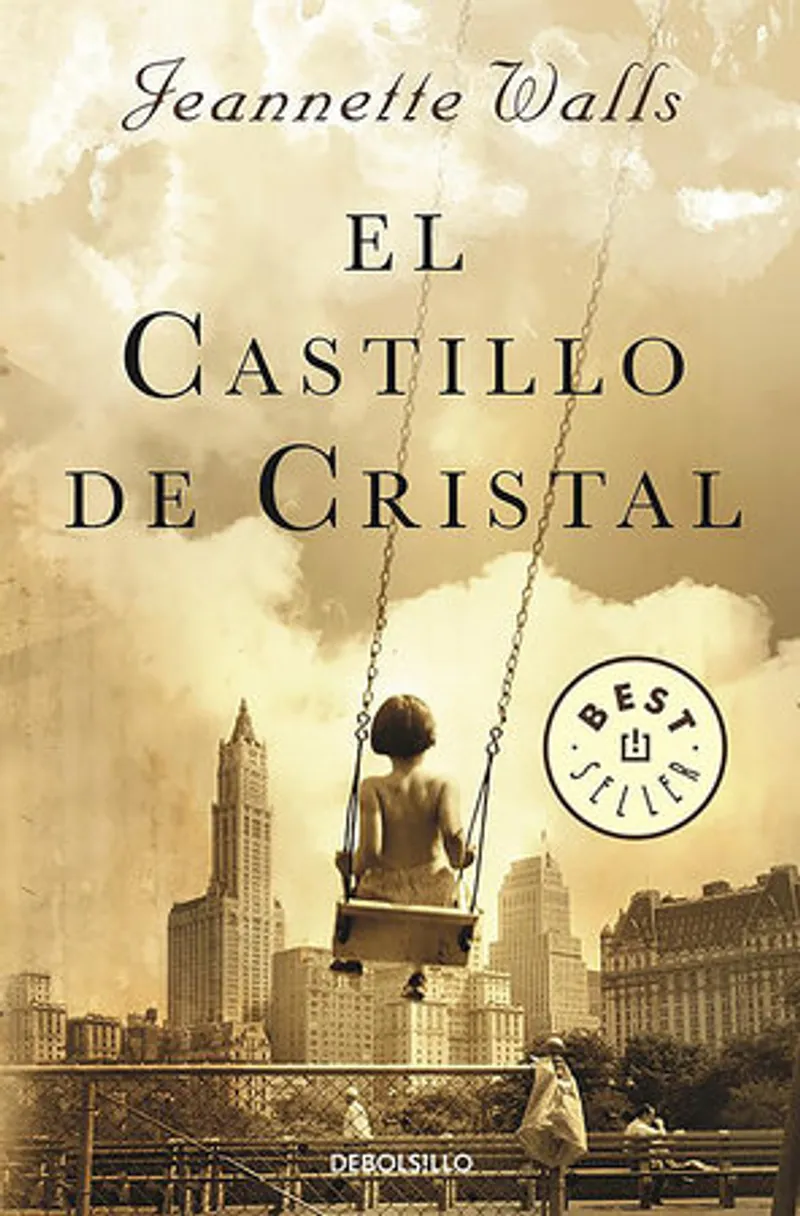
El castillo de cristal / The Glass Castle: A Memoir Author: Jeannette WallsPage Count: UnknownPublication Date: 2016-PRH In "The Glass Castle," Jeannette Walls weaves a mesmerizing narrative that delves into the complexities of a profoundly dysfunctional yet vibrant family. As a successful journalist, Walls concealed the dark secrets of her family for years, but in this memoir, she lays bare the tumultuous life she endured. With unflinching candor, she recounts the struggles of growing up with a charismatic yet alcoholic father, Rex, and an artist mother who rejects conventional responsibilities. Walls's writing style is as captivating as it is heartbreaking. Her vivid descriptions of the family's nomadic lifestyle, where they often found themselves sleeping under the desert stars or relying on the kindness of strangers, are both poignant and thought-provoking. The author's ability to balance the chaos of her childhood with the resilience and resourcefulness of her siblings is a testament to her exceptional storytelling talent. One of the most striking aspects of "The Glass Castle" is its exploration of the intricate dynamics between love, abandonment, and loyalty. Walls's parents, though flawed and often destructive, are multifaceted characters that evoke both frustration and empathy. The author's portrayal of her father's struggles with addiction and her mother's artistic passions raises essential questions about the nature of responsibility, forgiveness, and the cyclical patterns of family behavior. Throughout the book, Walls's prose is evocative and engaging, making it impossible for readers to remain indifferent to the story. Her writing is not only a tribute to the power of the human spirit but also a scathing critique of the societal norms that often fail to support families in crisis. The memoir is a transformative read, one that will leave readers changed forever. As Publishers Weekly noted, "Walls has a true talent for storytelling." Her ability to transform her painful childhood into a work of excellent literature is a testament to her skill as a writer. "The Glass Castle" is a must-read for anyone interested in memoirs, family dynamics, or the human condition. #TheGlassCastle #JeannetteWalls #Memoir #DysfunctionalFamily #ResilienceAndRedemption #ChildhoodTrauma Related InsightsAQA GCSE 9-1 Food Preparation and Nutrition Workbook Book Review and Summary Una corte de rosas y espinas Book Review and Summary A Monster Calls Book Review and Summary{ "@context": "https://schema.org", "@type": "FAQPage", "mainEntity": [ { "@type": "Question", "name": "What is the main focus of The Glass Castle Book Review and Summary?", "acceptedAnswer": { "@type": "Answer", "text": "Everything you need to know about The Glass Castle with our detailed review." } }, { "@type": "Question", "name": "Who authored the comprehensive guide on The Glass Castle Book Review and Summary?", "acceptedAnswer": { "@type": "Answer", "text": "This detailed article and its insights were carefully researched and authored by Jeannette Walls." } }, { "@type": "Question", "name": "Where can I find more related content about Books?", "acceptedAnswer": { "@type": "Answer", "text": "You can explore more articles, detailed reviews, and similar insights by browsing the Related Insights section at the bottom of this article or visiting our dedicated Books category page." } } ] }
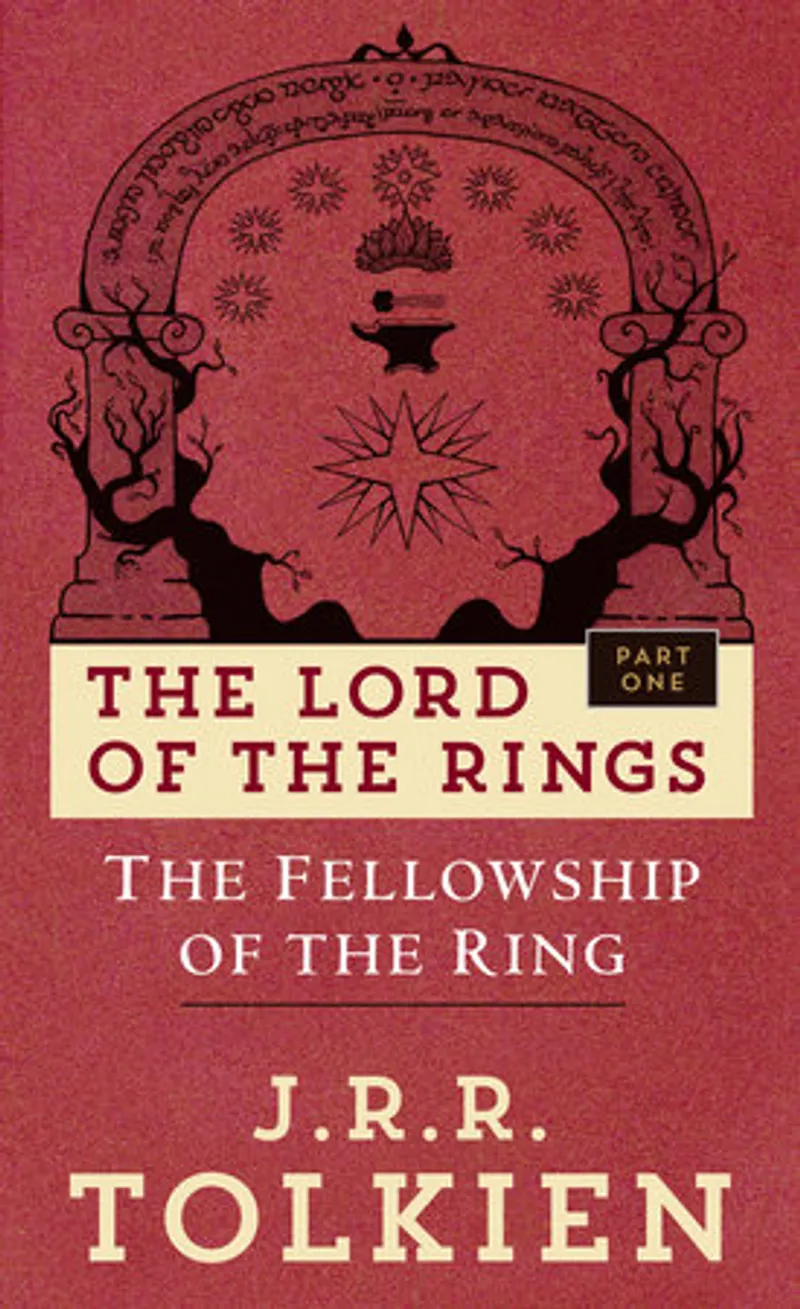
The Fellowship of the Ring Author: J.R.R. TolkienPage Count: UnknownPublication Date: 1986-PRH The Fellowship of the Ring: A Masterpiece of Myth and Adventure J.R.R. Tolkien’s The Fellowship of the Ring is more than just the first installment of The Lord of the Rings—it is the cornerstone of modern fantasy, a work that redefined the genre and continues to captivate readers decades after its publication. With its richly woven tapestry of myth, language, and heroism, Tolkien doesn’t just tell a story; he invites us into a world so vivid and immersive that Middle-earth feels as real as our own. This is not merely a tale of good versus evil, but a meditation on the burden of power, the strength of friendship, and the quiet courage of ordinary beings thrust into extraordinary circumstances. At its heart, The Fellowship of the Ring explores the corrupting nature of power and the necessity of sacrifice. The One Ring, forged by the dark lord Sauron, is not just a plot device—it is a symbol of temptation, a force that whispers promises of domination to all who touch it. Frodo Baggins, a humble Hobbit, becomes its unwilling bearer, and his journey is one of reluctant heroism. Unlike the grand, battle-hardened warriors of legend, Frodo is small in stature and spirit, yet his determination to destroy the Ring—despite its growing hold over him—makes him one of literature’s most compelling protagonists. His struggle is not against external foes alone, but against the Ring’s insidious influence, a battle that Tolkien renders with psychological depth. The Ring is a masterstroke of villainy, not because it is a physical threat, but because it preys on the very desires of those who seek to destroy it. Tolkien’s prose is deceptively simple, yet it carries the weight of ancient legend. His writing is steeped in the rhythms of myth and folklore, with a cadence that feels both timeless and intimate. The opening chapters, where we meet the Hobbits in the Shire, are a masterclass in world-building—effortless in their detail, yet brimming with warmth and humor. The contrast between the idyllic, pastoral life of the Hobbits and the looming darkness of Mordor is stark, and Tolkien uses this juxtaposition to great effect. The language itself is a character, with its archaic phrasing, poetic descriptions, and the occasional Elvish or Dwarvish phrase woven seamlessly into the narrative. It’s a style that demands attention but rewards it tenfold, immersing the reader in a world where every word feels deliberate. The Fellowship itself is a microcosm of Middle-earth’s diversity, each member bringing a unique perspective and skill. From the steadfast Samwise Gamgee, whose loyalty is as unshakable as his common sense, to the wise and weary Gandalf, whose knowledge of the Ring’s dangers is matched only by his humility, the group is a testament to the power of unity. Even the reluctant Aragorn, heir to a forgotten throne, embodies the theme of hidden greatness—his true strength lies not in his lineage, but in his willingness to serve. Tolkien’s characters are not mere archetypes; they are fully realized individuals, each with flaws, virtues, and personal arcs that make their struggles deeply human. One of the most striking aspects of The Fellowship of the Ring is its sense of inevitability. From the moment Frodo inherits the Ring, the reader knows that his quest is doomed to fail in some way—yet the journey is not about success, but about the bonds formed along the way. The breaking of the Fellowship, a pivotal moment in the novel, is both heartbreaking and necessary, underscoring the theme that even the best-laid plans can unravel, but that does not diminish their worth. Tolkien’s genius lies in making the reader care deeply about these characters and their fates, so that when tragedy strikes, it feels like a personal loss. Tolkien’s influence on fantasy cannot be overstated. Before The Lord of the Rings, the genre was sparse and often derivative. Afterward, it became a canvas for epic storytelling, with countless authors drawing inspiration from Middle-earth’s lore, languages, and themes. Yet what sets Tolkien apart is his scholarly approach to myth-making. He didn’t just create a world; he built a history, complete with languages, genealogies, and legends that feel as ancient as they do invented. This depth gives The Fellowship of the Ring a richness that few fantasy novels can match, elevating it from mere adventure to a work of art. Some critics argue that Tolkien’s pacing can be slow, particularly in the early chapters, where the Shire’s tranquility contrasts sharply with the looming threat. But this is deliberate—a reminder that evil does not always announce itself with fanfare. The true horror of the Ringwraiths is their silence, their ability to strike without warning, and Tolkien’s restraint in revealing their nature only heightens the dread. The novel’s climax, with the breaking of the Fellowship and the fall of Gandalf, is a masterful blend of action and melancholy, leaving the reader desperate to know what comes next. Ultimately, The Fellowship of the Ring is a story about the power of hope in the face of darkness. It is a tale of small heroes in a vast world, of friendship that transcends race and creed, and of the quiet strength that lies in doing what is right, even when the odds are impossible. Tolkien’s legacy is not just in the worlds he created, but in the emotions he evokes—a sense of wonder, of longing, and of the enduring belief that even in the darkest times, light can be found. For anyone who has ever felt the call of adventure, or wondered what it means to be brave, The Fellowship of the Ring is a must-read. It is a book that lingers in the mind long after the last page, a testament to the enduring power of storytelling. #FellowshipOfTheRing #LordOfTheRings #Tolkien #FantasyClassic #MiddleEarth #BookReview Related InsightsFlowers in the Attic Book Review and Summary Long Walk Book Review and Summary Love Her or Lose Her Book Review and Summary{ "@context": "https://schema.org", "@type": "FAQPage", "mainEntity": [ { "@type": "Question", "name": "What is the main focus of The Fellowship of the Ring Book Review and Summary?", "acceptedAnswer": { "@type": "Answer", "text": "Everything you need to know about The Fellowship of the Ring with our detailed review." } }, { "@type": "Question", "name": "Who authored the comprehensive guide on The Fellowship of the Ring Book Review and Summary?", "acceptedAnswer": { "@type": "Answer", "text": "This detailed article and its insights were carefully researched and authored by J.R.R. Tolkien." } }, { "@type": "Question", "name": "Where can I find more related content about Books?", "acceptedAnswer": { "@type": "Answer", "text": "You can explore more articles, detailed reviews, and similar insights by browsing the Related Insights section at the bottom of this article or visiting our dedicated Books category page." } } ] }
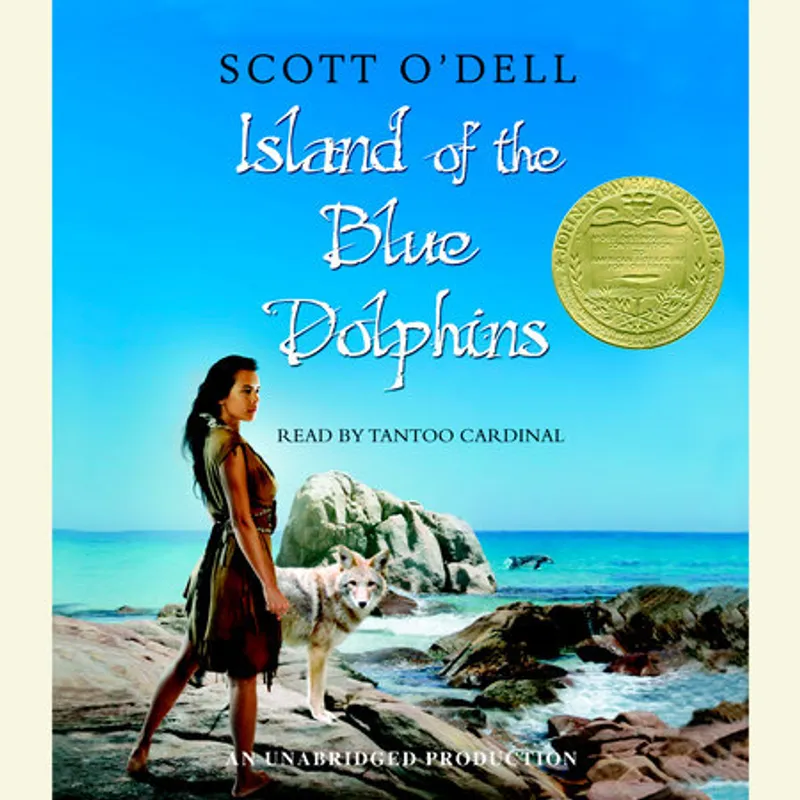
Island of the Blue Dolphins Author: Scott O'DellPage Count: UnknownPublication Date: 2000-PRH Island of the Blue Dolphins, penned by the illustrious Scott O'Dell, is a timeless masterpiece that whisks readers away to an enchanting isle, teeming with life and filled with the promise of self-discovery. While the exact page count may be unknown, the profound impact of this 2000 publication is undeniable. At the heart of this enthralling tale lies Karana, a resilient Indian girl who finds herself stranded on the island, her home for years to come. What ensues is a captivating narrative of survival, woven together with threads of natural beauty, solitude, and introspection. As Karana navigates the challenges of her isolation, she develops a profound connection with the island and its inhabitants, learning the delicate balance of coexistence and the value of living in harmony with nature. Scott O'Dell's masterful storytelling is a hallmark of this novel, as he weaves a rich tapestry of descriptive prose, transporting readers to the sun-kissed shores and crystal-clear waters of the island. His vivid depictions of the island's diverse wildlife – the blue dolphins, otters, and sea birds – not only showcase his remarkable writing prowess but also underscore the importance of preserving the natural world. One of the most striking aspects of Island of the Blue Dolphins is its thoughtful exploration of themes that remain pertinent today. O'Dell's portrayal of Karana's journey serves as a powerful reminder of the human capacity for resilience, adaptability, and growth. As Karana faces the trials and tribulations of her solitary existence, she undergoes a transformative journey of self-discovery, emerging stronger, wiser, and more attuned to the world around her. Through Karana's story, O'Dell also sheds light on the complexities of the human relationship with nature. The island, with its teeming wildlife and untamed beauty, serves as a potent symbol of the natural world's power and fragility. As Karana learns to respect and care for the island, she develops a profound appreciation for the interconnectedness of all living beings, a lesson that resonates deeply in today's world. In conclusion, Island of the Blue Dolphins is a captivating and thought-provoking novel that will resonate with readers of all ages. Scott O'Dell's masterful storytelling, vivid descriptions, and exploration of timeless themes make this book an unforgettable reading experience. If you haven't already, embark on Karana's journey and discover the wonders of the Island of the Blue Dolphins. #IslandOfTheBlueDolphins #ScottODell #SurvivalStory #NatureLiterature #ComingOfAge #WildlifeConservation Related InsightsCity of Lost Souls Book Review and Summary Queen of Foxes Book Review and Summary Sheever's Journal, Diary of a Poison Master Book Review and Summary{ "@context": "https://schema.org", "@type": "FAQPage", "mainEntity": [ { "@type": "Question", "name": "What is the main focus of Island of the Blue Dolphins Book Review and Summary?", "acceptedAnswer": { "@type": "Answer", "text": "Everything you need to know about Island of the Blue Dolphins with our detailed review." } }, { "@type": "Question", "name": "Who authored the comprehensive guide on Island of the Blue Dolphins Book Review and Summary?", "acceptedAnswer": { "@type": "Answer", "text": "This detailed article and its insights were carefully researched and authored by Scott O'Dell." } }, { "@type": "Question", "name": "Where can I find more related content about Books?", "acceptedAnswer": { "@type": "Answer", "text": "You can explore more articles, detailed reviews, and similar insights by browsing the Related Insights section at the bottom of this article or visiting our dedicated Books category page." } } ] }

The Perks of Working in the Black Magic Industry #050 Author: Kisetsu MoritaPage Count: UnknownPublication Date: 2024-PRH The Perks of Working in the Black Magic Industry #050, written by Kisetsu Morita, is a refreshingly comedic take on the typically dark and foreboding world of black magic. On the surface, this manga appears to be a lighthearted, humorous tale of a young mage's journey into the unknown, but as one delves deeper, it reveals itself to be a clever exploration of societal expectations, professional fulfillment, and the true meaning of success. At the heart of the story is Franz, a relatable and endearing protagonist who embodies the struggles of many young adults. His fruitless job search in the White Magic field, despite his qualifications and dedication, serves as a poignant reminder of the harsh realities of the job market. The pressures of unemployment and the fear of not meeting expectations are expertly woven into the narrative, making Franz's decision to explore the Black Magic industry a deeply personal and understandable one. Kisetsu Morita's writing style is characterized by a unique blend of wit, charm, and clever satire. The author's use of humor to subvert the traditional notions of black magic is nothing short of brilliant. By transforming the typically "3 Ds" of black magic – Dangerous, Disgusting, and Dirty – into the "3 Ps" – Pure, Pleasant, and Permissive – Morita creates a sense of ironic surprise that is both captivating and thought-provoking. This clever twist serves as a commentary on the societal tendency to judge and stigmatize certain professions or practices without fully understanding their nuances. The world-building in The Perks of Working in the Black Magic Industry #050 is equally impressive, with Morita skillfully crafting a rich and immersive environment that is both fantastical and relatable. The black magic company, with its quirky cast of characters and unexpected workplace antics, becomes a character in its own right, providing a fascinating backdrop for Franz's journey of discovery. Throughout the manga, Morita's artwork is vibrant and expressive, bringing the characters and their experiences to life with a level of detail and energy that is hard to resist. The panels are meticulously crafted, with a keen attention to pacing and timing that adds to the overall sense of humor and lightheartedness. One of the most striking aspects of The Perks of Working in the Black Magic Industry #050 is its ability to balance humor and heart. Beneath its comedic surface, the manga explores themes of identity, purpose, and the importance of finding one's passion. Franz's growth and development, as he navigates the complexities of the black magic industry, serve as a powerful reminder that success is not solely defined by external expectations, but by personal fulfillment and happiness. In conclusion, The Perks of Working in the Black Magic Industry #050 is a captivating and engaging manga that is sure to delight readers of all ages. With its unique blend of humor, satire, and heart, Kisetsu Morita's latest work is a must-read for anyone looking for a fresh and exciting take on the world of magic. So, join Franz on his hilarious and enlightening journey into the world of black magic, and discover the perks for yourself. #BlackMagicManga #ComedyFantasy #MagicSchool #MangaReview #NewRelease2024 #ThePerksOfWorkingInBlackMagic Related InsightsThe Quiet Tenant Book Review and Summary Coraline Book Review and Summary Not That Duke Book Review and Summary{ "@context": "https://schema.org", "@type": "FAQPage", "mainEntity": [ { "@type": "Question", "name": "What is the main focus of The Perks of Being a Wallflower Book Review and Summary?", "acceptedAnswer": { "@type": "Answer", "text": "Everything you need to know about The Perks of Being a Wallflower with our detailed review." } }, { "@type": "Question", "name": "Who authored the comprehensive guide on The Perks of Being a Wallflower Book Review and Summary?", "acceptedAnswer": { "@type": "Answer", "text": "This detailed article and its insights were carefully researched and authored by Stephen Chbosky." } }, { "@type": "Question", "name": "Where can I find more related content about Books?", "acceptedAnswer": { "@type": "Answer", "text": "You can explore more articles, detailed reviews, and similar insights by browsing the Related Insights section at the bottom of this article or visiting our dedicated Books category page." } } ] }
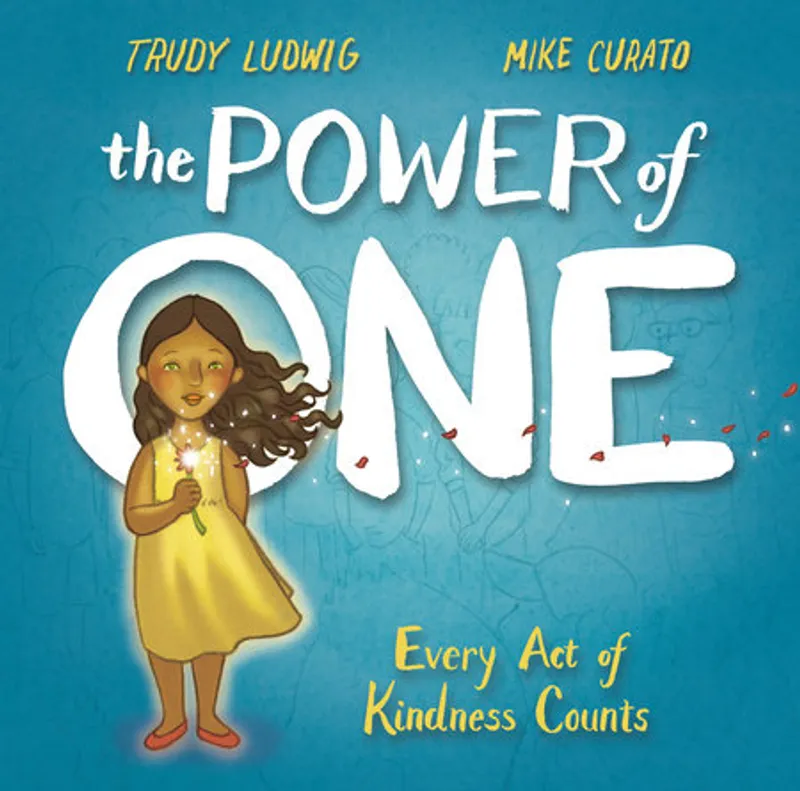
The Power of One Author: Trudy LudwigPage Count: UnknownPublication Date: 2020-PRH The Power of One: A Ripple of Kindness That Changes Everything In a world where headlines often scream division and cruelty, The Power of One by Trudy Ludwig is a gentle yet powerful reminder that kindness is not just a virtue—it’s a force. With her signature blend of warmth, wisdom, and practical insight, Ludwig once again proves why she’s a trusted voice in children’s literature about social-emotional learning. Paired with Mike Curato’s vibrant, heartfelt illustrations, this book isn’t just a story; it’s an invitation to be the change. At its core, The Power of One is about the domino effect of small, intentional acts of kindness. The narrative follows a young girl who notices a classmate sitting alone at lunch. Instead of turning away, she offers a simple gesture—a smile, a shared seat, a kind word. What begins as a single act of compassion quickly spreads, inspiring others to pay it forward. Ludwig masterfully illustrates how one person’s decision to be kind can transform an entire community, turning isolation into connection and apathy into action. What sets this book apart is its refusal to oversimplify kindness as something abstract or unattainable. Ludwig, a renowned bullying prevention advocate, grounds the story in tangible actions. The protagonist doesn’t just feel kind; she does kind. She invites the lonely child to join her table, then encourages others to do the same. The book doesn’t just tell children to be nice—it shows them how. From sharing a pencil to standing up for someone, the story provides a blueprint for empathy in action, making it a toolkit disguised as a tale. Ludwig’s writing is deceptively simple, yet every word serves a purpose. Her prose is clear and accessible, avoiding preachiness while still delivering a strong moral message. The rhythm of the story mirrors the ripple effect it describes—each act of kindness builds upon the last, creating a crescendo of community spirit. The repetition of "one" in the text isn’t just a literary device; it’s a mantra, reinforcing the idea that individual actions matter, no matter how small. Curato’s illustrations are a visual symphony of warmth and movement. His use of color—soft golds, gentle blues, and pops of red—draws the eye and evokes emotion. The characters’ expressions are vivid, capturing everything from loneliness to joy, making the story feel alive. The illustrations don’t just complement the text; they amplify it, turning abstract concepts into something tangible and relatable for young readers. One of the book’s greatest strengths is its universality. While the setting is a school, the themes transcend age and environment. Whether in a classroom, a workplace, or a neighborhood, the power of one kind act is undeniable. Ludwig doesn’t limit her message to children; she reminds adults that modeling kindness is just as crucial. The book’s final line—"Acts and words of kindness DO count, and it all starts with ONE."—is a call to action that resonates with readers of all ages. The Power of One is more than a children’s book; it’s a manifesto for humanity. In an era where social media often amplifies division, Ludwig offers a counter-narrative: that kindness, when chosen deliberately, can dismantle walls and build bridges. The book doesn’t shy away from the reality that not everyone will respond with kindness—some may even resist—but it emphasizes that our responsibility is to act anyway. For parents, educators, and caregivers, this book is a treasure trove of discussion starters. It invites questions: What small act of kindness can you do today? How can you inspire others to do the same? For children, it’s a beacon of hope, proving that they don’t need to wait for permission to make a difference. In a world that often feels overwhelming, The Power of One is a breath of fresh air. It’s a reminder that change doesn’t always require grand gestures—sometimes, it starts with a single step, a single word, a single choice to be kind. And from there? The possibilities are endless. #ThePowerOfOne #KindnessMatters #TrudyLudwig #ChildrenBooks #AntiBullying #SmallActsBigImpact Related InsightsThe Chain House: A Novel Book Review and Summary I'm Glad You're Dead: Preternatural Chronicles Book 1 Book Review and Summary I Was Born for This Book Review and Summary{ "@context": "https://schema.org", "@type": "FAQPage", "mainEntity": [ { "@type": "Question", "name": "What is the main focus of The Power of One Book Review and Summary?", "acceptedAnswer": { "@type": "Answer", "text": "Everything you need to know about The Power of One with our detailed review." } }, { "@type": "Question", "name": "Who authored the comprehensive guide on The Power of One Book Review and Summary?", "acceptedAnswer": { "@type": "Answer", "text": "This detailed article and its insights were carefully researched and authored by Bryce Courtenay." } }, { "@type": "Question", "name": "Where can I find more related content about Books?", "acceptedAnswer": { "@type": "Answer", "text": "You can explore more articles, detailed reviews, and similar insights by browsing the Related Insights section at the bottom of this article or visiting our dedicated Books category page." } } ] }
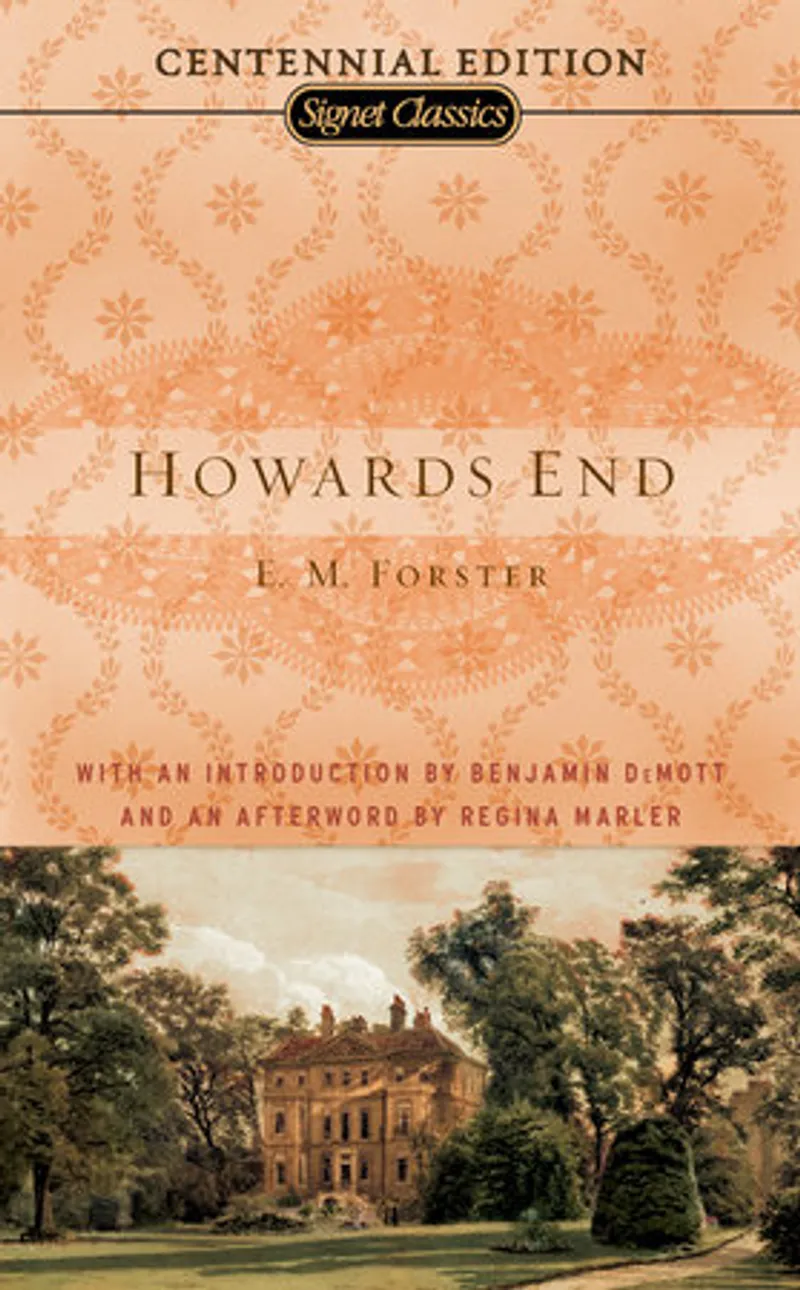
Howards End Author: E. M. ForsterPage Count: UnknownPublication Date: 2007-PRH In the realm of literary masterpieces, E.M. Forster's "Howards End" stands as a testament to the author's profound understanding of human nature and societal dynamics. Written in 1910, this novel has withstood the test of time, and its themes remain as poignant and relevant today as they were over a century ago. The story revolves around the intricate lives of two families: the wealthy and pragmatic Wilcoxes, and the cultured and idealistic Schlegels. As their paths intersect, a complex web of relationships, desires, and conflicts unfolds, culminating in a dispute over the inheritance of the Wilcoxes' enchanting country home, Howards End. At its core, "Howards End" is a novel about connection – or rather, the lack thereof. Forster's central tenet, "Only connect," resonates throughout the narrative, highlighting the deep-seated human need for meaningful relationships and understanding. Through his characters, Forster masterfully explores the chasm between individual wills, sexes, and classes, laying bare the social conventions and hypocrisies of Edwardian England. The Schlegels, with their passion for art and literature, embody the idealistic and intellectual aspects of human nature, while the Wilcoxes, with their emphasis on business and material possessions, represent the pragmatic and often superficial. Forster's writing style is characterized by his unique blend of wit, humor, and poignancy. His prose is elegant and refined, with a keen eye for detail and a deep understanding of the human condition. The characters are multidimensional and relatable, with their own distinct voices and perspectives. The novel's pacing is deliberate and measured, allowing the reader to absorb the complexity of the characters' emotions and relationships. One of the most striking aspects of "Howards End" is its ability to balance humor and tragedy. Forster's wit is razor-sharp, and his comedic moments are both amusing and insightful. However, the novel also tackles darker themes, such as the constraints placed on women, the dangers of unchecked capitalism, and the devastating consequences of social inequality. The author's nuanced approach to these issues adds depth and complexity to the narrative, making "Howards End" a rich and thought-provoking read. In conclusion, "Howards End" is a masterpiece of 20th-century literature that continues to captivate readers with its timeless themes and beautiful prose. Forster's exploration of human connection, social class, and individual wills is both poignant and profound, offering a powerful prescription for modern life. As a novel, it is a must-read for anyone interested in literary fiction, social commentary, and the human experience. #HowardsEnd #EMForster #ClassicsOfLiterature #SocialCommentary #HumanConnection #LiteraryMasterpiece Related InsightsTwilight Book Review and Summary Copperstitched Book Review and Summary If the Sun Never Sets Book Review and Summary{ "@context": "https://schema.org", "@type": "FAQPage", "mainEntity": [ { "@type": "Question", "name": "What is the main focus of Howards End Book Review and Summary?", "acceptedAnswer": { "@type": "Answer", "text": "Everything you need to know about Howards End with our detailed review." } }, { "@type": "Question", "name": "Who authored the comprehensive guide on Howards End Book Review and Summary?", "acceptedAnswer": { "@type": "Answer", "text": "This detailed article and its insights were carefully researched and authored by E.M. Forster." } }, { "@type": "Question", "name": "Where can I find more related content about Books?", "acceptedAnswer": { "@type": "Answer", "text": "You can explore more articles, detailed reviews, and similar insights by browsing the Related Insights section at the bottom of this article or visiting our dedicated Books category page." } } ] }
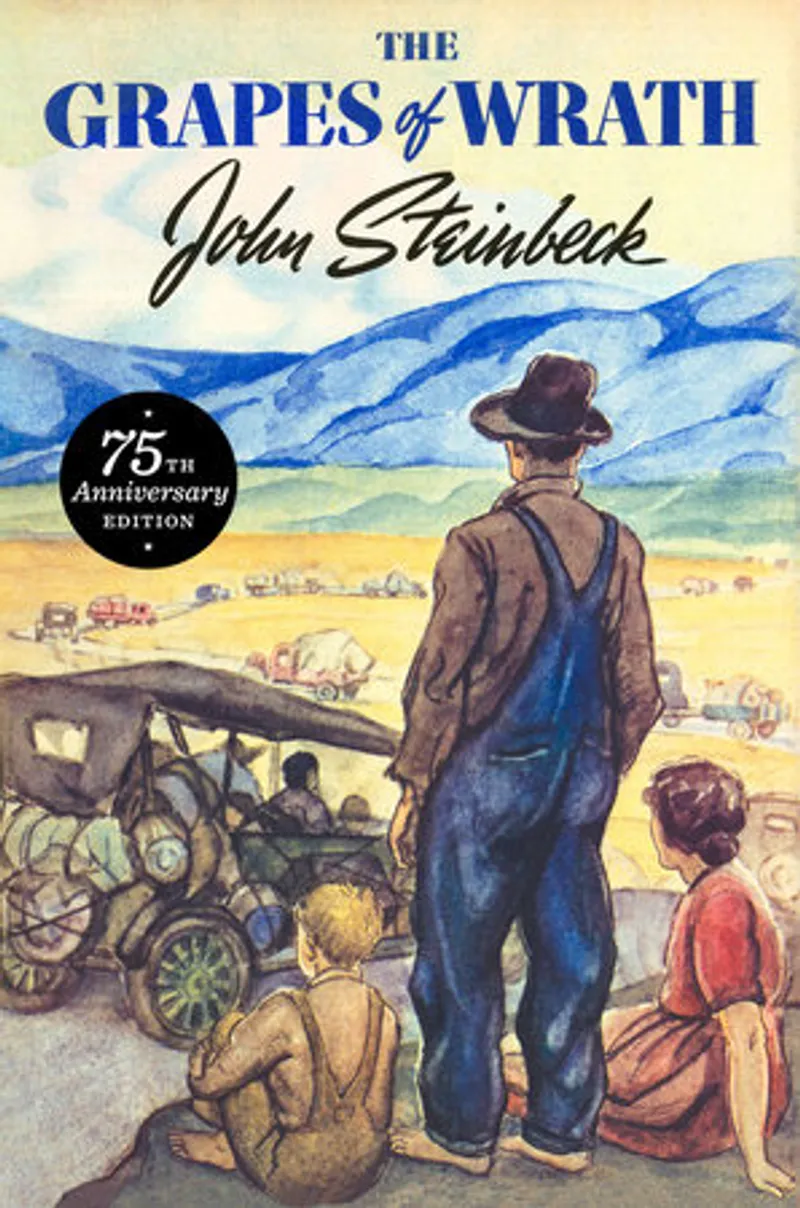
The Grapes of Wrath Author: John SteinbeckPage Count: UnknownPublication Date: 2014-PRH The Grapes of Wrath, a masterpiece penned by John Steinbeck, is a poignant and powerful portrayal of the Great Depression's unyielding grip on America's heartland. This classic novel, first published in 1939, has stood the test of time, and its 75th-anniversary edition is a testament to its enduring relevance. Steinbeck's magnum opus is a scathing critique of the social and economic injustices that plagued the nation during one of its darkest periods. At its core, The Grapes of Wrath is a story about the human condition, about the resilience of the human spirit in the face of unimaginable hardship. The Joads, an Oklahoma farm family, are forced to abandon their home and embark on a perilous journey to California, a land of promise and broken dreams. As they navigate the unforgiving landscape of the American West, they confront the harsh realities of poverty, exploitation, and disillusionment. Steinbeck's prose is a masterclass in subtlety and nuance, weaving a narrative that is both deeply personal and universally relatable. His characters are multidimensional and complex, with the Joads' struggles and triumphs serving as a microcosm for the larger societal issues of the time. The author's use of language is spare, yet evocative, conjuring the dusty, sun-scorched landscapes of the Great Plains and the cramped, squalid conditions of the migrant worker camps. One of the novel's most striking aspects is its exploration of the conflict between the powerful and the powerless. Steinbeck pulls no punches in his portrayal of the ruthless exploitation of the working class, the ways in which the capitalist system can crush the spirits of those who toil beneath it. And yet, even in the face of such oppression, the Joads and their fellow migrants find ways to resist, to organize, and to fight back. The character of Ma Joad is a particular standout, a testament to the strength and resilience of women in the face of adversity. Her stoicism and determination serve as a beacon of hope for her family, even as the world around them seems to be crumbling. Tom Joad, the novel's protagonist, is a complex and deeply human figure, driven by a fierce sense of justice and a desire to protect his family at all costs. The Grapes of Wrath is a novel that defies easy categorization, blending elements of social realism, drama, and tragedy to create a work of profound moral vision. It is a book that is both of its time and timeless, a powerful indictment of the social and economic ills that have always plagued America. As Don DeLillo so aptly put it, Steinbeck "shaped a geography of conscience" with this novel, one that continues to resonate with readers today. In short, The Grapes of Wrath is a masterpiece of American literature, a novel that should be read and reread by anyone who cares about the human condition. It is a powerful reminder of the importance of empathy, compassion, and social justice, and a testament to the enduring power of Steinbeck's prose. #TheGrapesOfWrath #JohnSteinbeck #GreatDepression #AmericanClassics #SocialJustice #DustBowl Related InsightsDear John Book Review and Summary Red (The Myth That Burns, #1) Book Review and Summary The Witches of Cambridge Book Review and Summary{ "@context": "https://schema.org", "@type": "FAQPage", "mainEntity": [ { "@type": "Question", "name": "What is the main focus of The Grapes of Wrath Book Review and Summary?", "acceptedAnswer": { "@type": "Answer", "text": "Everything you need to know about The Grapes of Wrath with our detailed review." } }, { "@type": "Question", "name": "Who authored the comprehensive guide on The Grapes of Wrath Book Review and Summary?", "acceptedAnswer": { "@type": "Answer", "text": "This detailed article and its insights were carefully researched and authored by John Steinbeck." } }, { "@type": "Question", "name": "Where can I find more related content about Books?", "acceptedAnswer": { "@type": "Answer", "text": "You can explore more articles, detailed reviews, and similar insights by browsing the Related Insights section at the bottom of this article or visiting our dedicated Books category page." } } ] }

A Clockwork Orange Tote Bag Author: Out of PrintPage Count: UnknownPublication Date: 2021-PRH I must confess, when I first laid eyes on "A Clockwork Orange Tote Bag" by Out of Print, I was both intrigued and perplexed. The title, a playful nod to Anthony Burgess's classic dystopian novel, seemed to hint at a work that would be both a tribute and a subversion of the original. As I delved into the book, I discovered a complex exploration of themes that, while not entirely new, were presented in a fresh and thought-provoking manner. At its core, "A Clockwork Orange Tote Bag" is a meditation on the tension between free will and determinism. The author, Out of Print, masterfully weaves together a narrative that challenges the reader to consider the nature of choice and the consequences of our actions. Through a series of vignettes and philosophical musings, the book probes the limits of human agency, raising questions about the extent to which our decisions are shaped by factors beyond our control. One of the most striking aspects of Out of Print's style is their use of language. The prose is at once lyrical and concise, with a keen attention to detail that rewards close reading. The author's writing is reminiscent of Burgess's own innovative use of language in "A Clockwork Orange," with its blend of slang, philosophical jargon, and poetic flourishes. This nod to the original is deliberate, and serves to underscore the themes of conditioning and control that run throughout the book. Throughout "A Clockwork Orange Tote Bag," Out of Print employs a range of narrative techniques to explore the tension between free will and determinism. The book is structured as a series of fragmented narratives, each of which offers a unique perspective on the central theme. These vignettes are often surreal and dreamlike, with a sense of disconnection that serves to underscore the sense of disorientation and confusion that pervades the book. One of the most compelling aspects of the book is its use of imagery and symbolism. The tote bag of the title becomes a recurring motif, representing both the constraints of societal expectations and the possibility of personal expression. The author's use of imagery is similarly evocative, with vivid descriptions of urban landscapes and interior spaces that serve to underscore the sense of disconnection and alienation that pervades the book. If I were to offer a critique of "A Clockwork Orange Tote Bag," it would be that the book's themes and ideas are not always fully developed. At times, the narrative feels disjointed and fragmented, with a sense of disconnection that can make it difficult to follow. However, this sense of disorientation is also a deliberate choice, one that serves to underscore the sense of confusion and dislocation that pervades the book. In conclusion, "A Clockwork Orange Tote Bag" is a thought-provoking and deeply unsettling work that challenges the reader to consider the nature of free will and determinism. Out of Print's innovative use of language and narrative technique serves to underscore the themes of conditioning and control that run throughout the book. While the book's ideas and themes are not always fully developed, the author's willingness to take risks and push boundaries makes for a compelling and deeply unsettling read. #AClockworkOrange #DystopianLiterature #FreeWillVsDeterminism #PhilosophicalFiction #ExperimentalLiterature #AnthonyBurgess Related InsightsThe Birthing Tree Book Review and Summary Extremely Loud & Incredibly Close Book Review and Summary Do Androids Dream of Electric Sheep? Book Review and Summary{ "@context": "https://schema.org", "@type": "FAQPage", "mainEntity": [ { "@type": "Question", "name": "What is the main focus of A Clockwork Orange Book Review and Summary?", "acceptedAnswer": { "@type": "Answer", "text": "Everything you need to know about A Clockwork Orange with our detailed review." } }, { "@type": "Question", "name": "Who authored the comprehensive guide on A Clockwork Orange Book Review and Summary?", "acceptedAnswer": { "@type": "Answer", "text": "This detailed article and its insights were carefully researched and authored by Anthony Burgess." } }, { "@type": "Question", "name": "Where can I find more related content about Books?", "acceptedAnswer": { "@type": "Answer", "text": "You can explore more articles, detailed reviews, and similar insights by browsing the Related Insights section at the bottom of this article or visiting our dedicated Books category page." } } ] }
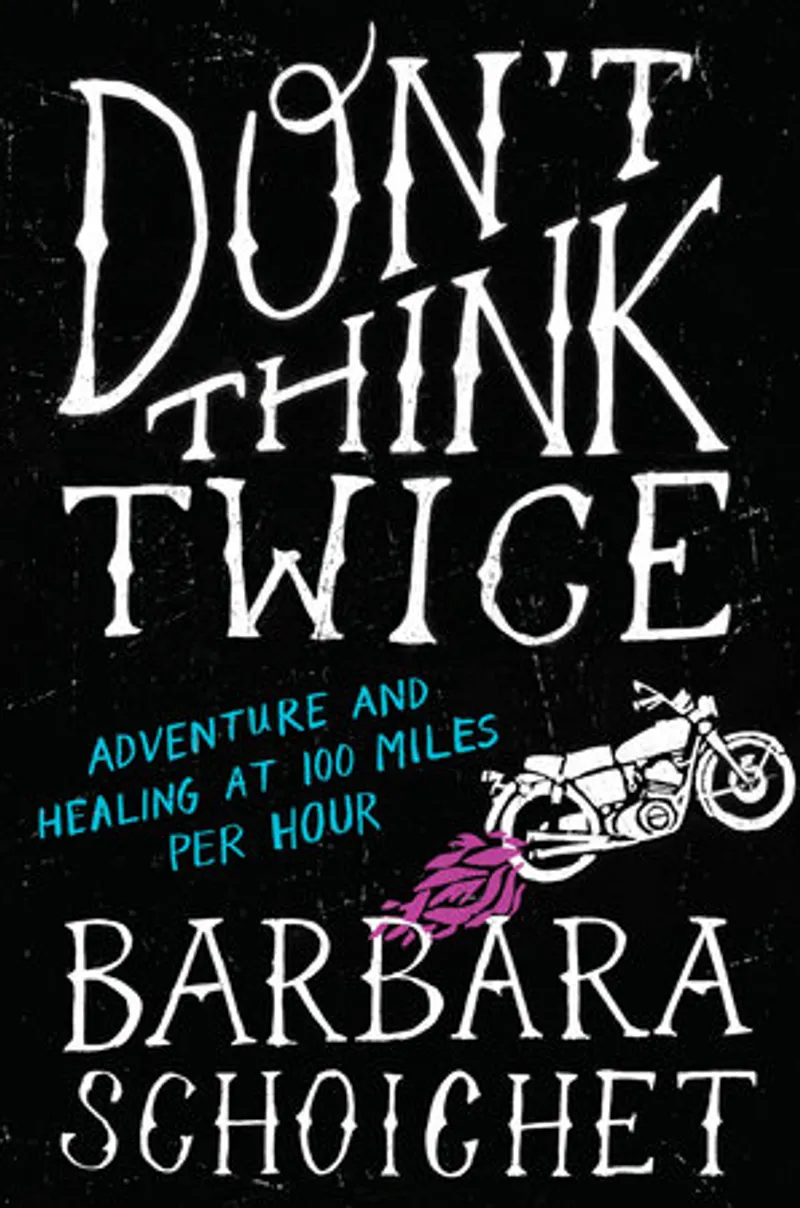
Don't Think Twice Author: Barbara SchoichetPage Count: UnknownPublication Date: 2016-PRH Barbara Schoichet’s Don’t Think Twice is a raw, roaring testament to the idea that sometimes, the only way out is straight through. At fifty, with her life in tatters—job gone, long-term relationship dissolved, and her mother dead from pancreatic cancer—Schoichet does the unthinkable: she buys a Harley on eBay from two guys named Dave and rides it solo from New York to Los Angeles. Not because she has a plan, but because she doesn’t. Not because she’s fearless, but because she’s too exhausted to care. What unfolds is less a travelogue than a cathartic scream into the wind, a middle-aged rebellion against grief that’s as hilarious as it is heartbreaking. The book’s central theme is resilience, but not the kind that wears a polished smile and a motivational quote. Schoichet’s resilience is messy, loud, and unapologetic. It’s the kind that manifests in speeding down Route 66 at 100 mph, in laughing through tears at a stranger’s kindness, in flipping off a guy who pulls a gun because, well, why not? Grief, she suggests, isn’t something you "get over." It’s something you carry, and sometimes, the only way to keep it from crushing you is to strap it to a motorcycle and ride until your hands go numb. Schoichet’s writing style is the book’s greatest strength—and its most disarming feature. Her voice is a cocktail of sass, sorrow, and unfiltered honesty, like if Dorothy Parker had been raised on road trips and bad decisions. She doesn’t romanticize her journey; she lives it. There’s no pretentious reflection here, no forced wisdom. Instead, there’s a woman who’s just trying to stay upright on two wheels while the world tries to knock her down. Her humor is sharp, her observations keen, and her vulnerability disarming. When she writes about her mother’s death, it’s not with maudlin sentimentality but with the kind of bluntness that makes you laugh through the ache: "Grief is a greedy bastard. It takes and takes, and you just keep giving, even when you’re empty." The road itself becomes a character in the story, a living, breathing entity that Schoichet both fears and adores. The Appalachian Mountains loom like ancient sentinels, the Turquoise Trail glows with otherworldly beauty, and Route 66 hums with the ghosts of travelers past. Schoichet doesn’t just pass through these places; she engages with them, whether it’s marveling at the decadence of Graceland, getting lost in a Cadillac graveyard, or nearly getting shot over a lane change. Each stop is a microcosm of her internal journey—sometimes awe-inspiring, sometimes absurd, always real. What makes Don’t Think Twice so compelling is its refusal to shy away from the ugly parts of healing. Schoichet isn’t a hero; she’s a woman who’s one wrong turn away from disaster, emotionally and physically. Her physical limitations—aging knees, a back that protests every mile—are as much a part of the story as her emotional ones. She’s not some invincible adventurer; she’s a woman who’s scared, tired, and occasionally reckless, but who’s also, against all odds, moving forward. That’s the magic of her story: it’s not about conquering grief, but about learning to dance with it. The book’s pacing mirrors the unpredictability of the open road. One chapter, Schoichet is marveling at the quiet beauty of a desert sunset; the next, she’s recounting a near-miss with a semi-truck. The prose is lean and muscular, mirroring the motorcycle she rides—no excess, just forward motion. There’s a rawness to her storytelling that feels intimate, like she’s confiding in you over a beer at a roadside dive, not performing for an audience. Ultimately, Don’t Think Twice is a book about the audacity of starting over, even when you’re broken. It’s about the strange alchemy of pain and freedom, how sometimes the only way to feel alive is to flirt with danger. Schoichet’s journey isn’t just a physical one; it’s a spiritual reckoning, a middle finger to the idea that life should be neat and tidy by fifty. Her message is simple: when the world takes everything from you, sometimes the only thing left to do is take something back—even if it’s just the open road and a motorcycle that might kill you. If you’ve ever felt like life has knocked you flat and you’re not sure how to get up, this book is your rallying cry. It’s proof that healing isn’t linear, that sometimes the bravest thing you can do is not think twice. #RoadTripMemoir #GriefAndGrit #SoloTravel #HarleyAdventures #LateBloomingRebel #HealingOnTheHighway
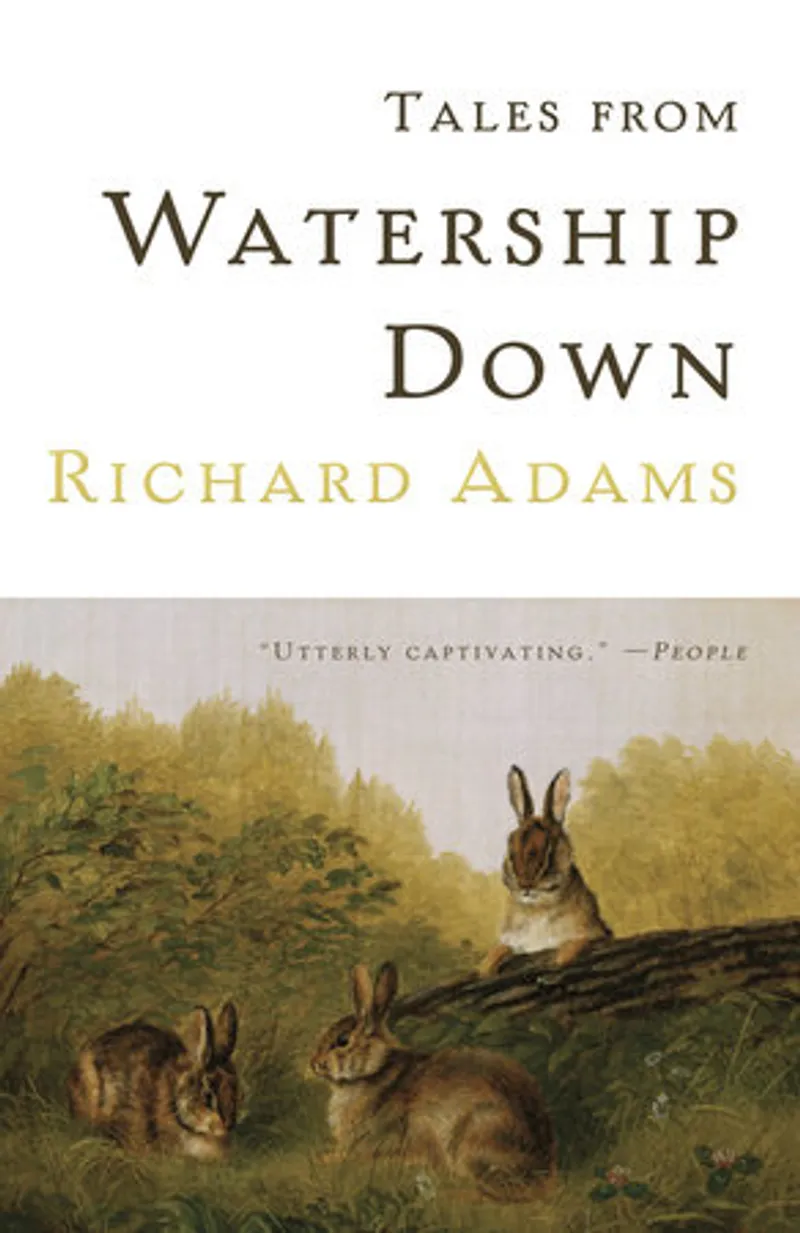
Tales from Watership Down Author: Richard AdamsPage Count: UnknownPublication Date: 2012-PRH In "Tales from Watership Down," Richard Adams masterfully weaves a captivating narrative that transports readers back to the enchanting world of rabbits he introduced in his beloved classic, "Watership Down." This spellbinding book of courage and survival is an exciting invitation to revisit a cherished world, reuniting us with the unforgettable characters of Fiver, Hazel, Bigwig, Dandelion, and the legendary hero El-ahrairah. Through a series of engaging tales, Adams recounts traditional stories of rabbit mythology, charming us once again with his imagination, heart, and wonder. The author's writing style is as captivating as ever, with his vivid descriptions of the natural world and the intricate social dynamics of rabbit society drawing readers into the narrative. Adams' masterful storytelling has the power to evoke a wide range of emotions, from the thrill of adventure to the poignancy of loss. One of the primary themes of "Tales from Watership Down" is the struggle for survival in a world fraught with danger and uncertainty. Adams skillfully explores the complexities of nature, where life and death walk a delicate balance, and the selfishness of humankind poses a constant threat to the rabbit's existence. Through the characters' experiences, the author highlights the importance of courage, perseverance, and community in the face of adversity. The characters in "Tales from Watership Down" are multidimensional and relatable, with each one bringing their unique personality and perspective to the narrative. The legendary hero El-ahrairah is as charismatic as ever, and the new heroes introduced in the book are equally well-crafted. Adams' characterization is so vivid that readers can't help but become emotionally invested in the characters' lives, sharing in their joys and sorrows. The world-building in "Tales from Watership Down" is equally impressive, with Adams expanding on the richly detailed landscape he created in "Watership Down." The author's depiction of the natural world is both beautiful and brutal, reflecting the harsh realities of life in the wild. The rabbit mythology and folklore that are woven throughout the narrative add depth and richness to the world, drawing readers into the rabbits' unique culture and way of life. In "Tales from Watership Down," Richard Adams has created a truly captivating book that will delight fans of the original classic and new readers alike. The author's writing style is engaging and accessible, making the book an enjoyable read for a wide range of audiences. The themes of survival, courage, and community are timely and thought-provoking, adding depth and complexity to the narrative. In conclusion, "Tales from Watership Down" is a spellbinding book that is sure to captivate readers with its imagination, heart, and wonder. Adams' masterful storytelling and vivid world-building make the book an exciting invitation to come home to a beloved world. If you're a fan of animal fiction, fantasy, or adventure stories, then "Tales from Watership Down" is definitely a must-read. #WatershipDown #RichardAdams #AnimalFiction #FantasyLiterature #RabbitMythology #ClassicSequel
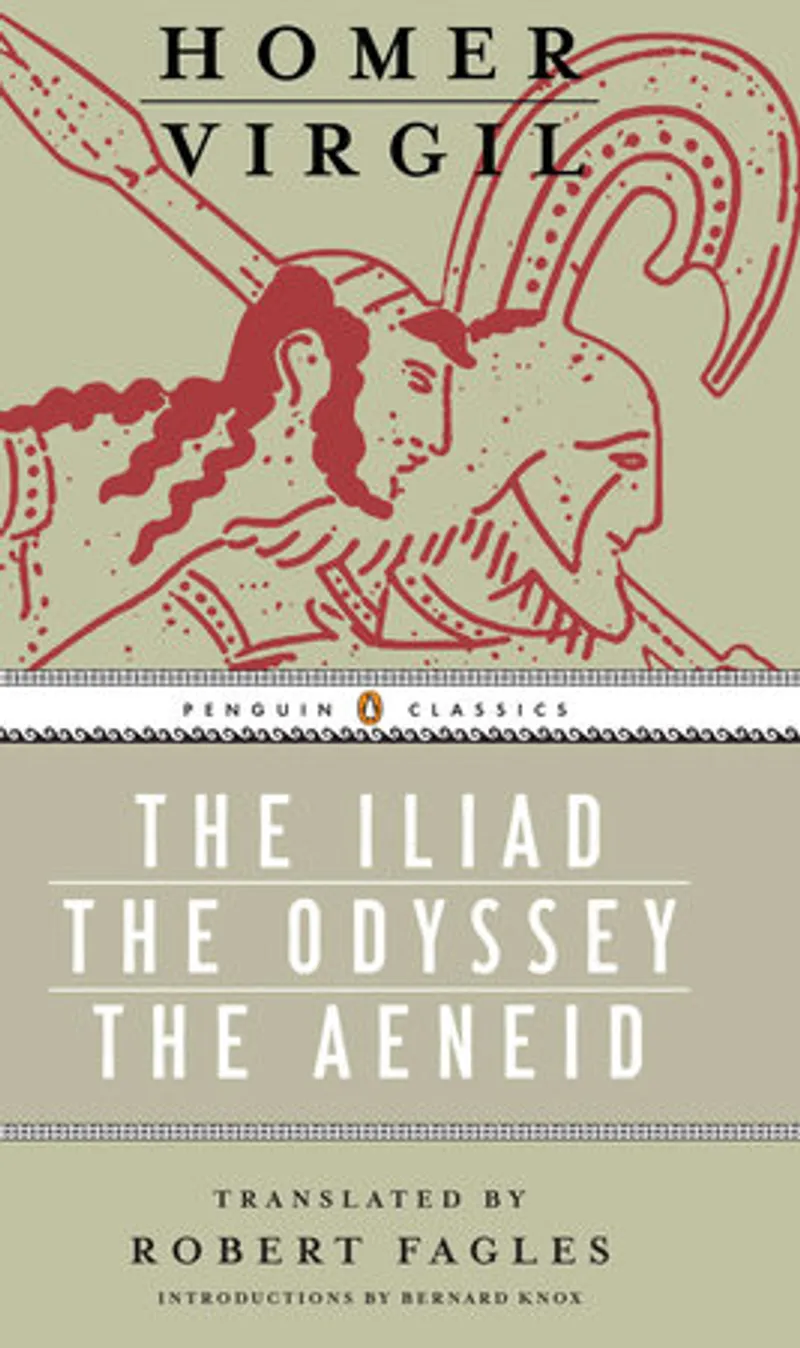
The Iliad, The Odyssey, and The Aeneid Box Set Author: VirgilPage Count: UnknownPublication Date: 2009-PRH The Iliad, The Odyssey, and The Aeneid Box Set, featuring Robert Fagles's award-winning translations, is a literary treasure that embodies the essence of Western literature. This exquisite collection brings together three epic poems that have shaped the course of human imagination and artistic expression. At the heart of this magnificent box set lies the masterful storytelling of Homer and Virgil, two of the greatest poets of the ancient world. Fagles's translations breathe new life into these timeless classics, infusing them with a freshness and vitality that resonates with modern readers. His interpretations are not mere renderings of the original texts but rather a deep understanding of the poets' visions, which he conveys with remarkable nuance and precision. The Iliad and The Odyssey, attributed to Homer, are foundational works of Western literature that explore the human condition in the face of war, loss, and the search for identity. The Iliad, with its focus on the Trojan War, delves into the complexities of honor, pride, and the devastating consequences of conflict. The Odyssey, on the other hand, follows the journey of Odysseus as he navigates the challenges of homecoming, confronting the darkness within himself and the world around him. Virgil's The Aeneid, written centuries later, is a profound meditation on the nature of empire, power, and the human experience. This epic poem tells the story of Aeneas, a Trojan hero who travels to Italy and becomes the ancestor of the Roman people. Through Aeneas's struggles and triumphs, Virgil explores the tensions between fate and free will, duty and desire, and the enduring legacy of Rome. Fagles's translations of these epic poems are characterized by their lyricism, clarity, and emotional depth. He captures the musicality of the original texts, conveying the rhythmic cadences and poetic flourishes that have made these works beloved for millennia. His language is both elegant and accessible, making these complex and nuanced poems feel approachable and engaging to readers who may be unfamiliar with the original texts. One of the most striking aspects of this box set is the way it highlights the connections and continuities between these three epic poems. Despite being written in different times and contexts, they share a common concern with the human condition, exploring fundamental questions about identity, morality, and the search for meaning. Through Fagles's translations, we can appreciate the ways in which these poems converse with one another, forming a rich and complex tapestry of ideas and emotions. The inclusion of Bernard Knox's introductions to each volume adds an additional layer of depth and insight to this collection. Knox's scholarship and expertise provide a valuable framework for understanding the historical and cultural contexts in which these poems were written, as well as their enduring relevance to contemporary readers. In conclusion, The Iliad, The Odyssey, and The Aeneid Box Set is a literary masterpiece that deserves to be cherished and celebrated. Fagles's translations are a triumph of scholarship and artistry, and this collection is a testament to the power of great literature to transcend time and touch our hearts and minds. Whether you are a seasoned classicist or a newcomer to these epic poems, this box set is an unforgettable reading experience that will leave you in awe of the beauty, wisdom, and timelessness of these ancient masterpieces. #TheIliad #TheOdyssey #TheAeneid #EpicPoetry #ClassicsReimagined #LiteraryMasterpieces Related InsightsAllegiant Book Review and Summary The Paris Files: A Novel Book Review and Summary A Breath of Snow and Ashes Book Review and Summary{ "@context": "https://schema.org", "@type": "FAQPage", "mainEntity": [ { "@type": "Question", "name": "What is the main focus of The Aeneid Book Review and Summary?", "acceptedAnswer": { "@type": "Answer", "text": "Everything you need to know about The Aeneid with our detailed review." } }, { "@type": "Question", "name": "Who authored the comprehensive guide on The Aeneid Book Review and Summary?", "acceptedAnswer": { "@type": "Answer", "text": "This detailed article and its insights were carefully researched and authored by Virgil." } }, { "@type": "Question", "name": "Where can I find more related content about Books?", "acceptedAnswer": { "@type": "Answer", "text": "You can explore more articles, detailed reviews, and similar insights by browsing the Related Insights section at the bottom of this article or visiting our dedicated Books category page." } } ] }
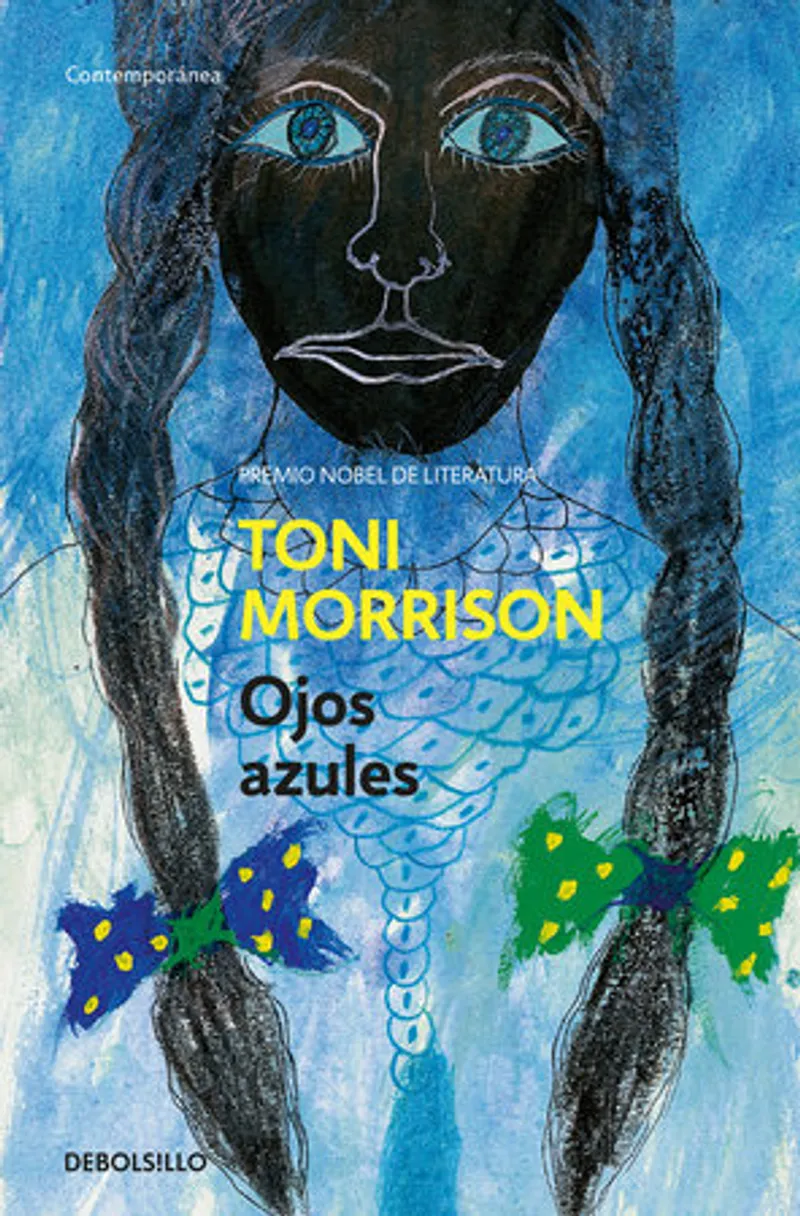
Ojos azules / The Bluest Eye Author: Toni MorrisonPage Count: UnknownPublication Date: 2022-PRH In the hauntingly beautiful "The Bluest Eye", Toni Morrison weaves a poignant tale of self-discovery, internalized racism, and the unrelenting pursuit of an unattainable beauty standard. This powerful novel, Morrison's acclaimed first, delves into the complexities of a society that reveres blue-eyed, blonde-haired children, leaving those who don't fit this mold to navigate a world of devastating rejection. At the heart of the story is Pecola Breedlove, an 11-year-old black girl who prays fervently for her eyes to turn blue. Her desire is not merely a childish whim but a desperate attempt to escape the cruel realities of her world. Pecola's obsession with blue eyes is a scathing critique of the societal beauty standards that devalue blackness. Through Pecola's narrative, Morrison masterfully exposes the ways in which internalized racism can erode a child's sense of self-worth, leaving her vulnerable to the whims of a society that deems her inferior. Morrison's writing is a triumph of lyrical prose, with a precision that is both faithful to the spoken word and charged with a deep sense of pain and wonder. Her use of language is akin to poetry, imbuing the narrative with a musical quality that is both haunting and beautiful. The characters in "The Bluest Eye" are multidimensional and complex, with Pecola's narrative serving as a powerful counterpoint to the societal norms that seek to define her. One of the most striking aspects of Morrison's writing is her ability to balance the harsh realities of Pecola's world with a deep sense of empathy and understanding. This is a novel that is unflinching in its portrayal of racism, poverty, and the destructive nature of internalized beauty standards. Yet, even in the midst of such devastation, Morrison's prose is infused with a sense of hope and resilience. Through Pecola's story, Morrison raises important questions about the nature of beauty, identity, and the human condition. What does it mean to be beautiful in a society that values whiteness above all else? How do we reconcile our own sense of self-worth with the societal norms that seek to define us? These are questions that are just as relevant today as they were when the novel was first published. In "The Bluest Eye", Morrison has created a masterpiece of contemporary literature that is both a powerful indictment of societal beauty standards and a testament to the enduring power of the human spirit. This is a novel that will leave readers moved, disturbed, and ultimately, transformed. #TheBluestEye #ToniMorrison #NobelPrizeWinner #RacismAndBeauty #InternalizedRacism #BlackLiteratureMatters Related InsightsThe Signal and the Noise Book Review and Summary B1 And now you're speaking Book Review and Summary Julius Caesar Book Review and Summary{ "@context": "https://schema.org", "@type": "FAQPage", "mainEntity": [ { "@type": "Question", "name": "What is the main focus of The Bluest Eye Book Review and Summary?", "acceptedAnswer": { "@type": "Answer", "text": "Everything you need to know about The Bluest Eye with our detailed review." } }, { "@type": "Question", "name": "Who authored the comprehensive guide on The Bluest Eye Book Review and Summary?", "acceptedAnswer": { "@type": "Answer", "text": "This detailed article and its insights were carefully researched and authored by Toni Morrison." } }, { "@type": "Question", "name": "Where can I find more related content about Books?", "acceptedAnswer": { "@type": "Answer", "text": "You can explore more articles, detailed reviews, and similar insights by browsing the Related Insights section at the bottom of this article or visiting our dedicated Books category page." } } ] }
Busca el cómo / Search for the How Author: Killer QuakePage Count: UnknownPublication Date: 2024-PRH Laughter as a Catalyst: Busca el cómo / Search for the How by Killer Quake In a world that often treats creativity like a luxury reserved for the "gifted" or the "talented," Busca el cómo / Search for the How by Killer Quake is a refreshing, irreverent, and deeply human manifesto that reminds us: creativity isn’t a privilege—it’s a birthright. And if you’ve ever dismissed your own potential with a shrug and a "I’m just not creative," this book is here to call your bluff. The premise is simple, yet radical: laughter changes your life. Not in the cliché self-help way, but as a visceral, almost rebellious act of defiance against the idea that creativity is something you either have or you don’t. Killer Quake, a name that suggests both mischief and precision, doesn’t just preach creativity—they weaponize humor, curiosity, and unapologetic playfulness to dismantle the barriers we’ve built around our own imaginations. What makes this book stand out isn’t just its message, but its delivery. The writing is punchy, conversational, and laced with the kind of wit that makes you feel like you’re eavesdropping on a late-night chat with a friend who’s equal parts genius and class clown. The Spanish-English bilingual format isn’t just a gimmick—it’s a deliberate nod to the universal language of creativity, breaking down linguistic walls just as the book breaks down mental ones. Whether you’re fluent in one language or both, the energy translates effortlessly, making the book feel like a global invitation to play. The tone is infectious. One moment, you’re chuckling at a cartoonish illustration of a brain doing backflips over a blank page. The next, you’re nodding along as the author dismantles the myth that "serious" professions or personalities can’t be creative. The book doesn’t just tell you to embrace your ideas—it shows you how, with exercises that feel less like homework and more like a treasure hunt. The "how" in the title isn’t just a tease; it’s a dare. Busca el cómo—find the how. And Killer Quake is your mischievous guide, leading you through a labyrinth of prompts, jokes, and unexpected insights. What’s particularly compelling is the book’s refusal to take itself too seriously. In an era where self-help books often feel like corporate sermons, Busca el cómo is a breath of fresh air. It’s the kind of book that might make you snort-laugh in public (embarrassing, but worth it) and then suddenly pause, realizing you’ve just had an epiphany about your own creative block. The illustrations—playful, absurd, and sometimes downright silly—aren’t just filler; they’re active participants in the book’s mission to jolt your brain out of autopilot. But here’s the kicker: this isn’t just a book about feeling creative. It’s about monetizing it. The postscript—"If you buy the book, you might also learn how to monetize your creativity (like us)"—isn’t a tacky upsell. It’s a wink to the reader: Yes, this is fun, but fun can also be profitable. Killer Quake doesn’t shy away from the practical, subtly weaving in lessons on turning ideas into income without ever sounding like a motivational speaker on a caffeine high. The book’s greatest strength might be its ability to make creativity feel accessible. It doesn’t demand grand gestures or overnight transformations. Instead, it meets you where you are—whether that’s stuck in a cubicle, paralyzed by perfectionism, or just someone who’s forgotten how to doodle without overthinking it—and whispers, "Hey, you… yeah, you. Start small. Start stupid. Just start." If Busca el cómo / Search for the How has a flaw, it’s that it might leave you wanting more—more exercises, more illustrations, more of that infectious energy. But perhaps that’s the point. Creativity isn’t a destination; it’s a process, and this book is less a manual and more a companion for the journey. It doesn’t claim to have all the answers, but it does promise to make the search a hell of a lot more fun. In a world that often treats creativity like a puzzle with missing pieces, Killer Quake hands you a flashlight, a whoopee cushion, and a map with a big, bold "X" marked right here. All you have to do is start looking. #CreativityUnlocked #LaughMoreCreateMore #BreakTheRules #MonetizeYourMind #PlayLikeAnAdult #BuscaElCómo Related InsightsNorse Mythology Volume 3 Book Review and Summary Archangel's Lineage Book Review and Summary The Thirteenth Tale Book Review and Summary{ "@context": "https://schema.org", "@type": "FAQPage", "mainEntity": [ { "@type": "Question", "name": "What is the main focus of The Killer Inside Me Book Review and Summary?", "acceptedAnswer": { "@type": "Answer", "text": "Everything you need to know about The Killer Inside Me with our detailed review." } }, { "@type": "Question", "name": "Who authored the comprehensive guide on The Killer Inside Me Book Review and Summary?", "acceptedAnswer": { "@type": "Answer", "text": "This detailed article and its insights were carefully researched and authored by Jim Thompson." } }, { "@type": "Question", "name": "Where can I find more related content about Books?", "acceptedAnswer": { "@type": "Answer", "text": "You can explore more articles, detailed reviews, and similar insights by browsing the Related Insights section at the bottom of this article or visiting our dedicated Books category page." } } ] }
Mrs. Morris and the Day of the Dead Author: Traci WiltonPage Count: UnknownPublication Date: 2025-PRH A Hauntingly Good Mystery with a Dash of the Supernatural Traci Wilton’s Mrs. Morris and the Day of the Dead is a delightful blend of cozy mystery and ghostly intrigue, perfect for readers who love a good whodunit with a supernatural twist. Set against the eerie backdrop of Halloween, this novel weaves together suspense, romance, and a touch of the macabre, all while keeping the tone engaging and lighthearted. At the heart of the story is Charlene Morris, the warm and resourceful owner of the Salem B&B, who finds herself entangled in the mystery of a missing woman, Marisol Perez. Marisol, a gifted psychic, vanished under suspicious circumstances, leaving behind a trail of suspects—each with their own motives and secrets. Charlene, aided by her ghostly companion, Dr. Jack Strathmore, delves into the case, uncovering layers of deceit and danger. Wilton’s writing style is crisp and inviting, making it easy for readers to sink into the story. The dialogue crackles with wit, and the characters feel vivid and relatable, from the determined Charlene to the charming Detective Sam Holden. The supernatural elements are handled with a deft touch, never overshadowing the mystery but instead enhancing it. The Day of the Dead setting adds a rich cultural backdrop, infusing the narrative with vibrant traditions and a sense of urgency—after all, the veil between the living and the dead is at its thinnest. What truly sets this book apart is its balance between mystery and supernatural charm. Wilton doesn’t rely solely on ghostly appearances to drive the plot; instead, she crafts a well-paced whodunit where every clue matters. The suspects are well-developed, each with their own secrets, and the twists keep the reader guessing until the very end. The inclusion of Marisol’s fiancé, Rico Flores, and the shady businessman adds layers of complexity, making the investigation feel authentic and engaging. The romance between Charlene and Sam is a sweet subplot that adds warmth to the story without detracting from the mystery. Their chemistry is palpable, and their interactions bring a sense of comfort and stability amidst the supernatural chaos. Meanwhile, Dr. Jack Strathmore’s dry humor and ghostly antics provide levity, making him a standout character. Wilton’s ability to blend humor, suspense, and a touch of the supernatural makes Mrs. Morris and the Day of the Dead a standout in the cozy mystery genre. It’s a book that will appeal to fans of lighthearted whodunits with a paranormal twist, as well as readers who enjoy a strong, independent protagonist like Charlene Morris. If you’re looking for a mystery that’s as entertaining as it is intriguing, this is the book for you. Wilton’s storytelling is engaging, her characters are memorable, and the Halloween setting adds a festive, eerie charm. It’s a perfect read for a chilly autumn night when you want to be spooked—but not too much. #MrsMorrisAndTheDayOfTheDead #CozyMystery #ParanormalMystery #HalloweenReads #SupernaturalWhodunit #TraciWilton Related InsightsBig Little Lies Book Review and Summary Fallen Rook (Society of Villains, #3) Book Review and Summary Eleanor & Park Book Review and Summary{ "@context": "https://schema.org", "@type": "FAQPage", "mainEntity": [ { "@type": "Question", "name": "What is the main focus of Mrs. Frisby and the Rats of NIMH Book Review and Summary?", "acceptedAnswer": { "@type": "Answer", "text": "Everything you need to know about Mrs. Frisby and the Rats of NIMH with our detailed review." } }, { "@type": "Question", "name": "Who authored the comprehensive guide on Mrs. Frisby and the Rats of NIMH Book Review and Summary?", "acceptedAnswer": { "@type": "Answer", "text": "This detailed article and its insights were carefully researched and authored by Robert C. O'Brien." } }, { "@type": "Question", "name": "Where can I find more related content about Books?", "acceptedAnswer": { "@type": "Answer", "text": "You can explore more articles, detailed reviews, and similar insights by browsing the Related Insights section at the bottom of this article or visiting our dedicated Books category page." } } ] }
The Magus of Strovolos Author: Kyriacos C. MarkidesPage Count: UnknownPublication Date: 1989-PRH The Magus of Strovolos is not just a book—it is a doorway into a world where the material and the mystical collide, where skepticism meets the supernatural, and where the ordinary brushes against the extraordinary. Kyriacos C. Markides, a sociologist by training, approaches his subject with the rigor of a scholar and the curiosity of a seeker, making this memoir both a compelling investigation and a spiritual awakening. At its core, the book is about the clash between Western rationalism and ancient wisdom, embodied in the enigmatic figure of the Magus, a healer and mystic from Cyprus who defies conventional understanding. Markides’ journey begins with childhood whispers about the Magus—rumors of a man who could heal the sick, commune with spirits, and unravel the mysteries of the unseen world. When he finally meets this elusive figure, he does so as a skeptic, armed with the tools of his academic discipline. Yet what unfolds is far from the dry analysis of a sociologist. Instead, Markides becomes a participant in a living tradition, one that challenges the very foundations of modern thought. The Magus, with his quiet wisdom and dry humor, dismantles the walls of materialism, offering instead a vision of reality that is vast, interconnected, and deeply spiritual. The book’s strength lies in its duality—Markides never abandons his critical mind, yet he allows himself to be transformed by what he witnesses. His account of the Magus’s exorcism of a Jewish girl haunted by Nazi ghosts is particularly haunting, a vivid demonstration of how trauma can linger across lifetimes, binding souls to the past. The Magus’s theory of reincarnation is not presented as dogma but as a living philosophy, one that explains suffering, healing, and the cyclical nature of existence. In an era where science often dismisses such ideas as superstition, Markides presents them with a rare balance of openness and discernment. Markides’ writing style is engaging and fluid, blending personal narrative with philosophical inquiry. He avoids the dryness of academic prose, instead crafting a story that feels intimate and alive. His skepticism is palpable, but so is his wonder, making the book accessible to both the curious skeptic and the spiritual seeker. The Magus emerges not as a saintly figure but as a deeply human one—flawed, humorous, and profoundly wise. His teachings are not preachy but lived, demonstrated through stories of healing, prophecy, and the quiet power of presence. What makes The Magus of Strovolos so compelling is its refusal to simplify. The Magus does not offer easy answers; he points to a reality that is complex, mysterious, and often beyond words. Markides, in turn, does not force conclusions but invites the reader to question, to wonder, and perhaps to believe—not blindly, but with an open heart. This is a book that lingers, long after the last page. It challenges the reader to reconsider what is possible, what is real, and what lies beyond the veil of the material world. In an age where science and spirituality often seem at odds, The Magus of Strovolos is a reminder that the deepest truths may not be found in laboratories or textbooks, but in the stories of those who have walked the path before us. #SpiritualJourney #Mysticism #HealingTraditions #Reincarnation #EsotericWisdom #BeyondMaterialism Related InsightsCorrupt Book Review and Summary The Art of John Harris: Beyond the Horizon Book Review and Summary In Cold Blood Book Review and Summary{ "@context": "https://schema.org", "@type": "FAQPage", "mainEntity": [ { "@type": "Question", "name": "What is the main focus of The Magus Book Review and Summary?", "acceptedAnswer": { "@type": "Answer", "text": "Everything you need to know about The Magus with our detailed review." } }, { "@type": "Question", "name": "Who authored the comprehensive guide on The Magus Book Review and Summary?", "acceptedAnswer": { "@type": "Answer", "text": "This detailed article and its insights were carefully researched and authored by John Fowles." } }, { "@type": "Question", "name": "Where can I find more related content about Books?", "acceptedAnswer": { "@type": "Answer", "text": "You can explore more articles, detailed reviews, and similar insights by browsing the Related Insights section at the bottom of this article or visiting our dedicated Books category page." } } ] }
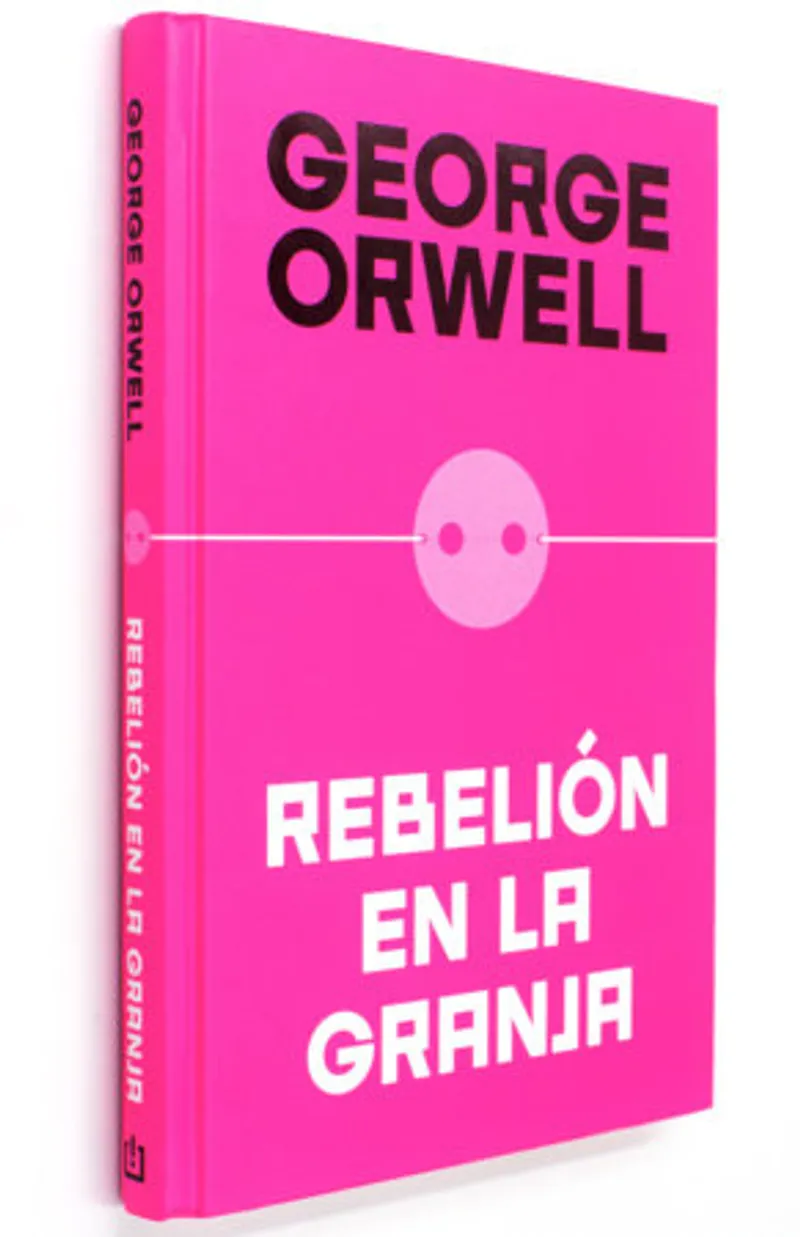
Rebelión en la granja (edición definitiva avalada por The Orwell Estate) / Animal Farm (Definitive Text Endorsed by The Orwell Foundation Author: George OrwellPage Count: UnknownPublication Date: 2022-PRH Rebelión en la granja, also known as Animal Farm, is a timeless masterpiece that has been a cornerstone of 20th-century literature since its inception in 1945. This satirical novel, penned by the revered George Orwell, is a resounding plea for freedom and a scathing critique of totalitarianism. The story takes place on Manor Farm, where a group of barnyard animals, fueled by the desire for freedom and equality, rebel against their tyrannical owner, Mr. Jones. As the animals strive to create a utopian society, they soon discover that the seeds of totalitarianism are sown in their own idealistic organization. Orwell's writing style is a key element in what makes Animal Farm such a powerful and haunting novel. His prose is simple yet effective, allowing readers to easily follow the narrative while also conveying the complexity of the themes. The use of anthropomorphic animals to represent the main characters is a brilliant stroke of literary genius, enabling Orwell to critique the Russian Revolution and the rise of Stalinism without being overtly obvious. This subtle approach makes the novel a work of genius that can be enjoyed by readers of all ages and backgrounds. One of the most striking aspects of Animal Farm is its relevance to contemporary society. Despite being written over 75 years ago, the novel's themes of power, corruption, and the dangers of totalitarianism remain eerily relevant today. The way in which the animals' leaders, particularly Napoleon and Snowball, exploit their charisma and idealism to manipulate and control the other animals is a stark warning about the dangers of blindly following those in power. Orwell's masterful portrayal of how language can be used to manipulate and control others is also a powerful commentary on the ways in which those in power use rhetoric to maintain their grip on society. The edition being reviewed is the definitive text endorsed by The Orwell Foundation, which ensures that the novel is presented in its most authentic and unadulterated form. The inclusion of an epilogue by Christopher Hitchens adds an additional layer of depth to the novel, providing readers with a fresh perspective on Orwell's work and its enduring importance. Marcial Souto's wonderful translation, which was first published in 2013, is a testament to the novel's ability to transcend linguistic and cultural boundaries. In conclusion, Rebelión en la granja is a masterpiece of 20th-century literature that remains as relevant and powerful today as it was when first written. Orwell's unique writing style, combined with the novel's timeless themes and striking relevance to contemporary society, make it a must-read for anyone interested in politics, history, or simply great literature. As a warning about the dangers of totalitarianism and the importance of individual freedom, Animal Farm is a novel that will continue to resonate with readers for generations to come. #Totalitarianism #AnimalFarm #GeorgeOrwell #ClassicLiterature #FreedomAndEquality #DystopianNovels Related InsightsRed Queen / Glass Sword / King’s Cage / War Storm Book Review and Summary Nineteen Minutes Book Review and Summary Furies Book Review and Summary{ "@context": "https://schema.org", "@type": "FAQPage", "mainEntity": [ { "@type": "Question", "name": "What is the main focus of Animal Farm Book Review and Summary?", "acceptedAnswer": { "@type": "Answer", "text": "Everything you need to know about Animal Farm with our detailed review." } }, { "@type": "Question", "name": "Who authored the comprehensive guide on Animal Farm Book Review and Summary?", "acceptedAnswer": { "@type": "Answer", "text": "This detailed article and its insights were carefully researched and authored by George Orwell." } }, { "@type": "Question", "name": "Where can I find more related content about Books?", "acceptedAnswer": { "@type": "Answer", "text": "You can explore more articles, detailed reviews, and similar insights by browsing the Related Insights section at the bottom of this article or visiting our dedicated Books category page." } } ] }
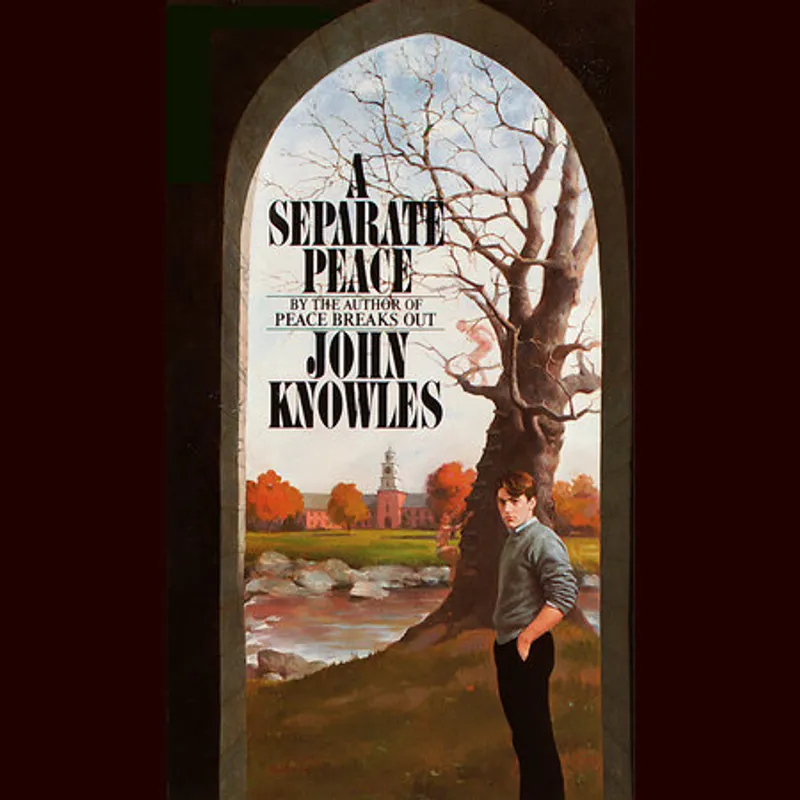
A Separate Peace Author: John KnowlesPage Count: UnknownPublication Date: 2000-PRH A Separate Peace, a thought-provoking novel by John Knowles, is a masterpiece that delves into the complexities of human relationships, guilt, and the struggles of adolescence. Set in a boarding school during the early years of World War II, the story revolves around the intricate bond between Gene, a reserved intellectual, and Phineas, a charismatic athlete. Knowles' poignant narrative weaves a tale that not only explores the depths of their friendship but also the darker aspects of the human psyche. Through Gene's introspective narrative, Knowles skillfully crafts a world where the lines between reality and fantasy are blurred. Gene's fixation on Phineas, which oscillates between admiration and resentment, is a powerful exploration of the human tendency to create our own enemies. As the story unfolds, it becomes apparent that Gene's perceptions of Phineas are influenced by his own insecurities and fears, leading to a catastrophic event that changes the course of their lives forever. Knowles' writing style is economical yet evocative, with a keen attention to detail that brings the characters and their surroundings to life. His prose is simple, yet powerful, allowing the reader to fill in the gaps and become an active participant in the narrative. The author's use of symbolism, particularly the tree that serves as a backdrop for the tragic event, adds depth and complexity to the story. One of the most striking aspects of A Separate Peace is its exploration of the human condition. Knowles masterfully exposes the flaws and weaknesses that make us human, revealing the darker aspects of our nature. The novel is a scathing critique of the societal pressures that force individuals to conform, highlighting the devastating consequences of unchecked ambition and the destructive power of guilt. The character of Phineas is a fascinating study in contrasts. On the surface, he appears to be a carefree, charismatic individual, but as the narrative progresses, his vulnerabilities and fears are exposed. Phineas' character serves as a foil to Gene's, highlighting the tensions between intellect and instinct, reason and emotion. Their complex relationship is a powerful exploration of the human need for connection and the devastating consequences of its absence. A Separate Peace is a novel that defies easy categorization. It is a coming-of-age story, a tragedy, and a psychological thriller, all woven together by Knowles' masterful narrative. The novel's exploration of the human condition, its exposure of the darker aspects of our nature, and its poignant portrayal of the complexities of human relationships make it a must-read for anyone interested in literary fiction. In conclusion, A Separate Peace is a masterpiece of contemporary literature, a novel that continues to resonate with readers today. Knowles' poignant narrative, coupled with his insightful exploration of the human condition, makes for a compelling read that will leave you questioning the very fabric of our existence. #ASeparatePeace #JohnKnowles #ComingOfAge #PsychologicalFiction #WarAndIdentity #ClassicLiterature Related InsightsWildwood Book Review and Summary The Aeneid Book Review and Summary The Divine Comedy Book Review and Summary{ "@context": "https://schema.org", "@type": "FAQPage", "mainEntity": [ { "@type": "Question", "name": "What is the main focus of A Separate Peace Book Review and Summary?", "acceptedAnswer": { "@type": "Answer", "text": "Everything you need to know about A Separate Peace with our detailed review." } }, { "@type": "Question", "name": "Who authored the comprehensive guide on A Separate Peace Book Review and Summary?", "acceptedAnswer": { "@type": "Answer", "text": "This detailed article and its insights were carefully researched and authored by John Knowles." } }, { "@type": "Question", "name": "Where can I find more related content about Books?", "acceptedAnswer": { "@type": "Answer", "text": "You can explore more articles, detailed reviews, and similar insights by browsing the Related Insights section at the bottom of this article or visiting our dedicated Books category page." } } ] }