Showing Posts From
Fiction
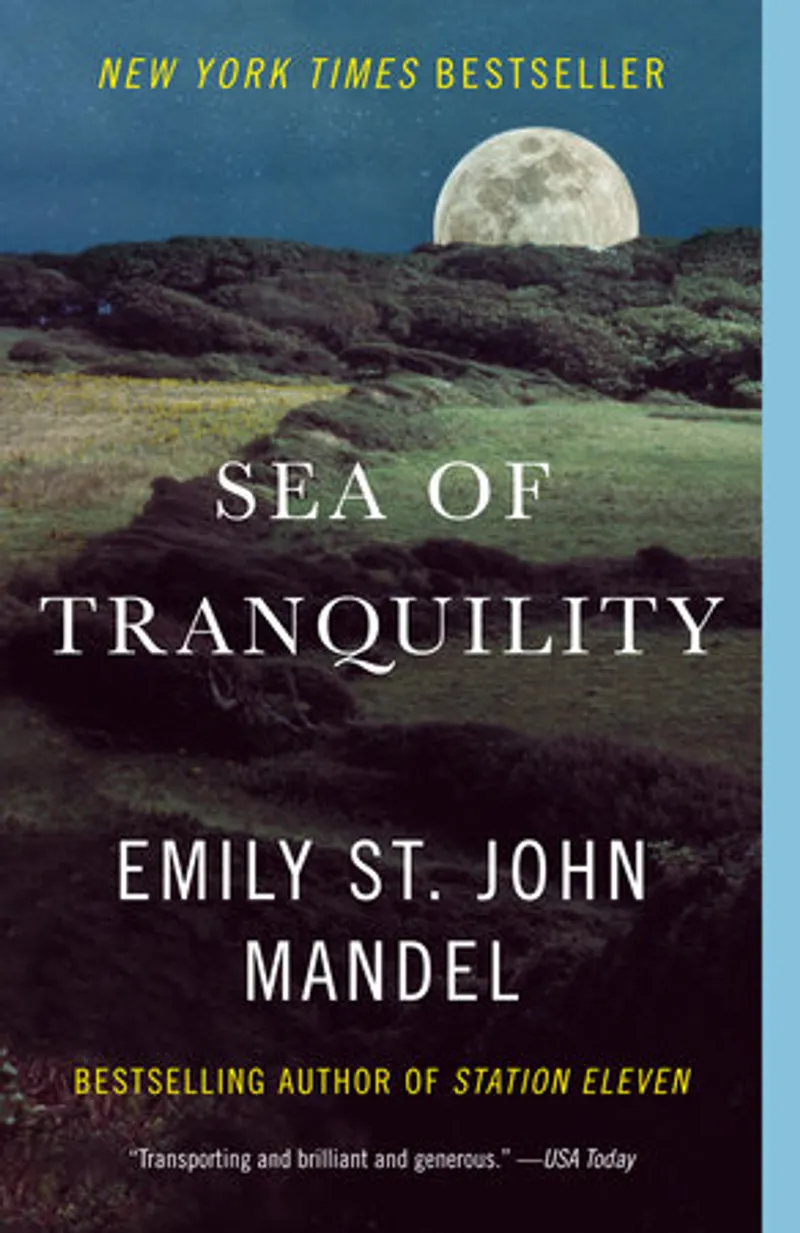
Sea of Tranquility Author: Emily St. John MandelPage Count: UnknownPublication Date: 2023-PRH Emily St. John Mandel’s Sea of Tranquility is a masterclass in speculative fiction, weaving together time travel, existential dread, and quiet human resilience into a narrative that feels both timeless and urgently contemporary. Published in 2023, this novel cements Mandel’s reputation as a writer who can elevate genre fiction into something profound, blending the intimate with the cosmic in a way that lingers long after the last page. At its core, Sea of Tranquility is a meditation on the fragility of reality and the ways in which art—whether a violin’s melody, a novel’s passage, or a detective’s investigation—can ripple through time, altering lives in ways both grand and imperceptible. The story unfolds across centuries, from a 1912 Vancouver Island forest where Edwin St. Andrew, a disgraced young aristocrat, hears an impossible violin tune in an airship terminal, to a 25th-century moon colony where writer Olive Llewellyn’s pandemic novel contains a cryptic reference to that same moment. Between these poles, Mandel introduces Gaspery-Jacques Roberts, a detective in a dystopian Night City, tasked with uncovering the truth behind anomalies that defy the laws of physics. What connects these disparate lives is a single, recurring question: Is time a fixed line, or is it a sea of possibilities, endlessly shifting? Mandel’s genius lies in her ability to balance the speculative with the deeply human. The novel’s time-travel mechanics are never the focus; instead, they serve as a lens to examine how people endure, create, and find meaning in chaos. The 1912 prologue, with its lush descriptions of wilderness and Edwin’s disorientation, feels like a gothic ghost story, while the moon colony’s sterile, artificial beauty in Olive’s era evokes a sterile, controlled future where nature has been replaced by human design. Gaspery’s world, meanwhile, is a noir-tinged nightmare of neon and decay, where the past and future bleed into one another in ways that feel both thrilling and unsettling. What makes Sea of Tranquility so compelling is Mandel’s prose, which is at once elegant and unadorned. She has a knack for capturing the quiet moments—the way a character’s breath catches in their throat, the weight of a single decision that alters a life. The novel’s structure is deceptively simple, moving between timelines with a precision that feels effortless, but the cumulative effect is one of inevitability. Each character’s arc is a thread in a larger tapestry, and by the time the threads converge, the reader is left with a sense of awe at how perfectly everything fits together. The pandemic subplot, woven through Olive’s novel within the novel, adds a layer of prescient dread, grounding the story in the anxieties of our own time. Mandel doesn’t dwell on the horror of disease, but rather on how people adapt, create, and find solace in art and connection. It’s a reminder that even in the face of collapse, humanity persists—and that persistence is what makes us extraordinary. Sea of Tranquility is not just a book about time travel; it’s a book about the stories we tell ourselves to make sense of existence. Mandel’s characters are not heroes or villains, but ordinary people caught in extraordinary circumstances, forced to confront the idea that their lives might be part of something larger than themselves. The novel’s title, taken from the lunar mare where the first moon landing occurred, is a perfect metaphor: tranquility is an illusion, a fleeting moment of stillness in an ever-shifting sea. In the end, Sea of Tranquility is a novel that will appeal to fans of literary fiction and speculative readers alike. It’s a book that makes you think, but it’s also a book that makes you feel—deeply, viscerally. Mandel has crafted a story that is both a puzzle and a revelation, one that lingers in the mind like a half-remembered dream. #SeaOfTranquility #EmilyStJohnMandel #TimeTravelFiction #SpeculativeFiction #LiterarySciFi #BookReview Related InsightsHarbinger Book Review and Summary The Norton Introduction to Literature--Shorter thirteenth edition Book Review and Summary Dream Town Book Review and Summary{ "@context": "https://schema.org", "@type": "FAQPage", "mainEntity": [ { "@type": "Question", "name": "What is the main focus of Sea of Tranquility Book Review and Summary?", "acceptedAnswer": { "@type": "Answer", "text": "Everything you need to know about Sea of Tranquility with our detailed review." } }, { "@type": "Question", "name": "Who authored the comprehensive guide on Sea of Tranquility Book Review and Summary?", "acceptedAnswer": { "@type": "Answer", "text": "This detailed article and its insights were carefully researched and authored by Emily St. John Mandel." } }, { "@type": "Question", "name": "Where can I find more related content about Books?", "acceptedAnswer": { "@type": "Answer", "text": "You can explore more articles, detailed reviews, and similar insights by browsing the Related Insights section at the bottom of this article or visiting our dedicated Books category page." } } ] }

La pareja de al lado / The Couple Next Door Author: Shari LapenaPage Count: UnknownPublication Date: 2018-PRH Shari Lapena’s The Couple Next Door is a masterclass in domestic suspense, a genre that thrives on the unsettling gap between appearances and reality. With razor-sharp pacing and a narrative that unravels like a tightly coiled spring, Lapena crafts a thriller that lingers long after the final page, leaving readers questioning not just the characters’ motives, but their own capacity for deception. This isn’t just a story about a missing baby—it’s a psychological dissection of marriage, trust, and the lies we tell to survive. At its core, The Couple Next Door explores the fragility of human relationships under pressure. Anne and Marco Conti seem like the perfect couple: affluent, loving, with a precious six-month-old daughter, Cora. But when they attend a dinner party next door, leaving Cora alone in their house (monitor in hand, as per their neighbor’s odd request), the unthinkable happens—Cora vanishes. The police arrive, suspicion falls on the parents, and what follows is a harrowing descent into paranoia, guilt, and mutual betrayal. Lapena doesn’t just ask who took the baby; she asks what would you do to get her back? The answer, disturbingly, is: almost anything. Lapena’s genius lies in her ability to make the ordinary terrifying. The premise—leaving a baby alone for a few minutes—isn’t inherently shocking, but the way she frames it as a calculated risk (or even a necessary one) forces readers to confront their own moral boundaries. Is it negligent to leave a child unattended, even briefly? The book doesn’t judge; it simply presents the consequences, and the fallout is devastating. The Contis’ marriage, once a source of stability, becomes a minefield of secrets. Marco’s affair, Anne’s hidden past, the neighbors’ suspicious behavior—every revelation chips away at the illusion of their perfect life. Lapena’s prose is deceptively simple, but that’s part of its power. The writing doesn’t call attention to itself; it lets the tension simmer, building until it boils over in a series of jaw-dropping twists. What sets The Couple Next Door apart from other domestic thrillers is its refusal to offer easy answers. The police, led by the astute Detective Rasbach, are no heroes; they’re flawed, sometimes ruthless, and just as capable of manipulation as the suspects. The narrative shifts between Anne and Marco’s perspectives, revealing how each is hiding something—sometimes from the other, sometimes from themselves. The result is a story where every character is a potential liar, and every secret could be the key to solving the crime—or the reason it happened in the first place. Lapena’s style is relentless, propelling the reader forward with short, punchy chapters that end on cliffhangers. The dialogue crackles with tension, and the domestic settings—suburban homes, cozy dinner parties—only heighten the unease. When the action moves to the police station or the interrogation room, the stakes feel even higher because the real danger isn’t out there; it’s in the quiet, unspoken truths between Anne and Marco. The book’s structure mirrors the unraveling of their marriage: just when you think you’ve pieced together the puzzle, Lapena introduces a new variable, a new lie, a new betrayal. The themes of The Couple Next Door resonate because they’re universal. How well do we really know our partners? How far would we go to protect our family—or our secrets? Lapena doesn’t just tell a gripping story; she forces us to confront uncomfortable questions about love, loyalty, and the masks we wear in public. The final twist isn’t just shocking—it’s a gut-punch that recontextualizes everything that came before, leaving readers stunned and eager to reread the book to catch the clues they missed. If you’re looking for a thriller that keeps you guessing until the last page, The Couple Next Door delivers in spades. It’s not just a mystery; it’s a psychological thriller that preys on the fears we all have about the people closest to us. Lapena doesn’t just write suspense—she weaponizes it, turning the familiar into something sinister. By the time you reach the final revelation, you’ll be questioning not just the characters, but your own relationships. And that, perhaps, is the most terrifying thing of all. #TheCoupleNextDoor #DomesticThriller #ShariLapena #MissingBaby #PsychologicalSuspense #BookReview Related InsightsEmpire of Storms Book Review and Summary 'The Need for Speed: The Ultimate Guide to the High-Flying World of Drone Racing' Holy Bible: New International Version Book Review and Summary{ "@context": "https://schema.org", "@type": "FAQPage", "mainEntity": [ { "@type": "Question", "name": "What is the main focus of The Couple Next Door Book Review and Summary?", "acceptedAnswer": { "@type": "Answer", "text": "Everything you need to know about The Couple Next Door with our detailed review." } }, { "@type": "Question", "name": "Who authored the comprehensive guide on The Couple Next Door Book Review and Summary?", "acceptedAnswer": { "@type": "Answer", "text": "This detailed article and its insights were carefully researched and authored by Shari Lapena." } }, { "@type": "Question", "name": "Where can I find more related content about Books?", "acceptedAnswer": { "@type": "Answer", "text": "You can explore more articles, detailed reviews, and similar insights by browsing the Related Insights section at the bottom of this article or visiting our dedicated Books category page." } } ] }
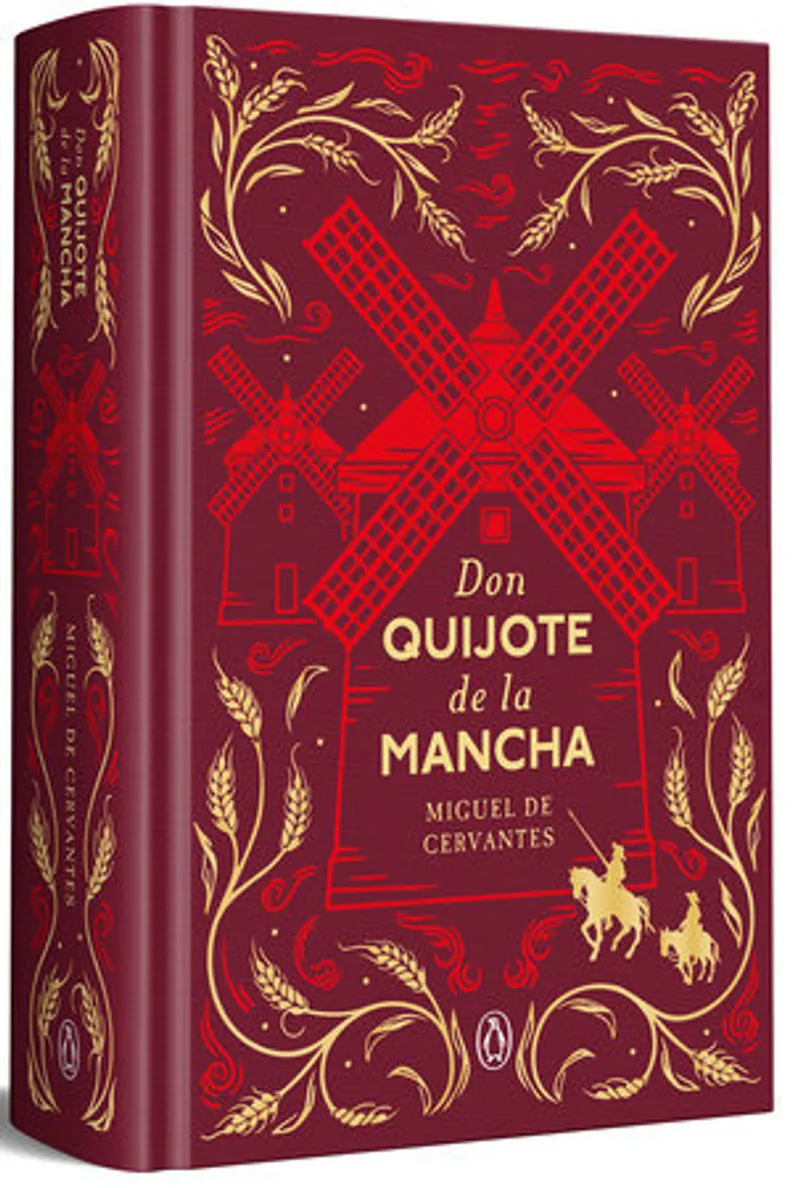
Don Quijote de la Mancha (Edición conmemorativa) / Don Quixote (Commemorative Edition) Author: Miguel de CervantesPage Count: UnknownPublication Date: 2025-PRH In the commemorative edition of Don Quijote de la Mancha, published in 2025, Miguel de Cervantes' timeless masterpiece continues to captivate readers with its enduring themes and masterful storytelling. This iconic novel, widely regarded as the first modern novel, has been a cornerstone of world literature for centuries, and its allure remains unwavering. At its core, Don Quixote is a thought-provoking exploration of the human condition, delving into the intricacies of reality, madness, and the power of imagination. Cervantes' ingenious narrative follows the journey of the nobleman Alonso Quixano, who, driven by his passion for chivalric romances, reinvents himself as the knight-errant Don Quixote. As he embarks on a series of misadventures, accompanied by his trusty squire, Sancho Panza, the lines between reality and fantasy become increasingly blurred. Cervantes' writing style is characterized by its remarkable depth, nuance, and wit. His use of language is at once poetic and accessible, weaving a rich tapestry of humor, satire, and philosophical introspection. The author's mastery of character development is equally impressive, as he breathes life into a diverse cast of characters, each with their own distinct voice and perspective. The dynamic between Don Quixote and Sancho Panza is particularly noteworthy, as their contrasting worldviews and personalities create a compelling dialectic that drives the narrative forward. One of the most striking aspects of Don Quixote is its ability to balance lighthearted comedy with profound insight into the human experience. Cervantes' clever use of irony, absurdity, and social commentary adds layers of complexity to the narrative, making it a work that can be appreciated on multiple levels. As readers, we are invited to laugh at Don Quixote's antics, while also reflecting on the societal norms and cultural values that shape our own perceptions of reality. The commemorative edition of Don Quijote de la Mancha is a testament to the enduring power of Cervantes' vision, a work that continues to inspire and influence literature, art, and popular culture to this day. As we delve into the world of 17th-century Spain, we are reminded of the universality of human emotions, desires, and frailties. Don Quixote's quest for chivalric honor, his unwavering dedication to his ideals, and his ultimate confrontation with reality serve as a poignant reminder of the complexities and contradictions that define us as human beings. In conclusion, the 2025 commemorative edition of Don Quijote de la Mancha is a must-read for anyone interested in exploring the rich literary heritage of the Western world. Cervantes' magnum opus is a work of genius that will continue to captivate, inspire, and challenge readers for generations to come. With its universal themes, masterful storytelling, and unforgettable characters, Don Quixote remains an indispensable part of our shared cultural landscape. #DonQuixote #MiguelDeCervantes #ClassicLiterature #SpanishLiterature #ChivalricRomance #LiteraryMasterpiece Related InsightsThe Chain Between Worlds Book Review and Summary A Song of Sugar Sparrows (Wayward Children, #12) Book Review and Summary Nothing More to Tell Book Review and Summary{ "@context": "https://schema.org", "@type": "FAQPage", "mainEntity": [ { "@type": "Question", "name": "What is the main focus of Don Quixote Book Review and Summary?", "acceptedAnswer": { "@type": "Answer", "text": "Everything you need to know about Don Quixote with our detailed review." } }, { "@type": "Question", "name": "Who authored the comprehensive guide on Don Quixote Book Review and Summary?", "acceptedAnswer": { "@type": "Answer", "text": "This detailed article and its insights were carefully researched and authored by Miguel de Cervantes Saavedra." } }, { "@type": "Question", "name": "Where can I find more related content about Books?", "acceptedAnswer": { "@type": "Answer", "text": "You can explore more articles, detailed reviews, and similar insights by browsing the Related Insights section at the bottom of this article or visiting our dedicated Books category page." } } ] }
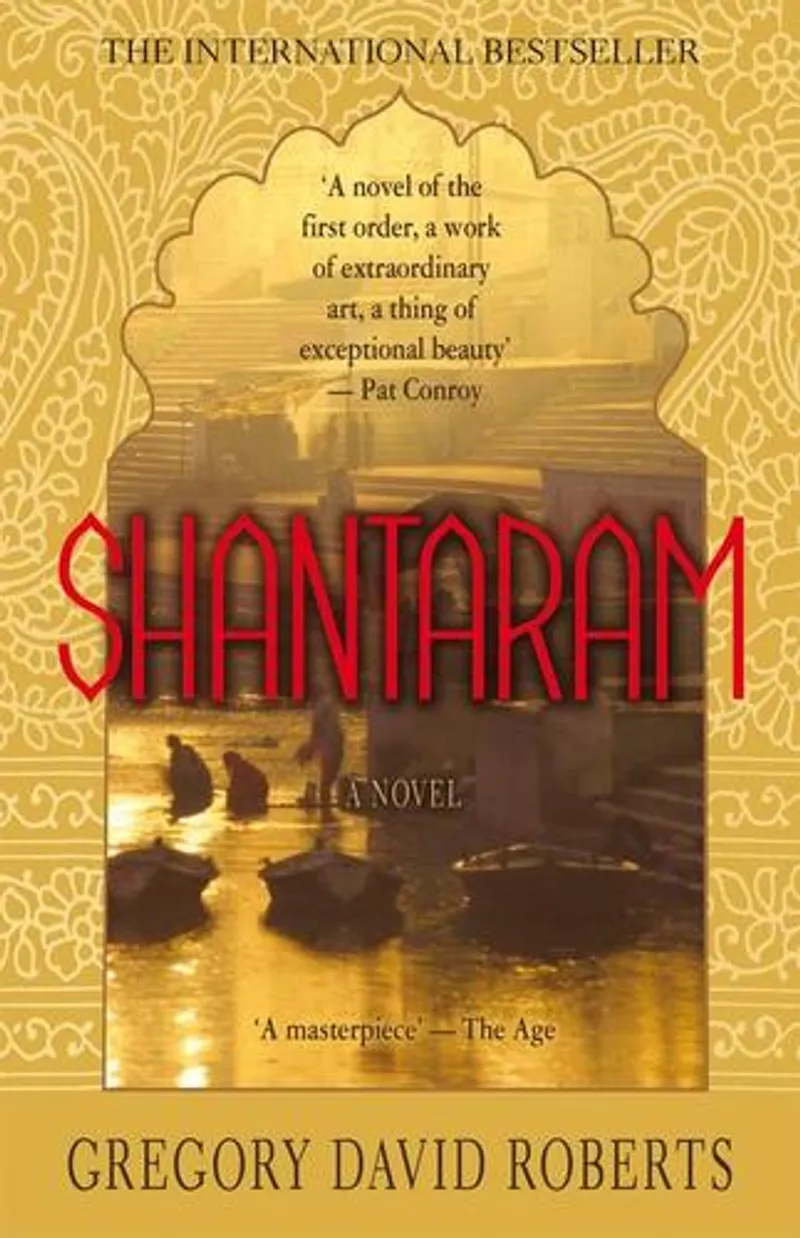
Shantaram Author: Gregory David RobertsPage Count: UnknownPublication Date: 2004-OL In "Shantaram", Gregory David Roberts weaves a mesmerizing tale of self-discovery, love, and transformation, set against the vibrant backdrop of 1980s Bombay. This sweeping narrative follows Lin, a man on the run from an Australian prison, as he leaves behind his past and embarks on a journey of redemption in the bustling streets of India. Through Lin's eyes, Roberts masterfully captures the essence of Bombay, a city of stark contrasts, where opulence and poverty coexist in an intricate dance. The author's vivid descriptions of the city's labyrinthine alleys, its kaleidoscopic markets, and its resilient people, transport the reader to a world that is both familiar and foreign. At the heart of the novel lies the complex and often fraught relationship between Lin and Karla, a mysterious and alluring woman with a troubled past. Their love story, marked by intense passion and deep emotional connection, is expertly intertwined with the narrative's broader themes of identity, belonging, and the search for meaning. Roberts' writing style is characterized by its lyricism, wit, and philosophical depth. His prose is often poetic, with a keen attention to detail that brings the characters and their surroundings to life. The author's use of language is deliberate and evocative, conjuring the sights, sounds, and smells of Bombay with uncanny precision. One of the novel's greatest strengths lies in its ability to balance the epic and the intimate, the grand and the mundane. Roberts seamlessly shifts between sweeping descriptions of Bombay's cityscape and quiet moments of introspection, creating a narrative that is both expansive and deeply personal. Through Lin's journey, Roberts explores the human condition in all its complexity, grappling with fundamental questions about the nature of identity, morality, and the search for transcendence. The novel is a powerful exploration of the human spirit, with all its flaws, contradictions, and aspirations. Ultimately, "Shantaram" is a love letter to Bombay, a city that is both a character and a backdrop in the novel. Roberts' tribute to this vibrant metropolis is a testament to the transformative power of place and culture, and the ways in which they can shape and redefine us. In short, "Shantaram" is a masterpiece of contemporary literature, a novel that will captivate, inspire, and haunt readers long after they finish reading it. With its richly textured prose, its memorable characters, and its profound themes, this book is an absolute must-read for anyone who loves great storytelling. #Shantaram #GregoryDavidRoberts #BombayNovel #LiteraryFiction #TravelFiction #EpicLoveStory Related InsightsIn Cold Blood Book Review and Summary The Hunger Games Magnetic Bookmark Set of 3 - Magnetic Bookmarks Book Review and Summary Critical Role: The Mighty Nein—Children of Empire Book Review and Summary{ "@context": "https://schema.org", "@type": "FAQPage", "mainEntity": [ { "@type": "Question", "name": "What is the main focus of Shantaram Book Review and Summary?", "acceptedAnswer": { "@type": "Answer", "text": "Everything you need to know about Shantaram with our detailed review." } }, { "@type": "Question", "name": "Who authored the comprehensive guide on Shantaram Book Review and Summary?", "acceptedAnswer": { "@type": "Answer", "text": "This detailed article and its insights were carefully researched and authored by Gregory David Roberts." } }, { "@type": "Question", "name": "Where can I find more related content about Books?", "acceptedAnswer": { "@type": "Answer", "text": "You can explore more articles, detailed reviews, and similar insights by browsing the Related Insights section at the bottom of this article or visiting our dedicated Books category page." } } ] }
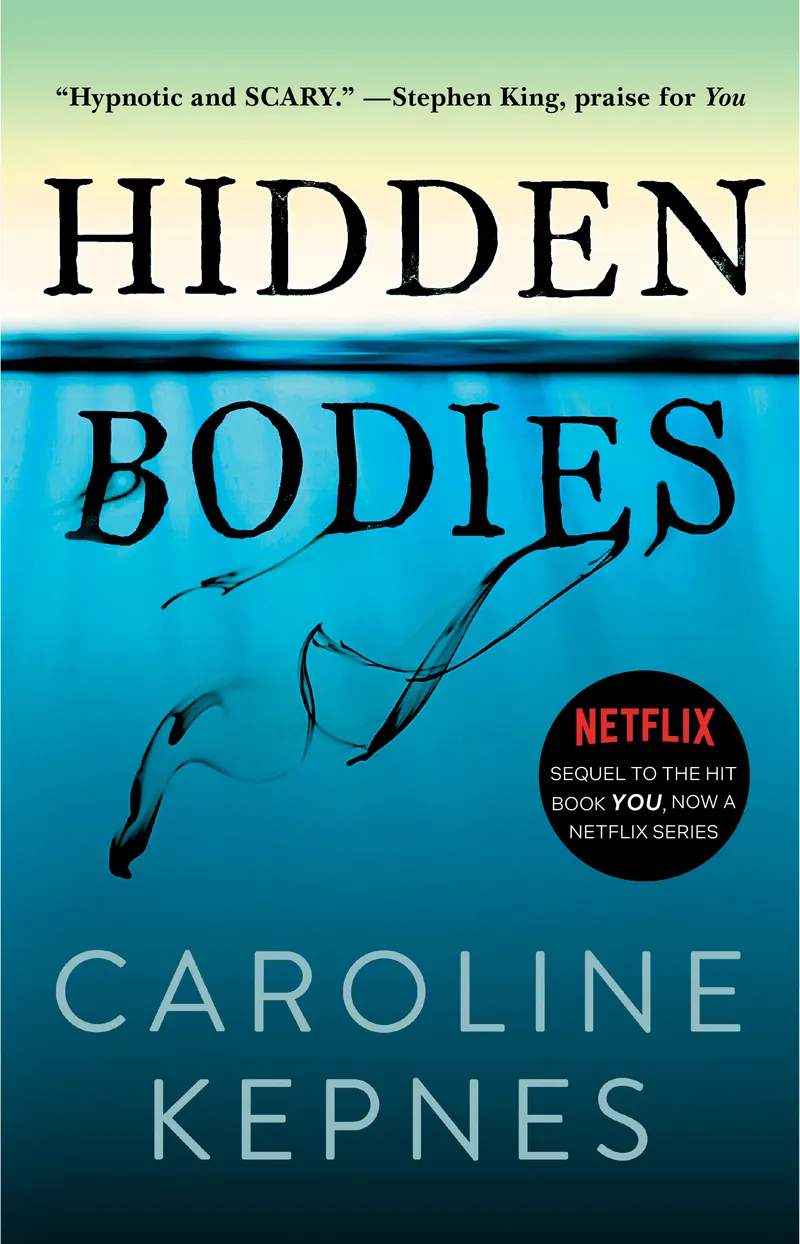
Dungeons & Dragons Host Tower Escape Author: Official Dungeons & Dragons LicensedPage Count: UnknownPublication Date: 2027-PRH In the realm of Dungeons & Dragons, few adventures have captured the imagination of players and Dungeon Masters alike as the Host Tower Escape. This latest offering from the official Dungeons & Dragons licensed publishing arm promises to deliver a thrilling experience, and I am excited to dive into the world of Faerun and uncover the secrets that lie within. As a seasoned reviewer, I must admit that I approached this book with a mix of excitement and trepidation. The Host Tower Escape is a notoriously challenging adventure, and I was curious to see how the authors would choose to present it to a new generation of players. I am pleased to report that the end result is a masterclass in adventure design, weaving together intricate plot threads, memorable NPCs, and pulse-pounding action sequences. From the outset, it is clear that the authors have a deep understanding of the Forgotten Realms setting and the lore that underpins it. The writing is evocative and immersive, conjuring vivid images of the mist-shrouded towers and crumbling ruins that dot the landscape. The attention to detail is impressive, with a clear love for the source material shining through on every page. One of the standout features of the Host Tower Escape is its focus on player agency. Rather than presenting a linear narrative, the authors have crafted an adventure that is highly adaptable, allowing players to forge their own path and shape the story through their choices. This approach not only adds replay value but also encourages creativity and collaboration at the table. The adventure itself is expertly paced, building from a gentle introduction to a heart-pumping climax that will leave even the most seasoned players breathless. The encounters are cleverly designed, requiring a combination of brawn, brains, and cunning to overcome. I was particularly impressed by the variety of challenges on offer, ranging from social interactions and puzzle-solving to good old-fashioned combat. If I have any criticisms, it is that the book assumes a certain level of familiarity with the Forgotten Realms setting. While the authors do provide a brief primer on the world and its lore, I worry that new players may feel overwhelmed by the sheer volume of information presented. Additionally, some of the encounters feel slightly overpowered, which may result in a few too many character deaths for my taste. In conclusion, the Host Tower Escape is a must-play adventure for any serious Dungeons & Dragons fan. With its engaging storyline, memorable NPCs, and pulse-pounding action sequences, this book is sure to provide countless hours of entertainment at the table. While it may not be perfect, the authors' passion and dedication to the source material shine through on every page, making this a truly unforgettable experience. #DungeonsAndDragons #HostTowerEscape #ForgottenRealms #DnDAdventure #TabletopGaming #FantasyRolePlaying Related InsightsOkumanın Sihirli Dünyasına Bir Yolculuk: Neden Kitaplar Hala En İyi Dostumuz? Close to Midnight Book Review and Summary Cold Sunset: A Gabriel Dax Novel Book Review and Summary{ "@context": "https://schema.org", "@type": "FAQPage", "mainEntity": [ { "@type": "Question", "name": "What is the main focus of Hidden Bodies Book Review and Summary?", "acceptedAnswer": { "@type": "Answer", "text": "Everything you need to know about Hidden Bodies with our detailed review." } }, { "@type": "Question", "name": "Who authored the comprehensive guide on Hidden Bodies Book Review and Summary?", "acceptedAnswer": { "@type": "Answer", "text": "This detailed article and its insights were carefully researched and authored by Caroline Kepnes." } }, { "@type": "Question", "name": "Where can I find more related content about Books?", "acceptedAnswer": { "@type": "Answer", "text": "You can explore more articles, detailed reviews, and similar insights by browsing the Related Insights section at the bottom of this article or visiting our dedicated Books category page." } } ] }
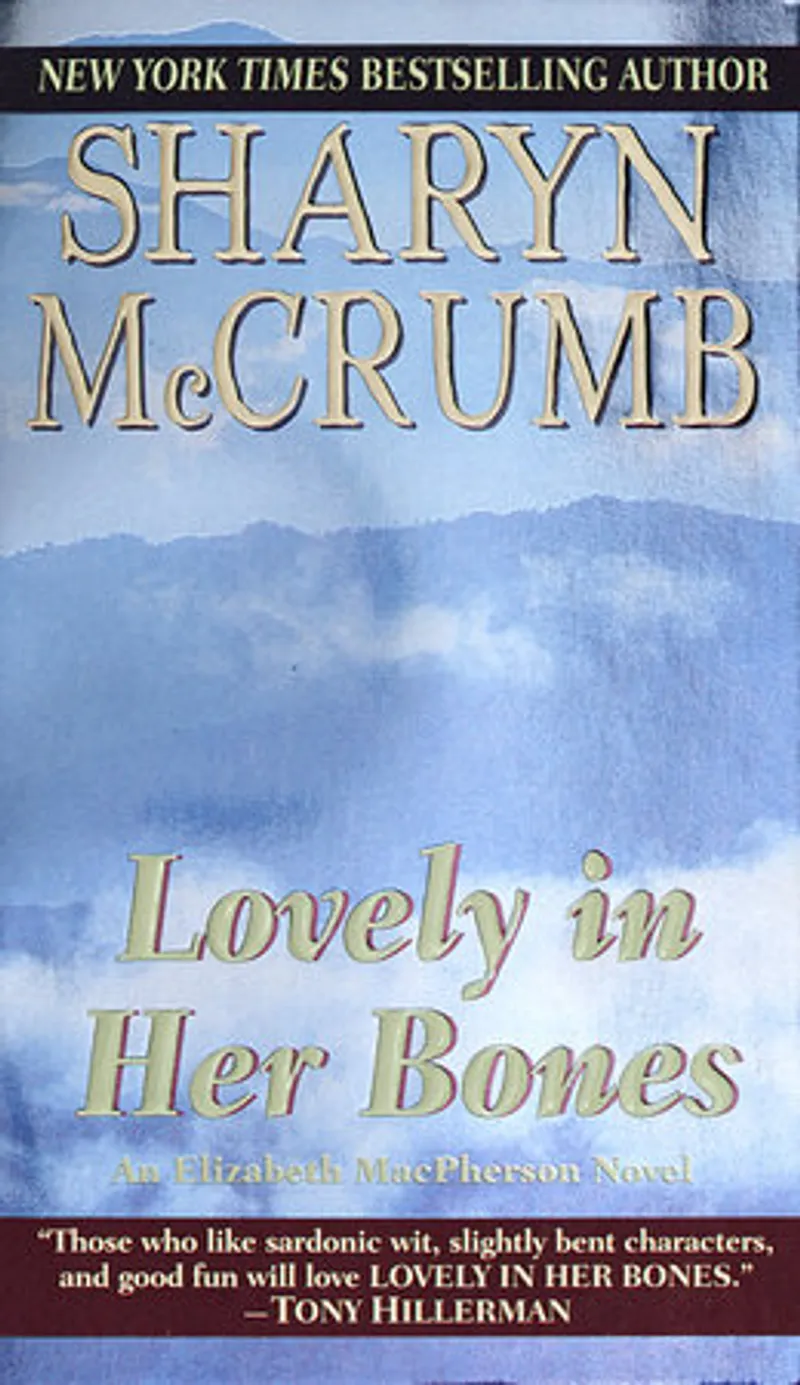
Lovely in Her Bones Author: Sharyn McCrumbPage Count: UnknownPublication Date: 1990-PRH Lovely in Her Bones, penned by the ingenious Sharyn McCrumb, is a masterful blend of mystery, wit, and Appalachian charm. This 1990 novel weaves a captivating narrative that delves into the world of archaeology, anthropology, and murder, all set against the rich backdrop of North Carolina's obscure Indian tribe. At the heart of the story lies Elizabeth MacPherson, an intrepid student of the past, who finds herself entangled in a web of mystery and intrigue. As she navigates the complexities of a centuries-old land dispute, Elizabeth's insatiable curiosity and sharp instincts propel her to dig deeper, unearthing secrets that surprise even the most seasoned experts. One of the standout aspects of McCrumb's writing style is her ability to infuse humor into the most unlikely of situations. As acclaimed author Tony Hillerman aptly puts it, "Who but Sharyn McCrumb can make a skull with a bullet hole funny?" This unique blend of wit and intrigue is a hallmark of McCrumb's narrative, rendering Lovely in Her Bones a delightful and engaging read. Throughout the novel, McCrumb's love for the Appalachian region shines through, as she masterfully weaves together the rich cultural heritage and history of the area. Her vivid descriptions of the North Carolina landscape and the people who inhabit it add a depth and richness to the narrative, drawing the reader into the world of the story. One of the primary themes that emerge in Lovely in Her Bones is the clash between tradition and modernity. As Elizabeth navigates the complex web of historical and cultural claims, she must also contend with the realities of the present day. McCrumb handles this delicate balance with ease, using Elizabeth's character to explore the tensions between preserving the past and embracing the future. McCrumb's writing style is characterized by her use of sardonic wit, clever plot twists, and a keen eye for detail. Her characters are multidimensional and relatable, with Elizabeth being a particularly well-crafted protagonist. The author's ability to balance humor and intrigue makes for a compelling narrative that is both entertaining and thought-provoking. In conclusion, Lovely in Her Bones is a captivating mystery that is sure to delight fans of the genre. With its unique blend of humor, history, and intrigue, this novel is a must-read for anyone looking for a compelling and engaging story. Sharyn McCrumb's masterful storytelling and vivid descriptions of the Appalachian region make this novel a standout in its class. #AppalachianMystery #ArchaeologicalThriller #SharynMcCrumb #ElizabethMacPhersonSeries #NativeAmericanFiction #SouthernGothicMystery Related InsightsDr. Jekyll and Mr. Hyde Book Review and Summary Daphne Doo the Peculiar Pug Book Review and Summary Defiant Book Review and Summary{ "@context": "https://schema.org", "@type": "FAQPage", "mainEntity": [ { "@type": "Question", "name": "What is the main focus of The Lovely Bones Book Review and Summary?", "acceptedAnswer": { "@type": "Answer", "text": "Everything you need to know about The Lovely Bones with our detailed review." } }, { "@type": "Question", "name": "Who authored the comprehensive guide on The Lovely Bones Book Review and Summary?", "acceptedAnswer": { "@type": "Answer", "text": "This detailed article and its insights were carefully researched and authored by Alice Sebold." } }, { "@type": "Question", "name": "Where can I find more related content about Books?", "acceptedAnswer": { "@type": "Answer", "text": "You can explore more articles, detailed reviews, and similar insights by browsing the Related Insights section at the bottom of this article or visiting our dedicated Books category page." } } ] }
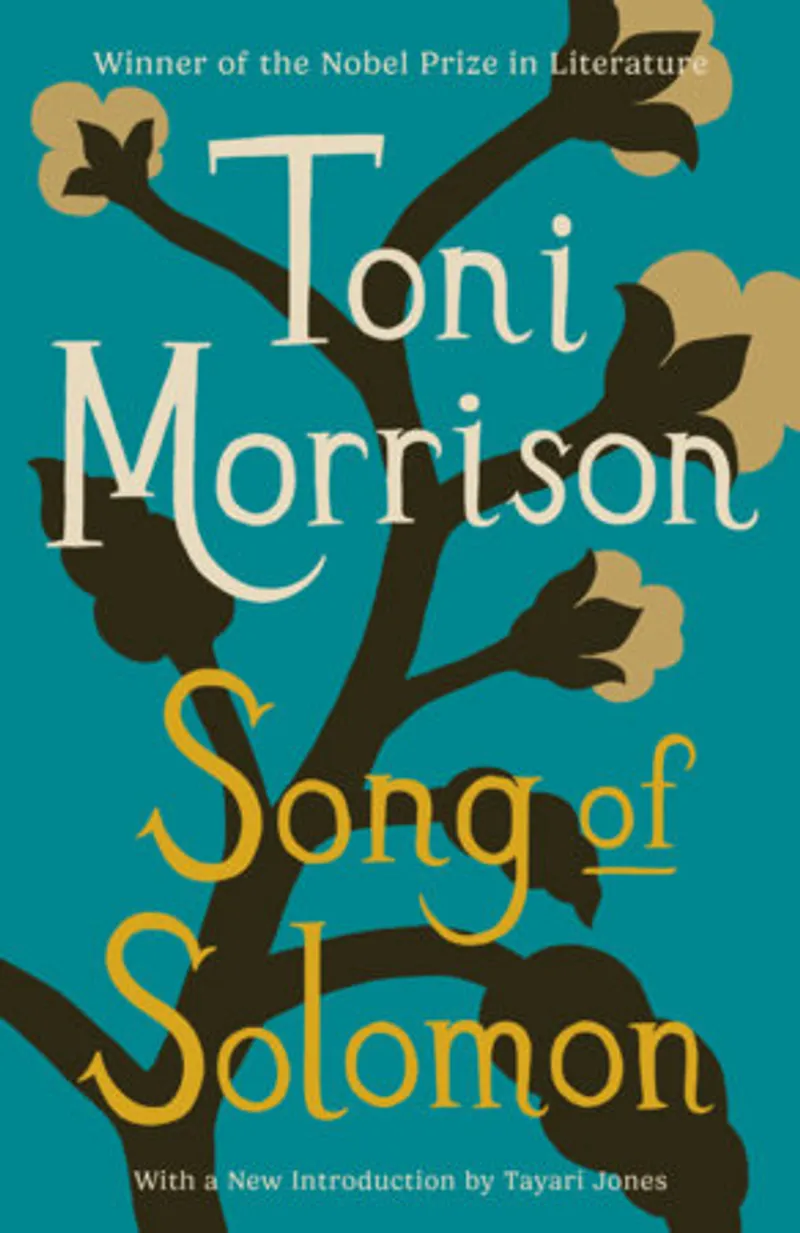
Song of Solomon Author: Toni MorrisonPage Count: UnknownPublication Date: 2004-PRH In the realm of American literature, few novels have managed to capture the essence of the Black experience with the same level of depth and nuance as Toni Morrison's Song of Solomon. First published in 1977, this masterpiece has been widely acclaimed for its poignant and unflinching portrayal of the African American experience, and its exploration of the universal human quest for identity, community, and transcendence. At its core, Song of Solomon is a coming-of-age story that follows the life of Milkman Dead, a young black man growing up in a rust-belt city in the Midwest. Born shortly after a neighborhood eccentric's failed attempt at flight, Milkman is destined to spend his life searching for his own wings, struggling to find his place in a world that seems determined to keep him grounded. As Morrison masterfully weaves together the threads of Milkman's story, she introduces a diverse cast of characters, each with their own unique struggles, aspirations, and contradictions. One of the most striking aspects of Morrison's writing style is her ability to inhabit the lives and thoughts of her characters with uncanny ease. She moves seamlessly between their inner worlds, luxuriating in the diversity of their experiences, personalities, and voices. Her prose is at once poetic and unflinching, capable of conveying the full range of human emotions, from the depths of sorrow and despair to the heights of joy and transcendence. Through Milkman's journey, Morrison explores the complex web of relationships that bind us to our families, our communities, and our cultural heritage. She delves into the painful legacy of slavery, segregation, and racism, but also celebrates the resilience, creativity, and strength of the African American spirit. As Milkman navigates the treacherous landscape of his own identity, he must confront the secrets and lies that have haunted his family for generations, and find a way to reconcile his own desires with the weight of his ancestral past. Morrison's writing is not just a reflection of the world around her; it is also a powerful act of world-making. In Song of Solomon, she creates a fully realized Black world, teeming with life, color, and sound. Her characters are multidimensional and complex, full of contradictions and surprises, and her story is both deeply personal and universally relatable. In short, Song of Solomon is a masterpiece of American literature, a novel that deserves to be read and reread for generations to come. It is a testament to the power of storytelling to transform our understanding of ourselves and our world, and to the boundless creativity and genius of Toni Morrison, one of the most important writers of our time. #ToniMorrison #SongOfSolomon #AfricanAmericanLiterature #ComingOfAgeStory #AmericanClassics #BlackLiteraryExcellence Related InsightsThe Corrections Book Review and Summary An Edge Sharp Enough (An Edge Sharp Enough, #1) Book Review and Summary Doomsdate Book Review and Summary{ "@context": "https://schema.org", "@type": "FAQPage", "mainEntity": [ { "@type": "Question", "name": "What is the main focus of Song of Solomon Book Review and Summary?", "acceptedAnswer": { "@type": "Answer", "text": "Everything you need to know about Song of Solomon with our detailed review." } }, { "@type": "Question", "name": "Who authored the comprehensive guide on Song of Solomon Book Review and Summary?", "acceptedAnswer": { "@type": "Answer", "text": "This detailed article and its insights were carefully researched and authored by Toni Morrison." } }, { "@type": "Question", "name": "Where can I find more related content about Books?", "acceptedAnswer": { "@type": "Answer", "text": "You can explore more articles, detailed reviews, and similar insights by browsing the Related Insights section at the bottom of this article or visiting our dedicated Books category page." } } ] }
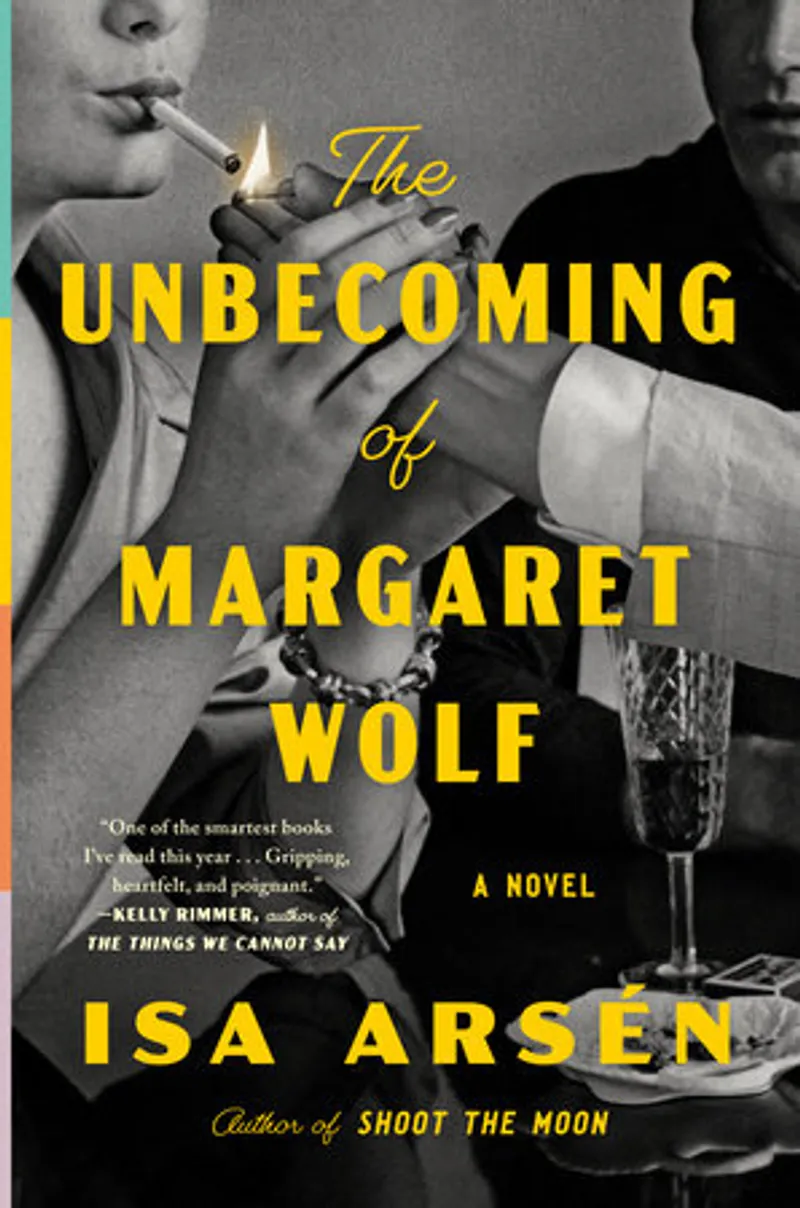
The Unbecoming of Margaret Wolf Author: Isa ArsénPage Count: UnknownPublication Date: 2025-PRH Isa Arsén’s The Unbecoming of Margaret Wolf is a razor-sharp dissection of ambition, love, and the fragile masks we wear in the name of art—and survival. Set against the glittering, cutthroat world of Shakespearean theater, this novel is less a love story than a psychological unraveling, where every bow is a performance, and every truth is a rehearsal for disaster. Arsén, with a prose style that crackles with theatrical intensity, crafts a narrative that is as much about the roles we play as it is about the people who force us into them. At its core, The Unbecoming of Margaret Wolf is a tragedy in the Shakespearean mold, but one that feels urgently modern. Margaret Shoard, our protagonist, is a woman who has clawed her way to the top of the acting world, only to find that the summit is a gilded cage. Her marriage to Wesley, a fellow actor, is a partnership of convenience, a shared stage where love is secondary to mutual ambition. When Margaret’s public meltdown threatens to derail her career, her doctor’s prescription—uppers to steady her nerves—becomes both a lifeline and a noose. It’s a brilliant metaphor for the performative nature of mental health in high-pressure environments, where the line between coping and collapsing is thinner than a stage curtain. The real engine of the novel, however, is the arrival of Vaughn Kline, the eccentric director who lures Margaret and Wesley to the New Mexico desert for a high-stakes Shakespeare festival. Vaughn is a character straight out of a gothic nightmare: charismatic, manipulative, and utterly opaque. He’s the kind of man who makes you question whether his grand vision is genius or madness, and Arsén excels at rendering his ambiguity. Is he a visionary who sees potential in Margaret where others see only fragility? Or is he a predator who preys on the desperate? The answer, like so much in this novel, is deliberately elusive. What makes The Unbecoming of Margaret Wolf so compelling is its refusal to offer easy resolutions. Margaret and Wesley’s relationship is a house of cards, built on half-truths and unspoken resentments. Their affair with Vaughn—whether it’s a genuine connection or a calculated gamble—only accelerates their unraveling. Arsén’s genius lies in her ability to make the reader complicit in their delusions. We root for Margaret, even as we see the cracks in her self-mythology. We want to believe in Wesley’s loyalty, even as his actions betray it. And Vaughn? He’s the kind of villain who makes you question whether you’d rather be his victim or his disciple. Arsén’s prose is a masterclass in controlled chaos. She writes with the precision of a playwright, crafting dialogue that crackles with subtext and scenes that feel like tightly choreographed duels. The desert setting is more than just a backdrop; it’s a character in its own right, a vast, indifferent stage where the characters’ performances are stripped bare. The heat, the isolation, the way the light distorts everything—it all serves to heighten the sense of unreality, as if the characters are sleepwalking through a fever dream. The novel’s themes resonate deeply in an era where personal brands and performative identities dominate. Margaret’s struggle to reconcile her public persona with her private despair is achingly relatable. How much of ourselves do we sacrifice to the roles we’re given? How much of our pain do we turn into art, and at what cost? Arsén doesn’t offer answers, but she forces us to sit with the questions, to watch as Margaret’s carefully constructed identity—Lady Macbeth, devoted wife, rising star—crumbles under the weight of her own expectations. The Unbecoming of Margaret Wolf is a novel that lingers, like the echo of a standing ovation or the haunting silence after a curtain falls. It’s a story about the lies we tell to survive, the truths we bury to thrive, and the moment when the performance becomes too heavy to bear. Arsén has written a book that is as much about the art of acting as it is about the art of living—and the terrifying price of both. #ShakespeareanTragedy #DarkRomance #TheaterOfTheMind #UnreliableNarrators #PsychologicalDrama #IsaArsen Related InsightsLovely in Her Bones Book Review and Summary Dead Lift Book Review and Summary The Chain Between Worlds Book Review and Summary{ "@context": "https://schema.org", "@type": "FAQPage", "mainEntity": [ { "@type": "Question", "name": "What is the main focus of The Unbecoming of Mara Dyer Book Review and Summary?", "acceptedAnswer": { "@type": "Answer", "text": "Everything you need to know about The Unbecoming of Mara Dyer with our detailed review." } }, { "@type": "Question", "name": "Who authored the comprehensive guide on The Unbecoming of Mara Dyer Book Review and Summary?", "acceptedAnswer": { "@type": "Answer", "text": "This detailed article and its insights were carefully researched and authored by Michelle Hodkin." } }, { "@type": "Question", "name": "Where can I find more related content about Books?", "acceptedAnswer": { "@type": "Answer", "text": "You can explore more articles, detailed reviews, and similar insights by browsing the Related Insights section at the bottom of this article or visiting our dedicated Books category page." } } ] }
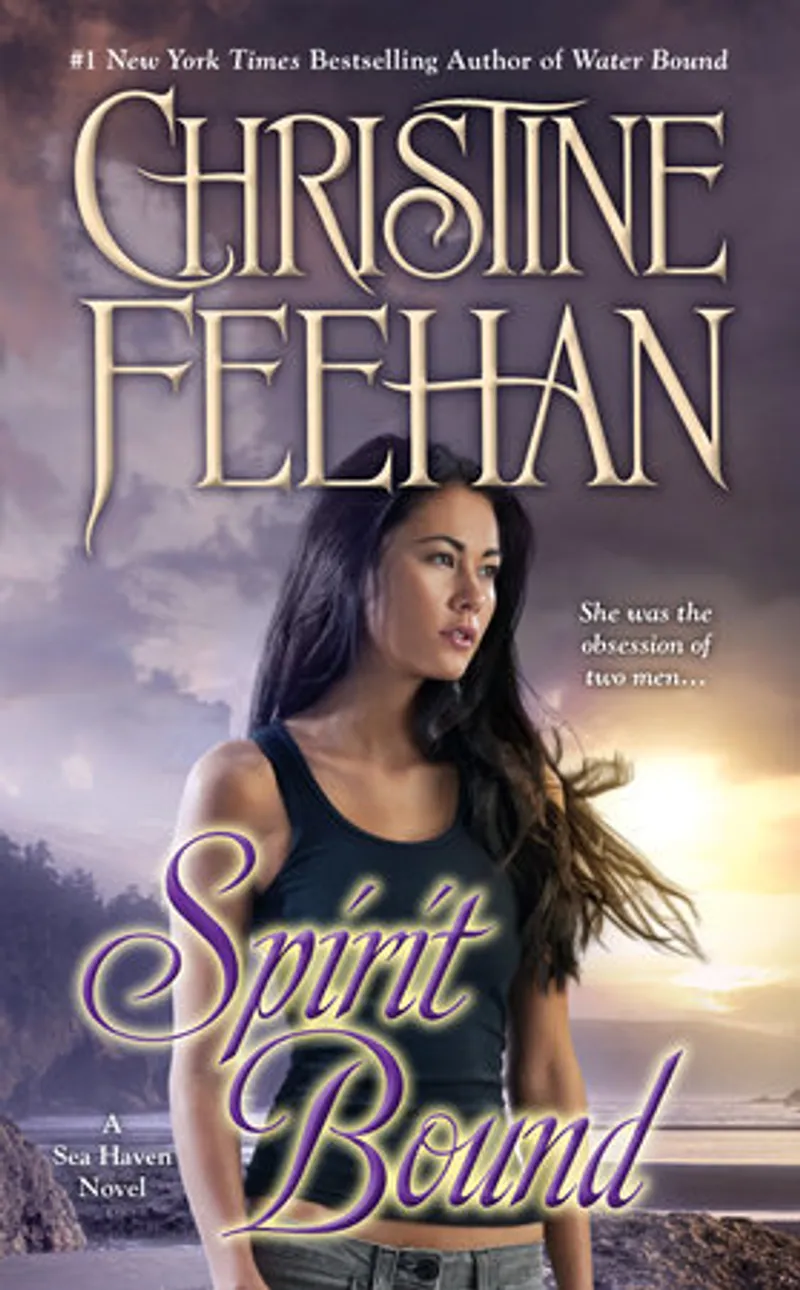
Spirit Bound Author: Christine FeehanPage Count: UnknownPublication Date: 2011-PRH Christine Feehan’s Spirit Bound is a seductive, high-stakes dance between danger and desire, where love is both salvation and a weapon. As the second installment in her Sisters of the Heart series, Feehan weaves a tale of obsession, elemental sisterhood, and the intoxicating power of surrender—all while keeping the reader breathless with her signature blend of suspense and sensuality. At its core, Spirit Bound is a story about two men consumed by the same woman, Judith Henderson, whose ethereal beauty masks a past steeped in secrets. Stefan Prakenskii, the undercover agent with a lethal skill set and a body built for sin, is sent to Sea Haven under false pretenses to infiltrate Judith’s life. But this is no ordinary mission. From the moment he lays eyes on her, Stefan is undone—not just by her physical allure, but by the way she seems to recognize him, as if their souls have met before. Judith, in turn, has spent years waiting for a man who can unlock the fire within her, a woman who has lived half in shadow, her emotions buried beneath a surface of delicate artistry. The tension between them is electric, a slow burn that ignites with every stolen glance, every brush of skin, every whispered confession. Feehan’s genius lies in her ability to balance raw, almost feral passion with a deep emotional undercurrent. Stefan isn’t just a man with a gun—he’s a man with a past, a man who has seen the worst of humanity and yet believes in the redemptive power of love. Judith isn’t just a damsel in distress; she’s a woman who has learned to survive by being invisible, until Stefan forces her to confront the desires she’s kept locked away. Their chemistry is palpable, a push-and-pull of dominance and submission that feels both primal and deeply intimate. Feehan doesn’t shy away from the darker aspects of their connection—there’s a possessiveness in Stefan’s obsession, a desperation in Judith’s need to be claimed—but it’s all framed in a way that feels less like control and more like a sacred exchange of trust. What elevates Spirit Bound beyond a typical romance is Feehan’s world-building. The coastal town of Sea Haven isn’t just a setting; it’s a character in itself, a place where the elements—earth, air, fire, water—seem to pulse with life. The sisterhood of the six women at the heart of the series adds another layer of depth, their bond forged in loss and strengthened by their shared experiences. Judith’s connection to them is subtle but significant, hinting at a larger narrative that ties into the series’ overarching themes of healing and sisterhood. Feehan’s prose is lush and immersive, dripping with sensory details that make the reader feel every touch, every scent, every heartbeat. She has a knack for writing scenes that are both tender and explosive, where the line between love and danger blurs until it’s impossible to tell where one ends and the other begins. The pacing is relentless, with enough twists and turns to keep the pages turning, but it never feels rushed. Instead, Feehan takes her time, letting the relationship between Stefan and Judith simmer until it reaches a boiling point. If there’s a critique to be made, it’s that the secondary characters sometimes feel like they’re there to serve the plot rather than stand on their own. The villain, while menacing, lacks the depth of the main players, and the sisterhood’s dynamics, though intriguing, are given less focus than they might deserve. But these are minor quibbles in a story that is otherwise a masterclass in romantic suspense. Spirit Bound is a book for readers who crave more than just a love story—they want a tale where love is a force as wild and untamed as the elements themselves. Feehan delivers exactly that, wrapping her readers in a world where passion is as dangerous as it is inevitable, and where the only thing more intoxicating than the danger is the surrender. #ChristineFeehan #SpiritBound #ParanormalRomance #DarkRomance #RomanceBooks #SistersOfTheHeart Related InsightsEverything You Need to Know: How Philosophy Can Set You Free Book Review and Summary The Nightingale Book Review and Summary Steve Jobs / Steve Jobs: A Biography Book Review and Summary{ "@context": "https://schema.org", "@type": "FAQPage", "mainEntity": [ { "@type": "Question", "name": "What is the main focus of Spirit Bound Book Review and Summary?", "acceptedAnswer": { "@type": "Answer", "text": "Everything you need to know about Spirit Bound with our detailed review." } }, { "@type": "Question", "name": "Who authored the comprehensive guide on Spirit Bound Book Review and Summary?", "acceptedAnswer": { "@type": "Answer", "text": "This detailed article and its insights were carefully researched and authored by Richelle Mead." } }, { "@type": "Question", "name": "Where can I find more related content about Books?", "acceptedAnswer": { "@type": "Answer", "text": "You can explore more articles, detailed reviews, and similar insights by browsing the Related Insights section at the bottom of this article or visiting our dedicated Books category page." } } ] }

Estuche Jane Austen (Contiene: Orgullo y prejuicio / Sentido y sensibilidad) / Jane Austen Box Set (includes: Pride and Prejudice / Sense and Sensibility) Author: Jane AustenPage Count: UnknownPublication Date: 2026-PRH In the esteemed tradition of English literature, few authors have managed to captivate readers with the same elegance and wit as Jane Austen. The recent release of the Jane Austen Box Set, containing two of her most renowned works, Pride and Prejudice and Sense and Sensibility, is a testament to her enduring legacy. This collection is a masterpiece that not only showcases Austen's remarkable writing style but also delves into the complexities of human relationships, love, and social class. At the heart of both novels lies a profound exploration of the societal norms that governed the lives of women in the late 18th and early 19th centuries. Austen's astute observation of the human experience is striking, as she skillfully weaves a narrative that is both a commentary on the societal ills of her time and a timeless exploration of the human condition. Through the lives of her protagonists, Elizabeth Bennet in Pride and Prejudice and the Dashwood sisters in Sense and Sensibility, Austen masterfully portrays the limited options available to women, highlighting their struggles for financial security, personal happiness, and independence. Austen's writing style is characterized by her use of witty dialogue, strong female characters, and a keen sense of irony. Her prose is effortlessly engaging, making her novels feel remarkably modern despite being written over two centuries ago. The way she navigates the complexities of relationships, uncovering the nuances of love, heartbreak, and personal growth, is nothing short of brilliant. Her characters are multidimensional and relatable, inviting readers to reflect on their own experiences and biases. One of the most striking aspects of Austen's work is her ability to balance the individual stories of her characters with broader societal commentary. Both Pride and Prejudice and Sense and Sensibility are set against the backdrop of a society governed by strict social hierarchies, where family connections, wealth, and reputation are paramount. Austen critiques this system with a delicate touch, using humor and satire to expose its shortcomings. Her portrayal of characters like Mr. Darcy, with his initial pride and subsequent transformation, or the reprehensible George Wickham, serves as a stark reminder of the class divisions and social prejudices that pervaded her era. The enduring popularity of Austen's works can be attributed to their universal themes and her insightful portrayal of human nature. Her novels remind us that, despite the passage of time, human emotions and experiences remain largely unchanged. The quest for love, the importance of family and friendships, and the struggle for personal fulfillment are timeless concerns that transcend historical contexts. In conclusion, the Jane Austen Box Set is a literary treasure that offers readers a chance to delve into the world of one of England's most beloved authors. With its engaging narratives, memorable characters, and perceptive social commentary, this collection is a must-read for anyone interested in classic literature. Whether you are a longtime admirer of Austen's work or a newcomer to her novels, this box set is sure to captivate and inspire, offering a reading experience that is as enriching as it is enjoyable. #JaneAusten #PrideAndPrejudice #SenseAndSensibility #ClassicLiterature #EnglishLiterature #RomanceNovels Related InsightsHolding on to Chaos Book Review and Summary Dream Big (Dream On, #2) Book Review and Summary L'Alba delle Macchine Cognitive: Un Viaggio Profondo nei Modelli Linguistici di Grande Scala{ "@context": "https://schema.org", "@type": "FAQPage", "mainEntity": [ { "@type": "Question", "name": "What is the main focus of Pride and Prejudice Book Review and Summary?", "acceptedAnswer": { "@type": "Answer", "text": "Everything you need to know about Pride and Prejudice with our detailed review." } }, { "@type": "Question", "name": "Who authored the comprehensive guide on Pride and Prejudice Book Review and Summary?", "acceptedAnswer": { "@type": "Answer", "text": "This detailed article and its insights were carefully researched and authored by Jane Austen." } }, { "@type": "Question", "name": "Where can I find more related content about Books?", "acceptedAnswer": { "@type": "Answer", "text": "You can explore more articles, detailed reviews, and similar insights by browsing the Related Insights section at the bottom of this article or visiting our dedicated Books category page." } } ] }
![We Need to Talk About Kevin by Shriver, Lionel. [Paperback] Book Review and Summary](/images/books/we-need-to-talk-about-kevin-by-shriver-lionel-paperback.webp)
- 20 Jan, 2026 17:38
We Need to Talk About Kevin by Shriver, Lionel. [Paperback] Book Review and Summary
We Need to Talk About Kevin Author: Lionel ShriverPage Count: UnknownPublication Date: 2003-PRH In "We Need to Talk About Kevin," Lionel Shriver delivers a haunting and thought-provoking exploration of the darkest corners of human nature, delving into the complexities of motherhood, violence, and responsibility. Through the eyes of Eva, a reluctant and ambivalent mother, Shriver masterfully weaves a narrative that is both piercing and unforgettable. At its core, the novel is a scathing examination of the societal expectations placed upon mothers and the sacrifices they must make. Eva's internalized dislike for her own son, Kevin, serves as a catalyst for a profound exploration of the nature versus nurture debate. As Eva grapples with the aftermath of Kevin's horrific rampage, she is forced to confront the possibility that her own actions, or lack thereof, may have contributed to his descent into violence. Shriver's writing style is striking in its directness and simplicity, which belies the complexity of the themes she explores. Through a series of letters to her estranged husband, Franklin, Eva's narrative voice is both deeply personal and profoundly introspective. Her words are laced with a sense of guilt, regret, and longing, drawing the reader into a world of unflinching honesty. One of the most striking aspects of Shriver's writing is her ability to craft a narrative that is both deeply unsettling and utterly compelling. As Eva recounts the events leading up to Kevin's rampage, the reader is drawn into a world of creeping unease, where the lines between good and evil are increasingly blurred. Throughout the novel, Shriver raises important questions about the role of parents in shaping their children's characters. Is Eva's ambivalence towards motherhood a contributing factor to Kevin's violence, or is it simply a convenient excuse for the actions of a troubled individual? Shriver's refusal to provide easy answers only adds to the novel's sense of complexity and nuance. Ultimately, "We Need to Talk About Kevin" is a novel that will leave readers shaken and disturbed. Shriver's unflinching examination of the darkest aspects of human nature is both a testament to her skill as a writer and a reflection of the world we live in. As the Boston Globe so aptly put it, this is a book that is "impossible to put down." #WeNeedToTalkAboutKevin #LionelShriver #SchoolShooting #Motherhood #ViolenceAndResponsibility #PsychologicalThriller
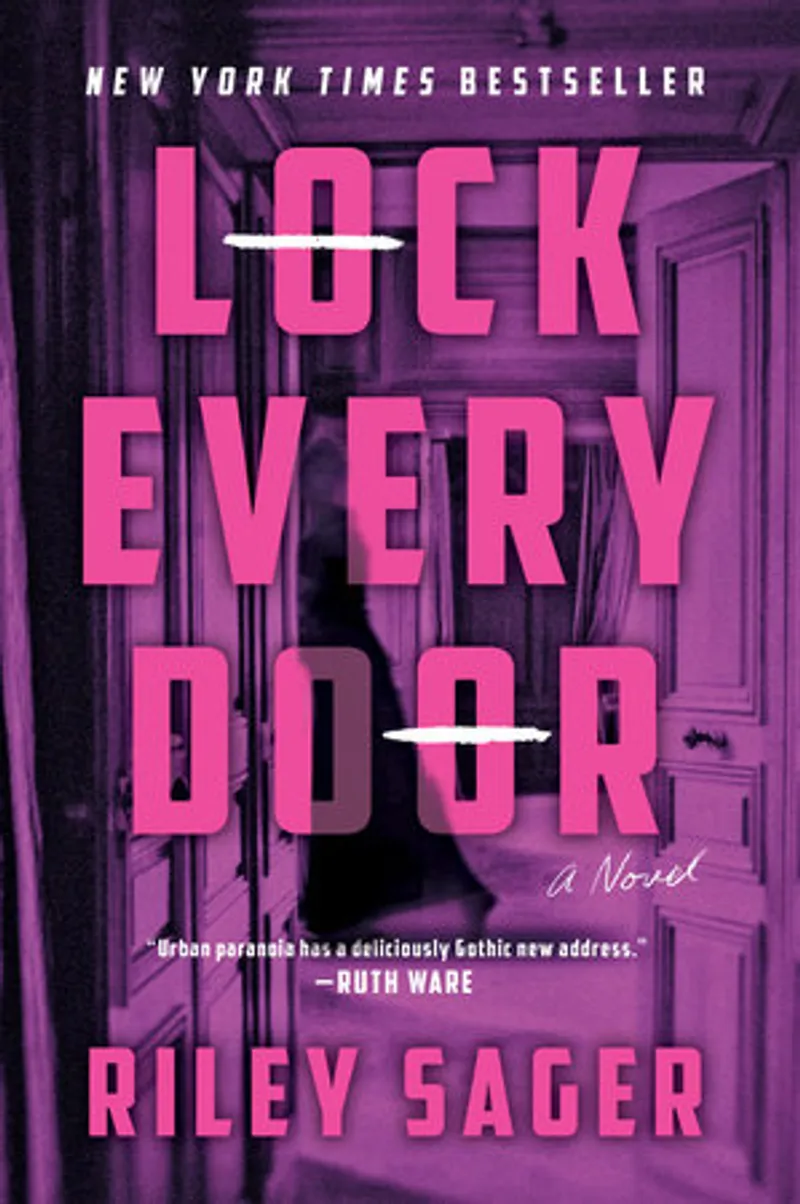
Lock Every Door Author: Riley SagerPage Count: UnknownPublication Date: 2020-PRH Lock Every Door by Riley Sager is a gripping and intense thriller that delves into the darker side of human nature, all while maintaining an atmosphere of eerie suspense. This book is a must-read for fans of the genre, and its clever plot twists and turns will keep even the most seasoned readers on the edge of their seats. At the heart of this novel is the enigmatic Bartholomew, a Manhattan apartment building that exudes luxury and sophistication, but also harbors a dark and sinister secret. The building's mysterious past and the strange rules that govern the lives of its residents and staff serve as the perfect backdrop for a thrilling narrative that explores the themes of isolation, loneliness, and the lengths to which people will go to uncover the truth. Riley Sager's writing style is masterful, weaving together multiple plot threads with ease and creating a sense of tension that permeates every page. The author's use of the protagonist, Jules Larsen, as an unreliable narrator adds an extra layer of complexity to the story, making it impossible to discern fact from fiction until the very end. One of the standout aspects of Lock Every Door is its thought-provoking exploration of the human condition. Through Jules' character, Sager sheds light on the consequences of trauma, the power of female relationships, and the dangers of becoming so entrenched in a world of privilege and entitlement that one loses sight of reality. The author's portrayal of the Bartholomew's residents, with their lavish lifestyles and sinister motives, serves as a commentary on the corrupting influence of wealth and the emptiness that can accompany it. Sager's ability to craft relatable and well-developed characters is also noteworthy. Jules, with her troubled past and her determination to uncover the truth about Ingrid's disappearance, is a protagonist that readers will root for from the very beginning. The supporting cast, from the enigmatic Ingrid to the sinister forces that lurk in the shadows of the Bartholomew, adds depth and complexity to the narrative, making it impossible to put the book down. In short, Lock Every Door is a masterclass in suspenseful storytelling, with a unique blend of psychological thrills, atmospheric tension, and thought-provoking themes. Riley Sager's writing is engaging, clever, and downright addictive, making this book a must-read for fans of the thriller genre. #LockEveryDoor #RileySager #PsychologicalThriller #SuspenseNovel #MysteryBook #ThrillerFiction Related InsightsThe Spirits Book Review and Summary The Best Journey in the World: An Antarctic Story Book Review and Summary The Amber Spyglass Book Review and Summary{ "@context": "https://schema.org", "@type": "FAQPage", "mainEntity": [ { "@type": "Question", "name": "What is the main focus of Lock Every Door Book Review and Summary?", "acceptedAnswer": { "@type": "Answer", "text": "Everything you need to know about Lock Every Door with our detailed review." } }, { "@type": "Question", "name": "Who authored the comprehensive guide on Lock Every Door Book Review and Summary?", "acceptedAnswer": { "@type": "Answer", "text": "This detailed article and its insights were carefully researched and authored by Riley Sager." } }, { "@type": "Question", "name": "Where can I find more related content about Books?", "acceptedAnswer": { "@type": "Answer", "text": "You can explore more articles, detailed reviews, and similar insights by browsing the Related Insights section at the bottom of this article or visiting our dedicated Books category page." } } ] }

The Complete Maus Author: Art SpiegelmanPage Count: UnknownPublication Date: 1996-PRH Art Spiegelman’s The Complete Maus is not just a graphic novel—it is a seismic shift in how we remember, witness, and grapple with history. Winner of the Pulitzer Prize in 1992, this monumental work redefines the boundaries of literature by transforming the Holocaust into a visual narrative that is at once intimate and harrowing. Through the deceptively simple device of depicting Jews as mice and Nazis as cats, Spiegelman crafts a story that is both a personal memoir and a universal testament to human resilience. It is a book that demands to be read, not just for its historical significance, but for its unflinching emotional power and its bold artistic innovation. At its core, Maus is about survival—not just physical survival, but the survival of memory, identity, and the fragile threads that connect generations. Spiegelman’s narrative unfolds in two intertwined timelines: the harrowing story of his father, Vladek, a Polish Jew who endured the ghettos, Auschwitz, and the loss of his first wife and family; and the fraught, often painful relationship between Art and his father in the present, as the aging Vladek recounts his past with a mix of pride, bitterness, and exhaustion. This dual structure is not merely a storytelling technique—it is a reflection of how trauma lingers, how the past is never truly past, and how the burden of memory is passed down like an inheritance. Vladek’s story is one of extraordinary endurance. His survival is a testament to cunning, luck, and sheer willpower, but it is also a story of loss that never heals. Spiegelman does not shy away from the brutality of the Holocaust; instead, he forces the reader to confront it through stark, unflinching panels. The mice, with their wide eyes and expressive faces, humanize the victims without sentimentalizing their suffering. They are not just symbols—they are people, with flaws, fears, and moments of courage. Meanwhile, the cats, with their predatory postures and sharp claws, embody the relentless, inhuman force of the Nazi regime. This visual metaphor is so potent that it transcends the page, making the horrors of the Holocaust feel immediate and visceral. Yet Maus is not solely about the past. The second narrative thread—Art’s struggle to document his father’s story—adds a layer of complexity that elevates the book beyond a straightforward historical account. Spiegelman portrays himself as a son burdened by guilt, frustration, and a deep-seated need to understand his father’s trauma, even as he resents the emotional toll it takes. Their relationship is fraught with tension: Vladek’s miserliness, his stubbornness, and his refusal to let go of the past clash with Art’s desire for connection and closure. In one particularly poignant moment, Vladek burns his late wife’s diaries, a symbolic act of erasure that haunts Art and underscores the difficulty of preserving memory. This interplay between history and family dynamics makes Maus as much about the present as it is about the past. Spiegelman’s artistic style is deceptively simple, yet it is precisely this simplicity that gives the book its emotional weight. His black-and-white drawings are stark and unadorned, with minimal shading and clean lines that draw the eye directly to the expressions and gestures of his characters. The absence of color is not a limitation but a strength—it strips away distractions and forces the reader to focus on the raw humanity of the story. The panel layouts are dynamic, shifting between intimate close-ups and sprawling, chaotic scenes of the Holocaust, mirroring the disorientation and fragmentation of memory. Spiegelman’s use of space is masterful; he often leaves large areas of white, creating a sense of isolation and emptiness that mirrors the emotional void left by trauma. One of the most striking aspects of Maus is its meta-narrative. Spiegelman frequently breaks the fourth wall, reminding the reader that this is a constructed story, a representation of history rather than history itself. In the second volume, he includes himself as a character, grappling with the ethics of telling his father’s story and the responsibility of bearing witness. This self-awareness adds a layer of depth to the narrative, forcing the reader to question not just what is being told, but how and why. It is a bold and necessary reminder that history is not a neutral record—it is shaped by perspective, memory, and the biases of those who tell it. The Complete Maus is a book that lingers long after the last page is turned. It is a work of art that challenges, disturbs, and ultimately enlightens. Spiegelman does not offer easy answers or catharsis; instead, he presents a raw, unfiltered look at the Holocaust and its aftermath, both for survivors and for their descendants. The book is a testament to the power of graphic novels as a medium for serious storytelling, proving that comics can tackle the most complex and painful subjects with depth and nuance. In an era where Holocaust denial and antisemitism persist, Maus is more than a historical document—it is a vital act of resistance. It ensures that the voices of the victims are not forgotten, that their stories are not silenced. Spiegelman’s masterpiece is not just a book to be read; it is a book to be experienced, a book that demands empathy, reflection, and a willingness to confront the darkest chapters of human history. #Maus #ArtSpiegelman #HolocaustLiterature #GraphicNovel #HistoricalFiction #NeverForget Related InsightsA Dog's Purpose Book Review and Summary Longitude Book Review and Summary The Hunger Games Magnetic Bookmark Set of 3 - Magnetic Bookmarks Book Review and Summary{ "@context": "https://schema.org", "@type": "FAQPage", "mainEntity": [ { "@type": "Question", "name": "What is the main focus of The Complete Maus Book Review and Summary?", "acceptedAnswer": { "@type": "Answer", "text": "Everything you need to know about The Complete Maus with our detailed review." } }, { "@type": "Question", "name": "Who authored the comprehensive guide on The Complete Maus Book Review and Summary?", "acceptedAnswer": { "@type": "Answer", "text": "This detailed article and its insights were carefully researched and authored by Art Spiegelman." } }, { "@type": "Question", "name": "Where can I find more related content about Books?", "acceptedAnswer": { "@type": "Answer", "text": "You can explore more articles, detailed reviews, and similar insights by browsing the Related Insights section at the bottom of this article or visiting our dedicated Books category page." } } ] }
Rubinrot Author: Kerstin Gier, Anthea Bell, Nelly Lemaire, Luis Miralles de ImperialPage Count: UnknownPublication Date: 2009-OL Gwyneth Shepherd never expected to be the one who inherited the time-traveling gene. That honor was supposed to belong to her elegant, effortlessly poised cousin Charlotte—destined for greatness, groomed for destiny, and prepared for a life of controlled, calculated leaps through history. But when Gwyneth suddenly spins through time mid-class, the carefully laid plans of her family unravel in an instant. What follows is not just a journey through the centuries, but a reckoning with identity, trust, and the lies we tell to protect the ones we love. Kerstin Gier’s Rubinrot (translated from German by Anthea Bell) is a sparkling blend of historical intrigue, witty banter, and emotional depth, wrapped in the irresistible charm of a modern heroine discovering her own power. At its core, the novel explores the tension between destiny and self-determination—a theme that resonates deeply in a world where expectations often dictate our paths. Gwyneth, with her sharp tongue and sharper instincts, is a refreshing departure from the typical time-travel protagonist. She’s not a chosen one by choice; she’s an accidental hero, thrust into a legacy she never wanted but must now claim. Gier’s writing style is deft and engaging, balancing humor with suspense. The narrative zips along with the energy of a thriller, yet it’s Gwyneth’s voice—sarcastic, self-deprecating, and surprisingly vulnerable—that anchors the story. Her dynamic with Gideon, the brooding, infuriatingly competent time traveler from the male-dominated counterpart of her family, crackles with chemistry. Their relationship evolves from mutual disdain to reluctant partnership, and Gier excels at making their slow-burning trust feel earned. The banter between them is sharp enough to cut glass, yet beneath the quips lies a shared burden: both are outsiders in their own ways, bound by a gift they never asked for. The historical segments are vividly rendered, transporting the reader to 18th-century London with rich detail and immersive atmosphere. Gier doesn’t just drop Gwyneth into the past; she makes the past feel alive, dangerous, and full of secrets. The mystery at the heart of the story—why certain bloodlines can time-travel and others can’t—adds a layer of intrigue that keeps the pages turning. Yet what makes Rubinrot stand out isn’t just the time-travel mechanics, but the emotional weight of Gwyneth’s journey. She grapples with the weight of her mother’s lies, the pressure of her family’s expectations, and the fear of losing herself in a destiny she never chose. Gier’s prose is accessible and lively, making the novel an easy read despite its complex themes. The translation by Anthea Bell preserves the wit and rhythm of the original, ensuring that Gwyneth’s voice remains authentic and engaging. The pacing is tight, with just enough historical detail to ground the story without overwhelming the reader, and the stakes feel high enough to keep you invested. What lingers after finishing Rubinrot is the sense of possibility. Gwyneth’s story is about more than time travel—it’s about finding your own path when the world tries to dictate one for you. It’s about the messy, unpredictable nature of trust, and the quiet courage it takes to embrace who you are, even when it’s not what others expected. For fans of clever, character-driven YA with a dash of romance and a whole lot of adventure, Rubinrot is a gem. It’s the kind of book that makes you want to curl up with a cup of tea and lose yourself in its pages, only to emerge hours later, blinking at the real world, already craving the next installment. #Rubinrot #TimeTravelRomance #KerstinGier #YAFantasy #HistoricalFiction #GwynethAndGideon Related InsightsJudge's List Book Review and Summary El padrino / The Godfather Book Review and Summary Bittersweet Empire: Billionaire Sugar Barons and the Ghosts of Slavery Book Review and Summary{ "@context": "https://schema.org", "@type": "FAQPage", "mainEntity": [ { "@type": "Question", "name": "What is the main focus of Rubinrot Book Review and Summary?", "acceptedAnswer": { "@type": "Answer", "text": "Everything you need to know about Rubinrot with our detailed review." } }, { "@type": "Question", "name": "Who authored the comprehensive guide on Rubinrot Book Review and Summary?", "acceptedAnswer": { "@type": "Answer", "text": "This detailed article and its insights were carefully researched and authored by Kerstin Gier." } }, { "@type": "Question", "name": "Where can I find more related content about Books?", "acceptedAnswer": { "@type": "Answer", "text": "You can explore more articles, detailed reviews, and similar insights by browsing the Related Insights section at the bottom of this article or visiting our dedicated Books category page." } } ] }
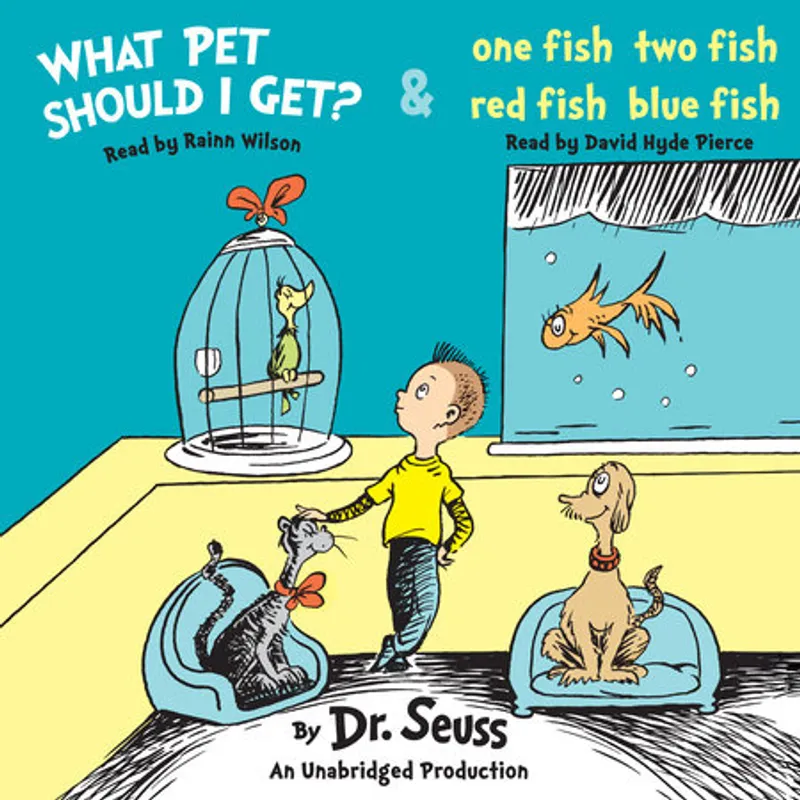
What Pet Should I Get? and One Fish Two Fish Red Fish Blue Fish Author: Dr. SeussPage Count: UnknownPublication Date: 2015-PRH Dr. Seuss’s What Pet Should I Get? and One Fish Two Fish Red Fish Blue Fish are two gems from the master of whimsical, rhyming storytelling, each offering a delightful blend of playful language, vibrant imagination, and timeless life lessons. Whether you’re a parent introducing a child to the joy of reading or a lifelong fan rediscovering the magic of Seuss, these books are essential additions to any bookshelf. At the heart of What Pet Should I Get? lies a universal childhood dilemma: the overwhelming choice of selecting a pet. The unnamed brother and sister in the story wander into a pet store, their eyes wide with possibilities—dogs, cats, rabbits, fish, birds, and even a “yip-yip” that barks in reverse. The dilemma isn’t just about preference; it’s about the paralysis of too many good options. Seuss captures this perfectly with his signature rhythm and rhyme, making the struggle feel both relatable and humorous. The children’s indecision isn’t just about pets—it’s a metaphor for life’s choices, where the fear of making the wrong decision can sometimes be worse than the decision itself. Yet, the story gently reminds us that sometimes, we simply have to choose, even if it’s not perfect. The ending, left open-ended in a way that feels both nostalgic and poignant, leaves readers with a smile and a sigh, wondering what might have been. Seuss’s genius lies in his ability to turn the mundane into the magical. His language is playful, his rhymes are infectious, and his illustrations—though simple in form—burst with color and personality. The brother and sister’s expressions, the absurdity of the pet options, and the sheer joy of exploration make this book a feast for the eyes and ears. It’s a story that resonates with anyone who has ever stood in a pet store aisle, paralyzed by the cuteness of every creature in sight. One Fish Two Fish Red Fish Blue Fish, on the other hand, is a celebration of pure, unbridled imagination. From the very first line—“From there to here, from here to there, funny things are everywhere”—Seuss invites readers into a world where the ordinary becomes extraordinary. The book is a riot of color, sound, and silliness, with creatures like the “Zans” who can and the “Yink” who drinks pink ink. It’s a masterclass in how to make learning to read feel like play. The rhymes are bouncy, the vocabulary is rich yet accessible, and the illustrations are a feast of primary colors and quirky characters. What makes One Fish Two Fish so enduring is its ability to spark creativity. It doesn’t just teach children to read; it teaches them to imagine. The book’s structure—short, punchy sentences paired with vibrant illustrations—makes it perfect for early readers, but its appeal isn’t limited to children. Adults will find themselves chuckling at the absurdity of the “Gox” who boxes or the “Nupboards” that sit in cupboards. It’s a reminder that the world is full of wonder, if only we take the time to look. Both books showcase Seuss’s unparalleled ability to blend education and entertainment. His rhymes are not just catchy; they’re a tool for phonetic awareness, vocabulary building, and cognitive development. His illustrations aren’t just decorative; they’re a visual feast that enhances the storytelling. And his themes—whether it’s the challenge of decision-making or the joy of imagination—are timeless, resonating with readers of all ages. In a world where children’s books are often judged by their educational value or moral lessons, Seuss’s work stands out because it never feels preachy. Instead, it feels like a conversation, a game, a shared moment of laughter and discovery. What Pet Should I Get? and One Fish Two Fish Red Fish Blue Fish are more than just books; they’re experiences. They remind us that reading should be fun, that language should be playful, and that the world is full of possibilities—if we’re willing to look for them. If you’re looking for books that will make you laugh, think, and maybe even make a tough decision, Seuss’s classics are the perfect choice. They’re proof that great storytelling doesn’t have to be complicated—it just has to be true to the wonder of childhood. #DrSeuss #ChildrensBooks #EarlyReading #Imagination #ClassicChildrenLit #WhatPetShouldIGet #OneFishTwoFish Related InsightsGoing the Distance: Stallone, Philly, and the Story of Rocky Book Review and Summary You’re the One That I Haunt Book Review and Summary Hope nation Book Review and Summary{ "@context": "https://schema.org", "@type": "FAQPage", "mainEntity": [ { "@type": "Question", "name": "What is the main focus of One Fish, Two Fish, Red Fish, Blue Fish Book Review and Summary?", "acceptedAnswer": { "@type": "Answer", "text": "Everything you need to know about One Fish, Two Fish, Red Fish, Blue Fish with our detailed review." } }, { "@type": "Question", "name": "Who authored the comprehensive guide on One Fish, Two Fish, Red Fish, Blue Fish Book Review and Summary?", "acceptedAnswer": { "@type": "Answer", "text": "This detailed article and its insights were carefully researched and authored by Dr. Seuss." } }, { "@type": "Question", "name": "Where can I find more related content about Books?", "acceptedAnswer": { "@type": "Answer", "text": "You can explore more articles, detailed reviews, and similar insights by browsing the Related Insights section at the bottom of this article or visiting our dedicated Books category page." } } ] }

Hidden in the Ocean: Hidden Pictures Coloring Book Author: UnknownPage Count: UnknownPublication Date: 2027-PRH Hidden in the Ocean: Hidden Pictures Coloring Book is an upcoming release that has piqued the interest of many book enthusiasts, including myself. As a book reviewer, I was excited to dive into this mysterious title, despite the lack of information about its author and publication details. The moment I opened the book, I was transported to an underwater world teeming with life, color, and intricate details. The book's main theme revolves around the ocean and its hidden treasures. The author, whose identity remains unknown, has masterfully woven a narrative that is both calming and engaging. Through the use of hidden pictures, the author invites readers to embark on a journey of discovery, encouraging them to slow down, observe, and appreciate the beauty that surrounds us. The artwork in Hidden in the Ocean is breathtaking. Each page is meticulously designed, with intricate patterns and details that will captivate both children and adults. The illustrations are so vivid that they seem to leap off the page, drawing the reader into the underwater world. The use of colors is equally impressive, with a palette that ranges from soothing blues and greens to vibrant corals and yellows. One of the standout features of this book is its ability to evoke a sense of wonder and curiosity. As I turned the pages, I found myself becoming increasingly engaged, searching for the hidden pictures and marveling at the intricate details. The author's style is both playful and sophisticated, making it an ideal book for families, educators, and art enthusiasts. The hidden pictures themselves are cleverly concealed, requiring the reader to pay close attention to the illustrations. This interactive element adds a layer of fun and engagement, making the book an excellent choice for children and adults alike. The author's use of visual storytelling is impressive, conveying a sense of depth and dimensionality that draws the reader in. Despite the lack of information about the author, their style and technique are evident throughout the book. The attention to detail, the use of color, and the overall design of the book suggest a high level of skill and craftsmanship. The author's passion for the ocean and its inhabitants is palpable, making the book a joy to read and explore. In conclusion, Hidden in the Ocean: Hidden Pictures Coloring Book is a captivating and visually stunning title that is sure to delight readers of all ages. The author's unique style and attention to detail make this book a standout in its genre. While the lack of information about the author may be a mystery, one thing is certain – this book is a treasure that will be cherished by many. #OceanInspired #HiddenPictures #ColoringBooksForAllAges #UnderwaterAdventures #ArtMeetsNature #RelaxationThroughArt Related InsightsPresident's Shadow Book Review and Summary Swann’s Way Book Review and Summary The City We Became Book Review and Summary{ "@context": "https://schema.org", "@type": "FAQPage", "mainEntity": [ { "@type": "Question", "name": "What is the main focus of Hidden Pictures Book Review and Summary?", "acceptedAnswer": { "@type": "Answer", "text": "Everything you need to know about Hidden Pictures with our detailed review." } }, { "@type": "Question", "name": "Who authored the comprehensive guide on Hidden Pictures Book Review and Summary?", "acceptedAnswer": { "@type": "Answer", "text": "This detailed article and its insights were carefully researched and authored by Jason Rekulak." } }, { "@type": "Question", "name": "Where can I find more related content about Books?", "acceptedAnswer": { "@type": "Answer", "text": "You can explore more articles, detailed reviews, and similar insights by browsing the Related Insights section at the bottom of this article or visiting our dedicated Books category page." } } ] }
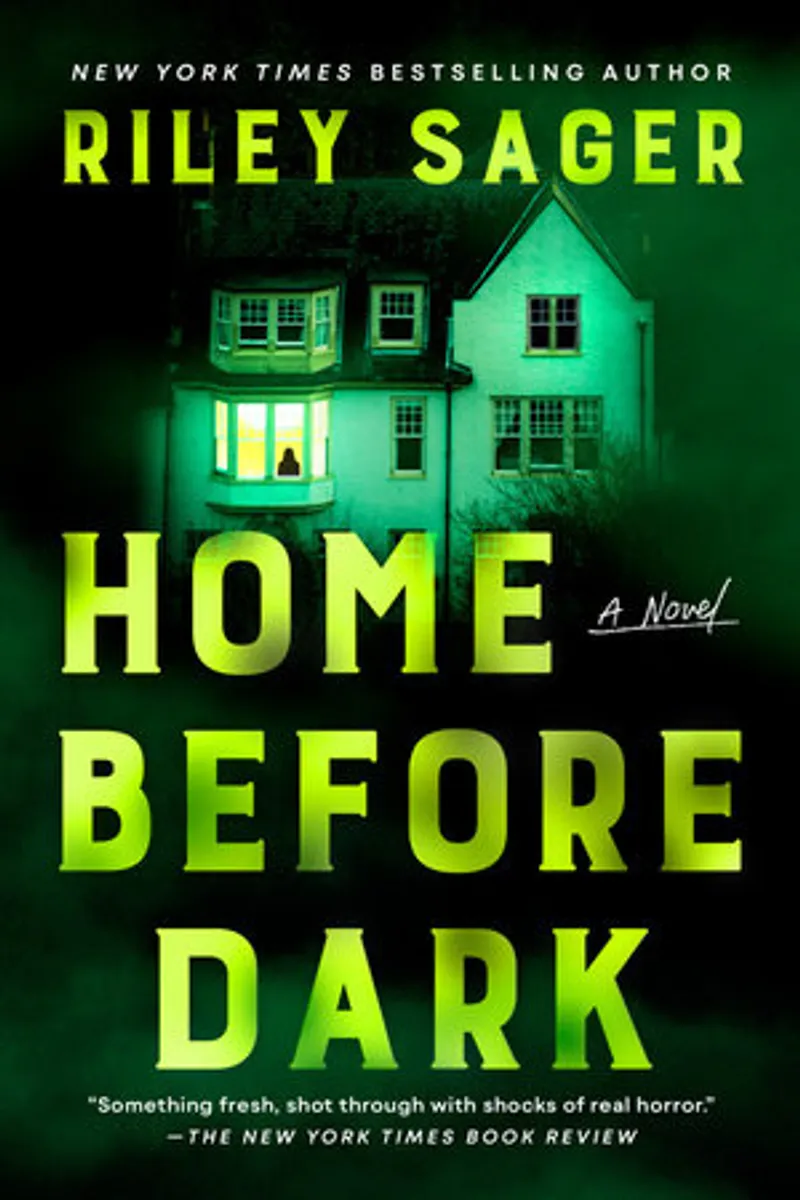
Home Before Dark Author: Riley SagerPage Count: UnknownPublication Date: 2026-PRH Home Before Dark by Riley Sager is a gripping and atmospheric thriller that masterfully weaves together the threads of a haunted house story, family drama, and mystery, culminating in a chilling tale that will leave readers sleeping with the lights on. At its core, Home Before Dark is a story about the blurred lines between reality and fiction, and the devastating consequences that can occur when the truth is distorted or manipulated. Maggie Holt, the protagonist, returns to her childhood home, Baneberry Hall, after her father's death, intent on renovating and selling the sprawling Victorian estate. However, she soon discovers that the house holds secrets and whispers of the past that threaten to upend everything she thought she knew about her family's history. Sager's writing is evocative and immersive, conjuring the eerie and foreboding atmosphere of Baneberry Hall with ease. The author's use of language is deliberate and measured, slowly ratcheting up the tension as Maggie delves deeper into the mysteries of the house. The result is a narrative that is both propulsive and unsettling, making it impossible to look away from the unfolding horror. One of the most striking aspects of Home Before Dark is its exploration of the power of storytelling and the impact it can have on individuals and communities. Maggie's father, Ewan, wrote a bestselling memoir about their time in Baneberry Hall, recounting the terrifying events that supposedly occurred within its walls. However, Maggie is skeptical of her father's claims, and as she digs deeper into the history of the house, she begins to unravel the truth behind his story. This raises important questions about the nature of truth, the reliability of narrators, and the consequences of manipulating the facts for the sake of a good story. Sager's characters are multidimensional and complex, with Maggie being a particularly well-crafted protagonist. Her skepticism and determination to uncover the truth make her a compelling and relatable character, and her growth throughout the novel is both satisfying and authentic. The author's style is reminiscent of classic horror writers, such as Shirley Jackson and Stephen King, with a modern twist that sets him apart from his contemporaries. Sager's writing is atmospheric and suspenseful, with a keen sense of pacing that keeps the reader on the edge of their seat. In conclusion, Home Before Dark is a masterful thriller that will appeal to fans of horror, mystery, and suspense. Sager's writing is evocative and immersive, and his exploration of the power of storytelling is both thought-provoking and unsettling. If you're looking for a gripping and chilling read, look no further than Home Before Dark. #HomeBeforeDark #RileySager #HorrorFiction #HauntedHouseStory #MysteryThriller #SuspenseNovel Related InsightsVastlands - The Crossing Book Review and Summary The Winter of Frankie Machine Book Review and Summary The Wisdom of Emperors Book Review and Summary{ "@context": "https://schema.org", "@type": "FAQPage", "mainEntity": [ { "@type": "Question", "name": "What is the main focus of Home Before Dark Book Review and Summary?", "acceptedAnswer": { "@type": "Answer", "text": "Everything you need to know about Home Before Dark with our detailed review." } }, { "@type": "Question", "name": "Who authored the comprehensive guide on Home Before Dark Book Review and Summary?", "acceptedAnswer": { "@type": "Answer", "text": "This detailed article and its insights were carefully researched and authored by Riley Sager." } }, { "@type": "Question", "name": "Where can I find more related content about Books?", "acceptedAnswer": { "@type": "Answer", "text": "You can explore more articles, detailed reviews, and similar insights by browsing the Related Insights section at the bottom of this article or visiting our dedicated Books category page." } } ] }
My Antonia Author: Willa CatherPage Count: UnknownPublication Date: 2018-PRH In the expansive and unforgiving landscape of the Nebraska prairie, Willa Cather's timeless masterpiece, My Antonia, unfolds with the gentle yet unyielding spirit of its heroine, Antonia Shimerda. This 100th Anniversary Edition, featuring a poignant introduction by Pulitzer Prize-winning novelist Jane Smiley, is a testament to the enduring power of Cather's prose and the unforgettable story of a young immigrant woman's journey to self-discovery and triumph. Through the eyes of Jim Burden, Antonia's tutor and confidant, we are drawn into a world of rustic simplicity and unrelenting hardship, where the struggles of the Shimerda family serve as a microcosm for the larger immigrant experience. Cather's masterful storytelling weaves a rich tapestry of themes, but it is the exploration of the American Dream that lies at the heart of this novel. Antonia's story is a powerful allegory for the immigrant's quest for a better life, a dream that is at once fragile and unyielding. Cather's writing is a symphony of lyrical prose and unflinching realism, evoking the vast expanse of the prairie and the intimate struggles of its people. Her characters are drawn with a deep understanding of the human condition, their struggles and triumphs rendered with a precision that is both poignant and unsentimental. Antonia, in particular, is a masterpiece of characterization – a woman of robust spirit and quiet strength, whose presence is both captivating and humbling. One of the most striking aspects of Cather's style is her ability to evoke the landscape of the prairie, a world of rolling hills, vast skies, and unrelenting weather. Her descriptions of the natural world are not merely decorative; they serve as a backdrop for the human drama that unfolds, a reminder of the intricate web of relationships between people and the land they inhabit. Throughout the novel, Cather's prose is marked by a deep sense of nostalgia, a longing for a lost time and place that is both poignant and elegiac. This nostalgia is not merely sentimental; it serves as a reminder of the fragility of human experience, the impermanence of things that are dear to us. It is a testament to Cather's skill as a writer that she is able to evoke this sense of longing without succumbing to sentimentality, instead crafting a narrative that is both unsentimental and deeply moving. In the end, My Antonia is a novel that defies easy categorization. It is a story of love and loss, of hardship and triumph, of the human spirit's capacity to persevere in the face of adversity. It is a testament to the power of the American Dream, a dream that is both fragile and unyielding. And it is a reminder of the enduring power of Willa Cather's prose, a symphony of words that continues to captivate readers to this day. #MyAntonia #WillaCather #AmericanLiterature #ImmigrantExperience #PrairieLife #ClassicNovel Related InsightsThe Grand Dark Book Review and Summary Loveless Book Review and Summary Invisible Monsters Book Review and Summary{ "@context": "https://schema.org", "@type": "FAQPage", "mainEntity": [ { "@type": "Question", "name": "What is the main focus of My Ántonia Book Review and Summary?", "acceptedAnswer": { "@type": "Answer", "text": "Everything you need to know about My Ántonia with our detailed review." } }, { "@type": "Question", "name": "Who authored the comprehensive guide on My Ántonia Book Review and Summary?", "acceptedAnswer": { "@type": "Answer", "text": "This detailed article and its insights were carefully researched and authored by Willa Cather." } }, { "@type": "Question", "name": "Where can I find more related content about Books?", "acceptedAnswer": { "@type": "Answer", "text": "You can explore more articles, detailed reviews, and similar insights by browsing the Related Insights section at the bottom of this article or visiting our dedicated Books category page." } } ] }
DC K.O.: Battle Royale Author: Joshua WilliamsonPage Count: UnknownPublication Date: 2026-PRH DC K.O.: Battle Royale, the latest release from acclaimed author Joshua Williamson, is an electrifying and unpredictable ride that will leave fans of the DC Universe on the edge of their seats. Without giving too much away, the story drops readers into a world where the rules of reality no longer apply, and the most iconic heroes and villains are forced to fight for survival in a battle royale like no other. Williamson's masterful storytelling weaves together a complex tapestry of character-driven narratives, each one expertly crafted to showcase the unique personalities and motivations of the DC Universe's most beloved characters. From the cunning strategies of Batman to the brutal ferocity of Lobo, every player in this deadly game is given a moment to shine, making for a truly immersive reading experience. One of the standout aspects of DC K.O.: Battle Royale is its exploration of the theme of chaos and the breakdown of order. In a world where the rules of reality are constantly shifting, the characters are forced to adapt and evolve in order to survive. This serves as a powerful commentary on the nature of reality and the human condition, raising questions about the very fabric of our existence. Williamson's writing style is, as always, engaging and accessible, making this book an excellent jumping-on point for new readers and a thrilling addition to the collections of longtime fans. His use of language is evocative and visceral, perfectly capturing the intensity and urgency of the battle royale scenario. The pacing is relentless, with each page turn ratcheting up the tension and propelling the reader forward. The real magic of DC K.O.: Battle Royale, however, lies in its ability to balance action and emotion. Williamson has a keen understanding of what makes these characters tick, and he uses this knowledge to craft moments of genuine heart and pathos amidst the carnage. This is a book that will keep you on the edge of your seat, but it will also make you feel. In short, DC K.O.: Battle Royale is a must-read for fans of the DC Universe and anyone looking for a thrilling, action-packed story. With its unique blend of humor, heart, and high-stakes action, this book is sure to leave readers breathless and eager for more. #DCBattleRoyale #JoshuaWilliamson #DCUniverse #ComicBookReview #BattleRoyale #SuperheroShowdown Related InsightsKnight of the God King Book Review and Summary The Book Thief Book Review and Summary Holes Book Review and Summary{ "@context": "https://schema.org", "@type": "FAQPage", "mainEntity": [ { "@type": "Question", "name": "What is the main focus of Battle Royale Book Review and Summary?", "acceptedAnswer": { "@type": "Answer", "text": "Everything you need to know about Battle Royale with our detailed review." } }, { "@type": "Question", "name": "Who authored the comprehensive guide on Battle Royale Book Review and Summary?", "acceptedAnswer": { "@type": "Answer", "text": "This detailed article and its insights were carefully researched and authored by Koushun Takami." } }, { "@type": "Question", "name": "Where can I find more related content about Books?", "acceptedAnswer": { "@type": "Answer", "text": "You can explore more articles, detailed reviews, and similar insights by browsing the Related Insights section at the bottom of this article or visiting our dedicated Books category page." } } ] }
The Casebook of Newbury & Hobbes Author: George MannPage Count: UnknownPublication Date: 2013-PRH In the dimly lit, fog-shrouded streets of Victorian London, a peculiar duo emerges to tackle the most inexplicable and terrifying crimes. Sir Maurice Newbury and Miss Veronica Hobbes, the protagonists of George Mann's "The Casebook of Newbury & Hobbes," navigate the dark underbelly of the city, where science and mysticism converge in a swirling vortex of steampunk terror. Mann's collection of short stories is a masterclass in atmosphere and tension, weaving a complex tapestry of horror, mystery, and suspense that ensnares the reader from the outset. The author's writing style is reminiscent of the great Gothic writers, with a keen eye for detail and a deep understanding of the human psyche. His prose is evocative and immersive, transporting the reader to a world of gaslit streets, crumbling mausoleums, and abandoned asylums, where the boundaries between reality and the supernatural are constantly blurred. At the heart of the book lies the intricate relationship between Newbury and Hobbes, a partnership that is both professional and personal. Newbury, the brilliant and eccentric detective, is a man of science, driven by reason and logic, while Hobbes, his trusted assistant, is a woman of intuition and instinct, with a deep understanding of the mysteries that lie beyond the veil of reality. Together, they form a formidable team, tackling cases that baffle the authorities and push the limits of human understanding. Throughout the book, Mann explores the theme of the unknown, delving into the darker recesses of the human experience. His stories are a testament to the power of the human imagination, where the lines between reality and fantasy are constantly blurred. From the plague revenants that stalk the streets of London to the mechanical beasts that terrorize the countryside, Mann's creations are the stuff of nightmares, born from the darkest recesses of the human psyche. One of the most striking aspects of "The Casebook of Newbury & Hobbes" is its use of historical figures and events. Mann's inclusion of Sherlock Holmes, the iconic detective created by Sir Arthur Conan Doyle, is a masterstroke, adding a layer of authenticity to the narrative while also highlighting the differences between the rational, scientific approach of Holmes and the more intuitive, mystical approach of Newbury and Hobbes. In conclusion, "The Casebook of Newbury & Hobbes" is a triumph of imagination and storytelling, a collection of tales that will appeal to fans of horror, mystery, and science fiction. George Mann's writing is atmospheric and engaging, his characters complex and nuanced, and his stories a testament to the power of the human imagination. If you're looking for a book that will transport you to a world of dark wonder and awe, then look no further than this remarkable collection. #SteampunkHorror #VictorianLondon #SupernaturalMysteries #NewburyAndHobbes #GeorgeMann #TheCasebookOfNewburyAndHobbes Related InsightsBetween You a River Book Review and Summary The Magical Cheese Emporium (Spellshop, #4) Book Review and Summary A Confederacy of Dunces Book Review and Summary{ "@context": "https://schema.org", "@type": "FAQPage", "mainEntity": [ { "@type": "Question", "name": "What is the main focus of The Complete Calvin and Hobbes Book Review and Summary?", "acceptedAnswer": { "@type": "Answer", "text": "Everything you need to know about The Complete Calvin and Hobbes with our detailed review." } }, { "@type": "Question", "name": "Who authored the comprehensive guide on The Complete Calvin and Hobbes Book Review and Summary?", "acceptedAnswer": { "@type": "Answer", "text": "This detailed article and its insights were carefully researched and authored by Bill Watterson." } }, { "@type": "Question", "name": "Where can I find more related content about Books?", "acceptedAnswer": { "@type": "Answer", "text": "You can explore more articles, detailed reviews, and similar insights by browsing the Related Insights section at the bottom of this article or visiting our dedicated Books category page." } } ] }
- 17 Jan, 2026 12:45
Tuesdays with Morrie: An Old Man, a Young Man, and Life's Greatest Lesson Book Review and Summary
El hombre que amaba las gaviotas / The Man Who Loved Seagulls : Essential Life Lessons from the World's Greatest Wisdom Traditions Author: OshoPage Count: UnknownPublication Date: 2020-PRH In "The Man Who Loved Seagulls," the enigmatic Osho weaves a rich tapestry of timeless wisdom, drawn from the world's most revered spiritual traditions. This captivating collection of stories and parables, carefully curated and interpreted by the master himself, offers a profound exploration of the human condition, inviting readers to embark on a journey of self-discovery and transformation. Through his unique lens, Osho brings together the essence of Zen, Taoism, Christianity, and Judaism, distilling the universal truths that transcend cultural and temporal boundaries. With his characteristic wit, compassion, and insight, he guides us through the complexities of modern life, illuminating the path to freedom, joy, and inner peace. One of the most striking aspects of Osho's narrative style is his ability to balance the simplicity of ancient wisdom with the intricacies of contemporary concerns. His stories are at once accessible and profound, making this collection an invaluable resource for seekers of all ages and backgrounds. Whether he's exploring the futility of chasing happiness, the journey from fear to freedom, or the extraordinary intelligence of innocence, Osho's words are imbued with a deep understanding of the human experience. The Zen approach to death and dying, for instance, is a topic that Osho tackles with remarkable sensitivity and clarity. By sharing ancient parables and anecdotes, he reveals the beauty and dignity of life's final passage, encouraging readers to confront their own mortality with courage and curiosity. This, in turn, allows us to appreciate the preciousness of each moment, letting go of our attachment to ego and material possessions. Throughout the book, Osho's love for storytelling shines through, as he masterfully employs the art of narrative to convey complex spiritual concepts. His use of metaphor, analogy, and humor creates a sense of intimacy and connection with the reader, making the journey through these pages feel both personal and universal. Ultimately, "The Man Who Loved Seagulls" is an invitation to embark on a journey of self-discovery, to explore the depths of our own hearts and minds, and to discover the timeless wisdom that lies within. Osho's stories are meant to be savored, reflected upon, and returned to again and again, for it is in their depths that we may uncover the secrets to a more authentic, compassionate, and meaningful life. In short, this book is a treasure trove of spiritual insights, a testament to the power of storytelling, and a tribute to the boundless wisdom of the human experience. As we navigate the complexities of our modern world, Osho's words offer a beacon of hope, guiding us toward a brighter, more loving, and more awakened way of being. #Osho #SpiritualWisdom #Zen #Taoism #Christianity #Judaism