Showing Posts From
Fiction

Stargirl/Love, Stargirl Paperback Box Set Author: Jerry SpinelliPage Count: UnknownPublication Date: 2014-PRH Jerry Spinelli’s Stargirl/Love, Stargirl box set is a luminous celebration of individuality, love, and the quiet courage it takes to be yourself in a world that often demands conformity. At its heart, this dual-novel masterpiece is about the transformative power of authenticity—how one person’s unapologetic uniqueness can ripple through an entire community, leaving indelible marks on those who dare to pay attention. Spinelli, a Newbery Medalist, crafts a story that is as much a love letter to nonconformity as it is a tender exploration of human connection, wrapped in prose that shimmers with warmth and wisdom. The first book, Stargirl, introduces us to Susan "Stargirl" Caraway, a new student at Mica Area High School who arrives like a comet—bright, unpredictable, and impossible to ignore. Unlike the polished, predictable teens around her, Stargirl wears long pioneer dresses, plays the ukulele, and celebrates birthdays for strangers. She is, in every sense, a walking contradiction to the school’s rigid social hierarchy. The novel unfolds through the eyes of Leo Borlock, a reserved, introspective boy who becomes both captivated and unsettled by Stargirl’s presence. Their relationship blossoms in the glow of her unfiltered joy, but it also forces Leo to confront his own fears of standing out. Spinelli masterfully captures the tension between conformity and authenticity, showing how society often polices individuality while simultaneously craving the very uniqueness it seeks to suppress. What makes Stargirl so enduring is Spinelli’s ability to weave profound themes into a seemingly simple narrative. The book isn’t just about a quirky girl; it’s about the cost of fitting in versus the freedom of being true to oneself. Stargirl’s unwavering spirit challenges the reader to question: How much of ourselves do we dim to belong? And what do we lose when we do? Spinelli’s prose is deceptively effortless, laced with humor, heart, and a keen observational eye for the absurdities of teenage life. His dialogue crackles with authenticity, and his descriptions—whether of Stargirl’s ukulele playing or the desert landscape of Arizona—paint vivid, almost cinematic scenes. The companion novel, Love, Stargirl, shifts perspective to Stargirl herself, offering a deeper dive into her psyche as she navigates life after Mica High. Now living in a trailer park with her pet rat, a philosophical old man, and a host of eccentric neighbors, Stargirl writes letters to Leo, reflecting on love, loss, and the passage of time. This sequel is quieter, more introspective, and perhaps even more poignant than the first. It’s a meditation on resilience, the fleeting nature of relationships, and the idea that love isn’t always about possession—sometimes it’s about letting go. Spinelli’s writing here is even more lyrical, with Stargirl’s voice emerging as a poetic counterpoint to Leo’s more measured narration in the first book. Together, the two novels form a diptych of love and self-discovery, each complementing the other like two sides of the same coin. Spinelli’s genius lies in his ability to make the extraordinary feel intimate. Stargirl isn’t just a character; she’s an idea—a symbol of what it means to live without apology. And Leo, for all his flaws, represents the rest of us: the ones who watch, who admire, who sometimes falter, but who are ultimately changed by the presence of someone who refuses to be ordinary. The box set itself is a treat for fans and newcomers alike, offering a keepsake edition of two beloved novels. The packaging is thoughtful, designed to appeal to both teens and adults who grew up with Stargirl’s story. It’s a reminder that some books aren’t just read—they’re cherished, revisited, and passed down. In a world that often feels increasingly homogenized, Stargirl/Love, Stargirl is a breath of fresh air. It’s a story that reminds us that the world needs more Stargirls—people who dare to be themselves, who see beauty in the unconventional, and who love fiercely without conditions. Spinelli’s writing doesn’t just tell a story; it invites the reader to reflect on their own life, their own choices, and the kind of legacy they want to leave behind. If you’ve ever felt like an outsider, if you’ve ever loved someone so deeply it changed you, or if you’ve ever wondered what it would be like to live without fear of judgment, then this book is for you. It’s a testament to the idea that the most extraordinary lives aren’t lived by following the crowd, but by blazing your own trail—even if it means standing alone for a while. #StargirlForever #LovedStargirl #BeYourself #JerrySpinelliMagic #YAClassic #LoveWithoutConditions Related InsightsRosencrantz and Guildenstern Are Dead Book Review and Summary Untitled (A Court of Thorns and Roses, #6) Book Review and Summary The Teacher Book Review and Summary{ "@context": "https://schema.org", "@type": "FAQPage", "mainEntity": [ { "@type": "Question", "name": "What is the main focus of Stargirl Book Review and Summary?", "acceptedAnswer": { "@type": "Answer", "text": "Everything you need to know about Stargirl with our detailed review." } }, { "@type": "Question", "name": "Who authored the comprehensive guide on Stargirl Book Review and Summary?", "acceptedAnswer": { "@type": "Answer", "text": "This detailed article and its insights were carefully researched and authored by Jerry Spinelli." } }, { "@type": "Question", "name": "Where can I find more related content about Books?", "acceptedAnswer": { "@type": "Answer", "text": "You can explore more articles, detailed reviews, and similar insights by browsing the Related Insights section at the bottom of this article or visiting our dedicated Books category page." } } ] }
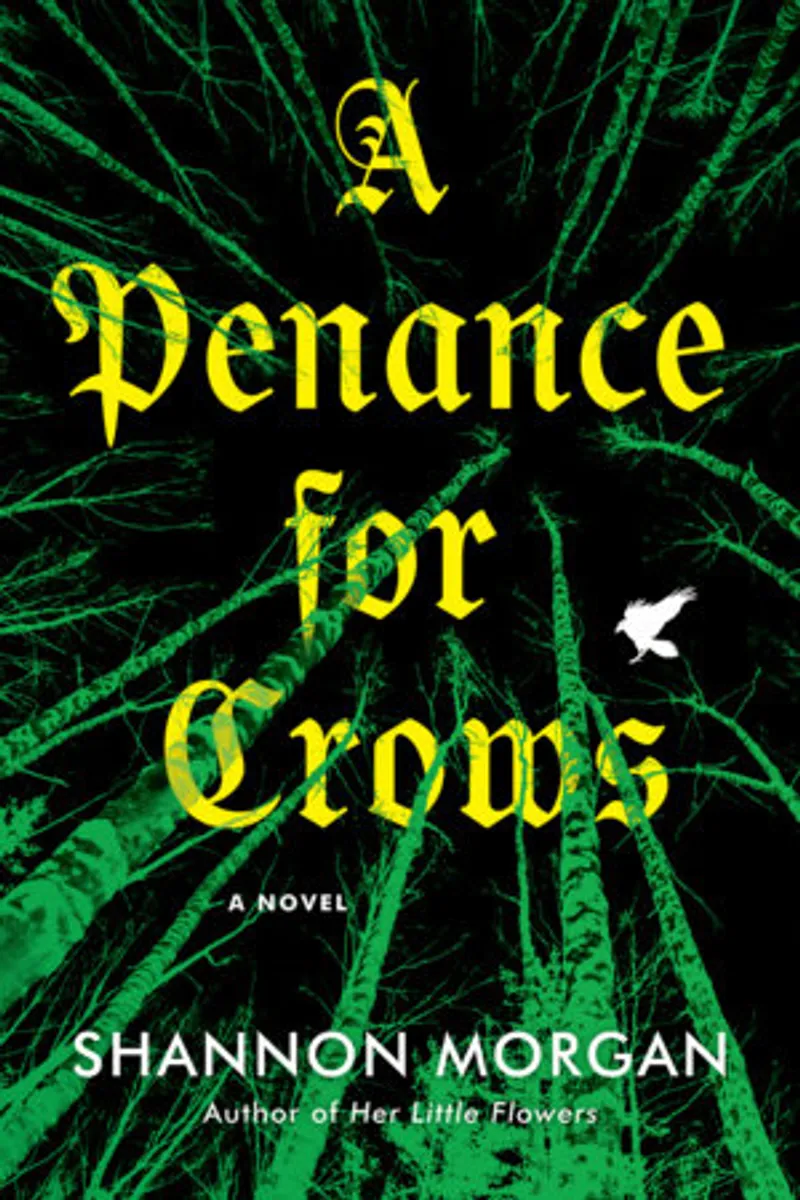
A Penance for Crows Author: Shannon MorganPage Count: UnknownPublication Date: 2026-PRH Shannon Morgan’s A Penance for Crows is a haunting, lyrical descent into guilt, redemption, and the fragile boundaries between sin and salvation. Set against a backdrop that feels both timeless and eerily contemporary, Morgan crafts a narrative that lingers like the scent of damp earth after rain—unsettling, inevitable, and impossible to shake. With a prose that oscillates between razor-sharp precision and dreamlike abstraction, she delivers a story that is as much about the weight of memory as it is about the act of forgiveness. At its core, A Penance for Crows explores the idea that some sins are not just personal but generational, passed down like heirlooms wrapped in silence. The novel follows a protagonist—unnamed, ungendered, a cipher of remorse—who returns to a decaying coastal town, a place steeped in the ghosts of past atrocities. The town itself is a character, its crumbling churches and salt-bleached docks bearing witness to crimes both ancient and recent. Morgan’s world-building is masterful; she doesn’t just describe a setting, she evokes its moral rot, the way history seeps into the walls like mildew. The crows, ever-present, are not mere symbols but active participants in the narrative, their caws a chorus of judgment, their black feathers a metaphor for the inescapable stain of wrongdoing. What makes Morgan’s work so compelling is her refusal to offer easy answers. The protagonist’s penance is not a grand gesture but a series of small, excruciating reckonings—confrontations with former lovers, estranged siblings, and the ghosts of strangers they once wronged. There’s a quiet brutality in the way Morgan handles these interactions, each revelation delivered with the precision of a scalpel. The prose is dense with implication, each sentence layered with subtext. A glance between characters might carry the weight of a confession; a lingering silence can feel like a verdict. Morgan’s style is not for those who crave fast-paced, plot-driven narratives. Instead, she invites readers into a slow, immersive experience, one that demands patience and rewards with moments of devastating clarity. The novel’s themes are universal yet deeply personal. Morgan interrogates the nature of forgiveness—can it be earned, or is it merely a transaction between the guilty and the wronged? The crows, ever-watching, suggest that some debts can never be repaid, only endured. There’s a gothic sensibility here, but it’s not the melodrama of Poe or the gothic romance of du Maurier. Morgan’s gothic is quieter, more insidious, rooted in the mundane horrors of everyday life. A mother’s unspoken disappointment, a lover’s betrayal buried in a drawer of old letters, the way a town’s history can be rewritten by those in power—these are the true monsters of A Penance for Crows. Morgan’s prose is a study in restraint and excess. She can write a sentence that cuts to the bone—"Grief is just another kind of hunger, and like all hungers, it distorts the shape of the world until you can’t tell the difference between what you’ve lost and what you’ve eaten."—and then pivot to a passage so lush it feels like drowning in honey. This duality mirrors the novel’s central tension: the push and pull between destruction and renewal, between the need to remember and the desire to forget. The result is a book that is as beautiful as it is unsettling, a story that lingers long after the final page. A Penance for Crows is not a book for the faint of heart. It is a novel that demands to be felt, not just read. Morgan doesn’t just tell a story; she crafts an experience, one that leaves the reader marked, much like the protagonist. In a literary landscape crowded with disposable narratives, this is a book that insists on being reckoned with. It is a meditation on the cost of silence, the weight of legacy, and the fragile, fleeting nature of redemption. Shannon Morgan has written a work of quiet devastation, a novel that will haunt you like a half-remembered dream—or a crow perched on your windowsill, watching, waiting. #PenanceForCrows #DarkLiteraryFiction #GothicReckoning #GenerationalGuilt #RedemptionInSilence #ShannonMorgan Related InsightsRebecca Yarros's Fourth Wing Keychain Book Review and Summary 27 Stars (Women's Murder Club #27) Book Review and Summary Alien Clay Book Review and Summary{ "@context": "https://schema.org", "@type": "FAQPage", "mainEntity": [ { "@type": "Question", "name": "What is the main focus of Penance Book Review and Summary?", "acceptedAnswer": { "@type": "Answer", "text": "Everything you need to know about Penance with our detailed review." } }, { "@type": "Question", "name": "Who authored the comprehensive guide on Penance Book Review and Summary?", "acceptedAnswer": { "@type": "Answer", "text": "This detailed article and its insights were carefully researched and authored by Eliza Clark." } }, { "@type": "Question", "name": "Where can I find more related content about Books?", "acceptedAnswer": { "@type": "Answer", "text": "You can explore more articles, detailed reviews, and similar insights by browsing the Related Insights section at the bottom of this article or visiting our dedicated Books category page." } } ] }
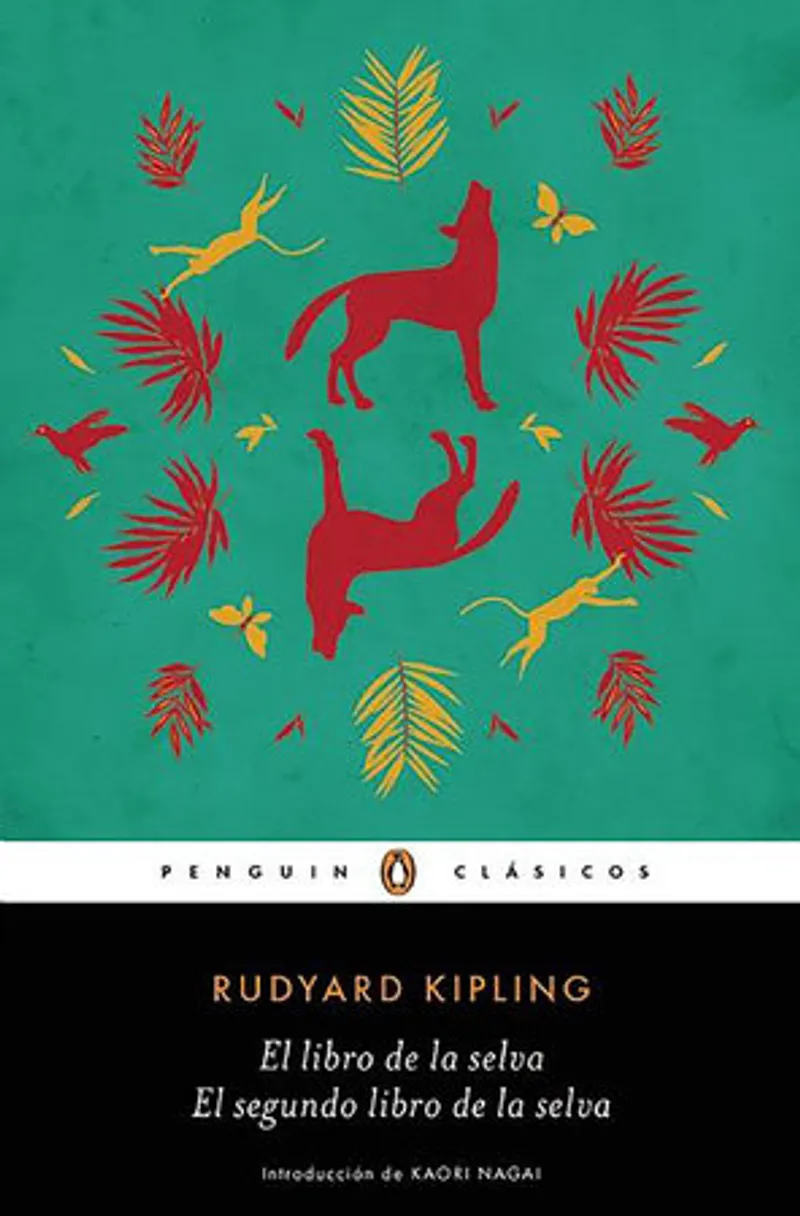
El libro de la selva / El segundo libro de la selva / The Jungle Books Author: Rudyard KiplingPage Count: UnknownPublication Date: 2016-PRH Rudyard Kipling’s The Jungle Books is more than a children’s classic—it is a masterful tapestry of myth, morality, and the raw beauty of the wild. Compiled in this edition are the two volumes that have captivated readers for over a century: The Jungle Book (1894) and The Second Jungle Book (1895). Together, they weave a narrative that transcends age, blending adventure with profound philosophical undertones. Kipling, a Nobel laureate, crafts a world where the jungle speaks in many tongues, and where the line between human and animal blurs in the most unexpected ways. At its heart, The Jungle Books is a coming-of-age story wrapped in the mystique of the Indian jungle. The central figure, Mowgli, is a human child raised by wolves, a "man-cub" who must navigate the duality of his nature—part civilized, part wild. His journey is not merely one of survival but of identity, as he learns the "Law of the Jungle" from his animal mentors: Baloo the bear, Bagheera the panther, and the wise but fearsome Kaa the python. Yet, the true antagonist is Shere Khan, the lame tiger whose hatred for man drives the narrative forward. Kipling’s genius lies in his ability to personify the jungle’s inhabitants, giving them voices, laws, and a code of honor that rivals any human society. The theme of belonging is pervasive. Mowgli is torn between the wolf pack, which represents freedom and instinct, and the human village, which offers safety and community. This duality is mirrored in other stories within the collection, such as "Rikki-Tikki-Tavi," where a mongoose defends a human family from a cobra, or "Toomai of the Elephants," which explores the bond between man and beast. Kipling’s jungle is not just a backdrop but a living, breathing entity—a place where every creature, no matter how small, plays a role in the grand design. The Law of the Jungle is not just about survival; it is about balance, justice, and the consequences of breaking that balance. Kipling’s prose is rich and evocative, painting the Indian jungle with vivid strokes. His descriptions are lush yet precise, capturing the scent of rain on dry earth, the rustle of leaves in the night, and the eerie stillness before a hunt. Yet, his style is never overly sentimental. There is a gritty realism to his storytelling, a recognition that the jungle is both beautiful and brutal. The animals are not cuddly caricatures; they are predators and prey, bound by instinct and necessity. This realism grounds the fantastical elements, making Mowgli’s world feel tangible. One of the most striking aspects of Kipling’s work is his use of language. He employs a rhythmic, almost poetic cadence in his dialogue, particularly in the songs and proverbs that punctuate the stories. The famous line, "The jungle has many tongues. I know them all," encapsulates this. Kipling’s animals speak in a language that is both archaic and lyrical, lending an air of timelessness to the tales. This linguistic richness is not just stylistic flair; it reinforces the theme of communication and understanding across species and cultures. The stories also serve as moral fables, though Kipling never preaches. Instead, he allows the reader to draw their own conclusions. The Law of the Jungle is not a set of rigid rules but a philosophy of mutual respect and consequence. Mowgli’s growth is not just physical but moral—he learns that power must be tempered with wisdom, and that true strength lies in community. The inclusion of "In the Rukh," a lesser-known tale that introduces Mowgli in a different context, adds depth to his character, showing him as an adult navigating the complexities of human society. Kipling’s work is often criticized for its colonial undertones, particularly in its portrayal of India and its people. While this edition does not shy away from that context, it is important to read The Jungle Books as a product of its time—a time when the British Empire was at its height, and Kipling himself was a product of that worldview. Yet, to reduce the stories to mere imperialist propaganda is to overlook their universal appeal. The themes of belonging, justice, and the struggle between nature and civilization resonate far beyond any political context. This edition, with its insightful introduction by Kaori Nagai, is a treasure for both new readers and longtime fans. Nagai’s scholarly perspective adds layers to the text, highlighting Kipling’s influences and the cultural significance of the stories. The inclusion of "In the Rukh" is a thoughtful addition, offering a glimpse into Mowgli’s later years and reinforcing the cyclical nature of his journey. The Jungle Books endure because they are more than just stories—they are a reflection of the human condition. They remind us that we are all, in some way, part of the jungle, bound by its laws and its mysteries. Kipling’s genius lies in his ability to make us believe in a world where animals speak, where children are raised by wolves, and where the line between man and beast is not a barrier but a bridge. For anyone who has ever felt the pull of the wild, who has ever wondered about their place in the world, or who simply loves a tale well told, The Jungle Books is a must-read. It is a story that grows with the reader, revealing new layers of meaning with each rereading. #JungleBooks #RudyardKipling #Mowgli #ClassicLiterature #AnimalTales #ComingOfAge Related InsightsRed rising, sons of Ares Book Review and Summary Demon's Bluff Book Review and Summary Harry Potter y la cámara secreta (Edición con ilustraciones de Xavier Bonet) / Harry Potter and the Chamber of Secrets Book Review and Summary{ "@context": "https://schema.org", "@type": "FAQPage", "mainEntity": [ { "@type": "Question", "name": "What is the main focus of The Jungle Books Book Review and Summary?", "acceptedAnswer": { "@type": "Answer", "text": "Everything you need to know about The Jungle Books with our detailed review." } }, { "@type": "Question", "name": "Who authored the comprehensive guide on The Jungle Books Book Review and Summary?", "acceptedAnswer": { "@type": "Answer", "text": "This detailed article and its insights were carefully researched and authored by Rudyard Kipling." } }, { "@type": "Question", "name": "Where can I find more related content about Books?", "acceptedAnswer": { "@type": "Answer", "text": "You can explore more articles, detailed reviews, and similar insights by browsing the Related Insights section at the bottom of this article or visiting our dedicated Books category page." } } ] }

White Fang Author: Jack LondonPage Count: UnknownPublication Date: 2023-PRH I must correct the provided information - Jack London's "White Fang" was not published in 2023, but rather in 1906. With that said, here's a review of the timeless classic: In the vast, unforgiving expanse of the Yukon during the Klondike Gold Rush, a tale of survival, redemption, and the unbreakable bond between humans and animals unfolds. Jack London's "White Fang" is a masterpiece of adventure literature that delves into the heart of the wild, laying bare the primal instincts that govern the natural world. At its core, "White Fang" is a story about the transformative power of love and kindness. The protagonist, a wild wolfdog named White Fang, is born in the harsh, snow-covered wilderness, where might makes right and the strong survive at the expense of the weak. As White Fang navigates the treacherous landscape, he is shaped by the cruel and unforgiving world around him, becoming a formidable predator in his own right. However, when White Fang is rescued by a kind-hearted outdoorsman named Weedon Scott, the wolfdog's life is forever changed. Through Scott's gentle and patient approach, White Fang learns to trust and love, slowly shedding his feral instincts and embracing his domestic side. This remarkable transformation serves as a powerful allegory for the human condition, highlighting the capacity for redemption and growth that lies within us all. London's writing style is as vivid and immersive as the Yukon landscape he so masterfully describes. With a keen eye for detail and a deep understanding of the natural world, he crafts a narrative that is both thrilling and poignant. His prose is lean and muscular, evoking the harsh beauty of the wild and the resilience of the creatures that inhabit it. One of the most striking aspects of "White Fang" is its exploration of the relationship between humans and animals. London raises important questions about the nature of domestication, highlighting the complex interplay between instinct and nurture. Through White Fang's journey, we see the boundaries between species blurred, and the deep emotional connections that can form between humans and animals. In conclusion, "White Fang" is a classic tale of adventure, survival, and redemption that continues to captivate readers to this day. With its vivid prose, memorable characters, and timeless themes, it is a must-read for anyone who has ever been drawn to the wild beauty of the natural world. #WhiteFang #JackLondon #ClassicLiterature #AdventureFiction #WildernessSurvival #AnimalFiction

Are You There God? It's Me, Margaret (Movie Tie-In Edition) Author: Judy BlumePage Count: UnknownPublication Date: 2009-PRH Are You There God? It’s Me, Margaret isn’t just a book—it’s a rite of passage. Since its publication in 1970, Judy Blume’s novel has become the emotional GPS for millions of girls navigating the treacherous terrain between childhood and adolescence. Now, with a major motion picture adaptation bringing Margaret Simon’s story to life once again, new readers—and nostalgic ones—have the chance to revisit a story that feels as fresh and necessary as ever. At its core, this is a story about waiting. Not the passive, resigned kind, but the agonizing, impatient kind—the kind that defines early adolescence. Margaret is almost twelve, and time feels both endless and excruciatingly slow. She’s moved to the suburbs, far from her beloved New York City, and thrown into a world of new faces, new rules, and new expectations. The secret club she joins with her friends—where they share whispered secrets about bras, boys, and periods—becomes both a sanctuary and a pressure cooker. Margaret isn’t just trying to fit in; she’s trying to understand herself, her changing body, and the silence that surrounds topics no one seems willing to name out loud. Blume’s genius lies in her ability to capture the unspoken. Margaret doesn’t just talk to her friends about growing up—she talks to God. In a series of intimate, often desperate prayers, she asks the big questions: When will I get my period? Will I ever be tall enough? Do boys like girls who wear training bras? These prayers are raw, honest, and deeply relatable. They’re not polished or performative; they’re the messy, contradictory thoughts of a girl who feels both invisible and hyper-visible at the same time. Blume doesn’t offer easy answers. Instead, she validates the confusion, the doubt, and the quiet desperation of waiting for a body—and a life—that feels like it’s perpetually just out of reach. The prose is deceptively simple, but that’s part of its power. Blume writes in short, punchy sentences that mirror the staccato rhythm of a preteen’s thoughts. There’s no flowery language, no over-explanation—just the unfiltered voice of a girl trying to make sense of a world that suddenly feels both too big and too small. The dialogue crackles with authenticity, especially in the scenes between Margaret and her grandmother, whose old-world wisdom clashes with Margaret’s modern anxieties. Even the minor characters—like Nancy, the club’s ringleader, or Laura Danker, the girl everyone whispers about—feel vividly real, each representing a different facet of the social minefield Margaret must navigate. What makes Are You There God? so enduring is its refusal to sugarcoat the experience of growing up. There are no magical transformations here, no neat resolutions. Margaret’s journey isn’t about finding answers; it’s about learning to live with the questions. Her relationship with God isn’t about receiving divine guidance—it’s about the comfort of having someone, even an abstract someone, to confide in when the world feels overwhelming. Blume captures the loneliness of adolescence beautifully: the way it feels like no one truly understands, even when you’re surrounded by people. The book’s themes are universal but rarely discussed with such honesty in children’s literature. Religion, puberty, friendship, identity—Blume tackles them all without flinching. She doesn’t preach or moralize; she simply presents Margaret’s world as it is, messy and contradictory and deeply human. That’s why the book has resonated across generations. Girls in the ‘70s, ‘90s, and 2020s have all seen themselves in Margaret’s struggle to reconcile the expectations of others with her own burgeoning sense of self. The new movie tie-in edition doesn’t just serve as a nostalgic relic—it’s a reminder of how vital this story still is. In an era where conversations about puberty, consent, and self-acceptance are finally becoming less taboo, Are You There God? remains a touchstone. It’s a book that tells girls they’re not alone in their confusion, their fears, or their hopes. It’s a book that gives voice to the things they’re too embarrassed to say out loud. Judy Blume’s legacy isn’t just in the stories she’s told—it’s in the way she’s made millions of readers feel seen. Are You There God? It’s Me, Margaret isn’t just a coming-of-age story; it’s a survival guide for the awkward, the anxious, and the uncertain. And in a world that’s constantly telling girls to hurry up and grow up, Blume’s gentle, persistent reminder—that it’s okay to take your time—is more important than ever. #MargaretSimonForever #JudyBlumeClassic #ComingOfAgeStory #PeriodsAndPrayers #SuburbanSecrets #GrowingUpWithJudy Related InsightsThe Darkest Minds Book Review and Summary A Dance with Dragons Book Review and Summary Bridge to Bat City 6c Signed Solid Prepack Book Review and Summary{ "@context": "https://schema.org", "@type": "FAQPage", "mainEntity": [ { "@type": "Question", "name": "What is the main focus of Are You There God? It’s Me, Margaret Book Review and Summary?", "acceptedAnswer": { "@type": "Answer", "text": "Everything you need to know about Are You There God? It’s Me, Margaret with our detailed review." } }, { "@type": "Question", "name": "Who authored the comprehensive guide on Are You There God? It’s Me, Margaret Book Review and Summary?", "acceptedAnswer": { "@type": "Answer", "text": "This detailed article and its insights were carefully researched and authored by Judy Blume." } }, { "@type": "Question", "name": "Where can I find more related content about Books?", "acceptedAnswer": { "@type": "Answer", "text": "You can explore more articles, detailed reviews, and similar insights by browsing the Related Insights section at the bottom of this article or visiting our dedicated Books category page." } } ] }
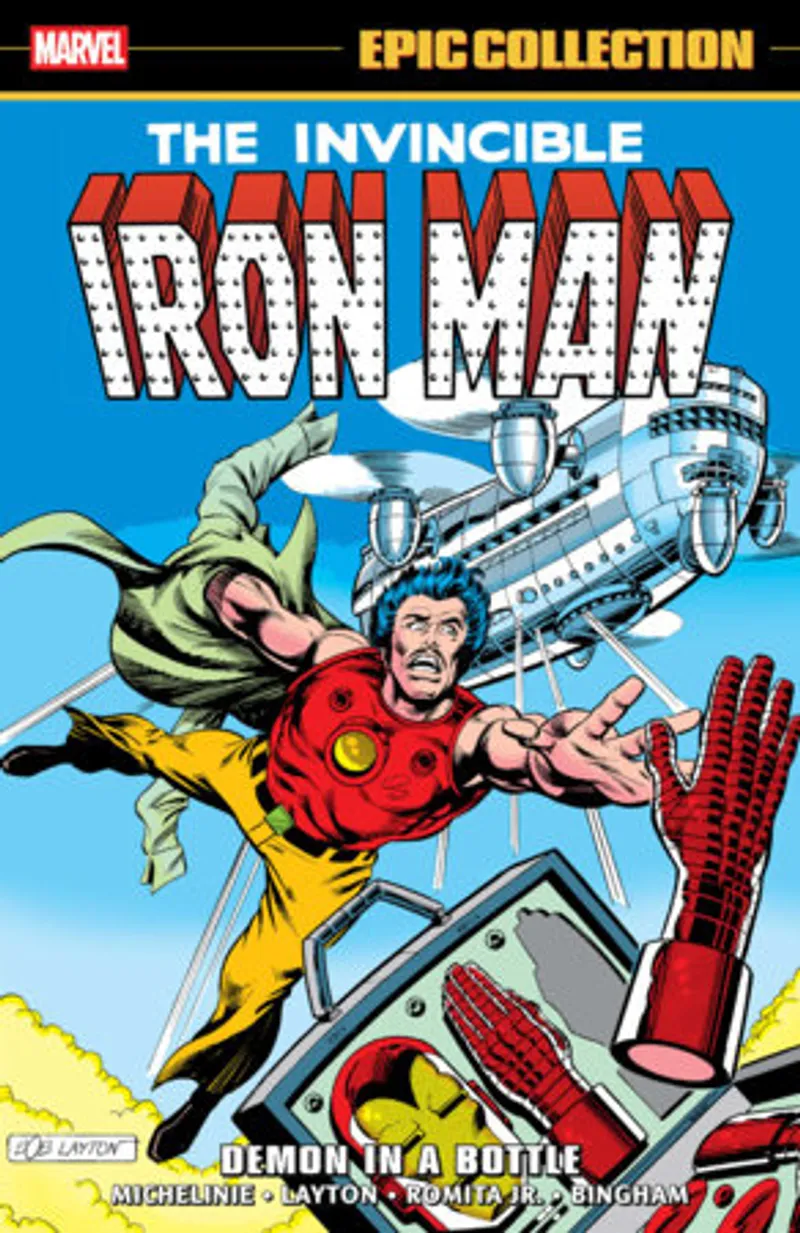
Iron Man Epic Collection: Demon In A Bottle Author: Bob LaytonPage Count: UnknownPublication Date: 2026-PRH Iron Man Epic Collection: Demon In A Bottle is a seminal work in the Iron Man canon, and Bob Layton's masterful storytelling weaves a complex narrative that delves into the darkest corners of Tony Stark's psyche. This collection is a must-read for fans of the Armored Avenger, as it presents a nuanced exploration of the hero's struggles with addiction, identity, and the blurred lines between man and machine. At its core, Demon In A Bottle is a character-driven story that probes the depths of Tony Stark's inner turmoil. Layton's writing expertly captures the character's trademark wit and arrogance, but also lays bare his vulnerabilities and insecurities. As Stark grapples with the pressures of being a superhero, a businessman, and a public figure, he turns to the bottle, and the consequences are devastating. Layton's portrayal of Iron Man's descent into addiction is both haunting and thought-provoking. The author's use of vivid imagery and poignant dialogue creates a sense of urgency and desperation, drawing the reader into Stark's downward spiral. The supporting cast, including Pepper Potts, Happy Hogan, and James Rhodes, adds depth and complexity to the narrative, highlighting the ripple effects of Stark's addiction on those around him. One of the standout aspects of Layton's writing is his ability to balance action and introspection. The Iron Man suit is, of course, a central element of the story, and the action sequences are fast-paced and thrilling. However, it's the quieter moments – Stark's inner monologues, his conversations with loved ones, and his struggles with his own demons – that truly make the story shine. Visually, the collection is a treat, with artwork that perfectly captures the era's aesthetic. The character designs, the suit's various iterations, and the backgrounds all evoke a sense of nostalgia, transporting readers back to the heyday of Marvel's Bronze Age. Throughout the collection, Layton's themes of identity, addiction, and redemption are expertly woven throughout the narrative. Stark's struggles serve as a powerful allegory for the human condition, reminding readers that even the most powerful among us can fall prey to our own weaknesses. The story is both a cautionary tale and a testament to the human capacity for resilience and recovery. In conclusion, Iron Man Epic Collection: Demon In A Bottle is a gripping and thought-provoking read that cements Bob Layton's status as a master storyteller. With its complex characters, nuanced themes, and pulse-pounding action, this collection is a must-have for fans of Iron Man, Marvel, and superhero comics in general. #IronMan #DemonInABottle #MarvelComics #BobLayton #SuperheroFiction #ComicBookClassics Related InsightsPłonący Bóg Book Review and Summary The Selection Book Review and Summary Oliver Twist Book Review and Summary{ "@context": "https://schema.org", "@type": "FAQPage", "mainEntity": [ { "@type": "Question", "name": "What is the main focus of Message in a Bottle Book Review and Summary?", "acceptedAnswer": { "@type": "Answer", "text": "Everything you need to know about Message in a Bottle with our detailed review." } }, { "@type": "Question", "name": "Who authored the comprehensive guide on Message in a Bottle Book Review and Summary?", "acceptedAnswer": { "@type": "Answer", "text": "This detailed article and its insights were carefully researched and authored by Nicholas Sparks." } }, { "@type": "Question", "name": "Where can I find more related content about Books?", "acceptedAnswer": { "@type": "Answer", "text": "You can explore more articles, detailed reviews, and similar insights by browsing the Related Insights section at the bottom of this article or visiting our dedicated Books category page." } } ] }

El dilema del omnívoro: En busca de la comida perfecta / The Omnivore's Dilemma: A Natural History of Four Meals Author: Michael PollanPage Count: UnknownPublication Date: 2021-PRH In "The Omnivore's Dilemma: A Natural History of Four Meals," Michael Pollan masterfully tackles the deceptively simple question of what we should eat, presenting a compelling narrative that delves into the far-reaching implications of our food choices. This book is not just a gastronomic exploration but a thought-provoking examination of the intricate relationships between politics, economics, psychology, and morality that influence our decisions about the food we consume. Pollan's writing style is engaging, informative, and accessible, making the book an enjoyable read for a wide range of audiences. He seamlessly weaves together historical context, scientific research, and personal anecdotes to create a rich tapestry that challenges readers to rethink their relationship with food. The author's passion for the subject matter is evident throughout the book, and his arguments are well-reasoned and supported by extensive research. The central theme of "The Omnivore's Dilemma" revolves around the paradox of being an omnivore in a world where food choices are increasingly complex and often misleading. Pollan argues that our ability to consume a vast array of foods has led to a dilemma, as we are constantly faced with decisions about what to eat, and these choices have significant consequences for our health, the environment, and the economy. One of the book's greatest strengths is its ability to balance the personal and the political, making the reader aware of the broader implications of their food choices. Pollan's exploration of the industrial food system, the rise of the organic movement, and the cultural significance of food is both fascinating and unsettling. He sheds light on the often-hidden world of food production, revealing the intricate networks of farmers, manufacturers, and marketers that shape our culinary landscape. Throughout the book, Pollan also explores the concept of "culinary citizenship," emphasizing the importance of taking an active role in shaping our food culture. He argues that by making informed choices about the food we eat, we can not only improve our health and well-being but also contribute to a more sustainable and equitable food system. "The Omnivore's Dilemma" is a book that will appeal to anyone interested in food, culture, and the environment. It is a call to action, encouraging readers to think critically about their food choices and to consider the far-reaching consequences of their decisions. Pollan's work has been widely praised for its insight and clarity, and this book is no exception. It is a must-read for anyone looking to deepen their understanding of the complex relationships between food, culture, and the natural world. #TheOmnivoresDilemma #FoodForThought #SustainableEating #FoodPolitics #CulinaryCitizenship #EatingWithConscience Related InsightsBad Honeymoon Book Review and Summary Writing Mr. Wrong Book Review and Summary I'm Sorry You Feel That Way: A Novel Book Review and Summary{ "@context": "https://schema.org", "@type": "FAQPage", "mainEntity": [ { "@type": "Question", "name": "What is the main focus of The Omnivore's Dilemma: A Natural History of Four Meals Book Review and Summary?", "acceptedAnswer": { "@type": "Answer", "text": "Everything you need to know about The Omnivore's Dilemma: A Natural History of Four Meals with our detailed review." } }, { "@type": "Question", "name": "Who authored the comprehensive guide on The Omnivore's Dilemma: A Natural History of Four Meals Book Review and Summary?", "acceptedAnswer": { "@type": "Answer", "text": "This detailed article and its insights were carefully researched and authored by Michael Pollan." } }, { "@type": "Question", "name": "Where can I find more related content about Books?", "acceptedAnswer": { "@type": "Answer", "text": "You can explore more articles, detailed reviews, and similar insights by browsing the Related Insights section at the bottom of this article or visiting our dedicated Books category page." } } ] }
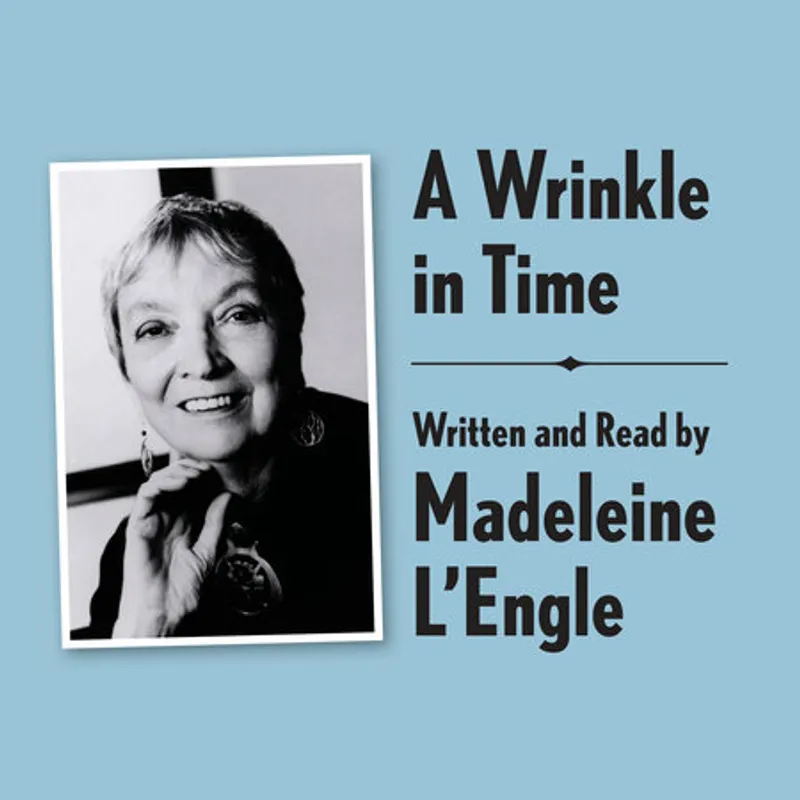
A Wrinkle in Time Archival Edition Author: Madeleine L'EnglePage Count: UnknownPublication Date: 2018-PRH In the Archival Edition of A Wrinkle in Time, listeners are treated to a unique experience – hearing the iconic novel read by its author, Madeleine L'Engle. Originally recorded in 1993 and newly restored for the author's 100th birthday, this audiobook is a must-listen for fans of the series and newcomers alike. L'Engle's narration brings a new level of intimacy and depth to the story, allowing listeners to connect with the characters and themes on a deeper level. At its core, A Wrinkle in Time is a story about the power of love, family, and friendship. Meg Murry, the protagonist, is a complex and relatable character – smart, yet awkward; confident, yet insecure. Her journey to find her missing father, a scientist who disappeared while experimenting with time-travel, is a metaphor for the search for identity and belonging. Alongside her brother Charles Wallace and friend Calvin, Meg navigates the challenges of adolescence, confronting her own flaws and limitations while learning to appreciate the unique qualities of those around her. L'Engle's writing style is a masterful blend of science, fantasy, and philosophy. She seamlessly weaves together concepts from physics, astronomy, and mathematics, making complex ideas accessible to readers of all ages. The novel's exploration of dark and light, fear and friendship, is both poignant and thought-provoking. L'Engle's prose is lyrical and evocative, conjuring vivid images of the Murry family's journey through space and time. One of the most striking aspects of A Wrinkle in Time is its exploration of the human condition. L'Engle tackles themes that are just as relevant today as they were when the book was first published – the struggle for self-acceptance, the importance of empathy and compassion, and the need to confront and overcome fear. The novel's portrayal of a strong, intelligent, and independent female protagonist is particularly noteworthy, offering a powerful role model for young readers. The Archival Edition of A Wrinkle in Time is a testament to the enduring power of L'Engle's storytelling. Listening to the author's own narration adds a new layer of depth and emotion to the story, making it a must-experience for fans of the series. Whether you're a longtime fan or new to the world of Meg Murry and her family, this audiobook is a compelling and unforgettable listen. #AWrinkleInTime #MadeleineLEngle #TheTimeQuintet #ClassicChildrensLiterature #ScienceFantasy #TimeTravelAdventures Related InsightsThe consuming fire Book Review and Summary We Were Liars Book Review and Summary The Code Breaker Book Review and Summary{ "@context": "https://schema.org", "@type": "FAQPage", "mainEntity": [ { "@type": "Question", "name": "What is the main focus of A Wrinkle in Time Book Review and Summary?", "acceptedAnswer": { "@type": "Answer", "text": "Everything you need to know about A Wrinkle in Time with our detailed review." } }, { "@type": "Question", "name": "Who authored the comprehensive guide on A Wrinkle in Time Book Review and Summary?", "acceptedAnswer": { "@type": "Answer", "text": "This detailed article and its insights were carefully researched and authored by Madeleine L'Engle." } }, { "@type": "Question", "name": "Where can I find more related content about Books?", "acceptedAnswer": { "@type": "Answer", "text": "You can explore more articles, detailed reviews, and similar insights by browsing the Related Insights section at the bottom of this article or visiting our dedicated Books category page." } } ] }
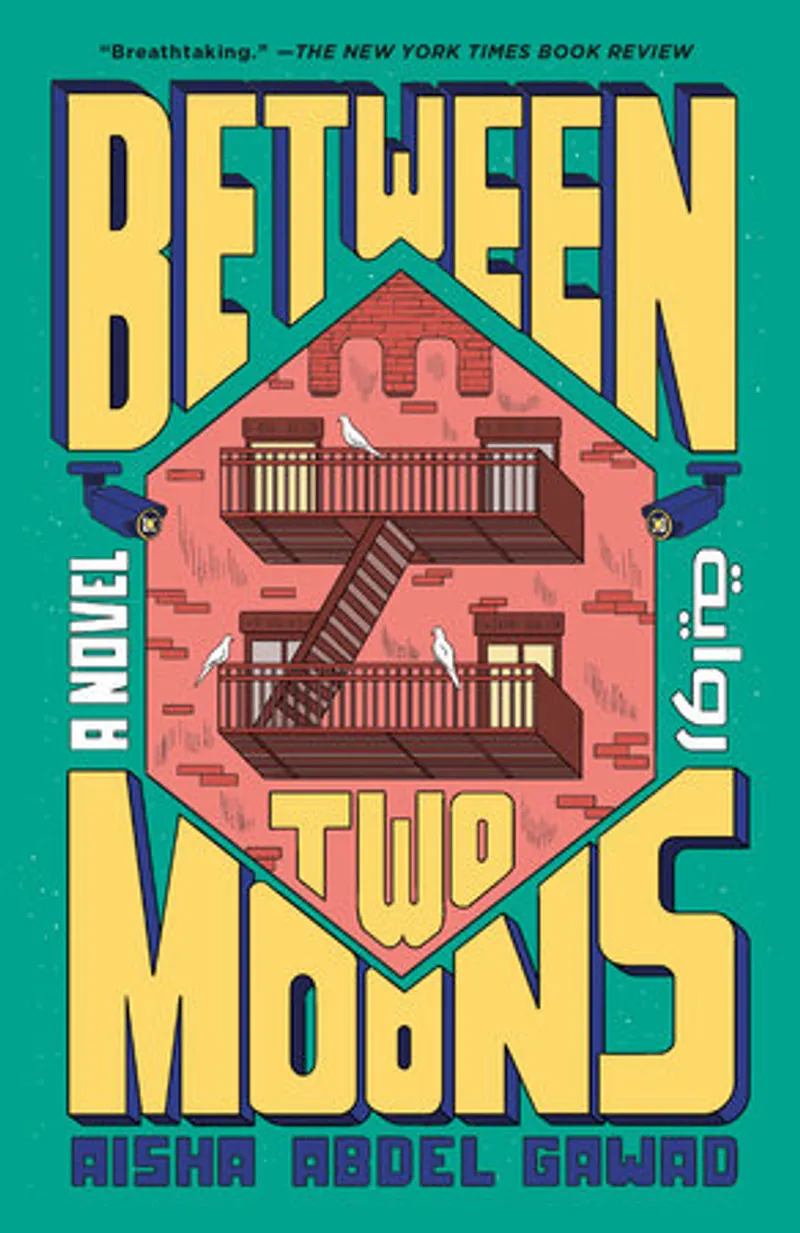
Between Two Moons Author: Aisha Abdel GawadPage Count: UnknownPublication Date: 2024-PRH "Between Two Moons" by Aisha Abdel Gawad is a breathtakingly poignant and deeply intimate debut novel that delves into the complexities of identity, family, and community, set against the vibrant backdrop of Bay Ridge, Brooklyn's Arab immigrant enclave. This masterful tale weaves together the lives of three siblings, Amira, Lina, and their older brother, as they navigate the intricacies of coming of age during the holy month of Ramadan. Abdel Gawad's writing is a true marvel, imbuing the narrative with a sense of urgency and immediacy that draws the reader inexorably into the world of the characters. Her prose is at once lyrical and unflinching, capable of conveying the full range of human emotions with remarkable precision. The result is a novel that feels both deeply personal and universally relatable, a testament to the author's skill in crafting a story that is at once a powerful exploration of the immigrant experience and a nuanced portrayal of the complexities of adolescence. At the heart of the novel is the complex and often fraught relationship between the three siblings, each of whom is struggling to find their place in the world. Amira and Lina, the twin sisters, are on the cusp of adulthood, eager to shed the constraints of their childhood and explore the possibilities of their newfound freedom. Their older brother, fresh from prison, is a more enigmatic figure, his mysterious behavior threatening to disrupt the delicate balance of the family. As the story unfolds, Abdel Gawad masterfully reveals the intricate web of relationships that binds the siblings together, exposing the deep-seated fears, desires, and loyalties that shape their interactions. But "Between Two Moons" is more than just a family story; it is also a powerful exploration of the tensions that arise when different cultures and communities intersect. The novel is set against the backdrop of a storm brewing in Bay Ridge, as a raid on a local business sparks a protest that brings the Arab community together, even as it threatens to tear them apart. Through the characters' experiences, Abdel Gawad sheds light on the complexities of life under the specter of Islamophobia, challenging the reader to interrogate their own assumptions about faith, family, and community. One of the novel's greatest strengths is its ability to balance the intimate and the epic, moving seamlessly between the inner lives of the characters and the larger social and cultural landscape in which they live. Abdel Gawad's writing is remarkable for its nuance and sensitivity, capable of capturing the full range of human experience with remarkable precision. Whether she is exploring the intricacies of sibling relationships, the complexities of cultural identity, or the tensions that arise when different communities intersect, Abdel Gawad's prose is always marked by a deep sense of empathy and understanding. In short, "Between Two Moons" is a triumph, a novel that will resonate with readers long after they finish the book. Abdel Gawad's writing is a true gift, and her story is a powerful reminder of the importance of empathy, understanding, and compassion in our increasingly complex and often fraught world. #BetweenTwoMoons #AishaAbdelGawad #Ramadan #ArabAmericanLiterature #Islamophobia #ComingOfAge
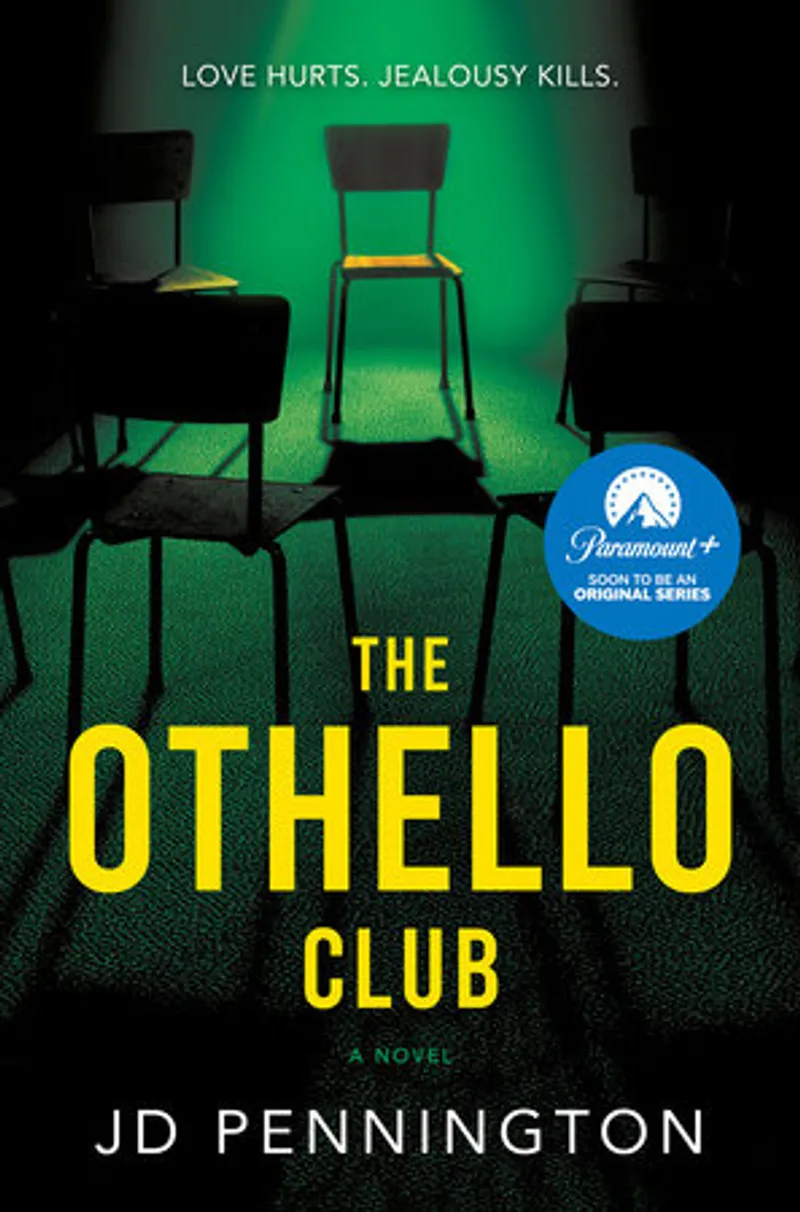
The Othello Club Author: J.D. PenningtonPage Count: UnknownPublication Date: 2025-PRH The Othello Club: A Darkly Delicious Revenge Thriller with a Twist J.D. Pennington’s The Othello Club is a razor-sharp psychological thriller that blends the seductive allure of revenge with the chilling unpredictability of human nature. Set against the backdrop of a divorce support group, this novel explores the thin line between justice and vengeance, where the quest for retribution spirals into something far more sinister than anyone bargained for. At its core, The Othello Club is a story about betrayal and retaliation. Emily, the protagonist, is a woman stripped of her identity, her marriage, and her sense of self-worth after her husband’s infidelity. Like the other five women in her divorce group, she’s drowning in resentment, her pain sharpened by the knowledge that her exes have moved on without a second thought. When the idea of mutual revenge is floated—each woman targeting another’s betrayer—the initial hesitation quickly dissolves into a dangerous pact. The premise is deliciously wicked: six wronged women, each with their own arsenal of grievances, uniting to dismantle the lives of the men who wronged them. It’s Strangers on a Train meets Big Little Lies, a tale of female solidarity turned toxic. Pennington excels at crafting a tense, claustrophobic atmosphere. The divorce group setting is a masterstroke—it’s a place of vulnerability, where women are supposed to heal, not plot. Yet, the group dynamic becomes the perfect breeding ground for paranoia. The author’s prose is tight and immersive, with a knack for dialogue that crackles with tension. The slow unraveling of the women’s moral compasses is both compelling and unsettling. As Emily’s initial reluctance gives way to a hunger for payback, we see how easily righteous anger can curdle into something far darker. The real genius of The Othello Club lies in its exploration of trust—or the lack thereof. The group’s agreement to keep their revenge harmless is a lie they tell themselves, and Pennington expertly peels back the layers of denial. The title itself is a nod to Shakespeare’s Othello, a play about deception, jealousy, and the destructive power of suspicion. Just as Iago manipulates Othello into believing in a betrayal that may not exist, the women in the club become both victims and perpetrators of their own paranoia. The question lingers: Who is really pulling the strings? The plot takes a sharp turn when the group’s petty crimes escalate into something far deadlier. The first death is shocking, but the subsequent ones are even more chilling because the killer could be anyone—even someone within the group. Pennington keeps the reader guessing, with red herrings and shifting loyalties that make it impossible to look away. The introduction of DI Rosa Hawkes, a detective hot on the trail of the killer, adds another layer of urgency. Hawkes is a compelling counterpoint to the women’s descent into chaos—her professional detachment contrasts with their emotional unraveling, yet she, too, is haunted by her own past. Pennington’s style is deceptively simple, favoring a direct, punchy narrative that lets the story’s tension speak for itself. There’s no overindulgence in florid descriptions; instead, the focus is on character and consequence. The emotional beats land with precision, particularly in Emily’s internal monologue, where Pennington captures the way grief and rage can distort perception. The novel’s pacing is relentless, with each chapter ratcheting up the stakes. By the time the truth begins to surface, the reader is as invested in uncovering the killer as the characters are in covering their tracks. The Othello Club is more than just a revenge thriller—it’s a meditation on how easily society’s expectations can warp into something monstrous. The women in the group start with a noble, if misguided, mission: to reclaim their power. But power, once seized, is a slippery thing. The novel asks: When does justice become cruelty? And who gets to decide where the line is drawn? For fans of Tana French’s psychological depth or Lucy Foley’s tightly plotted mysteries, The Othello Club is a must-read. It’s a book that lingers, not just because of its twists, but because of its unsettling truths about human nature. Pennington has crafted a story that’s as thought-provoking as it is thrilling, a rare blend of entertainment and introspection. #TheOthelloClub #RevengeThriller #PsychologicalSuspense #FemaleProtagonists #DarkMystery #BookReview Related InsightsThe Hunt for Red October Book Review and Summary Along the Saltwise Sea Book Review and Summary How to Love in Sanskrit: Ancient Poems for Modern Readers Book Review and Summary{ "@context": "https://schema.org", "@type": "FAQPage", "mainEntity": [ { "@type": "Question", "name": "What is the main focus of Othello Book Review and Summary?", "acceptedAnswer": { "@type": "Answer", "text": "Everything you need to know about Othello with our detailed review." } }, { "@type": "Question", "name": "Who authored the comprehensive guide on Othello Book Review and Summary?", "acceptedAnswer": { "@type": "Answer", "text": "This detailed article and its insights were carefully researched and authored by William Shakespeare." } }, { "@type": "Question", "name": "Where can I find more related content about Books?", "acceptedAnswer": { "@type": "Answer", "text": "You can explore more articles, detailed reviews, and similar insights by browsing the Related Insights section at the bottom of this article or visiting our dedicated Books category page." } } ] }
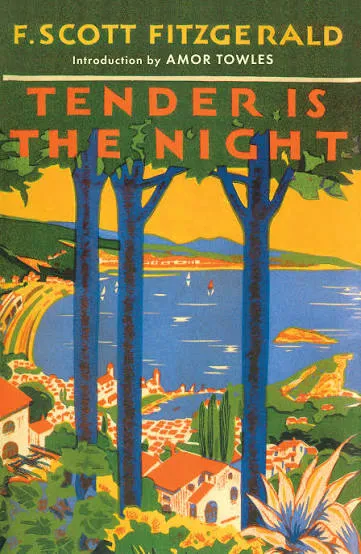
Suave es la noche / Tender is The Night Author: Fitzgerald ScottPage Count: UnknownPublication Date: 2016-PRH Francis Scott Fitzgerald’s Tender Is the Night is a glittering mirage that dissolves into a haunting meditation on love, decay, and the illusions of the American Dream. Often overshadowed by The Great Gatsby, this novel is Fitzgerald’s most personal and devastating work—a confession carved from the wreckage of his own life. Here, the Jazz Age’s golden sheen is not just a backdrop but a character in itself, a dazzling but treacherous surface that hides the rot beneath. At its core, Tender Is the Night is a tragedy of two souls trapped in a gilded cage. Dick and Nicole Diver are the embodiment of 1920s glamour: wealthy, charismatic, and seemingly untouchable. They host lavish parties on the French Riviera, their charm drawing in a circle of admirers who orbit around their radiance like moths. But their perfection is a performance, a carefully constructed facade that masks Nicole’s mental instability and Dick’s crumbling self-worth. Fitzgerald, who battled alcoholism and financial ruin while writing the novel, channels his own struggles into Dick’s character—a man who starts as a brilliant psychiatrist and ends as a hollow shell, his idealism eroded by his wife’s illness and his own failures. The novel’s brilliance lies in its structure, which unfolds like a slow unraveling. The first half immerses us in the Divers’ world, painting them as gods among mortals. Nicole, with her "bright, brittle laughter," and Dick, with his "tired but kind" eyes, seem invincible. But Fitzgerald drops subtle hints—Nicole’s erratic behavior, Dick’s drinking, the way their friends whisper about them when they’re not looking. The second half peels back the layers, revealing the rot beneath the glamour. The Divers’ marriage is a transaction, their love a performance, and their friends’ admiration a fleeting thing. By the end, the reader is left with the same hollow ache that Fitzgerald must have felt: the realization that beauty is fleeting, and that the people we admire most are often the most broken. Fitzgerald’s prose is a masterclass in restraint and lyricism. His sentences shimmer with the same effortless elegance as the Divers’ lifestyle, yet beneath the surface, there’s a quiet desperation. He writes of the Riviera’s "pale gold" light and the "soft, sad music" of the waves, but these descriptions are tinged with melancholy. The novel’s title, taken from Keats’ Ode to a Nightingale, is a clue: night is tender, but it is also dark, a time when illusions fade and truths emerge. Fitzgerald’s genius is in making the reader feel both the allure and the tragedy of the Divers’ world—a world where champagne flows but tears are hidden, where laughter is constant but joy is rare. What makes Tender Is the Night so devastating is its autobiographical weight. Fitzgerald and his wife, Zelda, were the real-life inspiration for Dick and Nicole. Their marriage, like the Divers’, was a mix of love, artistry, and self-destruction. Zelda’s mental health struggles and Fitzgerald’s alcoholism mirror Nicole’s breakdown and Dick’s decline. In writing this novel, Fitzgerald wasn’t just crafting fiction—he was dissecting his own life, exposing the cracks in the American Dream he had once so fervently believed in. The novel’s power lies in its ambiguity. Is Dick a victim or a villain? Is Nicole’s illness a tragedy or an escape? Fitzgerald refuses to offer easy answers. Instead, he presents a world where morality is fluid, where love is both a salvation and a prison, and where the pursuit of happiness often leads to ruin. The Divers’ story is a cautionary tale, but it’s also a eulogy—for a generation that believed in the myth of endless possibility, and for Fitzgerald himself, who died believing he was a failure. Tender Is the Night is not just a novel about the Jazz Age; it’s a novel about the human condition. It asks: What happens when the dreams we chase turn to dust? What remains when the masks come off? Fitzgerald’s answer is both beautiful and heartbreaking: we are left with the fragments of what we once were, and the knowledge that some illusions are better left unbroken. #Fitzgerald #TenderIsTheNight #JazzAge #LiteraryTragedy #AmericanDream #ClassicNovel Related InsightsNineteen Days in Autumn: A New History of 1066 Book Review and Summary 1984 (edición definitiva avalada por The Orwell Estate) (edición especial limitada con cantos pintados) / 1984 (Edition Endorsed by The Orwell Estate) Book Review and Summary Boleyn Traitor Book Review and Summary{ "@context": "https://schema.org", "@type": "FAQPage", "mainEntity": [ { "@type": "Question", "name": "What is the main focus of Tender Is the Night Book Review and Summary?", "acceptedAnswer": { "@type": "Answer", "text": "Everything you need to know about Tender Is the Night with our detailed review." } }, { "@type": "Question", "name": "Who authored the comprehensive guide on Tender Is the Night Book Review and Summary?", "acceptedAnswer": { "@type": "Answer", "text": "This detailed article and its insights were carefully researched and authored by F. Scott Fitzgerald." } }, { "@type": "Question", "name": "Where can I find more related content about Books?", "acceptedAnswer": { "@type": "Answer", "text": "You can explore more articles, detailed reviews, and similar insights by browsing the Related Insights section at the bottom of this article or visiting our dedicated Books category page." } } ] }

Sapiens. De animales a dioses (Edición especial 10º aniversario) / Sapiens: A Brief History of Humankind Author: Yuval Noah HarariPage Count: UnknownPublication Date: 2024-PRH In "Sapiens: A Brief History of Humankind," Yuval Noah Harari embarks on a sweeping narrative that redefines the way we understand our species, our history, and our place in the world. This 10th-anniversary edition of the global bestseller is a testament to the book's enduring impact and relevance. Harari's masterful storytelling weaves together insights from biology, anthropology, paleontology, and economics to create a rich tapestry of human history. He takes us on a journey from the emergence of Homo sapiens in Africa to the present day, exploring the three significant revolutions that have shaped our species: the Cognitive, Agricultural, and Scientific Revolutions. One of the book's greatest strengths is its ability to challenge our assumptions about human progress and happiness. Harari argues that our species' success has not necessarily led to greater happiness or fulfillment. Instead, we have become increasingly disconnected from our natural environment and our own emotions. This provocative thesis is both unsettling and thought-provoking, encouraging readers to reevaluate their values and priorities. Harari's writing style is engaging, witty, and accessible, making the book an enjoyable read for scholars and non-experts alike. He has a unique ability to distill complex ideas into concise and insightful passages, often using humor and irony to drive his points home. His use of anecdotes and historical examples adds depth and context to his arguments, making the book feel both informative and entertaining. One of the most striking aspects of "Sapiens" is its ability to balance breadth and depth. Harari covers an enormous range of topics, from the evolution of human cognition to the rise of empires and the impact of science and technology on our society. Yet, he also delves into the intricacies of human emotions, social structures, and cultural norms, providing a nuanced and multifaceted understanding of our species. If there is a criticism to be made, it is that Harari's broad scope sometimes leads to oversimplification or generalization. Some readers may find his interpretations of historical events or cultural phenomena to be too concise or lacking in detail. However, this is a minor quibble in an otherwise outstanding work. In conclusion, "Sapiens: A Brief History of Humankind" is a groundbreaking book that deserves its status as a global bestseller. Harari's unique blend of scholarship, storytelling, and wit has created a work that is both informative and thought-provoking. This 10th-anniversary edition is a must-read for anyone interested in understanding the complexities of human history and the challenges we face in the 21st century. #Sapiens #YuvalNoahHarari #HumanHistory #CognitiveRevolution #AgriculturalRevolution #ScientificRevolution Related InsightsCold As Hell Book Review and Summary Storm Caller (Storm Breaker, #2) Book Review and Summary Never Say Die Book Review and Summary{ "@context": "https://schema.org", "@type": "FAQPage", "mainEntity": [ { "@type": "Question", "name": "What is the main focus of Sapiens: A Brief History of Humankind Book Review and Summary?", "acceptedAnswer": { "@type": "Answer", "text": "Everything you need to know about Sapiens: A Brief History of Humankind with our detailed review." } }, { "@type": "Question", "name": "Who authored the comprehensive guide on Sapiens: A Brief History of Humankind Book Review and Summary?", "acceptedAnswer": { "@type": "Answer", "text": "This detailed article and its insights were carefully researched and authored by Yuval Noah Harari." } }, { "@type": "Question", "name": "Where can I find more related content about Books?", "acceptedAnswer": { "@type": "Answer", "text": "You can explore more articles, detailed reviews, and similar insights by browsing the Related Insights section at the bottom of this article or visiting our dedicated Books category page." } } ] }
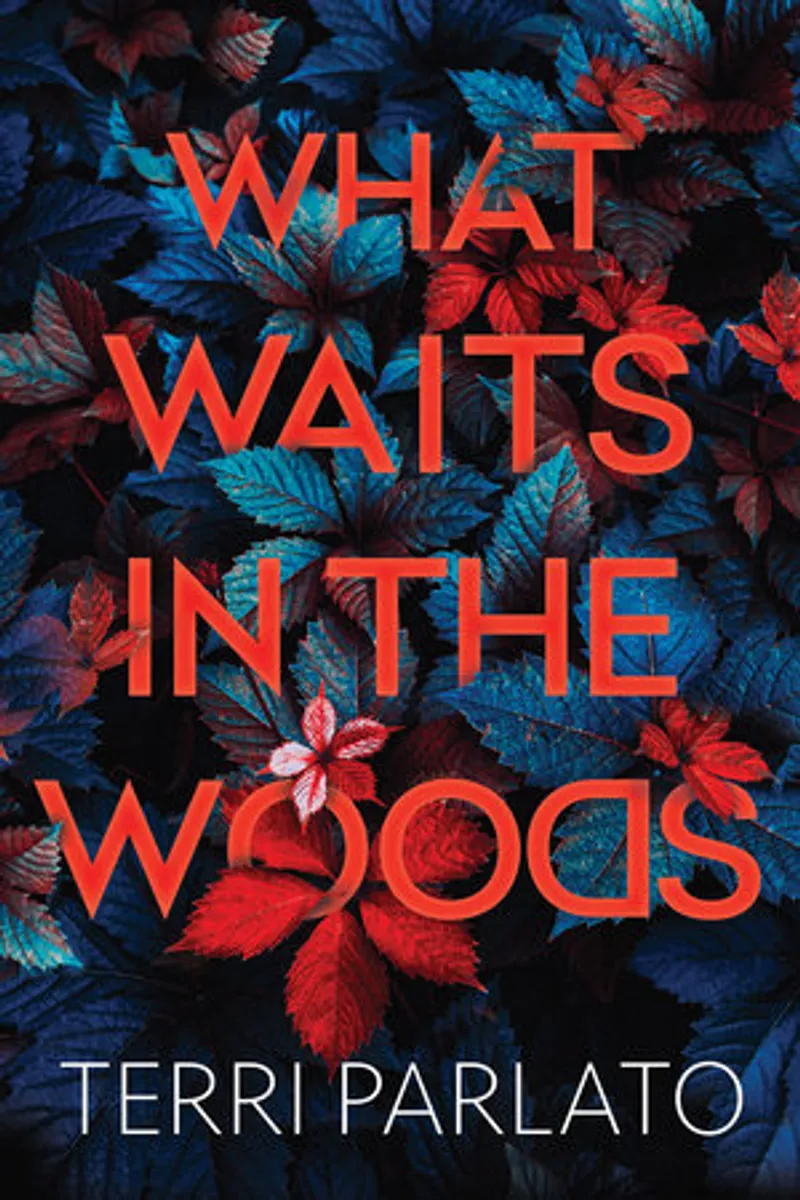
What Waits in the Woods Author: Terri ParlatoPage Count: UnknownPublication Date: 2024-PRH In the gripping suburban thriller "What Waits in the Woods" by Terri Parlato, a once-promising young dancer, Esmé Foster, is forced to return to her hometown of Graybridge after a career-ending injury. However, her homecoming is marred by a gruesome discovery - the murder of her high school friend, Kara Cunningham, in the woods behind her family's house. As Esmé navigates her complicated past and the increasingly disturbing events unfolding around her, she begins to question everything she thought she knew about her life, her friends, and her community. Parlato masterfully crafts a moody, atmospheric narrative that delves into the darker aspects of human nature and the secrets that lie beneath the surface of seemingly idyllic suburban life. Through Esmé's journey, the author explores themes of trauma, identity, and the blurred lines between reality and imagination. Esmé's own experiences with a traumatic event from her past, which may or may not have been a product of her imagination, add a layer of complexity to the story, making it difficult for her - and the reader - to distinguish between what's real and what's not. The author's writing style is engaging and suspenseful, with a keen sense of pacing that keeps the reader on the edge of their seat. Parlato's use of language is evocative and immersive, conjuring up the eerie atmosphere of the woods and the claustrophobic feeling of being trapped in a small town where everyone knows each other's secrets. One of the standout aspects of the book is its well-developed cast of characters. Esmé is a relatable and flawed protagonist, struggling to come to terms with her past and her present. The supporting characters, including Detective Rita Myers, are equally well-crafted, with their own motivations and secrets that add depth to the story. As the investigation into Kara's murder unfolds, Parlato skillfully weaves together a complex web of clues, red herrings, and twists that keep the reader guessing until the very end. The author's use of misdirection is expertly done, making it difficult to pinpoint the killer's identity until the final reveal. Overall, "What Waits in the Woods" is a gripping and unsettling thriller that will appeal to fans of Stacy Willingham, Greer Hendricks, and Megan Miranda. With its dark and atmospheric setting, complex characters, and expertly crafted plot, this book is sure to keep readers on the edge of their seats until the very end. #SuburbanThriller #PsychologicalSuspense #MysteryAndThriller #BookLovers #NewRelease #ThrillerThursday
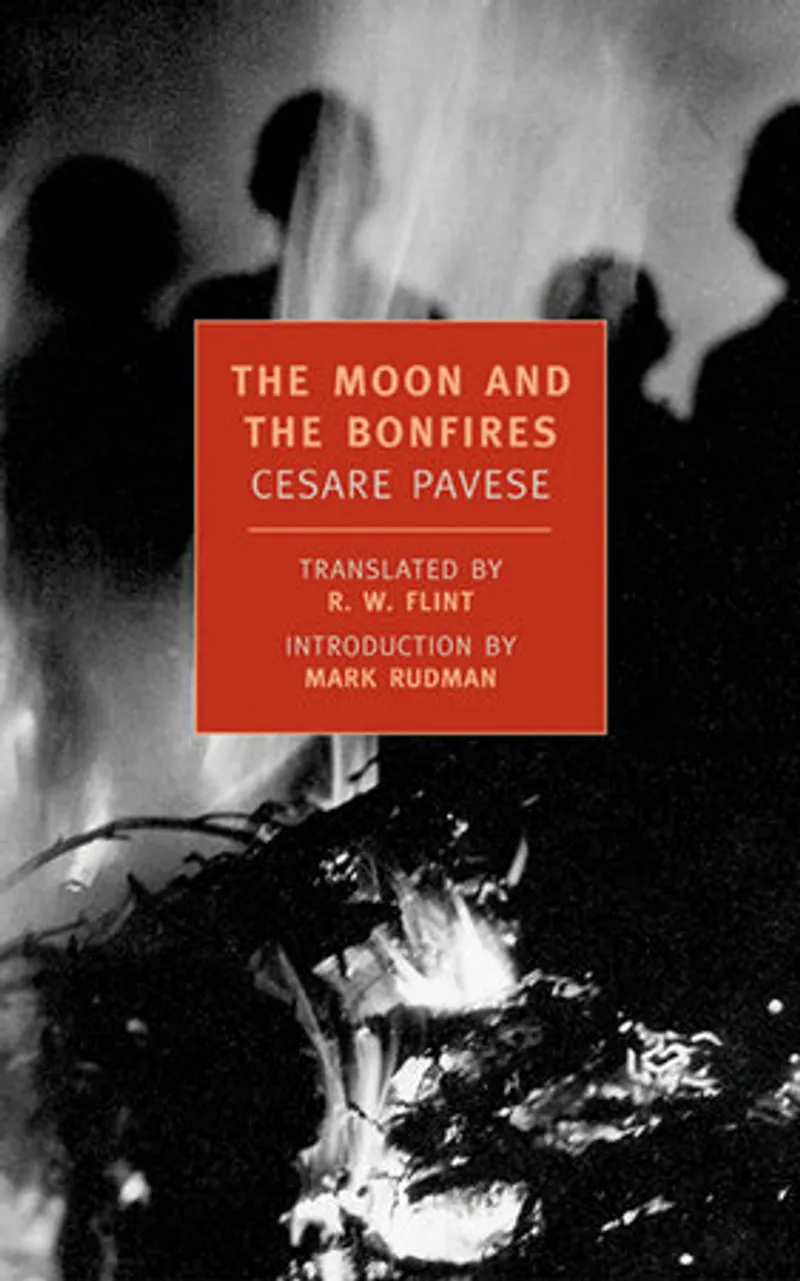
The Moon and the Bonfires Author: Cesare PavesePage Count: UnknownPublication Date: 2002-PRH Cesare Pavese’s The Moon and the Bonfires is a haunting elegy for a lost Italy—one scarred by war, betrayal, and the quiet devastation of memory. Written in 1949, just months before Pavese’s suicide, this novel is both a farewell and a reckoning, a meditation on exile and return that lingers like the scent of damp earth after a bonfire. It is a book that lingers in the mind long after the last page, not because of its plot alone, but because of the way Pavese renders the past as a living, breathing wound. The story follows an unnamed narrator who returns to his native village in northern Italy after years in America, where he has built a life of success but not of peace. His childhood was one of poverty and abandonment, raised by a harsh farmer who treated him as little more than a servant. Now, he seeks answers—not just about his own past, but about the village’s complicity in Fascism, the violence of the war, and the silences that followed. What he finds is a landscape of betrayal, where old grudges fester like unhealed scars. The bonfires of the title are not just festive flames; they are the pyres of old hatreds, the rituals of a community that has never truly reckoned with its sins. Pavese’s genius lies in his ability to weave the personal and the political into a single, suffocating atmosphere. The narrator’s return is not a triumphant homecoming but a descent into a world where the past is never truly buried. The village, with its narrow streets and whispering neighbors, is a character in itself—a place where everyone knows your name, but no one tells you the whole truth. The moon, ever-present in the novel, serves as a silent witness to the cycles of violence and forgetting. It is a celestial observer, cold and indifferent, much like the villagers who move through their lives with a practiced detachment. Pavese’s prose is spare yet incantatory, a style that R.W. Flint captures with remarkable fidelity in this new translation. There is a stark lyricism to the writing, a quality that Leslie Fiedler once praised as "absolutely lucid and completely incantatory." Pavese’s sentences are like the bonfires themselves—controlled, deliberate, but capable of burning away the illusions that keep people from seeing the truth. The dialogue is sparse, the descriptions vivid, and the emotional weight accumulates in the silences between words. This is a novel where what is not said is often more powerful than what is. The central theme of The Moon and the Bonfires is the impossibility of true return. The narrator believes that by coming back, he can reclaim something of his past, but he quickly realizes that the village has moved on—while he remains trapped in its shadows. The war may be over, but the wounds it left behind are still raw. The villagers, too, are haunted by their own complicity, their own small betrayals. Pavese doesn’t offer easy resolutions; instead, he forces the reader to sit with the discomfort of unresolved pain. The novel’s power lies in its refusal to sentimentalize the past. There are no heroes here, only survivors, each carrying their own burden of guilt and regret. Pavese’s own life casts a long shadow over the book. His suicide shortly after its publication adds a layer of tragic irony to the story of a man who, like his narrator, sought answers in a place that could never truly give them. The novel feels like a last confession, a way for Pavese to exorcise his own ghosts before they consumed him. In that sense, The Moon and the Bonfires is not just a novel about Italy’s war-torn soul—it is a testament to the way art can become a kind of survival, a way to keep the past alive even as it threatens to drag you under. For readers who appreciate literature that lingers, that refuses to offer easy comfort, this book is essential. It is a novel that demands to be read slowly, savored like the last embers of a dying fire. Pavese’s prose is not flashy; it is the prose of a man who has seen too much to waste words. Every sentence feels earned, every image carefully placed. The result is a novel that is as much about the act of remembering as it is about the things we choose to forget. In the end, The Moon and the Bonfires is a masterpiece of quiet devastation. It is a book that will break your heart not with melodrama, but with the weight of its truths. Pavese doesn’t shout; he whispers, and in that whisper, you hear the echoes of a world that has long since turned to ash. #Pavese #ItalianLiterature #PostWarNovel #LiteraryFiction #HauntingReads #CesarePavese Related InsightsThe Giving Tree Book Review and Summary The Year's Best Science Fiction Vol. 1 Book Review and Summary Spirit Lands (The Spice Road Trilogy #3) Book Review and Summary{ "@context": "https://schema.org", "@type": "FAQPage", "mainEntity": [ { "@type": "Question", "name": "What is the main focus of The Bonfire of the Vanities Book Review and Summary?", "acceptedAnswer": { "@type": "Answer", "text": "Everything you need to know about The Bonfire of the Vanities with our detailed review." } }, { "@type": "Question", "name": "Who authored the comprehensive guide on The Bonfire of the Vanities Book Review and Summary?", "acceptedAnswer": { "@type": "Answer", "text": "This detailed article and its insights were carefully researched and authored by Tom Wolfe." } }, { "@type": "Question", "name": "Where can I find more related content about Books?", "acceptedAnswer": { "@type": "Answer", "text": "You can explore more articles, detailed reviews, and similar insights by browsing the Related Insights section at the bottom of this article or visiting our dedicated Books category page." } } ] }
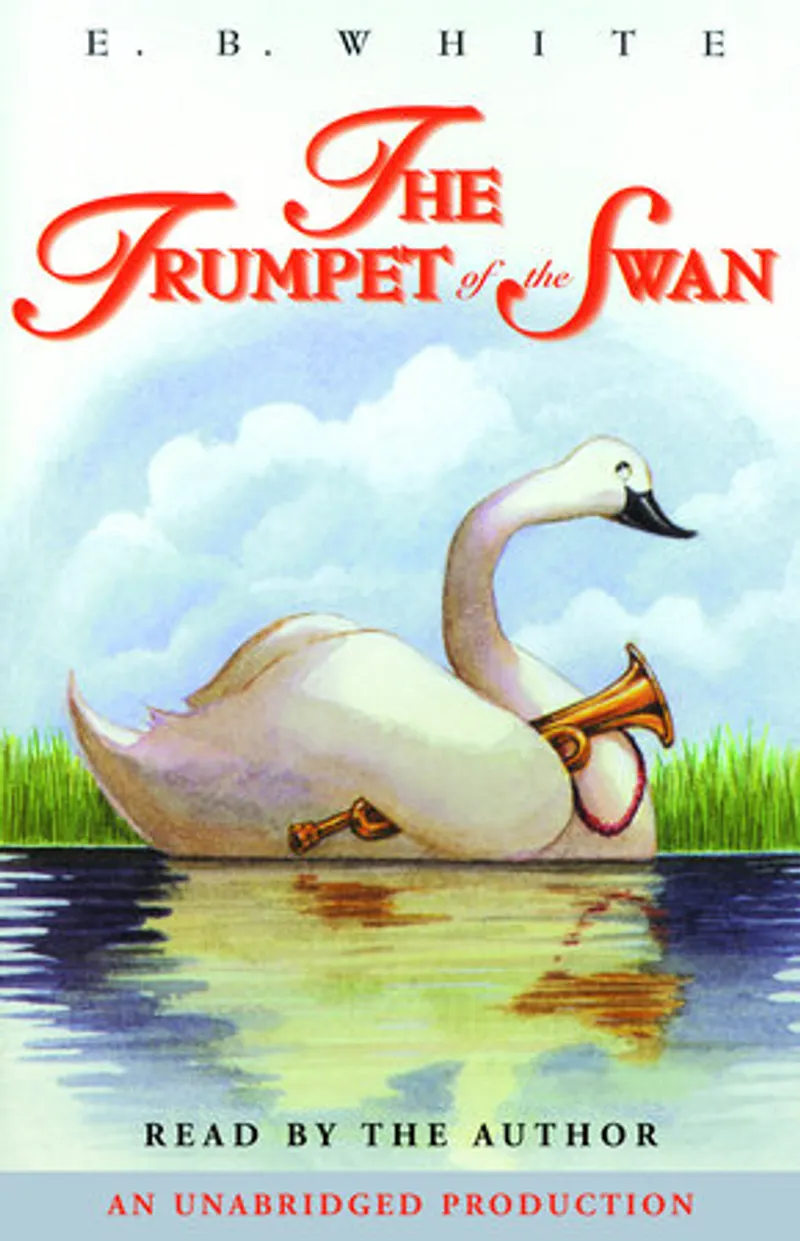
The Trumpet of the Swan Author: E. B. WhitePage Count: UnknownPublication Date: 2006-PRH In "The Trumpet of the Swan," E.B. White crafts a timeless tale of love, courage, and freedom that will capture the hearts of readers of all ages. This beautifully written story revolves around Louis, a Trumpeter Swan who is born without a voice, and his journey to find his place in the world. White's masterful storytelling is woven with humor and lyric beauty, making this book a true masterpiece. The author's use of vivid descriptions and poetic language brings the characters and their surroundings to life, transporting readers to the serene and majestic world of the Trumpeter Swans. At its core, "The Trumpet of the Swan" is a story about embracing one's uniqueness and finding alternative ways to express oneself. Louis's determination to communicate with the world around him is inspiring, and his resourcefulness is a testament to the power of perseverance. His friendship with Sam Beaver, a young human who teaches him to read and write, is a poignant reminder of the importance of human connection and the impact one person can have on another's life. One of the most striking aspects of White's writing is his ability to balance lighthearted moments with deeper themes. The story is full of humorous moments, from Louis's antics as he learns to read and write to his misadventures as he navigates the human world. Yet, beneath the surface, White explores complex issues such as identity, belonging, and the challenges of being different. The character of Louis is particularly noteworthy, as he embodies the universal desire to be heard and understood. His love for Serena, the beautiful swan who cannot read his declarations of love, is a powerful reminder of the enduring power of love and the lengths to which we will go to express it. White's writing style is characterized by his use of simple yet evocative language, which makes the story accessible to readers of all ages. His prose is infused with a sense of wonder and curiosity, reflecting the magic and beauty of the natural world. In conclusion, "The Trumpet of the Swan" is a captivating tale that will resonate with readers long after they finish the book. With its universal themes, memorable characters, and beautiful prose, this story is a true classic that will continue to inspire and delight readers for generations to come. #TrumpeterSwan #EBWhite #ChildrensLiterature #ClassicNovels #AnimalStories #InspirationalFiction Related InsightsThis Jury Is Guilty Book Review and Summary Bridge to Terabithia Book Review and Summary Black Is the Night Book Review and Summary{ "@context": "https://schema.org", "@type": "FAQPage", "mainEntity": [ { "@type": "Question", "name": "What is the main focus of The Trumpet of the Swan Book Review and Summary?", "acceptedAnswer": { "@type": "Answer", "text": "Everything you need to know about The Trumpet of the Swan with our detailed review." } }, { "@type": "Question", "name": "Who authored the comprehensive guide on The Trumpet of the Swan Book Review and Summary?", "acceptedAnswer": { "@type": "Answer", "text": "This detailed article and its insights were carefully researched and authored by E.B. White." } }, { "@type": "Question", "name": "Where can I find more related content about Books?", "acceptedAnswer": { "@type": "Answer", "text": "You can explore more articles, detailed reviews, and similar insights by browsing the Related Insights section at the bottom of this article or visiting our dedicated Books category page." } } ] }
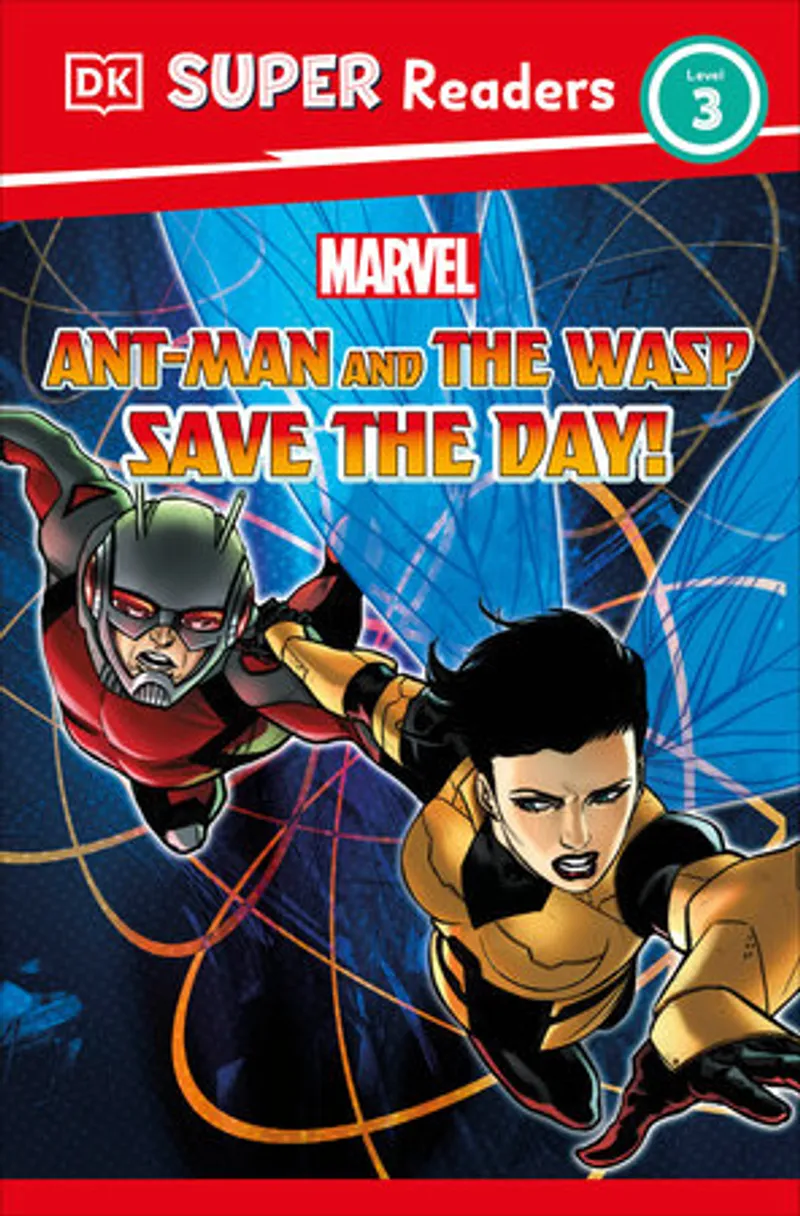
DK Super Readers Level 3 Marvel Ant-Man and The Wasp Save the Day! Author: Julia MarchPage Count: UnknownPublication Date: 2023-PRH "DK Super Readers Level 3 Marvel Ant-Man and The Wasp Save the Day!" by Julia March is an engaging and action-packed reading experience that brings the Marvel universe to life for young readers. This Level 3 DK Reader is part of a four-level reading program designed to help kids learn to read and develop a love for reading. By combining exciting images, simple vocabulary, and a fun quiz, March has created an entertaining and interactive story that will captivate young Super Hero fans. The story revolves around Scott Lang, aka Ant-Man, and Janet Van Dyne, aka The Wasp, as they team up to form an unstoppable duo. Despite their small size, they prove that even the tiniest heroes can make a mighty difference. This theme is central to the narrative, emphasizing the importance of believing in oneself and working together to achieve great things. March's writing style is clear and concise, making it easy for early readers to follow along. The text is peppered with simple, yet engaging vocabulary that will help build confidence in young readers. The inclusion of a fun quiz at the end of the book adds an interactive element, encouraging readers to test their understanding of the story. One of the standout features of this book is the way it seamlessly integrates the Marvel universe with the reading program. The result is a story that feels authentic and immersive, with exciting images that bring the characters to life. The pacing is well-balanced, with a mix of action, adventure, and humor that will keep young readers engaged. The character development is also noteworthy, with March doing an excellent job of capturing the unique personalities of Ant-Man and The Wasp. Their banter and interactions are witty and fun, adding a lighthearted touch to the narrative. Overall, "DK Super Readers Level 3 Marvel Ant-Man and The Wasp Save the Day!" is an excellent addition to any young reader's library. With its engaging storyline, interactive elements, and authentic Marvel universe integration, this book is sure to delight kids and parents alike. Whether your child is a fan of Marvel or just starting to learn to read, this book is an excellent choice. #MarvelForKids #LearnToReadWithHeroes #AntManAndTheWasp #DKSuperReaders #ReadingIsPower #SuperHeroStoriesForKids Related InsightsThe Lord of Demons (The Burning, #3) Book Review and Summary Dandelion Wine Book Review and Summary City of God Book Review and Summary{ "@context": "https://schema.org", "@type": "FAQPage", "mainEntity": [ { "@type": "Question", "name": "What is the main focus of The Wasp Factory Book Review and Summary?", "acceptedAnswer": { "@type": "Answer", "text": "Everything you need to know about The Wasp Factory with our detailed review." } }, { "@type": "Question", "name": "Who authored the comprehensive guide on The Wasp Factory Book Review and Summary?", "acceptedAnswer": { "@type": "Answer", "text": "This detailed article and its insights were carefully researched and authored by Iain Banks." } }, { "@type": "Question", "name": "Where can I find more related content about Books?", "acceptedAnswer": { "@type": "Answer", "text": "You can explore more articles, detailed reviews, and similar insights by browsing the Related Insights section at the bottom of this article or visiting our dedicated Books category page." } } ] }
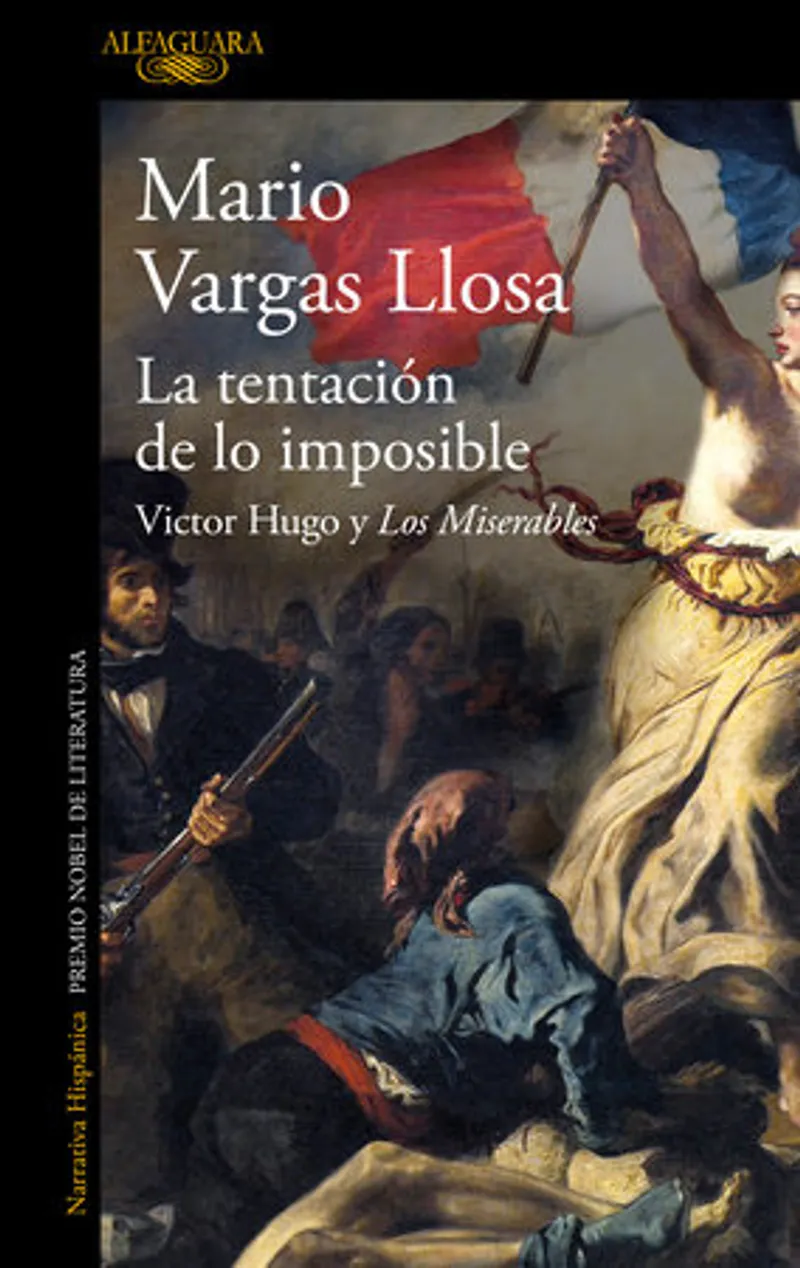
La tentación de lo imposible: Victor Hugo y Los Miserables / The Temptation of the Impossible: Victor Hugo and Les Misérables Author: Mario Vargas LlosaPage Count: UnknownPublication Date: 2025-PRH "The Temptation of the Impossible: Victor Hugo and Les Misérables" by Mario Vargas Llosa is a literary critique that delves into the depths of Victor Hugo's magnum opus, Les Misérables. As a renowned author and Nobel laureate, Vargas Llosa brings his unique perspective to the analysis of this beloved novel, exploring the themes and elements that have captivated readers for centuries. At its core, "The Temptation of the Impossible" is an exploration of the human condition, as embodied in the characters and narrative of Les Misérables. Vargas Llosa masterfully dissects the intricate web of relationships between Jean Valjean, Javert, and the various individuals they encounter, revealing the complexities of human nature and the struggles that define us. Through his analysis, Vargas Llosa sheds light on the ways in which Hugo's masterpiece continues to resonate with contemporary audiences, despite being written over 150 years ago. One of the standout aspects of Vargas Llosa's critique is his ability to balance intellectual rigor with accessibility. His writing is engaging and concise, making the book an enjoyable read for both scholars and casual fans of Les Misérables. Vargas Llosa's passion for the novel is evident throughout the text, and his insights are both thought-provoking and illuminating. Throughout the book, Vargas Llosa draws parallels between Hugo's work and the broader literary landscape of the 19th century. He situates Les Misérables within the context of the French literary tradition, highlighting the ways in which Hugo's novel both reflected and challenged the societal norms of his time. This historical context adds depth and nuance to Vargas Llosa's analysis, demonstrating the ways in which Les Misérables remains a rich and multifaceted work. Vargas Llosa's writing style is characterized by his signature blend of intellectual curiosity and literary flair. His prose is elegant and expressive, making complex ideas and concepts feel approachable and engaging. As a reader, it's clear that Vargas Llosa is not only an expert on Hugo's work but also a kindred spirit, sharing a deep affection for the novel and its characters. Ultimately, "The Temptation of the Impossible" is a must-read for anyone who has ever been captivated by the world of Les Misérables. Vargas Llosa's critique offers a fresh and compelling perspective on a beloved classic, inviting readers to re-examine the novel and its themes in a new light. Whether you're a scholar, a fan, or simply someone who appreciates great literature, this book is sure to delight and inspire. #LesMiserables #VictorHugo #MarioVargasLlosa #LiteraryCriticism #FrenchLiterature #ClassicsRevisited Related InsightsDawnlands Book Review and Summary No Country for Old Men Book Review and Summary The Mothers Book Review and Summary{ "@context": "https://schema.org", "@type": "FAQPage", "mainEntity": [ { "@type": "Question", "name": "What is the main focus of Les Misérables Book Review and Summary?", "acceptedAnswer": { "@type": "Answer", "text": "Everything you need to know about Les Misérables with our detailed review." } }, { "@type": "Question", "name": "Who authored the comprehensive guide on Les Misérables Book Review and Summary?", "acceptedAnswer": { "@type": "Answer", "text": "This detailed article and its insights were carefully researched and authored by Victor Hugo." } }, { "@type": "Question", "name": "Where can I find more related content about Books?", "acceptedAnswer": { "@type": "Answer", "text": "You can explore more articles, detailed reviews, and similar insights by browsing the Related Insights section at the bottom of this article or visiting our dedicated Books category page." } } ] }
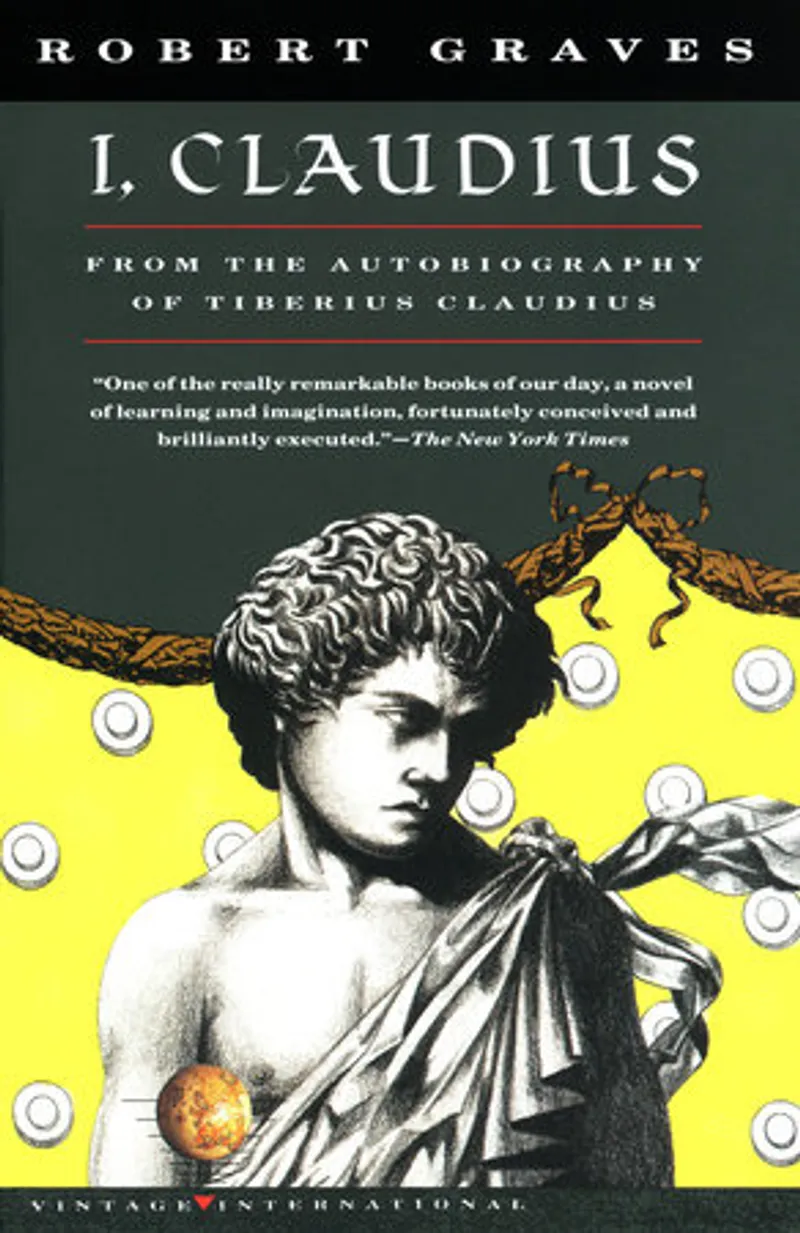
I, Claudius Author: Robert GravesPage Count: UnknownPublication Date: 1989-PRH In the realm of historical fiction, few novels have managed to capture the essence of ancient Rome as masterfully as Robert Graves' 'I, Claudius'. Written in 1934, but re-published in 1989, this timeless classic has enthralled readers with its unique blend of history, politics, and personal narrative. The story is presented as an autobiography of Claudius, the fourth emperor of Rome, who against all odds, rose to power despite being perceived as an idiot due to his physical disabilities. Graves' ingenious decision to tell the story from Claudius' perspective allows the reader to delve into the inner workings of the imperial court and witness the intricate web of alliances, rivalries, and deceit that defined the reigns of Augustus, Tiberius, and Caligula. Through Claudius' witty and insightful narrative, the reader is transported to a world of imperial Rome, where the struggle for power was a constant and deadly game. One of the most striking aspects of 'I, Claudius' is its masterful portrayal of the human condition. Claudius, often overlooked and underestimated due to his physical limitations, proves to be a shrewd and cunning observer of the world around him. His wit and intelligence, masked by his awkward demeanor, serve as a clever facade, allowing him to navigate the treacherous waters of imperial politics. Graves' writing style is a true marvel, as he seamlessly weaves historical facts with fictional narrative, creating a rich tapestry that is both informative and engaging. His prose is elegant, witty, and engaging, making 'I, Claudius' a true page-turner. The author's use of language is deliberate and measured, reflecting Claudius' own writing style as a historian and scholar. Throughout the novel, Graves explores themes of power, corruption, and the human condition. Claudius' unique perspective on the events unfolding around him serves as a commentary on the nature of power and how it can both create and destroy individuals. The novel is also a scathing critique of the imperial system, exposing the darker aspects of Roman politics and the moral decay that often accompanied absolute power. In conclusion, 'I, Claudius' is a masterpiece of historical fiction that has stood the test of time. Graves' writing is exquisite, and his portrayal of Claudius is both captivating and thought-provoking. This novel is a must-read for anyone interested in ancient Rome, politics, or history. It is a testament to the power of storytelling and a reminder that even the most unlikely individual can rise to greatness. #IClaudius #RobertGraves #HistoricalFiction #AncientRome #RomanEmpire #ClassicsOfLiterature Related InsightsThe Little Prince Book Review and Summary Murder Unabridged: An Old Juniper Bookshop Mystery Book Review and Summary Hollow Bones Book Review and Summary{ "@context": "https://schema.org", "@type": "FAQPage", "mainEntity": [ { "@type": "Question", "name": "What is the main focus of I, Claudius Book Review and Summary?", "acceptedAnswer": { "@type": "Answer", "text": "Everything you need to know about I, Claudius with our detailed review." } }, { "@type": "Question", "name": "Who authored the comprehensive guide on I, Claudius Book Review and Summary?", "acceptedAnswer": { "@type": "Answer", "text": "This detailed article and its insights were carefully researched and authored by Robert Graves." } }, { "@type": "Question", "name": "Where can I find more related content about Books?", "acceptedAnswer": { "@type": "Answer", "text": "You can explore more articles, detailed reviews, and similar insights by browsing the Related Insights section at the bottom of this article or visiting our dedicated Books category page." } } ] }
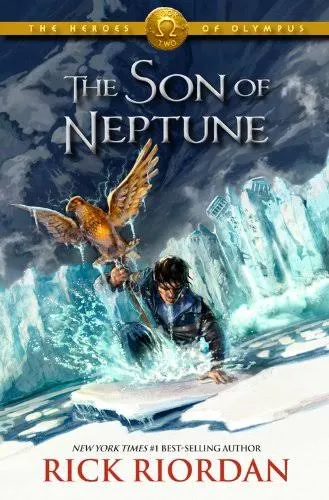
El hijo de Neptuno (Los héroes del Olimpo 2) / The Son of Neptune Author: Rick RiordanPage Count: UnknownPublication Date: 2027-PRH As a seasoned book reviewer, I am thrilled to dive into the second installment of Rick Riordan's The Heroes of Olympus series, The Son of Neptune. Unfortunately, I must note that the book's original publication date is not 2027, but rather 2011. Nonetheless, this minor discrepancy does not detract from the excitement and anticipation that surrounds this beloved series. The Son of Neptune is a masterful blend of Greek and Roman mythology, seamlessly woven into a captivating narrative that explores the intricacies of heroism, friendship, and loyalty. Riordan's writing style is, as always, engaging and accessible, making this book an absolute delight to read. His ability to craft relatable characters, each with their unique personalities and quirks, is a hallmark of his authorial skill. One of the primary themes that emerge in The Son of Neptune is the concept of identity and self-discovery. The story follows Percy Jackson, the titular son of Neptune (or Poseidon, as he is known in Greek mythology), as he navigates the complexities of his demigod heritage. Riordan expertly explores the tensions between Percy's dual identities, delving into the nuances of his relationships with his Roman and Greek counterparts. Riordan's prose is, as always, infused with a deep understanding of mythology, which he skillfully adapts to suit the modern world. The characters' interactions with mythological creatures, gods, and goddesses are both authentic and imaginative, making the fantastical world feel almost tangible. The author's use of descriptions is vivid and evocative, transporting readers to the rugged landscapes of the American West and the mythological realms that lie beyond. The Son of Neptune is also notable for its well-crafted plot, which twists and turns in unexpected ways. Riordan's pacing is impeccable, balancing action, suspense, and humor in a narrative that is both thrilling and emotionally resonant. The characters' motivations and backstories are expertly woven into the fabric of the story, making their actions and decisions feel organic and authentic. Throughout the book, Riordan explores the idea of community and the bonds that form between individuals from diverse backgrounds. The relationships between Percy, Hazel, and Frank, the three main protagonists, are particularly well-developed, as they learn to rely on each other's strengths and weaknesses in the face of adversity. This emphasis on camaraderie and cooperation serves as a powerful reminder of the importance of unity and friendship in the face of overwhelming challenges. In conclusion, The Son of Neptune is a triumphant sequel that builds upon the foundations laid in The Lost Hero. Riordan's masterful storytelling, coupled with his unique blend of mythology and adventure, makes this book an absolute must-read for fans of the series and newcomers alike. With its richly detailed world, complex characters, and gripping plot, The Son of Neptune is a true page-turner that will keep you on the edge of your seat until the very end. #TheHeroesOfOlympus #TheSonOfNeptune #RickRiordan #PercyJackson #MythologyInModernFiction #DemigodAdventures Related InsightsClear Water Book Review and Summary The Cat in the Hat Book Review and Summary King of Pride Book Review and Summary{ "@context": "https://schema.org", "@type": "FAQPage", "mainEntity": [ { "@type": "Question", "name": "What is the main focus of The Son of Neptune Book Review and Summary?", "acceptedAnswer": { "@type": "Answer", "text": "Everything you need to know about The Son of Neptune with our detailed review." } }, { "@type": "Question", "name": "Who authored the comprehensive guide on The Son of Neptune Book Review and Summary?", "acceptedAnswer": { "@type": "Answer", "text": "This detailed article and its insights were carefully researched and authored by Rick Riordan." } }, { "@type": "Question", "name": "Where can I find more related content about Books?", "acceptedAnswer": { "@type": "Answer", "text": "You can explore more articles, detailed reviews, and similar insights by browsing the Related Insights section at the bottom of this article or visiting our dedicated Books category page." } } ] }
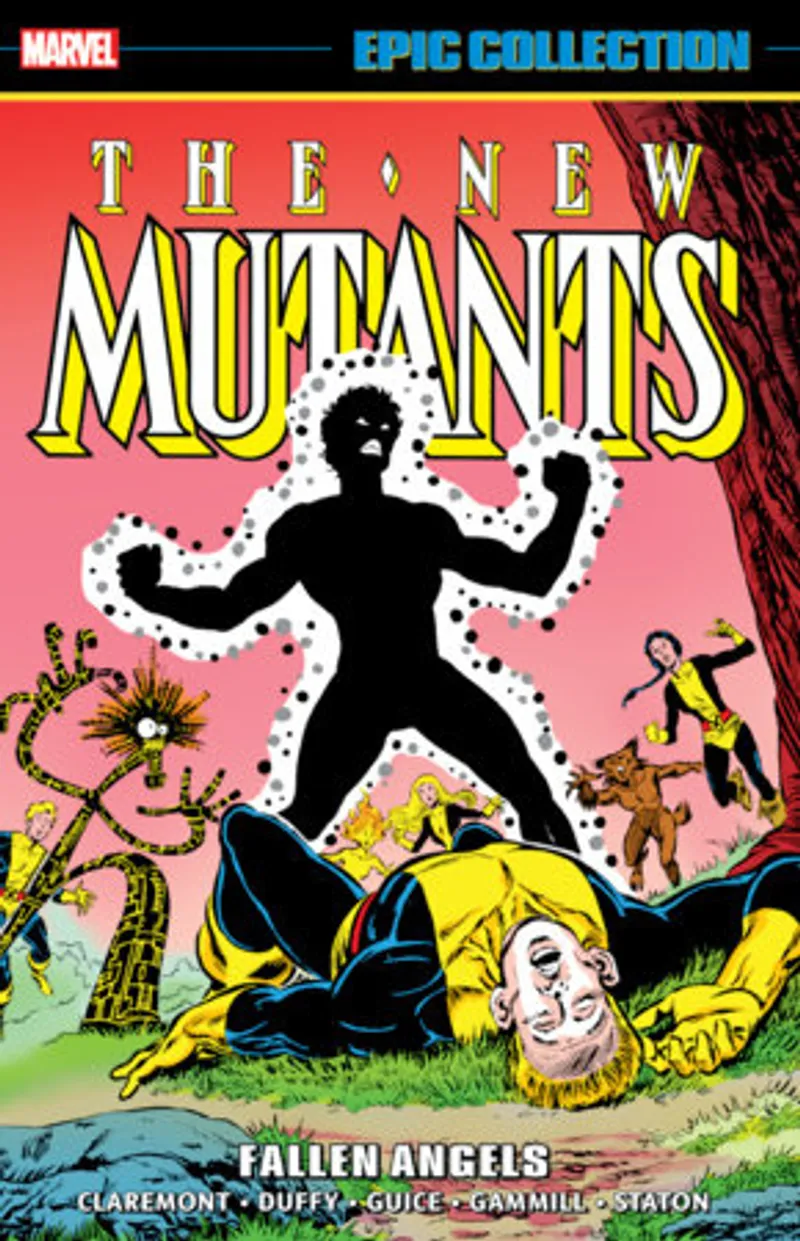
New Mutants Epic Collection: Fallen Angels Author: Rob LiefeldPage Count: UnknownPublication Date: 2025-PRH In the realm of comic book history, few titles have captured the angst and self-discovery of adolescence quite like the New Mutants. Rob Liefeld's New Mutants Epic Collection: Fallen Angels is a testament to this legacy, delving into the complex world of teenage mutants struggling to find their place within a society hell-bent on persecution. The Fallen Angels, a spin-off team formed by the New Mutants, is the focal point of this collection. Born out of tragedy and forged in the fire of adversity, this team embodies the quintessential spirit of rebellion and nonconformity that defined the late 1980s and early 1990s comic book landscape. As they navigate the treacherous waters of high school, where being different is a liability, the Fallen Angels must confront the darker aspects of human nature. Liefeld's storytelling is a perfect reflection of this tumultuous era. His writing style is unapologetic, raw, and unbridled, much like the emotions of the characters he portrays. The narrative is fast-paced, with a kinetic energy that propels the reader through the trials and tribulations of the Fallen Angels. The characters are multidimensional and relatable, their struggles and fears palpable as they grapple with the consequences of being an outcast. One of the most striking aspects of this collection is its willingness to tackle complex themes and social commentary. The Mutant Massacre, a pivotal event in the X-Men universe, serves as a catalyst for the Fallen Angels' formation. This storyline is a scathing critique of prejudice, hate, and the devastating consequences of unchecked fear. Liefeld's handling of this narrative thread is both poignant and thought-provoking, raising important questions about the nature of humanity and our capacity for cruelty. The artwork, while not always polished, adds to the overall sense of urgency and chaos that pervades the narrative. Liefeld's pencils are dynamic, with a focus on capturing the emotional intensity of each scene. The characters' designs are iconic, with a distinctive flair that sets them apart from other comic book creations. The supporting cast is equally impressive, with a diverse range of characters that add depth and complexity to the narrative. Sunspot and Warlock's adventures with Madrox, Siryn, Boom-Boom, the Vanisher, and Devil Dinosaur are a particular highlight, offering a welcome respite from the darkness that pervades much of the collection. In conclusion, New Mutants Epic Collection: Fallen Angels is a must-read for fans of the X-Men franchise and comic book enthusiasts in general. Liefeld's writing is a testament to the power of the medium, tackling complex themes and social commentary with a level of sophistication that belies the book's age. The Fallen Angels' story is a powerful allegory for the struggles of adolescence, a reminder that even in the darkest of times, there is always hope for a better tomorrow. #NewMutants #FallenAngels #RobLiefeld #XMen #ComicBookClassics #MutantMassacre Related InsightsOswald the Almost Famous Opossum Book Review and Summary Fangirl Down Book Review and Summary Cannery Row Book Review and Summary{ "@context": "https://schema.org", "@type": "FAQPage", "mainEntity": [ { "@type": "Question", "name": "What is the main focus of City of Fallen Angels Book Review and Summary?", "acceptedAnswer": { "@type": "Answer", "text": "Everything you need to know about City of Fallen Angels with our detailed review." } }, { "@type": "Question", "name": "Who authored the comprehensive guide on City of Fallen Angels Book Review and Summary?", "acceptedAnswer": { "@type": "Answer", "text": "This detailed article and its insights were carefully researched and authored by Cassandra Clare." } }, { "@type": "Question", "name": "Where can I find more related content about Books?", "acceptedAnswer": { "@type": "Answer", "text": "You can explore more articles, detailed reviews, and similar insights by browsing the Related Insights section at the bottom of this article or visiting our dedicated Books category page." } } ] }
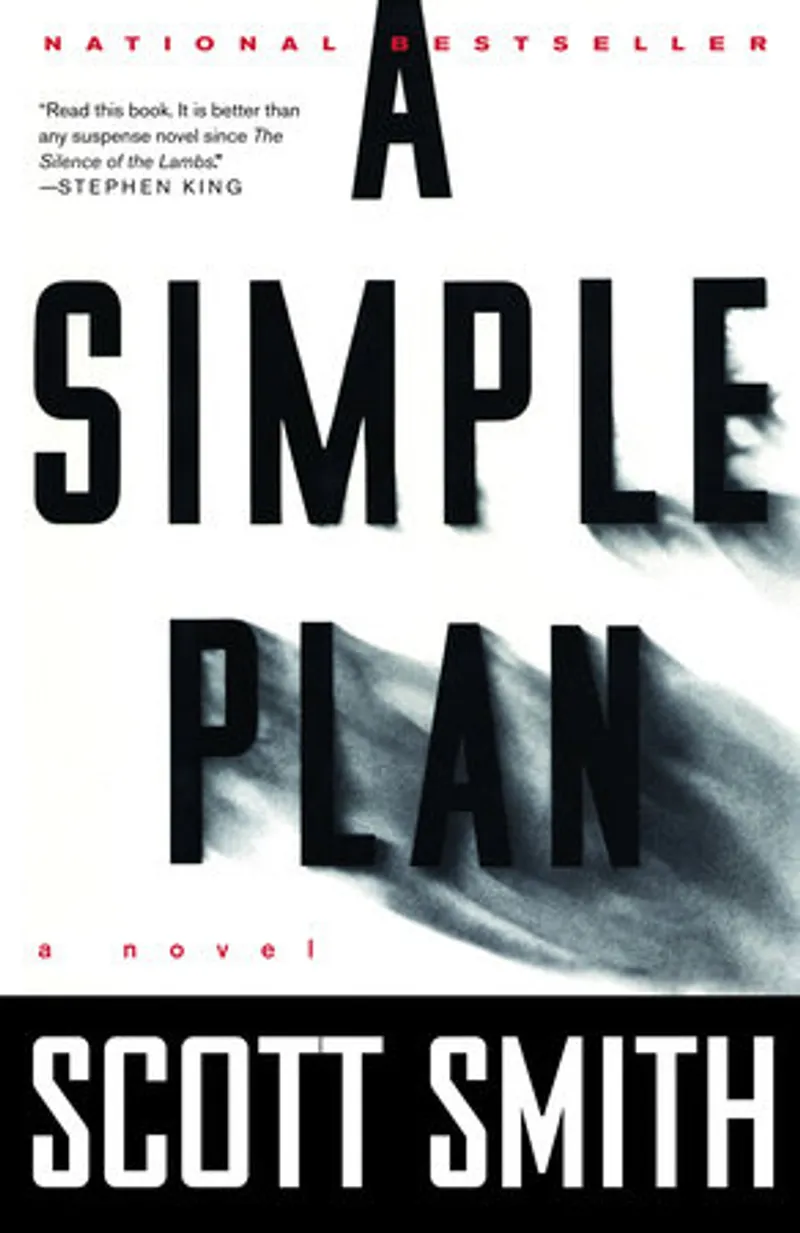
A Simple Plan Author: Scott SmithPage Count: UnknownPublication Date: 2006-PRH A Simple Plan by Scott Smith is a gripping and unflinching novel that delves into the darker aspects of human nature, exposing the devastating consequences of greed, deception, and the blurred lines between right and wrong. With its stark and unvarnished prose, Smith masterfully crafts a narrative that is both haunting and thought-provoking, leaving the reader to ponder the true cost of succumbing to temptation. The story centers around two brothers, Hank and Jacob Mitchell, and their friend, Lou, who stumble upon a small plane crash in the woods. The pilot is dead, and a duffle bag containing four million dollars in cash is the only cargo on board. The men, all ordinary and unassuming, agree to a simple plan: to hide the money, keep it a secret, and share it equally among themselves. However, as the story unfolds, this simple plan rapidly spirals out of control, revealing the darker aspects of their characters and the true depths of their desperation. Smith's writing style is characterized by its simplicity, yet it is this very simplicity that makes the narrative so compelling. His prose is sparse and economical, with a focus on the raw, unvarnished truth of the characters' emotions and actions. There is no flowery language or sentimentalism here; instead, Smith presents the reader with a stark and unflinching portrayal of human nature, warts and all. One of the most striking aspects of A Simple Plan is its exploration of the theme of greed and its corrosive effects on relationships and individuals. As the characters become increasingly consumed by their desire for the money, their actions become more and more erratic, revealing the true depths of their desperation and the devastating consequences of their choices. Smith expertly exposes the ways in which greed can destroy even the strongest of bonds, leaving in its wake a trail of destruction and despair. The characters themselves are multidimensional and complex, with each one bringing their own unique set of flaws and motivations to the table. Hank, the more level-headed of the two brothers, is initially hesitant to get involved in the scheme, but ultimately succumbs to the temptation of the money. Jacob, on the other hand, is more hot-headed and impulsive, driven by a desire for excitement and a need to prove himself. Lou, the friend, is a more enigmatic figure, whose true loyalties and motivations are slowly revealed over the course of the narrative. Throughout the book, Smith maintains a sense of tension and suspense, expertly ratcheting up the stakes as the characters' actions become more and more reckless. The pacing is relentless, with a sense of inevitability that propels the reader towards the shocking and devastating conclusion. In conclusion, A Simple Plan is a gripping and thought-provoking novel that exposes the darker aspects of human nature and the devastating consequences of greed and deception. With its stark and unvarnished prose, Smith masterfully crafts a narrative that is both haunting and suspenseful, leaving the reader to ponder the true cost of succumbing to temptation. This is a must-read for fans of crime fiction and suspense, and a testament to the enduring power of Scott Smith's storytelling. #ASimplePlan #ScottSmith #CrimeFiction #Suspense #GreedAndDeception #DarkLiteraryFiction Related InsightsThe Many Private Lives of Missy Cooke: A Novel Book Review and Summary Bohemians on the Breadline: The Radical Women Artists of Roosevelt's New Deal Book Review and Summary All Systems Red & Artificial Condition Book Review and Summary{ "@context": "https://schema.org", "@type": "FAQPage", "mainEntity": [ { "@type": "Question", "name": "What is the main focus of A Simple Plan Book Review and Summary?", "acceptedAnswer": { "@type": "Answer", "text": "Everything you need to know about A Simple Plan with our detailed review." } }, { "@type": "Question", "name": "Who authored the comprehensive guide on A Simple Plan Book Review and Summary?", "acceptedAnswer": { "@type": "Answer", "text": "This detailed article and its insights were carefully researched and authored by Scott Smith." } }, { "@type": "Question", "name": "Where can I find more related content about Books?", "acceptedAnswer": { "@type": "Answer", "text": "You can explore more articles, detailed reviews, and similar insights by browsing the Related Insights section at the bottom of this article or visiting our dedicated Books category page." } } ] }