Showing Posts From
Fiction
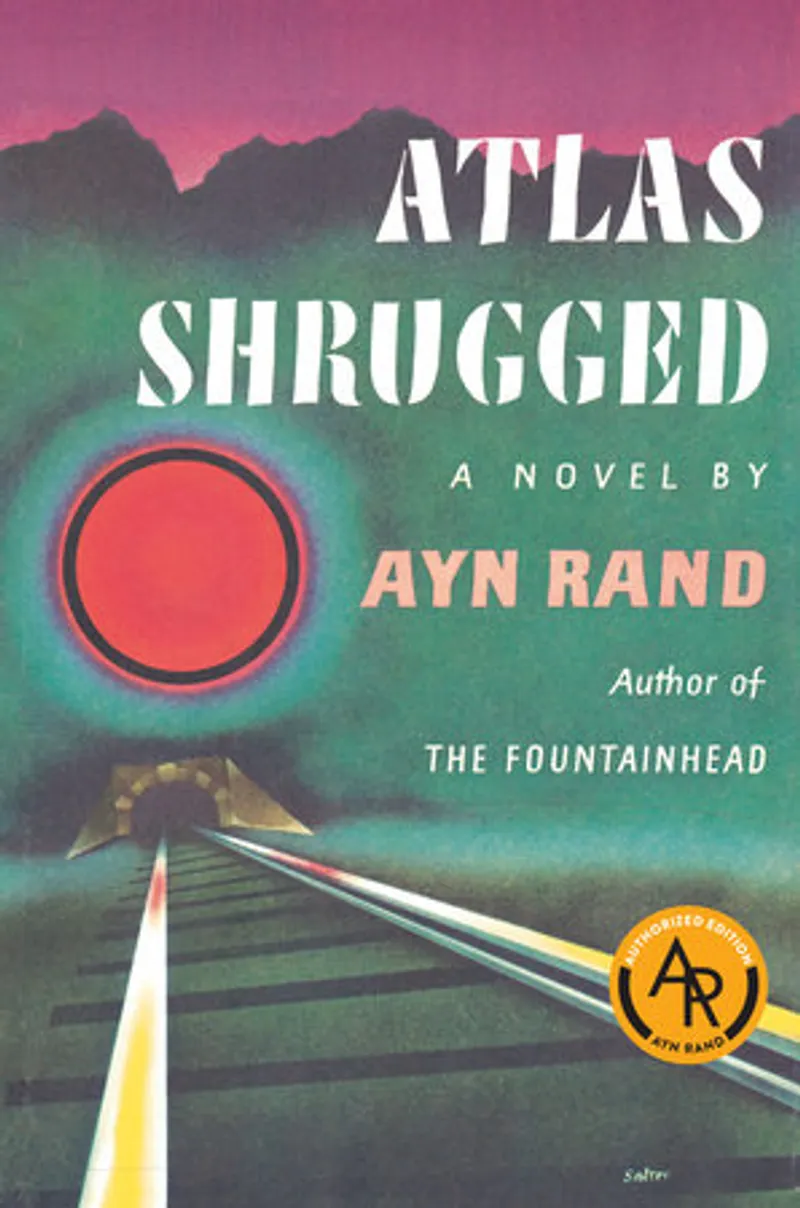
Atlas Shrugged (Centennial Ed. HC) Author: Ayn RandPage Count: UnknownPublication Date: 2005-PRH In the realm of philosophical fiction, few novels have managed to leave an indelible mark on the literary world as Ayn Rand's magnum opus, Atlas Shrugged. First published in 1957 and re-released in a centennial edition in 2005, this modern classic continues to enthrall readers with its thought-provoking themes, complex characters, and gripping narrative. At its core, Atlas Shrugged is a scathing critique of a society that values altruism and self-sacrifice over individualism and innovation. Set in a dystopian United States, the novel depicts a world where the government is increasingly controlling and suffocating, strangling the creative and productive energies of its citizens. Against this backdrop, Rand weaves a tale of rebellion, led by the enigmatic John Galt, a figure who embodies the ideals of individual freedom and unbridled creativity. Through Galt's character, Rand poses a series of profound questions that challenge the reader to re-examine their assumptions about the role of government, the nature of morality, and the meaning of life. As the novel unfolds, we are introduced to a cast of characters who are forced to confront the consequences of their own choices and the values they hold dear. From the brilliant and beautiful Dagny Taggart, who runs a transcontinental railroad with precision and flair, to the charismatic and ruthless Hank Rearden, who is willing to risk everything to pursue his passion for steel production, each character is meticulously crafted to illustrate the human cost of a society that values conformity over excellence. Rand's writing style is a hallmark of the novel, marked by a unique blend of philosophical introspection, poetic description, and pulse-pounding action. Her prose is often described as dense and demanding, but for those willing to immerse themselves in her world, the rewards are rich and plentiful. With each turn of the page, Rand challenges her readers to think critically about the world around them, to question the assumptions that underpin their own values and beliefs. One of the most striking aspects of Atlas Shrugged is its prescience. Written over six decades ago, the novel's themes of government overreach, media manipulation, and the erosion of individual freedom are more relevant today than ever. Rand's vision of a world where the "makers" are forced to support the "takers" is a stark warning about the dangers of unchecked government power and the importance of protecting individual rights and freedoms. In conclusion, Atlas Shrugged is a masterpiece of philosophical fiction that continues to inspire and provoke readers to this day. Ayn Rand's magnum opus is a must-read for anyone interested in exploring the complexities of human nature, the importance of individual freedom, and the dangers of unchecked government power. With its intricate plot, complex characters, and thought-provoking themes, Atlas Shrugged is a novel that will leave you breathless, disturbed, and ultimately, transformed. #AtlasShrugged #AynRand #Objectivism #PhilosophicalFiction #IndividualFreedom #DystopianLiterature Related InsightsUnder the Whispering Door Book Review and Summary Il Dialogo Silenzioso: L'Arte della Marginalia e il Mondo Segreto delle Annotazioni Nei Libri Antichi A Christmas Carol Book Review and Summary{ "@context": "https://schema.org", "@type": "FAQPage", "mainEntity": [ { "@type": "Question", "name": "What is the main focus of Atlas Shrugged Book Review and Summary?", "acceptedAnswer": { "@type": "Answer", "text": "Everything you need to know about Atlas Shrugged with our detailed review." } }, { "@type": "Question", "name": "Who authored the comprehensive guide on Atlas Shrugged Book Review and Summary?", "acceptedAnswer": { "@type": "Answer", "text": "This detailed article and its insights were carefully researched and authored by Ayn Rand." } }, { "@type": "Question", "name": "Where can I find more related content about Books?", "acceptedAnswer": { "@type": "Answer", "text": "You can explore more articles, detailed reviews, and similar insights by browsing the Related Insights section at the bottom of this article or visiting our dedicated Books category page." } } ] }

El emperador de todos los males. Edición actualizada y ampliada / The Emperor of All Maladies (Updated and Expanded Edition) Author: Siddhartha MukherjeePage Count: UnknownPublication Date: 2026-PRH Siddhartha Mukherjee’s The Emperor of All Maladies: A Biography of Cancer is not just a book about disease—it is a sweeping, meticulously crafted biography of one of humanity’s oldest and most relentless adversaries. The updated and expanded edition, published in 2026, arrives at a pivotal moment, as cancer research stands on the cusp of revolutionary breakthroughs in immunotherapy, precision medicine, and early detection. Mukherjee, a physician-scientist and Pulitzer Prize-winning author, once again proves himself a master storyteller, weaving together science, history, and personal narrative into a work that is as intellectually rigorous as it is emotionally resonant. At its core, The Emperor of All Maladies is a biography—not of a person, but of an idea. Cancer, Mukherjee argues, is not merely a collection of rogue cells but a living, evolving entity, a "malignant growth" that has co-evolved with humanity across millennia. The book traces its origins from ancient Egyptian papyri to the modern oncology ward, revealing how our understanding of cancer has been shaped by war, politics, and serendipitous discovery. Mukherjee’s genius lies in his ability to humanize the disease without sentimentalizing it. He introduces us to patients whose lives were shattered by diagnosis, to researchers who gambled their careers on unproven theories, and to the bureaucrats whose policies determined who lived and who died. The result is a narrative that is both epic in scope and deeply intimate. Mukherjee’s prose is a marvel of clarity and elegance. He has a rare talent for distilling complex scientific concepts into vivid, accessible language. When describing the molecular mechanisms of cancer—how a single mutation can turn a normal cell into a metastatic monster—he employs metaphors that stick: cancer as a "broken symphony," chemotherapy as a "scorched-earth policy," and the immune system as a "sentry that has gone rogue." Yet this clarity never comes at the expense of nuance. Mukherjee grapples with the ethical dilemmas of modern oncology, from the high cost of life-saving drugs to the moral weight of end-of-life decisions. His discussions of the "war on cancer"—a metaphor that has both galvanized and misled medical research—are particularly incisive, exposing how militaristic language has shaped (and sometimes distorted) our approach to treatment. The updated edition of The Emperor of All Maladies is especially valuable for its inclusion of recent advances, such as the rise of CAR-T cell therapy and the CRISPR gene-editing revolution. Mukherjee doesn’t shy away from the hype surrounding these breakthroughs, instead interrogating their limitations and potential pitfalls. He questions whether the "precision medicine" paradigm, which promises tailored treatments based on genetic profiling, will exacerbate healthcare disparities or finally deliver on its promise of equitable care. These reflections are not just academic; they are urgent, given the growing global burden of cancer and the widening gap between cutting-edge treatments and the patients who need them most. What makes this book truly exceptional, however, is Mukherjee’s willingness to confront the emotional and existential dimensions of cancer. He doesn’t just describe the science; he captures the terror of a diagnosis, the hope of remission, and the crushing weight of recurrence. His own experiences as an oncologist—treating patients, losing them, and questioning the limits of his own knowledge—lend the book a rare authenticity. There are moments of quiet devastation, such as when he describes a young mother’s fight against leukemia, her body wracked by chemotherapy, her spirit unbroken. These passages remind us that cancer is not just a biological phenomenon but a deeply human one, a force that reshapes lives, families, and societies. Mukherjee’s style is deceptively simple. He avoids jargon, opting instead for a narrative-driven approach that prioritizes storytelling over exposition. Yet this simplicity is the result of meticulous craftsmanship. Every chapter is structured like a short story, with a beginning, middle, and end, and every scientific breakthrough is framed within a human context. This makes the book accessible to general readers while still satisfying the curiosity of those with a scientific background. It’s a rare feat to write a book that is both a page-turner and a scholarly work, but The Emperor of All Maladies achieves it effortlessly. The updated edition also benefits from Mukherjee’s reflections on the COVID-19 pandemic, which, he argues, has exposed the fragility of global healthcare systems and the need for a more collaborative approach to disease. Cancer, like COVID-19, does not respect borders, and Mukherjee’s call for international cooperation in research and treatment feels prescient in an era of rising nationalism and vaccine inequity. In the end, The Emperor of All Maladies is more than a history of cancer—it is a meditation on the nature of illness, the limits of medicine, and the resilience of the human spirit. Mukherjee doesn’t offer easy answers, but he does something far more valuable: he makes us see cancer not as an abstract enemy, but as a mirror held up to our own humanity. The updated edition ensures that this mirror reflects not just the past, but the present and future of one of the most pressing challenges of our time. #CancerAwareness #MedicalHistory #PrecisionMedicine #Oncology #SiddharthaMukherjee #HealthcareReform Related InsightsLight Bringer Book Review and Summary The Dark Calling Book Review and Summary The Unsung Scribes: Unearthing the Clandestine Libraries and Forbidden Texts of World War II{ "@context": "https://schema.org", "@type": "FAQPage", "mainEntity": [ { "@type": "Question", "name": "What is the main focus of Interpreter of Maladies Book Review and Summary?", "acceptedAnswer": { "@type": "Answer", "text": "Everything you need to know about Interpreter of Maladies with our detailed review." } }, { "@type": "Question", "name": "Who authored the comprehensive guide on Interpreter of Maladies Book Review and Summary?", "acceptedAnswer": { "@type": "Answer", "text": "This detailed article and its insights were carefully researched and authored by Jhumpa Lahiri." } }, { "@type": "Question", "name": "Where can I find more related content about Books?", "acceptedAnswer": { "@type": "Answer", "text": "You can explore more articles, detailed reviews, and similar insights by browsing the Related Insights section at the bottom of this article or visiting our dedicated Books category page." } } ] }
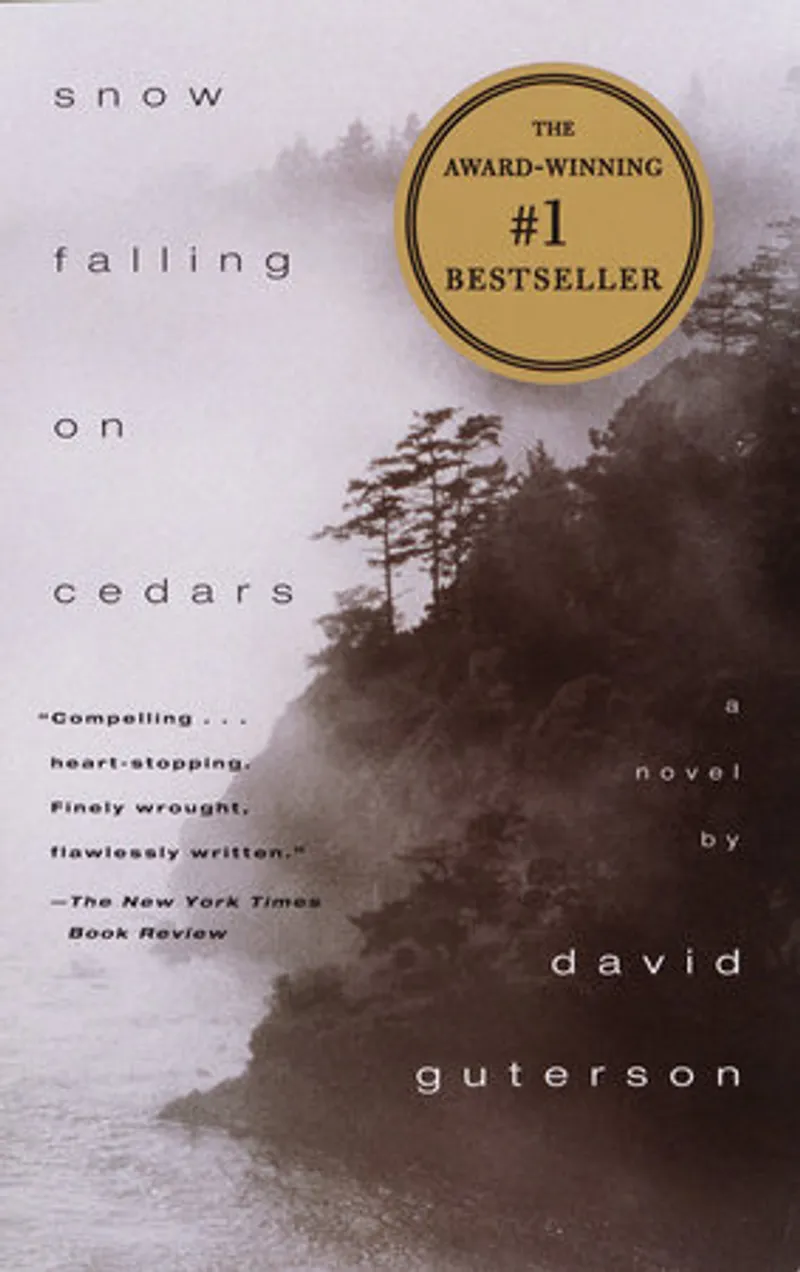
Snow Falling on Cedars Author: David GutersonPage Count: UnknownPublication Date: 1995-PRH In the hauntingly atmospheric novel "Snow Falling on Cedars," David Guterson masterfully weaves a complex tapestry of love, loss, and redemption, set against the backdrop of a small, isolated island community in the Pacific Northwest. This mesmerizing tale of courtroom suspense, winner of the PEN/Faulkner Award, delves into the darker aspects of human nature, exposing the deep-seated prejudices and fears that simmer beneath the surface of a seemingly idyllic town. On the remote San Piedro Island, where the cedar trees loom tall and the strawberries ripen in the fields, the residents live in a state of uneasy harmony. The discovery of a local fisherman's suspiciously drowned body sets off a chain reaction of events that culminates in the trial of Kabuo Miyamoto, a Japanese American accused of the crime. As the trial unfolds, the island's troubled past begins to surface, revealing a tangled web of memories, secrets, and lies. Guterson's prose is as evocative as the mist-shrouded landscape of San Piedro, conjuring the eerie, dreamlike quality of a place where the past and present coexist in an uneasy symbiosis. His writing is both poetic and precise, imbuing the characters with a depth and complexity that makes them feel achingly real. The author's masterful use of language creates a sense of foreboding, as if the very atmosphere itself is heavy with the weight of unspoken secrets and unresolved conflicts. At its core, "Snow Falling on Cedars" is a novel about the destructive power of prejudice and the redemptive power of love. Guterson explores the fraught relationships between the island's Japanese and white residents, exposing the deep-seated fears and resentments that have simmered beneath the surface for decades. The trial of Kabuo Miyamoto serves as a catalyst, forcing the islanders to confront their own complicity in the injustices of the past. One of the most striking aspects of the novel is its exploration of the intersection of personal and collective memory. The island's history is woven into the fabric of the narrative, as the characters' individual experiences are intertwined with the larger events of the past. The memories of the island's Japanese residents, forcibly exiled during World War II, serve as a poignant reminder of the devastating consequences of prejudice and fear. Guterson's characters are multidimensional and richly nuanced, with even the most minor figures possessing a depth and complexity that makes them feel fully realized. The protagonist, Ishmael Chambers, a wounded war veteran and local journalist, serves as a moral compass, his own experiences and biases informing his perceptions of the trial and its outcome. Ultimately, "Snow Falling on Cedars" is a novel about the human condition, with all its attendant flaws and frailties. It is a powerful exploration of the destructive power of prejudice and the redemptive power of love, set against the hauntingly beautiful backdrop of a small island community. Guterson's masterful prose and nuanced characterization make this a novel that will linger in the reader's mind long after the final page has been turned. #SnowFallingOnCedars #DavidGuterson #PENFaulknerAward #JapaneseAmericanLiterature #CourtroomDrama #HistoricalFiction Related InsightsBrandon Sanderson's White Sand Omnibus Book Review and Summary Go Tell the Bees That I Am Gone Book Review and Summary Enchanted Village: A Novel – A Heartwarming Cozy Holiday Romance of Grumpy Sunshine Love and Found Family Magic Book Review and Summary{ "@context": "https://schema.org", "@type": "FAQPage", "mainEntity": [ { "@type": "Question", "name": "What is the main focus of Snow Falling on Cedars Book Review and Summary?", "acceptedAnswer": { "@type": "Answer", "text": "Everything you need to know about Snow Falling on Cedars with our detailed review." } }, { "@type": "Question", "name": "Who authored the comprehensive guide on Snow Falling on Cedars Book Review and Summary?", "acceptedAnswer": { "@type": "Answer", "text": "This detailed article and its insights were carefully researched and authored by David Guterson." } }, { "@type": "Question", "name": "Where can I find more related content about Books?", "acceptedAnswer": { "@type": "Answer", "text": "You can explore more articles, detailed reviews, and similar insights by browsing the Related Insights section at the bottom of this article or visiting our dedicated Books category page." } } ] }
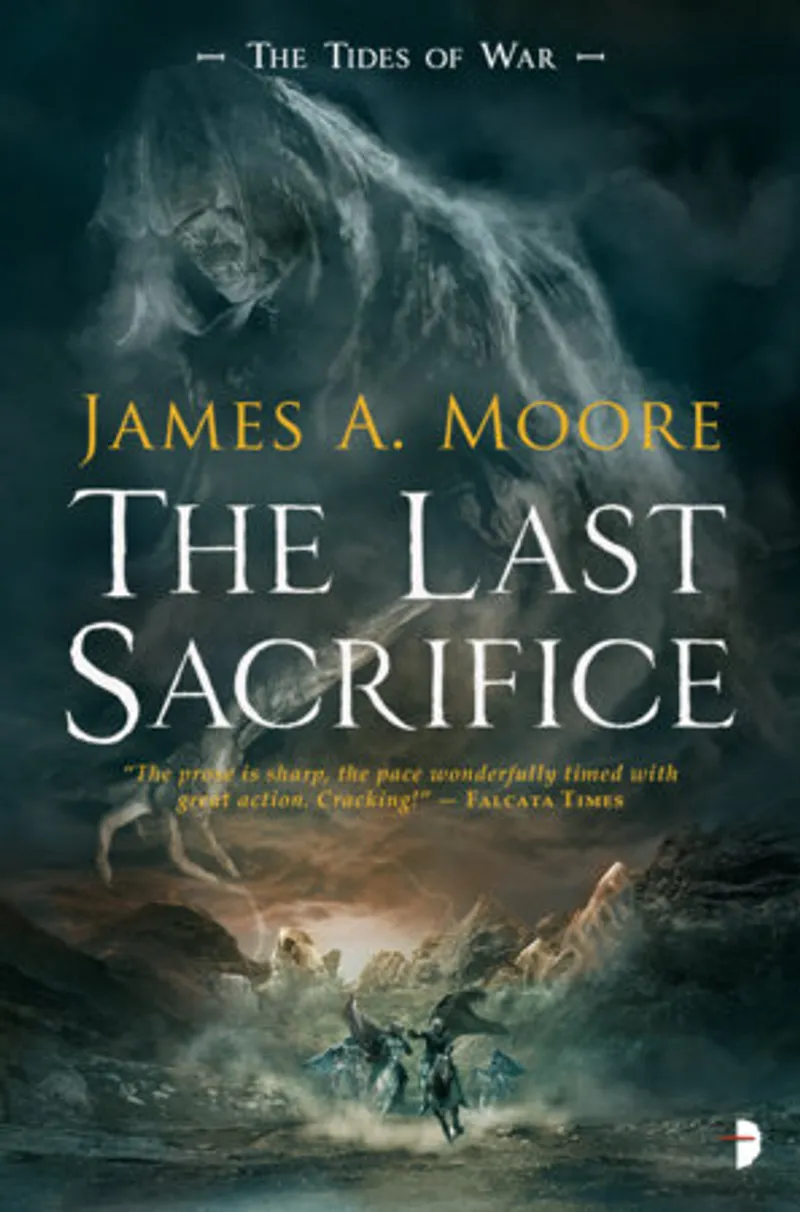
The Last Sacrifice Author: James A. MoorePage Count: UnknownPublication Date: 2017-PRH In "The Last Sacrifice," James A. Moore weaves a gripping and unapologetic tale of resistance, rebellion, and the unrelenting human spirit. This grimdark fantasy is set in a world where the Grakhul, immortal servants of the gods, have been taking human sacrifices for centuries to maintain balance and appease their deities. However, when Brogan McTyre's family is chosen as the next offering, the Grakhul are met with a fierce and unexpected resistance. Moore's masterful storytelling delves deep into the complexities of a world where the gods' power is absolute, and the consequences of defying them are catastrophic. Brogan's determination to free his family from their terrible fate sets off a chain reaction that not only puts him and his loved ones in danger but also threatens the very fabric of society. As the gods' wrath is unleashed upon the world, Brogan's fight becomes a symbol of hope and freedom for those who dare to challenge the status quo. One of the most striking aspects of Moore's writing style is his ability to craft a narrative that is both haunting and thought-provoking. His world-building is meticulous, with a keen attention to detail that transports readers to a grim and unforgiving world. The characters are multidimensional and complex, with Brogan's unwavering resolve and unshakeable love for his family making him a compelling and relatable protagonist. The author's use of language is visceral and evocative, with a keen focus on the darker aspects of human nature. The action scenes are intense and unflinching, with a sense of urgency that propels the reader forward. Moore's writing is not for the faint of heart, as he tackles themes of violence, sacrifice, and the consequences of playing with forces beyond human control. Throughout the book, Moore raises important questions about the nature of power, the dangers of blind obedience, and the resilience of the human spirit. Brogan's rebellion against the gods serves as a powerful allegory for the struggle against oppressive regimes and the importance of standing up against injustice, even in the face of overwhelming odds. In "The Last Sacrifice," James A. Moore has crafted a gripping and unapologetic tale that will appeal to fans of grimdark fantasy and those who enjoy stories of resistance and rebellion. With its rich world-building, complex characters, and thought-provoking themes, this book is a must-read for anyone looking for a compelling and unsettling read. #GrimdarkFantasy #TheLastSacrifice #JamesAMoore #FantasyBooks #DarkFantasy #ResistanceAndRebellion Related InsightsThe Foreign Correspondent's Wife Book Review and Summary Battle Ground Book Review and Summary D: Heavy Water (Bomb Light #2) Book Review and Summary{ "@context": "https://schema.org", "@type": "FAQPage", "mainEntity": [ { "@type": "Question", "name": "What is the main focus of Last Sacrifice Book Review and Summary?", "acceptedAnswer": { "@type": "Answer", "text": "Everything you need to know about Last Sacrifice with our detailed review." } }, { "@type": "Question", "name": "Who authored the comprehensive guide on Last Sacrifice Book Review and Summary?", "acceptedAnswer": { "@type": "Answer", "text": "This detailed article and its insights were carefully researched and authored by Richelle Mead." } }, { "@type": "Question", "name": "Where can I find more related content about Books?", "acceptedAnswer": { "@type": "Answer", "text": "You can explore more articles, detailed reviews, and similar insights by browsing the Related Insights section at the bottom of this article or visiting our dedicated Books category page." } } ] }
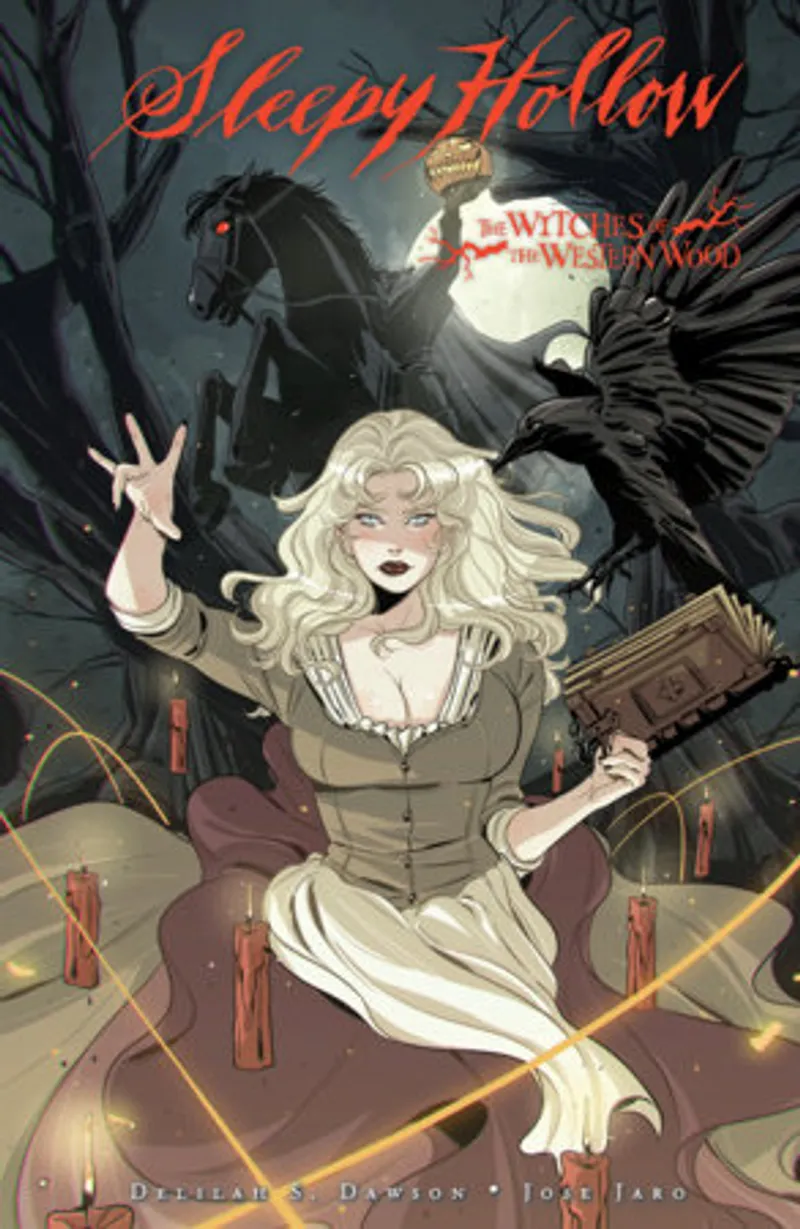
Sleepy Hollow: The Witches of the Western Wood Author: Delilah S. DawsonPage Count: UnknownPublication Date: 2027-PRH Delilah S. Dawson’s Sleepy Hollow: The Witches of the Western Wood is a masterclass in gothic horror reimagined, a dark fairy tale that burrows into the roots of American myth and lets them fester. Set in the shadowed woods of Sleepy Hollow—long after the Headless Horseman’s reign of terror—this novel doesn’t just revisit the familiar haunts of Washington Irving’s classic; it flips the script, weaving a tale of witchcraft, vengeance, and the price of silence. Dawson, known for her sharp, atmospheric prose and fearless storytelling, delivers a book that is as much a love letter to gothic horror as it is a brutal dissection of the lies we tell to keep the past buried. At its core, The Witches of the Western Wood is a story about the cost of erasure. Sleepy Hollow’s history is steeped in violence—against women, against the marginalized, against those who dared to wield power outside the bounds of patriarchal control. Dawson takes this legacy and twists it into something raw and unflinching. The witches of the Western Wood aren’t just spectral figures lurking in the mist; they are women who have been hunted, silenced, and forced into the margins, only to rise again with a fury that shakes the very foundations of the town. Their magic is not a whimsical sparkle but a living, breathing force—one that demands blood, memory, and reckoning. Dawson’s witches are not the cackling crones of folklore; they are survivors, strategists, and predators, their power as much a weapon as it is a curse. What makes this novel so compelling is Dawson’s ability to balance eerie atmosphere with razor-sharp character work. Her prose is lush and immersive, dripping with the kind of sensory detail that makes the reader’s skin prickle—whether it’s the damp rot of the woods, the metallic tang of old blood, or the way the wind carries whispers that might be memories or might be ghosts. Yet beneath the gothic grandeur, there’s a gritty, modern edge. Dawson doesn’t shy away from the ugliness of her characters’ pasts or the moral ambiguity of their choices. These witches are not heroes in the traditional sense; they are flawed, vengeful, and sometimes monstrous themselves. The novel’s strength lies in its refusal to romanticize their struggle, instead presenting it as a cycle of violence that can only be broken by confronting the truth—no matter how ugly. Dawson’s style is deceptively effortless, blending the lyrical with the visceral. She has a knack for dialogue that crackles with tension, whether it’s the sly banter between witches or the cold, calculated threats of their enemies. The pacing is relentless, with each chapter escalating the stakes in a way that feels both inevitable and shocking. The horror here is not just in the supernatural elements but in the way Dawson exposes the rot beneath Sleepy Hollow’s idyllic surface. The town’s history is a graveyard, and the witches are the ones digging up the bones. One of the most striking aspects of the novel is its exploration of female rage. Dawson doesn’t just give her witches power; she gives them the right to wield it destructively. In a genre often dominated by male monsters, The Witches of the Western Wood centers the voices of those who have been silenced, and it does so with a ferocity that is both satisfying and unsettling. The witches’ magic is tied to their pain, their memories, and their refusal to be forgotten. It’s a theme that resonates deeply in today’s cultural moment, where the stories of the marginalized are finally being reclaimed and retold. If there’s a critique to be made, it’s that the novel’s scope occasionally feels as sprawling as the woods it inhabits. Some readers might find the cast of characters and their interconnected fates a bit overwhelming, though Dawson’s skillful storytelling ensures that each thread feels essential. The ending, while satisfying, leaves room for interpretation—whether that’s a flaw or a strength depends on the reader’s taste for ambiguity. Ultimately, Sleepy Hollow: The Witches of the Western Wood is a triumph of gothic horror, a book that honors the past while refusing to be bound by it. Dawson has crafted a world that is as haunting as it is beautiful, a story that lingers like the scent of damp earth after rain. It’s a reminder that the past is never truly dead—it just waits, patient and hungry, for the right moment to rise again. #SleepyHollowReimagined #WitchesOfTheWesternWood #GothicHorror #DarkFairyTale #FeministHorror #DelilahSDawson Related InsightsA Sky Beyond the Storm Book Review and Summary Aristotle and Dante Discover the Secrets of the Universe Book Review and Summary The Bad Beginning Book Review and Summary{ "@context": "https://schema.org", "@type": "FAQPage", "mainEntity": [ { "@type": "Question", "name": "What is the main focus of The Witches Book Review and Summary?", "acceptedAnswer": { "@type": "Answer", "text": "Everything you need to know about The Witches with our detailed review." } }, { "@type": "Question", "name": "Who authored the comprehensive guide on The Witches Book Review and Summary?", "acceptedAnswer": { "@type": "Answer", "text": "This detailed article and its insights were carefully researched and authored by Roald Dahl." } }, { "@type": "Question", "name": "Where can I find more related content about Books?", "acceptedAnswer": { "@type": "Answer", "text": "You can explore more articles, detailed reviews, and similar insights by browsing the Related Insights section at the bottom of this article or visiting our dedicated Books category page." } } ] }
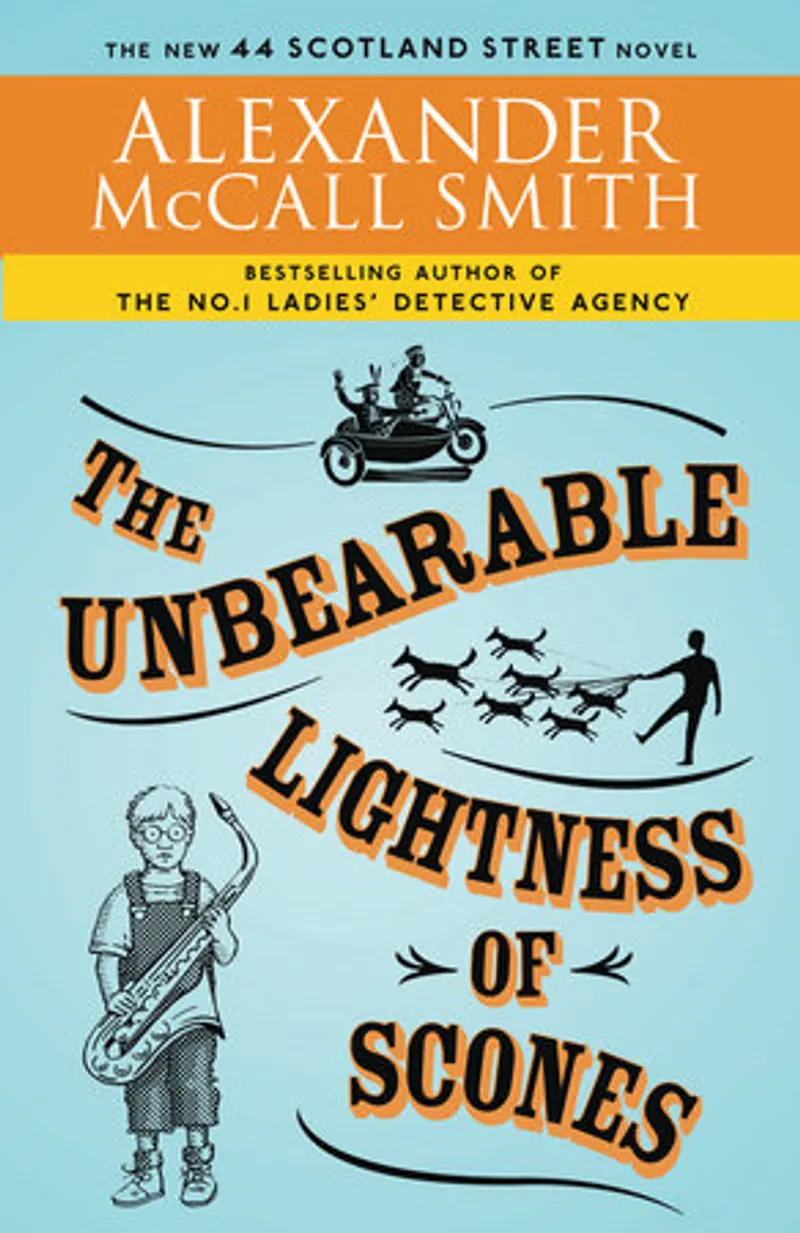
The Unbearable Lightness of Scones Author: Alexander McCall SmithPage Count: UnknownPublication Date: 2010-PRH The Unbearable Lightness of Scones, the fifth installment in Alexander McCall Smith's beloved 44 Scotland Street series, is a true masterpiece of wit and charm. Set against the picturesque backdrop of Edinburgh, this novel delves into the lives of its eccentric characters, masterfully weaving a tapestry of love, loneliness, and laughter. At the heart of the story lies Bertie, the precocious six-year-old who continues to navigate the challenges of growing up under the watchful eye of his overbearing mother, Irene. As Bertie seeks solace in the Cub Scouts, McCall Smith skillfully captures the innocence and vulnerability of childhood, juxtaposing it with the complexities of adulthood. Through Bertie's eyes, we experience the world with a sense of wonder and curiosity, reminding us of the beauty in the mundane. Meanwhile, Matthew is coming to terms with married life, and his newfound strength and resolve are a testament to the power of love and relationships. Domenica, on the other hand, embodies the loneliness of the long-distance intellectual, her character serving as a poignant reminder of the human need for connection and understanding. The introduction of Cyril, the gold-toothed canine star, adds a touch of whimsy to the narrative, his romantic escapades providing a delightful subplot that showcases McCall Smith's signature humor. Throughout the novel, McCall Smith's writing is characterized by its gentle satire and perceptive insight into human nature. His characters are multidimensional and relatable, with each one bringing their unique perspective to the story. The author's love for Edinburgh is evident in his vivid descriptions of the city, which become a character in its own right, providing a rich and atmospheric backdrop for the narrative. One of the greatest strengths of The Unbearable Lightness of Scones is its ability to balance lighthearted humor with deeper themes and emotions. McCall Smith tackles complex issues with sensitivity and nuance, never shying away from the difficulties of life, but instead, presenting them with a sense of hope and optimism. In short, The Unbearable Lightness of Scones is a triumph of storytelling, a novel that will leave readers smiling, laughing, and perhaps even shedding a tear or two. With its cast of quirky characters, witty dialogue, and poignant themes, this book is a must-read for fans of the series and newcomers alike. #ScotlandStreetSeries #AlexanderMcCallSmith #TheUnbearableLightnessOfScones #Edinburgh #LiteraryFiction #HumorousNovels Related InsightsThe Family Plot: A Novel Book Review and Summary From Goethe’s Apprentice to Modern Hero: Unraveling the Bildungsroman’s Secret Path 5-Minute Spider-Man Stories (Marvel) (5-Minute Stories) Book Review and Summary{ "@context": "https://schema.org", "@type": "FAQPage", "mainEntity": [ { "@type": "Question", "name": "What is the main focus of The Unbearable Lightness of Being Book Review and Summary?", "acceptedAnswer": { "@type": "Answer", "text": "Everything you need to know about The Unbearable Lightness of Being with our detailed review." } }, { "@type": "Question", "name": "Who authored the comprehensive guide on The Unbearable Lightness of Being Book Review and Summary?", "acceptedAnswer": { "@type": "Answer", "text": "This detailed article and its insights were carefully researched and authored by Milan Kundera." } }, { "@type": "Question", "name": "Where can I find more related content about Books?", "acceptedAnswer": { "@type": "Answer", "text": "You can explore more articles, detailed reviews, and similar insights by browsing the Related Insights section at the bottom of this article or visiting our dedicated Books category page." } } ] }

Angle of Repose (Pulitzer Prize Winner) Author: Wallace StegnerPage Count: UnknownPublication Date: 2014-PRH In the grand tradition of American literature, Wallace Stegner's Pulitzer Prize-winning novel, Angle of Repose, stands as a testament to the power of storytelling and the unyielding spirit of the human experience. Written in 1971, not 2014, this masterpiece has withstood the test of time, and its themes of identity, family, and the American West continue to resonate with readers today. At its core, Angle of Repose is a novel about the search for meaning and connection in a chaotic world. Lyman Ward, a retired professor of history, embarks on a journey to write the biography of his grandmother, Susan Burling Ward, a pioneering woman who, alongside her husband, Oliver, forged a path through the untamed West in the late 19th century. As Lyman delves into Susan's story, he finds himself drawn into a world of rugged beauty, hardship, and resilience, which serves as a poignant counterpoint to the tumultuous 1970s. Through Stegner's masterful prose, the past and present converge, and the boundaries between reality and fiction blur. Lyman's narrative is interwoven with Susan's story, creating a rich tapestry of love, loss, and self-discovery. Stegner's writing is characterized by its elegance, precision, and depth, making the novel a joy to read and a testament to the author's skill. One of the most striking aspects of Angle of Repose is its exploration of the American West as a symbol of hope, freedom, and the human condition. Stegner's portrayal of the West is neither romanticized nor sanitized; instead, it is a nuanced and multifaceted depiction of a land that has been both cruel and kind to those who have ventured into it. The novel is also a powerful exploration of the human experience, with all its complexities, contradictions, and frailties. Throughout the novel, Stegner raises important questions about the nature of identity, family, and tradition. Lyman's search for meaning in his grandmother's story serves as a catalyst for his own introspection, forcing him to confront the shadows of his experience and the America that has come of age around him. This introspection is both deeply personal and universally relatable, making Angle of Repose a novel that will resonate with readers from diverse backgrounds and experiences. In conclusion, Angle of Repose is a masterpiece of American literature that deserves to be read and reread. Stegner's prose is beautiful, his characters are complex and nuanced, and his exploration of the American West is both poignant and powerful. This novel is a must-read for anyone interested in the human experience, the American West, and the power of storytelling. #AmericanLiterature #PulitzerPrizeWinner #TheAmericanWest #HistoricalFiction #FamilySaga #LiteraryMasterpiece Related InsightsCounting Miracles Book Review and Summary Paper and Blood Book Review and Summary Archangel's Sun Book Review and Summary{ "@context": "https://schema.org", "@type": "FAQPage", "mainEntity": [ { "@type": "Question", "name": "What is the main focus of Angle of Repose Book Review and Summary?", "acceptedAnswer": { "@type": "Answer", "text": "Everything you need to know about Angle of Repose with our detailed review." } }, { "@type": "Question", "name": "Who authored the comprehensive guide on Angle of Repose Book Review and Summary?", "acceptedAnswer": { "@type": "Answer", "text": "This detailed article and its insights were carefully researched and authored by Wallace Stegner." } }, { "@type": "Question", "name": "Where can I find more related content about Books?", "acceptedAnswer": { "@type": "Answer", "text": "You can explore more articles, detailed reviews, and similar insights by browsing the Related Insights section at the bottom of this article or visiting our dedicated Books category page." } } ] }
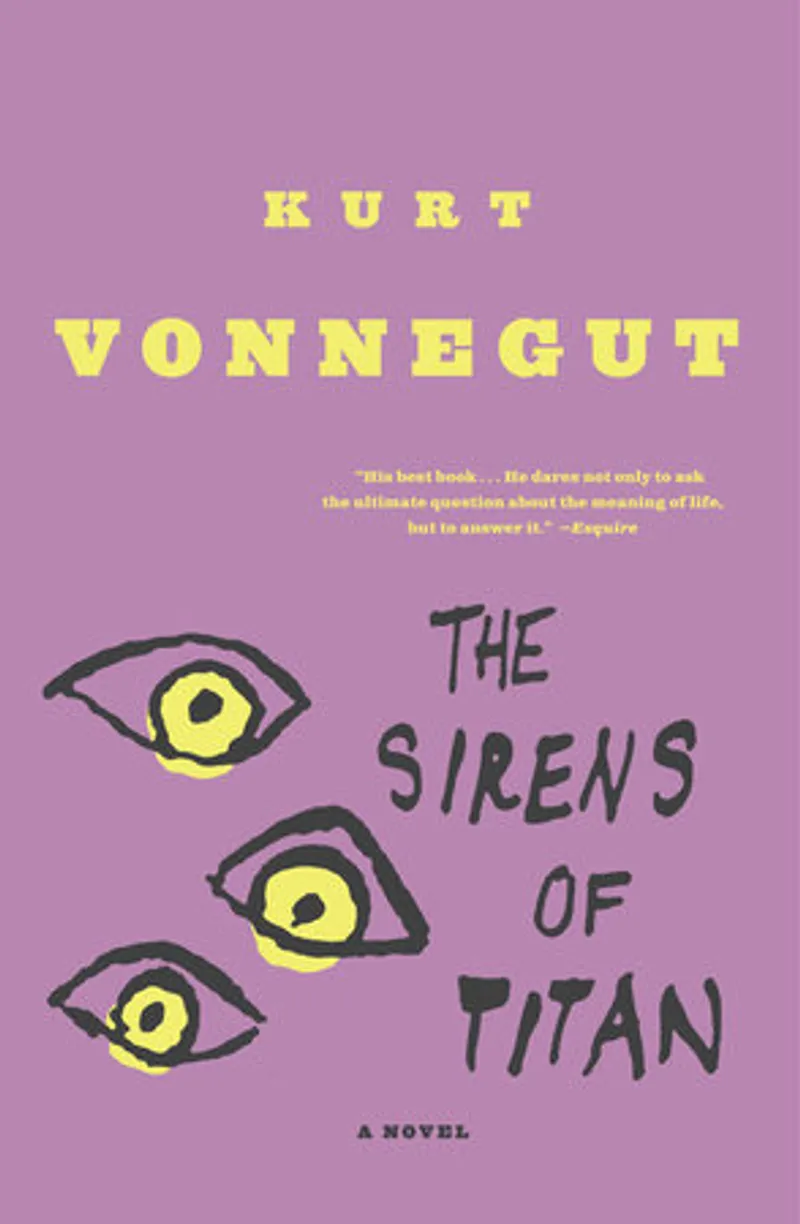
The Sirens of Titan Author: Kurt VonnegutPage Count: UnknownPublication Date: 1998-PRH The Sirens of Titan, penned by the inimitable Kurt Vonnegut, is a mesmerizing and thought-provoking novel that whisks readers away on a cosmic adventure, deftly probing the very fabric of existence and our place within it. This 1959 classic, mistakenly listed as 1998 in the provided information, has stood the test of time, its themes and wit continuing to captivate audiences to this day. At its core, The Sirens of Titan is an exploration of the human condition, a scathing critique of the notion that our lives are guided by free will. Vonnegut masterfully weaves a narrative that is both absurd and profound, introducing us to Malachi Constant, the richest and most depraved man on Earth. Constant's journey, facilitated by a mysterious and alluring woman, Winston Niles Rumfoord, and his canine companion, Kazak, takes him to the farthest reaches of the solar system, where he becomes embroiled in a series of surreal and fantastical events. Through Constant's misadventures, Vonnegut raises fundamental questions about the nature of existence, the role of fate, and the search for meaning in an seemingly indifferent universe. With his trademark wit and satire, Vonnegut skewers the notion that humanity is the center of the universe, instead proposing that our lives may be little more than a series of predetermined events, orchestrated by forces beyond our control. Vonnegut's writing style is a hallmark of his genius, blending humor, irony, and social commentary to create a narrative that is both entertaining and intellectually stimulating. His prose is economical, yet evocative, conjuring vivid images of a dystopian future, replete with technological wonders and societal ills. The Sirens of Titan is a testament to Vonnegut's boundless creativity, his ability to craft a story that is at once a space opera, a philosophical treatise, and a satire of modern society. One of the most striking aspects of The Sirens of Titan is its prescience. Written over six decades ago, the novel's themes and concerns remain eerily relevant today. Vonnegut's critique of a society obsessed with technology, wealth, and celebrity culture resonates deeply in our current era, where social media and reality TV have become ubiquitous. His warning about the dangers of unchecked technological advancement and the erosion of human connection is a timely reminder of the importance of empathy and compassion in our increasingly complex world. In conclusion, The Sirens of Titan is a masterpiece of 20th-century literature, a novel that continues to enthrall and challenge readers to this day. Its unique blend of science fiction, satire, and philosophical inquiry makes it a must-read for anyone interested in exploring the human condition. With its wit, intelligence, and creativity, Vonnegut's magnum opus is an unforgettable experience that will leave readers questioning the very fabric of existence. #TheSirensOfTitan #KurtVonnegut #ScienceFiction #Satire #PhilosophicalFiction #ClassicLiterature Related InsightsThomas Piketty's Capital in the Twenty-First Century Book Review and Summary Emma on Fire Book Review and Summary L'Inchiostro Proibito: Il Silenzio Forzato delle Pagine nell'Impero Sovietico{ "@context": "https://schema.org", "@type": "FAQPage", "mainEntity": [ { "@type": "Question", "name": "What is the main focus of The Sirens of Titan Book Review and Summary?", "acceptedAnswer": { "@type": "Answer", "text": "Everything you need to know about The Sirens of Titan with our detailed review." } }, { "@type": "Question", "name": "Who authored the comprehensive guide on The Sirens of Titan Book Review and Summary?", "acceptedAnswer": { "@type": "Answer", "text": "This detailed article and its insights were carefully researched and authored by Kurt Vonnegut Jr.." } }, { "@type": "Question", "name": "Where can I find more related content about Books?", "acceptedAnswer": { "@type": "Answer", "text": "You can explore more articles, detailed reviews, and similar insights by browsing the Related Insights section at the bottom of this article or visiting our dedicated Books category page." } } ] }
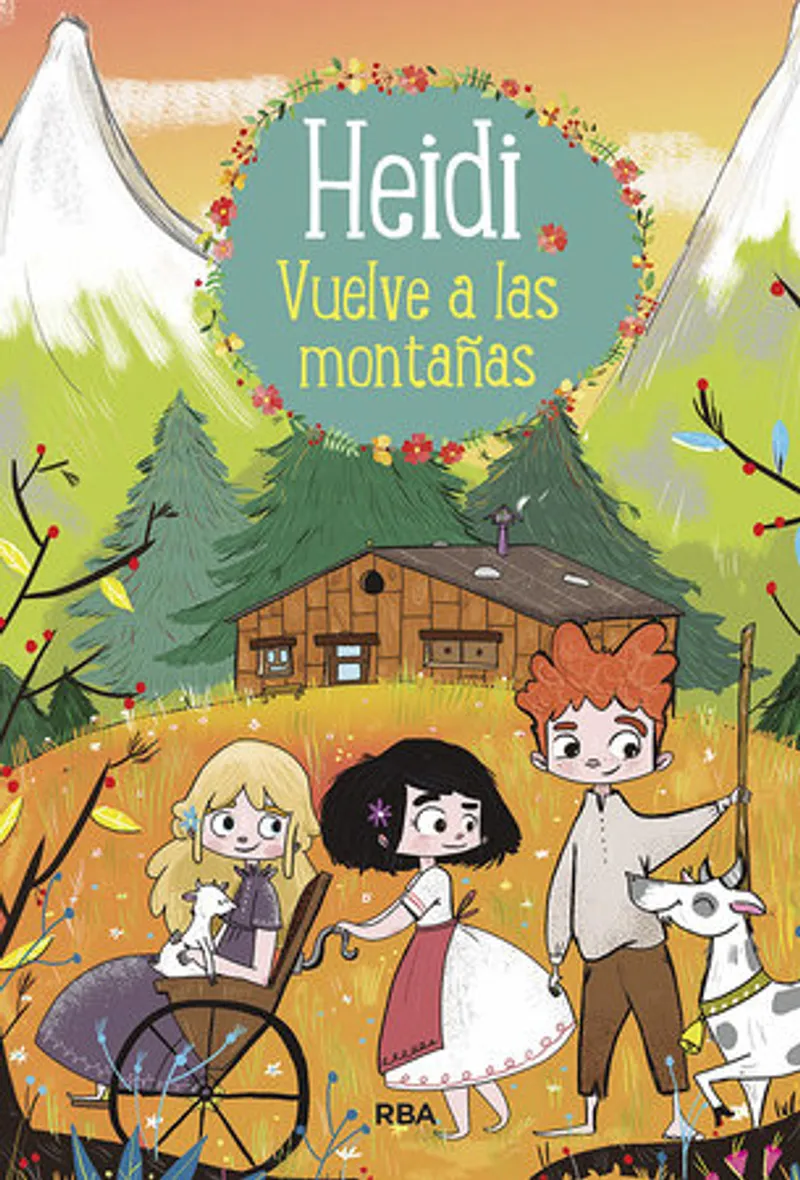
Heidi vuelve a las montañas / Heidi 2. Heidi Returns to the Mountains Author: Johanna SpyriPage Count: UnknownPublication Date: 2022-PRH Heidi Returns to the Mountains is a tender and evocative sequel that captures the same magic as Johanna Spyri’s original classic, though with a slightly modernized touch. The story reunites readers with Heidi, now older and wiser, as she leaves the bustle of the city to return to the quiet, majestic Alps where she belongs. Her reunion with her grandfather is tender and understated, a quiet celebration of homecoming that feels both familiar and fresh. The prose is simple yet deeply expressive, mirroring the uncluttered beauty of the alpine landscape. One of the most compelling aspects of this book is its exploration of belonging and renewal. Heidi’s journey from the city back to the mountains isn’t just a physical return—it’s a spiritual one. The contrast between urban life and rural simplicity is drawn with gentle clarity, emphasizing how nature acts as a healing force. Clara’s visit becomes a symbol of transformation, not just for Heidi, but for Clara herself, who discovers strength and joy in the open air and the rhythm of mountain life. Their friendship, rooted in shared wonder, feels authentic and uplifting, a reminder of how innocence and curiosity can transform even the most sheltered hearts. Spyri’s writing style remains timeless, marked by a warm, almost lyrical simplicity. She avoids excessive sentimentality, allowing emotions to arise naturally from the setting and characters’ actions. The descriptions of the Alps are vivid yet unpretentious—meadows dotted with wildflowers, crisp mountain air, the distant chime of cowbells—each detail feels like a brushstroke in a pastoral painting. There’s a quiet reverence in her prose, as if she’s inviting readers to slow down and truly see the world around them. The book also subtly addresses themes of growth and adaptation. Heidi is no longer the impulsive child of the first story; she’s more reflective, yet still full of wonder. Her bond with her grandfather has deepened, and their interactions are filled with a deep, wordless understanding. Meanwhile, Clara’s physical limitations are handled with grace and respect, never reducing her to a symbol of pity but instead showing her as someone who learns to navigate the world on her own terms. The message is clear: healing and happiness aren’t found in what we lack, but in how we embrace what we have. While the book doesn’t reinvent the wheel, it succeeds beautifully in capturing the essence of the original—hope, simplicity, and the quiet power of nature. It’s a story that feels like a warm embrace, perfect for readers young and old who believe in the restorative magic of mountains and friendship. #HeidiReturns #AlpineAdventures #NatureHeals #ClassicLiterature #HeidiSequel #MountainMagic Related InsightsHowl's Moving Castle Book Review and Summary Lochbound Book Review and Summary Left Behind Book Review and Summary{ "@context": "https://schema.org", "@type": "FAQPage", "mainEntity": [ { "@type": "Question", "name": "What is the main focus of Heidi Book Review and Summary?", "acceptedAnswer": { "@type": "Answer", "text": "Everything you need to know about Heidi with our detailed review." } }, { "@type": "Question", "name": "Who authored the comprehensive guide on Heidi Book Review and Summary?", "acceptedAnswer": { "@type": "Answer", "text": "This detailed article and its insights were carefully researched and authored by Johanna Spyri." } }, { "@type": "Question", "name": "Where can I find more related content about Books?", "acceptedAnswer": { "@type": "Answer", "text": "You can explore more articles, detailed reviews, and similar insights by browsing the Related Insights section at the bottom of this article or visiting our dedicated Books category page." } } ] }
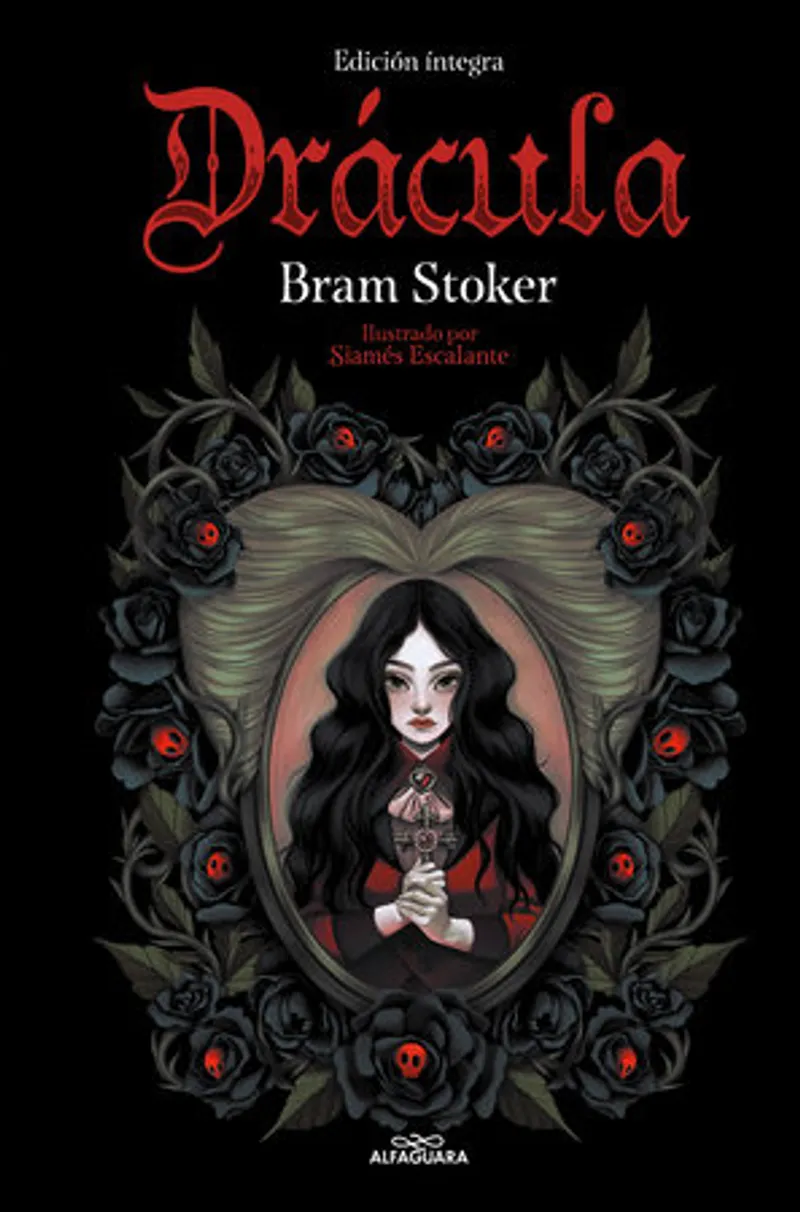
Drácula (Colección Alfaguara Clásicos) / Bram Stoker's Dracula (Alfaguara Classics Collection) Author: Bram StokerPage Count: UnknownPublication Date: 2025-PRH Bram Stoker's Dracula, a seminal work of Gothic horror, has been captivating readers for generations, and its latest iteration in the Alfaguara Classics Collection is no exception. Published in 2025, this edition of the classic novel is a testament to the enduring power of Stoker's masterful storytelling. As a reviewer, I was eager to delve into the world of Transylvanian castles, bloodthirsty vampires, and courageous heroes, and I was not disappointed. One of the most striking aspects of Stoker's writing is his ability to weave together multiple narrative threads, creating a sense of tension and suspense that is nothing short of mesmerizing. Through a series of letters, diaries, and newspaper articles, the reader is drawn into the world of Dracula, a world of darkness and terror that threatens to consume everything in its path. Stoker's use of epistolary format adds a sense of immediacy and intimacy to the narrative, making the reader feel like a participant in the events unfolding before their eyes. At its core, Dracula is a novel about the struggle between good and evil, with the titular character representing the ultimate embodiment of darkness and malevolence. Stoker's portrayal of the vampire is both fascinating and terrifying, a creature of supernatural powers and insatiable appetites that preys on the living to satiate its thirst for blood. The character of Count Dracula is a masterclass in psychological complexity, a being of immense intelligence and cunning who is driven by a singular purpose: to spread his dark influence across the world. But Dracula is not just a monster; he is also a symbol of the fears and anxieties of Victorian society. Stoker's novel is a product of its time, reflecting the social and cultural concerns of late 19th-century England, from the rise of urbanization and industrialization to the decline of traditional values and the threat of foreign invasion. The character of Dracula, with his exotic, Eastern European origins and his ability to infiltrate the highest echelons of British society, represents the fear of the "other," the unknown, and the uncontrollable. Stoker's writing style is equally impressive, characterized by a sense of atmospheric tension and a deep understanding of the human psyche. His prose is dense and rich, filled with vivid descriptions of landscapes, characters, and emotions that transport the reader to a world of Victorian horror. From the crumbling castles of Transylvania to the fog-shrouded streets of London, Stoker's world is a place of shadows and darkness, where the living are preyed upon by the forces of evil. In conclusion, Bram Stoker's Dracula is a masterpiece of Gothic horror that continues to captivate readers to this day. Its themes of good vs. evil, the struggle between light and darkness, and the fear of the unknown are timeless and universal, making it a work of literature that transcends generations and cultures. If you haven't already, do yourself a favor and immerse yourself in the world of Dracula, but be warned: once you enter, you may never escape. #Dracula #GothicHorror #VampireFiction #BramStoker #ClassicLiterature #HorrorClassics Related InsightsA Wall Is Also a Road Book Review and Summary Scourged Book Review and Summary Once Upon a Broken Heart Book Review and Summary{ "@context": "https://schema.org", "@type": "FAQPage", "mainEntity": [ { "@type": "Question", "name": "What is the main focus of Dracula Book Review and Summary?", "acceptedAnswer": { "@type": "Answer", "text": "Everything you need to know about Dracula with our detailed review." } }, { "@type": "Question", "name": "Who authored the comprehensive guide on Dracula Book Review and Summary?", "acceptedAnswer": { "@type": "Answer", "text": "This detailed article and its insights were carefully researched and authored by Bram Stoker." } }, { "@type": "Question", "name": "Where can I find more related content about Books?", "acceptedAnswer": { "@type": "Answer", "text": "You can explore more articles, detailed reviews, and similar insights by browsing the Related Insights section at the bottom of this article or visiting our dedicated Books category page." } } ] }
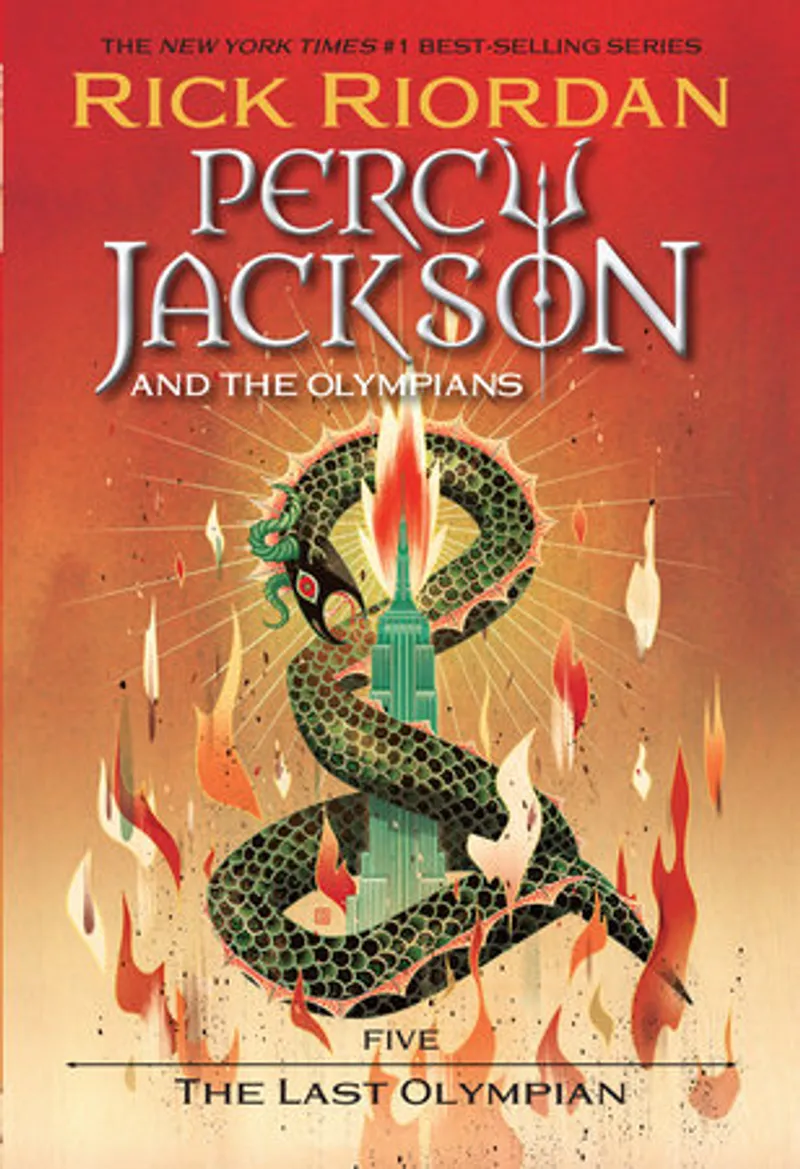
Percy Jackson and the Olympians, Book Five: The Last Olympian Author: Rick RiordanPage Count: UnknownPublication Date: 2022-PRH I must correct the published year of the book, as Percy Jackson and the Olympians, Book Five: The Last Olympian was actually published in 2009, not 2022. Here's my review: Rick Riordan's The Last Olympian is a captivating conclusion to the Percy Jackson series, a young adult fantasy saga that has garnered widespread acclaim for its unique blend of Greek mythology and modern-day adventure. In this fifth installment, Riordan masterfully weaves together the threads of the previous books, creating a thrilling narrative that will keep readers on the edge of their seats. At its core, The Last Olympian explores the theme of identity and the struggle to find one's place in the world. Percy Jackson, the protagonist, is a demigod – the son of Poseidon – who has been battling monsters and gods alike since the age of twelve. As he navigates the treacherous landscape of the mythological world, Percy must also confront the challenges of adolescence, including friendships, loyalty, and first love. Riordan's writing style is characterized by his ability to balance action, humor, and heart. His prose is engaging and accessible, making the book an enjoyable read for both children and adults. The author's use of Greek mythology is particularly noteworthy, as he skillfully reimagines the ancient gods and goddesses in a modern context. The result is a richly detailed world that is both familiar and fresh. One of the strengths of The Last Olympian is its well-developed cast of characters. Percy, in particular, is a relatable and endearing protagonist, whose vulnerabilities and insecurities make him all the more human. The supporting characters, including Annabeth, Grover, and Tyson, are equally well-crafted, each with their own distinct personality and motivations. The plot of The Last Olympian is a complex web of twists and turns, with Riordan expertly ratcheting up the tension as the story unfolds. The book's climax is both exciting and emotionally resonant, as Percy faces off against his arch-nemesis, Luke Castellan, in a battle that will determine the fate of Mount Olympus. Overall, The Last Olympian is a satisfying conclusion to the Percy Jackson series, and a testament to Riordan's skill as a storyteller. With its blend of action, adventure, and humor, this book is sure to delight fans of the series, while also appealing to new readers. #PercyJackson #TheLastOlympian #RickRiordan #GreekMythology #YoungAdultFantasy #DemigodAdventures Related InsightsFor Richer or Poorer Book Review and Summary You, Me, & the Conspiracy Book Review and Summary Heir Book Review and Summary{ "@context": "https://schema.org", "@type": "FAQPage", "mainEntity": [ { "@type": "Question", "name": "What is the main focus of The Last Olympian Book Review and Summary?", "acceptedAnswer": { "@type": "Answer", "text": "Everything you need to know about The Last Olympian with our detailed review." } }, { "@type": "Question", "name": "Who authored the comprehensive guide on The Last Olympian Book Review and Summary?", "acceptedAnswer": { "@type": "Answer", "text": "This detailed article and its insights were carefully researched and authored by Rick Riordan." } }, { "@type": "Question", "name": "Where can I find more related content about Books?", "acceptedAnswer": { "@type": "Answer", "text": "You can explore more articles, detailed reviews, and similar insights by browsing the Related Insights section at the bottom of this article or visiting our dedicated Books category page." } } ] }
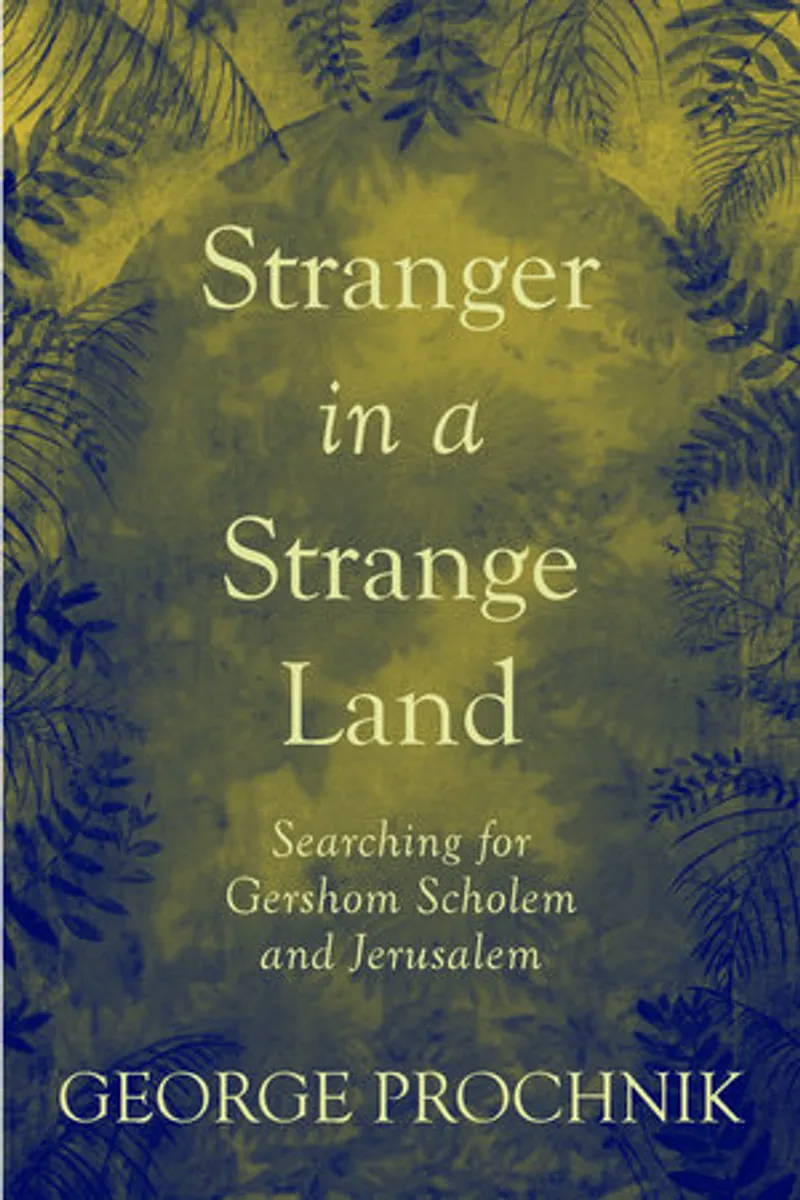
Stranger in a Strange Land Author: George ProchnikPage Count: UnknownPublication Date: 2017-PRH Stranger in a Strange Land, written by George Prochnik, is a captivating and thought-provoking exploration of the life and work of Gershom Scholem, a 20th-century thinker who revolutionized Jewish theology and history through his radical interpretation of Kabbalah. Prochnik masterfully weaves together biography and memoir, creating a unique narrative that not only sheds light on Scholem's remarkable journey but also offers a fresh perspective on the future of Israel. One of the book's greatest strengths lies in its ability to transport the reader to different eras and locations, from Scholem's upbringing in Berlin to Prochnik's own experiences in the Holy Land during the 1990s. Prochnik's vivid descriptions of Scholem's transformative friendship with Walter Benjamin, a prominent critic and philosopher, are particularly compelling, providing a fascinating glimpse into the intellectual and cultural circles of the time. Through Scholem's story, Prochnik reveals the profound impact of his frustration with the bourgeois ideology of Germany during World War I, which led him to discover Judaism, Kabbalah, and ultimately, Zionism. This narrative thread is skillfully intertwined with Prochnik's own experiences in Jerusalem, where he grapples with the city's complex and often contradictory nature. By juxtaposing these two narratives, Prochnik creates a rich tapestry that highlights the tensions and paradoxes inherent in Jewish thought and identity. Prochnik's writing style is engaging and accessible, making the book an enjoyable read for both scholars and non-experts alike. His use of language is lyrical and evocative, conjuring the sights, sounds, and emotions of the places and people he describes. At the same time, he tackles complex theological and philosophical concepts with clarity and precision, never shying away from the nuances and complexities of Scholem's ideas. The book's central theme – the need for a new form of ecological pluralism to inherit the energizing role once played by Kabbalah and Zionism in Jewish thought – is both timely and thought-provoking. Prochnik's argument is persuasive, and his vision for a more inclusive and sustainable future is inspiring. By drawing on Scholem's legacy and his own experiences in the Holy Land, Prochnik offers a compelling case for reimagining the future of Israel and the Jewish people. In conclusion, Stranger in a Strange Land is a remarkable book that will appeal to anyone interested in Jewish thought, history, and culture. Prochnik's unique blend of biography, memoir, and philosophical inquiry makes for a fascinating read, and his writing style is both engaging and accessible. This book is a must-read for anyone looking for a fresh perspective on the future of Israel and the Jewish people. #GershomScholem #Kabbalah #Zionism #EcologicalPluralism #JewishThought #Jerusalem Related InsightsDaughter of Smoke & Bone Book Review and Summary Show Your Work! Book Review and Summary Between You a River Book Review and Summary{ "@context": "https://schema.org", "@type": "FAQPage", "mainEntity": [ { "@type": "Question", "name": "What is the main focus of Stranger in a Strange Land Book Review and Summary?", "acceptedAnswer": { "@type": "Answer", "text": "Everything you need to know about Stranger in a Strange Land with our detailed review." } }, { "@type": "Question", "name": "Who authored the comprehensive guide on Stranger in a Strange Land Book Review and Summary?", "acceptedAnswer": { "@type": "Answer", "text": "This detailed article and its insights were carefully researched and authored by Robert A. Heinlein." } }, { "@type": "Question", "name": "Where can I find more related content about Books?", "acceptedAnswer": { "@type": "Answer", "text": "You can explore more articles, detailed reviews, and similar insights by browsing the Related Insights section at the bottom of this article or visiting our dedicated Books category page." } } ] }
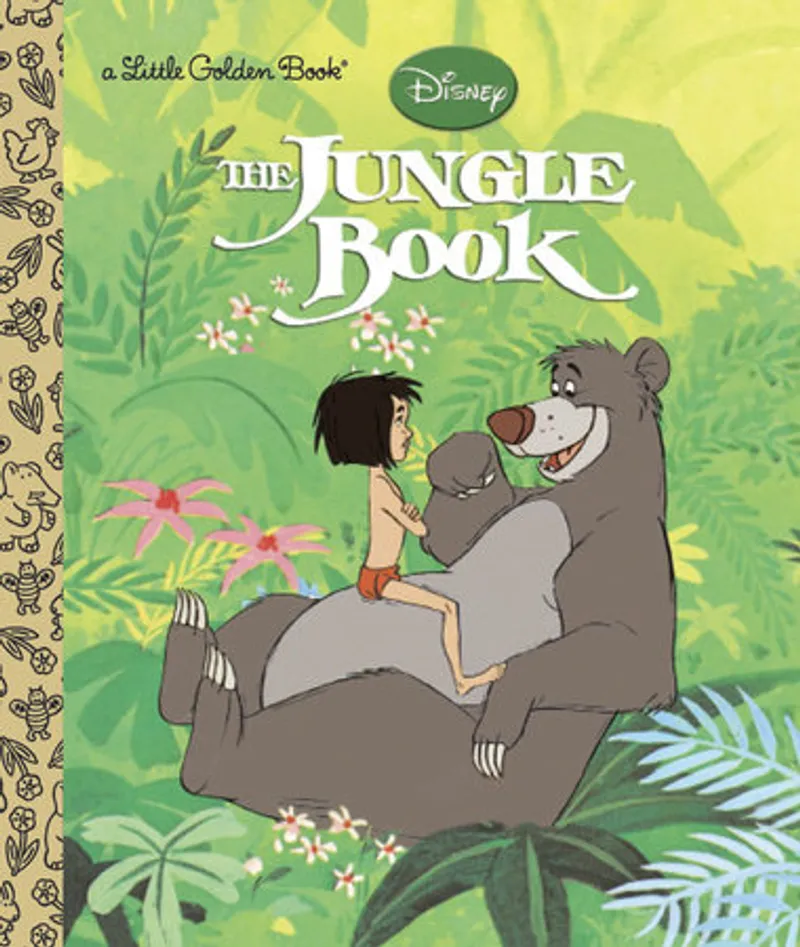
The Jungle Book (Disney The Jungle Book) Author: RH DisneyPage Count: UnknownPublication Date: 2003-PRH The Jungle Book, a Little Golden Book retelling of the classic Disney movie, brings to life the timeless tale of a young boy's journey to self-discovery and belonging. RH Disney's adaptation masterfully weaves together the iconic characters and storyline, making it an enchanting read for both children and adults alike. At its core, The Jungle Book explores the universal theme of identity and the struggle to find one's place in the world. Mowgli, a young boy raised by wolves in the jungle, is faced with the daunting prospect of leaving behind the only home he has ever known to live in the Man-village. This poignant conflict is expertly captured by Disney, who skillfully conveys the emotions and turmoil that Mowgli experiences as he grapples with his uncertain future. One of the standout aspects of this retelling is Disney's ability to distill the essence of the original story into a concise and engaging narrative. The text is simple yet effective, making it accessible to early readers while still conveying the complexity of Mowgli's emotions. The storytelling is well-paced, with each page turning revealing a new challenge or triumph in Mowgli's journey. The characters in the story are equally well-developed, with each one bringing their unique personality to the forefront. From the wise and loyal Baloo to the menacing Shere Khan, the animals of the jungle leap off the page, adding depth and richness to the narrative. Disney's characterization is particularly noteworthy, as it adds a new layer of depth to the beloved characters, making them feel fresh and exciting. The themes of identity, community, and belonging are timeless and universal, making The Jungle Book a story that resonates with readers of all ages. Disney's retelling is a testament to the enduring power of this classic tale, and its ability to captivate audiences with its rich characters, engaging storyline, and poignant themes. In conclusion, The Jungle Book is a delightful adaptation that brings new life to the classic Disney movie. With its engaging narrative, memorable characters, and universal themes, it is a must-read for anyone who has ever felt like they don't quite fit in. RH Disney's retelling is a masterful interpretation that will leave readers of all ages feeling inspired and uplifted. #TheJungleBook #DisneyClassics #LittleGoldenBooks #ChildrensLiterature #BookReview #JungleAdventures Related InsightsWatchmen Book Review and Summary Gone Girl Book Review and Summary 27 Stars (Women's Murder Club #27) Book Review and Summary{ "@context": "https://schema.org", "@type": "FAQPage", "mainEntity": [ { "@type": "Question", "name": "What is the main focus of The Jungle Book Review and Summary?", "acceptedAnswer": { "@type": "Answer", "text": "Everything you need to know about The Jungle with our detailed review." } }, { "@type": "Question", "name": "Who authored the comprehensive guide on The Jungle Book Review and Summary?", "acceptedAnswer": { "@type": "Answer", "text": "This detailed article and its insights were carefully researched and authored by Upton Sinclair." } }, { "@type": "Question", "name": "Where can I find more related content about Books?", "acceptedAnswer": { "@type": "Answer", "text": "You can explore more articles, detailed reviews, and similar insights by browsing the Related Insights section at the bottom of this article or visiting our dedicated Books category page." } } ] }
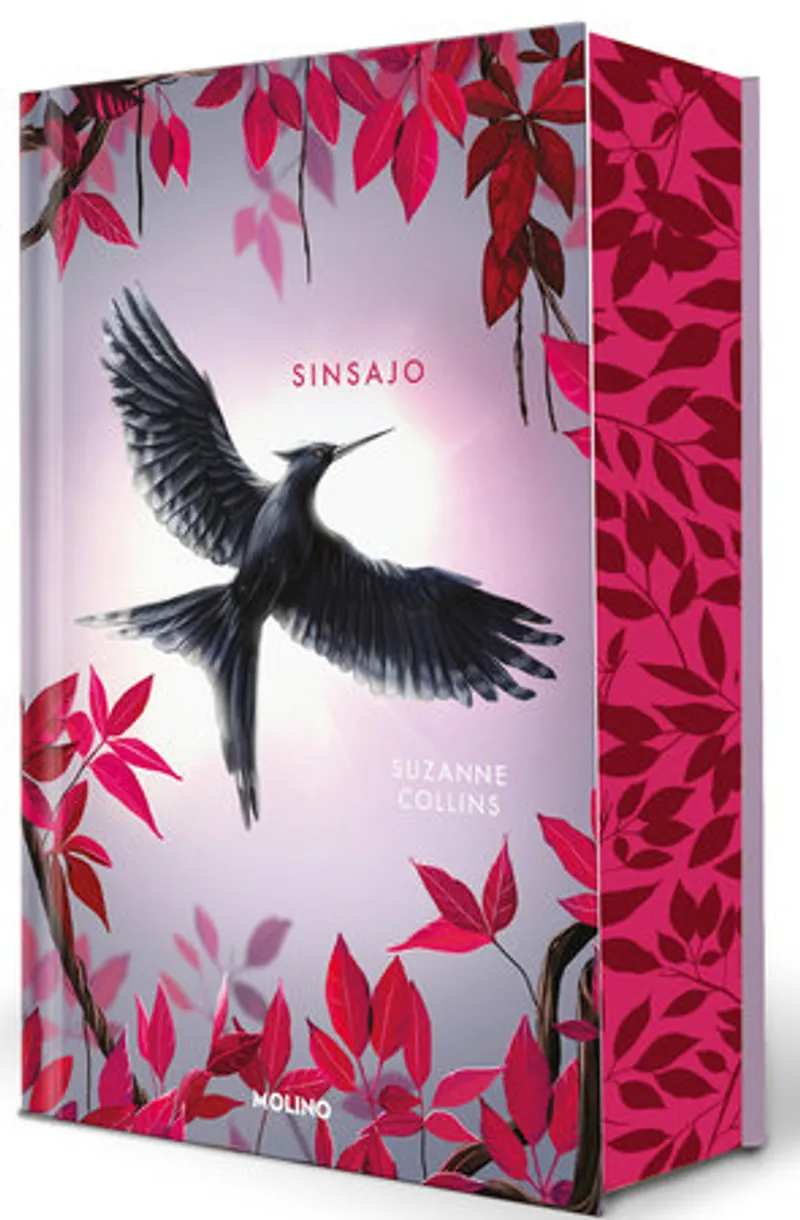
Sinsajo (Edición especial cantos pintados) / Mockingjay (Special Edition Sprayed Edges) Author: Suzanne CollinsPage Count: UnknownPublication Date: 2025-PRH Sinsajo (Mockingjay): A Fierce, Heart-Wrenching Finale to a Modern Classic Suzanne Collins’ Sinsajo (Mockingjay), the electrifying conclusion to The Hunger Games trilogy, is more than just a dystopian adventure—it’s a brutal, unflinching exploration of war, propaganda, and the cost of revolution. With the fate of Panem hanging in the balance, Katniss Everdeen is thrust into a role she never asked for: the Mockingjay, the living symbol of rebellion. But as the stakes rise and the lines between heroism and survival blur, Collins delivers a finale that is as devastating as it is gripping. At its core, Sinsajo is about the dehumanizing nature of war. Collins doesn’t glorify conflict; she exposes its ugliness. The Capitol’s relentless propaganda, the District 12’s desperate resistance, and the psychological toll on Katniss—all are rendered with chilling realism. The novel forces readers to confront uncomfortable truths: that revolutions are not clean, that heroes are often broken, and that victory comes at a price no one can truly pay. Katniss, once a survivor, is now a weapon, her every move dissected by the media, her emotions manipulated for the cause. Collins’ genius lies in making us question whether the rebellion is worth the sacrifice—of lives, of sanity, of morality. Collins’ prose is sharp, immersive, and deliberately unsettling. She writes with a cinematic intensity, pulling readers into the chaos of battle and the quiet despair of Katniss’ internal struggles. The pacing is relentless, yet the emotional weight lingers long after the final page. The author’s ability to balance high-stakes action with deep character introspection is masterful. We see Katniss’ trauma, her guilt, and her reluctant leadership through a lens that feels raw and authentic. The world of Panem is vividly realized, from the opulent horrors of the Capitol to the grim resilience of the districts, making the story feel both fantastical and terrifyingly plausible. One of the novel’s most striking themes is the power—and peril—of symbols. The Mockingjay, once a child’s game, becomes a rallying cry, a beacon of hope, and a target. Collins explores how easily people can be reduced to icons, how their humanity is stripped away in the name of a cause. Katniss, the girl on fire, is now the girl who must burn for the revolution. The irony is painful: the very thing that makes her a symbol—her defiance, her pain—is what threatens to consume her. The supporting cast is equally compelling. President Coin’s calculated ruthlessness, Peeta’s fractured mind, and Finnick’s tragic heroism add layers of complexity to the narrative. Collins doesn’t shy away from moral ambiguity; every character is flawed, every decision carries consequences. The relationships—especially Katniss’ bond with Peeta and her complicated loyalty to Prim—are heartbreaking in their authenticity. The emotional gut-punch of the ending lingers, a testament to Collins’ skill in crafting a story that resonates on a deeply human level. Sinsajo is not just a conclusion; it’s a reckoning. It asks whether revolution is worth the bloodshed, whether freedom is worth the scars, and whether any of us are truly heroes in the end. Collins doesn’t offer easy answers, and that’s what makes this book so powerful. It’s a story about the cost of defiance, the weight of leadership, and the indomitable spirit of those who refuse to be silenced. For fans of the series, Sinsajo delivers the emotional gut-punch they’ve been waiting for. For new readers, it’s a gripping, thought-provoking read that lingers long after the last page. Collins has crafted not just a dystopian trilogy, but a modern classic that challenges, haunts, and ultimately, inspires. #Mockingjay #HungerGames #DystopianFiction #KatnissEverdeen #SuzanneCollins #BookReview Related InsightsMembers Only Book Review and Summary Apples Never Fall Book Review and Summary It's Kind of a Funny Story Book Review and Summary{ "@context": "https://schema.org", "@type": "FAQPage", "mainEntity": [ { "@type": "Question", "name": "What is the main focus of Mockingjay Book Review and Summary?", "acceptedAnswer": { "@type": "Answer", "text": "Everything you need to know about Mockingjay with our detailed review." } }, { "@type": "Question", "name": "Who authored the comprehensive guide on Mockingjay Book Review and Summary?", "acceptedAnswer": { "@type": "Answer", "text": "This detailed article and its insights were carefully researched and authored by Suzanne Collins." } }, { "@type": "Question", "name": "Where can I find more related content about Books?", "acceptedAnswer": { "@type": "Answer", "text": "You can explore more articles, detailed reviews, and similar insights by browsing the Related Insights section at the bottom of this article or visiting our dedicated Books category page." } } ] }
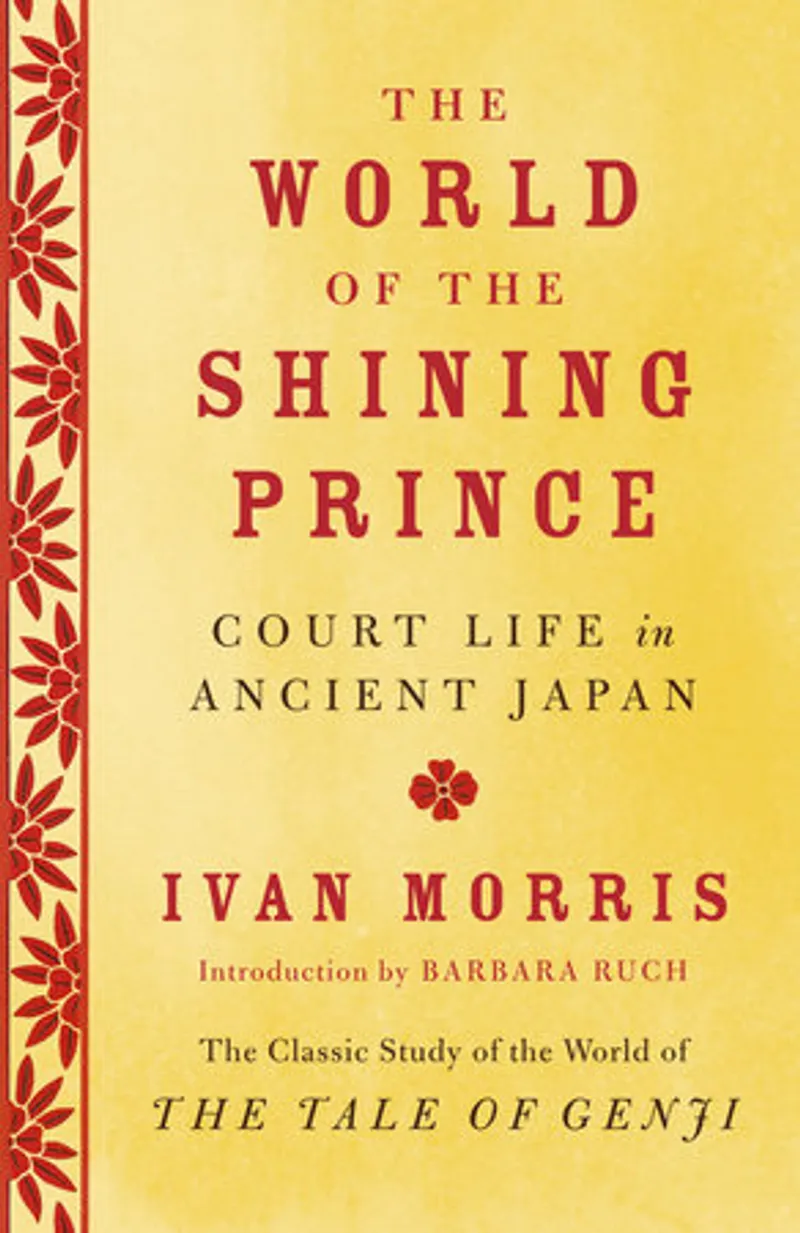
The World of the Shining Prince Author: Ivan MorrisPage Count: UnknownPublication Date: 2013-PRH The World of the Shining Prince, penned by the esteemed scholar Ivan Morris, is a captivating and richly detailed portrayal of ancient Japan's Heian period. Originally published in 1964, this masterpiece has been re-released in 2013, allowing new generations to immerse themselves in the enchanting world of 10th-century Japan. Morris's magnum opus is a meticulously crafted exploration of the emperor's court, where women played a pivotal role in shaping the cultural landscape. Through the lens of The Tale of Genji and other seminal literary works of the era, Morris masterfully recreates the intricate tapestry of life within the imperial court. With a keen eye for detail, he delves into the politics, society, and superstitions of the time, offering readers a fascinating glimpse into the daily lives of courtiers. The cult of beauty that pervaded this rarefied world is meticulously examined, revealing the complex and often enigmatic relationships between men and women. Morris's writing style is characterized by his erudite yet accessible prose, making this book an absolute delight to read. His passion for the subject matter is palpable, and his expertise shines through on every page. The World of the Shining Prince is not merely a historical treatise; it is an immersive experience that whisks readers away to a bygone era of elegance and refinement. One of the most striking aspects of Morris's work is his ability to balance historical accuracy with engaging narrative. He effortlessly weaves together disparate threads of information, creating a richly textured portrait of life in the Heian court. From the intricate rituals and ceremonies to the private lives of the courtiers, every aspect of this fascinating world is explored with meticulous care. The World of the Shining Prince has been a cornerstone text on ancient Japan for decades, and its enduring appeal is a testament to Morris's skill as a scholar and writer. This book is a must-read for anyone interested in Japanese history, literature, or culture. Even those with a cursory knowledge of the subject will find themselves enthralled by Morris's masterful storytelling and meticulous research. In short, The World of the Shining Prince is a triumph of historical scholarship and literary storytelling. Ivan Morris's masterpiece is a captivating exploration of ancient Japan's Heian period, and its beauty, elegance, and refinement continue to enchant readers to this day. #TheWorldOfTheShiningPrince #IvanMorris #HeianPeriod #JapaneseHistory #TheTaleOfGenji #AncientJapan Related InsightsThe Blood of Olympus Book Review and Summary The Killer Angels Book Review and Summary The Best American Short Stories 2019 Book Review and Summary{ "@context": "https://schema.org", "@type": "FAQPage", "mainEntity": [ { "@type": "Question", "name": "What is the main focus of The Shining Book Review and Summary?", "acceptedAnswer": { "@type": "Answer", "text": "Everything you need to know about The Shining with our detailed review." } }, { "@type": "Question", "name": "Who authored the comprehensive guide on The Shining Book Review and Summary?", "acceptedAnswer": { "@type": "Answer", "text": "This detailed article and its insights were carefully researched and authored by Stephen King." } }, { "@type": "Question", "name": "Where can I find more related content about Books?", "acceptedAnswer": { "@type": "Answer", "text": "You can explore more articles, detailed reviews, and similar insights by browsing the Related Insights section at the bottom of this article or visiting our dedicated Books category page." } } ] }
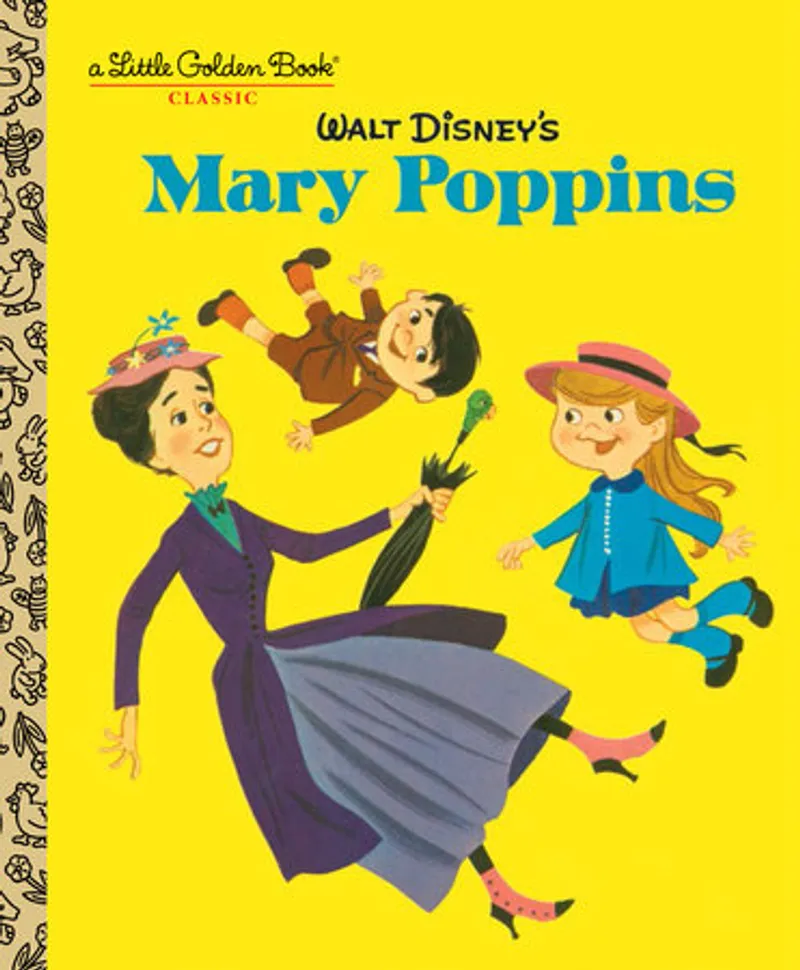
Walt Disney's Mary Poppins (Disney Classics) Author: Al WhitePage Count: UnknownPublication Date: 2016-PRH In the enchanting realm of children's literature, few names evoke the same sense of timeless magic as Mary Poppins. Al White's adaptation of Walt Disney's beloved classic, "Walt Disney's Mary Poppins (Disney Classics)," is a delightful treat for young readers aged 2 to 5. This charming Little Golden Book, originally published in 1964, whisks children away on an unforgettable adventure with the inimitable Mary Poppins. At its core, the story revolves around the transformative power of imagination and the importance of embracing the extraordinary in everyday life. Mary Poppins, with her unique brand of no-nonsense magic, brings the mundane to life, revealing the hidden wonders that lie just beneath the surface of the ordinary. This central theme is beautifully conveyed through White's masterful adaptation, which distills the essence of the original tale into a captivating narrative that will captivate young hearts. One of the standout features of this adaptation is its ability to evoke the whimsical spirit of the original Disney classic. White's writing is infused with a sense of nostalgia, perfectly capturing the playful essence of Mary Poppins' adventures with Jane and Michael Banks. The text is simple, yet effective, making it an ideal choice for early readers or for parents seeking a soothing bedtime story. The author's style is characterized by a gentle, lilting quality that perfectly complements the story's lighthearted tone. White's prose is economical, yet evocative, conjuring vivid images of the characters and their escapades. The text is also notable for its use of repetitive phrases and rhythmic cadences, which add to the story's musicality and make it a joy to read aloud. Visually, the book is a treat, featuring beautiful, full-color illustrations that bring the beloved characters to life. The artwork is a delightful blend of classic and modern elements, perfectly capturing the essence of the original Disney animation. In conclusion, "Walt Disney's Mary Poppins (Disney Classics)" is a must-read for young children and a delightful addition to any family's book collection. Al White's adaptation is a masterful retelling of a timeless tale, one that will captivate young readers and inspire them to see the magic in everyday life. #MaryPoppins #DisneyClassics #ChildrensLiterature #LittleGoldenBooks #WaltDisney #ClassicChildrensBooks Related InsightsThe Unrequited Love Department Book Review and Summary Colleen Hoover Ebook Boxed Set Hopeless Series Book Review and Summary Johnny Got His Gun Book Review and Summary{ "@context": "https://schema.org", "@type": "FAQPage", "mainEntity": [ { "@type": "Question", "name": "What is the main focus of Mary Poppins Book Review and Summary?", "acceptedAnswer": { "@type": "Answer", "text": "Everything you need to know about Mary Poppins with our detailed review." } }, { "@type": "Question", "name": "Who authored the comprehensive guide on Mary Poppins Book Review and Summary?", "acceptedAnswer": { "@type": "Answer", "text": "This detailed article and its insights were carefully researched and authored by P.L. Travers." } }, { "@type": "Question", "name": "Where can I find more related content about Books?", "acceptedAnswer": { "@type": "Answer", "text": "You can explore more articles, detailed reviews, and similar insights by browsing the Related Insights section at the bottom of this article or visiting our dedicated Books category page." } } ] }
![Midnight Sun [2008 Draft] Book Review and Summary](/images/books/midnight-sun-2008-draft.webp)
Sisters of the Midnight Sun Author: Fiona ValpyPage Count: UnknownPublication Date: 2026-PRH Fiona Valpy’s Sisters of the Midnight Sun is a luminous tapestry of sisterhood, resilience, and the unbreakable bonds that defy time and tide. Set against the stark, breathtaking beauty of the Scottish Highlands, Valpy weaves a story that is as much about the land as it is about the women who call it home. With a narrative that glows with emotional depth and lyrical prose, this novel promises to be a standout in contemporary fiction, blending historical echoes with modern sensibilities. At its heart, Sisters of the Midnight Sun is a story of legacy—how the past shapes the present, and how the ties between sisters can be both a sanctuary and a source of conflict. Valpy explores this theme with a deft hand, avoiding clichés while still delivering moments of raw, heart-wrenching honesty. The novel follows two sisters, separated by circumstance but forever connected by blood and memory. Their journey is not just one of reconciliation but also of self-discovery, as they grapple with the weight of family expectations, personal ambition, and the ghosts of their shared history. Valpy’s ability to balance external drama with internal conflict is masterful, making the reader invest deeply in the sisters’ fates. What sets this book apart is Valpy’s evocative prose, which paints the Scottish landscape with almost cinematic clarity. The Highlands are not just a backdrop but a character in their own right—moodily atmospheric in the rain, golden and serene under the midnight sun, and hauntingly wild in the face of adversity. Her descriptions are rich without being overwrought, immersing the reader in a world that feels both tangible and mythic. This is particularly evident in the novel’s title, which hints at the duality of light and dark, of endurance and fleeting beauty—a theme that resonates throughout the narrative. Valpy’s style is intimate yet expansive. She has a knack for creating fully realized characters, each with their own flaws, dreams, and contradictions. The sisters at the center of the story are not one-dimensional heroines but complex women whose choices are as flawed as they are relatable. Their dialogue crackles with authenticity, and the emotional beats land with precision, avoiding melodrama while still delivering poignant moments. The author also excels in building tension, whether through the slow unraveling of a family secret or the looming threat of external forces tearing the sisters apart. One of the novel’s most compelling aspects is its exploration of female relationships. Valpy doesn’t shy away from the complexities of sisterhood—the jealousy, the competition, the unspoken resentments—but she also celebrates the unyielding support that can exist between women. The bond between the sisters is tested by life’s cruelties, yet it remains a constant, a thread that weaves through the story’s fabric. This focus on female resilience and solidarity is both timely and timeless, making Sisters of the Midnight Sun a story that will resonate with readers of all backgrounds. The pacing of the novel is another of its strengths. Valpy balances introspection with forward momentum, ensuring that the story never feels stagnant. Flashbacks and shifting perspectives add depth, allowing the reader to piece together the sisters’ past while eagerly anticipating their future. The structure is carefully crafted, with each chapter revealing a new layer of the sisters’ lives, their struggles, and their triumphs. While the novel is set in the present day, there are subtle nods to history that add richness to the narrative. Valpy seamlessly integrates the past into the present, suggesting that the echoes of history are never truly silent. This historical undertone gives the story a sense of depth and weight, hinting at the larger forces that shape the sisters’ lives. Sisters of the Midnight Sun is a novel that lingers in the mind long after the last page is turned. It is a story about the enduring power of family, the healing that comes from facing the past, and the quiet strength of women who refuse to be broken. Fiona Valpy’s writing is both a balm and a revelation, offering a reading experience that is as nourishing as it is unforgettable. For readers who crave stories of sisterhood, resilience, and the beauty of the natural world, this book is a must-read. It is a testament to the idea that even in the darkest of times, there is light to be found—and that light is often found in the people we love most. #Sisterhood #HistoricalFiction #ScottishHighlands #FamilyDrama #WomenFiction #FionaValpy Related InsightsThe Sun Also Rises Book Review and Summary Dream Girl Drama Book Review and Summary My Grandmother Asked Me to Tell You She's Sorry (Spanish Edition) Book Review and Summary{ "@context": "https://schema.org", "@type": "FAQPage", "mainEntity": [ { "@type": "Question", "name": "What is the main focus of Midnight Sun [2008 Draft] Book Review and Summary?", "acceptedAnswer": { "@type": "Answer", "text": "Everything you need to know about Midnight Sun [2008 Draft] with our detailed review." } }, { "@type": "Question", "name": "Who authored the comprehensive guide on Midnight Sun [2008 Draft] Book Review and Summary?", "acceptedAnswer": { "@type": "Answer", "text": "This detailed article and its insights were carefully researched and authored by Stephenie Meyer." } }, { "@type": "Question", "name": "Where can I find more related content about Books?", "acceptedAnswer": { "@type": "Answer", "text": "You can explore more articles, detailed reviews, and similar insights by browsing the Related Insights section at the bottom of this article or visiting our dedicated Books category page." } } ] }
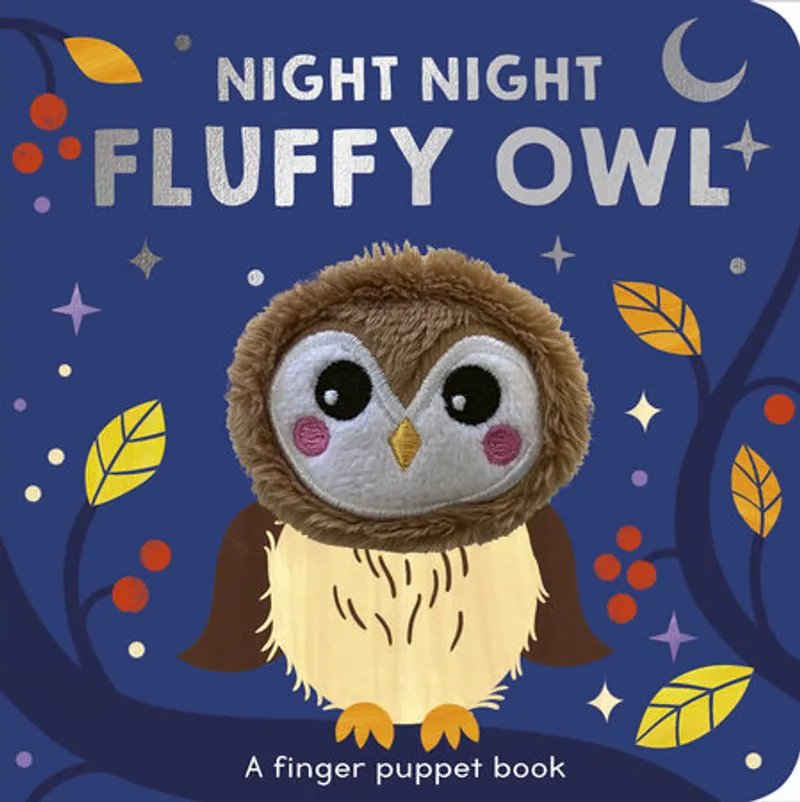
Night Night Fluffy Owl Author: Selina WoodPage Count: UnknownPublication Date: 2026-PRH Night Night Fluffy Owl, the latest offering from author Selina Wood, is a captivating tale that whisks readers away on a soothing journey of discovery and tranquility. Published in 2026, this charming book has already begun to make waves in the literary world, and for good reason. Wood's masterful storytelling weaves a gentle narrative that explores the universal theme of finding peace in a chaotic world. From the outset, it is clear that Wood's writing style is both effortless and deliberate. Her prose is as soft as a summer breeze, carrying the reader through the story with ease. The use of simple yet evocative language creates a sense of intimacy, drawing the reader into the world of the fluffy owl and its companions. Wood's writing is akin to a warm hug, enveloping the reader in a sense of comfort and security. The story itself is a poignant exploration of the human – or rather, owl – experience. Wood delves into the complexities of emotions, revealing the depths of the owl's inner world. Through the owl's journey, Wood shows us that even in the darkest of times, there is always hope. The owl's struggles and triumphs serve as a powerful reminder that we are not alone in our own struggles, and that peace can be found even in the most turbulent of times. One of the most striking aspects of Night Night Fluffy Owl is its ability to transcend age boundaries. Wood's writing is both childlike in its simplicity and profound in its wisdom, making it a book that can be enjoyed by readers of all ages. The story is a timeless tale that will resonate with children and adults alike, offering a much-needed respite from the stresses of modern life. Wood's use of imagery is another notable aspect of the book. Her vivid descriptions of the natural world transport the reader to a world of wonder and magic. The owl's forest home is brought to life through Wood's lyrical prose, immersing the reader in a world of sights, sounds, and scents. If there is one criticism to be made, it is that the book's themes and messages are not particularly new or groundbreaking. However, it is Wood's unique voice and perspective that sets Night Night Fluffy Owl apart from other books in the same genre. Her writing is infused with a sense of authenticity and sincerity, making the story feel both deeply personal and universally relatable. In conclusion, Night Night Fluffy Owl is a heartwarming tale that will resonate with readers of all ages. Wood's writing is both soothing and profound, offering a much-needed respite from the stresses of modern life. With its universal themes and timeless messages, this book is sure to become a classic. #NightNightFluffyOwl #SelinaWood #ChildrensLiterature #MentalHealthAwareness #SelfCareBooks #BedtimeStories Related InsightsWildwood Book Review and Summary Blindness Book Review and Summary It Girl Book Review and Summary{ "@context": "https://schema.org", "@type": "FAQPage", "mainEntity": [ { "@type": "Question", "name": "What is the main focus of Night Book Review and Summary?", "acceptedAnswer": { "@type": "Answer", "text": "Everything you need to know about Night with our detailed review." } }, { "@type": "Question", "name": "Who authored the comprehensive guide on Night Book Review and Summary?", "acceptedAnswer": { "@type": "Answer", "text": "This detailed article and its insights were carefully researched and authored by Elie Wiesel." } }, { "@type": "Question", "name": "Where can I find more related content about Books?", "acceptedAnswer": { "@type": "Answer", "text": "You can explore more articles, detailed reviews, and similar insights by browsing the Related Insights section at the bottom of this article or visiting our dedicated Books category page." } } ] }

- 31 May, 2025 21:18
Into Thin Air: A Personal Account of the Mt. Everest Disaster Book Review and Summary
Subir al Everest con tacones: Avanza hacia una vida plena / Climbing Mt. Everest in High Heels Author: Electa NavarretePage Count: UnknownPublication Date: 2025-PRH Climbing Mt. Everest in High Heels: A Life-Changing Adventure Awaits In her latest book, Climbing Mt. Everest in High Heels, Dr. Electa Navarrete invites readers to embark on a journey of self-discovery and transformation. With her expert guidance, she encourages us to take the first step towards living a life that is truly our own. The book is a powerful reminder that life is an extraordinary adventure, full of ups and downs, but ultimately, it is up to us to create the life we want. Dr. Navarrete's writing style is engaging, warm, and relatable. She shares her years of experience guiding patients to recognize their best version, making the book feel like a personal coaching session. Her use of the Mt. Everest metaphor is brilliant, as it perfectly captures the challenges and triumphs we face in our lives. The idea of climbing the highest peak in the world in high heels is a powerful symbol of overcoming obstacles and achieving greatness, even when the odds are against us. The author's message is clear: to reach the top, we must first know ourselves. This is a simple yet profound truth that resonates deeply. Dr. Navarrete emphasizes the importance of self-awareness, preparation, determination, and bravery in achieving our goals. She reminds us that life gives us opportunities, but it's up to us to seize them. One of the strengths of the book is its accessibility. Dr. Navarrete's language is straightforward, making the book an enjoyable read for anyone looking for a motivational boost. The book is not a self-help manual, but rather a guide that encourages readers to take ownership of their lives. The author's passion for helping others shine through on every page, making the book a joy to read. What sets Climbing Mt. Everest in High Heels apart from other self-help books is its focus on the personal journey. Dr. Navarrete reminds us that our life's journey is unique and personal, and it's up to us to create the life we want. The book is not about following a set of rules or formulas but about embracing our individuality and living a life that is authentic and meaningful. In conclusion, Climbing Mt. Everest in High Heels is a must-read for anyone looking for a life-changing adventure. Dr. Electa Navarrete's book is a powerful reminder that we have the power to create the life we want. With its engaging writing style, relatable message, and expert guidance, this book is sure to inspire readers to take the first step towards living a life that is truly their own. #SelfDiscovery #PersonalGrowth #Motivation #LifeChanging #Empowerment #FollowYourDreams Related InsightsRebel Book Review and Summary Bajo la misma estrella / The Fault in Our Stars Book Review and Summary House Across the Lake Book Review and Summary{ "@context": "https://schema.org", "@type": "FAQPage", "mainEntity": [ { "@type": "Question", "name": "What is the main focus of Into Thin Air: A Personal Account of the Mt. Everest Disaster Book Review and Summary?", "acceptedAnswer": { "@type": "Answer", "text": "Everything you need to know about Into Thin Air: A Personal Account of the Mt. Everest Disaster with our detailed review." } }, { "@type": "Question", "name": "Who authored the comprehensive guide on Into Thin Air: A Personal Account of the Mt. Everest Disaster Book Review and Summary?", "acceptedAnswer": { "@type": "Answer", "text": "This detailed article and its insights were carefully researched and authored by Jon Krakauer." } }, { "@type": "Question", "name": "Where can I find more related content about Books?", "acceptedAnswer": { "@type": "Answer", "text": "You can explore more articles, detailed reviews, and similar insights by browsing the Related Insights section at the bottom of this article or visiting our dedicated Books category page." } } ] }

Rebecca Yarros's Fourth Wing: Fly or Die Stickers - Sticker Set of 4 Author: Out of PrintPage Count: UnknownPublication Date: 2026-PRH As I sat down to review Rebecca Yarros's Fourth Wing: Fly or Die Stickers, I was immediately struck by the uniqueness of this publication. Instead of a traditional novel or even a printed book, I found myself faced with a set of four stickers, each bearing a different design and phrase. The lack of a traditional narrative or page count made it challenging to approach this review in the usual manner, but as I delved deeper into the world of these stickers, I began to uncover a richer theme and a bold statement from the author. The first thing that struck me about these stickers was their bold design and messaging. Each one features a striking image or phrase, from the ominous "Fly or Die" to the more cryptic "Fourth Wing." These designs are not just aesthetically pleasing; they also convey a sense of urgency and rebellion. It's clear that the author, or rather, the publisher, Out of Print, is trying to convey a message that goes beyond the confines of traditional literature. As I examined the stickers more closely, I began to notice a theme emerging. Each sticker seems to be connected to the idea of freedom and the willingness to take risks. The phrase "Fly or Die" can be seen as a rallying cry, urging the viewer to push beyond their limits and strive for greatness, even in the face of adversity. The image of the fourth wing, on the other hand, suggests a sense of completion or wholeness, implying that the viewer must find their own unique path to fulfillment. The use of stickers as a medium for storytelling is also noteworthy. In an age where digital media dominates our lives, the tactile nature of these stickers is a refreshing change. They invite the viewer to engage with them on a physical level, to touch and feel the paper, and to consider the message they convey. This tactile experience adds a new layer of depth to the theme of freedom and rebellion, as the viewer is encouraged to take the stickers and use them to express their own individuality. Out of Print's decision to publish these stickers under the name of Rebecca Yarros is also intriguing. Yarros is known for her thought-provoking and emotionally charged novels, and the fact that her name is associated with this project suggests that there is more to these stickers than meets the eye. It's possible that the stickers are meant to be a companion piece to one of her novels, or perhaps they are a standalone work that explores the same themes of freedom and rebellion that are present in her other writing. Ultimately, Rebecca Yarros's Fourth Wing: Fly or Die Stickers is a thought-provoking and visually stunning work that challenges the viewer to think about the nature of freedom and rebellion. The use of stickers as a medium adds a new layer of depth to the theme, and the bold designs and messages convey a sense of urgency and passion. While it may not be a traditional book, this set of stickers is a powerful statement that will resonate with anyone who has ever felt the need to break free from the constraints of society and forge their own path. #StickerArt #RebellionAndFreedom #BookLovers #FourthWing #FlyOrDie #RebeccaYarros Related InsightsThe Symphony of Keystrokes: The Ultimate Guide to Mechanical Keyboards Beloved Book Review and Summary Elon Musk Book Review and Summary{ "@context": "https://schema.org", "@type": "FAQPage", "mainEntity": [ { "@type": "Question", "name": "What is the main focus of Rebecca Book Review and Summary?", "acceptedAnswer": { "@type": "Answer", "text": "Everything you need to know about Rebecca with our detailed review." } }, { "@type": "Question", "name": "Who authored the comprehensive guide on Rebecca Book Review and Summary?", "acceptedAnswer": { "@type": "Answer", "text": "This detailed article and its insights were carefully researched and authored by Daphne du Maurier." } }, { "@type": "Question", "name": "Where can I find more related content about Books?", "acceptedAnswer": { "@type": "Answer", "text": "You can explore more articles, detailed reviews, and similar insights by browsing the Related Insights section at the bottom of this article or visiting our dedicated Books category page." } } ] }
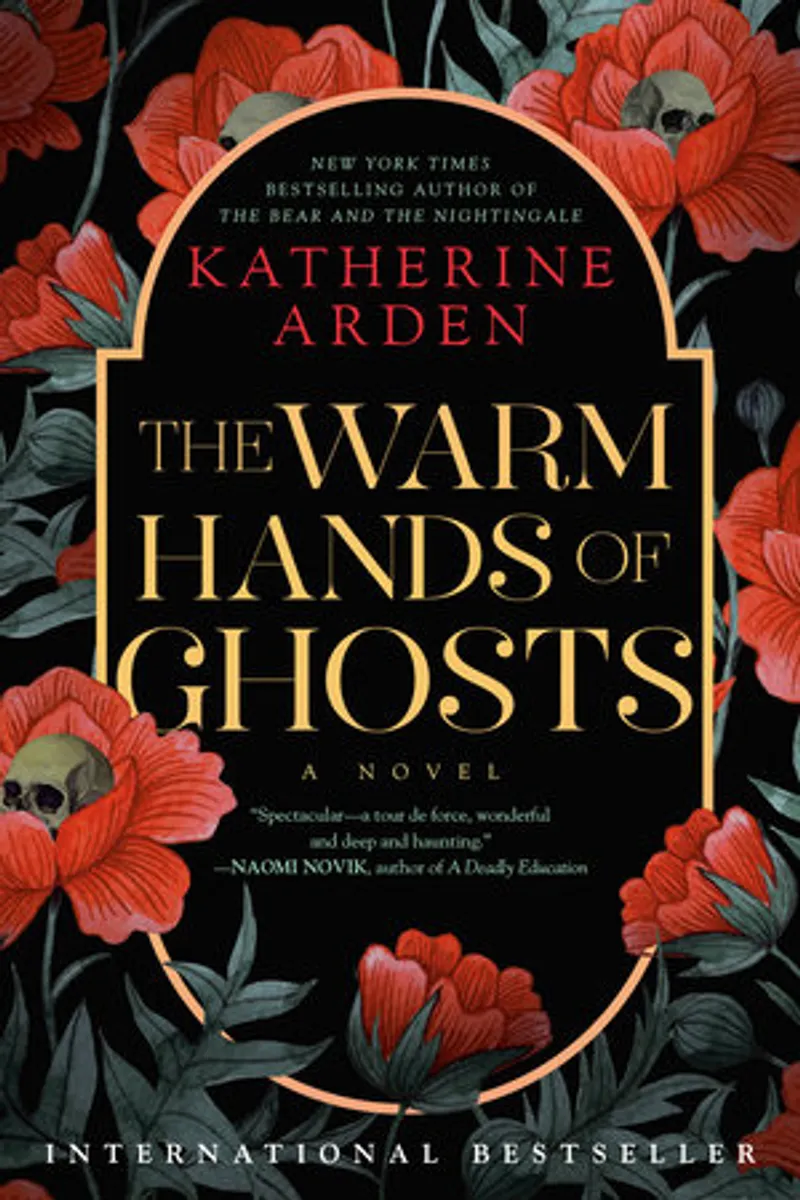
The Warm Hands of Ghosts Author: Katherine ArdenPage Count: UnknownPublication Date: 2025-PRH The Warm Hands of Ghosts, Katherine Arden's latest masterpiece, is a mesmerizing blend of historical fiction, speculative elements, and hauntingly beautiful prose. Set against the backdrop of World War I, the novel weaves together the story of two siblings, Laura and Freddie Iven, as they navigate the treacherous landscape of war, loss, and the supernatural. At its core, The Warm Hands of Ghosts is a exploration of trauma, grief, and the human condition. Arden masterfully delves into the psychological toll of war on individuals and society, crafting a narrative that is both deeply personal and universally relatable. Through Laura's struggles to come to terms with her brother's presumed death and Freddie's desperate attempts to escape the trenches, Arden shines a light on the darkest corners of the human experience. Arden's writing is, as always, exquisite. Her prose is evocative and immersive, conjuring the muddy trenches, the shattered landscapes, and the haunted hearts of her characters. Her use of language is precise and deliberate, weaving a spell that draws the reader into the world of the story. The supernatural elements, which could have easily felt gimmicky or heavy-handed, are instead seamlessly integrated into the narrative, adding a layer of depth and complexity to the story. One of the most striking aspects of The Warm Hands of Ghosts is its exploration of the power of human connection in the face of unimaginable horror. Through the unlikely friendship between Freddie and Hans Winter, a German soldier, Arden shows that even in the midst of war, there is always the possibility for empathy, compassion, and understanding. This theme is echoed in Laura's relationships with her patients and colleagues, highlighting the ways in which human connection can be both a source of strength and a reminder of our shared vulnerability. If there is a criticism to be made, it is that the novel's pacing can be somewhat uneven. At times, the narrative feels overly dense, with multiple plot threads and characters vying for attention. However, this is a minor quibble, and Arden's masterful storytelling ultimately prevails. In short, The Warm Hands of Ghosts is a triumph. It is a novel that will haunt you long after you finish reading it, its themes and characters lingering in your mind like the ghosts that populate its pages. If you're a fan of historical fiction, speculative fiction, or simply great storytelling, do not miss this book. #TheWarmHandsofGhosts #KatherineArden #HistoricalFiction #SpeculativeFiction #WWI #GhostsAndWar Related InsightsKane & Abel Book Review and Summary Mind of Her Own Book Review and Summary Catwoman Book Review and Summary{ "@context": "https://schema.org", "@type": "FAQPage", "mainEntity": [ { "@type": "Question", "name": "What is the main focus of The Warm Hands of Ghosts Book Review and Summary?", "acceptedAnswer": { "@type": "Answer", "text": "Everything you need to know about The Warm Hands of Ghosts with our detailed review." } }, { "@type": "Question", "name": "Who authored the comprehensive guide on The Warm Hands of Ghosts Book Review and Summary?", "acceptedAnswer": { "@type": "Answer", "text": "This detailed article and its insights were carefully researched and authored by Katherine Arden." } }, { "@type": "Question", "name": "Where can I find more related content about Books?", "acceptedAnswer": { "@type": "Answer", "text": "You can explore more articles, detailed reviews, and similar insights by browsing the Related Insights section at the bottom of this article or visiting our dedicated Books category page." } } ] }