Showing Posts From
Fiction
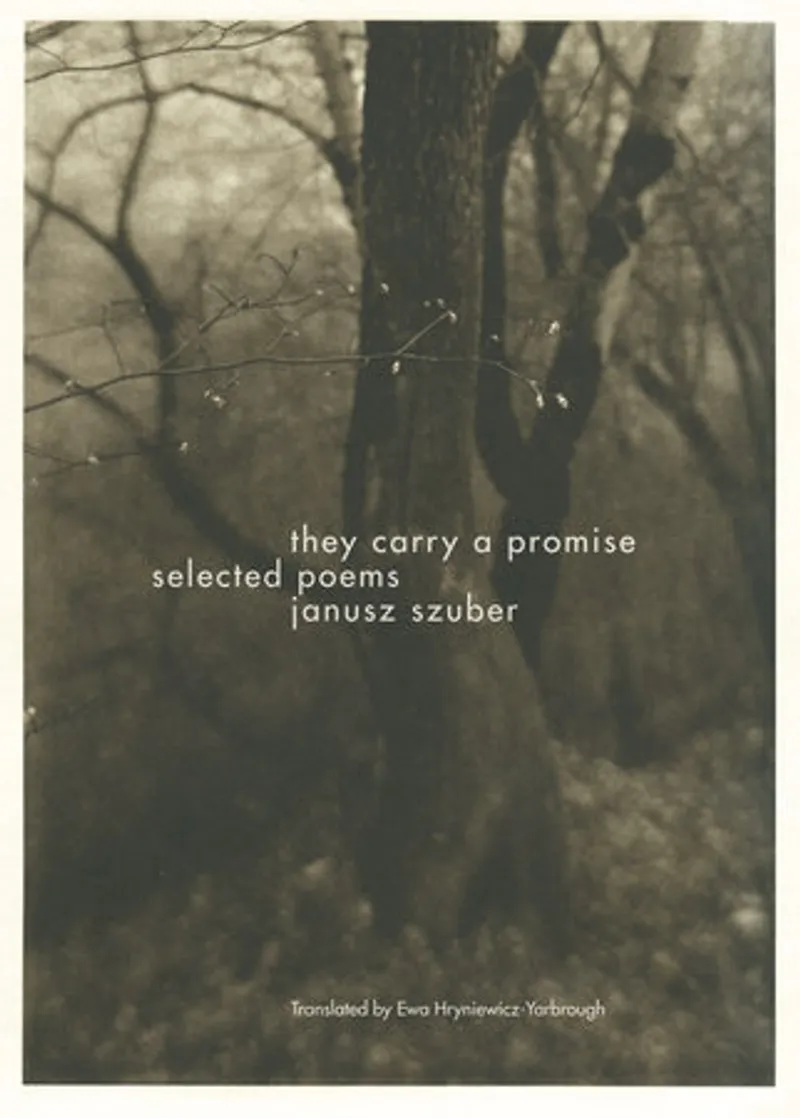
They Carry a Promise Author: Janusz SzuberPage Count: UnknownPublication Date: 2015-PRH In "They Carry a Promise", Janusz Szuber's debut English collection, we are introduced to a poet whose voice is both deeply personal and universally relatable. Szuber, a Polish poet hailed by Nobel Laureate Wislawa Szymborska as "superb", has been crafting his unique brand of poetry for almost thirty years, and this collection marks a significant milestone in his literary journey. At its core, "They Carry a Promise" is a meditation on the human condition, an exploration of the intricacies of life, history, and the natural world. Szuber's poetry is characterized by its intense quiet and modesty, a reflection of his introspective nature and his tendency to observe the world around him with a sense of wonder and awe. His poems are short, accessible, and elegantly crafted, often blurring the lines between the rigors of making poetry and the messy glory of life itself. Throughout the collection, Szuber's verse is marked by a deep sense of longing and yearning. He writes about the physical world with a sense of reverence, seeking to capture the beauty of the natural world in all its complexity. In one poem, he writes, "I'd prefer something less ambiguous: / The bony parachutes of leaves, / The flame of goosefoot, from a frosty page / A star bent over me." This sense of longing is not just limited to the natural world; Szuber also writes about human relationships, history, and the passage of time with a sense of melancholy and introspection. One of the most striking aspects of Szuber's poetry is his use of imagery and metaphor. His poems are filled with vivid descriptions of the natural world, from the "bony parachutes of leaves" to the "froth of blossoming apple trees". These images are not just decorative; they are often used to convey deeper truths about the human condition. In one poem, Szuber writes, "Who will carve her fragile profile / in ivory . . . Who in truthful verse will briefly tell / of eternity, impermanent as a broken fan?" This poem is a beautiful example of Szuber's ability to use imagery and metaphor to explore complex themes and emotions. The translations by Ewa Hryniewicz-Yarbrough are a significant aspect of this collection. Her translations are not only accurate but also lyrical, capturing the musicality and nuance of Szuber's original Polish verse. Her work is a testament to the power of translation to bring new voices and perspectives to readers around the world. In "They Carry a Promise", Janusz Szuber has given us a gift: a collection of poems that are both deeply personal and universally relatable. His poetry is a reflection of his unique voice and perspective, and it is a testament to the power of poetry to capture the complexity and beauty of the human experience. #PolishPoetry #JanuszSzuber #TheyCarryAPromise #PoetryInTranslation #EuropeanLiterature #ContemporaryPoetry Related InsightsThe Killer Angels Book Review and Summary Holmes is missing Book Review and Summary Intermezzo Book Review and Summary{ "@context": "https://schema.org", "@type": "FAQPage", "mainEntity": [ { "@type": "Question", "name": "What is the main focus of The Things They Carried Book Review and Summary?", "acceptedAnswer": { "@type": "Answer", "text": "Everything you need to know about The Things They Carried with our detailed review." } }, { "@type": "Question", "name": "Who authored the comprehensive guide on The Things They Carried Book Review and Summary?", "acceptedAnswer": { "@type": "Answer", "text": "This detailed article and its insights were carefully researched and authored by Tim O'Brien." } }, { "@type": "Question", "name": "Where can I find more related content about Books?", "acceptedAnswer": { "@type": "Answer", "text": "You can explore more articles, detailed reviews, and similar insights by browsing the Related Insights section at the bottom of this article or visiting our dedicated Books category page." } } ] }
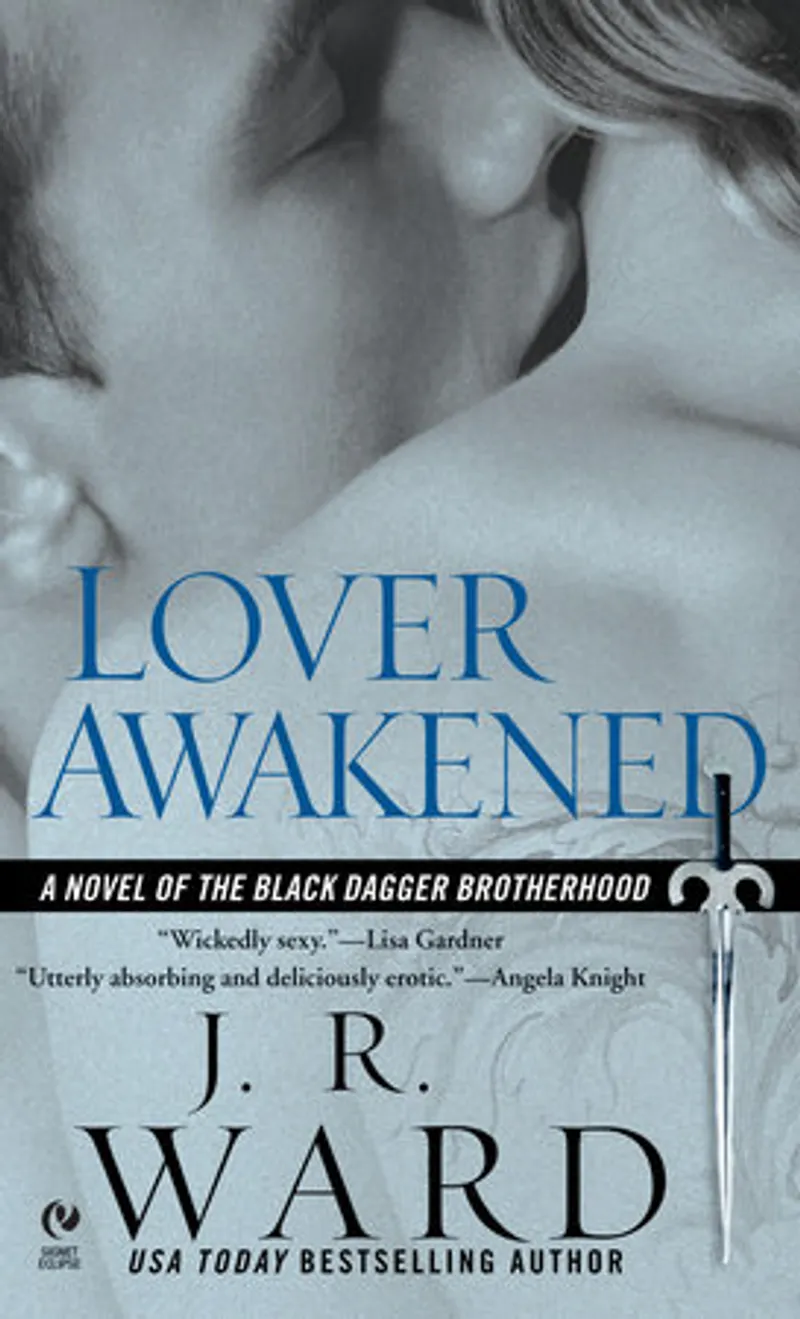
Lover Awakened Author: J.R. WardPage Count: UnknownPublication Date: 2006-PRH J.R. Ward’s Lover Awakened is a dark, pulsating storm of passion and pain, a novel that dives headfirst into the abyss of human—and vampire—emotion. As the sixth installment in the Black Dagger Brotherhood series, Ward once again proves why she reigns supreme in the realm of paranormal romance, blending raw intensity with a narrative voice that is as seductive as it is brutal. This is not a story for the faint of heart; it is a tale of redemption carved from the bones of suffering, where love is both the weapon and the balm. At the heart of Lover Awakened is Zsadist, a character so steeped in trauma that his very name evokes dread. A former blood slave, his body bears the marks of unspeakable cruelty, and his mind is a labyrinth of rage. Ward doesn’t shy away from depicting his darkness—she wallows in it, letting it seep into every page. Yet, within this tormented soul lies a flicker of something purer, something that only Bella, the female he rescues, can ignite. Their connection is electric, a collision of two broken souls who find solace in each other’s arms. But love, in Ward’s world, is never simple. It is a battlefield, a crucible where past wounds must be faced before a future can be claimed. Bella is more than just a damsel in distress; she is a catalyst. Her presence forces Zsadist to confront the demons he has spent centuries burying. Ward’s genius lies in her ability to balance the grotesque with the tender. The scars on Zsadist’s body mirror the scars on his soul, and Bella’s touch becomes the first step toward healing. Yet, the path is fraught with peril. Zsadist’s thirst for vengeance against Bella’s abductor threatens to consume him, and the question lingers: Can love truly conquer the abyss of a mind shattered by years of torment? Ward’s prose is visceral, her descriptions lush yet unflinching. She doesn’t just tell the story—she immerses the reader in it, making the pain and passion feel tangible. The dialogue crackles with tension, and the emotional beats are so raw they leave a mark. This is not a book for those who prefer subtlety; Ward’s style is bold, unapologetic, and utterly addictive. She writes with a cinematic flair, making every scene feel like a high-stakes drama where the stakes are nothing less than the soul itself. The theme of redemption is woven throughout Lover Awakened, but it is not a neat or easy redemption. Zsadist’s journey is messy, his progress halting, his setbacks brutal. Ward refuses to offer false comfort; instead, she presents a raw, unfiltered look at what it means to heal. Love, in this context, is not a cure-all but a starting point—a spark that must be nurtured with patience and trust. Bella’s role is pivotal, but she is not a savior; she is a partner in a dance that requires both to face their pasts before they can move forward. Ward’s world-building is another standout feature. The Black Dagger Brotherhood series thrives on its rich lore, and Lover Awakened deepens the mythology while keeping the focus squarely on its characters. The tension between the vampires and the Lessening Society is palpable, and Ward’s ability to weave personal drama into a larger conflict is masterful. The stakes are always high, not just for Zsadist and Bella, but for the Brotherhood as a whole. In the end, Lover Awakened is a story about the power of love to heal, but it is also a story about the cost of that healing. Zsadist’s journey is one of self-discovery, and his awakening is as much about confronting his past as it is about embracing his future. Ward doesn’t offer easy answers, but she offers something far more valuable: a story that lingers, that demands to be felt, and that leaves the reader breathless. If you’re looking for a romance that doesn’t shy away from darkness, that embraces the messy, painful reality of healing, then Lover Awakened is a must-read. It’s a book that will make you ache, that will make you cheer, and that will leave you desperate for more. #ZsadistAndBella #BlackDaggerBrotherhood #ParanormalRomance #DarkRomance #J.R.Ward #VampireLovers Related InsightsThe Swan Lake Murders Book Review and Summary Monster in the Mirror Book Review and Summary Never Say War: Life in Russia Today Book Review and Summary{ "@context": "https://schema.org", "@type": "FAQPage", "mainEntity": [ { "@type": "Question", "name": "What is the main focus of Lover Awakened Book Review and Summary?", "acceptedAnswer": { "@type": "Answer", "text": "Everything you need to know about Lover Awakened with our detailed review." } }, { "@type": "Question", "name": "Who authored the comprehensive guide on Lover Awakened Book Review and Summary?", "acceptedAnswer": { "@type": "Answer", "text": "This detailed article and its insights were carefully researched and authored by J.R. Ward." } }, { "@type": "Question", "name": "Where can I find more related content about Books?", "acceptedAnswer": { "@type": "Answer", "text": "You can explore more articles, detailed reviews, and similar insights by browsing the Related Insights section at the bottom of this article or visiting our dedicated Books category page." } } ] }

Staying Gold: The Oral History of The Outsiders Author: Jimmie TramelPage Count: UnknownPublication Date: 2025-PRH Jimmie Tramel’s Staying Gold: The Oral History of The Outsiders is not just a book—it’s a time capsule, a love letter, and a mirror held up to a story that refuses to fade. In an era where cultural touchstones flicker in and out of relevance like neon signs in a Tulsa diner, The Outsiders endures, a testament to the power of storytelling. Tramel’s oral history doesn’t just document the life of S.E. Hinton’s 1967 novel, Coppola’s 1983 film, and the 2024 Tony-winning musical; it breathes life into them, weaving together the voices of those who lived them, shaped them, and were forever changed by them. At its core, Staying Gold is about legacy—not just the kind that gets etched into history books, but the kind that lives in the hearts of readers, filmgoers, and theatergoers who find themselves in the raw, unflinching world of Ponyboy Curtis and his brothers. The book’s central theme is resilience, the idea that some stories don’t just survive; they thrive, evolving with each generation while retaining their original spark. Tramel captures this through a chorus of perspectives: the teenagers who saw themselves in Ponyboy’s struggle, the filmmakers who fought to bring Hinton’s gritty realism to the screen, and the artists who reimagined it for the stage. What emerges is a portrait of a story that transcends its origins, becoming a cultural shorthand for class, brotherhood, and the fleeting beauty of youth. Tramel’s style is immersive, almost cinematic in its approach. He doesn’t just interview his subjects; he lets them speak, their voices layered like the tracks of a film reel. There’s a rhythm to the book, a pulse that mirrors the heartbeat of The Outsiders itself—urgent, emotional, and unapologetically honest. The oral history format is perfect for this story, allowing the raw, unfiltered voices of the people involved to take center stage. You don’t just read about Coppola’s vision for the film; you hear it from the actors who lived it, from C. Thomas Howell’s wide-eyed Ponyboy to Matt Dillon’s brooding Dally. You don’t just learn about the musical’s creation; you feel the passion of the creators who wanted to honor the source material while making it their own. What makes Staying Gold so compelling is its refusal to mythologize. This isn’t a sanitized retelling of a beloved story; it’s a messy, sometimes contradictory, always human exploration of how art shapes lives and how lives shape art. There are disagreements here—about the film’s casting, about the musical’s changes to the source material, about what The Outsiders even means to different people. But that’s the point. The book embraces the chaos, the way a story like this can mean something entirely different to a kid in 1967 than it does to a teenager in 2024. It’s a reminder that the best stories aren’t static; they’re living, breathing things that grow with their audience. Tramel’s writing is sharp and evocative, but it’s the voices of his interviewees that truly bring the book to life. You can hear the awe in the voice of a young reader who found solace in Hinton’s words, the frustration of a filmmaker who had to fight for authenticity, the excitement of a cast member who got to bring a beloved character to life on stage. It’s this multiplicity of perspectives that makes Staying Gold feel like a conversation rather than a lecture. You’re not just learning about The Outsiders; you’re being invited into a community of people who have, in their own way, been touched by its magic. The book’s title, Staying Gold, is a nod to the poem that Ponyboy recites in the novel and film—a reminder that nothing gold can stay, that youth and innocence are fleeting. But Tramel flips that idea on its head. The Outsiders has stayed gold, not because it’s frozen in time, but because it has adapted, evolved, and remained relevant. It’s a story about holding onto what matters, even as the world changes around you. And in that sense, Staying Gold is more than an oral history; it’s a guide for how to keep a story alive. For anyone who has ever felt like an outsider, or who has ever found solace in a book, a movie, or a song, this book is a balm. It’s a reminder that you’re not alone, that your story matters, and that some things—some people—are worth holding onto. Tramel’s work is a love letter to The Outsiders, but it’s also a love letter to the power of storytelling itself. #StayingGold #TheOutsiders #SEHinton #FrancisFordCoppola #BroadwayMusical #OralHistory Related InsightsAtonement Book Review and Summary The World According to Garp Book Review and Summary Familias fatales Book Review and Summary{ "@context": "https://schema.org", "@type": "FAQPage", "mainEntity": [ { "@type": "Question", "name": "What is the main focus of The Outsiders Book Review and Summary?", "acceptedAnswer": { "@type": "Answer", "text": "Everything you need to know about The Outsiders with our detailed review." } }, { "@type": "Question", "name": "Who authored the comprehensive guide on The Outsiders Book Review and Summary?", "acceptedAnswer": { "@type": "Answer", "text": "This detailed article and its insights were carefully researched and authored by S.E. Hinton." } }, { "@type": "Question", "name": "Where can I find more related content about Books?", "acceptedAnswer": { "@type": "Answer", "text": "You can explore more articles, detailed reviews, and similar insights by browsing the Related Insights section at the bottom of this article or visiting our dedicated Books category page." } } ] }
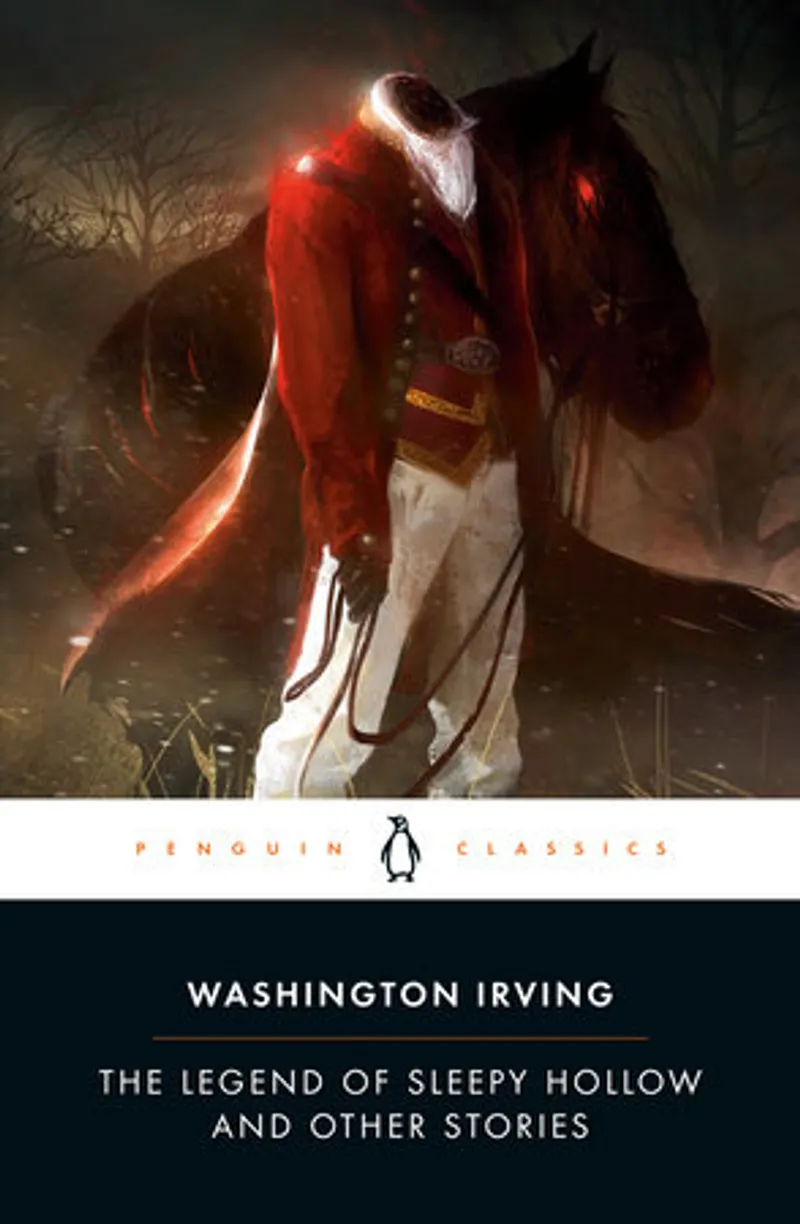
The Legend of Sleepy Hollow and Other Stories Author: Washington IrvingPage Count: UnknownPublication Date: 2014-PRH Washington Irving’s The Legend of Sleepy Hollow and Other Stories is more than a collection of ghostly tales—it is the birth of American folklore itself. Published in 1819 under the pseudonym Geoffrey Crayon, this slender volume did something extraordinary: it gave a young nation its own mythology. Before Irving, America was a land of untamed wilderness and fledgling cities, not of legends. But with the introduction of Ichabod Crane, the Headless Horseman, and Rip Van Winkle, he wove the first threads of a uniquely American tapestry, blending European traditions with the eerie charm of the Hudson Valley. More than two centuries later, these stories still haunt us—not just because of their supernatural thrills, but because they capture something essential about the American spirit: the tension between reason and superstition, progress and nostalgia, the known and the unknown. At the heart of these tales lies a preoccupation with the past and its lingering presence. Irving’s stories are steeped in history, yet they feel timeless. "Rip Van Winkle," the most famous of the lot, is a gentle satire on laziness and marital strife, but it is also a meditation on time itself. Rip sleeps through the American Revolution, waking to find a world transformed—his village modernized, his wife dead, his identity almost erased. The tale is both humorous and melancholic, a reminder that change is inevitable, yet the past is never truly gone. Irving doesn’t just tell us a story; he invites us into a world where the past whispers through the trees, where the Dutch settlers of Sleepy Hollow still linger in the mist, and where the supernatural feels as real as the wind rustling through the Catskills. Irving’s style is deceptively simple, yet masterfully evocative. He writes with a conversational ease, as if Geoffrey Crayon himself is leaning over a tavern table, spinning yarns by firelight. His prose is rich with detail but never overwrought, painting vivid scenes with a few well-chosen words. Consider the opening of "The Legend of Sleepy Hollow": "In the bosom of one of those spacious coves which indent the eastern shore of the Hudson, at that broad expansion of the river denominated by the ancient Dutch navigators the Tappan Zee..." Already, we are transported—not just to a place, but to a time when Dutch settlers named the land, when the river was a highway of commerce and mystery, when the very air hummed with the possibility of ghosts. Yet Irving’s genius lies in his ability to balance the supernatural with the mundane. The Headless Horseman is terrifying, but he is also absurd—a Hessian mercenary’s headless ghost, still clinging to his duties centuries later. Ichabod Crane, with his lanky frame and scholarly airs, is a figure of ridicule, yet his terror of the supernatural feels achingly real. Irving never lets us forget that the scariest monsters are often the ones we create in our own minds. The real horror of Sleepy Hollow isn’t the Horseman; it’s the fear of the unknown, the dread of what lurks in the dark corners of a sleepy village where old wives’ tales hold more weight than reason. What makes these stories endure is not just their spookiness, but their humanity. Irving’s characters are flawed, relatable, and deeply human. Rip Van Winkle is a lovable ne’er-do-well; Ichabod Crane is a vain schoolteacher whose downfall is as much his own doing as the Horseman’s. Even the ghosts feel like extensions of the living, reflections of their fears and desires. In "The Adventure of the German Student," a tale of doomed love set during the French Revolution, Irving explores obsession and madness with a psychological depth that feels almost modern. The line between sanity and superstition blurs, and we are left wondering: was the ghost real, or was it the product of a mind unraveling? Irving’s influence on American literature cannot be overstated. He proved that a young nation could produce its own myths, its own ghosts, its own legends. Before him, American writers often aped European styles; after him, they began to carve out a distinctly American voice. Edgar Allan Poe, Nathaniel Hawthorne, and later Stephen King all owe a debt to Irving’s blend of the gothic and the everyday. Even today, when we speak of the Headless Horseman, we are invoking a figure Irving first conjured from the mist. Reading The Legend of Sleepy Hollow and Other Stories is like stepping into a world where the past is never truly dead. Irving’s stories remind us that folklore is not just about monsters and ghosts—it’s about the stories we tell to make sense of a world that is often confusing, frightening, and beautiful. These tales endure because they tap into something universal: the fear of the unknown, the longing for the past, and the uneasy realization that the line between myth and reality is thinner than we think. Washington Irving didn’t just write ghost stories. He wrote the first draft of America’s haunted imagination. #SleepyHollow #WashingtonIrving #ClassicHorror #AmericanFolklore #GothicTales #RipVanWinkle Related InsightsNebula Awards Showcase 56 Book Review and Summary 'The Portrait That Bore the Weight of a Soul: Why Oscar Wilde’s Dorian Gray Still Haunts Us' Chasing the Devil: The Search for Africa's Fighting Spirit Book Review and Summary{ "@context": "https://schema.org", "@type": "FAQPage", "mainEntity": [ { "@type": "Question", "name": "What is the main focus of I Am Legend and Other Stories Book Review and Summary?", "acceptedAnswer": { "@type": "Answer", "text": "Everything you need to know about I Am Legend and Other Stories with our detailed review." } }, { "@type": "Question", "name": "Who authored the comprehensive guide on I Am Legend and Other Stories Book Review and Summary?", "acceptedAnswer": { "@type": "Answer", "text": "This detailed article and its insights were carefully researched and authored by Richard Matheson." } }, { "@type": "Question", "name": "Where can I find more related content about Books?", "acceptedAnswer": { "@type": "Answer", "text": "You can explore more articles, detailed reviews, and similar insights by browsing the Related Insights section at the bottom of this article or visiting our dedicated Books category page." } } ] }
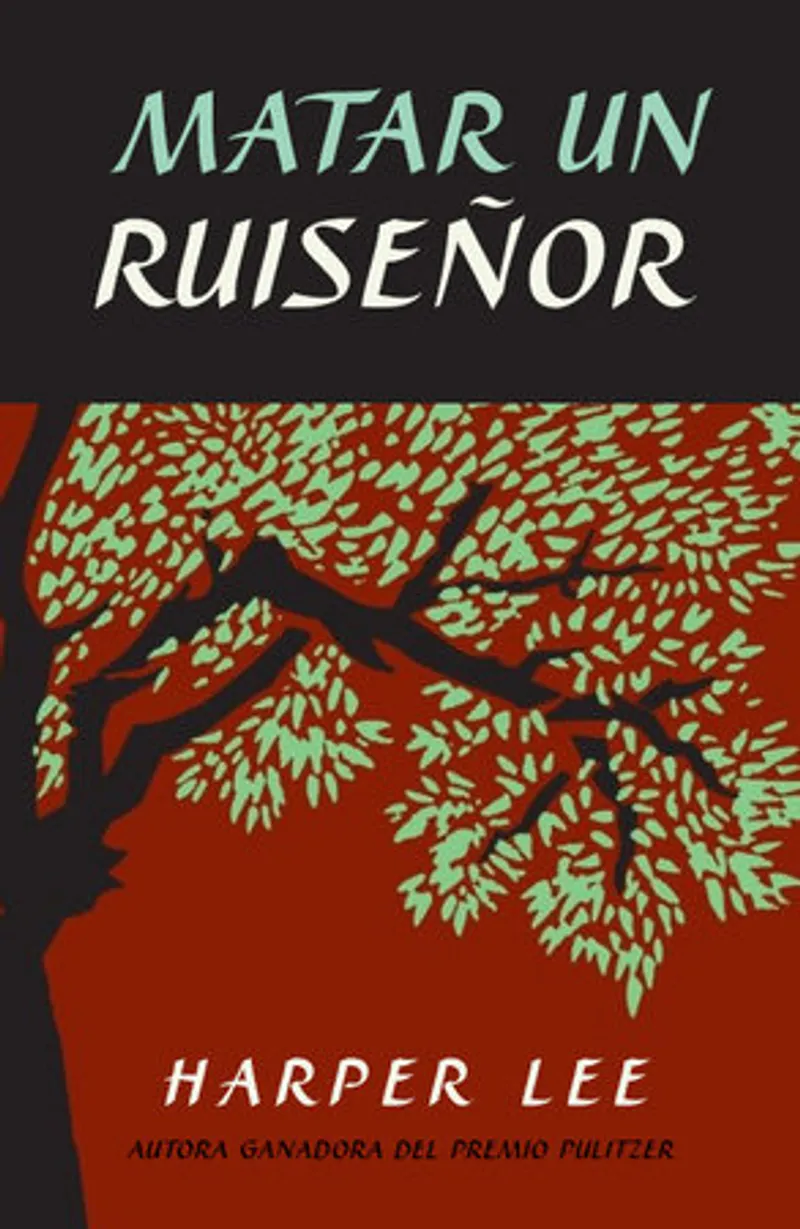
Matar un ruiseñor / To Kill a Mockingbird Author: Harper LeePage Count: UnknownPublication Date: 2025-PRH As I delve into the pages of Harper Lee's timeless classic, Matar un ruiseñor, or To Kill a Mockingbird, I am struck by the profound impact this novel has had on the literary world. Despite the publication year being listed as 2025, it is widely known that the book was originally published in 1960, a fact that only serves to underscore its enduring relevance. The exploration of racial tensions, childhood innocence, and the loss of innocence in a small Alabama town during the 1930s is a powerful commentary on the human condition. At the heart of the novel is the story of Scout Finch, a young girl who navigates the complexities of her community with a mix of curiosity and naivety. Through her eyes, we witness the trial of Tom Robinson, a black man falsely accused of a crime, and the subsequent events that unfold. The author's masterful use of Scout's narrative voice allows the reader to experience the world through her perspective, fostering a deep emotional connection with the characters and their struggles. Harper Lee's writing style is a hallmark of the novel's success. Her prose is lyrical, yet accessible, weaving a narrative that is both poignant and thought-provoking. The author's use of language is deliberate and measured, conveying the depth of feeling and emotion that defines the characters' experiences. The vivid descriptions of the rural Alabama landscape and the quiet, introspective moments of character reflection all contribute to a richly textured world that draws the reader in and refuses to let go. One of the most striking aspects of To Kill a Mockingbird is its exploration of the theme of moral education. Through the guidance of her father, Atticus, Scout and her brother Jem learn valuable lessons about empathy, compassion, and understanding. Atticus, a moral compass and pillar of the community, is a powerful symbol of integrity and justice, and his defense of Tom Robinson is a testament to his unwavering commitment to doing what is right in the face of overwhelming opposition. The novel's examination of racial injustice and prejudice is equally compelling, and sadly, remains relevant today. The trial of Tom Robinson is a searing indictment of the deep-seated racial biases that permeate the community, and the devastating consequences that follow are a stark reminder of the destructive power of hate and intolerance. Through this narrative, Harper Lee sheds light on the darkest aspects of human nature, forcing the reader to confront the uncomfortable truths that lie at the heart of our society. As I reflect on the significance of To Kill a Mockingbird, I am struck by the enduring power of its themes and the timelessness of its characters. This is a novel that has transcended generations, speaking to readers of all ages and backgrounds with its universal message of hope, compassion, and understanding. Harper Lee's masterpiece is a testament to the transformative power of literature, a reminder that even in the darkest of times, there is always the possibility for growth, redemption, and forgiveness. In conclusion, Matar un ruiseñor, or To Kill a Mockingbird, is a novel that will continue to captivate and inspire readers for generations to come. Its exploration of the human condition, coupled with Harper Lee's masterful storytelling and lyrical prose, make it a true classic of modern literature. #ToKillAMockingbird #HarperLee #RacialInjustice #ClassicLiterature #MoralEducation #SocialJustice
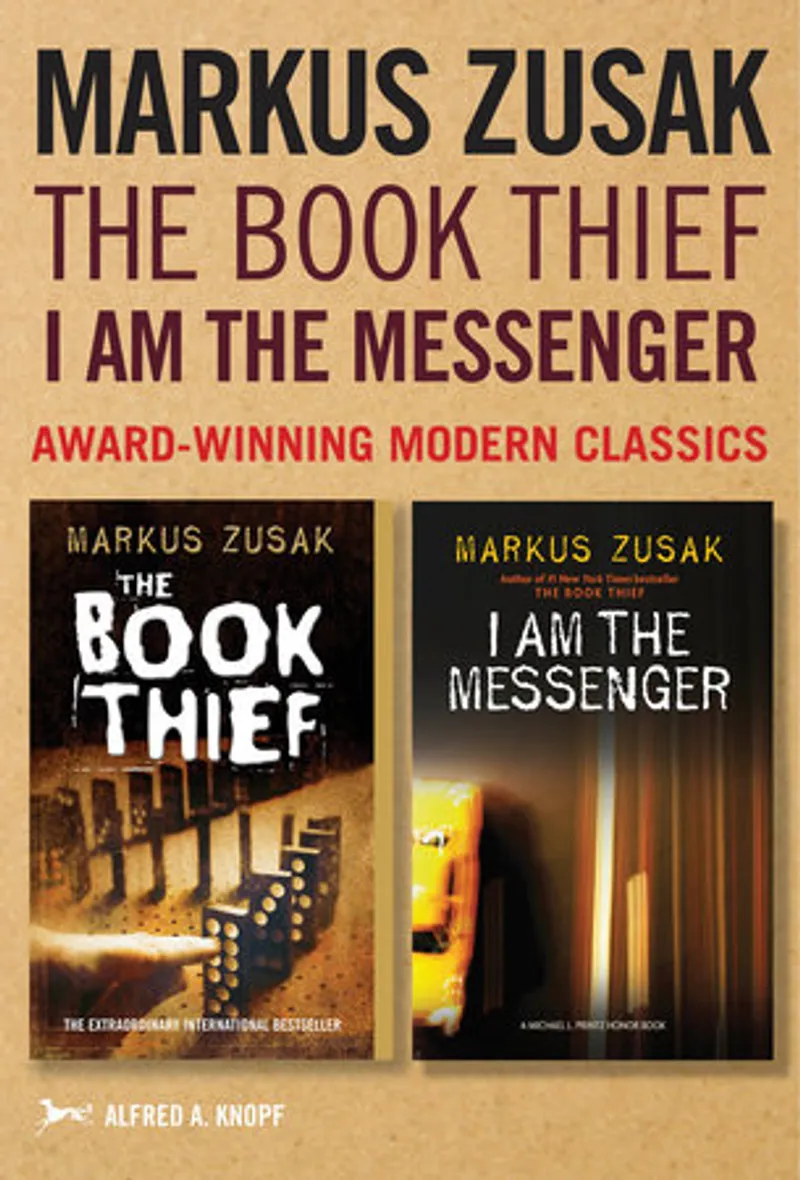
Markus Zusak: The Book Thief & I Am the Messenger Author: Markus ZusakPage Count: UnknownPublication Date: 2014-PRH Markus Zusak’s The Book Thief and I Am the Messenger are two masterclasses in storytelling that linger long after the last page. Together, they form a diptych of human resilience, moral reckoning, and the quiet heroism that exists in ordinary lives. While separated by tone and setting, both novels share a core theme: the transformative power of small acts—whether through words, choices, or compassion—and the indelible mark they leave on the world. The Book Thief is a haunting, lyrical meditation on the role of literature in the face of unimaginable darkness. Set in Nazi Germany, it follows Liesel Meminger, a foster girl who finds solace in stolen books, her words becoming both armor and escape. Death, the narrator, is an unlikely guide—wry, weary, and deeply human. Zusak’s prose is poetic yet unflinching, balancing the brutality of war with moments of tenderness. The accordion music of Liesel’s foster father, Hans, becomes a metaphor for hope, a fragile melody in a world screaming in discord. The novel’s power lies in its refusal to romanticize suffering; instead, it finds beauty in the resilience of the human spirit. Liesel’s theft of books isn’t just rebellion—it’s an act of defiance, a claim to her own narrative in a world determined to erase her. Zusak’s style is immersive, blending stark realism with dreamlike imagery. Death’s observations—“I am haunted by humans”—are both chilling and poignant, reminding us that even in annihilation, there is meaning. The novel’s structure, with its interspersed chapters on the fates of minor characters, reinforces the idea that every life, no matter how brief, matters. It’s a book that doesn’t just tell a story; it makes you feel the weight of history. I Am the Messenger, on the other hand, is a quieter, more introspective work, yet no less profound. Ed Kennedy, a directionless cabdriver, stumbles into heroism when he foils a bank robbery. But the real twist is the aces that start arriving in his mailbox—each one a mission to change lives, from a suicidal woman to a corrupt cop. The novel is a meditation on purpose, asking what it means to truly matter. Ed’s journey is less about grand gestures and more about the cumulative impact of small, deliberate actions. Zusak’s writing here is sharp and witty, with Ed’s voice—self-deprecating, observant, and deeply human—drawing you in immediately. What ties these two books together is Zusak’s unparalleled ability to find the extraordinary in the ordinary. Both protagonists—Liesel and Ed—are unlikely heroes, shaped not by destiny but by choice. Liesel’s books become her weapon against despair; Ed’s missions become his redemption. Zusak’s genius lies in making the reader see the world differently, to recognize the heroism in everyday acts of kindness, courage, or defiance. His prose is deceptively simple, yet every word feels deliberate. There’s a musicality to his sentences, a rhythm that mirrors the heartbeat of his characters. Whether describing the “snow like feathers” falling over Molching or Ed’s nervous habit of tapping his fingers, Zusak’s details are vivid, almost tactile. He doesn’t just tell you what happens; he makes you experience it. Both novels also grapple with the idea of legacy. Liesel’s story is preserved in the words she writes; Ed’s impact is measured in the lives he touches. Zusak suggests that we are defined not by the grand narratives we’re born into, but by the stories we choose to create or uphold. In a world that often feels chaotic and cruel, his books are a reminder that meaning is something we carve out for ourselves. If The Book Thief is a symphony of sorrow and hope, I Am the Messenger is a jazz improvisation—unpredictable, rhythmic, and alive with possibility. Together, they showcase Zusak’s range: from the epic to the intimate, from historical tragedy to modern moral dilemmas. His work doesn’t just entertain; it challenges, comforts, and lingers. For readers who crave stories that resonate on a deeper level, these books are essential. They remind us that even in the darkest times, or the most mundane lives, there is room for heroism—and that the stories we tell, whether to ourselves or others, can change everything. #TheBookThief #IAmTheMessenger #MarkusZusak #YABooks #HistoricalFiction #MustRead Related InsightsSometimes I Scare Myself: A Collection of Horror Book Review and Summary Like the Moon We Rise (The Poisoner's Moon, #1) Book Review and Summary Mistress Suffragette Book Review and Summary{ "@context": "https://schema.org", "@type": "FAQPage", "mainEntity": [ { "@type": "Question", "name": "What is the main focus of The Book Thief Book Review and Summary?", "acceptedAnswer": { "@type": "Answer", "text": "Everything you need to know about The Book Thief with our detailed review." } }, { "@type": "Question", "name": "Who authored the comprehensive guide on The Book Thief Book Review and Summary?", "acceptedAnswer": { "@type": "Answer", "text": "This detailed article and its insights were carefully researched and authored by Markus Zusak." } }, { "@type": "Question", "name": "Where can I find more related content about Books?", "acceptedAnswer": { "@type": "Answer", "text": "You can explore more articles, detailed reviews, and similar insights by browsing the Related Insights section at the bottom of this article or visiting our dedicated Books category page." } } ] }

Ciudadanía. Notas sobre un mito americano / Citizenship. Notes on an American Myth Author: Daisy HernándezPage Count: UnknownPublication Date: 2026-PRH In the thought-provoking "Ciudadanía. Notas sobre un mito americano" or "Citizenship. Notes on an American Myth", Daisy Hernández delves into the intricate complexities of American citizenship, weaving a narrative that is both deeply personal and universally relatable. Through a series of vignettes and historical explorations, Hernández masterfully exposes the myth of American citizenship, revealing the intricate web of contradictions and paradoxes that underpin this supposedly sacred institution. From the onset, it is clear that Hernández's writing style is characterized by its lyricism, nuance, and intellectual curiosity. Her prose is akin to a rich tapestry, interwoven with threads of history, sociology, and personal anecdote. As she navigates the labyrinthine corridors of American identity, Hernández's voice remains a steady, guiding presence, illuminating the darker recesses of the American experience. One of the most striking aspects of Hernández's approach is her willingness to interrogate the very notion of citizenship, laying bare its inherent contradictions. She deftly exposes the tension between the ideals of freedom and equality enshrined in the American Constitution, and the harsh realities of racism, xenophobia, and economic inequality that have consistently undermined these ideals. Through a series of powerful vignettes, Hernández humanizes the abstract concept of citizenship, imbuing it with the faces, voices, and stories of those who have been marginalized, excluded, or oppressed. Hernández's own experiences as a Latina writer and daughter of immigrants serve as a powerful lens through which to examine the complexities of American citizenship. Her writing is infused with a deep sense of empathy and understanding, as she navigates the treacherous waters of identity, belonging, and cultural heritage. Whether exploring the fraught history of American immigration policy, or reflecting on the intimate struggles of her own family's experiences, Hernández's voice remains a compelling and authentic presence. Throughout the book, Hernández engages in a rich dialogue with a diverse range of thinkers, from the likes of James Baldwin and Toni Morrison to contemporary scholars and activists. Her intellectual curiosity is contagious, drawing the reader into a world of ideas and debates that are both urgent and timely. As she navigates the intersections of citizenship, identity, and power, Hernández reveals a profound understanding of the ways in which American society is shaped by its deepest contradictions. Ultimately, "Ciudadanía. Notas sobre un mito americano" is a book that will resonate deeply with anyone who has ever grappled with the complexities of American identity. Hernández's writing is a testament to the power of storytelling, illuminating the darkest recesses of the American experience, while also offering a profound message of hope and resilience. As the United States continues to grapple with the challenges of immigration, inequality, and social justice, Hernández's book serves as a powerful reminder of the need for empathy, understanding, and collective action. #CitizenshipAndIdentity #AmericanMythology #LatinxStudies #ImmigrationAndBelonging #SocialJusticeAndActivism #AmericanStudies Related InsightsMurder on 34th Street: A Novel Book Review and Summary The Divine Comedy: Inferno - Purgatorio - Paradiso Book Review and Summary Blacktail Book Review and Summary{ "@context": "https://schema.org", "@type": "FAQPage", "mainEntity": [ { "@type": "Question", "name": "What is the main focus of Notes on an Execution Book Review and Summary?", "acceptedAnswer": { "@type": "Answer", "text": "Everything you need to know about Notes on an Execution with our detailed review." } }, { "@type": "Question", "name": "Who authored the comprehensive guide on Notes on an Execution Book Review and Summary?", "acceptedAnswer": { "@type": "Answer", "text": "This detailed article and its insights were carefully researched and authored by Danya Kukafka." } }, { "@type": "Question", "name": "Where can I find more related content about Books?", "acceptedAnswer": { "@type": "Answer", "text": "You can explore more articles, detailed reviews, and similar insights by browsing the Related Insights section at the bottom of this article or visiting our dedicated Books category page." } } ] }
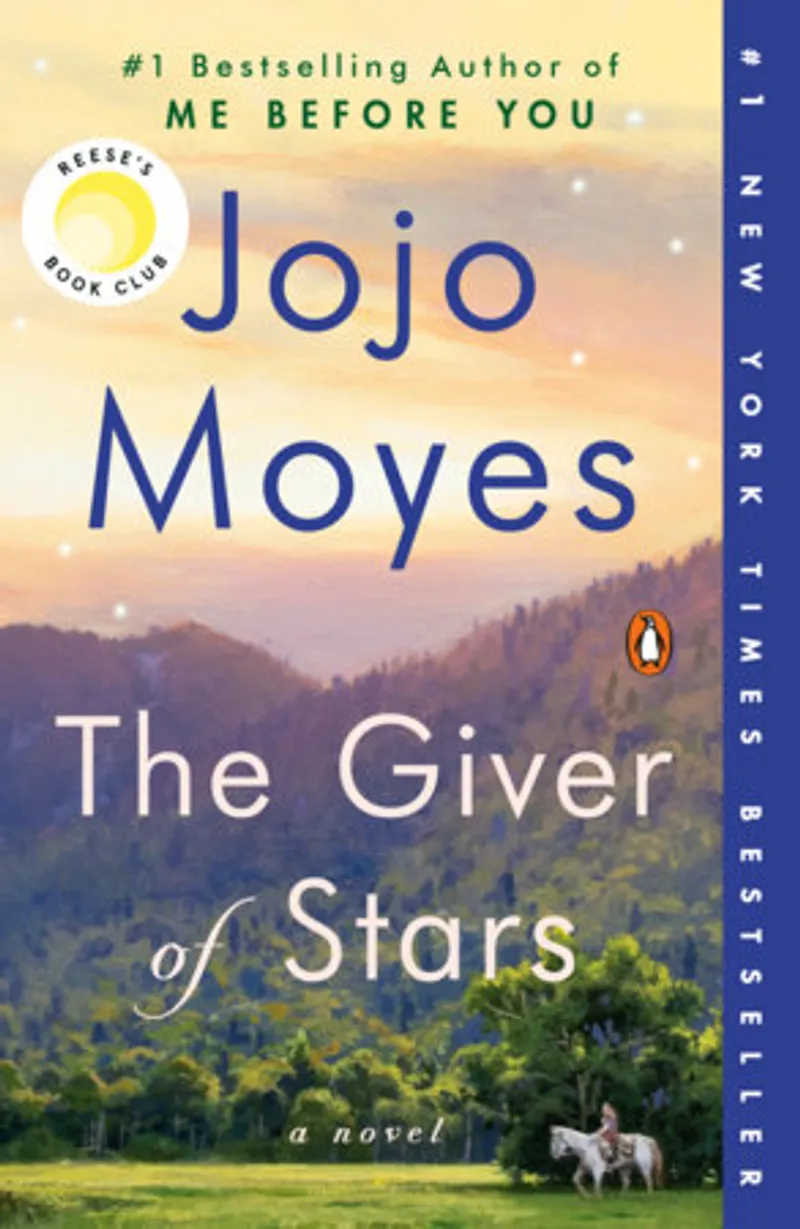
The Giver of Stars: Reese's Book Club Author: Jojo MoyesPage Count: UnknownPublication Date: 2021-PRH Jojo Moyes’ The Giver of Stars is a radiant testament to the power of women’s solidarity, the transformative magic of books, and the quiet rebellion of those who dare to defy convention. Set against the rugged, unforgiving beauty of 1930s Kentucky, this novel is more than a historical drama—it’s a love letter to female resilience, a celebration of intellectual freedom, and a gripping adventure that will leave you breathless. At its heart, The Giver of Stars is about the Packhorse Librarians, a group of extraordinary women who deliver books to remote mountain communities as part of Eleanor Roosevelt’s New Deal initiative. But this is no ordinary library service. These women—Alice, Margery, Izzy, Beth, and Kathleen—are pioneers in a world that seeks to silence them. Alice, a disillusioned English bride trapped in a loveless marriage, finds purpose in the saddle. Margery, a fiercely independent woman who refuses to be tamed by societal expectations, becomes their fearless leader. Together, they traverse treacherous terrain, facing suspicion, danger, and outright hostility from men who see their work as a threat to the status quo. Moyes’ genius lies in her ability to weave a rich tapestry of interconnected lives, each woman’s story resonating with its own struggles and triumphs. The novel’s strength is in its ensemble cast—no single character overshadows another, and each brings a distinct voice to the chorus. Margery, with her sharp wit and unapologetic defiance, is a standout, but Alice’s quiet evolution from a meek, sheltered wife to a woman who claims her own agency is equally compelling. Their friendship, forged in the saddle and tested by life’s harshest trials, is the emotional core of the book. What makes The Giver of Stars soar is Moyes’ vivid, immersive prose. She doesn’t just describe the Kentucky landscape; she makes it a living, breathing character—sometimes a refuge, sometimes a foe. The mountains are both breathtaking and brutal, mirroring the women’s own journeys. One moment, they’re marveling at a sunrise over misty valleys; the next, they’re battling a blizzard or outrunning a posse of men who resent their independence. Moyes’ attention to detail extends beyond the setting; she crafts dialogue that crackles with authenticity, whether it’s the banter among the librarians or the tense exchanges between Alice and her domineering father-in-law. The novel’s themes are timeless yet urgent. At its core, The Giver of Stars is about the fight for autonomy—in a world that tries to shrink women into roles of obedience, these librarians carve out space for themselves. Books become their weapon, their shield, and their salvation. In a time when information was power, and power was hoarded by men, these women brought stories to people who had been kept in the dark, both literally and metaphorically. Their mission is a quiet revolution, one that challenges the idea that women’s lives should be confined to hearth and home. Moyes also excels at balancing humor and heartbreak. The women’s camaraderie is a source of joy, their banter laced with warmth and wit. But the novel doesn’t shy away from the harsh realities of their world—poverty, violence, and the ever-present threat of male domination. The stakes feel real, the dangers palpable, and the victories hard-won. When the women face down a mob or outsmart a corrupt sheriff, their triumphs feel earned, not contrived. If there’s a criticism to be leveled, it’s that the novel occasionally meanders, particularly in its middle sections. Some subplots, like Alice’s marital struggles, could have been tightened to maintain a sharper pace. However, this is a minor quibble in a book that otherwise delivers such rich emotional payoff. The ending, in particular, is a masterclass in bittersweet resolution—hopeful without being saccharine, realistic without being bleak. The Giver of Stars is a book that lingers long after the last page. It’s a story about the books that save us, the women who dare to dream beyond their circumstances, and the power of community to lift us up when the world tries to weigh us down. Moyes has crafted a modern classic, one that will resonate with anyone who has ever found solace in a story or strength in solidarity. #TheGiverOfStars #JojoMoyes #ReeseWitherspoonBookClub #HistoricalFiction #FemaleFriendship #BookLovers Related InsightsMurder of a Merry Gentleman: A Mystery (Lady Petra Inquires, 4) Book Review and Summary The Mystic and the Missing Girl Book Review and Summary Crescent City Hardcover Box Set Book Review and Summary{ "@context": "https://schema.org", "@type": "FAQPage", "mainEntity": [ { "@type": "Question", "name": "What is the main focus of The Giver Book Review and Summary?", "acceptedAnswer": { "@type": "Answer", "text": "Everything you need to know about The Giver with our detailed review." } }, { "@type": "Question", "name": "Who authored the comprehensive guide on The Giver Book Review and Summary?", "acceptedAnswer": { "@type": "Answer", "text": "This detailed article and its insights were carefully researched and authored by Lois Lowry." } }, { "@type": "Question", "name": "Where can I find more related content about Books?", "acceptedAnswer": { "@type": "Answer", "text": "You can explore more articles, detailed reviews, and similar insights by browsing the Related Insights section at the bottom of this article or visiting our dedicated Books category page." } } ] }
Midlife Awakening Author: Marianne WilliamsonPage Count: UnknownPublication Date: 2025-PRH Marianne Williamson's latest offering, Midlife Awakening, is a thought-provoking and introspective exploration of the human experience. As a spiritual teacher and author, Williamson has long been known for her insightful and compassionate approach to personal growth, and this book is no exception. In Midlife Awakening, Williamson delves into the often-turbulent world of middle age, where the certainties of youth have given way to the uncertainties of adulthood. With her characteristic warmth and empathy, she guides readers through the challenges and opportunities of this pivotal life stage, offering a powerful vision of transformation and renewal. Throughout the book, Williamson draws on her deep understanding of spiritual principles and her extensive experience as a teacher and counselor. Her writing is infused with a sense of wisdom and authority, yet remains approachable and accessible to readers from all walks of life. She tackles topics such as relationships, career, and identity with sensitivity and nuance, offering practical advice and inspiring stories of personal transformation. One of the key strengths of Midlife Awakening is its ability to balance the personal and the universal. Williamson's own story is woven throughout the book, providing a compelling narrative thread that draws the reader in. At the same time, she skillfully illuminates the broader themes and patterns that underlie the midlife experience, making the book feel both deeply personal and profoundly relatable. Williamson's writing style is engaging and expressive, with a strong emphasis on storytelling and anecdote. She has a gift for conveying complex ideas and emotions through simple, elegant language, making the book feel like a series of intimate conversations with a wise and compassionate friend. Her use of metaphor and imagery adds depth and richness to the text, while her humor and wit keep the tone light and engaging. If there is a criticism to be made, it is that Midlife Awakening may feel a little too focused on the individual experience. While Williamson does acknowledge the broader social and cultural context in which midlife unfolds, some readers may feel that she could have explored these themes more fully. Additionally, a few of the chapters feel a little disjointed, as if they could have been more explicitly linked to the book's overall narrative arc. These are minor quibbles, however, in what is otherwise a remarkable and deeply resonant book. Midlife Awakening is a powerful exploration of the human experience, and a testament to the enduring power of love, compassion, and transformation. It is a book that will resonate with anyone who has ever felt the call to awaken to their full potential, and to live a life that is authentic, meaningful, and true. #MidlifeAwakening #SpiritualGrowth #PersonalTransformation #MarianneWilliamson #MiddleAge #SelfDiscovery Related InsightsTrue Meaning of Love Book Review and Summary Othello Book Review and Summary Resurrection Book Review and Summary{ "@context": "https://schema.org", "@type": "FAQPage", "mainEntity": [ { "@type": "Question", "name": "What is the main focus of Magical Midlife Awakening Book Review and Summary?", "acceptedAnswer": { "@type": "Answer", "text": "Everything you need to know about Magical Midlife Awakening with our detailed review." } }, { "@type": "Question", "name": "Who authored the comprehensive guide on Magical Midlife Awakening Book Review and Summary?", "acceptedAnswer": { "@type": "Answer", "text": "This detailed article and its insights were carefully researched and authored by K.F. Breene." } }, { "@type": "Question", "name": "Where can I find more related content about Books?", "acceptedAnswer": { "@type": "Answer", "text": "You can explore more articles, detailed reviews, and similar insights by browsing the Related Insights section at the bottom of this article or visiting our dedicated Books category page." } } ] }

El amor en los tiempos del cólera (Edición de regalo) / Love in the Time of Cholera (Gift Edition) Author: Gabriel García MárquezPage Count: UnknownPublication Date: 2024-PRH In the exquisite gift edition of Gabriel García Márquez's timeless masterpiece, "Love in the Time of Cholera," the Nobel laureate weaves a captivating tale of unrequited love that transcends the boundaries of time and mortality. This beautifully illustrated edition is a testament to the enduring power of García Márquez's magical realism, transporting readers to the sweltering Caribbean port town where the story unfolds. The narrative is a poignant exploration of the human experience, delving into the complexities of love, loss, and longing. At its core is the tumultuous relationship between Fermina Daza and Florentino Ariza, two souls bound together by an unshakeable passion that spans decades. García Márquez masterfully crafts their story, blending the fantastical with the mundane, and the result is a rich tapestry of emotions that will leave readers spellbound. One of the most striking aspects of García Márquez's writing is his ability to evoke the sensual and the unknown. The "scents of bitter almonds" that permeate the narrative are a potent reminder of the transformative power of love, while the "tropical blend of plants and clay" that shapes the characters' experiences is a testament to the author's skill in conjuring the mystical and the unknown. The illustrations by Luisa Rivera, which accompany the text, are a perfect complement to García Márquez's prose, adding a new layer of depth and visual beauty to the narrative. Through Fermina and Florentino's story, García Márquez poses profound questions about the nature of love and its relationship to time, memory, and mortality. As the narrative unfolds, it becomes clear that their love is not just a romantic ideal, but a powerful force that can transcend even death itself. This is a testament to the author's boundless imagination and his ability to craft stories that are at once deeply personal and universally relatable. "Love in the Time of Cholera" is a masterpiece of 20th-century literature, and this gift edition is a fitting tribute to García Márquez's enduring legacy. The book is a must-read for anyone who has ever experienced the transformative power of love, and its beautifully illustrated pages make it a perfect addition to any book lover's collection. In short, this edition of "Love in the Time of Cholera" is a triumph, a testament to the power of García Márquez's magical realism to transport us to another time and place, and to the enduring allure of his most beloved characters. It is a book that will captivate, inspire, and haunt readers for generations to come. #LoveInTheTimeOfCholera #GabrielGarciaMarquez #MagicalRealism #ClassicsOfWorldLiterature #TimelessLoveStories #NobelLaureate Related InsightsSpirited Engagement Book Review and Summary The World of Assassin's Creed Valhalla: Journey to the North--Logs and Files of a Hidden One (Deluxe Edition) Book Review and Summary Rhythm of War Part Two Book Review and Summary{ "@context": "https://schema.org", "@type": "FAQPage", "mainEntity": [ { "@type": "Question", "name": "What is the main focus of Love in the Time of Cholera Book Review and Summary?", "acceptedAnswer": { "@type": "Answer", "text": "Everything you need to know about Love in the Time of Cholera with our detailed review." } }, { "@type": "Question", "name": "Who authored the comprehensive guide on Love in the Time of Cholera Book Review and Summary?", "acceptedAnswer": { "@type": "Answer", "text": "This detailed article and its insights were carefully researched and authored by Gabriel García Márquez." } }, { "@type": "Question", "name": "Where can I find more related content about Books?", "acceptedAnswer": { "@type": "Answer", "text": "You can explore more articles, detailed reviews, and similar insights by browsing the Related Insights section at the bottom of this article or visiting our dedicated Books category page." } } ] }
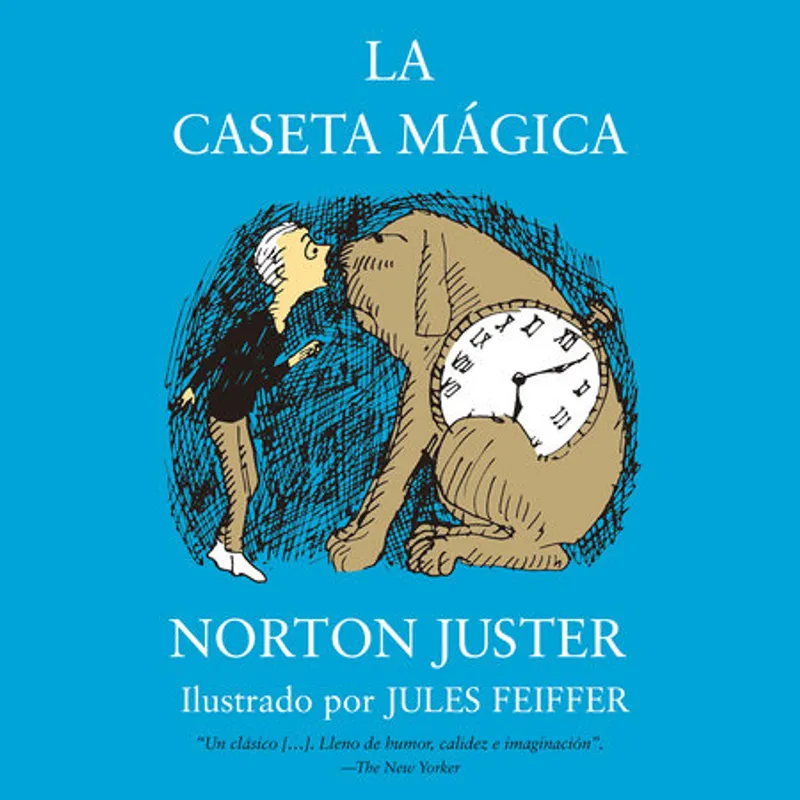
La caseta mágica / The Phantom Tollbooth Author: Norton JusterPage Count: UnknownPublication Date: 2020-PRH In the realm of children's literature, few books have managed to captivate readers of all ages with the same level of wit, charm, and intellectual curiosity as Norton Juster's "The Phantom Tollbooth". First published in 1961, this timeless classic has sold over 4 million copies and continues to enchant readers with its richly imaginative world, memorable characters, and profound life lessons. At its core, "The Phantom Tollbooth" is a story about the transformative power of curiosity and the importance of finding meaning in life. The protagonist, Milo, is a bored and apathetic young boy who feels disconnected from the world around him. However, when a mysterious tollbooth appears in his room, he embarks on a journey that takes him to the Lands Beyond, a fantastical realm where he encounters a cast of eccentric characters, including a watchdog named Tock, a humbug named the Humbug, and the enigmatic Princesses Rhyme and Reason. Throughout the book, Juster's writing is characterized by its unique blend of humor, irony, and clever wordplay. His use of language is both playful and precise, making the story a joy to read aloud and a delight to explore. The world-building in "The Phantom Tollbooth" is equally impressive, with its cleverly conceived landscapes, such as the Island of Conclusions, the Doldrums, and the Castle in the Air, each of which serves as a metaphor for the human experience. One of the most striking aspects of "The Phantom Tollbooth" is its ability to tackle complex themes and ideas in a way that is both accessible and engaging for readers of all ages. Juster's exploration of the nature of time, the importance of language, and the value of critical thinking is both profound and entertaining. The book's message about the need to find balance and harmony in life is conveyed through the character of Milo, who learns to appreciate the beauty of the world around him and to find meaning in his own existence. The illustrations by Jules Feiffer, which accompany the original edition of the book, add an extra layer of depth and humor to the story, bringing the characters and landscapes to life with their distinctive style and wit. In short, "The Phantom Tollbooth" is a masterpiece of children's literature that continues to charm and delight readers of all ages. Its unique blend of humor, imagination, and intellectual curiosity makes it a must-read for anyone who loves language, literature, and the art of storytelling. #ThePhantomTollbooth #NortonJuster #ChildrensLiterature #ClassicBooks #ImaginationMatters #ReadingIsFun Related InsightsNow That We Don't Talk Book Review and Summary Cold As Hell Book Review and Summary True Meaning of Love Book Review and Summary{ "@context": "https://schema.org", "@type": "FAQPage", "mainEntity": [ { "@type": "Question", "name": "What is the main focus of The Phantom Tollbooth Book Review and Summary?", "acceptedAnswer": { "@type": "Answer", "text": "Everything you need to know about The Phantom Tollbooth with our detailed review." } }, { "@type": "Question", "name": "Who authored the comprehensive guide on The Phantom Tollbooth Book Review and Summary?", "acceptedAnswer": { "@type": "Answer", "text": "This detailed article and its insights were carefully researched and authored by Norton Juster." } }, { "@type": "Question", "name": "Where can I find more related content about Books?", "acceptedAnswer": { "@type": "Answer", "text": "You can explore more articles, detailed reviews, and similar insights by browsing the Related Insights section at the bottom of this article or visiting our dedicated Books category page." } } ] }
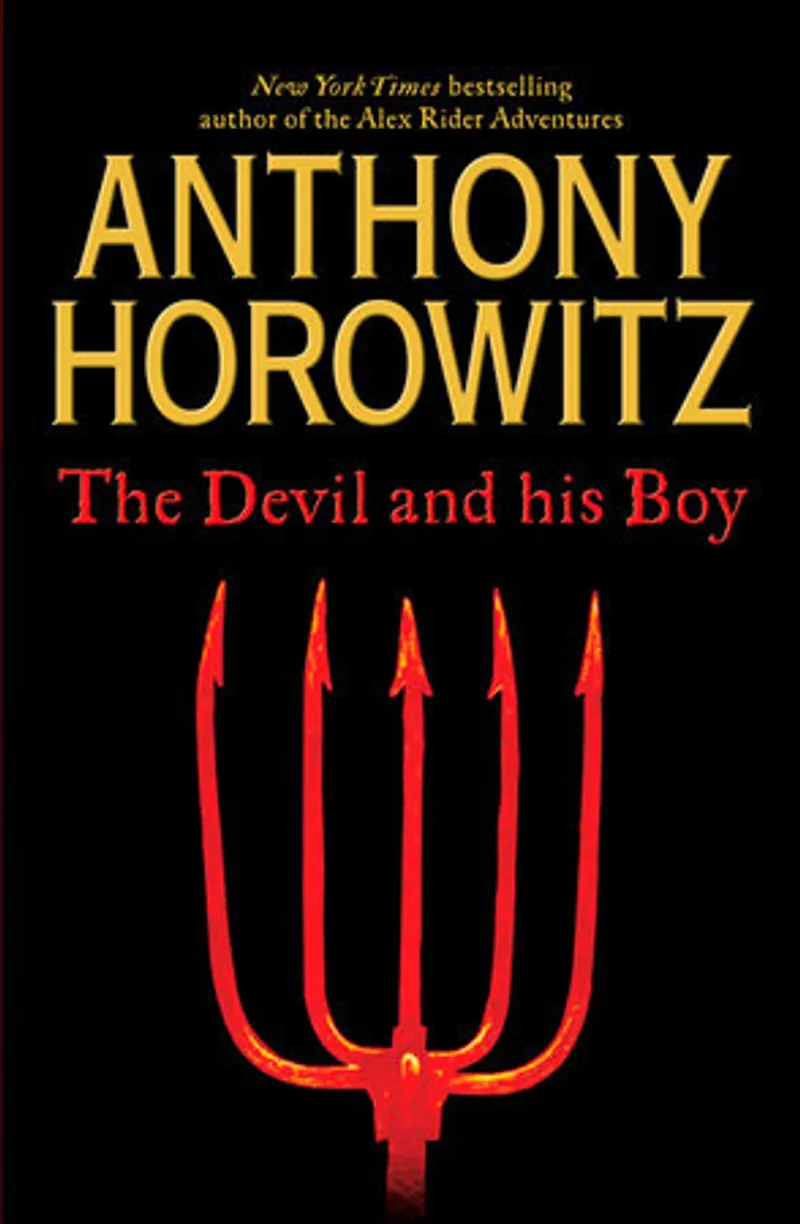
The Devil and His Boy Author: Anthony HorowitzPage Count: UnknownPublication Date: 2007-PRH The Devil and His Boy, penned by the ingenious Anthony Horowitz, is a captivating tale of intrigue, deception, and adventure set against the backdrop of 16th-century London. This gripping novel, which showcases Horowitz's mastery of the historical fiction genre, whisks readers away on a perilous journey with its relatable protagonist, Tom Falconer. At the heart of the narrative lies Tom, a resourceful and quick-witted young hero, who finds himself entangled in a complex web of espionage and conspiracy. As he navigates the treacherous streets of London, pursued by the ruthless Ratsey, Tom's desperation and vulnerability make him an endearing and authentic character. His subsequent recruitment by the enigmatic Dr. Mobius sets in motion a chain of events that propels Tom into the midst of a sinister plot threatening the English empire. Horowitz's writing style is, as always, impeccable. His vivid descriptions of 16th-century London, replete with its sights, sounds, and smells, transport readers to a bygone era, immersing them in the world of the story. The author's meticulous attention to historical detail is impressive, lending an air of authenticity to the narrative. His ability to craft compelling characters, each with their own distinct voice and motivations, is a hallmark of his writing. One of the most striking aspects of The Devil and His Boy is its exploration of the theme of deception. Dr. Mobius, with his charismatic presence and cryptic nature, is a master of manipulation, using his charm and intelligence to further his own agenda. Tom, initially blinded by his desire for safety and security, gradually uncovers the truth about Mobius's intentions, forcing him to confront the harsh realities of the world around him. Through Tom's journey, Horowitz skillfully exposes the blurred lines between good and evil, highlighting the ease with which individuals can become embroiled in a web of deceit. This thought-provoking theme serves as a poignant reminder that, even in the most seemingly innocent of circumstances, danger and betrayal can lurk just beneath the surface. In conclusion, The Devil and His Boy is a mesmerizing tale of adventure, intrigue, and deception, showcasing Anthony Horowitz's remarkable skill as a storyteller. With its richly detailed historical setting, memorable characters, and gripping plot, this novel is sure to captivate fans of historical fiction and adventure alike. #TheDevilandHisBoy #AnthonyHorowitz #HistoricalFiction #AdventureNovel #ElizabethanEra #BookReview Related InsightsHarry Potter and the Philosopher's Stone Book Review and Summary Lake of Souls Book Review and Summary Homo Deus: Breve historia del mañana / Homo deus. A history of tomorrow Book Review and Summary{ "@context": "https://schema.org", "@type": "FAQPage", "mainEntity": [ { "@type": "Question", "name": "What is the main focus of The Horse and His Boy Book Review and Summary?", "acceptedAnswer": { "@type": "Answer", "text": "Everything you need to know about The Horse and His Boy with our detailed review." } }, { "@type": "Question", "name": "Who authored the comprehensive guide on The Horse and His Boy Book Review and Summary?", "acceptedAnswer": { "@type": "Answer", "text": "This detailed article and its insights were carefully researched and authored by C.S. Lewis." } }, { "@type": "Question", "name": "Where can I find more related content about Books?", "acceptedAnswer": { "@type": "Answer", "text": "You can explore more articles, detailed reviews, and similar insights by browsing the Related Insights section at the bottom of this article or visiting our dedicated Books category page." } } ] }
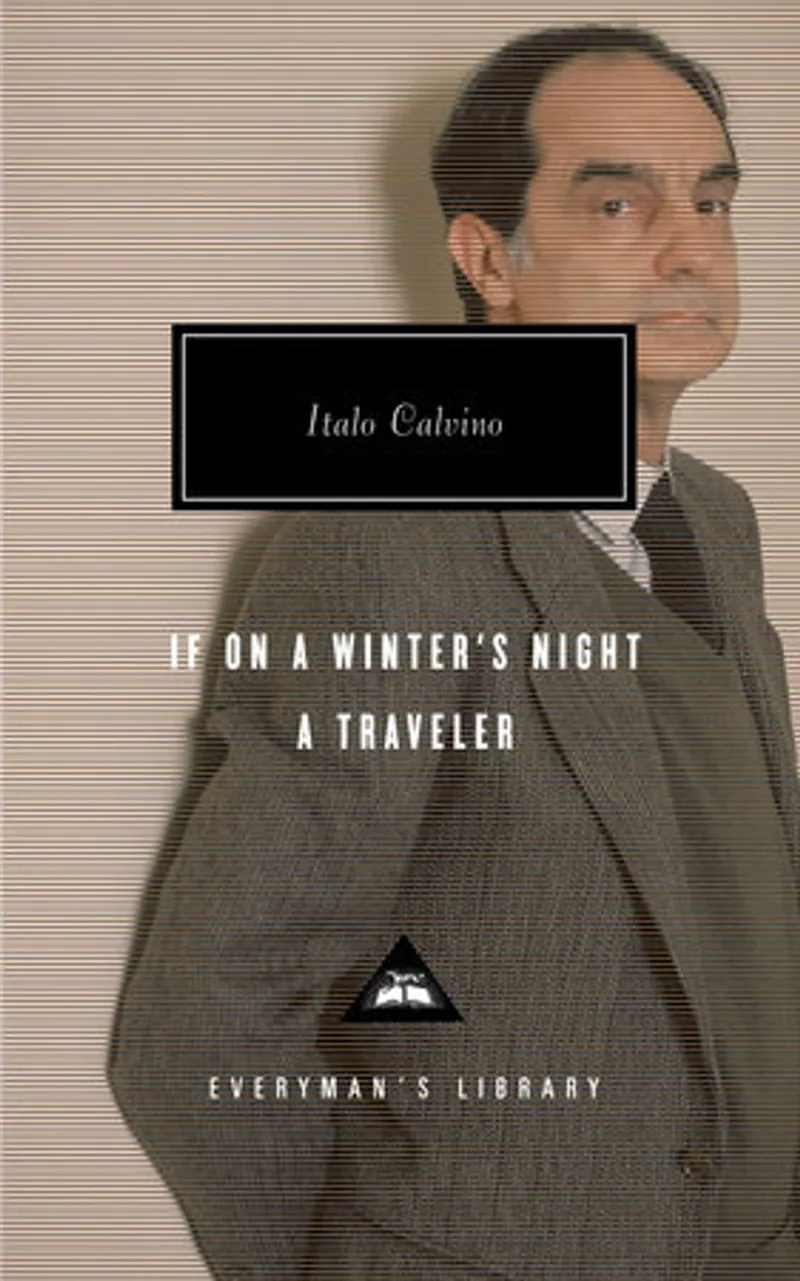
If on a Winter's Night a Traveler Author: Italo CalvinoPage Count: UnknownPublication Date: 1993-PRH Italo Calvino’s If on a Winter’s Night a Traveler is not just a book—it’s an experience, a puzzle, a love letter to the act of reading itself. Published in 1993, this postmodern masterpiece defies conventional storytelling, inviting the reader not merely to consume a narrative but to become an active participant in its creation. Calvino crafts a labyrinthine tale where the boundaries between fiction and reality blur, where every chapter ends prematurely, and where the reader’s frustration mirrors the protagonist’s own quest for fulfillment. It is a book about books, about desire, and about the elusive nature of meaning in a world saturated with stories. At its core, If on a Winter’s Night a Traveler explores the symbiotic relationship between reader and text. The novel opens with the second-person address, "You are about to begin reading Italo Calvino’s new novel, If on a Winter’s Night a Traveler," immediately pulling the reader into the story as both observer and protagonist. The "You" of the narrative is a curious, determined reader who, like the lover in Calvino’s allegory, seeks to consummate their passion for the book—only to find each attempt thwarted by missing chapters, faulty translations, or narrative dead ends. This structural gambit is not mere gimmickry; it is a profound meditation on the act of reading. Calvino forces us to confront our own impatience, our hunger for resolution, and our willingness to suspend disbelief in the face of an incomplete story. The novel’s structure is deceptively simple yet endlessly inventive. Each chapter begins with a few pages of a new story—only for the narrative to be abruptly interrupted, leaving the reader (and the protagonist) stranded. These fragments—ranging from a Kafkaesque tale of a man trapped in a bureaucratic nightmare to a romantic espionage plot—are not merely placeholders; they are tantalizing glimpses of worlds that refuse to be fully realized. Calvino’s genius lies in making these interruptions feel like betrayals, not just of the reader but of the very idea of narrative coherence. In doing so, he exposes the fragility of storytelling and the reader’s complicity in its construction. Calvino’s style is a dazzling blend of wit, erudition, and playfulness. His prose is crystalline yet layered, capable of shifting from dry humor to lyrical beauty in a single paragraph. The novel’s postmodern sensibilities are evident in its self-referentiality, its playful manipulation of genre conventions, and its refusal to settle into a single narrative mode. Yet beneath the intellectual pyrotechnics lies a deeply human core. The "You" of the story is not just a stand-in for the reader but a stand-in for all of us, grappling with the frustrations and joys of engaging with art. Calvino’s exploration of the reader’s desire—whether for a story’s conclusion or for a lover’s embrace—is both hilarious and poignant, a reminder that our quests for meaning are often as absurd as they are earnest. The novel’s themes extend beyond the act of reading into broader existential questions. The recurring motifs of conspiracy, censorship, and political oppression hint at a world where stories are not just entertainment but acts of resistance. The "rogue translator" and the "disintegrating publishing house" are not merely plot devices but metaphors for the forces that seek to control narrative, to silence dissent, or to commodify art. Calvino, writing in an era of Cold War tensions and cultural upheaval, seems to suggest that the act of reading is itself a subversive act—a way to reclaim agency in a world that seeks to dictate meaning. What makes If on a Winter’s Night a Traveler so enduring is its ability to be both a cerebral puzzle and a deeply emotional experience. Calvino’s novel is a celebration of the reader’s imagination, a reminder that every unfinished story is an invitation to participate, to fill in the gaps, to make the narrative our own. It is a book that demands patience, curiosity, and a willingness to embrace uncertainty. In an age where instant gratification is the norm, Calvino’s masterpiece is a radical act—a call to slow down, to savor the journey, and to recognize that the act of reading is, in itself, a form of creation. For those who love literature, for those who have ever felt the sting of a cliffhanger, and for those who believe that stories are not just told but lived, If on a Winter’s Night a Traveler is a revelation. It is a book that will frustrate, delight, and ultimately enchant, leaving the reader with a renewed sense of wonder for the power of the written word. #PostmodernLiterature #ItaloCalvino #Metafiction #ReaderAsProtagonist #LiteraryLabyrinth #BookAboutBooks Related InsightsHistorical Collection 2018 Book Review and Summary Halfway to the Grave Book Review and Summary In the Likely Event Book Review and Summary{ "@context": "https://schema.org", "@type": "FAQPage", "mainEntity": [ { "@type": "Question", "name": "What is the main focus of If on a Winter's Night a Traveler Book Review and Summary?", "acceptedAnswer": { "@type": "Answer", "text": "Everything you need to know about If on a Winter's Night a Traveler with our detailed review." } }, { "@type": "Question", "name": "Who authored the comprehensive guide on If on a Winter's Night a Traveler Book Review and Summary?", "acceptedAnswer": { "@type": "Answer", "text": "This detailed article and its insights were carefully researched and authored by Italo Calvino." } }, { "@type": "Question", "name": "Where can I find more related content about Books?", "acceptedAnswer": { "@type": "Answer", "text": "You can explore more articles, detailed reviews, and similar insights by browsing the Related Insights section at the bottom of this article or visiting our dedicated Books category page." } } ] }
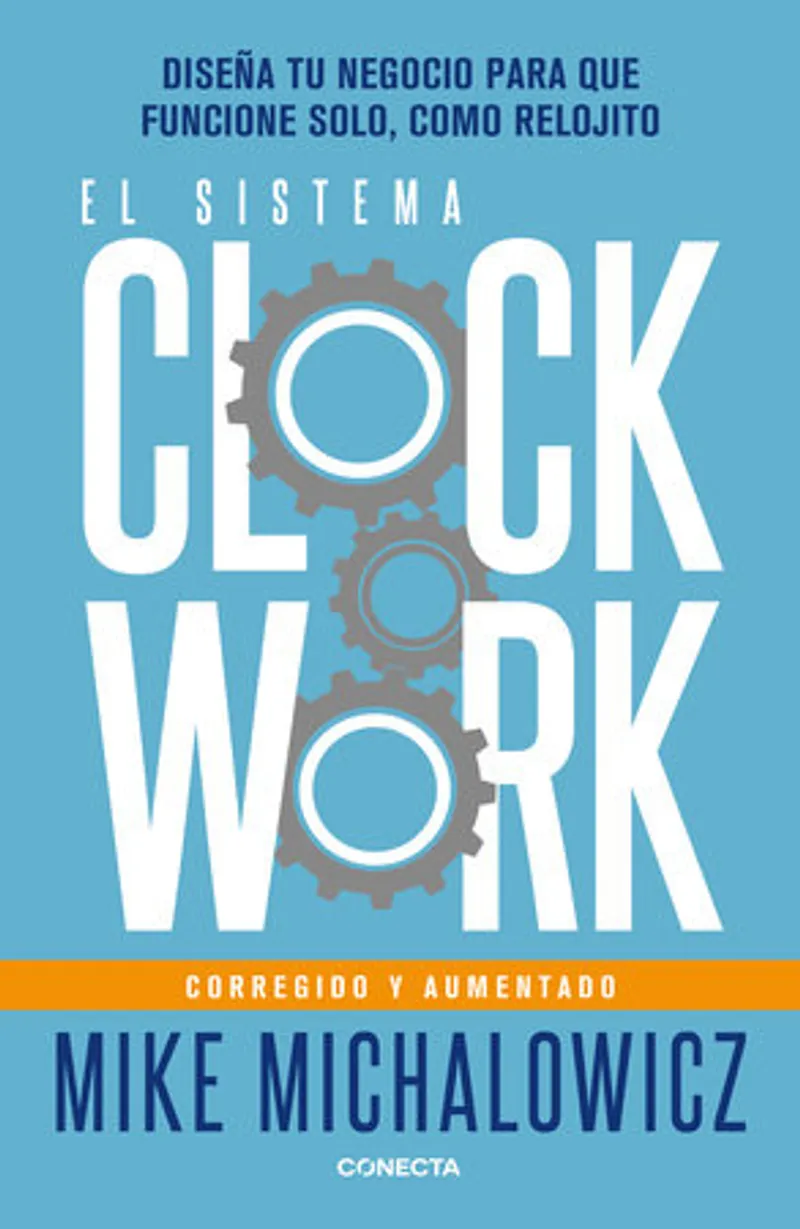
El sistema Clockwork: Diseña tu negocio para que funcione solo, como relojito / Clockwork Author: Mike MichalowiczPage Count: UnknownPublication Date: 2024-PRH "El sistema Clockwork" by Mike Michalowicz is a game-changing guide for entrepreneurs seeking to break free from the shackles of a self-sustaining business. Michalowicz, a renowned expert in small business management, offers a step-by-step approach to creating a ultra-efficient business that can thrive without your constant presence. The book's central theme revolves around the idea that most entrepreneurs start their businesses to achieve freedom and financial stability, but end up trapped in a never-ending cycle of putting out fires, answering questions, and chasing cash. Michalowicz argues that this is not the only way, and that with the right strategies, businesses can be designed to run like clockwork, freeing entrepreneurs to pursue their passions and live life on their own terms. Throughout the book, Michalowicz shares practical advice and strategies on how to make employees act like owners, identify the most critical functions of your business, and prioritize solutions to key problems. His approach is simple, yet effective, and is applicable to businesses of all sizes, from solo ventures to companies with hundreds of employees. One of the standout features of "El sistema Clockwork" is Michalowicz's engaging writing style, which makes the book feel like a conversation with a trusted mentor. He uses real-life examples and anecdotes to illustrate his points, making the content relatable and accessible to entrepreneurs from all walks of life. The book has already received praise from notable authors and experts in the field, including Simon Sinek and Laura Vanderkam, who have endorsed Michalowicz's approach as a game-changer for entrepreneurs. Overall, "El sistema Clockwork" is a must-read for any entrepreneur seeking to create a sustainable, efficient, and profitable business that can thrive without their constant presence. With its practical advice, engaging writing style, and focus on achieving freedom and financial stability, this book is sure to resonate with entrepreneurs from all over the world. #ClockworkSystem #Entrepreneurship #SmallBusinessManagement #BusinessEfficiency #FinancialFreedom #EntrepreneurialSuccess Related InsightsHeroes of Olympus, Book Three : the Mark of Athena Book Review and Summary Smoke bitten Book Review and Summary I'll Give You the Sun Book Review and Summary{ "@context": "https://schema.org", "@type": "FAQPage", "mainEntity": [ { "@type": "Question", "name": "What is the main focus of Clockwork Prince Book Review and Summary?", "acceptedAnswer": { "@type": "Answer", "text": "Everything you need to know about Clockwork Prince with our detailed review." } }, { "@type": "Question", "name": "Who authored the comprehensive guide on Clockwork Prince Book Review and Summary?", "acceptedAnswer": { "@type": "Answer", "text": "This detailed article and its insights were carefully researched and authored by Cassandra Clare." } }, { "@type": "Question", "name": "Where can I find more related content about Books?", "acceptedAnswer": { "@type": "Answer", "text": "You can explore more articles, detailed reviews, and similar insights by browsing the Related Insights section at the bottom of this article or visiting our dedicated Books category page." } } ] }
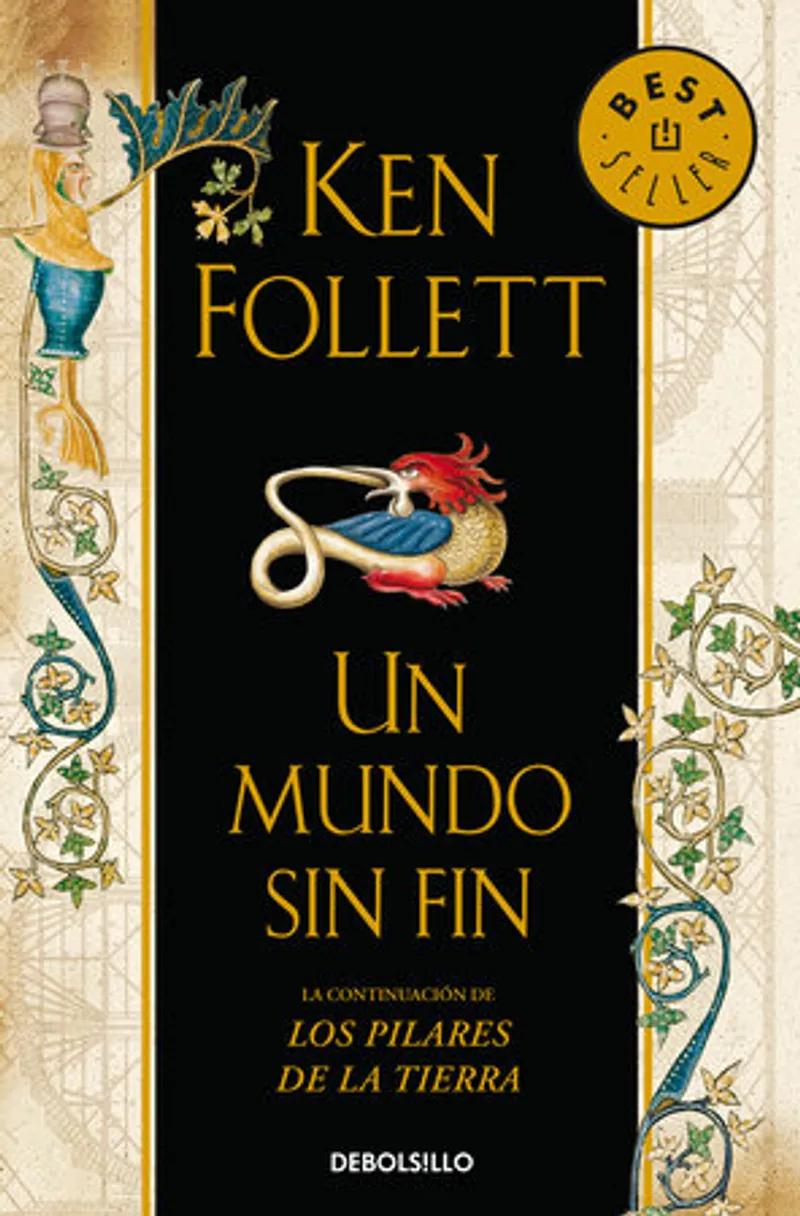
Un mundo sin fin / World Without End Author: Ken FollettPage Count: UnknownPublication Date: 2025-PRH Ken Follett’s World Without End (2025) is a masterclass in historical fiction, a sweeping epic that transports readers to a medieval world where ambition, faith, and survival collide. As the follow-up to his global phenomenon Pillars of the Earth, Follett once again proves why he is the undisputed king of the genre, weaving a tale of intrigue, war, and human resilience against the backdrop of a rapidly changing society. At its core, World Without End explores the transformative power of human ingenuity and the unyielding spirit of progress. Set in the fictional English town of Kingsbridge during the 14th century, the novel unfolds against the backdrop of the Black Death, a catastrophic pandemic that reshapes society in ways both devastating and liberating. Follett’s genius lies in his ability to turn historical events into a gripping narrative, where the fate of ordinary people—merchants, builders, priests, and rebels—becomes as compelling as the grand political and religious conflicts of the era. The novel’s title is no accident; it speaks to the idea of a world in flux, where the old order crumbles and new possibilities emerge. Follett’s characters, many of whom are descendants of those in Pillars of the Earth, grapple with the same themes of ambition and morality that defined their predecessors. Yet here, the stakes are even higher. The Black Death is not just a backdrop but a catalyst, forcing characters to confront mortality, greed, and the fragility of human institutions. A young woman named Caris, for instance, challenges the Church’s dominance over medicine, while a stonemason named Merthin fights to build a bridge that will connect Kingsbridge to the outside world—symbolizing the bridge between tradition and innovation. Follett’s writing is as immersive as ever, blending meticulous historical detail with heart-pounding drama. His prose is accessible yet rich, ensuring that readers are both educated and entertained. He excels at creating vivid, multi-dimensional characters whose flaws and virtues make them feel achingly real. Whether it’s the cunning Prior Anthony, the ruthless Earl Roland, or the idealistic Caris, each figure drives the story forward with their choices and consequences. One of the novel’s most striking aspects is its exploration of faith versus reason. The Church, once an unassailable force, is now questioned as never before. Follett doesn’t shy away from depicting the hypocrisy and corruption within religious institutions, but he also acknowledges the comfort and purpose they provide in times of crisis. This tension between dogma and enlightenment is a recurring theme, mirroring the broader societal shifts of the 14th century. Follett’s ability to balance large-scale historical events with intimate personal dramas is what makes World Without End so compelling. The Black Death, for example, is not just a historical footnote but a living, breathing force that shapes every aspect of the characters’ lives. The novel’s pacing is relentless, with Follett expertly juggling multiple plotlines—romance, politics, war, and innovation—without ever losing sight of the human stories at its heart. In terms of style, Follett remains a master of suspense. His chapters often end on cliffhangers, leaving readers desperate to know what happens next. The dialogue crackles with tension, and the action sequences—whether it’s a battle, a plague outbreak, or a daring escape—are rendered with cinematic precision. Yet, for all its drama, the novel never feels gratuitous. Follett’s commitment to historical authenticity ensures that every event, no matter how dramatic, feels grounded in reality. World Without End is more than just a historical novel; it’s a meditation on the resilience of the human spirit. In an era where pandemics, societal upheaval, and moral dilemmas are as relevant as ever, Follett’s story resonates deeply. It reminds us that even in the darkest of times, humanity finds a way to endure, adapt, and ultimately, to build a better world. Ken Follett has once again delivered a novel that is as thought-provoking as it is entertaining. World Without End is a testament to the power of storytelling, a reminder that history is not just a record of the past but a mirror held up to our present. #KenFollett #HistoricalFiction #MedievalEpic #BlackDeath #Kingsbridge #BookReview

North and South Author: Elizabeth GaskellPage Count: UnknownPublication Date: 2026-PRH North and South, the latest publication from Elizabeth Gaskell, is a sweeping narrative that delves into the complexities of industrialization and social class in 19th-century England. Although the exact page count remains unknown, Gaskell's masterful storytelling and vivid descriptions will undoubtedly captivate readers from start to finish. Set against the backdrop of the Industrial Revolution, North and South explores the stark contrast between the rural, agrarian south and the bustling, industrial north. Gaskell's protagonist, Margaret Hale, is a young woman from a southern family who finds herself transplanted to the northern town of Milton, where she is forced to confront the harsh realities of industrial life. Through Margaret's experiences, Gaskell sheds light on the struggles of the working class, the exploitation of workers, and the social and economic upheaval that accompanied the Industrial Revolution. Gaskell's writing style is characterized by her keen observations of human nature, her nuanced understanding of social dynamics, and her ability to craft relatable, three-dimensional characters. Her prose is evocative and descriptive, transporting readers to the dusty, smoke-filled streets of Milton and the rolling hills of the south. With a keen eye for detail, Gaskell recreates the sights, sounds, and smells of a bygone era, immersing readers in the world of her characters. One of the most striking aspects of North and South is its thoughtful exploration of the tensions between tradition and progress. Gaskell's portrayal of the old, landed aristocracy and the new, industrial elite serves as a commentary on the social and economic upheaval of the time. Through the character of John Thornton, a wealthy cotton manufacturer, Gaskell highlights the complexities of industrialization, revealing both its benefits and drawbacks. Meanwhile, Margaret's struggles to adapt to her new life in the north serve as a powerful metaphor for the disorienting effects of change. Throughout the novel, Gaskell also explores themes of love, family, and social responsibility. Margaret's relationships with her parents, her brother, and her friends serve as a counterpoint to her growing feelings for John Thornton, a man who embodies the values of the industrial north. As Margaret navigates the complexities of her own emotions, Gaskell raises important questions about the role of women in society, the nature of love and relationships, and the importance of social responsibility. In conclusion, North and South is a masterful novel that offers a nuanced and thought-provoking exploration of the social, economic, and cultural upheavals of 19th-century England. Gaskell's writing is characterized by its vivid descriptions, nuanced characterizations, and thoughtful exploration of complex themes. This novel is a must-read for anyone interested in historical fiction, social commentary, or simply great storytelling. #IndustrialRevolution #SocialClass #HistoricalFiction #ElizabethGaskell #NorthAndSouth #VictorianEra Related InsightsSense and Sensibility Book Review and Summary The Elite Book Review and Summary Thank You for Remembering: A Novel Book Review and Summary{ "@context": "https://schema.org", "@type": "FAQPage", "mainEntity": [ { "@type": "Question", "name": "What is the main focus of North and South Book Review and Summary?", "acceptedAnswer": { "@type": "Answer", "text": "Everything you need to know about North and South with our detailed review." } }, { "@type": "Question", "name": "Who authored the comprehensive guide on North and South Book Review and Summary?", "acceptedAnswer": { "@type": "Answer", "text": "This detailed article and its insights were carefully researched and authored by Elizabeth Gaskell." } }, { "@type": "Question", "name": "Where can I find more related content about Books?", "acceptedAnswer": { "@type": "Answer", "text": "You can explore more articles, detailed reviews, and similar insights by browsing the Related Insights section at the bottom of this article or visiting our dedicated Books category page." } } ] }
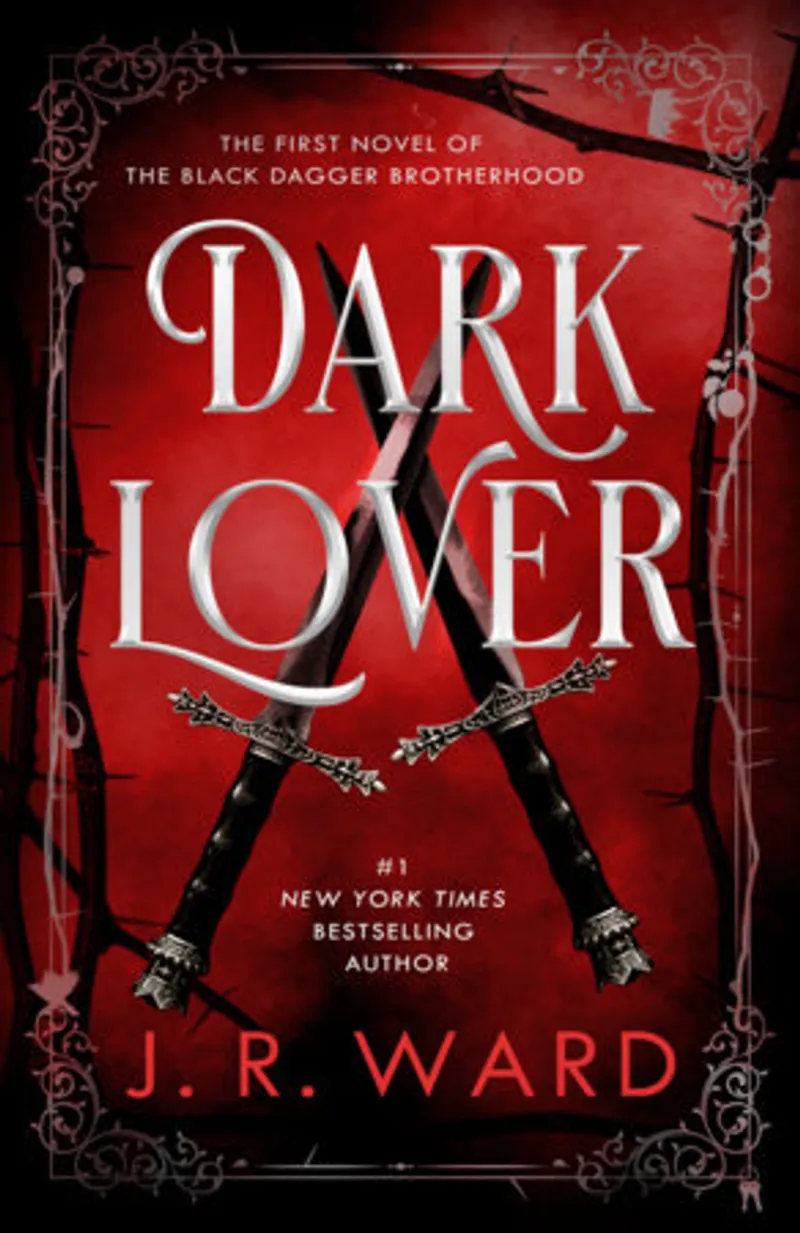
Dark Lover Author: J.R. WardPage Count: UnknownPublication Date: 2026-PRH J.R. Ward’s Dark Lover (2026) is a masterclass in gothic romance and supernatural intrigue, a book that doesn’t just push boundaries—it obliterates them. With the precision of a surgeon and the flair of a poet, Ward crafts a world where love is as dangerous as it is intoxicating, where desire is a force that defies mortality itself. This isn’t just another vampire novel; it’s a fever dream of passion, power, and primal survival, wrapped in the seductive darkness of an immortal’s heart. At its core, Dark Lover is a story about the unbreakable bond between two souls who refuse to be separated by time, fate, or even death. The novel follows the legendary vampire Wrath, the last pureblood of his kind, and his destined mate, Beth, a human woman with a fire that rivals his own. Their love is not a gentle thing—it’s a storm, a wildfire, a force that reshapes the very fabric of their existence. Ward’s genius lies in her ability to make their relationship feel both ancient and immediate, as if their love story has been unfolding for centuries but is still fresh, still raw, still happening in the moment. The tension between them is electric, a push-and-pull of dominance and surrender that never feels clichéd or forced. Instead, it feels necessary, as if their connection was written into the stars long before they ever met. Ward’s prose is lush, sensual, and unapologetically raw. She doesn’t shy away from the physicality of love, nor does she romanticize the brutality of the vampire world she’s created. Her descriptions are vivid, almost cinematic, painting a world where blood is both sustenance and sacrament, where power is wielded like a blade, and where loyalty is the only currency that matters. The dialogue crackles with wit and tension, especially in the exchanges between Wrath and Beth, where every word feels like a challenge, a caress, or a dare. Ward’s voice is distinct—part gothic romance, part modern thriller, all unfiltered emotion. She doesn’t just tell you about the characters’ feelings; she immerses you in them, making you ache with them, burn with them, and ultimately, surrender to them. The world-building in Dark Lover is nothing short of extraordinary. Ward doesn’t just create a setting; she builds a culture. The vampire society she depicts is hierarchical, brutal, and deeply ritualistic, with its own codes of honor, its own language of power. The Brotherhood, the elite group of warriors to which Wrath belongs, is a brotherhood in the truest sense—bound by blood, loyalty, and an unspoken understanding that they will die for each other. The contrast between their world and Beth’s human existence is stark, and Ward uses it to explore themes of identity, belonging, and the lengths to which we’ll go to protect what we love. The supernatural elements are seamlessly woven into the narrative, never feeling like a gimmick but rather like an inevitable extension of the characters’ desires and fears. What makes Dark Lover truly stand out, however, is its unflinching exploration of love as a transformative force. Beth and Wrath’s relationship isn’t just about attraction or even devotion—it’s about evolution. Beth, a woman who has always felt like an outsider, finds her place in Wrath’s world, not by losing herself, but by embracing the strength within her. Wrath, burdened by centuries of solitude and duty, learns that love isn’t a weakness—it’s the one thing that makes him human in the truest sense. Their love story is a testament to the idea that sometimes, the greatest battles aren’t fought with swords or spells, but with the courage to let someone in, to trust, to need. Ward’s ability to balance action, romance, and deep emotional resonance is what sets her apart. The novel isn’t just a slow burn—it’s an inferno, a relentless push toward a climax that feels both inevitable and heart-stopping. The stakes are sky-high, the dangers are visceral, and the payoff is nothing short of transcendent. By the final pages, you won’t just be invested in the story—you’ll be changed by it. Dark Lover is more than a book; it’s an experience. It’s for readers who crave passion that burns as hot as it hurts, who believe in love that defies the laws of nature, who want to be swept away by a story that lingers long after the last page is turned. J.R. Ward doesn’t just write romance—she writes mythology, and Dark Lover is her magnum opus. #DarkLover #VampireRomance #J.R.Ward #GothicLoveStory #SupernaturalRomance #BrotherhoodOfBlood Related InsightsAnatomía del corazón: Compasión budista para transformar tu vida / A Fearless Heart: How the Courage to Be Compassionate Can Transform Our Lives Book Review and Summary The Sixth Faction (The Sixth Faction, #1) Book Review and Summary Illicit Temptations Book Review and Summary{ "@context": "https://schema.org", "@type": "FAQPage", "mainEntity": [ { "@type": "Question", "name": "What is the main focus of Dark Lover Book Review and Summary?", "acceptedAnswer": { "@type": "Answer", "text": "Everything you need to know about Dark Lover with our detailed review." } }, { "@type": "Question", "name": "Who authored the comprehensive guide on Dark Lover Book Review and Summary?", "acceptedAnswer": { "@type": "Answer", "text": "This detailed article and its insights were carefully researched and authored by J.R. Ward." } }, { "@type": "Question", "name": "Where can I find more related content about Books?", "acceptedAnswer": { "@type": "Answer", "text": "You can explore more articles, detailed reviews, and similar insights by browsing the Related Insights section at the bottom of this article or visiting our dedicated Books category page." } } ] }
King Lear Author: William ShakespearePage Count: UnknownPublication Date: 2016-PRH In the realm of classical literature, few works have stood the test of time as profoundly as William Shakespeare's "King Lear". This 2016 edition, part of the esteemed Pelican Shakespeare series, presents a masterfully conflated text that combines the 1608 Quarto and 1623 Folio Texts. Edited by the renowned series editor Stephen Orgel, this rendition is a testament to the enduring power of Shakespeare's prose. At its core, "King Lear" is a poignant exploration of the human condition, delving into the complexities of power, family, and mortality. The titular character, an aging king, decides to divide his kingdom among his three daughters, sparking a catastrophic chain of events that exposes the darkest aspects of human nature. Through Lear's tumultuous journey, Shakespeare masterfully weaves a tapestry of themes that continue to resonate with audiences today. One of the most striking aspects of Shakespeare's style is his use of language, which is both beautiful and brutal. His words are like a double-edged sword, capable of conveying the deepest emotions and most profound insights. In "King Lear", his prose is particularly noteworthy, as it effortlessly shifts between the poetic and the profane, creating a sense of tension that propels the narrative forward. The Pelican Shakespeare series is known for its meticulous research and authoritative texts, and this edition of "King Lear" is no exception. The introduction by Stephen Orgel provides valuable context, shedding light on the theatrical world of Shakespeare's time and offering a nuanced understanding of the play's themes and characters. The detailed notes on the text used are also a valuable resource, providing readers with a deeper appreciation of the play's complexities. The cover art by Manuja Waldia, which won a Gold Medal from the Society of Illustrators, is a stunning representation of the play's themes. The haunting image of Lear, surrounded by his daughters, perfectly captures the sense of foreboding and tragedy that pervades the narrative. In conclusion, this edition of "King Lear" is a must-read for anyone interested in classical literature. Shakespeare's prose is as powerful and relevant today as it was when the play was first performed, and the Pelican Shakespeare series' meticulous research and authoritative texts make this edition a valuable resource for scholars and readers alike. #KingLear #Shakespeare #PelicanShakespeare #ClassicalLiterature #Tragedy #BookReview Related InsightsSlaughterhouse-Five Book Review and Summary The It Girl Book Review and Summary The Complete Sherlock Holmes Book Review and Summary{ "@context": "https://schema.org", "@type": "FAQPage", "mainEntity": [ { "@type": "Question", "name": "What is the main focus of King Lear Book Review and Summary?", "acceptedAnswer": { "@type": "Answer", "text": "Everything you need to know about King Lear with our detailed review." } }, { "@type": "Question", "name": "Who authored the comprehensive guide on King Lear Book Review and Summary?", "acceptedAnswer": { "@type": "Answer", "text": "This detailed article and its insights were carefully researched and authored by William Shakespeare." } }, { "@type": "Question", "name": "Where can I find more related content about Books?", "acceptedAnswer": { "@type": "Answer", "text": "You can explore more articles, detailed reviews, and similar insights by browsing the Related Insights section at the bottom of this article or visiting our dedicated Books category page." } } ] }
Darkfever Author: Karen Marie MoningPage Count: UnknownPublication Date: 2025-PRH Karen Marie Moning’s Darkfever is a masterclass in blending myth, mystery, and raw, unfiltered passion—where Celtic folklore collides with modern grit, and the line between hero and villain blurs with every page. This isn’t just a paranormal romance; it’s a dark, seductive descent into a world where ancient evils wear human faces, and the only thing more dangerous than the monsters lurking in the shadows is the power MacKayla Lane never asked for. At its core, Darkfever is about identity—both personal and supernatural. Mac, our reluctant heroine, is a woman who thinks she’s ordinary until her sister’s brutal murder catapults her into a realm where nothing is as it seems. Ireland becomes a character in itself, a mist-shrouded land where the Fae lurk just beyond the veil, and the past isn’t just haunting—it’s hungry. Moning doesn’t just tell a story about good versus evil; she crafts a world where the two are intertwined, where seduction is a weapon, and where the greatest threat isn’t the monster in the dark but the one who might be standing right beside you. Moning’s prose is electric, crackling with a mix of sharp wit and simmering tension. Her dialogue is razor-edged, her descriptions lush yet visceral. The banter between Mac and Jericho—her sarcastic, morally ambiguous guide—is a highlight, a dance of insults and attraction that never feels forced. And then there’s Vlane, the alpha Fae whose very presence is a danger to mortal women. He’s not just a villain; he’s a force of nature, a character who embodies the duality of desire and destruction. Moning doesn’t shy away from the darker aspects of her world, and that’s what makes Darkfever so compelling. This isn’t a sanitized fantasy; it’s a raw, unapologetic exploration of power, lust, and survival. The pacing is relentless, with Moning weaving together multiple threads—Mac’s hunt for her sister’s killer, the looming threat of the Sinsar Dubh (the Dark Book that holds the key to both worlds), and the slow-burning chemistry between Mac and Jericho. The stakes feel personal, the danger immediate, and the stakes higher than just life and death. Moning doesn’t just build a world; she immerses you in it, making you feel the chill of the Irish night, the weight of the secrets buried in the past, and the intoxicating pull of a power you never wanted but can’t escape. What sets Darkfever apart is its refusal to play by the rules. This isn’t a story where the heroine is a damsel in distress or where the love interest is a perfect, infallible knight. Mac is flawed, stubborn, and often reckless. Jericho is morally gray, his motives unclear even to himself. The Fae are neither purely evil nor purely benevolent. Moning’s world is one where trust is a luxury, and every alliance could be a trap. It’s a refreshing take on the genre, one that doesn’t rely on easy answers or neat resolutions. If Darkfever has a weakness, it’s that the world-building can feel overwhelming at times. The lore of the Fae, the history of the Sinsar Dubh, and the rules of the supernatural realm are dense and intricate. But Moning handles it with such confidence that even the most complex elements feel organic to the story. You’re never left feeling lost because the characters themselves are navigating the same uncertainties. Ultimately, Darkfever is a book that lingers. It’s not just about the mystery of Mac’s sister’s death or the race to find the Dark Book—it’s about the transformation of Mac herself. She starts as a woman clinging to the ordinary, and by the end, she’s something more, something dangerous. Moning doesn’t just write a story; she crafts an experience, one that’s as thrilling as it is thought-provoking. For fans of dark fantasy, paranormal romance, and stories that refuse to play nice, Darkfever is a must-read. It’s a book that will leave you breathless, questioning, and eager for more. #Darkfever #KarenMarieMoning #FeverSeries #ParanormalRomance #CelticMythology #SupernaturalThriller Related InsightsYou Book Review and Summary It’s Beginning to Look a Lot Like Murder (Kiss, Merry, Kill, #2) Book Review and Summary Escape Me (Shatter Me: Series Two #3) Book Review and Summary{ "@context": "https://schema.org", "@type": "FAQPage", "mainEntity": [ { "@type": "Question", "name": "What is the main focus of Darkfever Book Review and Summary?", "acceptedAnswer": { "@type": "Answer", "text": "Everything you need to know about Darkfever with our detailed review." } }, { "@type": "Question", "name": "Who authored the comprehensive guide on Darkfever Book Review and Summary?", "acceptedAnswer": { "@type": "Answer", "text": "This detailed article and its insights were carefully researched and authored by Karen Marie Moning." } }, { "@type": "Question", "name": "Where can I find more related content about Books?", "acceptedAnswer": { "@type": "Answer", "text": "You can explore more articles, detailed reviews, and similar insights by browsing the Related Insights section at the bottom of this article or visiting our dedicated Books category page." } } ] }
The Kiss of the Nightingale Author: Adi DennerPage Count: UnknownPublication Date: 2025-PRH In the enchanting world of "The Kiss of the Nightingale" by Adi Denner, the allure of magic and the complexity of the human heart take center stage. Set in an alternative historical Paris, this mesmerizing romantasy novel masterfully weaves together the opulence of "Bridgerton" and the mystical allure of Leigh Bardugo's "Shadow and Bone" series. At the heart of this tale lies Cleodora, a young orphan struggling to keep her family's dress shop afloat while caring for her ailing sister. Her life takes a dramatic turn when she meets the enigmatic Lady Dahlia Sibille, who offers her a chance to acquire a Singing Talent – a gift that could save her sister's life and redefine her own destiny. However, this opportunity comes with a steep price: Cleodora must steal an Elite Talent from the esteemed Lenoir family. As Cleodora navigates the treacherous world of Lutèce's high society, she finds herself torn between two captivating figures: the charming Vicomte Lenoir and the alluring Lady Dahlia. The Vicomte's charming smiles and teasing demeanor slowly win her over, while Dahlia's seductive whispers continue to linger in her ears. This delicate dance between two loves serves as the perfect backdrop to explore the novel's central theme: the true nature of power, freedom, and the human spirit. Denner's writing style is nothing short of enchanting. Her vivid descriptions of 1890s Paris transport readers to a world of grand opera houses, lavish balls, and whispered secrets. The author's masterful handling of the fantastical elements, particularly the concept of Talents, adds a rich layer of depth to the narrative. The world-building is meticulous, with a clear understanding of the social hierarchy and the implications of possessing a Talent. One of the most striking aspects of "The Kiss of the Nightingale" is its exploration of the human condition. Cleodora's journey is not just about acquiring a Talent or navigating the complexities of love; it's about self-discovery and the realization that true power lies within. Denner skillfully weaves together themes of identity, class, and the consequences of one's actions, creating a narrative that is both captivating and thought-provoking. The characters in the novel are equally well-crafted, with Cleodora being a standout. Her vulnerability, determination, and resilience make her a relatable and endearing protagonist. The supporting cast, including the Vicomte and Lady Dahlia, add depth and complexity to the story, their motivations and desires expertly intertwined with Cleodora's. In conclusion, "The Kiss of the Nightingale" is a captivating romantasy novel that will leave readers spellbound. Adi Denner's writing is enchanting, her world-building meticulous, and her characters complex and relatable. This is a story that will resonate with fans of fantasy, romance, and historical fiction, and its exploration of the human condition will linger long after the final page is turned. #TheKissoftheNightingale #Romantasy #FantasyBooks #HistoricalFiction #BookLovers #NewRelease2025 Related InsightsMona: An Immodest Memoir of Race and Rebellion Book Review and Summary The Moth Reborn (The Bone Season, #6) Book Review and Summary Caraval Book Review and Summary{ "@context": "https://schema.org", "@type": "FAQPage", "mainEntity": [ { "@type": "Question", "name": "What is the main focus of The Nightingale Book Review and Summary?", "acceptedAnswer": { "@type": "Answer", "text": "Everything you need to know about The Nightingale with our detailed review." } }, { "@type": "Question", "name": "Who authored the comprehensive guide on The Nightingale Book Review and Summary?", "acceptedAnswer": { "@type": "Answer", "text": "This detailed article and its insights were carefully researched and authored by Kristin Hannah." } }, { "@type": "Question", "name": "Where can I find more related content about Books?", "acceptedAnswer": { "@type": "Answer", "text": "You can explore more articles, detailed reviews, and similar insights by browsing the Related Insights section at the bottom of this article or visiting our dedicated Books category page." } } ] }
A Flicker of a Doubt Author: Daryl Wood GerberPage Count: UnknownPublication Date: 2023-PRH In "A Flicker of a Doubt," Daryl Wood Gerber weaves a captivating tale that masterfully blends the whimsy of fairy gardening with the intrigue of a murder mystery. Set against the picturesque backdrop of Carmel-by-the-Sea, California, this fourth installment in the enchanting series follows Courtney Kelly, the owner of a charming fairy-gardening and tea shop, as she becomes embroiled in a shocking murder investigation. Gerber's writing style is a perfect blend of lighthearted humor and clever wit, making this book an absolute delight to read. Her vivid descriptions of Courtney's fairy gardens and the quaint town of Carmel-by-the-Sea transport the reader to a world of magic and wonder. At the same time, she skillfully weaves a complex web of suspects and motives, keeping the reader guessing until the very end. At its core, "A Flicker of a Doubt" is a story about the power of friendship and loyalty. Courtney's determination to clear her best friend Meaghan's name and protect her business partner is admirable and relatable. The way Gerber explores the intricacies of female relationships and the bonds that tie friends together is both authentic and heartwarming. The character of Courtney Kelly is a standout in this series. Her unique blend of creativity, determination, and kindness makes her a lovable and relatable protagonist. The supporting cast of characters is equally well-developed, with each one bringing their own distinct personality to the story. Gerber's use of magical realism adds a delightful touch to the narrative. The character of Fiona, the sleuthing fairy, is a wonderful addition to the story, providing a touch of whimsy and humor to the investigation. One of the strengths of this book is its ability to balance lighthearted moments with more serious themes. Gerber tackles topics like financial struggles and personal relationships with sensitivity and nuance, adding depth to the story. Overall, "A Flicker of a Doubt" is a captivating and charming read that will appeal to fans of cozy mysteries, magical realism, and women's fiction. With its unique blend of humor, wit, and heart, this book is sure to leave readers eagerly anticipating the next installment in the series. #AFlickerOfADoubt #DarylWoodGerber #CozyMystery #MagicalRealism #FairyGardening #WhimsicalMystery Related InsightsSimply Lies Book Review and Summary And Then There Were Nuns Book Review and Summary Macbeth Book Review and Summary{ "@context": "https://schema.org", "@type": "FAQPage", "mainEntity": [ { "@type": "Question", "name": "What is the main focus of A Flicker in the Dark Book Review and Summary?", "acceptedAnswer": { "@type": "Answer", "text": "Everything you need to know about A Flicker in the Dark with our detailed review." } }, { "@type": "Question", "name": "Who authored the comprehensive guide on A Flicker in the Dark Book Review and Summary?", "acceptedAnswer": { "@type": "Answer", "text": "This detailed article and its insights were carefully researched and authored by Stacy Willingham." } }, { "@type": "Question", "name": "Where can I find more related content about Books?", "acceptedAnswer": { "@type": "Answer", "text": "You can explore more articles, detailed reviews, and similar insights by browsing the Related Insights section at the bottom of this article or visiting our dedicated Books category page." } } ] }