Showing Posts From
Fiction
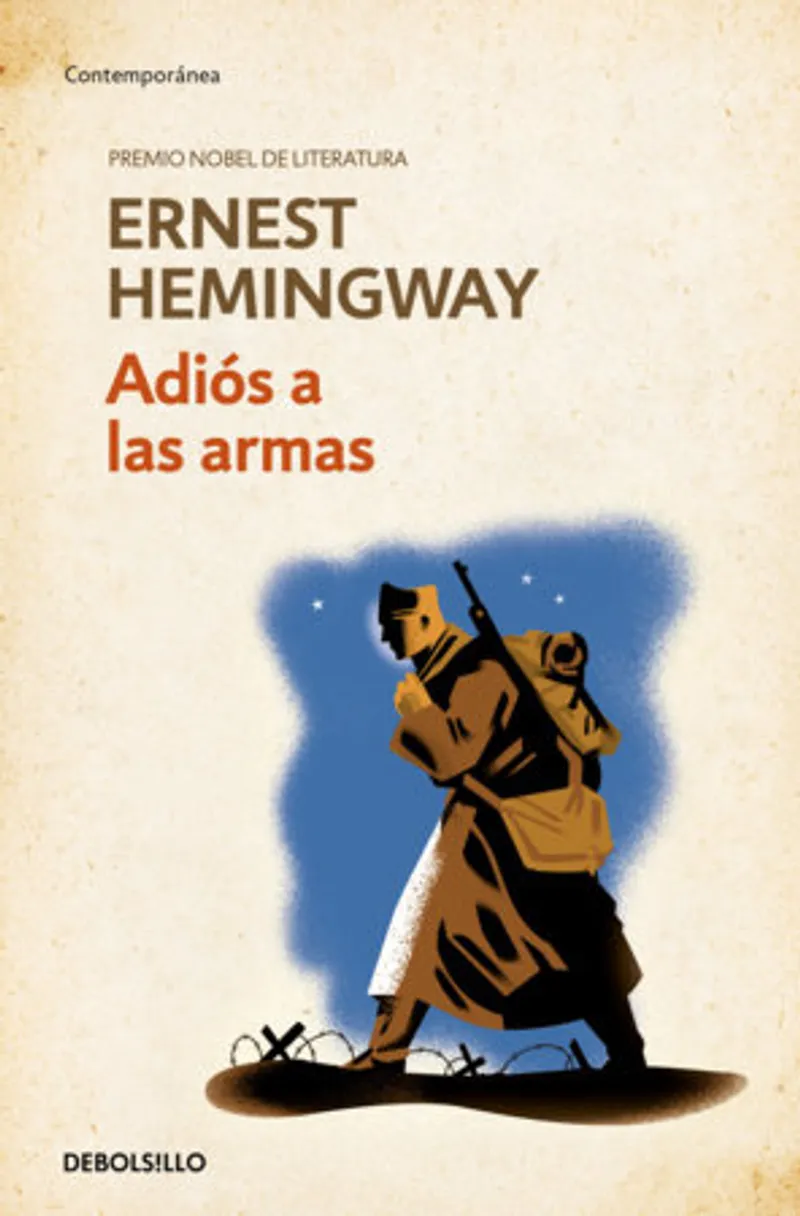
Adiós a las armas / A Farewell to Arms Author: Ernest HemingwayPage Count: UnknownPublication Date: 2021-PRH A Farewell to Arms, the timeless classic by Ernest Hemingway, is a poignant and powerful tale of love, loss, and the human condition set against the backdrop of World War I. This semi-autobiographical novel, inspired by Hemingway's own experiences as an ambulance driver in Italy, is a masterful portrayal of the devastating effects of war on the human spirit. The story revolves around the doomed love affair between Lieutenant Frederic Henry, an American ambulance driver, and Catherine Barkley, a beautiful British nurse. Their romance blossoms in the midst of chaos and destruction, as the war rages on and the men around them march towards certain death. What begins as a casual encounter soon turns into an intense and all-consuming passion, as the two characters find solace in each other's company. Hemingway's writing style is characteristic of his distinctive sparse and direct prose, which adds to the overall sense of realism and immediacy. His use of simple, concise sentences creates a sense of intimacy and urgency, drawing the reader into the world of the characters. The narrative is devoid of flowery language and sentimentalism, instead opting for a stark and unflinching portrayal of the harsh realities of war. Through Frederic and Catherine's story, Hemingway explores the human condition in the face of adversity. The novel is a powerful exploration of the human will to survive, to love, and to find meaning in a seemingly meaningless world. The characters' struggles to come to terms with their own mortality, and the impermanence of their love, serve as a poignant reminder of the fragility of human existence. One of the most striking aspects of the novel is its ability to convey the sense of disillusionment and despair that pervaded the post-war generation. Hemingway's own experiences in the war had a profound impact on his writing, and A Farewell to Arms is a testament to the lasting effects of trauma and loss. The novel's title, A Farewell to Arms, is a reference to the poem by George Peele, which serves as a poignant reminder of the futility of war and the inevitability of loss. The title also hints at the idea of a farewell to the romantic ideals of youth, as the characters are forced to confront the harsh realities of adulthood. In conclusion, A Farewell to Arms is a masterpiece of modern literature that continues to captivate readers with its timeless themes and powerful prose. Hemingway's unique writing style and his ability to convey the complexities of the human condition make this novel a must-read for anyone interested in literature, history, or the human experience. #AFarewellToArms #ErnestHemingway #ClassicLiterature #WorldWarILiterature #LoveInWartime #WarAndLiterature Related InsightsRegency Bestsellers Collection Book Review and Summary Dark Sky Book Review and Summary On Earth We're Briefly Gorgeous Book Review and Summary{ "@context": "https://schema.org", "@type": "FAQPage", "mainEntity": [ { "@type": "Question", "name": "What is the main focus of A Farewell to Arms Book Review and Summary?", "acceptedAnswer": { "@type": "Answer", "text": "Everything you need to know about A Farewell to Arms with our detailed review." } }, { "@type": "Question", "name": "Who authored the comprehensive guide on A Farewell to Arms Book Review and Summary?", "acceptedAnswer": { "@type": "Answer", "text": "This detailed article and its insights were carefully researched and authored by Ernest Hemingway." } }, { "@type": "Question", "name": "Where can I find more related content about Books?", "acceptedAnswer": { "@type": "Answer", "text": "You can explore more articles, detailed reviews, and similar insights by browsing the Related Insights section at the bottom of this article or visiting our dedicated Books category page." } } ] }
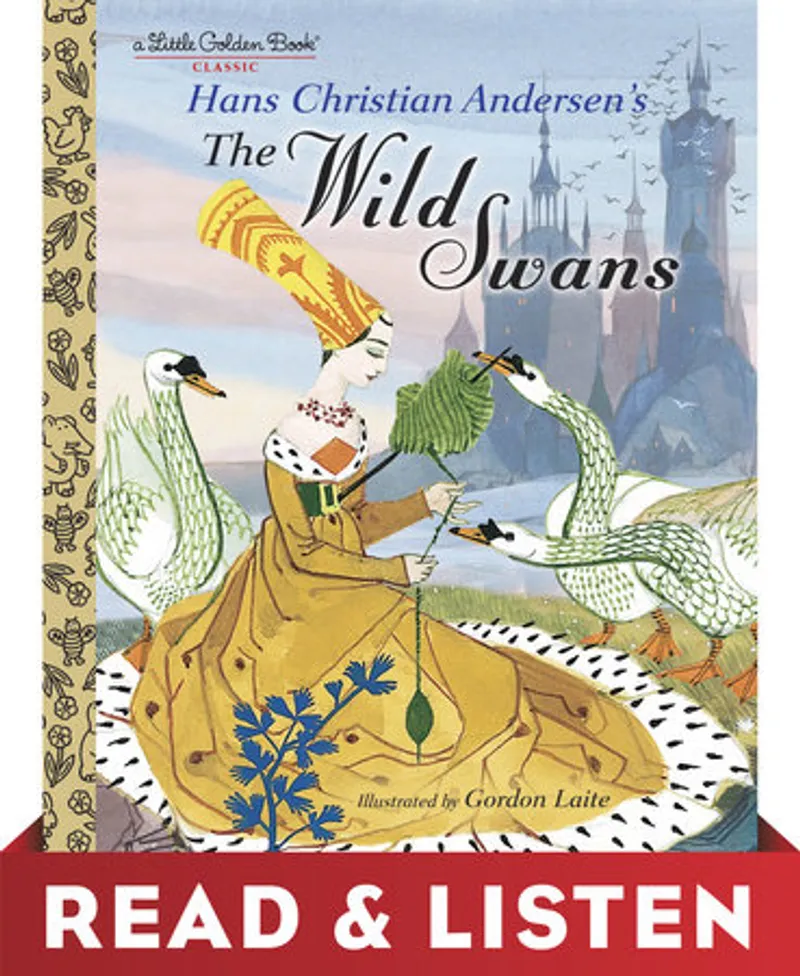
The Wild Swans: Read & Listen Edition Author: Hans Christian AndersenPage Count: UnknownPublication Date: 2014-PRH A Timeless Tale of Love, Sacrifice, and the Power of Loyalty: The Wild Swans by Hans Christian Andersen There are few stories as hauntingly beautiful as Hans Christian Andersen’s The Wild Swans, a fairy tale that weaves together the threads of love, endurance, and the unbreakable bonds of family. Now, in this long-awaited Read & Listen edition, Andersen’s classic is paired with the breathtaking, long-lost illustrations of Gordon Laite—a collaboration that was nearly lost to time but has finally been brought to light for a new generation of readers. At its heart, The Wild Swans is a story about sacrifice. A young princess, Elisa, must endure years of silence and hardship to save her eleven brothers, who have been transformed into swans by an evil queen. The queen’s curse can only be broken if Elisa spins shirts from nettles—without speaking a word—until her task is complete. The tale is steeped in melancholy, yet it radiates with quiet strength, a testament to the power of perseverance and the depth of a sister’s love. Andersen’s prose is deceptively simple, yet rich with symbolism. His writing carries the weight of folklore, where nature and magic intertwine seamlessly. The nettles, the swans, the distant castle—each element feels both real and enchanted, grounding the story in a world that is at once familiar and wondrous. There’s a timelessness to his storytelling, a quality that ensures his tales resonate across centuries. The princess’s suffering is palpable, yet her resolve never wavers, making her one of Andersen’s most compelling heroines. Gordon Laite’s illustrations, discovered decades after they were originally intended for publication, elevate this edition into something truly special. His art has a dreamlike quality, with soft, flowing lines that mirror the grace of the swans and the delicate determination of Elisa. The colors are muted yet evocative, evoking a sense of both warmth and melancholy. Laite’s work feels like a whisper from the past, a lost treasure finally unearthed, and his illustrations breathe new life into Andersen’s words. The Read & Listen format adds another layer of immersion, allowing readers to lose themselves in the story while following along with the narration. The audio enhances the emotional weight of the tale, making Elisa’s journey feel even more vivid and immediate. The Wild Swans is more than just a fairy tale—it’s a meditation on loyalty, resilience, and the quiet heroism found in everyday acts of love. In a world that often glorifies instant gratification, Andersen’s story reminds us that true strength lies in endurance, and that love, when tested, can move mountains—or in this case, break curses. For fans of classic fairy tales, this edition is a must-have. It’s a celebration of Andersen’s enduring legacy and a tribute to the artistry of Gordon Laite, whose illustrations ensure this story will captivate readers for generations to come. #FairyTales #HansChristianAndersen #ClassicLiterature #TheWildSwans #GordonLaite #TimelessTales Related InsightsThe Hearth Witch's Guide to Spite & Spellwork (Deluxe Edition) (The Hemlock Saga, 2) Book Review and Summary Going the Distance: Stallone, Philly, and the Story of Rocky Book Review and Summary Apples Never Fall Book Review and Summary{ "@context": "https://schema.org", "@type": "FAQPage", "mainEntity": [ { "@type": "Question", "name": "What is the main focus of Wild Swans: Three Daughters of China Book Review and Summary?", "acceptedAnswer": { "@type": "Answer", "text": "Everything you need to know about Wild Swans: Three Daughters of China with our detailed review." } }, { "@type": "Question", "name": "Who authored the comprehensive guide on Wild Swans: Three Daughters of China Book Review and Summary?", "acceptedAnswer": { "@type": "Answer", "text": "This detailed article and its insights were carefully researched and authored by Jung Chang." } }, { "@type": "Question", "name": "Where can I find more related content about Books?", "acceptedAnswer": { "@type": "Answer", "text": "You can explore more articles, detailed reviews, and similar insights by browsing the Related Insights section at the bottom of this article or visiting our dedicated Books category page." } } ] }
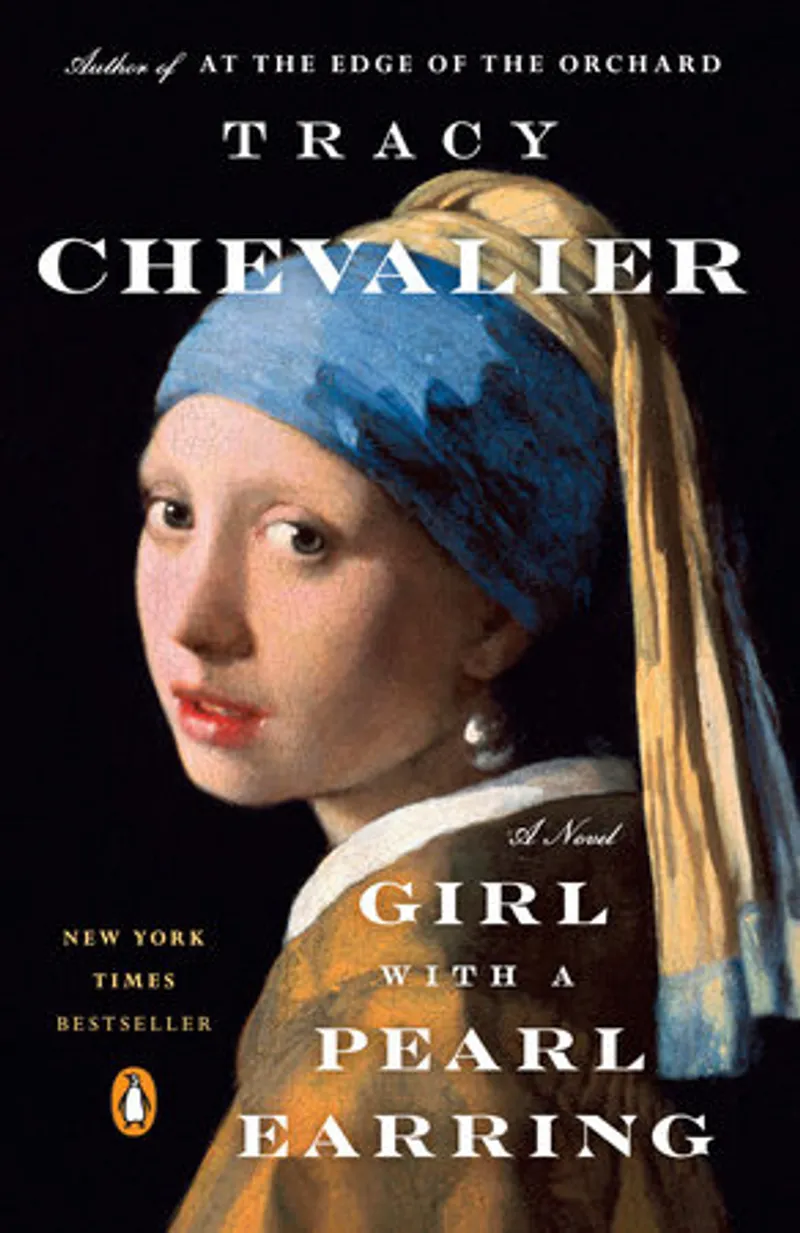
Girl with a Pearl Earring Author: Tracy ChevalierPage Count: UnknownPublication Date: 2001-PRH In the realm of historical fiction, few novels have managed to capture the essence of a bygone era as masterfully as Tracy Chevalier's "Girl with a Pearl Earring". This mesmerizing tale, inspired by Johannes Vermeer's iconic painting of the same name, whisks readers away to 17th-century Holland, where the boundaries between reality and art blur in a swirl of color, light, and sensuality. At the heart of the novel lies Griet, a 16-year-old girl whose fate becomes inextricably linked with that of the enigmatic painter. As a young servant in the Vermeer household, Griet's days are filled with the mundane tasks of cleaning and cooking, yet her life is forever altered when she is tasked with assisting the master in his studio. It is here, amidst the scent of linseed oil and the soft glow of candlelight, that Griet's transformation begins. Chevalier's prose is akin to a rich tapestry, woven from threads of exquisite detail and evocative language. Her writing is both precise and poetic, conjuring the very atmosphere of Vermeer's studio, where the soft play of light on fabric and the subtle nuances of human emotion are captured with breathtaking accuracy. As Griet navigates the treacherous waters of her new role, Chevalier masterfully conveys the turmoil of adolescence, the ache of first love, and the thrill of artistic discovery. One of the most striking aspects of "Girl with a Pearl Earring" is its exploration of the intricate dance between artist and muse. As Griet becomes increasingly entwined in Vermeer's creative process, the boundaries between reality and art begin to blur, raising profound questions about the nature of inspiration, the role of the artist, and the power dynamics at play. Chevalier's portrayal of Vermeer is particularly noteworthy, capturing the essence of the artist's enigmatic personality while avoiding the pitfalls of hagiography. Through Griet's eyes, the reader is granted a unique perspective on the artistic process, one that is both intimate and revelatory. As she learns to mix paints, prepare canvases, and pose for the master's brushstrokes, Griet's own artistic vision begins to take shape, reflecting the nascent stirrings of a creative soul. This is a novel that not only celebrates the beauty of art but also acknowledges the often-invisible labor that underpins its creation. Chevalier's masterful blending of history and fiction has resulted in a novel that is at once a compelling work of fiction and a nuanced exploration of the artistic process. "Girl with a Pearl Earring" is a triumph of imagination, a testament to the transformative power of art to capture the essence of the human experience. #GirlWithAPearlEarring #TracyChevalier #HistoricalFiction #ArtAndLiterature #Vermeer #BookReview Related InsightsA Study in Sparkling (Love Notes, #2) Book Review and Summary Clockwork Prince Book Review and Summary The Murder Party Book Review and Summary{ "@context": "https://schema.org", "@type": "FAQPage", "mainEntity": [ { "@type": "Question", "name": "What is the main focus of Girl with a Pearl Earring Book Review and Summary?", "acceptedAnswer": { "@type": "Answer", "text": "Everything you need to know about Girl with a Pearl Earring with our detailed review." } }, { "@type": "Question", "name": "Who authored the comprehensive guide on Girl with a Pearl Earring Book Review and Summary?", "acceptedAnswer": { "@type": "Answer", "text": "This detailed article and its insights were carefully researched and authored by Tracy Chevalier." } }, { "@type": "Question", "name": "Where can I find more related content about Books?", "acceptedAnswer": { "@type": "Answer", "text": "You can explore more articles, detailed reviews, and similar insights by browsing the Related Insights section at the bottom of this article or visiting our dedicated Books category page." } } ] }
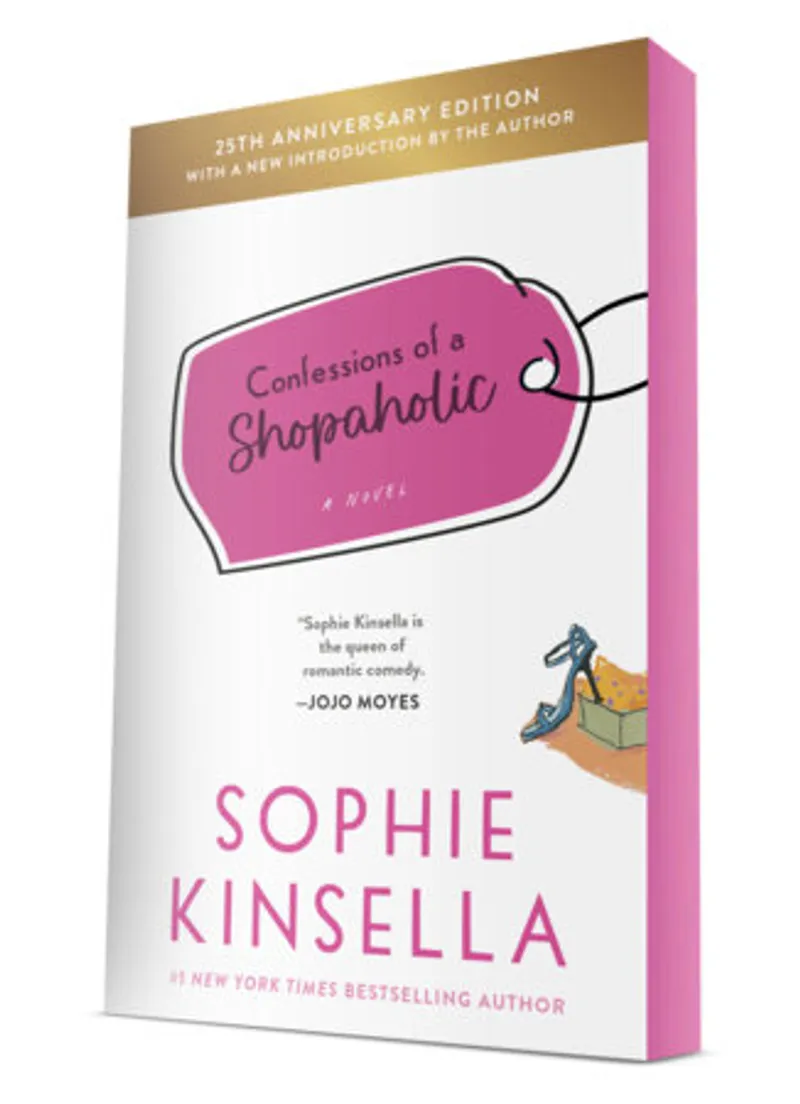
Confessions of a Shopaholic (Deluxe 25th Anniversary Edition) Author: Sophie KinsellaPage Count: UnknownPublication Date: 2026-PRH Confessions of a Shopaholic, the deluxe 25th anniversary edition, is a triumphant return to the world of Rebecca Bloomwood, the lovable and irrepressible shopaholic. Sophie Kinsella's masterful storytelling has captivated audiences for decades, and this edition is no exception. As we delve into the life of Rebecca, we are met with a protagonist who is both relatable and infuriating, making for a truly compelling read. At its core, Confessions of a Shopaholic is a story about addiction, obsession, and the blurred lines between wants and needs. Rebecca's shopping habits are a symptom of a deeper issue, one that Kinsella expertly weaves throughout the narrative. We watch as Rebecca navigates the complexities of her own psyche, often finding herself in ridiculous and humorous situations. Kinsella's writing is at once witty and insightful, making it easy to become fully invested in Rebecca's journey. One of the most striking aspects of Kinsella's style is her ability to balance lighthearted, comedic moments with more serious themes. She tackles issues such as financial responsibility, relationships, and self-discovery with a deft hand, never shying away from the harsh realities of Rebecca's actions. This delicate balance is a testament to Kinsella's skill as a writer, making Confessions of a Shopaholic a true page-turner. As we celebrate the 25th anniversary of this beloved novel, it is clear that Kinsella's work remains remarkably relevant. The themes of consumerism, identity, and personal growth are just as pressing today as they were when the book was first published. Kinsella's writing is timeless, and her characters continue to resonate with readers of all ages. Throughout the book, Kinsella's use of language is impeccable. Her prose is engaging, effortless, and perfectly captures the essence of Rebecca's voice. We are given a firsthand account of Rebecca's innermost thoughts, making it impossible not to become fully immersed in her world. The supporting cast of characters is equally well-crafted, with each person bringing their own unique perspective to the narrative. In short, Confessions of a Shopaholic is a masterpiece of contemporary fiction. Kinsella's writing is a true delight, and this deluxe edition is a must-have for fans of the series. With its stunning blend of humor, heart, and relatability, it's no wonder that this book has stood the test of time. Whether you're a longtime fan or new to the world of Rebecca Bloomwood, this 25th-anniversary edition is sure to captivate and inspire. #ShopaholicSeries #ConfessionsOfAShopaholic #SophieKinsella #ChickLit #FashionAndFiction #ShoppingAddict Related InsightsIf the Sun Never Sets Book Review and Summary The Divine Comedy: Inferno - Purgatorio - Paradiso Book Review and Summary My Name Is Asher Lev Book Review and Summary{ "@context": "https://schema.org", "@type": "FAQPage", "mainEntity": [ { "@type": "Question", "name": "What is the main focus of Confessions of a Shopaholic Book Review and Summary?", "acceptedAnswer": { "@type": "Answer", "text": "Everything you need to know about Confessions of a Shopaholic with our detailed review." } }, { "@type": "Question", "name": "Who authored the comprehensive guide on Confessions of a Shopaholic Book Review and Summary?", "acceptedAnswer": { "@type": "Answer", "text": "This detailed article and its insights were carefully researched and authored by Sophie Kinsella." } }, { "@type": "Question", "name": "Where can I find more related content about Books?", "acceptedAnswer": { "@type": "Answer", "text": "You can explore more articles, detailed reviews, and similar insights by browsing the Related Insights section at the bottom of this article or visiting our dedicated Books category page." } } ] }
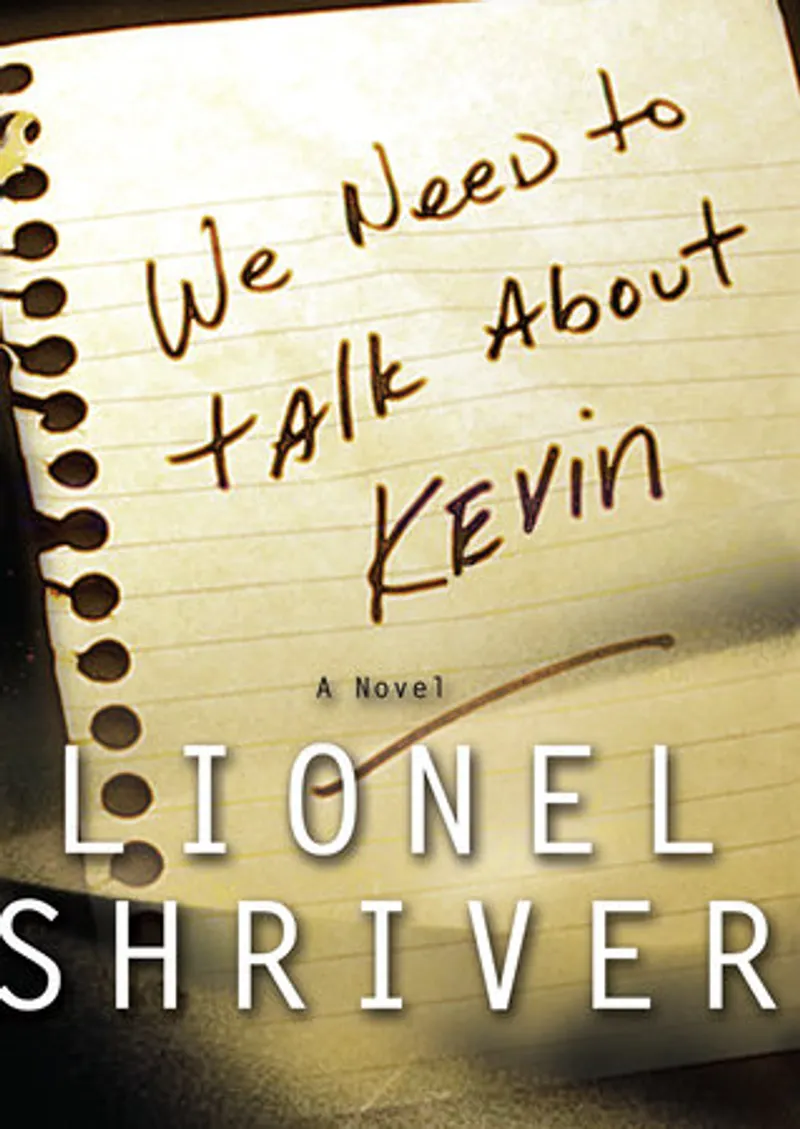
We Need to Talk About Kevin Author: Lionel ShriverPage Count: UnknownPublication Date: 2003-PRH In "We Need to Talk About Kevin", Lionel Shriver crafts a thought-provoking and haunting narrative that delves into the complexities of motherhood, violence, and the intricate dynamics of family relationships. Through the eyes of Eva, a reluctant mother, we are drawn into a world of guilt, regret, and the unrelenting quest for answers in the aftermath of a devastating tragedy. The novel's central theme - the exploration of nature versus nurture in shaping a child's character - is masterfully woven throughout the narrative. Eva's ambivalence towards motherhood and her internalized dislike for her son, Kevin, raise fundamental questions about the responsibility of parents in molding their children's personalities. As Eva grapples with the horrific consequences of Kevin's actions, she is forced to confront the darkest corners of her own psyche, laying bare the intricate web of emotions that define her relationship with her son. Shriver's writing style is both piercing and poignant, rendering the narrative impossible to put down. Her use of epistolary format, where Eva's story is revealed through a series of letters to her estranged husband, Franklin, adds a layer of intimacy and immediacy to the narrative. The reader is drawn into Eva's inner world, sharing her turmoil, and anguish as she struggles to come to terms with the events that have shattered her life. One of the most striking aspects of the novel is its thought-provoking examination of the consequences of violence on a family, a marriage, and a community. Shriver's portrayal of the aftermath of the tragedy is both nuanced and unflinching, laying bare the fault lines that exist in even the most seemingly ordinary families. The novel raises important questions about the role of society in shaping individual behavior and the devastating consequences that can unfold when the bonds of family and community are broken. Throughout the novel, Shriver's prose is marked by a stunning clarity and precision, rendering the narrative both accessible and unflinching. Her ability to capture the complexities of human emotions, the subtleties of relationships, and the devastating consequences of violence is a testament to her skill as a writer. Ultimately, "We Need to Talk About Kevin" is a novel that will leave readers unsettled, disturbed, and perhaps even transformed. It is a powerful exploration of the human condition, a searing examination of the darkest aspects of family life, and a haunting portrayal of the consequences of violence. As a work of fiction, it is both unforgettable and impossible to put down. #WeNeedToTalkAboutKevin #LionelShriver #SchoolShooting #Motherhood #FamilyDynamics #PsychologicalFiction Related InsightsChatGPT and the Future of AI Book Review and Summary Ghosts of the Shadow Market Book Review and Summary Us Defiant Few (Us Dark Few, #3) Book Review and Summary{ "@context": "https://schema.org", "@type": "FAQPage", "mainEntity": [ { "@type": "Question", "name": "What is the main focus of We Need to Talk About Kevin Book Review and Summary?", "acceptedAnswer": { "@type": "Answer", "text": "Everything you need to know about We Need to Talk About Kevin with our detailed review." } }, { "@type": "Question", "name": "Who authored the comprehensive guide on We Need to Talk About Kevin Book Review and Summary?", "acceptedAnswer": { "@type": "Answer", "text": "This detailed article and its insights were carefully researched and authored by Lionel Shriver." } }, { "@type": "Question", "name": "Where can I find more related content about Books?", "acceptedAnswer": { "@type": "Answer", "text": "You can explore more articles, detailed reviews, and similar insights by browsing the Related Insights section at the bottom of this article or visiting our dedicated Books category page." } } ] }

Cars on the Road (Disney/Pixar Cars on the Road) Author: Disney Storybook Art TeamPage Count: UnknownPublication Date: 2022-PRH "Cars on the Road" is a vibrant and engaging storybook that brings the beloved Disney/Pixar characters Lightning McQueen and Mater to life on a thrilling road trip adventure. The Disney Storybook Art Team has done an excellent job of capturing the spirit of the original series, infusing the pages with colorful illustrations and fun characters that will delight young readers. The storybook is based on the all-new Disney+ series, which follows the iconic duo as they embark on a cross-country journey, encountering new friends, exciting destinations, and a few familiar faces along the way. The book's narrative is simple, yet engaging, making it perfect for boys and girls aged 3 to 6. The text is easy to follow, and the illustrations are so vivid that they seem to jump off the page, immersing the reader in the world of Radiator Springs. One of the standout features of this storybook is its ability to balance action, adventure, and heart. Lightning McQueen and Mater's friendship is at the core of the story, and their interactions are filled with humor, warmth, and a deep affection for each other. The book also introduces a range of new characters, each with their unique personalities, adding to the richness and diversity of the narrative. The Disney Storybook Art Team's style is characterized by its use of bright, bold colors and dynamic illustrations that bring the characters to life. The artwork is reminiscent of the original Pixar films, with intricate details and textures that add depth and visual interest to the pages. The inclusion of a full sheet of stickers is a great bonus, allowing young readers to engage with the story on a more interactive level. Overall, "Cars on the Road" is a delightful storybook that is sure to thrill young fans of the Disney/Pixar franchise. With its engaging narrative, colorful illustrations, and fun characters, this book is a must-have for any child who loves adventure, friendship, and the open road. #CarsOnTheRoad #DisneyPixar #LightningMcQueen #Mater #KidsLit #StorybookAdventures Related InsightsThe Nuremberg Women: The Untold Story of the Eight Women Who Brought the Nazis to Justice Book Review and Summary The Help Book Review and Summary The Divinity Thieves Book Review and Summary{ "@context": "https://schema.org", "@type": "FAQPage", "mainEntity": [ { "@type": "Question", "name": "What is the main focus of On the Road Book Review and Summary?", "acceptedAnswer": { "@type": "Answer", "text": "Everything you need to know about On the Road with our detailed review." } }, { "@type": "Question", "name": "Who authored the comprehensive guide on On the Road Book Review and Summary?", "acceptedAnswer": { "@type": "Answer", "text": "This detailed article and its insights were carefully researched and authored by Jack Kerouac." } }, { "@type": "Question", "name": "Where can I find more related content about Books?", "acceptedAnswer": { "@type": "Answer", "text": "You can explore more articles, detailed reviews, and similar insights by browsing the Related Insights section at the bottom of this article or visiting our dedicated Books category page." } } ] }
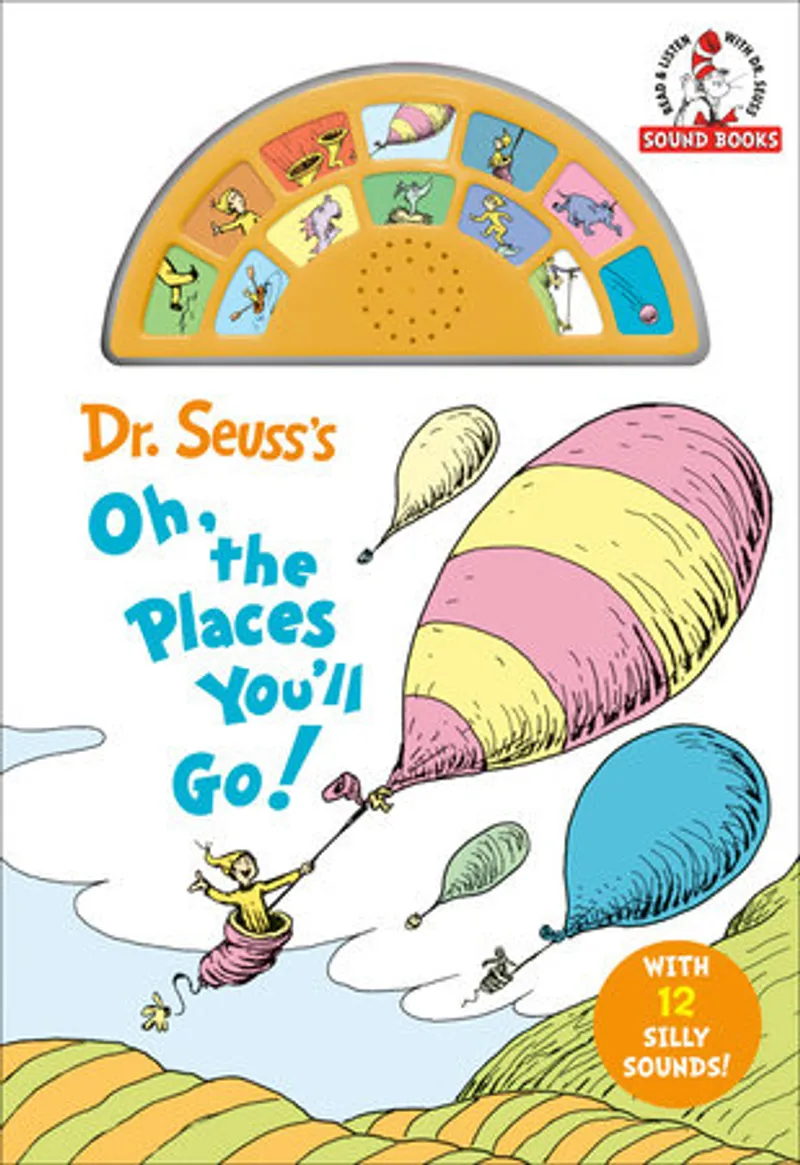
Dr. Seuss's Oh, the Places You'll Go! with 12 Silly Sounds! Author: Dr. SeussPage Count: UnknownPublication Date: 2025-PRH Dr. Seuss’s Oh, the Places You’ll Go! with 12 Silly Sounds! is a delightful, interactive twist on the beloved classic, tailored for the littlest readers who are just beginning to explore the world. This 2025 adaptation retains the whimsical charm and uplifting message of the original while adding a playful, sensory dimension that makes it perfect for babies and toddlers. With its vibrant illustrations, engaging sounds, and simple text, this board book is more than just a story—it’s an invitation to adventure, a celebration of curiosity, and a gentle nudge toward independence. At its core, the book carries forward the timeless theme of Dr. Seuss’s original: life is a journey filled with highs, lows, and endless possibilities. The narrative follows a young protagonist as they navigate the ups and downs of growing up—from the excitement of new beginnings to the challenges of uncertainty, and finally to the triumph of reaching their goals. The message is clear: no matter where the path leads, the child is capable, resilient, and full of potential. This theme resonates deeply with parents and caregivers, who will appreciate the reassuring tone and the book’s ability to frame life’s uncertainties as part of a grand, exciting adventure. What sets this adaptation apart is its interactive elements. The inclusion of 12 silly sounds—ranging from the clomping of shoes to the trumpeting of elephants—transforms the reading experience into a multisensory journey. These sounds aren’t just gimmicks; they serve as a bridge between the story and the child’s own world, making the narrative more immersive and engaging. For toddlers, who are naturally curious and love to mimic sounds, this feature adds a layer of fun that encourages participation. The colorful sound buttons and the on/off switch make it easy for little hands to explore independently, fostering a sense of control and engagement. Dr. Seuss’s signature style shines through in every aspect of this book. His use of rhyme and rhythm creates a musical quality that makes the text a joy to read aloud. The playful language, such as “Bang-ups and Hang-ups” and “the Waiting Place,” introduces children to the idea that challenges are a normal part of life, but they don’t have to be feared. The illustrations, though simplified for a younger audience, retain the bold, whimsical aesthetic that has made Dr. Seuss’s work iconic. The bright colors and expressive characters draw the eye, ensuring that even the youngest readers are captivated by the visuals. One of the most appealing aspects of this adaptation is its versatility. It’s not just a storybook; it’s a tool for celebration. Whether it’s a first birthday, a milestone like walking or starting preschool, or even a graduation, this book serves as a keepsake that marks special moments in a child’s life. The interactive sounds add an extra layer of excitement, making it a gift that feels personal and meaningful. Parents will appreciate the durability of the board book format, which can withstand the inevitable wear and tear of a curious toddler. While the original Oh, the Places You’ll Go! is often associated with older children and even adults, this adaptation makes the story accessible to a much younger audience. The language is simplified, and the themes are presented in a way that resonates with the experiences of babies and toddlers. The book doesn’t shy away from the more complex emotions of the original—like the idea of facing obstacles—but it frames them in a way that is gentle and age-appropriate. This makes it a valuable resource for parents who want to introduce their children to the idea of resilience and perseverance early on. The inclusion of replaceable batteries is a thoughtful touch, ensuring that the book can be enjoyed for years without the hassle of dead batteries ruining the fun. This practical consideration reflects the care that has gone into creating a product that is both entertaining and durable. In conclusion, Oh, the Places You’ll Go! with 12 Silly Sounds! is a brilliant adaptation that captures the spirit of Dr. Seuss’s original while making it accessible and engaging for the youngest readers. It’s a book that celebrates the journey of life, encourages curiosity, and fosters a love of reading from an early age. With its interactive sounds, vibrant illustrations, and timeless message, this book is a must-have for any child’s library. #DrSeuss #OhThePlacesYoullGo #InteractiveBooks #ToddlerBooks #ChildrensLiterature #BabyGifts Related InsightsMidnight Ruin Book Review and Summary The Traveler's Atlas of the World Book Review and Summary Snowed In at the Wildest Dreams Bookshop Book Review and Summary{ "@context": "https://schema.org", "@type": "FAQPage", "mainEntity": [ { "@type": "Question", "name": "What is the main focus of Oh, the Places You’ll Go! Book Review and Summary?", "acceptedAnswer": { "@type": "Answer", "text": "Everything you need to know about Oh, the Places You’ll Go! with our detailed review." } }, { "@type": "Question", "name": "Who authored the comprehensive guide on Oh, the Places You’ll Go! Book Review and Summary?", "acceptedAnswer": { "@type": "Answer", "text": "This detailed article and its insights were carefully researched and authored by Dr. Seuss." } }, { "@type": "Question", "name": "Where can I find more related content about Books?", "acceptedAnswer": { "@type": "Answer", "text": "You can explore more articles, detailed reviews, and similar insights by browsing the Related Insights section at the bottom of this article or visiting our dedicated Books category page." } } ] }
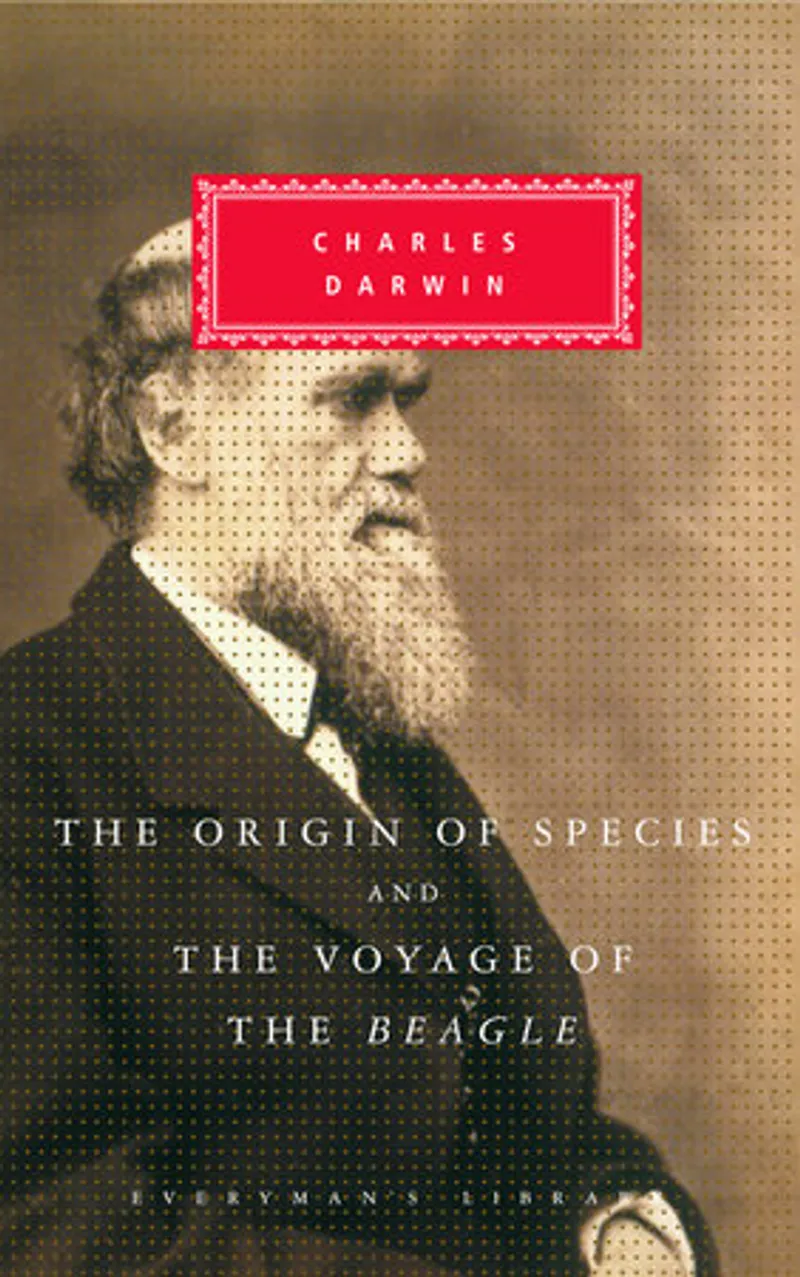
The Origin of Species and The Voyage of the 'Beagle' Author: Charles DarwinPage Count: UnknownPublication Date: 2003-PRH In the realm of scientific literature, few works have left an indelible mark as profound as Charles Darwin's magnum opus, "The Origin of Species and The Voyage of the 'Beagle'". This 2003 publication is a masterful amalgamation of two pivotal works by the renowned naturalist, offering an unparalleled glimpse into the evolution of his groundbreaking theories. The central theme of "The Origin of Species" is, of course, the revolutionary concept of evolution by means of natural selection. With unwavering clarity and precision, Darwin presents his meticulously researched argument, meticulously dismantling the prevailing views of his time. His writing is a testament to his remarkable ability to distill complex scientific ideas into an engaging and accessible narrative, rendering the book an altogether readable discussion of a subject that could have easily been shrouded in obscurity. One of the most striking aspects of "The Origin of Species" is its remarkable prescience. Written over a century and a half ago, the book's themes and ideas remain eerily relevant, continuing to spark intense debate and discussion. The furor that greeted its initial publication in 1859 is a testament to the seismic impact of Darwin's ideas, which challenged the very fabric of the prevailing worldview. As we read through the pages of this seminal work, it becomes increasingly clear that the controversy surrounding evolution is far from a relic of the past, but rather an ongoing dialogue that continues to shape our understanding of the natural world. In contrast to the intense focus of "The Origin of Species", "The Voyage of the 'Beagle'" offers a more leisurely and descriptive narrative, recounting Darwin's formative journeys to South America and the Pacific islands. This 1839 account is a vivid tapestry of exotic landscapes, fascinating encounters, and piquant details, all woven together by Darwin's keen eye for observation and his remarkable storytelling prowess. As we accompany Darwin on his travels, we begin to appreciate the subtle yet profound ways in which these experiences laid the groundwork for his later theories, imbuing "The Origin of Species" with a sense of depth and context that is nothing short of remarkable. Throughout both works, Darwin's writing style is characterized by its lucidity, precision, and an unwavering commitment to empirical evidence. His prose is a masterclass in scientific communication, effortlessly conveying complex ideas and nuanced observations to readers from diverse backgrounds. Whether he is describing the majestic beauty of the Galapagos or the intricate mechanisms of natural selection, Darwin's writing is infused with a sense of wonder, curiosity, and awe that is nothing short of infectious. In conclusion, "The Origin of Species and The Voyage of the 'Beagle'" is a landmark publication that deserves to be read, reread, and reflected upon by anyone interested in the natural world and our place within it. As a work of scientific literature, it is a towering achievement that continues to shape our understanding of the world and our place within the grand tapestry of life. As a work of literature, it is a testament to the power of language to convey complex ideas, evoke powerful emotions, and inspire new perspectives. #DarwinOnEvolution #TheOriginOfSpecies #TheVoyageOfTheBeagle #CharlesDarwin #NaturalSelection #EvolutionaryBiology Related InsightsHeartstopper, Volume 1 Book Review and Summary Library of Forbidden Books Book Review and Summary David Baldacci November 2024 Book Review and Summary{ "@context": "https://schema.org", "@type": "FAQPage", "mainEntity": [ { "@type": "Question", "name": "What is the main focus of The Voyage of the Dawn Treader Book Review and Summary?", "acceptedAnswer": { "@type": "Answer", "text": "Everything you need to know about The Voyage of the Dawn Treader with our detailed review." } }, { "@type": "Question", "name": "Who authored the comprehensive guide on The Voyage of the Dawn Treader Book Review and Summary?", "acceptedAnswer": { "@type": "Answer", "text": "This detailed article and its insights were carefully researched and authored by C.S. Lewis." } }, { "@type": "Question", "name": "Where can I find more related content about Books?", "acceptedAnswer": { "@type": "Answer", "text": "You can explore more articles, detailed reviews, and similar insights by browsing the Related Insights section at the bottom of this article or visiting our dedicated Books category page." } } ] }
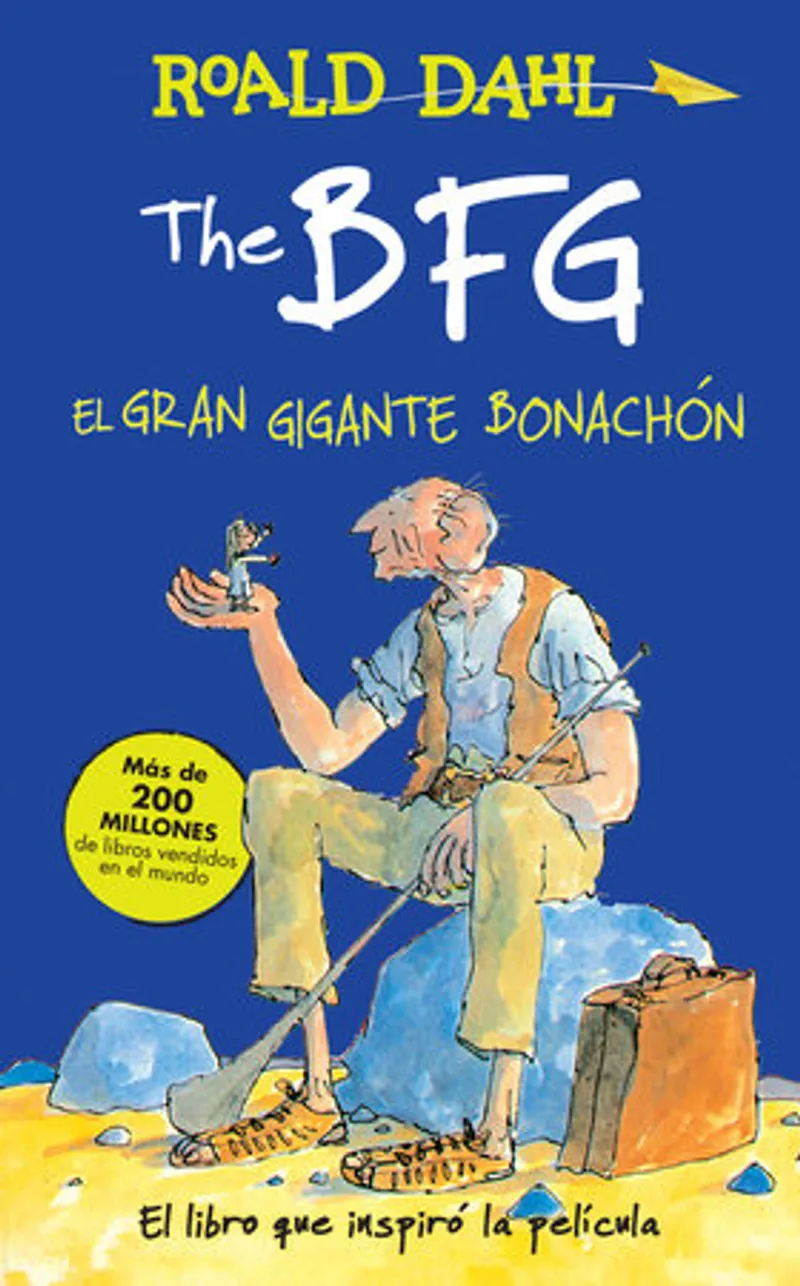
The BFG - El gran gigante bonachón / The BFG Author: Roald DahlPage Count: UnknownPublication Date: 2016-PRH "The BFG" by Roald Dahl is a timeless and captivating tale that whisks readers away to a world of wonder and magic. This beloved classic, soon to be a major motion picture directed by Steven Spielberg, is a must-read for children and adults alike. With its unique blend of humor, adventure, and heart, "The BFG" is a story that will leave you spellbound and eager for more. At the heart of the story is Sophie, a brave and resourceful young girl who finds herself in the most unexpected of circumstances. Snatched from her orphanage by the Big Friendly Giant (BFG), Sophie soon discovers that her captor is not a fearsome monster, but a kind and gentle soul. The BFG, unlike the other giants, is a complex and multifaceted character, full of contradictions. He is a dreamer, a collector of dreams, and a lover of words, who is also fiercely protective of Sophie and determined to save her from the clutches of the other giants. As Sophie and the BFG embark on a mission to stop the giants from devouring humans, they form an unlikely friendship that is both poignant and powerful. Through their journey, Dahl explores themes of bravery, loyalty, and the power of imagination. The author's masterful storytelling weaves together a rich tapestry of words, creating a world that is both fantastical and familiar. One of the most striking aspects of "The BFG" is Dahl's unique writing style. His use of language is playful, inventive, and full of wordplay. The author's love of words is evident on every page, as he invents new vocabulary and uses language in a way that is both whimsical and precise. The BFG's malapropisms and Sophie's cleverness are just two examples of the linguistic delights that await readers in this book. The themes of "The BFG" are equally impressive. Dahl tackles complex issues such as bullying, prejudice, and the power of individual action. The giants, with their varied personalities and quirks, serve as a commentary on the human condition, highlighting the flaws and weaknesses that we all possess. Meanwhile, Sophie and the BFG's friendship shows that even the most unlikely of individuals can come together to achieve great things. Overall, "The BFG" is a book that will captivate readers of all ages. With its unique blend of humor, adventure, and heart, it is a story that will leave you smiling, laughing, and maybe even shedding a tear or two. Roald Dahl's masterful storytelling and inventive language make this book a true classic, one that will continue to delight readers for generations to come. #TheBFG #RoaldDahl #ChildrensLiterature #FantasyFiction #ClassicBooks #BookReview Related InsightsThe True Confessions of First Lady Freeman Book Review and Summary Darkly Dreaming Dexter Book Review and Summary If This World Were Mine Book Review and Summary{ "@context": "https://schema.org", "@type": "FAQPage", "mainEntity": [ { "@type": "Question", "name": "What is the main focus of The BFG Book Review and Summary?", "acceptedAnswer": { "@type": "Answer", "text": "Everything you need to know about The BFG with our detailed review." } }, { "@type": "Question", "name": "Who authored the comprehensive guide on The BFG Book Review and Summary?", "acceptedAnswer": { "@type": "Answer", "text": "This detailed article and its insights were carefully researched and authored by Roald Dahl." } }, { "@type": "Question", "name": "Where can I find more related content about Books?", "acceptedAnswer": { "@type": "Answer", "text": "You can explore more articles, detailed reviews, and similar insights by browsing the Related Insights section at the bottom of this article or visiting our dedicated Books category page." } } ] }
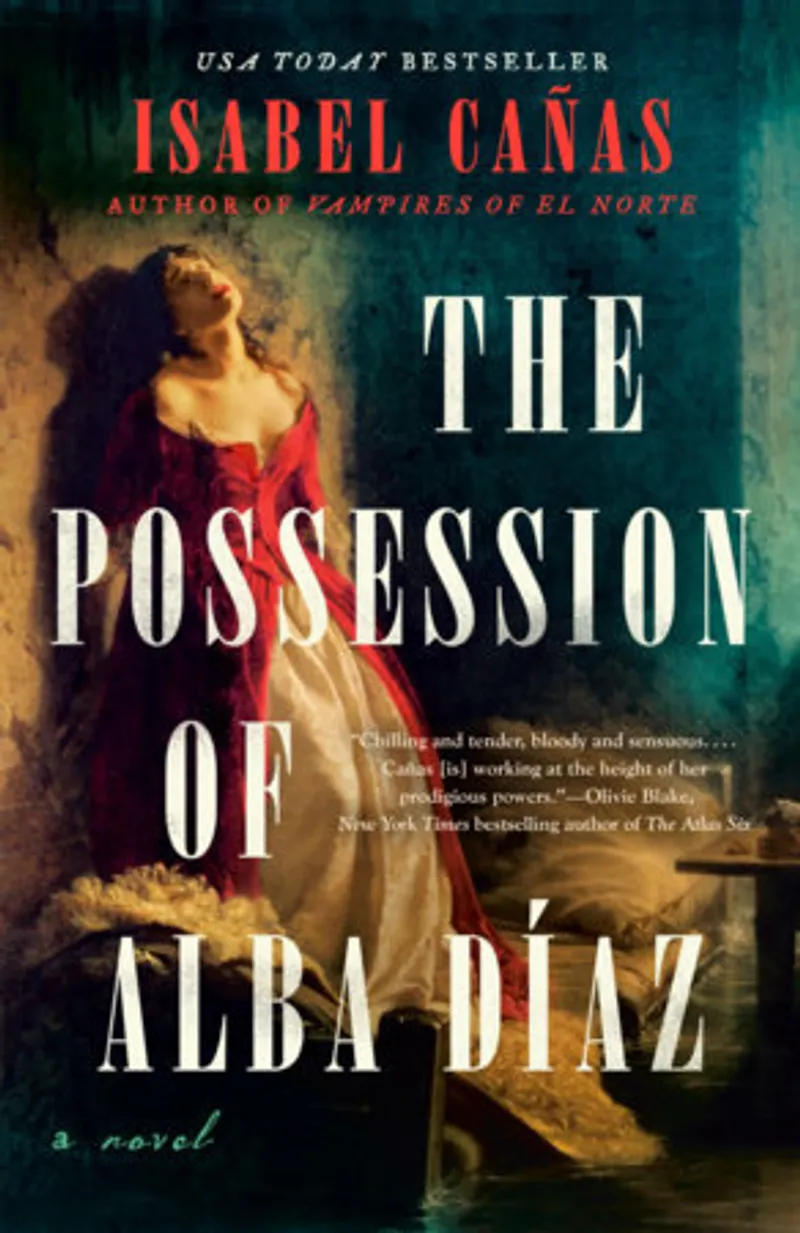
The Possession of Alba Díaz Author: Isabel CañasPage Count: UnknownPublication Date: 2026-PRH The Possession of Alba Díaz, Isabel Cañas's latest novel, is a mesmerizing and deeply unsettling exploration of the blurred lines between madness and mysticism, set against the richly atmospheric backdrop of a long-forgotten era. While the page count of this literary masterpiece remains unknown, the impact of Cañas's masterful storytelling is undeniable. From the opening pages, it becomes apparent that Cañas is a weaver of dark, gothic magic. Her prose is as lush as it is unsettling, drawing the reader into a world of eerie, candle-lit chambers and whispered incantations. The author's writing is akin to a slow-burning fire, casting flickering shadows on the walls as it probes the deepest recesses of the human psyche. At the heart of this haunting tale is Alba Díaz, a protagonist as enigmatic as she is troubled. Her world is one of creeping dread and claustrophobic terror, where the boundaries between reality and nightmare are constantly shifting. Cañas's portrayal of Alba's inner turmoil is nothing short of remarkable, a nuanced and deeply compassionate exploration of a mind teetering on the brink of collapse. As the narrative unfolds, Cañas expertly ratchets up the tension, conjuring an atmosphere of creeping unease that permeates every aspect of Alba's existence. Her writing is a masterclass in subtlety, hinting at dark forces lurking just beyond the edge of perception. It's a delicate balancing act, one that Cañas executes with precision and skill. One of the most striking aspects of The Possession of Alba Díaz is its thought-provoking exploration of the female experience. Cañas's portrayal of Alba's struggles with her own identity, her desires, and her place within a patriarchal society is both poignant and timely. This is a novel that asks difficult questions about the nature of womanhood, the constraints placed upon women, and the devastating consequences of a society that seeks to control and suppress. Throughout the book, Cañas's use of language is nothing short of breathtaking. Her prose is a rich tapestry of imagery and symbolism, woven from threads of myth, folklore, and fairy tale. The result is a narrative that is both deeply personal and universally relatable, a testament to the author's skill in crafting a story that will resonate with readers long after the final page has been turned. In short, The Possession of Alba Díaz is a triumph of modern Gothic literature, a novel that will appeal to fans of Laura Purcell, Silvia Moreno-Garcia, and Caitlin Starling. With its lush prose, atmospheric setting, and thought-provoking themes, this is a book that will linger in the reader's mind long after the lights have gone out. #ThePossessionOfAlbaDiaz #IsabelCanas #GothicLiterature #DarkFiction #FeministHorror #MentalHealthInLiterature Related InsightsThe Divorce Book Review and Summary She's a Doll Book Review and Summary Historical Collection 2018 Book Review and Summary{ "@context": "https://schema.org", "@type": "FAQPage", "mainEntity": [ { "@type": "Question", "name": "What is the main focus of Possession Book Review and Summary?", "acceptedAnswer": { "@type": "Answer", "text": "Everything you need to know about Possession with our detailed review." } }, { "@type": "Question", "name": "Who authored the comprehensive guide on Possession Book Review and Summary?", "acceptedAnswer": { "@type": "Answer", "text": "This detailed article and its insights were carefully researched and authored by A.S. Byatt." } }, { "@type": "Question", "name": "Where can I find more related content about Books?", "acceptedAnswer": { "@type": "Answer", "text": "You can explore more articles, detailed reviews, and similar insights by browsing the Related Insights section at the bottom of this article or visiting our dedicated Books category page." } } ] }
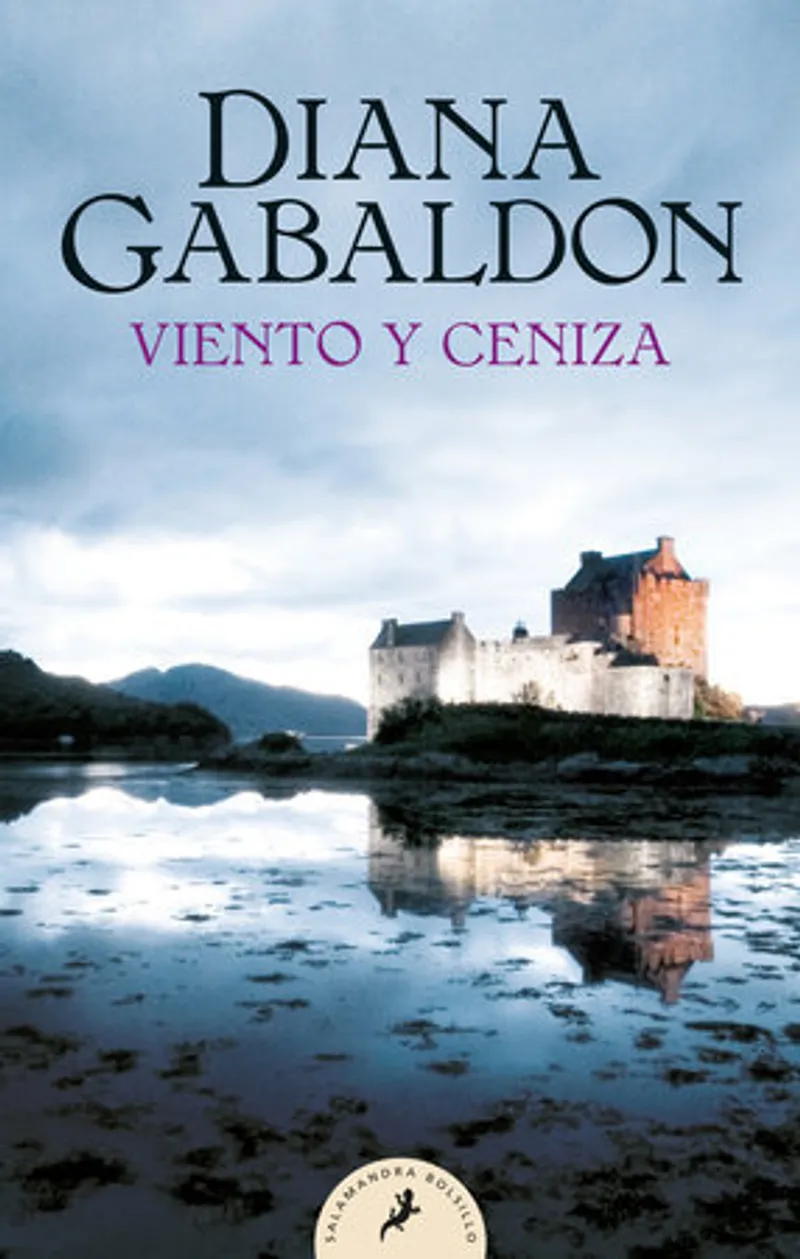
Viento y ceniza / A Breath of Snow and Ashes Author: Diana GabaldonPage Count: UnknownPublication Date: 2021-PRH A Breath of Snow and Ashes, the sixth installment in Diana Gabaldon's acclaimed Outlander saga, is a masterful blend of historical fiction, romance, and time-traveling intrigue. Set in 1772, on the eve of the American Revolution, the novel is a sweeping tale of love, loyalty, and survival. Gabaldon's writing is as exquisite as ever, painting vivid portraits of her characters and the tumultuous world they inhabit. The story is a complex web of plot threads, expertly woven together to create a narrative that is both epic in scope and intimate in its characterizations. The author's meticulous research and attention to historical detail are evident on every page, transporting readers to the rugged and unforgiving landscape of 18th-century North Carolina. At the heart of the novel is the enduring love story of Jamie and Claire Fraser, a couple bound together by their passion for each other and their determination to survive the challenges of war, politics, and time itself. As they navigate the treacherous waters of the Revolution, they must also confront the possibility of their own mortality, as foretold by a cryptic newspaper clipping that reports Jamie's death in 1776. Gabaldon's exploration of the human condition is a hallmark of her writing, and A Breath of Snow and Ashes is no exception. Her characters are multidimensional and relatable, with all their flaws and strengths on full display. The novel is also notable for its strong female characters, who drive the plot forward with their intelligence, courage, and resilience. One of the most striking aspects of Gabaldon's writing is her ability to balance action, suspense, and romance, creating a narrative that is both thrilling and emotionally resonant. The pacing is expertly managed, with moments of tender intimacy juxtaposed with scenes of high drama and adventure. If there is a criticism to be made, it is that the novel's scope can sometimes feel overwhelming, with a vast array of characters and plot threads to keep track of. However, this is a minor quibble, and Gabaldon's fans will be well rewarded for their patience and dedication. In short, A Breath of Snow and Ashes is a triumph, a novel that will captivate fans of historical fiction, romance, and science fiction alike. It is a testament to Gabaldon's skill and craftsmanship that she can continue to surprise and delight readers, even six books into the Outlander saga. #OutlanderSeries #ABreathOfSnowAndAshes #DianaGabaldon #HistoricalFiction #TimeTravelRomance #AmericanRevolution Related InsightsWhispers on Carbon Paper: The Subversive Art of Samizdat Literature in the Shadow of the Iron Curtain Angela's Ashes Book Review and Summary Library of Forbidden Books Book Review and Summary{ "@context": "https://schema.org", "@type": "FAQPage", "mainEntity": [ { "@type": "Question", "name": "What is the main focus of A Breath of Snow and Ashes Book Review and Summary?", "acceptedAnswer": { "@type": "Answer", "text": "Everything you need to know about A Breath of Snow and Ashes with our detailed review." } }, { "@type": "Question", "name": "Who authored the comprehensive guide on A Breath of Snow and Ashes Book Review and Summary?", "acceptedAnswer": { "@type": "Answer", "text": "This detailed article and its insights were carefully researched and authored by Diana Gabaldon." } }, { "@type": "Question", "name": "Where can I find more related content about Books?", "acceptedAnswer": { "@type": "Answer", "text": "You can explore more articles, detailed reviews, and similar insights by browsing the Related Insights section at the bottom of this article or visiting our dedicated Books category page." } } ] }
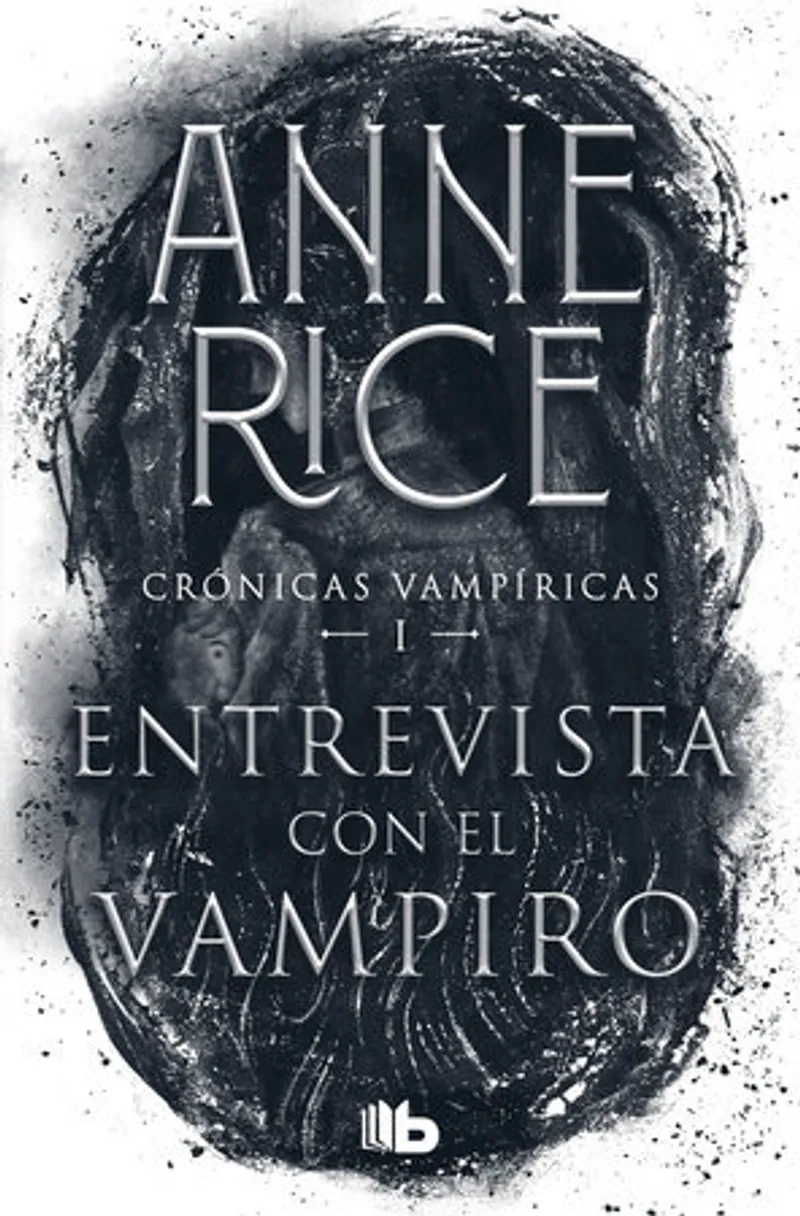
Entrevista con el vampiro / Interview with the Vampire Author: Anne RicePage Count: UnknownPublication Date: 2021-PRH In the realm of vampire lore, few tales have captivated readers as utterly as Anne Rice's Interview with the Vampire. This timeless classic, first published in 1976 and re-released in various forms over the years including a 2021 edition, weaves a hypnotic narrative that transcends the conventional boundaries of the horror genre, delving deep into themes of immortality, loneliness, and the human condition. At the heart of the novel is Louis, a vampire who recounts his tale of transformation and the centuries that follow, filled with despair, bloodlust, and an unquenchable thirst for human connection. Through Louis's voice, Rice masterfully explores the dichotomy between the monstrous and the sympathetic, creating a character so richly layered that the reader cannot help but be drawn into his world of eternal darkness. The author's style is as much a character in the book as Louis himself. Rice's prose is lyrical and evocative, painting vivid pictures of 18th-century New Orleans, the lush landscapes of Europe, and the decadent interiors of the vampire's lairs. Her writing is a sensory experience, immersing the reader in the sights, sounds, and emotions of the characters. The way she describes the vampires' heightened senses, their experience of the world in all its beauty and horror, is nothing short of enchanting. One of the most striking aspects of Interview with the Vampire is its exploration of the vampire's existential crisis. These creatures, cursed with immortality, are forced to watch as humanity evolves around them, leaving them isolated and disconnected. Louis, in particular, grapples with the moral implications of his nature, questioning whether he can ever truly find peace in a world where he must prey on others to survive. This introspection adds depth to the narrative, making the vampires more than just bloodthirsty monsters but complex, multidimensional beings. The relationship between Louis and Claudia, the child vampire, is another compelling aspect of the novel. Claudia's character, with her intellect and passion trapped in a child's body, serves as a poignant reminder of the vampires' unnatural state. Her bond with Louis, filled with both tenderness and danger, highlights the tragic nature of their existence. Together, they embark on a perilous journey, seeking answers about their kind and their place in the world. The world Rice creates is vast and detailed, filled with characters that are as fascinating as they are terrifying. From the enigmatic Lestat to the mysterious figures they encounter in Europe, each character adds to the rich tapestry of the vampire world. The setting of 19th-century Europe, with its opulence and decay, provides a backdrop for the vampires' struggles, a reflection of their own corrupt and beautiful natures. In conclusion, Interview with the Vampire is a masterpiece of Gothic literature that continues to enthrall readers with its haunting beauty and profound themes. Anne Rice's masterful storytelling and vivid prose ensure that this novel will remain a classic of the genre, captivating audiences for generations to come. With its exploration of the human condition, morality, and the search for meaning in an eternal existence, this book is a must-read for anyone drawn to the darker corners of literature. #VampireLiterature #GothicFiction #Immortality #TheVampireChronicles #AnneRice #EternalLove Related Insights1984 (edición definitiva avalada por The Orwell Estate) (edición especial limitada con cantos pintados) / 1984 (Edition Endorsed by The Orwell Estate) Book Review and Summary The Red Pyramid Book Review and Summary The Origin of Species Book Review and Summary{ "@context": "https://schema.org", "@type": "FAQPage", "mainEntity": [ { "@type": "Question", "name": "What is the main focus of Interview with the Vampire Book Review and Summary?", "acceptedAnswer": { "@type": "Answer", "text": "Everything you need to know about Interview with the Vampire with our detailed review." } }, { "@type": "Question", "name": "Who authored the comprehensive guide on Interview with the Vampire Book Review and Summary?", "acceptedAnswer": { "@type": "Answer", "text": "This detailed article and its insights were carefully researched and authored by Anne Rice." } }, { "@type": "Question", "name": "Where can I find more related content about Books?", "acceptedAnswer": { "@type": "Answer", "text": "You can explore more articles, detailed reviews, and similar insights by browsing the Related Insights section at the bottom of this article or visiting our dedicated Books category page." } } ] }
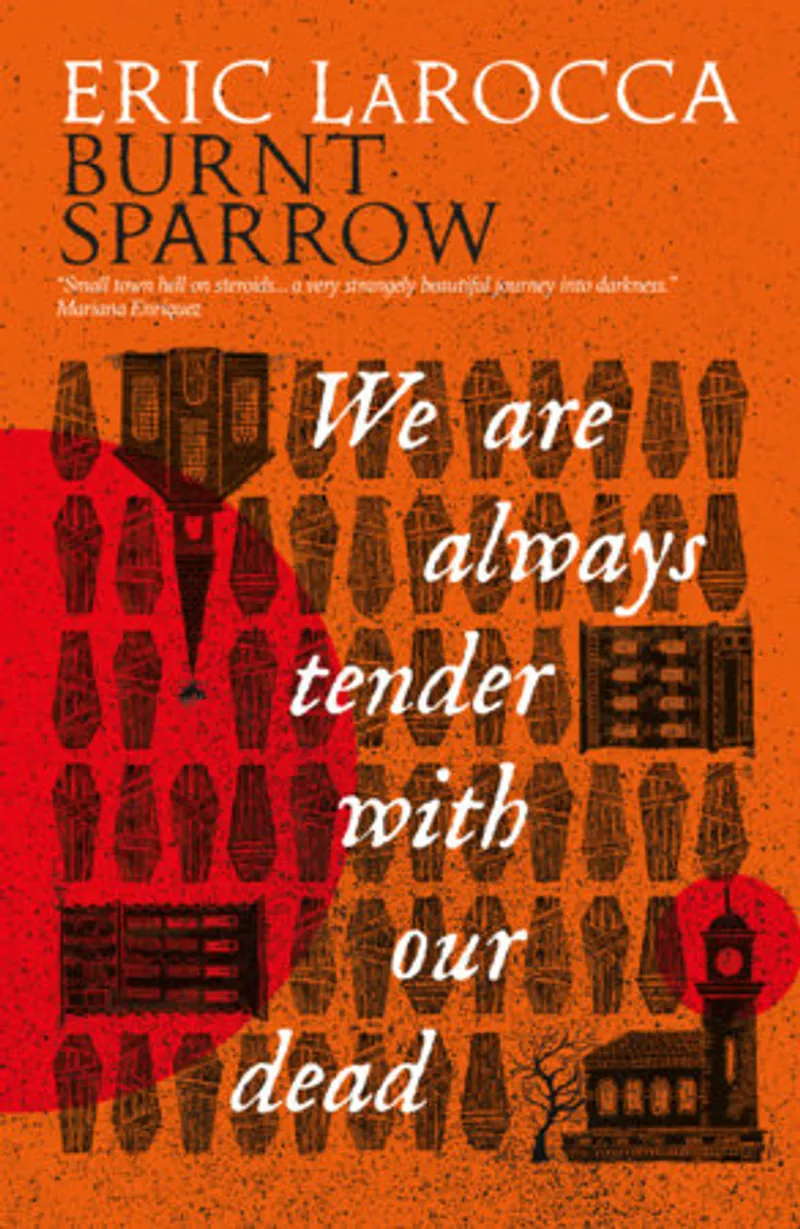
We Are Always Tender with Our Dead Author: Eric LaRoccaPage Count: UnknownPublication Date: 2026-PRH We Are Always Tender with Our Dead, the latest offering from Eric LaRocca, is a haunting and deeply unsettling exploration of the human condition, one that probes the darkest recesses of our collective psyche and emerges with a profoundly disturbing portrait of mortality, grief, and the unbridgeable chasm between life and death. From the outset, it is clear that LaRocca is a master of atmospheric tension, weaving a narrative that is at once both elegiac and unnerving. His prose is economical, yet evocative, conjuring images that sear themselves into the reader's consciousness like scars. The author's use of language is deliberate and measured, each word chosen for its maximum impact, creating a sense of creeping unease that permeates every aspect of the narrative. At its core, We Are Always Tender with Our Dead is a meditation on the fragility of human existence, a stark reminder that our lives are but a fleeting moment, a brief flicker of consciousness in the grand tapestry of time. LaRocca's exploration of this theme is both unflinching and unsentimental, eschewing easy answers or comforting platitudes in favor of a stark, unvarnished truth. Through his characters, LaRocca exposes the fault lines of human emotion, laying bare the raw, unbridled feelings that we often seek to conceal beneath a veneer of civility and decorum. His portrayal of grief, in particular, is both heart-wrenching and unflinchingly honest, capturing the desperate, animalistic intensity of loss, the feeling of being unmoored and adrift in a world that seems suddenly, irreparably broken. One of the most striking aspects of LaRocca's style is his ability to balance the intimate, personal nature of his narrative with a broader, more philosophical exploration of the human condition. His writing is both deeply personal and universally relatable, speaking to fundamental questions about the nature of existence, the meaning of life, and the inevitability of death. If there is a flaw to be found in We Are Always Tender with Our Dead, it is that the author's unflinching gaze can sometimes make for uncomfortable reading. LaRocca pulls no punches, confronting his readers with the harsh, unvarnished realities of mortality, and the result can be a narrative that is, at times, almost unbearably intense. And yet, it is precisely this intensity, this unwavering commitment to exploring the darkest recesses of the human experience, that makes the book so compelling, so impossible to look away from. In the end, We Are Always Tender with Our Dead is a masterpiece of contemporary horror, a work of unflinching, unsentimental genius that will leave even the most seasoned readers gasping for breath. It is a testament to LaRocca's skill as a storyteller, his ability to craft a narrative that is both deeply unsettling and profoundly, unforgettably human. #HorrorFiction #DarkLiterature #MortalityAndGrief #ExistentialHorror #PsychologicalTerror #ContemporaryHorror Related InsightsDead to the World Book Review and Summary Game of Gravestones Book Review and Summary Un diable en hiver Book Review and Summary{ "@context": "https://schema.org", "@type": "FAQPage", "mainEntity": [ { "@type": "Question", "name": "What is the main focus of Rosencrantz and Guildenstern Are Dead Book Review and Summary?", "acceptedAnswer": { "@type": "Answer", "text": "Everything you need to know about Rosencrantz and Guildenstern Are Dead with our detailed review." } }, { "@type": "Question", "name": "Who authored the comprehensive guide on Rosencrantz and Guildenstern Are Dead Book Review and Summary?", "acceptedAnswer": { "@type": "Answer", "text": "This detailed article and its insights were carefully researched and authored by Tom Stoppard." } }, { "@type": "Question", "name": "Where can I find more related content about Books?", "acceptedAnswer": { "@type": "Answer", "text": "You can explore more articles, detailed reviews, and similar insights by browsing the Related Insights section at the bottom of this article or visiting our dedicated Books category page." } } ] }

Ragged Dick: Or, Street Life in New York with the Boot Blacks Author: Horatio AlgerPage Count: UnknownPublication Date: 2014-PRH Ragged Dick: Or, Street Life in New York with the Boot Blacks, penned by the inimitable Horatio Alger, is a timeless tale of self-discovery and perseverance that has captivated readers for generations. First published in 1868, this classic rags-to-riches story has been re-released in 2014 with an introduction by Michael Meyer and a new afterword by Bryan Waterman, offering a fresh perspective on this enduring masterpiece. At its core, Ragged Dick is a coming-of-age tale that chronicles the transformation of its eponymous protagonist, a street-smart and resourceful young boy, from a life of poverty and uncertainty to one of respectability and purpose. Through Dick's journey, Alger masterfully explores the themes of self-reliance, hard work, and determination, underscoring the notion that even in the face of adversity, individuals have the power to shape their own destinies. One of the most striking aspects of Alger's writing style is his ability to balance gritty realism with an unyielding optimism. His vivid portrayal of the harsh realities of street life in 19th-century New York City is tempered by a deep-seated faith in the human spirit's capacity for resilience and adaptation. This nuanced approach lends depth and complexity to the narrative, making it both a compelling page-turner and a thought-provoking exploration of the human condition. Throughout the novel, Alger's prose is marked by a clarity and directness that belies its 19th-century origins. His writing is economical and unadorned, yet possesses a quiet power that draws the reader inexorably into the world of the story. The characters, too, are skillfully drawn, with Dick himself being a particularly memorable creation – a plucky, fast-talking young hero whose struggles and triumphs are deeply relatable. One of the most significant aspects of Ragged Dick is its commentary on the social and economic realities of its time. Alger's depiction of the struggles faced by the urban poor, the perils of child labor, and the limited options available to those seeking to improve their circumstances is both a powerful indictment of the social ills of the era and a testament to the enduring power of the human spirit. In the end, Ragged Dick is a triumphant tale of self-overcoming, a testament to the notion that with hard work, determination, and a bit of luck, even the most marginalized and disadvantaged individuals can achieve a better life. As a work of literature, it is a masterclass in storytelling, with a narrative that is both propulsive and emotionally resonant. As a social commentary, it remains a powerful and thought-provoking exploration of the human condition. In short, Ragged Dick is a must-read for anyone interested in classic American literature, social commentary, or simply a compelling and inspiring tale of self-discovery. With its timeless themes, vivid characters, and masterful storytelling, it is a novel that will continue to captivate readers for generations to come. #RagsToRiches #ComingOfAge #ClassicAmericanLiterature #SocialCommentary #SelfDiscovery #HoratioAlger Related InsightsThe Red Pyramid Book Review and Summary Hopeless Book Review and Summary Erotic Seasons: Tuning into the Rhythms of Women's Sexuality and Spirituality Book Review and Summary{ "@context": "https://schema.org", "@type": "FAQPage", "mainEntity": [ { "@type": "Question", "name": "What is the main focus of Walden or, Life in the Woods Book Review and Summary?", "acceptedAnswer": { "@type": "Answer", "text": "Everything you need to know about Walden or, Life in the Woods with our detailed review." } }, { "@type": "Question", "name": "Who authored the comprehensive guide on Walden or, Life in the Woods Book Review and Summary?", "acceptedAnswer": { "@type": "Answer", "text": "This detailed article and its insights were carefully researched and authored by Henry David Thoreau." } }, { "@type": "Question", "name": "Where can I find more related content about Books?", "acceptedAnswer": { "@type": "Answer", "text": "You can explore more articles, detailed reviews, and similar insights by browsing the Related Insights section at the bottom of this article or visiting our dedicated Books category page." } } ] }
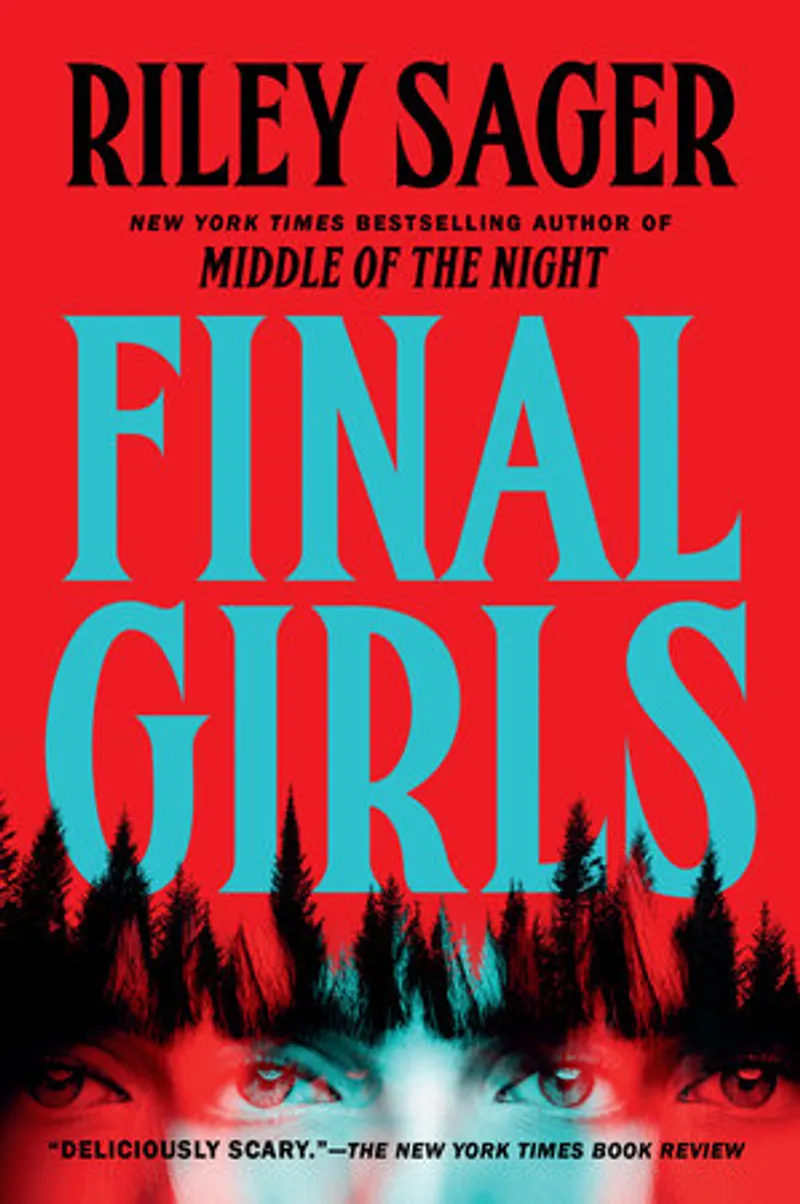
Final Girls Author: Riley SagerPage Count: UnknownPublication Date: 2018-PRH In the gripping psychological thriller "Final Girls," Riley Sager delves into the dark world of trauma, survival, and the blurring of reality. This award-winning novel, touted by Stephen King as a must-read for fans of "Gone Girl," follows Quincy Carpenter, a college student who narrowly escaped a massacre at Pine Cottage, leaving her the sole survivor. Ten years have passed, and Quincy has built a seemingly perfect life – a loving partner, a popular baking blog, and a beautiful apartment. However, her tranquil existence is shattered when Lisa, one of the other "Final Girls," is found dead, and Sam, the enigmatic survivor of the Sack Man, appears at her doorstep. As Quincy's world begins to unravel, she is forced to confront the traumatic events of her past and the truth about the night of the massacre. Sager's writing style is masterful, weaving a complex narrative that expertly manipulates the reader's perceptions. Through Quincy's voice, we experience the fragmented nature of her memories, as she struggles to recall the events of that fateful night. The author's use of non-linear storytelling and multiple timelines adds to the sense of tension and unease, mirroring Quincy's growing anxiety as she tries to unravel the mystery surrounding Lisa's death. At its core, "Final Girls" is a thought-provoking exploration of the psychological effects of trauma on its survivors. Sager raises important questions about the nature of survival, the impact of media scrutiny, and the lasting consequences of violence on individuals and society. Through Quincy's character, we see the devastating consequences of being defined by a single event, as she struggles to reclaim her identity and move beyond her status as a "Final Girl." One of the most striking aspects of Sager's writing is his ability to craft complex, multidimensional characters. Quincy, Sam, and Lisa are all skillfully drawn, with rich backstories that add depth to the narrative. The author's portrayal of the relationships between the Final Girls is particularly noteworthy, as he explores the bonds that form between survivors of traumatic events. As the story hurtles towards its shocking conclusion, Sager's pacing becomes increasingly frenetic, propelling the reader towards a stunning revelation. Without giving too much away, the author's use of twists and turns is expertly handled, adding to the sense of tension and suspense that permeates the novel. In conclusion, "Final Girls" is a gripping, thought-provoking thriller that will appeal to fans of psychological suspense. Sager's masterful writing, coupled with his thought-provoking exploration of trauma and survival, makes for a compelling read. If you're looking for a novel that will keep you on the edge of your seat, look no further than "Final Girls." #FinalGirls #RileySager #PsychologicalThriller #TraumaAndSurvival #GoneGirl #ThrillerThursday Related InsightsEl peor vecino del mundo Book Review and Summary The Pirate Queen Book Review and Summary In Search of Safety: Voices of Refugees Book Review and Summary{ "@context": "https://schema.org", "@type": "FAQPage", "mainEntity": [ { "@type": "Question", "name": "What is the main focus of Final Girls Book Review and Summary?", "acceptedAnswer": { "@type": "Answer", "text": "Everything you need to know about Final Girls with our detailed review." } }, { "@type": "Question", "name": "Who authored the comprehensive guide on Final Girls Book Review and Summary?", "acceptedAnswer": { "@type": "Answer", "text": "This detailed article and its insights were carefully researched and authored by Riley Sager." } }, { "@type": "Question", "name": "Where can I find more related content about Books?", "acceptedAnswer": { "@type": "Answer", "text": "You can explore more articles, detailed reviews, and similar insights by browsing the Related Insights section at the bottom of this article or visiting our dedicated Books category page." } } ] }
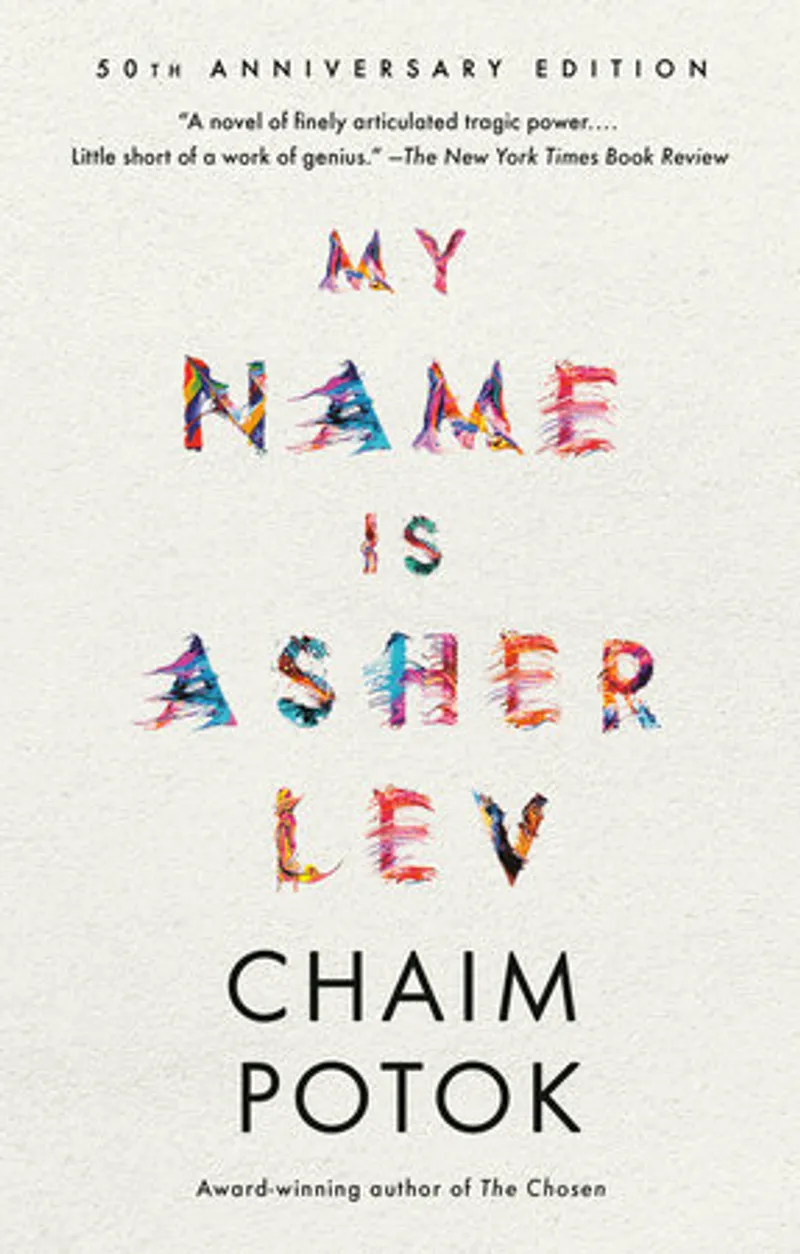
My Name Is Asher Lev Author: Chaim PotokPage Count: UnknownPublication Date: 2003-PRH In "My Name Is Asher Lev," Chaim Potok masterfully weaves a poignant tale of artistic expression, spirituality, and the unrelenting struggle to reconcile two seemingly disparate worlds. This modern classic, first published in 1972, not 2003, is a thought-provoking exploration of the human condition, as embodied by the protagonist Asher Lev, a young Ladover Hasid with an unyielding passion for art. Potok's narrative is a beautifully crafted, introspective journey that delves into the complexities of Asher's existence. Born into a cloistered Hasidic community in postwar Brooklyn, Asher's life is steeped in tradition and ritual. His days are marked by prayer, study, and devotion to the Ribbono Shel Olom, the Master of the Universe. However, Asher's artistic inclinations threaten to disrupt this carefully constructed world, as he finds himself increasingly drawn to the secular realm of art. Through Asher's story, Potok poses profound questions about the nature of creativity, faith, and identity. Can an individual reconcile their spiritual obligations with their artistic ambitions, or are these two pursuits mutually exclusive? Asher's struggles to navigate this dichotomy are deeply relatable, and his ultimate decision to pursue his art, despite the potential costs, is both heartbreaking and exultant. One of the most striking aspects of Potok's writing is his ability to evoke the world of the Ladover Hasidim with remarkable sensitivity and nuance. His depiction of the community's rituals, traditions, and inner workings is meticulous and respectful, reflecting his own background and experiences. At the same time, Potok is unafraid to tackle the complexities and challenges of this insular world, revealing the tensions and conflicts that can arise when individual desires collide with communal expectations. Potok's prose is characterized by its lyricism, simplicity, and elegance. His writing is reminiscent of a gentle stream, flowing effortlessly as it explores the depths of Asher's consciousness. The author's use of language is deliberate and evocative, conjuring vivid images of the Brooklyn streets, the Ladover community, and the inner workings of Asher's mind. Ultimately, "My Name Is Asher Lev" is a testament to the transformative power of art and the human spirit. Asher's journey, though marked by struggle and sacrifice, is a triumphant celebration of the artist's unwavering commitment to their vision. This modern classic is a must-read for anyone interested in exploring the intersections of art, faith, and identity. #MyNameIsAsherLev #ChaimPotok #TheChosen #LadoverHasidim #ArtAndFaith #ComingOfAge Related InsightsNormal Women Book Review and Summary Anthropocene Book Review and Summary Death & Honey Book Review and Summary{ "@context": "https://schema.org", "@type": "FAQPage", "mainEntity": [ { "@type": "Question", "name": "What is the main focus of My Name Is Asher Lev Book Review and Summary?", "acceptedAnswer": { "@type": "Answer", "text": "Everything you need to know about My Name Is Asher Lev with our detailed review." } }, { "@type": "Question", "name": "Who authored the comprehensive guide on My Name Is Asher Lev Book Review and Summary?", "acceptedAnswer": { "@type": "Answer", "text": "This detailed article and its insights were carefully researched and authored by Chaim Potok." } }, { "@type": "Question", "name": "Where can I find more related content about Books?", "acceptedAnswer": { "@type": "Answer", "text": "You can explore more articles, detailed reviews, and similar insights by browsing the Related Insights section at the bottom of this article or visiting our dedicated Books category page." } } ] }
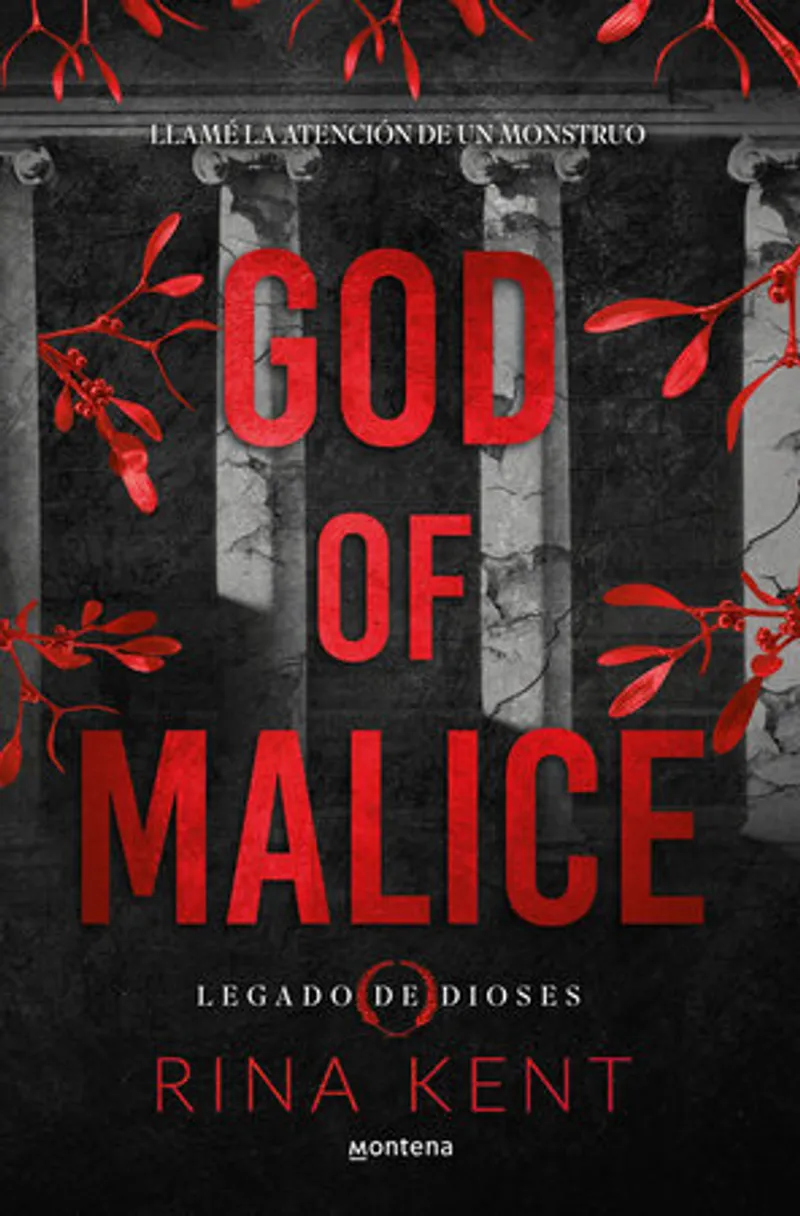
God of Malice: Un dark romance universitario / God of Malice: A Dark College Romance Author: Rina KentPage Count: UnknownPublication Date: 2024-PRH In the realm of dark romance, Rina Kent has carved out a niche for herself as a masterful storyteller, weaving tales that are as captivating as they are unsettling. Her latest offering, "God of Malice," is a gripping exploration of the darker aspects of human nature, a twisted dance between predator and prey that will leave readers breathless. At the heart of this story is Killian Carson, a complex and chilling figure who embodies the very essence of malice. With a sophisticated charm that belies his true nature, Killian is a master manipulator, a cold-blooded predator who stalks his prey with calculated precision. His is a world of shadows, where the lines between good and evil are blurred, and the only constant is the thrill of the hunt. Kent's writing style is a perfect match for this dark and twisted world. Her prose is sleek and sophisticated, with a keen eye for detail that draws the reader in and refuses to let go. She has a remarkable ability to craft characters that are multidimensional and relatable, even as they navigate the darkest depths of human emotion. One of the most striking aspects of "God of Malice" is its exploration of the theme of obsession. Killian's fixation on his prey is all-consuming, a relentless drive that propels the story forward with a sense of inevitability. And yet, Kent also explores the other side of the coin, the ways in which obsession can be a two-way street, with both parties drawn into a dance of mutual destruction. Throughout the book, Kent's writing is infused with a sense of tension and foreboding, a feeling that the stakes are always escalating, and the consequences of failure are dire. This is a world where the rules are constantly shifting, where the only constant is the darkness that lurks at the heart of human nature. Ultimately, "God of Malice" is a story about the dangers of playing with fire, of tempting the darkness that lurks within us all. It is a cautionary tale, a reminder that some secrets are better left unspoken, and some desires are too dangerous to indulge. With "God of Malice," Rina Kent has once again proven herself to be a master of the dark romance genre. This is a book that will appeal to fans of authors like Pepper Winters and Anna Zaires, anyone who enjoys a good thriller with a healthy dose of romance and suspense. #DarkRomance #Obsession #CollegeRomance #NewRelease #BookLovers #RinaKent Related InsightsScarlet Circus Book Review and Summary Like Water for Chocolate Book Review and Summary Malibu Rising Book Review and Summary{ "@context": "https://schema.org", "@type": "FAQPage", "mainEntity": [ { "@type": "Question", "name": "What is the main focus of Consequences A Dark Wealth and Power Romance Book Review and Summary?", "acceptedAnswer": { "@type": "Answer", "text": "Everything you need to know about Consequences A Dark Wealth and Power Romance with our detailed review." } }, { "@type": "Question", "name": "Who authored the comprehensive guide on Consequences A Dark Wealth and Power Romance Book Review and Summary?", "acceptedAnswer": { "@type": "Answer", "text": "This detailed article and its insights were carefully researched and authored by Aleatha Romig." } }, { "@type": "Question", "name": "Where can I find more related content about Books?", "acceptedAnswer": { "@type": "Answer", "text": "You can explore more articles, detailed reviews, and similar insights by browsing the Related Insights section at the bottom of this article or visiting our dedicated Books category page." } } ] }
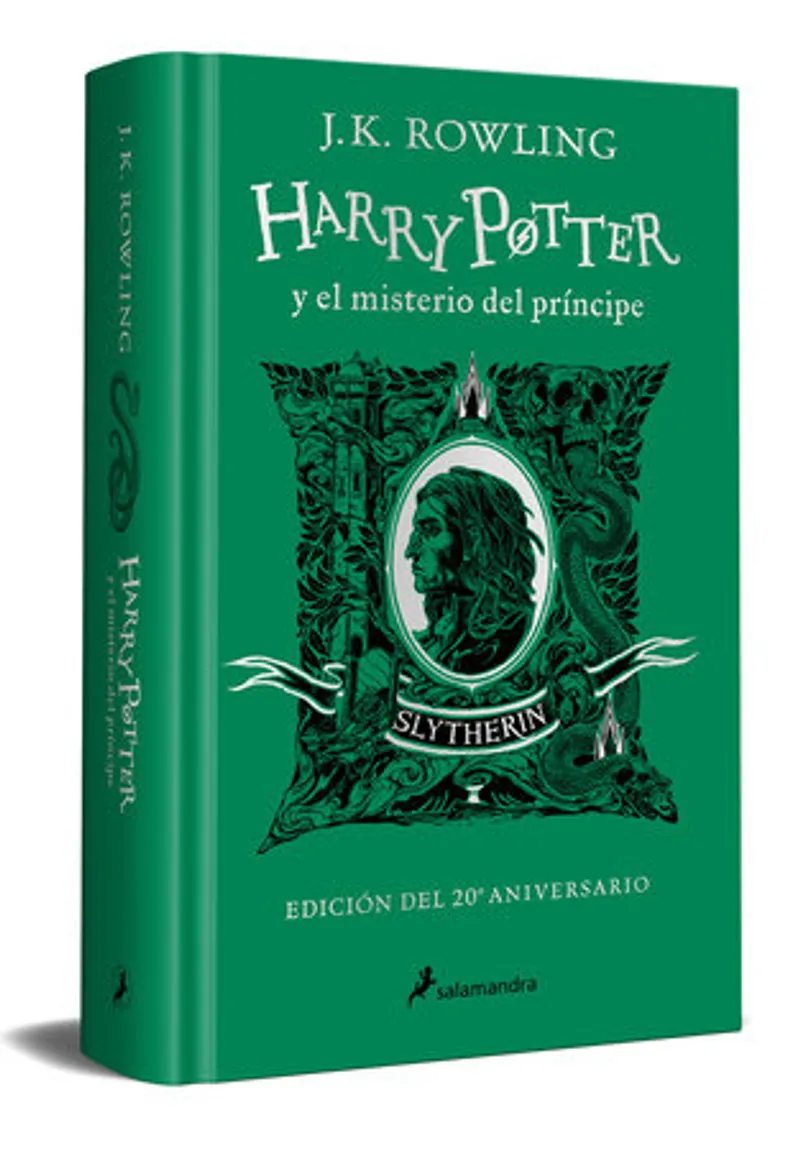
Harry Potter y el misterio del Príncipe (20 Aniv. Slytherin) / Harry Potter and the Half-Blood Prince (Slytherin) Author: J.K. RowlingPage Count: UnknownPublication Date: 2022-PRH In the midst of the wizarding world's chaos, J.K. Rowling masterfully weaves a narrative that delves into the complexities of adolescence, friendship, and the eternal struggle between good and evil in "Harry Potter and the Half-Blood Prince". This special edition, commemorating the 20th anniversary of the beloved series, invites readers to don the proud colors of Slytherin House, immersing themselves in the richly detailed world that has captivated audiences for generations. As Harry begins his sixth year at Hogwarts, the atmosphere is tense with foreboding. The Dark Lord Voldemort's power continues to grow, casting a dark shadow over the land. Amidst this turmoil, Harry must navigate the challenges of adolescence, including romantic entanglements, academic pressures, and the weight of his destiny as "The Chosen One". Rowling expertly captures the nuances of teenage angst, as Harry grapples with his own emotions, often finding solace in his relationships with Ron and Hermione. The central plot revolves around Harry's discovery of an old potions textbook, once belonging to a mysterious individual known as the Half-Blood Prince. This enigmatic figure, whose true identity is slowly unraveled throughout the narrative, provides Harry with valuable insights into the Dark Arts, as well as the nature of his own nemesis. Through this narrative thread, Rowling skillfully explores the theme of duality, highlighting the blurred lines between good and evil, and the inherent complexities of human nature. Rowling's writing style in "Harry Potter and the Half-Blood Prince" is characteristic of her mastery of the fantasy genre. Her world-building is meticulous, with a keen attention to detail that transports readers to the hallowed halls of Hogwarts. The narrative is well-paced, with a seamless balance of action, suspense, and introspection. The characters, too, are multidimensional, with even the most minor players possessing a depth that adds richness to the story. One of the most striking aspects of this installment is its exploration of the human condition. Rowling tackles themes of prejudice, ambition, and the corrupting influence of power, raising important questions about the nature of morality. The character of Severus Snape, in particular, is a masterclass in complexity, his motivations and loyalties expertly woven into the narrative. In "Harry Potter and the Half-Blood Prince", Rowling sets the stage for the series' ultimate showdown, expertly ratcheting up the tension as the story hurtles towards its climax. This special edition, with its Slytherin House theme, is a must-read for fans of the series, offering a fresh perspective on the wizarding world and its beloved characters. #HarryPotter #HalfBloodPrince #SlytherinHouse #JKRowling #FantasyLiterature #WizardingWorld Related InsightsThe Tower of Nero Book Review and Summary In the Woods They Wait Book Review and Summary It's a Prince Thing (the Princess Rules) Book Review and Summary{ "@context": "https://schema.org", "@type": "FAQPage", "mainEntity": [ { "@type": "Question", "name": "What is the main focus of Harry Potter and the Half-Blood Prince Book Review and Summary?", "acceptedAnswer": { "@type": "Answer", "text": "Everything you need to know about Harry Potter and the Half-Blood Prince with our detailed review." } }, { "@type": "Question", "name": "Who authored the comprehensive guide on Harry Potter and the Half-Blood Prince Book Review and Summary?", "acceptedAnswer": { "@type": "Answer", "text": "This detailed article and its insights were carefully researched and authored by J.K. Rowling." } }, { "@type": "Question", "name": "Where can I find more related content about Books?", "acceptedAnswer": { "@type": "Answer", "text": "You can explore more articles, detailed reviews, and similar insights by browsing the Related Insights section at the bottom of this article or visiting our dedicated Books category page." } } ] }
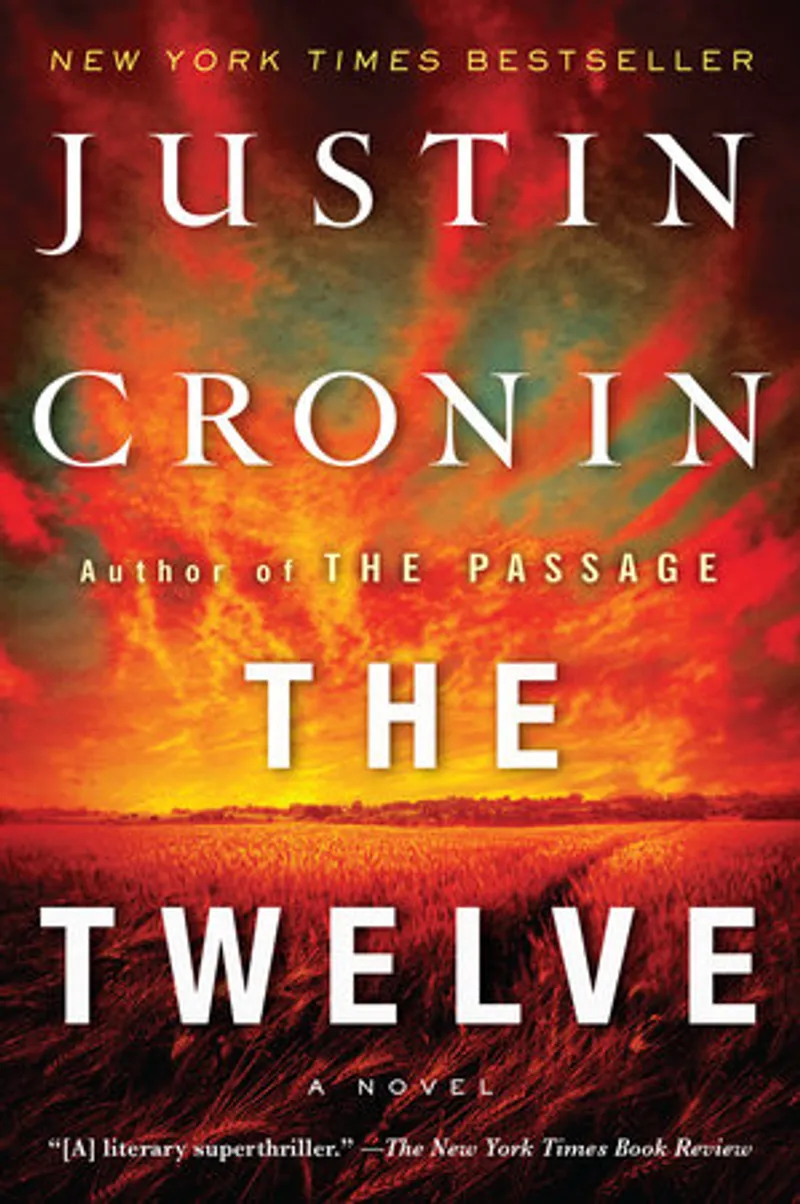
The Twelve (Book Two of The Passage Trilogy) Author: Justin CroninPage Count: UnknownPublication Date: 2016-PRH The Twelve: A Masterclass in Apocalyptic Storytelling Justin Cronin’s The Twelve is not just a sequel—it’s a revelation. Where The Passage introduced us to a world ravaged by a vampiric plague, this second installment in the trilogy deepens the horror, widens the scope, and elevates the stakes to a cosmic level. Cronin doesn’t just write dystopian fiction; he crafts an epic that feels both intimate and vast, blending literary ambition with the relentless pacing of a thriller. If The Passage was a slow-burn descent into madness, The Twelve is a full-throttle sprint toward an uncertain, blood-soaked future. At its core, The Twelve explores the fragility of hope in the face of annihilation. The novel splits its narrative between three distinct timelines: the immediate aftermath of the viral outbreak, a near-future struggle for survival, and a century later, where humanity’s last bastion clings to existence against an evolved enemy. Cronin’s genius lies in how he weaves these threads together, making the reader care as much about the fate of a single child as they do about the survival of the species. Lila, a doctor clinging to sanity as the world burns; Kittridge, a hardened survivor fleeing the collapse of his stronghold; April, a teenager guiding her brother through a wasteland of death—these characters are not just survivors, but symbols of resilience. Their stories are heartbreaking yet inspiring, a testament to the human spirit’s refusal to surrender even when the odds are impossible. But The Twelve is more than just a tale of survival—it’s a meditation on sacrifice. The novel forces its characters (and its readers) to confront the cost of hope. Amy, the enigmatic girl at the heart of the original outbreak, now wields power she never asked for, while those around her must decide how much they’re willing to give to keep the flame of humanity alive. Cronin doesn’t shy away from moral ambiguity; every victory comes at a price, and every act of kindness is shadowed by betrayal. The Twelve, the vampiric rulers of this new world, are not mere monsters—they are a dark reflection of humanity’s own capacity for cruelty and control. Their evolution into something even more terrifying forces the survivors to question whether they are fighting for a future worth saving. Cronin’s prose is a study in precision and power. He balances lyrical descriptions with sharp, punchy action, making the horrors of his world feel visceral. The infected—now more than just ravenous beasts—are given a chilling intelligence, their movements described with a predator’s grace. The emotional beats, too, are handled with care; the bond between siblings, the quiet despair of a mother-to-be, the weary determination of a soldier—these moments ground the story in humanity, even as the world crumbles around them. It’s a rare feat to make a post-apocalyptic novel feel both epic and deeply personal, but Cronin pulls it off with effortless skill. What truly sets The Twelve apart, however, is its willingness to subvert expectations. Just when you think you understand the rules of this world, Cronin flips them on their head. The enemy isn’t static; it adapts, evolves, and forces the survivors to do the same. The stakes aren’t just about survival—they’re about what kind of future humanity is willing to fight for. Is it worth preserving a world that has already shown its capacity for destruction? The novel doesn’t offer easy answers, but it does offer something rarer: a story that lingers long after the last page. If The Passage was a descent into darkness, The Twelve is a reckoning. It’s a book that demands to be read in one sitting, not just for its gripping plot, but for its emotional weight. Cronin has crafted something extraordinary here—a thriller that’s also a tragedy, a horror story that’s also a love letter to humanity’s stubborn will to endure. By the time you reach the final pages, you’ll be left breathless, haunted, and desperate to know what comes next. This is not just a sequel. It’s a masterpiece. #ThePassageTrilogy #PostApocalyptic #JustinCronin #VampireApocalypse #DystopianFiction #MustRead Related InsightsInnkeeper Chronicles Book Review and Summary From Blood and Ash Book Review and Summary Swann’s Way Book Review and Summary{ "@context": "https://schema.org", "@type": "FAQPage", "mainEntity": [ { "@type": "Question", "name": "What is the main focus of The Passage Book Review and Summary?", "acceptedAnswer": { "@type": "Answer", "text": "Everything you need to know about The Passage with our detailed review." } }, { "@type": "Question", "name": "Who authored the comprehensive guide on The Passage Book Review and Summary?", "acceptedAnswer": { "@type": "Answer", "text": "This detailed article and its insights were carefully researched and authored by Justin Cronin." } }, { "@type": "Question", "name": "Where can I find more related content about Books?", "acceptedAnswer": { "@type": "Answer", "text": "You can explore more articles, detailed reviews, and similar insights by browsing the Related Insights section at the bottom of this article or visiting our dedicated Books category page." } } ] }
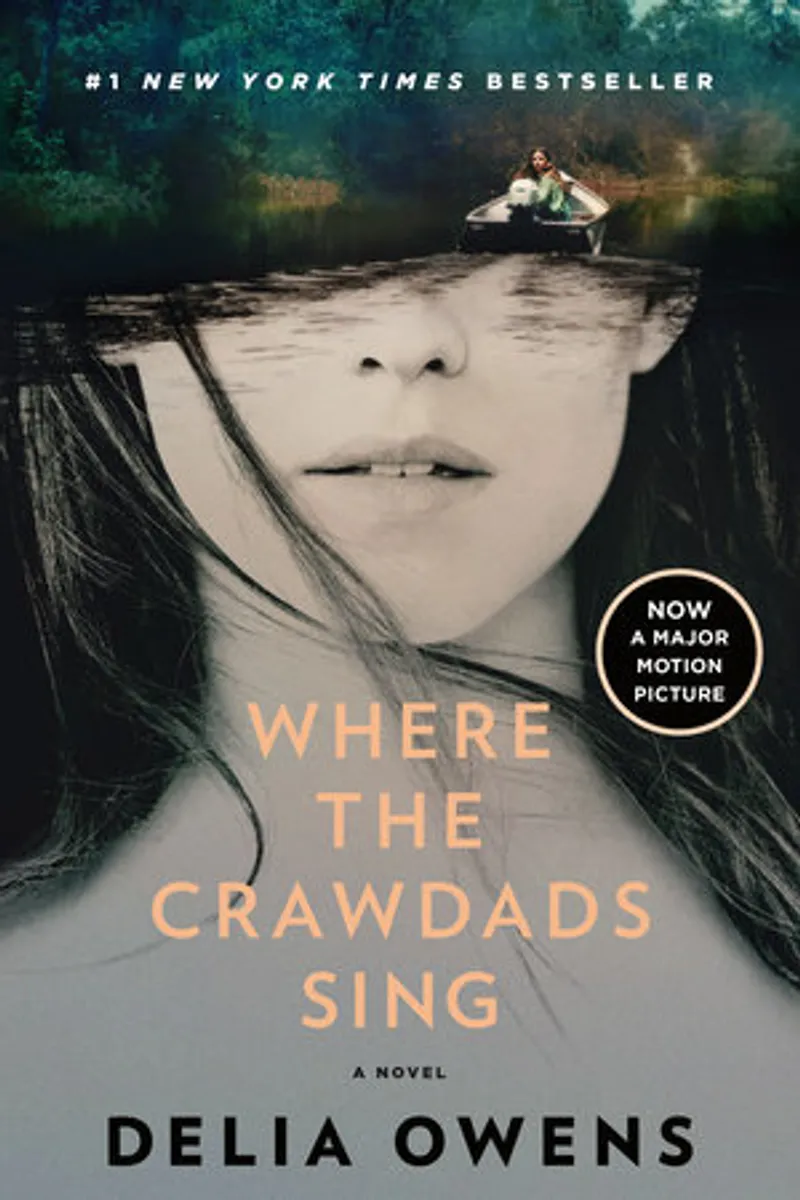
Where the Crawdads Sing: Reese's Book Club Author: Delia OwensPage Count: UnknownPublication Date: 2022-PRH Where the Crawdads Sing by Delia Owens is a mesmerizing and poignant tale that weaves together the intricate threads of human experience, nature, and mystery. This New York Times bestselling novel has captured the hearts of millions worldwide, and for good reason. Owens' masterful storytelling transports readers to the depths of the North Carolina marsh, where the enigmatic Kya Clark, known to the locals as the "Marsh Girl," resides. At its core, the novel is a powerful exploration of loneliness, love, and the human condition. Kya, a sensitive and intelligent young woman, has grown up in isolation, finding solace in the natural world that surrounds her. Her story is a heart-wrenching coming-of-age narrative that delves into the complexities of human relationships and the longing for connection. As Kya navigates her way through the challenges of adulthood, Owens skillfully exposes the fragility and beauty of the human spirit. One of the most striking aspects of Owens' writing style is her ability to seamlessly blend the boundaries between nature and human experience. The marsh, with its majestic beauty and unforgiving power, becomes a character in its own right, shaping Kya's existence and influencing the lives of those around her. Owens' vivid descriptions of the natural world are breathtaking, immersing readers in the sights, sounds, and scents of the marsh. The novel is also a gripping murder mystery, as the sudden death of Chase Andrews sets off a chain of events that threatens to upend Kya's life. Owens expertly weaves together the threads of the mystery, keeping readers on the edge of their seats as they try to unravel the truth. Throughout the novel, Owens' prose is lyrical and evocative, with a poetic quality that adds depth and nuance to the narrative. Her writing is both elegant and accessible, making the novel a joy to read. The characters are multidimensional and complex, with Kya being a particularly compelling protagonist. One of the most significant themes of the novel is the way in which our past experiences shape us into the people we become. Kya's childhood, marked by abandonment and loneliness, has a profound impact on her adult life, influencing her relationships and worldview. Owens reminds us that we are all products of our past, and that the memories and experiences we accumulate over time continue to shape us in profound ways. In conclusion, Where the Crawdads Sing is a masterpiece of contemporary literature, a novel that will resonate with readers long after they finish the book. Owens' writing is a testament to the power of storytelling, and her ability to craft a narrative that is both beautiful and heartbreaking is a rare gift. If you haven't already, do yourself a favor and immerse yourself in the world of Kya Clark and the North Carolina marsh. #WhereTheCrawdadsSing #DeliaOwens #MarshGirl #NorthCarolinaCoast #ComingOfAgeStory #NatureWriting Related InsightsNever Book Review and Summary With a Vengeance Book Review and Summary The Little Book of Loss Rituals: 75 Practices for Grieving, Mourning, and Healing Book Review and Summary{ "@context": "https://schema.org", "@type": "FAQPage", "mainEntity": [ { "@type": "Question", "name": "What is the main focus of Where the Crawdads Sing Book Review and Summary?", "acceptedAnswer": { "@type": "Answer", "text": "Everything you need to know about Where the Crawdads Sing with our detailed review." } }, { "@type": "Question", "name": "Who authored the comprehensive guide on Where the Crawdads Sing Book Review and Summary?", "acceptedAnswer": { "@type": "Answer", "text": "This detailed article and its insights were carefully researched and authored by Delia Owens." } }, { "@type": "Question", "name": "Where can I find more related content about Books?", "acceptedAnswer": { "@type": "Answer", "text": "You can explore more articles, detailed reviews, and similar insights by browsing the Related Insights section at the bottom of this article or visiting our dedicated Books category page." } } ] }
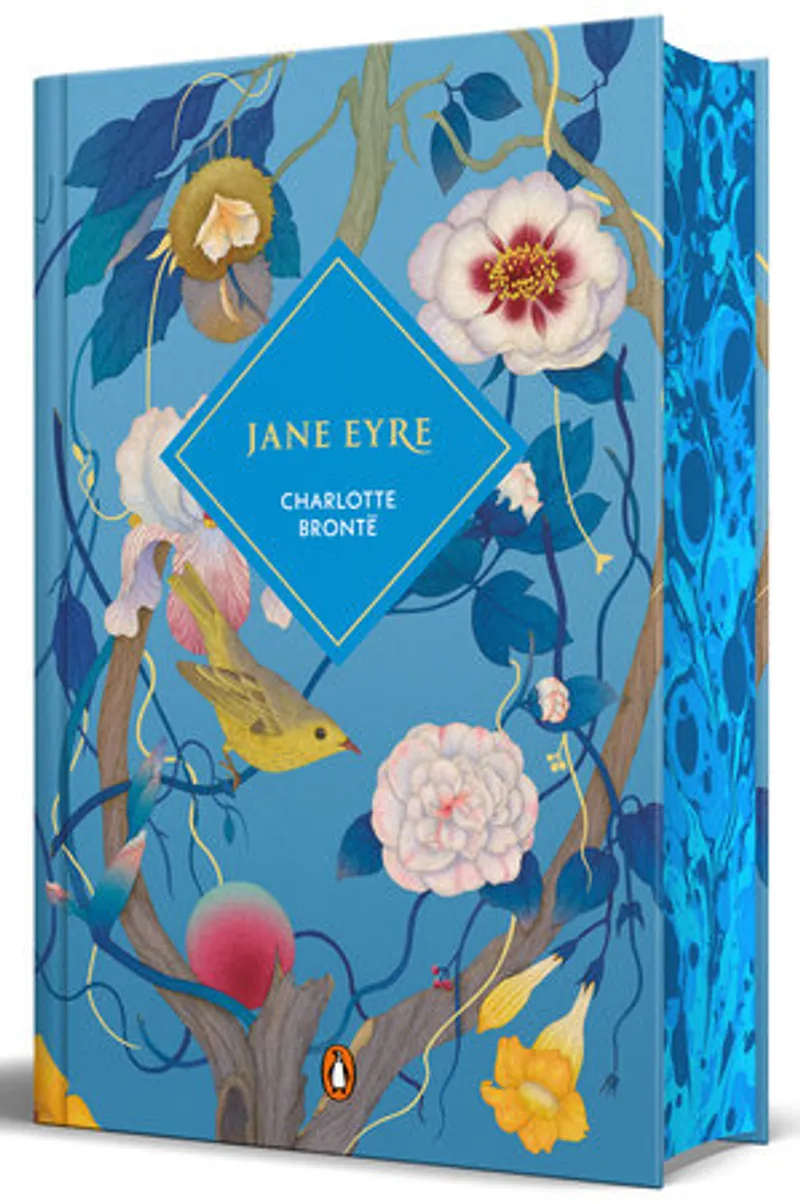
Jane Eyre (edición limitada con cantos pintados) / Jane Eyre (Limited Sprayed Edges Edition) Author: Charlotte BrontëPage Count: UnknownPublication Date: 2026-PRH A Gothic Flame in Gilded Pages: Charlotte Brontë’s Jane Eyre Revisited in Splendor Charlotte Brontë’s Jane Eyre is not merely a novel; it is a tempest in a teacup, a rebellion whispered in corseted prose, a love story that dares to burn before it bends. First published in 1847 under the pseudonym Currer Bell, this tale of an orphaned governess who finds both passion and principle in the brooding halls of Thornfield Hall has endured as a cornerstone of Gothic romance and feminist literature. Now, with the release of the Limited Sprayed Edges Edition—a sumptuous reimagining with painted edges that shimmer like the moors under moonlight—Brontë’s masterpiece is given a visual homage worthy of its emotional intensity. At its core, Jane Eyre is a meditation on autonomy. Jane, the titular heroine, is a woman forged in adversity: neglected by relatives, tormented at Lowood School, and later subjected to the whims of a master who both fascinates and terrifies her. Yet what makes her immortal is not her suffering, but her refusal to be diminished by it. "I am no bird," she declares, "and no net ensnares me." This defiance is the beating heart of the novel, a quiet but unyielding assertion of self-worth in a world that seeks to silence women. Brontë does not write Jane as a victim, but as a survivor who demands dignity, equality, and—crucially—love on her own terms. The novel’s power lies in its duality: it is both a Gothic thriller and a psychological portrait. Thornfield Hall, with its hidden attic, eerie laughter, and the madwoman in the attic (the unforgettable Bertha Mason), is a labyrinth of secrets and suppressed desires. Yet Brontë’s genius is in making the supernatural feel like an extension of the human psyche. The creaking floorboards and flickering candles are not just Gothic tropes; they mirror Jane’s inner turmoil—the fear of losing control, the struggle between duty and desire, the terror of being consumed by passion. When Jane finally confronts Mr. Rochester, her equal in spirit if not in station, their reunion is not just a romantic climax but a triumph of mutual respect. "Reader, I married him," she declares, and in that simple sentence, Brontë dismantles centuries of female subjugation. Brontë’s prose is a study in restraint and rawness. Her sentences are precise, almost austere, yet they crackle with suppressed emotion. There is no melodrama in Jane’s voice, only a steady, unshakable resolve. When she confesses her love for Rochester, it is not with the breathless ardor of a romance novel, but with the quiet certainty of a woman who knows her worth: "I have as much soul as you—and full as much heart!" This economy of language makes the novel’s emotional peaks all the more devastating. Brontë never over-explains; she trusts the reader to feel the weight of Jane’s silences as much as her words. The Limited Sprayed Edges Edition elevates this experience further. The painted edges—deep blues, fiery reds, or muted golds—hint at the novel’s duality: the beauty of Thornfield’s gardens and the darkness of its secrets. Holding the book, one can almost feel the moors’ chill in the fingertips, the weight of Jane’s solitude in the spine’s resistance. It is a tactile reminder that literature is not just read; it is inhabited. Some critics have dismissed Jane Eyre as a product of its time, a Victorian morality tale in Gothic clothing. But Brontë’s subversion is too radical to be contained by era. Jane’s insistence on equality, her rejection of a life of quiet obedience, and her unapologetic sexuality (yes, she admits to loving Rochester before marriage) were radical in 1847—and remain so in many corners of the world today. This is a novel that dares to ask: Can a woman be both passionate and principled? Can she love fiercely without losing herself? The answer, Brontë insists, is yes. In an age where women’s autonomy is still contested, Jane Eyre feels less like a relic and more like a manifesto. The painted edges of this edition are not just decorative; they are a shield, a border between the ordinary and the extraordinary, much like Jane herself. This is a book to be read by candlelight, to be held with reverence, to be quoted in moments of defiance. It is, in every sense, a classic—but not because it is safe. It is a classic because it refuses to be tamed. Charlotte Brontë did not write a love story. She wrote a battle cry. #JaneEyre #GothicRomance #FeministLiterature #ClassicNovel #BrontëSisters #Bookstagram Related InsightsThe Complete Calvin and Hobbes Book Review and Summary The Art of Rivalry Book Review and Summary The City We Became Book Review and Summary{ "@context": "https://schema.org", "@type": "FAQPage", "mainEntity": [ { "@type": "Question", "name": "What is the main focus of Jane Eyre Book Review and Summary?", "acceptedAnswer": { "@type": "Answer", "text": "Everything you need to know about Jane Eyre with our detailed review." } }, { "@type": "Question", "name": "Who authored the comprehensive guide on Jane Eyre Book Review and Summary?", "acceptedAnswer": { "@type": "Answer", "text": "This detailed article and its insights were carefully researched and authored by Charlotte Brontë." } }, { "@type": "Question", "name": "Where can I find more related content about Books?", "acceptedAnswer": { "@type": "Answer", "text": "You can explore more articles, detailed reviews, and similar insights by browsing the Related Insights section at the bottom of this article or visiting our dedicated Books category page." } } ] }