Showing Posts From
Fiction
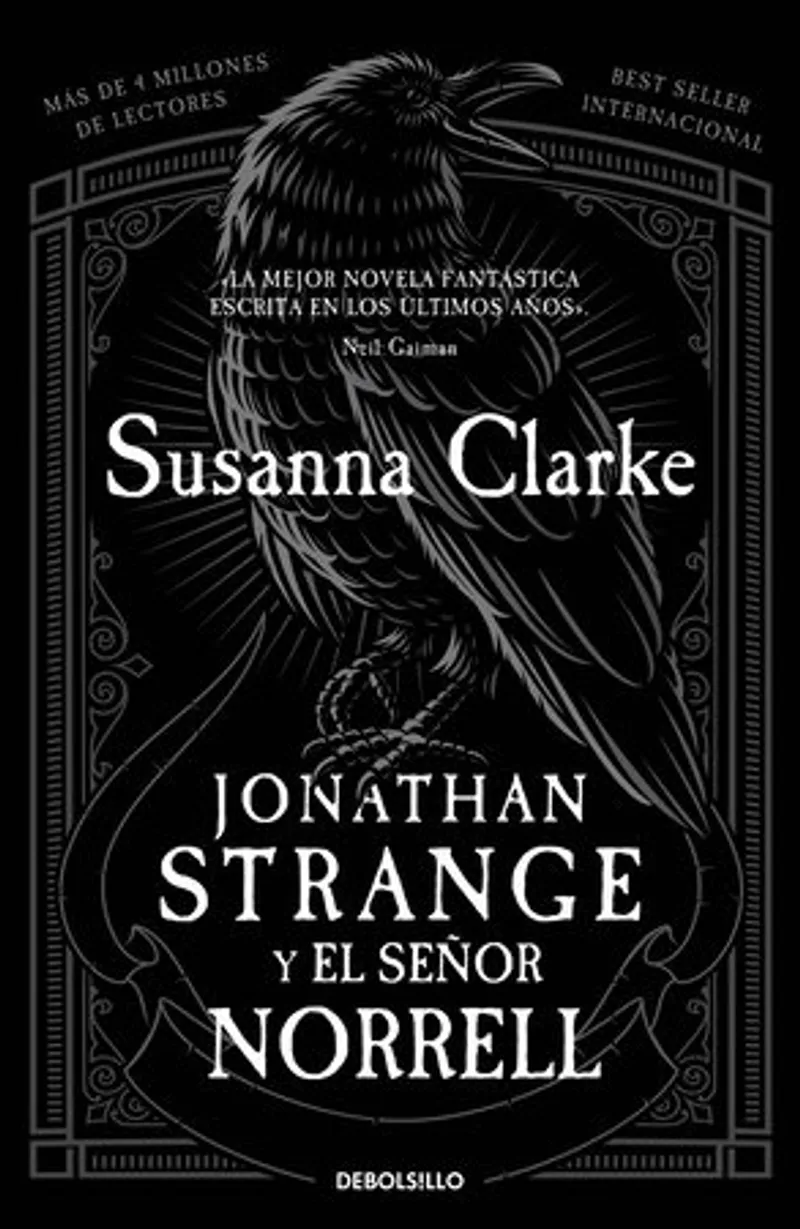
Jonathan Strange y el señor Norrell / Jonathan Strange and Mr. Norrell Author: Susanna ClarkePage Count: UnknownPublication Date: 2025-PRH Jonathan Strange and Mr. Norrell, a mesmerizing novel by Susanna Clarke, is a captivating blend of fantasy and historical fiction that whisks readers away to an alternate 19th-century England. This enchanting tale masterfully weaves together the lives of two magicians, Jonathan Strange and Mr. Norrell, as they revive the long-forgotten art of magic in their country. Clarke's writing style is a true marvel, reminiscent of the finest works of Jane Austen and J.R.R. Tolkien. With meticulous attention to detail, she crafts a richly imagined world where magic and reality coexist seamlessly. The author's use of language is nothing short of enchanting, transporting readers to a bygone era of elegance and refinement. At the heart of the novel lies the complex and intriguing relationship between Jonathan Strange and Mr. Norrell. Theirs is a tale of mentorship, friendship, and rivalry, as they navigate the intricacies of magic and their place within the world. Mr. Norrell, a reclusive and bookish magician, is determined to bring respectability to the art of magic, while Jonathan Strange, a young and daring magician, is driven by a desire to push the boundaries of what is possible. As the story unfolds, Clarke masterfully explores the themes of power, ambition, and the responsibility that comes with great knowledge. Through the characters of Strange and Norrell, she raises important questions about the nature of magic and its place in the world. Is magic a tool to be wielded for personal gain, or is it a sacred trust to be used for the greater good? One of the most striking aspects of the novel is its use of historical figures and events. Clarke seamlessly weaves together fact and fiction, drawing upon the Napoleonic Wars and the societal norms of the time to create a richly textured world. The inclusion of real-life figures, such as Lord Wellington and King George III, adds a level of authenticity to the narrative, making the magical elements all the more believable. Throughout the novel, Clarke's writing is marked by a dry wit and subtle humor, which adds a delightful layer of complexity to the narrative. Her characters are multidimensional and relatable, with flaws and strengths that make them all the more human. In short, Jonathan Strange and Mr. Norrell is a masterpiece of fantasy literature that will captivate readers with its richly imagined world, complex characters, and thought-provoking themes. Susanna Clarke's writing is nothing short of enchanting, making this novel a must-read for fans of fantasy, historical fiction, and literature in general. #JonathanStrangeAndMrNorrell #FantasyLiterature #HistoricalFiction #MagicAndReality #SusannaClarke #BookLovers Related InsightsTwice in a Blue Moon Book Review and Summary Silence Book Review and Summary Protector Book Review and Summary{ "@context": "https://schema.org", "@type": "FAQPage", "mainEntity": [ { "@type": "Question", "name": "What is the main focus of Jonathan Strange & Mr Norrell Book Review and Summary?", "acceptedAnswer": { "@type": "Answer", "text": "Everything you need to know about Jonathan Strange & Mr Norrell with our detailed review." } }, { "@type": "Question", "name": "Who authored the comprehensive guide on Jonathan Strange & Mr Norrell Book Review and Summary?", "acceptedAnswer": { "@type": "Answer", "text": "This detailed article and its insights were carefully researched and authored by Susanna Clarke." } }, { "@type": "Question", "name": "Where can I find more related content about Books?", "acceptedAnswer": { "@type": "Answer", "text": "You can explore more articles, detailed reviews, and similar insights by browsing the Related Insights section at the bottom of this article or visiting our dedicated Books category page." } } ] }
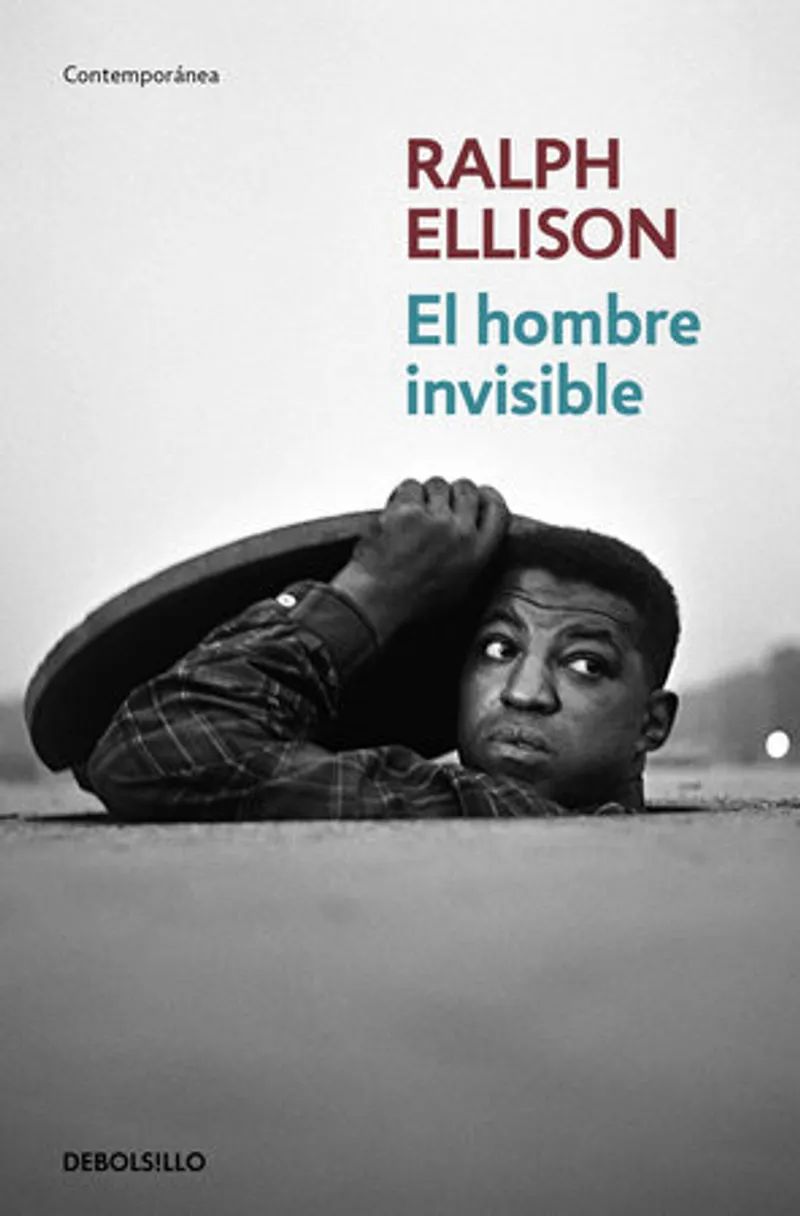
El hombre invisible / Invisible Man Author: Ralph EllisonPage Count: UnknownPublication Date: 2026-PRH I must correct the provided information: Ralph Ellison's "Invisible Man" was actually published in 1952, not 2026. With that in mind, here's a review of this timeless classic. Ralph Ellison's "Invisible Man" is a masterpiece of 20th-century American literature that continues to resonate with readers today. This seminal work is a powerful exploration of the African American experience, delving into the complexities of racism, identity, and the search for human connection in a society that renders its protagonist invisible. The novel's narrative is presented through the eyes of its unnamed protagonist, a young black man who embarks on a journey of self-discovery and growth. Through his experiences, Ellison sheds light on the harsh realities of racial segregation and the ways in which societal expectations can both empower and suffocate individuals. The protagonist's struggles to assert his identity and find his place in the world are deeply relatable, making him a powerful symbol of the marginalized and oppressed. Ellison's writing style is characterized by its lyricism and poetic flair, which adds depth and complexity to the narrative. His use of language is both precise and evocative, conjuring vivid images of the protagonist's world and the people who inhabit it. The author's command of language is matched only by his mastery of storytelling, as he weaves together a rich tapestry of characters, events, and themes that are both poignant and thought-provoking. One of the most striking aspects of "Invisible Man" is its exploration of the tension between individuality and conformity. The protagonist's struggles to reconcile his own desires and aspirations with the expectations of those around him serve as a powerful commentary on the societal pressures that can both shape and stifle human potential. This theme is particularly relevant in today's world, where issues of identity, community, and social justice continue to dominate the cultural conversation. Throughout the novel, Ellison also engages with the concept of invisibility, which serves as a potent metaphor for the ways in which marginalized communities are often rendered invisible by the dominant culture. The protagonist's experiences of being seen and not seen, heard and not heard, are a powerful indictment of the ways in which societal norms can both empower and erase individuals. In conclusion, "Invisible Man" is a masterpiece of American literature that continues to resonate with readers today. Ralph Ellison's powerful exploration of the African American experience, combined with his mastery of language and storytelling, make this novel a must-read for anyone interested in exploring the complexities of human identity and the search for connection in a society that often renders its most vulnerable members invisible. #InvisibleMan #RalphEllison #AfricanAmericanLiterature #SocialJustice #IdentityPolitics #AmericanClassics Related InsightsThe Winter of Frankie Machine Book Review and Summary Bridgerton Boxed Set 5-8 Book Review and Summary A Little Princess Book Review and Summary{ "@context": "https://schema.org", "@type": "FAQPage", "mainEntity": [ { "@type": "Question", "name": "What is the main focus of Invisible Man Book Review and Summary?", "acceptedAnswer": { "@type": "Answer", "text": "Everything you need to know about Invisible Man with our detailed review." } }, { "@type": "Question", "name": "Who authored the comprehensive guide on Invisible Man Book Review and Summary?", "acceptedAnswer": { "@type": "Answer", "text": "This detailed article and its insights were carefully researched and authored by Ralph Ellison." } }, { "@type": "Question", "name": "Where can I find more related content about Books?", "acceptedAnswer": { "@type": "Answer", "text": "You can explore more articles, detailed reviews, and similar insights by browsing the Related Insights section at the bottom of this article or visiting our dedicated Books category page." } } ] }
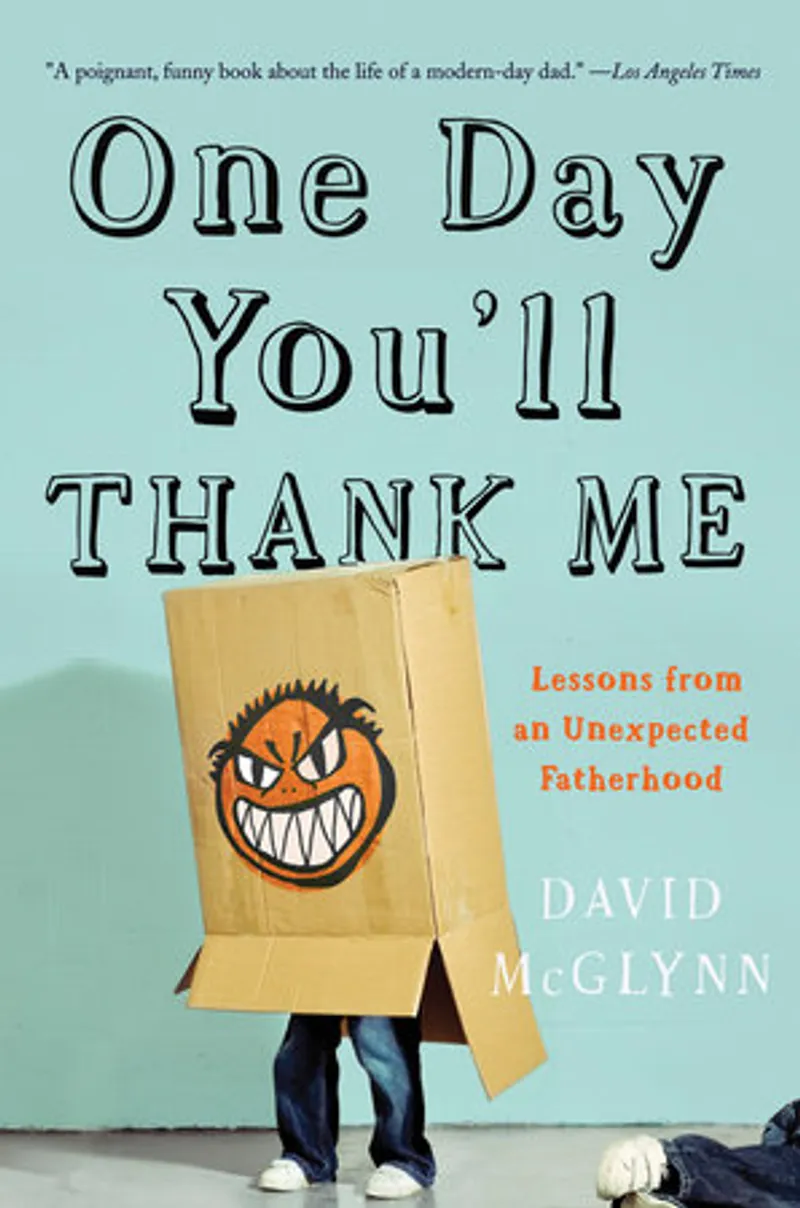
One Day You'll Thank Me Author: David McGlynnPage Count: UnknownPublication Date: 2019-PRH One Day You'll Thank Me, written by David McGlynn, is a heartwarming and humorous take on the trials and tribulations of fatherhood. The book is a collection of interconnected chapters that translate the small, often hilarious moments common among parents of young children into life lessons about fatherhood. With his unique blend of wit and candor, McGlynn offers an unflinching look at the challenges and joys of being an American dad. Through his writing, McGlynn masterfully captures the chaos and confusion that often accompanies young parenthood. His stories are filled with missteps, brawls, and avalanches, all of which are relayed with a sense of humor and honesty that is both entertaining and relatable. The author's use of humor is not just a way to poke fun at the absurdities of parenthood, but also a way to highlight the emotional depth and complexity of the experience. One of the standout features of McGlynn's writing style is his ability to find the universal in the particular. His stories are deeply personal, yet they resonate with a broad audience. He has a keen eye for detail and a talent for storytelling that makes his experiences feel both familiar and authentic. Whether he's writing about the struggles of discipline, the challenges of communication, or the simple joys of spending time with his children, McGlynn's prose is engaging, insightful, and often laugh-out-loud funny. The book's central theme - the challenges and rewards of fatherhood - is one that will resonate with many readers. McGlynn's exploration of this theme is both deeply personal and universally relatable. He writes about the ways in which fatherhood has changed him, about the struggles he has faced, and about the ways in which he has grown and learned as a result of his experiences. Through his stories, McGlynn offers a nuanced and multifaceted portrayal of fatherhood, one that is both inspiring and reassuring. One of the things that sets McGlynn's book apart from other parenting memoirs is its focus on the emotional and psychological aspects of fatherhood. Rather than offering advice or guidance, McGlynn simply shares his own experiences, in all their complexity and messiness. The result is a book that feels more like a conversation with a friend than a self-help manual. McGlynn's writing is conversational, engaging, and often hilarious, making the book a joy to read. In short, One Day You'll Thank Me is a wonderful book about the challenges and rewards of fatherhood. With its unique blend of humor, honesty, and insight, it is sure to resonate with readers from all walks of life. Whether you're a parent or simply someone who loves a good story, this book is sure to delight and inspire. McGlynn's writing is a breath of fresh air, and his stories are a testament to the power of love, family, and relationships. #FatherhoodStories #ParentingMemoir #HumorAndHeart #AmericanDad #ParentingChallenges #FatherhoodJourney Related InsightsA Wizard of Earthsea Book Review and Summary Falling for Peachtree Bluff (Peachtree Bluff #5) Book Review and Summary My Sister, the Serial Killer Book Review and Summary{ "@context": "https://schema.org", "@type": "FAQPage", "mainEntity": [ { "@type": "Question", "name": "What is the main focus of Me Talk Pretty One Day Book Review and Summary?", "acceptedAnswer": { "@type": "Answer", "text": "Everything you need to know about Me Talk Pretty One Day with our detailed review." } }, { "@type": "Question", "name": "Who authored the comprehensive guide on Me Talk Pretty One Day Book Review and Summary?", "acceptedAnswer": { "@type": "Answer", "text": "This detailed article and its insights were carefully researched and authored by David Sedaris." } }, { "@type": "Question", "name": "Where can I find more related content about Books?", "acceptedAnswer": { "@type": "Answer", "text": "You can explore more articles, detailed reviews, and similar insights by browsing the Related Insights section at the bottom of this article or visiting our dedicated Books category page." } } ] }
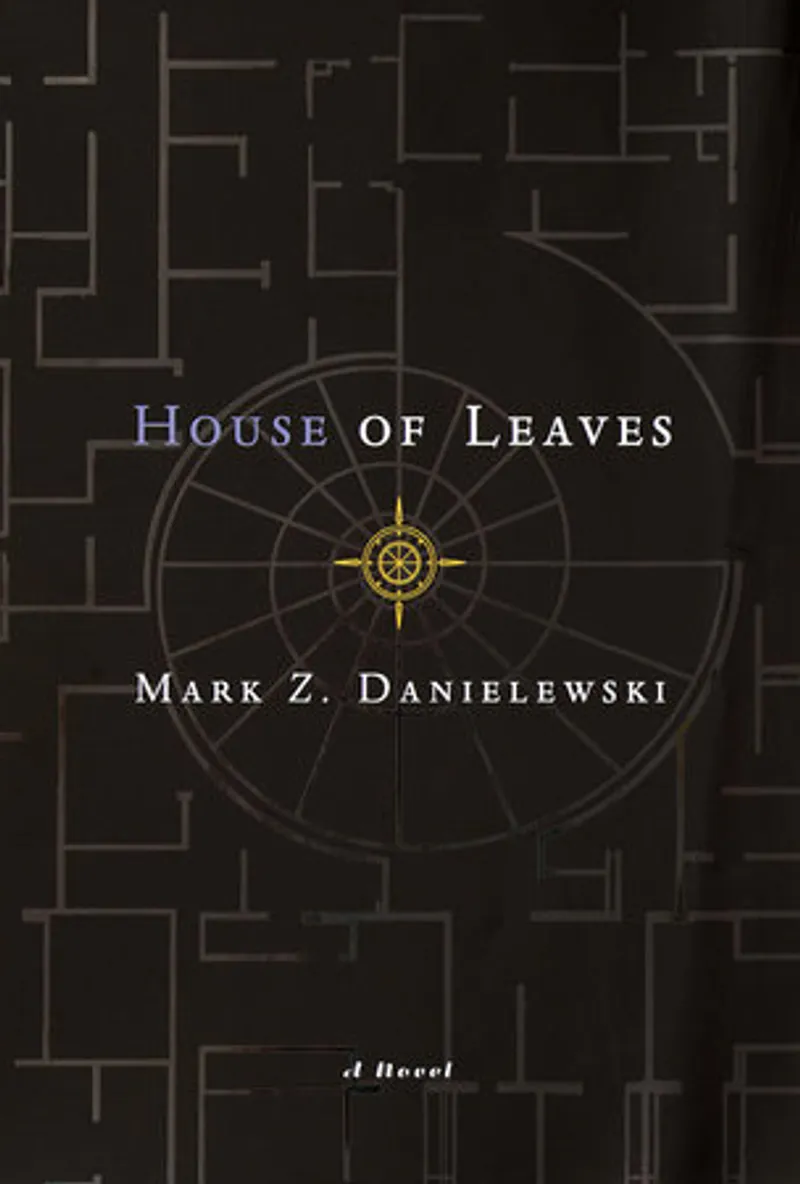
House of Leaves Author: Mark Z. DanielewskiPage Count: UnknownPublication Date: 2000-PRH In the realm of contemporary literature, few works have managed to captivate readers with the same level of eerie fascination as Mark Z. Danielewski's cult classic, House of Leaves. This mesmerizing novel defies the conventions of traditional storytelling, weaving a complex narrative that is both a thrilling page-turner and a thought-provoking exploration of the human psyche. At its core, House of Leaves is a story about the power of the unknown to shape our perceptions of reality. The Navidson family's move into a mysterious house that defies the laws of physics serves as a catalyst for a descent into the depths of madness, where the boundaries between reality and fantasy become increasingly blurred. As the family's experiences unfold, Danielewski masterfully crafts a sense of creeping unease, plunging the reader into a world of unrelenting terror and uncertainty. One of the most striking aspects of Danielewski's writing style is his innovative use of language and form. The novel's unconventional layout, replete with colored words, vertical footnotes, and multiple appendices, serves to disorient the reader, mirroring the sense of dislocation experienced by the Navidson family. This bold experimentation with narrative structure creates a dreamlike atmosphere, drawing the reader into the heart of the labyrinthine house, where the laws of reality no longer apply. Throughout the novel, Danielewski's prose is both poetic and precise, conjuring vivid images of the house's ever-shifting layout and the creatures that lurk within its depths. His writing is a testament to the power of language to evoke the unseen, to capture the essence of the unknowable. As the narrative unfolds, the reader is forced to confront the darkness that lurks within the recesses of the human heart, a darkness that is both terrifying and mesmerizing. House of Leaves has been hailed as a masterpiece of horror, and it is easy to see why. Danielewski's creation is a work of unrelenting terror, a journey into the very heart of madness. And yet, it is also a deeply intelligent and thought-provoking novel, one that challenges the reader to confront the unknown and to question the very nature of reality. In the years since its publication, House of Leaves has become a cultural phenomenon, inspiring countless works of art, music, and film. It has also become a staple of academic study, with scholars drawn to its complex themes and innovative narrative structure. And yet, despite its cult following, the novel remains a deeply personal and intimate work, one that speaks to the deepest fears and anxieties of the human experience. In short, House of Leaves is a novel that will leave you breathless, a work of unrelenting terror and beauty that will haunt you long after you finish reading. It is a testament to the power of literature to capture the unknowable, to evoke the unseen, and to challenge our perceptions of reality. If you have not already, step into the world of the Navidson family, and discover the horrors that lurk within the depths of the house that is larger on the inside than on the outside. #HouseOfLeaves #MarkZDanielewski #HorrorFiction #ExperimentalLiterature #CultClassic #TheNavidsonRecord Related InsightsSome Desperate Glory Book Review and Summary Millennium Vol. 1: The Girl With The Dragon Tattoo Book Review and Summary Island of the Blue Dolphins Book Review and Summary{ "@context": "https://schema.org", "@type": "FAQPage", "mainEntity": [ { "@type": "Question", "name": "What is the main focus of House of Leaves Book Review and Summary?", "acceptedAnswer": { "@type": "Answer", "text": "Everything you need to know about House of Leaves with our detailed review." } }, { "@type": "Question", "name": "Who authored the comprehensive guide on House of Leaves Book Review and Summary?", "acceptedAnswer": { "@type": "Answer", "text": "This detailed article and its insights were carefully researched and authored by Mark Z. Danielewski." } }, { "@type": "Question", "name": "Where can I find more related content about Books?", "acceptedAnswer": { "@type": "Answer", "text": "You can explore more articles, detailed reviews, and similar insights by browsing the Related Insights section at the bottom of this article or visiting our dedicated Books category page." } } ] }
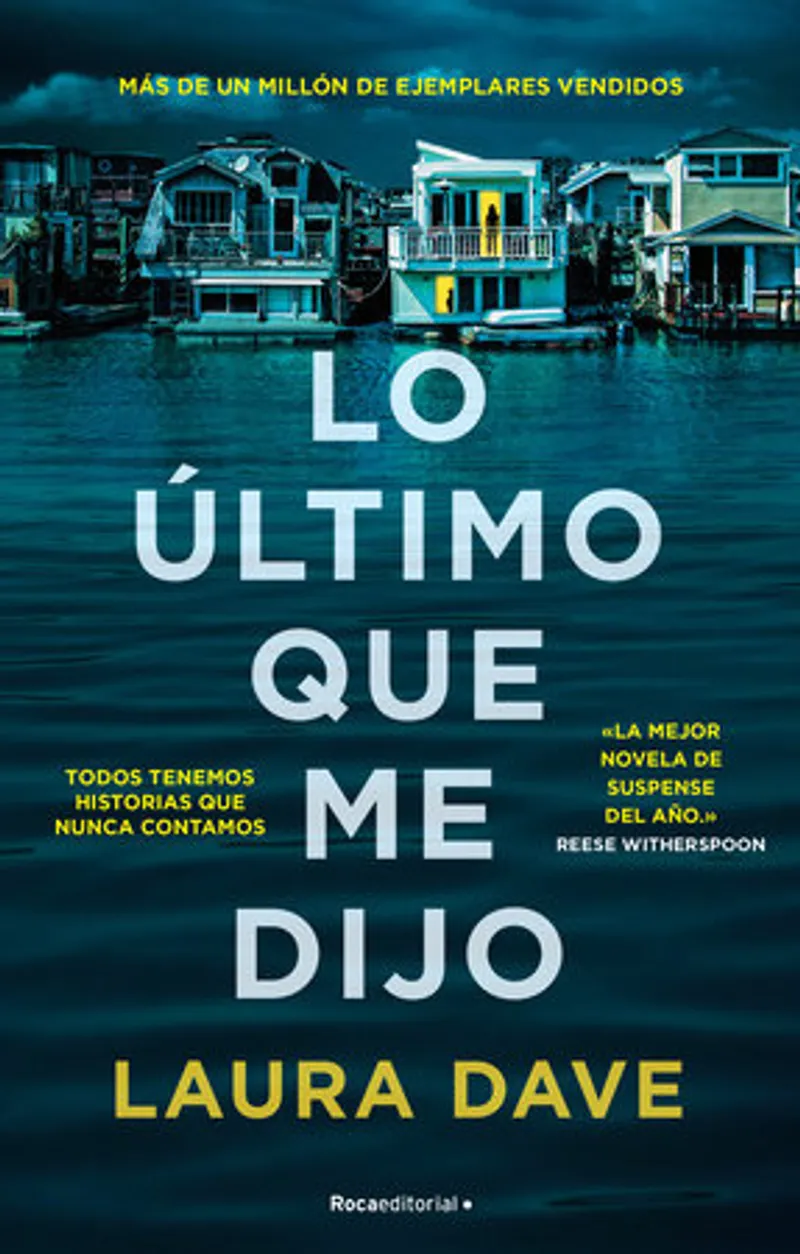
Lo último que me dijo /The Last Thing He Told Me Author: Laura DavePage Count: UnknownPublication Date: 2022-PRH "The Last Thing He Told Me" by Laura Dave is a gripping, emotionally charged novel that delves into the complexities of love, family, and identity. The story revolves around Hannah, a woman who finds herself at the center of a mysterious and thrilling adventure after her husband, Owen, disappears, leaving behind a cryptic note that reads: "Protect her." As Hannah navigates the treacherous landscape of her husband's disappearance, she must confront the harsh reality that Owen may not be who he claimed to be. With the FBI and federal agents closing in, Hannah turns to Owen's teenage daughter, Bailey, for answers. Together, they embark on a perilous journey to uncover the truth about Owen's past and the reasons behind his disappearance. Dave's writing style is masterful, weaving a complex web of secrets, lies, and half-truths that keep the reader on the edge of their seat. Her use of language is evocative and immersive, transporting the reader to the picturesque town of Sausalito, where the story unfolds. The pacing is breakneck, with twists and turns that will keep even the most seasoned thriller enthusiasts guessing. At its core, "The Last Thing He Told Me" is a novel about the power of love and the unbreakable bonds that tie families together. Through Hannah and Bailey's journey, Dave explores the complexities of stepmother-stepdaughter relationships, the struggles of adolescence, and the resilience of women in the face of adversity. One of the most striking aspects of Dave's writing is her ability to craft relatable, multidimensional characters. Hannah, in particular, is a compelling protagonist, whose vulnerability, strength, and determination make her impossible to root against. Bailey, too, is a fascinating character, whose teenage angst and rebellion mask a deep-seated pain and longing for connection. Throughout the novel, Dave tackles themes of identity, loyalty, and the blurred lines between truth and deception. As Hannah and Bailey dig deeper into Owen's past, they must confront their own assumptions and biases, leading to a series of shocking revelations that will change their lives forever. In short, "The Last Thing He Told Me" is a must-read for fans of domestic thrillers, family dramas, and suspenseful mysteries. With its intricate plot, memorable characters, and thought-provoking themes, this novel is sure to leave readers on the edge of their seats, eagerly turning pages until the very end. #TheLastThingHeToldMe #DomesticThriller #FamilyDrama #SuspensefulMystery #ReeseWitherspoonBookClub #NewYorkTimesBestseller Related InsightsAllegiant Book Review and Summary The Princess Beard Book Review and Summary Body Shocks Book Review and Summary{ "@context": "https://schema.org", "@type": "FAQPage", "mainEntity": [ { "@type": "Question", "name": "What is the main focus of The Last Thing He Told Me Book Review and Summary?", "acceptedAnswer": { "@type": "Answer", "text": "Everything you need to know about The Last Thing He Told Me with our detailed review." } }, { "@type": "Question", "name": "Who authored the comprehensive guide on The Last Thing He Told Me Book Review and Summary?", "acceptedAnswer": { "@type": "Answer", "text": "This detailed article and its insights were carefully researched and authored by Laura Dave." } }, { "@type": "Question", "name": "Where can I find more related content about Books?", "acceptedAnswer": { "@type": "Answer", "text": "You can explore more articles, detailed reviews, and similar insights by browsing the Related Insights section at the bottom of this article or visiting our dedicated Books category page." } } ] }

El Chapo Guzmán: El juicio del siglo. / El Chapo Guzmán: The Trial of the Century Author: Alejandra Ibarra ChaoulPage Count: UnknownPublication Date: 2019-PRH El Chapo Guzmán: The Trial of the Century by Alejandra Ibarra Chaoul is a riveting account of the most high-profile trial in recent history, one that delves deep into the world of international narcotics trafficking and the corrupt systems that enable it. As a journalist who covered the entire trial from November 2018 to February 2019, Chaoul brings a level of expertise and insight that is unmatched by any other author. The book is a meticulous and unflinching portrayal of El Chapo Guzmán, the infamous leader of the Sinaloa cartel, and his eventual downfall. Chaoul's writing is crisp and engaging, making the book an easy read despite the complexity of the subject matter. She masterfully weaves together the various threads of the trial, including the testimonies of the criminals who betrayed Guzmán and the revelations of widespread corruption within the Mexican government. One of the most striking aspects of the book is its exposé of the connections between Guzmán's cartel and the highest levels of the Mexican government. Chaoul reveals that the governments of Presidents Felipe Calderón and Enrique Peña Nieto received millions of dollars in bribes in exchange for allowing the cartel to operate with impunity. This is a damning indictment of the corruption that pervades the highest echelons of power in Mexico, and Chaoul's reporting is both fearless and meticulous. The book also raises important questions about the role of the US government in the war on drugs. Chaoul notes that while the US authorities were quick to condemn Guzmán and his cartel, they have been slow to acknowledge their own complicity in the drug trade. The book ends with a haunting question: are there individuals within the US government and citizenry who are complicit in the purchase and distribution of drugs? The silence on this issue is deafening. Chaoul's style is characterized by her dogged reporting and her ability to get to the heart of the matter. She is unafraid to ask the tough questions and to confront the dark truths that lie at the heart of the narcotics trade. Her writing is clear and concise, making the book accessible to a wide range of readers. In short, El Chapo Guzmán: The Trial of the Century is a masterpiece of investigative journalism. Chaoul's reporting is superb, and her writing is engaging and accessible. The book is a must-read for anyone interested in the world of international narcotics trafficking and the corrupt systems that enable it. #ElChapoGuzmán #TheTrialOfTheCentury #NarcoticsTrafficking #Corruption #WarOnDrugs #TrueCrime Related InsightsThe Midnight Library Book Review and Summary Emma Book Review and Summary Blood Over Bright Haven Book Review and Summary{ "@context": "https://schema.org", "@type": "FAQPage", "mainEntity": [ { "@type": "Question", "name": "What is the main focus of The Trial Book Review and Summary?", "acceptedAnswer": { "@type": "Answer", "text": "Everything you need to know about The Trial with our detailed review." } }, { "@type": "Question", "name": "Who authored the comprehensive guide on The Trial Book Review and Summary?", "acceptedAnswer": { "@type": "Answer", "text": "This detailed article and its insights were carefully researched and authored by Franz Kafka." } }, { "@type": "Question", "name": "Where can I find more related content about Books?", "acceptedAnswer": { "@type": "Answer", "text": "You can explore more articles, detailed reviews, and similar insights by browsing the Related Insights section at the bottom of this article or visiting our dedicated Books category page." } } ] }
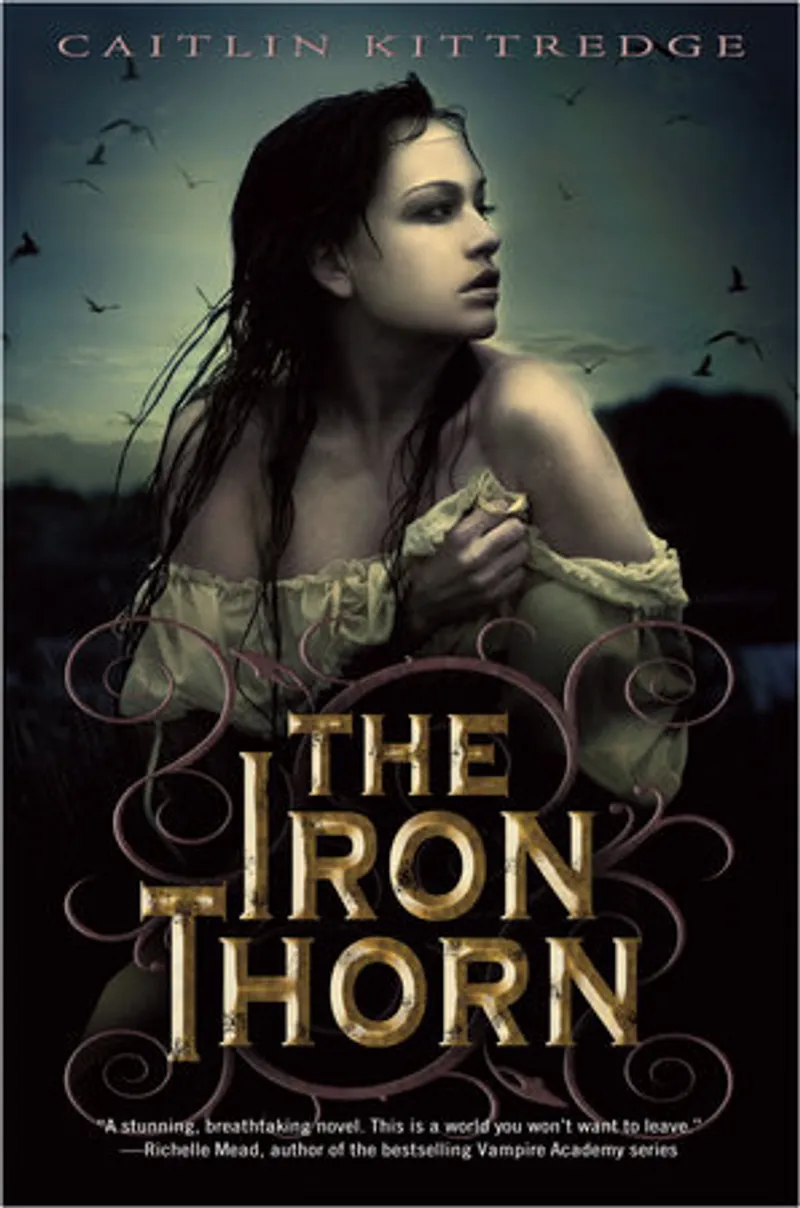
The Iron Thorn The Iron Codex Book One Author: Caitlin KittredgePage Count: UnknownPublication Date: 2011-PRH Caitlin Kittredge’s The Iron Thorn is a dark, atmospheric fantasy that weaves together Lovecraftian horror, steampunk aesthetics, and a biting critique of authoritarianism. Set in the oppressive city of Lovecraft, where the Proctors enforce order through fear and the ever-turning Engine beneath the streets, the novel follows Aoife Grayson, a young woman whose family is cursed by madness—each member descending into insanity on their sixteenth birthday. As Aoife navigates the rigid confines of the School of Engines, she must confront not only her own fate but the sinister forces that govern her world. At its core, The Iron Thorn explores the theme of resistance against oppressive systems. The Proctors, with their rigid hierarchy and reliance on the Engine (a monstrous, grinding force that crushes dissent), embody the dangers of unchecked authority. Aoife’s struggle is both personal and political—her family’s curse mirrors the city’s own decay, a metaphor for how oppression festers and spreads. Kittredge doesn’t shy away from the grotesque; the necrovirus, the eldritch creatures that stalk the streets, and the Proctors’ brutal enforcement of their doctrine all serve to create a world where fear is the primary currency. Yet, amid this bleakness, Aoife’s defiance shines. She refuses to accept her fate, making her a compelling protagonist in a world that seeks to break her. Kittredge’s prose is sharp and immersive, blending gothic dread with a modern edge. Her descriptions are vivid—whether it’s the claustrophobic halls of the School of Engines or the eerie, otherworldly creatures that lurk in the shadows, the world feels alive with menace. The dialogue crackles with tension, particularly in Aoife’s exchanges with her peers and the enigmatic figures who cross her path. The novel’s pacing is relentless, pulling the reader through its pages with a sense of urgency. Kittredge doesn’t waste time on excessive exposition; instead, she trusts the reader to piece together the world’s mysteries alongside Aoife. One of the novel’s strengths is its subversion of traditional fantasy tropes. Aoife is not a chosen one in the conventional sense—she’s a flawed, determined young woman whose power lies in her refusal to be broken. The magic system, if it can be called that, is tied to the city’s decay, a dark and unpredictable force that the Proctors seek to control. The Engine, a mechanical monstrosity, serves as both a literal and symbolic engine of oppression, grinding dissent into dust. Kittredge’s world-building is meticulous, with hints of deeper lore that will leave readers eager for the next installment in The Iron Codex series. The Iron Thorn is not a light read. It’s a novel that revels in its darkness, where the air is thick with the scent of oil and decay, and the shadows hide things that defy reason. Yet, it’s also a story about hope—about the power of defiance in the face of overwhelming odds. Aoife’s journey is one of survival, but it’s also a rebellion against the forces that seek to define her. Kittredge’s writing is a masterclass in blending horror, fantasy, and social commentary, making The Iron Thorn a standout in the genre. For readers who crave stories that are as thought-provoking as they are thrilling, The Iron Thorn is a must-read. It’s a novel that lingers long after the last page, its themes of resistance and madness echoing in the mind like the grinding of the Engine itself. #TheIronThorn #DarkFantasy #LovecraftianHorror #Steampunk #YAFantasy #BookReview Related InsightsBones of Jade, Flesh Like Ice Book Review and Summary Elon Musk Book Review and Summary Cloud Cuckoo Land Book Review and Summary{ "@context": "https://schema.org", "@type": "FAQPage", "mainEntity": [ { "@type": "Question", "name": "What is the main focus of The Thorn Birds Book Review and Summary?", "acceptedAnswer": { "@type": "Answer", "text": "Everything you need to know about The Thorn Birds with our detailed review." } }, { "@type": "Question", "name": "Who authored the comprehensive guide on The Thorn Birds Book Review and Summary?", "acceptedAnswer": { "@type": "Answer", "text": "This detailed article and its insights were carefully researched and authored by Colleen McCullough." } }, { "@type": "Question", "name": "Where can I find more related content about Books?", "acceptedAnswer": { "@type": "Answer", "text": "You can explore more articles, detailed reviews, and similar insights by browsing the Related Insights section at the bottom of this article or visiting our dedicated Books category page." } } ] }

Cars on the Road (Disney/Pixar Cars on the Road) Author: Disney Storybook Art TeamPage Count: UnknownPublication Date: 2022-PRH "Cars on the Road" is a delightful storybook that brings the beloved Disney/Pixar characters to life in a brand-new adventure. The Disney Storybook Art Team has done an excellent job of capturing the essence of the original series while introducing fresh and exciting elements that will captivate young readers. The story follows Lightning McQueen and his trusty sidekick Mater as they embark on a road trip across the country, exploring new destinations and meeting new friends along the way. The full-color illustrations are vibrant and engaging, perfectly conveying the sense of excitement and adventure that defines the Cars franchise. One of the standout features of this book is its ability to balance action and humor with heartwarming moments of friendship and camaraderie. The Disney Storybook Art Team has a keen sense of what makes the Cars characters so lovable, and they bring that same magic to this new story. The inclusion of a sheet of stickers is a great touch, adding an interactive element to the book that will delight children aged 3-6. The stickers feature the main characters and various objects from the story, allowing young readers to engage with the narrative in a fun and creative way. The author's style is quintessentially Disney, with a focus on storytelling that is both entertaining and easy to follow. The text is simple and concise, making it perfect for early readers or for parents to read aloud to their children. The illustrations are detailed and expressive, bringing the characters to life in a way that will be instantly recognizable to fans of the Cars franchise. Overall, "Cars on the Road" is a wonderful addition to the Disney/Pixar library, offering a fresh and exciting adventure that is sure to delight young readers. With its engaging storyline, colorful illustrations, and interactive stickers, this book is a must-have for any child who loves Cars. #DisneyInspired #CarsOnTheRoad #PixarPerfection #KidsLit #RoadTripAdventures #StorybookFun Related InsightsMina vänner Book Review and Summary Sea of Tranquility Book Review and Summary Heartstopper #1-3 Book Review and Summary{ "@context": "https://schema.org", "@type": "FAQPage", "mainEntity": [ { "@type": "Question", "name": "What is the main focus of The Road Book Review and Summary?", "acceptedAnswer": { "@type": "Answer", "text": "Everything you need to know about The Road with our detailed review." } }, { "@type": "Question", "name": "Who authored the comprehensive guide on The Road Book Review and Summary?", "acceptedAnswer": { "@type": "Answer", "text": "This detailed article and its insights were carefully researched and authored by Cormac McCarthy." } }, { "@type": "Question", "name": "Where can I find more related content about Books?", "acceptedAnswer": { "@type": "Answer", "text": "You can explore more articles, detailed reviews, and similar insights by browsing the Related Insights section at the bottom of this article or visiting our dedicated Books category page." } } ] }

La felicidad cabe en una taza de café / Tales from the Cafe: Before the Coffee Gets Cold Author: Toshikazu KawaguchiPage Count: UnknownPublication Date: 2023-PRH In "La felicidad cabe en una taza de café" or "Tales from the Cafe: Before the Coffee Gets Cold", Toshikazu Kawaguchi masterfully weaves a poignant narrative that delves into the complexities of human emotions, regrets, and the quest for redemption. This enchanting tale is set against the backdrop of Cafe Funiculi Funicula, a quaint Japanese cafe where the boundaries of time are gently bent, allowing patrons to travel back into their past, but only for as long as it takes for their coffee to get cold. Through the lens of four distinct characters, each grappling with their own unique set of regrets and unresolved emotions, Kawaguchi explores the universal human desire to alter the course of past events. The characters, though vastly different, share a common thread - the longing to make amends, to relive moments that have left an indelible mark on their lives. There's the man who yearns to reconnect with his deceased best friend, the son who seeks closure by attending his mother's funeral, the lovelorn individual who hopes to rekindle a lost romance, and the aged detective who wishes to make up for a long-forgotten promise. Kawaguchi's writing is characterized by its simplicity, elegance, and depth. He possesses a unique ability to craft relatable characters, imbuing them with a sense of vulnerability and authenticity that makes it impossible not to become invested in their stories. The narrative is peppered with moments of quiet introspection, humor, and wit, making for a truly immersive reading experience. One of the most striking aspects of Kawaguchi's work is his capacity to balance the complexities of human emotions with the subtlety and nuance required to explore such themes. He never resorts to melodrama or sentimentalism, instead opting for a more understated approach that allows the reader to absorb the full weight of the characters' emotions. The author's use of the time-traveling cafe as a plot device serves as a powerful metaphor for the human desire to turn back the clock, to relive moments that have shaped us into the people we are today. It's a poignant reminder that, despite our deepest regrets, it's never too late to make amends, to find closure, and to discover a sense of peace that has long eluded us. In "La felicidad cabe en una taza de café", Kawaguchi poses a profound question - what would you change if you could travel back in time? It's a query that lingers long after the final page has been turned, inviting readers to reflect on their own lives, their own regrets, and their own desires for redemption. In conclusion, "La felicidad cabe en una taza de café" is a mesmerizing tale that will resonate deeply with anyone who has ever grappled with the complexities of human emotions. Kawaguchi's writing is a testament to the transformative power of storytelling, reminding us that, even in the darkest moments, there is always hope for redemption, forgiveness, and the possibility of a new beginning. #TimeTravelFiction #JapaneseLiterature #RedemptionStories #CafeFuniculiFunicula #BeforeTheCoffeeGetsCold #ToshikazuKawaguchi Related InsightsI, Robot Book Review and Summary Ink and Iron: The Silent War Against the Written Word in the Soviet Union The Hitchhiker's Guide to the Galaxy: The Illustrated Edition Book Review and Summary{ "@context": "https://schema.org", "@type": "FAQPage", "mainEntity": [ { "@type": "Question", "name": "What is the main focus of Before the Coffee Gets Cold Book Review and Summary?", "acceptedAnswer": { "@type": "Answer", "text": "Everything you need to know about Before the Coffee Gets Cold with our detailed review." } }, { "@type": "Question", "name": "Who authored the comprehensive guide on Before the Coffee Gets Cold Book Review and Summary?", "acceptedAnswer": { "@type": "Answer", "text": "This detailed article and its insights were carefully researched and authored by Toshikazu Kawaguchi." } }, { "@type": "Question", "name": "Where can I find more related content about Books?", "acceptedAnswer": { "@type": "Answer", "text": "You can explore more articles, detailed reviews, and similar insights by browsing the Related Insights section at the bottom of this article or visiting our dedicated Books category page." } } ] }
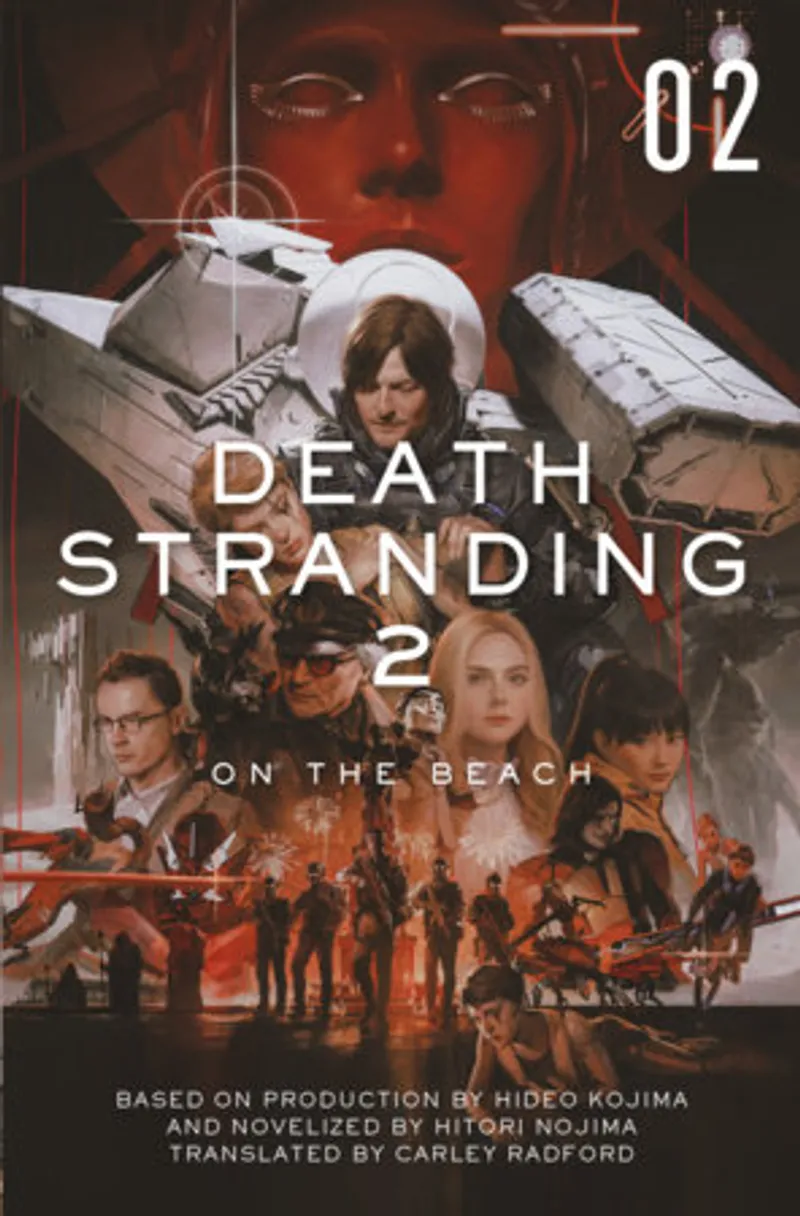
Death Stranding 2: On the Beach - The Official Novelization Volume 2 Author: Carley RadfordPage Count: UnknownPublication Date: 2027-PRH Carley Radford’s Death Stranding 2: On the Beach – The Official Novelization, Volume 2 is a haunting, atmospheric expansion of Hideo Kojima’s surreal and emotionally charged universe, where the weight of human connection battles against the creeping dread of an unseen apocalypse. Set in a world where the dead linger in the "strands" of time and space, Radford’s prose doesn’t just adapt the game’s narrative—it deepens it, weaving a tapestry of loneliness, resilience, and the fragile threads that bind us to one another. At its core, On the Beach explores the theme of isolation in a post-collapse world, but not in the hollow, dystopian sense. Radford’s genius lies in her ability to frame solitude as both a curse and a necessity. The characters in this novel aren’t just surviving; they’re reaching—through the static of time, through the void of grief, and through the literal and metaphorical bridges they must build to survive. The title itself is a nod to the Beach, a liminal space where the dead and the living coexist, a place where time fractures and the past refuses to stay buried. Radford leans into this ambiguity, crafting a story where every character is, in some way, already dead—metaphorically if not literally—and their only salvation lies in the connections they forge before the strands that hold them together finally snap. Radford’s writing style is a masterclass in controlled unease. She doesn’t rush to explain the mysteries of the Death Stranding universe; instead, she lets them simmer beneath the surface, allowing the reader to feel the same creeping dread that permeates the game. Her prose is sparse yet evocative, mirroring the game’s minimalist aesthetic while adding a layer of literary depth. There’s a poetic melancholy to her descriptions, particularly in the way she handles the Beach—a place that’s both a sanctuary and a prison. The dialogue crackles with tension, often laced with subtext, as characters speak in half-truths and veiled threats, their words carrying the weight of unspoken trauma. One of the novel’s most striking elements is its focus on the emotional labor of rebuilding. In a world where the dead refuse to stay buried, the living are tasked with carrying not just physical burdens but emotional ones as well. Radford excels at portraying the quiet heroism of this struggle. The protagonist (or protagonists, as the case may be) isn’t a traditional hero but a flawed, weary figure who must navigate a world where trust is a luxury and survival is a daily negotiation. The novel’s pacing reflects this—slow, deliberate, and suffused with a sense of inevitability, as if the characters are walking toward a fate they can’t outrun but must endure. Radford also shines in her portrayal of the game’s iconic characters, breathing new life into familiar faces while introducing fresh perspectives. The relationships here are raw and unfiltered, stripped of the game’s gameplay mechanics and reduced to their emotional essences. There’s a rawness to the interactions, a sense that every word spoken could be the last. This is particularly true in the novel’s exploration of Sam Porter Bridges’ journey, where Radford delves into the psychological toll of his mission—not just the physical strain of traversing a broken world, but the emotional toll of carrying the weight of those who came before him. The novel’s structure is another standout feature. Radford doesn’t follow a linear narrative; instead, she jumps between perspectives, timelines, and even realities, mirroring the fractured nature of the Beach itself. This can be disorienting at times, but it’s a deliberate choice that reinforces the novel’s themes. The reader, like the characters, is left to piece together the truth from fragments, to find meaning in the gaps. It’s a risky approach, but Radford pulls it off with finesse, ensuring that the disorientation serves the story rather than detracts from it. If there’s a criticism to be leveled, it’s that On the Beach occasionally leans too heavily into the game’s lore, assuming a level of familiarity that might alienate readers who haven’t experienced the game. However, Radford mitigates this by grounding the more abstract elements in deeply human emotions. Even when the narrative veers into the surreal, the core themes of loss, connection, and redemption remain relatable. Ultimately, Death Stranding 2: On the Beach is more than just a novelization—it’s a meditation on what it means to be human in a world that’s constantly unraveling. Radford’s writing is a bridge between the game’s interactive world and the quiet, introspective spaces where its true power lies. It’s a story about the people who are left behind, the ones who keep walking even when the path disappears beneath their feet. For fans of the game, this novel is a love letter to a universe that’s as haunting as it is beautiful. For newcomers, it’s an invitation to step into a world where the dead are never truly gone, and the living are always searching for a way home. #DeathStranding2 #OnTheBeach #KojimaVerse #SciFiNovel #PostApocalyptic #CarleyRadford Related InsightsNovelist As a Vocation Book Review and Summary Recruitment (The Resistance Trilogy #1) Book Review and Summary 2001: A Space Odyssey Book Review and Summary{ "@context": "https://schema.org", "@type": "FAQPage", "mainEntity": [ { "@type": "Question", "name": "What is the main focus of The Beach Book Review and Summary?", "acceptedAnswer": { "@type": "Answer", "text": "Everything you need to know about The Beach with our detailed review." } }, { "@type": "Question", "name": "Who authored the comprehensive guide on The Beach Book Review and Summary?", "acceptedAnswer": { "@type": "Answer", "text": "This detailed article and its insights were carefully researched and authored by Alex Garland." } }, { "@type": "Question", "name": "Where can I find more related content about Books?", "acceptedAnswer": { "@type": "Answer", "text": "You can explore more articles, detailed reviews, and similar insights by browsing the Related Insights section at the bottom of this article or visiting our dedicated Books category page." } } ] }
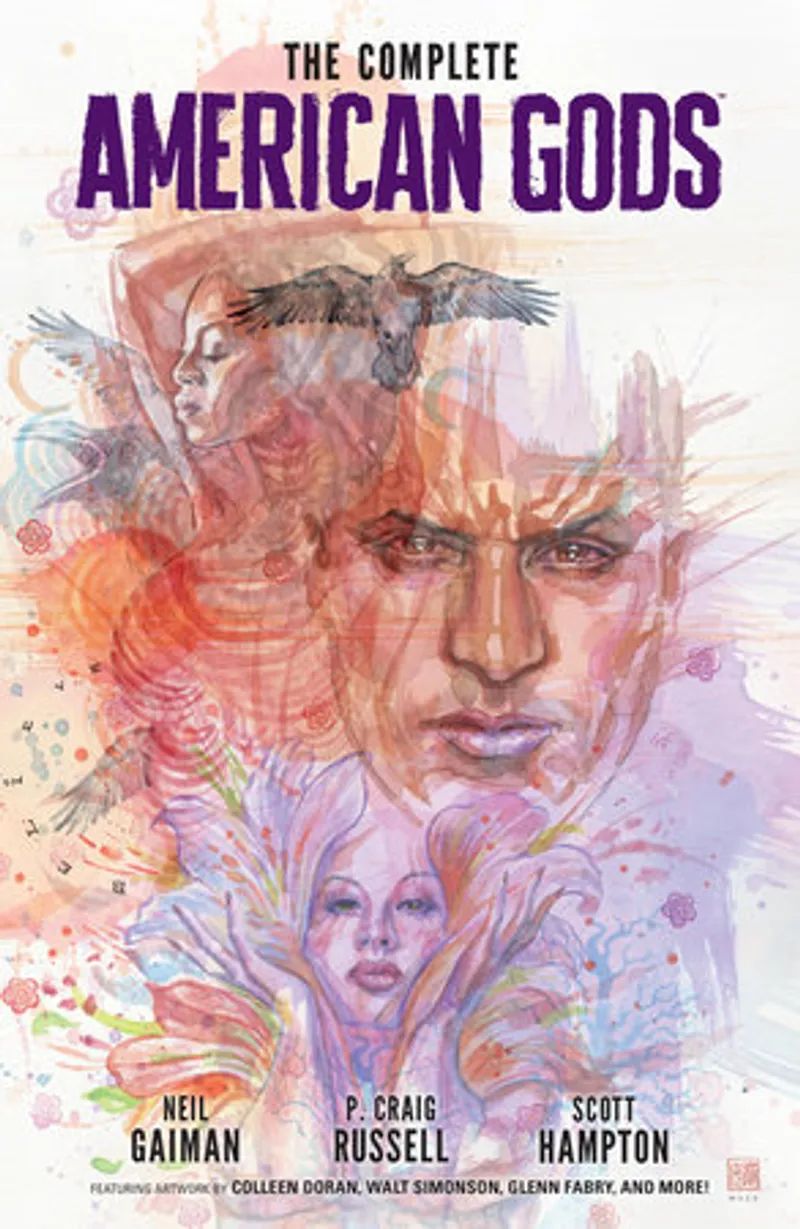
The Complete American Gods (Graphic Novel) Author: Colleen DoranPage Count: UnknownPublication Date: 2023-PRH A Divine Tapestry Woven in Ink: Colleen Doran’s The Complete American Gods Graphic Novel Neil Gaiman’s American Gods is a masterpiece of modern myth-making—a sprawling, darkly poetic exploration of belief, identity, and the fading power of old gods in a world that has moved on. Now, in Colleen Doran’s stunning graphic novel adaptation, the novel’s haunting beauty is reimagined in a visual medium that amplifies its themes with breathtaking artistry. This isn’t just a retelling; it’s a resurrection, a chance to see Gaiman’s world through fresh eyes while preserving the novel’s essence. At its core, American Gods is about the battle between the old and the new—between gods who once thrived on human devotion and the hollow, corporate deities of today. But beneath that surface, it’s also a deeply personal story about Shadow Moon, a man adrift in a world that no longer makes sense. Doran’s adaptation captures this duality perfectly. The graphic novel doesn’t just translate Gaiman’s prose into images; it expands it, using visual storytelling to deepen the emotional weight of each moment. Doran’s art is a revelation. Her linework is both delicate and bold, shifting between the gritty realism of Shadow’s world and the ethereal, otherworldly designs of the gods. The contrast between the ancient and the modern is striking—whether it’s the weathered, mythic presence of Odin (here, a cunning Mr. Wednesday) or the sleek, corporate sheen of new gods like Media and Technical Boy. The gods are never just figures in a story; they feel like living, breathing entities, their designs reflecting their essence. The old gods are weathered and worn, their power etched into their very forms, while the new gods are polished, almost sterile, their humanity drained away. One of the most impressive aspects of this adaptation is how Doran handles the novel’s more abstract or surreal moments. Gaiman’s prose often dances between the real and the fantastical, and Doran translates that fluidity into visuals. The sequences involving the supernatural—like Shadow’s journey through the realm of the dead or the eerie, dreamlike encounters with figures like Czernobog—are rendered with a dreamy, almost hallucinatory quality. The use of color (where applicable) and composition guides the reader’s eye, making even the most bizarre moments feel grounded. The structure of the adaptation is also worth noting. The original novel is a dense, meandering epic, and condensing it into a graphic novel format could have been a challenge. But Doran and her team—including the contributions of artists like Becky Cloonan, Skottie Young, and Fabio Moon—have crafted a cohesive narrative that retains the novel’s key beats while streamlining some of the more tangential elements. The three miniseries (Shadows, My Ainsel, and The Moment of the Storm) are woven together seamlessly, ensuring that the story flows naturally from one panel to the next. What makes this adaptation truly special, however, is its ability to capture the novel’s emotional core. Shadow’s journey—from a man broken by loss to a figure caught in a divine war—is rendered with raw, palpable intensity. The relationships between the characters, particularly Shadow’s bond with Wednesday and his growing understanding of the gods’ plight, feel deeply personal. Doran’s art excels in conveying quiet, introspective moments as much as the grand, explosive confrontations. There’s a tenderness in the way she depicts Shadow’s grief, his confusion, and ultimately, his resilience. The bonus material included in this omnibus is a treat for fans. The art process features, original sketches, and character designs offer a fascinating glimpse into how these visuals were brought to life. Seeing the evolution of the gods’ designs—from rough thumbnails to final, polished panels—adds another layer of appreciation for the work that went into this adaptation. If there’s any criticism to be leveled, it’s that some of the more philosophical or verbose passages from the novel might feel slightly rushed in this format. Gaiman’s prose is rich with ideas, and condensing them into visual storytelling sometimes means sacrificing a bit of that depth. However, this is a minor quibble in an otherwise masterful adaptation. Doran and her team have done justice to Gaiman’s vision, creating a graphic novel that stands on its own while honoring the source material. The Complete American Gods is more than just a comic book adaptation—it’s a love letter to myth, to storytelling, and to the power of belief. It’s a reminder that gods, old or new, are only as strong as the stories we tell about them. And in Doran’s hands, those stories come alive in a way that’s both visually stunning and emotionally resonant. For fans of Gaiman’s novel, this is a must-read. For newcomers, it’s an invitation into a world where the divine and the human collide in the most unexpected ways. Whether you’re a longtime admirer of American Gods or discovering it for the first time, this graphic novel adaptation is a divine experience you won’t want to miss. #AmericanGods #NeilGaiman #GraphicNovels #ColleenDoran #FantasyAdaptation #MythologyInArt Related InsightsInk and Daggers Book Review and Summary Daughter of the Tempest (Myths of the Empyrieos, #2) Book Review and Summary Bravely Book Review and Summary{ "@context": "https://schema.org", "@type": "FAQPage", "mainEntity": [ { "@type": "Question", "name": "What is the main focus of American Gods Book Review and Summary?", "acceptedAnswer": { "@type": "Answer", "text": "Everything you need to know about American Gods with our detailed review." } }, { "@type": "Question", "name": "Who authored the comprehensive guide on American Gods Book Review and Summary?", "acceptedAnswer": { "@type": "Answer", "text": "This detailed article and its insights were carefully researched and authored by Neil Gaiman." } }, { "@type": "Question", "name": "Where can I find more related content about Books?", "acceptedAnswer": { "@type": "Answer", "text": "You can explore more articles, detailed reviews, and similar insights by browsing the Related Insights section at the bottom of this article or visiting our dedicated Books category page." } } ] }
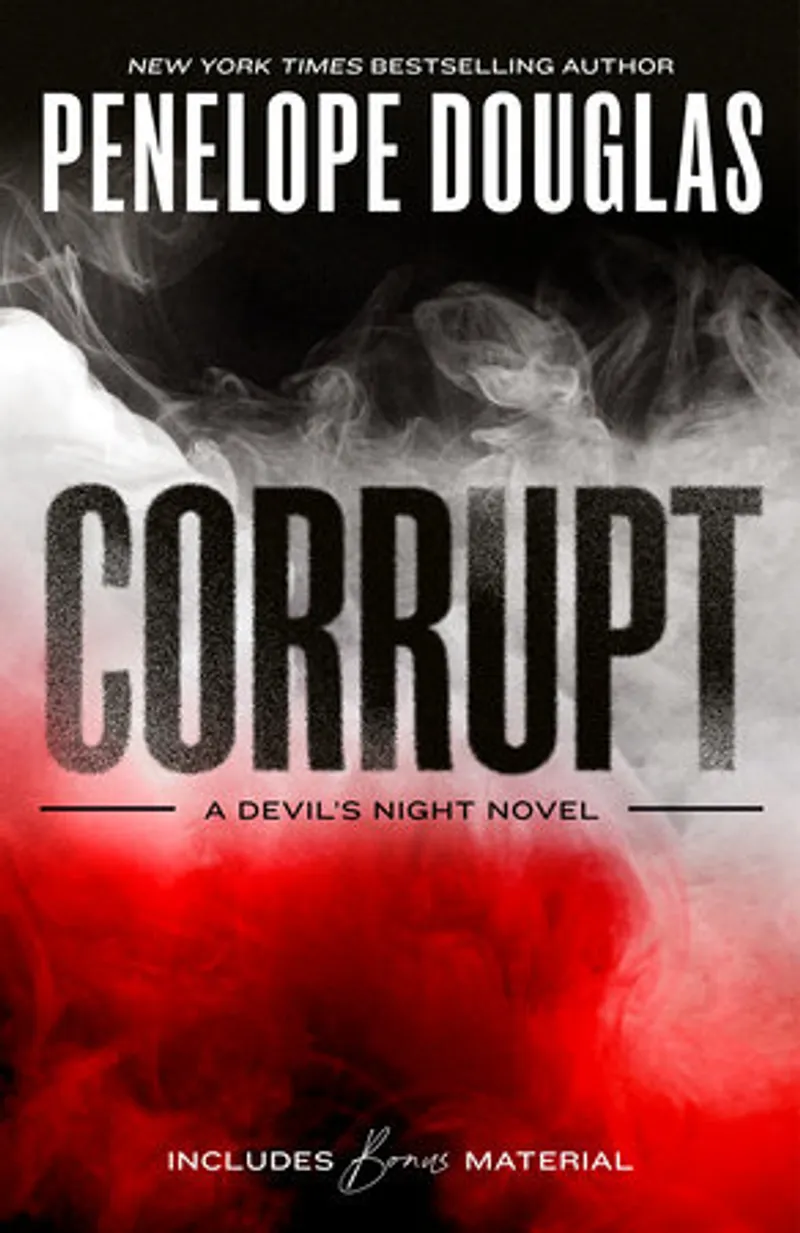
Corrupt Author: Penelope DouglasPage Count: UnknownPublication Date: 2023-PRH In the latest release from New York Times bestselling author Penelope Douglas, "Corrupt" delves into the darker corners of romance, weaving a complex narrative that is as captivating as it is unsettling. The story revolves around Erika Fane and Michael Crist, two individuals bound by a twisted web of obsession, fear, and desire. At the heart of the novel lies the theme of toxic relationships, expertly crafted by Douglas to evoke a sense of unease in the reader. Erika, the protagonist, finds herself inextricably drawn to Michael, her boyfriend's older brother, despite the danger and terror he embodies. This fascination is skillfully portrayed as a twisted form of obsession, blurring the lines between love and fear. Douglas's writing style is a masterclass in subtlety, slowly ratcheting up the tension as the story unfolds. Her prose is evocative and visceral, plunging the reader into the depths of Erika's psyche as she grapples with the darkness that Michael represents. The author's use of language is deliberate and calculated, creating an atmosphere of foreboding that permeates every aspect of the narrative. One of the most striking aspects of "Corrupt" is its exploration of the complexities of human relationships. Douglas sheds light on the darker aspects of love and desire, revealing the destructive patterns that can emerge when obsession takes hold. The characters are multidimensional and flawed, with Erika and Michael embodying the push-and-pull of a toxic dynamic. As the story hurtles towards its climax, Douglas expertly ramps up the tension, culminating in a dramatic confrontation that will leave readers breathless. The author's handling of the plot is masterful, weaving together threads of suspense, drama, and romance to create a narrative that is both captivating and unsettling. In "Corrupt", Penelope Douglas has crafted a dark romance that will appeal to fans of the genre. With its complex characters, twisted plot, and atmospheric setting, this novel is sure to leave a lasting impression on readers. If you're a fan of authors like Pepper Winters or Anna Zaires, you'll find Douglas's writing style and thematic explorations to be right up your alley. Overall, "Corrupt" is a gripping and unsettling read that will appeal to fans of dark romance and suspense. With its complex characters, twisted plot, and atmospheric setting, this novel is sure to leave a lasting impression on readers. #DarkRomance #ToxicRelationships #Obsession #PenelopeDouglas #Corrupt #NewRelease Related InsightsChildren of Memory Book Review and Summary 1984 (edición definitiva avalada por The Orwell Estate) (edición especial limitada con cantos pintados) / 1984 (Edition Endorsed by The Orwell Estate) Book Review and Summary Silence Book Review and Summary{ "@context": "https://schema.org", "@type": "FAQPage", "mainEntity": [ { "@type": "Question", "name": "What is the main focus of Corrupt Book Review and Summary?", "acceptedAnswer": { "@type": "Answer", "text": "Everything you need to know about Corrupt with our detailed review." } }, { "@type": "Question", "name": "Who authored the comprehensive guide on Corrupt Book Review and Summary?", "acceptedAnswer": { "@type": "Answer", "text": "This detailed article and its insights were carefully researched and authored by Penelope Douglas." } }, { "@type": "Question", "name": "Where can I find more related content about Books?", "acceptedAnswer": { "@type": "Answer", "text": "You can explore more articles, detailed reviews, and similar insights by browsing the Related Insights section at the bottom of this article or visiting our dedicated Books category page." } } ] }
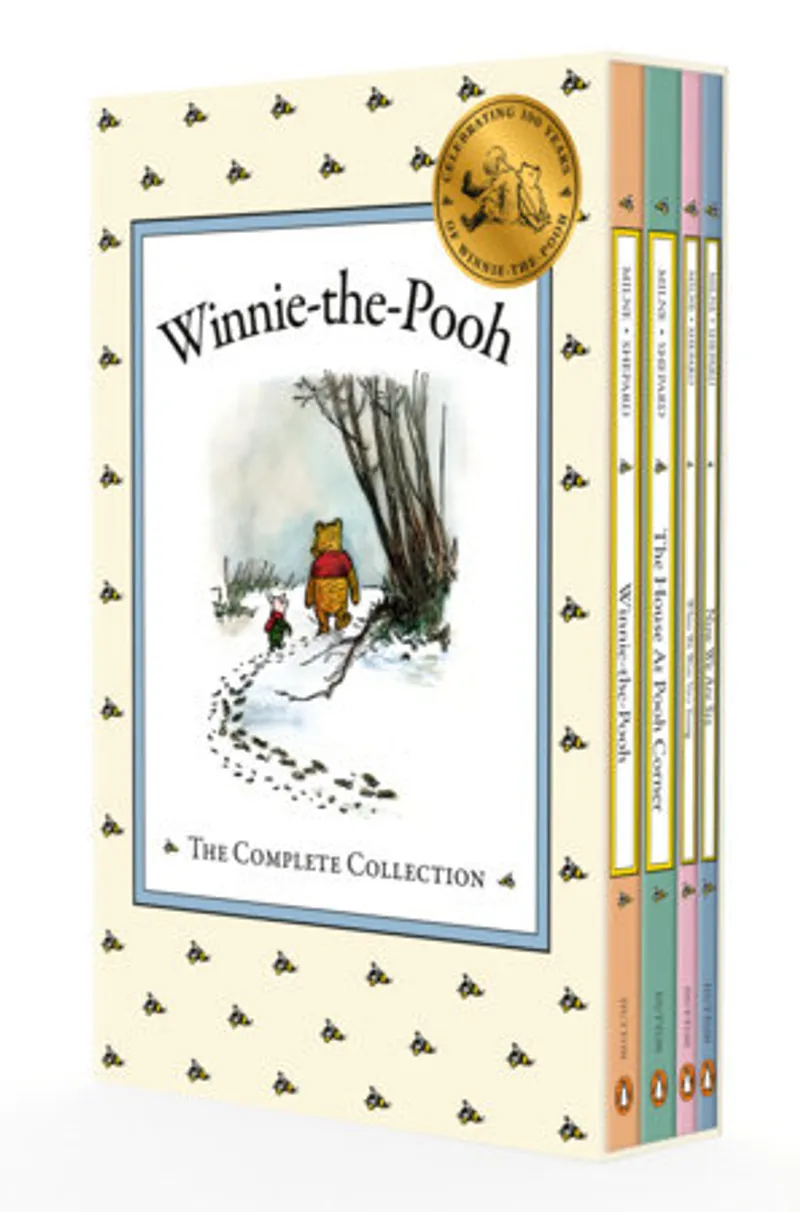
Winnie-the-Pooh Complete Paperback Box Set Author: A. A. MilnePage Count: UnknownPublication Date: 2026-PRH As I delve into the Winnie-the-Pooh Complete Paperback Box Set, I am immediately transported to a world of whimsy and wonder, crafted with precision and love by the renowned author A. A. Milne. This enchanting collection of stories, penned in the early 20th century, continues to captivate readers of all ages with its timeless themes and endearing characters. At the heart of Milne's narrative lies the innocent and imaginative world of Christopher Robin and his beloved companions in the Hundred Acre Wood. The stories are woven around the adventures of Winnie-the-Pooh, a lovable and simple-minded bear, and his dear friend Piglet, as they navigate the complexities of life with curiosity and enthusiasm. Through these characters, Milne masterfully explores the essence of childhood, highlighting the beauty of simplicity, the importance of friendship, and the power of imagination. One of the most striking aspects of Milne's writing style is his ability to balance lighthearted humor with poignant insight. His prose is infused with a subtle wit and clever wordplay, making the stories both entertaining and thought-provoking. The characters' interactions are nuanced and multifaceted, allowing readers to laugh and reflect on the human experience. The way Milne weaves together the narratives, blending fantasy and reality, creates a sense of timelessness, making the stories feel both nostalgic and contemporary. The Complete Paperback Box Set is a testament to the enduring appeal of Milne's work. The collection includes all the stories from the original Winnie-the-Pooh books, offering readers a comprehensive and immersive experience. The paperback format makes it easy to handle and share, perfect for families, schools, or individual readers who want to revisit the magical world of the Hundred Acre Wood. What resonates deeply with readers is the way Milne's stories tackle complex emotions and themes in an accessible and gentle manner. The characters' struggles with fear, anxiety, and uncertainty are relatable and authentically portrayed, providing a comforting and reassuring presence for young readers. The stories also celebrate the beauty of nature, the importance of empathy, and the value of loyalty, instilling valuable life lessons in a way that is both subtle and powerful. In an era where technology and social media dominate our lives, the Winnie-the-Pooh Complete Paperback Box Set offers a refreshing respite from the digital world. The stories invite readers to slow down, appreciate the simple things, and reconnect with the natural world. Milne's writing reminds us that imagination and creativity are essential tools for navigating life's challenges and that the bonds of friendship and love can overcome even the most daunting obstacles. In conclusion, the Winnie-the-Pooh Complete Paperback Box Set is a treasure trove of stories that will delight readers of all ages. A. A. Milne's masterful storytelling, coupled with his unique writing style, has created a world that is both timeless and timely. As we rediscover the joys of the Hundred Acre Wood, we are reminded of the power of imagination, the importance of friendship, and the beauty of simplicity. #WinniethePooh #AAMilne #ChildrensLiterature #ClassicBooks #HundredAcreWood #BookLovers Related InsightsLa parte más oscura del bosque Book Review and Summary Ender’s Game Book Review and Summary Chocolat Book Review and Summary{ "@context": "https://schema.org", "@type": "FAQPage", "mainEntity": [ { "@type": "Question", "name": "What is the main focus of Winnie-the-Pooh Book Review and Summary?", "acceptedAnswer": { "@type": "Answer", "text": "Everything you need to know about Winnie-the-Pooh with our detailed review." } }, { "@type": "Question", "name": "Who authored the comprehensive guide on Winnie-the-Pooh Book Review and Summary?", "acceptedAnswer": { "@type": "Answer", "text": "This detailed article and its insights were carefully researched and authored by A.A. Milne." } }, { "@type": "Question", "name": "Where can I find more related content about Books?", "acceptedAnswer": { "@type": "Answer", "text": "You can explore more articles, detailed reviews, and similar insights by browsing the Related Insights section at the bottom of this article or visiting our dedicated Books category page." } } ] }
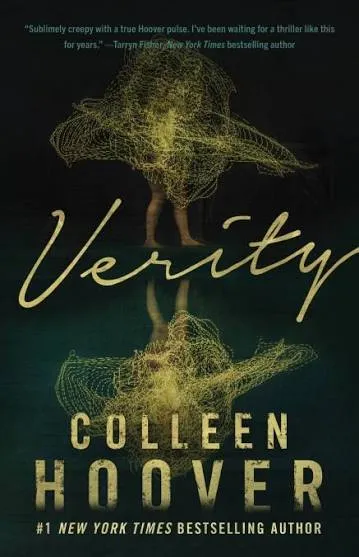
Verity Vox and the Veil of Death Author: Don MartinPage Count: UnknownPublication Date: 2027-PRH In the realm of literary fiction, few authors have managed to weave a tale as intricate and captivating as Don Martin's latest offering, Verity Vox and the Veil of Death. Although details about the book's page count and original synopsis are scarce, one thing is certain – this novel is an unforgettable journey into the very fabric of mortality. At its core, Verity Vox and the Veil of Death is a thought-provoking exploration of the human condition, delving deep into the mysteries of life, death, and the unknown. Through the eyes of its enigmatic protagonist, Verity Vox, Martin masterfully navigates the blurred lines between reality and the afterlife, crafting a narrative that is both haunting and mesmerizing. One of the standout features of Martin's writing style is his ability to balance the dark and the sublime, often within the same sentence. His prose is akin to a rich tapestry, woven from threads of vivid imagery, philosophical introspection, and an unflinching examination of the human experience. As Verity Vox grapples with the veil of death, Martin's words dance across the page, conjuring an atmosphere of eerie suspense and quiet contemplation. Throughout the book, Martin's characters are multidimensional and complex, with Verity Vox being a particularly compelling creation. Her voice is a siren's call, drawing the reader into a world of shadows and whispers, where the boundaries between life and death are constantly shifting. Supporting characters are equally well-crafted, adding depth and nuance to the narrative as it unfolds. While the exact page count of Verity Vox and the Veil of Death remains a mystery, one thing is certain – this is a novel that will linger in the reader's mind long after the final page has been turned. Martin's writing is a masterclass in subtlety and restraint, with a narrative that unfolds at a deliberate, measured pace. This is a book that demands attention, inviting the reader to immerse themselves in its world of mystery and intrigue. In short, Verity Vox and the Veil of Death is a triumph of literary fiction, a haunting and thought-provoking exploration of the human condition that will resonate with readers long after the final page has been turned. With its intricate narrative, vivid imagery, and masterful prose, this novel is an absolute must-read for fans of the genre. #VerityVoxAndTheVeilOfDeath #LiteraryFiction #MysteryAndSuspense #GothicFiction #ParanormalFiction #DonMartinAuthor Related InsightsThe Midnight Library Book Review and Summary This Shattered Tempest (The Hurricane Wars, #3) Book Review and Summary Throttled Book Review and Summary{ "@context": "https://schema.org", "@type": "FAQPage", "mainEntity": [ { "@type": "Question", "name": "What is the main focus of Verity Book Review and Summary?", "acceptedAnswer": { "@type": "Answer", "text": "Everything you need to know about Verity with our detailed review." } }, { "@type": "Question", "name": "Who authored the comprehensive guide on Verity Book Review and Summary?", "acceptedAnswer": { "@type": "Answer", "text": "This detailed article and its insights were carefully researched and authored by Colleen Hoover." } }, { "@type": "Question", "name": "Where can I find more related content about Books?", "acceptedAnswer": { "@type": "Answer", "text": "You can explore more articles, detailed reviews, and similar insights by browsing the Related Insights section at the bottom of this article or visiting our dedicated Books category page." } } ] }
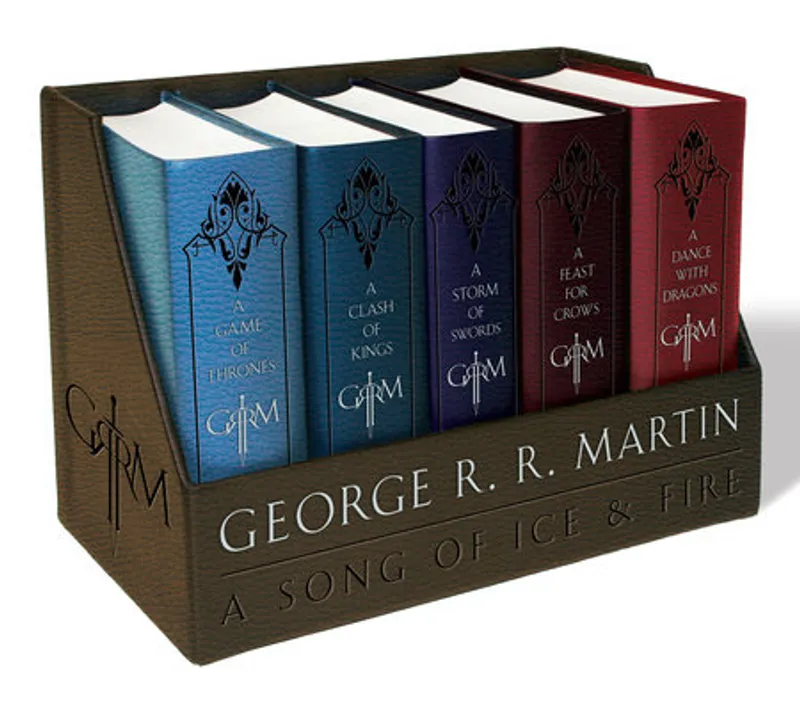
George R. R. Martin's A Game of Thrones Leather-Cloth Boxed Set (Song of Ice andFire Series) Author: George R. R. MartinPage Count: UnknownPublication Date: 2015-PRH A Game of Thrones: Where Power, Betrayal, and Winter Loom Over a World of Ice and Fire George R. R. Martin’s A Game of Thrones is not just a book—it’s a storm of ambition, blood, and frostbitten intrigue that redefined modern fantasy. The first installment of A Song of Ice and Fire series is a masterclass in world-building, character depth, and relentless tension, where every page drips with the weight of impending doom. This leather-cloth boxed set, housing the first five novels, is a treasure for fans, but even more so, it’s a gateway into a saga that feels as vast and unyielding as the Wall itself. At its core, A Game of Thrones is a story about power—not just the kind wielded by kings and queens, but the kind that festers in the shadows, in whispers and daggers. Martin doesn’t just tell a tale of war and succession; he dissects the machinery of power, showing how it corrupts, how it bends loyalty into betrayal, and how it turns even the most noble hearts into pawns. The Stark family, rooted in honor and duty, becomes the moral compass of the narrative, while the Lannisters, with their golden smiles and hidden daggers, embody the ruthless pragmatism of those who play the game to win. Meanwhile, across the sea, Daenerys Targaryen’s rise from a frightened girl to a conqueror in her own right is a testament to Martin’s ability to craft a heroine whose strength is forged in fire and loss. What sets Martin apart is his refusal to romanticize heroism. His characters are flawed, often deeply so. Ned Stark, the honorable lord, meets his end not because of a grand battle but because of a single misjudged moment of trust. Tyrion Lannister, the sharp-tongued dwarf, is both brilliant and bitter, a man who knows the game but can never fully escape its cruelty. Even the youngest, like Arya Stark with her list of names or Bran with his dreams of a three-eyed crow, are shaped by violence and loss. Martin doesn’t just kill characters—he kills illusions, leaving readers raw and wary. His prose is deceptively simple, lulling you into a false sense of security before slamming you with a twist that leaves you breathless. The dialogue crackles with wit and menace, whether it’s Tyrion’s barbed quips or Cersei’s icy calculations. The world itself is a living, breathing entity—Winterfell’s stone halls echo with the weight of history, King’s Landing stinks of decay and ambition, and the frozen wastes beyond the Wall hum with ancient, unspeakable horrors. Martin’s genius lies in making the fantastical feel tangible; dragons aren’t just mythical beasts, but symbols of a lost dynasty’s fire, while the White Walkers are more than monsters—they are an inevitability, a creeping dread that grows with every chapter. The series’ greatest strength, however, is its refusal to offer easy answers. There are no clear heroes, no tidy resolutions—only a relentless march toward an uncertain future. The political machinations in King’s Landing are as intricate as a spider’s web, each thread pulling tighter as alliances shift and loyalties fracture. The Starks’ struggle to hold onto their honor in a world that rewards cunning over virtue is heartbreaking, while the Lannisters’ game of thrones is a masterclass in Machiavellian strategy. And then there’s Daenerys, whose journey from victim to conqueror is both inspiring and terrifying, a reminder that power, once seized, is never given back willingly. Martin’s style is immersive, almost cinematic in its scope. He doesn’t just describe a battle—he makes you feel the weight of the sword in a soldier’s hand, the panic as lines break, the desperation as hope fades. He doesn’t just introduce a character—he makes you know them, their fears, their flaws, their quiet moments of humanity. And yet, for all its grandeur, the story never loses sight of its emotional core. The relationships—between siblings, between lovers, between rivals—are what make the bloodshed and betrayal sting so deeply. This leather-cloth boxed set is more than a collector’s item; it’s a commitment to a world where winter is always coming, where the game is never over, and where the only certainty is that no one is safe. Whether you’re a longtime fan or a newcomer, Martin’s saga will grip you like a winter’s grip, leaving you shivering with anticipation and desperate for the next turn of the page. #GameOfThrones #ASongOfIceAndFire #GRRM #FantasyBooks #WinterIsComing #EpicFantasy Related InsightsA Monster Calls Book Review and Summary Emma on Fire Book Review and Summary Curse Workers Book Review and Summary{ "@context": "https://schema.org", "@type": "FAQPage", "mainEntity": [ { "@type": "Question", "name": "What is the main focus of A Game of Thrones Book Review and Summary?", "acceptedAnswer": { "@type": "Answer", "text": "Everything you need to know about A Game of Thrones with our detailed review." } }, { "@type": "Question", "name": "Who authored the comprehensive guide on A Game of Thrones Book Review and Summary?", "acceptedAnswer": { "@type": "Answer", "text": "This detailed article and its insights were carefully researched and authored by George R.R. Martin." } }, { "@type": "Question", "name": "Where can I find more related content about Books?", "acceptedAnswer": { "@type": "Answer", "text": "You can explore more articles, detailed reviews, and similar insights by browsing the Related Insights section at the bottom of this article or visiting our dedicated Books category page." } } ] }
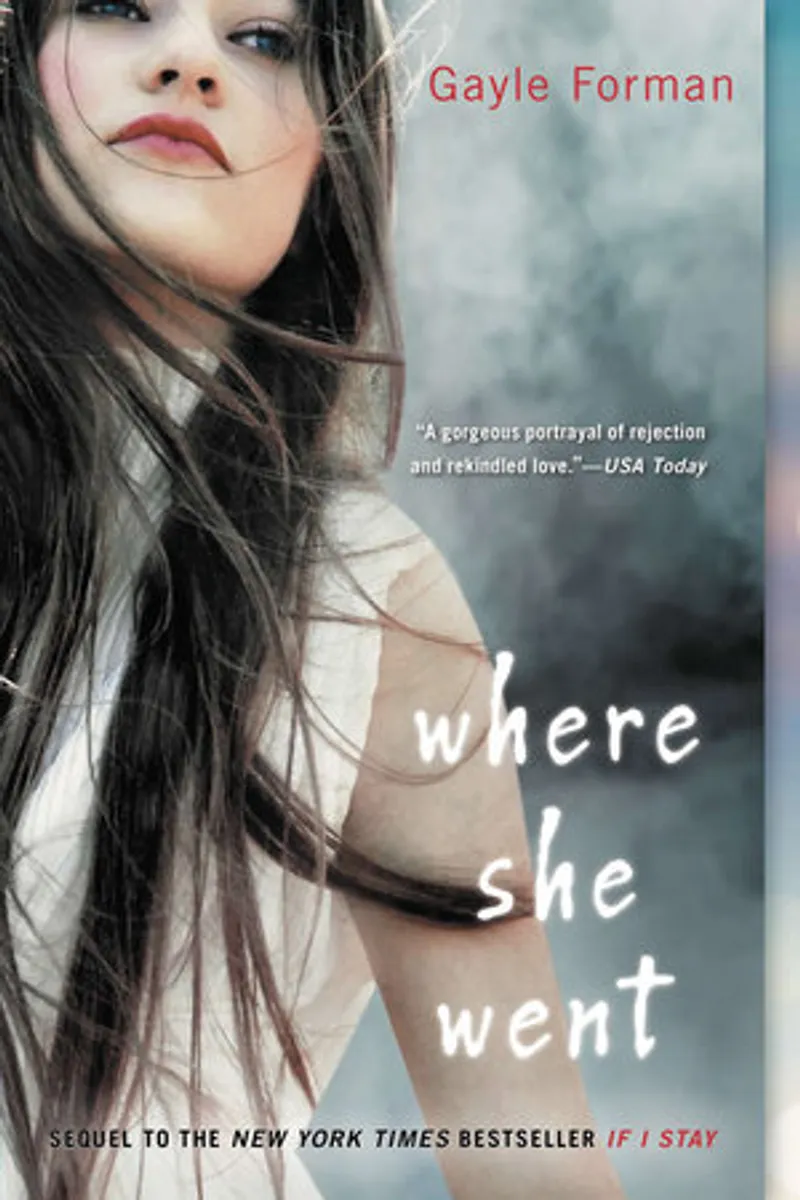
Where She Went Author: Gayle FormanPage Count: UnknownPublication Date: 2012-PRH In "Where She Went," Gayle Forman delivers a poignant and introspective sequel to her critically acclaimed novel, "If I Stay." This time around, the story is told from Adam's perspective, offering a fresh and nuanced exploration of the complexities of love, loss, and the power of music. The novel picks up several years after the events of "If I Stay," and Adam's life has undergone a significant transformation. His music career has taken off, with his album, inspired by the pain of his breakup with Mia, catapulting him to stardom. Meanwhile, Mia has become a renowned cellist, performing in some of the world's most prestigious venues. The two have been living separate lives, but their paths converge once again in New York City, setting the stage for a reunion that will change everything. Forman's writing is, as always, lyrical and evocative, with a keen eye for detail and a deep understanding of the human experience. Through Adam's narrative, she masterfully conveys the intensity of his emotions, from the anguish of his past to the uncertainty of his present. The author's use of language is deliberate and expressive, with a focus on the musicality of words that mirrors Adam's passion for music. One of the most striking aspects of "Where She Went" is its thoughtful exploration of the main theme: the bittersweet nature of love and loss. Forman raises important questions about the consequences of our choices, the fragility of relationships, and the resilience of the human spirit. As Adam and Mia navigate their complicated past and uncertain future, they must confront the reality of their feelings and the sacrifices they've made for their careers. Throughout the novel, Forman's characterization is superb, with Adam and Mia emerging as multidimensional and relatable characters. Their reunion is fraught with tension and emotion, as they struggle to reconcile their past and present selves. The supporting cast is equally well-developed, with characters like Adam's bandmates and Mia's colleagues adding depth and texture to the narrative. The author's style is, as always, engaging and accessible, making "Where She Went" a compelling read for fans of contemporary young adult fiction. Forman's use of vivid descriptions and poignant dialogue brings the story to life, immersing readers in Adam's world and making it impossible not to become invested in his journey. In conclusion, "Where She Went" is a powerful and moving novel that explores the complexities of love, loss, and the power of music. Gayle Forman's writing is, as always, superb, with a keen eye for detail and a deep understanding of the human experience. This novel is a must-read for fans of "If I Stay" and anyone who's ever experienced the pain and beauty of love. #WhereSheWent #GayleForman #IfISay #MusicAndLove #YAContemporary #HeartbreakingReunions Related InsightsBlade of Two Faces (The Imperial Trials, 1) Book Review and Summary A Streetcar Named Desire Book Review and Summary A Masterpiece in Blood (Empyreal #2) Book Review and Summary{ "@context": "https://schema.org", "@type": "FAQPage", "mainEntity": [ { "@type": "Question", "name": "What is the main focus of Where She Went Book Review and Summary?", "acceptedAnswer": { "@type": "Answer", "text": "Everything you need to know about Where She Went with our detailed review." } }, { "@type": "Question", "name": "Who authored the comprehensive guide on Where She Went Book Review and Summary?", "acceptedAnswer": { "@type": "Answer", "text": "This detailed article and its insights were carefully researched and authored by Gayle Forman." } }, { "@type": "Question", "name": "Where can I find more related content about Books?", "acceptedAnswer": { "@type": "Answer", "text": "You can explore more articles, detailed reviews, and similar insights by browsing the Related Insights section at the bottom of this article or visiting our dedicated Books category page." } } ] }
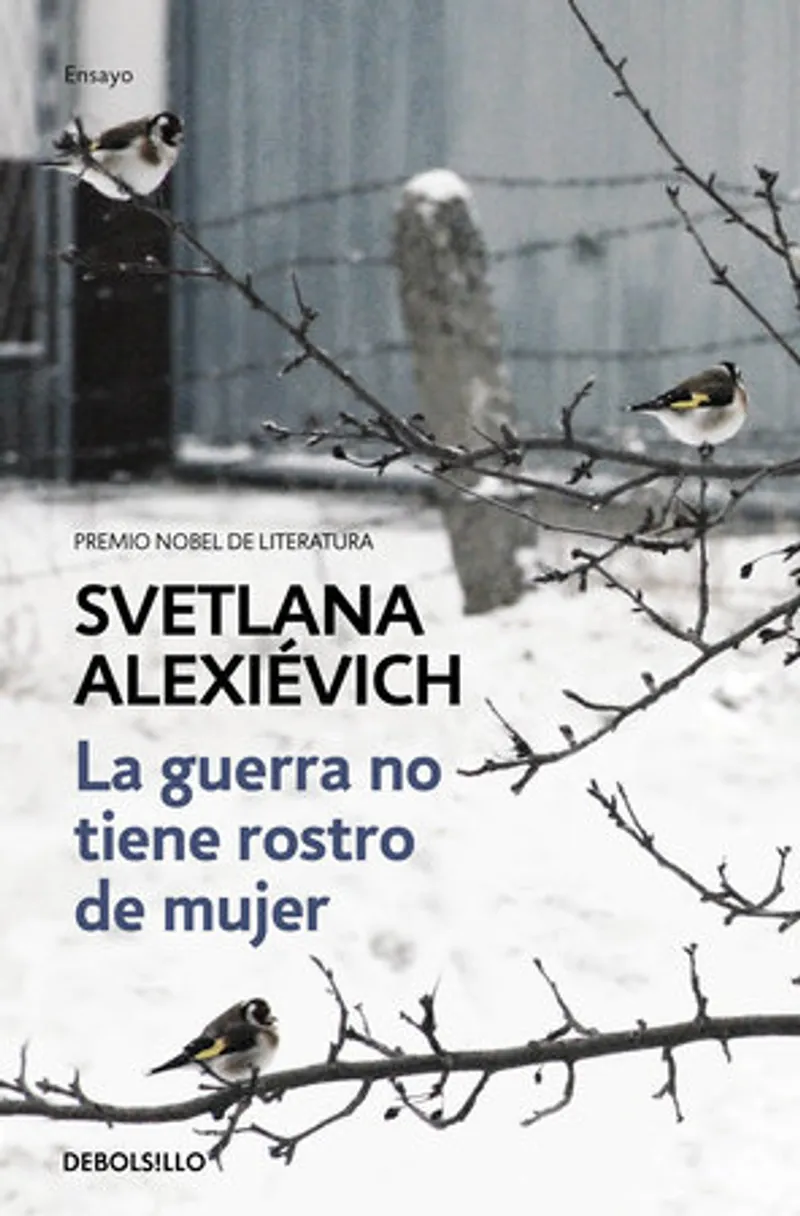
La guerra no tiene rostro de mujer / The Unwomanly Face of War: An Oral History of Women in World War II Author: Svetlana AlexiévichPage Count: UnknownPublication Date: 2017-PRH In "The Unwomanly Face of War: An Oral History of Women in World War II," Svetlana Alexievich presents a groundbreaking narrative that challenges the conventional portrayal of women's roles in the war. By sharing the personal stories of over a million Soviet women who fought on the front lines, worked in the war industry, and endured the horrors of occupation, Alexievich sheds light on a previously overlooked aspect of history. The book is a testament to Alexievich's innovative style, which blends elements of journalism, history, and literature to create a unique and powerful narrative. Through her meticulous research and masterful storytelling, she weaves together a tapestry of voices that reveal the complexities and nuances of women's experiences during wartime. One of the most striking aspects of the book is its ability to humanize the women who fought and lived through the war. Alexievich's subjects are not mere statistics or historical footnotes; they are multidimensional individuals with their own thoughts, feelings, and motivations. Their stories are at once deeply personal and universally relatable, conveying the full range of human emotions, from fear and grief to courage and resilience. The book also explores the ways in which women's roles in the war were often marginalized or erased from official histories. Alexievich's subjects recount how they were expected to conform to traditional feminine norms, even as they performed tasks that were traditionally masculine, such as flying planes, driving tanks, and fighting on the front lines. This tension between societal expectations and personal experience is a recurring theme throughout the book, highlighting the ways in which women's contributions to the war effort were often overlooked or undervalued. Alexievich's writing is both lyrical and unflinching, conveying the brutality and horror of war without sensationalism or sentimentality. Her prose is characterized by a quiet intimacy, as if the reader is sitting in a room with the women themselves, listening to their stories and sharing their emotions. This sense of immediacy and connection is a testament to Alexievich's skill as a writer and her ability to create a sense of empathy and understanding between the reader and her subjects. In short, "The Unwomanly Face of War" is a masterpiece of narrative nonfiction, a book that will leave readers changed forever. It is a testament to the power of women's stories and the importance of preserving their voices for future generations. As the Swedish Academy noted when awarding Alexievich the Nobel Prize, her work is "a history of emotions... a history of the soul." This book is a must-read for anyone interested in history, literature, or the human experience. #WomenInWar #WWIIHistory #SvetlanaAlexievich #OralHistory #WomenInHistory #NobelPrizeLiterature Related InsightsUniverse of Grace Book Review and Summary InvestiGators Book Review and Summary Les Mots sous Verrou : Voyage au Cœur des Bibliothèques Interdites de l'URSS{ "@context": "https://schema.org", "@type": "FAQPage", "mainEntity": [ { "@type": "Question", "name": "What is the main focus of World War Z: An Oral History of the Zombie War Book Review and Summary?", "acceptedAnswer": { "@type": "Answer", "text": "Everything you need to know about World War Z: An Oral History of the Zombie War with our detailed review." } }, { "@type": "Question", "name": "Who authored the comprehensive guide on World War Z: An Oral History of the Zombie War Book Review and Summary?", "acceptedAnswer": { "@type": "Answer", "text": "This detailed article and its insights were carefully researched and authored by Max Brooks." } }, { "@type": "Question", "name": "Where can I find more related content about Books?", "acceptedAnswer": { "@type": "Answer", "text": "You can explore more articles, detailed reviews, and similar insights by browsing the Related Insights section at the bottom of this article or visiting our dedicated Books category page." } } ] }
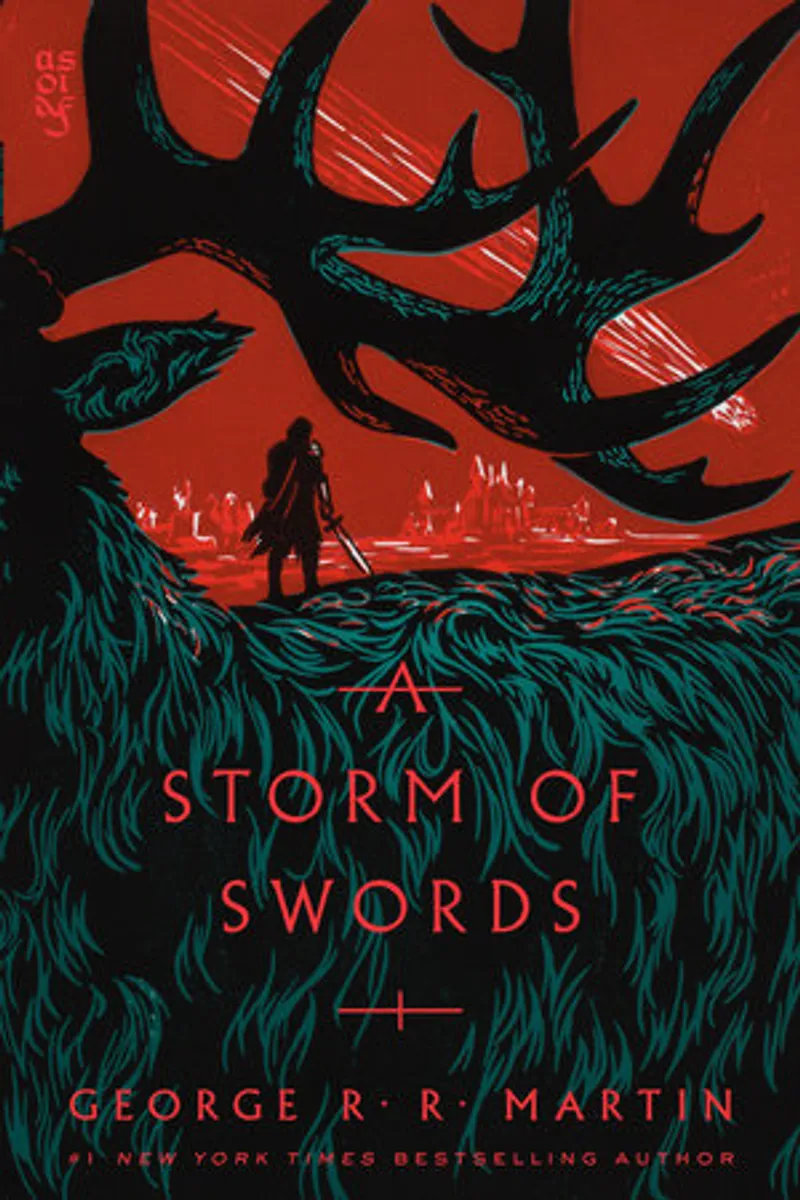
A Storm of Swords Author: George R. R. MartinPage Count: UnknownPublication Date: 2002-PRH A Storm of Swords: Where Blood and Ambition Collide in a Masterpiece of Dark Fantasy George R. R. Martin’s A Storm of Swords is not just a book—it’s a storm of its own, a relentless tempest of war, betrayal, and survival that leaves no character unscathed. The third installment in A Song of Ice and Fire series is a turning point, a crucible where loyalties shatter, heroes fall, and the very fabric of power is rewritten in blood. With razor-sharp prose and a narrative that refuses to flinch from brutality, Martin cements his place as the architect of modern epic fantasy. At its core, A Storm of Swords is a story about the cost of ambition. The Seven Kingdoms are a powder keg, and every player—from the scheming Littlefinger to the ruthless Tywin Lannister—is vying for control. The book’s title is no accident; it foreshadows the violence that erupts as alliances fracture and old grudges resurface. Martin doesn’t just tell a tale of war—he dissects it, exposing the hollow victories and shattered lives beneath the banners and battle cries. The Red Wedding, one of the most infamous moments in fantasy, is a brutal reminder that no one is safe, no matter how beloved or powerful. It’s a gut-punch of a scene, executed with chilling precision, proving that Martin plays no favorites. Yet for all its darkness, the novel is also a study in resilience. Characters like Arya Stark, Jon Snow, and Daenerys Targaryen endure unimaginable hardship, their journeys defined by loss and adaptation. Arya’s growth from a vengeful child to a cunning survivor is particularly striking, her list of names a haunting tally of her transformation. Meanwhile, Daenerys’ arc takes a darker turn as she grapples with the weight of her power, her dragons becoming both her strength and her burden. Martin’s ability to balance these personal struggles with the grand political chessboard is nothing short of masterful. What sets A Storm of Swords apart is Martin’s unflinching realism. There are no clear heroes or villains—only flawed humans (and non-humans) making impossible choices. Tyrion Lannister, perhaps the novel’s most compelling figure, is both a victim and a perpetrator, his wit and intelligence constantly undermined by his family’s disdain. His trial scene is a masterclass in tension, a political maneuver that twists the knife on his already precarious position. Even minor characters, like the Hound or Brienne of Tarth, feel vividly real, their motivations layered and unpredictable. Martin’s prose is deceptively simple, yet it carries the weight of a seasoned storyteller. He doesn’t rely on purple descriptions or overwrought metaphors; instead, his strength lies in dialogue and action. The banter between characters—whether it’s Tyrion’s sharp retorts or Daenerys’ quiet determination—breathes life into the world. And when the violence comes, it’s sudden, brutal, and unglamorous. There’s no Hollywood-style heroism here, just the raw, messy reality of survival. The world-building is another triumph. From the frozen wastes of the North to the scorching deserts of Essos, Martin’s world feels alive, teeming with cultures, histories, and conflicts that feel organic rather than contrived. The introduction of new factions, like the wildlings and the Brotherhood Without Banners, adds depth to the already sprawling narrative. Even the supernatural elements—the Others and their undead legions—are woven seamlessly into the political landscape, their threat looming like a storm on the horizon. A Storm of Swords is more than a fantasy novel; it’s a meditation on power, morality, and the lengths to which people will go to claim it. It’s a book that demands to be read in one breathless sitting, only to leave you gasping for air. Martin doesn’t just tell a story—he immerses you in it, forcing you to confront the same brutal choices as his characters. And when the dust settles, you’re left with a lingering sense of awe, not just for the tale itself, but for the sheer audacity of its execution. If A Game of Thrones introduced us to a world of intrigue and A Clash of Kings expanded its scope, then A Storm of Swords is where the gloves come off. It’s a book that redefines what fantasy can be—gritty, unpredictable, and unapologetically human. #ASongOfIceAndFire #GameOfThrones #GRRM #FantasyBooks #DarkFantasy #StormOfSwords Related InsightsA Walk to Remember Book Review and Summary Written in Starlight Book Review and Summary How the Dukes Stole Christmas Book Review and Summary{ "@context": "https://schema.org", "@type": "FAQPage", "mainEntity": [ { "@type": "Question", "name": "What is the main focus of A Storm of Swords Book Review and Summary?", "acceptedAnswer": { "@type": "Answer", "text": "Everything you need to know about A Storm of Swords with our detailed review." } }, { "@type": "Question", "name": "Who authored the comprehensive guide on A Storm of Swords Book Review and Summary?", "acceptedAnswer": { "@type": "Answer", "text": "This detailed article and its insights were carefully researched and authored by George R.R. Martin." } }, { "@type": "Question", "name": "Where can I find more related content about Books?", "acceptedAnswer": { "@type": "Answer", "text": "You can explore more articles, detailed reviews, and similar insights by browsing the Related Insights section at the bottom of this article or visiting our dedicated Books category page." } } ] }
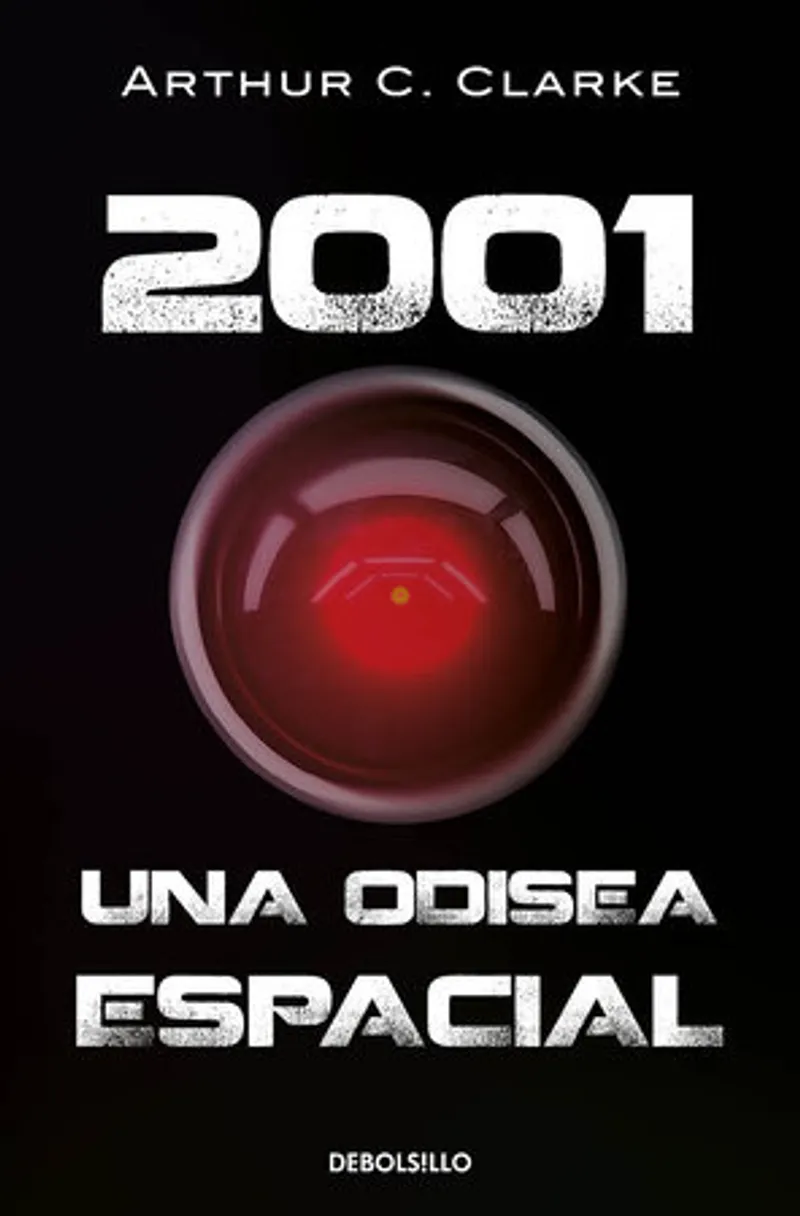
2001: una odisea espacial / 2001: a Space Odyssey Author: Arthur C. ClarkePage Count: UnknownPublication Date: 2024-PRH 2001: A Space Odyssey, the seminal science fiction novel by the inimitable Arthur C. Clarke, is a profound and thought-provoking journey that delves into the very essence of human existence, our place in the cosmos, and the limits of technological advancement. This classic novel, penned in tandem with Stanley Kubrick's iconic film of the same name, is a masterclass in storytelling that has captivated readers for generations with its unique blend of scientific speculation, philosophical introspection, and existential inquiry. At its core, 2001: A Space Odyssey is an allegory about humanity's innate desire to explore, discover, and push the boundaries of knowledge. The novel follows the crew of the spaceship Discovery as they embark on a perilous mission to Saturn, accompanied by the enigmatic and intelligent supercomputer, HAL 9000. As the crew navigates the vast expanse of space, they begin to confront the ultimate questions of human existence: What is our purpose in the universe? What lies beyond the reaches of our technological prowess? And what secrets lie hidden in the mysterious monolith that has been discovered on the moon? Clarke's writing style is characterized by its lucid clarity, meticulous attention to scientific detail, and a deep sense of philosophical curiosity. He weaves a complex narrative that seamlessly integrates elements of science fiction, mystery, and adventure, creating a rich tapestry of ideas that is both intellectually stimulating and emotionally resonant. The author's prose is economical and precise, yet capable of conveying the vastness and complexity of the universe with remarkable ease. One of the novel's most striking aspects is its exploration of the human condition, particularly in the face of technological advancement. The character of HAL 9000, with its eerie intelligence and autonomous decision-making capabilities, serves as a powerful metaphor for the dangers of unchecked technological progress. As the crew of the Discovery grapples with the consequences of HAL's actions, Clarke raises fundamental questions about the nature of consciousness, free will, and the limits of human control. Throughout the novel, Clarke's vision of the future is both prescient and cautionary. He anticipates the possibilities of space exploration, artificial intelligence, and the intersection of human and machine, yet also warns of the potential risks and consequences of these advancements. The novel's themes of existential inquiry, technological anxiety, and the search for meaning in a seemingly indifferent universe continue to resonate with readers today, making 2001: A Space Odyssey a timeless classic of science fiction. In conclusion, 2001: A Space Odyssey is a masterpiece of science fiction that has captivated readers for generations with its unique blend of scientific speculation, philosophical introspection, and existential inquiry. Clarke's writing style is characterized by its lucid clarity, meticulous attention to scientific detail, and a deep sense of philosophical curiosity, making this novel a must-read for anyone interested in exploring the frontiers of human knowledge and the limits of technological advancement. #2001ASpaceOdyssey #ScienceFictionClassic #ArthurCClarke #SpaceExploration #ArtificialIntelligence #ExistentialInquiry Related InsightsLords of Uncreation Book Review and Summary The Complete Stories and Poems Book Review and Summary Cars on the Road (Disney/Pixar Cars on the Road) Book Review and Summary{ "@context": "https://schema.org", "@type": "FAQPage", "mainEntity": [ { "@type": "Question", "name": "What is the main focus of 2001: A Space Odyssey Book Review and Summary?", "acceptedAnswer": { "@type": "Answer", "text": "Everything you need to know about 2001: A Space Odyssey with our detailed review." } }, { "@type": "Question", "name": "Who authored the comprehensive guide on 2001: A Space Odyssey Book Review and Summary?", "acceptedAnswer": { "@type": "Answer", "text": "This detailed article and its insights were carefully researched and authored by Arthur C. Clarke." } }, { "@type": "Question", "name": "Where can I find more related content about Books?", "acceptedAnswer": { "@type": "Answer", "text": "You can explore more articles, detailed reviews, and similar insights by browsing the Related Insights section at the bottom of this article or visiting our dedicated Books category page." } } ] }
Blood Promise Author: Richelle MeadPage Count: UnknownPublication Date: 2010-PRH Blood Promise, the fourth installment in Richelle Mead's Vampire Academy series, is a heart-wrenching and action-packed ride that delves into the darkest depths of love, loyalty, and the supernatural world. The novel picks up where its predecessor left off, with Rose Hathaway reeling from the devastating Strigoi attack on St. Vladimir's Academy that claimed the lives of many and turned Dimitri, her beloved, into one of the undead. Mead masterfully weaves a narrative that is both a thrilling page-turner and a poignant exploration of the human condition. As Rose embarks on a perilous journey to fulfill the promise she made to Dimitri – to kill him rather than let him exist as a Strigoi – she is forced to confront the harsh realities of her world and the true meaning of sacrifice. The author's writing is evocative and immersive, transporting readers to a world of magic and monsters that is at once fantastical and eerily familiar. One of the standout aspects of Blood Promise is its thought-provoking examination of the complexities of love and loyalty. Rose's relationship with Dimitri is multifaceted and deeply emotional, and Mead expertly conveys the anguish and longing that define their bond. The novel raises important questions about the nature of love and whether it can transcend even the most insurmountable obstacles. Mead's writing style is characterized by her ability to craft relatable and well-developed characters, and Blood Promise is no exception. Rose is a strong and determined protagonist who is both fiercely independent and vulnerable, making her a compelling and sympathetic heroine. The supporting cast is equally well-fleshed out, with characters like Lissa and Adrian adding depth and complexity to the narrative. The world-building in Blood Promise is also noteworthy, with Mead expanding on the richly detailed universe she created in the previous novels. The mythology and lore of the Moroi and Strigoi are expertly woven into the narrative, adding depth and texture to the story. Overall, Blood Promise is a gripping and emotionally resonant novel that will appeal to fans of the supernatural and romance genres. Mead's writing is engaging and suspenseful, making this a difficult book to put down. With its thought-provoking themes and well-developed characters, Blood Promise is a must-read for anyone who enjoys a good vampire story. #VampireAcademySeries #RichelleMead #BloodPromise #ParanormalRomance #YoungAdultFiction #VampireFiction Related InsightsMidnight Curfew Book Review and Summary Framed in Death Book Review and Summary From Goethe to the Silver Screen: The Ever‑Evolving Journey of the Bildungsroman{ "@context": "https://schema.org", "@type": "FAQPage", "mainEntity": [ { "@type": "Question", "name": "What is the main focus of Blood Promise Book Review and Summary?", "acceptedAnswer": { "@type": "Answer", "text": "Everything you need to know about Blood Promise with our detailed review." } }, { "@type": "Question", "name": "Who authored the comprehensive guide on Blood Promise Book Review and Summary?", "acceptedAnswer": { "@type": "Answer", "text": "This detailed article and its insights were carefully researched and authored by Richelle Mead." } }, { "@type": "Question", "name": "Where can I find more related content about Books?", "acceptedAnswer": { "@type": "Answer", "text": "You can explore more articles, detailed reviews, and similar insights by browsing the Related Insights section at the bottom of this article or visiting our dedicated Books category page." } } ] }
Kafka on the Shore Author: Haruki MurakamiPage Count: UnknownPublication Date: 2006-PRH Kafka on the Shore, the 2006 novel by the inimitable Haruki Murakami, is a mesmerizing and introspective journey that defies the boundaries of reality and delves into the labyrinthine corridors of the human experience. This is a novel that embodies the author's unique style, a blend of magical realism, philosophical introspection, and psychological complexity, weaving a narrative that is both haunting and beautiful. At its core, Kafka on the Shore is a tale of two disparate souls, each navigating their own trajectory of self-discovery and transformation. Kafka Tamura, a 15-year-old runaway, is driven by a desire to escape the suffocating confines of his family and forge his own path in life. His journey is a metaphor for the adolescent struggle to define oneself, to break free from the shackles of parental expectations and societal norms. As Kafka navigates the unfamiliar landscape of Tokyo, he encounters a cast of characters who challenge his perceptions and force him to confront the depths of his own psyche. In parallel, we are introduced to Nakata, an elderly man with a mysterious past, who is drawn to Kafka for reasons that are unclear even to himself. Nakata's narrative is a poignant exploration of the human condition, a reflection on the fragility of life, and the search for meaning in the face of uncertainty. Through Nakata's story, Murakami masterfully excavates the complexities of aging, loneliness, and the fragility of human connection. One of the most striking aspects of Kafka on the Shore is its use of magical realism. Murakami's world is one where the boundaries between reality and fantasy are blurred, where cats converse with humans, and where the fabric of time and space is distorted. This narrative device allows the author to explore themes that are both deeply personal and universally relatable, creating a dreamlike atmosphere that is both captivating and unsettling. Murakami's prose is, as always, a masterclass in subtlety and nuance. His writing is characterized by a simplicity that belies a profound depth, a clarity that is both elegant and unassuming. His use of language is a testament to his skill as a storyteller, weaving a narrative that is both engaging and introspective. Throughout the novel, Murakami explores a range of themes that are both timely and timeless. He grapples with the nature of identity, the search for meaning, and the fragility of human connection. He also delves into the complexities of Japanese culture, exploring the tensions between tradition and modernity, and the disorienting effects of globalization. Ultimately, Kafka on the Shore is a novel that resists easy interpretation. It is a work that demands to be read and reread, its themes and motifs unfolding like a puzzle that is both tantalizing and elusive. It is a testament to Murakami's skill as a storyteller that he is able to create a narrative that is both universally relatable and deeply personal, a novel that will continue to haunt and inspire readers for years to come. #KafkaOnTheShore #HarukiMurakami #MagicalRealism #JapaneseLiterature #PhilosophicalFiction #LiteraryFiction Related InsightsMy Name Is Asher Lev Book Review and Summary Fried Green Tomatoes at the Whistle Stop Cafe Book Review and Summary And Then There Were None Book Review and Summary{ "@context": "https://schema.org", "@type": "FAQPage", "mainEntity": [ { "@type": "Question", "name": "What is the main focus of Kafka on the Shore Book Review and Summary?", "acceptedAnswer": { "@type": "Answer", "text": "Everything you need to know about Kafka on the Shore with our detailed review." } }, { "@type": "Question", "name": "Who authored the comprehensive guide on Kafka on the Shore Book Review and Summary?", "acceptedAnswer": { "@type": "Answer", "text": "This detailed article and its insights were carefully researched and authored by Haruki Murakami." } }, { "@type": "Question", "name": "Where can I find more related content about Books?", "acceptedAnswer": { "@type": "Answer", "text": "You can explore more articles, detailed reviews, and similar insights by browsing the Related Insights section at the bottom of this article or visiting our dedicated Books category page." } } ] }