Showing Posts From
Fiction
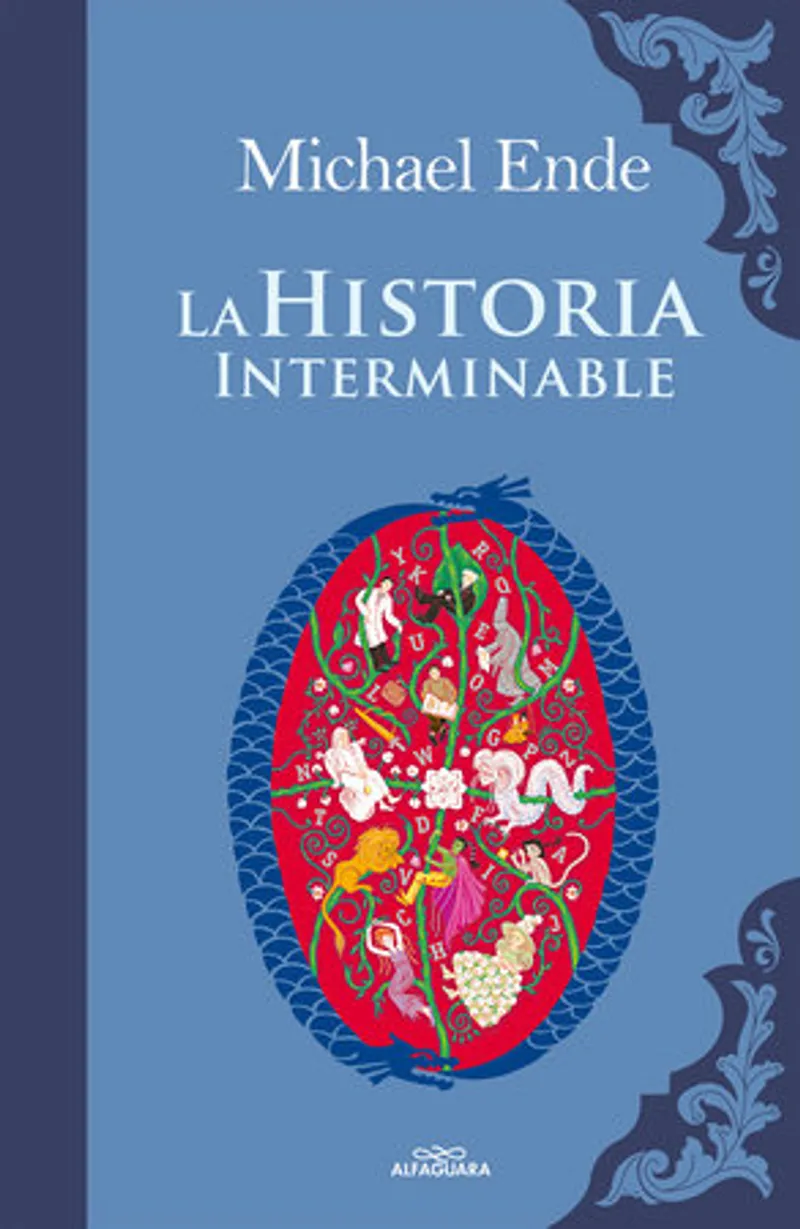
La historia interminable / The Neverending Story Author: Michael EndePage Count: UnknownPublication Date: 2024-PRH "The Neverending Story" by Michael Ende is a timeless masterpiece that delves into the depths of imagination, self-discovery, and the blurred lines between reality and fantasy. This enchanting tale follows the journey of Bastian, a shy and introverted boy who finds solace in the pages of a mysterious book, and Atreyu, a brave warrior from the world of Fantasia, as they navigate the complexities of their respective worlds. Ende's writing style is a testament to his innovative and perceptive approach to storytelling. With an instantaneous leap into the magical, he weaves a rich tapestry of vivid descriptions, memorable characters, and poignant themes that resonate deeply with readers of all ages. The world of Fantasia is meticulously crafted, with its diverse landscapes, mythical creatures, and intricate politics, making it a true marvel of imagination. At the heart of the story lies the theme of escapism, as Bastian becomes increasingly enthralled by the world of Fantasia, using it as a means to cope with the difficulties of his own reality. This introspective exploration of the human psyche raises important questions about the nature of identity, the power of imagination, and the blurred lines between reality and fantasy. One of the most striking aspects of Ende's writing is his ability to balance the light and the dark, the fantastical and the mundane. He effortlessly navigates the complexities of childhood, tackling themes such as bullying, loneliness, and the struggle to find one's place in the world. At the same time, he introduces readers to a cast of characters that are both relatable and larger-than-life, from the enigmatic Childlike Empress to the terrifying Nothing that threatens to consume Fantasia. Throughout the book, Ende's prose is infused with a sense of wonder and curiosity, making it a true delight to read. His writing is evocative, engaging, and, above all, authentic. The characters are multidimensional and relatable, with their own distinct voices and motivations. As the story unfolds, Ende masterfully explores the interconnectedness of the two worlds, raising questions about the nature of reality and the impact of human imagination on the world around us. The boundaries between reality and fantasy become increasingly blurred, and the reader is left to ponder the implications of this intersection. In conclusion, "The Neverending Story" is a classic tale that has captivated readers for generations, and its enduring appeal lies in its ability to tap into the deepest recesses of our imagination. Michael Ende's innovative and perceptive approach to storytelling has created a world that is both timeless and timely, a true masterpiece that continues to inspire and delight readers of all ages. #TheNeverendingStory #FantasyClassics #ComingOfAge #ImaginationMatters #FantasticalWorlds #TimelessTales Related InsightsDefy Me (Shatter Me) Book Review and Summary Table for Two Book Review and Summary Bridge to Bat City Book Review and Summary{ "@context": "https://schema.org", "@type": "FAQPage", "mainEntity": [ { "@type": "Question", "name": "What is the main focus of The Neverending Story Book Review and Summary?", "acceptedAnswer": { "@type": "Answer", "text": "Everything you need to know about The Neverending Story with our detailed review." } }, { "@type": "Question", "name": "Who authored the comprehensive guide on The Neverending Story Book Review and Summary?", "acceptedAnswer": { "@type": "Answer", "text": "This detailed article and its insights were carefully researched and authored by Michael Ende." } }, { "@type": "Question", "name": "Where can I find more related content about Books?", "acceptedAnswer": { "@type": "Answer", "text": "You can explore more articles, detailed reviews, and similar insights by browsing the Related Insights section at the bottom of this article or visiting our dedicated Books category page." } } ] }
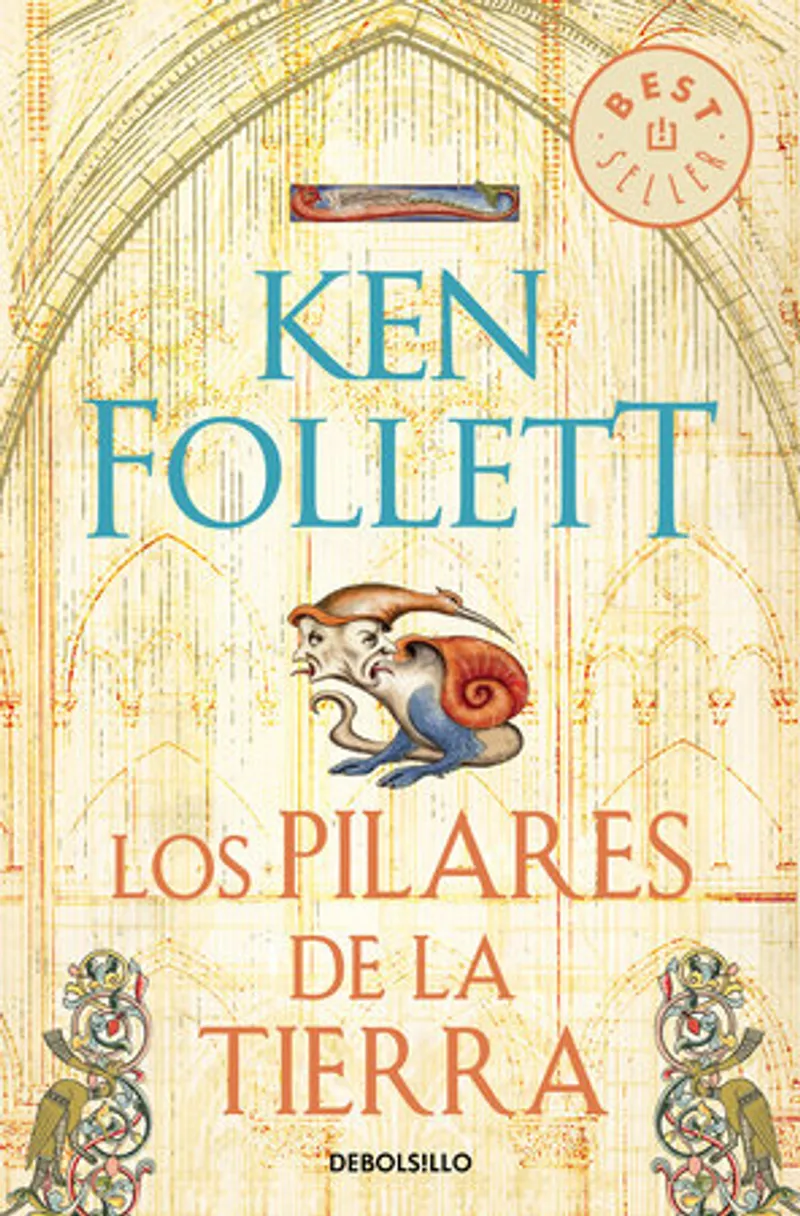
Los pilares de la tierra / The Pillars of the Earth Author: Ken FollettPage Count: UnknownPublication Date: 2018-PRH Ken Follett’s The Pillars of the Earth: A Monumental Tapestry of Power, Faith, and Human Ambition Few historical novels achieve the rare balance between sweeping grandeur and intimate human drama, but Ken Follett’s The Pillars of the Earth does so with unparalleled mastery. Published in 1989 and reissued with a new prologue for its 25th anniversary, this 900-page epic is less a book and more a cathedral itself—stone by stone, character by character, Follett constructs a world so vivid that the medieval England of the 12th century feels not like a distant past but a living, breathing reality. At its core, The Pillars of the Earth is a story about the clash of human ambition against the immutable forces of fate, faith, and power. The novel’s central ambition—the construction of a Gothic cathedral in the fictional town of Kingsbridge—serves as both a literal and metaphorical foundation for Follett’s exploration of human endeavor. The cathedral is more than a building; it is a symbol of hope, a testament to perseverance, and a battleground for the spiritual and political forces of the era. Through the eyes of its builders—monks, masons, nobles, and outcasts—Follett examines what it means to strive for something greater than oneself, even when the world conspires against you. The novel’s protagonist, Prior Philip, is a man of quiet faith and steely resolve, driven by a divine vision to create a house of God that will inspire awe and devotion. His counterpart, Tom Builder, is a master mason whose life is defined by both his craft and his personal tragedies. Together, they embody the duality of human nature: the spiritual and the practical, the idealistic and the flawed. Their partnership is one of the novel’s most compelling dynamics, a dance between vision and execution that unfolds over decades, fraught with setbacks, betrayals, and moments of transcendent triumph. Yet Follett’s genius lies not just in his ability to weave a complex narrative but in his capacity to make history feel personal. The novel’s true power emerges from its characters—each flawed, vivid, and deeply human. Lady Aliena, a noblewoman stripped of her lands and honor, is a figure of resilience and quiet defiance, her journey one of survival and redemption. Her brother, Richard, embodies the destructive force of unchecked ambition, while the villainous William Hamleigh represents the brutality of feudal power. Even minor characters, like the cunning Waleran Bigod or the tragic Agnes, leave indelible marks on the reader’s memory. Follett’s prose is deceptively simple, yet it carries the weight of a master storyteller. He avoids the pitfalls of dry historical exposition, instead immersing the reader in the sights, sounds, and smells of the medieval world. The construction of the cathedral is described with such tactile detail that one can almost feel the roughness of the stone under Tom’s calloused hands. The political intrigues of kings and bishops are rendered with the same urgency as a battlefield skirmish, ensuring that the reader is never lulled into passive observation. This is a novel that demands engagement, rewarding those who lose themselves in its labyrinthine plot with moments of breathtaking payoff. What elevates The Pillars of the Earth beyond mere historical fiction is its unflinching examination of morality. Follett does not shy away from depicting the hypocrisy of the Church, the cruelty of feudalism, or the fragility of human virtue. The novel’s most haunting passages are those that force the reader to confront uncomfortable truths: the way power corrupts, the ease with which violence becomes normalized, and the quiet heroism of those who refuse to surrender to despair. In this, Follett echoes the great moralists of literature, from Dickens to Hugo, while carving out a space uniquely his own. The novel’s structure is another of its strengths. Spanning nearly 40 years, The Pillars of the Earth unfolds in a series of dramatic arcs that intersect and collide with the precision of a well-constructed arch. Each chapter feels like a self-contained story, yet the cumulative effect is one of inexorable momentum. The reader is swept along by the sheer force of the narrative, compelled to keep turning pages not just to see what happens next, but to understand how these lives—so different in station, so alike in struggle—will ultimately converge. Follett’s ability to balance multiple storylines without losing coherence is nothing short of extraordinary. The political machinations of King Stephen and the Empress Maud, the personal vendettas of the Hamleighs, the spiritual trials of Philip, and the romantic entanglements of Aliena and Jack Builder all weave together into a tapestry that is as intricate as the stained glass of a Gothic cathedral. The novel’s climax—a moment of both triumph and tragedy—is a masterclass in pacing, delivering an emotional punch that lingers long after the final page. In an era where historical fiction often prioritizes spectacle over substance, The Pillars of the Earth stands as a rare achievement: a novel that is both a page-turner and a profound meditation on the human condition. It is a testament to Follett’s skill that a story about medieval builders can feel as urgent and relevant as a modern thriller. This is not just a book about the past; it is a book about the timeless struggles that define us all—our search for meaning, our capacity for both cruelty and kindness, and our relentless, often futile, pursuit of permanence in an impermanent world. For readers who crave more than just escapism, The Pillars of the Earth offers something rarer: a story that nourishes the soul while thrilling the mind. It is a cathedral of words, a monument to the power of storytelling, and a reminder that even in the darkest of times, humanity’s greatest achievements are built not by gods or kings, but by ordinary people who dare to dream. #PillarsOfTheEarth #KenFollett #HistoricalFiction #MedievalEpic #BookReview #MustRead Related InsightsDeadlock Book Review and Summary The Ocean at the End of the Lane Book Review and Summary Alternative Medicines for Diabetes Management Book Review and Summary{ "@context": "https://schema.org", "@type": "FAQPage", "mainEntity": [ { "@type": "Question", "name": "What is the main focus of The Pillars of the Earth Book Review and Summary?", "acceptedAnswer": { "@type": "Answer", "text": "Everything you need to know about The Pillars of the Earth with our detailed review." } }, { "@type": "Question", "name": "Who authored the comprehensive guide on The Pillars of the Earth Book Review and Summary?", "acceptedAnswer": { "@type": "Answer", "text": "This detailed article and its insights were carefully researched and authored by Ken Follett." } }, { "@type": "Question", "name": "Where can I find more related content about Books?", "acceptedAnswer": { "@type": "Answer", "text": "You can explore more articles, detailed reviews, and similar insights by browsing the Related Insights section at the bottom of this article or visiting our dedicated Books category page." } } ] }
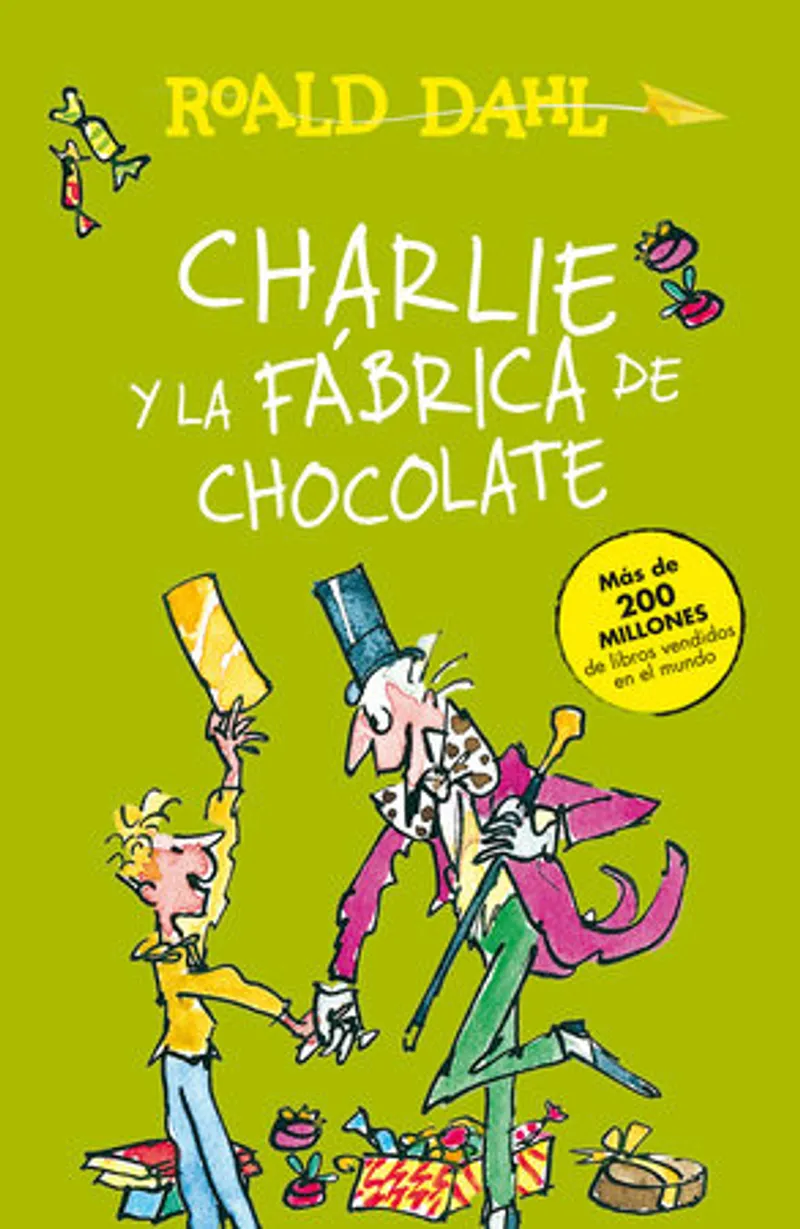
Charlie y la fábrica de chocolate / Charlie and the Chocolate Factory Author: Roald DahlPage Count: UnknownPublication Date: 2018-PRH "Charlie and the Chocolate Factory" by Roald Dahl is a timeless masterpiece that has captured the hearts of readers of all ages with its delightful blend of whimsy, humor, and valuable life lessons. While the publication year listed is 2018, it's worth noting that the book was originally published in 1964. This beloved classic has been enchanting readers for decades, and its enduring popularity is a testament to Dahl's skill as a storyteller. At its core, "Charlie and the Chocolate Factory" is a tale about the transformative power of kindness, humility, and good fortune. Charlie Bucket, the story's protagonist, is a shining example of these virtues, and his journey through the mysterious and magical world of Willy Wonka's chocolate factory is a thrilling adventure that will leave readers on the edge of their seats. Dahl's writing style is a key element in the book's enduring success. His use of vivid, descriptive language brings the fantastical world of the chocolate factory to life in a way that is both captivating and accessible to readers of all ages. The characters that inhabit this world are equally well-crafted, from the enigmatic and charismatic Willy Wonka to the spoiled and selfish children who join Charlie on his adventure. One of the most striking aspects of "Charlie and the Chocolate Factory" is its ability to balance lighthearted humor with more serious themes. Dahl tackles issues like gluttony, spoiled behavior, and the consequences of one's actions in a way that is both entertaining and instructive. The result is a book that is both a joy to read and a valuable tool for teaching children important life lessons. The character of Willy Wonka is particularly noteworthy, as he is both a brilliant inventor and a wise mentor to Charlie. His eccentricities and wit make him a compelling figure, and his interactions with Charlie and the other children are some of the book's most memorable moments. Overall, "Charlie and the Chocolate Factory" is a must-read for anyone who loves classic children's literature. Dahl's masterful storytelling, memorable characters, and valuable life lessons make this book a true treasure that will continue to delight readers for generations to come. #CharlieAndTheChocolateFactory #RoaldDahl #ChildrensClassic #WillyWonka #ChocolateFactory #TimelessTalesForKids Related InsightsRecord Lows Book Review and Summary Echoes of Tomorrow: Tracing the Cosmic Pulse of Science Fiction Literature Every Story Is a Love Story Book Review and Summary{ "@context": "https://schema.org", "@type": "FAQPage", "mainEntity": [ { "@type": "Question", "name": "What is the main focus of Charlie and the Chocolate Factory Book Review and Summary?", "acceptedAnswer": { "@type": "Answer", "text": "Everything you need to know about Charlie and the Chocolate Factory with our detailed review." } }, { "@type": "Question", "name": "Who authored the comprehensive guide on Charlie and the Chocolate Factory Book Review and Summary?", "acceptedAnswer": { "@type": "Answer", "text": "This detailed article and its insights were carefully researched and authored by Roald Dahl." } }, { "@type": "Question", "name": "Where can I find more related content about Books?", "acceptedAnswer": { "@type": "Answer", "text": "You can explore more articles, detailed reviews, and similar insights by browsing the Related Insights section at the bottom of this article or visiting our dedicated Books category page." } } ] }
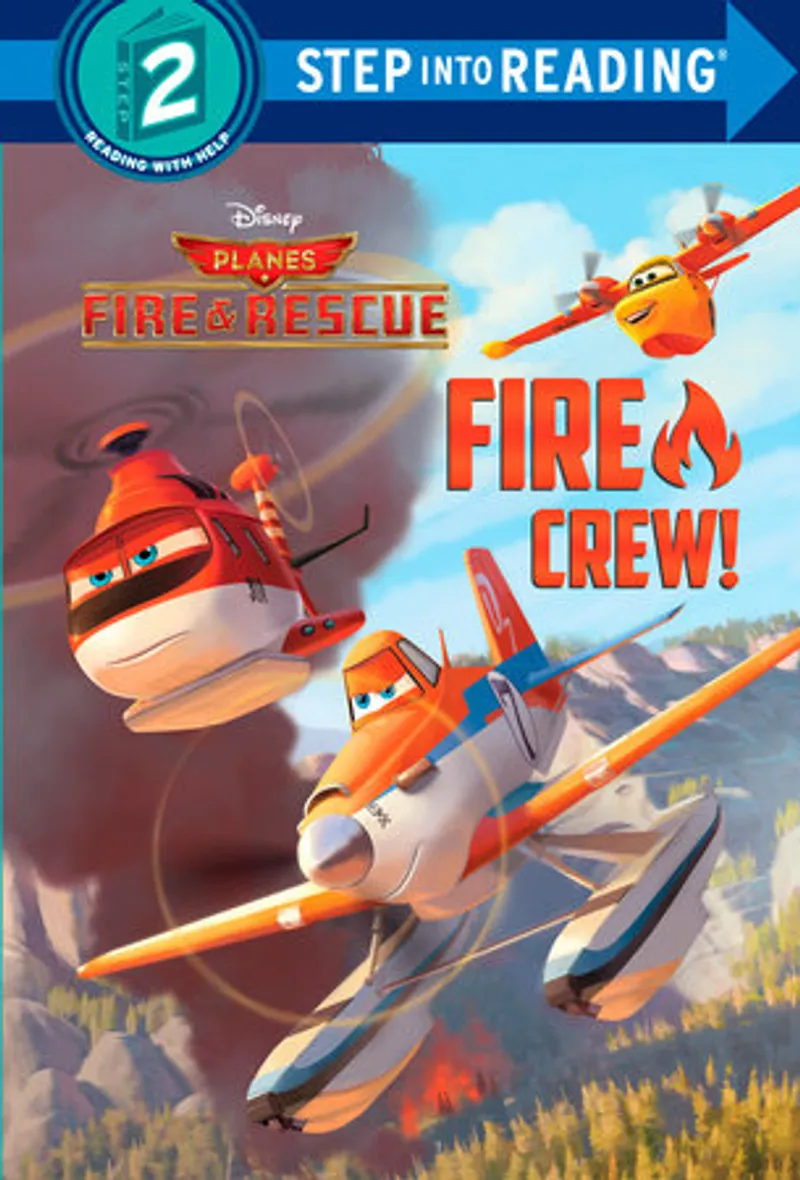
Fire Crew! (Disney Planes: Fire & Rescue) Author: Frank BerriosPage Count: UnknownPublication Date: 2015-PRH In "Fire Crew!" by Frank Berrios, the world of Disney's Planes: Fire & Rescue comes alive in a thrilling adventure that is sure to captivate young readers. As a Step 2 Step into Reading reader, this book is perfectly tailored for boys and girls aged 4 to 6, who will undoubtedly be enthralled by the heroic exploits of a team of elite firefighting aircraft. Set against the stunning backdrop of Piston Peak National Park, the story follows the fire crew as they battle raging wildfires and protect the park's historic landscapes. Berrios masterfully weaves a narrative that is both exciting and educational, teaching children about the importance of teamwork, bravery, and conservation. One of the standout features of "Fire Crew!" is its ability to balance action and suspense with valuable lessons and morals. Berrios' writing style is engaging and accessible, making it easy for early readers to follow along and become invested in the story. The use of simple, descriptive language helps to paint vivid pictures in the reader's mind, while the short chapters and concise sentences keep the pace of the story moving at a thrilling clip. The characters in "Fire Crew!" are equally well-developed, with each member of the fire crew boasting their own unique personality and quirks. From the fearless leader to the lovable but awkward rookie, Berrios brings the planes to life with humor and heart. The relationships between the characters are authentic and relatable, adding an extra layer of depth to the story. Visually, the book is a treat, with colorful illustrations that perfectly capture the spirit of the Disney movie. The artwork is vibrant and dynamic, with each page featuring a new and exciting image that will leave young readers eager to turn the page and see what happens next. In short, "Fire Crew!" is a must-read for any child who loves adventure, action, and excitement. With its positive themes, engaging storyline, and stunning visuals, this book is sure to become a favorite among early readers. Frank Berrios has done an excellent job of bringing the world of Planes: Fire & Rescue to life in a way that is both fun and educational. Overall, "Fire Crew!" is a top-notch addition to the Step into Reading series, and is sure to delight children and parents alike. So why not join the fire crew on their thrilling adventures and discover the magic of Piston Peak National Park for yourself? #DisneyPlanes #FireAndRescue #KidsLit #EarlyReaders #StepIntoReading #FirefightingAdventures Related InsightsLochbound Book Review and Summary The Family Upstairs Book Review and Summary Small Odysseys Book Review and Summary{ "@context": "https://schema.org", "@type": "FAQPage", "mainEntity": [ { "@type": "Question", "name": "What is the main focus of Fire Book Review and Summary?", "acceptedAnswer": { "@type": "Answer", "text": "Everything you need to know about Fire with our detailed review." } }, { "@type": "Question", "name": "Who authored the comprehensive guide on Fire Book Review and Summary?", "acceptedAnswer": { "@type": "Answer", "text": "This detailed article and its insights were carefully researched and authored by Kristin Cashore." } }, { "@type": "Question", "name": "Where can I find more related content about Books?", "acceptedAnswer": { "@type": "Answer", "text": "You can explore more articles, detailed reviews, and similar insights by browsing the Related Insights section at the bottom of this article or visiting our dedicated Books category page." } } ] }
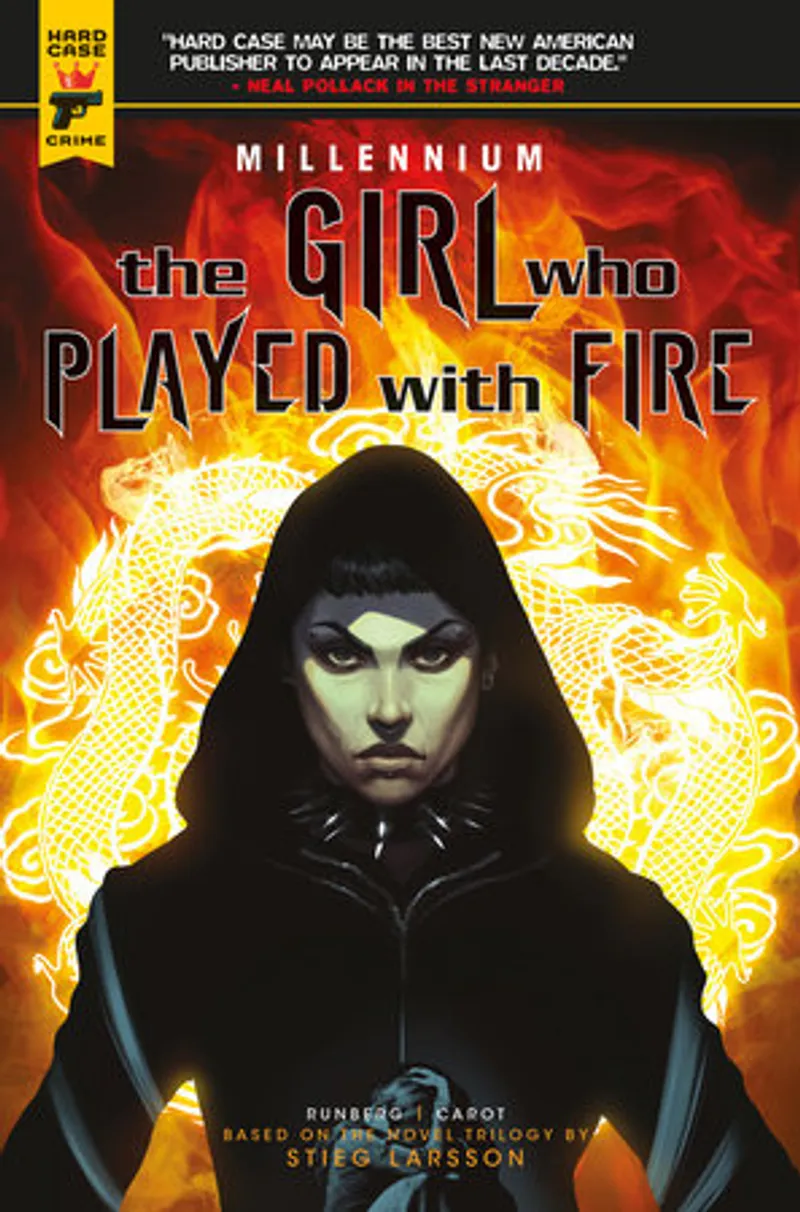
Millennium Vol. 2: The Girl Who Played With Fire Author: Manolo CarotPage Count: UnknownPublication Date: 2018-PRH Manolo Carot’s Millennium Vol. 2: The Girl Who Played With Fire is a masterclass in tension, vengeance, and the fragile boundaries between justice and vengeance. While the original Millennium series by Stieg Larsson set a high bar for Scandinavian noir, Carot’s adaptation retains the raw intensity and moral complexity that made the story so compelling, all while infusing it with his own sharp, unflinching prose. This isn’t just a retelling—it’s a reimagining that respects the source material while carving out its own identity, making it essential reading for fans of the genre and newcomers alike. At its core, The Girl Who Played With Fire is a story about survival. Lisbeth Salander, the enigmatic hacker with a fractured past, finds herself framed for a double murder she didn’t commit. The narrative thrusts her into a brutal game of cat and mouse, where every shadow could hide an enemy and every ally might be a traitor. But beneath the relentless action lies a deeper exploration of trauma and resilience. Salander’s journey isn’t just about clearing her name—it’s about confronting the demons of her childhood, the institutional betrayals that shaped her, and the question of whether she can ever truly escape the cycle of violence that defines her existence. Carot’s prose is lean and muscular, mirroring Salander’s own precision. He doesn’t waste words on unnecessary exposition; instead, he lets the story unfold through sharp dialogue, terse descriptions, and moments of brutal clarity. The pacing is relentless, with each chapter escalating the stakes, whether it’s a high-stakes hacking sequence, a tense confrontation in a Stockholm alley, or a quiet moment of introspection where Salander grapples with her own humanity. The prose isn’t flowery, but it’s effective—every sentence feels deliberate, every scene purposeful. One of the standout elements is Carot’s handling of the supporting cast. Mikael Blomkvist, the idealistic journalist, is given more depth here than in many adaptations. His unwavering belief in Salander’s innocence isn’t just a plot device—it’s a moral stance, a refusal to let the system dictate who deserves redemption. Their dynamic is electric, a push-and-pull between two damaged souls who recognize something in each other that the world refuses to see. Meanwhile, the antagonists are chillingly real, not mustache-twirling villains but polished, powerful figures who operate in the shadows of legitimacy. The sex trafficking ring at the heart of the story isn’t just a backdrop; it’s a scathing indictment of systemic complicity, where the rot runs deeper than any single individual. Carot also excels in capturing the duality of Stockholm itself—a city of stark contrasts, where gleaming modernity hides rot beneath the surface. The urban landscape becomes almost a character in its own right, a labyrinth of secrets and surveillance where no one is truly safe. The tension is palpable, whether Salander is navigating the city’s underbelly or Blomkvist is piecing together clues in a dimly lit office. The atmosphere is thick with paranoia, and Carot ensures the reader feels it too. What makes this adaptation particularly striking is its refusal to shy away from the darker aspects of its characters. Salander is brilliant but broken, her genius matched only by her capacity for violence. Carot doesn’t romanticize her; instead, he presents her as a product of her environment, a woman who has learned to survive by becoming the very thing society fears. There’s a raw honesty in how he portrays her, one that elevates her beyond the archetype of the "tortured genius" and into something far more complex. The themes of the book—justice, corruption, the cost of vengeance—are timeless, but Carot grounds them in a modern context that feels urgent. The sex trafficking plotline isn’t just a sensational device; it’s a reflection of real-world horrors, a reminder that the monsters aren’t always hiding in the dark. They’re sitting in boardrooms, wearing suits, and holding power. This isn’t just a thriller; it’s a mirror held up to society, and the reflection isn’t pretty. In terms of style, Carot’s adaptation is a triumph of economy. He respects the spirit of Larsson’s original work while making it his own. The dialogue crackles, the action sequences are visceral, and the emotional beats land with weight. It’s a book that demands to be read in one sitting, not because it’s shallow, but because the pull of the story is too strong to resist. The Girl Who Played With Fire is more than a sequel—it’s a standalone powerhouse that stands on its own merits. Whether you’re a fan of the original series or new to the world of Millennium, Carot’s adaptation will grip you from the first page to the last. It’s a story about fighting back, about the cost of survival, and about the fire that burns within those who refuse to be broken. #MillenniumSeries #LisbethSalander #CrimeFiction #ScandinavianNoir #BookReview #ThrillerBooks Related InsightsEveryday Angel Book Review and Summary La parte más oscura del bosque Book Review and Summary Atlas de lugares extraordinarios para pequeños curiosos / Atlas of Extraordinary Places to Discover the World Book Review and Summary{ "@context": "https://schema.org", "@type": "FAQPage", "mainEntity": [ { "@type": "Question", "name": "What is the main focus of The Girl Who Played with Fire Book Review and Summary?", "acceptedAnswer": { "@type": "Answer", "text": "Everything you need to know about The Girl Who Played with Fire with our detailed review." } }, { "@type": "Question", "name": "Who authored the comprehensive guide on The Girl Who Played with Fire Book Review and Summary?", "acceptedAnswer": { "@type": "Answer", "text": "This detailed article and its insights were carefully researched and authored by Stieg Larsson." } }, { "@type": "Question", "name": "Where can I find more related content about Books?", "acceptedAnswer": { "@type": "Answer", "text": "You can explore more articles, detailed reviews, and similar insights by browsing the Related Insights section at the bottom of this article or visiting our dedicated Books category page." } } ] }
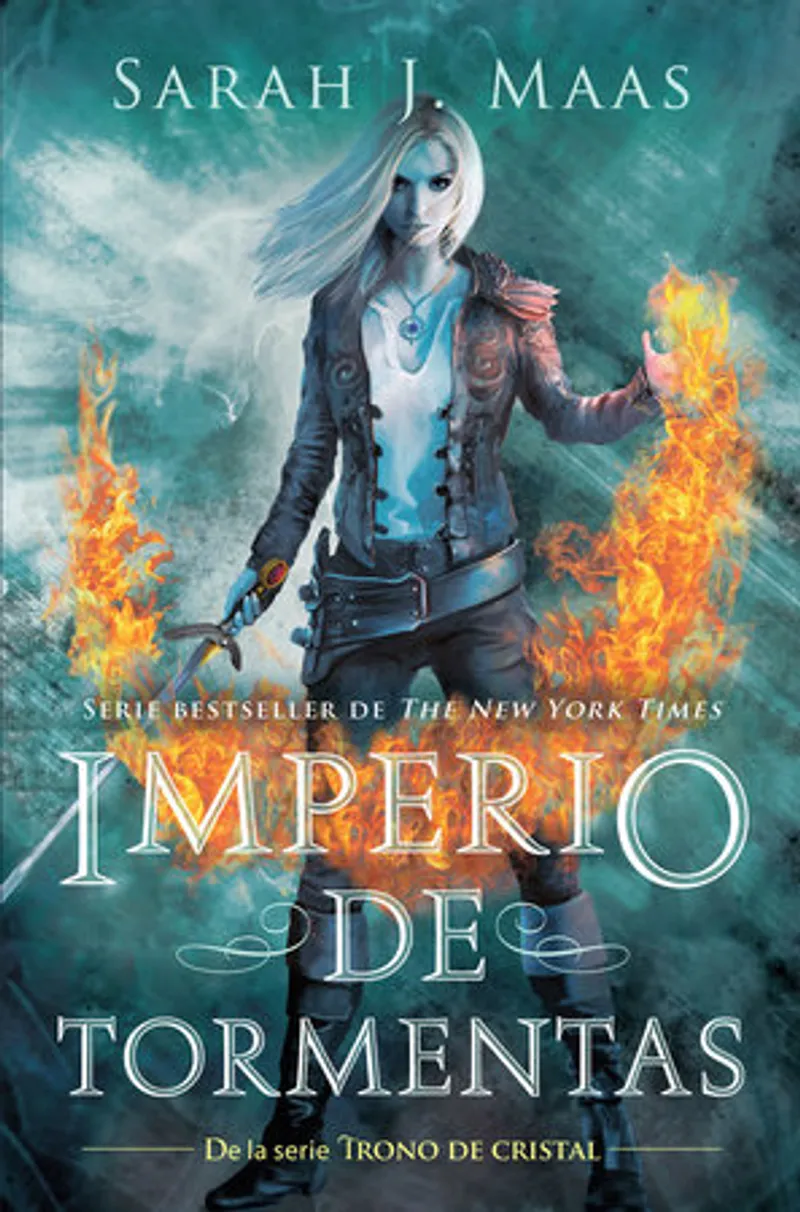
Imperio de tormentas / Empire of Storms Author: Sarah J. MaasPage Count: UnknownPublication Date: 2024-PRH In the sprawling world of Erilea, kingdoms teeter on the brink of collapse, and the very fabric of reality seems to be unraveling. It is against this tumultuous backdrop that Sarah J. Maas's epic fifth installment in the Throne of Glass series, Empire of Storms, unfolds. This breathtaking tale of magic, loyalty, and the unyielding pursuit of power is a testament to Maas's mastery of the fantasy genre. At the heart of this maelstrom is Aelin Galathynius, the fiercely determined and powerful queen who has captured the hearts of readers worldwide. Her journey, fraught with peril and uncertainty, is a compelling exploration of the human condition. As Aelin navigates the treacherous landscape of Erilea, she must confront the darkness within herself and make impossible choices that will forever alter the course of her life. Maas's writing is, as always, exquisite. Her prose is a rich tapestry of vivid descriptions, nuanced characterizations, and pulse-pounding action sequences that will leave even the most seasoned readers breathless. The world-building, too, is nothing short of phenomenal, with a depth and complexity that is simply staggering. From the lush forests of Wendlyn to the scorching deserts of Doranelle, every aspect of Erilea is meticulously crafted, immersing the reader in a world that is at once familiar and yet utterly unique. One of the most striking aspects of Empire of Storms is its thought-provoking exploration of the nature of power and loyalty. As Aelin grapples with the weight of her responsibilities, she must also confront the harsh realities of leadership and the true cost of her ambitions. This is a story that asks difficult questions about the morality of sacrifice and the true meaning of courage, and it is a testament to Maas's skill as a storyteller that she is able to balance these weighty themes with a narrative that is both propulsive and engaging. Throughout the book, Maas's characters continue to evolve and grow, their relationships with one another deepening and becoming increasingly complex. The romance, in particular, is a highlight, with Aelin's slow-burning passion for the enigmatic Rowan igniting a spark that will leave readers eagerly anticipating the next installment. If there is a criticism to be made, it is that the pacing of the book can be somewhat uneven, with certain plot threads feeling slightly rushed and others meandering. However, this is a minor quibble in an otherwise exceptional novel. In conclusion, Empire of Storms is a triumph, a sweeping epic that will captivate fans of the Throne of Glass series and leave them eagerly anticipating the next chapter in Aelin's journey. With its breakneck pacing, memorable characters, and thought-provoking themes, this is a book that will resonate with readers long after the final page has been turned. #ThroneOfGlass #SarahJMaas #EmpireOfStorms #FantasyBooks #BookLovers #YAReading Related InsightsThe Witching Hour Book Review and Summary The Addiction Manifesto Book Review and Summary The Ballad of Never After Book Review and Summary{ "@context": "https://schema.org", "@type": "FAQPage", "mainEntity": [ { "@type": "Question", "name": "What is the main focus of Empire of Storms Book Review and Summary?", "acceptedAnswer": { "@type": "Answer", "text": "Everything you need to know about Empire of Storms with our detailed review." } }, { "@type": "Question", "name": "Who authored the comprehensive guide on Empire of Storms Book Review and Summary?", "acceptedAnswer": { "@type": "Answer", "text": "This detailed article and its insights were carefully researched and authored by Sarah J. Maas." } }, { "@type": "Question", "name": "Where can I find more related content about Books?", "acceptedAnswer": { "@type": "Answer", "text": "You can explore more articles, detailed reviews, and similar insights by browsing the Related Insights section at the bottom of this article or visiting our dedicated Books category page." } } ] }
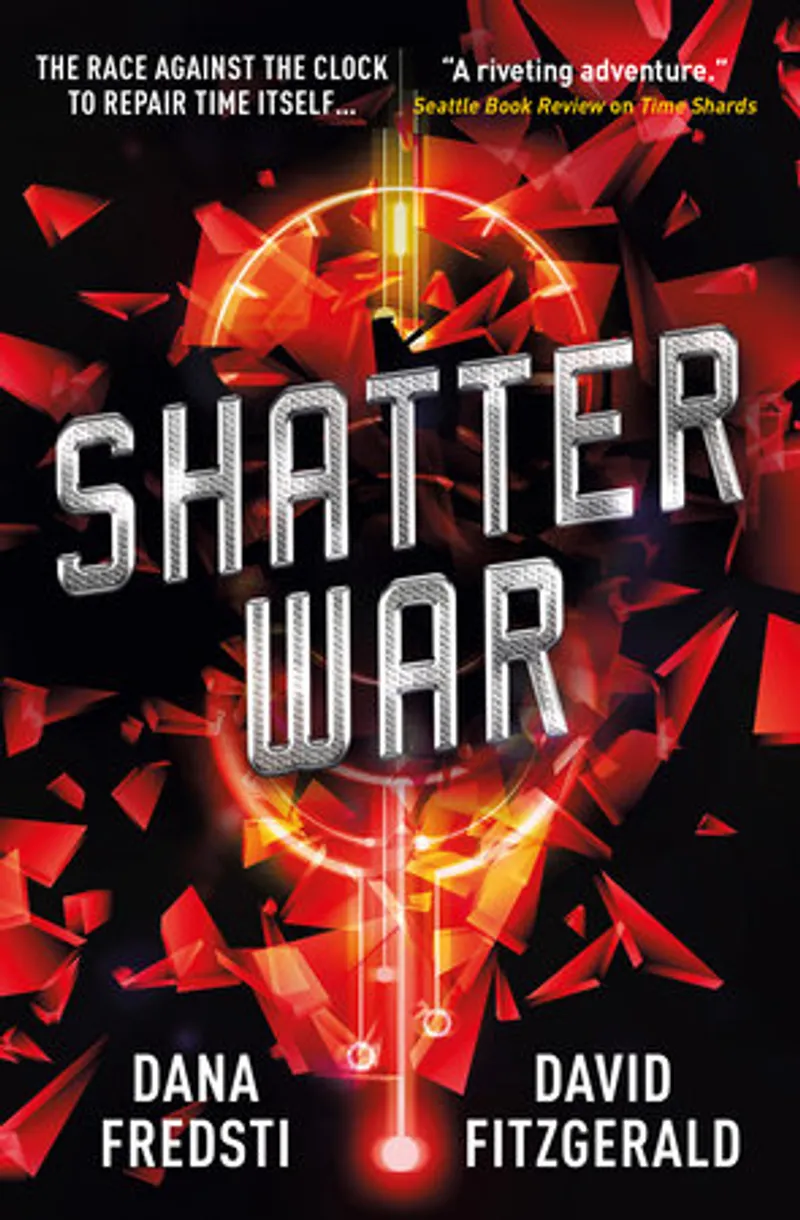
Shatter War Author: Dana FredstiPage Count: UnknownPublication Date: 2019-PRH In the realm of science fiction, few authors have dared to tackle the complexities of time travel and alternate realities with the same level of fervor as Dana Fredsti in her 2019 novel, Shatter War. This gripping tale delves into the very fabric of time, weaving a narrative that is as thrilling as it is thought-provoking. With its unique blend of historical fiction, science fiction, and adventure, Shatter War is a must-read for fans of the genre. At its core, Shatter War is a story about the consequences of playing with the fundamental nature of time. When "the Event" occurs, the boundaries between past, present, and future are shattered, unleashing a maelstrom of chaos and destruction. The resulting world, dubbed the "Shard world," is a realm where dinosaurs and ancient civilizations coexist with advanced technologies and displaced armies. It is a world where the laws of physics are mere suggestions, and the very fabric of reality is torn asunder. Fredsti's masterful handling of this complex premise is a testament to her skill as a storyteller. She navigates the intricate web of timelines and realities with ease, crafting a narrative that is both coherent and engaging. Her use of language is vivid and evocative, transporting readers to a world that is both familiar and yet, utterly alien. One of the standout features of Shatter War is its cast of characters. The diverse group of survivors, each hailing from different points in history, brings a unique perspective to the narrative. From the enigmatic Merlin to the resourceful and determined members of the team, each character is meticulously crafted to add depth and complexity to the story. Fredsti's characterization is superb, making it easy for readers to become invested in the fate of these brave individuals as they navigate the treacherous landscape of the Shard world. Fredsti's writing style is reminiscent of classic science fiction authors such as H.G. Wells and Jules Verne, with a dash of modern sensibilities. Her prose is descriptive and immersive, painting a vivid picture of the world she has created. The pacing is relentless, with a narrative that hurtles forward at breakneck speed, barely giving readers a chance to catch their breath. If there is one criticism to be levied against Shatter War, it is that the sheer scope of the narrative can be overwhelming at times. With so many different timelines and realities to keep track of, it can be easy to become lost in the labyrinthine world that Fredsti has created. However, this is a minor quibble, and one that is easily overlooked in light of the book's many strengths. In conclusion, Shatter War is a triumph of science fiction storytelling. Dana Fredsti's unique vision and masterful execution make for a compelling narrative that will keep readers on the edge of their seats. With its richly detailed world-building, complex characters, and breakneck pacing, Shatter War is a must-read for fans of the genre. #ShatterWar #TimeTravel #ScienceFiction #AlternateRealities #DanaFredsti #ScienceFictionBooks Related InsightsAngels & Demons Book Review and Summary There Used to Be People Here Book Review and Summary In a Holidaze Book Review and Summary{ "@context": "https://schema.org", "@type": "FAQPage", "mainEntity": [ { "@type": "Question", "name": "What is the main focus of Shatter Me Book Review and Summary?", "acceptedAnswer": { "@type": "Answer", "text": "Everything you need to know about Shatter Me with our detailed review." } }, { "@type": "Question", "name": "Who authored the comprehensive guide on Shatter Me Book Review and Summary?", "acceptedAnswer": { "@type": "Answer", "text": "This detailed article and its insights were carefully researched and authored by Tahereh Mafi." } }, { "@type": "Question", "name": "Where can I find more related content about Books?", "acceptedAnswer": { "@type": "Answer", "text": "You can explore more articles, detailed reviews, and similar insights by browsing the Related Insights section at the bottom of this article or visiting our dedicated Books category page." } } ] }
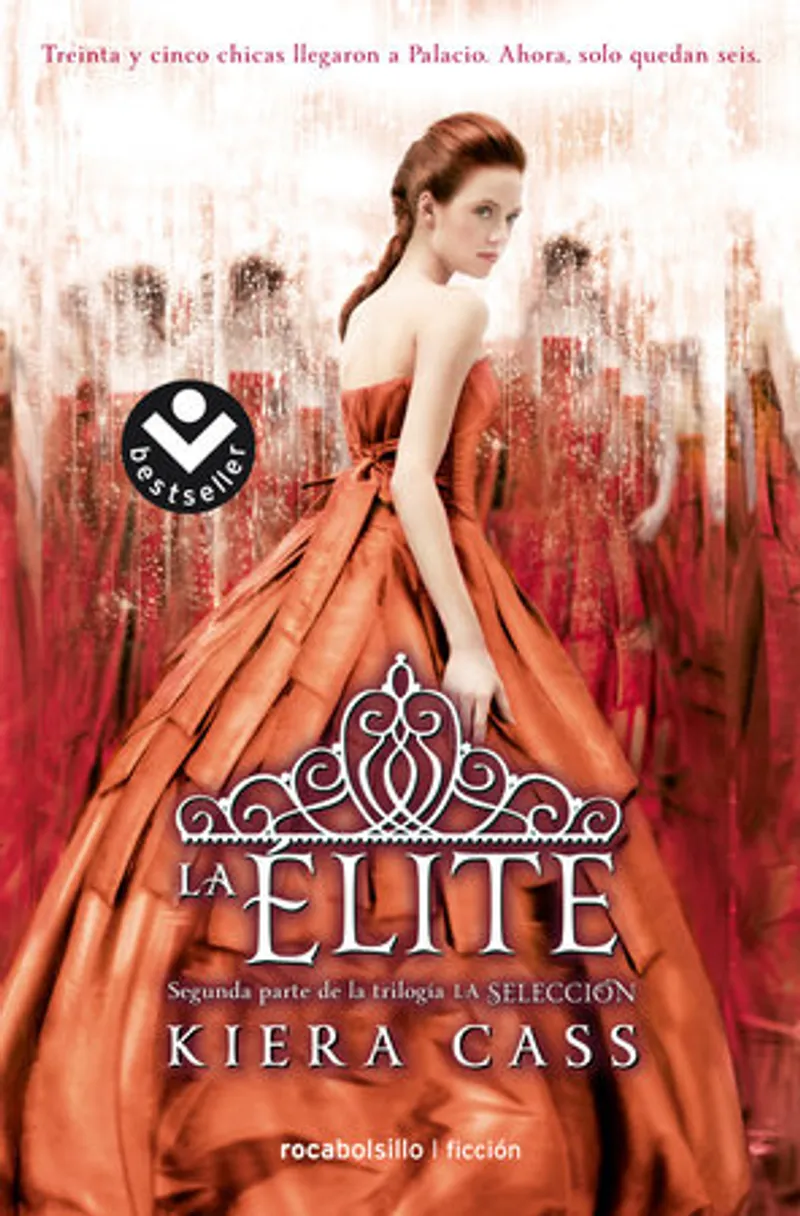
La elite/ The Elite Author: Kiera CassPage Count: UnknownPublication Date: 2017-PRH In the midst of a royal court filled with intrigue and deception, Kiera Cass's "The Elite" masterfully weaves a tale of love, loyalty, and the pursuit of a fairytale-like destiny. As the second installment in "The Selection" series, this novel propels readers into a whirlwind of emotions, testing the boundaries of the human heart and the true meaning of sacrifice. At the core of the narrative lies America Singer, a young woman torn between her feelings for the charming Prince Maxon and her first love, Aspen. As the competition to win Maxon's hand in marriage intensifies, America finds herself entangled in a web of conflicting emotions, struggling to discern where her heart truly lies. The author's skillful portrayal of America's inner turmoil creates a sense of intimacy, allowing readers to empathize with her plight and become invested in the outcome. Cass's writing style is characterized by its effortless blend of humor, wit, and poignancy, making "The Elite" a captivating page-turner. The author's use of vivid descriptions and sensory details transports readers to the opulent world of the palace, immersing them in the grandeur and majesty of the royal court. The pacing is expertly managed, with a narrative that flows seamlessly, oscillating between moments of tender romance, high-stakes drama, and heart-pumping action. One of the most striking aspects of "The Elite" is its thought-provoking exploration of the human condition. Through America's journey, Cass raises important questions about the nature of love, loyalty, and identity. As America navigates the complexities of her relationships, she is forced to confront the harsh realities of her world and the true cost of her desires. This introspection adds depth to the narrative, elevating it beyond a simple romance to a nuanced exploration of the human experience. The supporting cast of characters is equally well-crafted, with each individual bringing their unique perspective and motivations to the story. The dynamics between the characters are expertly woven, creating a rich tapestry of relationships that adds complexity to the narrative. The rebels, a constant threat to the monarchy, serve as a poignant reminder of the world beyond the palace walls, highlighting the fragility of the royal family's existence. In conclusion, "The Elite" is a captivating and emotionally charged novel that will leave readers spellbound. Kiera Cass's masterful storytelling, coupled with her thought-provoking exploration of the human condition, makes this book a must-read for fans of romance, drama, and fantasy. As America's story continues to unfold, one thing is certain: the fate of her heart, and the future of the kingdom, hangs precariously in the balance. #TheSelectionSeries #TheElite #KieraCass #DystopianRomance #YoungAdultFiction #RoyalCourtIntrigue Related InsightsFinding Perfect Book Review and Summary The Ruined Book Review and Summary In Cold Blood Book Review and Summary{ "@context": "https://schema.org", "@type": "FAQPage", "mainEntity": [ { "@type": "Question", "name": "What is the main focus of The Elite Book Review and Summary?", "acceptedAnswer": { "@type": "Answer", "text": "Everything you need to know about The Elite with our detailed review." } }, { "@type": "Question", "name": "Who authored the comprehensive guide on The Elite Book Review and Summary?", "acceptedAnswer": { "@type": "Answer", "text": "This detailed article and its insights were carefully researched and authored by Kiera Cass." } }, { "@type": "Question", "name": "Where can I find more related content about Books?", "acceptedAnswer": { "@type": "Answer", "text": "You can explore more articles, detailed reviews, and similar insights by browsing the Related Insights section at the bottom of this article or visiting our dedicated Books category page." } } ] }
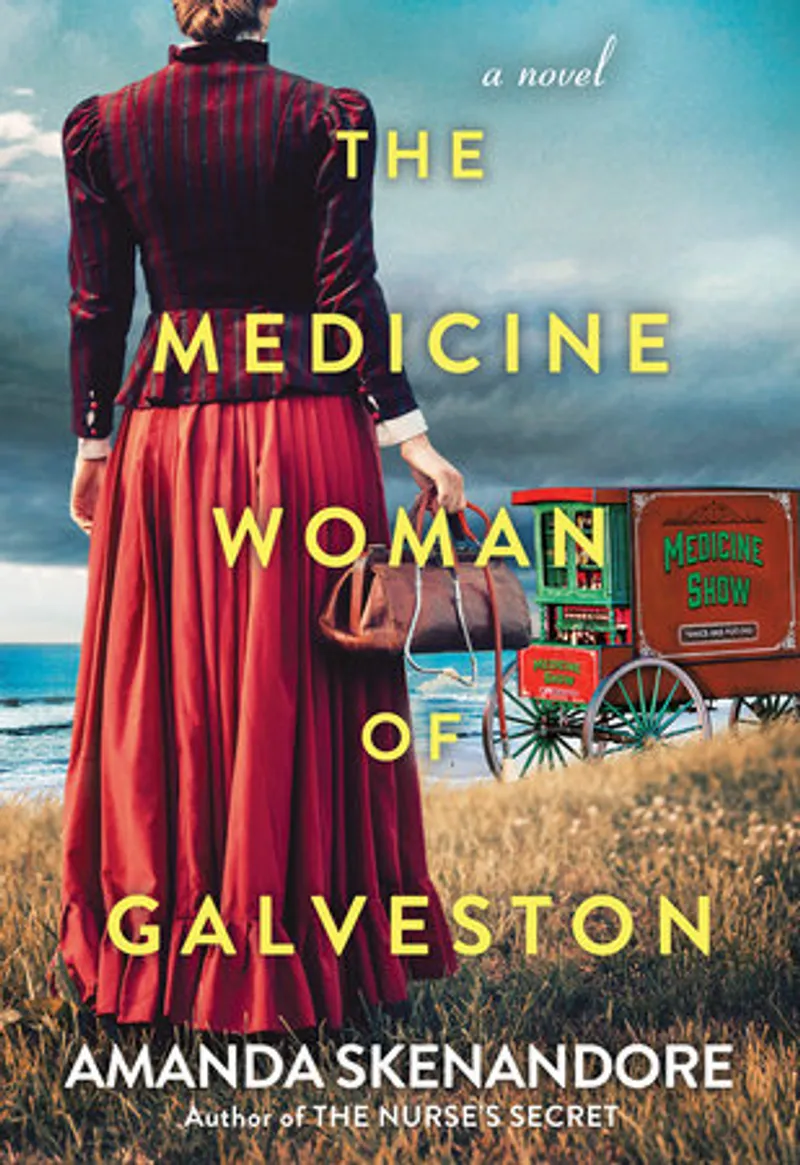
The Medicine Woman of Galveston Author: Amanda SkenandorePage Count: UnknownPublication Date: 2024-PRH Amanda Skenandore’s The Medicine Woman of Galveston is a masterful blend of historical grit and emotional depth, a novel that grips the reader from the first page and refuses to let go. Set against the backdrop of the catastrophic 1900 Galveston Hurricane, this story is less about the storm itself—though its looming presence is felt like a gathering storm cloud—and more about the human tempest that rages within its characters. At its core, it’s a tale of redemption, resilience, and the fragile threads that bind us to our past, our purpose, and each other. The protagonist, Dr. Tucia Hatherley, is a woman broken by failure and guilt. Once a promising surgeon, she now lives in the shadow of a single, catastrophic mistake that cost a patient’s life. Her journey from respected physician to corset factory worker to reluctant participant in a traveling medicine show is a poignant exploration of identity and self-worth. Tucia’s disabled son, Elias, serves as both her anchor and her burden, a reminder of the life she once had and the future she fears she can never reclaim. Their relationship is tenderly rendered, a quiet testament to love in the face of adversity. Skenandore’s prose is rich and immersive, painting vivid portraits of early 20th-century America with a keen eye for detail. The medicine show, with its colorful cast of misfits—each with their own scars and secrets—feels like a microcosm of society itself: a ragtag family of outcasts clinging to each other for survival. Huey, the showman who lures Tucia into his world, is a villain you love to hate, a charismatic predator who preys on the desperate. His manipulation of Tucia’s skills is both infuriating and tragically believable, a reflection of the exploitation women faced in a male-dominated world. The hurricane, when it arrives, is not just a natural disaster but a crucible. It forces Tucia to confront her past, her fears, and her capacity for both destruction and healing. The storm’s devastation mirrors the emotional turmoil within her, and Skenandore’s descriptions of the chaos are harrowing yet poetic. The scenes of Galveston’s destruction are visceral, the water rising like a vengeful force, the wind howling like the ghosts of the dead. Yet, in the midst of this chaos, Tucia finds a flicker of hope—not in the medicine she once practiced, but in the people she has come to care for. Skenandore’s writing style is both elegant and unflinching. She doesn’t shy away from the brutality of the era—the poverty, the exploitation, the casual cruelty—but she also finds moments of warmth and humor in the unlikeliest of places. The dialogue crackles with authenticity, and the pacing is relentless, pulling the reader through the story with the same urgency as the approaching storm. What makes The Medicine Woman of Galveston truly special is its exploration of what it means to heal—not just others, but oneself. Tucia’s journey is one of reclaiming her identity, not as a doctor who failed, but as a woman who can still make a difference. The novel asks: Can we ever truly outrun our past? And if we do, what do we become in the process? This is a book that lingers long after the last page is turned. It’s a story about second chances, about the families we choose, and about the storms—both literal and metaphorical—that shape us. Skenandore has crafted a narrative that is as emotionally resonant as it is historically immersive, a testament to the power of resilience and the enduring human spirit. #TheMedicineWomanOfGalveston #HistoricalFiction #WomensFiction #RedemptionArc #GalvestonHurricane #AmandaSkenandore Related InsightsProject Hail Mary Book Review and Summary Invisible Man Book Review and Summary Death on the Nile Book Review and Summary{ "@context": "https://schema.org", "@type": "FAQPage", "mainEntity": [ { "@type": "Question", "name": "What is the main focus of Galveston Book Review and Summary?", "acceptedAnswer": { "@type": "Answer", "text": "Everything you need to know about Galveston with our detailed review." } }, { "@type": "Question", "name": "Who authored the comprehensive guide on Galveston Book Review and Summary?", "acceptedAnswer": { "@type": "Answer", "text": "This detailed article and its insights were carefully researched and authored by Nic Pizzolatto." } }, { "@type": "Question", "name": "Where can I find more related content about Books?", "acceptedAnswer": { "@type": "Answer", "text": "You can explore more articles, detailed reviews, and similar insights by browsing the Related Insights section at the bottom of this article or visiting our dedicated Books category page." } } ] }
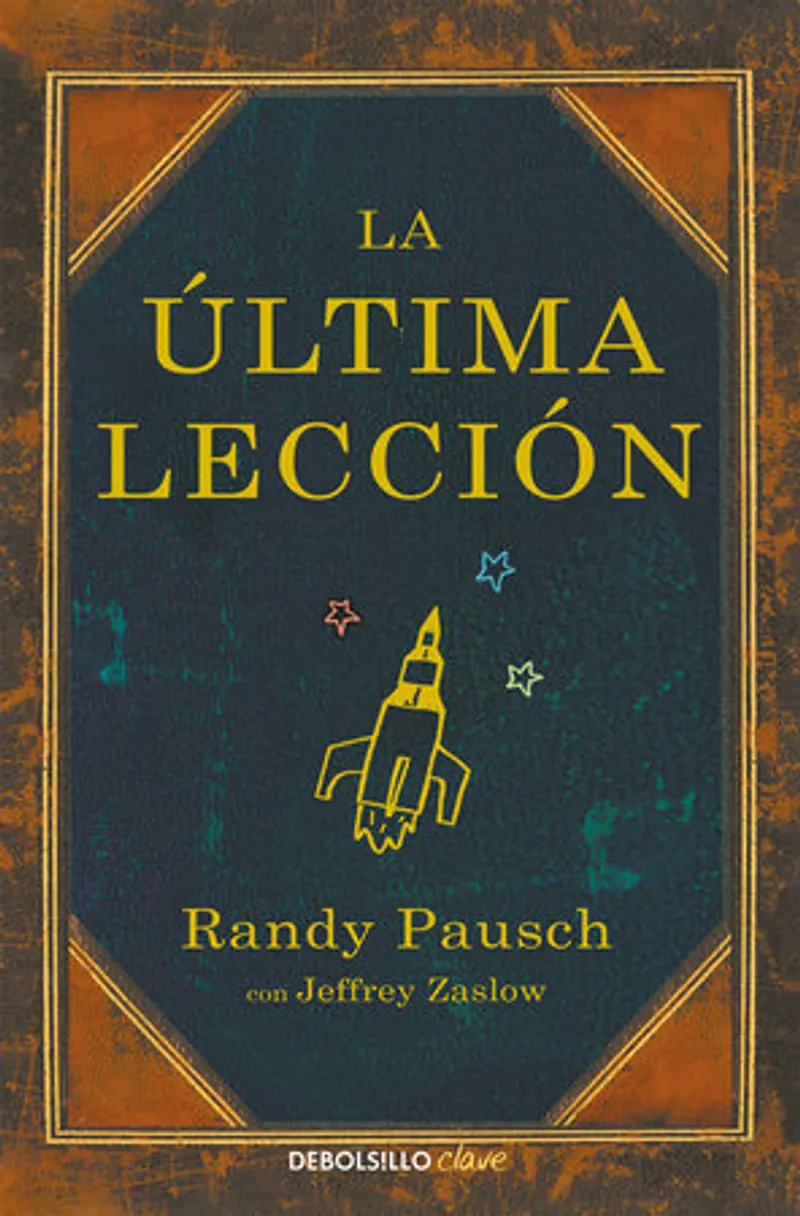
La última lección / The Last Lecture Author: Randy PauschPage Count: UnknownPublication Date: 2022-PRH "The Last Lecture" by Randy Pausch is a life-changing classic that will resonate with readers long after they finish the book. This thought-provoking memoir is a culmination of the author's wisdom, humor, and inspiration, all woven together with a unique blend of intelligence and vulnerability. When Randy Pausch, a computer science professor at Carnegie Mellon, was diagnosed with terminal cancer, he was invited to give a lecture titled "Really Achieving Your Childhood Dreams." Instead of dwelling on his impending mortality, Pausch chose to focus on the importance of overcoming obstacles, enabling the dreams of others, and seizing every moment. This book is an extension of that lecture, and it's a testament to the human spirit's capacity to find meaning and purpose in the face of adversity. Pausch's writing style is engaging, witty, and disarmingly honest. He shares stories from his childhood, his experiences as a professor, and his personal struggles with cancer, all of which serve as a backdrop for his profound insights on life. His use of humor is a masterstroke, as it makes the book an enjoyable read despite the gravity of its themes. One of the most striking aspects of "The Last Lecture" is its ability to balance the abstract with the concrete. Pausch's philosophical musings on the human condition are grounded in his everyday experiences, making the book feel both deeply personal and universally relatable. He writes about the importance of living in the present, building a legacy, and taking full advantage of the time we have, and his words are infused with a sense of urgency and authenticity. Throughout the book, Pausch's passion for life and his commitment to inspiring others shine through. He shares stories of his students, colleagues, and family members, all of whom have been touched by his wisdom and generosity. The book is a testament to the impact one person can have on others, and it's a powerful reminder of the importance of building meaningful relationships and pursuing our passions. In "The Last Lecture," Randy Pausch has created a book that will be shared for generations to come. It's a book that will make you laugh, cry, and reflect on your own life and priorities. It's a book that will inspire you to live more fully, to cherish every moment, and to make a positive impact on the world around you. Ultimately, "The Last Lecture" is a book about living, not dying. It's a book about finding meaning, purpose, and joy in the face of adversity. It's a book that will challenge you to re-examine your own values and priorities, and to live a life that truly reflects your deepest aspirations. #TheLastLecture #RandyPausch #Inspiration #Motivation #LivingInThePresent #Legacy Related InsightsMiddlemarch Book Review and Summary Nightshade Book Review and Summary Angela's Ashes Book Review and Summary{ "@context": "https://schema.org", "@type": "FAQPage", "mainEntity": [ { "@type": "Question", "name": "What is the main focus of The Last Lecture Book Review and Summary?", "acceptedAnswer": { "@type": "Answer", "text": "Everything you need to know about The Last Lecture with our detailed review." } }, { "@type": "Question", "name": "Who authored the comprehensive guide on The Last Lecture Book Review and Summary?", "acceptedAnswer": { "@type": "Answer", "text": "This detailed article and its insights were carefully researched and authored by Randy Pausch." } }, { "@type": "Question", "name": "Where can I find more related content about Books?", "acceptedAnswer": { "@type": "Answer", "text": "You can explore more articles, detailed reviews, and similar insights by browsing the Related Insights section at the bottom of this article or visiting our dedicated Books category page." } } ] }
Unravel Me Author: Becka MackPage Count: UnknownPublication Date: 2024-PRH "Unravel Me" by Becka Mack is a thought-provoking and deeply unsettling novel that delves into the darker corners of the human psyche. As I turned the pages, I found myself becoming increasingly entangled in the complex web of emotions and relationships that Mack so masterfully weaves. One of the most striking aspects of "Unravel Me" is its unflinching exploration of the human condition. Mack's prose is both beautiful and brutal, laying bare the raw emotions and vulnerabilities of her characters with unflinching honesty. The writing is visceral and evocative, conjuring vivid images that linger long after the final page has been turned. At its core, "Unravel Me" is a novel about the fragility of the human mind. Mack's protagonist is a complex and deeply flawed individual, struggling to navigate the treacherous waters of their own psyche. As the story unfolds, we are drawn into a world of dark introspection and self-discovery, where the boundaries between reality and fantasy become increasingly blurred. Mack's writing style is both lyrical and unsettling, with a keen eye for detail that makes the characters and settings feel almost painfully real. Her use of language is deliberate and precise, with a keen sense of pacing that builds tension and suspense to almost unbearable levels. One of the most impressive aspects of "Unravel Me" is its ability to balance the dark and the light. Mack is unafraid to confront the harsh realities of life, but she also has a deep understanding of the human capacity for resilience and hope. The result is a novel that is both deeply disturbing and ultimately uplifting, a testament to the power of the human spirit to overcome even the most daunting challenges. If I were to criticize "Unravel Me", it would be for its unflinching intensity. This is not a novel for the faint of heart, and there are moments when the darkness feels almost overwhelming. However, I would argue that this is also a strength, as Mack's willingness to confront the harsh realities of life is what makes the novel so compelling. In conclusion, "Unravel Me" is a masterpiece of contemporary fiction. Becka Mack's writing is both beautiful and brutal, and her exploration of the human condition is both unflinching and ultimately uplifting. This is a novel that will stay with you long after the final page has been turned, haunting your thoughts and emotions like a ghost. #UnravelMe #BeckaMack #PsychologicalFiction #DarkLiterature #MentalHealthAwareness #NewRelease2024 Related InsightsThe Society of Forgotten Wives Book Review and Summary Have Yourself a Merry Little Meltdown Book Review and Summary Behind the Movies: Outtakes and Extras from the World of Better Than the Movies Book Review and Summary{ "@context": "https://schema.org", "@type": "FAQPage", "mainEntity": [ { "@type": "Question", "name": "What is the main focus of Unravel Me Book Review and Summary?", "acceptedAnswer": { "@type": "Answer", "text": "Everything you need to know about Unravel Me with our detailed review." } }, { "@type": "Question", "name": "Who authored the comprehensive guide on Unravel Me Book Review and Summary?", "acceptedAnswer": { "@type": "Answer", "text": "This detailed article and its insights were carefully researched and authored by Tahereh Mafi." } }, { "@type": "Question", "name": "Where can I find more related content about Books?", "acceptedAnswer": { "@type": "Answer", "text": "You can explore more articles, detailed reviews, and similar insights by browsing the Related Insights section at the bottom of this article or visiting our dedicated Books category page." } } ] }
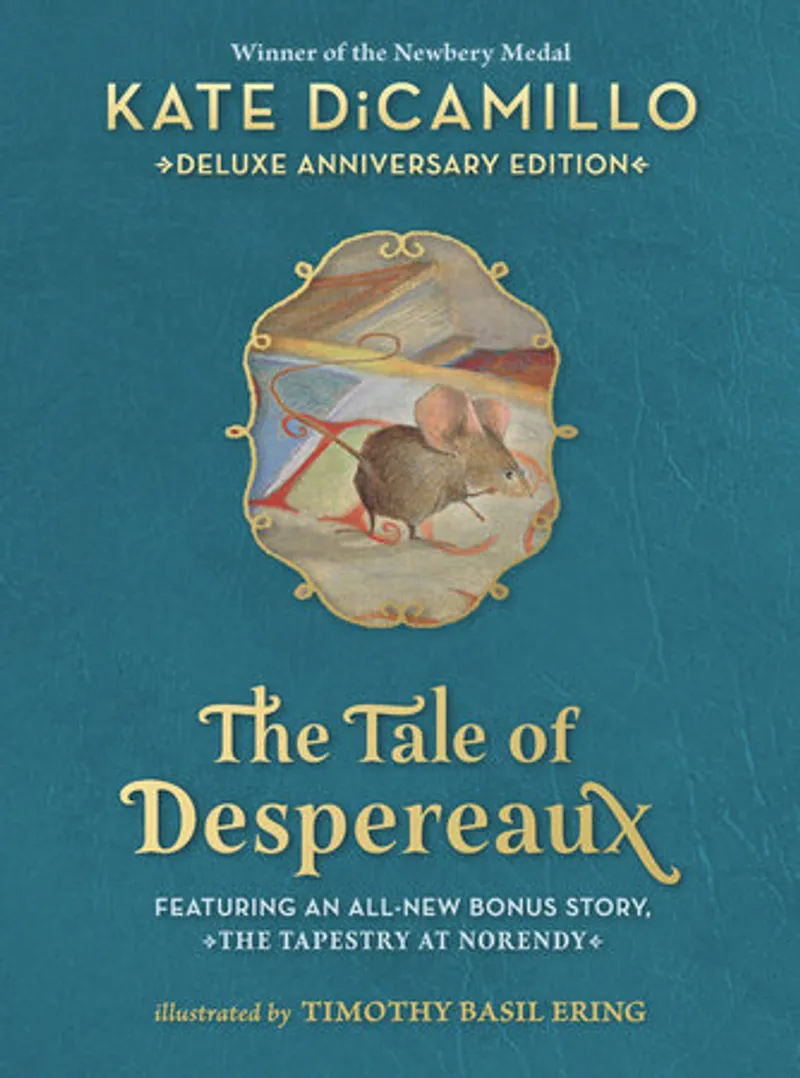
The Tale of Despereaux Deluxe Anniversary Edition Author: Kate DiCamilloPage Count: UnknownPublication Date: 2023-PRH The Tale of Despereaux Deluxe Anniversary Edition is a testament to the timelessness of Kate DiCamillo's storytelling prowess. This twentieth-anniversary edition of the beloved Newbery Medal-winning novel is a beautifully crafted tribute to the original tale, complete with a brand-new short story, "The Tapestry at Norendy," and a stunning black-and-white illustration by Timothy Basil Ering. At its core, The Tale of Despereaux is a story about the transformative power of love, forgiveness, and the human (or rather, animal) condition. DiCamillo masterfully weaves together the narratives of three disparate characters – Despereaux, the book-loving mouse; Roscuro, the brooding rat; and Miggery Sow, the gentle serving girl – as they navigate the complexities of their own desires and the world around them. One of the most striking aspects of DiCamillo's writing style is her ability to balance lightness and darkness with ease. Her prose is both whimsical and poignant, effortlessly shifting between moments of humor and pathos. This is particularly evident in the character of Despereaux, whose quaint, old-soul demeanor belies a deep well of courage and conviction. Throughout the novel, DiCamillo explores themes of identity, community, and the power of stories to shape our understanding of ourselves and the world. The character of Roscuro, with his tortured past and conflicted desires, serves as a potent reminder of the dangers of allowing our experiences to define us. Conversely, Miggery Sow's quiet strength and resilience in the face of adversity offer a powerful testament to the human capacity for hope and perseverance. The new short story, "The Tapestry at Norendy," is a delightful addition to the anniversary edition, offering a fresh glimpse into the world of Despereaux and its inhabitants. DiCamillo's writing is as evocative as ever, conjuring vivid images of the titular tapestry and the characters that gather around it. The illustrations by Timothy Basil Ering are equally impressive, adding a touch of elegance and sophistication to the overall design of the book. The black-and-white illustration accompanying "The Tapestry at Norendy" is particularly noteworthy, its intricate details and textures perfectly capturing the essence of DiCamillo's storytelling. In short, The Tale of Despereaux Deluxe Anniversary Edition is a must-read for fans of the original novel and newcomers alike. DiCamillo's masterful storytelling, combined with the beautiful design and illustrations, make for a truly unforgettable reading experience. #TheTaleOfDespereaux #KateDiCamillo #NewberyMedal #ChildrensLiterature #AnniversaryEdition #BookLovers Related InsightsThe Sins of Our Fathers Book Review and Summary Tears of Tess Book Review and Summary Samantha: The Next Chapter Book Review and Summary{ "@context": "https://schema.org", "@type": "FAQPage", "mainEntity": [ { "@type": "Question", "name": "What is the main focus of The Tale of Despereaux Book Review and Summary?", "acceptedAnswer": { "@type": "Answer", "text": "Everything you need to know about The Tale of Despereaux with our detailed review." } }, { "@type": "Question", "name": "Who authored the comprehensive guide on The Tale of Despereaux Book Review and Summary?", "acceptedAnswer": { "@type": "Answer", "text": "This detailed article and its insights were carefully researched and authored by Kate DiCamillo." } }, { "@type": "Question", "name": "Where can I find more related content about Books?", "acceptedAnswer": { "@type": "Answer", "text": "You can explore more articles, detailed reviews, and similar insights by browsing the Related Insights section at the bottom of this article or visiting our dedicated Books category page." } } ] }

Ogami-san Can't Keep It In 7 Author: Yu YoshidamaruPage Count: UnknownPublication Date: 2025-PRH Ogami-san Can't Keep It In 7 by Yu Yoshidamaru is a raunchy coming-of-age romcom that dives headfirst into the uncharted territories of a high school girl's innermost desires. On the surface, Ogami-san appears to be a typical student, but beneath the façade lies a whirlpool of perverted fantasies that threaten to upend her carefully constructed ordinary school life. As Ogami-san navigates the treacherous landscape of her own desires, Yoshidamaru masterfully weaves a narrative that is both unapologetically explicit and poignantly relatable. The author's writing style is characterized by a refreshing lack of restraint, plunging readers into the unbridled depths of Ogami-san's fantasies with unflinching candor. This unapologetic approach not only lends the narrative a sense of urgency but also serves as a clever commentary on the societal pressures that often stifle open discussions about sex and desire. At its core, Ogami-san Can't Keep It In 7 is a story about self-discovery and the struggles of embracing one's true nature. Ogami-san's inner turmoil is palpable as she grapples with the fear of exposure, desperate to keep her true self hidden from the prying eyes of her peers. Her innermost thoughts, however, have other plans, and it is this internal conflict that drives the narrative forward with a frenetic energy that is impossible to ignore. The arrival of Yaginuma-kun, a mysterious and enigmatic love interest, serves as a catalyst for Ogami-san's journey of self-discovery. Their interactions are laced with a palpable tension that is expertly crafted by Yoshidamaru, leaving readers questioning the true nature of their relationship. As Ogami-san finds herself drawn to Yaginuma-kun, she is forced to confront the very fears that have held her back for so long. One of the most striking aspects of Ogami-san Can't Keep It In 7 is its ability to balance humor and pathos. Yoshidamaru's writing is peppered with a wicked sense of humor that adds a layer of levity to the narrative, making even the most uncomfortable moments strangely endearing. This delicate balance is a testament to the author's skill, and it is this very quality that makes the book such a compelling read. If there is one criticism to be levied, it is that the book's supporting cast feels somewhat one-dimensional at times. While Ogami-san and Yaginuma-kun are fleshed out with remarkable depth, the surrounding characters often feel like little more than caricatures. This, however, is a minor quibble in what is otherwise a remarkable narrative. In conclusion, Ogami-san Can't Keep It In 7 is a raunchy, irreverent, and unapologetic coming-of-age romcom that is sure to leave readers breathless. With its unflinching exploration of desire, self-discovery, and the struggles of adolescence, this book is an absolute must-read for anyone looking for a story that will push boundaries and challenge expectations. Just be prepared for a wild ride. #OgamiSanCantKeepItIn #YuYoshidamaru #ComingOfAgeRomCom #RaunchyReads #SelfDiscoveryStories #EroticLiterature Related InsightsHear the Dead Book Review and Summary Reign Book Review and Summary The Way We Become (The Way I Used to Be, #3) Book Review and Summary{ "@context": "https://schema.org", "@type": "FAQPage", "mainEntity": [ { "@type": "Question", "name": "What is the main focus of Keep It in the Family Book Review and Summary?", "acceptedAnswer": { "@type": "Answer", "text": "Everything you need to know about Keep It in the Family with our detailed review." } }, { "@type": "Question", "name": "Who authored the comprehensive guide on Keep It in the Family Book Review and Summary?", "acceptedAnswer": { "@type": "Answer", "text": "This detailed article and its insights were carefully researched and authored by John Marrs." } }, { "@type": "Question", "name": "Where can I find more related content about Books?", "acceptedAnswer": { "@type": "Answer", "text": "You can explore more articles, detailed reviews, and similar insights by browsing the Related Insights section at the bottom of this article or visiting our dedicated Books category page." } } ] }
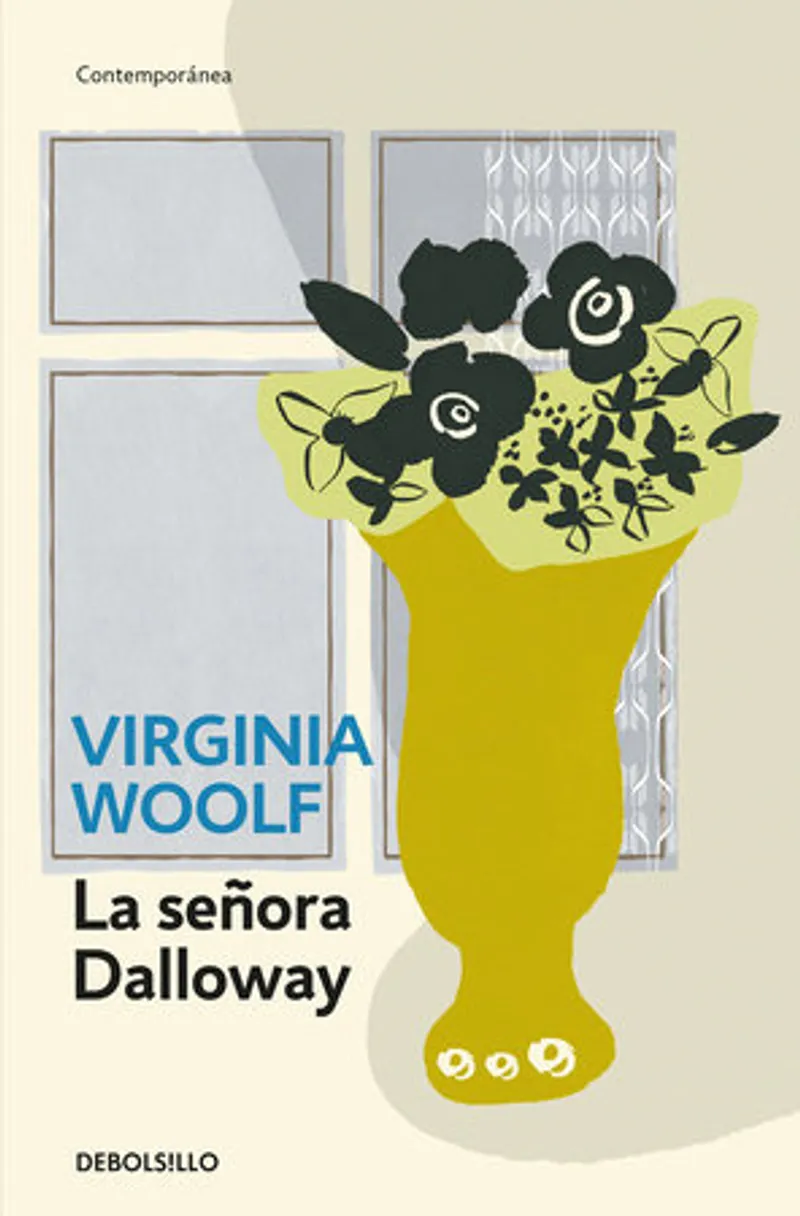
La señora Dalloway / Mrs. Dalloway Author: Virginia WoolfPage Count: UnknownPublication Date: 2026-PRH As I embarked on reading La señora Dalloway, or Mrs. Dalloway, by Virginia Woolf, I couldn't help but be immediately drawn into the intricate web of thoughts, emotions, and observations that comprise this masterpiece. Despite the book's publication year being listed as 2026, it's essential to acknowledge that this is likely an error, as the original novel was first published in 1925. This work is a seminal example of modernist literature, and its themes continue to resonate powerfully with readers today. At its core, Mrs. Dalloway is an exploration of human experience, delving into the inner lives of its characters as they navigate the complexities of post-World War I London. The novel centers around Clarissa Dalloway, a high-society matron, as she prepares to host a party, and Septimus Warren Smith, a shell-shocked veteran struggling to come to terms with the trauma he has endured. Through these characters, Woolf masterfully weaves a tapestry of stream-of-consciousness narrative, blurring the lines between reality and the inner world of the mind. One of the most striking aspects of Woolf's writing is her use of lyricism and poetic language to convey the fluid, often fragmented nature of human thought. Her prose is both economical and expansive, effortlessly shifting between the mundane details of daily life and the profound introspections that lie beneath the surface. This technique creates a dreamlike atmosphere, where the boundaries between past, present, and future are subtly blurred, and the reader is invited to participate in the free-flowing associational dance of the characters' minds. As the novel progresses, Woolf's exploration of the human condition deepens, touching on themes of identity, class, trauma, and the search for meaning in a chaotic world. Clarissa's preparations for her party serve as a backdrop for her own introspections on the nature of self and the societal expectations that have shaped her life. Meanwhile, Septimus's struggles to cope with the aftermath of war raise profound questions about the long-term effects of trauma and the inadequacy of societal support systems. Throughout the book, Woolf's writing is characterized by a remarkable level of nuance and subtlety, as she probes the intricate web of relationships between her characters. The novel is populated by a cast of vividly drawn figures, each with their own distinct voice and inner life. From the irrepressible Sally Seton to the enigmatic Peter Walsh, each character adds their own unique perspective to the narrative, enriching the reader's understanding of the complex social landscape of post-war London. In many ways, Mrs. Dalloway can be seen as a deeply feminist work, as Woolf sheds light on the restrictive social norms that have historically limited women's lives. Clarissa's ambivalence towards her own identity, as well as her complicated relationships with the men in her life, serves as a powerful commentary on the constrained roles available to women during this period. At the same time, the novel is also a powerful exploration of the human search for connection and meaning, as embodied by the fragile, often thwarted attempts at communication between the characters. In conclusion, La señora Dalloway, or Mrs. Dalloway, is a masterpiece of modernist literature that continues to captivate readers with its profound insights into the human condition. Virginia Woolf's innovative style, characterized by her use of stream-of-consciousness narration and poetic language, creates a reading experience that is both deeply immersive and intellectually stimulating. As we reflect on the novel's exploration of identity, trauma, and the search for meaning, we are reminded of the enduring power of literature to illuminate the complexities of human experience. #ModernistLiterature #MrsDalloway #VirginiaWoolf #StreamOfConsciousness #LiteraryClassic #FeministLiterature Related InsightsArcher's Voice Book Review and Summary Twisted Hate Book Review and Summary Never Greater Slaughter Book Review and Summary{ "@context": "https://schema.org", "@type": "FAQPage", "mainEntity": [ { "@type": "Question", "name": "What is the main focus of Mrs. Dalloway Book Review and Summary?", "acceptedAnswer": { "@type": "Answer", "text": "Everything you need to know about Mrs. Dalloway with our detailed review." } }, { "@type": "Question", "name": "Who authored the comprehensive guide on Mrs. Dalloway Book Review and Summary?", "acceptedAnswer": { "@type": "Answer", "text": "This detailed article and its insights were carefully researched and authored by Virginia Woolf." } }, { "@type": "Question", "name": "Where can I find more related content about Books?", "acceptedAnswer": { "@type": "Answer", "text": "You can explore more articles, detailed reviews, and similar insights by browsing the Related Insights section at the bottom of this article or visiting our dedicated Books category page." } } ] }
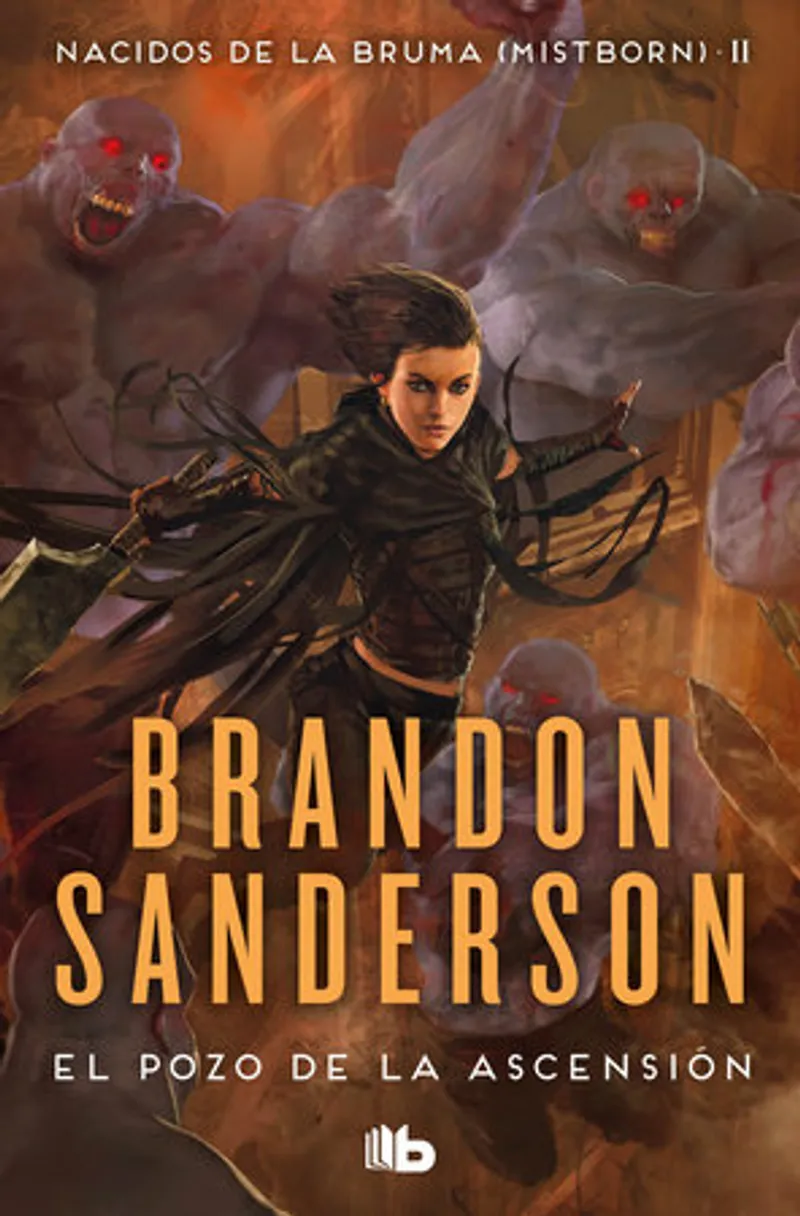
El pozo de la ascensión / The Well of Ascension Author: Brandon SandersonPage Count: UnknownPublication Date: 2021-PRH In "The Well of Ascension," Brandon Sanderson masterfully crafts a narrative that not only exceeds the expectations set by its predecessor but also delves deeper into the complexities of power, politics, and identity. This second installment in the Mistborn series is a testament to Sanderson's skillful storytelling, as he expands the world he created while maintaining the intricate magic system and the fast-paced action that defines the series. At its core, "The Well of Ascension" is a story about the challenges of building a new world from the ashes of the old. With the Lord Ruler defeated and Kelsier dead, the responsibility of shaping the future falls on Vin and her allies. However, this task proves to be more daunting than expected, as they must navigate the treacherous landscape of politics, manage the expectations of a burgeoning new religion, and confront the mysteries of the mists. One of the most striking aspects of Sanderson's writing is his ability to create complex, multi-dimensional characters. Vin, in particular, is a fascinating protagonist, whose struggles to come to terms with her newfound status and the weight of her responsibilities are deeply relatable. Her character serves as a powerful exploration of the tension between identity and expectation, as she grapples with the legacy of Kelsier and the adoration of the people. The world-building in "The Well of Ascension" is equally impressive, as Sanderson expands on the magic system and the history of the world. The mists, which were a mysterious and ominous presence in the first book, take on a more sinister role here, and their strange behavior serves as a harbinger of the dangers that lie ahead. The introduction of new characters and factions adds depth to the story, and the politics of the world become increasingly complex and nuanced. Sanderson's writing style is, as always, engaging and accessible. His use of language is descriptive without being overly elaborate, and his pacing is well-balanced, moving seamlessly between action, dialogue, and exposition. The magic system, which is based on metals, is cleverly constructed and adds a unique twist to the traditional fantasy narrative. If there is one criticism to be made, it is that the book can feel slightly overwhelming at times, with a large cast of characters and multiple plot threads to keep track of. However, this is a minor quibble, and the payoff is well worth the effort. In conclusion, "The Well of Ascension" is a masterful work of fantasy that cements Brandon Sanderson's position as one of the leading authors in the genre. With its complex characters, intricate world-building, and engaging storyline, this book is a must-read for fans of fantasy and adventure. #MistbornSeries #BrandonSanderson #FantasyBooks #TheWellOfAscension #MagicSystems #EpicFantasy Related InsightsInstallment Immortality Book Review and Summary The Palace Beneath the Sea Book Review and Summary Swipe Bite Book Review and Summary{ "@context": "https://schema.org", "@type": "FAQPage", "mainEntity": [ { "@type": "Question", "name": "What is the main focus of The Well of Ascension Book Review and Summary?", "acceptedAnswer": { "@type": "Answer", "text": "Everything you need to know about The Well of Ascension with our detailed review." } }, { "@type": "Question", "name": "Who authored the comprehensive guide on The Well of Ascension Book Review and Summary?", "acceptedAnswer": { "@type": "Answer", "text": "This detailed article and its insights were carefully researched and authored by Brandon Sanderson." } }, { "@type": "Question", "name": "Where can I find more related content about Books?", "acceptedAnswer": { "@type": "Answer", "text": "You can explore more articles, detailed reviews, and similar insights by browsing the Related Insights section at the bottom of this article or visiting our dedicated Books category page." } } ] }
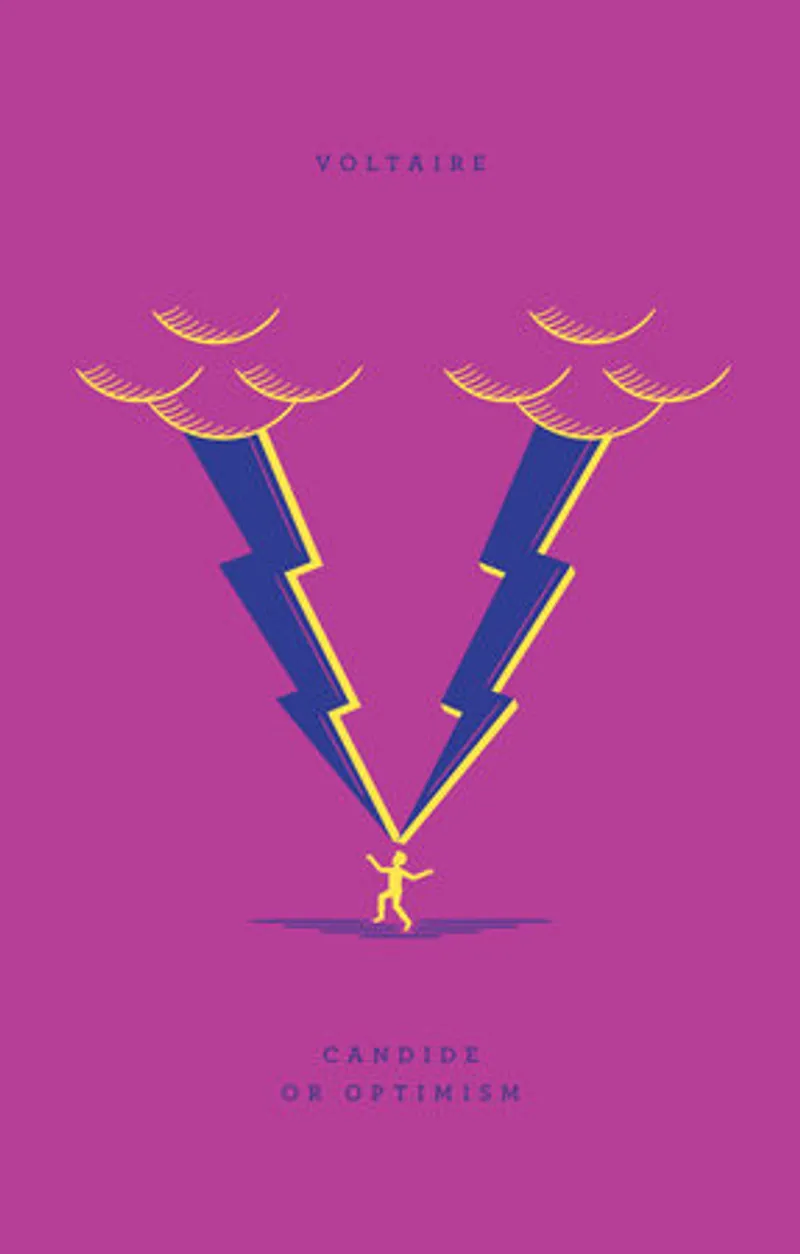
Candide Author: Jessica HischePage Count: UnknownPublication Date: 2014-PRH In the Penguin Drop Caps series, Jessica Hische brings a visually stunning twist to Voltaire's timeless classic, Candide. This 2014 edition is a must-have for book collectors and literature enthusiasts alike, boasting a unique cover design that showcases Hische's exceptional type artistry. However, it is the masterful storytelling within that truly sets this book apart. Voltaire's satire is as biting and relevant today as it was in the 18th century, when it was first penned. The narrative follows the misadventures of Candide, a young optimist who clings to the notion that "all is for the best" in a world fraught with injustice, suffering, and despair. As Candide navigates the complexities of human experience, Voltaire skillfully skewers the empty optimism of his time, laying bare the contradictions and flaws of society. Through Candide's journey, Voltaire poses profound questions about the human condition, challenging readers to confront the disconnect between our assumptions and the harsh realities of the world. With characteristic wit and irony, Voltaire exposes the hypocrisy and complacency that can arise from unexamined optimism. This thought-provoking commentary remains vitally relevant in today's society, where the pressure to present a perfect facade can be overwhelming. One of the most striking aspects of Voltaire's style is his masterful use of satire. With a deft touch, he lampoons the excesses and follies of his contemporaries, from the self-serving philosophies of the elite to the cruel capriciousness of fate. Voltaire's writing is both entertaining and incisive, making Candide a compelling read that is both humorous and heartbreaking. Jessica Hische's beautiful cover art is the perfect complement to Voltaire's masterpiece. Her elegant design brings a touch of sophistication to the book, making it a true collector's item. The unique typography and illustrations that adorn the cover are a testament to Hische's skill as a type designer and illustrator, and her collaboration with Penguin Art Director Paul Buckley has resulted in a truly exceptional edition. In conclusion, this edition of Candide is a triumph, combining Voltaire's timeless satire with Jessica Hische's stunning cover art. It is a must-read for anyone interested in exploring the complexities of human nature, and a must-have for book collectors and design enthusiasts. With its thought-provoking commentary and beautiful design, this book is sure to delight readers and inspire reflection. #Candide #Voltaire #Satire #Philosophy #BookDesign #PenguinDropCaps Related InsightsJames and the Giant Peach Book Review and Summary The disappeared Book Review and Summary It Looks Like You in the Dark (Kobuk Valley Series) Book Review and Summary{ "@context": "https://schema.org", "@type": "FAQPage", "mainEntity": [ { "@type": "Question", "name": "What is the main focus of Candide Book Review and Summary?", "acceptedAnswer": { "@type": "Answer", "text": "Everything you need to know about Candide with our detailed review." } }, { "@type": "Question", "name": "Who authored the comprehensive guide on Candide Book Review and Summary?", "acceptedAnswer": { "@type": "Answer", "text": "This detailed article and its insights were carefully researched and authored by Voltaire." } }, { "@type": "Question", "name": "Where can I find more related content about Books?", "acceptedAnswer": { "@type": "Answer", "text": "You can explore more articles, detailed reviews, and similar insights by browsing the Related Insights section at the bottom of this article or visiting our dedicated Books category page." } } ] }
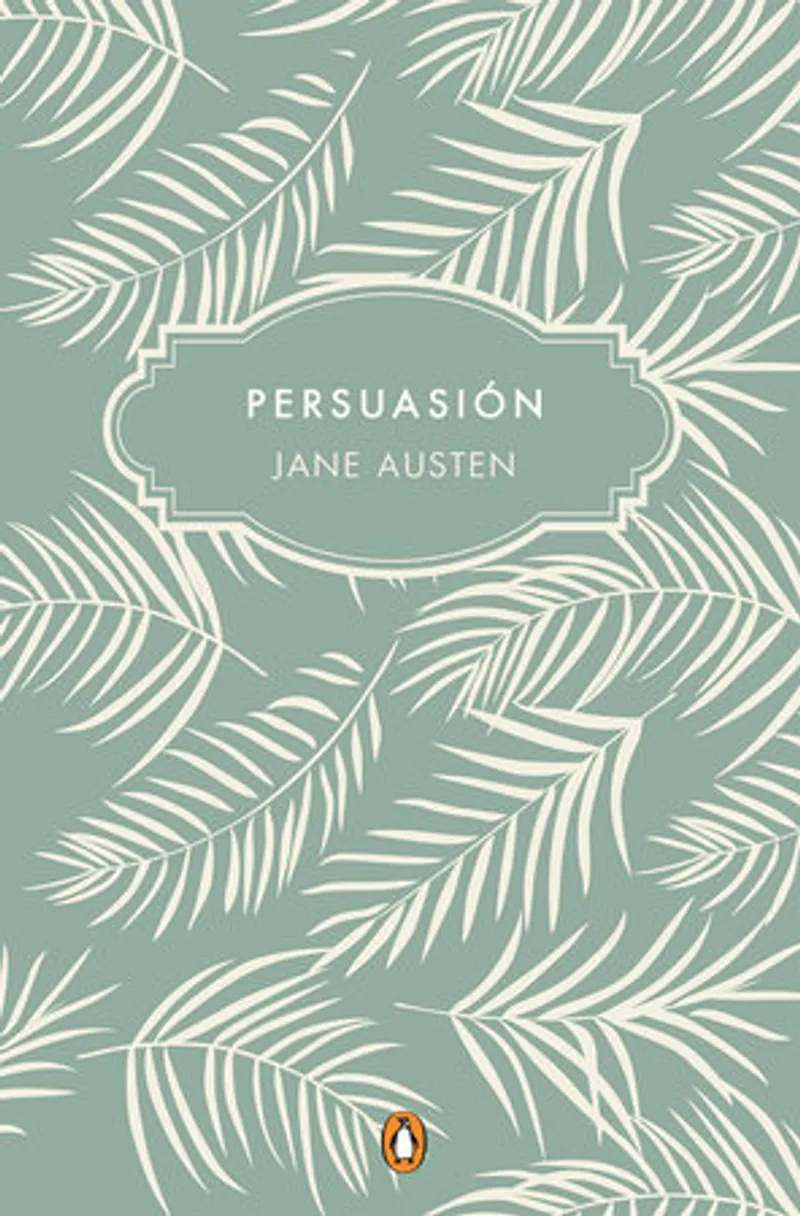
Persuasión (Edición conmemorativa) / Persuasion (Commemorative Edition) Author: Jane AustenPage Count: UnknownPublication Date: 2024-PRH Persuasion, the last novel fully completed by the inimitable Jane Austen, is a masterpiece that has captivated readers for centuries. This commemorative edition is a testament to the enduring power of Austen's writing, and a must-have for any literature enthusiast. Published posthumously in 1818, Persuasion is a poignant and nuanced exploration of love, regret, and second chances. At the heart of the novel is Anne Elliot, a young woman of twenty-seven years, whose family is forced to rent their home to an Admiral and his wife. This seemingly mundane event sets in motion a chain of encounters that will reunite Anne with her former fiancé, Navy Captain Frederick Wentworth. Theirs is a love story that was prematurely ended by the persuasions of those around them, and now, seven years later, they are given a second chance to rekindle their passion. Austen's writing is, as always, a delight. Her use of free indirect discourse allows the reader to experience the innermost thoughts and feelings of her characters, creating a sense of intimacy and immediacy that is nothing short of remarkable. Her prose is witty, insightful, and beautifully nuanced, making Persuasion a true masterpiece of English literature. One of the most striking aspects of Persuasion is its exploration of the complexities of love and relationships. Austen's portrayal of Anne and Wentworth's romance is both tender and unsentimental, revealing the deep-seated emotions and vulnerabilities that underlie all human connections. Through their story, Austen raises important questions about the nature of love, the dangers of persuasion, and the importance of following one's own heart. Persuasion is also notable for its thoughtful portrayal of women's lives in the early 19th century. Anne Elliot is a strong and independent heroine, who is nonetheless bound by the social conventions of her time. Her struggles to navigate the complexities of her own desires and the expectations of those around her are deeply relatable, and offer a powerful commentary on the limited choices available to women during this period. In short, Persuasion is a true classic that belongs on every bookshelf. This commemorative edition is a beautiful tribute to Austen's enduring legacy, and a must-read for anyone who loves great literature. With its timeless themes, memorable characters, and exquisite prose, Persuasion is a novel that will continue to captivate readers for generations to come. #Persuasion #JaneAusten #ClassicLiterature #RomanceNovels #EnglishLiterature #SecondChanceLove Related InsightsJim Henson Presents Book Review and Summary Die stille Architektur des Denkens: Warum Philosophie mehr ist als nur Fragen stellen Bridge to Bat City Book Review and Summary{ "@context": "https://schema.org", "@type": "FAQPage", "mainEntity": [ { "@type": "Question", "name": "What is the main focus of Persuasion Book Review and Summary?", "acceptedAnswer": { "@type": "Answer", "text": "Everything you need to know about Persuasion with our detailed review." } }, { "@type": "Question", "name": "Who authored the comprehensive guide on Persuasion Book Review and Summary?", "acceptedAnswer": { "@type": "Answer", "text": "This detailed article and its insights were carefully researched and authored by Jane Austen." } }, { "@type": "Question", "name": "Where can I find more related content about Books?", "acceptedAnswer": { "@type": "Answer", "text": "You can explore more articles, detailed reviews, and similar insights by browsing the Related Insights section at the bottom of this article or visiting our dedicated Books category page." } } ] }
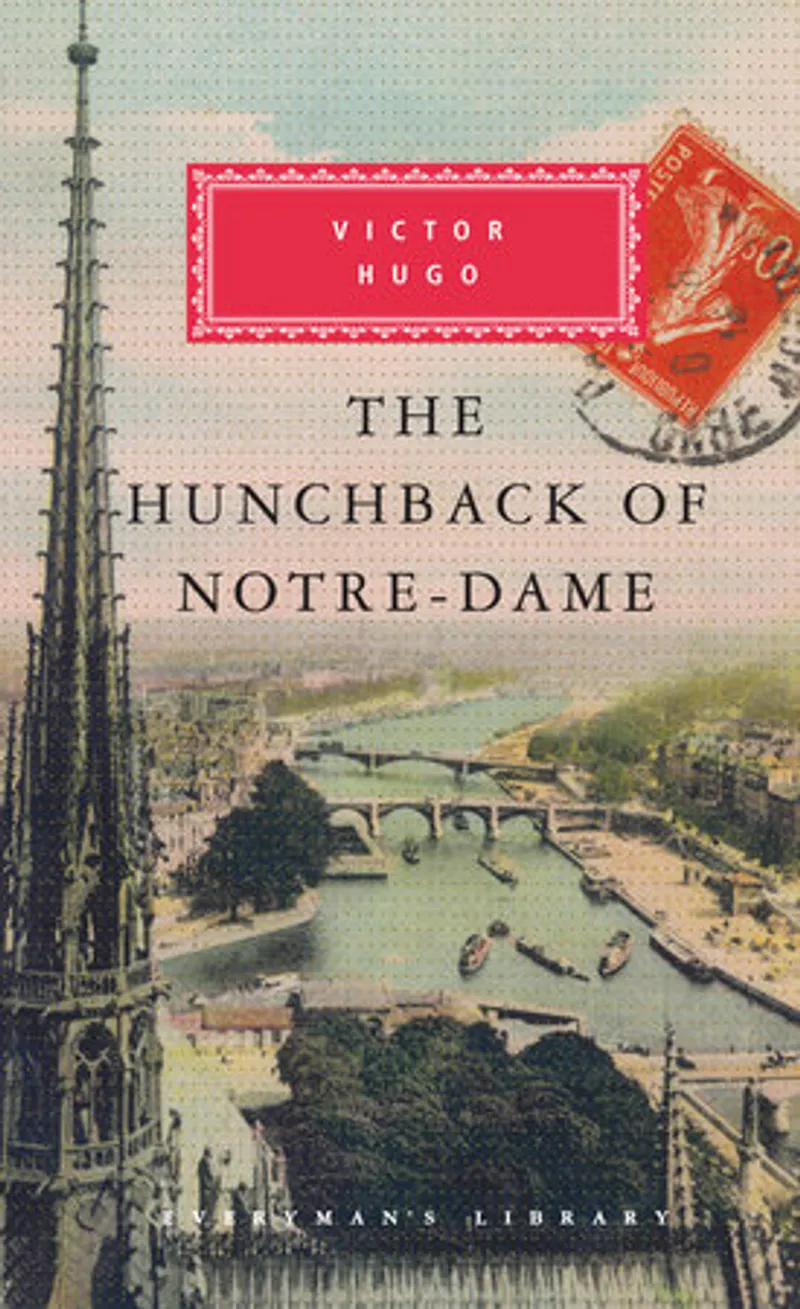
The Hunchback of Notre-Dame Author: Victor HugoPage Count: UnknownPublication Date: 2012-PRH The Hunchback of Notre-Dame, written by the illustrious Victor Hugo, is a timeless masterpiece that has captivated readers for centuries with its poignant and thought-provoking narrative. Published in 2012, this edition of the classic novel remains a widely acclaimed and beloved tale of love, tragedy, and the indomitable human spirit. At the heart of the story lies the beautiful and enigmatic Esmeralda, a gypsy girl whose fate is inextricably linked to that of the deformed bell-ringer, Quasimodo, and the tormented Archdeacon Frollo. As their lives become increasingly entwined, the novel unfolds into a sweeping epic that explores the complexities of the human condition, delving into themes of love, rejection, and the unyielding pursuit of justice. One of the most striking aspects of Hugo's writing is his ability to craft a narrative that is both a deeply personal exploration of his characters' inner lives and a broader commentary on the social and historical context in which they live. The city of Paris, with its grand cathedral and labyrinthine sewers, is a character in its own right, imbuing the story with a sense of time and place that is nothing short of breathtaking. Through his vivid descriptions of the city's architecture, its people, and its culture, Hugo transports readers to a bygone era, immersing them in the sights, sounds, and smells of medieval Paris. Hugo's writing style is characterized by his mastery of lyrical prose, which he uses to convey the innermost thoughts and feelings of his characters. His use of language is at once poetic and powerful, imbuing the narrative with a sense of drama and tension that propels the reader forward. The characters themselves are multidimensional and complex, with rich inner lives that are gradually revealed as the story unfolds. Quasimodo, with his grotesque physical deformity and deep emotional scars, is a particularly compelling figure, whose ultimate sacrifice serves as a testament to the transformative power of love and compassion. Throughout the novel, Hugo explores a range of themes that remain as relevant today as they were when the book was first written. The struggle for social justice, the dangers of unchecked power, and the enduring power of love and redemption are all woven into the fabric of the narrative, adding depth and complexity to the story. The novel's exploration of the human condition, with all its attendant flaws and frailties, is both deeply moving and profoundly thought-provoking, inviting readers to reflect on their own values and assumptions. In conclusion, The Hunchback of Notre-Dame is a masterpiece of literature that continues to captivate readers with its timeless themes and unforgettable characters. Victor Hugo's writing is a testament to the enduring power of storytelling, and his ability to craft a narrative that is both a deeply personal exploration of the human condition and a broader commentary on the world in which we live. This classic novel is a must-read for anyone who loves literature, history, or simply a good story, and its themes and characters will continue to resonate with readers for generations to come. #TheHunchbackOfNotreDame #VictorHugo #Classics #MedievalParis #SocialJustice #HistoricalFiction Related InsightsThe Invention of Hugo Cabret Book Review and Summary Frostbite Book Review and Summary Escape Me (Shatter Me: Series Two #3) Book Review and Summary{ "@context": "https://schema.org", "@type": "FAQPage", "mainEntity": [ { "@type": "Question", "name": "What is the main focus of The Hunchback of Notre-Dame Book Review and Summary?", "acceptedAnswer": { "@type": "Answer", "text": "Everything you need to know about The Hunchback of Notre-Dame with our detailed review." } }, { "@type": "Question", "name": "Who authored the comprehensive guide on The Hunchback of Notre-Dame Book Review and Summary?", "acceptedAnswer": { "@type": "Answer", "text": "This detailed article and its insights were carefully researched and authored by Victor Hugo." } }, { "@type": "Question", "name": "Where can I find more related content about Books?", "acceptedAnswer": { "@type": "Answer", "text": "You can explore more articles, detailed reviews, and similar insights by browsing the Related Insights section at the bottom of this article or visiting our dedicated Books category page." } } ] }
Flores en el atico / Flowers in the Attic Author: Virginia C. AndrewsPage Count: UnknownPublication Date: 2015-PRH Virginia C. Andrews’ Flowers in the Attic is a masterclass in gothic horror disguised as a family drama, a novel that burrows into the reader’s psyche with the relentless precision of a predator. Published in 1979 but still haunting bookshelves decades later, this twisted fairy tale—nominated as one of America’s best-loved novels by PBS’s The Great American Read—is a venomous cocktail of innocence betrayed, forbidden desire, and the suffocating cage of family secrets. It doesn’t just tell a story; it imprisons you in the attic with the Dollangangers, where every shadow whispers betrayal and every whispered promise is a lie waiting to unravel. At its core, Flowers in the Attic is a gothic nightmare about captivity—not just physical, but emotional and moral. The novel thrusts four children—Cathy, Chris, Carrie, and Cory—into a claustrophobic prison above their grandmother’s mansion after their father’s death leaves their mother, Corrine, financially ruined. But the real cage is her own family: the cold, religious zealot Olivia Foxworth, who sees the children as the product of an incestuous sin and condemns them to darkness. Andrews doesn’t just describe confinement; she makes the reader feel it—the cramped attic space, the stale air, the slow erosion of hope as months stretch into years. The attic becomes a character itself, a living entity that breathes decay and despair. What makes this novel so chilling is Andrews’ unflinching exploration of taboo and transgression. The Dollangangers are not just victims; they are products of a forbidden love between Corrine and her half-uncle, Christopher. The incestuous origins of their family are the original sin that justifies Olivia’s cruelty, but Andrews complicates this moral judgment by making the children’s love for each other—especially Cathy and Chris’s twisted, protective bond—both heartbreaking and uncomfortably intimate. The novel walks a razor’s edge between condemning sin and humanizing its consequences, forcing the reader to confront uncomfortable questions: Is Olivia justified in her cruelty, or is she just another monster in a house of mirrors? Andrews refuses to offer easy answers, instead immersing us in the moral ambiguity of survival. Andrews’ prose is deceptively simple, lulling the reader into a false sense of security before striking with brutal precision. Her writing is visceral and immediate, dripping with sensory detail—the scent of mildew in the attic, the taste of stolen candy, the sound of Carrie’s cough growing weaker with each passing winter. The pacing is relentless, a slow descent into madness where time loses meaning and the children’s innocence curdles into something darker. There’s a fairy-tale quality to the story, but Andrews twists the genre into something grotesque: this is Hansel and Gretel if the witch were the children’s own grandmother, and the gingerbread house was a gilded cage. The emotional core of the novel lies in the Dollangangers’ resilience and their crumbling morality. Cathy, the eldest, is both a survivor and a child corrupted by circumstance. Her relationship with Chris, her older brother, is the novel’s most disturbing and tender thread—a love that begins as protective sibling devotion but curdles into something more complex, something that blurs the lines between innocence and corruption. Andrews doesn’t shy away from depicting their emotional and physical entanglement, making the reader complicit in their transgression. It’s a testament to her skill that we ache for them even as we recoil. The novel’s power also lies in its critique of family, religion, and societal hypocrisy. Olivia’s fanatical devotion to God is a veneer for her cruelty, while Corrine’s desperation to reclaim her inheritance reveals the transactional nature of familial love. Andrews exposes how easily love can curdle into control, how morality is a luxury when survival is at stake. The attic is not just a physical space but a metaphor for the lies families tell to preserve their reputations, the secrets buried to maintain appearances. Flowers in the Attic is a novel that lingers because it refuses to let the reader look away. Andrews doesn’t offer catharsis or redemption; instead, she leaves us in the attic with the children, forced to confront the ugliness of their world and our own complicity in turning a blind eye to suffering. It’s a story about the monsters we create and the cages we build—not just for others, but for ourselves. Virginia C. Andrews’ genius lies in her ability to make the unbearable beautiful, to weave a tale so dark it feels inevitable, so tragic it feels fated. Flowers in the Attic is not just a book to be read; it’s an experience to be endured—and one that will haunt you long after the last page. #FlowersInTheAttic #DarkFamilySecrets #GothicHorror #ForbiddenLove #VCAAndrews #CaptiveChildren Related InsightsMrs. Frisby and the Rats of NIMH Book Review and Summary Chosen Son (Fallen City Duology, #2) Book Review and Summary Cold Sunset: A Gabriel Dax Novel Book Review and Summary{ "@context": "https://schema.org", "@type": "FAQPage", "mainEntity": [ { "@type": "Question", "name": "What is the main focus of Flowers in the Attic Book Review and Summary?", "acceptedAnswer": { "@type": "Answer", "text": "Everything you need to know about Flowers in the Attic with our detailed review." } }, { "@type": "Question", "name": "Who authored the comprehensive guide on Flowers in the Attic Book Review and Summary?", "acceptedAnswer": { "@type": "Answer", "text": "This detailed article and its insights were carefully researched and authored by V.C. Andrews." } }, { "@type": "Question", "name": "Where can I find more related content about Books?", "acceptedAnswer": { "@type": "Answer", "text": "You can explore more articles, detailed reviews, and similar insights by browsing the Related Insights section at the bottom of this article or visiting our dedicated Books category page." } } ] }
Teen Titans: Raven, Beast Boy and Beast Boy Loves Raven Box Set Author: Kami GarciaPage Count: UnknownPublication Date: 2022-PRH Kami Garcia’s Teen Titans: Raven, Beast Boy and Beast Boy Loves Raven Box Set is a vibrant, emotionally charged trilogy that reimagines DC’s beloved characters with fresh depth and modern sensibilities. At its core, this collection explores identity, self-acceptance, and the messy, transformative power of love—all wrapped in the glossy, dynamic aesthetic of Gabriel Picolo’s art. For fans of YA graphic novels and superhero stories alike, Garcia delivers a narrative that feels both nostalgic and groundbreaking, proving why these characters resonate across generations. The box set opens with Teen Titans: Raven, where Garcia strips away the mystique of the classic heroine to reveal a vulnerable, introspective girl grappling with her demonic heritage. Raven isn’t just a brooding goth; she’s a character burdened by isolation, her powers both a gift and a curse. Garcia’s strength lies in her ability to humanize mythic figures, making Raven’s internal struggle feel achingly real. The story’s themes of trust and self-discovery are woven seamlessly into the plot, as Raven learns that strength isn’t about suppressing her darkness but learning to wield it with purpose. Picolo’s art amplifies this, with moody, expressive illustrations that mirror Raven’s emotional turmoil—think deep purples and inky blacks, but with bursts of warmth when she connects with others. Teen Titans: Beast Boy shifts focus to Garfield Logan, a character often reduced to comic relief in other adaptations. Garcia, however, crafts a poignant coming-of-age story about a boy who’s spent his life hiding behind humor and shape-shifting. Beast Boy’s journey is one of self-reckoning: he must confront the lies he tells himself about his past, his family, and his place in the world. The narrative is raw, balancing humor with heartache, and Garcia excels at capturing the teenage experience—awkward, uncertain, and occasionally cringe-worthy. Picolo’s art here is playful yet nuanced, with Beast Boy’s expressions oscillating between mischief and melancholy, perfectly encapsulating his duality. The real triumph of this box set is Beast Boy Loves Raven, a romance that feels earned rather than forced. Garcia and Picolo take two characters typically defined by their roles in a team and give them interior lives that collide in unexpected ways. The story’s central tension isn’t just about their growing attraction but about the secrets they keep from each other—and themselves. Raven’s fear of her own darkness clashes with Gar’s fear of being unlovable, creating a push-and-pull dynamic that’s both tender and fraught. Garcia’s dialogue crackles with authenticity, whether the characters are bantering or baring their souls. Picolo’s art shines in the romantic scenes, blending soft pastels with electric moments of passion, making their connection feel visceral. What makes Garcia’s approach so compelling is her refusal to simplify her characters. Raven isn’t just a stoic hero; she’s flawed and fearful. Beast Boy isn’t just a joker; he’s deeply wounded. Their love story isn’t a fairy tale but a messy, realistic exploration of how two broken people might find healing in each other. Garcia’s prose (and Picolo’s art) ensures that even the smallest moments—like Gar making Raven laugh for the first time or Raven hesitantly reaching for his hand—feel monumental. The box set’s structure also deserves praise. By collecting all three stories together, readers can fully appreciate the character arcs and the evolution of the relationships. Garcia builds momentum across the volumes, making the emotional payoff in Beast Boy Loves Raven feel earned rather than rushed. The pacing is tight, the themes cohesive, and the artwork consistently stunning, with Picolo’s style evolving alongside the characters. For longtime DC fans, this collection offers a refreshing take on familiar icons. For newcomers, it’s an accessible entry point into a world where superpowers are secondary to the human (and half-human) experiences of its protagonists. Garcia’s writing is sharp, her emotional beats hit hard, and Picolo’s art is a feast for the eyes. Together, they’ve created something that feels both classic and contemporary—a testament to the enduring appeal of these characters when given the care and depth they deserve. If you’ve ever loved a superhero story that’s as much about the heart as it is about the cape, this box set is a must-read. It’s a reminder that beneath the spandex and the snark, the best superhero tales are really about the people wearing the suits. #TeenTitans #KamiGarcia #BeastBoyLovesRaven #GraphicNovelRomance #DCComics #YAFantasy Related InsightsOne of us is next Book Review and Summary Cry, the Beloved Country Book Review and Summary In the Margins Book Review and Summary{ "@context": "https://schema.org", "@type": "FAQPage", "mainEntity": [ { "@type": "Question", "name": "What is the main focus of The Raven Boys Book Review and Summary?", "acceptedAnswer": { "@type": "Answer", "text": "Everything you need to know about The Raven Boys with our detailed review." } }, { "@type": "Question", "name": "Who authored the comprehensive guide on The Raven Boys Book Review and Summary?", "acceptedAnswer": { "@type": "Answer", "text": "This detailed article and its insights were carefully researched and authored by Maggie Stiefvater." } }, { "@type": "Question", "name": "Where can I find more related content about Books?", "acceptedAnswer": { "@type": "Answer", "text": "You can explore more articles, detailed reviews, and similar insights by browsing the Related Insights section at the bottom of this article or visiting our dedicated Books category page." } } ] }
Leal / Allegiant Author: Veronica RothPage Count: UnknownPublication Date: 2023-PRH "Leal / Allegiant" by Veronica Roth is a thought-provoking and action-packed conclusion to the Divergent series, leaving readers questioning the true nature of their world and the complexities of human decision-making. The novel masterfully explores the theme of choice and its far-reaching consequences, delving into the intricacies of the human psyche and the moral dilemmas that come with it. Through the dual perspectives of Tris and Tobias, Roth skillfully weaves a narrative that not only showcases the characters' growth and development but also highlights the harsh realities of their dystopian world. The author's use of multiple perspectives adds depth and complexity to the story, allowing readers to experience the world from different vantage points and gain a deeper understanding of the characters' motivations and emotions. One of the most striking aspects of Roth's writing style is her ability to craft relatable and flawed characters. Tris, in particular, is a character that readers can easily empathize with, as she grapples with the weight of her decisions and the consequences that come with them. Her struggles to reconcile her own identity and sense of purpose are deeply human and resonate with readers on a fundamental level. Roth's world-building is equally impressive, as she expands the Divergent universe and introduces new characters and plot twists that keep readers on the edge of their seats. The novel's pacing is well-balanced, with moments of high-octane action and suspense expertly interwoven with more introspective and emotional scenes. The author's exploration of complex themes such as loyalty, sacrifice, and the true meaning of courage is both thought-provoking and timely. The novel raises important questions about the nature of humanity and the choices we make, encouraging readers to reflect on their own values and principles. Overall, "Leal / Allegiant" is a gripping and emotionally charged conclusion to the Divergent series, one that will leave readers satisfied and eager to revisit the world and characters that Roth has so masterfully created. With its thought-provoking themes, complex characters, and expertly crafted plot, this novel is a must-read for fans of dystopian fiction and anyone looking for a compelling and unforgettable reading experience. #DivergentSeries #VeronicaRoth #Allegiant #DystopianFiction #BookLovers #YA Fiction Related InsightsStone and Sky Book Review and Summary American Vampire Book One Book Review and Summary La estrella de medianoche Book Review and Summary{ "@context": "https://schema.org", "@type": "FAQPage", "mainEntity": [ { "@type": "Question", "name": "What is the main focus of Allegiant Book Review and Summary?", "acceptedAnswer": { "@type": "Answer", "text": "Everything you need to know about Allegiant with our detailed review." } }, { "@type": "Question", "name": "Who authored the comprehensive guide on Allegiant Book Review and Summary?", "acceptedAnswer": { "@type": "Answer", "text": "This detailed article and its insights were carefully researched and authored by Veronica Roth." } }, { "@type": "Question", "name": "Where can I find more related content about Books?", "acceptedAnswer": { "@type": "Answer", "text": "You can explore more articles, detailed reviews, and similar insights by browsing the Related Insights section at the bottom of this article or visiting our dedicated Books category page." } } ] }