Showing Posts From
Fiction
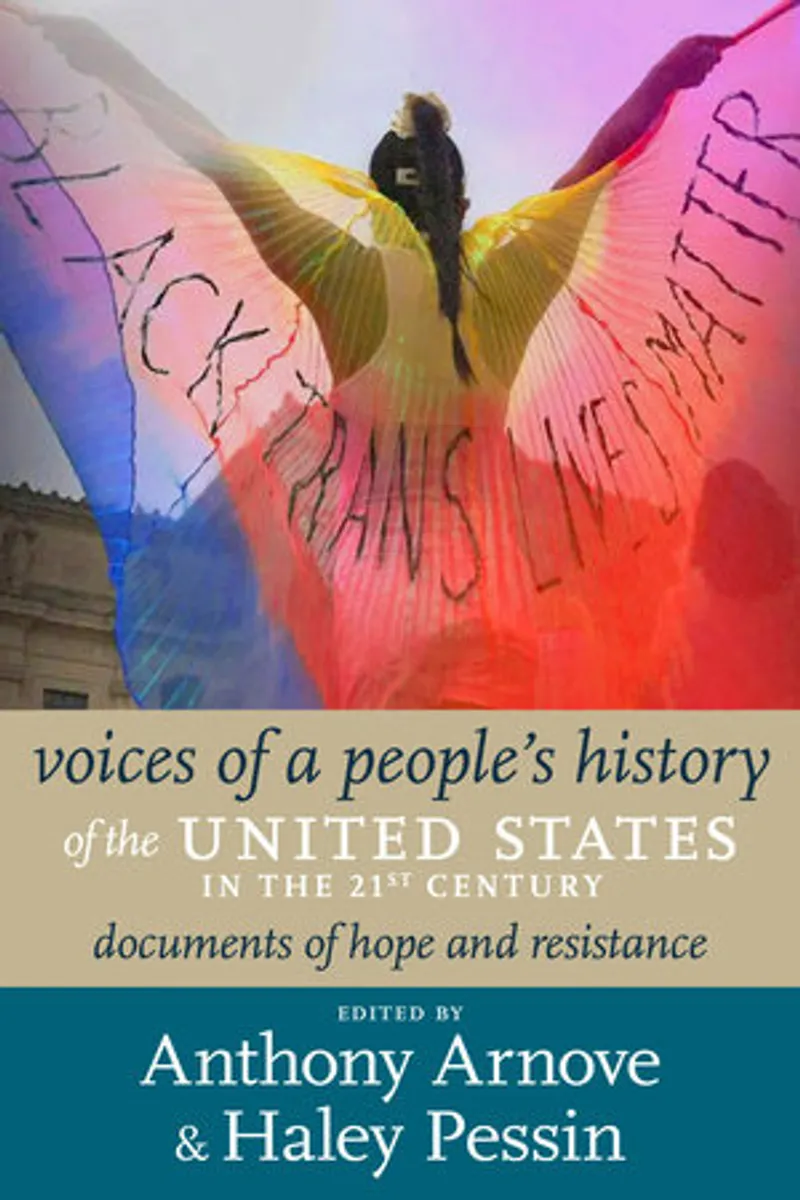
Voices of a People's History of the United States in the 21st Century Author: UnknownPage Count: UnknownPublication Date: 2023-PRH In "Voices of a People's History of the United States in the 21st Century," an array of powerful voices from the 21st century's most pivotal social movements come together to remind us that history is not solely shaped by the rich and powerful, but by ordinary people taking collective action. This book is a testament to the enduring power of activism, protest, and social change. Through a diverse collection of over 100 texts, including speeches, essays, poems, and calls to action, the book brings to life the struggles and triumphs of movements such as Black Lives Matter, #MeToo, Indigenous struggles, immigrant rights activism, the environmental movement, disability justice, and the labor rights activism of frontline workers during the global pandemic. The voices of renowned activists and thinkers like Angela Y. Davis, Colin Kaepernick, Rebecca Solnit, and Naomi Klein are woven together with those of lesser-known, yet equally powerful, individuals and organizations. The book's author has done an admirable job of curating these voices, allowing them to speak for themselves, while also providing a sense of cohesion and narrative thread throughout the collection. The result is a book that is both a historical record and a call to action, a reminder that the struggles of the past and present are intertwined, and that collective action is the key to creating a more just and equitable future. One of the book's greatest strengths is its ability to capture the complexity and diversity of 21st-century social movements. The voices included here are not just those of charismatic leaders, but also those of everyday people who have been driven to action by their experiences of injustice and marginalization. The book is a testament to the power of grassroots activism and the ways in which ordinary people can come together to challenge systems of oppression and create change. The author's style is unobtrusive, allowing the voices of the activists and thinkers to take center stage. The book is organized thematically, with sections focused on different social movements and issues. This structure allows readers to easily navigate the collection and explore the various voices and perspectives included. Throughout the book, the author's commitment to social justice and activism is evident. The selection of texts is carefully curated to showcase the diversity of voices and perspectives, and to highlight the ways in which different social movements are interconnected. The book is not just a collection of texts, but a powerful tool for activism and social change. In short, "Voices of a People's History of the United States in the 21st Century" is a powerful and timely book that reminds us of the enduring power of collective action and activism. It is a must-read for anyone interested in social justice, activism, and the history of 21st-century social movements. #SocialJustice #Activism #PeoplesHistory #21stCenturyMovements #ResistanceAndChange #VoicesOfThePeople Related InsightsI'm Sorry You Feel That Way: A Novel Book Review and Summary Beneath Waves and Shadows: The Sinking of the Steamship Valencia Book Review and Summary Straight to the Source Book Review and Summary{ "@context": "https://schema.org", "@type": "FAQPage", "mainEntity": [ { "@type": "Question", "name": "What is the main focus of A People’s History of the United States: 1492 - Present Book Review and Summary?", "acceptedAnswer": { "@type": "Answer", "text": "Everything you need to know about A People’s History of the United States: 1492 - Present with our detailed review." } }, { "@type": "Question", "name": "Who authored the comprehensive guide on A People’s History of the United States: 1492 - Present Book Review and Summary?", "acceptedAnswer": { "@type": "Answer", "text": "This detailed article and its insights were carefully researched and authored by Howard Zinn." } }, { "@type": "Question", "name": "Where can I find more related content about Books?", "acceptedAnswer": { "@type": "Answer", "text": "You can explore more articles, detailed reviews, and similar insights by browsing the Related Insights section at the bottom of this article or visiting our dedicated Books category page." } } ] }
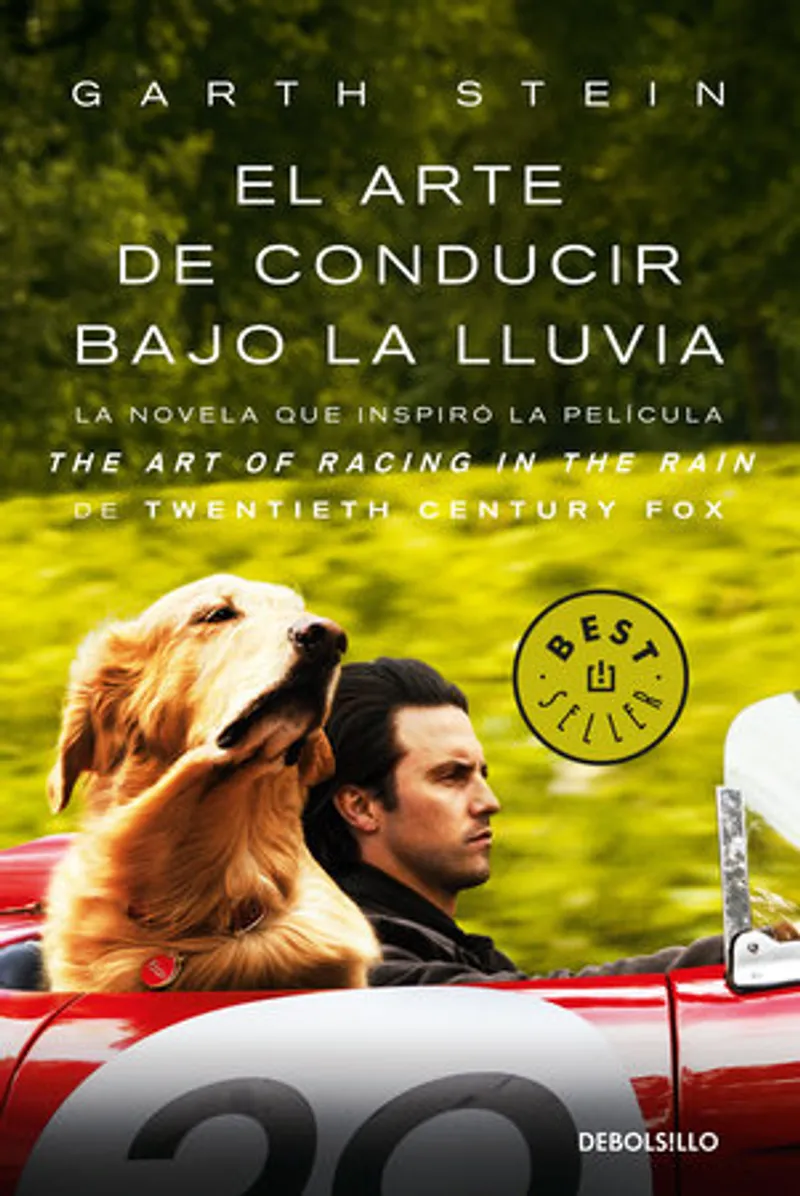
El arte de conducir bajo la lluvia / The Art of Racing in the Rain (MTI) Author: Garth SteinPage Count: UnknownPublication Date: 2019-PRH The Art of Racing in the Rain, a captivating novel by Garth Stein, has left an indelible mark on the literary world. Narrated by the endearing and wise canine, Enzo, this book is a heart-wrenching yet ultimately uplifting exploration of the human condition. With the release of a major motion picture adaptation, this poignant tale has reached an even wider audience, and for good reason. Through Enzo's unique perspective, Stein masterfully weaves a story that delves into the intricacies of love, tragedy, redemption, and the unbreakable bonds between humans and animals. As Enzo shares his life experiences with his owner, Danny, a talented racing driver, we are reminded that the principles of a good racing driver - balance, anticipation, and patience - are equally essential for navigating life's challenges. Stein's writing style is both elegant and accessible, making this novel an effortless read. His use of Enzo as the narrator adds a touch of whimsy and humor, which beautifully balances the more somber moments in the story. The author's ability to tap into the canine psyche, while maintaining a sense of realism, is a testament to his skill as a storyteller. One of the most striking aspects of this novel is its exploration of the human condition. Enzo's observations on life, love, and relationships are both profound and poignant. His desire to return to the world as a human, to walk among people and offer a helping hand, is a powerful reminder of the transformative impact we can have on others. The characters in the novel are multidimensional and relatable, with Danny being a particularly well-crafted protagonist. His struggles to balance his racing career with family responsibilities are deeply human, and Enzo's unwavering loyalty and support serve as a poignant reminder of the importance of companionship. The Art of Racing in the Rain has garnered widespread critical acclaim, with authors like Jodi Picoult and Sara Gruen praising its unique narrative voice and universal themes. This novel is a must-read for anyone who has ever experienced the joy of sharing their life with a pet, or for those who simply appreciate a beautifully crafted story. In conclusion, The Art of Racing in the Rain is a mesmerizing novel that will leave readers spellbound. With its unique narrative voice, relatable characters, and universal themes, this book is a true masterpiece. Whether you're a dog lover, a racing enthusiast, or simply someone who appreciates great storytelling, this novel is sure to resonate with you. #TheArtofRacingInTheRain #GarthStein #DogLovers #RacingNovels #HeartwarmingFiction #AnimalNarrators Related InsightsNational 4/5 Administration and IT Course Notes for New 2019 Exams Ebook Book Review and Summary Beck (Double U Ranch #2) Book Review and Summary The Dark Lord's Guide to Honeymooning (and Other Acts of Tyranny) Book Review and Summary{ "@context": "https://schema.org", "@type": "FAQPage", "mainEntity": [ { "@type": "Question", "name": "What is the main focus of The Art of Racing in the Rain Book Review and Summary?", "acceptedAnswer": { "@type": "Answer", "text": "Everything you need to know about The Art of Racing in the Rain with our detailed review." } }, { "@type": "Question", "name": "Who authored the comprehensive guide on The Art of Racing in the Rain Book Review and Summary?", "acceptedAnswer": { "@type": "Answer", "text": "This detailed article and its insights were carefully researched and authored by Garth Stein." } }, { "@type": "Question", "name": "Where can I find more related content about Books?", "acceptedAnswer": { "@type": "Answer", "text": "You can explore more articles, detailed reviews, and similar insights by browsing the Related Insights section at the bottom of this article or visiting our dedicated Books category page." } } ] }
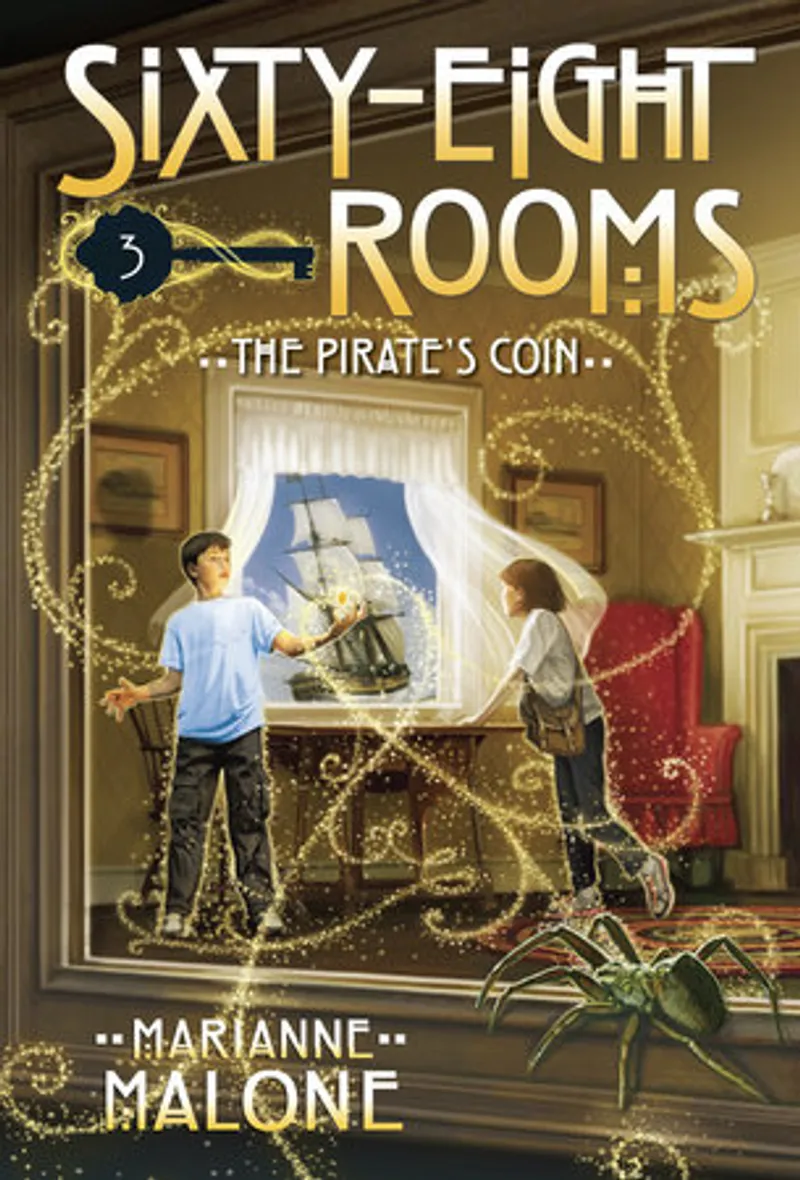
The Pirate's Coin: A Sixty-Eight Rooms Adventure Author: Marianne MalonePage Count: UnknownPublication Date: 2014-PRH In "The Pirate's Coin: A Sixty-Eight Rooms Adventure" by Marianne Malone, we are transported to a world of magic, mystery, and adventure, where the lines of time are blurred, and the past and present collide. This captivating novel is the third installment in the series and promises to enthrall fans of the Magic Tree House series, Chasing Vermeer, and Wonderstruck. Malone masterfully weaves a tale that revolves around the enigmatic Thorne Rooms at the Art Institute of Chicago. Sixth-graders Ruthie and Jack, the protagonists, find themselves entangled in a web of intrigue as they navigate the mystical world within the rooms. Their classmate Kendra's family legacy is at stake, and only Ruthie and Jack possess the knowledge to clear her name. The duo embarks on a perilous journey through time, tracing the footsteps of Jack's own ancestor, the pirate Jack Norfleet, to 1753 Cape Cod. The author's writing style is as captivating as the story itself. Malone's vivid descriptions transport readers to the rugged coast of Cape Cod, immersing them in the sights, sounds, and smells of the 18th century. Her use of language is rich and evocative, conjuring images of pirate ships, hidden treasures, and ancient artifacts. The pacing is swift, with unexpected twists and turns that keep readers on the edge of their seats. One of the most striking aspects of the novel is its exploration of the consequences of playing with history. As Ruthie and Jack meddle with the timeline, they inadvertently put Jack's very existence in jeopardy. This raises important questions about the responsibility that comes with knowledge and power. Malone skillfully navigates these complex themes, creating a narrative that is both entertaining and thought-provoking. Throughout the novel, Malone pays homage to the rich history of Cape Cod, weaving in fascinating details about the region's maritime past. Her meticulous research adds depth and authenticity to the story, making the fantastical elements all the more believable. The characters of Ruthie and Jack are well-developed and relatable, with distinct personalities that shine through in their dialogue and interactions. Their friendship is genuine and heartwarming, and their determination to help Kendra is admirable. In conclusion, "The Pirate's Coin: A Sixty-Eight Rooms Adventure" is a thrilling ride that will captivate readers of all ages. Marianne Malone's masterful storytelling, coupled with her vivid descriptions and well-developed characters, makes this novel an absolute must-read. With its blend of magic, mystery, and adventure, this book is sure to leave readers eagerly awaiting the next installment in the series. #TheSixtyEightRoomsAdventures #MarianneMalone #TimeTravel #PirateFiction #MiddleGradeBooks #HistoricalFiction Related InsightsCrown & Captive Book Review and Summary Invisible Monsters Book Review and Summary Mistletoe All the Way Book Review and Summary{ "@context": "https://schema.org", "@type": "FAQPage", "mainEntity": [ { "@type": "Question", "name": "What is the main focus of A Memory Called Empire Book Review and Summary?", "acceptedAnswer": { "@type": "Answer", "text": "Everything you need to know about A Memory Called Empire with our detailed review." } }, { "@type": "Question", "name": "Who authored the comprehensive guide on A Memory Called Empire Book Review and Summary?", "acceptedAnswer": { "@type": "Answer", "text": "This detailed article and its insights were carefully researched and authored by Arkady Martine." } }, { "@type": "Question", "name": "Where can I find more related content about Books?", "acceptedAnswer": { "@type": "Answer", "text": "You can explore more articles, detailed reviews, and similar insights by browsing the Related Insights section at the bottom of this article or visiting our dedicated Books category page." } } ] }
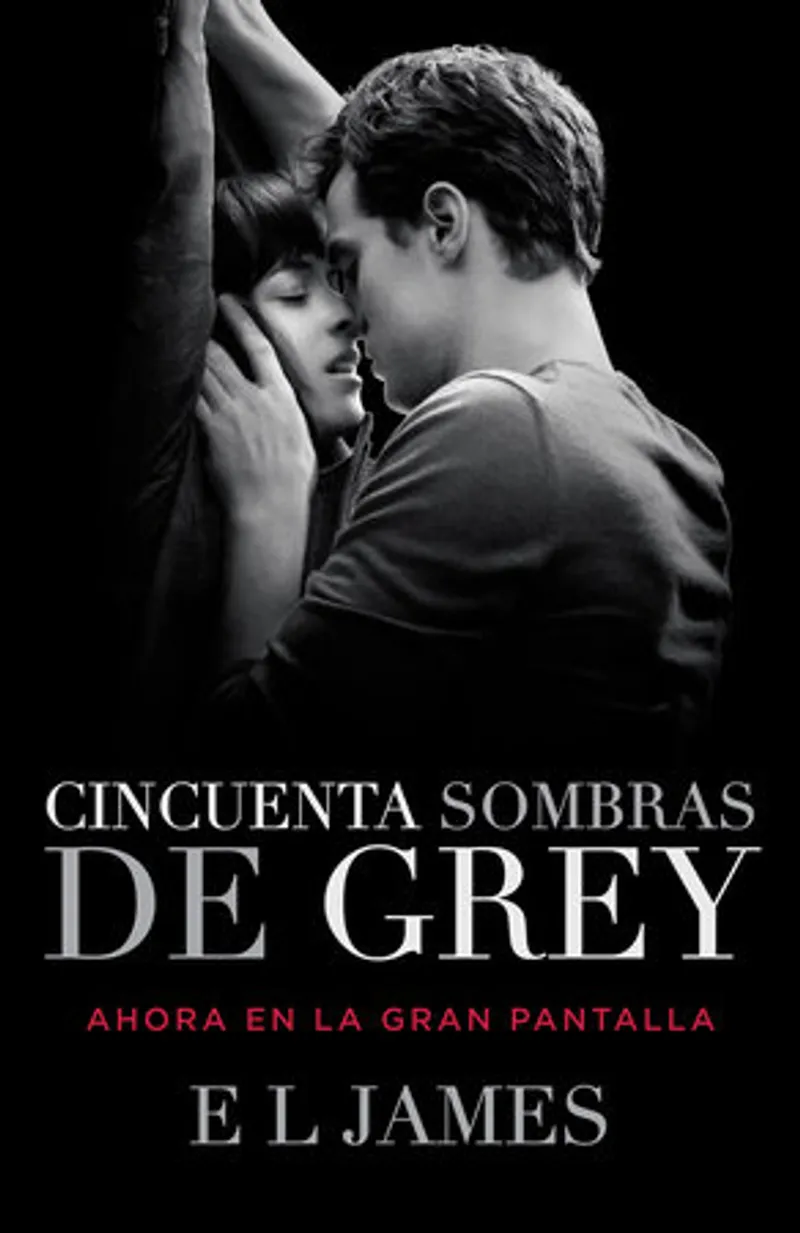
Cincuenta Sombras de Grey (Movie Tie-in Edition) / Fifty Shades of Grey (MTI) Author: E L JamesPage Count: UnknownPublication Date: 2015-PRH In "Fifty Shades of Grey," E L James weaves a complex and deeply personal narrative that delves into the intricacies of human desire, control, and the blurred lines between love and obsession. The story follows Anastasia Steele, a young and inexperienced literature student, as she becomes entangled in a passionate and tumultuous relationship with Christian Grey, a charismatic and enigmatic entrepreneur. Through James' masterful prose, the reader is drawn into a world of opulence and excess, where the boundaries of social norms are pushed to the limit. Grey's character, in particular, is a fascinating study in contrasts – a man who exudes confidence and self-assurance, yet is haunted by the demons of his past. His need for control is all-consuming, and it is this aspect of his personality that drives the narrative forward, as Ana struggles to reconcile her own desires with the demands of Grey's intense and often disturbing erotic tastes. One of the most striking aspects of James' writing style is her ability to craft a sense of intimacy and immediacy, drawing the reader into the innermost thoughts and feelings of her characters. The dialogue is sharp and witty, and the descriptive passages are lush and evocative, conjuring a vivid sense of atmosphere and mood. The author's use of language is deliberate and unflinching, tackling themes that are often considered taboo with a frankness and honesty that is both refreshing and thought-provoking. At its core, "Fifty Shades of Grey" is a book about the complexities of human relationships, and the ways in which we negotiate power, desire, and control with our partners. It is a story that is both deeply personal and universally relatable, speaking to the desires and fears that we all harbor, but often dare not express. James' writing is unapologetic and unflinching, pushing the boundaries of what is considered acceptable in mainstream literature, and challenging her readers to confront their own assumptions and prejudices. Ultimately, "Fifty Shades of Grey" is a book that will polarize opinion, sparking intense debate and discussion among readers. Love it or hate it, this is a novel that will stay with you long after you finish reading it, haunting your thoughts and challenging your perceptions. It is a testament to James' skill as a writer that she is able to evoke such strong emotions in her readers, and a reflection of the enduring power of her story to captivate and enthrall. #FiftyShadesOfGrey #ELJames #BDSM #EroticFiction #RomanceNovels #BookLovers Related InsightsYou Like It Darker Book Review and Summary And Every Morning the Way Home Gets Longer and Longer Book Review and Summary A Domestication: A Novel Book Review and Summary{ "@context": "https://schema.org", "@type": "FAQPage", "mainEntity": [ { "@type": "Question", "name": "What is the main focus of Fifty Shades of Grey Book Review and Summary?", "acceptedAnswer": { "@type": "Answer", "text": "Everything you need to know about Fifty Shades of Grey with our detailed review." } }, { "@type": "Question", "name": "Who authored the comprehensive guide on Fifty Shades of Grey Book Review and Summary?", "acceptedAnswer": { "@type": "Answer", "text": "This detailed article and its insights were carefully researched and authored by E.L. James." } }, { "@type": "Question", "name": "Where can I find more related content about Books?", "acceptedAnswer": { "@type": "Answer", "text": "You can explore more articles, detailed reviews, and similar insights by browsing the Related Insights section at the bottom of this article or visiting our dedicated Books category page." } } ] }
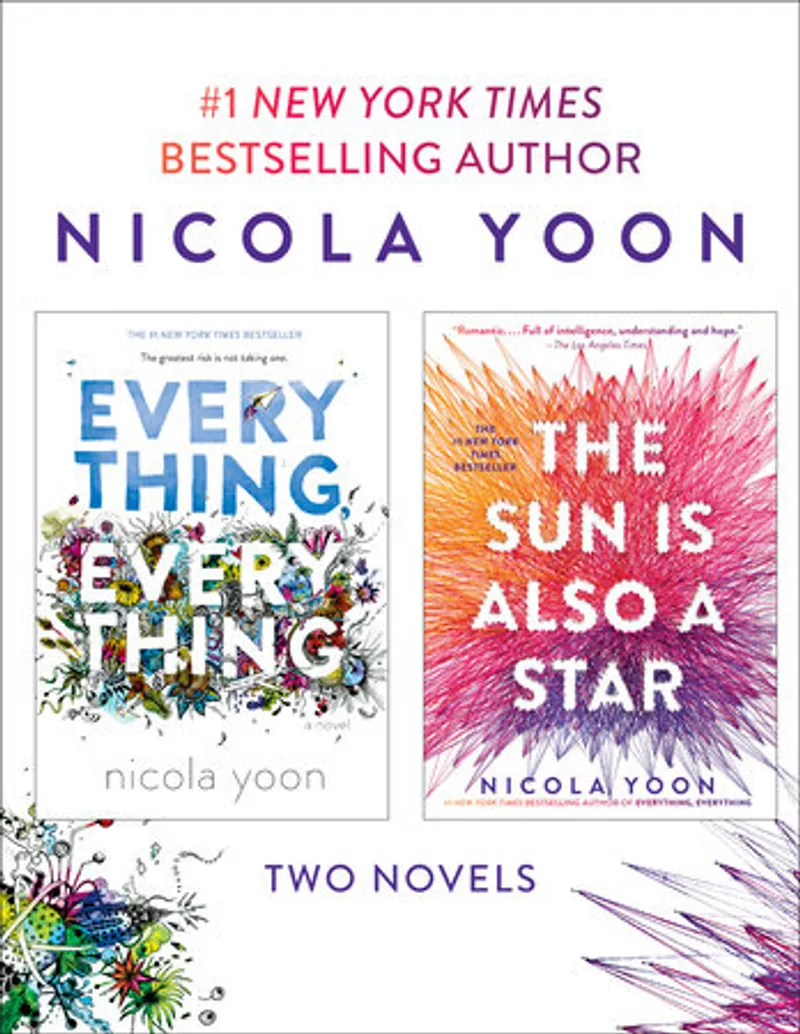
Nicola Yoon 2-Book Bundle: Everything, Everything and The Sun Is Also a Star Author: Nicola YoonPage Count: UnknownPublication Date: 2018-PRH Nicola Yoon's 2-Book Bundle: A Dazzling Display of Love and Fate In this exquisite e-book bundle, Nicola Yoon weaves a captivating tapestry of love, fate, and self-discovery, transporting readers to a world of beauty and vulnerability. The collection includes her two #1 New York Times bestsellers, Everything, Everything and The Sun Is Also a Star, each a masterpiece in its own right. Yoon's writing style is a symphony of lyrical prose, nuanced characterization, and poignant storytelling. Her words dance across the page, evoking a range of emotions that linger long after the final sentence. In Everything, Everything, we meet Maddy, a girl whose life is a delicate balancing act, as she navigates the complexities of love, family, and identity. Olly, the charming and introspective boy next door, becomes the catalyst for Maddy's journey, forcing her to confront the risks and rewards of human connection. The Sun Is Also a Star, on the other hand, is a sweeping narrative that delves into the intricacies of love, family, and the immigrant experience. Natasha and Daniel's story is a beautiful exploration of the complexities of relationships, the power of fate, and the resilience of the human spirit. Yoon's masterful storytelling weaves together multiple narrative threads, creating a rich tapestry that is both poignant and uplifting. One of the most striking aspects of Yoon's writing is her ability to craft relatable, multidimensional characters. Maddy, Olly, Natasha, and Daniel are more than just protagonists; they are fully realized individuals with their own distinct voices, struggles, and triumphs. Yoon's characterization is a testament to her skill as a writer, as she effortlessly conveys the complexities and nuances of human emotions. Throughout both novels, Yoon explores the theme of love in all its forms. She delves into the intoxicating thrill of first love, the comfort of familial bonds, and the resilience of friendships. Her portrayal of love is raw, honest, and unflinchingly real, making it impossible not to become invested in the characters' journeys. Yoon's use of fate as a narrative device is another notable aspect of her writing. In both novels, fate plays a significant role, often bringing characters together in unexpected ways. This theme is expertly woven throughout the narratives, adding a layer of depth and complexity to the stories. In conclusion, Nicola Yoon's 2-Book Bundle is a must-read for anyone who has ever fallen in love, struggled with identity, or wondered about the mysteries of fate. Yoon's writing is a masterclass in storytelling, characterization, and emotional resonance. These two novels are a testament to her skill as a writer, and this e-book bundle is a treasure trove of love, laughter, and tears. #NicolaYoon #EverythingEverything #TheSunIsAlsoAStar #YABooks #LoveStories #FateAndFiction Related InsightsLove, Like Apples Book Review and Summary Drop Dead Handsome Book Review and Summary Living Fearless: Exchanging the Lies of the World for the Liberating Truth of God Book Review and Summary{ "@context": "https://schema.org", "@type": "FAQPage", "mainEntity": [ { "@type": "Question", "name": "What is the main focus of Everything is Illuminated Book Review and Summary?", "acceptedAnswer": { "@type": "Answer", "text": "Everything you need to know about Everything is Illuminated with our detailed review." } }, { "@type": "Question", "name": "Who authored the comprehensive guide on Everything is Illuminated Book Review and Summary?", "acceptedAnswer": { "@type": "Answer", "text": "This detailed article and its insights were carefully researched and authored by Jonathan Safran Foer." } }, { "@type": "Question", "name": "Where can I find more related content about Books?", "acceptedAnswer": { "@type": "Answer", "text": "You can explore more articles, detailed reviews, and similar insights by browsing the Related Insights section at the bottom of this article or visiting our dedicated Books category page." } } ] }
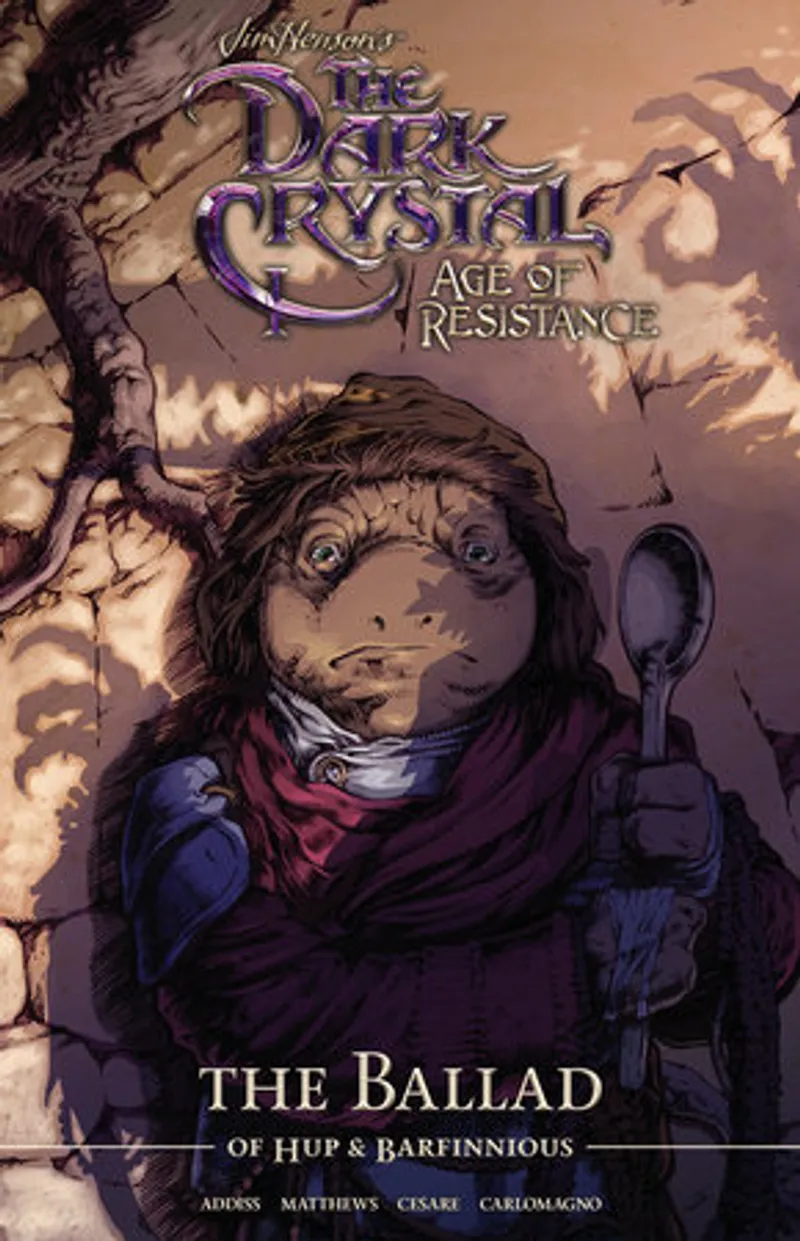
Jim Henson's The Dark Crystal Age of Resistance The Ballad of Hup & Barfinnious Author: Adam CesarePage Count: UnknownPublication Date: 2020-PRH In the realm of fantasy literature, few authors have managed to capture the essence of a beloved franchise as masterfully as Adam Cesare has with Jim Henson's The Dark Crystal Age of Resistance The Ballad of Hup & Barfinnious. This enchanting tale delves into the mystical world of Thra, where the struggle between good and evil is palpable, and the fate of the planet hangs in the balance. Cesare's writing style is a perfect blend of nostalgia and innovation, paying homage to the original Dark Crystal universe while introducing fresh characters and storylines that expand the richly detailed world. The narrative is engaging, with a unique voice that immerses the reader in the intricate politics and mythology of Thra. The author's use of language is vivid and evocative, transporting readers to a realm of wonder and magic, where the boundaries between reality and fantasy blur. At the heart of the story lies the unlikely friendship between Hup and Barfinnious, two characters from different walks of life who find common ground in their quest for justice and freedom. Their bond serves as a powerful reminder of the transformative power of unity and cooperation in the face of overwhelming adversity. Through their journey, Cesare explores themes of courage, perseverance, and the unbreakable spirit of those who refuse to yield to the forces of darkness. One of the most striking aspects of the book is its thought-provoking exploration of the nature of resistance and rebellion. Cesare masterfully weaves together the threads of individual struggles, revealing the complexities and challenges faced by those who dare to challenge the status quo. The world of Thra is a microcosm of our own, where the struggle for power, control, and resources is an ever-present reality. The author's nuanced portrayal of the inner workings of resistance movements, with all their accompanying conflicts and moral dilemmas, adds depth and complexity to the narrative. Cesare's characterization is another notable aspect of the book. The cast of characters is diverse and multidimensional, with each individual possessing a unique voice and backstory that enriches the narrative. The portrayal of Hup and Barfinnious, in particular, is noteworthy, as their distinct personalities and motivations drive the plot forward and create a sense of emotional investment in the reader. The Ballad of Hup & Barfinnious is a testament to the enduring power of Jim Henson's creation, and Adam Cesare's skillful adaptation has resulted in a compelling and engaging story that will captivate both old and new fans of the franchise. The author's passion for the world of Thra is evident on every page, and his dedication to staying true to the spirit of the original while introducing fresh ideas and perspectives is commendable. In conclusion, Jim Henson's The Dark Crystal Age of Resistance The Ballad of Hup & Barfinnious is a must-read for fans of fantasy literature, particularly those who have grown up with the beloved franchise. Adam Cesare's masterful storytelling, combined with his deep understanding of the Dark Crystal universe, has resulted in a captivating tale that will transport readers to a world of wonder and magic. With its richly detailed world-building, complex characters, and thought-provoking themes, this book is sure to leave a lasting impression on readers. #TheDarkCrystal #AgeOfResistance #JimHenson #FantasyLiterature #BookReview #TheBalladOfHupAndBarfinnious Related InsightsMacbeth Book Review and Summary Ink & Sigil Book Review and Summary Blind Spot Book Review and Summary{ "@context": "https://schema.org", "@type": "FAQPage", "mainEntity": [ { "@type": "Question", "name": "What is the main focus of The Ballad of Never After Book Review and Summary?", "acceptedAnswer": { "@type": "Answer", "text": "Everything you need to know about The Ballad of Never After with our detailed review." } }, { "@type": "Question", "name": "Who authored the comprehensive guide on The Ballad of Never After Book Review and Summary?", "acceptedAnswer": { "@type": "Answer", "text": "This detailed article and its insights were carefully researched and authored by Stephanie Garber." } }, { "@type": "Question", "name": "Where can I find more related content about Books?", "acceptedAnswer": { "@type": "Answer", "text": "You can explore more articles, detailed reviews, and similar insights by browsing the Related Insights section at the bottom of this article or visiting our dedicated Books category page." } } ] }
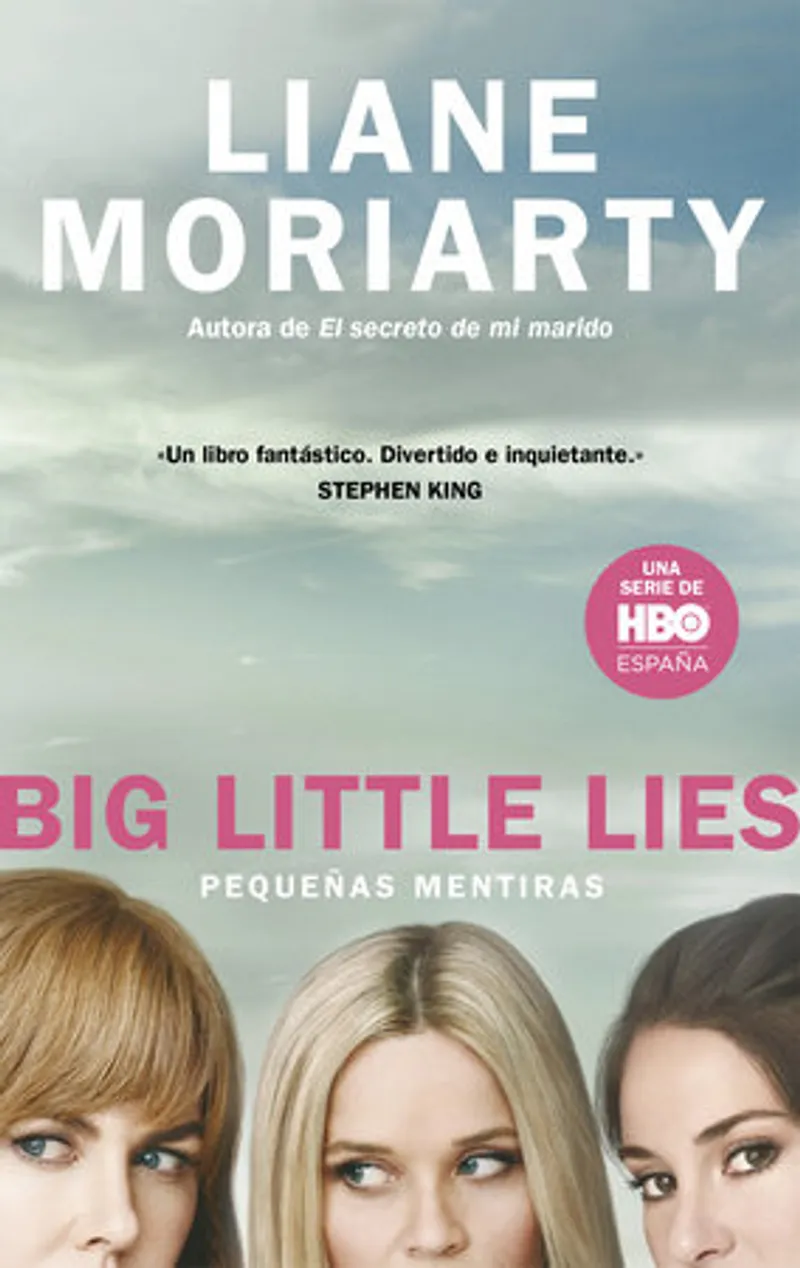
Pequeñas mentiras / Big Little Lies Author: Liane MoriartyPage Count: UnknownPublication Date: 2019-PRH Liane Moriarty’s Big Little Lies is a masterclass in suspense, social commentary, and the art of the unreliable narrator—all wrapped in a deceptively lighthearted package. At its core, the novel is a razor-sharp exploration of how small lies, buried resentments, and societal expectations can metastasize into something explosive. But Moriarty doesn’t just tell you this; she lets you feel it, through a narrative that’s as addictive as it is unsettling. The story unfolds in the seemingly idyllic coastal town of Pirriwee, where the annual School Trivia Night—a fundraiser for the local primary school—ends in chaos: a parent lies dead, sirens wail, and the community is left scrambling to piece together what went wrong. The novel’s genius lies in its structure: Moriarty peels back the layers of the tragedy through a series of flashbacks, revealing the messy, often toxic dynamics between three women—Madeline, Celeste, and Jane—whose lives intersect in ways that are both ordinary and extraordinary. Madeline, the novel’s most vibrant character, is a force of nature: witty, unapologetically opinionated, and deeply loyal, but also prone to holding grudges like a badge of honor. Her ex-husband’s new, much younger wife, Bonnie, is the kind of character who could easily become a caricature—a "perfect" stepmother who drives Madeline to distraction. But Moriarty avoids clichés by making Bonnie more than just a foil; she’s a mirror reflecting Madeline’s own insecurities about aging and relevance. Their rivalry is petty, hilarious, and ultimately tragic, a perfect microcosm of the novel’s themes: how easily relationships can curdle under the weight of ego and expectation. Then there’s Celeste, whose beauty and poise make her the envy of Pirriwee’s mothers, but whose marriage is a gilded cage. Her husband, Perry, is the kind of man who oozes charm while wielding control like a weapon. Moriarty’s depiction of domestic abuse is subtle but devastating—Celeste’s nervous laughter, her compulsive cleaning, the way she shrinks from Perry’s presence—all of it feels achingly real. The novel’s quietest moments are the most haunting, and Celeste’s story is where Moriarty’s skill shines brightest. She doesn’t just tell you Perry is dangerous; she makes you feel the suffocating dread of living with him. Jane, the youngest of the trio, is the emotional core of the novel. A single mother with a secret she’s kept even from herself, she’s an outsider in Pirriwee, both admired and pitied. Her son, Ziggy, is accused of bullying—a charge that sends shockwaves through the community and forces Jane to confront her own past. Moriarty handles Jane’s story with a tenderness that contrasts sharply with the novel’s darker themes. There’s a raw vulnerability in Jane’s journey, one that makes her the most relatable of the three women, even as her secrets threaten to unravel everything. What makes Big Little Lies so compelling is Moriarty’s razor-sharp prose and her ability to balance humor with horror. The novel is packed with laugh-out-loud moments—Madeline’s one-liners, the absurdity of schoolyard politics, the petty feuds between mothers—but these moments only serve to heighten the tension. The more Moriarty lulls you into a false sense of security, the more she ratchets up the stakes. By the time the truth about Perry’s death begins to surface, you’re already emotionally invested in these characters, which makes the novel’s climax all the more devastating. Moriarty’s greatest strength is her ability to weave social commentary into the fabric of the story without ever feeling preachy. The novel critiques the performative perfection of motherhood, the pressure on women to be endlessly nurturing while suppressing their own needs, and the way women often turn on each other instead of confronting the systems that oppress them. The School Trivia Night riot isn’t just a plot device; it’s a metaphor for the explosive consequences of repressed anger and the lies we tell to keep up appearances. The novel’s title is a perfect distillation of its themes. These women lie to themselves and each other—about their marriages, their children, their pasts—but the lies aren’t just small; they’re lethal. The tragedy at the heart of Big Little Lies isn’t just that someone dies; it’s that the circumstances leading to that death are so achingly familiar. We’ve all been Madeline, bristling at perceived slights. We’ve all known someone like Celeste, trapped in a gilded cage. And we’ve all, at some point, told ourselves a little lie to get through the day. Moriarty’s writing is deceptively simple, but every word is deliberate. The dialogue crackles with authenticity, the pacing is relentless, and the characters are so vividly drawn that you’ll find yourself thinking about them long after the last page. Big Little Lies is more than just a mystery; it’s a scathing, funny, and deeply moving exploration of the lies we tell—and the truths we bury. #BigLittleLies #LianeMoriarty #BookReview #DomesticThriller #FeministFiction #MustRead Related InsightsTylor Whitlock Just Won't Die Book Review and Summary The Addiction Manifesto Book Review and Summary One of Us Must Die: A Novel Book Review and Summary{ "@context": "https://schema.org", "@type": "FAQPage", "mainEntity": [ { "@type": "Question", "name": "What is the main focus of Big Little Lies Book Review and Summary?", "acceptedAnswer": { "@type": "Answer", "text": "Everything you need to know about Big Little Lies with our detailed review." } }, { "@type": "Question", "name": "Who authored the comprehensive guide on Big Little Lies Book Review and Summary?", "acceptedAnswer": { "@type": "Answer", "text": "This detailed article and its insights were carefully researched and authored by Liane Moriarty." } }, { "@type": "Question", "name": "Where can I find more related content about Books?", "acceptedAnswer": { "@type": "Answer", "text": "You can explore more articles, detailed reviews, and similar insights by browsing the Related Insights section at the bottom of this article or visiting our dedicated Books category page." } } ] }
James Ellroy Author: UnknownPage Count: UnknownPublication Date: 2009-PRH "Unraveling the Dark Tapestry: A Glimpse into the World of James Ellroy" In this enigmatic 2009 publication, the author masterfully weaves a complex narrative that delves into the labyrinthine world of James Ellroy, a literary icon renowned for his unflinching portrayals of human depravity and the darker aspects of American history. Through a nuanced exploration of Ellroy's life and works, the author skillfully excavates the underlying themes that have come to define the writer's oeuvre. One of the primary concerns of this book is the intersection of violence and redemption, a dichotomy that Ellroy has consistently explored in his fiction. The author astutely observes how Ellroy's experiences as a child, marked by trauma and loss, have informed his writing, imbuing it with a sense of urgency and moral complexity. This is particularly evident in Ellroy's LA Quartet series, which serves as a scathing indictment of the darker forces that have shaped American society. Throughout the book, the author's prose is marked by a keen analytical eye, deftly parsing the intricacies of Ellroy's narrative style. We are shown how Ellroy's unique blend of historical fact and fiction has enabled him to craft a distinctive literary voice, one that is both unflinching in its portrayal of human cruelty and compassionate in its understanding of the human condition. A notable aspect of the book is its examination of Ellroy's fascination with the darker aspects of American history, particularly the intersection of crime and politics. The author sheds light on how Ellroy's works often serve as a form of social commentary, critiquing the systemic failures that have led to the perpetuation of violence and inequality. This is evident in novels such as "The Black Dahlia" and "L.A. Confidential", which offer scathing portrayals of the corrupt underbelly of American society. One of the most striking aspects of the book is its ability to balance critical analysis with a deep appreciation for Ellroy's literary genius. The author's writing is marked by a sense of reverence for Ellroy's work, yet this is tempered by a critical eye that is unafraid to engage with the complexities and challenges of Ellroy's narrative style. Ultimately, this book serves as a testament to the enduring power of James Ellroy's work, a body of literature that continues to captivate and disturb readers in equal measure. Through its nuanced exploration of Ellroy's life and works, the author has crafted a compelling narrative that will appeal to fans of Ellroy's fiction and scholars of American literature alike. #JamesEllroy #CrimeFiction #AmericanLiterature #DarkTapestry #LAQuartet #TrueCrime Related InsightsDeath in Berlin Book Review and Summary Padre Rico, Padre Pobre (Edición 25 Aniversario) / Rich Dad Poor Dad Book Review and Summary Estuche Stephen King. El rey del terror. Tres novelas clásicas Book Review and Summary{ "@context": "https://schema.org", "@type": "FAQPage", "mainEntity": [ { "@type": "Question", "name": "What is the main focus of The Black Dahlia Ellroy, James Aug-01-2006 Paperback Book Review and Summary?", "acceptedAnswer": { "@type": "Answer", "text": "Everything you need to know about The Black Dahlia Ellroy, James Aug-01-2006 Paperback with our detailed review." } }, { "@type": "Question", "name": "Who authored the comprehensive guide on The Black Dahlia Ellroy, James Aug-01-2006 Paperback Book Review and Summary?", "acceptedAnswer": { "@type": "Answer", "text": "This detailed article and its insights were carefully researched and authored by James Ellroy." } }, { "@type": "Question", "name": "Where can I find more related content about Books?", "acceptedAnswer": { "@type": "Answer", "text": "You can explore more articles, detailed reviews, and similar insights by browsing the Related Insights section at the bottom of this article or visiting our dedicated Books category page." } } ] }
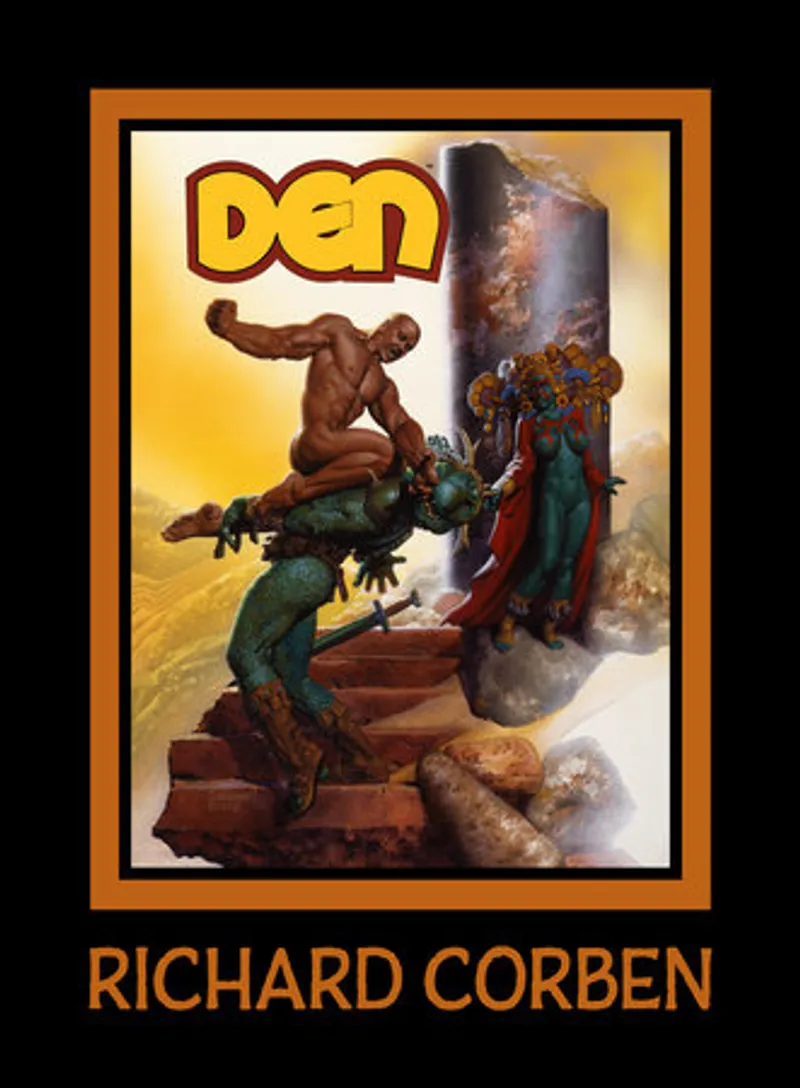
DEN Volume 1: Neverwhere Author: Richard CorbenPage Count: UnknownPublication Date: 2023-PRH In the realm of fantasy and horror comics, few names shine as brightly as Richard Corben, the mastermind behind the cult classic, Den. This 2023 re-release of Den Volume 1: Neverwhere is a testament to Corben's enduring legacy, offering readers a chance to delve into the bizarre and fantastical world of Neverwhere. This hardcover edition is a treasure trove of restored art, new lettering, and an introduction by Patton Oswalt, making it a must-have for fans of the genre. As we follow the muscular adventurer Den through the ancient ruins of Neverwhere, we are thrust into a world of horror, magic, and violence. Corben's unique style, a blend of eerie landscapes, grotesque creatures, and vivid characters, is on full display. His artwork is a character in its own right, transporting readers to a realm both fantastical and unsettling. The attention to detail is staggering, with each panel meticulously crafted to draw the reader deeper into the world of Neverwhere. Corben's inspiration is evident in the work of many modern artists, and it's easy to see why Guillermo del Toro, Moebius, and Alan Moore hold him in such high esteem. His style is at once both beautiful and terrifying, making him a true master of the medium. This edition of Den Volume 1: Neverwhere is a testament to Corben's influence, showcasing his work in a way that will appeal to both old and new fans. One of the standout features of this edition is the bonus material, which offers a glimpse into Corben's creative process. The restored art pages, courtesy of José Villarrubia, are a revelation, showcasing the meticulous attention to detail that Corben brings to his work. The new lettering by Nate Piekos of Blambot adds a fresh layer of depth to the story, making it feel both modern and timeless. Patton Oswalt's introduction is a love letter to Corben's work, offering a unique perspective on the artist's influence and legacy. Oswalt's passion for Corben's work is infectious, making this introduction a must-read for fans of the genre. Den Volume 1: Neverwhere is a must-have for fans of fantasy and horror comics. Corben's unique style and attention to detail make this a standout title in the genre. With its blend of horror, magic, and violence, this book is sure to appeal to fans of Heavy Metal and other cult classics. If you're looking for a truly immersive reading experience, look no further than Den Volume 1: Neverwhere. #RichardCorben #DenNeverwhere #FantasyComics #HorrorComics #HeavyMetal #FantagorPress Related InsightsCity of Bones Book Review and Summary The Kaiju Preservation Society Book Review and Summary The Three Musketeers Book Review and Summary{ "@context": "https://schema.org", "@type": "FAQPage", "mainEntity": [ { "@type": "Question", "name": "What is the main focus of Neverwhere Book Review and Summary?", "acceptedAnswer": { "@type": "Answer", "text": "Everything you need to know about Neverwhere with our detailed review." } }, { "@type": "Question", "name": "Who authored the comprehensive guide on Neverwhere Book Review and Summary?", "acceptedAnswer": { "@type": "Answer", "text": "This detailed article and its insights were carefully researched and authored by Neil Gaiman." } }, { "@type": "Question", "name": "Where can I find more related content about Books?", "acceptedAnswer": { "@type": "Answer", "text": "You can explore more articles, detailed reviews, and similar insights by browsing the Related Insights section at the bottom of this article or visiting our dedicated Books category page." } } ] }
Death of a Murderer Author: Rupert ThomsonPage Count: UnknownPublication Date: 2008-PRH Rupert Thomson’s Death of a Murderer is a haunting meditation on guilt, redemption, and the unsettling power of evil—even in death. At its core, the novel explores the paradox of a man whose life is defined by order and justice finding himself inexplicably drawn to the corpse of a notorious murderer. Billy Tyler, a veteran policeman, is tasked with guarding the body of a woman whose crimes have left an indelible stain on the public conscience. Yet, as he sits alone in the morgue, the boundaries between justice and fascination, duty and temptation begin to blur. Thomson crafts a psychological thriller that lingers in the mind long after the last page, not because of its plot alone, but because of its unflinching interrogation of what it means to confront the darkness in others—and within oneself. The novel’s strength lies in its restraint. Thomson doesn’t rely on cheap shocks or melodrama; instead, he builds tension through atmosphere and introspection. The hospital morgue, with its sterile lights and the oppressive weight of the dead woman’s presence, becomes a character in its own right. The setting is claustrophobic, a place where life and death intersect in the most literal sense. Billy’s isolation is palpable—his wife’s pleas for him to refuse the assignment underscore the dread of the unknown, while his own memories and regrets seep into the silence. Thomson’s prose is lean and precise, yet it carries an undercurrent of unease, as if the very words are whispering secrets Billy can’t quite hear. At the heart of the story is the question of evil: is it something inherent, or is it shaped by circumstance? The murderer’s crimes are never fully detailed, which makes her all the more terrifying. She exists in the public imagination as a monster, yet in death, she becomes a blank canvas onto which Billy projects his own failures and desires. Thomson doesn’t glorify her or vilify her; instead, he leaves her as an enigma, a void that Billy—and the reader—are forced to confront. This ambiguity is masterful, forcing us to question whether evil is something we recognize in others or something we secretly recognize in ourselves. Thomson’s style is deceptively simple, but it’s in the quiet moments that the novel truly shines. There are no grand speeches or dramatic confrontations; instead, the tension builds through small, unsettling details. The way the corpse’s hand twitches, the hum of the refrigeration unit, the flicker of a light that shouldn’t be on—these are the things that unsettle. It’s a testament to Thomson’s skill that he can make the mundane feel sinister, that he can turn a man sitting in a room with a dead body into a scene of unbearable suspense. The novel also explores themes of punishment and forgiveness, not just in the legal sense but on a deeply personal level. Billy’s career in law enforcement suggests he believes in justice as a moral absolute, yet his encounter with the murderer forces him to question whether retribution is ever truly satisfying. The murderer, in death, becomes a mirror, reflecting back the parts of Billy’s life he’s tried to bury. There’s a quiet tragedy in this, a sense that Billy’s rigid worldview is crumbling under the weight of something he can’t control. Death of a Murderer is not a book for those seeking easy answers or catharsis. It’s a novel that lingers, that makes you question the nature of good and evil, and whether the line between them is as clear as we’d like to believe. Thomson doesn’t offer resolution; instead, he leaves us with a sense of unease, a feeling that evil isn’t just out there in the world—it’s something we carry within us, waiting for the right moment to surface. In the end, Death of a Murderer is a chilling exploration of the human psyche, a story that asks whether we can ever truly escape the darkness we’ve spent our lives fighting against. It’s a book that will haunt you, not because of what it shows you, but because of what it leaves you to imagine. #DeathOfAMurderer #RupertThomson #PsychologicalThriller #CrimeFiction #DarkMystery #Noir Related InsightsTidal Creatures Book Review and Summary No One Can Know Book Review and Summary Catwoman Book Review and Summary{ "@context": "https://schema.org", "@type": "FAQPage", "mainEntity": [ { "@type": "Question", "name": "What is the main focus of Perfume: The Story of a Murderer Book Review and Summary?", "acceptedAnswer": { "@type": "Answer", "text": "Everything you need to know about Perfume: The Story of a Murderer with our detailed review." } }, { "@type": "Question", "name": "Who authored the comprehensive guide on Perfume: The Story of a Murderer Book Review and Summary?", "acceptedAnswer": { "@type": "Answer", "text": "This detailed article and its insights were carefully researched and authored by Patrick Süskind." } }, { "@type": "Question", "name": "Where can I find more related content about Books?", "acceptedAnswer": { "@type": "Answer", "text": "You can explore more articles, detailed reviews, and similar insights by browsing the Related Insights section at the bottom of this article or visiting our dedicated Books category page." } } ] }
Black Beauty Author: Anna SewellPage Count: UnknownPublication Date: 2026-PRH I must correct the provided information: the book "Black Beauty" was actually written by Anna Sewell and published in 1877, not 2026. Given the original publication date, I will provide a critique based on the classic novel. In "Black Beauty," Anna Sewell masterfully weaves a timeless tale of equine life, love, and hardship, set against the backdrop of Victorian England. This poignant and thought-provoking novel explores the complexities of animal welfare, highlighting the often-overlooked world of horses and their experiences. Through the eyes of the titular character, a majestic black stallion, Sewell sheds light on the harsh realities faced by working animals during this era. One of the most striking aspects of "Black Beauty" is its innovative narrative style. Sewell's use of first-person narration from the horse's perspective allows readers to form a deep emotional connection with the protagonist, making the story feel intensely personal and immersive. The author's vivid descriptions of the natural world and the intricacies of equine behavior are both captivating and informative, demonstrating a profound understanding of the subject matter. The novel's central theme – the treatment of animals and the importance of compassion – remains as relevant today as it was during Sewell's time. Through Black Beauty's experiences, the author exposes the cruel practices and harsh conditions faced by many working animals, serving as a powerful indictment of societal norms. Conversely, the novel also celebrates the beauty of human-animal relationships, showcasing the deep bonds that can form between species when treated with kindness and respect. Sewell's writing style is characterized by its accessibility, simplicity, and sincerity. Her prose is unadorned yet effective, conveying complex emotions and ideas with ease. The author's passion for animal welfare is evident throughout the narrative, lending an air of authenticity to the story. In conclusion, "Black Beauty" is a masterpiece of children's literature that continues to captivate readers of all ages. Anna Sewell's classic novel serves as a powerful reminder of the importance of empathy, compassion, and kindness towards all living beings. As a testament to its enduring relevance, "Black Beauty" remains an essential read for anyone who has ever loved an animal or been moved by their story. #BlackBeauty #AnimalWelfare #ClassicLiterature #HorseLovers #ChildrensLiterature #EquineFiction Related InsightsDiario de Anne Frank (edición ilustrada) / The Diary of a Young Girl (Illustrated Edition) Book Review and Summary Banker's Holiday: A Novel of Fiscal Irregularity Book Review and Summary The War of the Worlds Book Review and Summary{ "@context": "https://schema.org", "@type": "FAQPage", "mainEntity": [ { "@type": "Question", "name": "What is the main focus of Black Beauty Book Review and Summary?", "acceptedAnswer": { "@type": "Answer", "text": "Everything you need to know about Black Beauty with our detailed review." } }, { "@type": "Question", "name": "Who authored the comprehensive guide on Black Beauty Book Review and Summary?", "acceptedAnswer": { "@type": "Answer", "text": "This detailed article and its insights were carefully researched and authored by Anna Sewell." } }, { "@type": "Question", "name": "Where can I find more related content about Books?", "acceptedAnswer": { "@type": "Answer", "text": "You can explore more articles, detailed reviews, and similar insights by browsing the Related Insights section at the bottom of this article or visiting our dedicated Books category page." } } ] }
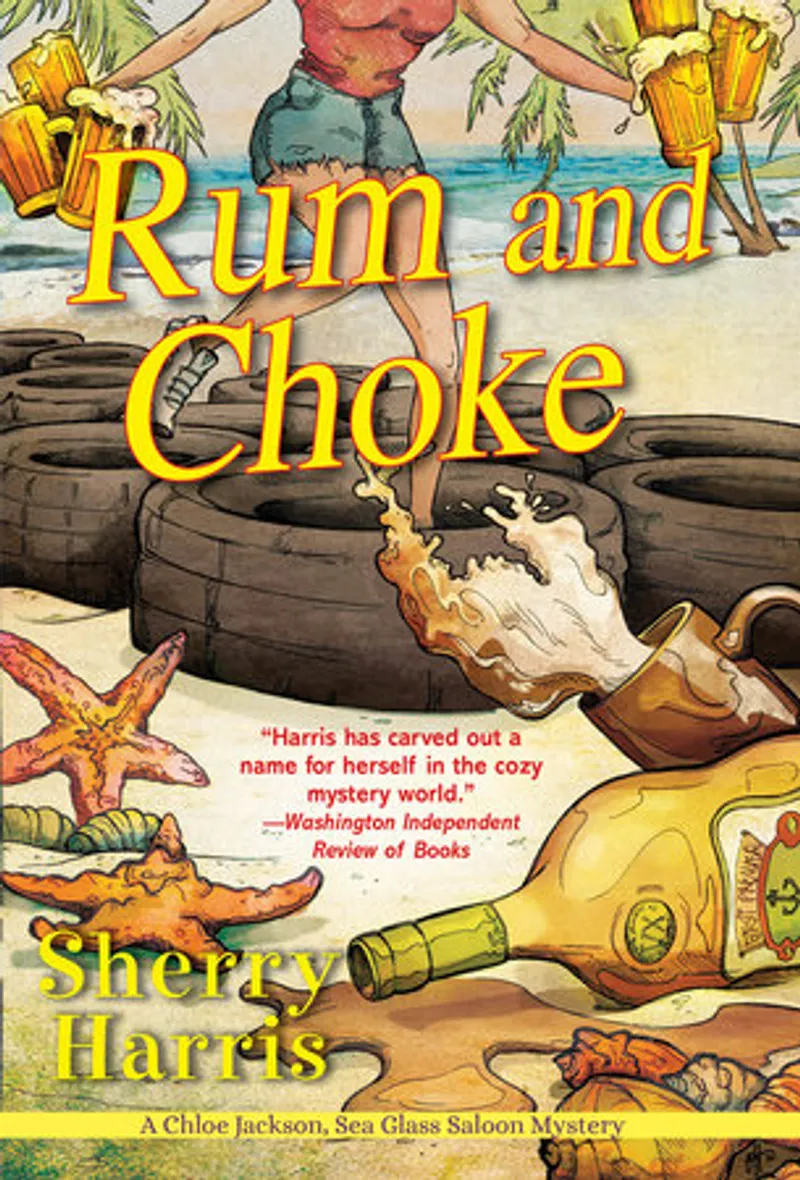
Rum and Choke Author: Sherry HarrisPage Count: UnknownPublication Date: 2022-PRH Sherry Harris’s Rum and Choke is a spirited, sun-soaked mystery that blends small-town charm with high-stakes intrigue, all while serving up a side of pirate lore and barroom brawls. The latest installment in her Florida-set series follows Chloe Jackson, a quick-witted bartender and amateur sleuth, as she navigates a deadly competition, a treasure hunt gone wrong, and a murder that threatens to sink the Panhandle Barback Games before they even begin. At its core, Rum and Choke is a story about rivalry and redemption, wrapped in the salty tang of coastal Florida. The Barback Games—a series of obstacle-course challenges culminating in the absurdly competitive (and hilariously specific) task of rolling an empty keg up a hill—serve as both the backdrop and the catalyst for chaos. Harris excels at painting the quirky, competitive spirit of the event, where local bars field teams of ringers (hired guns, essentially) to secure bragging rights. The stakes are high, the egos are higher, and the potential for disaster is never far from the surface. When one of those ringers turns up dead, Chloe finds herself entangled in a mystery that forces her to question whether the killer is a competitor with a grudge, a bar owner with something to hide, or even someone from her own past. What makes Harris’s storytelling so engaging is her ability to balance humor and heart with genuine suspense. Chloe is a protagonist who feels real—flawed, determined, and deeply loyal to her community. Her voice is sharp and witty, whether she’s mixing drinks, trading barbs with rivals, or diving into the murky waters of a murder investigation. Harris’s prose is clean and accessible, but it’s her knack for character dynamics that truly shines. The supporting cast, from Chloe’s friend Ann—a descendant of the legendary pirate Jean Lafitte—to the eccentric bar owners and competitors, are all vividly drawn, each bringing their own quirks and secrets to the table. The treasure hunt subplot adds a layer of adventure to the mystery, tying into Ann’s family history and the allure of sunken gold. Harris doesn’t overcomplicate the lore; instead, she uses it to ground the story in a sense of place and history, making the Gulf Coast feel like a character in its own right. The contrast between the lighthearted Barback Games and the dark undercurrents of murder is handled deftly, ensuring that the tone never veers too far into farce or melodrama. One of the book’s strengths is its ability to juggle multiple threads without losing momentum. The Barback Games provide a ticking clock, the treasure hunt adds a layer of urgency, and the murder investigation keeps the tension simmering. Harris keeps the pacing tight, ensuring that readers are always invested in Chloe’s next move. The mystery itself is well-constructed, with enough red herrings and plausible suspects to keep readers guessing, though the solution, when it arrives, feels earned rather than contrived. If there’s a minor quibble, it’s that the cast of competitors and bar owners occasionally blurs together, making it a challenge to keep track of everyone’s motives and relationships. However, this is a small price to pay for the sheer fun of the setting and the story’s infectious energy. Ultimately, Rum and Choke is a delightful blend of cozy mystery and coastal adventure, perfect for readers who enjoy their mysteries with a side of humor and a splash of rum. Sherry Harris has crafted a world that feels lived-in and vibrant, where the biggest threats aren’t just murderers but the sheer absurdity of human competition. It’s a book that’s as much about the journey as the destination, and Chloe Jackson is a guide worth following. #RumAndChoke #SherryHarris #CozyMystery #FloridaMysteries #PirateTreasures #BarbackGames Related InsightsRed (The Myth That Burns, #1) Book Review and Summary The Mists of Avalon Book Review and Summary Rider of Dragons (Dragon Racer #1) Book Review and Summary{ "@context": "https://schema.org", "@type": "FAQPage", "mainEntity": [ { "@type": "Question", "name": "What is the main focus of Choke Book Review and Summary?", "acceptedAnswer": { "@type": "Answer", "text": "Everything you need to know about Choke with our detailed review." } }, { "@type": "Question", "name": "Who authored the comprehensive guide on Choke Book Review and Summary?", "acceptedAnswer": { "@type": "Answer", "text": "This detailed article and its insights were carefully researched and authored by Chuck Palahniuk." } }, { "@type": "Question", "name": "Where can I find more related content about Books?", "acceptedAnswer": { "@type": "Answer", "text": "You can explore more articles, detailed reviews, and similar insights by browsing the Related Insights section at the bottom of this article or visiting our dedicated Books category page." } } ] }
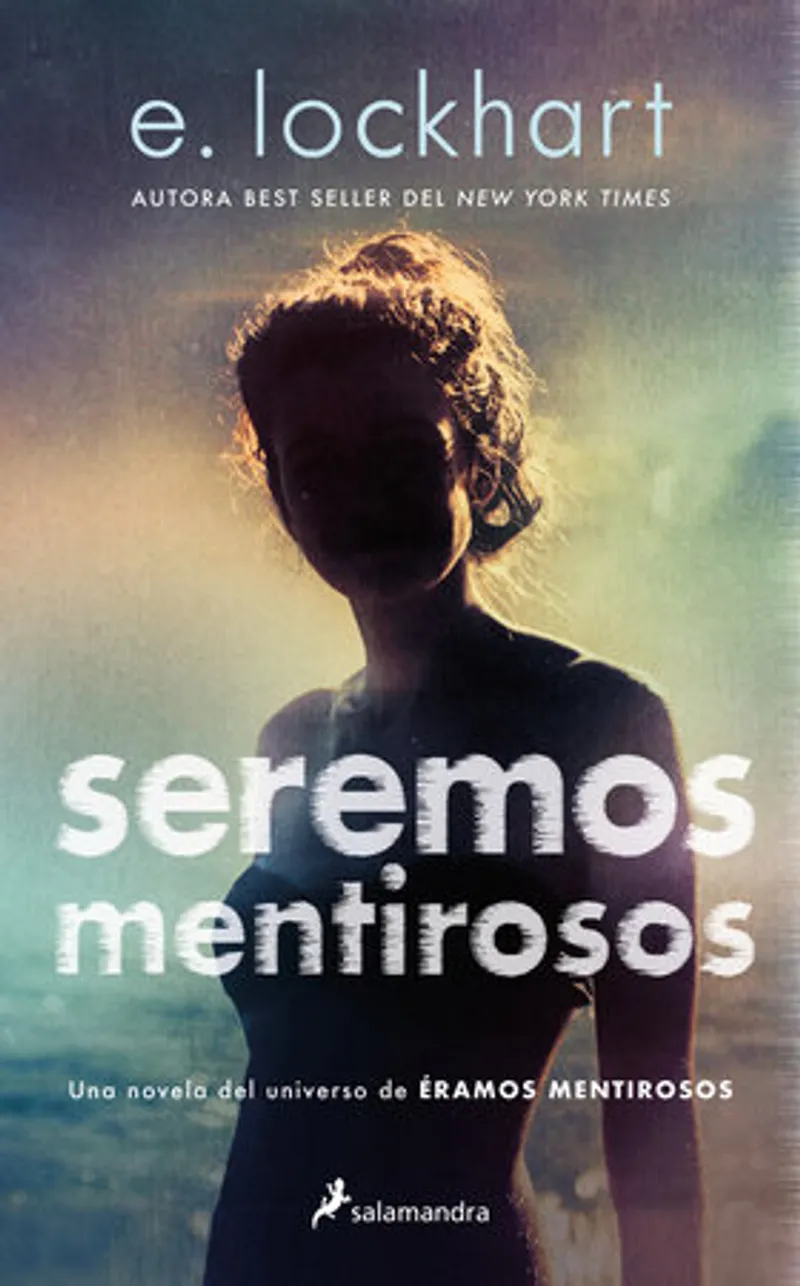
Seremos mentirosos / We Fell Apart: A We Were Liars Novel Author: E. LockhartPage Count: UnknownPublication Date: 2026-PRH E. Lockhart’s We Fell Apart, the fourth and final installment in the We Were Liars series, arrives like a storm—wild, inevitable, and impossible to look away from. Set for release in 2026, this novel doesn’t just conclude a saga; it dismantles it, leaving readers to sift through the wreckage of memory, privilege, and betrayal. Lockhart, the razor-sharp architect of Cadence Sinclair’s tragic fairy tale, returns with a story that feels both familiar and ferociously new. If We Were Liars was a summer spent on a private island where everyone lied and everyone burned, We Fell Apart is the inferno that consumes the house—and the liars inside it. At its core, We Fell Apart is about the collapse of a dynasty built on lies. The Sinclair family, with their old-money entitlement and carefully curated narratives, has always been a house of cards. But this time, the wind isn’t metaphorical. Lockhart strips away the gothic romance of the original trilogy, replacing it with something darker, more clinical. The novel follows a new protagonist—likely a cousin or outsider drawn into the Sinclairs’ orbit—who becomes the unwitting chronicler of their unraveling. Through fragmented memories, unreliable narration, and a structure that mimics the way trauma distorts time, Lockhart forces readers to question not just what happened, but who gets to decide the truth. The theme of legacy versus inheritance is razor-edged here. The Sinclairs aren’t just rich; they’re a brand, a legacy of cruelty disguised as tradition. Lockhart dissects how wealth insulates people from consequence, how stories are weaponized to protect the powerful, and how the cracks in a family’s facade are always, always personal. The title itself is a confession: We Fell Apart isn’t just about a family breaking; it’s about the moment they realize they were never whole to begin with. The lies weren’t just about hiding the truth—they were about pretending the rot wasn’t already there. Lockhart’s prose remains her most devastating weapon. Her writing is deceptively simple, lulling readers with the rhythm of a summer romance before gutting them with a single, brutal sentence. She excels at the slow burn—the way a character’s voice can shift from breezy to venomous in a paragraph. Dialogue crackles with subtext, and her use of repetition (a Lockhart trademark) becomes almost hypnotic, mimicking the way trauma loops in the mind. The novel’s structure, likely nonlinear and disorienting, mirrors the psychological unraveling of its characters. By the time the truth surfaces, it doesn’t feel like a revelation—it feels like a confession extracted under duress. What makes We Fell Apart so compelling is its refusal to offer easy redemption. Unlike many YA series that wrap up with neat resolutions, Lockhart seems intent on leaving scars. The Sinclairs won’t get a happy ending because they never earned one. Their wealth didn’t protect them; it trapped them in a cycle of self-destruction. The novel’s emotional gut-punch comes from realizing that the real tragedy isn’t the lies they told—it’s the lives they ruined in the process. Lockhart’s genius lies in her ability to make privilege feel like a physical weight. The Sinclairs aren’t just flawed; they’re monstrous in their entitlement, yet their monstrosity is so casually presented that it feels like a fact of life. That’s the horror of We Fell Apart—it doesn’t just expose the lies; it forces readers to confront how deeply they’ve been complicit in believing them. If We Were Liars was a gothic mystery wrapped in a sun-drenched nightmare, We Fell Apart is the autopsy report. It’s messy, ugly, and necessary. Lockhart doesn’t just end a series; she burns it to the ground, leaving only embers for readers to sift through. And that’s the point. The truth isn’t in the ashes—it’s in the act of digging. #WeFellApart #ELockhart #WeWereLiars #YAThriller #FamilySecrets #LiteraryHorror Related InsightsThe Unseen Tapestry: Weaving the Fabric of Reality with the Threads of the Impossible in Magical Realism Court of the Vampire Queen Book Review and Summary Monsters of Ohio Book Review and Summary{ "@context": "https://schema.org", "@type": "FAQPage", "mainEntity": [ { "@type": "Question", "name": "What is the main focus of We Were Liars Book Review and Summary?", "acceptedAnswer": { "@type": "Answer", "text": "Everything you need to know about We Were Liars with our detailed review." } }, { "@type": "Question", "name": "Who authored the comprehensive guide on We Were Liars Book Review and Summary?", "acceptedAnswer": { "@type": "Answer", "text": "This detailed article and its insights were carefully researched and authored by E. Lockhart." } }, { "@type": "Question", "name": "Where can I find more related content about Books?", "acceptedAnswer": { "@type": "Answer", "text": "You can explore more articles, detailed reviews, and similar insights by browsing the Related Insights section at the bottom of this article or visiting our dedicated Books category page." } } ] }
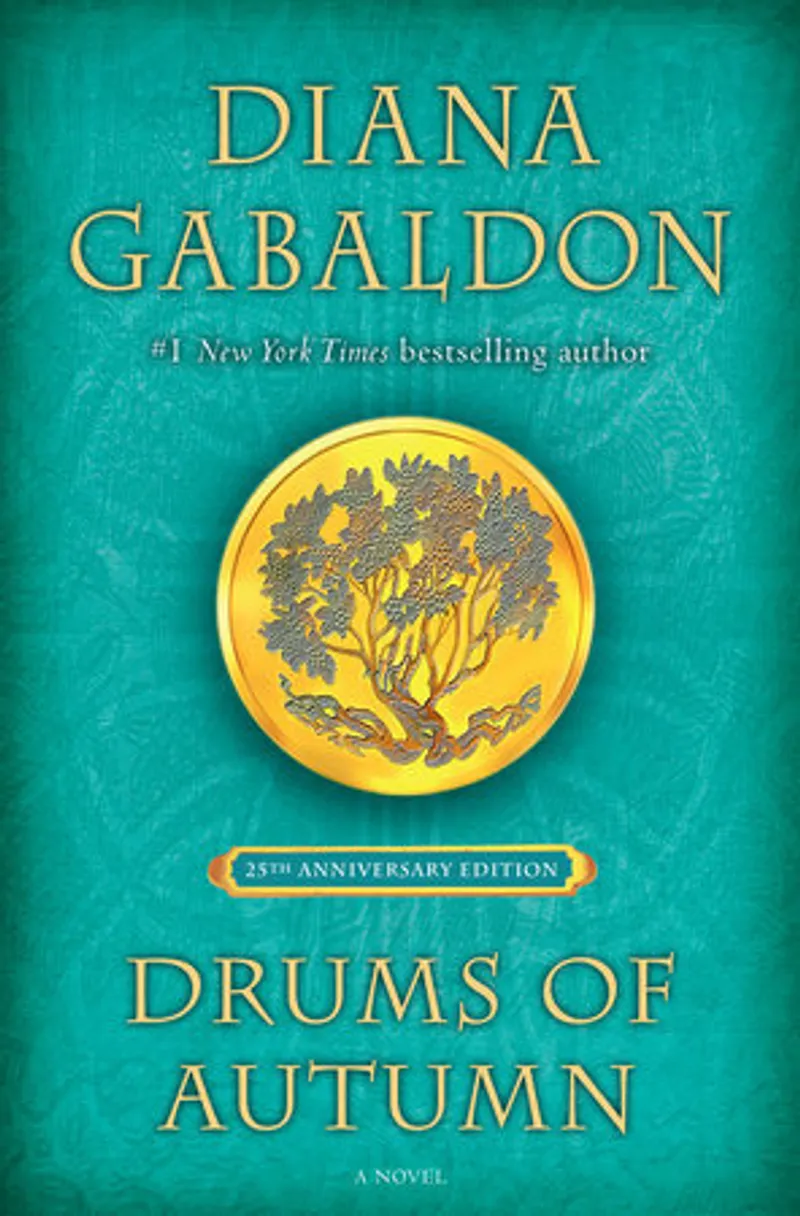
Drums of Autumn (25th Anniversary Edition) Author: Diana GabaldonPage Count: UnknownPublication Date: 2021-PRH In the 25th Anniversary Edition of Diana Gabaldon's Drums of Autumn, the fourth installment in the Outlander series, the author weaves a captivating narrative that delves into the complexities of love, loss, and the human condition. This edition features a never-before-seen reader's guide, providing an additional layer of depth to the story. Gabaldon's writing style is a masterclass in storytelling, as she effortlessly transports readers to 18th-century America. Her vivid descriptions of the untamed wilderness, coupled with meticulous historical detail, create an immersive experience that is both authentic and engaging. The author's use of language is rich and evocative, with a narrative voice that is both poetic and accessible. At the heart of Drums of Autumn is a poignant exploration of the human experience. The story centers around Claire Randall, who finds herself torn between her love for her daughter, Brianna, and her passion for Jamie Fraser, the Scottish warrior who has captured her heart. As Claire navigates the challenges of time travel, she must confront the harsh realities of her own mortality and the possibility of losing those she loves. Gabaldon's portrayal of Claire's inner turmoil is both nuanced and relatable, as she grapples with the weight of her decisions and the consequences of altering the course of history. The author's characterization of Claire is multifaceted, revealing a strong and determined woman who is also vulnerable and emotionally raw. The introduction of Brianna, Claire's daughter, adds a new layer of complexity to the narrative. Brianna's journey is a powerful exploration of self-discovery and the search for identity. As she navigates the uncharted wilderness of 18th-century America, she must confront her own fears and doubts, all while trying to change the course of history. Throughout the novel, Gabaldon expertly weaves together multiple storylines, creating a rich tapestry of characters and events. The author's use of historical detail is meticulous, adding depth and authenticity to the narrative. From the mist-shrouded mountains of North Carolina to the bustling streets of colonial America, Gabaldon's world-building is nothing short of remarkable. One of the most striking aspects of Drums of Autumn is its exploration of the human condition. Gabaldon's characters are multidimensional and relatable, with all the flaws and weaknesses that make us human. The author's portrayal of love, loss, and grief is both poignant and powerful, leaving readers with a lasting sense of emotional resonance. In conclusion, Drums of Autumn is a masterful novel that showcases Gabaldon's skill as a storyteller. With its richly detailed world-building, complex characters, and poignant exploration of the human condition, this novel is a must-read for fans of historical fiction and romance. As a 25th Anniversary Edition, this book is a testament to the enduring power of Gabaldon's writing, and a reminder of the magic that awaits readers in the world of Outlander. #OutlanderSeries #DianaGabaldon #TimeTravelRomance #HistoricalFiction #BookReview #OutlanderForever Related InsightsOther: Race, Sex, and the Hidden Harms of Human Categories Book Review and Summary Black Officer, White Navy Book Review and Summary How to Be a Wallflower Book Review and Summary{ "@context": "https://schema.org", "@type": "FAQPage", "mainEntity": [ { "@type": "Question", "name": "What is the main focus of Drums of Autumn Book Review and Summary?", "acceptedAnswer": { "@type": "Answer", "text": "Everything you need to know about Drums of Autumn with our detailed review." } }, { "@type": "Question", "name": "Who authored the comprehensive guide on Drums of Autumn Book Review and Summary?", "acceptedAnswer": { "@type": "Answer", "text": "This detailed article and its insights were carefully researched and authored by Diana Gabaldon." } }, { "@type": "Question", "name": "Where can I find more related content about Books?", "acceptedAnswer": { "@type": "Answer", "text": "You can explore more articles, detailed reviews, and similar insights by browsing the Related Insights section at the bottom of this article or visiting our dedicated Books category page." } } ] }
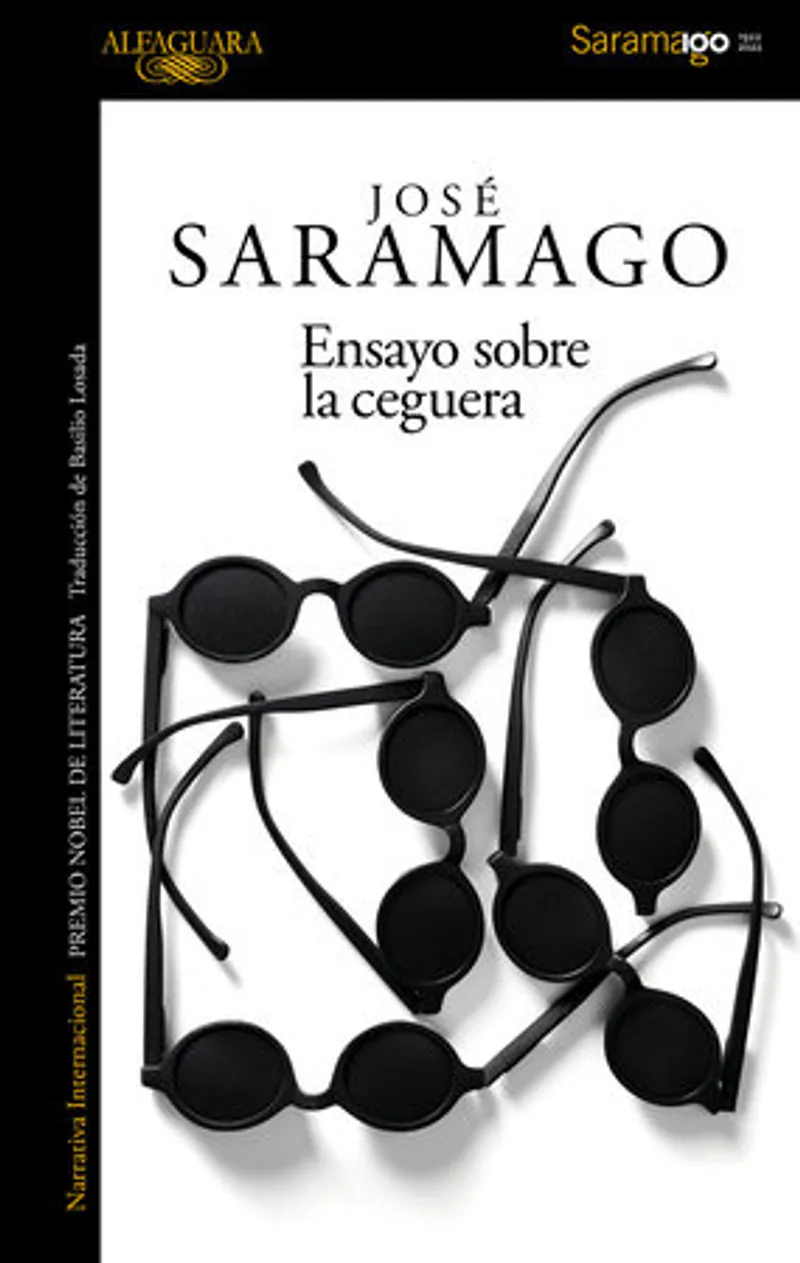
Ensayo sobre la ceguera / Blindness Author: José SaramagoPage Count: UnknownPublication Date: 2022-PRH Blindness by José Saramago is a thought-provoking novel that delves into the very fabric of human nature, exposing the darkest aspects of our collective psyche. Written in Saramago's signature style, this book is a masterful exploration of the human condition, a scathing critique of societal norms, and a poignant reflection on the importance of empathy and compassion. The story begins with a sudden and inexplicable outbreak of "white blindness" that spreads rapidly, leaving its victims to navigate a world devoid of visual cues. As the narrative unfolds, we witness the rapid disintegration of social structures, the erosion of moral boundaries, and the descent into chaos. The characters, forced to rely on their other senses, must confront the most primal aspects of human nature: the will to survive at any cost. Saramago's prose is characteristic of his unique style, weaving a complex tapestry of thoughts, emotions, and observations. His writing is both poetic and unflinching, conveying the intensity of human emotions with unapologetic candor. The narrative is dense, layered, and often unsettling, forcing the reader to confront the darker aspects of human nature. At its core, Blindness is a novel about the human condition, a powerful exploration of our capacity for both good and evil. Saramago masterfully exposes the flaws in our societal fabric, revealing the ease with which our carefully constructed norms can be torn apart. The novel serves as a warning, a cautionary tale about the dangers of complacency, the importance of empathy, and the need for individual responsibility. Through the characters' struggles, Saramago poses fundamental questions about the nature of humanity: What does it mean to be human? How do we respond to adversity? What is the true cost of survival? The novel's exploration of these questions is both haunting and thought-provoking, leaving the reader to ponder the implications long after the final page has been turned. One of the most striking aspects of Blindness is its ability to balance the individual narratives with the broader societal commentary. Saramago's characters are multidimensional, complex, and relatable, their struggles and triumphs serving as a microcosm for the larger themes of the novel. The writing is evocative, conjuring powerful images that linger in the reader's mind, and the narrative is both gripping and emotionally resonant. Blindness is a novel that will appeal to fans of literary fiction, philosophy, and social commentary. Saramago's writing is challenging, thought-provoking, and ultimately rewarding, making this book a must-read for anyone interested in exploring the human condition. With its powerful themes, complex characters, and masterful prose, Blindness is a novel that will linger in the reader's mind long after the final page has been turned. #Blindness #JoseSaramago #LiteraryFiction #PhilosophicalFiction #SocialCommentary #DystopianNovel Related InsightsJohn Adams Book Review and Summary The last time I lied Book Review and Summary Ruby Fever Book Review and Summary{ "@context": "https://schema.org", "@type": "FAQPage", "mainEntity": [ { "@type": "Question", "name": "What is the main focus of Blindness Book Review and Summary?", "acceptedAnswer": { "@type": "Answer", "text": "Everything you need to know about Blindness with our detailed review." } }, { "@type": "Question", "name": "Who authored the comprehensive guide on Blindness Book Review and Summary?", "acceptedAnswer": { "@type": "Answer", "text": "This detailed article and its insights were carefully researched and authored by José Saramago." } }, { "@type": "Question", "name": "Where can I find more related content about Books?", "acceptedAnswer": { "@type": "Answer", "text": "You can explore more articles, detailed reviews, and similar insights by browsing the Related Insights section at the bottom of this article or visiting our dedicated Books category page." } } ] }
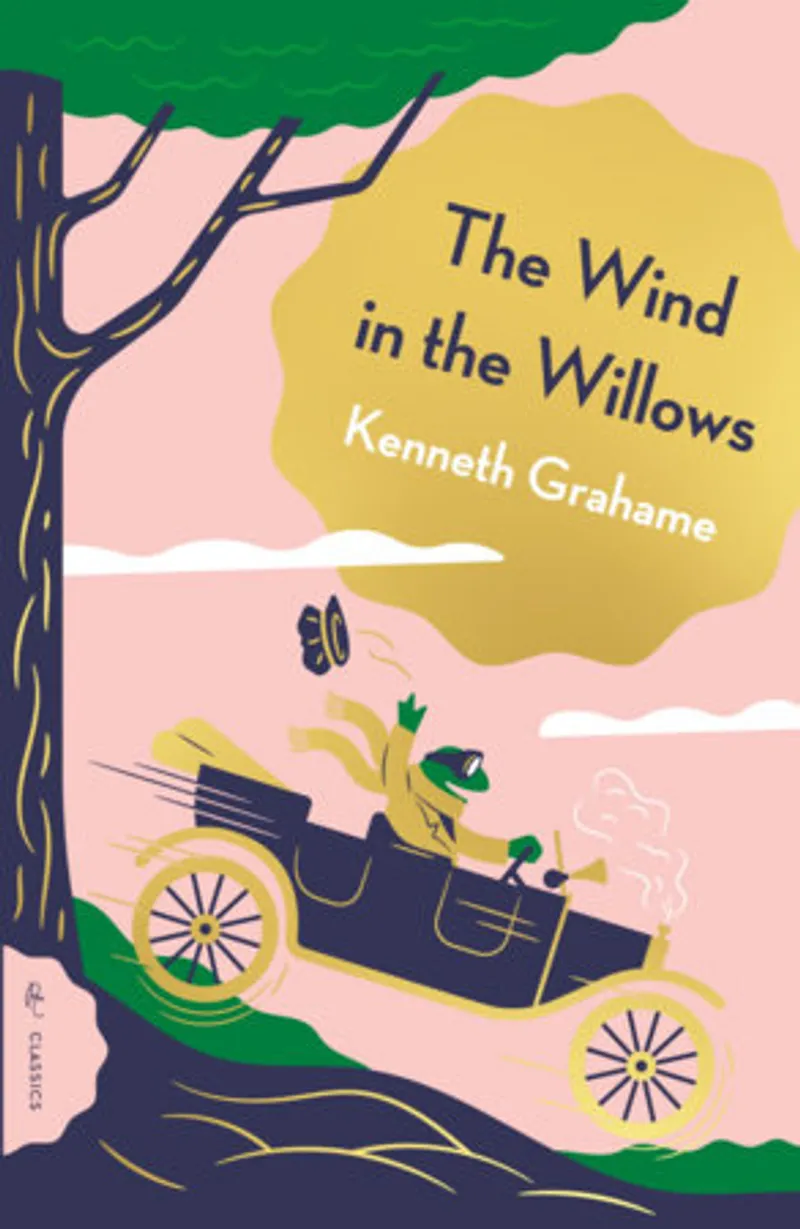
The Wind in the Willows Author: Sankha BanerjeePage Count: UnknownPublication Date: 2026-PRH The Wind in the Willows by Sankha Banerjee - A Fresh Perspective on Timeless Themes In this latest adaptation of Kenneth Grahame's classic tale, Sankha Banerjee brings a unique voice to the beloved story of four animal friends and their escapades along a serene riverbank. Although the page count is unknown, Banerjee's rendition of The Wind in the Willows is a masterful blend of nostalgia and innovation that will captivate both old and new fans of the original. At its core, The Wind in the Willows is a poignant exploration of the human condition, delving into themes of friendship, loyalty, and the unrelenting passage of time. Banerjee's writing style is at once whimsical and introspective, perfectly capturing the essence of Grahame's original narrative while injecting a modern sensibility that will resonate with contemporary readers. Through the eyes of Mole, Ratty, Toad, and Badger, Banerjee masterfully explores the complexities of relationships and the fragility of life. The characters' experiences, though set against the idyllic backdrop of the English countryside, are universally relatable, and their struggles and triumphs serve as a powerful reminder of the importance of empathy, kindness, and companionship. One of the most striking aspects of Banerjee's adaptation is the way he weaves together the fantastical elements of the story with the harsh realities of the natural world. The result is a narrative that is both enchanting and grounded, inviting readers to reflect on their own place within the world and their connection to the land and its creatures. Banerjee's prose is elegant and evocative, with a keen attention to detail that brings the world of the story to vivid life. His use of language is deliberate and expressive, conjuring the sights, sounds, and scents of the riverbank with a depth and richness that will transport readers to the sun-dappled banks of the Thames. In short, Sankha Banerjee's The Wind in the Willows is a triumph, a beautifully crafted tale that will delight readers of all ages with its timeless themes and captivating storytelling. Whether you are a longtime fan of the original or new to the world of Mole, Ratty, Toad, and Badger, this adaptation is sure to enchant and inspire. #TheWindInTheWillows #SankhaBanerjee #ClassicsReimagined #RiverbankTales #TimelessThemes #WildlifeLiterature Related InsightsCamera Stays On Book Review and Summary Notes on an Execution Book Review and Summary In Every Future, It's Us Book Review and Summary{ "@context": "https://schema.org", "@type": "FAQPage", "mainEntity": [ { "@type": "Question", "name": "What is the main focus of The Wind in the Willows Book Review and Summary?", "acceptedAnswer": { "@type": "Answer", "text": "Everything you need to know about The Wind in the Willows with our detailed review." } }, { "@type": "Question", "name": "Who authored the comprehensive guide on The Wind in the Willows Book Review and Summary?", "acceptedAnswer": { "@type": "Answer", "text": "This detailed article and its insights were carefully researched and authored by Kenneth Grahame." } }, { "@type": "Question", "name": "Where can I find more related content about Books?", "acceptedAnswer": { "@type": "Answer", "text": "You can explore more articles, detailed reviews, and similar insights by browsing the Related Insights section at the bottom of this article or visiting our dedicated Books category page." } } ] }
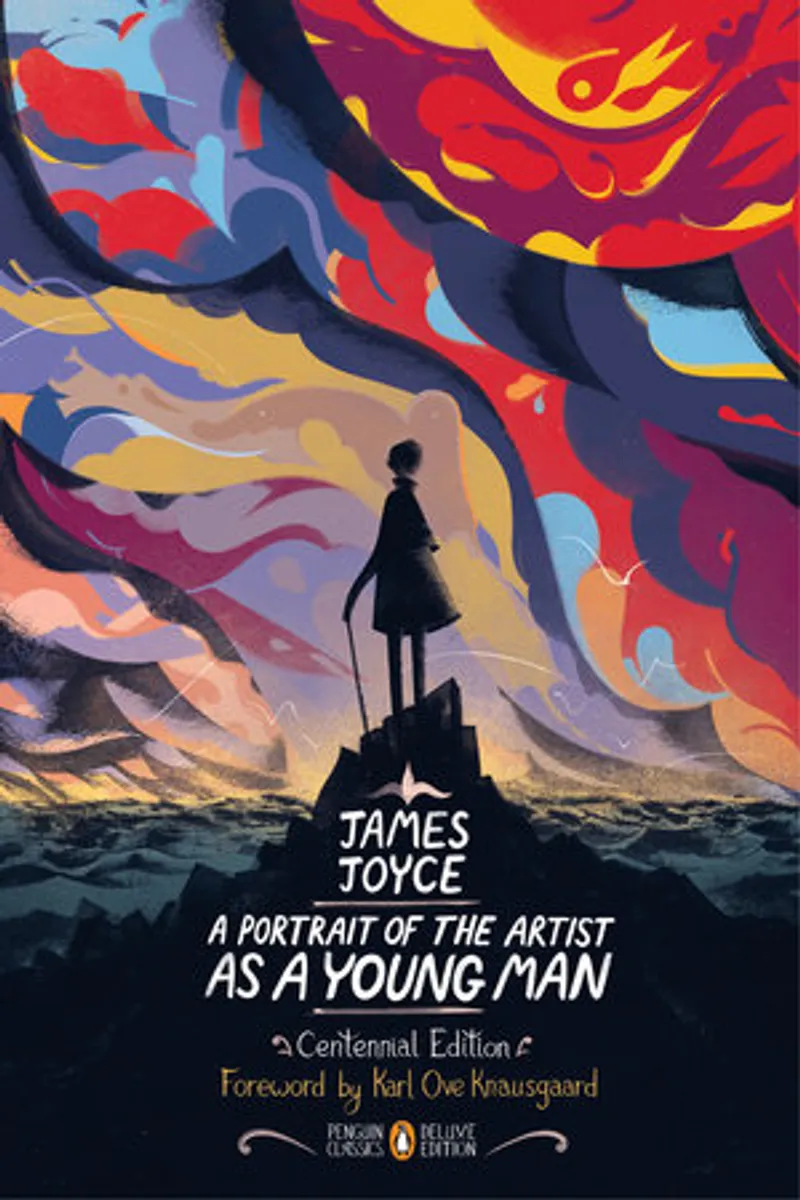
A Portrait of the Artist as a Young Man Author: James JoycePage Count: UnknownPublication Date: 2016-PRH James Joyce’s A Portrait of the Artist as a Young Man is a masterclass in literary evolution—a novel that begins with the hesitant steps of a child and ends with the defiant declaration of an artist. First published in 1916, this semi-autobiographical work traces the intellectual and emotional awakening of Stephen Dedalus, a young man navigating the rigid confines of Irish Catholic society while grappling with his own creative destiny. For its centennial edition, Penguin Classics has delivered a definitive text, enriched by Karl Ove Knausgaard’s insightful foreword, which draws a fascinating parallel between Stephen’s journey and his own monumental My Struggle. The result is not just a celebration of Joyce’s genius but an invitation to witness the birth of modernist literature itself. At its core, Portrait is a novel about the artist’s struggle for self-definition. Stephen Dedalus is Joyce’s alter ego, a figure caught between the expectations of family, church, and nation and his own burgeoning desire to forge an independent identity. The book’s central question—what does it mean to be an artist?—is not posed in grand declarations but in the quiet, almost imperceptible shifts of a young mind. Joyce’s genius lies in his ability to capture the fluidity of consciousness, where thoughts, memories, and sensory impressions blend seamlessly. The novel’s style evolves alongside Stephen, shifting from the simple, childlike prose of his early years to the dense, lyrical stream-of-consciousness that would later define Ulysses. This stylistic progression mirrors Stephen’s own intellectual maturation, making Portrait not just a story but an experience. Joyce’s prose is deceptively accessible, yet it is layered with meaning. The opening pages, with their childlike syntax and limited vocabulary, evoke the innocence of youth, while later sections—particularly Stephen’s feverish, guilt-ridden confessions and his philosophical musings—demonstrate Joyce’s mastery of linguistic complexity. The famous final lines, where Stephen vows to “forge in the smithy of my soul the uncreated conscience of my race,” encapsulate the novel’s central tension: the artist’s duty to both his heritage and his own vision. Joyce does not offer easy resolutions; instead, he presents Stephen’s journey as a series of conflicts—between sin and salvation, conformity and rebellion, silence and expression. The novel’s power lies in its refusal to simplify these struggles, instead immersing the reader in the messy, contradictory process of becoming. One of the most striking aspects of Portrait is its exploration of language as both a prison and a liberation. Stephen’s awakening is, in many ways, a linguistic one. His early encounters with the harsh realities of school life—bullying, punishment, and the oppressive authority of priests—are mediated through his perception of language. The novel’s famous scene where Stephen is caned for a minor infraction is a masterstroke of psychological insight, where the physical pain is inseparable from the humiliation of being forced to repeat the word “fool” in front of his classmates. Language, here, is an instrument of control, but it is also the medium through which Stephen will eventually assert his independence. His decision to leave Ireland and “encounter for the millionth time the reality of experience” is, in part, a rejection of the linguistic and cultural constraints that have shaped him. Joyce’s use of free indirect discourse—a technique where the narrator’s voice merges with the protagonist’s thoughts—blurs the line between author and character, creating an intimacy that feels almost invasive. We are not just observers of Stephen’s life; we are inside his mind, experiencing his doubts, desires, and epiphanies in real time. This technique would later reach its zenith in Ulysses, but Portrait remains its most distilled and accessible expression. The novel’s emotional resonance comes from this proximity, from the way Joyce makes Stephen’s struggles feel universal. Who among us has not, at some point, felt the suffocating weight of expectation or the exhilaration of artistic revelation? Stephen’s journey is, in this sense, a mirror held up to the reader’s own potential. The centennial edition’s inclusion of Knausgaard’s foreword adds another layer of meaning. Knausgaard, whose own autobiographical project My Struggle has been compared to Joyce’s work, writes with a rare blend of humility and insight. He acknowledges the intimidating reputation of Joyce while making a compelling case for Portrait as a novel that transcends its time. Knausgaard’s comparison is particularly apt: both writers explore the tension between the personal and the universal, between the mundane details of life and the grand questions of existence. Where Knausgaard’s prose is raw and unfiltered, Joyce’s is polished and deliberate, but both seek to capture the essence of a life in flux. A Portrait of the Artist as a Young Man is, above all, a novel about the cost of self-creation. Stephen’s final decision to leave home is not just an act of defiance but an acknowledgment that art requires sacrifice. Joyce himself left Ireland, and his exile became the crucible in which his genius was forged. The novel’s enduring power lies in its honesty—its willingness to confront the loneliness of artistic pursuit without romanticizing it. Stephen’s journey is not one of triumph but of endurance, a testament to the fact that the artist’s path is often paved with doubt and isolation. For readers new to Joyce, Portrait is the ideal entry point. It is shorter and more linear than Ulysses or Finnegans Wake, yet it contains the seeds of everything that would follow. For those already familiar with Joyce’s work, it is a chance to revisit a foundational text with fresh eyes, particularly in this beautifully curated edition. Whether you are drawn to its psychological depth, its linguistic innovation, or its unflinching portrayal of youth, Portrait is a novel that lingers long after the last page. In an era where the artist’s role is constantly debated—between commercial success and artistic integrity, between tradition and rebellion—Stephen Dedalus’s story feels more relevant than ever. Joyce’s novel reminds us that the act of creation is, at its heart, an act of rebellion. To be an artist is to refuse the easy answers, to embrace uncertainty, and to forge one’s own path, no matter the cost. #JamesJoyce #ModernistLiterature #StephenDedalus #ArtisticJourney #LiteraryCanon #JoyceCentennial Related InsightsAngela's Ashes Book Review and Summary „Die Alchemie der Ballaststoffe: Wenn das literarische Erbe auf den vollwertigen Shepherd’s Pie trifft“ The Assassin's Blade Book Review and Summary{ "@context": "https://schema.org", "@type": "FAQPage", "mainEntity": [ { "@type": "Question", "name": "What is the main focus of A Portrait of the Artist as a Young Man Book Review and Summary?", "acceptedAnswer": { "@type": "Answer", "text": "Everything you need to know about A Portrait of the Artist as a Young Man with our detailed review." } }, { "@type": "Question", "name": "Who authored the comprehensive guide on A Portrait of the Artist as a Young Man Book Review and Summary?", "acceptedAnswer": { "@type": "Answer", "text": "This detailed article and its insights were carefully researched and authored by James Joyce." } }, { "@type": "Question", "name": "Where can I find more related content about Books?", "acceptedAnswer": { "@type": "Answer", "text": "You can explore more articles, detailed reviews, and similar insights by browsing the Related Insights section at the bottom of this article or visiting our dedicated Books category page." } } ] }
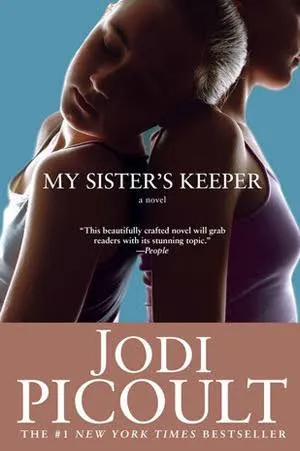
Betrothed to My Sister's Ex (Manga) Vol. 6 Author: Chikage NakakuraPage Count: UnknownPublication Date: 2027-PRH In the latest installment of Chikage Nakakura's captivating manga series, Betrothed to My Sister's Ex, Vol. 6 delves deeper into the intricate web of relationships, love, and family dynamics that have become a hallmark of this enthralling narrative. As we navigate the complex world of the protagonist, we find ourselves entwined in a rich tapestry of emotions, desires, and the unrelenting pursuit of happiness. One of the most striking aspects of Nakakura's writing style is her ability to craft relatable, multidimensional characters that leap off the page. With each turn, we are met with a deeper understanding of the protagonist's inner turmoil, as they grapple with the consequences of their choices and the weight of their emotions. The author's masterful handling of character development is a testament to her skill as a storyteller, allowing readers to become fully invested in the lives of the characters. The central theme of the series – the complicated dance between love, family, and identity – is expertly woven throughout the narrative, raising thought-provoking questions about the nature of relationships and the sacrifices we make for those we love. Nakakura's thoughtful exploration of these themes is both poignant and profound, leaving readers to ponder the intricacies of the human experience long after finishing the volume. Visually, the manga is a stunning representation of Nakakura's artistic range, with beautifully rendered panels that perfectly capture the emotional depth of the story. The attention to detail in each frame is a testament to the author's dedication to her craft, creating a truly immersive reading experience. As we reach the midpoint of the series, it becomes clear that Betrothed to My Sister's Ex is more than just a romance manga – it's a nuanced exploration of the human condition, with all its complexities and contradictions. With Vol. 6, Nakakura has solidified her position as a masterful storyteller, and we can't help but eagerly anticipate the next installment in this captivating series. In conclusion, Betrothed to My Sister's Ex, Vol. 6 is a must-read for fans of character-driven narratives and romance manga. With its rich characters, poignant themes, and stunning artwork, this series is sure to captivate readers and leave a lasting impression. #BetrothedToMySistersEx #MangaReview #RomanceManga #ChikageNakakura #FamilyDrama #LoveTriangles Related InsightsThe October Man Book Review and Summary If These Walls Could Talk Book Review and Summary A Game of Thrones Book Review and Summary{ "@context": "https://schema.org", "@type": "FAQPage", "mainEntity": [ { "@type": "Question", "name": "What is the main focus of My Sister's Keeper Book Review and Summary?", "acceptedAnswer": { "@type": "Answer", "text": "Everything you need to know about My Sister's Keeper with our detailed review." } }, { "@type": "Question", "name": "Who authored the comprehensive guide on My Sister's Keeper Book Review and Summary?", "acceptedAnswer": { "@type": "Answer", "text": "This detailed article and its insights were carefully researched and authored by Jodi Picoult." } }, { "@type": "Question", "name": "Where can I find more related content about Books?", "acceptedAnswer": { "@type": "Answer", "text": "You can explore more articles, detailed reviews, and similar insights by browsing the Related Insights section at the bottom of this article or visiting our dedicated Books category page." } } ] }

La plaga / The Plague Author: Javier GallegoPage Count: UnknownPublication Date: 2025-PRH In the midst of a literary landscape often dominated by familiar names, Javier Gallego's "La plaga" (The Plague) emerges as a powerful and thought-provoking novel that delves into the very fabric of human society. Published in 2025, this gripping book has left an indelible mark on readers and critics alike, prompting a crucial examination of our collective response to crisis and adversity. Gallego's masterful storytelling weaves a complex narrative that explores the multifaceted nature of human resilience in the face of unimaginable hardship. Through the lens of a mysterious and devastating plague, the author skillfully exposes the darkest aspects of human behavior, laying bare the primal fears, superstitions, and societal fissures that often accompany catastrophic events. One of the most striking aspects of Gallego's writing style is his ability to balance the stark, unflinching portrayal of human suffering with a deep empathy for his characters. This nuanced approach allows readers to form a profound connection with the narrative, investing in the lives of those struggling to survive against overwhelming odds. The author's prose is economical, yet evocative, conjuring vivid images of a world in chaos. His use of language is deliberate and measured, reflecting the growing sense of desperation and unease that permeates the narrative. As the story unfolds, Gallego's writing becomes increasingly visceral, mirroring the escalating sense of panic and disorder that threatens to consume the characters. At its core, "La plaga" is a scathing critique of societal complacency and the dangers of unchecked fear. Gallego's thought-provoking exploration of human nature serves as a timely reminder of the importance of empathy, compassion, and collective action in the face of adversity. Through his unflinching portrayal of a world in crisis, Gallego raises essential questions about our capacity for resilience, the true meaning of community, and the enduring power of hope. "La plaga" is a testament to the author's skill as a storyteller and his ability to craft a narrative that is both haunting and profoundly moving. In short, Javier Gallego's "La plaga" is a masterpiece of contemporary literature, a gripping and thought-provoking novel that will linger in the minds of readers long after the final page has been turned. It is a must-read for anyone interested in exploring the complexities of human nature and the unbreakable bonds that unite us in the face of adversity. #ThePlague #JavierGallego #LaPlaga #PandemicFiction #DystopianLiterature #HumanResilience Related InsightsLas aventuras de Sherlock Holmes (edición especial) / The Adventures of Sherlock Holmes Book Review and Summary Una ofensa mortal / A Great Reckoning Book Review and Summary Feminism for the 99% Book Review and Summary{ "@context": "https://schema.org", "@type": "FAQPage", "mainEntity": [ { "@type": "Question", "name": "What is the main focus of The Plague Book Review and Summary?", "acceptedAnswer": { "@type": "Answer", "text": "Everything you need to know about The Plague with our detailed review." } }, { "@type": "Question", "name": "Who authored the comprehensive guide on The Plague Book Review and Summary?", "acceptedAnswer": { "@type": "Answer", "text": "This detailed article and its insights were carefully researched and authored by Albert Camus." } }, { "@type": "Question", "name": "Where can I find more related content about Books?", "acceptedAnswer": { "@type": "Answer", "text": "You can explore more articles, detailed reviews, and similar insights by browsing the Related Insights section at the bottom of this article or visiting our dedicated Books category page." } } ] }
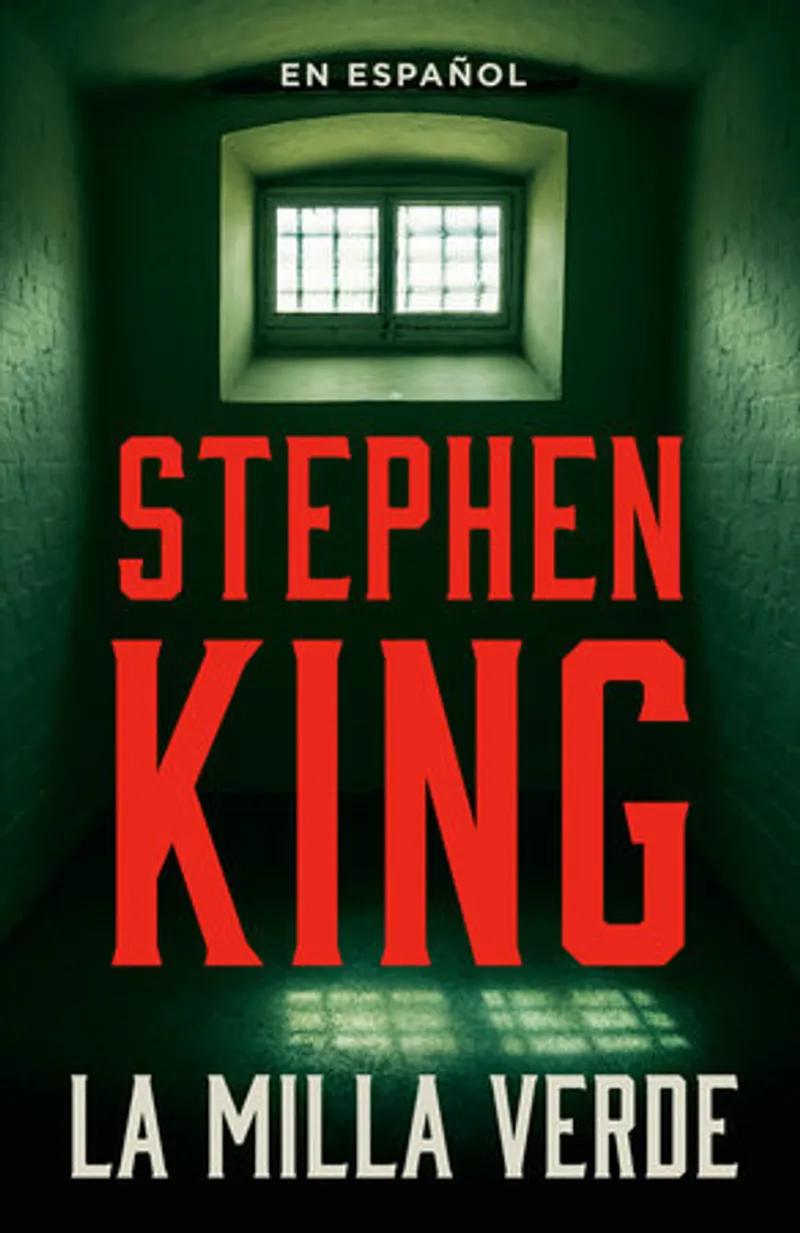
La milla verde / The Green Mile Author: Stephen KingPage Count: UnknownPublication Date: 2020-PRH The Green Mile, a masterpiece penned by the inimitable Stephen King, is a haunting and suspenseful tale that delves into the very heart of human nature. Set in the depths of Cold Mountain Penitentiary, this classic novel weaves a narrative that is as captivating as it is thought-provoking. King's writing is, as always, masterful. He paints a vivid picture of life on the Green Mile, the lime-colored linoleum corridor that leads to the electric chair, and the men who inhabit it. The characters are richly drawn and multidimensional, with each one adding depth and complexity to the story. Paul Edgecombe, the prison guard who narrates the tale, is a particularly compelling figure, with a dry wit and a deep sense of empathy. But it is John Coffey, the giant of a man with the mind of a child, who is the true heart of the story. Condemned for a crime that is both terrifying and shocking, Coffey is a mystery waiting to be unraveled. As Edgecombe gets to know him, he begins to realize that there is more to this gentle giant than meets the eye. Coffey's story is one of tragedy and redemption, of the human spirit's capacity for good and evil. One of the most striking aspects of The Green Mile is its exploration of the human condition. King raises questions about the nature of justice, the morality of capital punishment, and the impact that our actions have on those around us. The novel is a powerful indictment of a system that is designed to punish, rather than to rehabilitate or understand. Through his characters and their stories, King also explores the themes of hope, redemption, and the supernatural. The Green Mile is a place where the boundaries between good and evil are blurred, where the living and the dead coexist, and where the natural and the supernatural intersect. It is a world that is both familiar and strange, a world that is full of contradictions and paradoxes. King's writing is, as always, evocative and atmospheric. He has a remarkable ability to create a sense of place and time, to transport the reader to another era and another world. The Green Mile is a product of its time, a reflection of the Depression-era America that King so vividly describes. But it is also a timeless tale, a story that transcends its historical context and speaks to universal human concerns. In short, The Green Mile is a masterpiece of modern literature, a novel that is both a page-turner and a work of profound insight. It is a testament to King's skill as a storyteller, his ability to craft a narrative that is both suspenseful and thought-provoking. If you haven't already, do yourself a favor and read this book. It is an experience that you will not soon forget. #TheGreenMile #StephenKing #HorrorFiction #CapitalPunishment #RedemptionAndHope #SupernaturalFiction Related InsightsFinal Fantasy XIV: Stormblood -- The Art of the Revolution -Western Memories- Book Review and Summary There Should Have Been Eight Book Review and Summary Not My Type Book Review and Summary{ "@context": "https://schema.org", "@type": "FAQPage", "mainEntity": [ { "@type": "Question", "name": "What is the main focus of The Green Mile Book Review and Summary?", "acceptedAnswer": { "@type": "Answer", "text": "Everything you need to know about The Green Mile with our detailed review." } }, { "@type": "Question", "name": "Who authored the comprehensive guide on The Green Mile Book Review and Summary?", "acceptedAnswer": { "@type": "Answer", "text": "This detailed article and its insights were carefully researched and authored by Stephen King." } }, { "@type": "Question", "name": "Where can I find more related content about Books?", "acceptedAnswer": { "@type": "Answer", "text": "You can explore more articles, detailed reviews, and similar insights by browsing the Related Insights section at the bottom of this article or visiting our dedicated Books category page." } } ] }
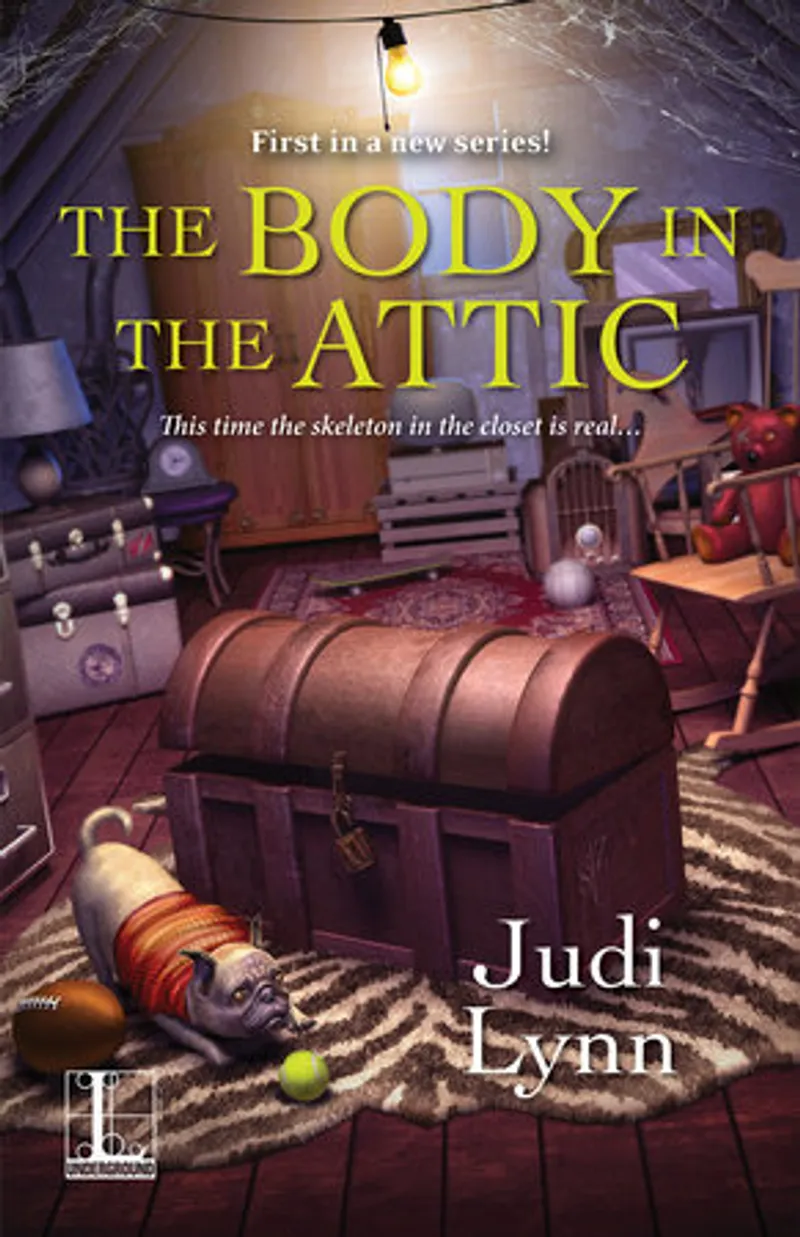
The Body in the Attic Author: Judy LynnPage Count: UnknownPublication Date: 2018-PRH In "The Body in the Attic", Judy Lynn masterfully weaves a captivating tale of mystery, intrigue, and small-town secrets. Set in the quaint town of River Bluffs, Indiana, this cozy whodunit follows house-flipper Jazzi Zanders and her cousin Jerod as they embark on their latest renovation project. What starts as a routine clearance of debris from the attic of a former Cal Juniper property, quickly turns into a gruesome discovery - a skeleton donning a locket, shrouded in mystery and hidden secrets. As Jazzi delves deeper into the mystery, Lynn skillfully unravels the complex web of relationships and alliances within the tight-knit community. The author's vivid descriptions of the town and its inhabitants breathe life into the narrative, making it easy to visualize the charming homes, bustling streets, and the intricate dynamics between the residents. One of the standout aspects of Lynn's writing style is her ability to craft relatable, well-rounded characters. Jazzi, with her sharp wit and determination, makes for an endearing and engaging protagonist. Her relationship with her cousin Jerod is authentic and adds a touch of warmth to the story. The supporting cast is equally well-developed, with each character bringing their unique voice and perspective to the narrative. The mystery itself is expertly paced, with Lynn dropping subtle hints and clues throughout the story, keeping the reader guessing until the very end. The plot twists and turns, navigating a complex landscape of secrets, lies, and motives. As Jazzi gets closer to unraveling the truth, the tension builds, culminating in a shocking revelation that will keep readers on the edge of their seats. What sets "The Body in the Attic" apart from other cozy mysteries is Lynn's ability to balance lighthearted moments with darker themes. The author tackles issues like family dynamics, small-town politics, and the consequences of keeping secrets with sensitivity and nuance. The result is a narrative that is both entertaining and thought-provoking. In conclusion, "The Body in the Attic" is a gripping and engaging mystery that will appeal to fans of cozy whodunits and small-town secrets. Judy Lynn's writing style is engaging, and her characters are well-developed and relatable. With its intricate plot, vivid descriptions, and expertly paced mystery, this book is a must-read for anyone looking for a captivating and immersive story. #CozyMystery #SmallTownSecrets #HouseFlipperMystery #TheBodyInTheAttic #JudyLynn #MysteryAndSuspense Related InsightsMestra Book Review and Summary David Baldacci November 2024 Book Review and Summary El peor vecino del mundo Book Review and Summary{ "@context": "https://schema.org", "@type": "FAQPage", "mainEntity": [ { "@type": "Question", "name": "What is the main focus of A Light in the Attic Book Review and Summary?", "acceptedAnswer": { "@type": "Answer", "text": "Everything you need to know about A Light in the Attic with our detailed review." } }, { "@type": "Question", "name": "Who authored the comprehensive guide on A Light in the Attic Book Review and Summary?", "acceptedAnswer": { "@type": "Answer", "text": "This detailed article and its insights were carefully researched and authored by Shel Silverstein." } }, { "@type": "Question", "name": "Where can I find more related content about Books?", "acceptedAnswer": { "@type": "Answer", "text": "You can explore more articles, detailed reviews, and similar insights by browsing the Related Insights section at the bottom of this article or visiting our dedicated Books category page." } } ] }