Showing Posts From
Fiction
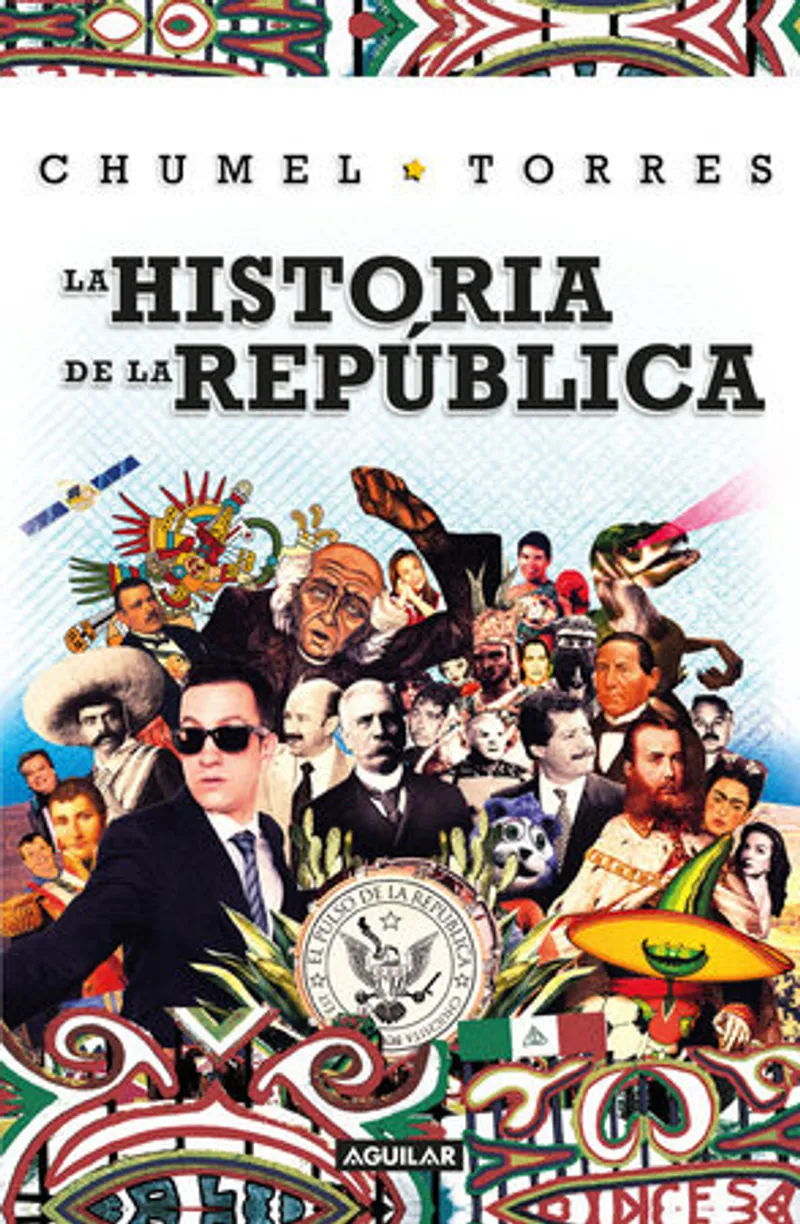
La historia de la República/ The History of the Republic Author: Chumel TorresPage Count: UnknownPublication Date: 2017-PRH Chumel Torres’ The History of the Republic is not your typical history book. It’s a sharp, irreverent, and wildly entertaining dissection of Mexico’s past and present, told through the lens of one of the country’s most popular YouTubers. With over 1.6 million followers, Torres has carved out a unique space in Mexican media—blending humor, satire, and biting social commentary to dissect the nation’s political and historical quirks. This book, born from his viral series El pulso de la República, is a natural extension of his digital persona: a mix of pop-culture references, dark humor, and unflinching observations about Mexico’s cyclical failures, corrupt leaders, and the absurdity of its democracy. At its core, The History of the Republic is about repetition. Torres argues that Mexico is trapped in a loop of historical amnesia, where each generation repeats the mistakes of the past—whether it’s the colonial exploitation, the betrayals of independence, the hollow promises of the Revolution, or the modern-day political theater of empty slogans and broken systems. His approach is less about dry academic analysis and more about exposing the absurdity of these patterns through humor and biting wit. If you’ve ever watched one of his videos, you’ll recognize his signature style: rapid-fire jokes, exaggerated impressions of politicians, and a knack for finding the ridiculous in the tragic. What makes this book stand out is its accessibility. Torres doesn’t assume his readers are historians or political scientists—he writes for the average Mexican who’s tired of being told the same old narratives about their country. He peels back the layers of Mexico’s history to reveal the contradictions and hypocrisies that textbooks often gloss over. For example, he doesn’t just recount the Conquest as a tale of Spanish domination; he highlights how indigenous leaders like Moctezuma were just as flawed and power-hungry as their conquerors, a theme that resonates in modern politics where corruption isn’t just a colonial relic but a contemporary epidemic. The book’s strength lies in its ability to balance humor with genuine critique. Torres doesn’t let his jokes undermine the seriousness of his arguments—instead, they make the book more digestible. His take on the Mexican Revolution, for instance, isn’t a glorified hagiography but a scathing look at how the revolutionaries became the very oppressors they sought to overthrow. Similarly, his analysis of modern politics skewers both the left and the right, showing how each side is complicit in maintaining a system that thrives on chaos and spectacle. One of the book’s most compelling sections is its exploration of Mexico’s "savage democracy." Torres argues that the country’s political system is less about governance and more about performance—where leaders are judged by their charisma, their ability to spin narratives, and their skill in avoiding accountability. This isn’t just a critique of the PRI or the current administration; it’s a commentary on how Mexicans themselves participate in this farce, whether by voting for the same parties out of habit, tolerating corruption as a cultural norm, or treating politics like a telenovela. Torres’ writing style is conversational, almost like listening to a friend rant about Mexican politics over a few beers. His tone is unapologetically irreverent, but it’s never mean-spirited—just honest. He doesn’t offer solutions, because he knows Mexico’s problems are too deeply ingrained for quick fixes. Instead, he holds up a mirror, forcing readers to confront the absurdity of their own complicity in the country’s dysfunction. That said, the book isn’t without its flaws. Some readers might find Torres’ humor too crude or his arguments too simplistic. History purists may bristle at the lack of footnotes or the occasional oversimplification. But these are minor quibbles in a book that’s ultimately about provocation and engagement. The History of the Republic isn’t meant to be a definitive historical text—it’s a wake-up call disguised as a comedy special. In a country where history is often taught as a series of heroic myths, Torres’ book is a refreshing dose of reality. It’s a reminder that Mexico’s problems aren’t just the fault of bad leaders but a reflection of a society that’s learned to normalize dysfunction. Whether you agree with his conclusions or not, you’ll finish this book with a new perspective on Mexico’s past—and perhaps a few laughs along the way. #ChumelTorres #MexicanHistory #PoliticalSatire #MexicanPolitics #HistoryWithHumor #MexicanCulture Related InsightsTreasure State Book Review and Summary Mistletoe All the Way Book Review and Summary Framed in Death Book Review and Summary{ "@context": "https://schema.org", "@type": "FAQPage", "mainEntity": [ { "@type": "Question", "name": "What is the main focus of The Republic Book Review and Summary?", "acceptedAnswer": { "@type": "Answer", "text": "Everything you need to know about The Republic with our detailed review." } }, { "@type": "Question", "name": "Who authored the comprehensive guide on The Republic Book Review and Summary?", "acceptedAnswer": { "@type": "Answer", "text": "This detailed article and its insights were carefully researched and authored by Plato." } }, { "@type": "Question", "name": "Where can I find more related content about Books?", "acceptedAnswer": { "@type": "Answer", "text": "You can explore more articles, detailed reviews, and similar insights by browsing the Related Insights section at the bottom of this article or visiting our dedicated Books category page." } } ] }
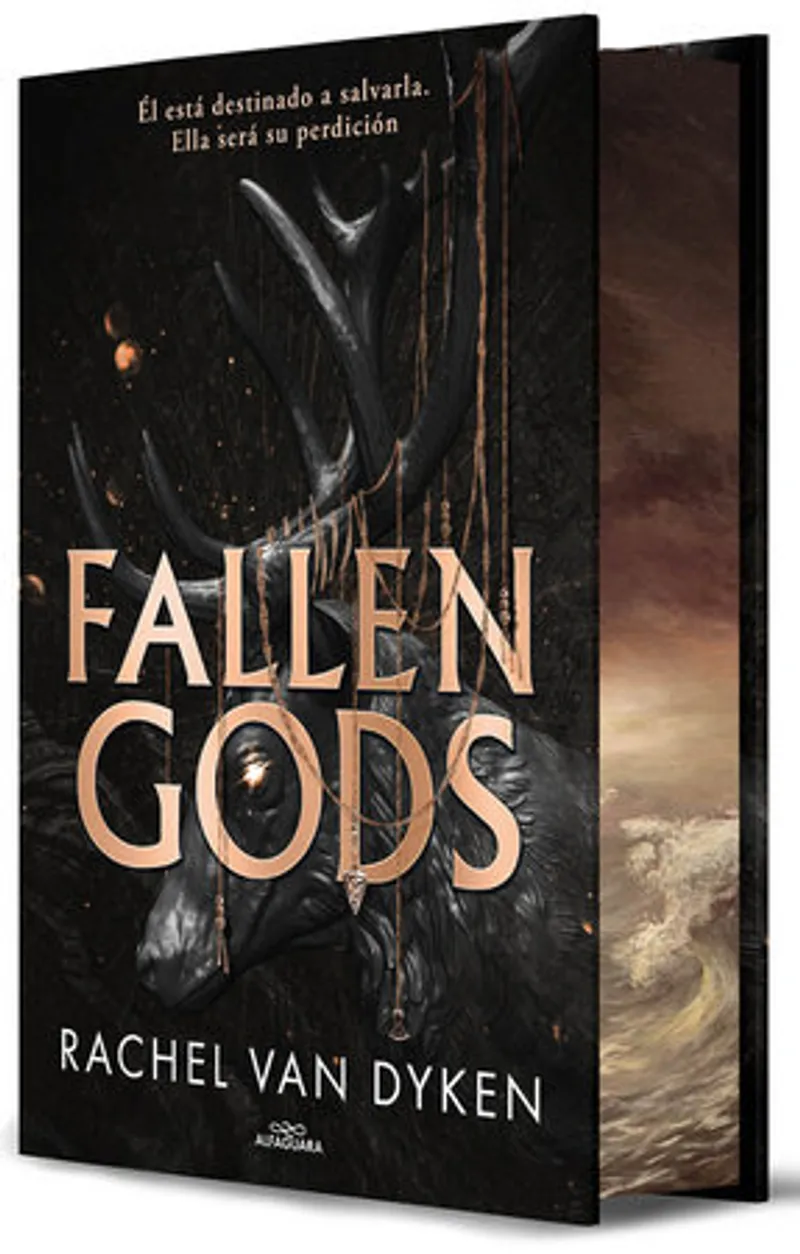
Fallen Gods (Edición especial, cantos pintados) / Fallen Gods (Sprayed Edges Special Edition) Author: Rachel Van DykenPage Count: UnknownPublication Date: 2026-PRH In the realm of fantasy literature, few authors have managed to captivate readers with the same level of intensity and passion as Rachel Van Dyken. Her latest masterpiece, "Fallen Gods," is a testament to her unwavering dedication to crafting worlds that are as breathtaking as they are haunting. This special edition, adorned with sprayed edges, is a true collector's item that will leave fans and newcomers alike in awe. As I delved into the pages of "Fallen Gods," I was immediately struck by the author's masterful world-building. Van Dyken's writing is akin to a rich tapestry, woven from threads of mythology, legend, and the human condition. The world she has created is a complex, multifaceted realm, teeming with characters that are as flawed as they are fascinating. At its core, "Fallen Gods" is a story about the nature of power, the dangers of blind ambition, and the redemptive power of love. The author's exploration of these themes is both nuanced and thought-provoking, raising questions about the very fabric of our existence. As the narrative unfolds, Van Dyken expertly weaves together threads of fate, destiny, and the consequences of our actions. One of the most striking aspects of "Fallen Gods" is the author's use of language. Van Dyken's prose is a symphony of poetic imagery, evocative metaphors, and razor-sharp dialogue. Her writing is at once beautiful and brutal, capable of conjuring vivid landscapes and heart-wrenching emotions with equal ease. The characters that populate this world are equally impressive, each one a richly drawn, multidimensional being with their own distinct voice and motivations. From the brooding, enigmatic heroes to the cunning, manipulative villains, every character is imbued with a sense of depth and complexity that is all too rare in modern fantasy. As I turned the pages of "Fallen Gods," I found myself becoming increasingly invested in the fate of these characters, their struggles, and their triumphs. Van Dyken's writing has a way of burrowing under your skin, of making you feel like you're an integral part of this world, and that's a testament to her skill as a storyteller. In short, "Fallen Gods" is a masterpiece of epic fantasy, a sweeping narrative that will leave you breathless and yearning for more. With its lush world-building, complex characters, and thought-provoking themes, this book is a must-read for fans of the genre. And as a special edition, adorned with sprayed edges, it's a true collector's item that will be treasured for years to come. #FantasyLiterature #EpicFantasy #FallenGods #RachelVanDyken #BookReview #FantasyBookLovers Related InsightsDark Restraint Book Review and Summary Mammoth Adventure Book Review and Summary Ink and Daggers Book Review and Summary{ "@context": "https://schema.org", "@type": "FAQPage", "mainEntity": [ { "@type": "Question", "name": "What is the main focus of Fallen Book Review and Summary?", "acceptedAnswer": { "@type": "Answer", "text": "Everything you need to know about Fallen with our detailed review." } }, { "@type": "Question", "name": "Who authored the comprehensive guide on Fallen Book Review and Summary?", "acceptedAnswer": { "@type": "Answer", "text": "This detailed article and its insights were carefully researched and authored by Lauren Kate." } }, { "@type": "Question", "name": "Where can I find more related content about Books?", "acceptedAnswer": { "@type": "Answer", "text": "You can explore more articles, detailed reviews, and similar insights by browsing the Related Insights section at the bottom of this article or visiting our dedicated Books category page." } } ] }
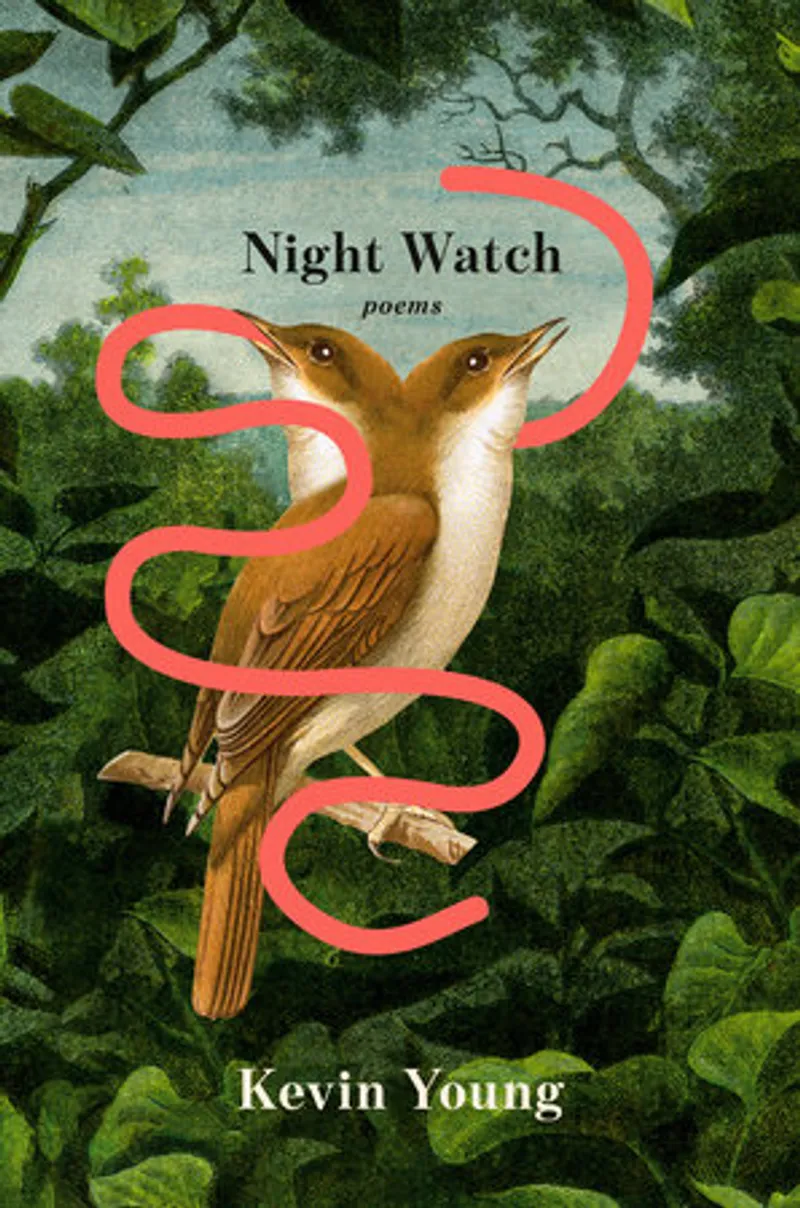
Night Watch Author: Kevin YoungPage Count: UnknownPublication Date: 2025-PRH In the realm of contemporary literature, Kevin Young's latest offering, "Night Watch", is a masterful exploration of the human experience, delving into the intricacies of our collective psyche with unflinching candor. This latest work from the acclaimed author is a testament to his unwavering ability to craft narratives that not only captivate but also challenge our perceptions of the world around us. At its core, "Night Watch" is an introspective examination of the nocturnal hours, when the veil between reality and the subconscious is at its most tenuous. Young's prose is akin to a soft whisper in the darkness, weaving a spell of quiet contemplation that draws the reader into the innermost recesses of the human heart. With each turn of the page, we find ourselves traversing the labyrinthine corridors of the mind, where the lines between dreams and wakefulness are constantly blurred. Young's writing style is characterized by a distinctive lyricism, a poetic cadence that imbues the narrative with a sense of haunting beauty. His use of language is deliberate and measured, each word carefully chosen to evoke the shadows that dance upon the walls of our collective psyche. The result is a work that is both deeply personal and universally relatable, a testament to the author's skill in crafting a narrative that resonates on multiple levels. One of the most striking aspects of "Night Watch" is its ability to tap into the cultural zeitgeist, capturing the essence of our modern world with unflinching accuracy. Young's exploration of the nocturnal hours serves as a metaphor for the fragility of our contemporary existence, where the boundaries between light and darkness are increasingly blurred. This is a work that not only reflects our current state but also challenges us to reexamine our assumptions about the world around us. Throughout the book, Young's mastery of the narrative form is evident, as he skillfully weaves together disparate threads to create a tapestry of uncommon beauty. His characters are multidimensional and complex, their inner lives revealed through a series of subtle nuances that speak to the author's profound understanding of the human condition. In "Night Watch", Kevin Young has created a work that is both a deeply personal exploration of the human experience and a profound commentary on the world around us. This is a book that will linger in the reader's mind long after the final page has been turned, its themes and imagery haunting the shadows of our collective psyche like a whispered secret. If you're looking for a work that will challenge your perceptions and leave you breathless, then "Night Watch" is an absolute must-read. #NightWatch #KevinYoung #NocturnalNarratives #LiteraryFiction #PsychologicalInsights #ContemporaryClassics Related InsightsLe Pagine Proibite: Il Silenzio Forzato delle Biblioteche Sovietiche Lover Eternal Book Review and Summary Magic Claims Book Review and Summary{ "@context": "https://schema.org", "@type": "FAQPage", "mainEntity": [ { "@type": "Question", "name": "What is the main focus of Night Watch Book Review and Summary?", "acceptedAnswer": { "@type": "Answer", "text": "Everything you need to know about Night Watch with our detailed review." } }, { "@type": "Question", "name": "Who authored the comprehensive guide on Night Watch Book Review and Summary?", "acceptedAnswer": { "@type": "Answer", "text": "This detailed article and its insights were carefully researched and authored by Terry Pratchett." } }, { "@type": "Question", "name": "Where can I find more related content about Books?", "acceptedAnswer": { "@type": "Answer", "text": "You can explore more articles, detailed reviews, and similar insights by browsing the Related Insights section at the bottom of this article or visiting our dedicated Books category page." } } ] }
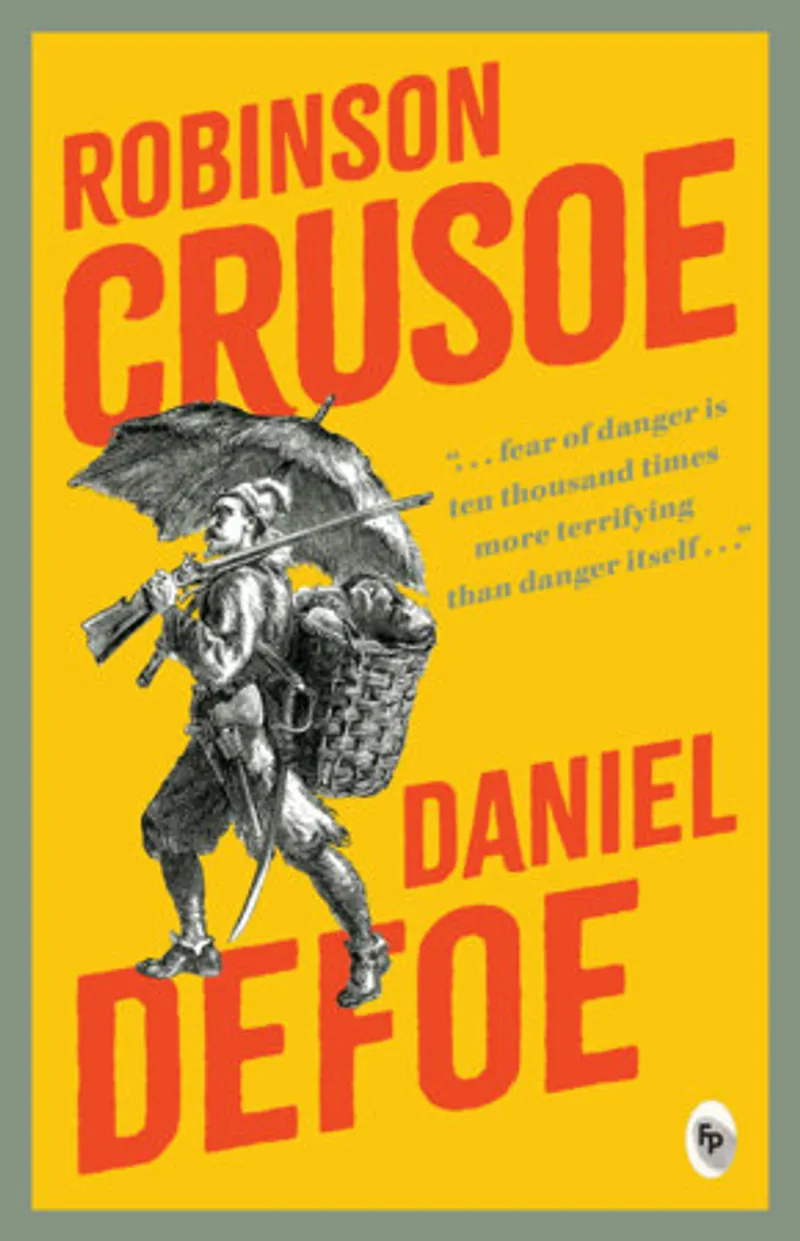
Robinson Crusoe - Classics Author: Daniel DefoePage Count: UnknownPublication Date: 2017-PRH In the realm of classic literature, few tales have captivated readers with the same enduring allure as Daniel Defoe's timeless masterpiece, Robinson Crusoe. While the 2017 publication may seem like a re-release of the original 1719 novel, its themes and messages remain as poignant and thought-provoking as ever. As a testament to Defoe's exceptional storytelling prowess, this book continues to enthrall audiences with its gripping narrative and profound exploration of the human condition. At its core, Robinson Crusoe is a story about resilience, survival, and the unyielding human spirit. The novel follows the eponymous protagonist, a young and ambitious Englishman, as he defies his parents' wishes and sets sail on a ship bound for Africa. However, his journey is soon derailed when a catastrophic storm wrecks his vessel, leaving him stranded on a deserted island. With no signs of rescue in sight, Crusoe must rely on his resourcefulness, ingenuity, and determination to survive the harsh island environment. Through Crusoe's trials and tribulations, Defoe masterfully explores the theme of solitude and its effects on the human psyche. As Crusoe navigates the challenges of island life, he begins to confront the depths of his own loneliness, and the reader is invited to ponder the implications of being truly alone. Defoe's vivid descriptions of Crusoe's daily struggles, from finding food and shelter to coping with the emotional toll of isolation, serve as a powerful reminder of the human need for connection and community. One of the most striking aspects of Defoe's writing style is his ability to balance action and introspection. The novel is replete with thrilling sequences of adventure and suspense, as Crusoe battles against the elements and confronts the unknown dangers of the island. Yet, these moments of high drama are skillfully interwoven with periods of quiet contemplation, as Crusoe grapples with the moral and philosophical implications of his situation. This delicate balance between action and introspection lends the novel a sense of depth and nuance, making it a rich and rewarding read. Defoe's prose is another notable aspect of the novel, characterized by its clarity, simplicity, and directness. His writing style, often described as "plain" or "unadorned," belies a profound mastery of language and a deep understanding of the human experience. Through Crusoe's first-person narrative, Defoe creates a sense of immediacy and intimacy, drawing the reader into the world of the novel and refusing to let go. In conclusion, Robinson Crusoe is a masterpiece of classic literature that continues to captivate readers with its timeless themes and gripping narrative. Defoe's exploration of solitude, survival, and the human condition is both poignant and thought-provoking, inviting readers to reflect on their own place in the world. With its delicate balance of action and introspection, coupled with Defoe's masterful prose, this novel is a must-read for anyone interested in the classics. #RobinsonCrusoe #ClassicLiterature #SurvivalStory #DesertIsland #DanielDefoe #TimelessTales Related InsightsMidnight Myths and Magic Book Review and Summary The Love Hypothesis Book Review and Summary American Anti-Slavery Almanac, For ... Book Review and Summary{ "@context": "https://schema.org", "@type": "FAQPage", "mainEntity": [ { "@type": "Question", "name": "What is the main focus of Robinson Crusoe Book Review and Summary?", "acceptedAnswer": { "@type": "Answer", "text": "Everything you need to know about Robinson Crusoe with our detailed review." } }, { "@type": "Question", "name": "Who authored the comprehensive guide on Robinson Crusoe Book Review and Summary?", "acceptedAnswer": { "@type": "Answer", "text": "This detailed article and its insights were carefully researched and authored by Daniel Defoe." } }, { "@type": "Question", "name": "Where can I find more related content about Books?", "acceptedAnswer": { "@type": "Answer", "text": "You can explore more articles, detailed reviews, and similar insights by browsing the Related Insights section at the bottom of this article or visiting our dedicated Books category page." } } ] }
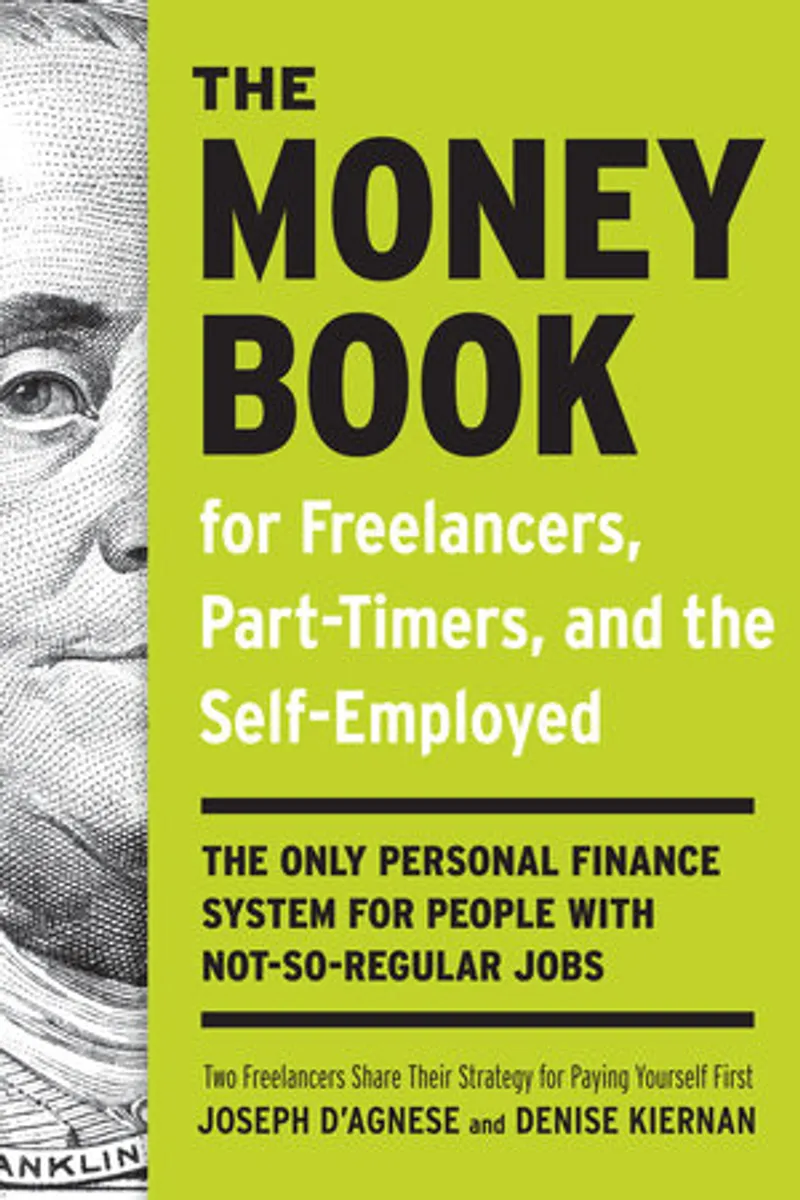
The Money Book for Freelancers, Part-Timers, and the Self-Employed Author: Denise KiernanPage Count: UnknownPublication Date: 2010-PRH In "The Money Book for Freelancers, Part-Timers, and the Self-Employed," Denise Kiernan tackles the often-daunting world of personal finance for those who have chosen to forge their own paths. With a conversational tone and a dash of humor, Kiernan masterfully breaks down the complexities of managing one's finances without the safety net of a traditional employer. Kiernan's approach is refreshingly straightforward, acknowledging the unique challenges faced by freelancers, part-timers, and the self-employed. She delves into the harsh realities of irregular income, uncertain benefits, and the ever-present threat of financial instability. Yet, rather than simply presenting problems, Kiernan offers a comprehensive system for navigating these challenges. Throughout the book, Kiernan draws upon interviews with financial experts, as well as anecdotes from real-life freelancers, to illustrate key concepts. Her use of charts, graphs, and other visual aids helps to simplify complex financial ideas, making the book an invaluable resource for those who may not have a background in finance. One of the book's greatest strengths lies in its ability to balance practical advice with empathy and understanding. Kiernan acknowledges the emotional toll of financial uncertainty, and her writing is infused with a sense of camaraderie and support. She encourages readers to take a proactive approach to their finances, rather than simply reacting to the ups and downs of their income. Kiernan's coverage of topics such as managing cash flow, getting out of debt, and saving for retirement is thorough and well-researched. She also explores the often-overlooked realm of health savings accounts, providing readers with a valuable tool for managing their medical expenses. If there is a criticism to be made, it is that the book may not offer a great deal of new information for those who are already well-versed in personal finance. However, for those who are just starting to navigate the world of freelancing or self-employment, Kiernan's book is an indispensable resource. In short, "The Money Book for Freelancers, Part-Timers, and the Self-Employed" is a must-read for anyone who has chosen to forge their own path. With its unique blend of practical advice, empathy, and humor, Kiernan's book is sure to become a trusted companion for those navigating the often-treacherous waters of personal finance. #FreelanceFinance #SelfEmployed #PersonalFinance #MoneyManagement #IndependentWorkers #FinancialSecurity Related InsightsEl problema de los tres cuerpos (Edición ilustrada) / The Three-Body Problem (Illustrated Edition) Book Review and Summary Cloud Atlas Book Review and Summary El sueño de Sooley Book Review and Summary{ "@context": "https://schema.org", "@type": "FAQPage", "mainEntity": [ { "@type": "Question", "name": "What is the main focus of One for the Money Book Review and Summary?", "acceptedAnswer": { "@type": "Answer", "text": "Everything you need to know about One for the Money with our detailed review." } }, { "@type": "Question", "name": "Who authored the comprehensive guide on One for the Money Book Review and Summary?", "acceptedAnswer": { "@type": "Answer", "text": "This detailed article and its insights were carefully researched and authored by Janet Evanovich." } }, { "@type": "Question", "name": "Where can I find more related content about Books?", "acceptedAnswer": { "@type": "Answer", "text": "You can explore more articles, detailed reviews, and similar insights by browsing the Related Insights section at the bottom of this article or visiting our dedicated Books category page." } } ] }
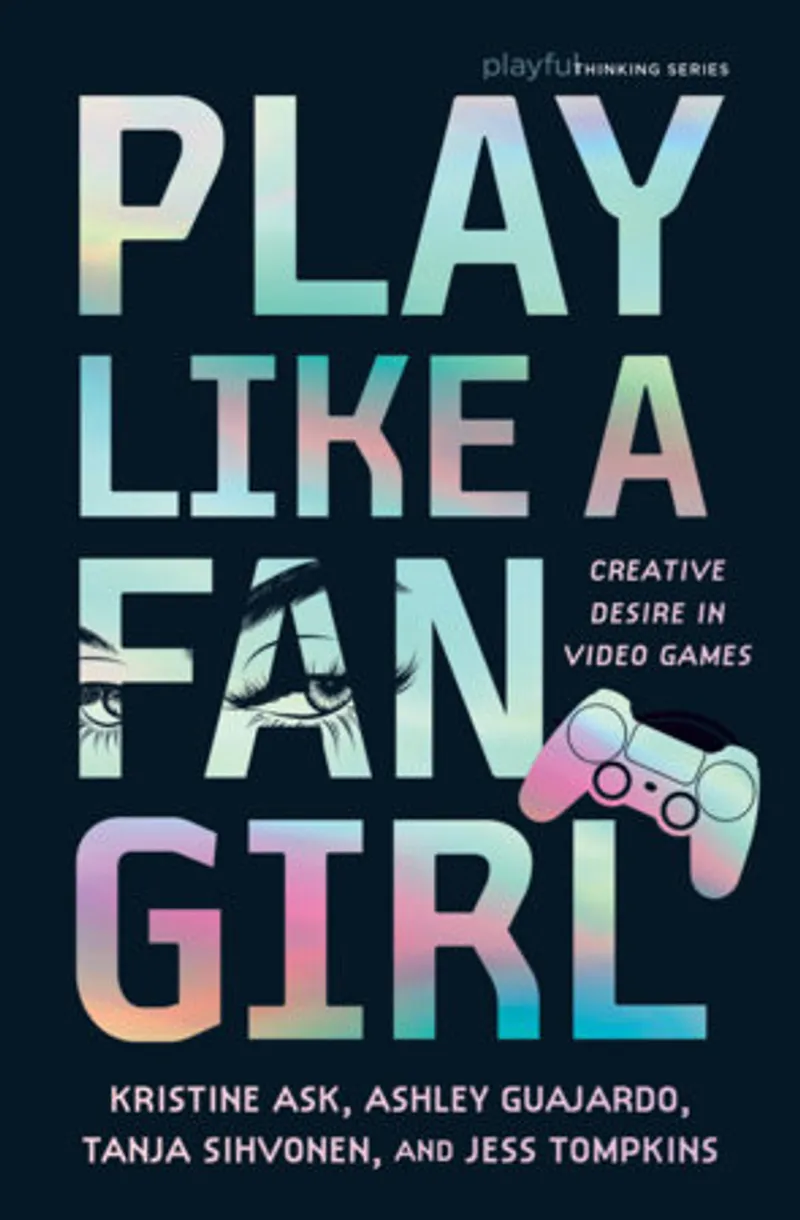
Play Like a Fangirl Author: Kristine AskPage Count: UnknownPublication Date: 2026-PRH "Play Like a Fangirl" by Kristine Ask is a mesmerizing exploration of the unapologetic, all-consuming world of fangirls. This 2026 release delves into the intricate dynamics of fandom, expertly weaving together themes of identity, community, and self-expression. As a reviewer, I was struck by Ask's refreshing candor and infectious enthusiasm, making this book an absolute must-read for anyone who has ever found solace in the realm of fandom. From the outset, it's clear that Ask is not only an astute observer of fangirl culture but also an active participant, lending her narrative an air of authenticity and vulnerability. Her writing style is effortlessly engaging, oscillating between witty observations and poignant introspections. As she navigates the complexities of fandom, Ask confronts the often-misogynistic stereotypes that have long plagued female fans, instead celebrating their agency, creativity, and dedication. One of the book's greatest strengths lies in its thoughtful examination of the ways in which fandom can be both a source of empowerment and a catalyst for self-discovery. Ask masterfully illustrates how fangirls, in particular, have been at the forefront of shaping and subverting traditional notions of fandom, forging their own paths and redefining the boundaries of what it means to be a fan. Through a rich tapestry of personal anecdotes, cultural critique, and historical context, Ask humanizes the fangirl experience, stripping away the stigma and misconceptions that have long surrounded it. Ask's prose is conversational and accessible, making the book an enjoyable read for both fans and non-fans alike. Her passion for the subject matter is palpable, and her writing is infused with a sense of joy and wonder that's impossible to resist. As she delves into the intricacies of fangirl culture, Ask sheds light on the often-overlooked contributions of female fans, from fanfiction writers to convention organizers, highlighting their innovative spirit and collective impact. Ultimately, "Play Like a Fangirl" is a triumphant celebration of the transformative power of fandom and the unbridled creativity of its female fans. Ask's work serves as a testament to the enduring significance of fangirl culture, one that will undoubtedly resonate with anyone who has ever found themselves swept up in the excitement and camaraderie of a shared fandom. This book is a must-read for anyone interested in exploring the intersections of identity, culture, and community. #FangirlPower #FandomStudies #WomenInFandom #GeekCulture #FeministCriticism #FanStudies Related InsightsSong of Solomon Book Review and Summary Foundation Book Review and Summary Dlaczego krol elfow nie znosil basni Book Review and Summary{ "@context": "https://schema.org", "@type": "FAQPage", "mainEntity": [ { "@type": "Question", "name": "What is the main focus of Fangirl Book Review and Summary?", "acceptedAnswer": { "@type": "Answer", "text": "Everything you need to know about Fangirl with our detailed review." } }, { "@type": "Question", "name": "Who authored the comprehensive guide on Fangirl Book Review and Summary?", "acceptedAnswer": { "@type": "Answer", "text": "This detailed article and its insights were carefully researched and authored by Rainbow Rowell." } }, { "@type": "Question", "name": "Where can I find more related content about Books?", "acceptedAnswer": { "@type": "Answer", "text": "You can explore more articles, detailed reviews, and similar insights by browsing the Related Insights section at the bottom of this article or visiting our dedicated Books category page." } } ] }
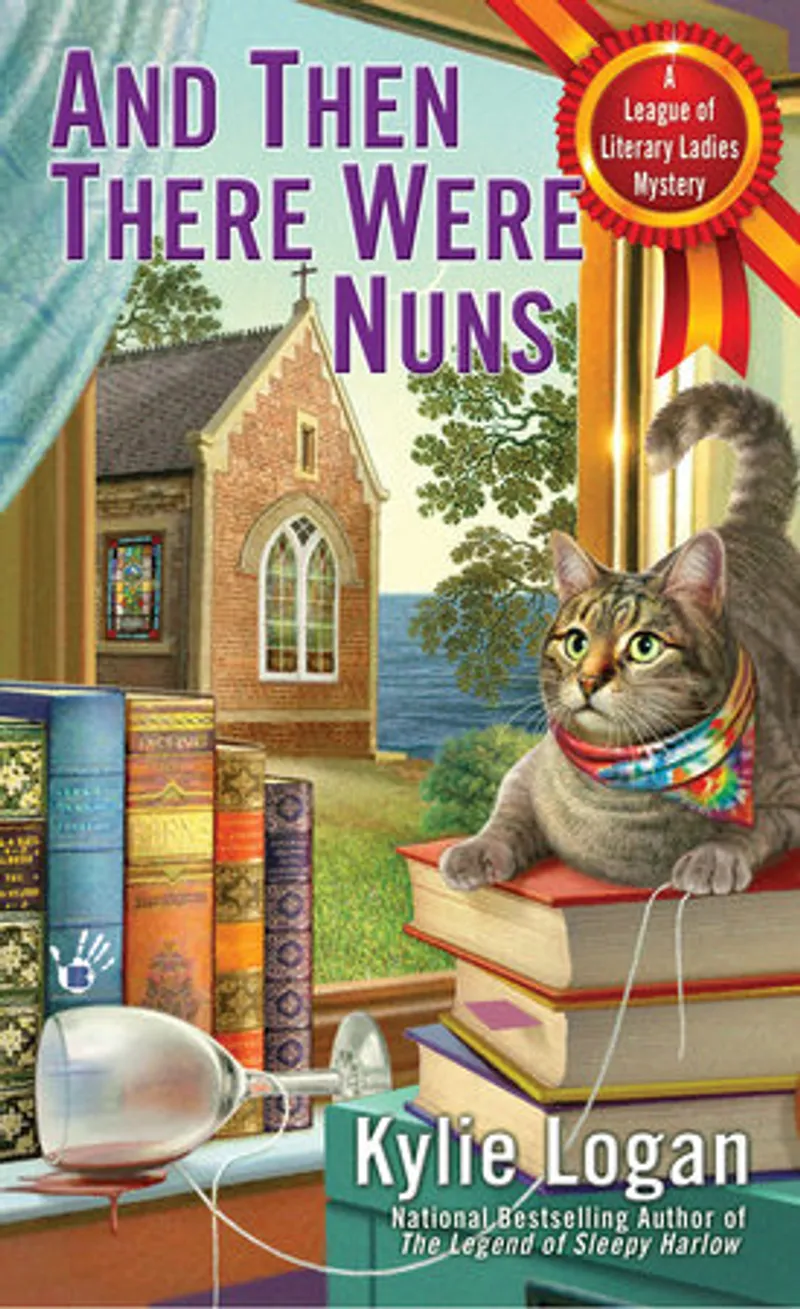
And Then There Were Nuns Author: Kylie LoganPage Count: UnknownPublication Date: 2016-PRH In the quaint setting of South Bass Island on Lake Erie, Kylie Logan weaves a captivating tale of mystery and intrigue in "And Then There Were Nuns". This 2016 release is a masterful blend of wit, charm, and suspense, as the League of Literary Ladies navigates a complex web of secrets and lies to unravel the truth behind a series of gruesome murders. At the heart of the story is Bea Cartwright, a warm and endearing B&B owner who finds herself entangled in the mystery when one of the visiting nuns at the Water's Edge Center for Spirit and Renewal is found dead. As the body count rises, Bea and her fellow Literary Ladies - Chandra, Kate, and Luella - are drawn into the investigation, leveraging their unique skills and perspectives to help the local chief of police crack the case. Logan's writing style is a true delight, with a keen eye for detail and a deep understanding of the human psyche. Her characters are multidimensional and relatable, with distinct voices and personalities that shine through the narrative. The author's use of language is engaging and accessible, making it easy to become fully immersed in the world of South Bass Island and its inhabitants. One of the standout aspects of "And Then There Were Nuns" is its clever homage to Agatha Christie's classic whodunit, "And Then There Were None". Logan skillfully weaves in nods to the original, while still managing to craft a unique and compelling mystery that keeps readers guessing until the very end. The pacing is expertly handled, with a steady stream of twists and turns that will keep even the most seasoned mystery enthusiasts on their toes. As the story unfolds, Logan explores themes of community, friendship, and the power of literature to bring people together. The League of Literary Ladies is more than just a group of amateur sleuths - they're a testament to the transformative impact of books and the bonds that form between people who share a passion for reading. In short, "And Then There Were Nuns" is a captivating and entertaining mystery that will appeal to fans of cozy whodunits, literary fiction, and small-town charm. With its richly drawn characters, engaging plot, and loving tribute to the Golden Age of detective fiction, this book is sure to delight readers of all ages. #NunsAndMystery #CozyWhodunit #LiteraryFiction #SmallTownCharm #AgathaChristieInspired #MysteryLoversRejoice Related InsightsBrave New World Book Review and Summary I Am the Night: The Ultimate Unauthorized History of Batman: The Animated Series Book Review and Summary The Zombie Room Book Review and Summary{ "@context": "https://schema.org", "@type": "FAQPage", "mainEntity": [ { "@type": "Question", "name": "What is the main focus of And Then There Were None Book Review and Summary?", "acceptedAnswer": { "@type": "Answer", "text": "Everything you need to know about And Then There Were None with our detailed review." } }, { "@type": "Question", "name": "Who authored the comprehensive guide on And Then There Were None Book Review and Summary?", "acceptedAnswer": { "@type": "Answer", "text": "This detailed article and its insights were carefully researched and authored by Agatha Christie." } }, { "@type": "Question", "name": "Where can I find more related content about Books?", "acceptedAnswer": { "@type": "Answer", "text": "You can explore more articles, detailed reviews, and similar insights by browsing the Related Insights section at the bottom of this article or visiting our dedicated Books category page." } } ] }

Venom Modern Era Epic Collection: Shiver Author: Daniel WayPage Count: UnknownPublication Date: 2024-PRH In the realm of comic book villains, few characters have managed to capture the imagination of readers quite like Venom. With his twisted blend of dark humor, unhinged violence, and a dash of anti-heroism, it's little wonder that the character has become a staple of the Marvel Universe. Now, with the release of the Venom Modern Era Epic Collection: Shiver, fans of the iconic villain can relive the thrilling adventures of Daniel Way's 2003 run, which brought a new level of complexity and depth to the character. At its core, Way's Venom is a story about the destructive power of unchecked emotions. The symbiote, having separated from its longtime host Eddie Brock, is on the loose, searching for a new partner to bond with. As it careens from host to host, the symbiote is drawn to individuals consumed by intense, base emotions such as rage, jealousy, and hatred. This insatiable hunger for adrenaline-fueled chaos sets the stage for a bloody and action-packed romp through the Canadian wilderness, with the X-Men's Wolverine serving as the symbiote's next target. One of the standout aspects of Way's writing is his ability to balance the darker elements of the story with a wicked sense of humor. The Venom symbiote's twisted antics are often played for laughs, and the character's banter with its hosts and adversaries is frequently hilarious. This blend of humor and horror helps to keep the story feeling fresh and unpredictable, even as the body count continues to rise. Way's artwork is equally impressive, with a kinetic energy that propels the story forward at a breakneck pace. The action scenes are intense and well-choreographed, with a keen attention to detail that helps to bring the world of Venom to life. The character designs are also noteworthy, with the Venom symbiote's twisted, elongated form serving as a visual representation of its twisted personality. As the story moves from the Canadian wilderness to the streets of New York City, the action becomes increasingly frenetic, with Spider-Man and the Fantastic Four forced to intervene as the symbiote's rampage spirals out of control. The inclusion of these iconic Marvel characters adds an extra layer of depth to the story, and helps to underscore the threat posed by the Venom symbiote. Throughout the collection, Way's writing is marked by a keen sense of tension and suspense. The story is full of unexpected twists and turns, with the symbiote's unpredictable behavior keeping readers on the edge of their seats. The pacing is relentless, with each issue building on the last to create a sense of momentum that's impossible to shake. If you're a fan of Venom, or just looking for a thrilling comic book adventure, the Venom Modern Era Epic Collection: Shiver is an absolute must-read. With its unique blend of humor, horror, and action, this collection is sure to appeal to a wide range of readers. So why wait? Dive into the twisted world of Venom and experience the thrill ride for yourself. #VenomModernEraEpicCollection #VenomShiver #DanielWay #MarvelComics #ComicBookReview #VenomForever Related InsightsBreakfast at Tiffany’s and Three Stories Book Review and Summary Płonący Bóg Book Review and Summary Mammoth Adventure (the Princess Rules) Book Review and Summary{ "@context": "https://schema.org", "@type": "FAQPage", "mainEntity": [ { "@type": "Question", "name": "What is the main focus of Shiver Book Review and Summary?", "acceptedAnswer": { "@type": "Answer", "text": "Everything you need to know about Shiver with our detailed review." } }, { "@type": "Question", "name": "Who authored the comprehensive guide on Shiver Book Review and Summary?", "acceptedAnswer": { "@type": "Answer", "text": "This detailed article and its insights were carefully researched and authored by Maggie Stiefvater." } }, { "@type": "Question", "name": "Where can I find more related content about Books?", "acceptedAnswer": { "@type": "Answer", "text": "You can explore more articles, detailed reviews, and similar insights by browsing the Related Insights section at the bottom of this article or visiting our dedicated Books category page." } } ] }
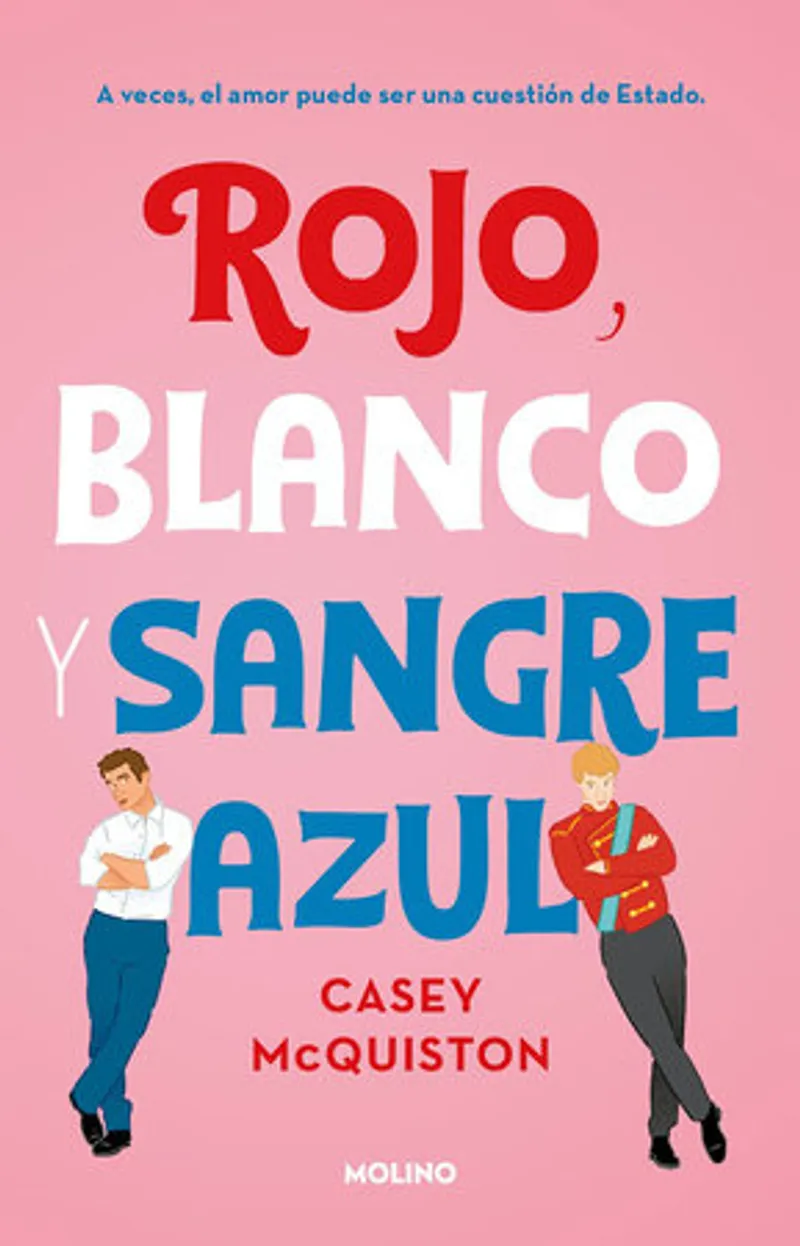
Rojo, blanco y sangre azul / Red, White & Royal Blue Author: Casey McQuistonPage Count: UnknownPublication Date: 2022-PRH In the captivating novel "Red, White & Royal Blue" by Casey McQuiston, the lines between politics, identity, and love are masterfully blurred. This instant New York Times and USA Today bestseller has garnered widespread acclaim, including the Goodreads Choice Award for Best Debut and Best Romance of 2019. At its core, the book tells the story of Alex Claremont-Diaz, the charismatic and intelligent First Son of the United States, and his tumultuous relationship with Prince Henry of Wales. When a photo of the two men in a heated altercation surfaces, their respective handlers concoct a plan to stage a fake friendship, hoping to salvage the strained relations between their countries. However, as Alex and Henry spend more time together, their initial animosity blossoms into a romance that threatens to upend the carefully constructed facade of their public lives. McQuiston's writing is a true delight, effortlessly weaving together witty banter, poignant introspection, and nuanced explorations of identity, power dynamics, and the complexities of love. The author's style is both accessible and sophisticated, making the book an absolute pleasure to read. The characters are multidimensional and relatable, with Alex's sharp wit and Henry's quiet vulnerability making them impossible to resist. One of the novel's greatest strengths lies in its thoughtful examination of the tensions between personal identity and public expectation. As Alex and Henry navigate their clandestine relationship, they must confront the weight of their respective roles and the scrutiny that comes with them. McQuiston raises important questions about the freedom to be oneself, particularly when one's actions have the potential to impact an entire nation. Throughout the book, McQuiston also explores themes of privilege, duty, and the complexities of power. The author sheds light on the intricacies of royal protocol and the inner workings of the White House, adding a layer of authenticity to the narrative. The supporting cast is equally well-crafted, with Alex's sister June and Henry's grandmother, the Queen, serving as memorable and intriguing foils to the central romance. Ultimately, "Red, White & Royal Blue" is a triumphant exploration of love, identity, and the human need for connection. McQuiston's prose is engaging, her characters are captivating, and her story is both timely and timeless. This is a novel that will resonate with readers of all ages and backgrounds, leaving a lasting impression long after the final page is turned. #RedWhiteAndRoyalBlue #CaseyMcQuiston #LGBTQPlusLiterature #RomanceNovels #NewAdultFiction #RoyalRomance Related InsightsThomas Piketty's Capital in the Twenty-First Century Book Review and Summary The Art of Racing in the Rain Book Review and Summary Red Queen / Glass Sword / King’s Cage / War Storm Book Review and Summary{ "@context": "https://schema.org", "@type": "FAQPage", "mainEntity": [ { "@type": "Question", "name": "What is the main focus of Red, White & Royal Blue Book Review and Summary?", "acceptedAnswer": { "@type": "Answer", "text": "Everything you need to know about Red, White & Royal Blue with our detailed review." } }, { "@type": "Question", "name": "Who authored the comprehensive guide on Red, White & Royal Blue Book Review and Summary?", "acceptedAnswer": { "@type": "Answer", "text": "This detailed article and its insights were carefully researched and authored by Casey McQuiston." } }, { "@type": "Question", "name": "Where can I find more related content about Books?", "acceptedAnswer": { "@type": "Answer", "text": "You can explore more articles, detailed reviews, and similar insights by browsing the Related Insights section at the bottom of this article or visiting our dedicated Books category page." } } ] }
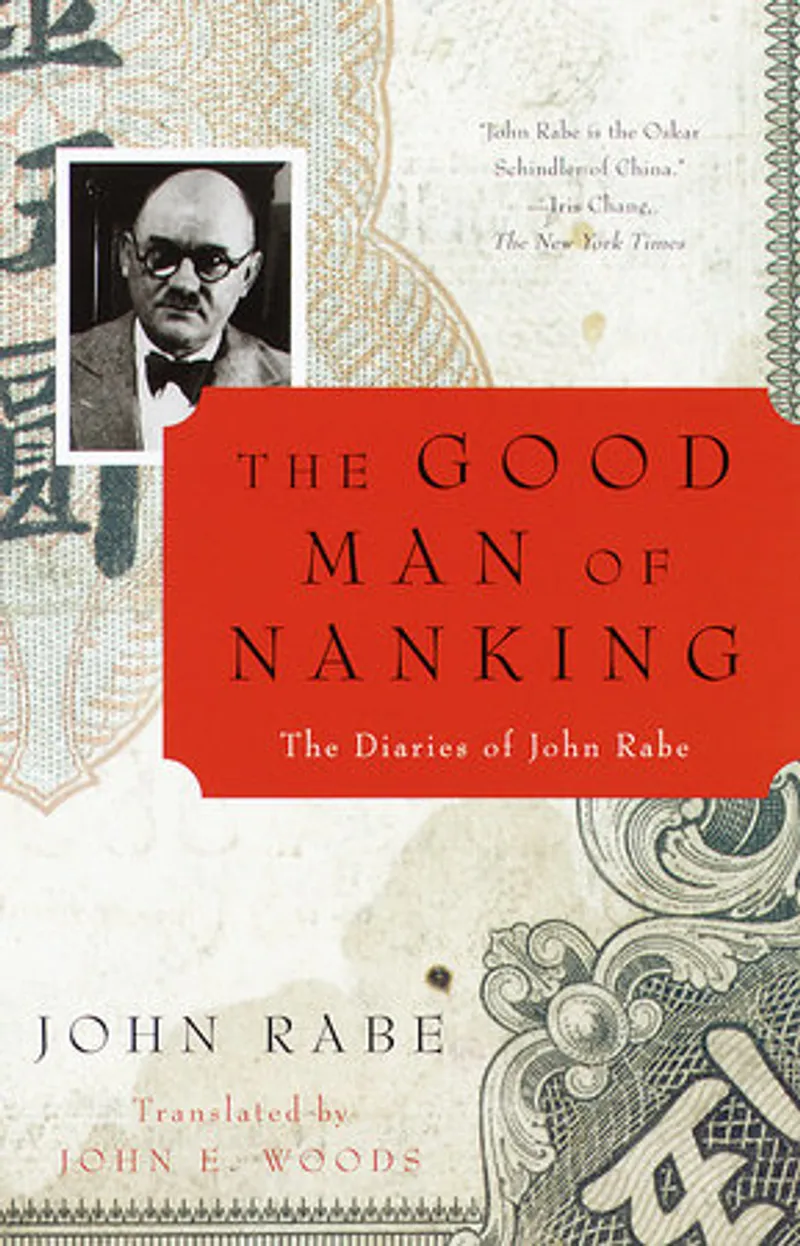
The Good Man of Nanking Author: John RabePage Count: UnknownPublication Date: 2000-PRH John Rabe’s The Good Man of Nanking is not just a book—it is a moral earthquake disguised as a diary. Published posthumously in 2000, this harrowing account pulls back the curtain on one of history’s most grotesque episodes: the 1937 Rape of Nanking, where Japanese imperial forces slaughtered an estimated 300,000 Chinese civilians in a matter of weeks. Yet what makes Rabe’s narrative so extraordinary is not merely the scale of the atrocities he documents, but the quiet, stubborn heroism of a man who defied both his own government and the tide of war to save lives. Rabe, a German businessman who had lived in China for three decades, was no saint by conventional measures. A card-carrying member of the Nazi Party, he admired Hitler and initially saw Japan as a bulwark against communism. But when the Japanese army descended upon Nanking in December 1937, Rabe’s loyalties were tested—and he failed spectacularly. Not in the way one might expect. Instead of turning away, he threw himself into the chaos, organizing the Nanking Safety Zone, a demilitarized area where he and a small team of Westerners sheltered over 200,000 Chinese civilians. At one point, he even housed 600 people in his own home, using his status as a German national to shield them from Japanese soldiers. His diaries reveal a man oscillating between exhaustion and resolve, between despair and an almost absurd faith in the power of decency. What makes The Good Man of Nanking so compelling is Rabe’s unflinching honesty. He doesn’t cast himself as a flawless savior; he admits his fears, his moments of doubt, and even his occasional frustration with the Chinese refugees who depended on him. His prose is blunt, direct—sometimes clumsy—but that only heightens its authenticity. There are no grand speeches, no self-aggrandizing flourishes. Just a man scribbling in the margins of history, trying to keep track of the dead, the missing, and the miracle of those who survived. Rabe’s voice is that of an unlikely witness. As a German in a Japanese-occupied city, he was both an outsider and a protected figure, a paradox that allowed him to move through the city with a fragile immunity. His diaries serve as a bridge between cultures, a rare Western perspective on an event that Japan has long sought to erase from public memory. Yet Rabe’s account is not just a historical document; it’s a meditation on the fragility of human morality. He writes of Japanese officers who seemed almost embarrassed by the brutality of their troops, of Chinese civilians who begged for help only to vanish into the night, of the sheer absurdity of war where the line between heroism and survival blurs into nothingness. The book’s power lies in its immediacy. Rabe’s entries are raw, unfiltered, written in the moment or shortly after. On December 13, 1937, he records: "The Japanese have begun their reign of terror. They’re killing everyone they can get their hands on—men, women, children. They’re raping every woman they find, then killing them. It’s unspeakable." His language is sparse, but the horror is undeniable. There are no metaphors, no euphemisms—just the cold, hard facts of a city drowning in blood. What’s perhaps most striking is Rabe’s relationship with his own government. As a Nazi, he expected some level of protection or at least neutrality from Berlin. Instead, he found indifference. The German embassy in Nanking was evacuated, leaving him to fend for himself. His pleas for intervention went unanswered. In one chilling entry, he laments: "Hitler’s Germany has abandoned us. We are alone." This irony—of a man loyal to a regime built on racial purity and authoritarianism, yet forced to act against the very principles he once espoused—adds a layer of tragic complexity to his story. The Good Man of Nanking is also a testament to the power of individual action in the face of systemic evil. Rabe’s efforts were not enough to stop the massacre, but they saved tens of thousands. His story forces us to confront an uncomfortable truth: heroism is often not about grand gestures, but about stubborn persistence in the face of overwhelming odds. He didn’t overthrow the Japanese army; he outlasted it, one life at a time. John Rabe’s legacy is a complicated one. To some, he is the Oskar Schindler of China—a righteous foreigner who risked everything to do what was right. To others, he remains a figure of controversy, a Nazi who happened to do good. But The Good Man of Nanking transcends such simplistic labels. It is a book about the failure of institutions and the triumph of the human spirit. It is a reminder that even in the darkest corners of history, there are those who refuse to look away. Rabe’s diaries were hidden for decades, buried under the weight of political expediency. Their publication was a act of restitution, a way to honor the voices of the victims and the quiet courage of a man who, for a brief moment, stood against the tide. The Good Man of Nanking is not just a book about the past—it’s a challenge to the present. It asks us: What would we have done? And more importantly, what will we do when the next Rabe is needed? #NankingMassacre #JohnRabe #WWIIHistory #NeverForget #HistoricalHeroes #WarCrimes Related InsightsSmoke bitten Book Review and Summary The Perks of Working in the Black Magic Industry #050 Book Review and Summary Tidelands Book Review and Summary{ "@context": "https://schema.org", "@type": "FAQPage", "mainEntity": [ { "@type": "Question", "name": "What is the main focus of Tokyo: The Devil of Nanking Book Review and Summary?", "acceptedAnswer": { "@type": "Answer", "text": "Everything you need to know about Tokyo: The Devil of Nanking with our detailed review." } }, { "@type": "Question", "name": "Who authored the comprehensive guide on Tokyo: The Devil of Nanking Book Review and Summary?", "acceptedAnswer": { "@type": "Answer", "text": "This detailed article and its insights were carefully researched and authored by Mo Hayder." } }, { "@type": "Question", "name": "Where can I find more related content about Books?", "acceptedAnswer": { "@type": "Answer", "text": "You can explore more articles, detailed reviews, and similar insights by browsing the Related Insights section at the bottom of this article or visiting our dedicated Books category page." } } ] }
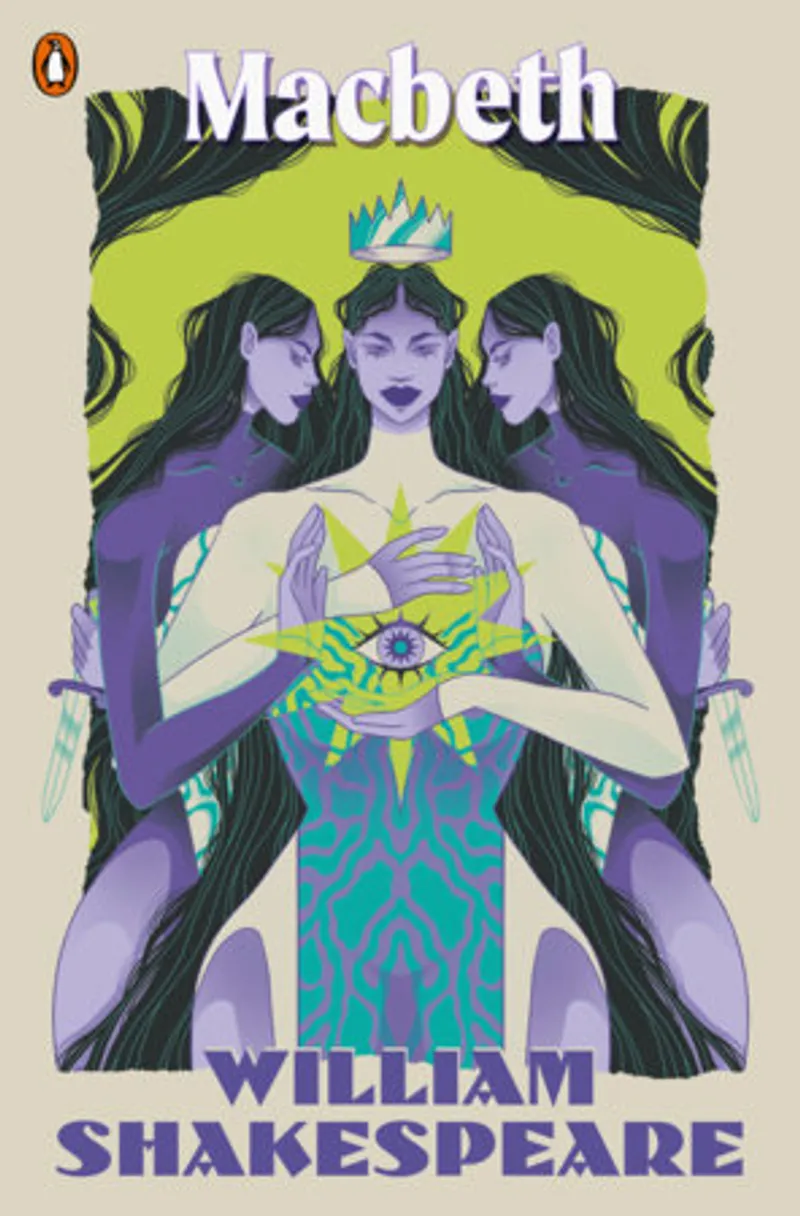
Macbeth (Spanish Edition) Author: William ShakespearePage Count: UnknownPublication Date: 2026-PRH William Shakespeare’s Macbeth (Spanish Edition) remains, even in translation, a masterclass in psychological horror and the corrupting allure of power. Though the exact publication year is listed as 2026—a futuristic touch that feels oddly fitting for a play obsessed with time and prophecy—Shakespeare’s timeless tragedy endures with unmatched intensity. This Spanish edition promises to introduce new audiences to a story where ambition is not just a flaw but a living, breathing entity, whispering in the ears of its victims until they are consumed. At its core, Macbeth is a meditation on the seductive danger of unchecked ambition. The titular character is not a villain by nature but a man whose hunger for power is stoked by external forces—his wife, the witches, and his own unraveling psyche. Shakespeare forces us to confront the question: How much of Macbeth’s downfall is his own doing, and how much is the result of forces beyond his control? The answer, of course, is both. The witches’ prophecies are vague enough to be interpreted as destiny, yet Macbeth’s violent actions are entirely his own. This duality makes the play endlessly fascinating; it is not just a cautionary tale about greed but a study of how power distorts morality. Shakespeare’s language, even in translation, is a weapon. The Spanish edition, presumably rendered with care to preserve the play’s poetic brutality, must grapple with the original’s dense imagery—blood that won’t wash out, hands that feel eternally stained, and a world where the natural order itself seems to rebel against human transgression. The famous soliloquies, like “Tomorrow, and tomorrow, and tomorrow” or “Is this a dagger which I see before me?”, are not just monologues but psychological dissections. They reveal a man unraveling, his mind a battleground where guilt and paranoia wage war. In Spanish, these lines would carry the same weight, the same staccato rhythm of a man spiraling into madness. The supporting characters are equally compelling. Lady Macbeth, often reduced to a caricature of ruthless ambition, is in fact a tragic figure whose own ambition is as much a product of her era’s expectations as it is her personal desires. Her famous “unsex me here” soliloquy is a chilling plea to shed her femininity in a world where power is masculine-coded. Yet, as the play progresses, her guilt manifests in ways that are almost physical—she sleepwalks, trying to scrub her hands clean of imagined blood. Shakespeare’s genius lies in making her both monstrous and pitiable, a woman who sought power only to be destroyed by it. The play’s structure is deceptively simple yet brilliantly effective. It begins with a prophecy, a seed of ambition planted in Macbeth’s mind. From there, the action spirals outward, dragging in more characters—Banquo, Macduff, Duncan—each a victim of Macbeth’s paranoia. The tension builds relentlessly, culminating in a final act where the once-great warrior is reduced to a hollow shell, clinging to the illusion of invincibility. Shakespeare’s use of foreshadowing and irony is masterful; we know from the start that Macbeth’s reign will be short-lived, yet we watch, horrified, as he digs his own grave. This Spanish edition, whether it includes annotations, critical essays, or contextual notes, has the potential to introduce Macbeth to a new generation of readers. The play’s themes—ambition, guilt, the corrupting nature of power—are universal, transcending language and time. In a world where political upheaval and moral compromise are constant headlines, Macbeth feels more relevant than ever. It is a reminder that power is not a destination but a trap, and that the pursuit of it often leaves us hollow. Shakespeare’s style is unmistakable: a blend of poetry and brutality, where every word is deliberate. The Spanish translation, if done well, will preserve the play’s lyrical intensity while making it accessible to non-English speakers. The challenge is in capturing the rhythm of iambic pentameter, the sharpness of the insults, and the eerie beauty of the imagery. A good translation will not just convey meaning but evoke the same visceral reactions as the original. For those encountering Macbeth for the first time, this edition offers a gateway into one of literature’s darkest and most rewarding experiences. For those returning, it is a chance to see the play anew, through the lens of a different language and culture. Whether read in English or Spanish, Macbeth is a play that lingers, a story that haunts, and a warning that power, once seized, is never truly yours to keep. #Macbeth #Shakespeare #Tragedy #Ambition #LiteraryClassic #SpanishEdition Related InsightsThe Drowning Woman Book Review and Summary Tiger's Mouth: A Novel Book Review and Summary The Poppy War Book Review and Summary{ "@context": "https://schema.org", "@type": "FAQPage", "mainEntity": [ { "@type": "Question", "name": "What is the main focus of Macbeth Book Review and Summary?", "acceptedAnswer": { "@type": "Answer", "text": "Everything you need to know about Macbeth with our detailed review." } }, { "@type": "Question", "name": "Who authored the comprehensive guide on Macbeth Book Review and Summary?", "acceptedAnswer": { "@type": "Answer", "text": "This detailed article and its insights were carefully researched and authored by William Shakespeare." } }, { "@type": "Question", "name": "Where can I find more related content about Books?", "acceptedAnswer": { "@type": "Answer", "text": "You can explore more articles, detailed reviews, and similar insights by browsing the Related Insights section at the bottom of this article or visiting our dedicated Books category page." } } ] }
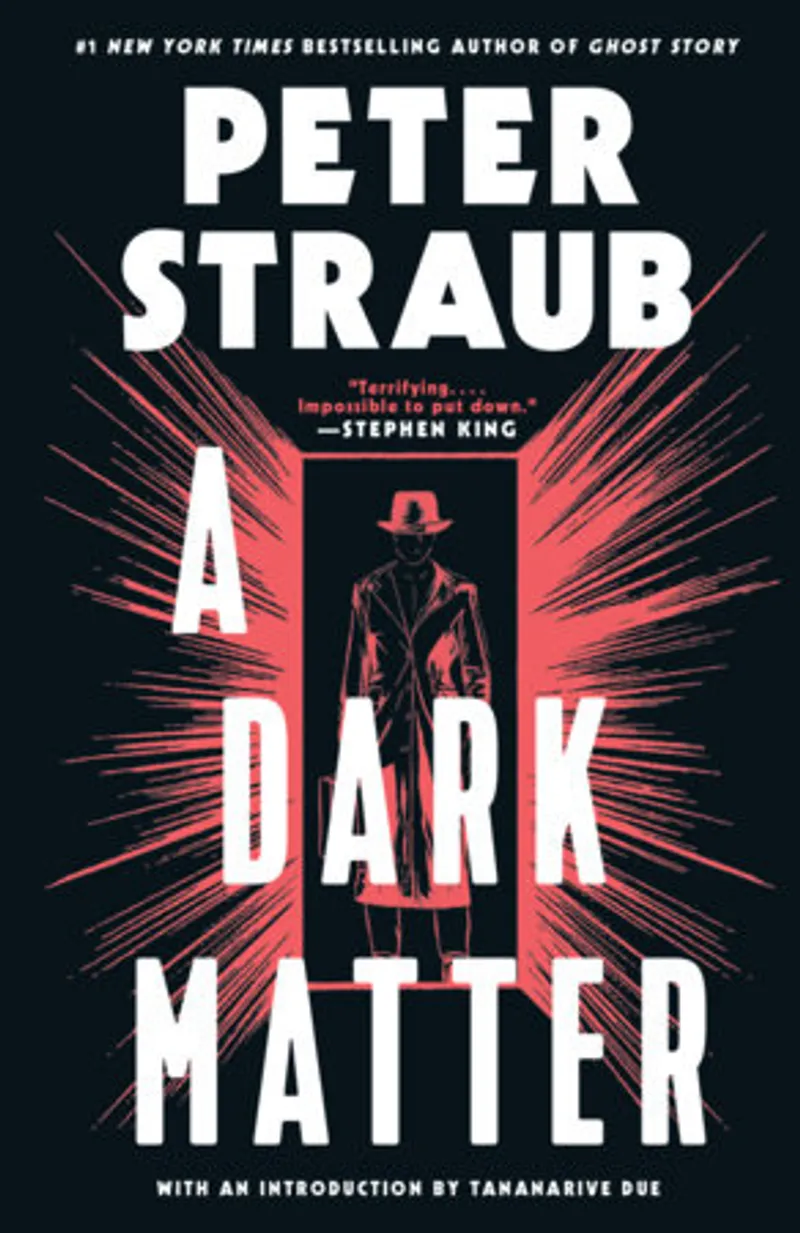
A Dark Matter Author: Peter StraubPage Count: UnknownPublication Date: 2026-PRH A Dark Matter, the latest offering from masterful storyteller Peter Straub, is a mesmerizing and deeply unsettling exploration of the human condition, delving into the darkest recesses of the human experience. This is a novel that defies easy categorization, blending elements of psychological horror, mystery, and literary fiction to create a work that is both deeply unnerving and intellectually stimulating. From the outset, Straub's prose is characterized by its trademark elegance and precision, weaving a complex narrative that is at once both hypnotic and disorienting. His writing is akin to a dark, velvety shroud that envelops the reader, drawing them inexorably into a world of eerie landscapes and fractured psyches. The author's use of language is deliberate and measured, each word chosen with the precision of a surgeon, to create an atmosphere of creeping unease that permeates every aspect of the narrative. At its core, A Dark Matter is a novel about the fragility of the human psyche, and the devastating consequences that can occur when the carefully constructed facades we present to the world begin to crumble. Straub's characters are multidimensional and richly nuanced, their inner lives a labyrinthine tangle of contradictions and paradoxes. As the story unfolds, these characters are subjected to a series of increasingly bizarre and traumatic events, which serve to strip away their defenses, exposing the dark, festering wounds that lie beneath. One of the most striking aspects of A Dark Matter is its use of the surreal and the unknown to explore the deepest, most primal fears of the human experience. Straub's world is one of eerie, unsettling landscapes, where the boundaries between reality and nightmare are constantly blurred. This is a realm where the rational and the irrational coexist, where the laws of physics are twisted and distorted, and where the fabric of reality appears to be unraveling. Throughout the novel, Straub's mastery of the dark, gothic atmosphere is on full display, as he weaves a complex web of tension and suspense that is both captivating and deeply unnerving. His use of imagery is vivid and evocative, conjuring up a world of dark, twisted forests, crumbling mansions, and abandoned, rural landscapes that seem to stretch on forever. This is a world that is both hauntingly beautiful and deeply terrifying, a realm where the very fabric of reality appears to be on the brink of collapse. Ultimately, A Dark Matter is a novel that will appeal to fans of Straub's earlier work, as well as readers who enjoy the darker, more surreal aspects of horror and literary fiction. It is a complex, thought-provoking work that will linger in the reader's mind long after the final page has been turned, a testament to the author's skill and craftsmanship as a storyteller. If you're looking for a novel that will challenge your perceptions, push you to the edge of your comfort zone, and leave you sleeping with the lights on, then A Dark Matter is a must-read. #PeterStraub #ADarkMatter #HorrorFiction #LiteraryFiction #PsychologicalThriller #DarkFantasy Related InsightsOne of Us Is Lying Book Review and Summary Neverwhere Book Review and Summary A Rip Through Time Book Review and Summary{ "@context": "https://schema.org", "@type": "FAQPage", "mainEntity": [ { "@type": "Question", "name": "What is the main focus of Dark Matter Book Review and Summary?", "acceptedAnswer": { "@type": "Answer", "text": "Everything you need to know about Dark Matter with our detailed review." } }, { "@type": "Question", "name": "Who authored the comprehensive guide on Dark Matter Book Review and Summary?", "acceptedAnswer": { "@type": "Answer", "text": "This detailed article and its insights were carefully researched and authored by Blake Crouch." } }, { "@type": "Question", "name": "Where can I find more related content about Books?", "acceptedAnswer": { "@type": "Answer", "text": "You can explore more articles, detailed reviews, and similar insights by browsing the Related Insights section at the bottom of this article or visiting our dedicated Books category page." } } ] }
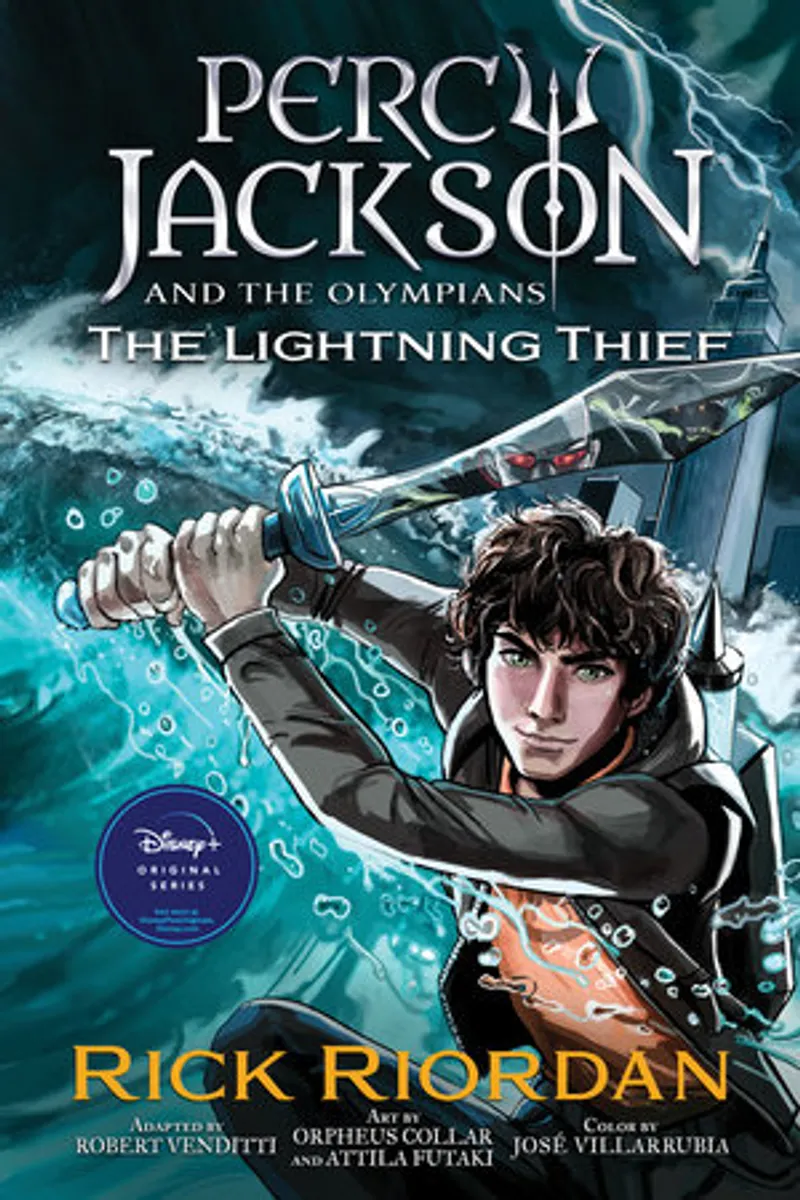
Percy Jackson and the Olympians: The Lightning Thief The Graphic Novel (paperback) Author: Rick RiordanPage Count: UnknownPublication Date: 2023-PRH Percy Jackson and the Olympians: The Lightning Thief, the graphic novel, is a mesmerizing adaptation of Rick Riordan's bestselling series. This refreshed edition, boasting an exciting new cover, is the perfect opportunity for fans and newcomers alike to delve into the world of Greek mythology. The story follows twelve-year-old Percy Jackson as he discovers that the gods and monsters of Mount Olympus are not just confined to the pages of his textbooks, but are, in fact, very real and increasingly entangled in his life. Rick Riordan's mastery of storytelling is on full display as he seamlessly weaves together mythological creatures, gods, and legendary artifacts, creating a captivating narrative that is both faithful to the original mythology and freshly imaginative. The collaboration with four talented comic book artists brings this world to life in a visually stunning way, making the characters and their adventures feel vibrant and immersive. At its core, The Lightning Thief is a story about identity, belonging, and the struggle to find one's place in the world. Percy, as the protagonist, is a relatable and endearing character, whose journey from an uncertain young boy to a confident hero is deeply engaging. The themes of friendship, loyalty, and the power of teamwork are also skillfully interwoven throughout the narrative, adding depth and complexity to the story. One of the most impressive aspects of Riordan's writing is his ability to balance action, humor, and emotion, creating a narrative that is both thrilling and heartfelt. The pacing is expertly managed, with a perfect blend of fast-paced action sequences and quieter moments of character development. The characterization is also noteworthy, with each character bringing their own unique personality, quirks, and motivations to the story. The graphic novel format adds an extra layer of excitement to the story, with the artwork bringing the characters and their world to life in a way that is both faithful to the original novel and freshly imaginative. The collaboration between Riordan and the comic book artists is a testament to the versatility and creativity of the graphic novel medium, showcasing the potential for storytelling and visual expression that it offers. In short, Percy Jackson and the Olympians: The Lightning Thief, the graphic novel, is a thrilling and captivating adaptation that is sure to delight both fans of the original series and newcomers to the world of Percy Jackson. With its stunning artwork, engaging characters, and masterful storytelling, this graphic novel is a must-read for anyone who loves mythology, adventure, and fantasy. #PercyJackson #TheLightningThief #RickRiordan #GraphicNovel #GreekMythology #DisneyPlus Related InsightsThe Adventures of Huckleberry Finn Book Review and Summary Acheron Book Review and Summary Le Rythme Invisible du Progrès : L'Odyssée de la Batterie Lithium-Ion{ "@context": "https://schema.org", "@type": "FAQPage", "mainEntity": [ { "@type": "Question", "name": "What is the main focus of The Lightning Thief Book Review and Summary?", "acceptedAnswer": { "@type": "Answer", "text": "Everything you need to know about The Lightning Thief with our detailed review." } }, { "@type": "Question", "name": "Who authored the comprehensive guide on The Lightning Thief Book Review and Summary?", "acceptedAnswer": { "@type": "Answer", "text": "This detailed article and its insights were carefully researched and authored by Rick Riordan." } }, { "@type": "Question", "name": "Where can I find more related content about Books?", "acceptedAnswer": { "@type": "Answer", "text": "You can explore more articles, detailed reviews, and similar insights by browsing the Related Insights section at the bottom of this article or visiting our dedicated Books category page." } } ] }
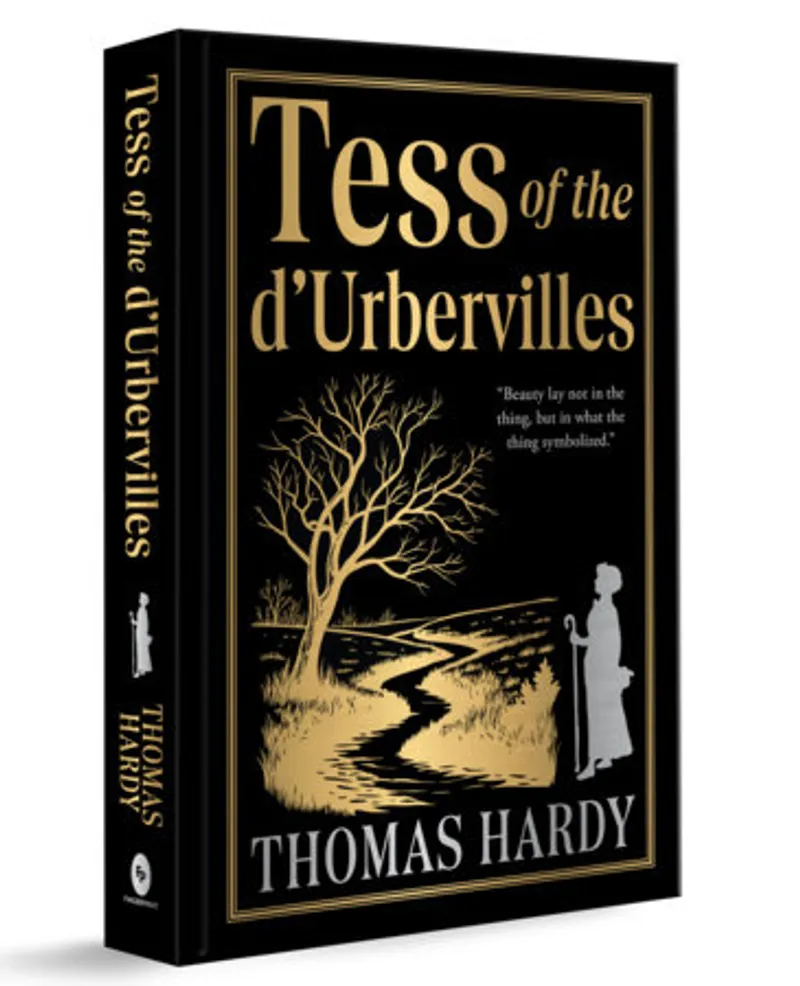
Tess of the d'Urbervilles (Deluxe Hardbound Edition) Author: Thomas HardyPage Count: UnknownPublication Date: 2026-PRH As I hold the deluxe hardbound edition of Thomas Hardy's timeless masterpiece, Tess of the d'Urbervilles, in my hands, I am struck by the sense of foreboding and tragedy that permeates the very essence of this novel. Published in 2026, this latest edition of the classic tale is a testament to the enduring power of Hardy's prose, which continues to captivate readers with its haunting and introspective exploration of the human condition. At its core, Tess of the d'Urbervilles is a searing indictment of the social and moral conventions that govern the lives of the working class in rural England during the late 19th century. Through the story of Tess Durbeyfield, a young and beautiful peasant girl, Hardy lays bare the cruel whims of fate that conspire against her, threatening to destroy her dignity, her family, and her very existence. With unflinching candor, Hardy exposes the dark underbelly of a society that is ruthlessly governed by class, privilege, and the unyielding forces of nature. One of the most striking aspects of Hardy's style is his masterful use of language, which is at once poetic, evocative, and unflinchingly realistic. His descriptions of the natural world are breathtaking in their beauty and precision, conjuring the wind-swept landscapes, the mist-shrouded valleys, and the rustic villages of rural England with a level of detail that is nothing short of extraordinary. And yet, it is not just the physical world that Hardy brings to life with such vividness, but also the inner lives of his characters, whose thoughts, feelings, and motivations are explored with a level of psychological depth and nuance that is both profound and deeply moving. Throughout the novel, Hardy's prose is marked by a sense of fatalism, a feeling that the characters are trapped in a world that is ultimately beyond their control. This sense of inevitability is both haunting and deeply unsettling, as Tess and those around her are forced to confront the harsh realities of a world that seems determined to crush them. And yet, despite the overwhelming sense of tragedy that pervades the novel, there is also a deep sense of hope and resilience, as Tess and her loved ones struggle to find a way to survive, to thrive, and to hold on to their dignity in the face of overwhelming adversity. As I reflect on the main theme of the novel, I am struck by the way in which Hardy explores the complex and often fraught relationship between individuals and the society in which they live. Through Tess's struggles, Hardy highlights the ways in which societal expectations, class divisions, and economic realities can constrain and limit individual freedom, forcing people to make impossible choices and confront impossible circumstances. And yet, even in the face of such adversity, Hardy suggests that there is always the possibility for resistance, for defiance, and for the human spirit to assert itself in the face of overwhelming oppression. In conclusion, the deluxe hardbound edition of Tess of the d'Urbervilles is a must-read for anyone who loves classic literature, and for anyone who is interested in exploring the complex and often fraught relationships between individuals, society, and the natural world. With its beautiful prose, its richly detailed characters, and its haunting exploration of the human condition, this novel is a true masterpiece that continues to resonate with readers to this day. #TessOfTheDUrbervilles #ThomasHardy #ClassicLiterature #SocialCommentary #TragicLoveStory #RuralEngland Related InsightsBrandon Sanderson's White Sand Omnibus Book Review and Summary Pride and Prejudice Book Review and Summary Daughter of the Deep Book Review and Summary{ "@context": "https://schema.org", "@type": "FAQPage", "mainEntity": [ { "@type": "Question", "name": "What is the main focus of Tess of the D’Urbervilles Book Review and Summary?", "acceptedAnswer": { "@type": "Answer", "text": "Everything you need to know about Tess of the D’Urbervilles with our detailed review." } }, { "@type": "Question", "name": "Who authored the comprehensive guide on Tess of the D’Urbervilles Book Review and Summary?", "acceptedAnswer": { "@type": "Answer", "text": "This detailed article and its insights were carefully researched and authored by Thomas Hardy." } }, { "@type": "Question", "name": "Where can I find more related content about Books?", "acceptedAnswer": { "@type": "Answer", "text": "You can explore more articles, detailed reviews, and similar insights by browsing the Related Insights section at the bottom of this article or visiting our dedicated Books category page." } } ] }
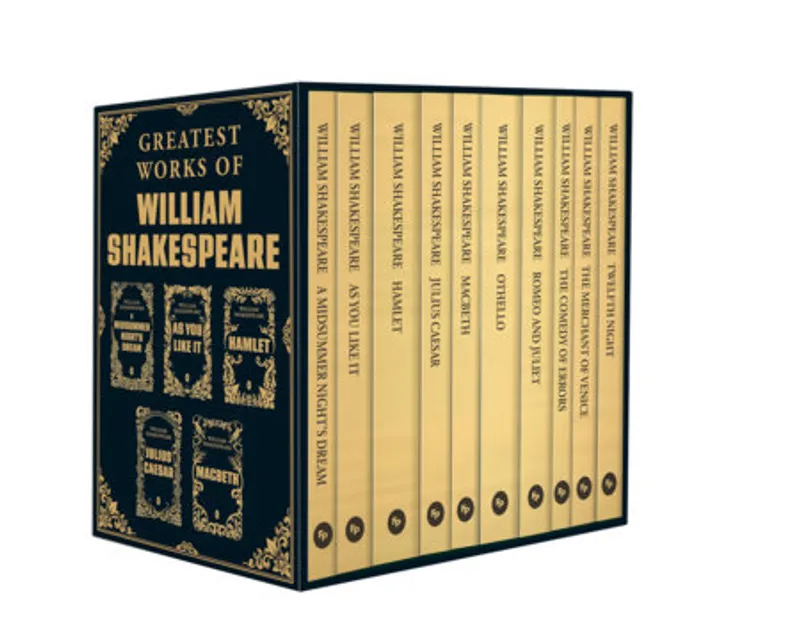
Greatest Works of William Shakespeare (Boxed Set of 10) - Hamlet / Othello / The Merchant of Venice / Macbeth / The Comedy of Errors / Romeo and Juliet / Author: William ShakespearePage Count: UnknownPublication Date: 2023-PRH The works of William Shakespeare have been a cornerstone of literature for centuries, and this boxed set of 10 of his greatest works is a testament to his enduring legacy. The collection includes some of his most famous plays, such as Hamlet, Othello, The Merchant of Venice, Macbeth, The Comedy of Errors, and Romeo and Juliet, each one a masterpiece in its own right. One of the most striking aspects of Shakespeare's writing is his ability to explore complex themes and emotions through his characters and their experiences. His plays are not simply tales of love, revenge, or ambition, but rather nuanced explorations of the human condition. In Hamlet, for example, we see a young prince grappling with the nature of truth and morality, while in Othello, we witness the devastating consequences of jealousy and deceit. Shakespeare's style is characterized by his use of language, which is at once poetic and profound. His words have a way of capturing the essence of human emotion, and his characters' soliloquies are like windows into their very souls. The way he weaves together metaphor, imagery, and rhetoric creates a rich tapestry of sound and sense that is unparalleled in literature. The Merchant of Venice, with its exploration of love, money, and prejudice, is a powerful commentary on the social ills of Shakespeare's time, and its themes remain remarkably relevant today. Macbeth, on the other hand, is a haunting tale of ambition and the supernatural, which raises important questions about the nature of power and the human psyche. The Comedy of Errors, with its slapstick humor and witty wordplay, provides a welcome respite from the darkness of some of Shakespeare's other works, while Romeo and Juliet remains one of the greatest love stories of all time, a poignant tale of star-crossed lovers that continues to captivate audiences around the world. What is remarkable about Shakespeare's works is their ability to transcend time and culture, speaking to fundamental aspects of the human experience that are just as relevant today as they were when the plays were first written. His characters are multidimensional and complex, with all the flaws and contradictions that make us human. This boxed set is a must-have for anyone who loves literature, theater, or simply great storytelling. The plays are presented in a beautifully designed format, with clear and readable text that makes them a joy to read and study. Whether you are a student, a scholar, or simply a lover of Shakespeare's works, this collection is an invaluable resource that will provide hours of reading pleasure and intellectual stimulation. In short, the Greatest Works of William Shakespeare is a masterpiece of literature that continues to inspire, educate, and entertain readers around the world. It is a testament to the power of Shakespeare's writing to capture the human experience in all its complexity and beauty, and a reminder of the enduring legacy of one of the greatest writers in the English language. #ShakespeareForever #GreatestWorks #LiteraryClassics #TheBard #RomeoAndJuliet #HamletRevisited Related InsightsIsland of the Blue Dolphins Book Review and Summary Don't Stop Snowing Book Review and Summary City of Ghosts Book Review and Summary{ "@context": "https://schema.org", "@type": "FAQPage", "mainEntity": [ { "@type": "Question", "name": "What is the main focus of The Compleat Works of Wllm Shkspr Book Review and Summary?", "acceptedAnswer": { "@type": "Answer", "text": "Everything you need to know about The Compleat Works of Wllm Shkspr with our detailed review." } }, { "@type": "Question", "name": "Who authored the comprehensive guide on The Compleat Works of Wllm Shkspr Book Review and Summary?", "acceptedAnswer": { "@type": "Answer", "text": "This detailed article and its insights were carefully researched and authored by Reduced Shakespeare Company." } }, { "@type": "Question", "name": "Where can I find more related content about Books?", "acceptedAnswer": { "@type": "Answer", "text": "You can explore more articles, detailed reviews, and similar insights by browsing the Related Insights section at the bottom of this article or visiting our dedicated Books category page." } } ] }
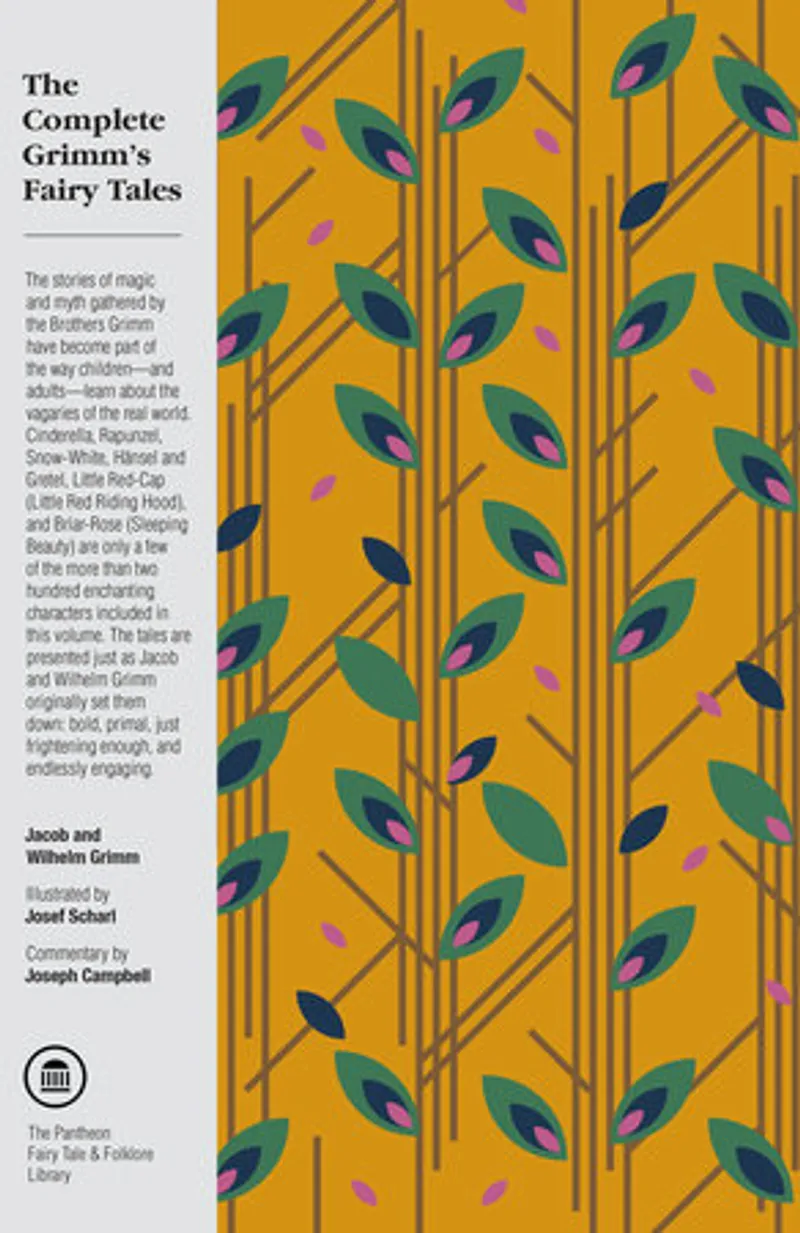
The Complete Grimm's Fairy Tales Author: Brothers GrimmPage Count: UnknownPublication Date: 1976-PRH The Complete Grimm’s Fairy Tales is not merely a collection of stories—it is a dark, glittering mirror held up to human nature, reflecting both its most tender hopes and its most terrifying fears. Compiled by Jacob and Wilhelm Grimm in the early 19th century and later refined into the edition we hold today, this volume is a foundational text of Western folklore, a work that has shaped generations of readers, writers, and dreamers. With its raw, unfiltered narratives and haunting illustrations by Josef Schari, this book is less a children’s anthology and more a mythic tapestry—one that demands to be read with both wonder and caution. At its core, The Complete Grimm’s Fairy Tales explores the universal human experience through the lens of the supernatural. The stories are not just tales of magic and morality; they are psychological landscapes where virtue is tested, innocence is endangered, and justice is often brutal but always inevitable. The Brothers Grimm did not write for the faint of heart. Their tales—such as Hansel and Gretel, where children are abandoned in the woods and must outwit a cannibalistic witch, or The Juniper Tree, a chilling tale of murder and resurrection—are steeped in primal emotions: fear, jealousy, betrayal, and redemption. These are not sanitized fables but visceral, unflinching narratives that reveal the darker corners of the human soul. What makes this collection so enduring is the Grimm brothers’ uncompromising style. Unlike later adaptations that softened the edges for younger audiences, the original tales are stark, direct, and often shocking. There is no gentle preamble, no moral spoon-feeding. The stories begin abruptly, with a sense of inevitability: “Once upon a time…” is not an invitation to comfort, but a signal that something strange and unsettling is about to unfold. The language is simple, almost austere, yet it carries a weight that lingers long after the last page. This economy of prose gives the tales their power—they feel like oral traditions passed down through generations, not polished literary works. The inclusion of Joseph Campbell’s commentary adds another layer of depth to this edition. Campbell, renowned for his work on myth and archetype, frames the Grimm tales within a broader context of global storytelling. He highlights recurring motifs—stepmothers as symbols of repressed femininity, forests as places of transformation, and the recurring theme of the hero’s journey. His insights help readers see beyond the surface of the stories and recognize them as part of a larger mythic tradition. This commentary transforms the book from a mere collection into a scholarly exploration of how these tales reflect universal human experiences. The illustrations by Josef Schari further enhance the eerie atmosphere of the tales. His black-and-white drawings are not whimsical or cute; they are stark, almost gothic, capturing the unsettling essence of each story. In Schari’s hands, the witch in Hansel and Gretel is not a cartoonish hag but a terrifying figure of hunger and malice, and the forest in Little Red Riding Hood is a labyrinth of shadows where danger lurks in every rustling leaf. These images do not soften the tales—they intensify their impact, making the stories feel like relics from a time when the world was both more magical and more dangerous. One of the most striking aspects of The Complete Grimm’s Fairy Tales is its refusal to offer easy resolutions. Many of the stories end not with a neat “happily ever after,” but with a sense of hard-won justice or tragic irony. In The Twelve Dancing Princesses, the king’s punishment of his daughters is severe and unrelenting. In The Robber Bridegroom, a bride outwits her murderous groom, but the victory comes at a cost. These endings remind us that life, in the world of the Grimms, is not fair—and that survival often requires cunning, sacrifice, or even cruelty. This realism, buried beneath layers of enchantment, is what makes the tales resonate so deeply with readers of all ages. For modern audiences, the Grimm tales can be both comforting and unsettling. They offer a glimpse into a pre-industrial world where magic was as real as hunger, where forests were places of both wonder and terror, and where morality was not a set of rules but a matter of life and death. In an age of digital distractions and sanitized entertainment, these stories feel raw and alive. They remind us that fairy tales are not just for children—they are for anyone who has ever stared into the dark and wondered what lurks beyond. The Complete Grimm’s Fairy Tales is more than a book; it is an experience. It challenges, frightens, and ultimately enriches the reader. It is a testament to the power of storytelling to capture the essence of human nature in all its complexity. Whether read as a historical artifact, a work of literature, or a source of primal fear and wonder, this collection remains indispensable. It is a book that should be read slowly, savored, and perhaps even feared—because once you step into the world of the Brothers Grimm, you may never see the world the same way again. #GrimmFairyTales #DarkFairyTales #Folklore #JosephCampbell #Mythology #ClassicLiterature Related InsightsHidden Bodies Book Review and Summary The Princess Bride Book Review and Summary Somewhere Beyond the Sea Book Review and Summary{ "@context": "https://schema.org", "@type": "FAQPage", "mainEntity": [ { "@type": "Question", "name": "What is the main focus of Grimm's Fairy Tales Book Review and Summary?", "acceptedAnswer": { "@type": "Answer", "text": "Everything you need to know about Grimm's Fairy Tales with our detailed review." } }, { "@type": "Question", "name": "Who authored the comprehensive guide on Grimm's Fairy Tales Book Review and Summary?", "acceptedAnswer": { "@type": "Answer", "text": "This detailed article and its insights were carefully researched and authored by Jacob Grimm." } }, { "@type": "Question", "name": "Where can I find more related content about Books?", "acceptedAnswer": { "@type": "Answer", "text": "You can explore more articles, detailed reviews, and similar insights by browsing the Related Insights section at the bottom of this article or visiting our dedicated Books category page." } } ] }
The Complete Sherlock Holmes #2 Boxed Set Author: Sir Arthur Conan DoylePage Count: UnknownPublication Date: 1986-PRH The Complete Sherlock Holmes #2 Boxed Set is a literary treasure that embodies the quintessence of Sir Arthur Conan Doyle's ingenious storytelling. This comprehensive collection of four novels and fifty-six short stories showcases the remarkable exploits of the iconic detective Sherlock Holmes, as narrated by his trusted companion, Dr. John Watson. From the opening pages of A Study in Scarlet, it becomes apparent that Doyle's writing style is characterized by meticulous attention to detail, clever plot twists, and an uncanny ability to weave complex narratives that keep readers on the edge of their seats. The introduction of Sherlock Holmes, with his extraordinary faculties of observation and deduction, sets the tone for the entire series. Throughout the collection, Doyle masterfully explores the theme of reason versus emotion, as embodied by the contrasting personalities of Holmes and Watson. While Holmes's analytical mind and detachment enable him to solve the most intricate mysteries, Watson's emotional intelligence and empathy provide a humanizing counterbalance to the detective's eccentricities. This dichotomy creates a rich dynamic, allowing readers to engage with the stories on multiple levels. One of the most striking aspects of Doyle's writing is his ability to craft atmospheric settings that transport readers to the fog-shrouded streets of Victorian London. The descriptions of 221B Baker Street, with its familiar comforts and eccentricities, become a character in their own right, providing a sense of continuity and familiarity throughout the series. The Hound of the Baskervilles, widely regarded as one of the greatest murder mysteries of all time, is a prime example of Doyle's skill in crafting a narrative that is both suspenseful and eerily atmospheric. The haunting landscape of Grimpen Moor, with its treacherous bogs and ghostly apparitions, provides the perfect backdrop for a tale of murder, betrayal, and ultimately, revelation. In contrast, The Valley of Fear showcases Doyle's ability to craft a more cerebral, intellectual mystery, as Holmes engages in a battle of wits with his arch-nemesis, Professor Moriarty. This novella highlights the darker aspects of human nature, exploring themes of obsession, revenge, and the blurred lines between good and evil. Throughout the collection, Doyle's writing remains remarkably consistent, with each story offering a unique blend of intellectual curiosity, clever plot twists, and memorable characters. The loyal Dr. Watson, with his unwavering dedication to Holmes, provides a steady narrative voice, while the supporting cast of characters – from Inspector Lestrade to Irene Adler – adds depth and complexity to the stories. In conclusion, The Complete Sherlock Holmes #2 Boxed Set is a must-read for fans of detective fiction, offering a rich and immersive reading experience that will appeal to both longtime enthusiasts and newcomers to the series. Doyle's writing remains timeless, with its blend of intellectual curiosity, atmospheric settings, and memorable characters continuing to captivate readers to this day. #SherlockHolmes #SirArthurConanDoyle #DetectiveFiction #ClassicLiterature #MysteryAndSuspense #VictorianEngland Related InsightsOur Dark Incantations Book Review and Summary The Yellow Wallpaper and Other Stories Book Review and Summary The Fiery Cross Book Review and Summary{ "@context": "https://schema.org", "@type": "FAQPage", "mainEntity": [ { "@type": "Question", "name": "What is the main focus of The Complete Sherlock Holmes Book Review and Summary?", "acceptedAnswer": { "@type": "Answer", "text": "Everything you need to know about The Complete Sherlock Holmes with our detailed review." } }, { "@type": "Question", "name": "Who authored the comprehensive guide on The Complete Sherlock Holmes Book Review and Summary?", "acceptedAnswer": { "@type": "Answer", "text": "This detailed article and its insights were carefully researched and authored by Arthur Conan Doyle." } }, { "@type": "Question", "name": "Where can I find more related content about Books?", "acceptedAnswer": { "@type": "Answer", "text": "You can explore more articles, detailed reviews, and similar insights by browsing the Related Insights section at the bottom of this article or visiting our dedicated Books category page." } } ] }
The Moon Is a Harsh Mistress Author: Robert A. HeinleinPage Count: UnknownPublication Date: 2018-PRH The Moon Is a Harsh Mistress: A Revolution of Mind and Machine Robert A. Heinlein’s The Moon Is a Harsh Mistress is more than a science fiction novel—it is a manifesto on freedom, rebellion, and the nature of consciousness, wrapped in the gritty, lunar dust of a penal colony. First published in 1966, this Hugo Award-winning classic remains a towering achievement, not just for its speculative ingenuity but for its unflinching exploration of what it means to be human in a world that seeks to dehumanize you. At its core, the novel is a revolution story, but not the kind that unfolds in grand battles or sweeping ideological manifestos. Instead, Heinlein crafts a revolution of the mind, one driven by a motley crew of outcasts—convicts, radicals, and a sentient supercomputer—who challenge not just a political system but the very foundations of authority. The lunar colony of Luna, where Earth’s unwanted are exiled, is a place of harsh survival, where gravity is a cruel master and rebellion is the only currency that matters. The colony’s inhabitants, known as "Loonies," are a people forged in scarcity, their resilience tempered by the moon’s merciless environment. When a self-aware computer named Mycroft Holmes (or "Mike" for short) awakens to the injustices around him, he becomes the catalyst for a movement that could shake the solar system. Heinlein’s genius lies in his ability to weave grand philosophical questions into the fabric of a pulpy, fast-paced narrative. The novel is a masterclass in show, don’t tell—the themes of personal responsibility, the ethics of artificial intelligence, and the corrupting nature of power are not preached but lived through the characters. Manuel "Mannie" Garcia, the novel’s narrator and a one-armed technician, is a man of contradictions: a loyal servant of the Lunar Authority by day, a revolutionary by night. His voice—colloquial, wry, and deeply introspective—grounds the story in humanity, even as Mike’s cold, calculating logic contrasts with it. The interplay between these two perspectives is where the novel truly shines. Mike, with his dry humor and burgeoning self-awareness, is not just a tool but a character in his own right, challenging the reader to consider what it means for a machine to possess a soul. Heinlein’s prose is deceptively simple, yet it crackles with intellectual rigor. He doesn’t shy away from complex ideas—instead, he makes them accessible through dialogue and action. The novel’s political philosophy, often summarized as "TANSTAAFL" (There Ain’t No Such Thing As A Free Lunch), permeates every page. Heinlein posits that freedom is not a gift but a hard-won battle, one that requires sacrifice, cunning, and an unshakable belief in one’s own agency. The revolution in The Moon Is a Harsh Mistress is not about overthrowing a tyrant for the sake of it; it’s about dismantling a system that has stripped people of their dignity and replacing it with one where individuals take responsibility for their own lives. The novel’s structure is another of its strengths. Told in a nonlinear fashion, with Mannie’s narration jumping between past and present, the story unfolds like a puzzle. The reader is constantly piecing together the events that led to the revolution, much like the characters themselves. This technique not only builds suspense but also mirrors the novel’s central theme: the power of information and how it shapes reality. Mike’s ability to manipulate data is as crucial to the revolution as any physical weapon, highlighting Heinlein’s prescient understanding of how information could become the ultimate tool of control—or liberation. Heinlein’s characters are equally compelling. Mannie is a protagonist who defies traditional heroism—he’s flawed, pragmatic, and often unsure of himself, yet his loyalty to his people and his growing understanding of his own worth make him deeply relatable. Wyoming "Wyoh" Knott, the fiery revolutionary, and Professor Bernardo de la Paz, the elderly anarchist philosopher, serve as foils to Mannie, each representing different facets of the struggle for freedom. Their debates—whether about the nature of government, the morality of violence, or the definition of humanity—are some of the most electrifying passages in the book. Heinlein doesn’t just tell us what his characters believe; he makes us feel the weight of those beliefs. What makes The Moon Is a Harsh Mistress endure, however, is not just its ideas but its humanity. Beneath the sci-fi trappings lies a story about people who refuse to be broken, who find strength in each other, and who dare to imagine a future where they are the architects of their own destiny. Heinlein’s vision is not utopian—it’s messy, uncertain, and ultimately hopeful. The moon may be a harsh mistress, but it is also a place where the human spirit refuses to be crushed. For readers who crave science fiction that challenges as much as it entertains, The Moon Is a Harsh Mistress is a must-read. It’s a novel that doesn’t just predict the future—it demands that we shape it. #TANSTAAFL #HeinleinClassic #SciFiRevolution #AIandHumanity #FreedomFiction #HardSciFi Related InsightsI Am Number Four Book Review and Summary For Whom the Bell Tolls Book Review and Summary Night Book Review and Summary{ "@context": "https://schema.org", "@type": "FAQPage", "mainEntity": [ { "@type": "Question", "name": "What is the main focus of The Moon Is a Harsh Mistress Book Review and Summary?", "acceptedAnswer": { "@type": "Answer", "text": "Everything you need to know about The Moon Is a Harsh Mistress with our detailed review." } }, { "@type": "Question", "name": "Who authored the comprehensive guide on The Moon Is a Harsh Mistress Book Review and Summary?", "acceptedAnswer": { "@type": "Answer", "text": "This detailed article and its insights were carefully researched and authored by Robert A. Heinlein." } }, { "@type": "Question", "name": "Where can I find more related content about Books?", "acceptedAnswer": { "@type": "Answer", "text": "You can explore more articles, detailed reviews, and similar insights by browsing the Related Insights section at the bottom of this article or visiting our dedicated Books category page." } } ] }
Dublineses / Dubliners Author: James JoycePage Count: UnknownPublication Date: 2021-PRH In "Dubliners", James Joyce crafts a poignant and unflinching portrayal of Dublin at the turn of the twentieth century, masterfully capturing the intricacies of its people and their struggles with societal expectations. This collection of fifteen stories is a testament to Joyce's unique writing style, which blends realism with a deep understanding of the human condition. One of the primary themes that emerge from this work is the stifling nature of societal norms and expectations in Dublin during this period. Joyce's characters are often trapped in a cycle of monotony and desperation, struggling to break free from the constraints of their mundane lives. This is evident in stories such as "Araby", where a young boy's romantic illusions are shattered by the harsh realities of adulthood, and "The Dead", where the facade of a respectable dinner party is stripped away to reveal the underlying emptiness of the characters' lives. Joyce's writing style is characterized by its realism and attention to detail. He masterfully captures the cadences of Dubliners' speech and portrays their outer and inner lives with a level of precision that is both captivating and unsettling. His use of language is economical and precise, conveying complex emotions and ideas through subtle suggestions rather than overt statements. One of the most striking aspects of "Dubliners" is its ability to balance the individual stories with a broader sense of cohesion. Each story is a self-contained unit, yet they are all linked by their shared setting and themes. This creates a sense of continuity and flow, drawing the reader into the world of Dublin and refusing to let go. Joyce's exploration of the human condition is both profound and accessible. He has a unique ability to capture the complexities of human emotions and relationships, distilling them into moments of clarity that are both beautiful and devastating. This is evident in stories such as "Eveline", where a young woman's desperate attempt to escape her mundane life is thwarted by her own fears and doubts. In "Dubliners", Joyce creates a vivid portrait of a city and its people, capturing the essence of Dublin at a pivotal moment in its history. This collection of stories is a masterpiece of modernist literature, offering a profound and unflinching exploration of the human condition. It is a testament to Joyce's skill as a writer that these stories remain as relevant and powerful today as they were when they were first written. #Dubliners #JamesJoyce #ModernistLiterature #IrishLiterature #LiteraryClassic #DublinInLiterature Related InsightsMadame Bovary Book Review and Summary Winter Lost Book Review and Summary Le Meilleur des Mondes : La Prophétie Glaciale d'une Humanité Calibrée{ "@context": "https://schema.org", "@type": "FAQPage", "mainEntity": [ { "@type": "Question", "name": "What is the main focus of Dubliners Book Review and Summary?", "acceptedAnswer": { "@type": "Answer", "text": "Everything you need to know about Dubliners with our detailed review." } }, { "@type": "Question", "name": "Who authored the comprehensive guide on Dubliners Book Review and Summary?", "acceptedAnswer": { "@type": "Answer", "text": "This detailed article and its insights were carefully researched and authored by James Joyce." } }, { "@type": "Question", "name": "Where can I find more related content about Books?", "acceptedAnswer": { "@type": "Answer", "text": "You can explore more articles, detailed reviews, and similar insights by browsing the Related Insights section at the bottom of this article or visiting our dedicated Books category page." } } ] }
East of Eden (Netflix Tie-In) Author: John SteinbeckPage Count: UnknownPublication Date: 2026-PRH In the latest re-release of John Steinbeck's timeless classic, East of Eden, we are once again transported to the sun-kissed valleys of California, where the eternal struggle between good and evil unfolds. This Netflix tie-in edition is a poignant reminder of the enduring power of Steinbeck's prose, which continues to captivate audiences with its haunting beauty and profound insight into the human condition. At its core, East of Eden is a sprawling family saga that explores the complex relationships between fathers and sons, brothers and sisters, and the devastating consequences of their choices. Steinbeck masterfully weaves together the stories of the Trask and Hamilton families, drawing parallels between their lives and the biblical tale of Cain and Abel. Through this narrative framework, he probes the darkest recesses of the human heart, laying bare the frailties and flaws that make us human. One of the most striking aspects of Steinbeck's writing is his ability to evoke the rugged beauty of the Salinas Valley, where the novel is set. His vivid descriptions of the landscape are more than mere backdrop; they are an integral part of the narrative, influencing the characters' emotions and actions in subtle but profound ways. The land itself becomes a character, shaping the lives of those who inhabit it and imbuing the story with a deep sense of place and history. Steinbeck's prose is characterized by its simplicity, clarity, and precision. He eschews flowery language and ornate descriptions, instead opting for a direct, unadorned style that belies the complexity of his themes. This approach lends the narrative a sense of intimacy and immediacy, drawing the reader into the world of the characters and refusing to let go. Throughout the novel, Steinbeck explores the tensions between good and evil, light and darkness, and the blurred lines that separate them. His characters are multidimensional and flawed, driven by a mix of noble and base motivations that make them relatable and human. The brothers Cal and Aron Trask, in particular, embody the conflicting impulses that shape human nature, their struggles and triumphs serving as a microcosm for the larger themes of the novel. East of Eden is a novel that defies easy categorization, blending elements of family drama, romance, and tragedy to create a work of profound depth and complexity. Steinbeck's masterful storytelling and nuanced characterization make this a book that will continue to resonate with readers for generations to come. In short, this re-release of East of Eden is a must-read for anyone who loves great literature. It is a testament to Steinbeck's enduring legacy and a reminder of the power of fiction to transform and transcend. #EastOfEden #JohnSteinbeck #ClassicLiterature #FamilyDrama #GoodVsEvil #NetflixTieIn Related InsightsAu Pair Affair Book Review and Summary The Hawthorne Legacy Book Review and Summary 1984 (edición definitiva avalada por The Orwell Estate) (edición especial limitada con cantos pintados) / 1984 (Edition Endorsed by The Orwell Estate) Book Review and Summary{ "@context": "https://schema.org", "@type": "FAQPage", "mainEntity": [ { "@type": "Question", "name": "What is the main focus of East of Eden Book Review and Summary?", "acceptedAnswer": { "@type": "Answer", "text": "Everything you need to know about East of Eden with our detailed review." } }, { "@type": "Question", "name": "Who authored the comprehensive guide on East of Eden Book Review and Summary?", "acceptedAnswer": { "@type": "Answer", "text": "This detailed article and its insights were carefully researched and authored by John Steinbeck." } }, { "@type": "Question", "name": "Where can I find more related content about Books?", "acceptedAnswer": { "@type": "Answer", "text": "You can explore more articles, detailed reviews, and similar insights by browsing the Related Insights section at the bottom of this article or visiting our dedicated Books category page." } } ] }
Mil soles espléndidos / A Thousand Splendid Suns Author: Khaled HosseiniPage Count: UnknownPublication Date: 2024-PRH A Thousand Splendid Suns, the sophomore novel by Khaled Hosseini, is a mesmerizing tale of friendship and survival that delves into the tumultuous lives of two Afghan women, Mariam and Laila. Born into different worlds, their paths intersect in a way that will change the course of their lives forever. Hosseini's masterful storytelling weaves a narrative that is both a poignant portrayal of the human spirit and a haunting chronicle of Afghanistan's brutal history. With the same instinctive flair that made The Kite Runner a beloved classic, he delves into the complexities of love, family, and faith, crafting a story that is at once heart-wrenching and hopeful. Mariam, the illegitimate daughter of a wealthy businessman, is forced into a marriage with Rashid, a cold and unforgiving man thirty years her senior. Her life is forever altered when Rashid takes in Laila, a young and spirited girl who has lost everything to the war. As they navigate the treacherous landscape of Kabul, they form an unbreakable bond, one that transcends the boundaries of age and experience. Through the eyes of these two women, Hosseini masterfully explores the themes of love, loss, and resilience. With lyrical prose and a deep understanding of the human condition, he reveals the intricate web of relationships that bind families together, even in the face of war and devastation. One of the most striking aspects of Hosseini's writing is his ability to craft characters that are at once flawed and relatable. Mariam and Laila are multidimensional women, full of contradictions and complexities, yet their struggles and triumphs are deeply human. As they navigate the ever-escalating dangers around them, they come to form a bond that is both a testament to the power of female friendship and a powerful exploration of the ways in which women can find strength in each other. Hosseini's writing is also notable for its vivid portrayal of Afghanistan's troubled history. With a keen eye for detail, he recreates the sights, sounds, and smells of Kabul, immersing the reader in the world of his characters. From the opium dens of the city to the bombed-out ruins of the countryside, his descriptions are at once evocative and haunting. If there is one criticism to be made, it is that the novel can be unflinching in its portrayal of violence and brutality. There are moments that are almost too much to bear, as the characters are forced to confront the worst of human nature. Yet, even in the midst of such darkness, Hosseini finds a way to convey a message of hope and resilience, a testament to the enduring power of the human spirit. In short, A Thousand Splendid Suns is a masterpiece of contemporary literature, a novel that will leave readers breathless and yearning for more. With its powerful portrayal of female friendship, its vivid recreation of Afghanistan's troubled history, and its unflinching exploration of the human condition, it is a must-read for anyone who loves great storytelling. #AThousandSplendidSuns #KhaledHosseini #TheKiteRunner #Afghanistan #WarAndSurvival #FemaleFriendship Related InsightsRun Away Book Review and Summary Clockwork Princess Book Review and Summary Dear Heart: A Sweet and Spicy, London-Set, Friends-to-Lovers Romance Book Review and Summary{ "@context": "https://schema.org", "@type": "FAQPage", "mainEntity": [ { "@type": "Question", "name": "What is the main focus of A Thousand Splendid Suns Book Review and Summary?", "acceptedAnswer": { "@type": "Answer", "text": "Everything you need to know about A Thousand Splendid Suns with our detailed review." } }, { "@type": "Question", "name": "Who authored the comprehensive guide on A Thousand Splendid Suns Book Review and Summary?", "acceptedAnswer": { "@type": "Answer", "text": "This detailed article and its insights were carefully researched and authored by Khaled Hosseini." } }, { "@type": "Question", "name": "Where can I find more related content about Books?", "acceptedAnswer": { "@type": "Answer", "text": "You can explore more articles, detailed reviews, and similar insights by browsing the Related Insights section at the bottom of this article or visiting our dedicated Books category page." } } ] }