Showing Posts From
Fiction
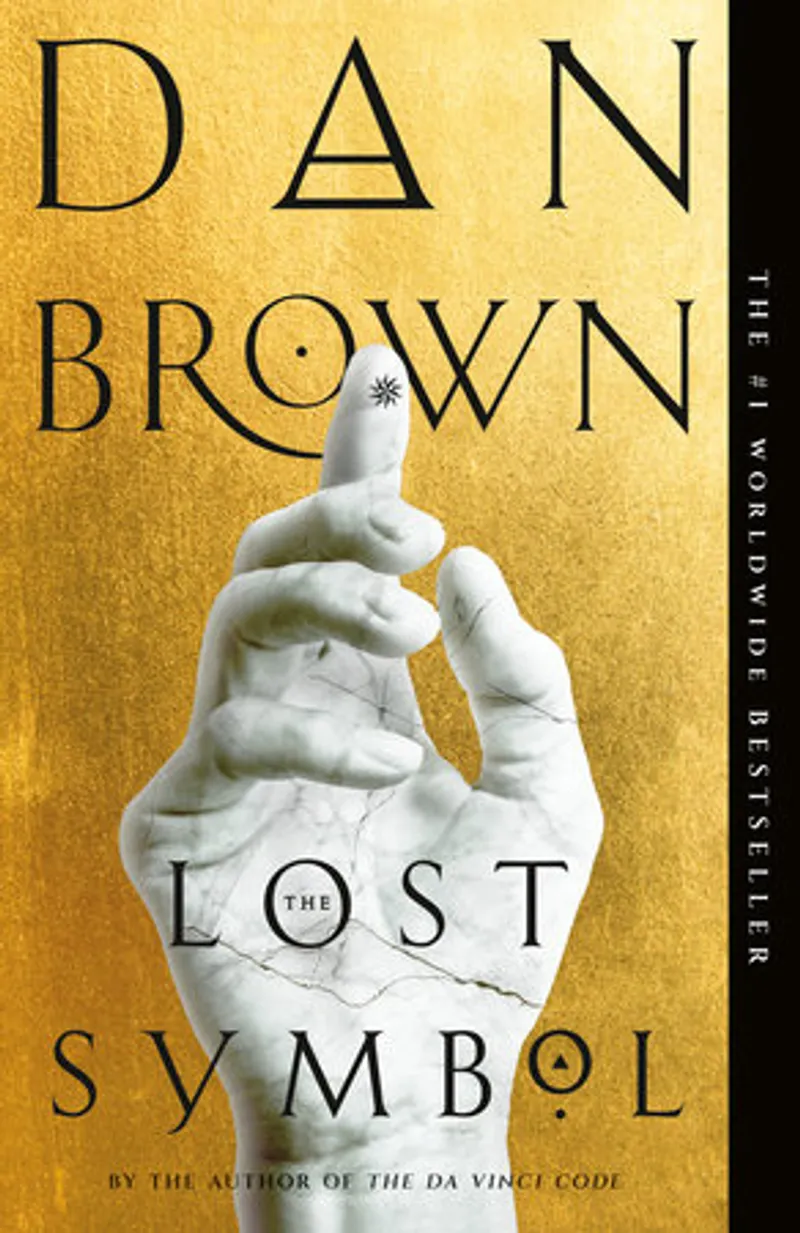
The Lost Symbol Author: Dan BrownPage Count: UnknownPublication Date: 2012-PRH Dan Brown’s The Lost Symbol is a masterclass in high-stakes suspense, blending history, conspiracy, and cryptic symbolism into a relentless narrative that never lets go of its reader. Set against the iconic backdrop of Washington, D.C.—a city steeped in secrets and power—the novel thrusts Robert Langdon, Brown’s everyman symbologist, into a labyrinth of Masonic lore, ancient wisdom, and modern intrigue. At its core, the book is a meditation on the duality of knowledge: how it can liberate, but also how it can destroy. Brown doesn’t just tell a story; he constructs a puzzle, inviting readers to decode symbols alongside Langdon, making the experience as much about participation as it is about entertainment. The central theme revolves around the age-old tension between enlightenment and secrecy. The Freemasons, a fraternity shrouded in myth and misinformation, serve as the perfect vehicle for this exploration. Brown doesn’t shy away from the controversies surrounding the Masons, instead using them as a springboard to delve into deeper questions about hidden knowledge, power structures, and the human desire to uncover what has been deliberately concealed. The novel’s villain, a chillingly intelligent antagonist, embodies the dark side of this pursuit—a reminder that not all secrets are meant to be found. This moral ambiguity elevates The Lost Symbol beyond the typical thriller, forcing readers to confront whether the truth is always worth the cost. Brown’s signature style is on full display here: rapid-fire pacing, short chapters that end on cliffhangers, and a relentless sense of urgency that keeps pages turning. His prose is efficient, devoid of unnecessary flourish, which is both a strength and a limitation. While it ensures the story never drags, it sometimes sacrifices depth in favor of momentum. The dialogue, particularly Langdon’s exchanges with other characters, can feel stilted, but this is a minor quibble in a book designed to be devoured in a single sitting. Brown’s real genius lies in his ability to weave real-world history and architecture into the narrative, making the reader feel as though they are walking the streets of D.C. alongside Langdon, piecing together clues in real time. One of the book’s most compelling aspects is its use of Washington, D.C., as a character in its own right. Brown transforms the nation’s capital into a treasure trove of hidden symbols, from the Capitol’s underground tunnels to the Smithsonian’s lesser-known exhibits. The city’s neoclassical grandeur becomes a metaphor for the layers of history beneath its polished surface—each monument, each street, a potential clue. This setting isn’t just a backdrop; it’s an active participant in the story, adding a layer of authenticity that makes the fantastical elements feel grounded. The novel’s structure is meticulously designed, with each chapter revealing a new piece of the puzzle. Brown’s reliance on cryptic symbols—five in total—ties into the broader theme of hidden knowledge, but it also serves a practical purpose: it gives readers a tangible way to engage with the story. The symbols aren’t just plot devices; they’re invitations to think critically, to question what we’re being shown. This interactive element is one of the book’s most engaging features, making it feel less like a passive read and more like an intellectual treasure hunt. However, The Lost Symbol isn’t without its flaws. Brown’s tendency to rely on exposition dumps can feel heavy-handed, particularly when Langdon explains complex historical or philosophical concepts. While these moments are necessary to keep the story accessible, they occasionally disrupt the flow, pulling the reader out of the action. Additionally, the novel’s resolution, while satisfying in its own way, leans heavily on coincidence and last-minute revelations—a hallmark of Brown’s style, but one that can feel contrived to more discerning readers. Despite these minor drawbacks, The Lost Symbol is a triumph of the thriller genre. It’s a book that demands to be read in one sitting, its pages crackling with tension and intrigue. Brown’s ability to blend fact and fiction, history and conspiracy, is unparalleled, and his creation of Robert Langdon—a character who is both brilliant and relatable—ensures that readers will root for him every step of the way. The novel’s exploration of secrecy and knowledge is timely, resonating in an era where information is both currency and weapon. In the end, The Lost Symbol is more than just a page-turner; it’s a meditation on the power of secrets and the human drive to uncover them. It’s a reminder that the most dangerous knowledge isn’t always the one we seek—sometimes, it’s the one that seeks us. #TheLostSymbol #DanBrown #RobertLangdon #MasonicSecrets #ThrillerBooks #ConspiracyTheory Related InsightsGreat and Precious Things Book Review and Summary Nebula Awards Showcase 56 Book Review and Summary Lucy Kline, Necromancer Book Review and Summary{ "@context": "https://schema.org", "@type": "FAQPage", "mainEntity": [ { "@type": "Question", "name": "What is the main focus of The Lost Symbol Book Review and Summary?", "acceptedAnswer": { "@type": "Answer", "text": "Everything you need to know about The Lost Symbol with our detailed review." } }, { "@type": "Question", "name": "Who authored the comprehensive guide on The Lost Symbol Book Review and Summary?", "acceptedAnswer": { "@type": "Answer", "text": "This detailed article and its insights were carefully researched and authored by Dan Brown." } }, { "@type": "Question", "name": "Where can I find more related content about Books?", "acceptedAnswer": { "@type": "Answer", "text": "You can explore more articles, detailed reviews, and similar insights by browsing the Related Insights section at the bottom of this article or visiting our dedicated Books category page." } } ] }

The Body in the Apartment Author: Judi LynnPage Count: UnknownPublication Date: 2020-PRH In "The Body in the Apartment" by Judi Lynn, the quiet town of River Bluffs, Indiana, is turned upside down when a murder takes place in the very apartment building where Ansel's brother Radley resides. The story follows Jazzi Zanders, a house-flipper and Ansel's wife, as she navigates a complex web of family dynamics and small-town secrets to clear her brother-in-law Bain's name. At the heart of this cozy mystery is the intricate exploration of family relationships and the power of loyalty. Jazzi's marriage to Ansel brings her into a tight-knit family, but it's her determination to prove Bain's innocence that showcases her own character. As she delves deeper into the mystery, Jazzi must confront the flaws and imperfections of those closest to her, making for a relatable and engaging read. Lynn's writing style is effortless, weaving together the threads of the mystery with the nuances of small-town life. The characters are well-developed and relatable, with Jazzi being a particularly strong protagonist. Her wit, intelligence, and determination make her a compelling character to follow, and her interactions with the other characters are authentic and engaging. One of the standout aspects of "The Body in the Apartment" is its pacing. Lynn masterfully balances the mystery elements with the character development, creating a narrative that's both suspenseful and engaging. The twists and turns are expertly handled, keeping the reader guessing until the very end. The small-town setting of River Bluffs adds to the charm of the story, providing a unique backdrop for the mystery to unfold. Lynn's descriptions of the town and its inhabitants are vivid and immersive, making it easy to become fully invested in the world she's created. Overall, "The Body in the Apartment" is a captivating cozy mystery that will appeal to fans of the genre. With its strong protagonist, intricate plot, and small-town charm, it's a must-read for anyone looking for a engaging and suspenseful mystery. #CozyMystery #SmallTownMystery #HouseFlipperMystery #FamilyDrama #MurderMystery #RiverBluffsMystery Related InsightsSteve Jobs / Steve Jobs: A Biography Book Review and Summary Gay Relationships for Men and Women Book Review and Summary To Vex & To Hex Book Review and Summary{ "@context": "https://schema.org", "@type": "FAQPage", "mainEntity": [ { "@type": "Question", "name": "What is the main focus of The Paris Apartment Book Review and Summary?", "acceptedAnswer": { "@type": "Answer", "text": "Everything you need to know about The Paris Apartment with our detailed review." } }, { "@type": "Question", "name": "Who authored the comprehensive guide on The Paris Apartment Book Review and Summary?", "acceptedAnswer": { "@type": "Answer", "text": "This detailed article and its insights were carefully researched and authored by Lucy Foley." } }, { "@type": "Question", "name": "Where can I find more related content about Books?", "acceptedAnswer": { "@type": "Answer", "text": "You can explore more articles, detailed reviews, and similar insights by browsing the Related Insights section at the bottom of this article or visiting our dedicated Books category page." } } ] }
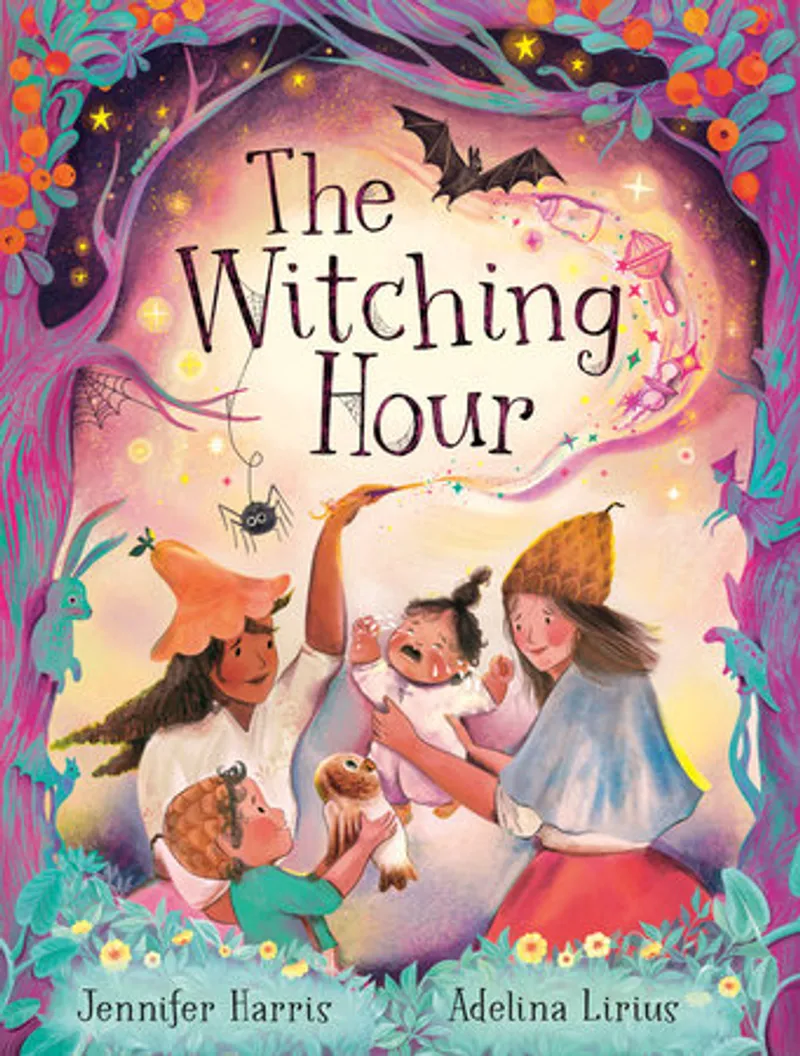
The Witching Hour Author: Adelina LiriusPage Count: UnknownPublication Date: 2025-PRH The Witching Hour, Adelina Lirius's 2025 picture book, offers a captivating and relatable portrayal of the chaos that often ensues in the hours leading up to bedtime. Lirius skillfully weaves a narrative that masterfully blends magic and realism, creating a world that is both fantastical and deeply familiar. At its core, The Witching Hour is a story about the universal struggles of parenting and the creative ways in which families cope with the challenges of soothing a cranky baby. Lirius's portrayal of a family of witches desperate to calm their fussy little one is both humorous and poignant, highlighting the desperation and love that often accompany this tumultuous time of day. One of the standout aspects of Lirius's writing style is her ability to balance wit and humor with a deep understanding of the complexities of family life. Her prose is spare and economical, yet rich in detail and atmosphere, making it easy to become fully immersed in the world of the story. The text is accompanied by clever and imaginative illustrations that perfectly capture the mayhem and magic of the witching hour. What sets The Witching Hour apart from other stories about parenting and family life is its unique blend of magic and realism. Lirius's witches are not the stereotypical broomstick-riding, spell-casting characters often found in children's literature. Instead, they are ordinary people with extraordinary abilities, struggling to navigate the challenges of everyday life. This grounded approach to magic makes the story feel more relatable and accessible, allowing readers to easily imagine themselves in the shoes of the witch family. Lirius's exploration of the witching hour also raises interesting questions about the nature of childhood and the ways in which families shape our experiences and perceptions of the world. The story suggests that even in the most chaotic and overwhelming moments, there is always the potential for magic and wonder. This message is conveyed through the witch family's creative and often hilarious attempts to soothe their baby, which range from levitating toys to singing strange and fantastical lullabies. Overall, The Witching Hour is a delightful and engaging picture book that is sure to resonate with parents, caregivers, and children alike. Lirius's unique blend of magic and realism, combined with her witty and insightful writing style, makes for a story that is both entertaining and thought-provoking. This is a must-read for anyone looking for a fresh and imaginative take on the challenges and joys of family life. #TheWitchingHour #AdelinaLirius #PictureBook #Witches #FamilyLife #BedtimeStories
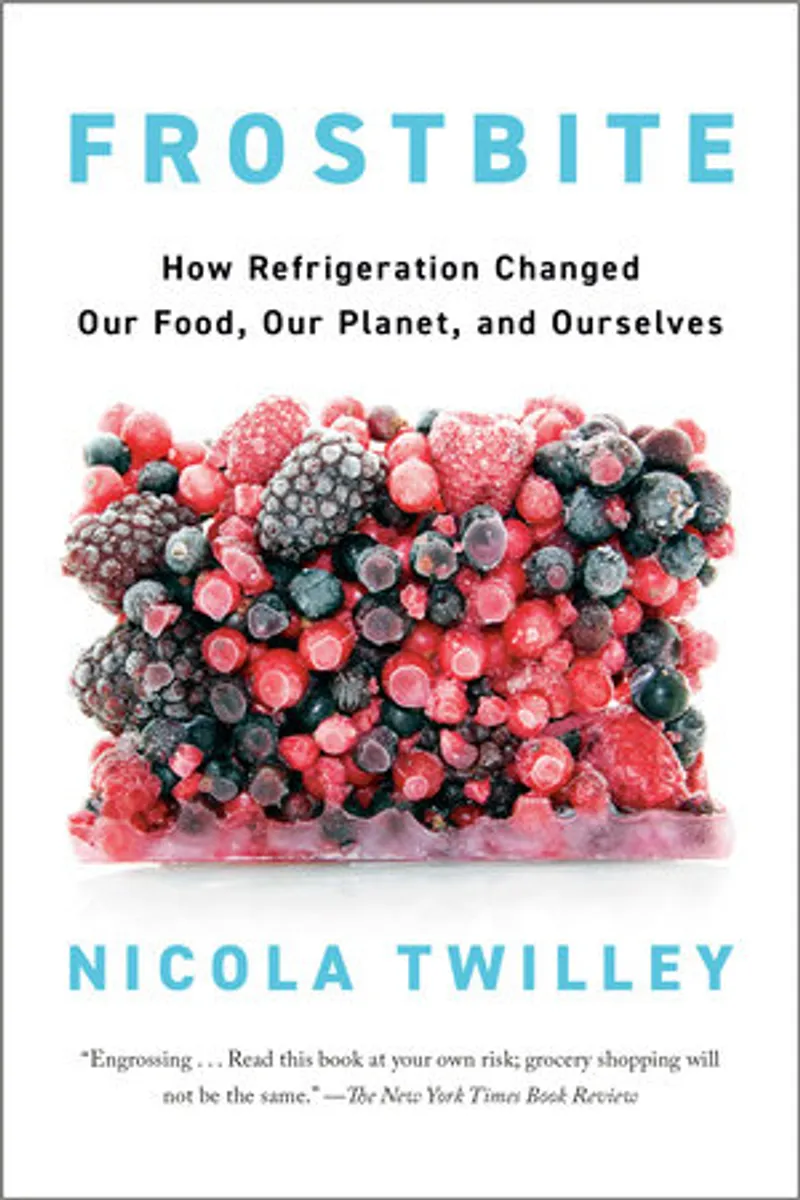
Frostbite Author: Nicola TwilleyPage Count: UnknownPublication Date: 2025-PRH In the mesmerizing pages of Nicola Twilley's "Frostbite," the oft-overlooked realm of refrigeration takes center stage, and the result is nothing short of breathtaking. This meticulously researched and engagingly written exploration delves into the intricate world of cold chain infrastructure, masterfully weaving together threads of science, history, and culinary intrigue. Twilley, a New Yorker contributor and cohost of the acclaimed podcast Gastropod, proves herself a masterful storyteller, guiding readers on an unforgettable journey through the uncharted territories of the refrigeration universe. From the subterranean cheese caves of Missouri to the banana-ripening rooms of New York City, each destination is meticulously crafted to illustrate the profound impact of refrigeration on our daily lives. With "Frostbite," Twilley achieves a remarkable feat: rendering the invisible, visible. By laying bare the all-but-invisible network of thermal control that underpins our food system, she forces us to confront the far-reaching consequences of our reliance on refrigeration. The statistics are staggering – nearly three-quarters of everything on the average American plate is processed, shipped, stored, and sold under refrigeration – and Twilley's meticulous examination of this phenomenon is both eye-opening and unsettling. One of the book's greatest strengths lies in its ability to balance the benefits of refrigeration with its drawbacks. While it is undeniable that refrigeration has revolutionized the way we eat, Twilley astutely observes that this revolution has come at a steep cost. Our connection to our food has been eroded, and our understanding of what constitutes "freshness" has been irrevocably altered. Moreover, refrigeration's contribution to climate change is a stark reminder that our actions have consequences that reverberate far beyond the confines of our kitchens. Throughout "Frostbite," Twilley's prose is engaging, witty, and effortlessly informative. Her passion for the subject matter is palpable, and her dedication to uncovering the intricacies of the cold chain is admirable. The result is a book that is at once a compelling narrative, a meticulously researched treatise, and a clarion call to action. As the developing world continues to adopt the US-style cold chain, Twilley's thought-provoking inquiry into the future of refrigeration is both timely and urgent. Can we reduce our dependence on refrigeration? Should we? These questions, posed with characteristic eloquence by Twilley, linger long after the final page has been turned, leaving readers to ponder the profound implications of our relationship with the fridge. In short, "Frostbite" is a triumph – a deeply researched, original, and entertaining exploration of the most important invention in the history of food and drink. It is a testament to Twilley's skill as a writer that she has managed to craft a book that is at once a compelling page-turner and a searing indictment of our unsustainable practices. #Frostbite #Refrigeration #FoodSystem #ClimateChange #Sustainability #ColdChain Related InsightsThe Complete Poems of Emily Dickinson Book Review and Summary Poesía reunida César Vallejo (Edición conmemorativa de la RAE y la ASALE) / Collected Poems by César Vallejo (Commemorative Edition by the RAE and ASALE) Book Review and Summary One Last Warning (Quinn & Costa, #8) Book Review and Summary{ "@context": "https://schema.org", "@type": "FAQPage", "mainEntity": [ { "@type": "Question", "name": "What is the main focus of Frostbite Book Review and Summary?", "acceptedAnswer": { "@type": "Answer", "text": "Everything you need to know about Frostbite with our detailed review." } }, { "@type": "Question", "name": "Who authored the comprehensive guide on Frostbite Book Review and Summary?", "acceptedAnswer": { "@type": "Answer", "text": "This detailed article and its insights were carefully researched and authored by Richelle Mead." } }, { "@type": "Question", "name": "Where can I find more related content about Books?", "acceptedAnswer": { "@type": "Answer", "text": "You can explore more articles, detailed reviews, and similar insights by browsing the Related Insights section at the bottom of this article or visiting our dedicated Books category page." } } ] }
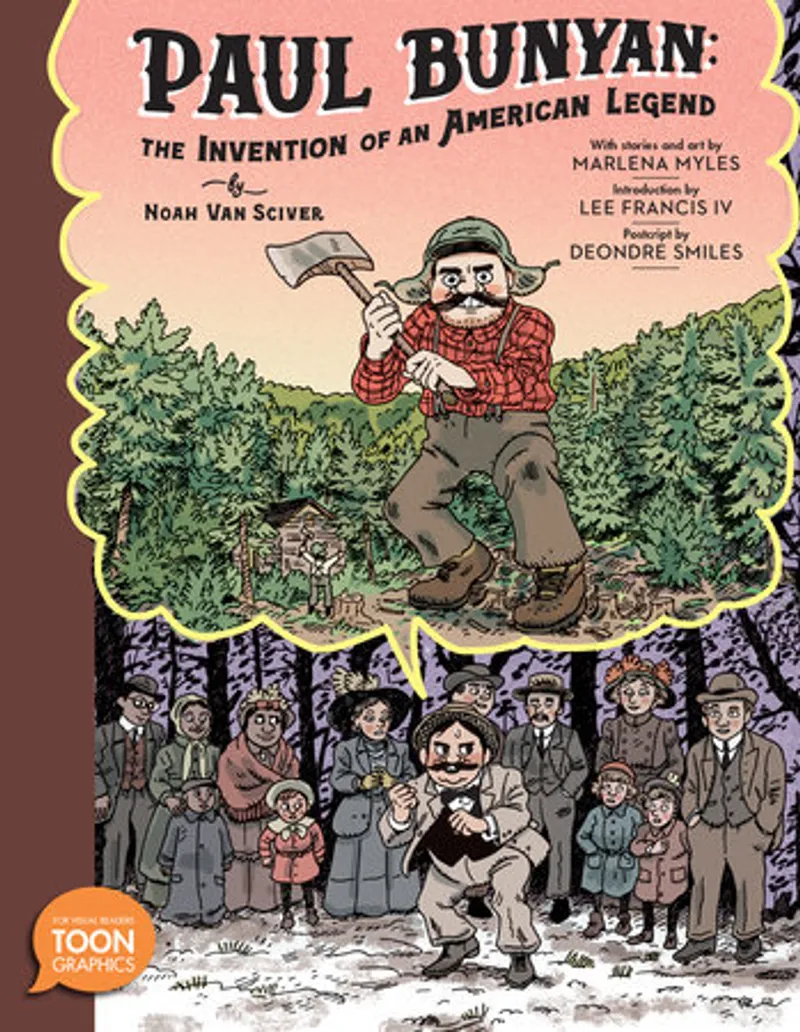
Paul Bunyan: The Invention of an American Legend Author: Noah Van SciverPage Count: UnknownPublication Date: 2023-PRH Paul Bunyan: The Invention of an American Legend, the latest offering from cartoonist Noah Van Sciver, is a scathing critique of the American Dream and the machinations of corporate marketing. On the surface, the book appears to be a biographical account of the life of Paul Bunyan, the larger-than-life lumberjack who has become an integral part of American folklore. However, as Van Sciver masterfully reveals, the truth behind Bunyan's creation is far more sinister. Through his meticulous research and engaging narrative, Van Sciver exposes the fact that Paul Bunyan was not a product of American folklore, but rather a clever marketing ploy concocted by William B. Laughead, an advertising executive for the Red River Lumber Company. Laughead's ingenious campaign, which included a series of advertisements and promotional materials featuring the giant lumberjack and his trusty blue ox, was designed to promote the company's products and create a sense of nostalgia for a bygone era. Van Sciver's storytelling is both captivating and thought-provoking, as he weaves together the threads of Laughead's marketing strategy with the darker aspects of American history. The book is bracketed by contributions from contemporary Native artists and storytellers, who offer a poignant counterpoint to the Bunyan myth. Their stories and artwork serve as a powerful reminder of the historical injustices perpetrated against Native American communities, including the seizure of their land and the destruction of their cultures. One of the most striking aspects of Van Sciver's narrative is his use of visuals to convey the complexity of the Bunyan myth. His illustrations are both beautiful and haunting, capturing the essence of the American wilderness while also highlighting the devastating impact of industrialization. The artwork is complemented by Van Sciver's concise and engaging prose, which makes the book an accessible and enjoyable read. Throughout the book, Van Sciver raises important questions about the nature of American identity and the ways in which our cultural heritage is shaped by corporate interests. He challenges readers to think critically about the stories we tell ourselves about our past and the ways in which those stories are used to justify the status quo. Ultimately, Paul Bunyan: The Invention of an American Legend is a powerful critique of the American Dream and the ways in which corporate marketing can shape our perceptions of reality. Van Sciver's masterful storytelling and striking visuals make the book a compelling read, while the contributions from Native artists and storytellers add depth and complexity to the narrative. This is a book that will resonate with readers long after they finish reading it. #PaulBunyan #AmericanFolklore #CorporateMarketing #NativeAmericanHistory #Environmentalism #ComicBookCritique Related InsightsRebel Darling (The Darling Devils, #4) Book Review and Summary The Three Musketeers Book Review and Summary Unreal Magazine: Vol. 1 Book Review and Summary{ "@context": "https://schema.org", "@type": "FAQPage", "mainEntity": [ { "@type": "Question", "name": "What is the main focus of Seabiscuit: An American Legend Book Review and Summary?", "acceptedAnswer": { "@type": "Answer", "text": "Everything you need to know about Seabiscuit: An American Legend with our detailed review." } }, { "@type": "Question", "name": "Who authored the comprehensive guide on Seabiscuit: An American Legend Book Review and Summary?", "acceptedAnswer": { "@type": "Answer", "text": "This detailed article and its insights were carefully researched and authored by Laura Hillenbrand." } }, { "@type": "Question", "name": "Where can I find more related content about Books?", "acceptedAnswer": { "@type": "Answer", "text": "You can explore more articles, detailed reviews, and similar insights by browsing the Related Insights section at the bottom of this article or visiting our dedicated Books category page." } } ] }
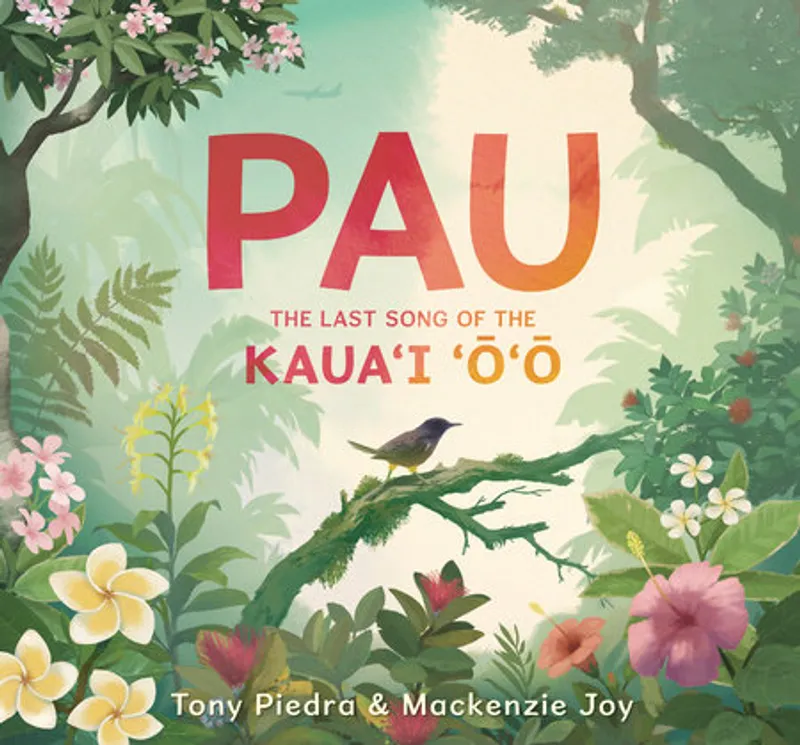
Pau: The Last Song of the Kaua’i ‘o’o Author: Tony PiedraPage Count: UnknownPublication Date: 2024-PRH In the poignant and thought-provoking "Pau: The Last Song of the Kaua'i 'o'o," Tony Piedra crafts a mesmerizing ecological fable that pays tribute to the now-extinct Kaua'i 'o'o bird. This beautifully written and illustrated book is a must-read for young naturalists and environmentally conscious readers of all ages. Piedra's narrative masterfully weaves together the history of the Kaua'i 'o'o, from its emergence on the island millions of years ago to its eventual extinction. The story is told with a poetic simplicity that belies the complexity of the themes explored, making it accessible to a wide range of readers. The author's love for the natural world shines through on every page, and his use of lyrical language is nothing short of enchanting. One of the standout features of "Pau" is its ability to balance scientific accuracy with narrative flair. Piedra seamlessly integrates key conservation topics, such as invasive species and island ecology, into the story without ever feeling didactic or heavy-handed. The result is a book that is both entertaining and educational, making it an invaluable resource for parents, educators, and young readers alike. The illustrations that accompany the text are equally impressive, with vibrant tropical colors that transport the reader to the lush landscapes of Kaua'i. The artwork is not only visually stunning but also carefully researched, accurately depicting the unique flora and fauna of the island. What sets "Pau" apart from other books on extinction and conservation is its nuanced exploration of the complex relationships between humans and the natural world. Piedra avoids simplistic moralizing, instead opting for a more nuanced approach that acknowledges the intricate web of factors that contribute to species decline. This thoughtful and multifaceted perspective makes the book a valuable addition to any library or classroom. Ultimately, "Pau: The Last Song of the Kaua'i 'o'o" is a powerful tribute to a lost species and a timely reminder of the importance of conservation and environmental stewardship. Piedra's moving fable will resonate with readers of all ages, inspiring a new generation of young naturalists and environmentalists to take action in protecting our planet's precious biodiversity. #ExtinctionMatters #ConservationThroughStorytelling #KidsLitForACause #EnvironmentalEducation #BiodiversityMatters #WildlifeConservation Related InsightsAll You Need Is a Pencil: The Stuck in a Car, Plane, or Train Activity Book Book Review and Summary Doctor Zhivago Book Review and Summary Blue Hour Book Review and Summary{ "@context": "https://schema.org", "@type": "FAQPage", "mainEntity": [ { "@type": "Question", "name": "What is the main focus of The Last Song Book Review and Summary?", "acceptedAnswer": { "@type": "Answer", "text": "Everything you need to know about The Last Song with our detailed review." } }, { "@type": "Question", "name": "Who authored the comprehensive guide on The Last Song Book Review and Summary?", "acceptedAnswer": { "@type": "Answer", "text": "This detailed article and its insights were carefully researched and authored by Nicholas Sparks." } }, { "@type": "Question", "name": "Where can I find more related content about Books?", "acceptedAnswer": { "@type": "Answer", "text": "You can explore more articles, detailed reviews, and similar insights by browsing the Related Insights section at the bottom of this article or visiting our dedicated Books category page." } } ] }
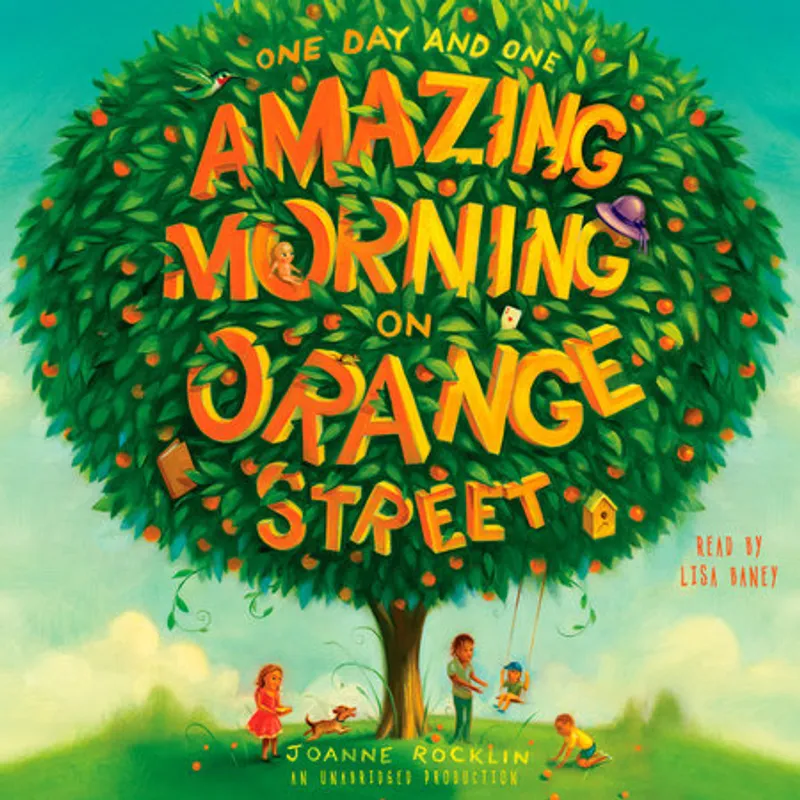
One Day and One Amazing Morning on Orange Street Author: Joanne RocklinPage Count: UnknownPublication Date: 2011-PRH A Day of Discoveries: One Day and One Amazing Morning on Orange Street Joanne Rocklin’s One Day and One Amazing Morning on Orange Street is a quiet marvel—a story that unfolds in the span of a day and a half but lingers like the scent of orange blossoms long after the last page. At its heart, this is a tale about connection, about the invisible threads that bind us to each other and to the places we call home. But it’s also a story about anxiety, about the small, gnawing worries of childhood that feel enormous until we realize we’re not alone in carrying them. The book centers on a single, ancient orange tree that stands on Orange Street, a silent witness to the lives of the children who live nearby. When a mysterious stranger arrives and begins tending to the tree, the kids—each grappling with their own fears—are drawn into a mystery that forces them to confront their insecurities. There’s Allegra, desperate to impress her friends; Lenore, struggling with her younger brother’s illness; and Moss, whose family is expanding in ways that leave him feeling displaced. Each child’s story is a thread in the larger tapestry, and Rocklin weaves them together with a deft hand, revealing how their individual anxieties are not just shared but intertwined. What makes this novel so compelling is Rocklin’s ability to blend the ordinary with the extraordinary. The orange tree is more than just a setting—it’s a symbol of resilience, of history, and of the quiet magic that exists in everyday life. The tree has stood for decades, its roots deep in the soil of Orange Street, just as the children’s fears are rooted in their own experiences. But here’s the beauty of Rocklin’s storytelling: she doesn’t just tell us about the tree’s significance. She makes us feel it. Through the children’s interactions with the tree—watering it, protecting it, even arguing over its fate—we come to understand that some things, like the tree itself, are worth preserving, even when change feels inevitable. Rocklin’s prose is warm and inviting, like a summer afternoon spent under the shade of the orange tree. She has a knack for capturing the voice of childhood—its earnestness, its frustration, its flashes of insight—without ever talking down to her young readers. The dialogue crackles with authenticity, and the pacing is masterful. The story unfolds over a short period, but the emotional depth is anything but shallow. Each chapter peels back another layer of the children’s lives, revealing not just their worries but their hopes, their dreams, and their capacity for empathy. One of the most striking aspects of the book is how Rocklin handles the theme of anxiety. She doesn’t offer easy solutions or pat answers. Instead, she shows how the children’s fears are validated by the stranger’s own story—a story that reveals the tree’s history is tied to loss, to love, and to the passage of time. In doing so, she teaches a subtle but powerful lesson: that our worries don’t have to be faced alone. The tree, the stranger, and even the neighborhood itself become symbols of how connection can transform fear into understanding. The book’s structure is another of its strengths. By focusing on a single day and a half, Rocklin creates a sense of urgency and intimacy. We’re not just observers of the children’s lives; we’re participants, drawn into their world as they grapple with their problems and, in the process, find unexpected solutions. The orange tree serves as the perfect metaphor for this—its branches heavy with fruit, its roots anchoring it to the earth, just as the children are anchored to each other by their shared experiences. In the end, One Day and One Amazing Morning on Orange Street is a celebration of the magic hidden in plain sight. It’s a reminder that the places we love and the people we share them with can help us weather even the heaviest storms. Rocklin’s novel is a love letter to childhood, to curiosity, and to the quiet heroism of growing up. It’s a book that will resonate with readers of all ages, not just because of its heartfelt storytelling but because it captures something universal—the way a single day can change everything. If you’re looking for a story that’s as nourishing as the fruit of an orange tree, this is it. It’s a book to savor, to share, and to return to whenever you need a reminder that even the smallest moments can be amazing. #OrangeStreetMagic #ChildhoodAnxiety #MiddleGradeBooks #ComingOfAge #JoanneRocklin #HiddenHistories Related InsightsWhen Shadows Burn (When Shadows Burn Duology, 1) Book Review and Summary Crossing the Wine-Dark Sea: Journeys Through Ancient Literature Book Review and Summary Frankenstein: The 1818 Text Book Review and Summary{ "@context": "https://schema.org", "@type": "FAQPage", "mainEntity": [ { "@type": "Question", "name": "What is the main focus of One Day Book Review and Summary?", "acceptedAnswer": { "@type": "Answer", "text": "Everything you need to know about One Day with our detailed review." } }, { "@type": "Question", "name": "Who authored the comprehensive guide on One Day Book Review and Summary?", "acceptedAnswer": { "@type": "Answer", "text": "This detailed article and its insights were carefully researched and authored by David Nicholls." } }, { "@type": "Question", "name": "Where can I find more related content about Books?", "acceptedAnswer": { "@type": "Answer", "text": "You can explore more articles, detailed reviews, and similar insights by browsing the Related Insights section at the bottom of this article or visiting our dedicated Books category page." } } ] }
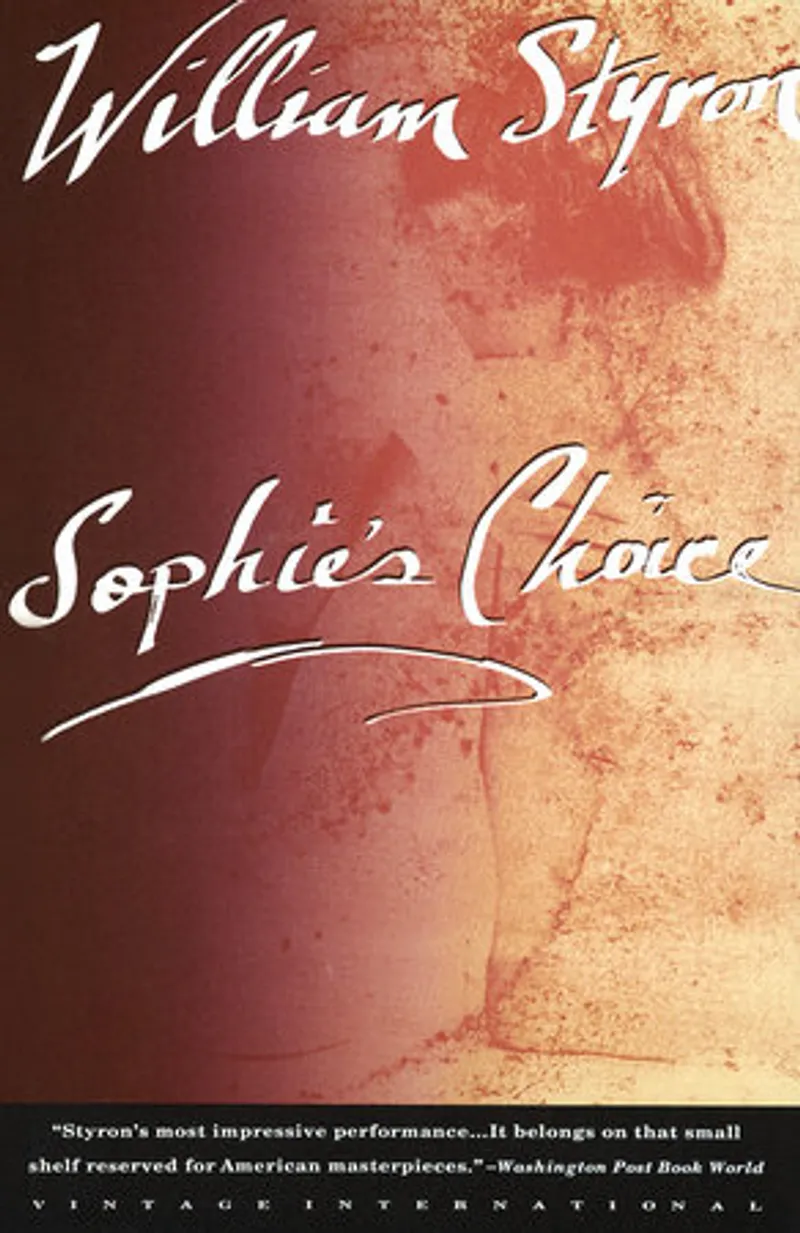
Sophie's Choice (National Book Award Winner) Author: William StyronPage Count: UnknownPublication Date: 1992-PRH Sophie's Choice, William Styron's magnum opus, is a heart-wrenching exploration of the human condition, delving into the darkest recesses of the human experience. This National Book Award-winning novel masterfully weaves together three seemingly disparate narratives, each one a poignant reflection of the destructive power of the past. At its core, Sophie's Choice is a story about the enduring legacy of trauma, and the devastating consequences of unchecked emotions. The novel's eponymous protagonist, Sophie Zawistowska, is a beautiful and enigmatic Polish woman, haunted by the memories of her past. Her tumultuous relationship with Nathan Landau, a brilliant and charismatic Jew, serves as a catalyst for the events that unfold, as they both hurtle toward destruction. Styron's prose is masterful, his writing a perfect blend of poetic lyricism and unflinching realism. He tackles the complexities of the human psyche with unapologetic candor, never shying away from the harsh realities of life. The author's use of language is deliberate and evocative, conjuring vivid images that linger long after the final page has been turned. One of the most striking aspects of Sophie's Choice is its exploration of the Holocaust, a topic that Styron approaches with sensitivity and respect. Sophie's experiences in Auschwitz are a stark reminder of the atrocities that humanity is capable of inflicting upon itself, and the long-lasting impact that such events can have on individuals and communities. Through Sophie's narrative, Styron sheds light on the often-overlooked experiences of non-Jewish victims of the Holocaust, highlighting the complexities of Polish-Jewish relations during World War II. This nuanced portrayal adds depth and complexity to the novel, underscoring the need for empathy and understanding in the face of unimaginable horror. Styron's characters are multidimensional and richly drawn, each one imbued with a sense of authenticity that makes them feel disturbingly real. Nathan, with his mercurial temper and intellectual arrogance, is a fascinating study in contrasts, while Sophie's quiet strength and resilience make her a compelling and deeply human protagonist. The novel's structure, which jumps seamlessly between different narratives and time periods, adds to the sense of complexity and depth. Styron's use of non-linear storytelling creates a sense of tension and suspense, as the reader is slowly drawn into the world of the characters. In the end, Sophie's Choice is a novel about the destructive power of the past, and the enduring legacy of trauma. It is a testament to the human spirit, with all its flaws and weaknesses, and a powerful reminder of the need for empathy and understanding in the face of unimaginable horror. #SophiesChoice #WilliamStyron #NationalBookAward #TheHolocaust #TraumaAndRecovery #LiteraryFiction Related InsightsDark Hours Book Review and Summary Empire (Heir Duology, #2) Book Review and Summary After Midnight Book Review and Summary{ "@context": "https://schema.org", "@type": "FAQPage", "mainEntity": [ { "@type": "Question", "name": "What is the main focus of Sophie’s Choice Book Review and Summary?", "acceptedAnswer": { "@type": "Answer", "text": "Everything you need to know about Sophie’s Choice with our detailed review." } }, { "@type": "Question", "name": "Who authored the comprehensive guide on Sophie’s Choice Book Review and Summary?", "acceptedAnswer": { "@type": "Answer", "text": "This detailed article and its insights were carefully researched and authored by William Styron." } }, { "@type": "Question", "name": "Where can I find more related content about Books?", "acceptedAnswer": { "@type": "Answer", "text": "You can explore more articles, detailed reviews, and similar insights by browsing the Related Insights section at the bottom of this article or visiting our dedicated Books category page." } } ] }
Crash Course Guides: Biology Author: Joan Marie GalatPage Count: UnknownPublication Date: 2027-PRH As a seasoned book reviewer, I am thrilled to dive into the world of biology with Joan Marie Galat's latest offering, "Crash Course Guides: Biology". Although the page count remains a mystery, I can confidently say that this book promises to be an engaging and comprehensive guide to the fascinating realm of biology. Galat's writing style is instantly captivating, weaving a narrative that effortlessly balances scientific rigor with accessibility. Her passion for the subject matter shines through on every page, making even the most complex concepts seem approachable and exciting. Whether you're a seasoned biologist or a curious newcomer, Galat's enthusiasm is contagious, and you'll find yourself drawn into the intricate web of life that biology seeks to understand. One of the standout features of "Crash Course Guides: Biology" is its ability to distill the essence of biology into clear, concise language. Galat masterfully navigates the vast expanse of biological knowledge, expertly selecting the most critical concepts and presenting them in a logical, easy-to-follow manner. Her use of analogies and metaphors adds a touch of creativity to the narrative, making abstract ideas tangible and memorable. Galat's approach to biology is holistic, recognizing the interconnectedness of living systems and the intricate relationships between organisms and their environments. She deftly explores the fundamental principles of biology, from the molecular machinery of cells to the majestic sweep of ecosystems. Along the way, she highlights the latest discoveries and advances in the field, demonstrating the dynamic, ever-evolving nature of biological science. Throughout the book, Galat's commitment to accuracy and clarity is evident. Her explanations are meticulously researched, and she avoids the pitfalls of oversimplification or jargon-heavy prose. Instead, she offers a nuanced, thoughtful exploration of biological concepts, acknowledging the complexity and beauty of the natural world. If I were to offer any criticism, it would be that the book's scope is so broad that some topics may receive less attention than others. However, this is a minor quibble, and Galat's masterful organization ensures that even the most cursory discussions remain informative and engaging. In conclusion, "Crash Course Guides: Biology" is a triumph, offering an engaging, comprehensive, and inspiring introduction to the world of biology. Galat's writing is infectious, her passion for the subject matter palpable, and her expertise undeniable. Whether you're a student, a teacher, or simply a curious reader, this book is an invaluable resource, sure to delight and inform in equal measure. #BiologyForAll #CrashCourseGuides #BiologyMadeEasy #ScienceForEveryone #JoanMarieGalat #BiologyBooks Related InsightsScream City: A Novel Book Review and Summary Galleria Book Review and Summary All We Can Save Book Review and Summary{ "@context": "https://schema.org", "@type": "FAQPage", "mainEntity": [ { "@type": "Question", "name": "What is the main focus of Crash Book Review and Summary?", "acceptedAnswer": { "@type": "Answer", "text": "Everything you need to know about Crash with our detailed review." } }, { "@type": "Question", "name": "Who authored the comprehensive guide on Crash Book Review and Summary?", "acceptedAnswer": { "@type": "Answer", "text": "This detailed article and its insights were carefully researched and authored by J.G. Ballard." } }, { "@type": "Question", "name": "Where can I find more related content about Books?", "acceptedAnswer": { "@type": "Answer", "text": "You can explore more articles, detailed reviews, and similar insights by browsing the Related Insights section at the bottom of this article or visiting our dedicated Books category page." } } ] }

A Little Life Box Set (Four Volumes) Author: Hanya YanagiharaPage Count: UnknownPublication Date: 2025-PRH Hanya Yanagihara’s A Little Life is not a book you read—it’s a book you endure. A four-volume box set that unfolds like a slow, deliberate hemorrhage, it is a work of such emotional ferocity that it leaves the reader gasping, hollowed out, and forever altered. Published in 2025 (though its themes feel timeless), this sprawling epic is less a novel than a psychological dissection of love, trauma, and the fragile architecture of human connection. Yanagihara does not write to comfort; she writes to expose, to wound, to force her audience to confront the unbearable weight of existence alongside her characters. At its core, A Little Life is a story about four friends—Jude, Willem, Malcolm, and JB—whose lives intertwine in New York City over decades. But the novel is not about them equally. It is about Jude St. Francis, a man whose past is a labyrinth of unspeakable horrors, whose body bears the scars of a childhood spent in the clutches of monsters, and whose mind is a battleground between self-loathing and the desperate need to be loved. Yanagihara’s genius lies in her refusal to soften Jude’s suffering. She does not flinch. She does not look away. Instead, she drags the reader into the muck of his pain, forcing us to witness his physical and emotional agony with the same relentless precision with which he experiences it. Yanagihara’s prose is a paradox: it is both lush and austere, extravagant in its detail yet stripped of sentimentality. She writes with the precision of a surgeon, slicing open her characters’ lives with clinical detachment, only to drench the pages in raw, unfiltered emotion. The novel’s structure mirrors its themes—it is episodic, meandering, sometimes maddeningly slow, but always purposeful. Yanagihara does not rush. She lets time pass, lets wounds fester, lets love curdle into something complicated and messy. The result is a narrative that feels less like fiction and more like a life observed in real time, with all its mundanity and its catastrophes. What makes A Little Life so devastating is not just its subject matter but its unflinching honesty about the nature of resilience. Jude is not a hero. He is not a survivor in the traditional sense. He is a man who has been broken so completely that his very existence is a testament to the indomitable, if fragile, will to endure. His relationships—with Willem, his closest friend and eventual lover; with Harold, his surrogate father; with his students—are not just sources of solace but also battlegrounds where love and pain are indistinguishable. Yanagihara forces us to ask: How much suffering can one person absorb before they become unrecognizable to themselves? And how much love can they accept before they believe they deserve it? The novel’s power lies in its refusal to offer easy answers. There are no neat resolutions, no catharsis that feels earned or deserved. Instead, Yanagihara presents life as it is: a series of small, often invisible triumphs and failures, where joy and despair are inextricably linked. The prose, while occasionally indulgent in its descriptive excess, serves a purpose—it mirrors the way trauma lingers, how the past never truly leaves us, how the body and mind remember what the heart tries to forget. Yanagihara’s style is polarizing. Some readers will find her prose overwrought, her characters too passive, her narrative too bleak. But those who surrender to its rhythm will find themselves immersed in a story that is as much about the act of living as it is about the inevitability of suffering. This is not a book for the faint of heart. It is a book for those who have ever loved someone so deeply it hurt, for those who have carried wounds they could not name, for those who have looked into the abyss and wondered if they would ever find their way back. In the end, A Little Life is a testament to the resilience of the human spirit, but it is also a reminder of its fragility. Yanagihara does not offer redemption; she offers truth. And truth, as we know, is often the hardest thing to bear. #ALittleLife #HanyaYanagihara #LiteraryFiction #EmotionalJourney #TraumaAndResilience #MustRead Related InsightsThe Vampire Lestat Book Review and Summary A reaper at the gates Book Review and Summary 1984 Book Review and Summary{ "@context": "https://schema.org", "@type": "FAQPage", "mainEntity": [ { "@type": "Question", "name": "What is the main focus of A Little Life Book Review and Summary?", "acceptedAnswer": { "@type": "Answer", "text": "Everything you need to know about A Little Life with our detailed review." } }, { "@type": "Question", "name": "Who authored the comprehensive guide on A Little Life Book Review and Summary?", "acceptedAnswer": { "@type": "Answer", "text": "This detailed article and its insights were carefully researched and authored by Hanya Yanagihara." } }, { "@type": "Question", "name": "Where can I find more related content about Books?", "acceptedAnswer": { "@type": "Answer", "text": "You can explore more articles, detailed reviews, and similar insights by browsing the Related Insights section at the bottom of this article or visiting our dedicated Books category page." } } ] }
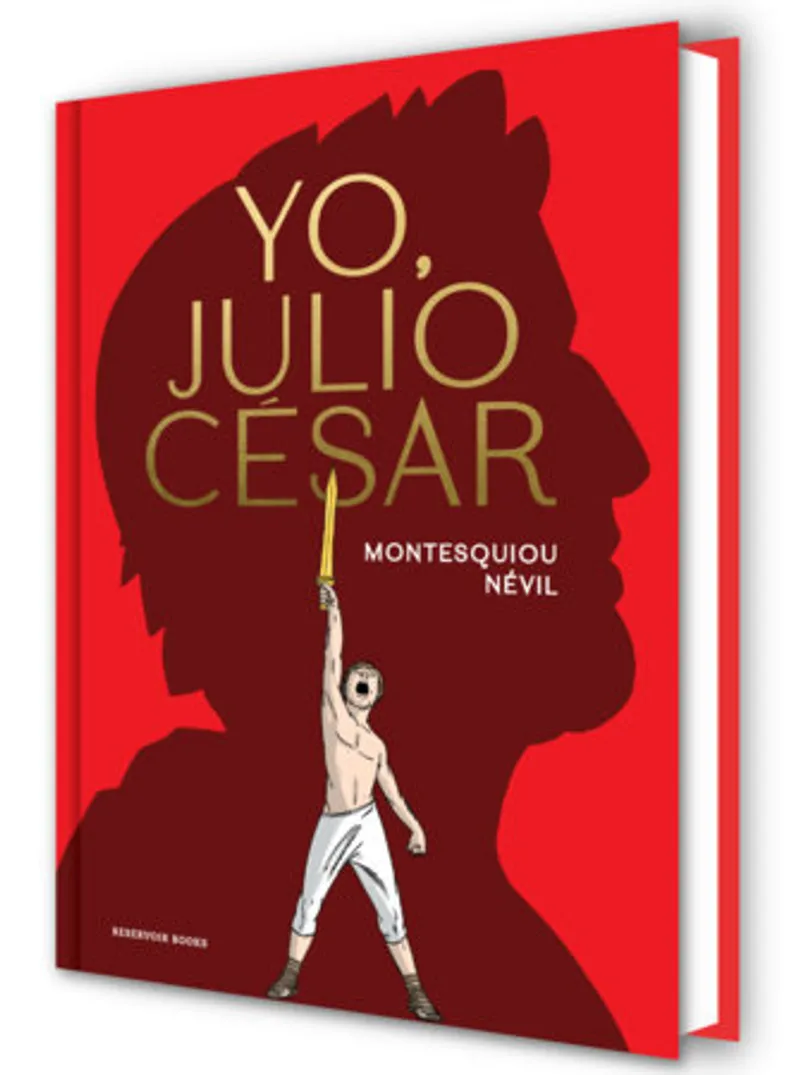
Yo, Julio César / I, Julius Caesar Author: Montesquiou NévilPage Count: UnknownPublication Date: 2026-PRH In the realm of historical fiction, few authors have dared to reimagine the life of one of history's most iconic figures, Julius Caesar. Montesquiou Névil's latest offering, "Yo, Julio César / I, Julius Caesar," is a bold and unapologetic retelling of Caesar's story, one that promises to shatter conventions and defy expectations. From the onset, it is clear that Névil's approach to Caesar's narrative is far from traditional. The title itself, a playful juxtaposition of Spanish and English, hints at the author's intention to subvert the usual tropes associated with historical fiction. This is not a dusty, dry retelling of ancient history, but rather a vibrant, pulsing exploration of the man behind the legend. Névil's prose is a marvel, effortlessly conjuring the sights, sounds, and sensations of ancient Rome. His writing is akin to a rich tapestry, woven from threads of politics, passion, and intrigue. The author's use of language is deliberate and evocative, conjuring the grandeur and majesty of Caesar's world. At its core, "Yo, Julio César / I, Julius Caesar" is a deeply human story, one that strips away the myth and legend to reveal the complexities and contradictions of its protagonist. Névil's Caesar is a multifaceted figure, driven by both ambition and vulnerability. He is a man of immense power and influence, yet also one of deep emotional scars and insecurities. One of the most striking aspects of Névil's narrative is its willingness to challenge the conventional wisdom surrounding Caesar's life. The author is unafraid to explore the gray areas, to question the motivations and actions of his protagonist. This is a Caesar who is both hero and villain, a man capable of great cruelty and great kindness. Throughout the book, Névil's style is characterized by a sense of restless energy, a feeling of perpetual motion. The narrative is constantly shifting and evolving, mirroring the turbulent world of ancient Rome. This is a book that is impossible to put down, a true page-turner that will keep readers on the edge of their seats. If there is one criticism to be made, it is that Névil's ambition sometimes gets the better of him. There are moments where the narrative feels overly complex, where the sheer scope of the story threatens to overwhelm the reader. However, these moments are few and far between, and the author's skill and craftsmanship ultimately win out. In conclusion, "Yo, Julio César / I, Julius Caesar" is a triumph, a bold and innovative retelling of one of history's most enduring stories. Névil's style is a true marvel, a unique blend of passion, politics, and intrigue. This is a book that will appeal to fans of historical fiction, ancient history, and anyone looking for a compelling and thought-provoking read. #JuliusCaesarReimagined #HistoricalFiction #AncientRome #MontesquiouNevil #IJuliusCaesar #YoJulioCesar Related InsightsThe Compleat Works of Wllm Shkspr Book Review and Summary Chasing Demons Book Review and Summary Birth of the Witch (A Coven of Three Trilogy, #1) Book Review and Summary{ "@context": "https://schema.org", "@type": "FAQPage", "mainEntity": [ { "@type": "Question", "name": "What is the main focus of Julius Caesar Book Review and Summary?", "acceptedAnswer": { "@type": "Answer", "text": "Everything you need to know about Julius Caesar with our detailed review." } }, { "@type": "Question", "name": "Who authored the comprehensive guide on Julius Caesar Book Review and Summary?", "acceptedAnswer": { "@type": "Answer", "text": "This detailed article and its insights were carefully researched and authored by William Shakespeare." } }, { "@type": "Question", "name": "Where can I find more related content about Books?", "acceptedAnswer": { "@type": "Answer", "text": "You can explore more articles, detailed reviews, and similar insights by browsing the Related Insights section at the bottom of this article or visiting our dedicated Books category page." } } ] }
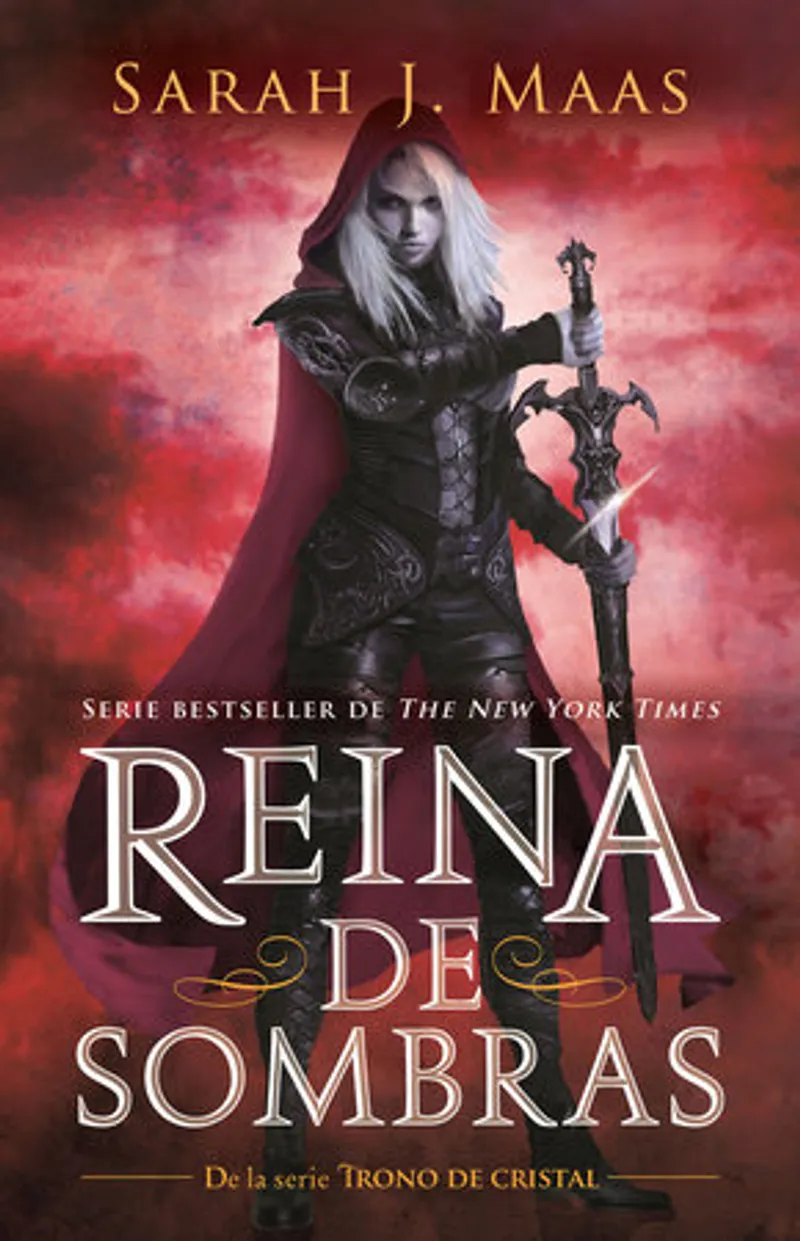
Reina de sombras / Queen of Shadows Author: Sarah J. MaasPage Count: UnknownPublication Date: 2024-PRH Reina de Sombras: A Storm of Fire and Fury in Sarah J. Maas’s Masterful Fourth Act Sarah J. Maas’s Reina de sombras (Queen of Shadows), the fourth installment in the Throne of Glass series, is not merely a continuation of Celaena Sardothien’s journey—it is a volcanic eruption of vengeance, identity, and raw, unrelenting power. Where previous books built the foundation of a sprawling fantasy empire, this volume detonates it, leaving readers breathless in the wreckage of shattered expectations and soaring triumphs. Maas, a virtuoso of emotional crescendos and high-stakes storytelling, once again proves why her work resonates with millions, blending razor-sharp prose with a narrative intensity that feels less like reading and more like being strapped into a runaway chariot hurtling toward destiny. At its core, Queen of Shadows is a story about reclaiming what was stolen—not just a throne, but a soul. Celaena, now fully embracing her true identity as Aelin Galathynius, Queen of Terrasen, returns to a world that has burned in her absence. The empire she once served as an assassin has become a gilded cage, ruled by the sadistic King Erawan, who has enslaved her people and twisted her homeland into a wasteland of despair. Her mission is clear: vengeance against those who betrayed her, rescue for those she left behind, and reclamation of a kingdom that rightfully belongs to her. But vengeance, Maas reminds us, is a double-edged sword—it carves through enemies, but it also wounds the wielder. What makes this installment so devastatingly compelling is Maas’s unparalleled ability to weave personal and political stakes into a tapestry of heartbreak and hope. Aelin’s grief is palpable; she has lost everything—her friends, her lovers, her sense of self—yet she rises from the ashes with a fire that burns hotter than any magic. Her relationship with Rowan, the brooding Fae warrior who becomes her anchor, is a masterclass in slow-burning tension. Their dynamic is electric, a push-and-pull of loyalty, desire, and mutual destruction that feels both inevitable and heart-wrenching. Meanwhile, the introduction of new allies and enemies—each with their own agendas and secrets—adds layers of complexity to a world already teetering on the edge of war. Maas’s prose is a force of nature. She balances lyrical descriptions of ancient ruins and celestial magic with brutal, visceral action sequences that leave you gripping the pages. The dialogue crackles with wit and venom, particularly in exchanges between Aelin and her enemies, where every word feels like a blade. The pacing is relentless, with twists that land like punches—some expected, others so shocking they leave you gasping. The emotional beats are equally masterful; Maas doesn’t shy away from cruelty, and the betrayals and losses hit with the weight of a sledgehammer. Yet, in the darkest moments, there is light—resilience, friendship, and the unshakable belief that even in ruin, a queen can rise. Thematically, Queen of Shadows explores the cost of power and the burden of legacy. Aelin is not just fighting for a crown; she is fighting against the shadows of her past, the ghosts of her failures, and the expectations of a people who see her as both savior and symbol. Her journey is one of reclamation—not just of a throne, but of her own agency. Maas challenges the idea of destiny, asking whether greatness is inherited or earned, and whether vengeance can ever truly heal what it destroys. The answer, as always in her work, is complicated, but the journey to find it is what makes the story unforgettable. For fans of the series, this book is a triumph—a middle finger to complacency, a declaration that the stakes have never been higher. For newcomers, it’s a masterclass in how to craft a fantasy epic that feels both intimate and epic. Queen of Shadows is not just a book; it’s an experience, one that demands your attention, your tears, and your undying loyalty. If you thought Throne of Glass was a saga of assassins and magic, buckle up. Maas has just set the bar higher, and the fallout is glorious. #QueenOfShadows #SarahJMaas #ThroneOfGlass #FantasyEpic #AelinGalathynius #BookTok Related InsightsViscount in Love Book Review and Summary American Heroes Book Review and Summary Midnight in the Garden of Good and Evil Book Review and Summary{ "@context": "https://schema.org", "@type": "FAQPage", "mainEntity": [ { "@type": "Question", "name": "What is the main focus of Queen of Shadows Book Review and Summary?", "acceptedAnswer": { "@type": "Answer", "text": "Everything you need to know about Queen of Shadows with our detailed review." } }, { "@type": "Question", "name": "Who authored the comprehensive guide on Queen of Shadows Book Review and Summary?", "acceptedAnswer": { "@type": "Answer", "text": "This detailed article and its insights were carefully researched and authored by Sarah J. Maas." } }, { "@type": "Question", "name": "Where can I find more related content about Books?", "acceptedAnswer": { "@type": "Answer", "text": "You can explore more articles, detailed reviews, and similar insights by browsing the Related Insights section at the bottom of this article or visiting our dedicated Books category page." } } ] }
What Am I Doing Here Author: Bruce ChatwinPage Count: UnknownPublication Date: 1990-PRH In "What Am I Doing Here", Bruce Chatwin masterfully weaves a tapestry of reflections, anecdotes, and philosophical musings, blurring the lines between memoir, travelogue, and literary criticism. This collection of essays, penned in Chatwin's characteristic lyrical prose, delves into the author's inner world, laying bare his thoughts on identity, creativity, and the human condition. Through a series of vignettes, Chatwin reminisces about his father, a man whose presence is both deeply felt and strangely elusive. These recollections serve as a springboard for exploring the complexities of family, love, and the search for one's own identity. The author's relationship with his father is a recurring theme, one that he revisits with a mix of nostalgia, longing, and introspection. Chatwin's friendships with artists and intellectuals, such as Howard Hodgkin and Andre Malraux, are also a rich source of inspiration. His conversations with these individuals are rendered with remarkable vividness, offering a glimpse into the world of creative genius and the passions that drive it. The author's portraits of these figures are at once intimate and respectful, conveying the depth of their connections and the ways in which they influenced his own artistic vision. One of the most striking aspects of "What Am I Doing Here" is Chatwin's fascination with the unknown, the unexplained, and the fantastical. His tales of searching for a "wolf-boy" in India or tracking the elusive Yeti in the Himalayas are testaments to his boundless curiosity and sense of wonder. These quests, though often fruitless, serve as metaphors for the human search for meaning and connection. Throughout the book, Chatwin's writing is characterized by its lyricism, precision, and intellectual curiosity. His prose is a joy to read, with its unique blend of poetry, philosophy, and storytelling. The author's style is both personal and expansive, drawing the reader into a world of ideas, emotions, and experiences that are at once deeply subjective and universally relatable. Ultimately, "What Am I Doing Here" is a book about the search for self, the power of imagination, and the interconnectedness of human experience. It is a testament to Chatwin's remarkable gifts as a writer, thinker, and observer of the human condition. This collection of essays is a must-read for anyone interested in literary memoir, travel writing, or the art of storytelling. #BruceChatwin #WhatAmIDoingHere #LiteraryMemoir #TravelWriting #PhilosophicalReflections #CreativeNonfiction Related InsightsThe Lost Guardian Book Review and Summary Heat Wave Book Review and Summary Jane Eyre Book Review and Summary{ "@context": "https://schema.org", "@type": "FAQPage", "mainEntity": [ { "@type": "Question", "name": "What is the main focus of The Purpose Driven Life: What on Earth Am I Here for? Book Review and Summary?", "acceptedAnswer": { "@type": "Answer", "text": "Everything you need to know about The Purpose Driven Life: What on Earth Am I Here for? with our detailed review." } }, { "@type": "Question", "name": "Who authored the comprehensive guide on The Purpose Driven Life: What on Earth Am I Here for? Book Review and Summary?", "acceptedAnswer": { "@type": "Answer", "text": "This detailed article and its insights were carefully researched and authored by Rick Warren." } }, { "@type": "Question", "name": "Where can I find more related content about Books?", "acceptedAnswer": { "@type": "Answer", "text": "You can explore more articles, detailed reviews, and similar insights by browsing the Related Insights section at the bottom of this article or visiting our dedicated Books category page." } } ] }
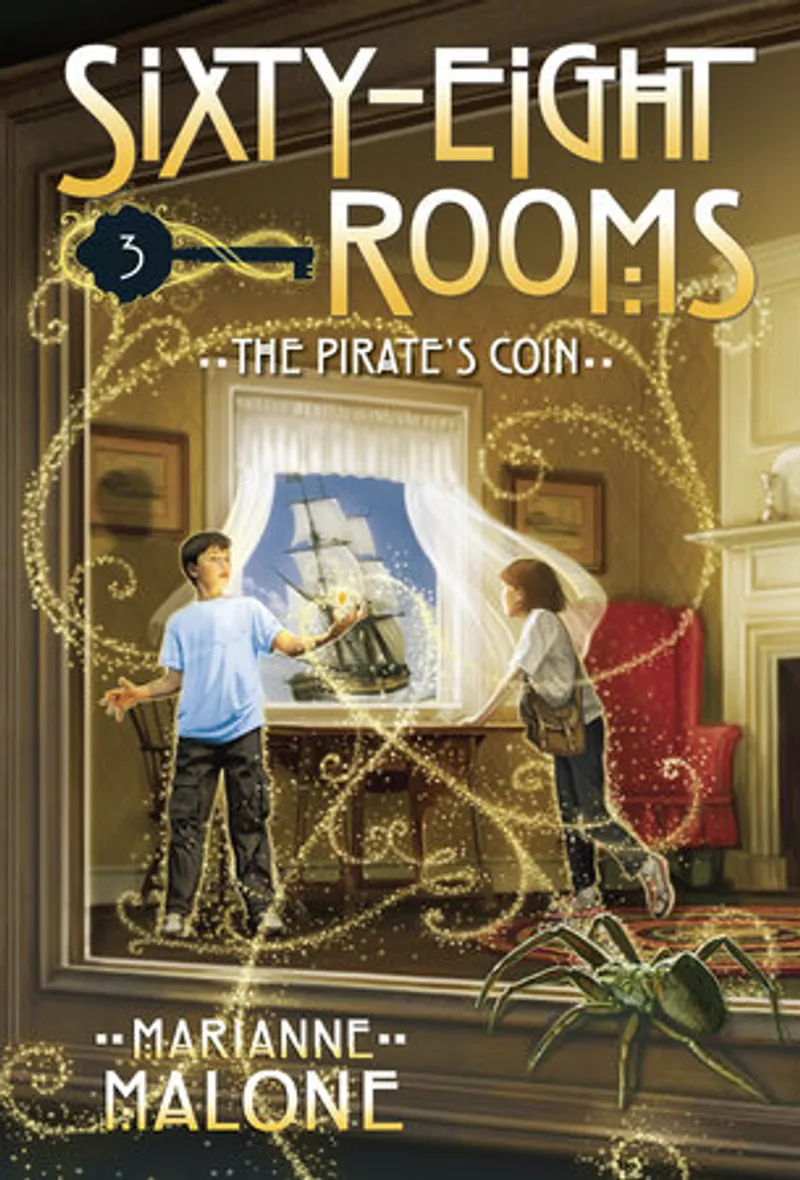
The Pirate's Coin: A Sixty-Eight Rooms Adventure Author: Marianne MalonePage Count: UnknownPublication Date: 2014-PRH The Pirate's Coin: A Sixty-Eight Rooms Adventure by Marianne Malone is a captivating tale that masterfully weaves together elements of magic, mystery, and adventure, making it a perfect fit for fans of the Magic Tree House series and readers who enjoy books like Chasing Vermeer and Wonderstruck. This third installment in the series reunites readers with sixth graders Ruthie and Jack, who once again find themselves entangled in a thrilling adventure at the Art Institute of Chicago's magical Thorne Rooms. When their classmate Kendra reveals that her family's name and business were tarnished by false accusations, Ruthie and Jack embark on a mission to clear her name, knowing that they possess crucial knowledge about a secret ledger containing Phoebe Monroe's herbal remedies recipes. As they delve deeper into the mystery, a cryptic old coin transports them to 1753 Cape Cod, where they encounter Jack's own ancestor, the pirate Jack Norfleet. The stakes become higher when Jack's existence is threatened, and Ruthie and Jack must navigate the complexities of altering the past to save their present and future. Marianne Malone's writing style is a perfect blend of imagination, wit, and historical intrigue. Her ability to craft relatable characters and engaging storylines has earned her praise from publications like The New York Times, Chicago Sun-Times, and Chicago Tribune. Malone's unique approach to storytelling, which combines fantasy and historical elements, has been described as "irresistible," "exhilarating," and "completely universal." One of the most striking aspects of The Pirate's Coin is its exploration of the consequences of playing with history. Malone raises thought-provoking questions about the potential risks and benefits of altering the past, making this book an excellent choice for readers who enjoy stories that challenge their perspectives. The Pirate's Coin is a must-read for anyone who loves adventure, magic, and mystery. With its richly detailed historical settings, memorable characters, and gripping plot, this book is sure to captivate readers of all ages. Malone's writing is engaging, and her passion for storytelling is evident on every page. In short, The Pirate's Coin is a thrilling adventure that will keep you on the edge of your seat. With its unique blend of magic, mystery, and historical intrigue, this book is a must-read for anyone looking for a compelling and thought-provoking story. #TheSixtyEightRoomsAdventures #MarianneMalone #ThePiratesCoin #MiddleGradeFiction #HistoricalFiction #TimeTravelAdventures Related InsightsKing of Greed Book Review and Summary An Opportunity Book Review and Summary For Whom the Bell Tolls Book Review and Summary{ "@context": "https://schema.org", "@type": "FAQPage", "mainEntity": [ { "@type": "Question", "name": "What is the main focus of A Child Called 'It' Book Review and Summary?", "acceptedAnswer": { "@type": "Answer", "text": "Everything you need to know about A Child Called 'It' with our detailed review." } }, { "@type": "Question", "name": "Who authored the comprehensive guide on A Child Called 'It' Book Review and Summary?", "acceptedAnswer": { "@type": "Answer", "text": "This detailed article and its insights were carefully researched and authored by Dave Pelzer." } }, { "@type": "Question", "name": "Where can I find more related content about Books?", "acceptedAnswer": { "@type": "Answer", "text": "You can explore more articles, detailed reviews, and similar insights by browsing the Related Insights section at the bottom of this article or visiting our dedicated Books category page." } } ] }
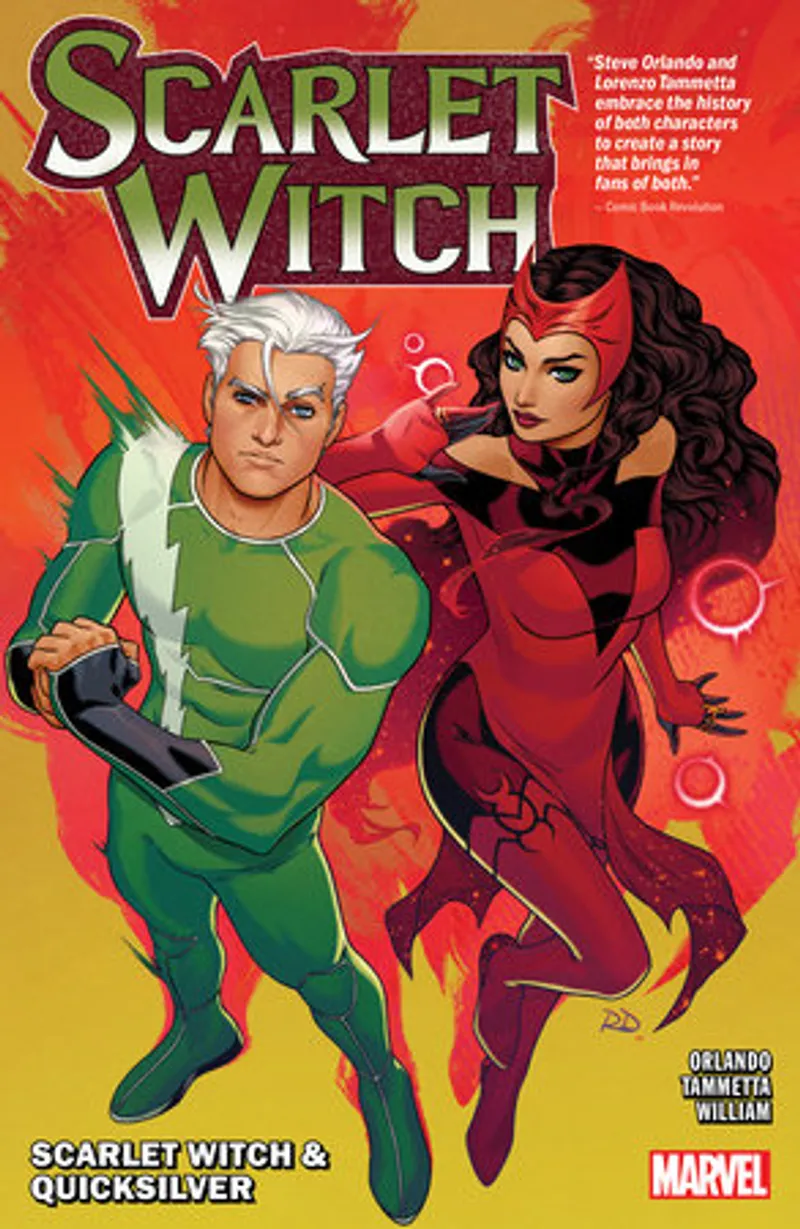
Scarlet Witch By Steve Orlando Vol. 3: Scarlet Witch & Quicksilver Author: Jack KirbyPage Count: UnknownPublication Date: 2024-PRH In the latest installment of the Scarlet Witch series, Steve Orlando's Vol. 3: Scarlet Witch & Quicksilver is a thrilling exploration of the complex bond between Wanda and Pietro Maximoff, Marvel's iconic super-powered siblings. Celebrating the 60th anniversary of the Scarlet Witch and Quicksilver's first appearance, this volume is a must-read for fans of the Avengers and the X-Men. The story revolves around a letter from Magneto, the twins' father figure, which Wanda decides to keep from Pietro, fearing its contents will upset him. This decision sets off a chain of events that drives the siblings apart, just as a new threat emerges in the form of the Wizard, who has undergone a terrifying eldritch upgrade. The Wizard's sinister plans are backed by the Frightful Four Hundred, a formidable force that the Scarlet Witch and Quicksilver must confront together if they hope to survive. Orlando's writing style is a perfect blend of action, drama, and suspense, making this volume a page-turner from start to finish. The author's ability to delve into the complex emotions and motivations of the characters is impressive, particularly in the portrayal of Wanda and Pietro's relationship. The twins' bond is multifaceted, and Orlando expertly explores the depths of their connection, revealing the intricacies of their sibling dynamics. The inclusion of classic material from X-Men (1963) #4 adds a nostalgic touch to the volume, providing context and depth to the story. Jack Kirby's original artwork is a testament to the enduring legacy of the Scarlet Witch and Quicksilver, and its incorporation into this volume is a fitting tribute to the characters' 60th anniversary. One of the standout aspects of this volume is its exploration of the theme of family and the bonds that tie us together. Wanda and Pietro's relationship is a powerful example of the complexities of sibling love, and Orlando's portrayal of their struggles and triumphs is both poignant and compelling. The volume also touches on the idea of legacy and the weight of responsibility that comes with being part of a larger family, in this case, the Avengers and the X-Men. Overall, Scarlet Witch By Steve Orlando Vol. 3: Scarlet Witch & Quicksilver is a gripping and emotionally charged story that will keep readers on the edge of their seats. With its blend of action, suspense, and drama, this volume is a must-read for fans of the Marvel Universe. The exploration of the Scarlet Witch and Quicksilver's relationship is a highlight of the book, and Orlando's writing style is a perfect fit for the characters. #ScarletWitchAndQuicksilver #MarvelComics #Avengers #XMen #SteveOrlando #JackKirby Related InsightsBig Little Truths Book Review and Summary A Clockwork Orange Book Review and Summary Lost in the Moment and Found Book Review and Summary{ "@context": "https://schema.org", "@type": "FAQPage", "mainEntity": [ { "@type": "Question", "name": "What is the main focus of Scarlet Book Review and Summary?", "acceptedAnswer": { "@type": "Answer", "text": "Everything you need to know about Scarlet with our detailed review." } }, { "@type": "Question", "name": "Who authored the comprehensive guide on Scarlet Book Review and Summary?", "acceptedAnswer": { "@type": "Answer", "text": "This detailed article and its insights were carefully researched and authored by Marissa Meyer." } }, { "@type": "Question", "name": "Where can I find more related content about Books?", "acceptedAnswer": { "@type": "Answer", "text": "You can explore more articles, detailed reviews, and similar insights by browsing the Related Insights section at the bottom of this article or visiting our dedicated Books category page." } } ] }
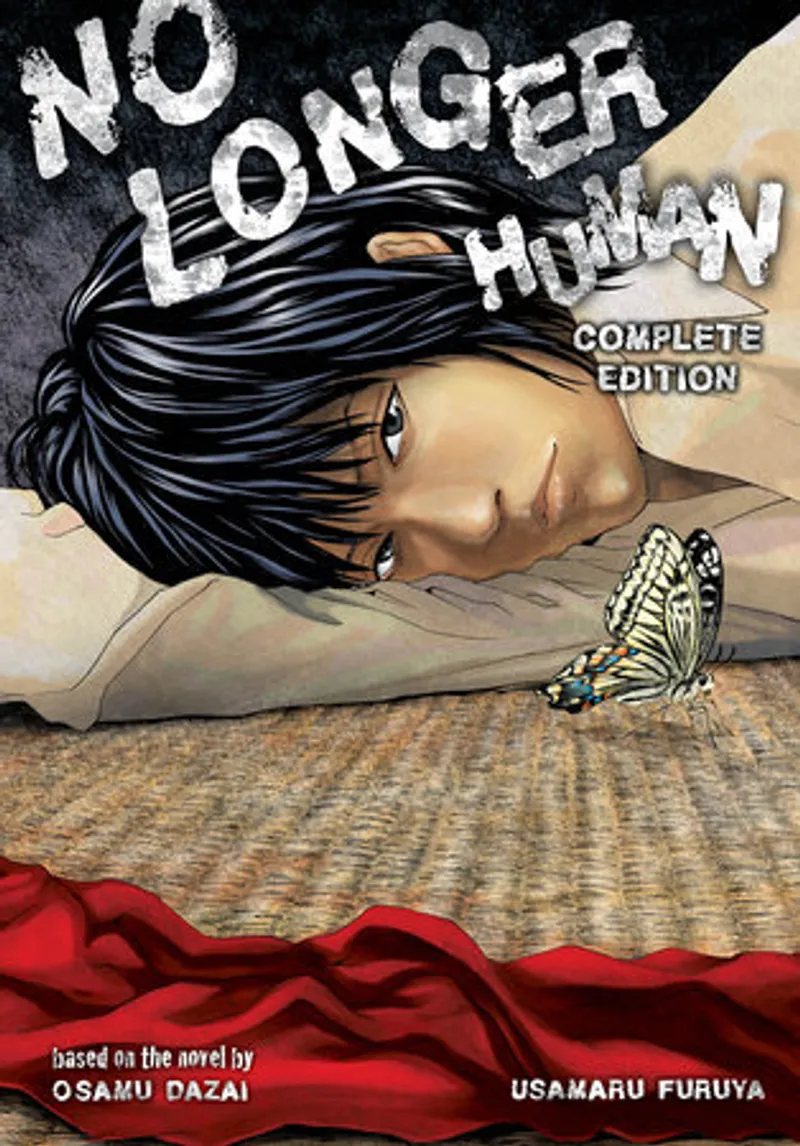
No Longer Human Complete Edition (manga) Author: Usamaru FuruyaPage Count: UnknownPublication Date: 2022-PRH Usamaru Furuya’s No Longer Human: Complete Edition is a haunting, visually arresting adaptation of Osamu Dazai’s masterpiece, reimagined for a modern audience with a raw, unflinching intensity. Furuya, known for his provocative and unconventional manga style, strips away the novel’s prewar setting and transplants its themes into the fragmented, hyper-connected world of the early 2000s. The result is a work that feels both timeless and urgently contemporary—a meditation on alienation, identity, and the masks we wear to survive. At its core, No Longer Human is a story about a man who cannot connect. The protagonist, Yozo Oba, is a self-described "clown," a performer whose grin hides a void so vast it consumes him. Dazai’s original novel is a semi-autobiographical exploration of depression, addiction, and the failure of human empathy, and Furuya’s adaptation amplifies these themes through his signature aesthetic. His art is deliberately unsettling—angular, exaggerated faces, distorted perspectives, and a color palette that oscillates between sickly pastels and oppressive blacks. The effect is claustrophobic, mirroring Yozo’s descent into isolation. Furuya’s decision to present the manga in a left-to-right format (rather than the traditional Japanese right-to-left) is more than a stylistic choice; it’s a deliberate act of defamiliarization for Western readers. The Westernized layout forces us to engage with the material differently, as if we’re watching Yozo’s life unfold through a distorted lens. This choice underscores the theme of displacement—not just cultural, but existential. Yozo is a man out of sync with the world, and Furuya’s adaptation mirrors that dissonance. The manga’s pacing is deliberate, lingering on moments of quiet despair before erupting into violence or self-destruction. Furuya’s use of negative space is masterful; empty panels and stark, minimalist compositions emphasize the emptiness of Yozo’s existence. When he does employ detail, it’s often grotesque—a twisted smile, a bloodied fist, the hollow eyes of a man who has long since stopped seeing himself. The art isn’t just a vessel for the story; it is the story, a visual manifestation of Yozo’s fractured psyche. One of the most striking aspects of Furuya’s adaptation is his treatment of Yozo’s relationships. The women in his life—his sister, his lovers, his caretakers—are rendered with a mix of tenderness and menace. They are both his salvation and his undoing, their faces often blurred or partially obscured, as if Yozo can never truly see them. This visual motif reinforces the novel’s central tragedy: Yozo is incapable of genuine connection, no matter how desperately he craves it. Furuya’s adaptation also sharpens the novel’s critique of societal expectations. In Dazai’s original, Yozo’s struggles are framed by the rigid social structures of prewar Japan. Here, Furuya updates that critique for the digital age, where the pressure to perform happiness is even more suffocating. Yozo’s "clown" persona isn’t just a personal failing; it’s a survival mechanism in a world that demands constant self-presentation. The manga’s occasional nods to modern media—television static, flickering computer screens—serve as reminders that the mechanisms of alienation have only evolved, not disappeared. The completeness of this omnibus edition is a gift. Previous releases were fragmented, but here, the story flows seamlessly, allowing Furuya’s vision to fully unfurl. The pacing, the art, the thematic depth—all coalesce into a work that is as much a critique of modern life as it is a retelling of a classic. For readers familiar with Dazai’s novel, Furuya’s adaptation offers a fresh, visceral experience. For those encountering No Longer Human for the first time, it’s a brutal introduction to one of literature’s most tragic figures. Either way, it’s impossible to look away. #NoLongerHuman #UsamaruFuruya #MangaAdaptation #OsamuDazai #DarkManga #ExistentialDespair Related InsightsStarship Troopers Book Review and Summary The Crucible Book Review and Summary The First Cut Is the Deepest Book Review and Summary{ "@context": "https://schema.org", "@type": "FAQPage", "mainEntity": [ { "@type": "Question", "name": "What is the main focus of No Longer Human Book Review and Summary?", "acceptedAnswer": { "@type": "Answer", "text": "Everything you need to know about No Longer Human with our detailed review." } }, { "@type": "Question", "name": "Who authored the comprehensive guide on No Longer Human Book Review and Summary?", "acceptedAnswer": { "@type": "Answer", "text": "This detailed article and its insights were carefully researched and authored by Osamu Dazai." } }, { "@type": "Question", "name": "Where can I find more related content about Books?", "acceptedAnswer": { "@type": "Answer", "text": "You can explore more articles, detailed reviews, and similar insights by browsing the Related Insights section at the bottom of this article or visiting our dedicated Books category page." } } ] }

- 25 Apr, 2026 13:29
Living Fearless: Exchanging the Lies of the World for the Liberating Truth of God Book Review and Summary
La verdad y las mentiras de Ella Black / The Truth and Lies of Ella Black Author: Emily BarrPage Count: UnknownPublication Date: 2019-PRH In "The Truth and Lies of Ella Black," Emily Barr crafts a mesmerizing tale of self-discovery, masterfully weaving a narrative that is as much about the complexities of human identity as it is about the blurred lines between truth and deception. With a keen eye for psychological depth, Barr delves into the turbulent mind of her protagonist, Ella Black, a young woman grappling with the presence of an alternate, destructive persona she calls "Bella." Barr's writing style is reminiscent of a cinematic experience, with vivid descriptions of settings that transport readers to the sun-kissed beaches and vibrant streets of Rio de Janeiro. The author's use of language is both evocative and concise, propelling the story forward with a breakneck pace that mirrors Ella's frantic search for answers. As Ella navigates the treacherous landscape of her own psyche, Barr raises important questions about the nature of identity and how it is shaped by our experiences, relationships, and the secrets we keep. Through Ella's struggles, we see the devastating consequences of living a life built on lies and the liberating power of embracing our true selves. One of the most striking aspects of Barr's writing is her ability to balance the darker elements of the narrative with a sense of hope and resilience. Ella's journey is not an easy one, but it is a testament to the human capacity for growth, forgiveness, and redemption. The author's exploration of the complex relationships between family members is also noteworthy. Ella's parents, in particular, are multifaceted characters whose motivations and secrets drive the plot forward. Barr skillfully exposes the flaws and weaknesses of these characters, making them relatable and, at times, infuriating. If there is a criticism to be made, it is that the supporting cast of characters feels somewhat one-dimensional at times. However, this is a minor quibble in an otherwise gripping narrative that is driven by Ella's inner turmoil and her quest for self-discovery. In conclusion, "The Truth and Lies of Ella Black" is a gripping and thought-provoking novel that will appeal to fans of psychological thrillers and coming-of-age stories. With its breakneck pace, vivid settings, and complex characters, this book is a must-read for anyone looking for a story that will keep them on the edge of their seat. #TheTruthAndLiesOfEllaBlack #EmilyBarr #PsychologicalThriller #ComingOfAge #SelfDiscovery #IdentityCrisis Related InsightsYou Like It Darker Book Review and Summary A Slow Fire Burning Book Review and Summary Maybe You Should Talk to Someone Book Review and Summary{ "@context": "https://schema.org", "@type": "FAQPage", "mainEntity": [ { "@type": "Question", "name": "What is the main focus of Living Fearless: Exchanging the Lies of the World for the Liberating Truth of God Book Review and Summary?", "acceptedAnswer": { "@type": "Answer", "text": "Everything you need to know about Living Fearless: Exchanging the Lies of the World for the Liberating Truth of God with our detailed review." } }, { "@type": "Question", "name": "Who authored the comprehensive guide on Living Fearless: Exchanging the Lies of the World for the Liberating Truth of God Book Review and Summary?", "acceptedAnswer": { "@type": "Answer", "text": "This detailed article and its insights were carefully researched and authored by Jamie Winship." } }, { "@type": "Question", "name": "Where can I find more related content about Books?", "acceptedAnswer": { "@type": "Answer", "text": "You can explore more articles, detailed reviews, and similar insights by browsing the Related Insights section at the bottom of this article or visiting our dedicated Books category page." } } ] }
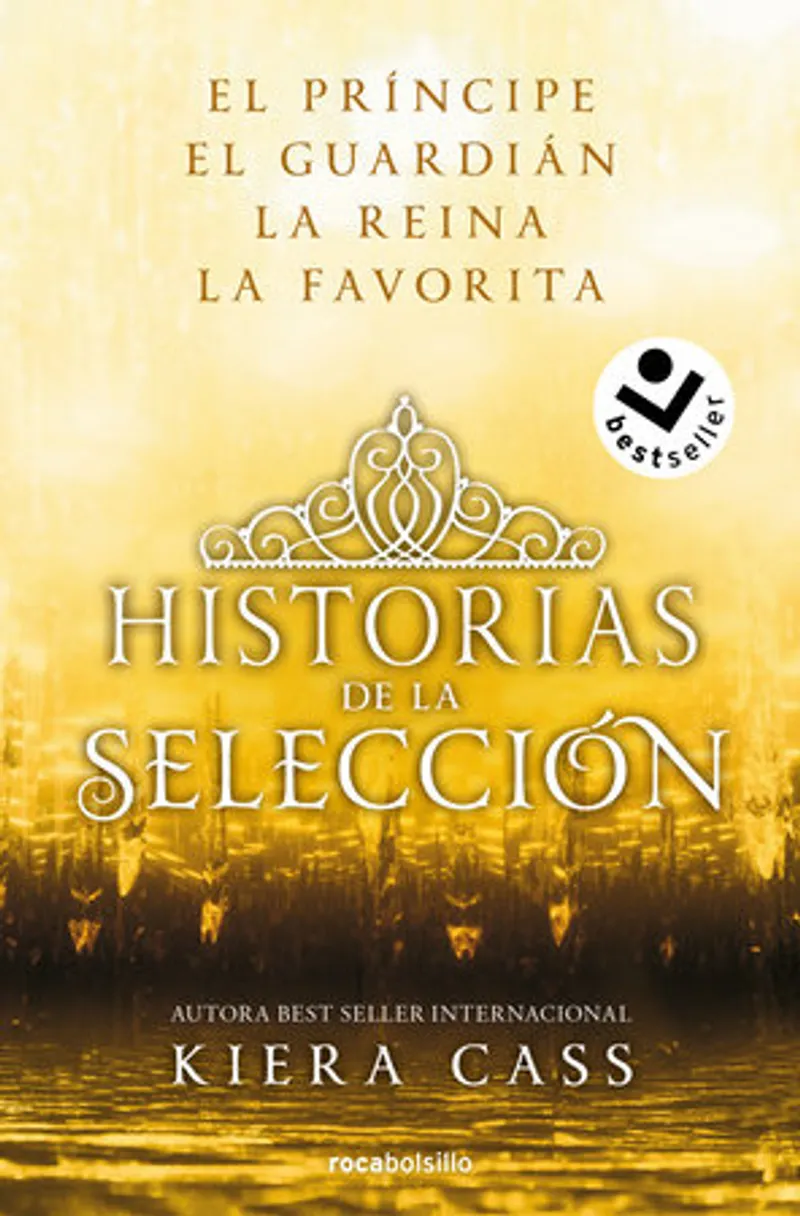
Ómnibus. Historias de la selección / Happily Ever After: Companion to the Selection Series Author: Kiera CassPage Count: UnknownPublication Date: 2024-PRH "Happily Ever After: Companion to the Selection Series" is a treasure trove of novellas and exclusive extras that delves into the world of Kiera Cass's bestselling Selection series. This stunning collection of four novellas, including two that are only available in print in this collection, offers a deeper understanding of the beloved characters and their backstories. The book takes readers on a journey to meet Prince Maxon before he fell in love with America, and a girl named Amberly before she became queen. We see the Selection through the eyes of a guard who watched his first love drift away and a girl who fell for a boy who wasn't the prince. The novellas, including "The Prince," "The Guard," "The Queen," and "The Favorite," provide a fresh perspective on the world of Illéa and its characters. One of the standout features of this collection is the way it explores the theme of love and relationships. Cass masterfully weaves together stories of first loves, unrequited loves, and the complexities of relationships. The characters are multidimensional and relatable, making it easy for readers to become invested in their stories. Cass's writing style is, as always, engaging and accessible. She has a talent for creating a sense of atmosphere and tension, drawing readers into the world of Illéa. The exclusive bonus content, including new scenes from "The Selection," "The Elite," and "The One," adds an extra layer of depth to the collection. The inclusion of a map of Illéa and other illustrations is a lovely touch, adding a visual element to the collection. The introductions to each novella from Cass herself provide insight into her writing process and the inspiration behind the stories. Overall, "Happily Ever After: Companion to the Selection Series" is a must-have for fans of the series. It offers a unique perspective on the world and characters of Illéa, and the exclusive bonus content makes it a valuable addition to any collection. Cass's writing is, as always, engaging and accessible, making this a compelling read for both new and old fans of the series. #TheSelectionSeries #KieraCass #HappilyEverAfter #TheBetrothed #YAFantasy #RoyalRomance Related InsightsDark Hours Book Review and Summary I Am the Messenger Book Review and Summary On the Calculation of Volume V Book Review and Summary{ "@context": "https://schema.org", "@type": "FAQPage", "mainEntity": [ { "@type": "Question", "name": "What is the main focus of The Selection Book Review and Summary?", "acceptedAnswer": { "@type": "Answer", "text": "Everything you need to know about The Selection with our detailed review." } }, { "@type": "Question", "name": "Who authored the comprehensive guide on The Selection Book Review and Summary?", "acceptedAnswer": { "@type": "Answer", "text": "This detailed article and its insights were carefully researched and authored by Kiera Cass." } }, { "@type": "Question", "name": "Where can I find more related content about Books?", "acceptedAnswer": { "@type": "Answer", "text": "You can explore more articles, detailed reviews, and similar insights by browsing the Related Insights section at the bottom of this article or visiting our dedicated Books category page." } } ] }
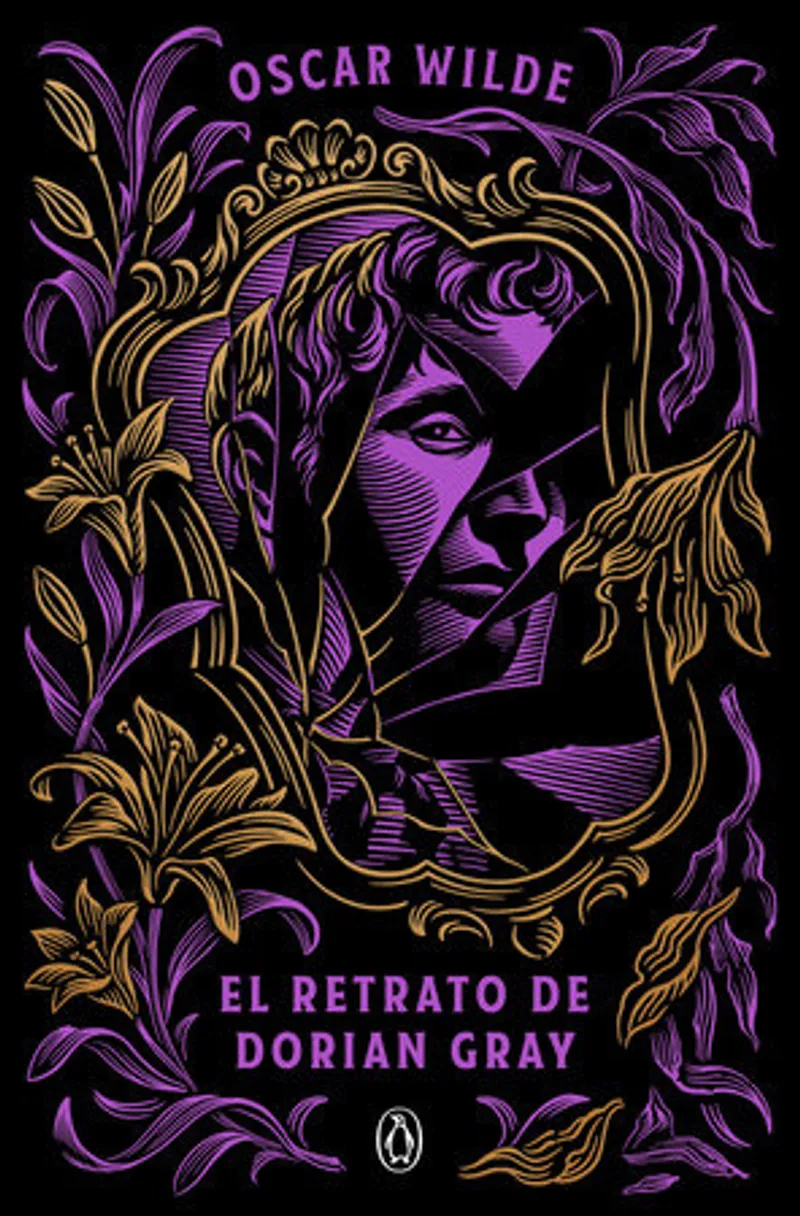
El retrato de Dorian Gray / The Picture of Dorian Gray Author: Oscar WildePage Count: UnknownPublication Date: 2025-PRH Oscar Wilde’s The Picture of Dorian Gray is a masterpiece of Gothic decadence, a novel that dares to ask what happens when beauty and morality collide. First published in 1890, it remains a chilling exploration of vanity, corruption, and the duality of human nature. This edition, meticulously translated by Alejandro Palomas and introduced by Robert Mighall, reaffirms its status as a timeless cautionary tale—one that shocked Victorian society and continues to haunt readers today. At its core, The Picture of Dorian Gray is a Faustian bargain wrapped in aesthetic perfection. The young Dorian, a man of unparalleled beauty, becomes the subject of a portrait painted by his friend Basil Hallward. Enchanted by his own image, Dorian wishes that the portrait would age instead of him—a wish that is granted, with horrifying consequences. As Dorian indulges in a life of hedonism, cruelty, and moral decay, his outward appearance remains untouched, while the portrait bears the grotesque marks of his sins. The novel thus becomes a study of the soul’s corruption, hidden beneath a mask of youth and charm. Wilde’s prose is as lush as it is razor-sharp, dripping with epigrams and paradoxes that define his signature style. Lord Henry Wotton, the novel’s most seductive villain, delivers lines that are both witty and venomous: "The only way to get rid of a temptation is to yield to it." His influence over Dorian is the catalyst for the young man’s downfall, illustrating Wilde’s belief in the power of art—and the artist—to shape reality. The dialogue crackles with intellectual provocation, making Dorian Gray as much a philosophical debate as it is a narrative. Yet beneath the glittering surface lies a darker truth. Wilde himself was no stranger to scandal; his trial for "gross indecency" in 1895 was partly fueled by the perceived immorality of this novel. The book’s themes of hidden vice and the perils of unchecked desire were radical for their time, and they remain unsettling today. Dorian’s descent into cruelty—culminating in the murder of Basil Hallward—is a stark reminder that beauty without conscience is a hollow victory. The novel’s enduring power lies in its ambiguity. Is Dorian a victim of Lord Henry’s manipulations, or does he embrace his own corruption? Is the portrait a metaphor for the hidden self, or a literal manifestation of guilt? Wilde leaves these questions unanswered, inviting readers to confront their own judgments. The result is a work that feels both timeless and urgently modern—a story about the masks we wear and the price of eternal youth. This edition, with its insightful introduction and fluid translation, is a treasure for both new readers and longtime admirers. Palomas’ translation captures the novel’s elegance without losing its edge, while Mighall’s introduction provides crucial historical context, linking Wilde’s work to the Gothic tradition and the Decadent movement. The Picture of Dorian Gray is more than a Gothic horror story; it is a mirror held up to society’s obsession with appearances. Wilde’s genius lies in making us complicit in Dorian’s fall, forcing us to ask: Would we make the same bargain? The answer, whispered in the pages of this book, is far more disturbing than we’d like to admit. #DorianGray #OscarWilde #GothicLiterature #DarkRomance #VictorianDecadence #FaustianBargain Related InsightsWhiteout Book Review and Summary Joker Moon Book Review and Summary Do I Have to Wear a Coat? Book Review and Summary{ "@context": "https://schema.org", "@type": "FAQPage", "mainEntity": [ { "@type": "Question", "name": "What is the main focus of The Picture of Dorian Gray Book Review and Summary?", "acceptedAnswer": { "@type": "Answer", "text": "Everything you need to know about The Picture of Dorian Gray with our detailed review." } }, { "@type": "Question", "name": "Who authored the comprehensive guide on The Picture of Dorian Gray Book Review and Summary?", "acceptedAnswer": { "@type": "Answer", "text": "This detailed article and its insights were carefully researched and authored by Oscar Wilde." } }, { "@type": "Question", "name": "Where can I find more related content about Books?", "acceptedAnswer": { "@type": "Answer", "text": "You can explore more articles, detailed reviews, and similar insights by browsing the Related Insights section at the bottom of this article or visiting our dedicated Books category page." } } ] }
El club de la lucha / Fight Club Author: Chuck PalahniukPage Count: UnknownPublication Date: 2016-PRH In the midst of a society crippled by consumerism, Chuck Palahniuk's Fight Club emerges as a scathing critique of modernity, a call to arms against the suffocating grip of materialism. First published in 1996, not 2016, this iconic novel has become a cult classic, its influence still resonating today. With unflinching candor, Palahniuk dissects the darker aspects of human nature, laying bare the desperation and disillusionment that festers beneath the surface of our seemingly perfect lives. Through the eyes of an unnamed narrator, we are drawn into a world of sterile office cubicles, meaningless relationships, and the endless pursuit of stuff. But it's not until he meets Tyler Durden, a charismatic and enigmatic figure, that the narrator's life begins to unravel. Durden's presence is akin to a tornado, leaving a trail of destruction and chaos in his wake. As the narrator becomes increasingly enthralled by Durden's anarchic ideology, the boundaries between reality and fantasy begin to blur. Palahniuk's prose is akin to a swift kick to the gut – it's brutal, unapologetic, and unflinchingly honest. His writing style is a perfect reflection of the world he's critiquing: raw, unvarnished, and often disturbing. With a keen eye for detail, he exposes the vacuity of modern life, where people are reduced to mere consumers, and relationships are transactional. At its core, Fight Club is a novel about the search for meaning in a world that has lost its way. It's a scathing indictment of a society that values stuff over substance, where people are more concerned with their outward appearance than their inner lives. Through the narrator's journey, Palahniuk shows us the devastating consequences of a life lived in isolation, where human connection is reduced to a mere abstraction. And yet, despite the bleakness of its themes, Fight Club is a strangely exhilarating read. It's a call to arms, a rallying cry against the suffocating grip of consumerism. Palahniuk's vision is not one of nihilism, but of liberation – a world where people are free to forge their own paths, to create their own meaning, and to live life on their own terms. In the end, Fight Club is a novel that will leave you breathless, disturbed, and maybe even a little bit changed. It's a testament to Palahniuk's skill as a writer that he can evoke such strong emotions, that he can challenge our assumptions and force us to confront the darker aspects of our own nature. #FightClub #ChuckPalahniuk #ConsumerismCritique #SatiricalFiction #AnarchicLiterature #CultClassicNovels Related InsightsEnlightenment Now Book Review and Summary A Beautiful Couple Book Review and Summary The Teacher Book Review and Summary{ "@context": "https://schema.org", "@type": "FAQPage", "mainEntity": [ { "@type": "Question", "name": "What is the main focus of Fight Club Book Review and Summary?", "acceptedAnswer": { "@type": "Answer", "text": "Everything you need to know about Fight Club with our detailed review." } }, { "@type": "Question", "name": "Who authored the comprehensive guide on Fight Club Book Review and Summary?", "acceptedAnswer": { "@type": "Answer", "text": "This detailed article and its insights were carefully researched and authored by Chuck Palahniuk." } }, { "@type": "Question", "name": "Where can I find more related content about Books?", "acceptedAnswer": { "@type": "Answer", "text": "You can explore more articles, detailed reviews, and similar insights by browsing the Related Insights section at the bottom of this article or visiting our dedicated Books category page." } } ] }
Anna Karénina (Edición conmemorativa) / Anna Karenina (Spanish Commemorative Edition) Author: Lev TolstóiPage Count: UnknownPublication Date: 2023-PRH In the grand tapestry of literary masterpieces, few novels have managed to captivate readers with the same level of depth and complexity as Lev Tolstoy's timeless classic, Anna Karenina. This commemorative edition, adorned with a magnificent introduction by George Gibian and a meticulous translation by Irene and Laura Andresco, is a testament to the enduring power of Tolstoy's magnum opus. At its core, Anna Karenina is a novel about the human experience, with all its attendant contradictions, flaws, and passions. Tolstoy masterfully weaves together the lives of dozens of characters, each with their own distinct voice and narrative thread, to create a richly textured portrait of Russian high society in the late 19th century. But it is the eponymous heroine, Anna Karenina, who remains the beating heart of the novel, her tragic fate a poignant reminder of the devastating consequences of unchecked desire and the societal pressures that seek to constrain it. Tolstoy's writing style is characterized by its lyricism, precision, and unwavering commitment to realism. His prose is at once elegant and unadorned, capable of conveying the subtleties of human emotion with unflinching accuracy. Through his masterful use of language, Tolstoy creates a world that is both familiar and yet, utterly foreign, a world that is at once steeped in the traditions of Russian aristocracy and yet, beset by the same universal concerns that have always plagued humanity. One of the most striking aspects of Tolstoy's writing is his ability to balance the individual narratives of his characters with the broader social commentary that underpins the novel. Anna Karenina is, on one level, a scathing critique of the social conventions that governed the lives of women in 19th-century Russia, a society in which they were expected to conform to rigid norms of behavior and yet, were denied the same rights and freedoms as their male counterparts. And yet, it is also a deeply personal and intimate novel, one that probes the innermost recesses of the human heart with unflinching candor. Through Anna's doomed love affair with Count Vronsky, Tolstoy explores the complex and often fraught nature of human relationships, revealing the ways in which our desires, both conscious and unconscious, can lead us down a path of destruction and chaos. And yet, even as the novel hurtles towards its tragic conclusion, Tolstoy never loses sight of the beauty and the joy that life has to offer, the ephemeral pleasures that make it all worthwhile. In short, this commemorative edition of Anna Karenina is a triumph, a testament to the enduring power of Tolstoy's masterpiece to captivate and move readers to this day. With its magnificent introduction and meticulous translation, it is an essential addition to the library of anyone who loves literature, and a reminder of the transformative power of great art to touch our hearts and minds. #AnnaKarenina #LevTolstoy #RussianLiterature #ClassicNovels #TragicLoveStories #TimelessMasterpieces Related InsightsThe Magic of Chamomile Cottage Book Review and Summary Holly Book Review and Summary Halfway to the Grave Book Review and Summary{ "@context": "https://schema.org", "@type": "FAQPage", "mainEntity": [ { "@type": "Question", "name": "What is the main focus of Anna Karenina Book Review and Summary?", "acceptedAnswer": { "@type": "Answer", "text": "Everything you need to know about Anna Karenina with our detailed review." } }, { "@type": "Question", "name": "Who authored the comprehensive guide on Anna Karenina Book Review and Summary?", "acceptedAnswer": { "@type": "Answer", "text": "This detailed article and its insights were carefully researched and authored by Leo Tolstoy." } }, { "@type": "Question", "name": "Where can I find more related content about Books?", "acceptedAnswer": { "@type": "Answer", "text": "You can explore more articles, detailed reviews, and similar insights by browsing the Related Insights section at the bottom of this article or visiting our dedicated Books category page." } } ] }