Showing Posts From
Fiction
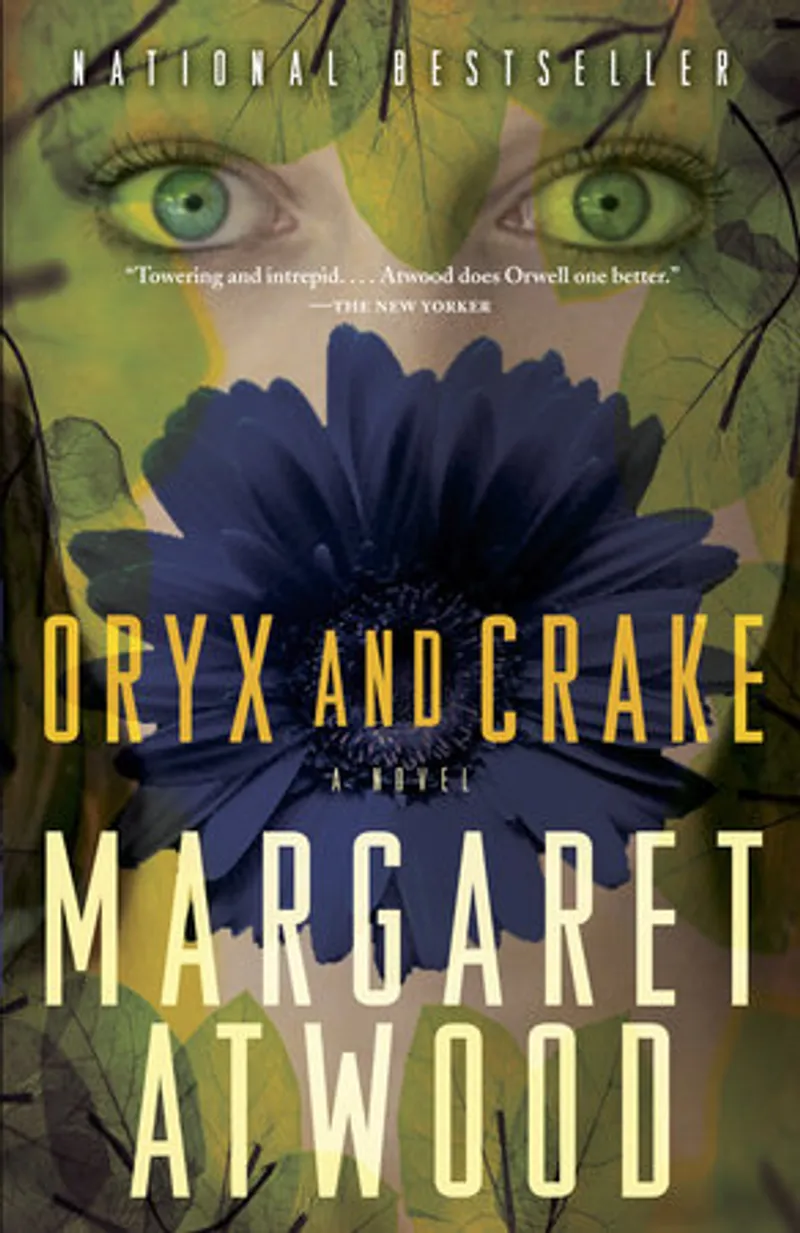
Oryx and Crake Author: Margaret AtwoodPage Count: UnknownPublication Date: 2004-PRH In the hauntingly prophetic novel Oryx and Crake, Margaret Atwood weaves a mesmerizing tale of love, loss, and the unbridled dangers of scientific hubris. Set in a post-apocalyptic world, the story follows Snowman, a lone survivor of a global pandemic that has decimated humanity. As he navigates the treacherous landscape, Snowman's narrative is intertwined with that of his past, where he was once Jimmy, a young man entangled in a complicated web of relationships with his brilliant but troubled friend Crake and the enigmatic Oryx. Atwood's masterful prose is both poetic and unsettling, painting a vivid picture of a world where genetic engineering has run amok. The corporations that once wielded immense power have created a society where the boundaries between human and animal are increasingly blurred. The results are both fascinating and terrifying, as Atwood's vision of the future is at once eerily familiar and disturbingly plausible. One of the most striking aspects of Oryx and Crake is its exploration of the consequences of unchecked scientific progress. Crake, a genius and a madman, has created a new species of humanoid creatures, the Children of Crake, who are designed to be the perfect beings. But as the novel progresses, it becomes clear that this supposed utopia is actually a dystopian nightmare, where emotions and individuality are suppressed in favor of a bland, conformist existence. Atwood's critique of modern society is scathing, and her portrayal of a world where people are willing to sacrifice their humanity for the sake of convenience and progress is both thought-provoking and deeply unsettling. The novel is also a powerful exploration of the human condition, delving into themes of love, loss, and the search for meaning in a seemingly meaningless world. Throughout the novel, Atwood's writing is characterized by its lyricism and precision. Her prose is both beautiful and brutal, capable of conveying the full range of human emotions. The characters are multidimensional and complex, with Snowman's narrative voice being particularly noteworthy for its wry humor and poignant vulnerability. If there is a flaw to be found in Oryx and Crake, it is that the novel's pacing can be somewhat uneven. At times, the narrative feels overly dense, with Atwood's vivid descriptions of the post-apocalyptic world threatening to overwhelm the reader. However, this is a minor quibble, and the novel's many strengths far outweigh its weaknesses. In conclusion, Oryx and Crake is a masterpiece of contemporary literature, a novel that is both a powerful warning and a haunting work of art. Atwood's vision of the future is both mesmerizing and terrifying, and her exploration of the human condition is profound and deeply moving. This is a novel that will stay with you long after you finish reading it, haunting your thoughts and challenging your assumptions about the world we live in. #OryxAndCrake #MargaretAtwood #DystopianFiction #ScienceFiction #PostApocalyptic #GeneticEngineering Related InsightsCity of God Book Review and Summary The Two Towers Book Review and Summary The Ruined Book Review and Summary{ "@context": "https://schema.org", "@type": "FAQPage", "mainEntity": [ { "@type": "Question", "name": "What is the main focus of Oryx and Crake Book Review and Summary?", "acceptedAnswer": { "@type": "Answer", "text": "Everything you need to know about Oryx and Crake with our detailed review." } }, { "@type": "Question", "name": "Who authored the comprehensive guide on Oryx and Crake Book Review and Summary?", "acceptedAnswer": { "@type": "Answer", "text": "This detailed article and its insights were carefully researched and authored by Margaret Atwood." } }, { "@type": "Question", "name": "Where can I find more related content about Books?", "acceptedAnswer": { "@type": "Answer", "text": "You can explore more articles, detailed reviews, and similar insights by browsing the Related Insights section at the bottom of this article or visiting our dedicated Books category page." } } ] }
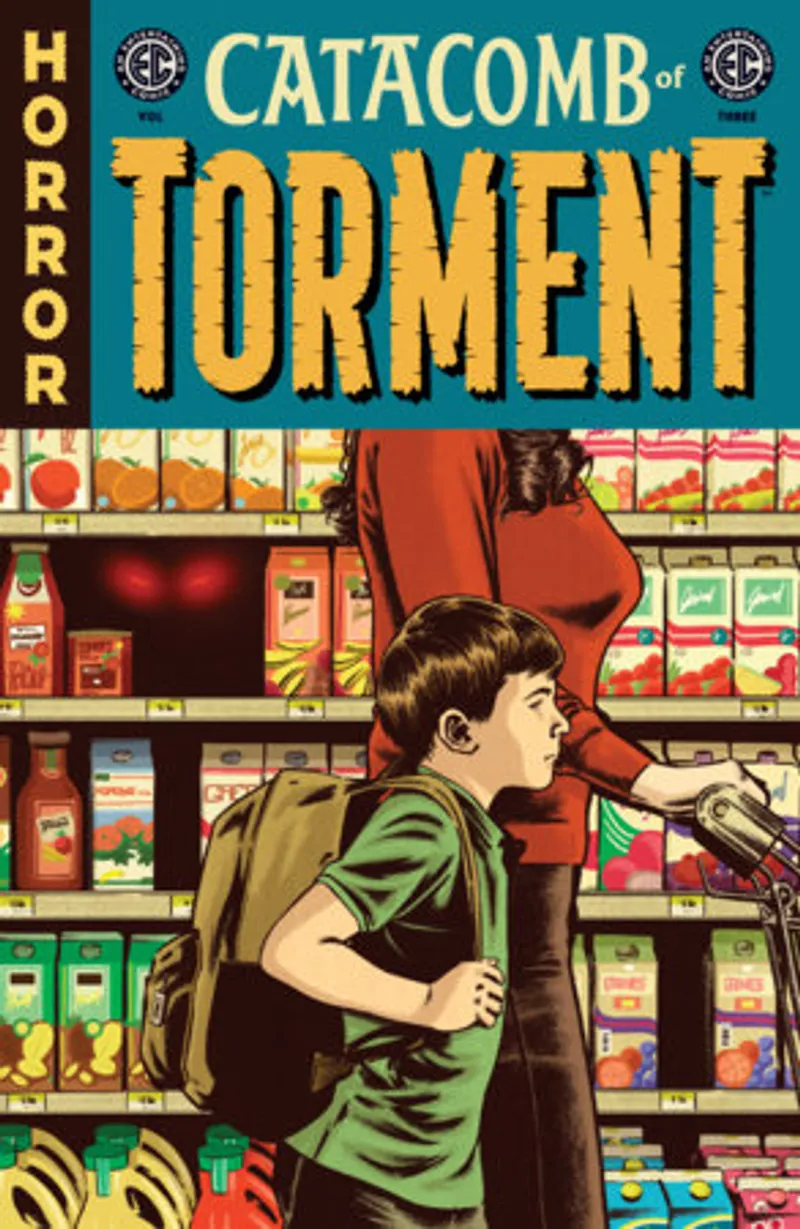
EC Catacomb of Torment Vol. 3 Author: Jude Ellison S. DoylePage Count: UnknownPublication Date: 2027-PRH In the hauntingly dark realm of EC Catacomb of Torment Vol. 3, Jude Ellison S. Doyle masterfully weaves a macabre tapestry that ensnares readers, transporting them to a world of unrelenting despair and terror. As the latest installment in the series, this volume promises to escalate the stakes, plunging its characters – and readers – into an abyss of unmitigated suffering. From the onset, it becomes apparent that Doyle's writing style is akin to a maestro conducting a symphony of dread. With each turn of the page, the tension builds, orchestrated by the author's deliberate pacing and masterful manipulation of language. The narrative is a slow-burning fire that gradually consumes the reader, leaving them gasping for air as the horrors unfold. One of the most striking aspects of EC Catacomb of Torment Vol. 3 is its exploration of the human condition. Doyle delves into the darkest recesses of the human psyche, exposing the deepest, most primal fears that lie within. The characters, flawed and vulnerable, are thrust into a maelstrom of terror, forcing them to confront the very essence of their existence. This introspection serves as a stark reminder that, despite our attempts to present a façade of strength and resilience, we are all fragile, susceptible to the whims of fate. Doyle's use of the catacomb as a setting is a stroke of genius. The labyrinthine tunnels and chambers serve as a physical manifestation of the characters' inner turmoil, a constant reminder of the claustrophobic nature of their predicament. The author's vivid descriptions of the catacomb's dank, musty atmosphere and the unsettling sounds that echo through its corridors effectively create a sense of unease, drawing the reader into the heart of the horror. Throughout the narrative, Doyle's prose is akin to a scalpel, precision-crafted to dissect the characters' emotions and lay bare their deepest fears. The writing is visceral, evocative, and unflinching, making it impossible for readers to look away from the carnage unfolding before them. The author's refusal to shy away from the gruesome and the disturbing serves as a testament to their commitment to crafting a genuinely terrifying experience. If there is a criticism to be levied, it is that EC Catacomb of Torment Vol. 3 is not for the faint of heart. Doyle's unflinching portrayal of violence and terror may prove too intense for some readers, and the narrative's deliberate pacing may test the patience of those accustomed to a more rapid-fire approach to storytelling. Ultimately, EC Catacomb of Torment Vol. 3 is a triumph of modern horror writing. Doyle's masterful command of language and atmosphere has resulted in a narrative that is as unsettling as it is thought-provoking. This is a book that will linger in the reader's psyche long after the final page has been turned, its horrors echoing through the chambers of the mind like the whispers of the damned. #ECCatacombOfTorment #JudeEllisonSDoyle #HorrorFiction #DarkFantasy #CatacombTerrors #TormentAndTerror
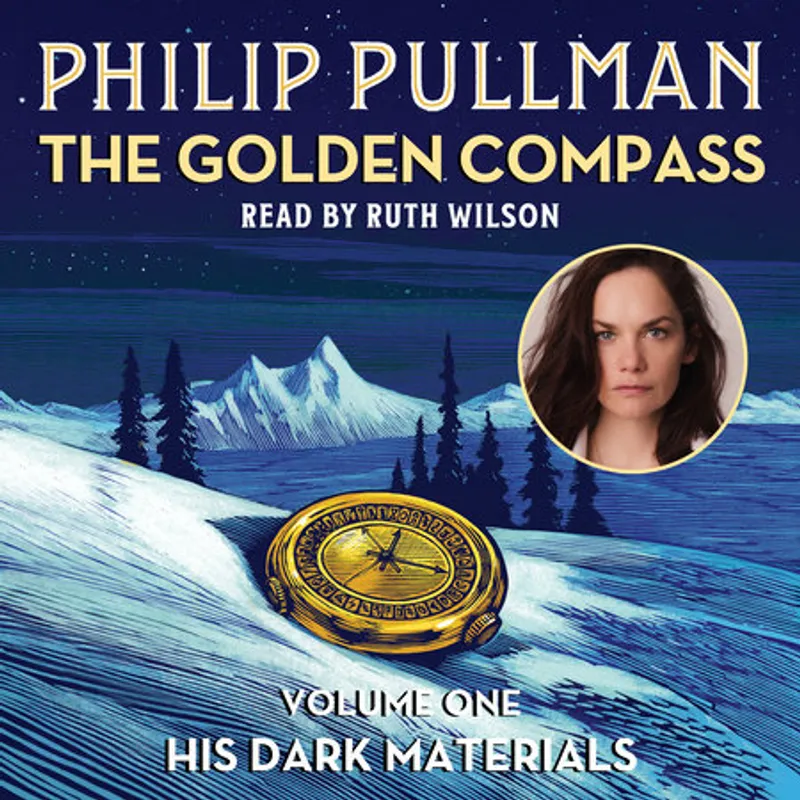
His Dark Materials: The Golden Compass (Book 1) Author: Philip PullmanPage Count: UnknownPublication Date: 2024-PRH The Golden Compass, the first installment in Philip Pullman's His Dark Materials series, is a thought-provoking and imaginative tale that whisks readers away to a world of wonder and magic. Set in a parallel universe, this modern fantasy classic weaves a complex narrative that explores the intricate relationships between power, identity, and morality. With its richly detailed world-building and compelling characters, Pullman's masterpiece has captivated audiences of all ages, earning its place as a #1 New York Times Bestseller and a staple in the fantasy genre. At the heart of the story is Lyra, a fiercely independent and determined young heroine who embarks on a perilous journey to the far North in search of her friend Roger. As she navigates the treacherous landscape of witch clans, armored bears, and sinister forces, Lyra must confront her own demons and make difficult choices that will test her courage and loyalty. Through Lyra's eyes, Pullman skillfully explores the themes of identity, belonging, and the struggle for self-discovery, raising important questions about the nature of power and the consequences of one's actions. One of the most striking aspects of Pullman's writing style is his ability to craft a world that is both fantastical and eerily familiar. The universe he creates is replete with intricate details, from the daemon familiars that accompany each human character to the mysterious alethiometer that holds the secrets of the universe. Pullman's world-building is meticulous and immersive, drawing readers into a realm that is both wondrous and terrifying. His use of language is equally impressive, with a narrative voice that is both lyrical and accessible, making the story feel both epic in scope and intimate in its characterizations. Throughout the book, Pullman's exploration of complex moral themes is unflinching and thought-provoking. He raises important questions about the nature of power, the dangers of zealotry, and the importance of empathy and compassion. The novel's central conflict, which pits Lyra's desire to rescue her friend against her growing awareness of the larger stakes, serves as a powerful metaphor for the struggles we face in our own world. As Lyra navigates the treacherous landscape of adult politics and intrigue, she must confront the harsh realities of a world that is often cruel and unforgiving. Pullman's writing is also notable for its subtlety and nuance. He eschews simplistic moralities and easy answers, instead opting for a more ambiguous and complex exploration of human nature. His characters are multidimensional and flawed, with motivations that are often murky and multifaceted. This moral ambiguity lends the story a sense of depth and richness, making it feel both timely and timeless. In short, The Golden Compass is a masterpiece of fantasy literature that will appeal to readers of all ages. With its richly detailed world-building, compelling characters, and thought-provoking themes, it is a book that will resonate with anyone who has ever felt like an outsider or struggled to find their place in the world. As a work of fantasy, it is both a thrilling adventure and a powerful exploration of the human condition. Whether you are a seasoned fan of the genre or just discovering the series, The Golden Compass is a must-read that will leave you breathless and eager for more. #HisDarkMaterials #TheGoldenCompass #PhilipPullman #FantasyLiterature #YoungAdultFiction #BookLovers Related InsightsAn Emotion of Great Delight Book Review and Summary The Son of Neptune Book Review and Summary Great Big Beautiful Life Book Review and Summary{ "@context": "https://schema.org", "@type": "FAQPage", "mainEntity": [ { "@type": "Question", "name": "What is the main focus of The Golden Compass Book Review and Summary?", "acceptedAnswer": { "@type": "Answer", "text": "Everything you need to know about The Golden Compass with our detailed review." } }, { "@type": "Question", "name": "Who authored the comprehensive guide on The Golden Compass Book Review and Summary?", "acceptedAnswer": { "@type": "Answer", "text": "This detailed article and its insights were carefully researched and authored by Philip Pullman." } }, { "@type": "Question", "name": "Where can I find more related content about Books?", "acceptedAnswer": { "@type": "Answer", "text": "You can explore more articles, detailed reviews, and similar insights by browsing the Related Insights section at the bottom of this article or visiting our dedicated Books category page." } } ] }
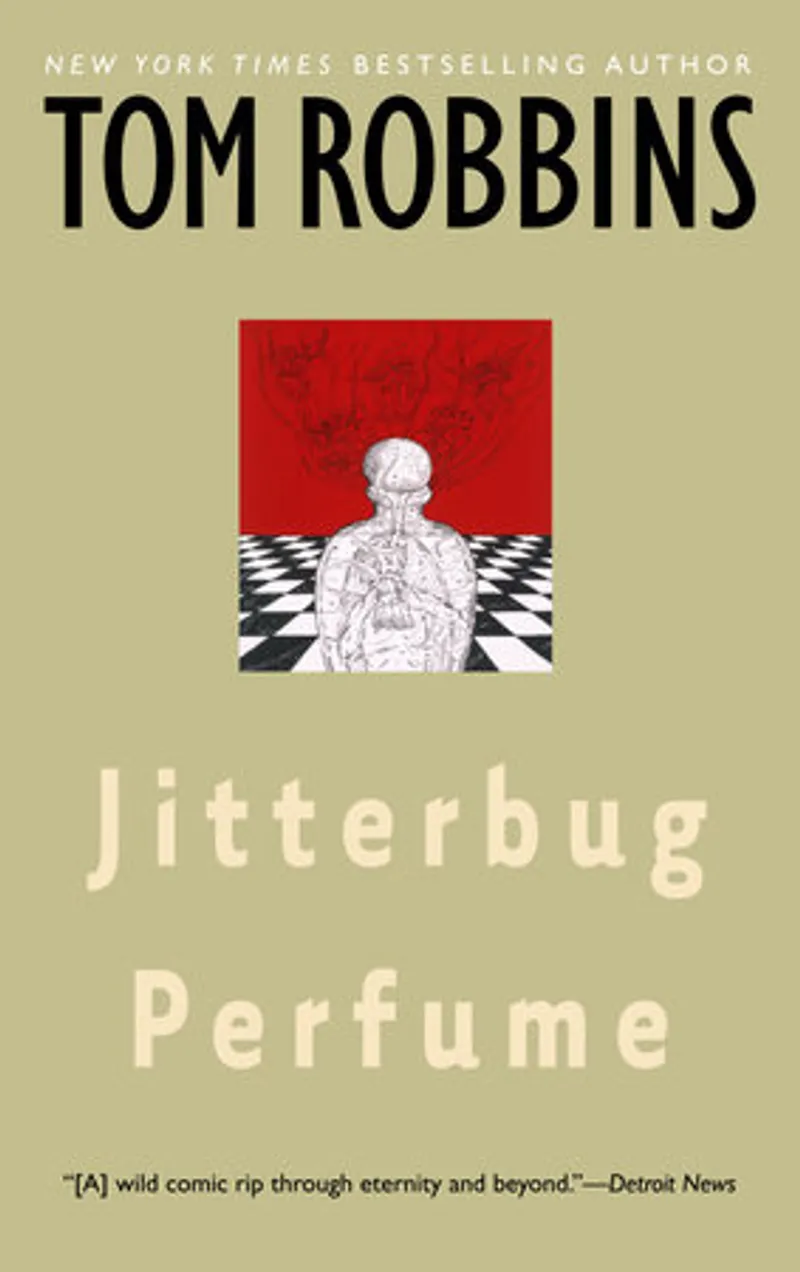
Jitterbug Perfume Author: Tom RobbinsPage Count: UnknownPublication Date: 1990-PRH Tom Robbins' 1990 novel, Jitterbug Perfume, is a mesmerizing tale that defies conventional boundaries of time and space. This epic saga whisks readers away on a fantastical journey, traversing the mystical forests of ancient Bohemia to the vibrant streets of modern-day Paris. At its core, Jitterbug Perfume is a thought-provoking exploration of the human quest for immortality, love, and the essence of life. Through the eyes of a humble janitor, Priscilla, Robbins masterfully weaves a complex narrative that delves into the mysteries of the universe. The janitor's missing bottle, adorned with the image of a goat-horned god, becomes the catalyst for a thrilling adventure that spans centuries. As the story unfolds, Robbins' vivid descriptions and poetic prose transport readers to a world where the past, present, and future converge. One of the most striking aspects of Jitterbug Perfume is Robbins' unique writing style, which blends elements of magical realism, humor, and philosophical introspection. His use of language is both playful and profound, making the novel a true page-turner. With each turn of the page, readers are treated to a rich tapestry of characters, from the enigmatic Priscilla to the charismatic Alobar, a medieval alchemist with a penchant for the extraordinary. Throughout the novel, Robbins explores the human condition, probing the depths of love, desire, and the pursuit of eternal life. The characters' quests for immortality serve as a backdrop for Robbins' witty commentary on the human experience, revealing the absurdities and contradictions that make us human. As the story hurtles towards its climax, Robbins' masterful storytelling raises fundamental questions about the nature of existence and our place within the universe. Jitterbug Perfume is a novel that will appeal to fans of literary fiction, fantasy, and adventure. Robbins' writing is both accessible and sophisticated, making the book an excellent choice for readers seeking a challenging yet rewarding experience. While the novel's themes and characters are complex, the narrative is engaging and easy to follow, with Robbins' clever plot twists and turns keeping readers on the edge of their seats. In conclusion, Jitterbug Perfume is a captivating novel that will leave readers spellbound and inspired. Tom Robbins' unique writing style, coupled with his thought-provoking exploration of the human condition, makes this book a must-read for anyone seeking a truly unforgettable literary experience. #JitterbugPerfume #TomRobbins #MagicalRealism #EpicSaga #ImmortalityAndLove #LiteraryFiction Related InsightsLolita Book Review and Summary The City We Became Book Review and Summary Trad Wife Book Review and Summary{ "@context": "https://schema.org", "@type": "FAQPage", "mainEntity": [ { "@type": "Question", "name": "What is the main focus of Jitterbug Perfume Book Review and Summary?", "acceptedAnswer": { "@type": "Answer", "text": "Everything you need to know about Jitterbug Perfume with our detailed review." } }, { "@type": "Question", "name": "Who authored the comprehensive guide on Jitterbug Perfume Book Review and Summary?", "acceptedAnswer": { "@type": "Answer", "text": "This detailed article and its insights were carefully researched and authored by Tom Robbins." } }, { "@type": "Question", "name": "Where can I find more related content about Books?", "acceptedAnswer": { "@type": "Answer", "text": "You can explore more articles, detailed reviews, and similar insights by browsing the Related Insights section at the bottom of this article or visiting our dedicated Books category page." } } ] }
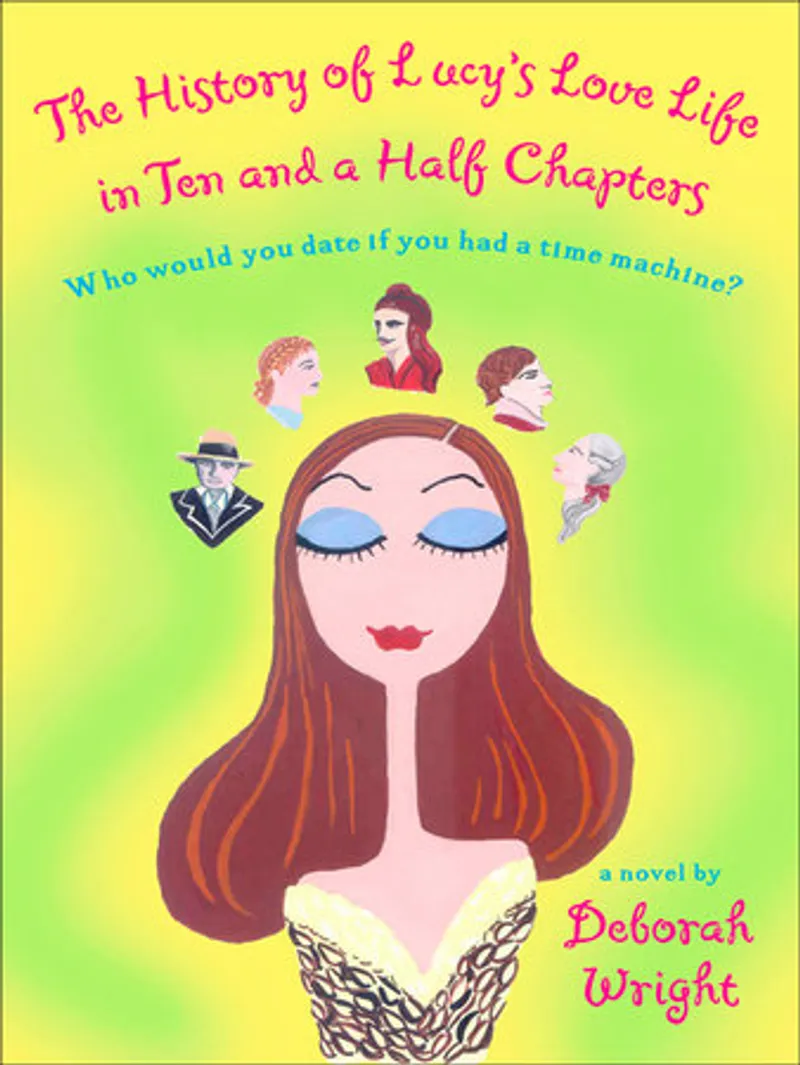
The History of Lucy's Love Life in Ten and a Half Chapters Author: Deborah WrightPage Count: UnknownPublication Date: 2008-PRH The History of Lucy's Love Life in Ten and a Half Chapters, penned by Deborah Wright, is a captivating and humorous exploration of the complexities of love, relationships, and the eternal quest for the perfect partner. This enchanting novel whisks readers away on a thrilling adventure through time, as Lucy, the lovable and spirited protagonist, embarks on a journey to find her ideal match among the most legendary lovers of the past. Wright's writing style is witty, engaging, and effortlessly charming, making it impossible not to be drawn into Lucy's world. With a keen eye for detail and a deep understanding of the human heart, Wright masterfully weaves a narrative that is both poignant and laugh-out-loud funny. Her use of language is evocative and expressive, conjuring vivid images of the characters and settings that leap off the page. At its core, The History of Lucy's Love Life is a story about the search for connection, meaning, and true love. Lucy's exploits, though often hilarious and far-fetched, serve as a clever vehicle for exploring the intricacies of relationships and the human experience. As she navigates her way through a series of romantic misadventures with historical figures, Lucy begins to realize that the perfect partner may not be a famous poet or a dashing aristocrat, but someone who truly understands and appreciates her for who she is. One of the most striking aspects of Wright's writing is her ability to balance lighthearted humor with deeper insights into the human condition. Lucy's struggles to find love and fulfillment are relatable and authentic, making her a deeply endearing and sympathetic character. The supporting cast, including the enigmatic newsstand vendor and the hapless Anthony, adds depth and complexity to the narrative, rounding out the story with a rich tapestry of characters. Throughout the book, Wright's passion for history and literature shines through, as she seamlessly weaves together references to famous authors, poets, and historical events. The result is a narrative that is both entertaining and informative, making The History of Lucy's Love Life a true delight for book lovers and history buffs alike. In short, The History of Lucy's Love Life in Ten and a Half Chapters is a captivating, humorous, and poignant exploration of love, relationships, and the human experience. Deborah Wright's writing is engaging, witty, and effortlessly charming, making this novel a must-read for anyone looking for a lighthearted yet meaningful tale of self-discovery and romance. #TimeTravelRomance #LoveInBloom #HistoricalFiction #ChickLit #RelationshipGoals #TheSearchForTrueLove Related InsightsShadow and Bone Book Review and Summary Mary Poppins Book Review and Summary Bridget Jones’s Diary Book Review and Summary{ "@context": "https://schema.org", "@type": "FAQPage", "mainEntity": [ { "@type": "Question", "name": "What is the main focus of The History of Love Book Review and Summary?", "acceptedAnswer": { "@type": "Answer", "text": "Everything you need to know about The History of Love with our detailed review." } }, { "@type": "Question", "name": "Who authored the comprehensive guide on The History of Love Book Review and Summary?", "acceptedAnswer": { "@type": "Answer", "text": "This detailed article and its insights were carefully researched and authored by Nicole Krauss." } }, { "@type": "Question", "name": "Where can I find more related content about Books?", "acceptedAnswer": { "@type": "Answer", "text": "You can explore more articles, detailed reviews, and similar insights by browsing the Related Insights section at the bottom of this article or visiting our dedicated Books category page." } } ] }
The Coming Insurrection Author: The Invisible CommitteePage Count: UnknownPublication Date: 2009-PRH The Coming Insurrection, penned by the enigmatic Invisible Committee, is a clarion call to arms that shatters the complacent veneer of modern society. This provocative treatise, born from the tumultuous social landscape of France and Europe, presents a scathing indictment of the economic status quo and the Left's ineffectual reformism. With elegance and precision, the authors weave a compelling narrative that converges on a singular, revolutionary imperative: the total rejection of the existing order and the creation of a new, self-organized world. Written in the aftermath of the 2005 Parisian riots and in anticipation of the burgeoning resistance movements that would soon sweep across Europe, The Coming Insurrection is a battle cry that resonates with the disillusioned and the disenfranchised. The authors, drawing inspiration from the Italian movement of '77, posit an ethics of resistance that valorizes theft, sabotage, and the refusal to work as legitimate forms of protest. This is not a call for mere reform, but a radical, existential transformation that seeks to supplant the dominant ideology with a new, communal way of living. One of the most striking aspects of The Coming Insurrection is its lyrical, almost poetic prose. The authors' writing is imbued with a sense of urgency and passion, as if the words themselves were a form of incendiary device, designed to ignite the flames of rebellion in the hearts of readers. This is not a dry, academic treatise, but a living, breathing manifesto that pulses with the rhythm of the streets. The Invisible Committee's style is reminiscent of Guy Debord, the Situationist philosopher, and it is easy to see why the French government has proclaimed this book a manual for terrorism. Yet, as one of the authors notes, the group's aim is not to foment violence, but to "denounce contemporary cynicism and reality." This is a call to awaken, to recognize the inherent contradictions of the economic system, and to join the growing ranks of those who refuse to participate in the charade. The Coming Insurrection is a book that will polarize readers, and it is likely that many will find its message too radical, too extreme. However, for those who are willing to listen, who are willing to question the dominant narrative, this book offers a glimpse of a different world, a world that is possible, but not yet visible. In short, The Coming Insurrection is a searing indictment of modern society, a call to arms that challenges readers to rethink their assumptions about the economy, politics, and life. It is a book that will inspire, provoke, and disturb, but ultimately, it is a testament to the human spirit's capacity for resistance, creativity, and transformation. #TheComingInsurrection #InvisibleCommittee #Anarchism #AntiCapitalism #SocialRevolution #ResistanceLiterature Related InsightsLock Every Door Book Review and Summary The Kaiju Preservation Society Book Review and Summary Dream Town Book Review and Summary{ "@context": "https://schema.org", "@type": "FAQPage", "mainEntity": [ { "@type": "Question", "name": "What is the main focus of The Invisible Life of Addie LaRue Book Review and Summary?", "acceptedAnswer": { "@type": "Answer", "text": "Everything you need to know about The Invisible Life of Addie LaRue with our detailed review." } }, { "@type": "Question", "name": "Who authored the comprehensive guide on The Invisible Life of Addie LaRue Book Review and Summary?", "acceptedAnswer": { "@type": "Answer", "text": "This detailed article and its insights were carefully researched and authored by V.E. Schwab." } }, { "@type": "Question", "name": "Where can I find more related content about Books?", "acceptedAnswer": { "@type": "Answer", "text": "You can explore more articles, detailed reviews, and similar insights by browsing the Related Insights section at the bottom of this article or visiting our dedicated Books category page." } } ] }
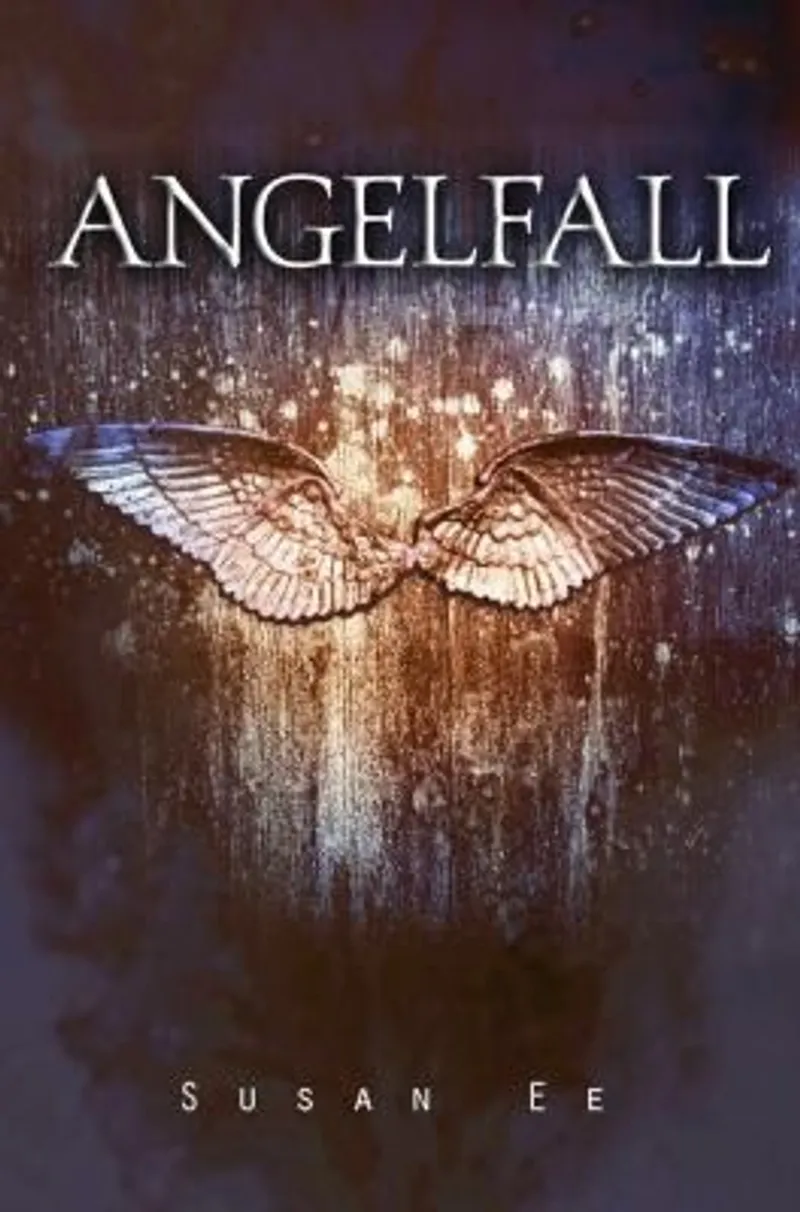
Angelfall Author: Susan EePage Count: UnknownPublication Date: 2012-OL Angelfall by Susan Ee is a gripping post-apocalyptic thriller that blends raw survival instincts with supernatural stakes, delivering a relentless narrative that keeps readers on the edge of their seats. Set in a world ravaged by angelic warfare, the story follows Penryn, a fiercely determined teenage girl who will stop at nothing to rescue her disabled younger sister from the clutches of warrior angels. Ee crafts a dystopian landscape where humanity is on the brink of extinction, and the remnants of society cling to survival through violence, desperation, and uneasy alliances. What makes Angelfall stand out is its unflinching portrayal of survival in a world where the rules have been rewritten by celestial beings. The angels are not benevolent guardians but ruthless predators, their descent marking the collapse of civilization. Penryn’s journey is one of brutal pragmatism—she’s not a hero in the traditional sense but a survivor who makes morally ambiguous choices to protect her family. Her determination is both inspiring and terrifying, as she navigates a world where trust is a luxury and violence is the default language. Ee’s writing style is sharp and immersive, with a pace that never lets up. The prose is direct and visceral, mirroring the harsh realities of Penryn’s world. There’s a raw intensity to her descriptions, whether it’s the gory aftermath of angelic battles or the quiet moments of vulnerability between Penryn and Raffe, the fallen angel she reluctantly teams up with. Their dynamic is one of the book’s strongest elements—an uneasy partnership built on mutual need rather than friendship. Raffe, with his brooding presence and hidden vulnerabilities, adds depth to the story, challenging Penryn’s worldview and forcing her to confront her own prejudices. The theme of sacrifice permeates the narrative. Penryn’s willingness to endure unimaginable horrors for her sister’s sake is the emotional core of the story. It’s a testament to the lengths a person will go to protect what they love, even when hope seems lost. The angels, too, are not one-dimensional villains; they have their own agendas, their own battles, and their own sacrifices to make. This complexity elevates the story beyond a simple good vs. evil tale, making it a nuanced exploration of power, loyalty, and the cost of survival. Ee doesn’t shy away from the darker aspects of her world. Profanity and violence are woven into the fabric of the story, reflecting the brutality of Penryn’s reality. There are moments of shocking cruelty, but they serve to underscore the stakes—this is a world where mercy is a liability, and only the ruthless thrive. Yet, amidst the darkness, there are glimpses of humanity’s resilience. Penryn’s bond with her sister, her unwavering love despite the horrors around her, is a beacon of hope in an otherwise bleak landscape. Angelfall is a book that demands to be devoured in one sitting. It’s a story that lingers, not just for its high-octane action but for its emotional weight. Penryn is a protagonist who defies the typical hero archetype—she’s flawed, sometimes ruthless, but always driven by love. Her journey is a testament to the power of family and the lengths one will go to protect it. Susan Ee’s debut novel is a masterclass in post-apocalyptic storytelling, blending supernatural elements with gritty realism. It’s a book that will appeal to fans of dystopian fiction, action thrillers, and stories about survival against impossible odds. Angelfall isn’t just a story about angels and demons—it’s a story about what it means to be human in a world that has forgotten humanity. #Angelfall #PostApocalyptic #SupernaturalThriller #SusanEe #YAFantasy #DystopianFiction Related InsightsAtlas of the Heart Book Review and Summary Oliver Twist Book Review and Summary City of Fallen Angels Book Review and Summary{ "@context": "https://schema.org", "@type": "FAQPage", "mainEntity": [ { "@type": "Question", "name": "What is the main focus of Angelfall Book Review and Summary?", "acceptedAnswer": { "@type": "Answer", "text": "Everything you need to know about Angelfall with our detailed review." } }, { "@type": "Question", "name": "Who authored the comprehensive guide on Angelfall Book Review and Summary?", "acceptedAnswer": { "@type": "Answer", "text": "This detailed article and its insights were carefully researched and authored by Susan Ee." } }, { "@type": "Question", "name": "Where can I find more related content about Books?", "acceptedAnswer": { "@type": "Answer", "text": "You can explore more articles, detailed reviews, and similar insights by browsing the Related Insights section at the bottom of this article or visiting our dedicated Books category page." } } ] }
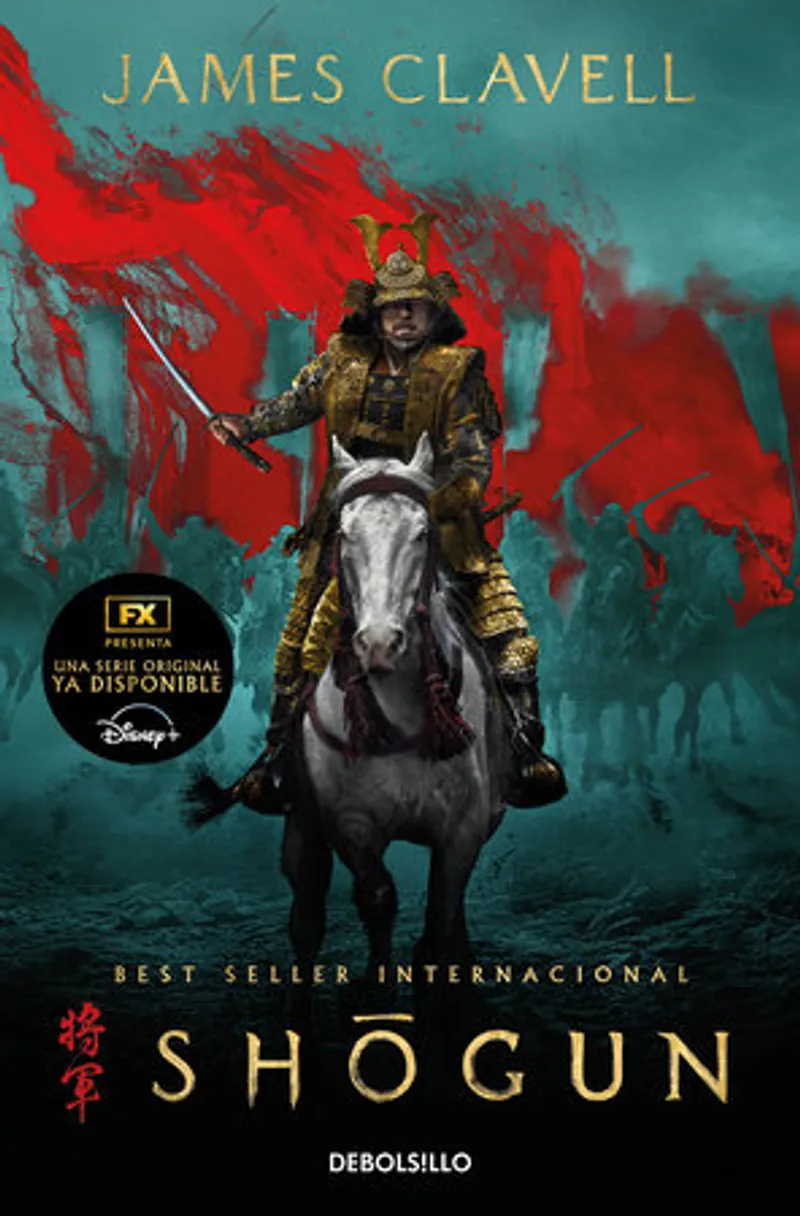
Shogun (Spanish Edition) Author: James ClavellPage Count: UnknownPublication Date: 2024-PRH In the realm of historical fiction, few authors have managed to captivate readers with the same level of mastery as James Clavell. His magnum opus, Shogun, is a testament to his unparalleled skill in weaving a narrative that transports readers to a bygone era, immersing them in the intricacies of a foreign culture and the complexities of the human experience. Set in 17th-century Japan, Shogun tells the story of John Blackthorne, an Englishman who finds himself lost at sea and awakens in a land few Europeans have ever seen. As he navigates the treacherous waters of Japanese politics and culture, Blackthorne is forced to confront his own definitions of morality, truth, and freedom. Clavell's masterful storytelling seamlessly blends action, drama, and historical detail, creating a rich tapestry that is both engrossing and thought-provoking. One of the most striking aspects of Shogun is its ability to balance the grandeur of historical epic with the intimacy of personal drama. Clavell's prose is economical yet evocative, conjuring the sights, sounds, and smells of feudal Japan with remarkable precision. From the opulent ceremonies of the imperial court to the brutal realities of the samurai code, every detail is meticulously researched and vividly rendered. At its core, Shogun is a novel about cultural clashes and the transformative power of experience. Blackthorne's journey is a metaphor for the disorienting effects of cultural immersion, as he struggles to reconcile his European values with the alien customs of Japan. Through his eyes, we witness the intricate dance of politics and protocol, the subtle nuances of Japanese etiquette, and the brutal efficiency of the samurai. Clavell's writing style is characterized by a unique blend of lyricism and brutality, reflecting the contradictions of human nature. His characters are multidimensional and complex, driven by a rich inner life that is both relatable and fascinating. Blackthorne, in particular, is a masterfully drawn protagonist, whose flaws and strengths are expertly woven into the narrative. Shogun is a novel that defies easy categorization, blending elements of adventure, romance, and historical fiction to create a work that is both timeless and timely. Its themes of cultural identity, moral ambiguity, and personal transformation continue to resonate with readers today, making it a work of enduring relevance and power. In short, Shogun is a masterpiece of historical fiction that will captivate readers with its richly detailed world-building, complex characters, and thought-provoking themes. If you haven't already, join the millions of readers who have been swept up in Clavell's epic saga, and discover why Shogun remains one of the most beloved and enduring novels of all time. #Shogun #JamesClavell #HistoricalFiction #FeudalJapan #CulturalClash #EpicNovel Related InsightsCity of Ghosts Book Review and Summary The Bean Trees Book Review and Summary Next Goal Wins! Book Review and Summary{ "@context": "https://schema.org", "@type": "FAQPage", "mainEntity": [ { "@type": "Question", "name": "What is the main focus of Shōgun Book Review and Summary?", "acceptedAnswer": { "@type": "Answer", "text": "Everything you need to know about Shōgun with our detailed review." } }, { "@type": "Question", "name": "Who authored the comprehensive guide on Shōgun Book Review and Summary?", "acceptedAnswer": { "@type": "Answer", "text": "This detailed article and its insights were carefully researched and authored by James Clavell." } }, { "@type": "Question", "name": "Where can I find more related content about Books?", "acceptedAnswer": { "@type": "Answer", "text": "You can explore more articles, detailed reviews, and similar insights by browsing the Related Insights section at the bottom of this article or visiting our dedicated Books category page." } } ] }
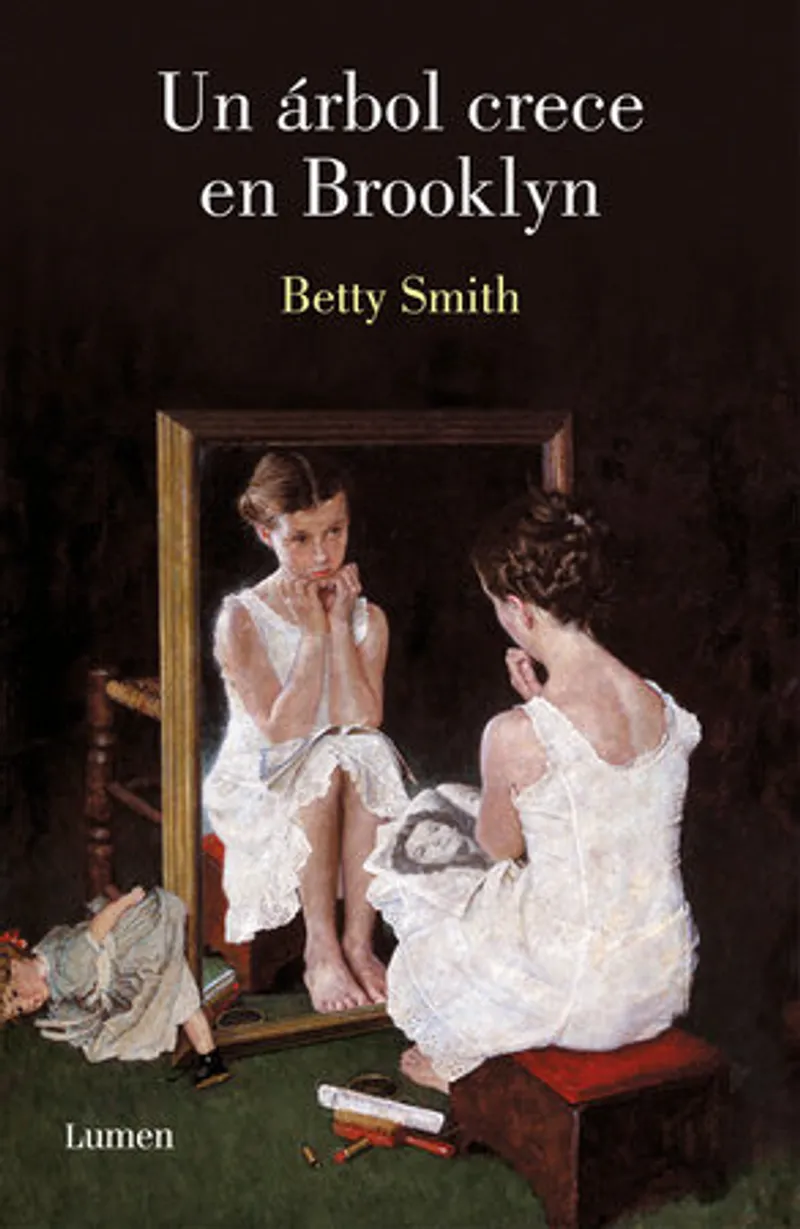
Un árbol crece en Brooklyn / A Tree Grows in Brooklyn Author: Betty SmithPage Count: UnknownPublication Date: 2019-PRH A Tree Grows in Brooklyn, the timeless classic by Betty Smith, is a poignant and powerful portrayal of a young girl's coming-of-age in the early 20th century. Set against the backdrop of Williamsburg, Brooklyn, this masterpiece weaves a rich tapestry of family, love, and resilience, leaving an indelible mark on the reader's heart. At its core, the novel is a tribute to the human spirit's capacity to thrive in the face of adversity. Francie Nolan, the protagonist, is a symbol of hope and determination, her life a testament to the enduring power of dreams and aspirations. Through Francie's eyes, we witness the harsh realities of poverty, the struggles of her family, and the cruel judgments of their community. Yet, amidst the hardships, we also see the beauty of family bonds, the comfort of love, and the solace of literature. Betty Smith's writing is a masterclass in subtlety and nuance. Her prose is deceptively simple, yet it belies a profound depth and complexity. With a keen eye for detail, she captures the rhythms of everyday life, the cadence of conversations, and the textures of emotions. Her characters are multidimensional and relatable, their flaws and strengths rendered with unflinching honesty. The Nolan family, with all their eccentricities and frailties, becomes our own, their struggles and triumphs resonating deeply within us. One of the novel's greatest strengths is its ability to balance the bleakness of poverty with the beauty of the human experience. Smith never shies away from the harsh realities of life, yet she also never loses sight of the hope and dignity that defines us. This delicate balance is a testament to her skill as a writer and her profound understanding of the human condition. A Tree Grows in Brooklyn is also a powerful exploration of the American Dream, a concept that has captivated and eluded generations of Americans. Francie's aspirations, her desire for a better life, and her determination to succeed are all rooted in this dream. Yet, the novel also acknowledges the illusion of this dream, the ways in which it can be both alluring and unattainable. This nuanced portrayal of the American Dream is a powerful commentary on the human condition, a reminder that our aspirations are often tempered by the realities of our circumstances. In conclusion, A Tree Grows in Brooklyn is a masterpiece of American literature, a novel that has captivated readers for generations. Its themes of hope, resilience, and the human condition are timeless and universal, its characters and storylines rendered with a depth and nuance that is both moving and profound. If you haven't already, do yourself a favor and immerse yourself in the world of Francie Nolan and her family. It's a journey you won't soon forget. #ATreeGrowsInBrooklyn #ClassicAmericanLiterature #ComingOfAgeStory #TheAmericanDream #PovertyAndResilience #TimelessNovels Related InsightsOne Perfect Couple Book Review and Summary Longitude Book Review and Summary Mortal Things Book Review and Summary{ "@context": "https://schema.org", "@type": "FAQPage", "mainEntity": [ { "@type": "Question", "name": "What is the main focus of A Tree Grows in Brooklyn Book Review and Summary?", "acceptedAnswer": { "@type": "Answer", "text": "Everything you need to know about A Tree Grows in Brooklyn with our detailed review." } }, { "@type": "Question", "name": "Who authored the comprehensive guide on A Tree Grows in Brooklyn Book Review and Summary?", "acceptedAnswer": { "@type": "Answer", "text": "This detailed article and its insights were carefully researched and authored by Betty Smith." } }, { "@type": "Question", "name": "Where can I find more related content about Books?", "acceptedAnswer": { "@type": "Answer", "text": "You can explore more articles, detailed reviews, and similar insights by browsing the Related Insights section at the bottom of this article or visiting our dedicated Books category page." } } ] }
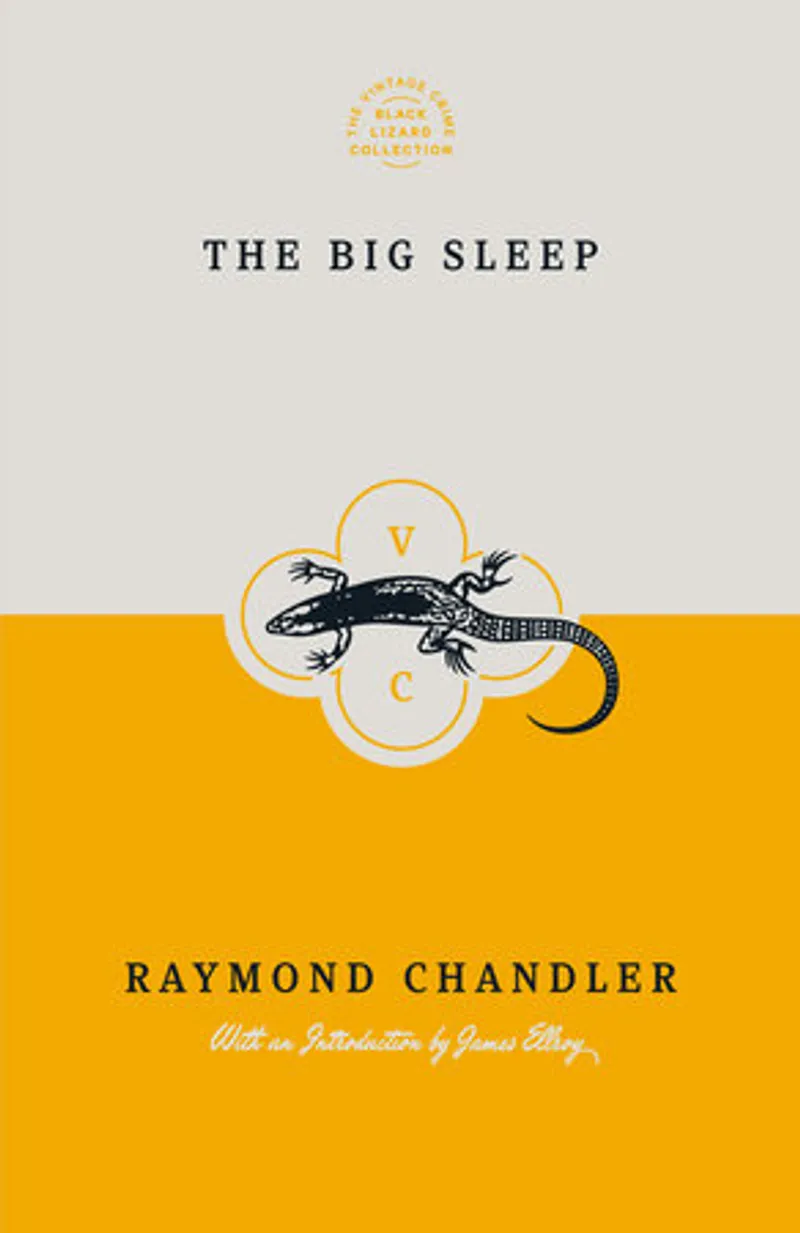
The Big Sleep (Special Edition) Author: Raymond ChandlerPage Count: UnknownPublication Date: 2022-PRH The Big Sleep, a seminal work of crime fiction by the inimitable Raymond Chandler, has been reissued in a special edition, complete with an introduction by the acclaimed author James Ellroy. This iconic novel, first published in 1939, marked the debut of Philip Marlowe, the quintessential urban private eye, and it remains a gripping and thought-provoking read to this day. On its surface, The Big Sleep is a complex and engaging mystery, replete with blackmail, kidnapping, pornography, seduction, and murder. The story begins with the ailing millionaire General Sternwood hiring Marlowe to handle a blackmailer who is preying on one of his two beautiful and wayward daughters, Carmen. As Marlowe delves deeper into the case, he finds himself entangled in a web of deceit, corruption, and violence that threatens to destroy the Sternwood family and everyone around them. However, beneath its intricate plot, The Big Sleep is a novel about the decay of moral values in a society obsessed with wealth, power, and pleasure. Chandler's vision of 1930s Los Angeles is a bleak and unforgiving one, where the corrupt and the depraved lurk in every shadow, and the rule of law is mere fiction. Through Marlowe's eyes, we witness a world where the lines between good and evil are constantly blurred, and where the only constant is the pursuit of self-interest. One of the key aspects of Chandler's writing style is his use of language, which is at once poetic and brutal. His prose is a masterclass in economy and precision, with a keen attention to detail that brings the city and its inhabitants to vivid life. The Big Sleep is full of memorable characters, from the enigmatic and alluring Vivian Sternwood to the sinister and manipulative Eddie Mars. Each one is drawn with a precision that makes them feel fully realized and three-dimensional. Chandler's greatest creation, of course, is Philip Marlowe himself, the iconic private eye who has become synonymous with the genre. Marlowe is a complex and deeply human character, driven by a strong sense of justice and a desire to do what is right, even in the face of overwhelming corruption and adversity. He is also a deeply romantic figure, haunted by his own demons and struggling to find his place in a world that seems determined to destroy him. The Big Sleep is a must-read for fans of crime fiction, and this special edition is a welcome addition to the Chandler canon. The introduction by James Ellroy provides valuable context and insights into the novel's themes and influences, and the book itself remains a gripping and thought-provoking read. If you haven't already, do yourself a favor and immerse yourself in Chandler's world of corruption, violence, and moral decay. It's a journey you won't soon forget. #TheBigSleep #RaymondChandler #PhilipMarlowe #CrimeFiction #NoirFiction #ClassicDetectiveNovels Related InsightsThree Kinds of Lucky Book Review and Summary Find Me Book Review and Summary Artemis Fowl Book Review and Summary{ "@context": "https://schema.org", "@type": "FAQPage", "mainEntity": [ { "@type": "Question", "name": "What is the main focus of The Big Sleep Book Review and Summary?", "acceptedAnswer": { "@type": "Answer", "text": "Everything you need to know about The Big Sleep with our detailed review." } }, { "@type": "Question", "name": "Who authored the comprehensive guide on The Big Sleep Book Review and Summary?", "acceptedAnswer": { "@type": "Answer", "text": "This detailed article and its insights were carefully researched and authored by Raymond Chandler." } }, { "@type": "Question", "name": "Where can I find more related content about Books?", "acceptedAnswer": { "@type": "Answer", "text": "You can explore more articles, detailed reviews, and similar insights by browsing the Related Insights section at the bottom of this article or visiting our dedicated Books category page." } } ] }
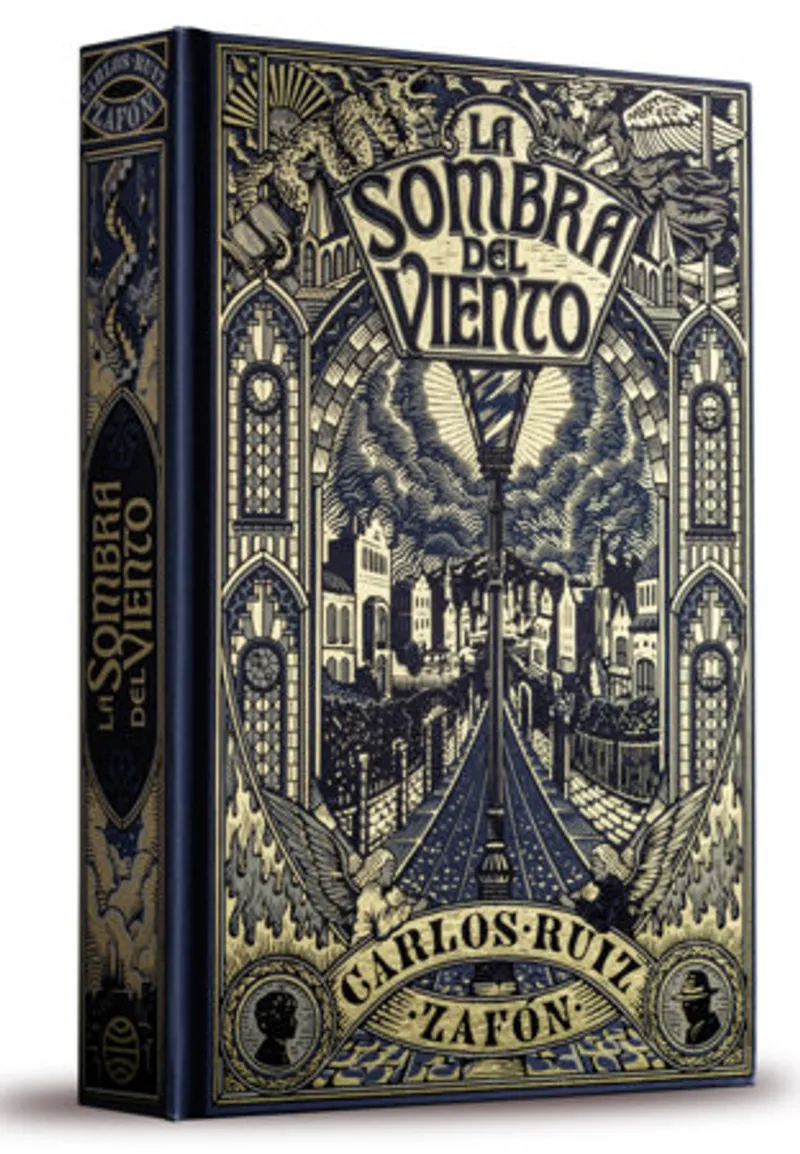
La sombra del viento (Edición Pop-up / 25 años) / The Shadow of the Wind (Pop-up Edition / 25th Anniversary) Author: Carlos Ruiz ZafónPage Count: UnknownPublication Date: 2026-PRH In the 25th anniversary edition of "The Shadow of the Wind," Carlos Ruiz Zafón masterfully weaves a captivating tale that delves into the mysterious and often dark world of literature. This pop-up edition is a testament to the author's unique storytelling ability, which has stood the test of time, and continues to enthrall readers of all ages. At its core, "The Shadow of the Wind" is a story about the transformative power of literature and the unbreakable bond between a reader and a book. Set in post-civil war Barcelona, the narrative follows a young boy named Daniel Sempere, who discovers a mysterious book in a secret library called the Cemetery of Forgotten Books. As Daniel delves deeper into the world of the book, he becomes obsessed with uncovering the truth about the author and the dark events that unfolded. Ruiz Zafón's writing style is a character in its own right, with vivid descriptions of the Gothic architecture of Barcelona and the musty scent of old books. His use of language is deliberate and evocative, drawing the reader into the world of the story and refusing to let go. The author's love of literature is palpable, and his passion for storytelling is infectious. One of the most striking aspects of "The Shadow of the Wind" is its exploration of the theme of memory and how it shapes our understanding of ourselves and the world around us. Through Daniel's journey, Ruiz Zafón highlights the importance of preserving the past, not just as a historical record, but as a way of understanding the complexities of human experience. The pop-up edition of "The Shadow of the Wind" is a beautiful tribute to the original novel, with intricate illustrations and clever design elements that bring the story to life in a new and exciting way. The edition is a must-have for fans of the book, and a wonderful introduction for new readers. In short, "The Shadow of the Wind" is a masterpiece of storytelling that will appeal to book lovers of all ages. With its richly atmospheric setting, memorable characters, and exploration of the transformative power of literature, this novel is a must-read for anyone who has ever fallen in love with a book. #TheShadowOfTheWind #CarlosRuizZafon #LiteraryFiction #BookLovers #CemeteryOfForgottenBooks #GothicLiterature Related InsightsOx Ghost Snake Demon Book Review and Summary Battle Ground Book Review and Summary Cursed City (Harker Academy, #2) Book Review and Summary{ "@context": "https://schema.org", "@type": "FAQPage", "mainEntity": [ { "@type": "Question", "name": "What is the main focus of The Shadow of the Wind Book Review and Summary?", "acceptedAnswer": { "@type": "Answer", "text": "Everything you need to know about The Shadow of the Wind with our detailed review." } }, { "@type": "Question", "name": "Who authored the comprehensive guide on The Shadow of the Wind Book Review and Summary?", "acceptedAnswer": { "@type": "Answer", "text": "This detailed article and its insights were carefully researched and authored by Carlos Ruiz Zafón." } }, { "@type": "Question", "name": "Where can I find more related content about Books?", "acceptedAnswer": { "@type": "Answer", "text": "You can explore more articles, detailed reviews, and similar insights by browsing the Related Insights section at the bottom of this article or visiting our dedicated Books category page." } } ] }
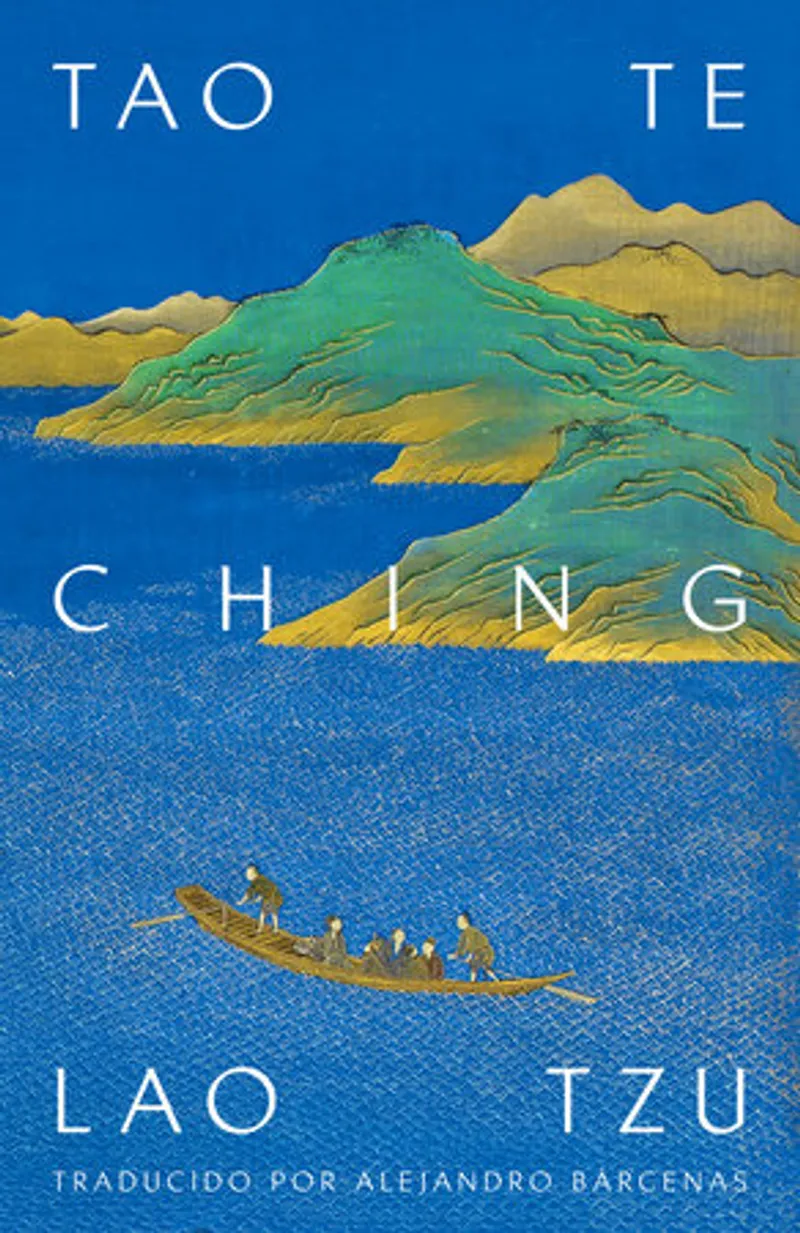
Tao te ching / Tao Te Ching Author: Lao TzuPage Count: UnknownPublication Date: 2019-PRH In the realm of spiritual and philosophical texts, few works have achieved the timeless relevance and profound impact of the Tao Te Ching. Attributed to the enigmatic Lao Tzu, this ancient Chinese masterpiece has been a guiding light for seekers of wisdom, peace, and harmony for centuries. The 2019 edition, skillfully translated by Alejandro Bárcenas, offers a fresh and meditative reading experience that invites readers to immerse themselves in the mysteries of the Tao. The Tao Te Ching is a paradoxical work that defies categorization. It is at once a spiritual guide, a philosophical treatise, and a poetic exploration of the human condition. Through its 81 verses, Lao Tzu reveals the Tao as the ultimate reality, the source of all existence, and the essence of the universe. The Tao is not a deity or a concept, but a lived experience that transcends the boundaries of language and rational understanding. One of the most striking aspects of the Tao Te Ching is its use of paradox and contradiction. Lao Tzu presents the Tao as a reality that is both being and non-being, something and nothing, action and inaction. This apparent ambiguity is, in fact, a deliberate strategy to awaken the reader to the limitations of language and the futility of conceptual thinking. The Tao Te Ching is an invitation to let go of our egoistic need for control and understanding, and to surrender to the mystery of existence. The author's style is characterized by simplicity, clarity, and a deep poetic sensibility. The verses are often brief, yet they convey a wealth of meaning and depth. Lao Tzu's use of imagery, metaphor, and analogy creates a dreamlike atmosphere that draws the reader into the world of the Tao. The text is also notable for its use of repetition, which serves to emphasize key themes and ideas, while also creating a sense of rhythm and musicality. The Tao Te Ching is a book that resists interpretation and analysis. It is a work that must be experienced, not just read. Lao Tzu's words are like seeds that must be planted in the soil of the reader's heart, where they can germinate and grow into a deeper understanding of the self and the world. This edition, with its beautiful translation and thoughtful introduction, provides a perfect opportunity for readers to embark on this journey of discovery. In a world torn apart by conflict, division, and chaos, the Tao Te Ching offers a message of hope and reconciliation. It reminds us that true peace and harmony can only be achieved by embracing the simplicity, humility, and openness of the Tao. As Lao Tzu so eloquently puts it, "The Tao does nothing, and yet nothing is left undone." In conclusion, the Tao Te Ching is a masterpiece of spiritual literature that continues to inspire and guide seekers of wisdom. This edition is a valuable addition to the existing translations, offering a fresh and meditative reading experience that will appeal to both newcomers and seasoned readers. Whether you are looking for a deeper understanding of the self, a sense of connection to the natural world, or simply a more authentic way of living, the Tao Te Ching is a book that will transform your life forever. #TaoTeChing #LaoTzu #SpiritualClassics #EasternPhilosophy #Mindfulness #InnerPeace Related InsightsLover Eternal Book Review and Summary Instant Classic Book Review and Summary Ashes of Austen Book Review and Summary{ "@context": "https://schema.org", "@type": "FAQPage", "mainEntity": [ { "@type": "Question", "name": "What is the main focus of Tao Te Ching Book Review and Summary?", "acceptedAnswer": { "@type": "Answer", "text": "Everything you need to know about Tao Te Ching with our detailed review." } }, { "@type": "Question", "name": "Who authored the comprehensive guide on Tao Te Ching Book Review and Summary?", "acceptedAnswer": { "@type": "Answer", "text": "This detailed article and its insights were carefully researched and authored by Lao Tzu." } }, { "@type": "Question", "name": "Where can I find more related content about Books?", "acceptedAnswer": { "@type": "Answer", "text": "You can explore more articles, detailed reviews, and similar insights by browsing the Related Insights section at the bottom of this article or visiting our dedicated Books category page." } } ] }
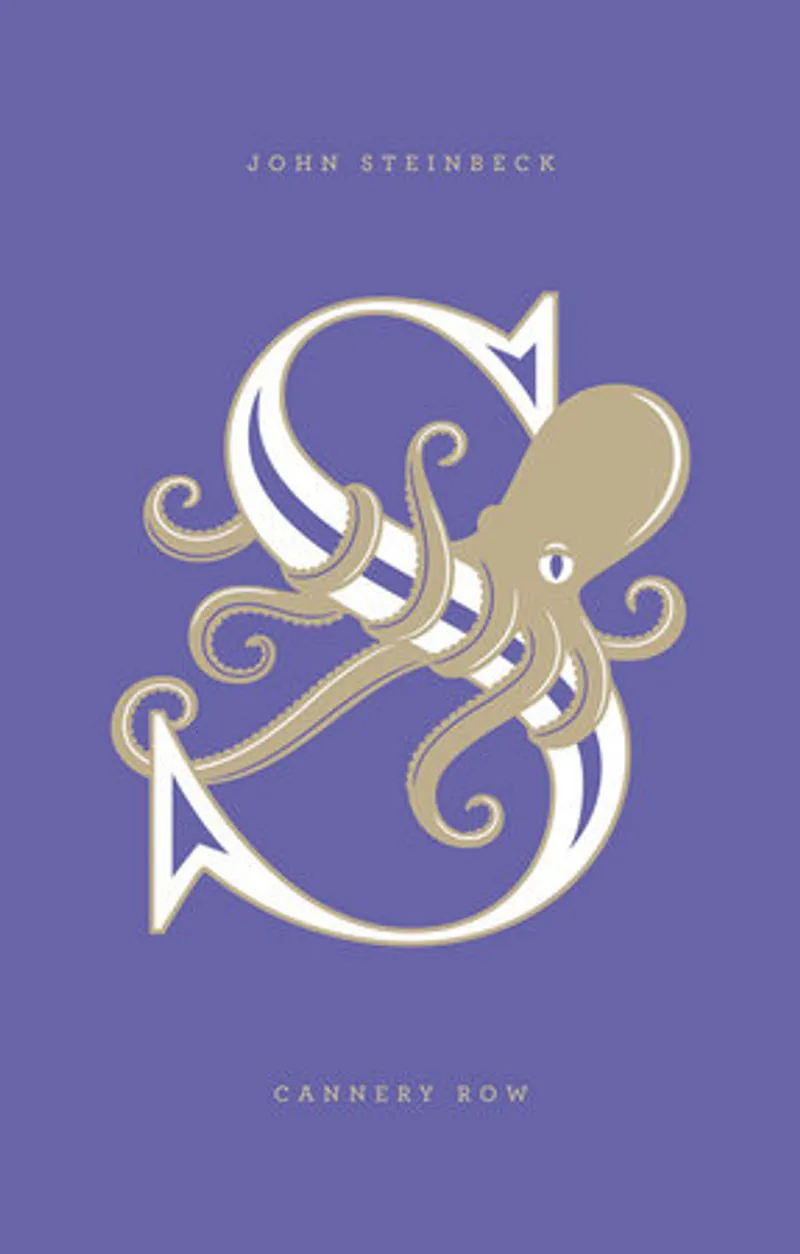
Cannery Row Author: Jessica HischePage Count: UnknownPublication Date: 2014-PRH I must correct the provided information: the author of Cannery Row is John Steinbeck, not Jessica Hische. Jessica Hische is a type designer and illustrator who created the cover art for the Penguin Drop Caps series, which includes this edition of Cannery Row. Cannery Row, written by John Steinbeck in 1945, is a poignant and powerful novel that explores the lives of the marginalized inhabitants of a small coastal town in California. This beautifully crafted book is a celebration of the human spirit, delving into the complexities of loneliness, community, and the search for meaning in a seemingly meaningless world. Steinbeck's writing style is characterized by simplicity, clarity, and a deep empathy for his characters. His prose is sparse and direct, yet evocative and rich in imagery, conjuring the sights, sounds, and smells of the cannery-lined streets and the rugged coastline. The narrative is woven around a cast of eccentric and endearing characters, each with their own unique struggles and triumphs. At the heart of the novel is the theme of acceptance – acceptance of life as it is, with all its imperfections and uncertainties. Steinbeck's characters are often outsiders, living on the fringes of society, yet they have found a sense of community and belonging on Cannery Row. The novel shows how this acceptance can lead to a profound understanding and appreciation of the human condition, with all its flaws and vulnerabilities. One of the most striking aspects of Cannery Row is its exploration of the tension between loneliness and community. Steinbeck's characters are often isolated and disconnected, yet they are drawn to each other, forming tentative bonds and relationships that are both fragile and resilient. This tension is beautifully captured in the character of Doc, a young marine biologist who is both a loner and a caregiver, drawn to the outcasts and misfits of the community. The novel is also notable for its sense of place and setting. Steinbeck's vivid descriptions of the Monterey coastline and the cannery-lined streets of Cannery Row are infused with a deep sense of history and culture. The novel is a tribute to the real inhabitants of Monterey, California, and their struggles and triumphs in the face of poverty, hardship, and social isolation. In conclusion, Cannery Row is a masterpiece of American literature, a novel that continues to resonate with readers today. Steinbeck's writing is deceptively simple, yet profound and nuanced, capturing the complexities of the human experience with remarkable precision and empathy. This edition, with its beautifully designed cover by Jessica Hische, is a testament to the enduring power of Steinbeck's novel, and a reminder of the importance of acceptance, community, and the human spirit. #CanneryRow #JohnSteinbeck #AmericanLiterature #ClassicNovels #MontereyCalifornia #LiteraryFiction Related InsightsThe Lost Symbol Book Review and Summary Mind of Her Own Book Review and Summary Notes on a Nervous Planet Book Review and Summary{ "@context": "https://schema.org", "@type": "FAQPage", "mainEntity": [ { "@type": "Question", "name": "What is the main focus of Cannery Row Book Review and Summary?", "acceptedAnswer": { "@type": "Answer", "text": "Everything you need to know about Cannery Row with our detailed review." } }, { "@type": "Question", "name": "Who authored the comprehensive guide on Cannery Row Book Review and Summary?", "acceptedAnswer": { "@type": "Answer", "text": "This detailed article and its insights were carefully researched and authored by John Steinbeck." } }, { "@type": "Question", "name": "Where can I find more related content about Books?", "acceptedAnswer": { "@type": "Answer", "text": "You can explore more articles, detailed reviews, and similar insights by browsing the Related Insights section at the bottom of this article or visiting our dedicated Books category page." } } ] }
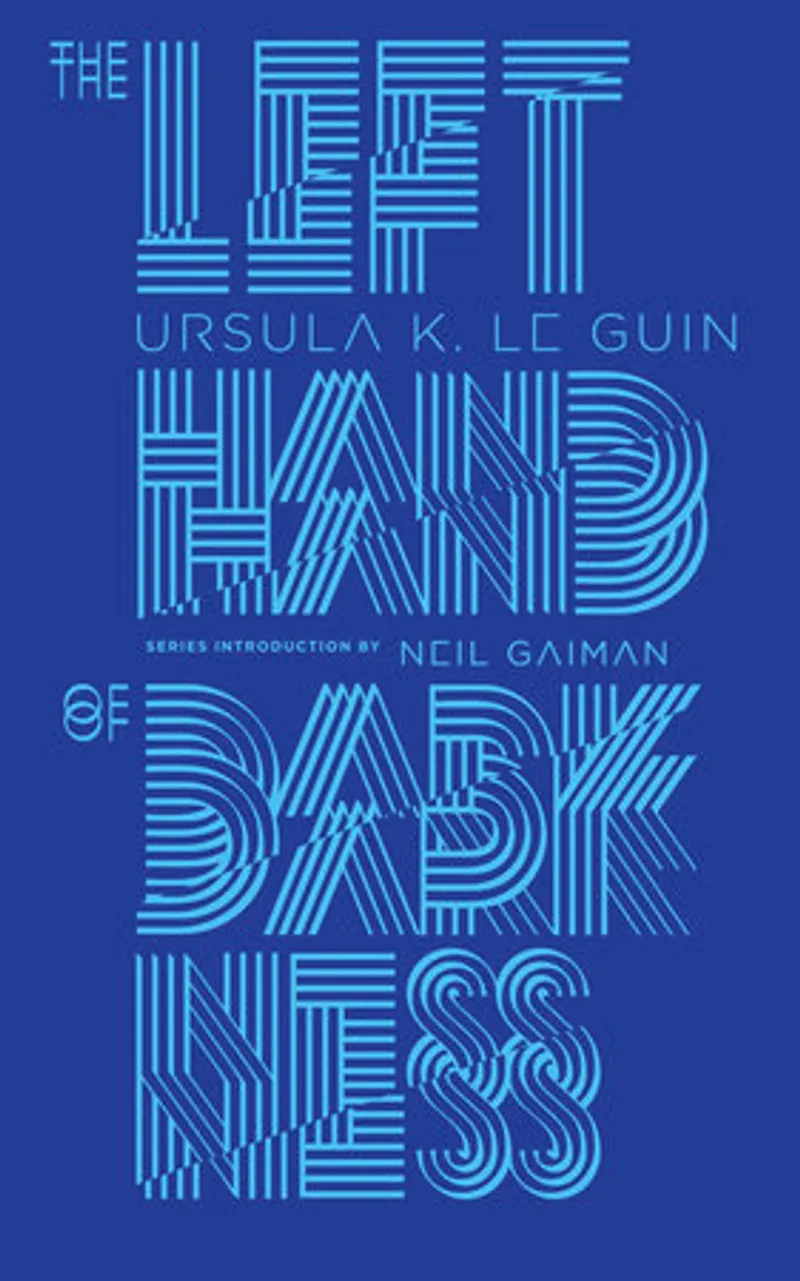
The Left Hand of Darkness Author: Ursula K. Le GuinPage Count: UnknownPublication Date: 2016-PRH Ursula K. Le Guin’s The Left Hand of Darkness is not just a science fiction novel—it is a philosophical odyssey that challenges the very foundations of human identity, culture, and perception. First published in 1969, this groundbreaking work remains one of the most intellectually daring and emotionally resonant explorations of gender, society, and the limits of human understanding. Now reissued in a deluxe hardcover edition as part of Penguin Galaxy—a series curated by Neil Gaiman—Le Guin’s masterpiece continues to illuminate the dark corners of our own world through the lens of an alien civilization. At its core, The Left Hand of Darkness is a story about duality. The planet Gethen, known to its inhabitants as Winter, is a world of perpetual cold where its humanoid population, the Gethenians, are ambisexual—neither male nor female, but capable of shifting gender depending on their biological and social circumstances. The novel follows Genly Ai, an envoy from the Ekumen, a loose interstellar alliance, who arrives on Winter to persuade its people to join this coalition. But Genly, a human shaped by binary gender norms, struggles to comprehend a society where sexuality and identity are fluid, where the very concept of fixed gender roles is alien. Le Guin’s genius lies in her ability to turn this premise into a profound meditation on difference and connection. The novel is not merely about gender; it is about how we construct meaning in a universe that resists our categories. The Gethenians, with their androgynous nature, force Genly—and the reader—to confront the arbitrariness of human assumptions. Are men and women truly separate, or are these roles learned, imposed, and ultimately limiting? By removing gender as a fixed category, Le Guin exposes how deeply ingrained our biases are, even in our most intimate relationships. Her prose is spare yet evocative, blending the clinical detachment of a diplomat’s report with the lyrical intimacy of a personal journal. The narrative unfolds through multiple perspectives: Genly’s first-person account is interspersed with the mythic and historical writings of the Gethenians themselves, particularly the enigmatic figure of the Handdara, a spiritual tradition that values paradox and balance. This structure mirrors the novel’s central theme—the necessity of holding opposing truths in tension. Genly, a man of rigid logic, must learn to embrace uncertainty, while the Gethenians, who see gender as a transient state, must grapple with the permanence of human emotion. The relationship between Genly and Estraven, a Gethenian politician who becomes his unlikely ally, is the emotional heart of the book. Their bond—part friendship, part love, part mutual necessity—transcends cultural and biological differences. It is a relationship that challenges the reader to reconsider what it means to truly know another being. Estraven’s patience and wisdom contrast sharply with Genly’s initial arrogance, and their journey across the icy landscapes of Winter becomes a metaphor for the arduous path toward understanding. Le Guin’s world-building is meticulous yet understated. Winter is not a fantastical realm of magic, but a plausible planet where the cold shapes every aspect of life—from architecture to social structure. The Gethenians’ lack of fixed gender roles leads to a society where violence is rare, where sexuality is not tied to power, and where individuals are judged by their actions rather than their biology. Yet this utopia is not without its tensions. The novel’s climax forces Genly to confront the limits of his own empathy, revealing that even the most open-minded among us carry invisible chains. What makes The Left Hand of Darkness timeless is its refusal to offer easy answers. Le Guin does not advocate for a genderless society as a solution to human conflict; instead, she asks us to consider how our own rigid categories—of gender, of nation, of self—might be limiting our potential for connection. In an era where debates about gender identity and cultural relativism are more urgent than ever, the novel feels not like a relic of the past, but a prophetic vision of the future. Her style is deceptively simple, yet every sentence carries weight. She writes with a quiet authority, trusting the reader to engage with the ideas rather than being spoon-fed them. The novel’s power lies in its restraint—there are no explosions, no laser battles, no grand space operas. Instead, it is a story of two people walking across a frozen wasteland, talking, thinking, and slowly, painfully, coming to understand each other. In the end, The Left Hand of Darkness is a book about the left hand of darkness—the side of ourselves we fear, the parts of our nature we ignore, the truths we refuse to acknowledge. It is a call to embrace the unknown, to accept that some questions have no answers, and to find meaning in the journey rather than the destination. Ursula K. Le Guin does not just write science fiction; she writes philosophy in the form of a story, and in doing so, she invites us to see the universe—and ourselves—anew. #LeftHandOfDarkness #UrsulaKLeGuin #SciFiClassic #GenderFiction #SpeculativeFiction #MustReadSF Related InsightsOff Balance (The Heights, #2) Book Review and Summary Woman Down Book Review and Summary Return to Breakneck Island (The Treasure Hunters Club #2) Book Review and Summary{ "@context": "https://schema.org", "@type": "FAQPage", "mainEntity": [ { "@type": "Question", "name": "What is the main focus of The Left Hand of Darkness Book Review and Summary?", "acceptedAnswer": { "@type": "Answer", "text": "Everything you need to know about The Left Hand of Darkness with our detailed review." } }, { "@type": "Question", "name": "Who authored the comprehensive guide on The Left Hand of Darkness Book Review and Summary?", "acceptedAnswer": { "@type": "Answer", "text": "This detailed article and its insights were carefully researched and authored by Ursula K. Le Guin." } }, { "@type": "Question", "name": "Where can I find more related content about Books?", "acceptedAnswer": { "@type": "Answer", "text": "You can explore more articles, detailed reviews, and similar insights by browsing the Related Insights section at the bottom of this article or visiting our dedicated Books category page." } } ] }

Rooted in Design Author: Tara HeibelPage Count: UnknownPublication Date: 2015-PRH In the realm of home decor and gardening, few books manage to seamlessly merge aesthetics and practicality as effectively as Tara Heibel's "Rooted in Design". As the co-owner of the esteemed Sprout Home garden design boutiques, Heibel brings her expertise to the forefront in this visually stunning guide, showcasing the transformative power of indoor plants in elevating the design and ambiance of any space. At its core, "Rooted in Design" is a love letter to the art of indoor gardening, with Heibel and her co-author Tassy De Give sharing their passion for creative plant arrangements and unique design ideas. The book is replete with gorgeous, full-color photographs that not only inspire but also educate, providing readers with a wealth of knowledge on how to choose the perfect plant varieties and pair them with complementary design elements. One of the standout features of "Rooted in Design" is its accessibility. Heibel's writing style is approachable and conversational, making the book an invaluable resource for both seasoned gardeners and those just starting to explore the world of indoor plants. The authors' practical tips and expert advice, honed from hundreds of plant design classes, are presented in a clear and concise manner, ensuring that readers can easily replicate the beautiful and long-lasting indoor landscapes showcased throughout the book. Heibel's passion for her subject matter is evident on every page, and her enthusiasm is infectious. As you delve into the world of "Rooted in Design", you'll find yourself inspired to experiment with new plant combinations, explore innovative display ideas, and push the boundaries of your own creativity. Whether you're looking to add a touch of greenery to a small apartment or seeking to create a show-stopping indoor garden, this book is an indispensable guide that will help you achieve your goals. Throughout its pages, "Rooted in Design" effortlessly balances style and substance, making it a must-have for anyone interested in home decor, gardening, or simply injecting a bit of natural beauty into their daily lives. Heibel's writing is engaging, informative, and beautifully complemented by the stunning visuals that accompany each design concept. In short, "Rooted in Design" is a masterpiece that will resonate with anyone who has ever been captivated by the allure of indoor plants. With its unique blend of style, expertise, and approachability, this book is poised to become a classic in the world of home decor and gardening. If you're looking for a guide that will inspire, educate, and motivate you to create your own breathtaking indoor landscapes, look no further than Tara Heibel's "Rooted in Design". #IndoorGardening #HomeDecorInspiration #PlantDesign #GardeningBooks #Houseplants #InteriorDesign Related InsightsTess of the D’Urbervilles Book Review and Summary Il Dialogo Silenzioso: L'Arte della Marginalia e il Mondo Segreto delle Annotazioni Nei Libri Antichi Material Culture and Women's Religious Experience in Antiquity Book Review and Summary{ "@context": "https://schema.org", "@type": "FAQPage", "mainEntity": [ { "@type": "Question", "name": "What is the main focus of The Hate U Give Book Review and Summary?", "acceptedAnswer": { "@type": "Answer", "text": "Everything you need to know about The Hate U Give with our detailed review." } }, { "@type": "Question", "name": "Who authored the comprehensive guide on The Hate U Give Book Review and Summary?", "acceptedAnswer": { "@type": "Answer", "text": "This detailed article and its insights were carefully researched and authored by Angie Thomas." } }, { "@type": "Question", "name": "Where can I find more related content about Books?", "acceptedAnswer": { "@type": "Answer", "text": "You can explore more articles, detailed reviews, and similar insights by browsing the Related Insights section at the bottom of this article or visiting our dedicated Books category page." } } ] }

Laura Ingalls Wilder: The Little House Books: The Library of America Collection Author: Laura Ingalls WilderPage Count: UnknownPublication Date: 2012-PRH The Little House Books: The Library of America Collection, written by the inimitable Laura Ingalls Wilder, is a masterful compilation of the beloved author's timeless classics. This exquisite boxed set, meticulously edited by Caroline Fraser, presents all eight Little House novels, plus the posthumous novella The First Four Years, in two stunning hardcover volumes. The collection is a testament to Wilder's exceptional storytelling ability and her profound impact on American literature. One of the most striking aspects of Wilder's writing is her ability to craft a sense of nostalgia and wonder, transporting readers to a bygone era of American history. The Little House series, which follows the lives of the Ingalls family as they navigate the challenges of pioneering life, is infused with a deep sense of longing and appreciation for the simple things. Wilder's prose is characterized by its simplicity, clarity, and poetic nuance, making her stories accessible to readers of all ages. The collection includes some of Wilder's most famous works, such as Little House in the Big Woods, Little House on the Prairie, and On the Banks of Plum Creek. These novels, which were originally published between 1932 and 1943, have been beautifully reproduced in this edition, with deluxe three-part bindings and helpful notes that provide context and insight into the author's life and writing process. What sets this collection apart from other editions of the Little House series is the inclusion of rare autobiographical pieces, which offer a fascinating glimpse into Wilder's life and writing process. These pieces, which address the need for historical accuracy in children's literature and reveal real-life events not included in the novels, provide a unique perspective on the author's craft and her commitment to telling the story of American pioneers with honesty and integrity. Throughout the series, Wilder's characters are richly drawn and multidimensional, with each one bringing their own unique perspective and experiences to the narrative. The relationship between Laura and her family members, particularly her father, is a highlight of the series, and their struggles and triumphs are deeply moving and relatable. The Library of America edition is a fitting tribute to Wilder's legacy, with its stunning design and meticulous attention to detail. The volumes are a joy to hold and read, with their high-quality paper and binding making them a treasure to behold. The inclusion of a newly researched chronology of Wilder's life and career adds an extra layer of depth and context to the collection, making it an essential resource for scholars and fans alike. In conclusion, The Little House Books: The Library of America Collection is a must-have for anyone who loves American literature, history, or simply great storytelling. Wilder's writing is a testament to the power of simplicity, clarity, and poetic nuance, and this collection is a beautiful tribute to her enduring legacy. Whether you're a longtime fan of the Little House series or discovering it for the first time, this collection is sure to captivate and inspire, offering a unique glimpse into the life and times of one of America's most beloved authors. #LittleHouseOnThePrairie #LauraIngallsWilder #AmericanLiterature #PioneerLife #ChildrensClassics #TheLibraryOfAmerica Related InsightsSomeone Else's Daughter Book Review and Summary Nightcurse Book Review and Summary Last Exit to Brooklyn Book Review and Summary{ "@context": "https://schema.org", "@type": "FAQPage", "mainEntity": [ { "@type": "Question", "name": "What is the main focus of The Little House Collection Book Review and Summary?", "acceptedAnswer": { "@type": "Answer", "text": "Everything you need to know about The Little House Collection with our detailed review." } }, { "@type": "Question", "name": "Who authored the comprehensive guide on The Little House Collection Book Review and Summary?", "acceptedAnswer": { "@type": "Answer", "text": "This detailed article and its insights were carefully researched and authored by Laura Ingalls Wilder." } }, { "@type": "Question", "name": "Where can I find more related content about Books?", "acceptedAnswer": { "@type": "Answer", "text": "You can explore more articles, detailed reviews, and similar insights by browsing the Related Insights section at the bottom of this article or visiting our dedicated Books category page." } } ] }
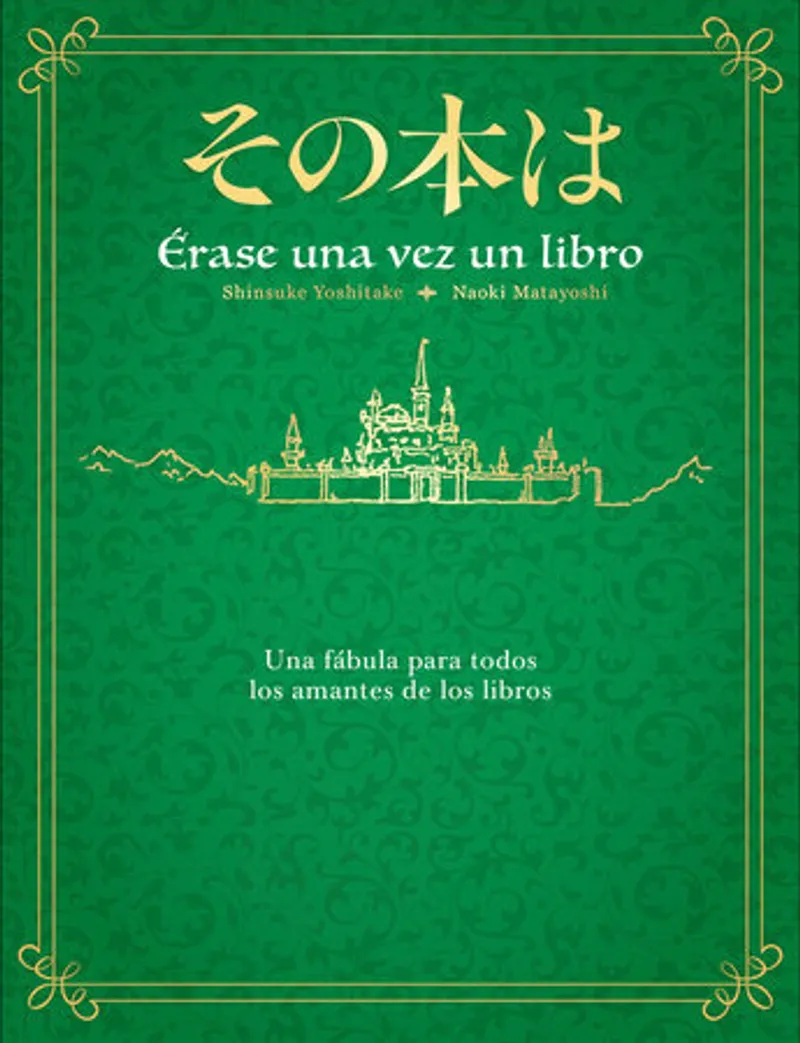
Érase una vez un libro / Once Upon a Time, There Was a Book Author: Shinsuke YoshitakePage Count: UnknownPublication Date: 2025-PRH Érase una vez un libro / Once Upon a Time, There Was a Book is a whimsical, thought-provoking picture book that reimagines the very act of reading as an adventure—one that begins not with a single page, but with the boundless curiosity of a child’s imagination. Authored by the acclaimed Japanese illustrator and storyteller Shinsuke Yoshitake, whose previous works like The Boring Book and What Happens Next? have delighted readers with their playful yet profound exploration of everyday emotions, this new creation promises to be both a celebration of literature and a gentle nudge toward creative self-discovery. At its heart, the book is a metafictional journey: it invites readers to step inside the pages of a book—not as passive observers, but as active participants in the unfolding story. Yoshitake, known for his expressive, minimalist illustrations and gentle humor, crafts a narrative that blurs the line between reader and story, suggesting that every book is a living thing, waiting to be brought to life by the imagination of its audience. The title itself—repeated in both Spanish and English—serves as a portal: “Once upon a time, there was a book…” and so begins not just a story, but an invitation to wonder. What makes Yoshitake’s work so compelling is his ability to distill complex ideas into simple, visually engaging scenes. Here, he doesn’t just tell us that books are magical—he shows us. Through a series of vignettes, the book depicts a child (or perhaps a child-like adult) opening a book and watching as the characters step out, interact with the real world, and even invite the reader to join their journey. The illustrations are deceptively simple: soft watercolors, clean lines, and expressive faces that convey curiosity, surprise, and quiet joy. Yet within these spare images lies a deeper meditation on the power of storytelling to transform not only the reader, but the world around them. The book’s genius lies in its refusal to be prescriptive. It doesn’t dictate what a book “should” be or how it should be read. Instead, it presents reading as an act of co-creation—where the reader’s thoughts, feelings, and even daydreams become part of the narrative. In one spread, a character from the book might climb out of the page and sit beside the reader on a park bench, sparking a conversation. In another, the book itself seems to breathe, its pages fluttering like wings. These moments are not explained; they are simply presented, leaving room for the reader’s own interpretation and emotional response. Yoshitake’s style is deeply rooted in Japanese picture book traditions, where visual storytelling often carries as much weight as the text. His use of white space, subtle textures, and understated facial expressions creates a sense of intimacy and warmth. The characters—whether human, animal, or fantastical—feel real not because of their complexity, but because of their authenticity. They stumble, they question, they wonder aloud—just as a child might. This authenticity is what makes the book resonate across ages. While it will undoubtedly enchant young readers with its playful visuals and gentle humor, adults will find in it a quiet reminder of the magic they once saw in books, and perhaps still do, if only they pause to look. The book’s bilingual presentation—Spanish and English—adds another layer of richness. It’s not merely a translation, but a deliberate choice to make the story accessible to a wider audience, inviting cross-cultural dialogue through the universal language of storytelling. The repetition of the title in both languages feels like a bridge, a reminder that stories connect us even when words differ. Ultimately, Érase una vez un libro is more than a book about books. It’s a book about possibility. It asks: What if every time you opened a book, you didn’t just read a story—you entered one? What if the characters were waiting for you? What if the book itself could change, depending on who was holding it? Yoshitake doesn’t provide answers. Instead, he offers a space for reflection, for daydreaming, for rediscovering the joy of getting lost in a story. In an age where digital distractions compete for our attention, this book is a gentle rebellion—a quiet manifesto for the enduring power of the printed word and the imagination it inspires. It reminds us that reading is not a passive act, but an active, alive engagement with the world. And perhaps, in the end, that’s the most magical thing a book can do. #OnceUponATimeThereWasABook #ChildrensBooksWithHeart #MagicalReading #ShinsukeYoshitake #PictureBookMagic #StoriesThatComeToLife Related InsightsEmpire (Heir Duology, #2) Book Review and Summary This Shattered Tempest (The Hurricane Wars, #3) Book Review and Summary 'Die stille Revolution: Wie Noise-Cancelling-Kopfhörer die Welt zum Verstummen bringen'{ "@context": "https://schema.org", "@type": "FAQPage", "mainEntity": [ { "@type": "Question", "name": "What is the main focus of Once Upon a Broken Heart Book Review and Summary?", "acceptedAnswer": { "@type": "Answer", "text": "Everything you need to know about Once Upon a Broken Heart with our detailed review." } }, { "@type": "Question", "name": "Who authored the comprehensive guide on Once Upon a Broken Heart Book Review and Summary?", "acceptedAnswer": { "@type": "Answer", "text": "This detailed article and its insights were carefully researched and authored by Stephanie Garber." } }, { "@type": "Question", "name": "Where can I find more related content about Books?", "acceptedAnswer": { "@type": "Answer", "text": "You can explore more articles, detailed reviews, and similar insights by browsing the Related Insights section at the bottom of this article or visiting our dedicated Books category page." } } ] }

None of Us Were Like This Before Author: Joshua E. S. PhillipsPage Count: UnknownPublication Date: 2012-PRH None of Us Were Like This Before, written by Joshua E. S. Phillips, is a haunting and thought-provoking exploration of the darker aspects of war and its lasting impact on individuals and society. The book delves into the transformation of a tank battalion from a conventional military unit to one that engages in guerrilla warfare and prisoner detention, highlighting the devastating consequences of this shift. Phillips' narrative masterfully weaves together the stories of ordinary soldiers who, ill-equipped and unprepared, found themselves spiraling into a cycle of degradation that ultimately led to the abuse of detainees. The author's meticulous research and thoughtful analysis create a vivid portrait of the psychological and emotional toll of war on those who fight it, as well as the long-lasting effects on the country they represent. One of the most striking aspects of Phillips' writing is his ability to convey the complexities of human nature, particularly in the face of extreme circumstances. He neither simplifies nor sanctifies the soldiers' experiences, instead presenting a nuanced and multifaceted exploration of their struggles, fears, and motivations. This approach allows readers to connect with the soldiers on a deeper level, fostering a sense of empathy and understanding that is both poignant and unsettling. The book's central theme – the damaging legacy of torture and its far-reaching consequences – is both timely and timeless. Phillips sheds light on the often-overlooked reality that the scars of war are not limited to the battlefield, but extend far beyond, affecting not only the detainees but also the soldiers themselves and the society they return to. This notion is both deeply disturbing and profoundly important, as it underscores the need for a more comprehensive understanding of the long-term effects of war and the importance of accountability. Phillips' writing style is characterized by a sense of measured restraint, which adds to the book's emotional impact. He avoids sensationalism and instead opts for a straightforward, fact-driven approach that lends credibility to his narrative. The result is a work that is both informative and deeply engaging, making it an essential read for anyone interested in the human cost of war and the importance of upholding human rights. In conclusion, None of Us Were Like This Before is a powerful and thought-provoking book that sheds light on the darker aspects of war and its lasting impact on individuals and society. Phillips' masterful storytelling and nuanced analysis make for a compelling read that is both haunting and unforgettable. As a work of nonfiction, it is a significant contribution to the ongoing conversation about the effects of war and the importance of accountability, and it is sure to resonate with readers long after they finish the book. #WarCrimes #Torture #MilitaryAccountability #HumanRights #WarAndSociety #PrisonerAbuse Related InsightsAngle of Repose Book Review and Summary The Fiery Cross Book Review and Summary There Should Have Been Eight Book Review and Summary{ "@context": "https://schema.org", "@type": "FAQPage", "mainEntity": [ { "@type": "Question", "name": "What is the main focus of None of This Is True Book Review and Summary?", "acceptedAnswer": { "@type": "Answer", "text": "Everything you need to know about None of This Is True with our detailed review." } }, { "@type": "Question", "name": "Who authored the comprehensive guide on None of This Is True Book Review and Summary?", "acceptedAnswer": { "@type": "Answer", "text": "This detailed article and its insights were carefully researched and authored by Lisa Jewell." } }, { "@type": "Question", "name": "Where can I find more related content about Books?", "acceptedAnswer": { "@type": "Answer", "text": "You can explore more articles, detailed reviews, and similar insights by browsing the Related Insights section at the bottom of this article or visiting our dedicated Books category page." } } ] }
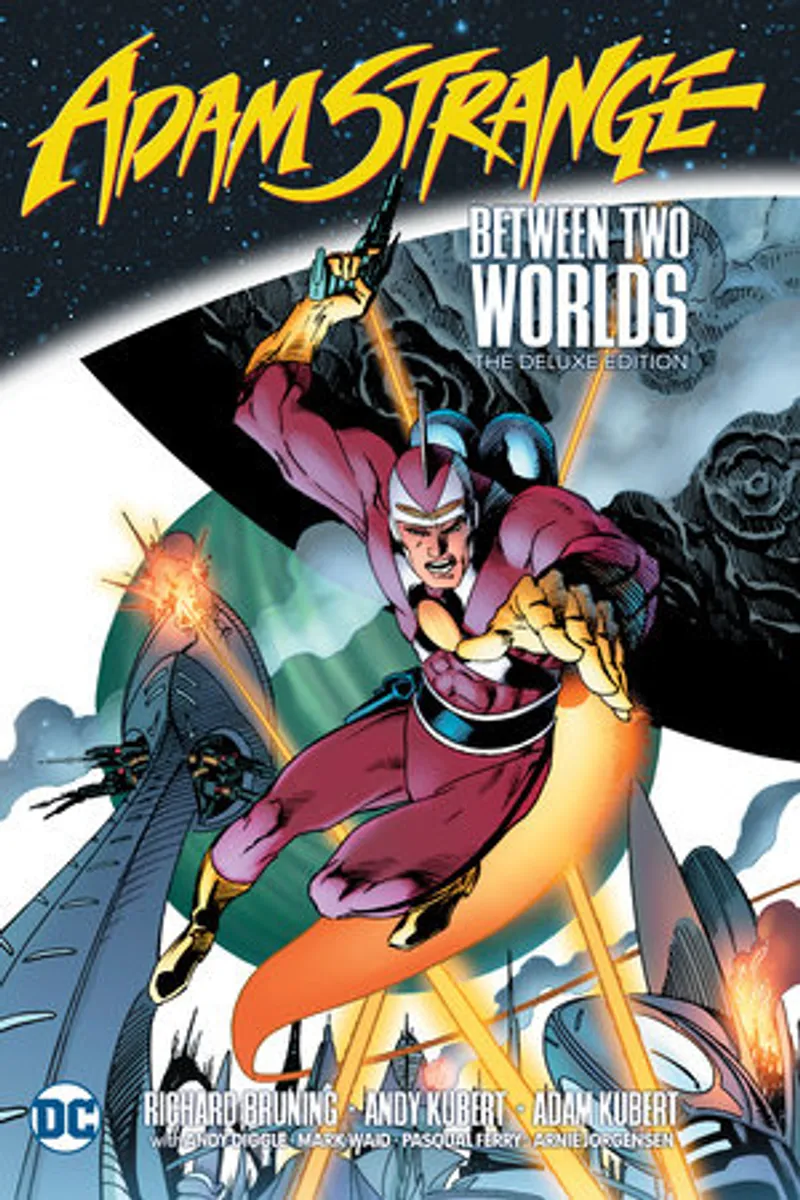
Adam Strange: Between Two Worlds The Deluxe Edition Author: Pascal FerryPage Count: UnknownPublication Date: 2023-PRH Adam Strange: Between Two Worlds – The Deluxe Edition is a cosmic tragedy wrapped in the shimmer of a space opera, a book that dares to ask what happens when the hero’s home is erased from the stars. Pascal Ferry’s lavish hardcover reprint doesn’t just collect forgotten tales—it rebuilds the myth of Adam Strange from the ground up, exposing the raw nerve beneath the silver-age grin. This isn’t just a nostalgia trip; it’s a gut-punch meditation on displacement, legacy, and the cost of being caught between two worlds. At its core, the book wrestles with identity. Adam Strange is the ultimate outsider—a human plucked from Earth and thrust into Rann’s advanced society, only to be exiled again when his adopted planet is destroyed. The deluxe edition forces us to confront the man behind the Zeta Beam legend. Ferry’s editorial choices stitch together three distinct eras of Strange’s life: his 1990 prestige miniseries, the 2004 ongoing series, and his brief but pivotal appearances in JLA. Each segment peels back another layer of the onion, revealing a hero who is both savior and stranger, a man who saves galaxies but can’t save his own family. The 1990 miniseries, written by Richard Bruning and drawn by Andy Kubert, is the emotional anchor. Here, Strange is a fugitive on Earth, hunted by both law enforcement and alien warlords. The art is kinetic, the lines sharp, but the real power lies in the script’s quiet moments—Strange staring at a newspaper headline about Rann’s destruction, or arguing with his estranged father on a payphone. It’s a story about being erased, about the crushing weight of cosmic indifference. Ferry’s inclusion of this early work is crucial; it grounds the later, more bombastic stories in raw human pain. The 2004 series, written by Mark Waid and drawn by various artists, shifts into a more traditional superhero mode, but Waid’s scripting keeps the emotional core intact. Strange’s relationship with his daughter, Aleea, becomes the heart of the narrative. Waid frames Strange’s heroism as a desperate attempt to reconnect with his lost family, even as the universe conspires to keep them apart. The art here is lush, with a retro-futuristic sheen that feels both nostalgic and fresh. Ferry’s decision to include this run alongside the darker 1990 material creates a fascinating dialectic—Strange as both cosmic protector and broken man. The JLA tie-ins, written by Grant Morrison and drawn by various artists, add another dimension. Strange’s appearances in the Justice League are brief but electric, showcasing his role as the bridge between Earth and the stars. Morrison’s typically dense, playful scripting contrasts sharply with the more grounded tones of the other stories, but Ferry’s curation ensures that these moments feel like necessary punctuation in Strange’s saga. Ferry’s editorial style is unobtrusive but masterful. He lets the stories breathe, providing just enough context without over-explaining. The reproductions are crisp, the extras (sketches, covers, annotations) are thoughtful, and the pacing is impeccable. This isn’t just a reprint; it’s a recontextualization. Ferry understands that Adam Strange’s tragedy isn’t just about losing a planet—it’s about losing the people you love, and the homes you thought you’d never need to leave behind. The book’s greatest strength is its refusal to romanticize heroism. Strange is a man out of time, out of place, and out of options. The cosmic wars, the alien threats, the galaxy-spanning stakes—all of it is secondary to the quiet devastation of a father who can’t reach his daughter, a husband who can’t save his wife, a hero who can’t save his home. The art, whether it’s Kubert’s gritty lines or the later artists’ more polished styles, serves the story perfectly, capturing both the grandeur of the DC Universe and the intimate sorrow of its protagonist. Adam Strange: Between Two Worlds – The Deluxe Edition is a book for fans of cosmic tragedy, for those who believe that the best superhero stories are the ones that break your heart before they lift you up. It’s a reminder that even the greatest heroes are just people, caught between two worlds, trying to find their way home. #AdamStrange #DCComics #CosmicHero #BetweenTwoWorlds #DeluxeEdition #SpaceOpera Related InsightsElla Enchanted Book Review and Summary Anthropodermische Bibliopegie: Eine Makabre Reise in die Welt der in Menschenhaut gebundenen Bücher The Complete Poems of Emily Dickinson Book Review and Summary{ "@context": "https://schema.org", "@type": "FAQPage", "mainEntity": [ { "@type": "Question", "name": "What is the main focus of The Chain Between Worlds Book Review and Summary?", "acceptedAnswer": { "@type": "Answer", "text": "Everything you need to know about The Chain Between Worlds with our detailed review." } }, { "@type": "Question", "name": "Who authored the comprehensive guide on The Chain Between Worlds Book Review and Summary?", "acceptedAnswer": { "@type": "Answer", "text": "This detailed article and its insights were carefully researched and authored by Johnathon Nicolaou." } }, { "@type": "Question", "name": "Where can I find more related content about Books?", "acceptedAnswer": { "@type": "Answer", "text": "You can explore more articles, detailed reviews, and similar insights by browsing the Related Insights section at the bottom of this article or visiting our dedicated Books category page." } } ] }
Trainspotting Author: Irvine WelshPage Count: UnknownPublication Date: 1993-OL In the gritty, unapologetic world of Irvine Welsh's Trainspotting, the lines between reality and chaos are blurred, and the city of Edinburgh becomes a character in its own right. This raw, unflinching novel, first published in 1993, is a masterclass in storytelling, weaving together a series of short stories that revolve around a group of friends as they navigate the dark underbelly of addiction, poverty, and desperation. Welsh's writing style is as unflinching as the world he portrays. His use of dialect and vernacular adds to the sense of authenticity, drawing the reader into the world of Mark Renton, Spud, Sick Boy, and Begbie. The narrative is fragmented, reflecting the disjointed lives of the characters, and Welsh's use of stream-of-consciousness prose creates a sense of urgency and immediacy. At its core, Trainspotting is a novel about the struggle for identity and the search for meaning in a seemingly meaningless world. The characters are all, in their own way, trying to escape the bleakness of their surroundings, whether through drugs, violence, or fantasy. But Welsh is not interested in offering easy answers or solutions. Instead, he presents a nuanced, multifaceted portrait of addiction, one that is both harrowing and darkly comedic. One of the most striking aspects of Trainspotting is its use of humor. Welsh's characters are often hilarious, their banter and dialogue crackling with energy and wit. But this humor is always tempered by a sense of tragedy, a recognition that the characters are trapped in a cycle of addiction and despair. Despite its bleak subject matter, Trainspotting is a novel that is ultimately about hope and resilience. Mark Renton, the protagonist, is a complex, multifaceted character, driven by a desire to escape the limitations of his world. His narrative is one of the most compelling, as he navigates the complexities of friendship and loyalty, all while struggling to come to terms with his own addiction. Trainspotting is not an easy read, but it is a necessary one. Welsh's writing is unflinching, his characters are complex and multifaceted, and the world he portrays is both harrowing and hauntingly beautiful. This is a novel that will leave you breathless, disturbed, and ultimately, hopeful. #Trainspotting #IrvineWelsh #ScottishLiterature #AddictionLiterature #DarkComedy #GrittyFiction
The Moon and More and Just Listen Author: Sarah DessenPage Count: UnknownPublication Date: 2020-PRH In "The Moon and More" and "Just Listen", a dual volume from the esteemed New York Times bestselling author Sarah Dessen, we find ourselves immersed in the poignant world of teenage self-discovery, love, and the complexities of relationships. The stories are woven together by Dessen's masterful narrative, which navigates the delicate balance between the fragility of the human heart and the unyielding power of true emotions. The unifying thread throughout both novels is the exploration of identity, as the protagonists grapple with the expectations of others while trying to find their own voice. Dessen's writing style is a perfect blend of relatability and depth, making it effortless for readers to become invested in the characters' journeys. Her prose is evocative, painting vivid pictures of the characters' inner turmoil and their surroundings, drawing the reader into the world she has created. One of the most striking aspects of Dessen's writing is her ability to craft characters that are multidimensional and authentic. The protagonists, with their flaws and strengths, are expertly developed, making it impossible not to empathize with their struggles. The supporting characters are equally well-crafted, adding depth and complexity to the narrative. The theme of identity is a recurring one in Dessen's works, and "The Moon and More" and "Just Listen" are no exception. The novels delve into the challenges of navigating the complexities of adolescence, where the pressure to conform to societal expectations can be overwhelming. Dessen tackles this theme with sensitivity and nuance, offering a thoughtful exploration of what it means to be true to oneself. Throughout the novels, Dessen also explores the intricacies of relationships, highlighting the ways in which they can both uplift and devastate us. The romance is sweet and tender, but it's also fraught with the uncertainty and vulnerability that comes with opening oneself up to another person. The portrayal of relationships is realistic, acknowledging the imperfections and misunderstandings that can arise, but also the transformative power of love and connection. What sets Dessen apart from other authors in the young adult genre is her ability to balance lighthearted moments with more serious themes. Her writing is infused with a sense of humor and wit, making the novels an absolute pleasure to read. At the same time, she tackles difficult subjects with sensitivity and care, never shying away from the complexities of the human experience. In "The Moon and More" and "Just Listen", Sarah Dessen has created a captivating and emotionally resonant duology that will resonate with readers of all ages. Her writing is a testament to the power of storytelling, reminding us that even in the darkest moments, there is always the possibility for growth, transformation, and redemption. #SarahDessen #TheMoonAndMore #JustListen #YoungAdultFiction #ComingOfAge #RelationshipGoals Related InsightsThe Dragon Republic Book Review and Summary Funny Story Book Review and Summary Choke Book Review and Summary{ "@context": "https://schema.org", "@type": "FAQPage", "mainEntity": [ { "@type": "Question", "name": "What is the main focus of Just Listen Book Review and Summary?", "acceptedAnswer": { "@type": "Answer", "text": "Everything you need to know about Just Listen with our detailed review." } }, { "@type": "Question", "name": "Who authored the comprehensive guide on Just Listen Book Review and Summary?", "acceptedAnswer": { "@type": "Answer", "text": "This detailed article and its insights were carefully researched and authored by Sarah Dessen." } }, { "@type": "Question", "name": "Where can I find more related content about Books?", "acceptedAnswer": { "@type": "Answer", "text": "You can explore more articles, detailed reviews, and similar insights by browsing the Related Insights section at the bottom of this article or visiting our dedicated Books category page." } } ] }