Showing Posts From
Fleet of ghosts
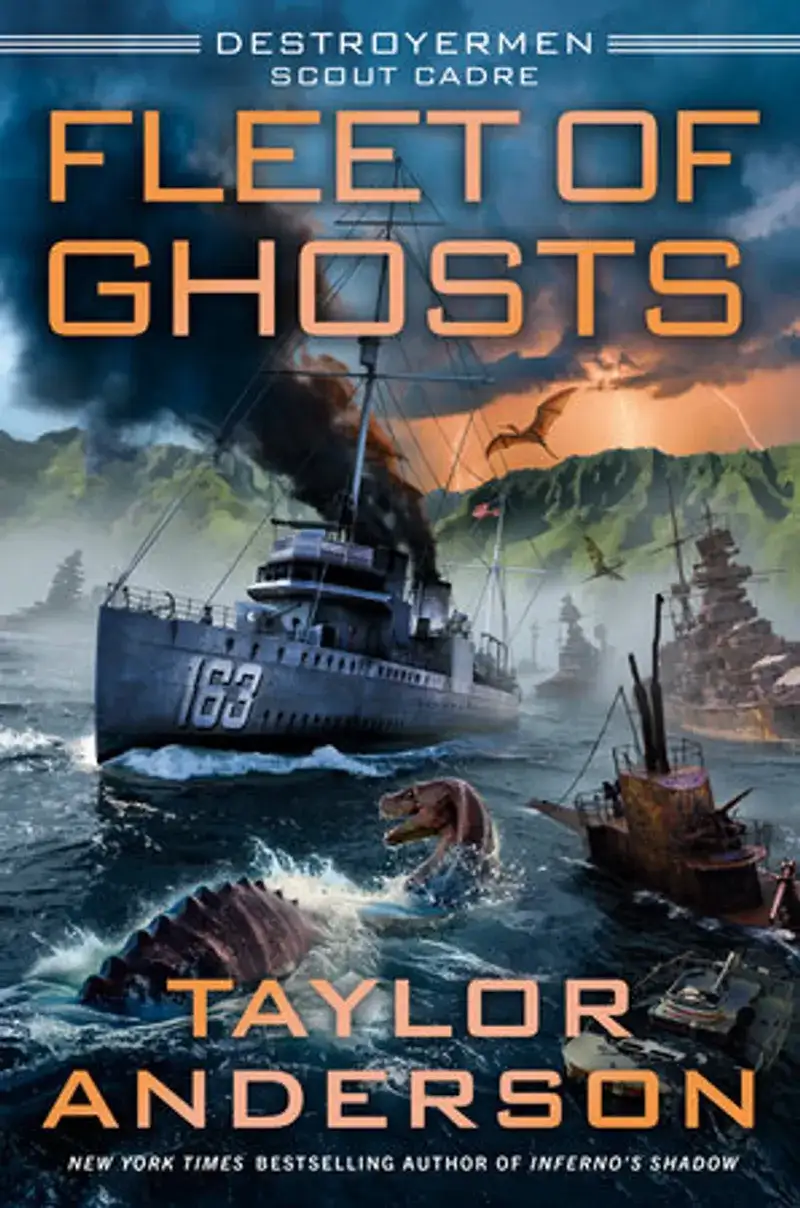

Fleet of Ghosts Author: Taylor AndersonPage Count: UnknownPublication Date: 2026-PRH Taylor Anderson’s Fleet of Ghosts is a masterclass in speculative fiction, weaving together the haunting beauty of lost civilizations with the relentless pulse of space opera. Set in a future where humanity’s remnants drift through the cosmos aboard the colossal Fleet of Ghosts—a armada of derelict ships repurposed into a nomadic civilization—Anderson crafts a narrative that feels both intimate and vast, a story where the weight of history presses against the fragile edges of survival. At its core, Fleet of Ghosts is a meditation on memory and erasure. Anderson doesn’t just tell a story about a dying fleet; she immerses the reader in the psychological toll of a people clinging to a past they can no longer fully grasp. The ships, once vessels of exploration and conquest, are now tombs haunted by the ghosts of their former crews. Their inhabitants, descendants of the original voyagers, live in a state of suspended animation, their knowledge fragmented, their identities tied to artifacts and half-remembered lore. The novel’s genius lies in how Anderson uses this setting to explore what it means to preserve—or surrender—one’s history. The fleet’s librarians, engineers, and scavengers are not just characters; they are archeologists of a lost world, piecing together fragments of a civilization that may have doomed itself long ago. Anderson’s prose is a marvel of precision and atmosphere. She has a rare talent for describing the grotesque and the sublime in equal measure, painting the fleet’s decaying interiors with the same care one might use to depict a cathedral’s stained glass. The ships are characters in their own right—rusted husks that groan under the strain of their own inertia, their corridors lined with the skeletal remains of those who stayed behind too long. The prose isn’t lush for its own sake; it serves the novel’s themes, making the reader feel the oppressive weight of the fleet’s decline. When characters venture into the deeper, uncharted reaches of the ships, the descriptions take on a feverish, almost hallucinatory quality, as if the reader is experiencing the same disorientation as the protagonists. The novel’s structure is non-linear, jumping between the past and present with a deft hand. Anderson never lingers too long in any one era, instead using the shifts to underscore the fragility of memory. Flashbacks reveal the fleet’s origins—its initial mission, the schisms that tore it apart, the slow decay of its purpose—while the present-day sections show the consequences of those fractures. It’s a risky approach, but Anderson pulls it off with grace, ensuring that each revelation feels earned rather than contrived. The result is a story that feels as much like a mystery as it does an epic, with the reader constantly piecing together clues about what truly happened to the fleet. One of the most striking aspects of Fleet of Ghosts is its refusal to offer easy answers. Anderson doesn’t provide a neat resolution, nor does she succumb to the temptation of a heroic triumph. Instead, the novel grapples with the idea that some losses are irreversible, that some ghosts cannot be laid to rest. The fleet is doomed, not by an external force, but by the weight of its own choices. This isn’t a story about overcoming adversity; it’s about the quiet dignity of enduring, of finding meaning in the creeping shadow of oblivion. Anderson’s style also shines in her handling of the fleet’s many factions. From the zealots who believe the fleet’s original mission is sacred to the pragmatists who see survival as the only priority, each group is given depth and nuance. There are no outright villains here, only people trying to make sense of a world that no longer makes sense. The moral ambiguity is refreshing, and it elevates the novel beyond a simple tale of survival into something far more compelling. If Fleet of Ghosts has a weakness, it’s in its occasional density. The world-building is meticulous, but the sheer scale of the fleet can be overwhelming at times. Anderson occasionally assumes a level of familiarity with her setting that might leave some readers adrift. However, this is a minor quibble in a novel that otherwise commands attention with its ambition and depth. In the end, Fleet of Ghosts is more than just a book about a fleet of ghost ships—it’s a meditation on what we choose to remember and what we allow to fade. It’s a story for anyone who has ever stood in the ruins of a forgotten place and felt the weight of time pressing down on them. Taylor Anderson has crafted something rare here: a novel that is both a thrilling adventure and a profound meditation on loss, memory, and the quiet courage of those who refuse to let either die. #SpaceOperaElegies #LostCivilization #GhostShipsAndLegacies #CosmicMelancholy #EnduranceInTheVoid #TaylorAndersonMasterpiece Related InsightsHoney-Don't List Book Review and Summary Law for the American Farmer Book Review and Summary Freedom Book Review and Summary{ "@context": "https://schema.org", "@type": "FAQPage", "mainEntity": [ { "@type": "Question", "name": "What is the main focus of Fleet of Ghosts Book Review and Summary?", "acceptedAnswer": { "@type": "Answer", "text": "Everything you need to know about Fleet of Ghosts with our detailed review." } }, { "@type": "Question", "name": "Who authored the comprehensive guide on Fleet of Ghosts Book Review and Summary?", "acceptedAnswer": { "@type": "Answer", "text": "This detailed article and its insights were carefully researched and authored by Piotr Nowak." } }, { "@type": "Question", "name": "Where can I find more related content about Books?", "acceptedAnswer": { "@type": "Answer", "text": "You can explore more articles, detailed reviews, and similar insights by browsing the Related Insights section at the bottom of this article or visiting our dedicated Books category page." } } ] }