Showing Posts From
Flowers in the attic
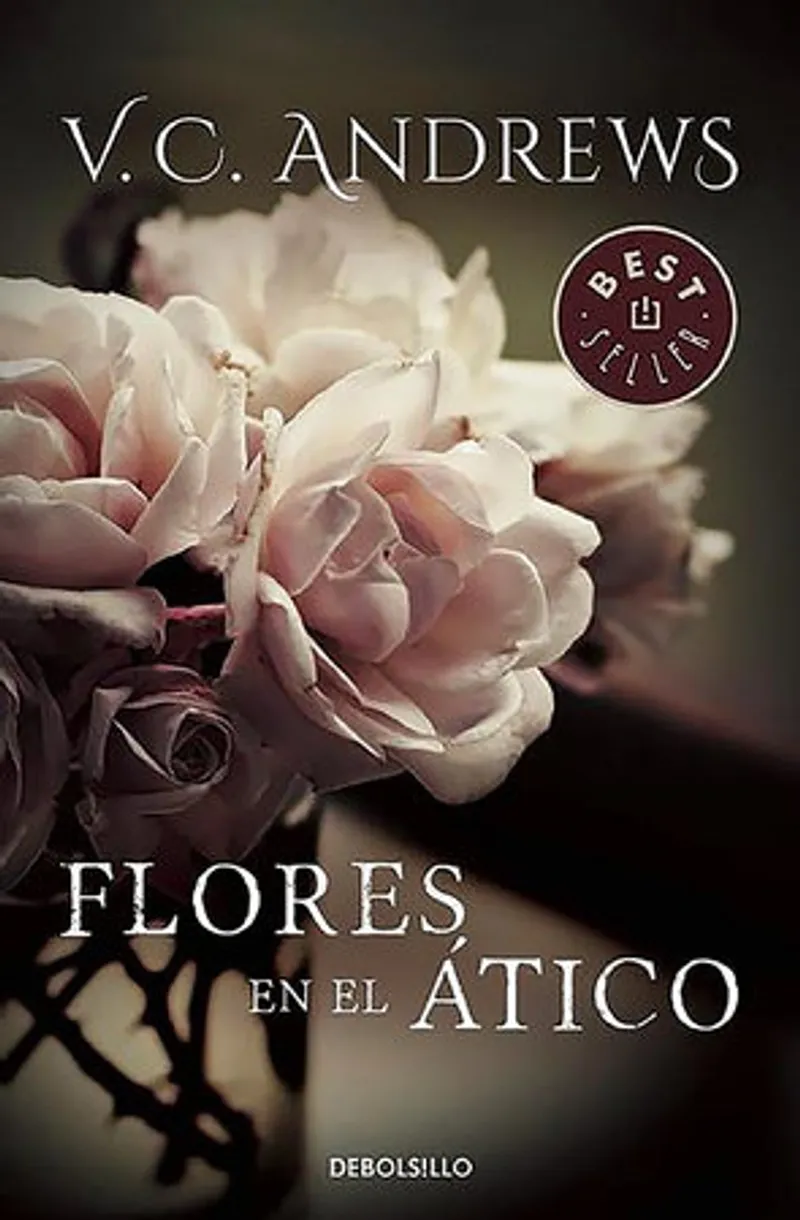
Flores en el atico / Flowers in the Attic Author: Virginia C. AndrewsPage Count: UnknownPublication Date: 2015-PRH Virginia C. Andrews’ Flowers in the Attic is a masterclass in gothic horror disguised as a family drama, a novel that burrows into the reader’s psyche with the relentless precision of a predator. Published in 1979 but still haunting bookshelves decades later, this twisted fairy tale—nominated as one of America’s best-loved novels by PBS’s The Great American Read—is a venomous cocktail of innocence betrayed, forbidden desire, and the suffocating cage of family secrets. It doesn’t just tell a story; it imprisons you in the attic with the Dollangangers, where every shadow whispers betrayal and every whispered promise is a lie waiting to unravel. At its core, Flowers in the Attic is a gothic nightmare about captivity—not just physical, but emotional and moral. The novel thrusts four children—Cathy, Chris, Carrie, and Cory—into a claustrophobic prison above their grandmother’s mansion after their father’s death leaves their mother, Corrine, financially ruined. But the real cage is her own family: the cold, religious zealot Olivia Foxworth, who sees the children as the product of an incestuous sin and condemns them to darkness. Andrews doesn’t just describe confinement; she makes the reader feel it—the cramped attic space, the stale air, the slow erosion of hope as months stretch into years. The attic becomes a character itself, a living entity that breathes decay and despair. What makes this novel so chilling is Andrews’ unflinching exploration of taboo and transgression. The Dollangangers are not just victims; they are products of a forbidden love between Corrine and her half-uncle, Christopher. The incestuous origins of their family are the original sin that justifies Olivia’s cruelty, but Andrews complicates this moral judgment by making the children’s love for each other—especially Cathy and Chris’s twisted, protective bond—both heartbreaking and uncomfortably intimate. The novel walks a razor’s edge between condemning sin and humanizing its consequences, forcing the reader to confront uncomfortable questions: Is Olivia justified in her cruelty, or is she just another monster in a house of mirrors? Andrews refuses to offer easy answers, instead immersing us in the moral ambiguity of survival. Andrews’ prose is deceptively simple, lulling the reader into a false sense of security before striking with brutal precision. Her writing is visceral and immediate, dripping with sensory detail—the scent of mildew in the attic, the taste of stolen candy, the sound of Carrie’s cough growing weaker with each passing winter. The pacing is relentless, a slow descent into madness where time loses meaning and the children’s innocence curdles into something darker. There’s a fairy-tale quality to the story, but Andrews twists the genre into something grotesque: this is Hansel and Gretel if the witch were the children’s own grandmother, and the gingerbread house was a gilded cage. The emotional core of the novel lies in the Dollangangers’ resilience and their crumbling morality. Cathy, the eldest, is both a survivor and a child corrupted by circumstance. Her relationship with Chris, her older brother, is the novel’s most disturbing and tender thread—a love that begins as protective sibling devotion but curdles into something more complex, something that blurs the lines between innocence and corruption. Andrews doesn’t shy away from depicting their emotional and physical entanglement, making the reader complicit in their transgression. It’s a testament to her skill that we ache for them even as we recoil. The novel’s power also lies in its critique of family, religion, and societal hypocrisy. Olivia’s fanatical devotion to God is a veneer for her cruelty, while Corrine’s desperation to reclaim her inheritance reveals the transactional nature of familial love. Andrews exposes how easily love can curdle into control, how morality is a luxury when survival is at stake. The attic is not just a physical space but a metaphor for the lies families tell to preserve their reputations, the secrets buried to maintain appearances. Flowers in the Attic is a novel that lingers because it refuses to let the reader look away. Andrews doesn’t offer catharsis or redemption; instead, she leaves us in the attic with the children, forced to confront the ugliness of their world and our own complicity in turning a blind eye to suffering. It’s a story about the monsters we create and the cages we build—not just for others, but for ourselves. Virginia C. Andrews’ genius lies in her ability to make the unbearable beautiful, to weave a tale so dark it feels inevitable, so tragic it feels fated. Flowers in the Attic is not just a book to be read; it’s an experience to be endured—and one that will haunt you long after the last page. #FlowersInTheAttic #DarkFamilySecrets #GothicHorror #ForbiddenLove #VCAAndrews #CaptiveChildren Related InsightsMrs. Frisby and the Rats of NIMH Book Review and Summary Chosen Son (Fallen City Duology, #2) Book Review and Summary Cold Sunset: A Gabriel Dax Novel Book Review and Summary{ "@context": "https://schema.org", "@type": "FAQPage", "mainEntity": [ { "@type": "Question", "name": "What is the main focus of Flowers in the Attic Book Review and Summary?", "acceptedAnswer": { "@type": "Answer", "text": "Everything you need to know about Flowers in the Attic with our detailed review." } }, { "@type": "Question", "name": "Who authored the comprehensive guide on Flowers in the Attic Book Review and Summary?", "acceptedAnswer": { "@type": "Answer", "text": "This detailed article and its insights were carefully researched and authored by V.C. Andrews." } }, { "@type": "Question", "name": "Where can I find more related content about Books?", "acceptedAnswer": { "@type": "Answer", "text": "You can explore more articles, detailed reviews, and similar insights by browsing the Related Insights section at the bottom of this article or visiting our dedicated Books category page." } } ] }