Showing Posts From
Food heritage
-
 Sarah Mitchell
 - 27 Aug, 2026 17:53
From Ancient Markets to Modern Tables: A Journey Through the World’s Most Treasured Culinary Landscapes
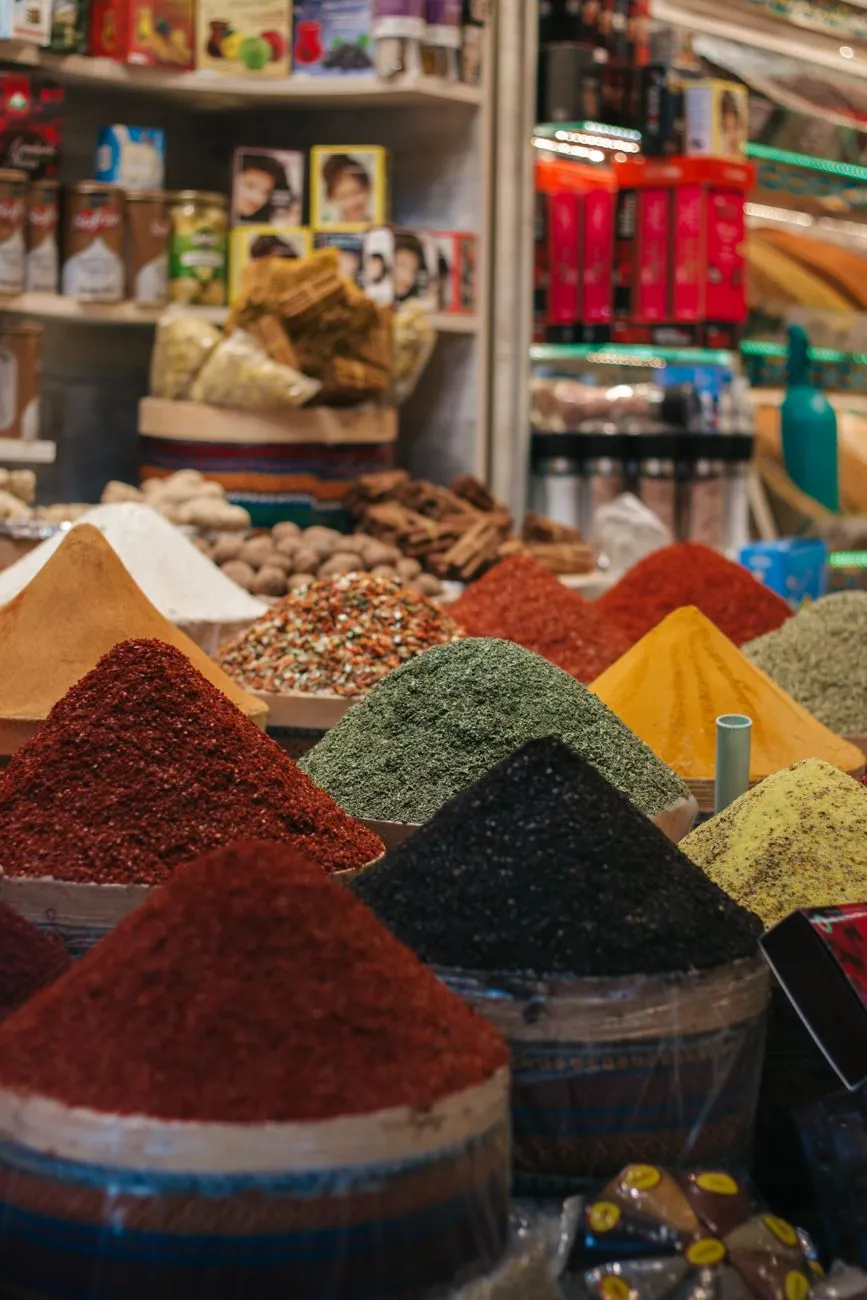
Savor the Past, Taste the Present: How Travel Unlocks the Soul of a Place There is a moment, fleeting yet unforgettable, when you take your first bite of a dish in a foreign land. The flavors don’t just dance on your tongue—they tell a story. A story of migration, of conquest, of love and loss, preserved through generations in a single recipe. Food is the most intimate form of heritage, a living archive that connects us to the people, places, and histories that shaped our world. Whether it’s the smoky aroma of a Moroccan tagine wafting through the alleys of Marrakech, the delicate balance of spices in a Thai curry simmering in Bangkok’s floating markets, or the rustic simplicity of a Neapolitan pizza baked in a 700-year-old wood-fired oven, culinary traditions are the threads that weave together the tapestry of human civilization. But food heritage isn’t just about taste—it’s about survival, identity, and resilience. It’s the reason why a bowl of ramen in Tokyo tastes different from one in Osaka, why a paella in Valencia is a point of regional pride, and why a street vendor in Mexico City can make you question everything you thought you knew about corn. Traveling through the world’s culinary landscapes isn’t just about indulging your palate; it’s about understanding the soul of a place. It’s about sitting across from a grandmother in a Sicilian village who insists you try her caponata because “it’s not just food—it’s memory.” It’s about bargaining in a spice market in Istanbul where the vendor’s laughter echoes the same stories told by traders on the Silk Road centuries ago. Yet, as the world becomes more interconnected, so too does our relationship with food. Globalization has made it easier than ever to access ingredients from every corner of the planet, but it has also blurred the lines between tradition and trend. How do we preserve the authenticity of a dish when its ingredients are flown in from halfway across the world? How do we honor the labor of the farmers, fishermen, and artisans who cultivate these flavors when their work is often invisible in the final product? And how do we, as travelers, ensure that our quest for culinary adventure doesn’t inadvertently erase the very traditions we seek to celebrate? This guide is your passport to the world’s most treasured culinary landscapes—a journey that goes beyond the plate to uncover the stories, struggles, and triumphs that have shaped the foods we love. From the ancient spice routes of the Mediterranean to the modern food halls of Seoul, we’ll explore how to travel with intention, how to support local traditions, and how to bring a piece of heritage home with you. Because food isn’t just what we eat. It’s how we remember. It’s how we belong.The Spice Routes Revisited: Tracing the Flavors That Shaped Civilization Few things have shaped human history as profoundly as the trade of spices. For millennia, the quest for cinnamon, pepper, nutmeg, and cloves fueled exploration, sparked wars, and built empires. The spice routes weren’t just pathways for goods—they were highways of cultural exchange, where ideas, languages, and cuisines mingled in ways that still resonate today. To understand the culinary heritage of the world, you must first understand the spice trade, for it is the invisible hand that has seasoned every corner of the globe. Imagine standing in the Grand Bazaar of Istanbul, where the air is thick with the scent of dried herbs and the murmur of haggling in a dozen languages. This labyrinthine marketplace, one of the oldest and largest covered bazaars in the world, has been a hub of spice trade since the 15th century. Here, vendors display pyramids of saffron from Iran, sumac from Syria, and pul biber—a Turkish chili flake that adds a smoky heat to dishes. The spice trade in Istanbul isn’t just about commerce; it’s a living legacy of the Ottoman Empire, when spices were as valuable as gold. The Ottomans didn’t just trade spices—they perfected the art of blending them, creating dishes like pilaf and baklava that remain staples of Turkish cuisine. But the story of spices doesn’t begin in Istanbul. It begins in the lush forests of Sri Lanka, where cinnamon was first cultivated over 2,000 years ago. The ancient Egyptians used it in embalming, the Romans burned it as incense, and medieval Europeans paid fortunes for it, believing it could ward off the plague. Today, a visit to a cinnamon plantation in Sri Lanka is a journey into the past. Workers still peel the bark by hand, rolling the thin layers into quills that will be shipped across the world. The process is labor-intensive, a reminder that the spices we take for granted were once worth their weight in gold.The spice trade also left an indelible mark on the cuisines of India. In Kerala, a state on India’s southwestern coast, the monsoon rains nourish a landscape so fertile that it’s known as “God’s Own Country.” Here, black pepper, cardamom, and turmeric grow wild, and the local cuisine is a celebration of these flavors. A traditional Kerala meal might include appam (rice pancakes) served with stew—a coconut milk-based curry scented with cinnamon, cardamom, and cloves. The use of these spices isn’t just about taste; it’s about health. Ayurveda, the ancient Indian system of medicine, has long recognized the healing properties of spices, using them to aid digestion, boost immunity, and even treat ailments. Yet, the spice trade wasn’t without its dark side. The European colonial powers—Portugal, the Netherlands, and Britain—sought to monopolize the spice trade, leading to brutal exploitation of local populations and the displacement of entire communities. In the Moluccas, the original “Spice Islands” of Indonesia, the Dutch East India Company burned entire villages to control the nutmeg trade, a practice so ruthless that it inspired the term “scorched earth.” Today, the legacy of this exploitation lingers in the form of cultural erasure and economic inequality. But it also serves as a reminder of the resilience of local traditions. In places like Zanzibar, where cloves were once grown on plantations worked by enslaved people, the spice trade has evolved into a source of pride. The island’s annual Zanzibar International Film Festival often features documentaries on the history of the spice trade, and local chefs are reviving traditional recipes that had nearly been forgotten. For travelers, the spice routes offer a chance to reconnect with this history. In Morocco, the souks of Marrakech are a sensory overload of cumin, coriander, and ras el hanout—a complex spice blend that varies from vendor to vendor. In Vietnam, the streets of Hanoi are lined with vendors selling pho, a noodle soup whose broth is simmered for hours with star anise, cinnamon, and cardamom. Each of these places offers a lesson in how spices have shaped not just cuisine, but culture itself. But how can we, as travelers, engage with this heritage responsibly? Start by seeking out local producers. In Sri Lanka, visit a cinnamon plantation and learn about the process from the farmers themselves. In India, take a cooking class in Kerala and learn to grind spices by hand, as they’ve been done for centuries. Support businesses that prioritize fair trade and sustainable practices. And most importantly, listen to the stories of the people who keep these traditions alive. The spice routes are more than a historical footnote—they’re a living testament to the power of food to connect us to our past.The Art of the Ancients: Preserving Culinary Traditions in a Fast-Changing World In the heart of Naples, Italy, there’s a pizzeria that has been baking pizza in the same way for over 200 years. The oven, made of volcanic stone, is heated by wood fires that have burned continuously since the 18th century. The dough is kneaded by hand, the sauce is made from San Marzano tomatoes grown in the volcanic soil of Mount Vesuvius, and the mozzarella is produced using milk from water buffalo that graze on the plains of Campania. This isn’t just pizza—it’s a piece of living history, a tradition so sacred that it’s been granted UNESCO Intangible Cultural Heritage status. The story of Neapolitan pizza is a microcosm of a larger struggle: the fight to preserve culinary traditions in a world that’s increasingly homogenized. Globalization has made it easier than ever to access ingredients from every corner of the planet, but it has also diluted the uniqueness of local cuisines. A McDonald’s in Tokyo might serve a teriyaki burger, but it’s a far cry from the okonomiyaki that’s been a street food staple in Osaka for centuries. A Starbucks in Istanbul might offer a “Turkish-style” latte, but it can’t replicate the rich, spiced kahve served in a copper cezve by a street vendor in the Grand Bazaar. So how do we preserve these traditions? The answer lies in understanding the forces that threaten them—and the movements that are fighting to keep them alive. One of the biggest threats to culinary heritage is industrialization. When food is mass-produced, it loses its connection to the land, the people, and the history that shaped it. Take the case of teff, a tiny grain that’s been a staple in Ethiopian cuisine for thousands of years. Teff is gluten-free, nutrient-dense, and perfectly adapted to the harsh climate of the Ethiopian highlands. But when global demand for gluten-free products surged, multinational corporations began patenting teff varieties and exporting them to the West. Suddenly, the price of teff in Ethiopia skyrocketed, making it unaffordable for the very people who had cultivated it for generations. The backlash was swift. Ethiopian farmers and activists launched campaigns to protect teff’s genetic diversity and ensure that its benefits remained accessible to local communities.Another threat is cultural appropriation. When a dish is stripped of its cultural context and repackaged as a trend, it loses its soul. The global popularity of sushi is a case in point. Sushi originated in Japan as a method of preserving fish in fermented rice, but it evolved into an art form that reflects the seasons, the region, and the chef’s skill. Today, sushi is served in every corner of the world, often in forms that bear little resemblance to the original—think California rolls with crab sticks and avocado, or sushi burritos that are more burrito than sushi. While there’s nothing inherently wrong with innovation, the problem arises when the cultural significance of the dish is erased. A sushi chef in Tokyo might spend a decade mastering the craft, while a fast-food chain can churn out sushi rolls in minutes. The result? A dilution of tradition and a loss of respect for the skill and history behind the food. But there’s hope. Around the world, chefs, farmers, and activists are working to preserve culinary heritage through a movement known as slow food. Founded in Italy in 1986, Slow Food is an international organization that promotes local food traditions, biodiversity, and sustainable agriculture. Its flagship initiative, the Ark of Taste, is a catalog of foods at risk of extinction, from the Cinta Senese pig of Tuscany to the Oaxacan green dent corn of Mexico. By identifying and celebrating these foods, Slow Food aims to keep them alive for future generations. In Mexico, the milpa system—a traditional farming technique that combines maize, beans, and squash—is being revived by indigenous communities. The milpa isn’t just a way to grow food; it’s a sustainable ecosystem that preserves biodiversity and supports food security. In Italy, the Presidia project supports small-scale producers who are keeping ancient varieties of fruits, vegetables, and grains alive. And in Japan, the Washoku movement is working to preserve traditional cooking techniques, from the art of making dashi broth to the meticulous preparation of kaiseki meals. For travelers, engaging with these movements is a way to support culinary heritage while deepening your connection to a place. Here’s how:Eat local, eat seasonal. Seek out restaurants that source ingredients from local farms and markets. Ask questions about where the food comes from and how it’s prepared. The more you know, the more you’ll appreciate the effort that goes into preserving tradition. Support small producers. Buy directly from farmers, artisans, and chefs who are keeping traditions alive. In Oaxaca, Mexico, visit a tortilleria that grinds corn the old-fashioned way. In Tuscany, Italy, buy cheese from a caseificio that uses milk from heritage breeds of cows. Learn the stories behind the food. Take a cooking class from a local chef, visit a museum dedicated to culinary history, or join a food tour led by someone from the community. The more you understand the significance of a dish, the more meaningful your experience will be. Respect the culture. Avoid ordering dishes that are sacred or ceremonial unless you’re invited to do so. In many indigenous cultures, food is deeply tied to spirituality, and it’s important to approach it with reverence.Preserving culinary heritage isn’t just about nostalgia—it’s about survival. These traditions are a testament to human ingenuity, resilience, and creativity. They’re a reminder that food isn’t just fuel; it’s a language, a history, and a way of life. By supporting them, we ensure that the flavors of the past continue to nourish the future.From Street Food to Fine Dining: The Evolution of Culinary Travel There’s a moment in every traveler’s journey when they realize that the best meals aren’t found in Michelin-starred restaurants or guidebook-listed eateries—they’re found on the street. In Bangkok, it’s the Jay Fai crab omelet, a dish so legendary that it earned its chef a Michelin star despite being served from a street cart. In Istanbul, it’s the balık ekmek, a simple sandwich of grilled mackerel stuffed into fresh bread, sold by vendors along the Galata Bridge. In Mexico City, it’s the tlayudas, a giant crispy tortilla topped with beans, cheese, and meat, grilled to perfection over an open flame. Street food is the heartbeat of a city’s culinary culture. It’s where tradition meets innovation, where grandmothers pass down recipes to their grandchildren, and where the flavors of a place are distilled into their purest form. But street food isn’t just about taste—it’s about accessibility. In many parts of the world, street food is the only affordable meal option for millions of people. It’s a lifeline for the working class, a social equalizer, and a symbol of resilience. Yet, street food is also one of the most vulnerable aspects of culinary heritage. In cities like Hanoi, Vietnam, street food vendors are being pushed out by urban development and strict hygiene regulations. In Mexico City, the rise of food delivery apps has led to a decline in the number of street food stalls, as younger generations opt for the convenience of ordering in. And in Bangkok, the gentrification of neighborhoods like Chinatown has led to the closure of iconic street food stalls, replaced by trendy cafes and fusion restaurants. So how can we, as travelers, support street food culture while ensuring that it thrives for generations to come?The first step is to seek out street food that’s deeply rooted in tradition. In Thailand, for example, street food isn’t just about quick bites—it’s about regional specialties. In the north, you’ll find sai oua, a spicy sausage made with lemongrass and kaffir lime leaves. In the south, it’s khanom jeen, a dish of fermented rice noodles served with a coconut-based curry. Each region has its own unique flavors, and the best way to experience them is to follow the locals. Ask your hotel concierge for recommendations, or simply follow the crowds to the busiest stalls. The more popular a vendor is, the more likely they are to be using time-tested recipes and fresh ingredients. Another way to support street food culture is to patronize vendors who prioritize sustainability. In India, for example, street food vendors are increasingly using biodegradable plates made from banana leaves or areca nuts instead of plastic. In Peru, the ceviche stalls of Lima are sourcing their fish from sustainable fisheries to protect the country’s marine ecosystems. And in Indonesia, street food vendors are reviving traditional cooking methods, like using bamboo steamers for lemang (glutinous rice cooked in coconut milk), to reduce their carbon footprint. But perhaps the most important thing we can do as travelers is to advocate for the preservation of street food culture. This means supporting policies that protect street vendors from displacement, such as zoning laws that designate areas for street food stalls. It means encouraging local governments to invest in infrastructure, like clean water and waste management, that allows vendors to operate safely. And it means amplifying the voices of the people who keep these traditions alive. Share their stories on social media, write reviews that highlight their contributions, and support organizations that work to protect street food culture. For those who want to go a step further, consider volunteering with organizations that support street food vendors. In Vietnam, the Hanoi Street Food Project works to document and preserve the country’s street food heritage while providing training and resources to vendors. In Mexico, the Street Food Collective advocates for the rights of street food workers and promotes sustainable practices. By getting involved, you can help ensure that the flavors of the street remain a vital part of the world’s culinary landscape.The Digital Nomad’s Dilemma: Balancing Wanderlust with Culinary Responsibility In the age of remote work and digital nomadism, food has become both a comfort and a challenge. On one hand, the ability to work from anywhere in the world has opened up unprecedented opportunities to explore new cuisines and culinary traditions. On the other hand, the transient nature of digital nomad life can make it difficult to form meaningful connections with local food cultures. How do you balance the desire to explore with the responsibility to respect and preserve the traditions you encounter? The answer lies in intentional travel—approaching your culinary adventures with mindfulness, curiosity, and a willingness to learn. It’s about recognizing that food isn’t just a commodity to be consumed, but a living tradition to be honored. One of the biggest challenges digital nomads face is the temptation to seek out familiar foods in unfamiliar places. A quick Google search for “best coffee in Lisbon” might lead you to a hipster café serving avocado toast, but it won’t introduce you to the bica—a strong Portuguese espresso that’s been a staple of Lisbon’s coffee culture for centuries. Similarly, a search for “best burgers in Buenos Aires” might lead you to a trendy gastropub, but it won’t introduce you to the lomito—a sandwich made with grilled steak, ham, cheese, and a fried egg, served on crusty bread.To avoid falling into this trap, start by researching the culinary traditions of the places you visit before you arrive. Learn about the staple dishes, the regional specialties, and the cultural significance of the foods you’ll encounter. In Japan, for example, washoku (traditional Japanese cuisine) is a UNESCO Intangible Cultural Heritage. Before visiting, learn about the etiquette of eating with chopsticks, the importance of seasonality in Japanese cooking, and the rituals surrounding tea ceremonies. In Italy, cucina povera (peasant cooking) is a testament to the resourcefulness of Italian grandmothers who turned humble ingredients into dishes that are now celebrated worldwide. Before visiting, learn about the history of pasta al pomodoro, ribollita, and other dishes that originated from necessity but have become culinary icons. Another challenge is the environmental impact of digital nomadism. Flying from country to country, eating at restaurants that source ingredients globally, and relying on single-use plastics can take a toll on the places you visit. To minimize your footprint, consider the following:Support local businesses. Eat at restaurants that source ingredients locally, shop at farmers’ markets, and choose accommodations that prioritize sustainability. Reduce waste. Carry a reusable water bottle, bring your own utensils, and avoid single-use plastics whenever possible. Offset your carbon footprint. Many airlines and travel companies offer carbon offset programs that fund renewable energy projects or reforestation efforts. Learn the language. Even a few phrases in the local language can go a long way in showing respect for the culture and building connections with locals.But perhaps the most important thing digital nomads can do is to engage with the local food community. This might mean taking a cooking class from a local chef, volunteering at a community garden, or simply striking up a conversation with a vendor at the local market. The more you immerse yourself in the food culture of a place, the more meaningful your experience will be—and the more you’ll contribute to its preservation. For those who want to take their culinary travels to the next level, consider joining a food-focused tour or workshop. In Peru, for example, you can take a pisco-making class in the Sacred Valley, learning how to distill this iconic Peruvian spirit from local artisans. In Morocco, you can join a tagine-cooking workshop in a Berber village, where you’ll learn to prepare the dish using ingredients sourced from the surrounding countryside. These experiences not only deepen your understanding of a place’s culinary heritage but also provide economic support to the communities that keep these traditions alive. Ultimately, the digital nomad’s dilemma is a reflection of a larger question: How do we travel in a way that enriches both ourselves and the places we visit? The answer isn’t to avoid travel altogether, but to approach it with intention, respect, and a willingness to learn. Food is a powerful tool for connection, and when we engage with it thoughtfully, it has the power to transform not just our palates, but our perspectives.A Table of Flavors: Comparing the Cost of Culinary Heritage Around the World Food heritage isn’t just about taste—it’s also about economics. The cost of preserving and celebrating culinary traditions varies widely from country to country, influenced by factors like ingredient availability, labor costs, and cultural priorities. Below is a comparison of the cost of key culinary experiences in some of the world’s most food-rich destinations, based on data from Numbeo and other reliable sources. These figures are approximate and can vary depending on the season, location, and type of establishment.Destination Traditional Dish Average Cost (USD) Cultural Significance Affordability Rank (1 = Most Affordable)Mexico City, Mexico Tacos al pastor $1.50 - $3.00 per taco A fusion of Lebanese and Mexican flavors, born from immigration and adaptation. 1Istanbul, Turkey Kebabs (Adana or Şiş) $5.00 - $10.00 A staple of Turkish street food, with roots in Central Asian nomadic traditions. 2Bangkok, Thailand Pad Thai $2.00 - $5.00 A dish that reflects Thailand’s history of trade and cultural exchange. 3Naples, Italy Margherita Pizza $8.00 - $15.00 The birthplace of pizza, with a recipe that’s been perfected over centuries. 4Oaxaca, Mexico Mole Negro $10.00 - $20.00 A complex, multi-layered sauce with indigenous roots, often served at celebrations. 5Lisbon, Portugal Pastel de Nata $1.00 - $2.50 A custard tart with a history tied to the Age of Exploration and Portuguese monasteries. 6Hanoi, Vietnam Pho Bo $3.00 - $7.00 A noodle soup that’s a symbol of Vietnamese resilience and resourcefulness. 7Marrakech, Morocco Tagine (Chicken) $5.00 - $12.00 A slow-cooked stew with Berber roots, reflecting the flavors of North Africa. 8Note: Prices are approximate and based on mid-range establishments. Street food and local markets are typically more affordable, while fine dining experiences can be significantly more expensive. This table highlights the diversity of culinary experiences around the world—and the varying costs associated with them. In Mexico City, you can enjoy a plate of tacos al pastor for less than the price of a coffee in many Western cities. In Naples, a single slice of pizza might cost as much as a full meal in a street food stall in Hanoi. But affordability isn’t just about price—it’s about accessibility. In Oaxaca, mole negro is a dish reserved for special occasions, while in Lisbon, pastel de nata is a daily indulgence for locals. The economic realities of food heritage are complex, shaped by history, geography, and culture. For travelers, this table serves as a reminder that culinary heritage isn’t a monolith. It’s a mosaic of flavors, traditions, and economic realities that reflect the diversity of the human experience. Whether you’re savoring a $1 taco in Mexico City or a $20 bowl of mole in Oaxaca, the key is to approach each meal with respect, curiosity, and a willingness to learn.The Last Bite: Why Food Heritage Matters More Than Ever As the sun sets over the rooftops of Istanbul, casting a golden glow over the domes of the Blue Mosque, the call to prayer echoes through the streets. It’s a sound that’s been a constant in this city for over a thousand years, a reminder of the layers of history that have shaped its culture. And yet, in the midst of this timeless beauty, the city is changing. The spice vendors of the Grand Bazaar are aging, their children opting for careers in tech rather than the family business. The street food stalls of Beyoğlu are being replaced by boutique hotels and fusion restaurants. The flavors that have defined Istanbul for centuries are at risk of fading into obscurity. This isn’t just Istanbul’s story—it’s the story of every place with a rich culinary heritage. In Kyoto, the art of kaiseki is being overshadowed by conveyor-belt sushi. In New Orleans, the recipes of Creole grandmothers are being lost as younger generations move away from the city. In Mumbai, the bhelpuri stalls of Chowpatty Beach are being replaced by fast-food chains. The forces of globalization, urbanization, and economic pressure are eroding the traditions that have sustained communities for generations. But there’s hope. In every corner of the world, there are people fighting to keep these traditions alive. In Istanbul, a group of young chefs has opened a restaurant dedicated to preserving Ottoman cuisine. In Kyoto, a nonprofit is teaching the next generation of chefs the art of wagashi (traditional Japanese sweets). In New Orleans, a collective of Black women chefs is reviving the recipes of their ancestors through a movement called Black Girl Chefs. Food heritage isn’t just about the past—it’s about the future. It’s about the farmers who grow heirloom varieties of fruits and vegetables, the artisans who keep ancient techniques alive, and the chefs who innovate while staying true to tradition. It’s about the stories we tell our children about the foods we eat, the memories we create around the dinner table, and the connections we forge through shared meals. So the next time you travel, don’t just eat—engage. Ask questions. Seek out the stories behind the dishes. Support the people who keep these traditions alive. And most importantly, bring a piece of that heritage home with you. Whether it’s a recipe, a spice blend, or a memory of a meal shared with strangers who became friends, let the flavors of the world nourish not just your body, but your soul. Because food isn’t just what we eat. It’s how we remember. It’s how we belong. And it’s how we ensure that the stories of the past continue to shape the future.#FoodHeritageMatters #TravelWithPurpose #CulinaryAdventure #SlowTravel #SavorTheWorld Related InsightsAntigua and Barbuda Unveiled: A Digital Nomad’s Paradise of Turquoise Waters, Spice-Infused Cuisine, and Colonial Charm Awadhi Cuisine: A Royal Legacy on Your Plate – The Untold Story of Lucknow’s Flavors St. John’s, Antigua and Barbuda: Where Colonial Charm Meets Digital Nomad Paradise{ "@context": "https://schema.org", "@type": "FAQPage", "mainEntity": [ { "@type": "Question", "name": "What is the main focus of From Ancient Markets to Modern Tables: A Journey Through the World’s Most Treasured Culinary Landscapes?", "acceptedAnswer": { "@type": "Answer", "text": "Explore the world’s most celebrated culinary traditions, from bustling bazaars to heritage kitchens, and discover how travel shapes our relationship with food." } }, { "@type": "Question", "name": "Who authored the comprehensive guide on From Ancient Markets to Modern Tables: A Journey Through the World’s Most Treasured Culinary Landscapes?", "acceptedAnswer": { "@type": "Answer", "text": "This detailed article and its insights were carefully researched and authored by Sarah Mitchell." } }, { "@type": "Question", "name": "Where can I find more related content about Travel/Food?", "acceptedAnswer": { "@type": "Answer", "text": "You can explore more articles, detailed reviews, and similar insights by browsing the Related Insights section at the bottom of this article or visiting our dedicated Travel/Food category page." } } ] }