Showing Posts From
Forbidden literature
-
 Emily Page
 - 16 Aug, 2026 06:22
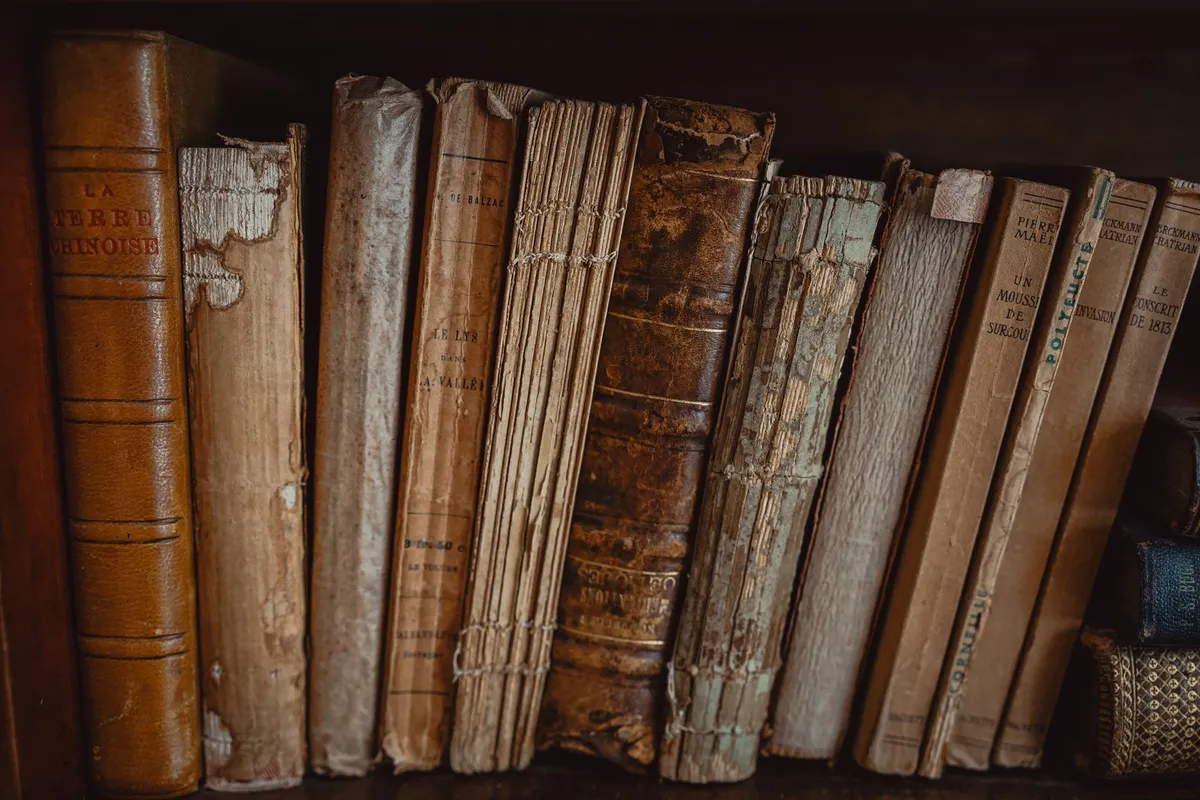
Ink and Iron: The Silent War Against the Forbidden Pages of the Soviet Union
The scent of old paper and damp basements often carried the fragrance of revolution. In a land where a single misplaced adjective could be interpreted as treason, the book became more than a vessel for storytelling—it became a weapon of survival, a clandestine currency, and a dangerous act of defiance. To possess a banned book in the Soviet Union was to dance on the edge of a blade, inviting the gaze of the Glavlit (the Main Administration for Literary and Publishing Affairs) and the shadow of the KGB. For decades, the Soviet state did not merely curate its libraries; it sculpted a reality by erasing the words that dared to contradict the official party line. The Architecture of Silence and the Glavlit Grip The mechanism of Soviet censorship was not a sporadic set of bans but a systemic architecture of silence. At the heart of this machinery was Glavlit, the state organ tasked with ensuring that no printed word escaped into the public consciousness unless it aligned perfectly with Marxist-Leninist ideology. This wasn't just about banning "anti-Soviet" propaganda; it was about the meticulous scrubbing of history. Maps were redrawn, names were excised from encyclopedias, and entire literary movements were treated as if they had never existed. The criteria for banning a book were as fluid as the political winds of the Kremlin. A writer could be the darling of the state one year and a "class enemy" the next. The state feared not only the explicit political critique but also the "bourgeois" influence—the notion that individual experience, spiritual longing, or existential dread mattered more than the collective progress of the proletariat.Shadows of the Masters: The Internal Exiles Among the most tragic figures of this era were those whose books were banned in their own homeland, often while the authors were still breathing. Mikhail Bulgakov stands as a titan of this struggle. His masterpiece, The Master and Margarita, a surrealist blend of biblical satire and a critique of Soviet bureaucracy, was far too subversive for the official presses. Bulgakov wrote it in secrecy, knowing that the imagery of the Devil visiting Moscow would be seen as a direct assault on the state's claim to absolute moral and social order. The book circulated in fragmented, handwritten copies for years, gaining a legendary status that no official publication could have ever achieved. In the Soviet Union, the "underground" status of a book often acted as a seal of authenticity. If the state hated it, the people craved it. Then there was Boris Pasternak. The publication of Doctor Zhivago became an international geopolitical incident. The novel, which focused on the personal tragedies of an individual caught in the gears of the Russian Revolution, was viewed as a betrayal of the socialist cause. When it was smuggled out of the USSR and published in Italy, the Soviet state responded with a campaign of vitriol. Pasternak was pressured to refuse the Nobel Prize in Literature in 1958, proving that the state's reach extended far beyond the borders of its own bookstores. The Western Contagion: Orwell and the Dread of Dystopia While the state fought its own writers, it was equally terrified of the "Western contagion." English-language literature, particularly that which critiqued totalitarianism, was strictly forbidden. George Orwell’s 1984 and Animal Farm were the ultimate forbidden fruits. The irony, of course, was that Orwell’s descriptions of Big Brother, the Thought Police, and the rewriting of history mirrored the lived experience of millions of Soviet citizens with terrifying precision. Reading Orwell was not merely a literary exercise; it was a cognitive awakening. It provided the vocabulary for the citizens to describe their own oppression. Along with Orwell, the works of Aldous Huxley and other Western philosophers who questioned the nature of power and the state were treated as spiritual poisons. These books were often translated in secret, the typed pages passed from hand to hand in a relay of intellectual bravery.Samizdat and Tamizdat: The Secret Arteries of Truth When the official printing presses were locked, the people created their own. This gave birth to the phenomenon of Samizdat (self-publishing). The process was painstaking: a person would acquire a typewriter, use carbon paper to make several copies of a banned text, and pass them to trusted friends. Each recipient was expected to make further copies. The sound of a typewriter clicking in a midnight apartment became the heartbeat of the Soviet intellectual resistance. Samizdat was not just for novels. It included poetry, political essays, and smuggled news reports. It was a decentralized network of truth that the KGB spent decades trying to dismantle. Those caught with Samizdat materials faced charges of "anti-Soviet agitation and propaganda," which could lead to imprisonment in the Gulags or forced psychiatric hospitalization. Parallel to this was Tamizdat (published "there," meaning abroad). This involved smuggling manuscripts out of the Soviet Union to publishing houses in Paris or New York. Once printed in the West, these books would be smuggled back into the USSR—often hidden in the linings of suitcases or disguised as innocuous travel guides. This bidirectional flow of information ensured that the voices of the suppressed were heard, even if only in whispers. The Sacred and the Profane: Religious Banning The Soviet Union's commitment to state atheism meant that any text promoting religion was subject to immediate banning. Bibles, Torahs, and Quranic texts were hunted by the state. Religious literature was seen as a competing loyalty, a spiritual allegiance that threatened the total devotion required by the Party. The banning of religious texts led to the creation of underground "home churches" and secret study circles. In these spaces, the act of reading a religious text became a liturgical act of rebellion. The state's attempt to erase the divine from the printed page only served to push faith deeper into the private, impenetrable spheres of the home and the heart.The Legacy of the Forbidden Page The fall of the Soviet Union eventually opened the floodgates, allowing the forbidden works to flood back into the bookstores of Moscow and Kyiv. However, the era of banning left a permanent mark on the global literary landscape. It taught the world that the more a government attempts to erase a story, the more immortal that story becomes. The works of Solzhenitsyn, particularly The Gulag Archipelago, stand as the ultimate testament to this era. By documenting the horrors of the labor camps, Solzhenitsyn did more than just write a book; he dismantled the legitimacy of a regime. His writing proved that the truth, once written down and shared, is an unstoppable force. The history of banned books in the Soviet Union is not just a list of titles; it is a map of human resilience. It reminds us that the desire for truth is more powerful than the fear of the police and that a single book, hidden under a mattress or passed in a dark alley, can eventually bring down an empire of silence. The Enduring Power of the Word Today, as we look back at the lists of forbidden authors—from the satirical brilliance of Bulgakov and the haunting prose of Pasternak to the searing honesty of Solzhenitsyn—we realize that censorship is a confession of weakness. A state that fears a book is a state that knows its own narrative is a lie. The Soviet experiment in literary control failed because it ignored a fundamental truth: the human mind cannot be fenced in. The "Ink and Iron" war was won not by the iron of the state, but by the ink of the dreamers, the dissidents, and the brave souls who dared to read.#SovietHistory #ForbiddenBooks #LiteraryResistance #Censorship #BookLovers Related InsightsOne Last Warning (Quinn & Costa, #8) Book Review and Summary Atmosphere Book Review and Summary Houdini Heart Book Review and Summary{ "@context": "https://schema.org", "@type": "FAQPage", "mainEntity": [ { "@type": "Question", "name": "What is the main focus of Ink and Iron: The Silent War Against the Forbidden Pages of the Soviet Union?", "acceptedAnswer": { "@type": "Answer", "text": "Explore the dangerous allure of forbidden literature in the USSR, from Samizdat to the works of Bulgakov and Orwell." } }, { "@type": "Question", "name": "Who authored the comprehensive guide on Ink and Iron: The Silent War Against the Forbidden Pages of the Soviet Union?", "acceptedAnswer": { "@type": "Answer", "text": "This detailed article and its insights were carefully researched and authored by Emily Page." } }, { "@type": "Question", "name": "Where can I find more related content about Books?", "acceptedAnswer": { "@type": "Answer", "text": "You can explore more articles, detailed reviews, and similar insights by browsing the Related Insights section at the bottom of this article or visiting our dedicated Books category page." } } ] }
-
 Aylin Okur
 - 14 Aug, 2026 10:57
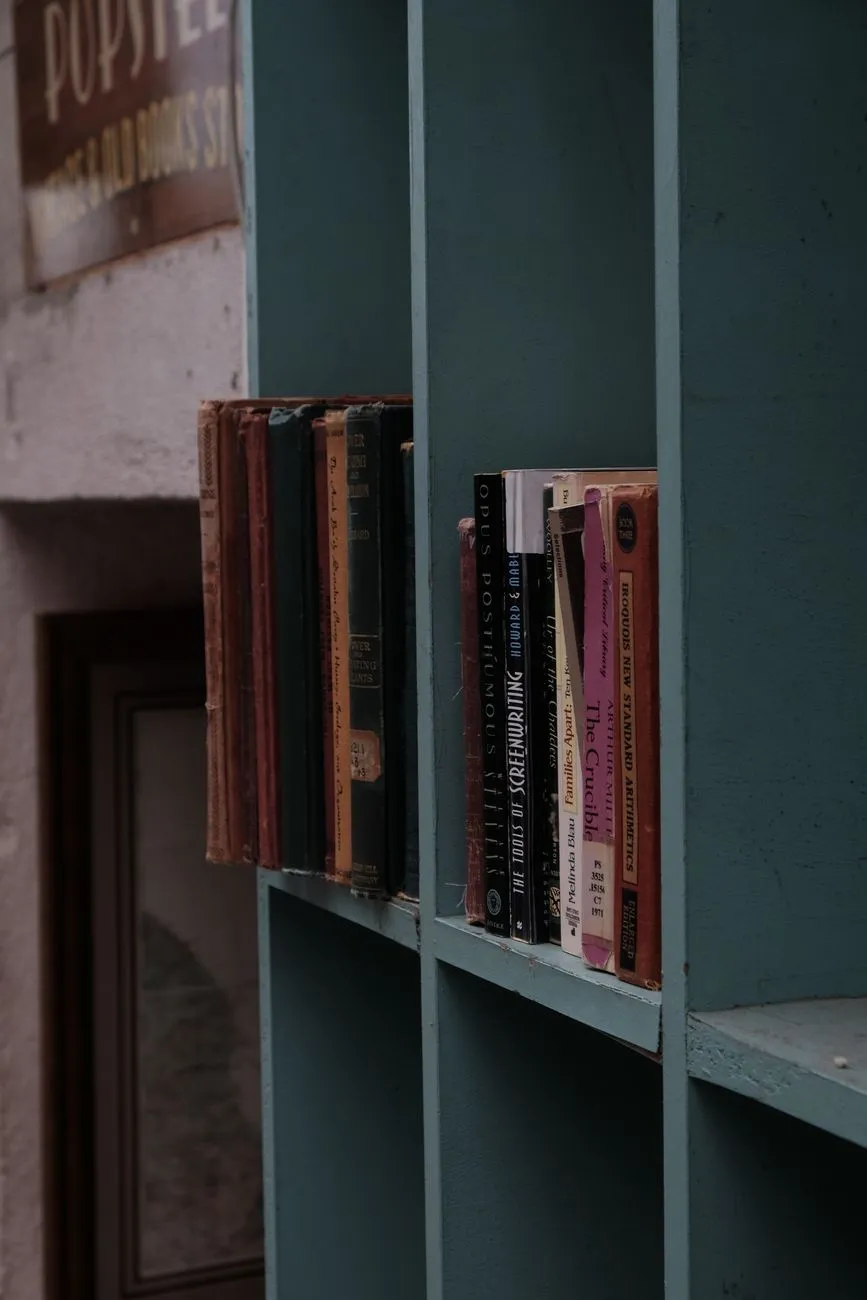
The Silent Ink: Unmasking the Forbidden Libraries of the Soviet Empire
Ideas are more dangerous than armies because an army can only conquer a territory, but a book can conquer a mind. In the heart of the 20th century, across the vast, frozen expanses of the Soviet Union, there existed a war not of bullets, but of ink. It was a war fought in the shadows of clandestine basements, through the frantic clicking of manual typewriters, and within the silent corridors of the Spetskhran—the special storage vaults where "dangerous" literature was locked away, far from the eyes of the proletariat. To own the wrong page was not merely a social faux pas; it was an act of treason against the state. The Iron Curtain of the Mind Censorship in the Soviet Union was not a sporadic occurrence but a systemic architecture designed to carve a specific version of reality. The state recognized that literature is the primary vehicle for empathy and critical thought. By controlling what people read, the regime sought to engineer the "New Soviet Man"—a citizen devoid of "bourgeois" distractions and fully aligned with the party line of Socialist Realism. Socialist Realism was the only approved artistic method. It required that art be "proletarian" in content and "national" in form, depicting the struggle toward communism in an optimistic, idealized light. Anything that deviated from this—anything that explored the depths of human despair, the complexity of individualism, or the failures of the state—was branded as "formalism" or "counter-revolutionary." The result was a massive blacklist of authors and titles that spanned from the classics of Western philosophy to the daring whispers of internal dissidents.The Architects of Dissent: Forbidden Voices from Within The most perilous books were those written by the people living under the regime, for the regime feared its own thinkers more than any foreign spy. Aleksandr Solzhenitsyn stands as perhaps the most towering figure of this struggle. His seminal work, The Gulag Archipelago, served as a brutal map of the Soviet system of forced labor camps. It was not merely a book; it was an indictment of the entire Soviet project. Because it exposed the systemic cruelty of the NKVD and the KGB, the manuscript had to be smuggled out of the country and published in the West before it could filter back into the USSR. To be caught with a copy of The Gulag Archipelago was to invite an immediate visit from the secret police. Then there was Boris Pasternak. His novel Doctor Zhivago captured the tragedy of an individual caught in the gears of historical upheaval. The Soviet authorities hated the book because it prioritized the internal emotional life of a man over the collective goals of the revolution. When the manuscript was smuggled to Italy and published there in 1957, Pasternak became a global symbol of intellectual resistance, though he was forced to refuse the Nobel Prize in Literature under immense state pressure. Other critical voices included:Mikhail Bulgakov: His masterpiece The Master and Margarita was a surrealist critique of Soviet bureaucracy and human nature. It remained unpublished in its entirety within the USSR for decades, circulating only in fragile, handwritten copies. Osip Mandelstam: A poet whose verses against Stalin were so potent that they were whispered from person to person, as printing them was a death sentence.The Western Ghosts: Banning the Global Canon The Soviet blockade didn't just stop at its borders; it extended to the global literary heritage. Any work that promoted capitalism, religious mysticism, or "decadent" individualism was strictly prohibited. Many works of Western philosophy, such as those by Friedrich Nietzsche or Jean-Paul Sartre, were treated with extreme suspicion. Their focus on the "Übermensch" or existentialist absurdity clashed violently with the deterministic certainty of Marxist-Leninist ideology. Similarly, religious texts—most notably the Bible—were heavily restricted or banned entirely during the peak of the state's atheistic campaigns. The "decadent" literature of the West, including many modernist poets and novelists, was viewed as a contagion. The regime feared that the individualism found in English or French literature would seep into the Soviet youth, encouraging them to question the collective identity imposed upon them by the Party.Samizdat: The Underground Printing Press of Courage When the official publishing houses became tools of the state, the people created their own. This gave birth to Samizdat (self-publishing). Samizdat was not a professional industry; it was a desperate, grassroots network of trust. The process was painstakingly slow and incredibly dangerous. A person would obtain a forbidden manuscript—perhaps a poem by Akhmatova or a chapter of Solzhenitsyn—and type it out using a manual typewriter. They would use carbon paper to create three to five copies. Each person who received a copy was then tasked with typing further copies and passing them along to trusted friends. This organic, viral spread of information meant that a book could travel across thousands of miles of Siberian tundra and urban apartment blocks without a single official printing press ever being used. The physical quality of these books was poor—thin paper, smudged ink, and handwritten corrections—but their intellectual value was priceless. They were the only windows of truth in a landscape of state-sponsored lies. Tamizdat: The Bridge to the Outside World While Samizdat was internal, Tamizdat (publishing "over there") involved smuggling manuscripts across the border to be printed in the West. Once printed in Paris, London, or New York, these books would be smuggled back into the Soviet Union, often hidden in the linings of suitcases or disguised as mundane travel guides. The cycle of Tamizdat was a psychological blow to the Soviet regime. It proved that while the state could control the presses within its borders, it could not control the global conversation. The exiled voices of authors like Vladimir Nabokov continued to haunt the Soviet consciousness, reminding the citizens that there was a world beyond the Iron Curtain where the mind was free to wander. The Spetskhran: The Cemetery of Living Books For those who were allowed to access "dangerous" literature, there was only one place: the Spetskhran. This was a specialized, restricted section of the libraries where banned books were kept. These were not destroyed—the Soviets were meticulous archivists—but they were locked away in vaults. To enter the Spetskhran, a researcher needed a special permit, often requiring the approval of the KGB. Even then, the reader was supervised. The books were treated like hazardous materials, kept under lock and key to ensure that the "poison" of forbidden thought did not leak into the general population. The irony of the Spetskhran was that it preserved the very books the state wished to erase, turning the library into a museum of forbidden ideas.The Legacy of the Forbidden Page When the Soviet Union finally collapsed in 1991, the floodgates opened. The books that had been whispered in basements and locked in vaults suddenly appeared on street corners and in official bookstores. However, the experience of reading a banned book is fundamentally different from reading a legal one. The history of banned Soviet literature teaches us that censorship rarely achieves its goal of eradication. Instead, it grants the forbidden text a supernatural power. A book that the government fears is a book that the people crave. The danger associated with the text becomes part of its allure, transforming the act of reading into an act of rebellion. The struggle of authors like Solzhenitsyn and Pasternak serves as a timeless reminder that the written word is the ultimate weapon against tyranny. Even in the face of the most oppressive regimes, the human drive for truth cannot be fully silenced. The ink may be hidden, and the pages may be fragile, but the ideas they carry are indestructible. The Echoes of the Forbidden List If we look back at the list of banned works—ranging from the spiritual depths of Dostoevsky (who faced his own censorship in his time) to the piercing political critiques of the 20th century—we see a pattern. The state always bans that which forces the individual to look inward. By banning books that explored the human soul, the Soviet Union attempted to replace the soul with a cog in a machine. Today, these books are no longer illegal, but they remain essential. They are not just historical artifacts; they are warnings. They remind us that whenever a government begins to decide which books are "appropriate" or "dangerous," the first casualty is always the truth. #SovietHistory #BannedBooks #LiteraryResistance #Samizdat #FreedomOfSpeechRelated InsightsMidnight Curfew Book Review and Summary King of Greed Book Review and Summary What Lies in the Woods Book Review and Summary{ "@context": "https://schema.org", "@type": "FAQPage", "mainEntity": [ { "@type": "Question", "name": "What is the main focus of The Silent Ink: Unmasking the Forbidden Libraries of the Soviet Empire?", "acceptedAnswer": { "@type": "Answer", "text": "Explore the dangerous world of Samizdat and the literary ghosts the Soviet Union tried to erase from history." } }, { "@type": "Question", "name": "Who authored the comprehensive guide on The Silent Ink: Unmasking the Forbidden Libraries of the Soviet Empire?", "acceptedAnswer": { "@type": "Answer", "text": "This detailed article and its insights were carefully researched and authored by Aylin Okur." } }, { "@type": "Question", "name": "Where can I find more related content about Books?", "acceptedAnswer": { "@type": "Answer", "text": "You can explore more articles, detailed reviews, and similar insights by browsing the Related Insights section at the bottom of this article or visiting our dedicated Books category page." } } ] }