Showing Posts From
French pastry
-
 Isabella Rossi
 - 07 Aug, 2026 19:33
The Art of French Pastry: From Parisian Kitchens to Your Plate, Mastering Macarons, Éclairs, and Croissants
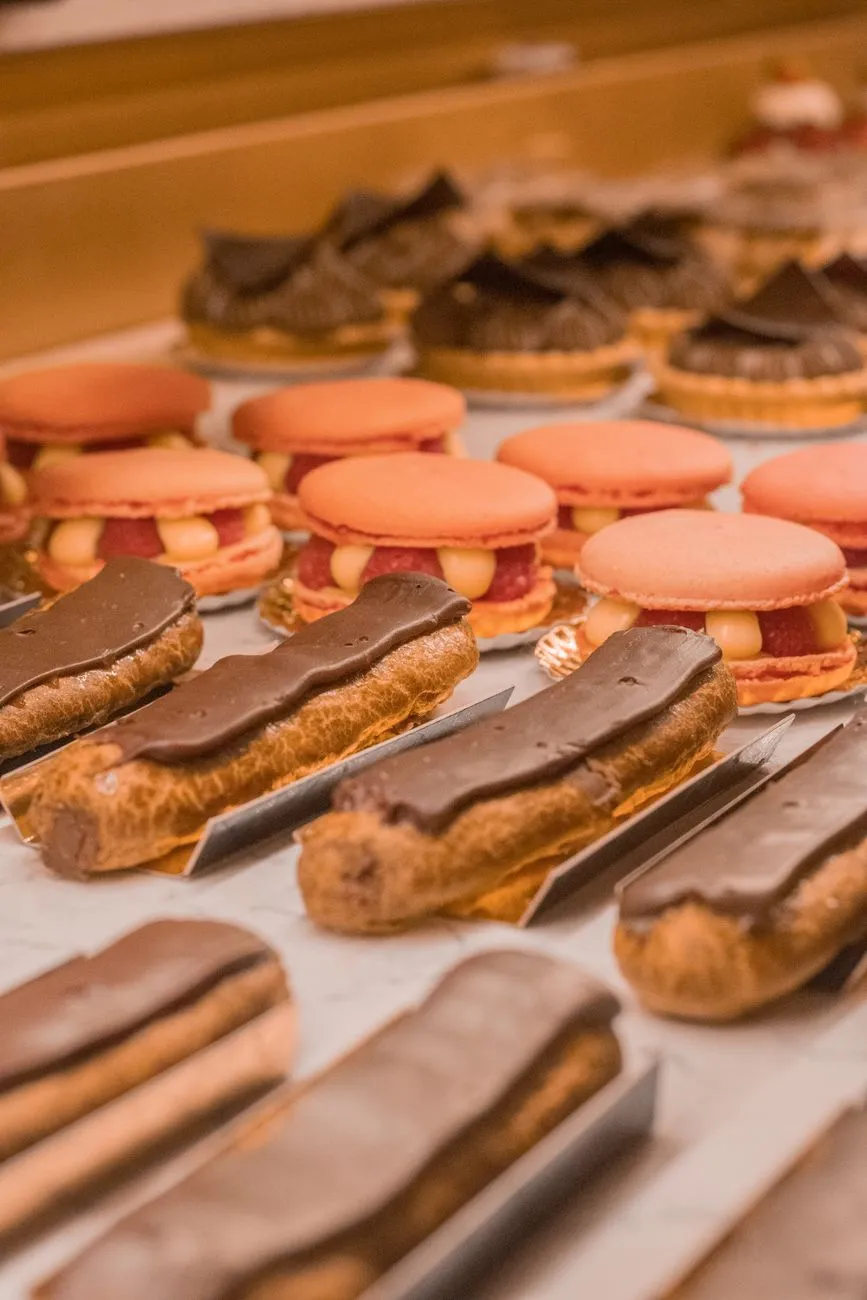
Parisian Delights in Your Hands: The Timeless Craft of French Pastry The scent of buttery croissants wafting through a Parisian morning, the delicate crunch of a macaron shell dissolving on your tongue, the rich, velvety filling of an éclair melting into perfection—these are the hallmarks of French pastry. A tradition that blends centuries of culinary innovation with meticulous technique, French pastry is not merely food; it is an art form. From the golden layers of a croissant to the precise piping of an éclair, each creation tells a story of patience, precision, and passion. Whether you're a seasoned baker or an enthusiastic home cook, mastering these pastries will elevate your kitchen to the level of a Parisian pâtisserie. But what makes French pastry so revered? The answer lies in its uncompromising standards, its deep-rooted traditions, and the science behind its magic. Let’s embark on a journey through the world of French pastry, where every fold, every fold, and every fold of dough is a step toward perfection.The Macaron: A Symphony of Texture and Flavor Few pastries are as visually striking and technically demanding as the macaron. With its smooth, domed shell, vibrant colors, and delicate interior, the macaron is a testament to the precision of French pastry chefs. Originating in Italy and perfected in France, this almond meringue-based confection has become a global phenomenon, gracing the windows of Parisian bakeries and high-end patisseries worldwide. At its core, a macaron is a simple combination of almond flour, egg whites, and sugar. But the magic lies in the technique. The process begins with the creation of an Italian meringue, where sugar is cooked to the soft-ball stage (115–118°C) and then whipped into egg whites until stiff, glossy peaks form. This meringue is then folded into sifted almond flour and powdered sugar in a process known as macaronage, where the batter is gently mixed until it reaches the consistency of lava—smooth, flowing, and slightly ribbony. The next critical step is resting. Before baking, the macaron shells must rest for 30 minutes to 1 hour, allowing a skin to form on the surface. This skin is essential for creating the characteristic "feet" or ruffled edges during baking. Baking at a precise temperature of 150–160°C for 12–15 minutes ensures a crisp shell and a chewy interior. Overbaking or underbaking can result in cracked shells or a dense texture, which is why macarons are often considered the ultimate test of a baker’s skill. Filling a macaron is where creativity truly shines. Classic options include ganache, buttercream, or jam, but modern patisseries experiment with flavors like matcha, salted caramel, or even savory fillings like foie gras. The key is balance—each bite should harmonize the crisp shell, the chewy interior, and the creamy filling.To achieve macaron perfection at home, invest in a kitchen scale for accurate measurements, a fine-mesh sieve for sifting almond flour, and a silicone baking mat to ensure even heat distribution. And remember: patience is key. Rushing the process will only lead to disappointment.Éclairs: The Art of Pâte à Choux and the Science of Cream Few pastries are as universally beloved as the éclair. With its elongated shape, glossy chocolate glaze, and airy choux pastry interior filled with rich pastry cream, the éclair is a masterpiece of French patisserie. The name "éclair" comes from the French word for "lightning," a nod to its quick baking time and the speed with which it disappears from the plate. The foundation of an éclair is pâte à choux, a dough that transforms from a humble mixture of water, butter, flour, and eggs into a light, hollow pastry through the magic of steam. The process begins by bringing water, butter, salt, and sugar to a boil, then adding flour all at once to create a smooth, cohesive dough. This dough is then cooked over medium heat until it forms a smooth ball and a thin film forms on the bottom of the pan—a sign that the moisture has evaporated and the gluten has fully developed. Eggs are added one at a time, ensuring each is fully incorporated before adding the next. The dough should be thick, glossy, and pipeable, with the consistency of toothpaste. Piping the dough onto a baking sheet in 4-inch lengths requires a steady hand and a piping bag fitted with a large round tip. The key to achieving the signature elongated shape is to pipe the dough in one continuous motion, lifting the bag slightly as you reach the end of each éclair. Baking is where the science of pâte à choux truly shines. The high moisture content in the dough creates steam, which causes the pastry to rise dramatically and develop a crisp shell. Baking at 200°C for 20–25 minutes ensures a golden-brown exterior while maintaining a hollow interior. Once baked, the éclairs must cool completely before filling to prevent sogginess. The filling is where the magic happens. Traditional pastry cream, or crème pâtissière, is made by whisking egg yolks, sugar, and cornstarch, then tempering with hot milk and vanilla. The mixture is cooked until thickened, then chilled before being piped into the cooled éclairs. For a modern twist, some patisseries use flavored creams like chocolate, coffee, or fruit-infused varieties. The final touch is the glaze. A glossy chocolate ganache or mirror glaze not only adds visual appeal but also enhances the flavor. The glaze should be poured over the top of each éclair, allowing it to drip down the sides for a professional finish.Mastering éclairs requires practice, but the reward is well worth the effort. Start with a simple vanilla pastry cream and chocolate glaze, then experiment with flavors like salted caramel, pistachio, or raspberry. The possibilities are endless, and each batch will bring you one step closer to patisserie perfection.Croissants: The Golden Layers of Buttery Perfection No discussion of French pastry would be complete without the croissant—a flaky, buttery, crescent-shaped delight that has become a symbol of French baking. Originating in Austria as the kipferl, the croissant was adopted and perfected by French bakers in the 19th century, evolving into the iconic pastry we know today. The secret to a perfect croissant lies in its dough, known as détrempe, and the lamination process. Lamination is the technique of folding butter into the dough to create distinct layers, resulting in the signature flaky texture. The process begins with a simple dough made from flour, water, yeast, sugar, and salt. The butter, which must be of the highest quality and at the correct temperature (around 16°C), is encased in the dough and rolled out into a rectangle. The first fold, or tour, involves folding the dough into thirds, like a letter, and turning it 90 degrees before rolling it out again. This process is repeated multiple times—typically three or four tours—to create hundreds of delicate layers. Each fold and roll must be done with precision to ensure even distribution of butter and consistent layering. After the final fold, the dough is rested in the refrigerator for several hours or overnight to relax the gluten and prevent shrinking during baking. This resting period is crucial for achieving the ideal texture. The croissants are then shaped into crescents, proofed until doubled in size, and baked at 200°C for 15–20 minutes until golden brown and flaky. The result is a pastry with a crisp, golden exterior and a soft, airy interior, with layers that separate easily and melt in the mouth. A well-made croissant should be light enough to float in your coffee, yet sturdy enough to hold its shape.Achieving croissant perfection at home is a labor of love, but the process can be broken down into manageable steps. Start with a high-quality butter, such as European-style, and ensure your dough and butter are at the correct temperatures throughout the lamination process. Invest in a good rolling pin and a bench scraper to help with folding and shaping. And most importantly, be patient. The resting and proofing times are non-negotiable—rushing them will result in a dense, tough pastry. For those short on time, consider making pain au chocolat or pain aux raisins, which use the same laminated dough but are easier to shape and bake. These variations are just as delicious and offer a taste of French pastry mastery without the complexity of croissants.The Science Behind the Magic: Temperature, Texture, and Technique French pastry is as much about science as it is about art. The precise control of temperature, humidity, and ingredients is what separates a mediocre pastry from a masterpiece. Understanding the role of each component—whether it’s the moisture content in pâte à choux or the fat content in butter—is essential for achieving consistent results. For example, the temperature of the butter in laminated doughs like croissants and puff pastry is critical. If the butter is too warm, it will melt into the dough, creating a dense, tough pastry. If it’s too cold, it won’t spread evenly, leading to uneven layers. Similarly, the humidity in your kitchen affects the proofing of yeast-based pastries like croissants and brioche. Too much humidity can cause the dough to stick, while too little can dry out the surface, preventing proper rise. The texture of French pastries is also influenced by the type of flour used. Bread flour, with its higher protein content, is ideal for laminated doughs like croissants, as it provides the structure needed to hold the layers together. Pastry flour, with a lower protein content, is better suited for delicate pastries like macarons and éclairs, where a tender crumb is desired. Another key factor is the pH of the ingredients. For example, the acidity in lemon juice or vinegar can help tenderize doughs and enhance the flavor of pastries like scones and biscuits. In macarons, the pH of the egg whites affects the stability of the meringue, with older egg whites (which are more alkaline) producing a more stable foam.To master French pastry, it’s essential to experiment and keep detailed notes. Track the temperature of your ingredients, the humidity in your kitchen, and the baking times for each pastry. Over time, you’ll develop an intuitive understanding of how these variables interact, allowing you to troubleshoot issues and refine your techniques.From Paris to Your Plate: Bringing French Pastry Home French pastry may seem intimidating, but with the right tools, techniques, and a bit of practice, you can recreate the magic of a Parisian pâtisserie in your own kitchen. Start with simpler pastries like éclairs or madeleines before tackling more complex creations like croissants or mille-feuille. Invest in high-quality ingredients, particularly vanilla beans, European-style butter, and fine almond flour, as these will elevate your pastries from good to extraordinary. One of the most rewarding aspects of French pastry is its versatility. Don’t be afraid to experiment with flavors and fillings. Swap out traditional vanilla pastry cream for a matcha-infused version, or top your macarons with a tangy lemon curd. The world of French pastry is vast and full of possibilities—each pastry is a canvas waiting for your creativity. And remember, even the most skilled bakers encounter setbacks. A batch of macarons with cracked shells or croissants that didn’t rise properly are not failures—they’re learning opportunities. Each mistake brings you one step closer to mastery.To further hone your skills, consider taking a pastry class or watching tutorials from renowned French pastry chefs like Christophe Michalak or Pierre Hermé. Their expertise and passion for the craft will inspire you to push the boundaries of your baking.A Toast to Tradition: The Enduring Legacy of French Pastry French pastry is more than just food—it’s a celebration of tradition, innovation, and the pursuit of perfection. From the delicate shells of macarons to the buttery layers of croissants, each pastry is a testament to the skill and dedication of the artisans who craft them. Whether you’re baking for a special occasion or simply indulging in a moment of self-care, French pastries offer a taste of Parisian elegance and the joy of creating something truly extraordinary. So preheat your oven, gather your ingredients, and let the adventure begin. The world of French pastry awaits, and with each fold of dough and swirl of cream, you’ll be one step closer to mastering the art.#FrenchPastry #BakingMagic #MacaronMastery #ÉclairPerfection #CroissantLove Related InsightsThe Mediterranean Symphony: Whole Wheat Pasta Primavera with Abundant Vegetables The Fifth Dimension of Flavor: How a Bowl of Seaweed Broth Rewrote the History of Taste Sourdough Beyond Bread: The Art of Crafting Pizzas, Pastries, and Innovative Baked Delights{ "@context": "https://schema.org", "@type": "FAQPage", "mainEntity": [ { "@type": "Question", "name": "What is the main focus of The Art of French Pastry: From Parisian Kitchens to Your Plate, Mastering Macarons, Éclairs, and Croissants?", "acceptedAnswer": { "@type": "Answer", "text": "Unlock the secrets of French pastry with expert techniques, historical insights, and step-by-step guides to crafting perfect macarons, éclairs, and croissants at home." } }, { "@type": "Question", "name": "Who authored the comprehensive guide on The Art of French Pastry: From Parisian Kitchens to Your Plate, Mastering Macarons, Éclairs, and Croissants?", "acceptedAnswer": { "@type": "Answer", "text": "This detailed article and its insights were carefully researched and authored by Isabella Rossi." } }, { "@type": "Question", "name": "Where can I find more related content about Food?", "acceptedAnswer": { "@type": "Answer", "text": "You can explore more articles, detailed reviews, and similar insights by browsing the Related Insights section at the bottom of this article or visiting our dedicated Food category page." } } ] }