Showing Posts From
Galinda a charmed ch
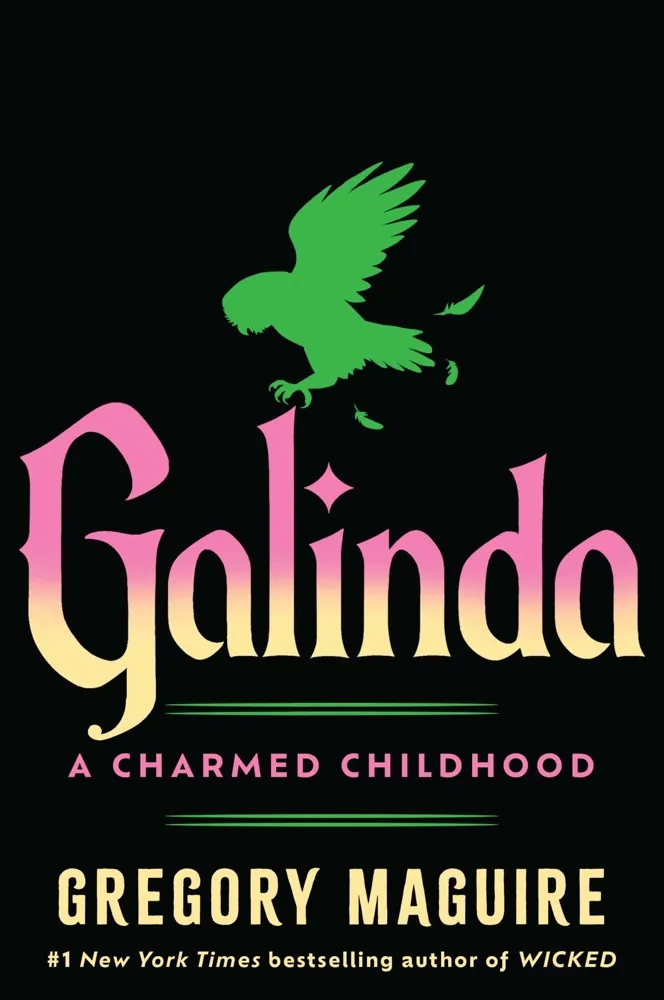

Author: Gregory MaguirePage Count: UnknownPublication Date: Expected publication 2026-09-29 APL Morning light barely squeezes through the grime of the double-hung window, illuminating floating dust motes that look suspiciously like theatrical glitter—or maybe just the landlord's neglect. Gregory Maguire is coming back for our souls with Galinda: A Charmed Childhood. Because one perspective on Oz was simply never enough to satisfy the machinery of modern publishing. Look, I remember sitting on the radiator in nineteen-ninety-five, reading Wicked while the radiator hissed its usual death rattle and wondering how anyone could turn a fascist police state into a bestseller. Now we are getting the pink-clad origin story. With a "ga." The synopsis tells us she is the youngest of four in a high-born family down on their luck. Pampered. Ignored. Dancing toward a life that might lift her above the hardscrabble reality. Wait. Did I say hardscrabble? Let me retract that entirely. How hardscrabble can an aristocratic family really be when district dance competitions are the primary socioeconomic vehicle for upward mobility? It is absurd. We are looking at a bourgeois tragedy dressed up in pastel tulle—a literary exercise that risks confusing minor domestic inconvenience with genuine systemic peril. The Aesthetics of Privilege and Paste And yet—there is something dangerously seductive about watching a future tyrant of etiquette learn her first steps. Or perhaps she is just a kid who likes ribbons. Maguire specializes in taking the porcelain dolls of our collective childhood and smashing them against the cobblestones until we see the jagged edges inside. Or maybe he just writes very long books about green girls and pink girls because nobody knows how to stop buying them. The prose promises a deconstruction of the bubbly, shallow cliché. But is shallow actually shallow sometimes? Must every bubble be pierced with the heavy needle of geopolitical allegory? Give us a character who is just annoying and ambitious without making her a sociological study on the pressures of provincial merchant politics. Ursula K. Le Guin would never. Jane Austen certainly managed to make high-born poverty feel urgent without needing flying monkeys or pink parasols. Still, the marketing apparatus is staggering. We are drowning in sister volumes and parallel narratives—everyone wants the B-side of the vinyl record now. We had Elphie on the horizon, and now we get the phonetic spelling lesson. It reminds me of those endless winter nights when the shared kitchen gas won't light and you just stare at the peeling wallpaper, waiting for some grand revelation that never arrives. The synopsis leaves so much unsaid. Entire gaps where a plot ought to be—relying entirely on our muscle memory of the Broadway musical and the original novel to do the heavy lifting. But let us be honest. We will all buy it anyway. We will read it by the faint amber glow of a single thirty-watt bulb while the radiator clanks its rhythm against the wall. Excuse me for a second. The three stray tabbies on the fire escape are staging a minor rebellion against their empty saucers again, and if I do not surrender a tin of sardines right now, they are going to claw through the screen and eat my remaining dry toast. Related InsightsBeneath, It Sleeps Book Review and Summary Archer's Voice Book Review and Summary Better Than the Movies Book Review and Summary{ "@context": "https://schema.org", "@type": "FAQPage", "mainEntity": [ { "@type": "Question", "name": "What is the main focus of Galinda: A Charmed Childhood Book Review and Summary?", "acceptedAnswer": { "@type": "Answer", "text": "Everything you need to know about Galinda: A Charmed Childhood with our detailed review." } }, { "@type": "Question", "name": "Who authored the comprehensive guide on Galinda: A Charmed Childhood Book Review and Summary?", "acceptedAnswer": { "@type": "Answer", "text": "This detailed article and its insights were carefully researched and authored by Olya Shevchenko." } }, { "@type": "Question", "name": "Where can I find more related content about Books?", "acceptedAnswer": { "@type": "Answer", "text": "You can explore more articles, detailed reviews, and similar insights by browsing the Related Insights section at the bottom of this article or visiting our dedicated Books category page." } } ] }