Showing Posts From
Genius illustrated t
-
 Elena Volkova
 - 02 Oct, 2025 16:53
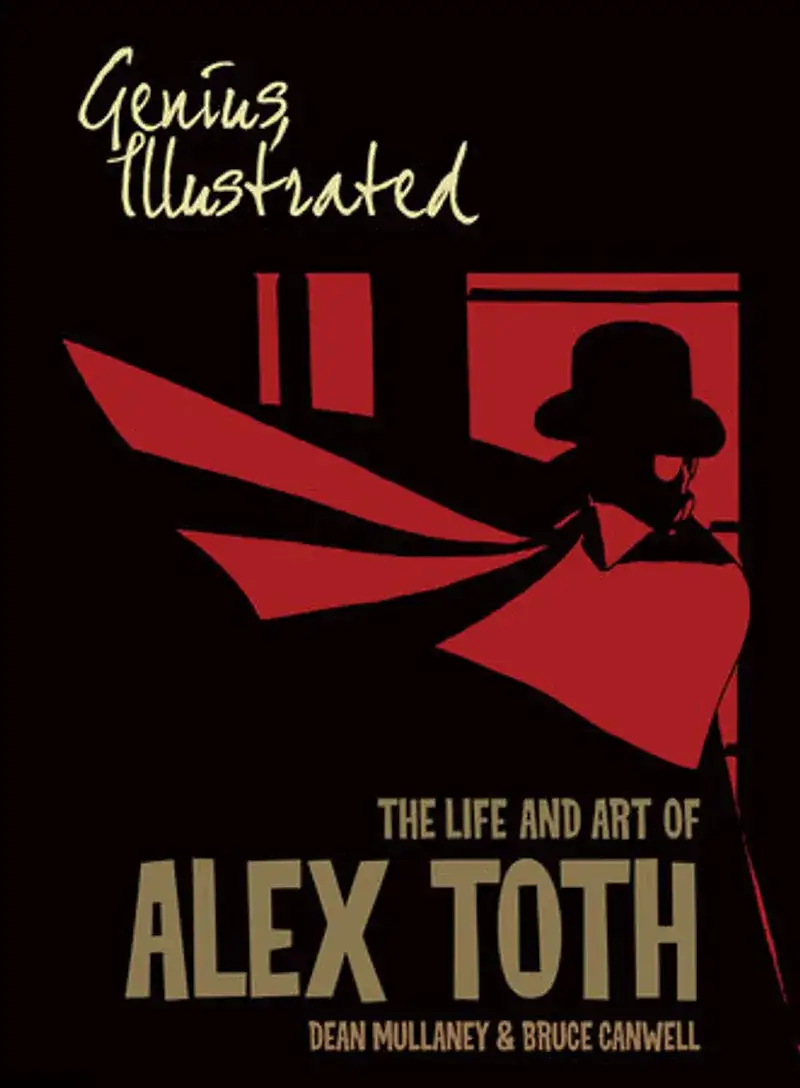
Genius, Illustrated: The Life and Art of Alex Toth Book Review and Summary
Genius, Illustrated: The Life and Art of Alex Toth Author: Dean MullaneyPage Count: UnknownPublication Date: 2023-PRH A Masterpiece Illuminated: Dean Mullaney’s Genius, Illustrated Captures the Brilliant, Haunted Genius of Alex Toth Few artists in comics and animation have left a mark as indelible—and as enigmatic—as Alex Toth. His work was a study in precision: clean lines, stark contrasts, and a mastery of visual storytelling that made the impossible feel effortless. But Toth was also a man of contradictions—a recluse who shunned the spotlight yet craved artistic purity, a legend who remained largely unknown to casual fans. Genius, Illustrated: The Life and Art of Alex Toth (2023), the second volume in Dean Mullaney’s definitive biography, doesn’t just document Toth’s later years; it resurrects his spirit through a staggering array of artwork, anecdotes, and raw, unfiltered glimpses into his creative soul. Mullaney, whose Eisner Award-winning first volume set the standard for comics biographies, returns with a book that is both a love letter and a eulogy. No mere retrospective, Genius, Illustrated is an excavation—a deep dive into the final three decades of Toth’s life, from his mid-career reinvention in the 1960s to his death in 2006. What emerges is not just the story of an artist, but the portrait of a man wrestling with legacy, isolation, and the relentless pursuit of perfection. The book’s greatest triumph is its unparalleled access. Through the cooperation of Toth’s family and a global network of fans, Mullaney presents materials that have never been seen—or at least, never seen in such stunning context. Complete stories reproduced from original artwork, including the breathtaking "Burma Skies" and the brutal, poetic "White Devil…Yellow Devil," are paired with sketches, doodles, and commercial art that reveal Toth’s restless genius across mediums. His animation work for Hanna-Barbera and Ruby-Spears (where he shaped the visual language of Space Ghost and The Herculoids) is examined alongside his late-career comics for Warren, DC, and Marvel, proving that his influence stretched far beyond any single industry. Mullaney’s approach is meticulous but never dry. The text biography is a masterclass in narrative restraint, avoiding hagiography while still doing justice to Toth’s complexity. We see the artist’s growing reclusiveness—the way he retreated from the comics industry after years of frustration with editorial interference—and his quiet, late-life reconciliation with the world. There’s a poignant humanity in these pages, a reminder that genius is not just about skill, but about the scars and silences that often accompany it. Toth’s story is one of uncompromising standards, of battles lost to compromise, and of a final, bittersweet reconnection with the medium he loved. The design of Genius, Illustrated is nothing short of revelatory. Mullaney and his team at Eclipse Comics have crafted a book that feels like a museum exhibition in print. The production values are staggering: crisp reproductions, thoughtful layouts, and a tactile quality that invites lingering. It’s a book that demands to be held, flipped through slowly, savored like a fine whiskey. The inclusion of rare ephemera—advertisements, unused designs, even Toth’s grocery lists—adds layers of texture, making the reader feel like they’re peering over the artist’s shoulder as he works. What makes this book essential is how it frames Toth not just as a stylist, but as a philosopher of form. His work was always about economy—every line, every shadow serving a purpose. But Mullaney doesn’t reduce him to a checklist of techniques. Instead, he presents Toth as a man who saw art as a moral act, who believed in the purity of the craft over commercial success. This wasn’t always an easy sell, and the book doesn’t shy away from the frustrations Toth faced: the canceled projects, the uncredited rewrites, the industry’s shifting priorities. Yet through it all, his voice remains unmistakable—a stark, unflinching clarity that cut through the noise of his era and still resonates today. For fans of comics history, Genius, Illustrated is a treasure. For artists, it’s a masterclass. For anyone who has ever stared at a blank page and wondered how to fill it meaningfully, it’s a revelation. Dean Mullaney has given Toth the biography he deserves—not just as a chronicle of dates and deadlines, but as a celebration of the man behind the myth, the artist behind the legend. It’s a book that will make you see Toth’s work anew, and perhaps see yourself differently as a creator. If the first volume of Genius, Illustrated introduced us to the artist, this one buries us in his soul. It’s a book that lingers, like the afterimage of one of Toth’s indelible panels. #AlexToth #ComicsHistory #AnimationLegends #EisnerAwards #ArtBiography #ComicsMasterpiece Related InsightsYellowface Book Review and Summary Giver of Stars Book Review and Summary Judge's List Book Review and Summary{ "@context": "https://schema.org", "@type": "FAQPage", "mainEntity": [ { "@type": "Question", "name": "What is the main focus of Genius, Illustrated: The Life and Art of Alex Toth Book Review and Summary?", "acceptedAnswer": { "@type": "Answer", "text": "Everything you need to know about Genius, Illustrated: The Life and Art of Alex Toth with our detailed review." } }, { "@type": "Question", "name": "Who authored the comprehensive guide on Genius, Illustrated: The Life and Art of Alex Toth Book Review and Summary?", "acceptedAnswer": { "@type": "Answer", "text": "This detailed article and its insights were carefully researched and authored by Elena Volkova." } }, { "@type": "Question", "name": "Where can I find more related content about Books?", "acceptedAnswer": { "@type": "Answer", "text": "You can explore more articles, detailed reviews, and similar insights by browsing the Related Insights section at the bottom of this article or visiting our dedicated Books category page." } } ] }