Showing Posts From
Georgia
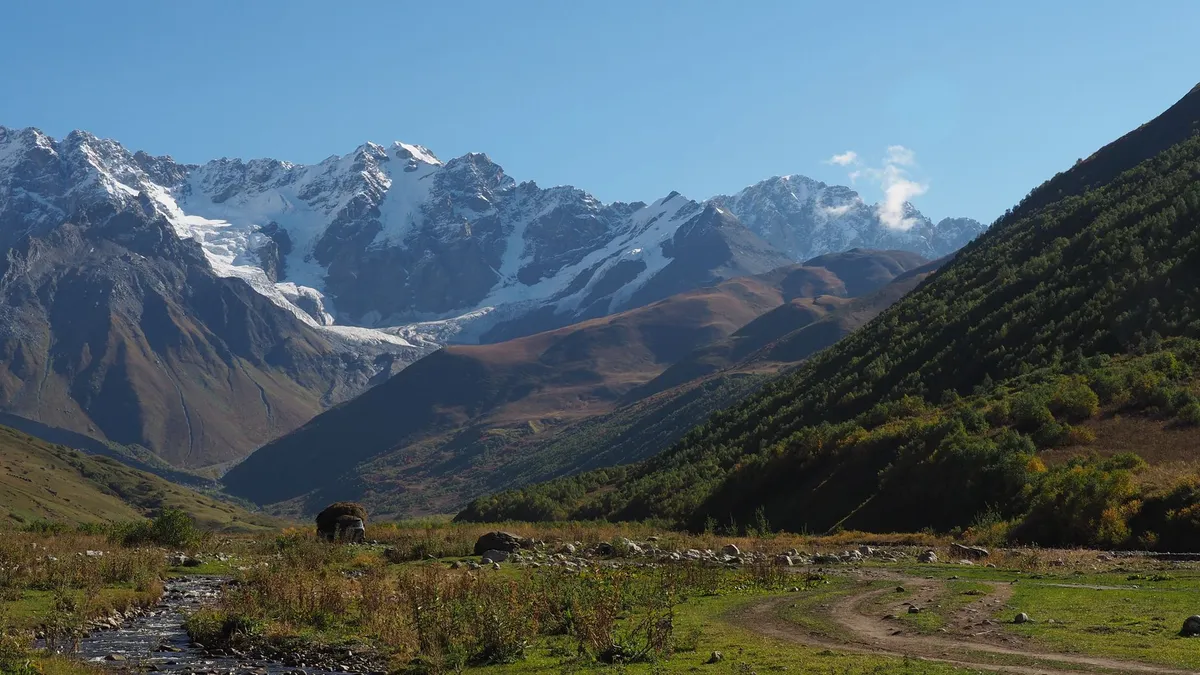

Stone Sentinels of the High Caucasus The silhouette of a Svan tower against a bruised‑purple sky is the region’s calling card. Built between the 9th and 13th centuries, these defensive dwellings cluster in villages like Mestia, Ushguli, and Latali, forming a UNESCO World Heritage ensemble that feels less like a museum and more like a living citadel. Each tower rises 20‑25 metres, its narrow windows designed for archers, its thick schist walls insulated against both invaders and the biting alpine wind. Walking the cobblestone lanes of Ushguli — often cited as Europe’s highest continuously inhabited settlement at 2,100 metres — you can still hear the echo of centuries‑old polyphonic chants drifting from the nearby Lamaria Church. The towers were not merely military; they stored grain, housed extended families, and served as status symbols for the clans that ruled these valleys. Today, many have been restored as guesthouses, offering travelers a night inside history with modern comforts like Wi‑Fi and hot showers. The preservation effort is a delicate balance: local families maintain the structures using traditional lime mortar, while the Georgian Ministry of Culture oversees UNESCO compliance. For the curious, the Svaneti Museum of History and Ethnography in Mestia displays ancient manuscripts, weaponry, and the famed “Svaneti cross” — a symbol of the region’s distinct Christian heritage. A guided hike to the abandoned tower complex at Chazhashi reveals how the landscape dictated architecture: towers perch on rocky outcrops, their foundations anchored directly into bedrock. This interplay of geology and human ingenuity makes every step feel like a dialogue with the past.Navigating the Ribbon of Asphalt to Mestia Reaching Svaneti is an adventure in itself. The main artery, the Zugdidi‑Mestia highway (E60), stretches 150 kilometres of hairpin bends, sheer cliffs, and occasional rockfall zones. In summer, the drive takes roughly three hours from Zugdidi; in winter, snow and ice can double that time, and the road may close for days. The Georgian government has invested heavily in widening the most treacherous sections, installing guardrails and real‑time weather sensors, yet the route retains a raw, untamed character that rewards patient drivers with panoramic vistas of the Enguri River gorge. For those preferring air travel, the newly renovated Queen Tamar Airport in Mestia offers seasonal flights from Tbilisi (about 45 minutes) and Kutaisi, operated by small turboprop aircraft that land on a runway perched at 1,500 metres. Flights are weather‑dependent; fog can ground planes for hours, so flexible itineraries are essential. Shared minibuses (marshrutkas) run daily from Zugdidi’s central station, costing roughly ₾30‑₾40 ($11‑$15) and providing a sociable, if cramped, introduction to local life. Renting a 4×4 in Tbilisi or Kutaisi gives the most freedom — expect $70‑$100 per day for a sturdy SUV with high clearance. Fuel prices hover around ₾3.2 ($1.20) per litre, and the total fuel cost for a round‑trip from Tbilisi is under $80. Travel insurance that covers mountain driving is strongly advised; the safety index for Georgia sits at 73.7, reflecting low crime but notable road hazards. Whether you arrive by air or asphalt, the journey sets the tone: you are entering a realm where the road itself is a protagonist.Feasting on Fire‑Kissed Kubdari in Ushguli Svan cuisine is a revelation for anyone who thinks Georgian food begins and ends with khachapuri. The region’s signature dish, kubdari, is a hand‑rolled bread stuffed with spiced minced beef or lamb, onions, garlic, and a generous pinch of Svanetian salt — a blend of coriander, blue fenugreek, and dried chili. Baked in a wood‑fired tone oven, the crust turns charred and crisp while the filling stays juicy, releasing aromas that cling to the alpine air. In Ushguli, family‑run guesthouses serve kubdari alongside chvishtari (cornbread with melted sulguni cheese) and a bowl of hearty kharcho soup thickened with walnuts. The local honey, harvested from wild thyme and rhododendron blossoms, drizzles over fresh cheese plates, while the famed Svanetian vodka (arakhi) warms the belly after a day on the trails. Dining is communal: long wooden tables, shared platters, and the ever‑present toastmaster (tamada) guiding supra rituals that can last well into the night. The region’s natural wine movement thrives here; amber‑colored qvevri wines from the nearby Kakheti valley are transported up the mountain passes, their tannic structure complementing the rich meat dishes. Vegetarians will find solace in lobio (bean stew) seasoned with smoked ham hock alternatives and the ubiquitous pickled vegetables — jonjoli, cucumber, and garlic shoots. Prices are modest: a full supper with wine costs ₾30‑₾45 ($11‑$17) per person. For the culinary explorer, a cooking workshop in Mestia’s “Svaneti Kitchen” lets you knead dough, grind spices, and pull your own kubdari from the oven — an edible souvenir that travels far better than any magnet. Related Insights'Udaipur: Wo die Zeit in goldenen Palästen und smaragdgrünen Seen erstarrt' Azure Horizons and Fragile Ecosystems: The Maldives Reality Check Australia Unveiled: Where Sun-Kissed Shores Meet Ancient Souls and Modern Marvels (Part 2){ "@context": "https://schema.org", "@type": "FAQPage", "mainEntity": [ { "@type": "Question", "name": "What is the main focus of High Roads of Svaneti: Where Medieval Towers Meet Modern Nomads?", "acceptedAnswer": { "@type": "Answer", "text": "Explore Georgia's Svaneti region, its ancient stone towers, rugged mountain passes, and the practical realities for digital nomads seeking altitude." } }, { "@type": "Question", "name": "Who authored the comprehensive guide on High Roads of Svaneti: Where Medieval Towers Meet Modern Nomads?", "acceptedAnswer": { "@type": "Answer", "text": "This detailed article and its insights were carefully researched and authored by Mark Dinn." } }, { "@type": "Question", "name": "Where can I find more related content about Travel?", "acceptedAnswer": { "@type": "Answer", "text": "You can explore more articles, detailed reviews, and similar insights by browsing the Related Insights section at the bottom of this article or visiting our dedicated Travel category page." } } ] }