Showing Posts From
Georgian cuisine
-
 Marcus Vance
 - 11 Oct, 2026 13:25
Sailing the Cheese Seas: A Masterclass in Georgian Khachapuri Variations
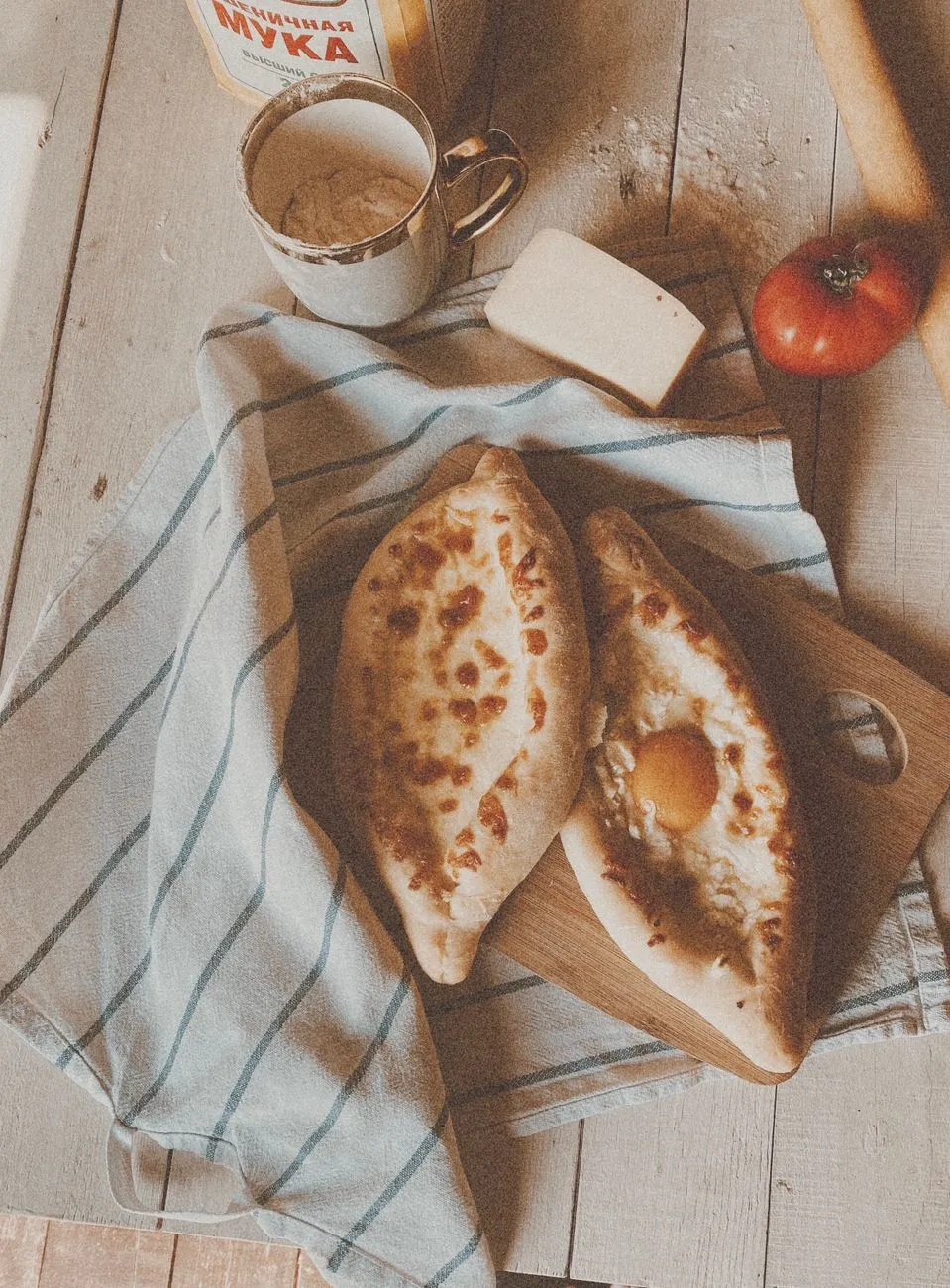
From the Black Sea to the Table: The Origins of Khachapuri Georgia’s culinary identity is inseparable from its bread culture, and khachapuri stands as the crown jewel of that tradition. Archaeological evidence from the Colchian lowlands shows flatbreads baked on clay hearths as early as the 6th century BCE, but the cheese‑stuffed iteration we recognize today coalesced during the medieval period when monastic communities refined dairy preservation. The word itself derives from khacho (curd cheese) and puri (bread), a linguistic clue that the dish was conceived as a portable, high‑energy meal for shepherds traversing the Greater Caucasus. Regional microclimates dictated the cheese varieties: the humid western lowlands favored a moist, tangy Imeruli curd, while the alpine east produced a firmer, saltier Sulguni. Trade routes along the Black Sea introduced butter, eggs, and even cornmeal, each ingredient grafting onto the basic dough‑cheese matrix. By the 19th century, khachapuri had migrated from family hearths to Tbilisi’s bustling dukani (street bakeries), where it became a symbol of hospitality—served steaming to guests before any other dish. Modern scholarship, notably the 2021 monograph Bread & Belonging in the Caucasus (Tbilisi State University Press), confirms that the dough’s hydration level (typically 60‑65 %) and the use of a toné (clay oven) create a characteristic blistered crust that cannot be replicated in conventional ovens without a baking stone. The dough’s fermentation window—usually 2–3 hours at 24 °C—allows lactic acid bacteria to develop a subtle sourness that balances the richness of the cheese filling. Understanding this lineage is essential before dissecting each variation, because every regional style is a dialogue between geography, dairy culture, and the baker’s hand. Imeruli: The Heart‑Shaped Classic of Western Georgia Imeruli khachapuri, often called Imeretian khachapuri, is the most ubiquitous form found in home kitchens across Imereti. Its hallmark is a circular, slightly domed loaf roughly 25 cm in diameter, with a golden‑brown crust that yields to a soft, steamy interior. The filling consists almost exclusively of Imeruli cheese—a fresh, semi‑soft curd with a moisture content near 55 % and a mild, milky tang. The dough recipe is deceptively simple: 500 g high‑protein wheat flour (12‑13 % protein), 300 ml lukewarm water, 10 g active dry yeast, 10 g salt, and 30 ml sunflower oil. After a 30‑minute autolyse, the dough is kneaded to a smooth, elastic ball, then rested for 90 minutes. The cheese is grated, lightly salted, and mixed with a tablespoon of melted butter to improve meltability. The assembly is a ritual: the dough is rolled into a 30 cm circle, the cheese mound placed centrally, edges gathered and pinched into a pleated “purse,” then inverted so the seam faces down. Baking occurs in a preheated toné at 350 °C for 7‑9 minutes. The intense radiant heat puffs the crust, creating a network of micro‑blisters that trap steam, which in turn finishes cooking the cheese from within. The result is a loaf that, when torn, releases a cloud of buttery aroma and a stretchy cheese pull that can exceed 30 cm—an informal benchmark among Georgian bakers. Nutritionally, a 150 g portion delivers roughly 380 kcal, 14 g protein, 18 g fat (predominantly saturated from cheese and butter), and 38 g carbohydrates. The high calcium content (≈350 mg) makes it a valuable dietary source in a region where dairy dominates protein intake. While Imeruli remains the daily staple, its simplicity makes it a canvas for innovation—herbs like coriander or dill are sometimes folded into the cheese, and a brush of egg wash before baking yields a deeper amber hue. Adjarian Khachapuri: The Boat That Carries an Egg Yolk Travel east to the subtropical coast of Adjara, and the khachapuri morphs into a dramatic khachapuri acharuli—a boat‑shaped loaf cradling a molten lagoon of cheese, butter, and a single raw egg yolk. The shape is not merely aesthetic; the raised gunwales prevent the rich filling from spilling during the vigorous bake in a wood‑fired oven. The dough mirrors Imeruli’s hydration but incorporates 30 g of melted butter per 500 g flour, lending a tender crumb that can support the weight of the filling. The cheese blend is a 2:1 ratio of Sulguni (elastic, salty) to Imeruli (moist, mild), grated and combined with 50 g cold butter cubes. This mixture is piled high, leaving a shallow well in the center. The loaf bakes at 380 °C for 5 minutes, then the oven door is opened, a raw egg yolk is gently deposited into the well, and the bread returns for another 60‑90 seconds—just enough to set the yolk’s periphery while keeping the center runny. The dining protocol is theatrical: the diner tears a piece of the crust, dips it into the cheese‑egg emulsion, and swallows the mixture in one bite. The yolk’s lecithin emulsifies the fat, creating a silkier mouthfeel that distinguishes Adjarian from its inland cousins. A 200 g serving (including yolk) provides approximately 520 kcal, 18 g protein, 30 g fat, and 42 g carbohydrates. The egg adds 6 g high‑quality protein and 180 mg cholesterol, a figure that aligns with recent meta‑analyses (e.g., American Journal of Clinical Nutrition, 2022) suggesting moderate egg consumption does not significantly raise cardiovascular risk in healthy adults. Variation Serving (g) kcal Protein (g) Fat (g) Carbs (g) Calcium (mg)Imeruli 150 380 14 18 38 350Adjarian 200 520 18 30 42 410Megruli 180 460 16 24 40 380Penovani 160 410 13 22 36 300The Adjarian style’s popularity has surged beyond Georgia, appearing on menus from Berlin to New York, often marketed as “Georgian fondue bread.” Purists argue that the authentic experience requires a toné and a wooden paddle (shamishi) for turning, but a home oven with a pizza stone at 250 °C can approximate the effect if the dough is pre‑baked for 3 minutes before filling. Megruli and Penovani: Double Cheese and Flaky Layers In the mountainous region of Samegrelo, the Megruli khachapuri doubles down on cheese—literally. The dough encloses a cheese filling, then a second layer of cheese is spread atop the sealed loaf before baking, creating a caramelized cheese crust that crackles like a savory pâte à choux. The cheese blend typically mixes Sulguni with a touch of Khmeli Suneli (a traditional spice blend) for an aromatic lift. Penovani, by contrast, abandons yeast dough for a laminated puff pastry technique. Layers of butter‑enriched dough are folded six times, producing a flaky, buttery shell that sh Related InsightsAngel Country Book Review and Summary El club de la lucha / Fight Club Book Review and Summary Lake of Souls Book Review and Summary