Showing Posts From
Glacier trekking
-
 Chloe Tremblay
 - 07 Oct, 2026 23:16
Patagonian Ice Fields: The Ultimate Guide to Glacier Trekking in Chile
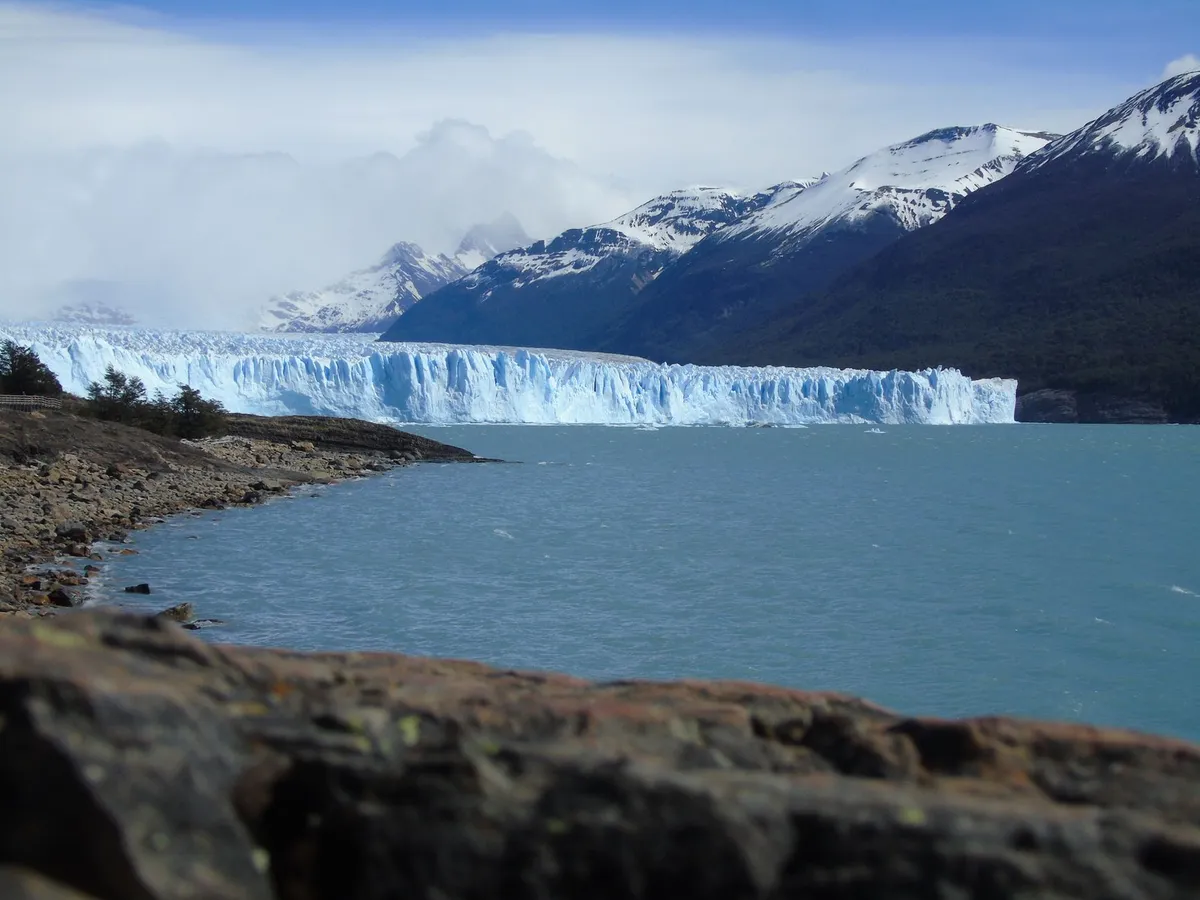
Stepping onto the Frozen Spine of Patagonia The Patagonian Ice Fields stretch across the southern Andes like a colossal frozen river, divided into the Northern and Southern Ice Fields. Together they cover roughly 13,000 square kilometers, making them the largest contiguous ice mass outside the polar regions. For trekkers, this is not merely a scenic backdrop; it is a living laboratory of glacial dynamics, where crevasses open like veins and seracs tower like cathedrals. The Chilean side, anchored by Torres del Paine National Park and the lesser‑known Bernardo O’Higgins National Park, offers the most accessible entry points to this icy realm. Seasonality dictates everything. The austral summer (late November to early March) delivers up to 17 hours of daylight, milder temperatures (5‑12 °C at lower elevations), and a higher probability of stable weather windows. Yet even in peak season, the infamous Patagonian wind can gust beyond 100 km/h, turning a pleasant hike into a battle for balance. Shoulder months — October and April — reward the bold with fewer crowds and dramatic light, but they demand a higher tolerance for sudden storms and limited refuge availability. Understanding the geography is the first step. The Northern Ice Field feeds iconic glaciers such as San Rafael and Exploradores, reachable via boat from Puerto Chacabuco or by a rugged 4×4 track from Coyhaique. The Southern Ice Field, however, is the playground for most glacier trekkers. Its crown jewels — Grey, Tyndall, and the massive Pío XI (the longest glacier in the Southern Hemisphere outside Antarctica) — flow into turquoise lakes that mirror the sky. Access typically begins in Puerto Natales, a modest hub with regular bus connections from Punta Arenas and a small airport receiving seasonal flights. From there, a combination of catamaran across Lake Grey, a shuttle to the park entrance, and a well‑marked trail network sets the stage for multi‑day adventures. Physical preparation cannot be overstated. While the trails are not technically alpine climbs, they involve sustained ascents of 400‑800 meters per day over uneven moraine, loose scree, and occasional ice patches. Cardiovascular fitness, core strength, and prior experience with multi‑day backpacking (carrying 12‑15 kg) dramatically reduce injury risk. Many operators recommend a minimum of three months of targeted training, including hill repeats, weighted pack walks, and balance drills on unstable surfaces. Finally, mental readiness is the invisible gear. The isolation, the sheer scale of ice, and the ever‑present sound of calving create a psychological landscape as vast as the physical one. Trekkers who embrace the unpredictability — accepting that a planned route may shift due to a sudden crevasse field or a whiteout — tend to return with stories that transcend photographs. Mapping the Giants: Grey, Tyndall, and the Southern Ice Field Grey Glacier, the most visited tongue of the Southern Ice Field, stretches 28 kilometers from the ice cap to the western shore of Lake Grey. Its terminal face, a 30‑meter wall of blue‑white ice, calves regularly, sending thunderous bergs into the lake. The classic “Grey Glacier Trek” follows the western lakeshore for 11 kilometers to the viewpoint at Mirador Grey, then continues onto the glacier’s lateral moraine for a guided ice walk. This route, typically completed in two days, offers a relatively gentle introduction to glacier travel while delivering front‑row seats to calving events. Tyndall Glacier, tucked deeper into the park’s western sector, demands a longer commitment. The “Tyndall Circuit” covers roughly 45 kilometers over four to five days, crossing the Paso del Viento (Wind Pass) at 1,200 meters and skirting the massive Tyndall Lake. The reward is a panorama of the glacier’s 3‑kilometer‑wide front, framed by the jagged peaks of the Cordillera del Paine. Fewer trekkers venture here, so the sense of solitude is profound. However, the pass is notorious for sudden wind funnels; guides often carry satellite messengers and enforce strict turnaround times. For the ultimate immersion, the “Southern Ice Field Traverse” connects Grey and Tyndall via the high plateau of the ice cap itself. This expedition‑style trek spans 8‑10 days, requires technical glacier skills (rope travel, crevasse rescue), and is only offered by a handful of certified outfitters. Participants sleep in insulated tents on the ice, melt snow for water, and navigate using GPS waypoints supplemented by traditional map and compass. The traverse crosses the “Icefalls of the Pío XI,” a chaotic labyrinth of seracs where route finding becomes an art. Each glacier presents distinct hazards. Grey’s lower elevation means warmer ice, increasing the likelihood of hidden moulins (vertical shafts) that can swallow an unwary boot. Tyndall’s higher altitude preserves harder ice but introduces larger crevasse fields, often concealed by thin snow bridges. The Pío XI, advancing at up to 50 meters per year, creates a constantly shifting terminus; maps older than a season are essentially obsolete. Wildlife encounters add another layer of wonder. Andean condors ride thermals above the ice, while guanacos graze on the moraines. The elusive huemul deer, a national symbol, occasionally appears near the park’s eastern fringes. Birdwatchers should keep binoculars ready for the Magellanic woodpecker and the austral parakeet, both endemic to these southern forests. Photographers will find the “golden hour” here lasts longer due to the high latitude, casting a warm glow on the ice that contrasts with the deep blues of crevasse walls. A polarizing filter reduces glare on the ice surface, while a wide‑angle lens captures the immense scale. Remember that drone use is prohibited within national parks without a special permit, which is rarely granted for recreational purposes. Logistics Unpacked: Permits, Guides, and Getting There Navigating the bureaucratic maze is as critical as packing the right socks. Chile’s National Forest Corporation (CONAF) manages Torres del Paine and Bernardo O’Higgins parks. Every visitor must purchase a park entry ticket — currently CLP 21,000 (≈ US $22) for foreigners — valid for three consecutive days. Multi‑day treks exceeding three days require a “Long Stay” permit, obtained in person at the park administration in Puerto Natales or online via the CONAF portal (Spanish only). The permit includes a mandatory registration of your itinerary, emergency contacts, and guide details if applicable. Guided vs. independent travel is a pivotal decision. While the W Trek and the Grey Glacier day hike can be done solo by experienced hikers, any travel on the ice proper (beyond the marked moraine trails) legally requires a certified mountain guide (IFMGA or UIAGM). Guides provide not only safety oversight but also interpretive knowledge of glaciology, history, and flora. Reputable operators — such as Patagonian Andes, Vertice Travel, and Chile Nativo — offer packages ranging from a 2‑day Grey Glacier ice walk (US $350‑$420 per person) to a 10‑day Southern Ice Field Traverse (US $4,800‑$5,500). Prices typically include park fees, guide services, group gear (ropes, harnesses, crampons), meals, and shared tent accommodation. Transport logistics form the backbone of any itinerary. Most international travelers fly into Punta Arenas (PUQ) via Santiago (SCL) — a 3.5‑hour flight. From Punta Arenas, a 3‑hour bus ride (≈ US $25) reaches Puerto Natales. Alternatively, a seasonal direct flight from Santiago to Puerto Natales (PNT) cuts travel time but costs 2‑3× more. Within the park, the catamaran “Grey II” crosses Lake Grey from Hotel Lago Grey to the glacier’s western shore (≈ US $45 round‑trip). For the Tyndall sector, a 4×4 shuttle from the park’s Laguna Amarga entrance to the trailhead at Campamento Paso (≈ US $30) is standard. Accommodation options vary from refugios (mountain huts) to campsites. Refugios such as Refugio Grey, Refugio Paine Grande, and Refugio Los Cuernos offer dormitory beds (US $55‑$70 per night) with hot showers and communal kitchens. Campsites (US $10‑$15) provide basic platforms and pit toilets; advance booking is essential during high season. Wild camping is prohibited outside designated areas. Below is a concise cost breakdown for a typical 5‑day guided Grey‑Tyndall combo (mid‑range operator, double occupancy):Item Cost (USD) NotesPark entry (3‑day) 22 Extendable with Long Stay permitGuide fee (5 days) 1,200 Includes group technical gearCatamaran Grey II 45 Round‑trip4×4 shuttle to Tyndall 30 One wayRefugio nights (3) 195 $65/nightCampsite nights (2) 25 $12.5/nightMeals (full board) 350 $70/dayFlights SCL‑PUQ (round‑trip) 450 Economy, booked 3 months aheadBus PUQ‑PNT (round‑trip) 50Total Approx. 2,367 Per person, excluding personal gearBudget travelers can shave ~US $800 by opting for all campsites, self‑catering, and using public buses for inter‑city legs. Luxury seekers may add private transfers, premium lodges (e.g., EcoCamp Patagonia), and helicopter scenic flights (US $1,200 per hour). Gear, Safety, and the Art of Ice Walking The line between a memorable trek and a rescue operation often hinges on gear choices. At a minimum, every glacier trekker needs: a 4‑season tent (rated for −20 °C), a −10 °C rated sleeping bag, an insulated sleeping pad (R‑value ≥ 5 Related InsightsInto the Wild Book Review and Summary Best Crime Stories of the Year Volume 3 Book Review and Summary Eating Salad Drunk Book Review and Summary