Showing Posts From
Gothic fiction
-
 Emily Page
 - 01 Aug, 2026 18:54
Ghosts of the West Yorkshire Moors: The Savage Soul of Wuthering Heights
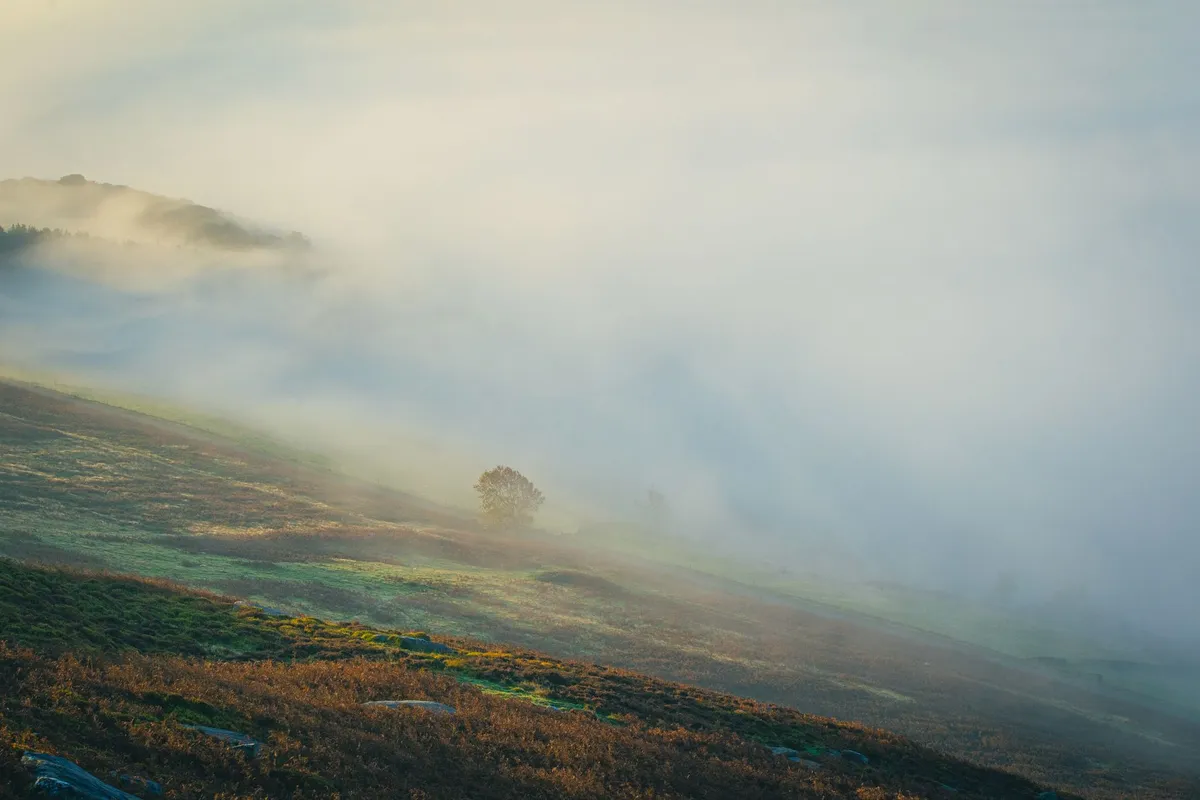
The wind does not merely blow across the Yorkshire moors; it screams with the voices of those who refused to let death be the end of their obsession. In the bleak, windswept uplands of West Yorkshire, where the earth is as stubborn as the people who dwell upon it, lies a story of love that transcends the grave and revenge that poisons generations. This is not a romance in the traditional sense—it is a collision of two souls, Catherine and Heathcliff, whose bond is as volatile and destructive as a lightning strike across a midnight sky. The Genesis of a Gothic Masterpiece Published in 1847 under the masculine pseudonym Ellis Bell, Wuthering Heights stands as the sole novel authored by Emily Brontë. To understand the weight of this work, one must look at its precarious journey into the public eye. It was accepted by the publisher Thomas Newby alongside Anne Brontë's Agnes Grey, yet the literary world first trembled under the success of Charlotte Brontë's Jane Eyre, which saw publication first. The novel did not find immediate, universal acclaim. In an era governed by strict Victorian morality, Emily's vision was an affront. Contemporaneous reviews were sharply polarized; the book was seen as controversial for its raw depictions of mental and physical cruelty, domestic abuse, and its open defiance of the class system and religious norms. It took time for the world to realize that Emily wasn't writing a moral guide, but a psychological autopsy of human possession. After Emily's death, Charlotte edited a second edition in 1850, helping to cement the novel's place in the canon. Today, it is revered as a cornerstone of English literature, a haunting intersection of Romanticism and Gothic fiction.A Labyrinth of Memory and Madness The narrative structure of Wuthering Heights is a masterful exercise in layering. We do not enter the story directly; instead, we are guided by Mr. Lockwood, a new tenant at Thrushcross Grange in 1801. Lockwood is the perfect proxy for the reader—curious, somewhat naive, and utterly overwhelmed by the hospitality (or lack thereof) at the remote farmhouse known as Wuthering Heights. His first encounter with the inhabitants—the reserved Cathy Linton, the sanctimonious and ill-tempered servant Joseph, and the uneducated, rough-hewn Hareton—sets a tone of oppressive sullenness. The atmosphere is one of simmering hostility, a house where the air is thick with old grudges. When a snowstorm traps Lockwood overnight, he discovers the diary of the former occupant, Catherine Earnshaw. The subsequent nightmare—a ghostly Catherine begging to be let in through the window—serves as the catalyst for the story's true unveiling. Awakened by Lockwood's terror, the master of the house, Heathcliff, reveals a fragility and a desperation that contradicts his cold exterior. This moment bridges the gap between the present and the past, leading Lockwood to seek the truth from his housekeeper, Ellen "Nelly" Dean. The Foundling and the Fire: The Early Years Nelly's chronicle takes us back thirty years, to the heart of the Earnshaw family. Mr. Earnshaw, the patriarch of Wuthering Heights, returns from a trip to Liverpool with an orphan: Heathcliff. Described as "like a gipsy," with origins that remain mysterious—perhaps a Lascar, an American, or a Spanish castaway—Heathcliff is an outsider from the moment he crosses the threshold. The arrival of this strange child disrupts the family equilibrium:The Favoritism: Mr. Earnshaw treats Heathcliff as his favorite, causing deep resentment in his own children. The Rivalry: Hindley Earnshaw, the elder son, views Heathcliff as an intruder and subjects him to brutal beatings. The Bond: Catherine Earnshaw, however, finds in Heathcliff a kindred spirit. Their relationship is not one of polite courtship but of wild, shared exploration of the moors.The tragedy begins when Hindley returns from university after his father's death. Now the master of the house, Hindley and his wife, Frances, strip Heathcliff of his status, forcing him into the role of a servant. This systemic degradation fuels a fire of resentment in Heathcliff that will eventually consume everyone in his orbit. The Divide: Thrushcross Grange vs. Wuthering Heights The novel presents a stark contrast between two estates. Wuthering Heights represents the wild, the raw, and the storm. Thrushcross Grange represents the civilized, the refined, and the stagnant. When Catherine and Heathcliff spy on the Lintons—Edgar and Isabella—at the Grange, the class divide becomes an insurmountable wall. Catherine is bitten by the Lintons' dog and is taken in by the family, while Heathcliff is cast aside. The Lintons view Heathcliff as a savage, and the subsequent mockery by Edgar and Hindley leads to a fight that results in Heathcliff's banishment to the attic. It is here that Heathcliff makes a silent, solemn vow of revenge. The central tragedy of the novel crystallizes when Catherine accepts Edgar Linton's marriage proposal. In a pivotal confession to Nelly, Catherine admits she loves Heathcliff deeply, but acknowledges that marrying him would "degrade" her due to his low social standing. Heathcliff overhears only a fragment of this conversation—the part where Catherine deems him unsuitable—and flees the household in a fit of heartbreak and rage.The Architecture of Revenge Three years later, Heathcliff returns. He is no longer the barefoot orphan; he is mysteriously wealthy, legally savvy, and consumed by a singular purpose. His return is a calculated strike against those who wronged him. Heathcliff's revenge is meticulously executed across two fronts:The Lintons: He manipulates Isabella Linton's infatuation, marrying her not out of love, but to spite Edgar and secure a claim to the Grange. Isabella soon discovers the horror of her choice, suffering mental and physical abuse before fleeing south to give birth to their son, Linton. The Earnshaws: He exploits Hindley's gambling addiction, gradually becoming the mortgagee of Wuthering Heights. By the time Hindley dies of alcoholism, Heathcliff has effectively stolen the estate from Hindley's own son, Hareton.The emotional climax arrives during a secret visit to the gravely ill Catherine. Their reunion is not a peaceful reconciliation but a violent collision of passion and grief. Catherine dies shortly after giving birth to her daughter, Cathy. Heathcliff's reaction is not one of quiet mourning, but of spiritual agony, begging Catherine's ghost to haunt him for the rest of his days. The Cycle of Pain and the Path to Peace The second half of the novel mirrors the first, as the children of the previous generation are dragged into Heathcliff's web. He brings his sickly son, Linton, back to Yorkshire, scheming to force a marriage between Linton and the young Cathy. His goal is absolute: to legally possess both Wuthering Heights and Thrushcross Grange. However, the cycle of cruelty eventually exhausts itself. After the death of Edgar and the untimely passing of Linton, Heathcliff finds himself the master of everything but the owner of nothing that truly matters. His obsession with the dead Catherine reaches a fever pitch; he admits to opening her grave on two occasions, a macabre attempt to be close to her physical remains. The resolution comes not through Heathcliff's hand, but through the unexpected resilience of the younger generation. Cathy and Hareton—the two victims of Heathcliff's machinations—find a common bond. Cathy teaches the illiterate Hareton to read, and in doing so, they find a love based on mutual respect and growth rather than the destructive possession that defined Catherine and Heathcliff. As Heathcliff declines physically and mentally, he becomes a ghost in his own home, fixated on the vision of the elder Catherine. He eventually stops eating and is found dead in Catherine's old room, finally liberated from the burden of his own revenge. The Legacy of the Moors The novel ends on a note of haunting ambiguity. While Lockwood visits the graves of Catherine, Edgar, and Heathcliff—convinced they are finally at peace—the locals tell stories of two ghosts wandering the moors. Wuthering Heights remains a masterpiece because it dares to explore the "dark side" of love. It suggests that passion, when stripped of morality and social constraint, is a force of nature—indiscriminate, terrifying, and eternal. Emily Brontë didn't write a story about a "bad man" and a "good woman"; she wrote about the collision of two spirits who were too large for the world they were born into.From the depths of the attic to the heights of the moors, the novel challenges us to consider the cost of pride and the enduring power of a bond that refuses to be broken by death. #ClassicLiterature #EmilyBronte #GothicFiction #BookAnalysis #WutheringHeights Related InsightsScream City: A Novel Book Review and Summary These Summer Storms Book Review and Summary The Gates of Athens Book Review and Summary{ "@context": "https://schema.org", "@type": "FAQPage", "mainEntity": [ { "@type": "Question", "name": "What is the main focus of Ghosts of the West Yorkshire Moors: The Savage Soul of Wuthering Heights?", "acceptedAnswer": { "@type": "Answer", "text": "A deep dive into Emily Brontë's masterpiece, exploring the destructive passion of Heathcliff and Catherine across the bleak Yorkshire landscapes." } }, { "@type": "Question", "name": "Who authored the comprehensive guide on Ghosts of the West Yorkshire Moors: The Savage Soul of Wuthering Heights?", "acceptedAnswer": { "@type": "Answer", "text": "This detailed article and its insights were carefully researched and authored by Emily Page." } }, { "@type": "Question", "name": "Where can I find more related content about Books?", "acceptedAnswer": { "@type": "Answer", "text": "You can explore more articles, detailed reviews, and similar insights by browsing the Related Insights section at the bottom of this article or visiting our dedicated Books category page." } } ] }