Showing Posts From
Gourmetdining
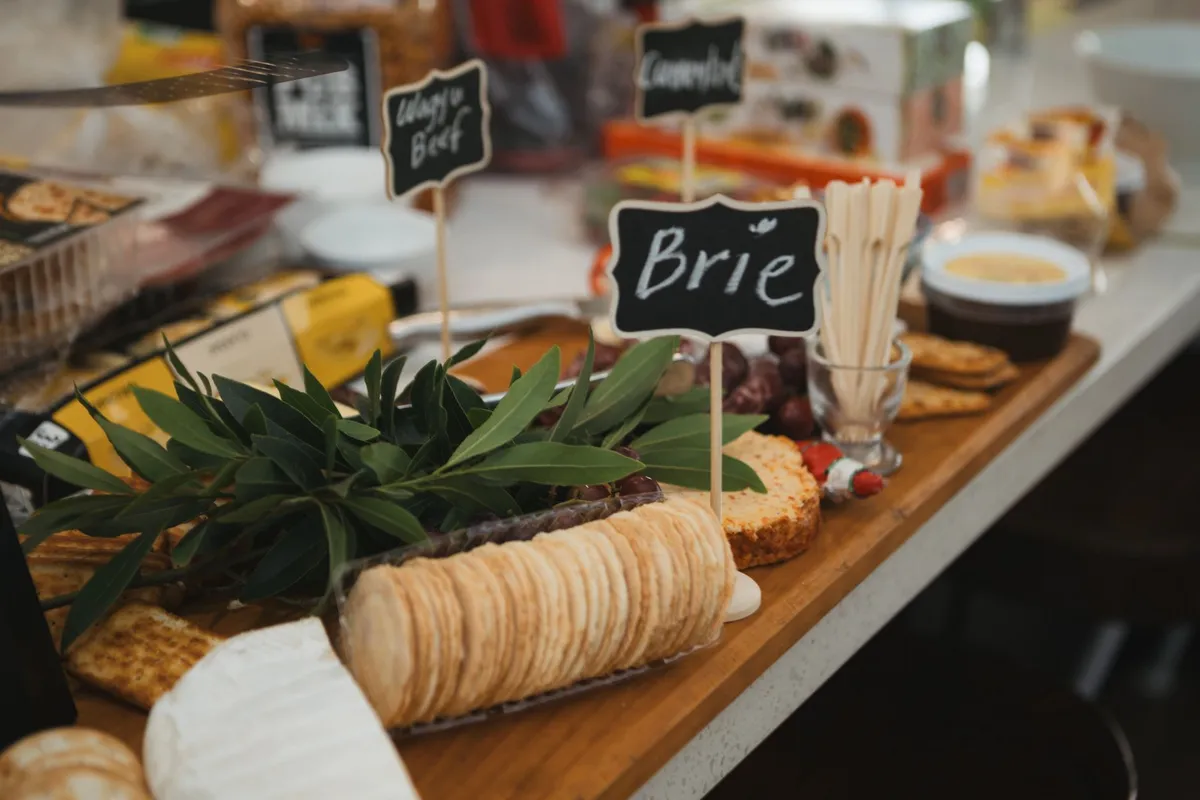

The Architecture of Flavor: Decoding the Dairy Renaissance To understand the profound joy of a perfectly paired cheese board, one must approach it not merely as a snack, but as an exercise in molecular harmony. As someone who has spent years exploring the intersection of global culinary trends and the technical rigor of food science, I have come to view cheese as the "archaeology of flavor." Much like the chemometric strategies used in food authentication—which utilize advanced spectroscopy to reveal the true origin and composition of complex substances—we must use our own sensory apparatus to deconstruct the volatile aromatic compounds within a wedge of aged Comté or a bloomy rind of Camembert. Cheese is a living, breathing system. When we pair it, we are engaging in a form of risk analysis akin to those employed in Industry 4.0 safety protocols; we are calculating the balance of acidity, fat, protein, and salt to ensure the system—in this case, your palate—remains in equilibrium. If the salt content is too high, the wine becomes astringent. If the fat content is too heavy, the fruit accompaniment becomes cloying. By applying complexity-thinking, we learn that the interaction between a pungent blue cheese and a sweet honeycomb is not just a preference; it is a structural necessity to mitigate the overwhelming strength of the mold-ripened proteins. When constructing your board, start by sourcing the highest quality dairy. Look for the "terroir"—the environmental factors that influence the flavor of the milk. A goat cheese from a high-altitude pasture in the Alps will possess a distinct mineral character compared to one from a coastal valley. We are looking for depth. By understanding the chemical fingerprint of our ingredients, we transform a simple platter into a curated experience. Think of yourself as an analytical chemist in a white coat, but instead of a laboratory, your domain is the dining room, and your instruments are the knife, the board, and the glass.The Science of Salinity and Botanical Complements The true secret to a transcendent cheese pairing lies in the structural tension between salt and sugar. In the world of gastronomy, salt serves as a bridge, pulling the fat from the cheese and allowing it to coat the tongue, while sugar—provided by fruits or preserves—acts as a counterweight to the bitterness or sharpness inherent in long-aged specimens. Consider the Parmigiano-Reggiano, a cheese defined by its crystalline structure and intense amino acid profile. To pair this with a simple cracker is to waste its potential. Instead, look toward the balsamic vinegar reduction or a drop of chestnut honey. The balsamic provides an acidity that mimics the way chemometric data filtering clarifies a messy signal, sharpening the umami notes of the cheese without overwhelming the palate. When we consider softer, lactic-set cheeses, the logic shifts toward botanical freshness. A delicate Chèvre demands the herbaceous brightness of fresh rosemary or the floral complexity of wild strawberries. Here, we are looking to bridge the "occupational safety" of the palate—avoiding flavor fatigue. By incorporating fresh herbs, we ensure that the high fat content of the cheese is periodically "reset" by the aromatic essential oils of the greenery. This prevents the tongue from becoming saturated, allowing each bite to taste as fresh as the first. It is essential to remember that moisture content is a key variable. A high-moisture fresh cheese, like a burrata, requires a different approach than a low-moisture hard cheese. The former needs the crunch of a toasted pine nut or a sourdough crouton to provide a textural contrast that mirrors the complexity of the internal system. Furthermore, do not overlook the role of pickles and brined vegetables. A cornichon is not merely a garnish; it is a functional acid bomb. In an environment of dense, creamy Brie, the sharp vinegar and crunch of a pickle act as a pressure-relief valve, cleaning the fat from the palate and preparing the receptors for the next sampling. This is the structural management of a tasting session, ensuring the progression remains orderly rather than chaotic. The Evolution of Texture and Molecular Pairing Modern culinary theory has moved away from rigid rules toward dynamic, complexity-informed pairings. If we view a cheese board as a system, the components must support one another to prevent system failure—where one flavor eclipses the rest. The texture is the primary vector for flavor release. A creamy, triple-crème cheese has a higher surface area of fat that coats the taste buds immediately. Consequently, it requires a pairing that can cut through that coating, such as a sparkling wine with high effervescence or a crisp, tart apple slice. The CO2 in the sparkling wine provides a physical scrubbing action, while the acidity of the fruit provides a chemical contrast. Consider the role of the crust. A bloomy rind cheese, like a Brie or Camembert, brings an earthy, mushroom-like complexity to the party. To pair this successfully, look for earthy, umami-forward accompaniments. A spread of caramelized onion jam or even a light smear of truffle-infused butter can amplify the earthy notes of the rind. If you pair a mild, buttery cheese with something too intense, like a spicy kimchi, you break the system. You introduce too much noise into the signal. The goal is to reach a state of equilibrium where the cheese and the pairing together form a new, superior entity. In the practice of professional sensory analysis, we identify these pairings by looking for "flavor bridges." If your cheese has nutty undertones (like an aged Gruyère), look for toasted hazelnuts or almonds. If the cheese has a crystalline texture (like a vintage Gouda), look for something with a grain-like texture, such as a dark rye cracker. By mirroring these textural elements, we create a sense of familiarity, while the contrasting flavors provide the excitement. This is the essence of high-level food design: balancing the familiar with the provocative to keep the diner engaged.Beyond the Classics: Experimental Pairings and Risk Management To innovate, one must be willing to take calculated risks, much like the process of developing a new industrial safety framework. Sometimes the most unexpected pairings yield the most spectacular results. Take, for example, the pairing of blue cheese—the most polarizing of all categories—with dark chocolate. The intense, metallic salinity of a Roquefort or a Gorgonzola Piccante finds a surprising ally in the bitterness of a high-cacao (70%+) dark chocolate. The chocolate acts as a stabilizer, smoothing out the sharp, biting mold notes of the blue cheese, while the creaminess of the blue softens the bitterness of the cacao. Another bold, contemporary approach involves the integration of savory spices. We often think of cheese as belonging to the realm of fruit and honey, but what about the realm of curry or smoked paprika? A mild, young Havarti or a semi-soft goat cheese becomes a canvas for a dusting of hot smoked paprika or a drizzle of chili-infused oil. This is not for the faint of heart, but when executed with precision, it shifts the cheese from a dessert-adjacent role to a central, savory component of a complex dinner experience. The heat of the spice triggers the palate, while the fat of the cheese provides the necessary protection, creating a dynamic interplay of sensation that mimics the complexity of high-performance engineering systems. We must also reconsider the liquid accompaniment. While wine is the traditional standard, beer—specifically craft ales and stouts—offers a wider range of flavor profiles that can mirror the funkier, more pungent cheeses. An imperial stout, with its roasted, coffee-like malt profile, is a natural companion to a washed-rind cheese, which often possesses a funky, meaty aroma. The beer doesn't just complement the cheese; it interacts with the volatile aromatic compounds, creating an entirely new sensory experience. By treating the liquid and the solid as two parts of a unified, functional system, we can achieve a level of synergy that transcends the sum of its parts.Cheese Category Typical Texture Recommended Pairing Science/ReasoningSoft/Fresh Creamy/Spreadable Fresh Honey/Fig Acidity balance against high fatSemi-Soft Elastic/Supple Green Apple/Nut bread Texture contrast and acidityHard/Aged Crystalline/Dense Balsamic/Dark Chocolate Umami amplification and bitternessBlue/Pungent Crumbly/Creamy Sweet Dessert Wine Salt-to-sugar structural mitigationWashed Rind Pliable/Pungent Stout Beer/Spiced Jam Pairing funk with depth and earthThe Future of Gastronomy and the Art of the Platter As we look toward the future, the integration of data-driven food science into our domestic kitchens will continue to refine how we approach pairing. The concepts derived from chemometrics—identifying patterns and ensuring the purity of our ingredients—will allow us to curate boards with a level of precision previously reserved for professional laboratories. We will understand, with greater clarity, why a specific vintage of Roquefort reacts to a specific type of honey, based on the volatile profile of the nectar. This shift is not about removing the soul of cooking; it is about providing the architect with better tools to construct a more durable and delightful experience. When you assemble your next board, do not rely solely on convention. Use your understanding of the "system." Analyze the components before you: Is this cheese acidic or alkaline? Does it have a high-fat mouthfeel or a crumbly, dry profile? By asking these questions, you move from being a consumer to a creator. You become a culinary strategist. A well-organized cheese board is a testament to the power of deliberate, intelligent assembly. It is a microcosm of the larger world of gastronomy, where chemistry, geology, and history converge on a single wooden surface.Remember that the ultimate goal is the enjoyment of the diner. Even with the best science, the emotional connection to food is what makes it meaningful. Use these guides as a foundation, but allow your own palate to guide the final adjustments. If a pairing feels "safe," challenge it with something sharper. If it feels too volatile, ground it with something creamy. This is the process of continuous improvement, the same ethos that drives technological and scientific progress in every other facet of our lives. As you conclude your exploration, keep in mind that the best pairings are often those that reveal a narrative. A board featuring cheeses from a specific region, paired with wines and preserves from the same terroir, tells a story of the land. It respects the provenance of the food, honoring the labor of the farmers and the science of the producers. Whether you are hosting an intimate dinner or indulging in a quiet evening of reflection, let your cheese pairings be an expression of your curiosity. After all, life is too short for boring crackers and uninspired dairy. Be bold, be precise, and above all, savor the complexity of every bite. #CheesePairing #GourmetFood #CulinaryScience #FoodArtistry #KenjiSatoEats Related InsightsThe Mediterranean Elixir: Baked Cod with Cherry Tomatoes, Capers, and Olives Quand le Voyage se Déguste : L'Art Invisible du Tourisme Culinaire Die grüne Revolution auf dem Teller: Warum die pflanzenbasierte Ernährung mehr ist als nur ein Trend{ "@context": "https://schema.org", "@type": "FAQPage", "mainEntity": [ { "@type": "Question", "name": "What is the main focus of The Alchemist’s Pantry: Mastering the Art of Perfect Cheese Pairings?", "acceptedAnswer": { "@type": "Answer", "text": "Elevate your palate with Kenji Sato’s definitive guide to balancing textures, flavors, and science-backed culinary harmony in cheese pairings." } }, { "@type": "Question", "name": "Who authored the comprehensive guide on The Alchemist’s Pantry: Mastering the Art of Perfect Cheese Pairings?", "acceptedAnswer": { "@type": "Answer", "text": "This detailed article and its insights were carefully researched and authored by Kenji Sato." } }, { "@type": "Question", "name": "Where can I find more related content about Food?", "acceptedAnswer": { "@type": "Answer", "text": "You can explore more articles, detailed reviews, and similar insights by browsing the Related Insights section at the bottom of this article or visiting our dedicated Food category page." } } ] }