Showing Posts From
Grilling
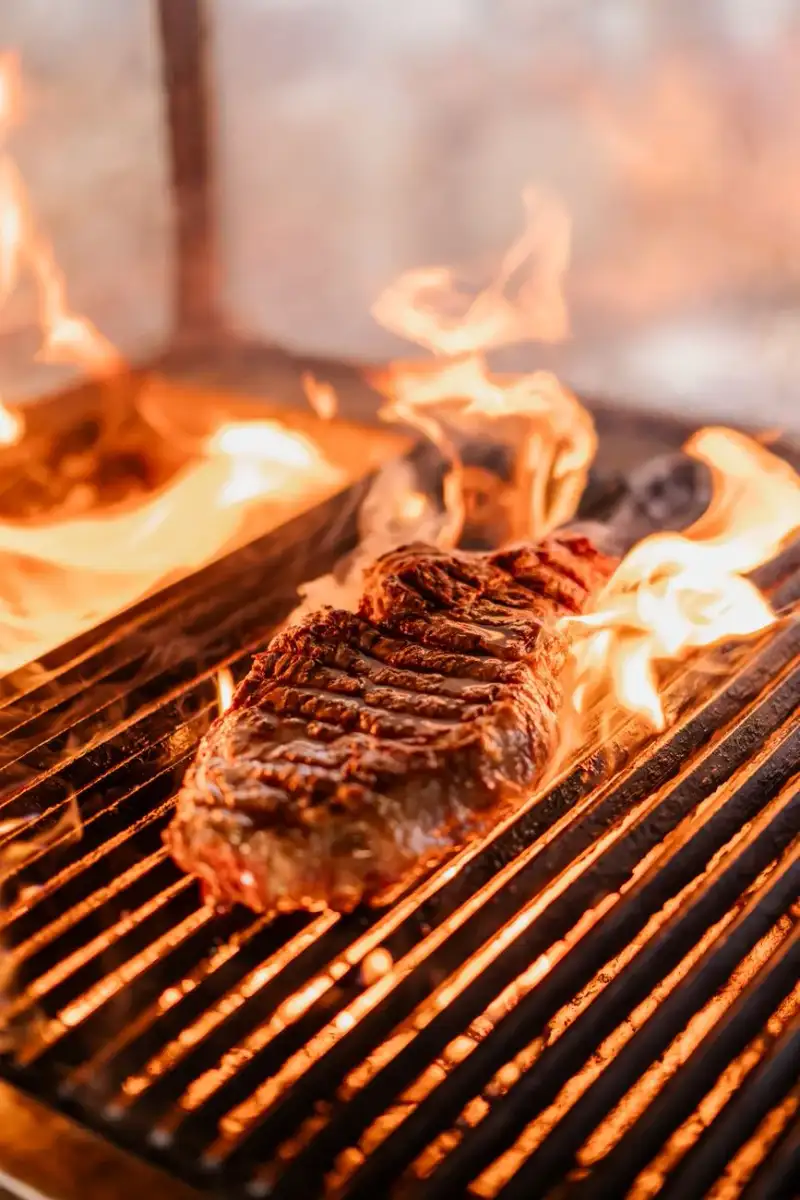

Argentinian Asado: The Ritual and Art of South American Barbecue Introduction Few culinary traditions embody the soul of a nation as profoundly as the Argentinian asado. More than a mere method of cooking meat, this centuries-old ritual is a cultural cornerstone—an intricate dance of fire, patience, and community that has shaped Argentina’s social fabric. Rooted in the gaucho traditions of the 19th century, where nomadic cattle herders perfected open-flame grilling over wood or charcoal, asado has evolved into a national obsession. Today, it is a weekly ritual for families, a competitive sport among asadores (grill masters), and a symbol of Argentinian hospitality. Whether in the bustling streets of Buenos Aires or the remote estancias of the Pampas, the asado is a living testament to Argentina’s love affair with beef, fire, and shared experience. This article delves into the history, techniques, and cultural significance of Argentinian asado, revealing why it stands as one of the world’s most revered barbecue traditions.The Historical Roots of Asado: From Gaucho Culture to National Identity The origins of Argentinian asado trace back to the gauchos—the free-spirited cowboys of the Argentine plains—who relied on open-fire cooking during their nomadic cattle drives. Unlike North American barbecue, which often involves slow-smoking meats over indirect heat, the gaucho method was direct and immediate: skewering whole animals or large cuts over an open flame fueled by wood or charcoal. This technique was born out of necessity; the gauchos needed a portable, efficient way to cook while herding cattle across the vast Pampas grasslands. By the late 19th century, European immigrants—particularly Spanish, Italian, and Basque settlers—brought new grilling techniques and cuts of meat, enriching the asado tradition. The introduction of the parrilla (grill) and the asador (rotisserie) further refined the process, allowing for more controlled cooking. The asado also became a social equalizer; whether in rural estancias or urban pulperías (taverns), it fostered camaraderie among laborers, soldiers, and aristocrats alike.The 20th century cemented asado as a national symbol. Argentina’s booming cattle industry, fueled by the fertile Pampas, made beef a dietary staple. The government even subsidized beef consumption to maintain national pride. Today, the asado is celebrated in festivals like the Festival Nacional de la Carne in Mar del Plata, where asadores compete for the title of best grill master. The ritual has also spread globally, with Argentinian expatriates recreating the experience in cities from Madrid to Tokyo.The Essential Tools and Ingredients: Building the Perfect Asado At the heart of every asado is the parrilla—a cast-iron or stainless-steel grill with a hinged lid, designed to distribute heat evenly. Traditional parrillas are wood-fired, using hardwoods like quebracho or algarrobo for their slow-burning, aromatic qualities. Charcoal is also common, though purists argue it lacks the depth of wood smoke. The asador (grill master) must master the fire, maintaining a consistent temperature between 200°C and 250°C (390°F–480°F) for optimal searing. The meat is the star of the show. Argentinian asado relies on high-quality, grass-fed beef, prized for its marbling and tenderness. The most iconic cuts include:Bife de Chorizo (Sirloin Steak): A thick, juicy cut with a rich flavor. Entraña (Skirt Steak): A fibrous, flavorful cut that benefits from high-heat searing. Asado de Tira (Short Ribs): Slow-cooked until the meat falls off the bone. Vacio (Flank Steak): Lean and beefy, often marinated in chimichurri. Morcilla (Blood Sausage): A savory, spiced sausage made from pork blood and fat. Chorizo (Spiced Sausage): Seasoned with paprika, garlic, and cumin.No asado is complete without chimichurri—a vibrant green sauce made from parsley, garlic, oregano, vinegar, and olive oil. Some variations include red pepper flakes or lemon juice for a tangy kick. The sauce cuts through the richness of the meat, adding a bright, herby contrast. Other accompaniments include provoleta (grilled provolone cheese), morcilla, and fresh bread to soak up the juices. The ritual begins with the precalentamiento (preheating), where the fire is built and allowed to burn down to embers. The asador then arranges the meat in order of cooking time, starting with the hardest cuts (like ribs) and ending with delicate items like provoleta. Patience is key; the meat must cook slowly, absorbing the smoky essence of the fire.The Step-by-Step Guide to Mastering the Asado Technique 1. Building the Fire The foundation of a great asado is the fire. Use hardwood logs or charcoal, arranging them in a pyramid shape. Light the fire and let it burn until the wood is reduced to glowing embers—this can take up to an hour. The goal is to create a bed of hot coals that will radiate consistent heat. 2. Arranging the Meat The asador places the meat on the parrilla in a specific order:First Tier: Hard, fatty cuts like ribs and asado de tira, which require longer cooking times. Second Tier: Thicker steaks like bife de chorizo and entraña, cooked over medium heat. Third Tier: Delicate items like provoleta or sausages, which cook quickly.3. The Art of Searing and Resting High heat is crucial for creating a crispy costra (crust) on the meat. The asador uses a espátula (spatula) to flip the meat, ensuring even cooking. For steaks, the ideal internal temperature is 55°C–60°C (130°F–140°F) for medium-rare. Once cooked, the meat must rest for 5–10 minutes to redistribute juices. 4. Timing and Patience A true asado can last hours, with the asador constantly adjusting the fire and rotating the meat. The goal is to achieve a balance between smokiness and tenderness. The asador may also add wood chips for extra aroma or adjust the grill’s height to control heat. 5. Serving the Asado The meal is served family-style, with the asador carving the meat tableside. Diners are encouraged to try every cut, from the crispy chorizo to the tender vacio. The meal is often accompanied by wine—Malbec or Torrontés are popular choices—and lively conversation.The Cultural Significance of Asado: More Than Just a Meal The asado is deeply woven into Argentina’s social and cultural identity. It is a symbol of mate culture—shared among friends and family in a ritual that transcends class and background. In rural areas, the asado is a weekly gathering, while in cities, it is a weekend tradition that brings people together. The asado also reflects Argentina’s economic history. During the 20th century, beef consumption was subsidized to maintain national pride, and the asado became a way to assert Argentinian identity in the face of globalization. Today, the tradition faces challenges from rising beef prices and changing dietary habits, but efforts to preserve it—such as the Asado Argentino certification program—ensure its survival.The asado is also a gendered ritual. Traditionally, men were the asadores, while women prepared sides and sauces. However, modern asados are increasingly inclusive, with women taking on the role of grill master. The ritual also fosters intergenerational bonds, with elders teaching younger generations the art of fire management and meat selection.The Global Influence of Argentinian Asado: From Buenos Aires to Tokyo The asado has transcended Argentina’s borders, becoming a global phenomenon. In cities like New York, London, and Sydney, Argentinian steakhouses (parrillas) have proliferated, offering authentic asado experiences. The rise of social media has further amplified its appeal, with food bloggers and influencers sharing asado tutorials and reviews. However, replicating the asado abroad comes with challenges. The key to authenticity lies in the ingredients—Argentinian beef, hardwood smoke, and chimichurri—and the technique. Many international asadores struggle with fire management or sourcing the right cuts, leading to variations that stray from tradition.Despite these challenges, the asado has inspired fusion cuisines. In Brazil, the churrasco (a similar grilling tradition) has evolved into a buffet-style dining experience. In the U.S., chefs experiment with Argentinian techniques, incorporating local ingredients like bison or venison. The asado has also influenced vegetarian and vegan adaptations, with grilled portobello mushrooms or halloumi cheese replacing meat.The Science and Art of Asado: Understanding Heat, Smoke, and Meat The asado is as much a science as it is an art. The Maillard reaction—the chemical process that creates the costra—requires precise heat control. Smoke from hardwoods like quebracho contains phenols and carbonyls, which infuse the meat with flavor. The type of wood used can drastically alter the taste; quebracho imparts a sweet, smoky note, while algarrobo adds a nutty depth. The cut of meat also plays a critical role. Grass-fed beef, common in Argentina, has a higher concentration of omega-3 fatty acids and a distinct flavor profile compared to grain-fed beef. The marbling in cuts like entraña ensures tenderness, while lean cuts like vacio benefit from marinating in chimichurri or olive oil.The asado also highlights the importance of rest. Resting meat allows collagen to break down, resulting in a more tender bite. The resting period also prevents juices from spilling out when the meat is cut, ensuring a juicy, flavorful experience.The Economics of Asado: Costs, Accessibility, and Sustainability The cost of an asado can vary widely depending on the cuts of meat and the fuel used. In Argentina, a family asado might cost between $50 and $150 USD, while in the U.S. or Europe, prices can exceed $200 due to import costs. The most expensive cuts, like ojo de bife (ribeye), can run $30–$50 per pound. Sustainability is another concern. Argentina’s cattle industry has faced criticism for deforestation in the Gran Chaco region, where soy farming and cattle ranching have displaced indigenous communities. However, grass-fed beef—common in asado—is often more sustainable than grain-fed alternatives, as it requires less water and produces fewer greenhouse gases.To address these issues, some asadores are turning to ethical sourcing, partnering with local farmers who prioritize regenerative grazing. Others are experimenting with plant-based asados, using jackfruit or mushrooms to replicate the texture of meat.The Future of Asado: Preservation and Innovation As Argentina’s economic crisis drives up beef prices, the asado faces challenges. Younger generations are increasingly opting for cheaper proteins or dining out less frequently. However, efforts to preserve the tradition are underway. The Asado Argentino certification program, launched in 2018, trains asadores in traditional techniques and promotes the cultural significance of the ritual. Innovation is also playing a role. Modern asadores are experimenting with sous-vide techniques or hybrid grilling methods, combining wood smoke with electric heat for consistency. The rise of food delivery has also led to "take-home asado kits," where customers can purchase pre-marinated cuts and wood chips for at-home grilling.Despite these changes, the core of the asado remains unchanged: a celebration of fire, meat, and community. As long as Argentinians continue to gather around the parrilla, the tradition will endure.Conclusion The Argentinian asado is far more than a barbecue—it is a cultural institution, a culinary masterpiece, and a testament to Argentina’s love affair with beef. From its humble origins among the gauchos to its global acclaim today, the asado embodies the spirit of community, patience, and tradition. Whether you’re a seasoned asador or a curious food lover, mastering the art of the asado offers a deeper connection to Argentina’s soul. As you gather around the parrilla this weekend, remember: the asado is not just about the food. It’s about the laughter shared, the stories told, and the bonds forged over fire and smoke. So light the coals, pour the wine, and let the ritual begin. ¡Buen provecho!#ArgentinianAsado #GrilledToPerfection #MeatLoversDelight #CulturalCulinary #BBQTradition Related InsightsDelving into the World of Anti-Inflammatory German Potato Salad with Dill and Apple Cider Vinaigrette (Vegan) Ndambe: The Comforting Black-Eyed Pea Stew Minestrone Soup with Genovese Pesto and Spelt: A High Fiber Delight{ "@context": "https://schema.org", "@type": "FAQPage", "mainEntity": [ { "@type": "Question", "name": "What is the main focus of Mastering the Asado: A Deep Dive into Argentina's Barbecue Culture?", "acceptedAnswer": { "@type": "Answer", "text": "Discover the sacred rituals, essential cuts of meat, and the cultural soul behind the legendary Argentinian Asado barbecue." } }, { "@type": "Question", "name": "Who authored the comprehensive guide on Mastering the Asado: A Deep Dive into Argentina's Barbecue Culture?", "acceptedAnswer": { "@type": "Answer", "text": "This detailed article and its insights were carefully researched and authored by Marcus Vance." } }, { "@type": "Question", "name": "Where can I find more related content about Food?", "acceptedAnswer": { "@type": "Answer", "text": "You can explore more articles, detailed reviews, and similar insights by browsing the Related Insights section at the bottom of this article or visiting our dedicated Food category page." } } ] }