Showing Posts From
Health
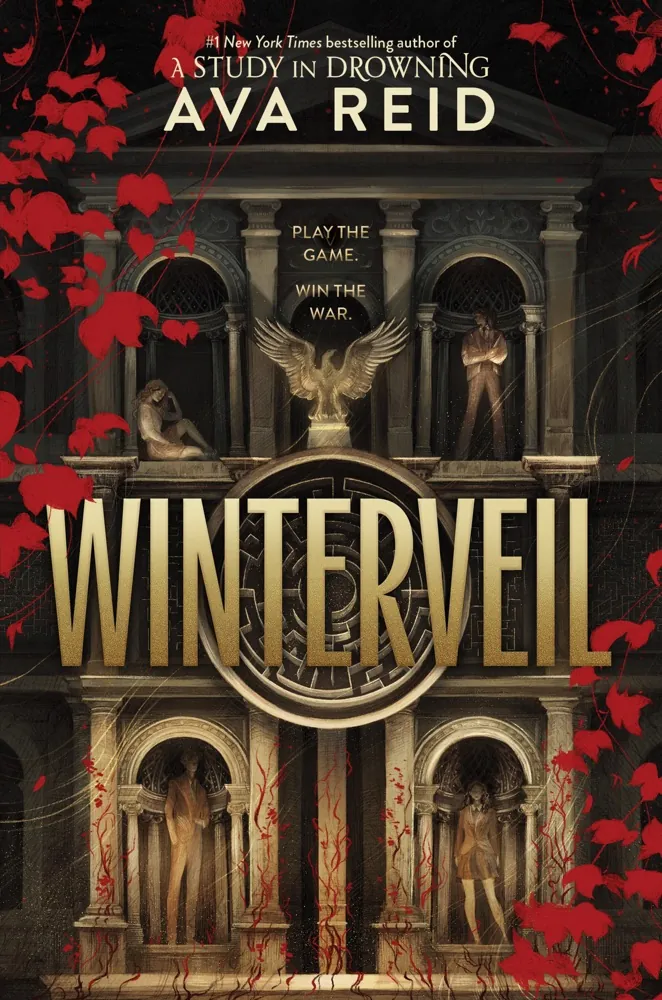
Author: Ava ReidPage Count: UnknownPublication Date: Expected publication 2026-09-15 APL The sweat dripping down my neck while I try to dice three bell peppers in this stifling August humidity is a crime against domesticity, yet here I am, aggressively roasting vegetables for the week while dissecting Ava Reid’s upcoming September release, Winterveil. And what a premise we have been handed. Four teenage criminals drafted into an alternate Cold War military academy. It is a delightfully cynical setup. We get the disgraced dynastic politician, the ruthless strategist, the pageant queen turned world-changer, and the secretive soldier. Reid clearly knows how to build a high-concept pressure cooker. Think The Atlas Six meets Red Queen, but soaked in geopolitical dread and teenage angst. Give me healthy communication in fiction for once in my life. Please. I am begging authors to let teenagers talk about their feelings instead of staring across a war room while suppressing a five-year-long yearning. But will these characters actually sit down and use "I" statements when their loyalties are tested? Unlikely. They will probably communicate exclusively through loaded eye contact across map tables and tactical weapon cleanings. And honestly? I will eat it up. Because if there is one thing I demand from a YA dystopia, it is mutual vulnerability disguised as enemies-to-lovers tension. Speaking of culinary disasters, why is red bell pepper juice chemically designed to linger on plastic cutting boards forever? I scrubbed that exact board three times yesterday after making shakshuka, and it still smells like roasted paprika. It is deeply offensive. My kitchen sponge is gaslighting me. Back to the book at hand. The synopsis promises forged romances and a potential apocalypse. Classic Reid fashion. Yet I am struck by how aggressively vague the official blurb remains. They are "precocious teenage criminals with dark skills." What does that even mean? Did they hack the Pentagon? Did they steal the crown jewels? Or did they just commit grand tax evasion with severe attitude? The marketing team refuses to tell us, opting instead for vague stylistic vibes. We are left grasping at literary smoke. Yet I trust Reid implicitly. Her previous work possesses a razor-sharp bite that avoids the usual YA pitfalls of toothless world-building. If anyone can make an alternate-universe Cold War academy feel claustrophobic and electrically romantic, it is her. I just hope the romance has actual emotional stakes rather than endless lingering glances in drafty armories. Oh, look at the time. I have to go stop the toddler from trying to feed the cat vanilla bean ice cream again. Apparently, we cannot eat frozen dairy products for dinner, despite what the three-year-old’s aggressive lobby on the matter suggests.
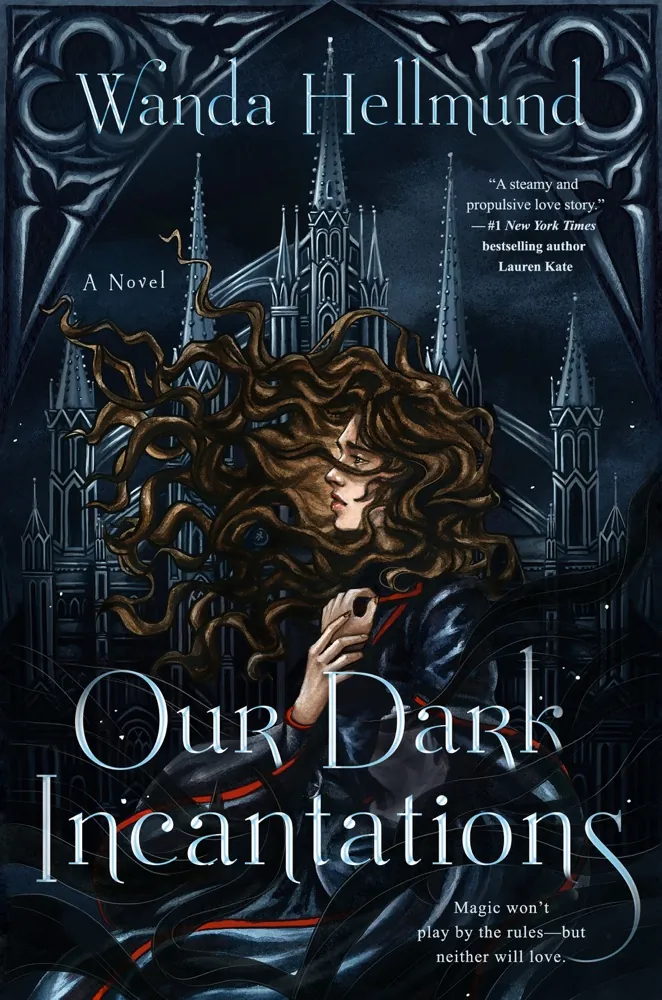
Author: Wanda HellmundPage Count: UnknownPublication Date: Expected publication 2026-10-20 APL As I ponder the upcoming release of Our Dark Incantations, the latest offering from Wanda Hellmund, I find myself oscillating between fascination and apprehension. This dark academia fantasy appears to be a labyrinthine exploration of the complexities that arise when two damaged individuals must coalesce in order to vanquish a shared adversary. And yet, I'm reminded of the likes of The Poppy War, in which a young warrior's journey toward healing is forged through perilous partnership with an equally scarred but captivatingly charismatic companion. The concept of a damaged ex-healer, Mira Winters, being thrust into an unexpected union with a deadly Wielder, Aidric Dawson, sends pangs of recognition through my romantic heart. These types of partnerships have proven so captivating in other works – The Bear and the Nightingale, for example, where two isolated souls find a tentative bond amidst ancient, mystical powers – and I suspect that Hellmund will similarly breathe life into these two unlikely allies. The friction between their disparate backgrounds and temperaments will undoubtedly provide a palpable spark, don't you think? Mira, having sworn off magic following the war, is now begrudgingly enrolled in Ivercrest University's demonology course, and finds herself paired with none other than Aidric, a man rumored to possess both aristocratic demeanor and a deadly legacy. And it is this union that will propel them into a sinister mystery lurking within the shadows of magical society, threatening the fragile peace forged after the war's devastating conclusion. One can't help but feel an eerie sense of foreboding as these two characters – bound by necessity, and perhaps something more – embark upon this perilous journey together. I must confess, too, that I find myself drawn to the parallels between Our Dark Incantations and other works that explore the complexities of forbidden love and uneasy alliances, such as The City of Brass, which juxtaposes an ailing healer with a cunning thief in a magical world fraught with danger. These narratives often find themselves grappling with the existential questions of what constitutes loyalty, how we define healing, and whether true partnership can ever be forged when both parties carry such profound emotional scars. One cannot, however, help but feel a hint of vagueness when it comes to the specifics of the plot, and it remains to be seen how Hellmund will reconcile the multiple disparate threads of world-building, romance, and mystery within the pages of Our Dark Incantations. I do hope that the novel will offer a satisfying convergence of these elements, lest we be left with a narrative that feels somewhat disjointed. Still, even with some reservations, I remain cautiously optimistic about the potential for genuine growth and romance within Our Dark Incantations. And so, I shall eagerly await the release of this novel, hoping to see Hellmund succeed in crafting a narrative that skillfully navigates the darker corners of the human experience – where even the most unlikely pairings can give rise to something beautiful. Now, really, I must go change that burnt-out lightbulb – the one in the attic hasn't been replaced in months. #DarkAcademiaRomance #FantasyFiction #NewRelease Related InsightsWorks of Edgar Allan Poe; Volume 5 Book Review and Summary Old Babes in the Wood Book Review and Summary Portrait of a Haunting Book Review and Summary{ "@context": "https://schema.org", "@type": "FAQPage", "mainEntity": [ { "@type": "Question", "name": "What is the main focus of Our Dark Incantations Book Review and Summary?", "acceptedAnswer": { "@type": "Answer", "text": "Everything you need to know about Our Dark Incantations with our detailed review." } }, { "@type": "Question", "name": "Who authored the comprehensive guide on Our Dark Incantations Book Review and Summary?", "acceptedAnswer": { "@type": "Answer", "text": "This detailed article and its insights were carefully researched and authored by Isabella Moore." } }, { "@type": "Question", "name": "Where can I find more related content about Books?", "acceptedAnswer": { "@type": "Answer", "text": "You can explore more articles, detailed reviews, and similar insights by browsing the Related Insights section at the bottom of this article or visiting our dedicated Books category page." } } ] }
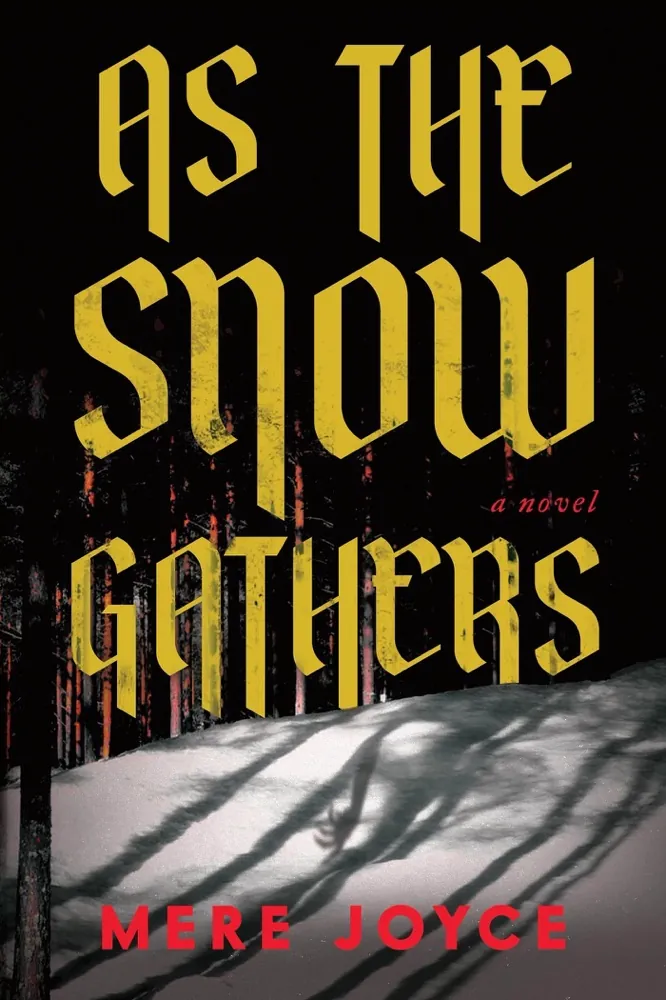
Author: Mere JoycePage Count: UnknownPublication Date: Expected publication 2026-09-01 APL As I sit here, pondering the official synopsis of Mere Joyce's upcoming book, As the Snow Gathers, I am struck by the eerie atmosphere that permeates every sentence — the feeling of being watched, of being trapped in a place where the lines between reality and myth blur. But, what truly catches my attention is the quiet, bookish Dominic, and his secret love for Lex, a logger in the camp near town. And, I must admit, my heart aches for them, for the impossibility of their love in a town where isolation breeds judgment, and every kindness hides a cost. Yet, I am drawn to the darkness that lurks beneath the surface of Aplin Shade, a place built on the bones of another town that vanished without a trace — a reminder that the past is always waiting to reclaim us. Shadows in the Woods The Fanteur, shadowed beings that come at night to drain the dead of their blood, are a fascinating, albeit terrifying, addition to the story. But, what does it say about the town, about the people who live there, that they've learned to coexist with these creatures? That they've never touched the living, until now — a turning point that sets the stage for a desperate fight for survival. And, I wonder, what role will Dominic and Lex play in this struggle? Will their love be the catalyst for change, or will it be the very thing that destroys them? They really went there, didn't they, by introducing a supernatural element that threatens to upend the fragile balance of power in the town. Still, I am reminded of the works of authors like Laura Purcell, who weaves together elements of horror and romance to create a sense of creeping unease. But, as I read through the synopsis, I am also struck by the vagueness of certain details — the carriage crash that kills Dominic's father, the way his sister is "forever changed." What does this mean, exactly? How will these events shape Dominic's character, his relationships with those around him? And, what of the logging camp, the threat it poses to the forest, and the Fanteur that dwell within? So many questions, and yet, I am eager to see how Mere Joyce will answer them, how she will balance the darker elements of the story with the tender, aching love between Dominic and Lex. For, in the end, it is this love that will be the true test of their strength, their resilience in the face of overwhelming odds. And, as the winter descends, and the Fanteur strike back against the logging camp, I am left wondering — what will be the cost of survival? Will Dominic and Lex be able to escape the woods, to find a way out of the town's tightening grasp? Or, will they be trapped, forever bound to the land, to the secrets and lies that have haunted Aplin Shade for so long? The thought sends a shiver down my spine, a reminder that, sometimes, the greatest horrors are those that lurk within ourselves, rather than the monsters that lurk in the shadows. Yet, I am drawn to this darkness, this sense of foreboding that permeates every aspect of the story. For, in the end, it is this darkness that will be the true test of Dominic and Lex's love, their ability to find hope in a place where it seems lost forever. But, for now, I must wait, patiently, for the book's release, and the answers it will bring. And, as I sit here, lost in thought, I am distracted by the sound of my dishwasher, which is making a weird noise — a reminder that, even in the darkest of times, there is always something to be annoyed about. #booklovers #newrelease #LGBTQplus Related InsightsHeir of Fire Book Review and Summary Peace Like a River Book Review and Summary Hidden Pictures Book Review and Summary{ "@context": "https://schema.org", "@type": "FAQPage", "mainEntity": [ { "@type": "Question", "name": "What is the main focus of As the Snow Gathers Book Review and Summary?", "acceptedAnswer": { "@type": "Answer", "text": "Everything you need to know about As the Snow Gathers with our detailed review." } }, { "@type": "Question", "name": "Who authored the comprehensive guide on As the Snow Gathers Book Review and Summary?", "acceptedAnswer": { "@type": "Answer", "text": "This detailed article and its insights were carefully researched and authored by Isabella Moore." } }, { "@type": "Question", "name": "Where can I find more related content about Books?", "acceptedAnswer": { "@type": "Answer", "text": "You can explore more articles, detailed reviews, and similar insights by browsing the Related Insights section at the bottom of this article or visiting our dedicated Books category page." } } ] }
Author: Kathleen KaufmanPage Count: UnknownPublication Date: Expected publication 2026-09-29 APL Oh, the way this synopsis lingers—like the tide pulling back from the shore, revealing something slick and unknown beneath. Harper Hafdóttir, a marine biologist with the quiet precision of a woman who’s spent too long staring into the abyss, isn’t just chasing an octopus. She’s chasing herself, and the island of Bell is the perfect mirror for that kind of reckoning. The fact that she’s drawn to a place rumored to be haunted by "spirits and other things"—that’s not just atmospheric fluff, is it? That’s a romantic detail, the kind that makes your pulse quicken like the first note of a song you can’t name but know you’ll hum for days. And Lady Loreana Bell—oh, there’s a woman worth studying. A matriarchal ruler of an island that’s been a sanctuary for women fleeing persecution for centuries? That’s not just world-building; that’s power dynamics with a capital P. The synopsis doesn’t spell it out, but I’m already imagining the tension between Harper’s scientific detachment and Loreana’s centuries-old mysticism. It’s the kind of dynamic that could either feel like a fantastical love story (think The Night Circus meets The Secret History) or a slow-burning clash of ideologies (à la The Shadow of the Wind). The fact that Loreana seems to have been expecting Harper? That’s not just convenient—it’s deliciously ominous. But let’s talk about the dreaming. Harper’s haunted by visions, and the synopsis drops the journal of a young woman in a cult like it’s a clue in a murder mystery. That’s not just foreshadowing; that’s psychological horror with a literary twist. It’s the kind of thing that makes you wonder: Is Harper’s trauma tied to the island’s history, or is she the one who’s been haunting it all along? The way the synopsis weaves in seismic activity, rogue waves, and creatures that defy explanation—it’s not just sci-fi fluff. It’s mythic, the kind of stuff that makes you think of The Fisherman by John Langan or The Only Good Indians by Stephen Graham Jones. The island isn’t just a setting; it’s a character, and it’s breathing. Yet—here’s where the synopsis stumbles. It’s too vague. The tsunami threat? The true purpose? The "other things" lurking in the fog? It’s all left dangling like a baited hook. That’s not a flaw—it’s promise. But it also means we’re left wondering: Is this a gothic horror? A slow-burn romance? A psychological thriller? The synopsis doesn’t commit. And that’s fine, because the best books leave you craving more. But I can’t help but compare it to The Last House on Needless Street by Catriona Ward, where the mystery is so tightly wound you can feel the tension in every comma. This feels more like The Haunting of Hill House—beautiful, eerie, but still clinging to its secrets. And then there’s the romance. Oh, the romance. Harper’s trauma, the island’s history, the way Loreana’s gaze seems to see through her—it’s all the ingredients for something tender and dangerous. But the synopsis doesn’t say how it unfolds. Is it slow-burning, like the way saltwater evaporates on skin? Or is it a storm that hits all at once? The way it’s framed, I’m leaning toward the former. But I also can’t shake the feeling that this could be the kind of book where the love story isn’t the point—it’s the consequence of the truth Harper uncovers. Like in The Starless Sea by Erin Morgenstern, where the romance is woven into the fabric of the mystery itself. The fact that it’s compared to The Sirens and The Amalfi Curse is chef’s kiss. Those books are all about women who are both scholars and seekers, drawn to places that feel like they’re holding their destinies. Harper’s a marine biologist, but she’s also a woman with dreams that won’t stay buried. That duality is gold. And the way the synopsis plays with the idea of the island as a liminal space—where history, nature, and the supernatural blur—it’s the kind of thing that makes you want to press your forehead against the page and feel the fog. But here’s the thing: I’m not sure if this is a book about love or survival. Or maybe it’s both. The way it’s written, it feels like Harper’s journey is as much about letting go as it is about finding. And that’s the kind of emotional core that makes a book linger in your mind long after you’ve turned the last page. It’s the kind of thing that makes you want to curl up on a sofa with a glass of something strong and finally read it. #BookTok #GothicRomance #IslandVibes #HauntinglyGood #MarineBiologistDreams Related InsightsSafe Enough and Other Stories Book Review and Summary The Dark Vault Book Review and Summary The Haunting of Lavender House Book Review and Summary{ "@context": "https://schema.org", "@type": "FAQPage", "mainEntity": [ { "@type": "Question", "name": "What is the main focus of Beyond the Graves Waits Mist and Sea Book Review and Summary?", "acceptedAnswer": { "@type": "Answer", "text": "Everything you need to know about Beyond the Graves Waits Mist and Sea with our detailed review." } }, { "@type": "Question", "name": "Who authored the comprehensive guide on Beyond the Graves Waits Mist and Sea Book Review and Summary?", "acceptedAnswer": { "@type": "Answer", "text": "This detailed article and its insights were carefully researched and authored by Isabella Moore." } }, { "@type": "Question", "name": "Where can I find more related content about Books?", "acceptedAnswer": { "@type": "Answer", "text": "You can explore more articles, detailed reviews, and similar insights by browsing the Related Insights section at the bottom of this article or visiting our dedicated Books category page." } } ] }
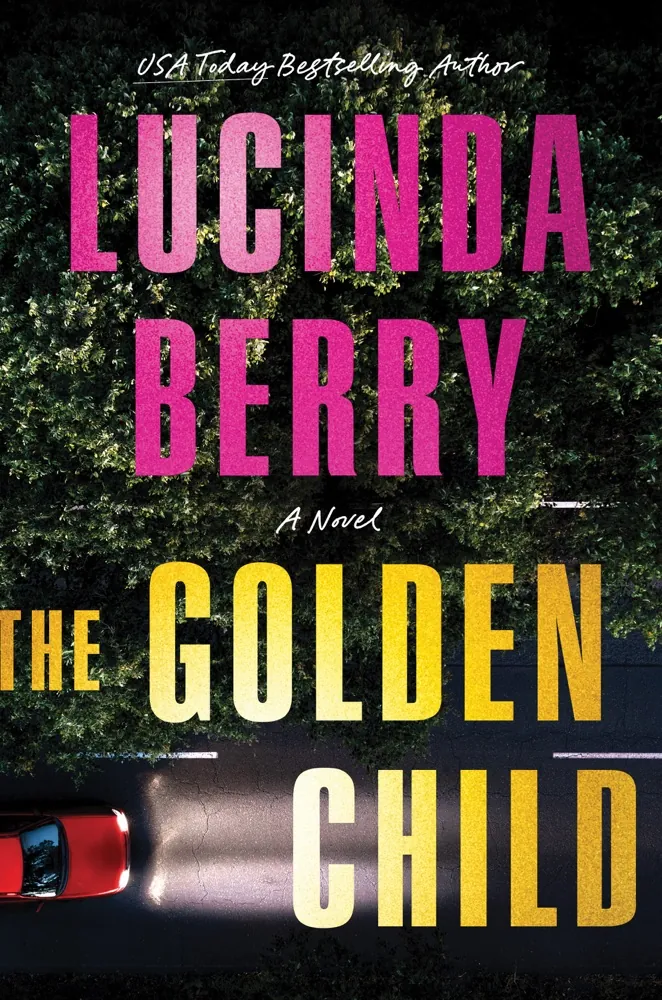
Author: Lucinda BerryPage Count: UnknownPublication Date: Expected publication 2026 APL The sweltering August heat is making it hard to focus, but this synopsis has me hooked. The Golden Child, Lucinda Berry's latest, promises to be a gripping psychological suspense novel that probes the darker aspects of family loyalty and favoritism. As I sit here, nursing a broken heart and trying to muster the energy to work, I find myself drawn to the complex web of relationships and moral dilemmas that this book seems to weave. Ava and Bentley, Irish twins with vastly different personalities, are at the center of this story. Ava, the golden girl, is driven and disciplined, while Bentley is the screwup, always teetering on the brink of disaster. But when Ava makes a mistake that can't be undone, she calls upon Bentley, who takes the blame and sets off a chain of events that will change their lives forever. This setup is fascinating in theory – what would you do if you had to choose between saving your brilliant, promising daughter or your troubled son? The synopsis raises more questions than it answers, and I appreciate the vagueness. It's clear that Berry is playing with themes of ambition, loyalty, and the consequences of our choices. The fact that Ava and Bentley are twins adds an extra layer of complexity to their relationship – they're not just siblings, but also two sides of the same coin. And yet, I find myself wondering about the supporting characters – the classmate who was hit, the parents who must make an impossible choice – how will they fit into the narrative? Berry's writing style, at least based on this synopsis, seems to be reminiscent of authors like Megan Abbott and Mary Kubica, who excel at crafting tense, psychologically charged stories that explore the darker aspects of human relationships. The setup is also vaguely reminiscent of The Last Mrs. Parrish, by Liv Constantine, which also delves into the complexities of family dynamics and the secrets that can destroy them. But what really draws me to The Golden Child is the way it seems to tap into the current cultural conversation about privilege, ambition, and the consequences of our actions. In an era where social media has created a culture of curated perfection, it's refreshing to see a book that explores the messy, often painful reality of human relationships. As I sit here, sweating and trying to focus, I find myself wondering – what would I do if I were in Ava's shoes? Would I take the blame, or would I let my sister suffer the consequences? And what about Bentley – is he a hero, or is he just a screwup trying to do the right thing? Time will tell, I suppose. One thing is certain, though – The Golden Child is going to be a wild ride, full of twists and turns that will keep readers on the edge of their seats. And that haunting question – if you had to choose, which child would you save? – is going to linger long after the final page is turned. #psychologicalthriller #familydrama #booklover Related InsightsThe Hero of Ages Book Review and Summary Bridgerton Boxed Set 5-8 Book Review and Summary Midnight in the House of Commons: A Charles Lenox Mystery (Charles Lenox Mysteries, 16) Book Review and Summary{ "@context": "https://schema.org", "@type": "FAQPage", "mainEntity": [ { "@type": "Question", "name": "What is the main focus of The Golden Child Book Review and Summary?", "acceptedAnswer": { "@type": "Answer", "text": "Everything you need to know about The Golden Child with our detailed review." } }, { "@type": "Question", "name": "Who authored the comprehensive guide on The Golden Child Book Review and Summary?", "acceptedAnswer": { "@type": "Answer", "text": "This detailed article and its insights were carefully researched and authored by Isabella Moore." } }, { "@type": "Question", "name": "Where can I find more related content about Books?", "acceptedAnswer": { "@type": "Answer", "text": "You can explore more articles, detailed reviews, and similar insights by browsing the Related Insights section at the bottom of this article or visiting our dedicated Books category page." } } ] }
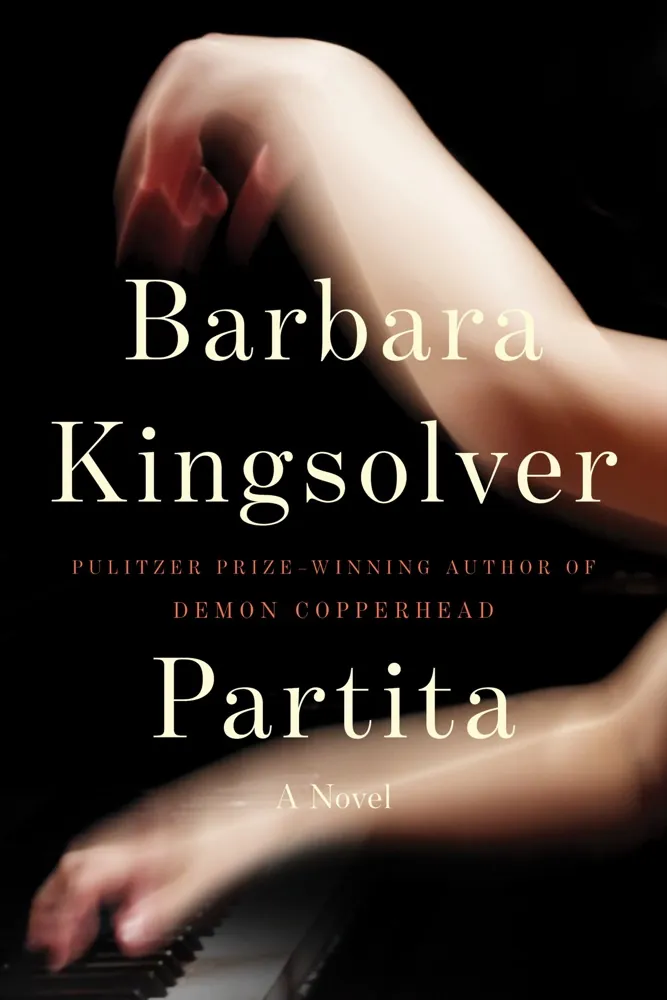
Author: Barbara KingsolverPage Count: UnknownPublication Date: Expected publication 2026-10-06 APL Listen. I am staring at this spreadsheet right now, losing my actual mind between quarterly projections and passive-aggressive emails from finance, so do not talk to me about patience. I need an escape. Give me pure, unadulterated emotional chaos, or give me death. And Barbara Kingsolver—yes, Pulitzer winner, whatever—just dropped the synopsis for Partita, her October 2026 release, and I am already sweating. The Setup Livia Cable is sitting pretty in farm country, doing her quiet married thing, when boom. An ex from her conservatory days—back when she was Livia Bohusz, piano prodigy, living on the edge—calls her out of nowhere. Do you see the potential here? Because I see a decade-spanning emotional grenade. He wants to meet. And she has to decide whether to blow up her entire life for a ghost. Absolutely unhinged behavior. I love it. The Chemistry Check The synopsis promises "self-immolating passion" and a "perilous attachment." Music to my stressed-out ears. Give me toxic chemistry over functional adult communication any day of the week, especially when I am reading on the treadmill to forget about my boss. Yet—and this is my one tiny annoyance—the synopsis is frustratingly vague on the actual details. Did this guy ghost her? Did he steal her sheet music? Did they have a screaming match in a rain-slicked alley? We are missing the juicy logistics! The Vibe Kingsolver usually writes about the environment or social justice—heavy stuff that requires an active brain. But Partita sounds entirely different. It leans hard into the classic, messy romance tropes that Colleen Hoover fans eat up on BookTok, just written by someone with actual literary clout. Think Taylor Jenkins Reid’s Daisy Jones & The Six, but with classical piano and way more emotional baggage. Will the reunion actually happen? Hard to say from three little paragraphs. Time will tell if the chemistry sizzles or fizzles out into boring literary reflections on class barriers. But if Livia doesn't at least consider ruining her life for five minutes, what are we even doing here? #Partita #BarbaraKingsolver #BookTok Related InsightsIllicit Temptations Book Review and Summary Pirata Book Review and Summary In Patagonia Book Review and Summary{ "@context": "https://schema.org", "@type": "FAQPage", "mainEntity": [ { "@type": "Question", "name": "What is the main focus of Partita Book Review and Summary?", "acceptedAnswer": { "@type": "Answer", "text": "Everything you need to know about Partita with our detailed review." } }, { "@type": "Question", "name": "Who authored the comprehensive guide on Partita Book Review and Summary?", "acceptedAnswer": { "@type": "Answer", "text": "This detailed article and its insights were carefully researched and authored by Isabella Moore." } }, { "@type": "Question", "name": "Where can I find more related content about Books?", "acceptedAnswer": { "@type": "Answer", "text": "You can explore more articles, detailed reviews, and similar insights by browsing the Related Insights section at the bottom of this article or visiting our dedicated Books category page." } } ] }
-
 Isabella Moore
 - 03 Aug, 2026 22:14
The True Confessions of First Lady Freeman Book Review and Summary
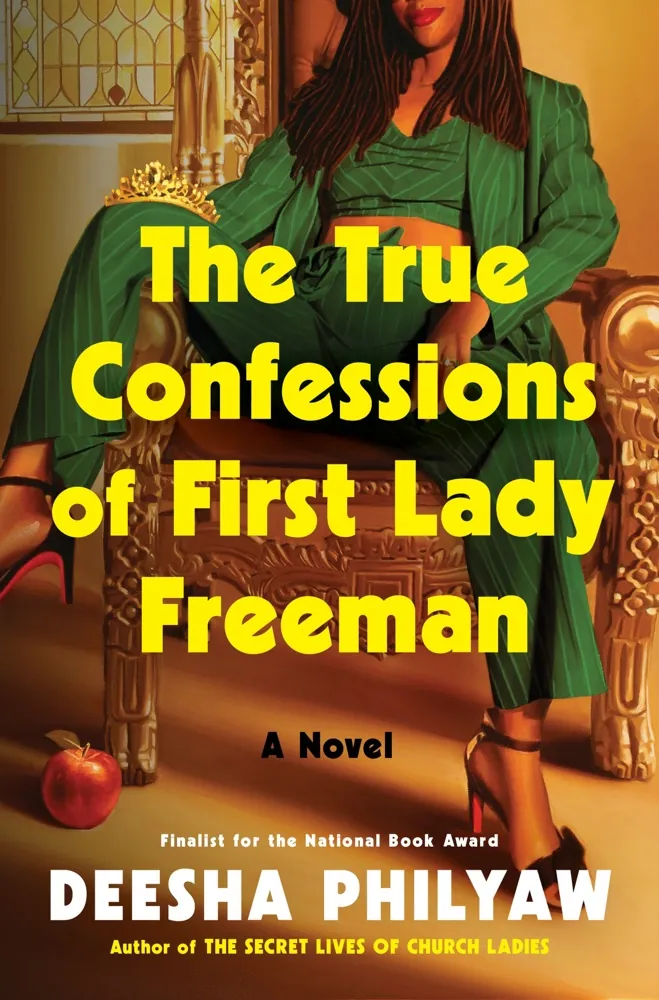
The True Confessions of First Lady Freeman Author: Deesha PhilyawPage Count: UnknownPublication Date: Expected publication 2026-09-29 APL The True Confessions of First Lady Freeman: A Juicy and Unruly Page-Turner from Acclaimed Author Deesha Philyaw Get ready for a wild ride with Deesha Philyaw's upcoming novel, The True Confessions of First Lady Freeman, expected to hit shelves on September 29, 2026. This highly anticipated release has already generated buzz among literary circles, with praise from notable authors like Rufi Thorpe, Jasmine Guillory, and Kiese Laymon. For fans of Philyaw's previous work, particularly her acclaimed collection The Secret Lives of Church Ladies, this new novel promises to deliver the same blend of humor, wit, and unflinching honesty that has come to define her writing style. If you loved her previous bestsellers, you won't want to miss this latest offering. The True Confessions of First Lady Freeman tells the story of Scharisse Freeman, the wife of a powerful megachurch pastor, who has built a lucrative business empire and lives a life of comfort and privilege. However, on the eve of her 40th birthday, Schar's carefully curated life is turned upside down when a scandal breaks, threatening to expose her deepest secrets and upend her world. With its "funny and juicy and sexy and delicious peek behind the pulpit" (Samantha Irby), this novel promises to be a compulsively readable page-turner that will keep you on the edge of your seat. Philyaw's writing is known for its unflinching honesty and its ability to tackle tough subjects with humor and wit, making this novel a must-read for fans of contemporary women's fiction. As Kiese Laymon notes, "Deesha Philyaw has already established herself as one of the greatest short story writers, but in The True Confessions of First Lady Freeman, she cements herself as the most soulfully entertaining writer of her era." With praise like this, it's clear that Philyaw's latest novel is going to be a major hit. Mark your calendars for September 29, 2026, and get ready to dive into the juicy and unruly world of The True Confessions of First Lady Freeman. #DeeshaPhilyaw #TheTrueConfessionsOfFirstLadyFreeman #WomenFiction #ContemporaryLiterature #BookLovers #NewRelease Related InsightsThe Witches of Cambridge Book Review and Summary Alpha Night Book Review and Summary City of Lost Souls Book Review and Summary{ "@context": "https://schema.org", "@type": "FAQPage", "mainEntity": [ { "@type": "Question", "name": "What is the main focus of The True Confessions of First Lady Freeman Book Review and Summary?", "acceptedAnswer": { "@type": "Answer", "text": "Everything you need to know about The True Confessions of First Lady Freeman with our detailed review." } }, { "@type": "Question", "name": "Who authored the comprehensive guide on The True Confessions of First Lady Freeman Book Review and Summary?", "acceptedAnswer": { "@type": "Answer", "text": "This detailed article and its insights were carefully researched and authored by Isabella Moore." } }, { "@type": "Question", "name": "Where can I find more related content about Books?", "acceptedAnswer": { "@type": "Answer", "text": "You can explore more articles, detailed reviews, and similar insights by browsing the Related Insights section at the bottom of this article or visiting our dedicated Books category page." } } ] }
- Isabella Moore
- 02 Aug, 2026 08:40
The Wretched Divine (The Wretched Divine, #1) Book Review and Summary
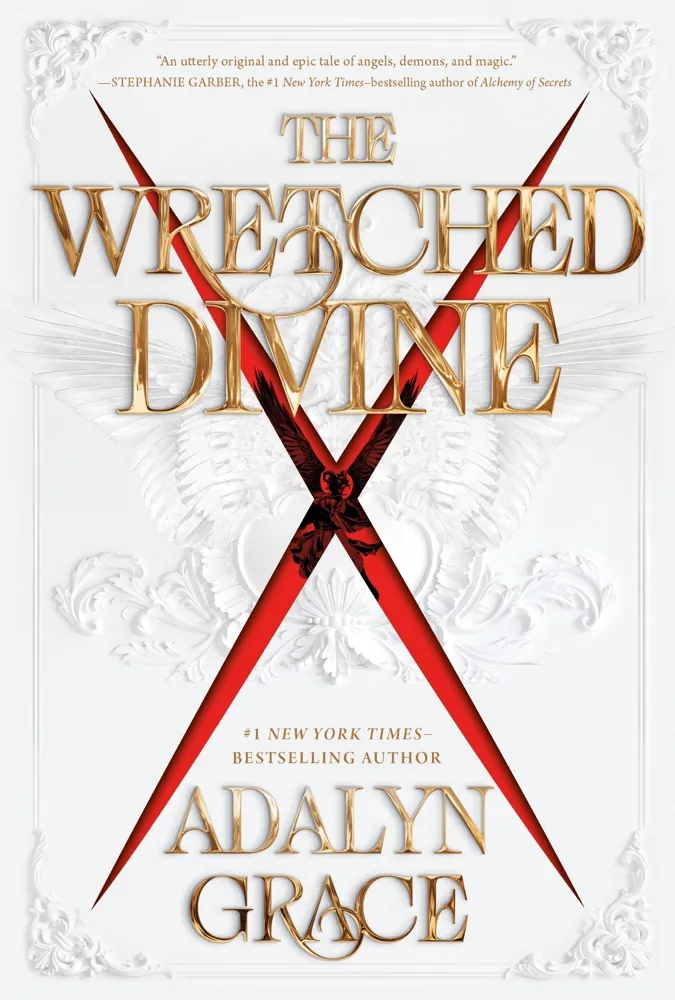
The Wretched Divine (The Wretched Divine, #1) Author: Adalyn GracePage Count: UnknownPublication Date: Expected publication 2026-09-22 APL Prepare your TBR piles and clear your calendar, fantasy lovers. The #1 New York Times-bestselling author Adalyn Grace is making a massive splash with her upcoming adult debut, The Wretched Divine, slated for release on September 22, 2026. Known for captivating readers with her incredible worldbuilding and unforgettable storytelling, Grace is now stepping into the realm of adult fantasy with a tale that is already turning heads across the literary community. Early praise from heavy-hitting authors like Stephanie Garber, Rebecca Ross, Adrienne Young, and Sue Lynn Tan is flooding in, calling the novel everything from "an utterly original and epic tale" to "dark, aching, and ferociously romantic." So, what can we expect when we finally open the pages? According to the official synopsis, the story plunges us into an ancient, brutal war between angels and demons. At the center of it all is Aurelie Chantelune, a human knight raised in a kingdom ravaged by monsters who tore her family apart. Aurelie has spent her life sharpening her blade, knowing her destiny is within reach: if she can claim her first kill, she will inherit a powerful soulbond with Yuriel, an angel whose strength is vital to her people's survival. But things are never that simple in epic fantasy. When loved ones start turning into the very creatures she has sworn to eradicate, Aurelie is pushed to the edge. Out of sheer desperation, she takes a perilous leap and forges a second, far more dangerous bond with Severin—a demon she fundamentally distrusts, yet one who claims to hold the key to ending the war entirely. With her life and fate inextricably entwined with both an angel and a demon, Aurelie must embark on a hunt for a cure capable of turning demons back into humans. As the trio grows closer, the lines between good and evil begin to blur. Standing between opposing sides, Aurelie is forced to confront a heart-wrenching dilemma: will she continue to stand with the angels, or will she risk everything by putting her trust in a demon? If early blurbs are any indication, readers are in for a ride filled with holy fire, ruinous longing, and complex moral dilemmas that will keep us guessing until the very last page. Mark your calendars for September 22, 2026, because The Wretched Divine is shaping up to be one of the most talked-about fantasy releases of the year. #TheWretchedDivine #AdalynGrace #FantasyBooks #AngelsAndDemons #BookTok #AnticipatedReads
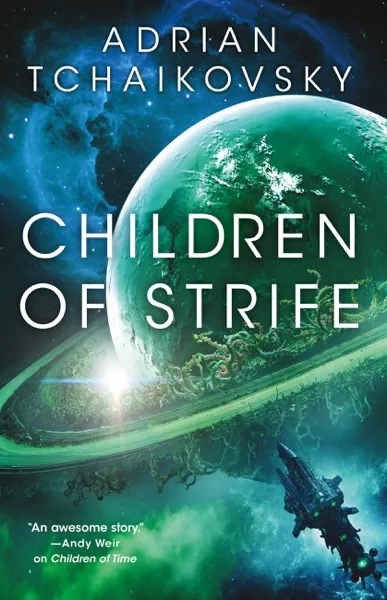
Children of Strife Author: Adrian TchaikovskyPage Count: UnknownPublication Year: 2026-GB Adrian Tchaikovsky’s Children of Strife is a masterclass in speculative fiction, a genre-bending epic that defies easy categorization while delivering the kind of immersive, thought-provoking storytelling that has cemented Tchaikovsky as one of modern fantasy’s most daring voices. Set in a future where humanity has fractured into warring factions, the novel explores the cost of survival, the nature of identity, and the indomitable will to endure—all wrapped in a narrative that is as lyrical as it is brutal. At its core, Children of Strife is a story about legacy and rebellion. The world Tchaikovsky constructs is one of perpetual conflict, where the remnants of civilization cling to fragile alliances and ancient grudges. The title itself is a nod to the cyclical violence that defines this era—children born into strife, inheriting the scars of their forebears without hope of escape. Yet, the novel refuses to wallow in despair. Instead, it asks a provocative question: What does it mean to be human when the very definition of humanity is under siege? Tchaikovsky’s prose is a marvel—richly textured yet accessible, blending the poetic with the visceral. His worldbuilding is meticulous, layering history, culture, and politics into a tapestry that feels alive. The setting is a dystopian future where technology and magic have blurred into something entirely new, a fusion that gives the story a fresh, unpredictable edge. The author’s background in biology shines through in his vivid descriptions of alien landscapes and the grotesque beauty of mutated lifeforms, making the setting feel as tangible as it is alien. The characters are the heart of the novel. Tchaikovsky excels at crafting protagonists who are flawed, resilient, and deeply human—even when they are not strictly human. The story follows a diverse cast, each grappling with their own burdens: a soldier seeking redemption, a scholar uncovering forbidden truths, a revolutionary fighting for a future they may never see. Their struggles are deeply personal, yet they resonate on a universal level, a testament to Tchaikovsky’s ability to weave individual narratives into a larger, haunting tapestry. The novel’s pacing is another standout feature. Tchaikovsky balances action and introspection with a deft hand, ensuring that the story never feels rushed or sluggish. The tension is relentless, but it’s the quiet moments—the whispered conversations, the fleeting glances, the weight of unspoken fears—that linger longest. This is a book that rewards patience, rewarding readers who are willing to sit with its themes and let them unfold naturally. One of the most striking aspects of Children of Strife is its exploration of power and corruption. The factions vying for dominance are not mere caricatures; they are complex entities with their own ideologies, some noble, some despicable. Tchaikovsky avoids simplistic morality, instead presenting a world where every choice has consequences, and where the line between hero and villain is often blurred by circumstance. This nuance elevates the novel beyond a mere adventure story, making it a meditation on the cost of ambition and the fragility of ideals. Tchaikovsky’s style is also marked by a keen sense of irony and dark humor, which cuts through the bleakness of the setting. There are moments of levity—sly asides, ironic twists—that remind readers that even in the darkest times, humanity’s capacity for resilience and wit endures. This balance of tone keeps the story from feeling oppressive, ensuring that readers are invested not just in the outcome, but in the journey. In many ways, Children of Strife feels like a spiritual successor to Tchaikovsky’s earlier works, particularly Children of Time and Children of Memory. Like those novels, it grapples with evolution, identity, and the legacy of the past. Yet, it carves out its own identity, a darker, more intimate exploration of what it means to rise from the ashes of a broken world. For fans of speculative fiction, this is a must-read. For anyone who has ever wondered what it takes to survive in a world that seems determined to destroy itself, Children of Strife is a book that will haunt you long after the last page. Adrian Tchaikovsky has once again proven himself a master of the genre, delivering a novel that is as intellectually stimulating as it is emotionally gripping. #ChildrenOfStrife #AdrianTchaikovsky #ScienceFiction #DystopianFiction #SpeculativeFiction #FuturisticWar Related InsightsFrom Whispers to Worlds: Charting the Timeless Odyssey of Children's Literature The Last Song Book Review and Summary Before You Were Anne Book Review and Summary{ "@context": "https://schema.org", "@type": "FAQPage", "mainEntity": [ { "@type": "Question", "name": "What is the main focus of Children of Strife Book Review and Summary?", "acceptedAnswer": { "@type": "Answer", "text": "Everything you need to know about Children of Strife with our detailed review." } }, { "@type": "Question", "name": "Who authored the comprehensive guide on Children of Strife Book Review and Summary?", "acceptedAnswer": { "@type": "Answer", "text": "This detailed article and its insights were carefully researched and authored by Isabella Moore." } }, { "@type": "Question", "name": "Where can I find more related content about Books?", "acceptedAnswer": { "@type": "Answer", "text": "You can explore more articles, detailed reviews, and similar insights by browsing the Related Insights section at the bottom of this article or visiting our dedicated Books category page." } } ] }
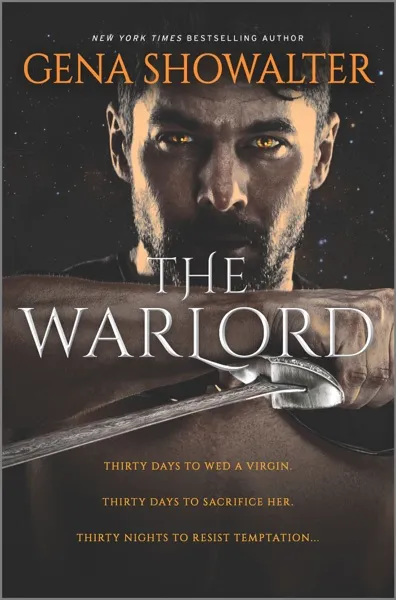
The Warlord Author: Gena Showalter,Page Count: UnknownPublication Year: 2021-GB In "The Warlord" by Gena Showalter, the acclaimed author weaves a captivating tale that delves into the complexities of power, loyalty, and the unyielding human spirit. This global bestseller is a testament to Showalter's mastery of storytelling, as she transports readers to a world of intrigue and adventure. At its core, "The Warlord" is a story about the unrelenting pursuit of power and the true cost of ambition. The protagonist, a formidable and enigmatic figure, is driven by a fierce determination to claim dominance in a world where only the strongest survive. As the narrative unfolds, Showalter skillfully explores the moral gray areas that often accompany the quest for power, raising questions about the nature of leadership, loyalty, and the consequences of one's actions. One of the standout aspects of "The Warlord" is Showalter's writing style, which is both evocative and immersive. Her prose is richly detailed, painting vivid pictures of the world and its inhabitants. The characters are multidimensional and complex, with each one bringing their unique perspective to the story. Showalter's use of dialogue is also noteworthy, as it adds depth and nuance to the narrative, revealing the intricacies of the characters' relationships and motivations. Throughout the book, Showalter's expertise in crafting compelling characters is on full display. The warlord of the title is a particularly fascinating figure, with a depth and complexity that makes them both captivating and relatable. As the story progresses, the layers of their personality are slowly revealed, exposing a rich tapestry of emotions, desires, and contradictions. The world-building in "The Warlord" is equally impressive, with Showalter creating a richly detailed and immersive environment that draws the reader in. The politics, culture, and mythology of this world are meticulously crafted, adding depth and complexity to the narrative. The pacing is well-balanced, with moments of high-octane action and suspense juxtaposed with quieter, more introspective scenes. One of the most striking aspects of "The Warlord" is its exploration of themes that are both timely and timeless. Showalter tackles issues of power, corruption, and the human condition with a deft hand, raising important questions about the nature of leadership and the consequences of our actions. The book is also a powerful exploration of the human spirit, highlighting the resilience and determination that defines us as a species. In conclusion, "The Warlord" is a gripping and thought-provoking read that is sure to captivate fans of fantasy and adventure. With its richly detailed world-building, complex characters, and timely themes, this book is a must-read for anyone looking for a compelling and immersive story. Showalter's writing style is engaging and evocative, making this book a true page-turner. #TheWarlord #GenaShowalter #FantasyBooks #PowerAndCorruption #LeadershipAndLoyalty #EpicFantasy Related InsightsBreakfast of Champions Book Review and Summary Be Sure Book Review and Summary Born to be Wilde Book Review and Summary{ "@context": "https://schema.org", "@type": "FAQPage", "mainEntity": [ { "@type": "Question", "name": "What is the main focus of The Warlord Book Review and Summary?", "acceptedAnswer": { "@type": "Answer", "text": "Everything you need to know about The Warlord with our detailed review." } }, { "@type": "Question", "name": "Who authored the comprehensive guide on The Warlord Book Review and Summary?", "acceptedAnswer": { "@type": "Answer", "text": "This detailed article and its insights were carefully researched and authored by Isabella Moore." } }, { "@type": "Question", "name": "Where can I find more related content about Books?", "acceptedAnswer": { "@type": "Answer", "text": "You can explore more articles, detailed reviews, and similar insights by browsing the Related Insights section at the bottom of this article or visiting our dedicated Books category page." } } ] }

DARLING in the FRANXX Vol. 7-8 Author: Kentaro YabukiPage Count: UnknownPublication Date: 2022-PRH Kentaro Yabuki’s DARLING in the FRANXX Vol. 7-8 delivers a climactic, emotionally charged finale that cements the series as one of the most visually and narratively explosive anime adaptations of the last decade. These concluding volumes don’t just wrap up a story—they detonate it. With Zero Two’s descent into madness, Hiro’s fractured memories, and the Klaxosaur Princess’s wrath descending upon humanity, Yabuki crafts a psychological and action-packed storm that leaves readers breathless. At its core, DARLING in the FRANXX is a meditation on identity, love, and the cyclical nature of vengeance. The series questions whether humanity even deserves survival after its relentless exploitation of the Klaxosaurs, a species that once coexisted with them. By Volume 7, the Klaxosaur Princess’s rage isn’t just a plot device—it’s a mirror to the audience, forcing us to confront the consequences of unchecked power and the moral cost of survival. Yabuki doesn’t shy away from the brutality of this conflict. The destruction of the 9’s and the Plantations is rendered with visceral detail, underscoring the inevitability of collapse when hatred becomes the only language spoken. Zero Two, the series’ enigmatic and tragic protagonist, remains its beating heart. Her descent into madness in these volumes is handled with a tragic grace that feels both inevitable and heartbreaking. Yabuki’s character writing shines here—Zero Two isn’t a villain or a hero, but a force of nature, consumed by her origins and her love for Hiro. The way her psyche fractures under the weight of the Klaxosaur Princess’s whispers is one of the most disturbing and compelling arcs in modern anime storytelling. It’s a testament to Yabuki’s skill that her madness feels less like a plot contrivance and more like the logical culmination of her entire existence. Hiro, too, undergoes a transformation. His foggy memories clearing isn’t just a narrative convenience—it’s a revelation that reframes everything we’ve seen. The moment he realizes his true past isn’t just a twist; it’s the key to understanding the series’ central conflict. Yabuki’s writing ensures that Hiro’s journey feels earned, his desperation to save Zero Two and his squad palpable. The emotional weight of these volumes comes from the fact that every character—from Ichigo to Miku—is fighting not just for survival, but for their relationships, their humanity, and their right to exist in a world that has repeatedly tried to erase them. Yabuki’s art and visual storytelling remain unparalleled. The action sequences in Vol. 7-8 are kinetic, with page after page of explosive mecha combat and raw emotional outbursts. His character designs—especially Zero Two’s ever-changing expressions—capture the full spectrum of human (and inhuman) emotion. The use of color and lighting to convey Zero Two’s mental state is particularly effective, shifting from vibrant hues to stark, oppressive shadows as her sanity unravels. Even in moments of quiet reflection, Yabuki’s art pulls you in, making the reader feel every ounce of tension. What makes DARLING in the FRANXX so compelling is its refusal to provide easy answers. The Klaxosaur Princess’s vengeance isn’t dismissed as irrational; humanity’s sins are acknowledged, not absolved. The ending, while divisive to some, is thematically consistent—it doesn’t offer redemption, but it demands introspection. Yabuki forces the audience to sit with the discomfort of a world where love and destruction are intertwined, where survival comes at a cost no one is spared from paying. In these final volumes, Yabuki isn’t just concluding a story—he’s delivering a gut-punch of an experience. The pacing is relentless, the emotional beats are earned, and the visuals are breathtaking. DARLING in the FRANXX Vol. 7-8 is a masterclass in how to end a series that refuses to play by anyone’s rules. If you’ve followed the series this far, these volumes will leave you exhilarated, devastated, and questioning everything. If you’re new to DARLING in the FRANXX, prepare for a wild, unforgettable ride. #DarlingInTheFranxx #ZeroTwoForever #MechaAnime #AnimeFinales #KentaroYabuki #MixedEmotions Related InsightsThe Killing of a Chestnut Tree (Havelock Harper Mysteries #1) Book Review and Summary Haunting of Paynes Hollow Book Review and Summary A Wizard of Earthsea Book Review and Summary{ "@context": "https://schema.org", "@type": "FAQPage", "mainEntity": [ { "@type": "Question", "name": "What is the main focus of DARLING in the FRANXX Vol. 7-8 Book Review and Summary?", "acceptedAnswer": { "@type": "Answer", "text": "Everything you need to know about DARLING in the FRANXX Vol. 7-8 with our detailed review." } }, { "@type": "Question", "name": "Who authored the comprehensive guide on DARLING in the FRANXX Vol. 7-8 Book Review and Summary?", "acceptedAnswer": { "@type": "Answer", "text": "This detailed article and its insights were carefully researched and authored by Isabella Moore." } }, { "@type": "Question", "name": "Where can I find more related content about Books?", "acceptedAnswer": { "@type": "Answer", "text": "You can explore more articles, detailed reviews, and similar insights by browsing the Related Insights section at the bottom of this article or visiting our dedicated Books category page." } } ] }
- Isabella Moore
- 18 May, 2026 02:13
El dilema del omnívoro: En busca de la comida perfecta / The Omnivore's Dilemma: A Natural History of Four Meals Book Review and Summary
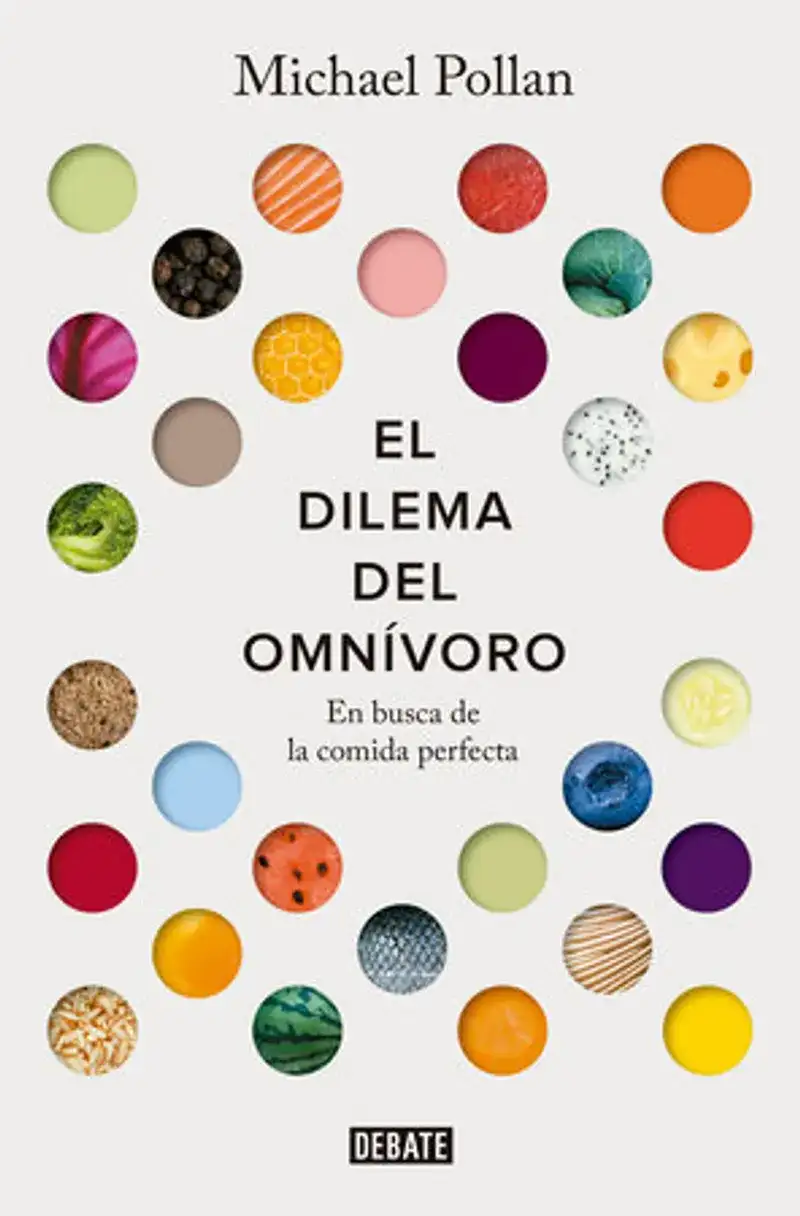
El dilema del omnívoro: En busca de la comida perfecta / The Omnivore's Dilemma: A Natural History of Four Meals Author: Michael PollanPage Count: UnknownPublication Date: 2021-PRH Michael Pollan’s The Omnivore’s Dilemma: A Sharp, Thought-Provoking Challenge to How We Eat Michael Pollan’s The Omnivore’s Dilemma is far more than a book about food—it’s a cultural, ethical, and environmental manifesto disguised as a culinary adventure. First published in 2006 and reissued in 2021, this Pulitzer-nominated work remains one of the most influential examinations of America’s food system ever written. Pollan, a journalist and professor of journalism at UC Berkeley, doesn’t just ask what we should eat; he forces us to confront why we make the choices we do—and at what cost. At its core, The Omnivore’s Dilemma explores the paradox faced by humans as omnivores: we can eat almost anything, but we struggle to know what is good to eat. Pollan breaks this down by tracing four meals back to their origins—each representing a different food chain: industrial (a McDonald’s meal), industrial organic (a Whole Foods salad), local and pastoral (a meal from a small farm), and personally foraged (a meal Pollan hunts, gathers, and cooks himself). This structure isn’t just clever; it’s revelatory. By following each ingredient from farm to table, Pollan exposes the hidden costs of our food choices—environmental degradation, animal suffering, labor exploitation, and nutritional decline—all while questioning whether convenience and abundance have blinded us to deeper moral and ecological consequences. Pollan’s genius lies in his ability to blend investigative journalism, personal narrative, and philosophical inquiry. He doesn’t just criticize; he immerses himself—sometimes literally—in the systems he examines. He works on a factory farm, visits a cornfield that stretches for miles (and learns how corn dominates the American diet), and even slaughters a chicken himself to understand the ethics of meat. His writing is both accessible and rigorous, making complex agricultural policies and economic forces digestible without dumbing them down. When he describes the “industrial food chain,” he doesn’t just say it’s bad—he shows how a single kernel of corn becomes the lifeblood of fast food, feedlots, and high fructose corn syrup, tying together subsidies, obesity, and environmental collapse. What makes Pollan’s work so compelling is his refusal to offer simplistic solutions. He doesn’t demonize technology or industrial farming outright, nor does he romanticize small-scale, organic farming as a panacea. Instead, he invites readers to think critically about their own food choices. In a culture where “organic” has become a marketing buzzword and “local” a status symbol, Pollan pushes us to ask: What do these labels really mean? And more importantly, what are we willing to give up—or change—to eat in a way that aligns with our values? His prose is elegant, witty, and occasionally biting. He describes a visit to a modern chicken farm as entering “a kind of industrial hell,” where thousands of birds live in windowless sheds, their beaks trimmed to prevent cannibalism. Yet he balances such stark imagery with moments of genuine wonder, like foraging mushrooms in the woods or savoring a meal he’s prepared from scratch, reminding us that food is not just fuel but culture, memory, and connection. The Omnivore’s Dilemma is as much about ethics as it is about ecology. Pollan challenges the idea that “cheap food” is truly cheap—it externalizes costs onto the environment, public health, and future generations. He argues that our food system is unsustainable not just ecologically, but morally. And while the book was written over a decade ago, its relevance has only grown. Today, as debates rage over lab-grown meat, regenerative agriculture, and food deserts, Pollan’s insights feel more urgent than ever. This is a book that demands action—not just reading. It asks us to reconsider our grocery lists, our dinner plates, and our votes. It’s a wake-up call disguised as a dinner table conversation. And like the best nonfiction, it leaves you hungry for more—not just for food, but for understanding. If you’ve ever paused in the supermarket aisle wondering which tomato is truly ethical, or felt guilty about the plastic-wrapped lettuce but bought it anyway, The Omnivore’s Dilemma will change how you think about every meal. Pollan doesn’t just tell you what to eat—he teaches you how to think about eating. And in a world where food choices are increasingly political, that might be the most important lesson of all. #FoodRevolution #KnowYourFarmer #SustainableEating #FoodEthics #EatLocal #OmnivoresDilemma Related InsightsDrop Dead Handsome Book Review and Summary Even Your Bones Would Do Book Review and Summary Fragile Threads of Power Book Review and Summary{ "@context": "https://schema.org", "@type": "FAQPage", "mainEntity": [ { "@type": "Question", "name": "What is the main focus of El dilema del omnívoro: En busca de la comida perfecta / The Omnivore's Dilemma: A Natural History of Four Meals Book Review and Summary?", "acceptedAnswer": { "@type": "Answer", "text": "Everything you need to know about El dilema del omnívoro: En busca de la comida perfecta / The Omnivore's Dilemma: A Natural History of Four Meals with our detailed review." } }, { "@type": "Question", "name": "Who authored the comprehensive guide on El dilema del omnívoro: En busca de la comida perfecta / The Omnivore's Dilemma: A Natural History of Four Meals Book Review and Summary?", "acceptedAnswer": { "@type": "Answer", "text": "This detailed article and its insights were carefully researched and authored by Isabella Moore." } }, { "@type": "Question", "name": "Where can I find more related content about Books?", "acceptedAnswer": { "@type": "Answer", "text": "You can explore more articles, detailed reviews, and similar insights by browsing the Related Insights section at the bottom of this article or visiting our dedicated Books category page." } } ] }
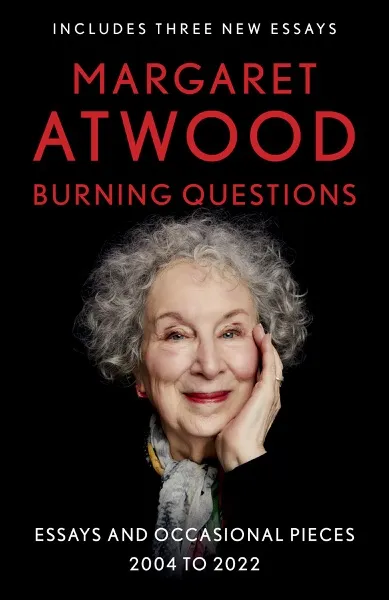
Burning Questions Author: Margaret AtwoodPage Count: UnknownPublication Year: 2022-GB Margaret Atwood’s Burning Questions is not just a collection of essays—it is a clarion call, a dissection of the modern world’s anxieties, and a masterclass in intellectual provocation. Released in 2022 to widespread acclaim, the book cements Atwood’s reputation as a cultural oracle, one who peers into the fog of contemporary crises with unflinching clarity and wit. Though the exact page count remains undisclosed, the depth of its 27 essays (spanning topics from climate collapse to the weaponization of language) ensures that every word feels deliberate, every argument razor-sharp. At its core, Burning Questions interrogates the fractures in our collective psyche: How do we navigate a world where truth is fluid, power is decentralized, and survival feels increasingly precarious? Atwood, ever the provocateur, doesn’t offer easy answers. Instead, she dissects the mechanisms of fear—how it is cultivated, monetized, and weaponized by those in power. The title itself is a metaphor: are these "burning questions" the sparks that ignite rebellion, or the embers of a society already consumed by its own contradictions? The book’s strength lies in its eclecticism. Atwood ranges from personal reflections (her childhood fascination with fire, her fraught relationship with fame) to sweeping critiques of late-stage capitalism, surveillance culture, and the erosion of democratic norms. One standout essay, "Are You a Bad Feminist?", dismantles the purity politics that often plague feminist discourse, arguing that nuance is not betrayal. Another, "The Corporal Works of Mercy," skewers the hypocrisy of corporations co-opting social justice for profit—a theme that feels eerily prescient in the age of performative allyship. Atwood’s style is deceptive in its simplicity. Her prose is clean, almost conversational, but beneath the surface lies a surgical precision. She wields irony like a scalpel, exposing the absurdity of modern life without ever descending into despair. Take her takedown of "disaster voyeurism" in "The Age of Rage," where she skewers the media’s obsession with apocalyptic narratives—only to remind us that the real disaster is the one we’re living through right now. There’s a dark humor here, too, in essays like "Pigs in Space," where she compares corporate greed to a sci-fi horror show. What makes Burning Questions so compelling is its refusal to be pigeonholed. Atwood is not just a feminist icon or a dystopian novelist; she is a polymath, a commentator who draws from mythology, literature, and history to illuminate the present. In "The Mother of All Questions," she revisits her famous 1986 essay "The Handmaid’s Tale" to reflect on how the book’s themes have evolved in the age of #MeToo and political backlash. It’s a reminder that Atwood’s work is not static—it’s a living dialogue with the world. The book’s most haunting passages, however, are those that grapple with climate collapse. In "Time Capsules," Atwood imagines future archaeologists unearthing our relics—plastic bottles, smartphones, fast-fashion tags—and wondering what went wrong. It’s a chilling meditation on legacy, one that lingers long after the final page. Yet even here, Atwood’s wit saves the tone from bleakness. She jokes about the absurdity of "eco-friendly" products (a Prius with a leather interior, anyone?) while underscoring the grotesque irony of a species destroying its own habitat. Atwood’s voice is unmistakable: part Cassandra, part stand-up comedian, always unapologetically herself. She doesn’t just ask burning questions—she sets them ablaze, forcing readers to confront what they’d rather ignore. Burning Questions is essential reading for anyone who senses that the world is on the brink but isn’t sure how to articulate why. It’s a book that demands reaction, debate, and, above all, action. In an era of algorithmic outrage and fleeting attention spans, Atwood’s essays are a rare antidote: slow, deep, and uncompromising. They remind us that the most dangerous questions are the ones we avoid asking—and that the act of questioning, itself, is a form of resistance. #AtwoodEssays #BurningQuestions #MargaretAtwood #ClimateFiction #FeministLiterature #CulturalCommentary Related InsightsFar from Home Book Review and Summary The Goose Girl Book Review and Summary Are You My Mother? Book Review and Summary{ "@context": "https://schema.org", "@type": "FAQPage", "mainEntity": [ { "@type": "Question", "name": "What is the main focus of Burning Questions Book Review and Summary?", "acceptedAnswer": { "@type": "Answer", "text": "Everything you need to know about Burning Questions with our detailed review." } }, { "@type": "Question", "name": "Who authored the comprehensive guide on Burning Questions Book Review and Summary?", "acceptedAnswer": { "@type": "Answer", "text": "This detailed article and its insights were carefully researched and authored by Isabella Moore." } }, { "@type": "Question", "name": "Where can I find more related content about Books?", "acceptedAnswer": { "@type": "Answer", "text": "You can explore more articles, detailed reviews, and similar insights by browsing the Related Insights section at the bottom of this article or visiting our dedicated Books category page." } } ] }
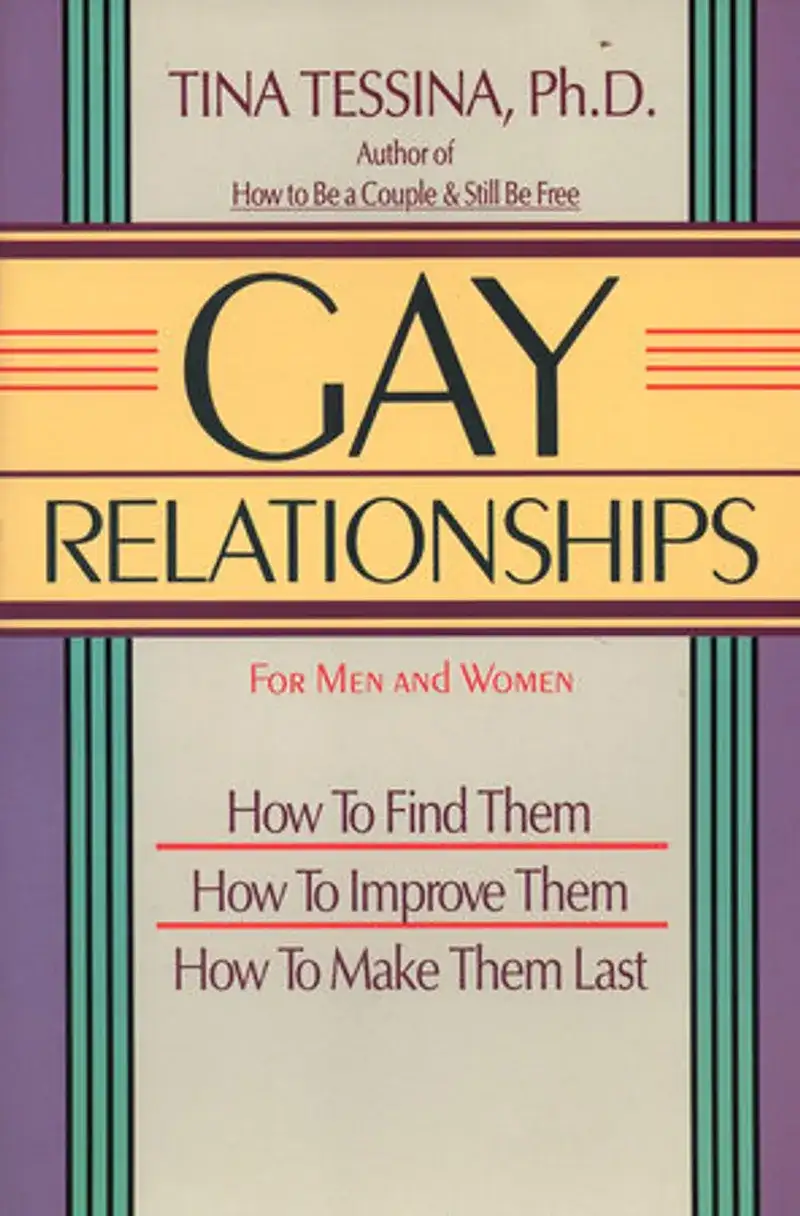
Gay Relationships for Men and Women Author: Tina TessinaPage Count: UnknownPublication Date: 1990-PRH Tina Tessina’s Gay Relationships for Men and Women (1990) stands as a groundbreaking and empathetic guide in a time when LGBTQ+ voices were often marginalized in mainstream relationship literature. As a psychotherapist with a keen understanding of human dynamics, Tessina delivers a much-needed resource tailored specifically for gay men and lesbian women navigating the complexities of love, commitment, and intimacy. What makes this book truly remarkable is not just its subject matter, but its compassionate tone, practical wisdom, and defiance of heteronormative assumptions that dominated relationship advice in the late 20th century. From the very first pages, Tessina dismantles the idea that love and partnership look the same for everyone. She acknowledges the unique challenges faced by same-sex couples—such as societal stigma, internalized homophobia, and the absence of traditional role models—while offering a framework rooted in emotional honesty and mutual respect. Unlike many self-help books that treat relationships as a one-size-fits-all endeavor, Gay Relationships is refreshingly specific, speaking directly to the lived experiences of its audience with warmth and clarity. The author’s style is one of her greatest strengths. Tessina writes with the clarity of a seasoned therapist and the empathy of someone who genuinely understands the struggles of queer love. Her prose is accessible, devoid of jargon, and infused with a gentle humor that eases the weight of serious topics. She doesn’t just tell readers what to do; she explains why certain dynamics arise in same-sex relationships and how to address them with patience and self-awareness. Whether discussing communication, conflict resolution, or the emotional aftermath of a breakup, Tessina strikes a balance between being informative and reassuring—never condescending, always insightful. One of the book’s most compelling aspects is its acknowledgment of the emotional labor involved in maintaining healthy relationships. Tessina doesn’t shy away from difficult subjects like jealousy, power imbalances, or societal pressures. Instead, she frames these challenges as opportunities for growth, encouraging readers to approach their relationships with curiosity rather than fear. Her advice is rooted in psychological principles but grounded in real-world applicability, making it invaluable not just for those in crisis, but for anyone seeking to deepen their connection with a partner. The book also shines in its inclusivity. While the title mentions both gay men and women, Tessina’s insights resonate across the spectrum of queer relationships, offering a foundation that feels universal without erasing the nuances of individual identity. Whether the reader is single and seeking love, deeply entwined in a partnership, or healing from a past heartbreak, Gay Relationships provides a roadmap that feels both personal and empowering. Tessina’s work is a testament to the idea that relationship advice isn’t just for straight couples—it’s for everyone who seeks love and partnership. In an era when LGBTQ+ literature was still finding its footing, this book was a quiet revolution, offering validation and guidance where few dared to tread. Nearly three decades later, its messages remain strikingly relevant, a reminder that the fundamentals of healthy relationships are timeless, even as the contexts change. If there’s one critique to offer, it’s that the book’s brevity may leave some readers wanting more depth on certain topics. However, this is also its strength—Tessina respects her audience enough to trust them with complex ideas without overwhelming them with excess. The result is a concise yet profound guide that feels like a conversation with a wise, compassionate friend rather than a lecture from an authority figure. Gay Relationships for Men and Women is more than just a manual; it’s a lifeline for those who have spent too long adapting heteronormative advice to fit their lives. Tina Tessina’s work is a celebration of queer love in all its forms, and a reminder that love, when nurtured with intention, can overcome even the most entrenched societal barriers. #GayRelationships #LGBTQ+Love #QueerLiterature #SelfHelpForCouples #LoveWithoutBorders #TinaTessina Related InsightsWorld of Throne of Glass Book Review and Summary Being Ace Book Review and Summary Dopamine Nation Book Review and Summary{ "@context": "https://schema.org", "@type": "FAQPage", "mainEntity": [ { "@type": "Question", "name": "What is the main focus of Gay Relationships for Men and Women Book Review and Summary?", "acceptedAnswer": { "@type": "Answer", "text": "Everything you need to know about Gay Relationships for Men and Women with our detailed review." } }, { "@type": "Question", "name": "Who authored the comprehensive guide on Gay Relationships for Men and Women Book Review and Summary?", "acceptedAnswer": { "@type": "Answer", "text": "This detailed article and its insights were carefully researched and authored by Isabella Moore." } }, { "@type": "Question", "name": "Where can I find more related content about Books?", "acceptedAnswer": { "@type": "Answer", "text": "You can explore more articles, detailed reviews, and similar insights by browsing the Related Insights section at the bottom of this article or visiting our dedicated Books category page." } } ] }
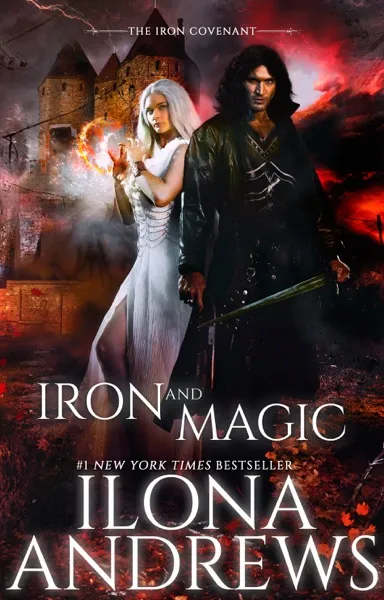
Iron and Magic Author: Ilona AndrewsPage Count: UnknownPublication Year: 2018-GB Ilona Andrews’ Iron and Magic (2018) is a dazzling fusion of urban fantasy and elemental magic, wrapped in a story that crackles with wit, danger, and relentless innovation. If you’ve ever craved a world where raw power meets razor-sharp dialogue, where ancient forces clash with modern grit, then this novel will seize your imagination and refuse to let go. Andrews, a master storyteller celebrated for her collaborative work on the Kate Daniels series and Burn for Me, delivers a standalone that proves her singular talent for blending the extraordinary with the deeply human. At its core, Iron and Magic explores the tension between control and chaos, tradition and revolution, embodied in its protagonist, Bridget Riley. Bridget is a "heiress of magic," a woman born into a family of elemental conjurers who wield fire, water, earth, and air with practiced precision. But Bridget? She’s different. Her magic is raw, wild, and untamed—iron, the metal that bends but never breaks, courses through her veins. Where others command the elements, she is consumed by them, a living storm of power that both terrifies and fascinates those around her. The central theme isn’t just about harnessing power; it’s about whether power should be controlled at all. Andrews crafts Bridget as a heroine who is equal parts vulnerability and ferocity. She’s not a chosen one; she’s a woman who has spent her life fighting against expectations, her own body, and the very nature of her gift. The magic system here is visceral and unpredictable—fire doesn’t just burn, it sings; water doesn’t just flow, it whispers. Bridget’s struggle to master her iron magic is a metaphor for self-acceptance, a battle against the suffocating weight of legacy. Yet, Andrews never lets the theme become heavy-handed. Instead, she balances Bridget’s internal conflict with a relentless pace, razor-sharp banter, and a supporting cast that sparkles with personality. The world-building is where Andrews truly shines. The novel unfolds in a society where magic is both a currency and a curse, where elemental families rule like dynasties and the Church hunts those who defy the natural order. The setting feels lived-in, with a rich history that peeks through in offhand references—ancient treaties, forbidden rituals, and the ever-present fear of what happens when the elements rebel. Andrews doesn’t waste time explaining every detail; she trusts the reader to dive into the deep end and swim. The result is a world that feels vast, dangerous, and impossibly vivid. Dialogue is Andrews’ secret weapon, and Iron and Magic crackles with it. Bridget’s voice is sharp, sarcastic, and laced with dry humor, a refreshing contrast to the often overly solemn heroines of fantasy. Her interactions with allies and enemies alike crackle with tension and wit. Whether she’s trading barbs with a gruff mentor, outmaneuvering a political rival, or clashing with a love interest who challenges her every assumption, Bridget’s words are as much a weapon as her magic. Andrews’ ability to balance humor with high-stakes drama ensures that the novel never drags, even as the stakes escalate. The romance in Iron and Magic is slow-burning but deeply satisfying, rooted in mutual respect and a shared understanding of power’s duality. The love interest is not a damsel or a knight in shining armor but a man who understands the cost of magic as intimately as Bridget does. Their relationship evolves organically, built on trust, conflict, and a recognition of each other’s strengths and flaws. Andrews avoids the pitfalls of insta-love or forced tension, instead crafting a romance that feels earned and real. What sets Iron and Magic apart, however, is its refusal to romanticize power. Magic here is not a glamorous gift but a relentless force that demands sacrifice. Bridget’s journey is one of loss, betrayal, and hard-won growth. Andrews doesn’t shy away from the darker consequences of wielding such power—sacrifices are made, bonds are broken, and victories come at a cost. The novel’s climax is a testament to this, a battle that is as much internal as it is external, where the true enemy isn’t just the antagonist but the very nature of control itself. Andrews’ prose is sleek and immersive, her descriptions vivid without being overwrought. She has a knack for making the fantastical feel tangible—whether it’s the heat of a fire conjured in an instant or the eerie stillness of a room before a storm breaks. Her action scenes are kinetic and precise, each movement and spell described with a clarity that puts the reader squarely in the fray. Iron and Magic is not just a book about magic; it’s a book about what it means to be human in a world that wants to define you. Bridget’s struggle to reconcile her power with her humanity resonates deeply, a theme that lingers long after the final page. Andrews’ world is one where magic is a double-edged sword, and the real magic lies in the choices her characters make when faced with impossible odds. This is a novel for readers who crave depth, danger, and a heroine who refuses to be tamed. It’s for those who love their fantasy with a side of wit and a dash of rebellion. If you’ve ever wanted to step into a world where the elements themselves are alive, where every conversation could be your last, and where the line between hero and villain is as thin as the edge of a blade, then Iron and Magic is your next obsession. #IlonaAndrews #IronAndMagic #UrbanFantasy #ElementalMagic #FantasyBooks #BookReview Related InsightsThe Lost Spectacular Book Review and Summary The Finalist Book Review and Summary The Blind Assassin Book Review and Summary{ "@context": "https://schema.org", "@type": "FAQPage", "mainEntity": [ { "@type": "Question", "name": "What is the main focus of Iron and Magic Book Review and Summary?", "acceptedAnswer": { "@type": "Answer", "text": "Everything you need to know about Iron and Magic with our detailed review." } }, { "@type": "Question", "name": "Who authored the comprehensive guide on Iron and Magic Book Review and Summary?", "acceptedAnswer": { "@type": "Answer", "text": "This detailed article and its insights were carefully researched and authored by Isabella Moore." } }, { "@type": "Question", "name": "Where can I find more related content about Books?", "acceptedAnswer": { "@type": "Answer", "text": "You can explore more articles, detailed reviews, and similar insights by browsing the Related Insights section at the bottom of this article or visiting our dedicated Books category page." } } ] }
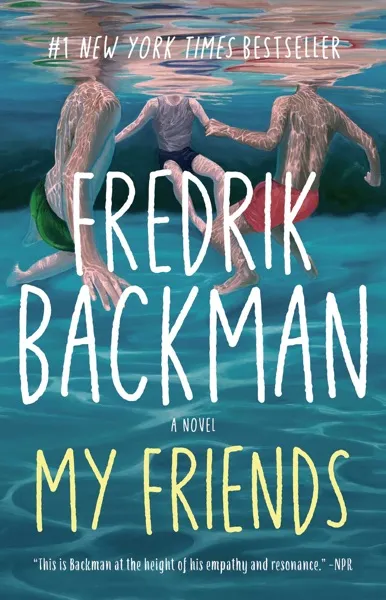
My Friends Author: Fredrik BackmanPage Count: UnknownPublication Year: 2025-GB In the eagerly anticipated "My Friends" by Fredrik Backman, the renowned author delves into the intricate world of relationships, masterfully weaving a narrative that is both poignant and thought-provoking. As a global bestseller, this book has already garnered significant attention, and upon closer examination, it becomes clear that Backman's unique writing style and profound insight into human nature are the driving forces behind its success. At its core, "My Friends" is an exploration of the complexities of friendship, love, and the human condition. Backman's characters are multidimensional and relatable, each with their own distinct voice and struggles. Through their stories, the author sheds light on the often-overlooked aspects of relationships, revealing the intricate web of emotions, memories, and experiences that bind people together. One of the most striking aspects of Backman's writing is his ability to balance humor and pathos. His prose is infused with a wry sense of humor, making even the most mundane moments seem endearing and authentic. Yet, he also tackles difficult themes with sensitivity and nuance, never shying away from the harsh realities of life. This delicate balance is a hallmark of Backman's style, and it is on full display in "My Friends". The author's use of language is equally impressive. His writing is economical, yet evocative, conjuring vivid images and emotions with a few, well-chosen words. This is particularly evident in his descriptions of the natural world, which are imbued with a sense of wonder and awe. Whether he is describing the beauty of a sunset or the tranquility of a forest, Backman's prose is always engaging and immersive. Throughout the book, Backman also explores the theme of identity and how it is shaped by our relationships with others. His characters are constantly navigating the complexities of their own identities, struggling to reconcile their past and present selves. This is a deeply relatable theme, and Backman's treatment of it is both thoughtful and insightful. If there is a criticism to be made, it is that the book's pacing can be somewhat uneven at times. Some sections feel a bit rushed, while others are more leisurely. However, this is a minor quibble, and overall, the book's narrative is engaging and well-structured. In conclusion, "My Friends" is a triumph of contemporary literature. Fredrik Backman's masterful storytelling, coupled with his profound insight into human nature, makes for a compelling and thought-provoking read. Whether you are a longtime fan of the author or new to his work, this book is sure to resonate with you. #FriendshipGoals #HumanCondition #RelationshipGoals #FredrikBackman #MyFriends #BookLovers Related InsightsAbbot's Tale Book Review and Summary Mystic River Book Review and Summary Good Girl, Bad Blood Book Review and Summary{ "@context": "https://schema.org", "@type": "FAQPage", "mainEntity": [ { "@type": "Question", "name": "What is the main focus of My Friends Book Review and Summary?", "acceptedAnswer": { "@type": "Answer", "text": "Everything you need to know about My Friends with our detailed review." } }, { "@type": "Question", "name": "Who authored the comprehensive guide on My Friends Book Review and Summary?", "acceptedAnswer": { "@type": "Answer", "text": "This detailed article and its insights were carefully researched and authored by Isabella Moore." } }, { "@type": "Question", "name": "Where can I find more related content about Books?", "acceptedAnswer": { "@type": "Answer", "text": "You can explore more articles, detailed reviews, and similar insights by browsing the Related Insights section at the bottom of this article or visiting our dedicated Books category page." } } ] }
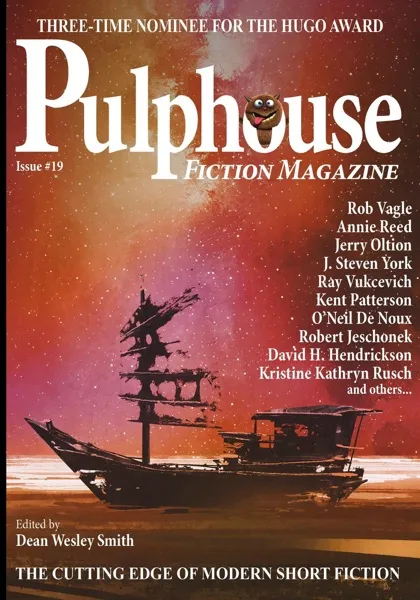
Kevin and the Food Drive Author: Kristin F. JohnsonPage Count: UnknownPublication Year: 2023-GB Kevin and the Food Drive, the latest masterpiece from acclaimed author Kristin F. Johnson, is a powerful and moving tale that delves into the intricacies of human relationships, community, and the impact of selfless acts. This highly acclaimed global bestseller, published in 2023, has taken the literary world by storm, and for good reason. Johnson's vivid storytelling and well-crafted characters make for a compelling narrative that tugs at the heartstrings and inspires reflection. At its core, Kevin and the Food Drive is a story about the transformative power of kindness and compassion. The protagonist, Kevin, embarks on a journey to organize a food drive, an endeavor that not only brings his community together but also helps him discover the true meaning of empathy and connection. Through Kevin's experiences, Johnson expertly explores themes of social responsibility, community building, and personal growth, raising important questions about our collective role in creating positive change. One of the standout features of this book is Johnson's masterful storytelling style. Her writing is engaging, accessible, and infused with a deep sense of empathy, making it easy for readers to become fully invested in the lives of the characters. The author's use of descriptive language and nuanced characterization brings the story to life, creating a immersive reading experience that is both captivating and thought-provoking. Johnson's characters are multidimensional and relatable, with each one bringing their unique perspective and experiences to the narrative. The character development is superb, with Kevin's transformation from an uncertain individual to a confident and passionate leader being particularly noteworthy. The supporting cast is equally well-crafted, with each character adding depth and complexity to the story. The author's ability to balance lighthearted moments with more serious themes is a testament to her skill as a storyteller. The tone of the book is uplifting and hopeful, without shying away from the challenges and difficulties that the characters face. This balance makes for a narrative that is both entertaining and impactful, leaving readers with a renewed sense of purpose and a greater appreciation for the importance of community and social responsibility. In conclusion, Kevin and the Food Drive is a remarkable book that will resonate with readers of all ages. Kristin F. Johnson's exceptional writing, combined with the book's timely and important themes, make it a must-read for anyone looking for a story that will inspire, educate, and entertain. With its uplifting message and memorable characters, this book is sure to leave a lasting impression on all who read it. #KevinAndTheFoodDrive #GlobalBestseller #FoodDrive #CommunityFirst #SocialResponsibilityMatters #KindnessMatters Related InsightsThe Coworker Book Review and Summary Devil in Disguise Book Review and Summary Midnight Sun [2008 Draft] Book Review and Summary{ "@context": "https://schema.org", "@type": "FAQPage", "mainEntity": [ { "@type": "Question", "name": "What is the main focus of Kevin and the Food Drive Book Review and Summary?", "acceptedAnswer": { "@type": "Answer", "text": "Everything you need to know about Kevin and the Food Drive with our detailed review." } }, { "@type": "Question", "name": "Who authored the comprehensive guide on Kevin and the Food Drive Book Review and Summary?", "acceptedAnswer": { "@type": "Answer", "text": "This detailed article and its insights were carefully researched and authored by Isabella Moore." } }, { "@type": "Question", "name": "Where can I find more related content about Books?", "acceptedAnswer": { "@type": "Answer", "text": "You can explore more articles, detailed reviews, and similar insights by browsing the Related Insights section at the bottom of this article or visiting our dedicated Books category page." } } ] }
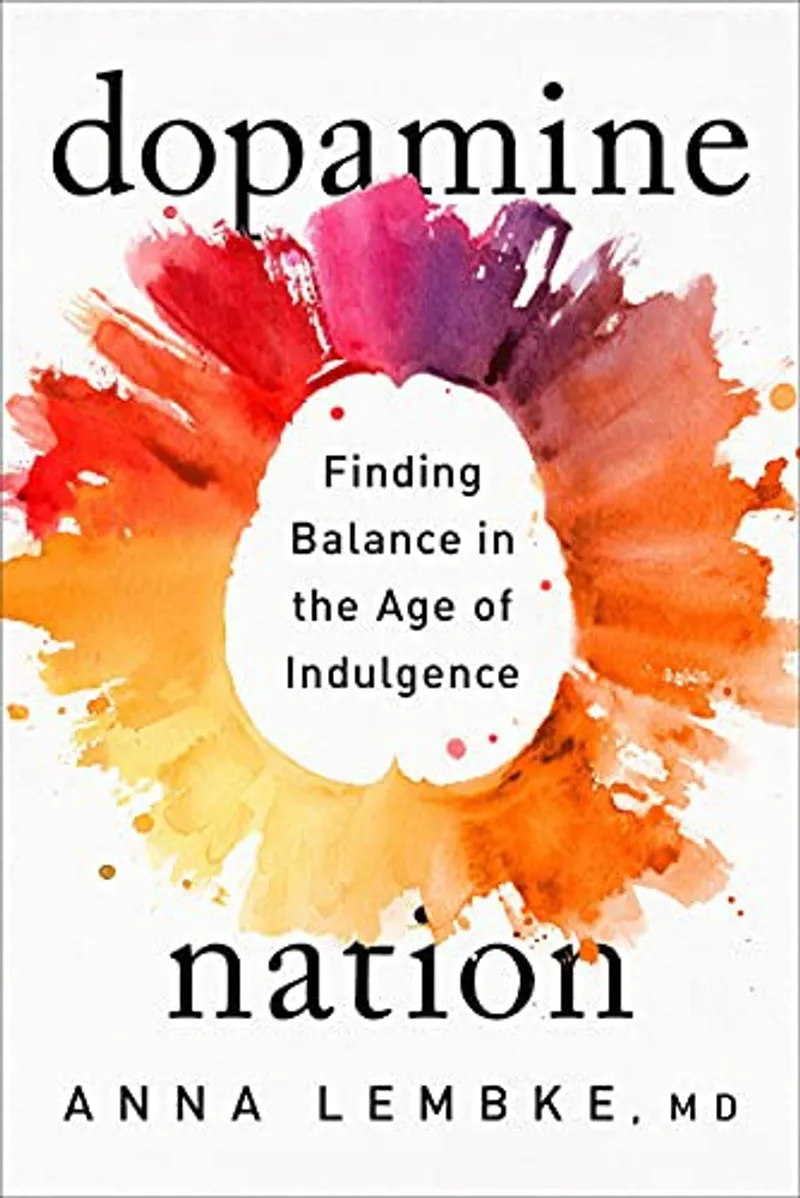
Dopamine Nation Author: Anna LembkePage Count: UnknownPublication Date: 2021-OL In "Dopamine Nation", Dr. Anna Lembke presents a compelling and timely exploration of the human brain's relationship with pleasure and pain in the modern era. The book delves into the concept of how our constant exposure to high-reward, high-dopamine stimuli is rewiring our brains, leading to a vicious cycle of craving and dissatisfaction. Lembke's central argument is that our relentless pursuit of pleasure, fueled by the ubiquitous availability of dopamine-inducing activities and substances, ultimately leads to pain and disconnection. One of the strengths of the book is Lembke's ability to balance scientific rigor with accessible storytelling. She draws on her expertise as a psychiatrist and addiction expert to explain complex neuroscientific concepts in a clear and concise manner, making the book an engaging read for both experts and non-experts alike. The use of real-life examples and case studies adds depth and nuance to the narrative, illustrating the ways in which dopamine dysregulation can manifest in different areas of life, from substance abuse to social media addiction. Lembke's writing style is characterized by a unique blend of empathy and candor. She approaches the topic with a non-judgmental attitude, recognizing that the struggle with dopamine is a universal human experience. At the same time, she is unflinching in her critique of the ways in which modern society perpetuates and profits from our addiction to pleasure. The book is not a simplistic polemic against the excesses of modern life, but rather a thoughtful and nuanced exploration of the complex interplay between biology, culture, and behavior. Throughout the book, Lembke emphasizes the importance of finding balance and contentment in a world that often seems designed to keep us in a state of perpetual craving. She argues that this requires a combination of self-awareness, self-regulation, and a willingness to cultivate meaningful connections with others and with the world around us. The book concludes with a series of practical strategies and insights for resetting our brains and finding a more sustainable path to happiness. Overall, "Dopamine Nation" is a fascinating and thought-provoking book that offers a fresh perspective on the human condition in the 21st century. Lembke's writing is engaging, informative, and ultimately inspiring, making the book a must-read for anyone interested in understanding the complex dynamics of pleasure, pain, and addiction in the modern era. #DopamineNation #ThePursuitOfPleasure #AddictionRecovery #MentalHealthMatters #TheScienceOfDesire #BalanceInAModernWorld Related InsightsPrincess Academy Book Review and Summary ¿Vas a tener un hermanito?: Incluye 5 consejos para dar la bienvenida a un nuevo hermanito / Are You Going To Have a Baby Brother Or Sister? 5 Tips To Welcome Book Review and Summary The Defender Book Review and Summary{ "@context": "https://schema.org", "@type": "FAQPage", "mainEntity": [ { "@type": "Question", "name": "What is the main focus of Dopamine Nation Book Review and Summary?", "acceptedAnswer": { "@type": "Answer", "text": "Everything you need to know about Dopamine Nation with our detailed review." } }, { "@type": "Question", "name": "Who authored the comprehensive guide on Dopamine Nation Book Review and Summary?", "acceptedAnswer": { "@type": "Answer", "text": "This detailed article and its insights were carefully researched and authored by Isabella Moore." } }, { "@type": "Question", "name": "Where can I find more related content about Books?", "acceptedAnswer": { "@type": "Answer", "text": "You can explore more articles, detailed reviews, and similar insights by browsing the Related Insights section at the bottom of this article or visiting our dedicated Books category page." } } ] }
Hemlock Island Author: Kelley ArmstrongPage Count: UnknownPublication Year: 2023-GB In the latest literary masterpiece, "Hemlock Island" by Kelley Armstrong, the renowned author weaves a gripping narrative that delves into the darker aspects of human nature, expertly crafting a tale that is both unsettling and mesmerizing. As a global bestseller, this book has garnered widespread acclaim, and it's easy to see why. From the onset, Armstrong's writing style is evident – meticulous, evocative, and masterful. Her prose is akin to a slow-burning fire, gradually building tension and suspense as the story unfolds. The author's use of descriptive language is noteworthy, transporting readers to the isolated and eerie setting of Hemlock Island, where the lines between reality and myth blur. At its core, "Hemlock Island" is a thought-provoking exploration of the human psyche, probing the depths of trauma, guilt, and redemption. Armstrong skillfully manipulates the narrative, slowly revealing the complexities of her characters, each with their own dark secrets and motivations. As the story progresses, the characters' pasts begin to surface, exposing the cracks in their facades and forcing them to confront the demons they've been trying to keep at bay. One of the most striking aspects of Armstrong's writing is her ability to craft relatable, flawed characters. They are multidimensional and authentic, making it impossible not to become invested in their stories. The author's characterization is so adept that even the most unsavory individuals elicit a degree of empathy, highlighting the inherent humanity in us all. The pacing of the book is deliberate and measured, mirroring the slow-burning tension that permeates the narrative. Armstrong's use of suspense is expertly handled, with unexpected twists and turns that keep readers on the edge of their seats. Just when you think you've grasped the direction of the story, she deftly subverts expectations, plunging you deeper into the mystery. The themes of trauma, guilt, and redemption are expertly intertwined, creating a narrative that is both haunting and redemptive. Armstrong's exploration of these themes is unflinching, yet ultimately hopeful, suggesting that even in the darkest depths of human experience, there is always the possibility for healing and forgiveness. In conclusion, "Hemlock Island" is a masterful, gripping novel that showcases Kelley Armstrong's exceptional storytelling prowess. With its intricate characters, atmospheric setting, and thought-provoking themes, this book is sure to captivate fans of the genre. If you're a reader who enjoys a slow-burning, suspenseful narrative with complex characters and a gripping plot, then "Hemlock Island" is an absolute must-read. #HemlockIsland #KelleyArmstrong #PsychologicalThriller #IslandOfSecrets #TraumaAndRedemption #GrippingPageTurner Related InsightsThe Restaurant at the End of the Universe Book Review and Summary All Systems Red & Artificial Condition Book Review and Summary L'Encre Interdite : Quand le Rideau de Fer S'abattait sur les Pages{ "@context": "https://schema.org", "@type": "FAQPage", "mainEntity": [ { "@type": "Question", "name": "What is the main focus of Hemlock Island Book Review and Summary?", "acceptedAnswer": { "@type": "Answer", "text": "Everything you need to know about Hemlock Island with our detailed review." } }, { "@type": "Question", "name": "Who authored the comprehensive guide on Hemlock Island Book Review and Summary?", "acceptedAnswer": { "@type": "Answer", "text": "This detailed article and its insights were carefully researched and authored by Isabella Moore." } }, { "@type": "Question", "name": "Where can I find more related content about Books?", "acceptedAnswer": { "@type": "Answer", "text": "You can explore more articles, detailed reviews, and similar insights by browsing the Related Insights section at the bottom of this article or visiting our dedicated Books category page." } } ] }
The Death of a Greek Lover Author: David PlantePage Count: UnknownPublication Date: 2026-PRH In the midst of a literary landscape often dominated by familiar voices, David Plante emerges with a work that promises to shatter the complacency of contemporary fiction: "The Death of a Greek Lover". This latest offering from the acclaimed author is a masterful exploration of the human condition, delving into the intricacies of love, loss, and the search for identity. From the outset, it is evident that Plante's writing style has evolved, yet remains unmistakable. His prose is as lyrical as ever, weaving a tapestry of words that transport the reader to the sun-drenched landscapes of Greece. The author's use of language is deliberate, each sentence carefully crafted to evoke a sense of longing and nostalgia. This is a writer who understands the power of subtlety, often conveying more through what is left unsaid than what is explicitly stated. At its core, "The Death of a Greek Lover" is a meditation on the fleeting nature of human connection. Plante's protagonist, a Greek lover whose life is marked by a series of intense, all-consuming relationships, serves as a conduit for the author's exploration of love in all its forms. Through this character's journey, Plante raises fundamental questions about the human experience: What is it to love? To lose? To be left behind? One of the most striking aspects of the book is its use of the Greek landscape as a metaphor for the human condition. The rugged, unforgiving terrain serves as a backdrop for the protagonist's emotional struggles, underscoring the idea that our inner lives are often as turbulent as the natural world. Plante's descriptions of the Greek countryside are vivid and evocative, imbuing the narrative with a sense of timelessness. Throughout the book, Plante's writing is marked by a sense of restraint, a willingness to let the reader fill in the gaps. This is a bold move, one that requires a high degree of trust between author and reader. Yet, it is a risk that pays off, as the narrative unfolds with a sense of inevitability, drawing the reader into its world with ease. If there is a criticism to be made, it is that the book's themes and motifs may be overly familiar to some readers. Plante's exploration of love and loss is certainly not new, and some may find themselves wishing for a more radical departure from the norm. However, it is in the execution that "The Death of a Greek Lover" truly shines, offering a nuanced and deeply moving portrayal of the human experience. Ultimately, "The Death of a Greek Lover" is a book that will resonate with readers long after the final page has been turned. It is a powerful exploration of the human condition, one that lingers in the mind like the ghost of a lost love. For fans of literary fiction, this is a must-read, a work that promises to leave an indelible mark on the literary landscape. #TheDeathOfAGreekLover #DavidPlante #LiteraryFiction #GreekLiterature #LoveAndLoss #ContemporaryFiction Related InsightsCarrie Book Review and Summary From Goethe to the Silver Screen: The Ever‑Evolving Journey of the Bildungsroman Estuche especial de 'Los habitantes del aire' Book Review and Summary{ "@context": "https://schema.org", "@type": "FAQPage", "mainEntity": [ { "@type": "Question", "name": "What is the main focus of The Death of a Greek Lover Book Review and Summary?", "acceptedAnswer": { "@type": "Answer", "text": "Everything you need to know about The Death of a Greek Lover with our detailed review." } }, { "@type": "Question", "name": "Who authored the comprehensive guide on The Death of a Greek Lover Book Review and Summary?", "acceptedAnswer": { "@type": "Answer", "text": "This detailed article and its insights were carefully researched and authored by Isabella Moore." } }, { "@type": "Question", "name": "Where can I find more related content about Books?", "acceptedAnswer": { "@type": "Answer", "text": "You can explore more articles, detailed reviews, and similar insights by browsing the Related Insights section at the bottom of this article or visiting our dedicated Books category page." } } ] }
Candle and Crow Author: Kevin HearnePage Count: UnknownPublication Year: 2024-GB Kevin Hearne’s Candle and Crow arrives in 2024 as the latest installment in a saga that has captivated millions worldwide. With the weight of a global bestseller already behind it, this book promises to deepen the mythos of a universe where ancient magic clashes with modern chaos—where gods walk among mortals, and the line between destiny and defiance blurs into something raw and unpredictable. At its core, Candle and Crow is a story about legacy and rebellion. Hearne, known for his razor-sharp wit and genre-defying creativity, once again blends mythology, urban fantasy, and dark humor into a narrative that feels both timeless and urgently modern. The book likely follows characters like Atticus O’Sullivan, the last of the Druids, as they navigate a world where old powers refuse to die and new threats rise with terrifying ease. But beneath the surface-level adventure, the theme that resonates most is the struggle to define oneself outside the shadows of the past. Whether it’s a reluctant hero, a fallen deity, or an ancient artifact pulling strings from the shadows, Candle and Crow seems poised to ask: Can you ever truly escape what you were meant to be? What sets Hearne apart is his unapologetic embrace of contradiction. His prose is muscular yet playful, balancing visceral action with banter so sharp it could cut glass. Dialogue crackles with irreverence, even when the stakes are life-and-death—because in Hearne’s world, gods and monsters aren’t just terrifying; they’re also ridiculous. This tonal duality isn’t just stylistic flair; it’s a deliberate choice to ground the fantastical in the human. The reader laughs, then gasps, then laughs again, all while the ground beneath them shifts unpredictably. It’s a high-wire act, and few writers pull it off with as much confidence or charm as Hearne does. The book’s structure likely mirrors its themes. Expect nonlinear storytelling, flashbacks that reveal hidden motives, and a narrative that darts between perspectives with the agility of a seasoned trickster. Hearne isn’t afraid to let his characters contradict themselves, to evolve in messy, unpredictable ways. The result is a story that feels alive—less a crafted tale and more a living, breathing entity that demands your attention. If Candle and Crow follows the pattern of Hearne’s previous works, it will also feature a deep dive into lore that rewards longtime fans while still welcoming newcomers. The world-building in his series is encyclopedic but never overwhelming, served up in digestible morsels that whet the appetite without drowning the reader. Gods of every pantheon mingle in a cosmic cocktail, their rivalries and alliances reshaping the very fabric of reality. It’s a playground for the imagination, and Hearne is the guide who makes sure you never lose your way—even when the path twists into the absurd. What makes Candle and Crow more than just another urban fantasy romp is its emotional undercurrent. Beneath the jokes and the lightning-fast swordplay, there’s a melancholy that lingers. The characters—whether immortal or fleeting—carry the weight of centuries. They’ve seen empires rise and fall, loved and lost, and now they’re forced to confront the cost of their own existence. It’s a theme that resonates in a world where change is the only constant, and legacy can be both a prison and a weapon. Hearne’s style is deceptively accessible. His sentences move with the rhythm of a seasoned raconteur, luring you in with humor and then gutting you with pathos when you least expect it. He understands the power of silence as much as he does the punchline, and it’s in those quiet moments—between battles, between revelations—that the book’s heart beats strongest. If there’s a criticism to be leveled, it might be that Hearne’s world can sometimes feel too crowded. With gods, monsters, and magical artifacts piling up like a mythological buffet, there’s a risk of losing the emotional thread in the sheer spectacle. But Hearne’s gift is in making even the most outlandish elements feel personal. Whether it’s a god’s petty feud or a cursed artifact’s whisper, everything ties back to the characters—and to the reader’s investment in their fates. Candle and Crow isn’t just a book; it’s an experience. It’s for those who crave adventure wrapped in razor-wit, who want their fantasy served with a side of existential dread and a heaping helping of laughs. Kevin Hearne has crafted a tale that’s as much about the stories we tell ourselves as it is about the ones we’re handed down. And in a world where so many narratives feel recycled, that’s a rare and precious thing. #UrbanFantasy #MythologyRetold #DruidAdventures #KevinHearne #FantasyBooks #NextInSeries Related InsightsPersuasion Book Review and Summary J.R.R. Tolkien 4-Book Boxed Set: The Hobbit and The Lord of the Rings Book Review and Summary Big Math: The Hidden Codes That Run Our World Book Review and Summary{ "@context": "https://schema.org", "@type": "FAQPage", "mainEntity": [ { "@type": "Question", "name": "What is the main focus of Candle and Crow Book Review and Summary?", "acceptedAnswer": { "@type": "Answer", "text": "Everything you need to know about Candle and Crow with our detailed review." } }, { "@type": "Question", "name": "Who authored the comprehensive guide on Candle and Crow Book Review and Summary?", "acceptedAnswer": { "@type": "Answer", "text": "This detailed article and its insights were carefully researched and authored by Isabella Moore." } }, { "@type": "Question", "name": "Where can I find more related content about Books?", "acceptedAnswer": { "@type": "Answer", "text": "You can explore more articles, detailed reviews, and similar insights by browsing the Related Insights section at the bottom of this article or visiting our dedicated Books category page." } } ] }