Showing Posts From
Healthycooking
-
 Marcus Vance
 - 08 Sep, 2026 11:40
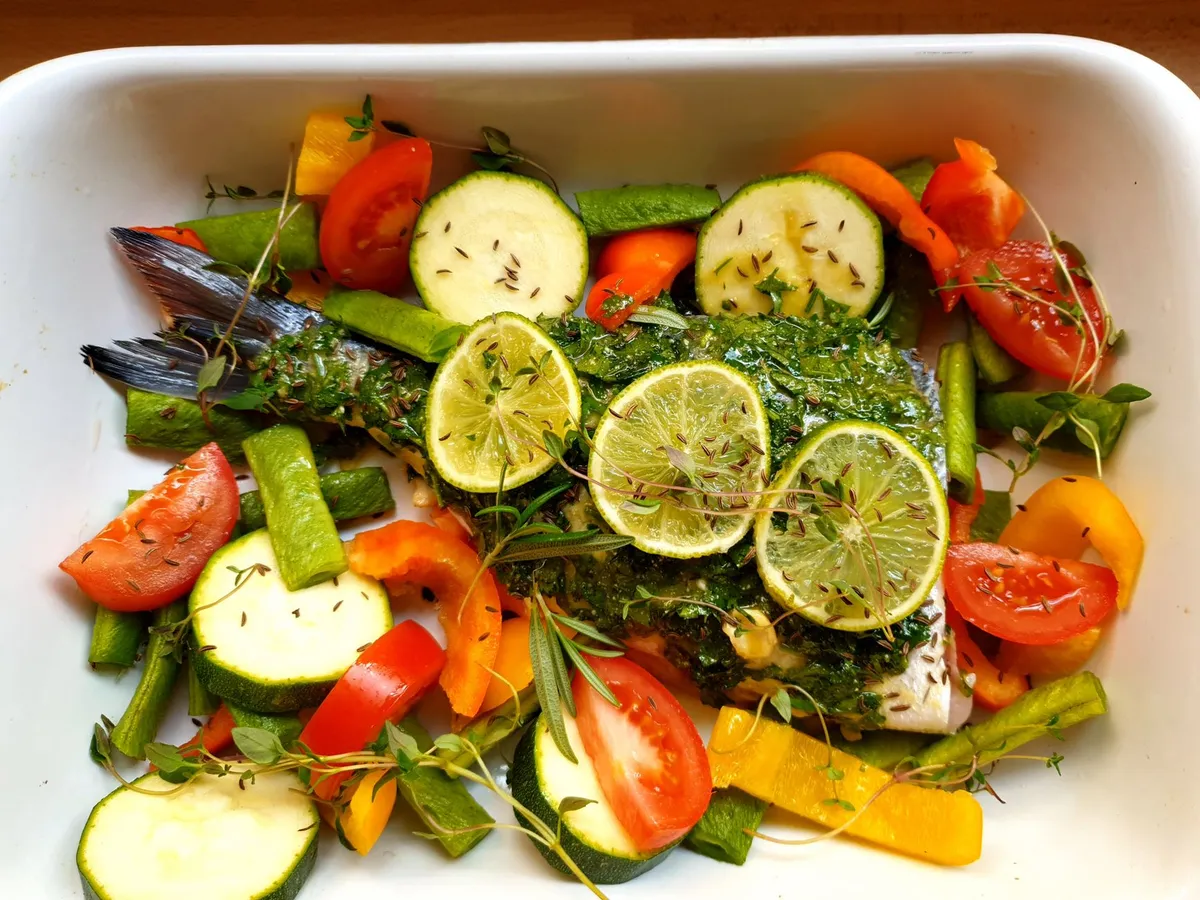
The Mediterranean Elixir: A Masterclass in Baked Cod with Cherry Tomatoes, Capers, and Olives
The Alchemy of the Aegean: Why Cod Remains the Ultimate Canvas To understand the beauty of baked cod—specifically when adorned with the trio of cherry tomatoes, capers, and olives—one must first look at the biology of the fish itself. Cod, or Gadus morhua, is a lean, white, flaky powerhouse that serves as a pristine substrate for flavor infusion. When you subject this delicate protein to the controlled heat of an oven, you are not merely cooking; you are engaging in a process of enzymatic transformation that preserves the structural integrity of the fish while coaxing out a mild, buttery sweetness. The Mediterranean diet, often heralded by the World Health Organization for its cardioprotective benefits, relies heavily on this philosophy of "less is more." The addition of cherry tomatoes provides more than just aesthetic appeal; they contribute lycopene, a potent carotenoid antioxidant that becomes more bioavailable when heated in the presence of lipid sources, such as the high-quality extra virgin olive oil we use to finish the dish. Meanwhile, capers provide the "brine-bomb" necessary to cut through the mildness of the fish. These are the flower buds of the Capparis spinosa shrub, and they deliver a punch of quercetin—a flavonoid shown in various clinical studies to possess anti-inflammatory properties. When you align these ingredients in a roasting pan, you are effectively creating an ecosystem of flavor. The acidity of the tomatoes balances the salinity of the olives and capers, while the cod absorbs the essential fatty acids released into the pan juices. To achieve the perfect result, one must respect the internal temperature. The FDA recommends an internal temperature of 145°F (63°C) for all fish, but for the most succulent results, pulling the cod at 135°F and allowing it to carry-over cook under a tent of foil is the secret of a seasoned professional. By mastering this rhythm, you ensure that the muscle fibers remain tender rather than chalky, creating a texture that yields effortlessly to the fork. This dish is not just a meal; it is a nutritional intervention designed to optimize cellular health through the synergy of whole, unprocessed foods. Sourcing the Jewels of the Sea and VineSuccess in the kitchen is never an accident; it is the inevitable outcome of rigorous sourcing. When preparing a Mediterranean elixir of baked cod, the quality of your raw materials dictates the boundary of your final outcome. Let’s begin with the cod. Look for line-caught, MSC-certified Atlantic or Pacific cod. Why does this matter? Beyond the ecological imperative, line-caught fish are less likely to suffer from the physiological stress that occurs during trawling, a process that can release cortisol and lactic acid into the muscle tissue, potentially altering the taste profile. You want a fillet that is translucent, firm to the touch, and smells like a fresh breeze—never fishy or ammonia-like. Next, we address the tomatoes. Cherry tomatoes are the preferred choice because of their high skin-to-flesh ratio, which allows them to burst and caramelize into a natural, sweet reduction without turning into a watery soup. If possible, seek out heirlooms for their varied glucose and fructose profiles, which offer a deeper, more nuanced sweetness than standard hothouse varieties. The olives are equally critical. Avoid the canned, chemically blackened "ripe" olives. Instead, look for Kalamata or Niçoise olives, cured in sea salt and wine vinegar. These provide the necessary polyphenols—specifically oleuropein—which acts as a bitter, earthy contrast to the sweetness of the roasted tomato and the delicate cod. Capers must be salt-packed whenever available. Those bottled in vinegar are convenient, but salt-packed capers have a more refined, floral intensity. To prepare them, you simply rinse off the salt and soak them in a small bowl of cold water for ten minutes. This process removes the harshness while retaining the sharp, briny essential oils. When these elements meet the cod, they form a reduction sauce that is naturally thickened by the pectin in the tomatoes and the oils from the olives. This is the hallmark of Mediterranean cuisine: creating a complex sauce without the need for heavy creams or artificial thickeners. It is a testament to the fact that when you start with ingredients of high pedigree, your role as a cook is merely to facilitate their natural chemical evolution. The Mathematical Precision of Roasting and Moisture Control Achieving the perfect texture in a baked fish dish requires an understanding of thermodynamics. Your oven is not just a heating box; it is a kiln. The goal is to maximize the flavor of the aromatics—garlic, shallots, tomatoes—while keeping the cod hydrated. I utilize a "nesting" technique. I arrange the cherry tomatoes, olives, capers, and slivers of garlic on the bottom of the dish, tossing them lightly in a cold-pressed extra virgin olive oil. This mixture serves as a flavor base. I then place the cod fillets on top, nestling them slightly into the bed of aromatics. This does two things: it elevates the cod slightly, ensuring it doesn't braise in too much liquid, and it allows the juices from the tomatoes to steam the bottom of the fish while the top remains exposed to the radiant heat. Temperature control is your most vital variable. If you set your oven to 400°F (200°C), you are in the "sweet spot" for roasting. This temperature is high enough to encourage the Maillard reaction on the surface of the tomatoes—where amino acids and reducing sugars interact to create complex flavor compounds—without drying out the fish. The duration is usually between 12 to 15 minutes, depending on the thickness of the fillet. You are looking for the moment the cod turns from translucent to opaque and begins to flake easily under the pressure of a blade. It is critical to avoid overcooking. Fish proteins are largely composed of collagen, which begins to shrink and contract as heat rises. If it shrinks too rapidly, it squeezes out the moisture that keeps the flesh supple. By roasting at 400°F, you find the balance between achieving a slight caramelization on the vegetables and keeping the internal environment of the fish stable. Once you remove the pan from the oven, let it rest. Resting allows the internal juices to redistribute throughout the muscle fibers. If you slice into it immediately, the moisture escapes, resulting in a dry, lackluster experience. A five-minute rest is the difference between a good dish and a professional masterpiece. Nutrient Profile and Metabolic BenefitsTo understand why this meal is celebrated, we must analyze the macronutrient profile. Cod is an exceptionally low-fat, high-protein source. In a typical 4-ounce serving, you are looking at approximately 20-25 grams of protein with less than 1 gram of fat. This provides a clean slate for the healthy fats we introduce via the olive oil and the olives themselves. By incorporating monounsaturated fats—specifically oleic acid—you are effectively improving your lipid profile, lowering LDL cholesterol, and supporting cardiovascular elasticity. The cherry tomatoes, as mentioned, are vehicles for lycopene. Research published in the Journal of Agricultural and Food Chemistry suggests that the heat-induced isomerization of lycopene from the trans-form to the cis-form increases its absorption in the human digestive tract. By baking these tomatoes until they collapse, you are literally unlocking the nutrient density of the fruit. The capers add a trace amount of sodium, but they also provide Rutin, a bioflavonoid that acts as an antioxidant and may assist in the reduction of capillary fragility. When these components are synthesized into one dish, you achieve a meal that is glycemic-index friendly, high in selenium (a trace mineral crucial for thyroid function), and rich in Vitamin B12. This is the cornerstone of the Mediterranean diet: it is not about deprivation; it is about the functional synergy of ingredients. Unlike a refined carb-heavy meal that triggers an insulin spike followed by a crash, this dish provides sustained energy. The protein provides satiety signaling to the brain through the release of peptide YY and glucagon-like peptide-1 (GLP-1), ensuring that you remain full for several hours without the heavy sensation associated with saturated fat-laden dishes.Nutrient Component Value per 150g Serving Functional BenefitProtein (Cod) 28g Essential Amino Acids for Muscle RepairMonounsaturated Fats 12g Heart Health & Cholesterol RegulationLycopene (Tomatoes) 5mg Potent Antioxidant for Cellular ProtectionSelenium 45mcg Thyroid Support & MetabolismDietary Fiber (Olives) 3g Digestive Health & SatietySodium (from Capers) 350mg Electrolyte Balance (Moderate)Elevating the Plate: Plating and Finishing TouchesThe final stage of the process is the "finish." In professional kitchens, we speak of the "second season." This means adjusting the salt and acidity levels just before serving. After the fish has rested, the juices in the pan will be a concentrated essence of brine, tomato sugar, and olive oil. Using a spoon, baste the fish with these juices. This acts as a natural glaze, giving the fish a glistening, appetizing sheen. To elevate the presentation, you must introduce freshness. The heat of the oven has dulled the brightness of the herbs, so we re-introduce them at the very end. Fresh, torn flat-leaf parsley and perhaps a chiffonade of fresh basil add a volatile aromatics layer that cuts through the richness of the roast. A squeeze of fresh lemon juice—not lime, as the acidity of lemon is more complementary to white fish—provides a final "lift" to the dish. The acidity triggers the salivary glands and prepares the palate, making the flavor of the cod appear more vivid. When plating, place a portion of the roasted aromatics on the bottom of a shallow bowl, place the cod fillet atop the bed, and drizzle a final teaspoon of high-quality, raw, cold-pressed olive oil over the top. This provides a textural contrast and a final burst of polyphenols. Serve this with a side of steamed greens or a light farro salad to complete the nutrient profile. By following this protocol, you are not merely cooking; you are curating an experience that honors the simplicity of Mediterranean traditions while utilizing the rigor of modern culinary science. This is how you transform a simple fillet of cod into a transformative Mediterranean elixir—a meal that sustains the body and satisfies the soul. The journey from raw ingredient to finished plate is a testament to the power of heat, timing, and selection. By understanding the chemistry behind the tomato reduction and the physics of the roasting environment, you step out of the realm of basic cooking and into the domain of a true Mediterranean master. Remember, the cod is a humble fish, but in the right hands, it becomes the centerpiece of health and sophisticated flavor. May your kitchen be a laboratory of wellness, and your dinner table a place of profound satisfaction. #MediterraneanDiet #CodRecipes #HealthyEating #CulinaryScience #NutritionMatters Related InsightsMisal Pav: Maharashtra's Fiery Breakfast Il Garum Pompeiano: Il Sangue Salato degli Dei e la Sua Rinascita Gastronomica Mafe: The Rich Peanut Stew of West Africa{ "@context": "https://schema.org", "@type": "FAQPage", "mainEntity": [ { "@type": "Question", "name": "What is the main focus of The Mediterranean Elixir: A Masterclass in Baked Cod with Cherry Tomatoes, Capers, and Olives?", "acceptedAnswer": { "@type": "Answer", "text": "Discover the art of slow-roasting delicate cod with vibrant Mediterranean aromatics to create a nutritionally superior, restaurant-quality meal at home." } }, { "@type": "Question", "name": "Who authored the comprehensive guide on The Mediterranean Elixir: A Masterclass in Baked Cod with Cherry Tomatoes, Capers, and Olives?", "acceptedAnswer": { "@type": "Answer", "text": "This detailed article and its insights were carefully researched and authored by Marcus Vance." } }, { "@type": "Question", "name": "Where can I find more related content about Food?", "acceptedAnswer": { "@type": "Answer", "text": "You can explore more articles, detailed reviews, and similar insights by browsing the Related Insights section at the bottom of this article or visiting our dedicated Food category page." } } ] }