Showing Posts From
Hiddengems
-
 John Explorer
 - 04 Jul, 2026 00:27
Where Faith Clings to Cliffs: An Expedition to Tigray's Unseen Sky Sanctuaries
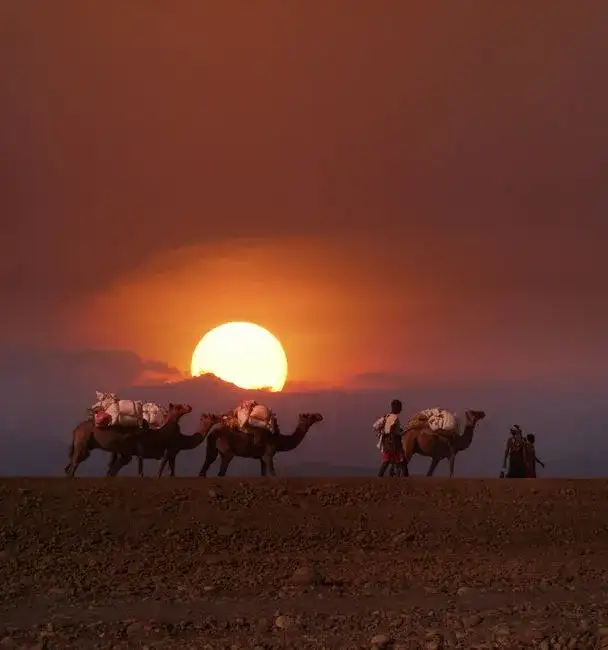
The dust of forgotten empires clings to the wind in Tigray, a northern province of Ethiopia where the earth itself seems to have been sculpted by divine hands and ancient faith. Not all journeys begin with a beaten path; some demand a vertical ascent, a silent prayer whispered on the wind, and a spirit unyielding in the face of sheer rock faces. For centuries, the world has marvelled at the more accessible wonders of Tigray's rock-hewn churches, such as the grand Abraha we Atsbeha. But beyond these revered landmarks lies a realm less traversed, a constellation of hidden sanctuaries clinging precariously to the very heavens – places where the devout have carved not just churches, but entire lives, into the most formidable cliffs. This is not a journey for the faint of heart, but for the soul seeking the profound, the untouched, and the truly extraordinary. Join me, John Explorer, as we venture into the heart of the Gheralta mountains, to seek out the rock-hewn churches that defy gravity and time, places whispered about in hushed tones, often accessible only by scaling dizzying heights. The Geological Canvas: A Land Forged by Fire and Faith Tigray’s landscape is a masterclass in raw, untamed beauty. Volcanic eruptions and tectonic shifts over millions of years have sculpted a colossal amphitheatre of sandstone mesas, dramatic spires, and labyrinthine canyons. It is amidst this awe-inspiring, often intimidating, topography that the early Christians of Ethiopia found their refuge and inspiration. The Aksumite Kingdom, one of the most powerful ancient civilizations in Africa, adopted Christianity in the 4th century CE, long before much of Europe. As the faith spread, and later, as periods of persecution or monastic introspection prompted a desire for solitude, hermits and communities sought out the most remote and defensible locations. They didn’t just build on mountains; they became part of them, meticulously carving churches directly into the living rock. These aren't merely caves adapted for worship; many are architectural marvels, complete with cruciform layouts, domes, pillars, arches, and intricate decorative elements, all hewn from the sandstone. The sheer audacity of their creation beggars belief. Imagine artisans, armed with rudimentary tools, chipping away at solid rock, often hundreds of meters above the valley floor, under a scorching sun. The purpose was clear: to create sanctuaries both physically and spiritually elevated, drawing closer to the divine by literally ascending towards it. While churches like Maryam Papasetti and Mikael Barka are known, my quest led me deeper, to the true vertical challenges, to places like Abuna Yemata Guh and Debre Maryam Korkor, whose existence feels more legend than reality. The Vertical Pilgrimage: Navigating the Paths of Ancient Ascetics The expedition to these sky sanctuaries is, in itself, a pilgrimage. It begins long before the first handhold is grasped, with days of arduous trekking through dry riverbeds, thorny scrub, and sun-baked plains. The villages at the foothills are isolated, their rhythms dictated by ancient agricultural cycles and the stark realities of their environment. Here, time moves differently, and the sense of history is palpable in every weathered face and ancient stone dwelling. Our journey to Abuna Yemata Guh, perhaps the most infamous of Tigray's vertical churches, began at dawn. The path quickly evaporated, replaced by a scramble over loose scree and boulders. The air was thin, carrying the scent of wild thyme and sun-baked earth. Local guides, with their incredible agility and encyclopedic knowledge of the terrain, are indispensable. They move with an almost ethereal grace, barefoot often, across surfaces that demand focused attention from even the most seasoned climbers. The true test came with the sheer, unyielding rock face. To reach Abuna Yemata Guh, one must climb a vertical cliff, using only hand and footholds carved into the rock centuries ago, often no wider than a finger. There are no safety ropes provided; pilgrims bring their own, or simply trust in faith and the surefootedness of their guides. It’s a gut-wrenching experience for anyone unaccustomed to such exposure. The wind whips past, and the world drops away beneath your feet.After the initial climb, a narrow, exposed ledge requires a careful traverse, followed by another vertical climb. Finally, a series of wooden pegs hammered into the rock, coupled with an old rope, offers the last, harrowing ascent to the entrance. It's a dance between fear and exhilaration, each muscle straining, each breath a conscious effort. But the reward, as with all truly difficult quests, is transcendent. Guardians of Stone and Spirit: The Living Legacy Upon reaching the entrance of Abuna Yemata Guh, the world outside fades. The small antechamber, cool and silent, offers immediate respite. The church itself is small but breathtaking, its walls and ceiling adorned with vibrant frescoes dating back to the 15th century. These paintings, remarkably preserved by the dry desert air and their isolation, depict apostles, saints, and biblical scenes with a distinct Ethiopian style – bold colors, expressive faces, and a spiritual intensity that is deeply moving. The resident priest, often an elderly man who has dedicated his life to this arduous calling, greets visitors with quiet dignity. His presence is a living testament to the unbroken chain of faith that has sustained these churches for over a millennium. He is not just a custodian of the building, but a living bridge to the past, performing ancient liturgies and guarding relics passed down through generations. To converse with him, even through a translator, is to touch the very heart of Ethiopian Christianity. These priests make the arduous climb almost daily, sometimes several times, for services, baptisms, or simply to tend to their sacred duties. They are the true guardians, their lives intertwined with the rock and the spiritual energy it holds. Their resilience and devotion are a humbling counterpoint to the fleeting concerns of the modern world. They embody the philosophy of the early hermits: to seek God in isolation, to find solace and strength in the raw power of nature and unwavering faith. Artistry in the Abyss: Frescoes, Manuscripts, and Mysticism The artistic and architectural achievements within these remote churches are astounding. Unlike European cathedrals that were built up from the ground, these sanctuaries were carved down and in. The sculptors had to anticipate the internal structure, working in reverse, always conscious of the integrity of the mountain around them. The precision required is mind-boggling, especially considering the constraints of the location. The frescoes, often in a distinct Aksumite-influenced style, are characterized by their flattened perspectives, large, expressive eyes, and vibrant, natural pigments derived from local minerals. In churches like Debre Maryam Korkor, also a significant climb though slightly less perilous than Abuna Yemata Guh, the paintings stretch across entire ceilings, depicting intricate narratives. There are scenes of the nine saints, the Virgin Mary, and various martyrs, all rendered with a profound spiritual depth. These are not merely decorations; they are visual sermons, mnemonic devices for a largely illiterate population, and powerful expressions of faith. Beyond the frescoes, many churches house ancient manuscripts, some dating back centuries, hand-copied on vellum and bound in leather. These texts, often beautifully illuminated, contain gospels, psalters, and theological treatises that offer invaluable insights into Ethiopian monastic traditions and early Christian thought. The very act of preserving these delicate artifacts in such remote locations speaks volumes about their perceived sacredness and historical value. To hold a manuscript that has witnessed centuries of human history, brought to a perilous cliff edge for safekeeping, is to experience a tangible link to a world long past. Echoes of the Past, Whispers of the Future The rock-hewn churches of Tigray are more than just architectural wonders or historical sites; they are living testaments to human endurance, unwavering faith, and artistic genius. They tell a story of a civilization that embraced Christianity with a fervor that literally moved mountains. They speak of a time when the spiritual journey was inseparable from the physical, where proximity to God was sought in the most challenging and elevated places on earth. In an increasingly connected and homogenized world, these sanctuaries remain remarkably untouched, preserving not just ancient art and architecture, but an entire way of life. Visiting them is a powerful reminder of humanity's capacity for devotion, creativity, and resilience. It challenges our modern perceptions of accessibility and comfort, forcing us to confront our own limits and appreciate the profound effort required to experience such wonders.The journey to Tigray’s unseen sky sanctuaries is an expedition into the very soul of Ethiopia, a vertical pilgrimage that redefines what it means to travel. It is a profound immersion into a world where faith quite literally clings to cliffs, where the whispers of ancient prayers echo in the wind, and where every ascent brings you closer to understanding the enduring spirit of humanity. These places are not just destinations; they are experiences that carve themselves into your memory, much like the churches are carved into the rock, leaving an indelible mark long after you’ve descended back to the plains.#TigrayTravel #EthiopianHistory #RockHewnChurches #AdventureTravel #HiddenGems #CulturalHeritage #VerticalPilgrimage
- John Explorer
- 03 Jul, 2026 13:55
Beyond Samarkand's Shadow: Unearthing the Fergana Valley's Mystical Silk Road Legacies
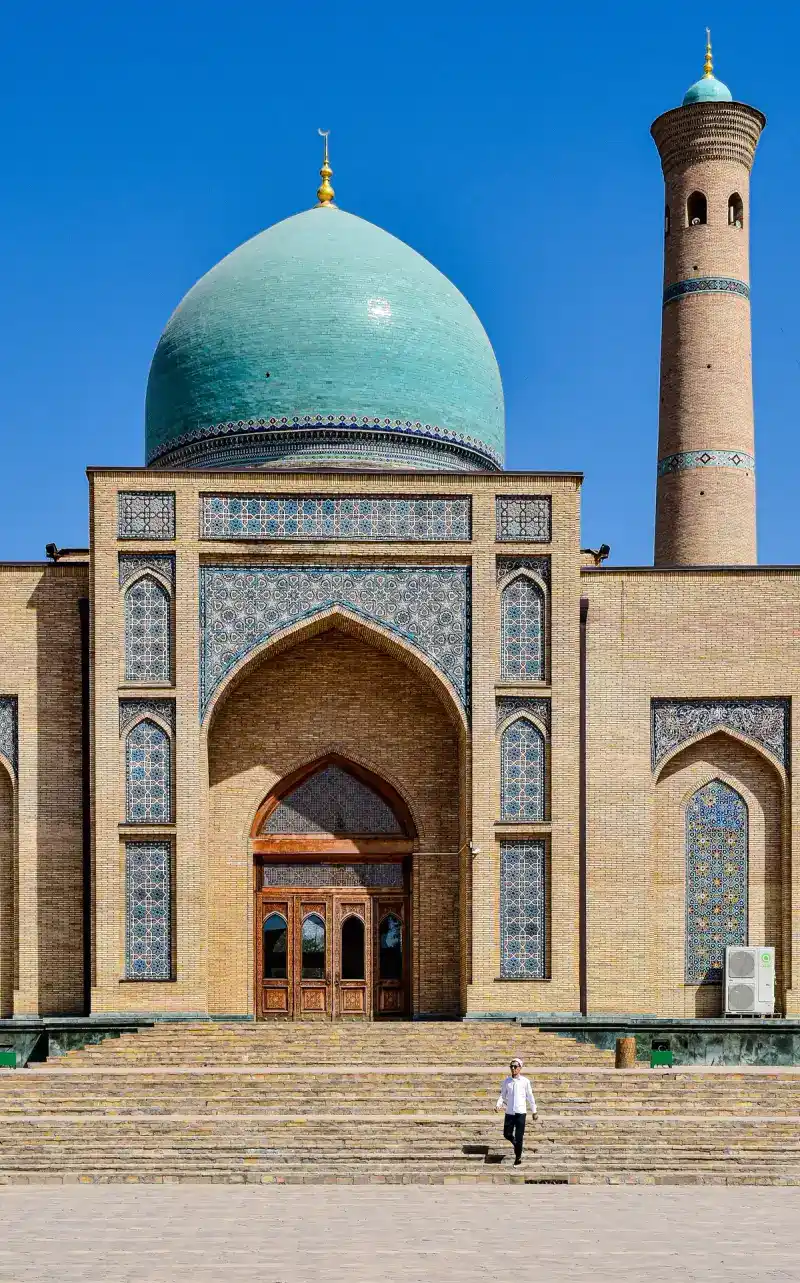
The world, in its sprawling immensity, often presents us with dazzling facades: the Eiffel Tower, the Colosseum, the Great Wall. These titans of human endeavor draw millions, yet beneath their colossal shadows lie countless other narratives, whispered by wind-swept ruins and ancient paths, waiting for the curious few. What if the true essence of discovery isn't found on the well-worn map, but in the forgotten corners, where history breathes a different air and time flows with a quieter rhythm? As John Explorer, my compass has always pointed towards the whispers, not the roars, guiding me to destinations that challenge preconceptions and reward with unparalleled authenticity. My latest odyssey led me deep into Central Asia, not to the glittering mosaic-domed cities of Samarkand or Bukhara, but to a verdant, fertile crescent often overlooked: the Fergana Valley. Nestled between the Tien Shan and Alay mountain ranges, the Fergana Valley, shared by Uzbekistan, Kyrgyzstan, and Tajikistan, is a land of paradox. Historically, it was a pivotal artery of the Silk Road, renowned for its fabled "heavenly horses" that captivated Chinese emperors, its fertile soil yielding an abundance of fruits, and its strategic position connecting East and West. Yet, modern tourism largely bypasses it, drawn instead to the more iconic Uzbek cities further west. This oversight, however, is precisely its charm. To step into the Fergana Valley is to peel back layers of history, to encounter a living museum where ancient traditions, devout Sufi spirituality, and vibrant craftsmanship continue to thrive, largely untouched by the globalized gaze. It is a journey into the heart of a forgotten Silk Road branch, a place where the echoes of caravans still resonate, not in grand monuments, but in the soul of its people and the enduring rhythm of their lives. The Valley's Crucible of Civilizations: A Historical Overture My exploration began with a deep dive into the valley's storied past. For millennia, the Fergana Valley has been a melting pot of cultures. From the Sogdians and Persians to Turkic tribes and the conquering armies of Alexander the Great, Genghis Khan, and Timur, each left an indelible mark. It was the birthplace of Babur, founder of the Mughal Empire, and a powerful Khanate in its own right, particularly under Kokand. This rich tapestry of influences created a unique cultural synthesis, distinct from its western Uzbek counterparts, yet intrinsically linked to the broader Central Asian narrative. The valley's isolation, ringed by mountains, fostered a fierce independence and allowed certain cultural expressions to flourish, undisturbed for centuries. My initial days were spent traversing its undulating landscapes, envisioning the ancient riders on their famed horses, the Silk Road merchants bartering exotic goods, and the Sufi mystics seeking divine solace amidst the bustling markets. It’s this historical depth that provides the perfect backdrop for understanding the valley’s present-day allure. Whispers of the Divine: Tracing the Sufi Path One of the most profound aspects of the Fergana Valley is its deep-rooted Sufi heritage. While Sufism is prevalent throughout Central Asia, in Fergana, it feels particularly intimate and pervasive, woven into the fabric of daily life rather than confined to grand, tourist-centric complexes. My journey here was intentionally shaped by a desire to understand this spiritual dimension. The valley is home to countless mazars (shrines) and khanaqahs (Sufi lodges), many of them modest, tucked away in quiet courtyards or on hillsides, known primarily to local devotees. My most moving encounter was at a small, unassuming mazar dedicated to a revered local Sufi saint, somewhere between Kokand and Margilan. There were no tour buses, no souvenir stalls. Just a handful of local pilgrims, their faces etched with devotion, offering prayers and seeking blessings. The air was thick with incense and the murmur of whispered supplications. The elderly custodian, with eyes that held centuries of wisdom, invited me for a cup of tea, sharing tales of the saint's miracles and the enduring power of faith. He spoke of the importance of zikr (remembrance of God) and ishq (divine love), concepts that transcend language barriers and resonate with a universal quest for meaning. It was here, in this humble setting, that the true spirit of Fergana’s Sufism revealed itself – a gentle, inclusive, and deeply personal path to the divine.The city of Kokand, once the heart of a powerful khanate, also played a crucial role in Central Asian Sufism. Its magnificent Khudoyar Khan Palace, while a secular monument, stands as a testament to an era when spiritual leaders often held significant influence in court. Exploring its ornate chambers, I could almost hear the debates of scholars and Sufi masters who once graced its halls, shaping the intellectual and spiritual landscape of the region. The numerous smaller mosques and madrasahs scattered throughout Kokand further underscore its historical importance as a center of learning and spiritual contemplation, a testament to the enduring presence of faith. Echoes of the Steppe: Nomadic Legacies and Artisan Craft While the Fergana Valley is primarily an agricultural basin, the influence of its nomadic past and the trade routes that crisscrossed it are still palpable, particularly in its vibrant artisan traditions. This is a region where skills are passed down through generations, where the hands of craftsmen tell stories as old as the Silk Road itself. My journey took me to Rishtan, a town globally renowned for its unique blue ceramics. Here, the clay, rich in minerals from the local soil, combined with centuries-old techniques, transforms into breathtaking pieces of art. I spent hours in a bustling workshop, observing masters at work. The rhythmic whir of the potter's wheel, the meticulous application of natural glazes derived from plant ashes, and the patient firing process all culminate in the distinctive turquoise and cobalt hues that define Rishtan pottery. Each bowl, plate, and pitcher is not just a functional object but a canvas, often adorned with traditional patterns inspired by pomegranates, almond blossoms, and Islamic calligraphy. It’s a craft that requires immense patience, skill, and an understanding of the very earth beneath one's feet.Further east, in Margilan, I delved into the world of silk production. Margilan has been a silk-making hub for over two millennia, its history intertwined with the very fabric of the Silk Road. Here, traditional ikat weaving thrives, a complex resist-dyeing technique that creates mesmerizing patterns of shimmering colors. Walking through the Yodgorlik Silk Factory, one of the last remaining traditional workshops, was like stepping back in time. The rhythmic clack of the looms, the whirring of the spinning wheels, and the sight of vibrant silk threads being meticulously arranged into intricate designs offered a tangible connection to the ancient trade. The process, from silkworm cocoon to finished fabric, is labor-intensive and artistic, a testament to human ingenuity and dedication. Holding a piece of hand-woven Margilan silk is to touch a piece of history, to feel the legacy of the Silk Road against your fingertips. The bustling bazaars of every town, from Fergana City to Andijan, also serve as vibrant conduits to this past. Here, the nomadic spirit of trade and exchange is alive and well. Piles of freshly picked fruits, aromatic spices, hand-stitched suzani (embroidered textiles), and the ubiquitous chapans (traditional coats) create a riot of color and sound. These markets are not just places of commerce; they are social hubs, where stories are exchanged, friendships are forged, and the pulse of the community beats strongest. My conversations with vendors, often over cups of tea and shared smiles, offered invaluable insights into the daily lives and enduring traditions of the Fergana people. Culinary Journeys and the Warmth of Fergana Hospitality No journey through a foreign land is complete without immersing oneself in its culinary traditions, and Fergana offers a delightful array of tastes. The valley's fertile lands ensure an abundance of fresh produce, making its cuisine distinct and incredibly flavorful. Naturally, plov (rice pilaf) is king, but each region, each family, has its unique twist. I sampled numerous variations, each more delicious than the last, often cooked in colossal kazans (cauldrons) over open fires. The local laghman (hand-pulled noodles), hearty shashlik (kebabs), and various samsas (savory pastries) filled my days with warmth and flavor. Yet, beyond the food itself, it was the unparalleled hospitality of the Fergana people that left the deepest impression. Invited into homes for meals, sharing bread and conversation, I experienced a genuine warmth and generosity that transcended any language barrier. This is a culture where a guest is considered a gift from God, and every effort is made to ensure their comfort and happiness. These personal interactions, often spontaneous and heartfelt, were the true gems of my journey, transforming a mere trip into an enriching human experience. The Enduring Allure of the Uncharted Leaving the Fergana Valley, I carried not just souvenirs, but a profound sense of having touched something ancient and authentic. This region, often overlooked by the masses, holds a unique place in the tapestry of Central Asian history and culture. Its Sufi shrines offer a quiet spirituality, its artisans keep centuries-old traditions alive, and its people extend a hospitality that is truly legendary. For the intrepid traveler seeking more than just photo opportunities, the Fergana Valley offers an unparalleled opportunity to delve into a part of the world that still feels genuinely unexplored. It requires a willingness to step off the well-trodden path, to embrace the unexpected, and to listen to the whispers of history rather than the shouts of commercialism. In doing so, one discovers not just a forgotten branch of the Silk Road, but a vibrant, living culture that continues to flourish, quietly safeguarding its mystical legacies for those curious enough to seek them out. It is a reminder that the greatest treasures often lie hidden, waiting to be discovered by the truly adventurous heart.#Travel #FerganaValley #Uzbekistan #SilkRoad #SufiTraditions #CentralAsia Related InsightsCanyoning the Zambezi: Advanced Adventure Tactics for Remote River Explorations Sardegna Profonda: Sulle Tracce Misteriose dei Nuraghi nella Barbagia Nascosta Colmar and the Alsace Wine Route: A Colorful Escape{ "@context": "https://schema.org", "@type": "FAQPage", "mainEntity": [ { "@type": "Question", "name": "What is the main focus of Beyond Samarkand's Shadow: Unearthing the Fergana Valley's Mystical Silk Road Legacies?", "acceptedAnswer": { "@type": "Answer", "text": "Venture deep into Central Asia's Fergana Valley, a forgotten Silk Road branch brimming with ancient Sufi shrines, vibrant craftsmanship, and nomadic echoes. Discover a spiritual journey far from the well-trodden paths." } }, { "@type": "Question", "name": "Who authored the comprehensive guide on Beyond Samarkand's Shadow: Unearthing the Fergana Valley's Mystical Silk Road Legacies?", "acceptedAnswer": { "@type": "Answer", "text": "This detailed article and its insights were carefully researched and authored by John Explorer." } }, { "@type": "Question", "name": "Where can I find more related content about Travel?", "acceptedAnswer": { "@type": "Answer", "text": "You can explore more articles, detailed reviews, and similar insights by browsing the Related Insights section at the bottom of this article or visiting our dedicated Travel category page." } } ] }
- John Explorer
- 02 Jul, 2026 13:53
The Whispering Paths: Tracing Europe's Forgotten Salt Roads, From Alpine Mines to Adriatic Shores
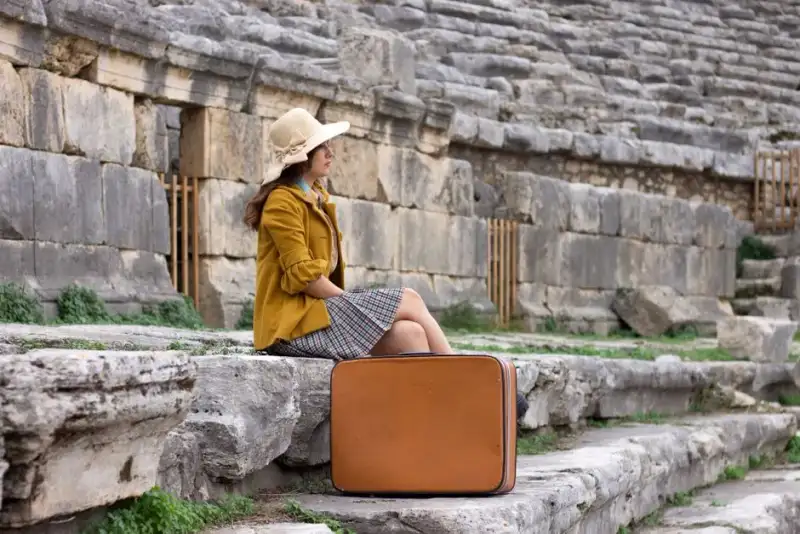
Imagine a time when a simple crystalline mineral held the power of empires, drove economies, and shaped the very arteries of a continent. Not gold, nor silver, but salt. In an age before refrigeration, this humble "white gold" was life itself, a currency more precious than coinage, carving pathways through Europe's most formidable landscapes. These are the forgotten arteries, the Salzstraßen or salt roads, silent witnesses to millennia of human endeavor, whispers of which still echo through remote valleys and ancient towns, beckoning the modern explorer to rediscover their profound legacy. As John Explorer, my passion lies in unearthing the stories etched into the very fabric of our world, particularly those overlooked by the well-trodden paths of conventional tourism. Today, we embark on a journey not just through space, but through time, to traverse the ancient salt routes that once pulsed with life, connecting distant communities and fueling civilizations from the Iron Age to the Industrial Revolution. This is an invitation to look beyond the guidebooks, to lace up your boots, and to truly feel the weight of history underfoot on paths that dictated the fate of nations. The Indispensable Grain: Why Salt Shaped a Continent Before diving into the physical routes, it's crucial to grasp the sheer indispensability of salt throughout history. For millennia, salt was not merely a seasoning; it was the bedrock of human civilization. Its primary role was preservation, allowing communities to store food – meat, fish, vegetables – through lean seasons, enabling settled agriculture, and supporting larger, non-nomadic populations. Without it, long voyages were impossible, armies couldn't be provisioned, and cities couldn't thrive beyond the immediate reach of their food sources. Beyond preservation, salt was a vital dietary supplement, especially for those in agricultural or physically demanding professions, preventing dehydration and heatstroke. It had medicinal uses, religious significance, and even played a role in tanning hides and making dyes. Its value was so immense that it often served as currency, leading to the saying "worth one's salt" and providing the etymological root for the word "salary." Control over salt sources and trade routes meant immense power and wealth, leading to conflicts, alliances, and the strategic positioning of countless towns and cities along these crucial arteries. Alpine Veins: The Heart of Europe's Salt Production Many of Europe's most significant salt routes originated in the rich salt deposits found deep within the Alps. Places like Hallstatt in Austria, famously one of the oldest continuously inhabited settlements in Europe, boast a salt mining history stretching back over 7,000 years. Imagine miners, long before recorded history, painstakingly carving out tunnels with primitive tools, driven by the knowledge that their efforts literally sustained their communities. These mines were not just industrial sites; they were epicenters of technological innovation and cultural exchange. From these subterranean riches, salt was brought to the surface, often compacted into solid blocks or carefully measured quantities, ready for the arduous journey across mountains and rivers. The paths weren't always direct; they often wound through challenging terrain, following river valleys, ancient Roman roads, or purpose-built tracks designed to accommodate pack animals and, later, wheeled carts. These were not mere trails but meticulously maintained infrastructure, crucial to the economic health of entire regions.One particularly fascinating example is the Alte Salzstraße (Old Salt Road) that linked Luneburg in northern Germany, another vital salt production center, with the Hanseatic League trading hubs on the Baltic Sea. This route, active from the 10th to the 19th centuries, was so integral to the region's prosperity that it shaped the urban development of cities like Lübeck and Hamburg. While Luneburg salt was a significant player, our focus today draws us further south, to the more dramatic landscapes of the Alps and their connections to the Mediterranean. The Southern Cross: Routes to the Adriatic and Beyond While northern routes supplied the Baltic, the Alpine salt sources, particularly those in Austria and Bavaria, looked south and east, feeding the burgeoning markets of Italy, the Balkans, and even further into the Mediterranean. These routes were characterized by their incredible diversity, adapting to varied geographies from high mountain passes to gentle rolling hills, river plains, and coastal stretches. Consider the routes emanating from Bad Reichenhall in Bavaria or Hallstatt and Hallein in Austria. Salt from these mines would travel south, often utilizing the Inn River or crossing formidable passes like the Reschenpass or Brenner Pass. These aren't just scenic drives today; they were arteries of life, thronged with merchants, guards, and local laborers. One of the most compelling, yet less-explored, segments connected these Alpine sources to the Adriatic Sea. Imagine caravans laden with precious salt traversing modern-day Slovenia and Croatia, heading for Venetian or Genoese trading posts. Venice, in particular, built much of its immense wealth and naval power on its control of the salt trade, importing vast quantities from central Europe and its own salt pans, then distributing it throughout the Mediterranean. The cities along these routes, often fortified, became critical checkpoints, collecting tolls, providing lodging, and sometimes even fostering unique local cultures blending Alpine and Mediterranean influences. The Echoes of Commerce: Villages, Customs, and Cuisine The enduring legacy of the salt roads isn't just found in historical documents or archaeological digs; it lives on in the villages and towns that line these ancient paths. Many of these communities owe their very existence, prosperity, and unique cultural characteristics to their position on a salt route. Walk through a medieval town like Sterzing (Vipiteno) in South Tyrol, Italy, or visit a market in Slovenia's Vipava Valley, and you'll find subtle clues. Architectural styles might reveal a mix of Germanic and Italian influences, reflecting centuries of trade and cultural exchange. Local festivals might hark back to old merchant traditions. Even regional cuisines often bear the imprint of salt’s historical importance, with specialized methods of curing meats and cheeses evolving from the need to preserve provisions for long journeys or to store surplus goods. These weren't just transit points; they were melting pots. Merchants from diverse regions, speaking different languages, would converge, exchanging not just goods but also ideas, technologies, and stories. Inns along the routes became crucial social hubs, fostering a unique "roadside culture" distinct from purely agricultural or urban centers. The very landscape around these paths was often shaped by the salt trade, with terraced fields and cleared forests reflecting the need for both sustenance and navigable terrain. Tracing the Paths: A Modern Explorer's Quest Today, many of the original salt roads are no longer identifiable as distinct pathways, having been absorbed into modern road networks, overgrown by forests, or repurposed for other uses. However, a dedicated explorer can still trace their ghosts. This isn't about following a single, perfectly preserved trail; it’s about piecing together fragments, using historical maps, local knowledge, and an adventurous spirit. The best way to experience these routes is often on foot or by bicycle. European long-distance hiking trails, such as sections of the Via Alpina or various regional "Salzsteig" (salt trail) paths, sometimes incorporate segments of these ancient trade routes. The rewards are immense: you'll discover pristine natural landscapes, stumble upon forgotten chapels or waymarkers, and encounter local communities far removed from the mainstream tourist circuits. Imagine hiking through the high mountain pastures of the Austrian Salzkammergut, knowing that every step mirrors the path of a medieval salt carrier. Or cycling along a quiet valley road in Slovenia, recognizing that the contours of the land were chosen centuries ago for their practicality in transporting precious cargo. This is slow travel at its finest, a journey of discovery that prioritizes immersion over mere sightseeing. To plan such an adventure, extensive research is key. Look for regional historical societies, local tourism boards that highlight "heritage trails," and specialized guidebooks focusing on trade routes. Google Earth can be surprisingly useful in identifying old, disused tracks that align with historical maps. Engage with locals; the elder generations in many of these villages often hold an invaluable oral history of their region’s connections to the salt trade.Challenges and Rewards: The Explorer's Ethos Embarking on a journey to trace Europe's forgotten salt roads presents its own set of challenges. Some sections might be poorly marked, requiring navigational skills and a degree of self-reliance. Accommodation might be sparse in truly remote areas, necessitating careful planning or even wild camping (where permitted). Language barriers can also be a factor, particularly in less-visited regions. However, these challenges are precisely what make the rewards so profound. The sense of accomplishment from navigating a forgotten path, the unexpected beauty of a hidden village, the taste of a local dish prepared with centuries-old techniques – these are the moments that define true exploration. You're not just a tourist; you're a modern-day pioneer, connecting with a profound human story that spans millennia. This journey is also a poignant reminder of our connection to the past and the ingenuity of our ancestors. It highlights how something as fundamental as a mineral could shape entire landscapes, cultures, and economies, leaving an indelible mark that, though often overlooked, continues to define regions even today. The salt roads teach us about resilience, trade, and the enduring human spirit that seeks to connect, to preserve, and to thrive against all odds. The Enduring Legacy: Why These Paths Still Matter In an age of instant gratification and globalized supply chains, it’s easy to forget the sheer logistical challenge and human effort involved in moving essential goods across continents. The salt roads stand as monumental testaments to this endeavor. They remind us that infrastructure, communication, and trade are not modern inventions but ancient human impulses. Furthermore, exploring these routes offers a unique perspective on environmental stewardship. Many of these paths traverse fragile ecosystems, and their continued existence relies on careful preservation. By engaging with these historical trails, we contribute to their recognition and protection, ensuring that future generations can also walk in the footsteps of ancient merchants and discover the powerful story of "white gold." So, as you plan your next adventure, consider straying from the well-worn tourist routes. Seek out the whispers of history, the faint echoes of commerce, and the enduring spirit of the communities forged by the vital flow of salt. The salt roads of Europe are more than just historical curiosities; they are living pathways to understanding our shared past, offering an unparalleled journey into the heart of a continent shaped by this most unassuming yet utterly essential mineral. Unearth their secrets, and you'll discover not just ancient history, but a deeper connection to the very pulse of human civilization.#HistoricalTravel #EuropeanHeritage #AncientTradeRoutes #SlowTravel #HiddenGems
- John Explorer
- 10 Jun, 2026 13:15
The Silent Chronicles of the Steppe: Unearthing the Enigma of Mongolia's Deer Stone Sentinels at Uushgiin Ovor
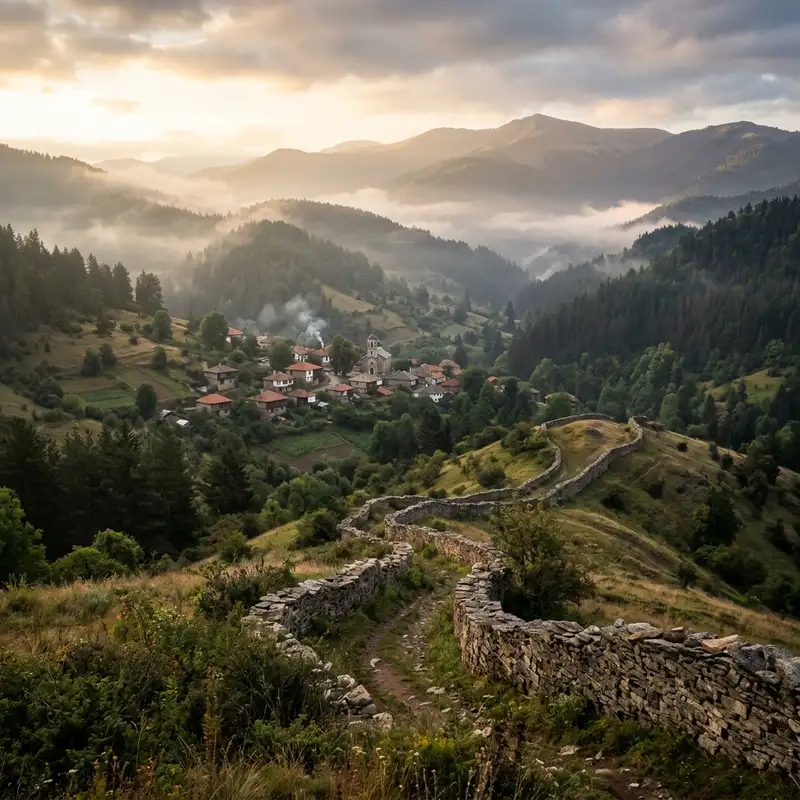
The wind doesn't just blow across the Mongolian steppe; it whispers tales. Tales of epochs so #ancient they predate written #history, of civilizations carved not into stone tablets, but into the very spirit of the land. For years, I chased these whispers, drawn by an irresistible magnetic pull to a mystery that has stood silent for millennia: the Deer Stones of Mongolia. Not the often-photographed Gobi, nor the popular eagle festivals, but a deeper, more primal hum that emanates from vast, untouched expanses where towering stone figures defy easy explanation. My quest led me to Uushgiin Ovor, a name that rolls off the tongue like a forgotten incantation, nestled in the Khövsgöl Province – a region of startling beauty and profound solitude, far removed from any beaten path. This wasn't a casual sightseeing trip; it was an expedition into the very fabric of time, a personal deep-dive into the spiritual and historical heart of Inner Asia, aiming to understand what secrets these silent sentinels have guarded for over 3,000 years. The Magnetic Pull of the Unexplained My fascination with Deer Stones began, as many of my most compelling journeys do, with a single, grainy photograph found in an obscure anthropological journal. It depicted a slender megalith, its surface etched with stylized flying deer, a warrior's belt, and a solar disc. The image was haunting, minimalist, and yet spoke volumes about a sophisticated #culture that vanished long before the rise of the great nomadic empires. Who were these artists? What grand visions compelled them to erect such monuments in the middle of an unending sea of grass and sky? Conventional archaeology offers theories – funerary markers, territorial claims, astronomical calendars, shamanic altars. But theories, no matter how rigorously debated, often fail to capture the visceral sense of awe and wonder that these objects evoke. I sought not just the 'what' and 'how,' but the 'why.' What did these stones mean to the people who carved them? And how do these ancient meanings echo, however faintly, in the lives of the nomads who still roam these lands? The #journey itself was a test of endurance and a lesson in perspective. From Ulaanbaatar, a city constantly reinventing itself, the path west unravels rapidly into dirt tracks and eventually, no tracks at all. Weeks were spent traversing landscapes that shifted from rolling green hills dotted with yaks and horses to arid plains stretching to horizons that seemed to bend the very concept of distance. Our Russian-made UAZ van, a beast of a vehicle that seemed to thrive on punishment, became our mobile home, our lifeline, and our only shield against the elements. The air grew thinner, crisper, carrying the scent of wild thyme and distant rain. Each day, the sense of civilization receded further, replaced by the omnipresent silence of the steppe, broken only by the mournful cry of a soaring eagle or the guttural bleating of a goat herd. Uushgiin Ovor: A Silent Congress of Giants When we finally arrived at Uushgiin Ovor, it was not with a dramatic flourish, but with a quiet revelation. Tucked into a gentle valley, shielded slightly by low hills, stood a collection of over 20 Deer Stones, forming a silent, open-air gallery. Unlike single, isolated stones I had seen in other regions, this site was a complex, a congress of giants. They stood erect, some nearly 15 feet tall, slender and imposing, each a unique masterpiece of prehistoric art. The late afternoon sun cast long, dramatic shadows, making the carved figures appear to stir, to dance on the ancient stone. I stepped out of the van, the crisp air biting at my cheeks, and felt an immediate shift in my perception of time. The modern world, with its incessant demands and fleeting concerns, seemed to melt away. Here, under the vast, unblinking eye of the Mongolian sky, millennia felt like moments. The sheer audacity of these ancient sculptors – to quarry, transport, and intricately carve such massive stones with rudimentary tools – was humbling. It spoke of a collective effort, a shared belief system so powerful it could mobilize communities for a purpose whose echoes still resonate today. Each stone at Uushgiin Ovor tells a slightly different story, yet they are united by common motifs. The most striking, of course, are the deer – often depicted with exaggerated, flowing antlers, almost like wings, as if in flight. These aren't just any deer; they are often interpreted as a mythical 'flying deer' or 'reindeer-griffins,' creatures of immense power and spiritual significance. They seem to soar towards the sky, connecting the earthly realm with the celestial. Below the deer, human figures are rare, but warrior regalia is prominent: intricate belts, daggers, bows, quivers, and often an axe or a shield. Some carvings even suggest intricate hairstyles or headdresses. At the very top, many stones feature a circular motif, often interpreted as a sun, moon, or celestial sphere, sometimes with radiating lines. This tripartite division – celestial (sun/moon), animal (deer), and human/warrior (weapons/belt) – suggests a complex cosmology, a layered understanding of the universe that likely tied into shamanic practices. For hours, I walked among them, tracing the ancient lines with my fingers, feeling the smooth, cold stone, imagining the hands that once worked here. Was this a sacred grove? A burial ground for revered warriors? A site for ancient ceremonies marking solstices or equinoxes? The prevailing archaeological theory often links them to an elite warrior culture, possibly early nomads of the Bronze and early Iron Ages, who may have revered the deer as sacred animals, perhaps even totemic ancestors or guides to the spirit world. The weapons could signify status, protection, or even symbolic offerings to the deceased or to deities. Echoes of the Past: Nomadic Life Today My journey, however, wasn't solely about academic interpretation. It was about connection. A few kilometers from Uushgiin Ovor, we encountered a small nomadic family, their ger (yurt) a beacon of white canvas against the endless green. They were herding yaks and horses, their lives inextricably linked to the land, much as their ancestors’ were thousands of years ago. Through my guide, a patient and insightful Mongolian man named Bat, I spent an evening sharing suutei tsai (salty milk tea) and airag (fermented mare's milk), discussing the Deer Stones. To the family, the stones were simply part of the landscape, ancient markers left by 'the old ones.' They didn't claim specific knowledge of their purpose, but their reverence for the land, the sky, and the animals was palpable. The deer, for them, still held a special place – a symbol of resilience, freedom, and the wild spirit of Mongolia. Their stories, passed down through generations, often included mythical animals, powerful shamans, and the enduring connection between humans and the natural world. While direct historical links are difficult to establish, the spiritual undercurrents felt strikingly similar to the symbolic language carved into the Deer Stones.One evening, sitting outside their ger under a sky ablaze with stars, the elder, a woman with eyes that held the wisdom of countless winters, pointed towards the distant silhouette of the stones. She spoke of the 'sky-wolf' – a mythical creature from Turkic and Mongolian legends often associated with creation and guiding spirits – and how ancient spirits still walked the land. Her words, though not a direct translation of archaeological theory, resonated deeply. The flying deer on the stones, soaring towards the celestial disc, could easily be interpreted as spiritual guides, connecting the earthly existence of the warrior with the eternal cosmos, much like the sky-wolf guides the souls of the worthy. Beyond Uushgiin Ovor: A Tapestry of Time Uushgiin Ovor is perhaps the most impressive Deer Stone complex, but it is by no means the only one. Scattered across the vast expanse of the Mongolian steppe, and extending into parts of #Siberia, Tuva, and Kazakhstan, are thousands of these enigmatic monuments. Each region has its own variations in style and motif, suggesting a wide cultural sphere and potentially different tribal identities, yet all share the core iconography of the deer, the warrior, and the celestial. This widespread distribution speaks to a profound shared cultural and spiritual heritage that spanned across ancient Inner Asia. In other remote valleys, we encountered smaller, solitary Deer Stones, often accompanied by khirigsuurs – large burial mounds typically surrounded by a stone fence. These burial complexes further reinforce the funerary and ceremonial aspects of the Deer Stones, suggesting they were part of a larger ritual landscape designed to honor the dead, communicate with the spirit world, and perhaps even mark ancestral territories. The sheer scale of these ancient projects, often involving hundreds of cubic meters of stone moved and shaped, is a testament to the organizational capabilities and belief systems of these ancient nomadic cultures. We also ventured to sites with ancient petroglyphs, rock carvings depicting hunting scenes, animals, and shamanic figures that predate the Deer Stones, some dating back to the Neolithic period. These older artworks provided a broader context, illustrating a continuous tradition of marking the landscape with spiritual and historical narratives. The Deer Stones, in many ways, represent a zenith of this ancient artistic and spiritual expression, a monumental form that synthesizes earlier motifs with a distinct, powerful aesthetic. The Enduring Spirit of the Steppe Leaving Uushgiin Ovor, the silence of the stones lingered with me. It wasn't an empty silence, but one brimming with unspoken stories, with the weight of ages. The steppe, often perceived as an empty wilderness, revealed itself to be a vast, living archive, its contours and stones etched with the chronicles of forgotten peoples. The experience was a profound reminder that history isn't confined to textbooks or museums; it lives in the wind, in the landscape, and in the enduring spirit of cultures that maintain a deep connection to their ancestral lands. What truly moved me was not just the archaeological significance, but the spiritual resonance. In the vastness of the steppe, under the dome of an infinite sky, the Deer Stones stand as a bridge between worlds – between the living and the dead, the human and the divine, the past and the present. They invite introspection, forcing us to confront our own place in the grand tapestry of time, to consider the universal human need for meaning, for memory, and for connection to something larger than ourselves. This journey wasn't about finding definitive answers, for some mysteries are best left partially veiled. It was about experiencing the questions themselves, about immersing oneself in a landscape where the veil between worlds feels thin, and the whispers of ancient spirits are carried on every gust of wind. It was about realizing that some of the greatest treasures of humanity are not locked away in vaults, but stand proudly, silently, in the most remote corners of our planet, waiting for those willing to embark on a quest of discovery, both outward and inward. Go. If you ever feel the magnetic pull of the unknown, the lure of deep history, and the call of true wilderness, consider the Mongolian steppe. Just be prepared to listen very carefully to the wind. It has stories to tell. #Mongolia #DeerStones #UushgiinOvor #AncientHistory #NomadicCulture #HiddenGems #Archaeology Related InsightsL'Eterna Seduzione della Costa Azzurra: Tra Scogliere di Porfido e Misteri Belle Époque Silent Steel: Photographing the Sunken Fleet of the Solomon Islands Australien: Wo die Ewigkeit des Outbacks auf den Puls der Moderne trifft{ "@context": "https://schema.org", "@type": "FAQPage", "mainEntity": [ { "@type": "Question", "name": "What is the main focus of The Silent Chronicles of the Steppe: Unearthing the Enigma of Mongolia's Deer Stone Sentinels at Uushgiin Ovor?", "acceptedAnswer": { "@type": "Answer", "text": "Journey into the heart of Mongolia's vast steppe to uncover the ancient secrets of the Deer Stone sentinels at Uushgiin Ovor, where history, myth, and nomadic culture intertwine in a breathtaking landscape." } }, { "@type": "Question", "name": "Who authored the comprehensive guide on The Silent Chronicles of the Steppe: Unearthing the Enigma of Mongolia's Deer Stone Sentinels at Uushgiin Ovor?", "acceptedAnswer": { "@type": "Answer", "text": "This detailed article and its insights were carefully researched and authored by John Explorer." } }, { "@type": "Question", "name": "Where can I find more related content about Travel?", "acceptedAnswer": { "@type": "Answer", "text": "You can explore more articles, detailed reviews, and similar insights by browsing the Related Insights section at the bottom of this article or visiting our dedicated Travel category page." } } ] }
- John Explorer
- 27 May, 2026 11:45
Whispers in the White Gold Mountains: Tracing Austria's Forgotten Salt Smugglers
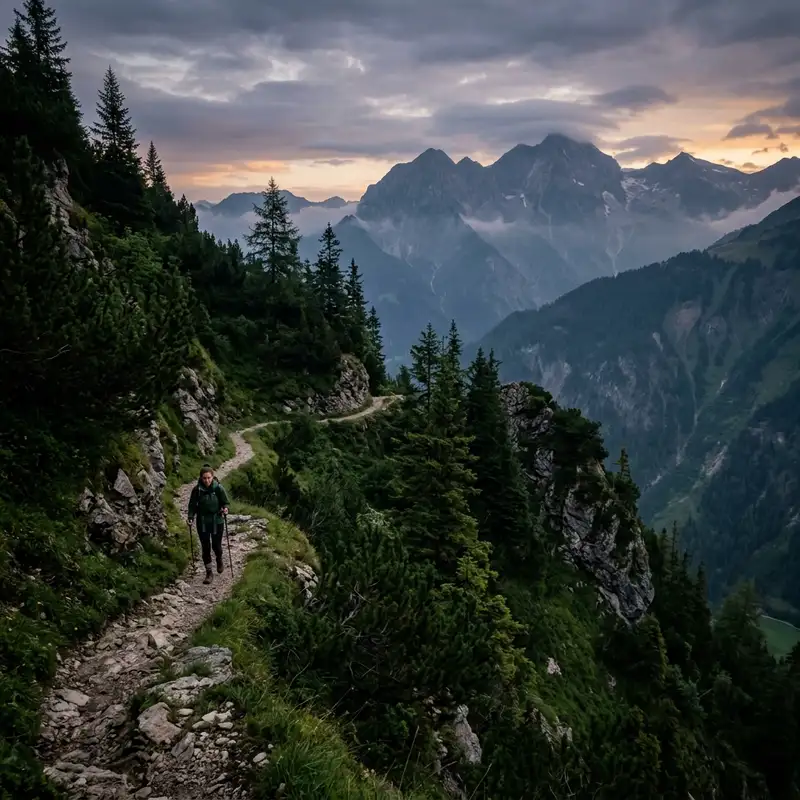
"Whispers in the White Gold Mountains: Tracing Austria's Forgotten Salt Smugglers" The taste wasn't on my tongue, but in the air itself – a subtle, #ancient minerality that seemed to cling to the damp rock faces of the Salzkammergut. It wasn't the sharp tang of the sea, nor the clean bite of a fresh Alpine breeze. This was something else, something primal and deeply rooted, a ghost of an industry that built empires and fueled clandestine journeys through these very mountains. For years, I’ve trekked across continents, seeking out the edges of the map, the stories untold, the cultures teetering on the brink of obscurity. But few quests have pulled at me with the same quiet, insistent gravity as the one that led me here, to the forgotten high passes and shadowed valleys of Austria, in search of what locals sometimes still refer to as the Schattenwanderer – the Shadow Walkers. My obsession began not with a grand discovery, but with a footnote. Buried deep within a dusty, century-old ethnographic text about Alpine folk traditions, a single paragraph spoke of a network of illicit salt trails, secret routes used by daring men and women to bypass the rigid salt monopolies of the Habsburg #empire. These weren't the famed salt mines of Hallstatt, whose #history is rightly celebrated. No, these were the arteries of a black market, pathways etched by desperation and ingenuity, connecting remote hamlets and mountain hideaways. It was a narrative of economic survival against overwhelming odds, a tale of ordinary people transformed into daring outlaws by the sheer necessity of survival. The idea that such an intricate, hidden world existed beneath the polished veneer of Austria’s postcard-perfect landscapes was irresistible. I had to find it. The Genesis of White Gold: Beyond the Famous Mines Salt, in bygone eras, was more than a condiment; it was currency, a preservative, a political tool, and a source of immense power. The Salzkammergut region of Austria, with its dramatic lakes and towering peaks, sits atop some of the richest salt deposits in Europe. For millennia, from the Bronze Age Celts to the mighty Habsburgs, this 'white gold' fueled prosperity. Hallstatt, a #UNESCO World Heritage site, is perhaps the most famous testament to this legacy, boasting the world's oldest salt mine, a place where humans have extracted salt for over 7,000 years. Its history is a well-trodden path for tourists, and rightly so. But my #journey was not about the official narrative, the sanctioned industry. It was about the periphery, the cracks in the system, the ingenious ways people resisted control. The salt monopoly, especially under the Habsburgs, was absolute and lucrative. Salt was produced and sold by the state, often at exorbitant prices. For remote farming communities, geographically isolated and often impoverished, accessing affordable salt – essential for preserving meat, flavoring food, and even for their livestock – was a constant struggle. This economic squeeze created the perfect breeding ground for Salzschmuggler – salt smugglers. They weren't criminals in the common sense, but often respected members of their communities, driven by a primal need to provide for their families. Their routes skirted official checkpoints, traversed treacherous glaciers and hidden ravines, and often involved intricate systems of lookouts and coded messages. It was a clandestine world, woven into the very fabric of Alpine life, yet deliberately erased from mainstream history. My initial research was frustratingly vague. Local archives held scant records – authorities were more interested in catching smugglers than documenting their methods or routes. Oral histories were fragmented, whispered fragments from elderly villagers whose grandparents had hinted at such activities. But the mountains themselves, I believed, held the truest archives. The barely visible paths, the weathered markers, the strategically placed ruins of forgotten shelters – these were the breadcrumbs I sought. Echoes in the Peaks: The Shadow Paths of the Schattenwanderer My quest began in Bad Ischl, a town famed for its imperial connections, yet nestled at the heart of the Salzkammergut. From there, I ventured into smaller, lesser-known valleys – Gosau, Abtenau, the remote corners of the Dachstein region. It quickly became clear that these weren't simple, straightforward trails. They were often animal tracks, old shepherd's paths, or routes deliberately chosen for their difficulty and invisibility. They snaked up near-vertical rock faces, traversed icy scree slopes, and plunged through dense, sunless forests where the trees grew so thick, it felt like walking through the belly of a beast. Imagine the Schattenwanderer – often solitary, sometimes in small, tight-knit groups – carrying sacks of precious, illicit salt, sometimes weighing over 50 kilograms. They moved under the cloak of darkness, by moonlight or the faint glow of a storm lantern, their only companions the howling wind and the rustling of unseen creatures. Their attire would have been simple woolens, leather boots worn smooth from countless ascents and descents, their faces weathered and etched with a mix of defiance and weariness. They knew every rock, every crevice, every shift in the mountain's mood. A sudden storm, a wrong step, or the unexpected patrol of a Salzaufseher (salt warden) could mean the difference between a successful run and a frozen grave, or worse, imprisonment and a harsh sentence. I spent days, then weeks, retracing what I believed to be segments of these trails. Guided by subtle topographical clues, vague descriptions from old maps that were not salt maps but general regional surveys (and thus overlooked by officialdom), and the occasional, almost accidental discovery of an old, hand-carved way marker, I slowly began to piece together a fragmented network. One particular section, a perilously narrow path winding along a sheer cliff face high above the Gosausee, known locally as the 'Teufelsleiter' (Devil's Ladder), offered a visceral understanding of the risks. It was a path that demanded absolute focus, one misstep a plunge into the turquoise depths below. Why would anyone choose such a route? Only if the alternative – capture – was far worse. Life Under the Salt’s Shadow: Villages and Vigilantes The impact of the salt monopoly and the subsequent smuggling rings permeated every aspect of village life. Farmers often doubled as smugglers, their agrarian rhythms providing cover for nocturnal expeditions. Innkeepers might offer clandestine rooms for exhausted Schattenwanderer or act as middlemen for the 'white gold'. Even local priests might turn a blind eye, understanding the desperation of their flock. This wasn't a world of clear-cut good and evil; it was a complex tapestry of survival. In one tiny hamlet, nestled in a valley that time seemed to have forgotten, I met an elderly woodcarver named Franz. His family had lived in the region for generations, and his great-grandfather, he admitted with a twinkle in his eye, "knew the mountains like the back of his hand, especially at night." Franz spoke of secret signals – a specific birdsong, a light flickered thrice from a distant peak – used to warn of approaching wardens. He described hidden caches where salt could be stored, often natural caves or cleverly disguised hollows in ancient trees. He even showed me a curious, rough-hewn wooden tool, almost like a small grappling hook, used, he said, to scale difficult rock faces or aid in carrying sacks over treacherous terrain. This was the first tangible artifact I’d seen related to the Schattenwanderer, a silent testament to their ingenuity.The salt wardens themselves, the Salzaufseher, were often local men, caught between duty and community. Their task was unenviable: to enforce the emperor's law against their own neighbors. Stories abound of cat-and-mouse chases across the mountains, of cunning evasions and narrow escapes. But also of quiet understandings, of wardens who, perhaps, took a little too long to check a certain path, or whose eyesight was a little less sharp on a moonless night, allowing a weary Schattenwanderer to slip through. The line between hunter and hunted was often blurred by shared hardship and a deep understanding of the mountains. I also learned about the ingenious ways salt was disguised. Sometimes it was pressed into cakes and hidden within bales of hay or timber. Other times, it was dissolved in water, transported in barrels ostensibly filled with wine or water, and then recrystallized later. The creativity born out of necessity was astounding, a testament to the human spirit's ability to adapt and overcome. These were not merely acts of defiance; they were acts of economic rebellion, a silent war waged by the common folk against an oppressive system. A Modern Day Pilgrimage: My Journey into the Past My personal journey tracing these phantom trails became a meditative, often grueling, pilgrimage. It wasn't about covering vast distances at speed, but about slowing down, observing, and listening to the whispers of the past. I spent nights in remote, simple mountain huts, the kind accessible only by foot, where the only sounds were the wind and the distant chime of cowbells. I drank from icy glacial streams, feeling a connection to those who had relied on these same waters centuries ago. One particularly poignant moment came on a high pass between the Wolfgangsee and the Postalm, a route Franz had vaguely described as "a shortcut, but only if you knew the stones." The path was barely discernible, overgrown with alpine flora, but occasionally, I’d spot a pile of stones that felt deliberately placed, not natural. As I paused, catching my breath, a profound sense of respect washed over me. I wasn't just walking a trail; I was walking through history, stepping in the very footsteps of desperate men and women. The physical exertion – the burning lungs, the aching muscles – wasn't a deterrent, but a bridge, connecting me to their struggles. It stripped away the comfortable veneer of modern #travel and left me with a raw, authentic appreciation for their resilience. I learned to read the landscape in a new way: not just for beauty, but for clues. A subtly flattened patch of earth might have been a temporary camp. A cluster of ancient larches might have offered cover for a quick rest. The mountains, with their stoic silence, held countless secrets, patiently waiting for someone to observe, to listen. The crisp, clean air that filled my lungs felt imbued with stories, with the echoes of hushed conversations, the scrape of leather boots on rock, the hurried beat of desperate hearts. This wasn't a journey of grand archaeological digs or spectacular ruins. It was a journey of inference, of piecing together fragments, of imagining the lives lived on these harsh, #beautiful slopes. It taught me the value of unwritten history, the narratives that exist outside official records, preserved instead in the land itself and in the collective memory of a people. The Taste of History: Preserving the White Gold's Legacy Today, the salt monopoly is long gone, and the Schattenwanderer are ghosts in the annals of local folklore. The mines are tourist attractions, and salt is a commonplace grocery item. Yet, the legacy of these hidden trails and the people who trod them remains vital. It's a reminder that history isn't just about kings and battles, but about the everyday struggles of ordinary people, their resourcefulness, and their quiet defiance. My expedition revealed that while the specific routes are largely forgotten, some elements of the Schattenwanderer spirit persist. In remote Alpine huts, I still found hearty, heavily salted dishes – a nod to the past, perhaps. In the direct, resilient gaze of the mountain folk, I saw glimmers of the independence and fortitude that must have defined their smuggling ancestors. There's a subtle pride in their voices when they speak of their family's deep roots in the mountains, a hint of unspoken knowledge about what their forefathers truly did. For me, this journey was a profound lesson in perspective. It underscored the fact that true exploration isn't always about venturing to the farthest corners of the earth, but sometimes about looking closer, digging deeper into the familiar, and uncovering the hidden layers beneath. The Austrian Alps, so often celebrated for their majestic beauty and winter sports, hold another, quieter narrative – one of human struggle, ingenuity, and a defiant spirit, etched in rock and carried on the wind. To walk these hidden salt trails is to engage in an act of historical empathy, to imagine the cold sweat, the burning muscles, the constant fear of discovery, and the profound relief of a successful run. It's to appreciate the simple value of a commodity we now take for granted, and to honor the memory of those who risked everything for a pinch of white gold. The whispers in the mountains are fading, but for those willing to listen, the stories of the Schattenwanderer still resonate, a powerful echo of a past that shaped the very soul of these magnificent Alps. #AustriaTravel #HiddenGems #SaltTrails #EuropeanHistory #AdventureTravel