Showing Posts From
Hiddentreasures
-
 Emily Page
 - 30 Jun, 2026 10:48
The Invisible Canvas: Unearthing the Secret Art of Fore-Edge Painting in Antique Books
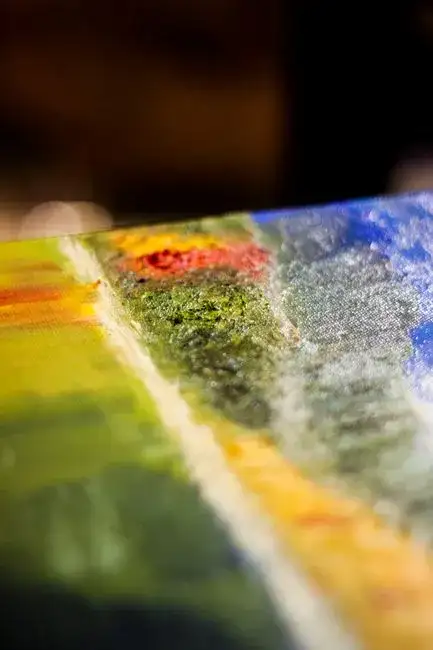
Imagine holding an unassuming volume, its leather binding weathered by centuries, its pages whispering forgotten tales. It might be a classic, a historical account, or a forgotten poem. You run your fingers along its gilded edges, a testament to its former glory. But what if, within this very object, a secret world lay concealed, waiting only for a subtle movement, a gentle touch, to reveal itself? This isn't the stuff of fantasy novels, but the extraordinary reality of fore-edge painting – a sublime and often overlooked art form that transforms the humble book into a clandestine gallery, holding intricate scenes visible only when its pages are fanned just so. In an age saturated with digital content, where texts are weightless pixels on a screen, the allure of the physical book endures, primarily because it is an object with a #history, a texture, and a tangible presence. Fore-edge painting elevates this appreciation to an entirely new dimension, treating the book not merely as a vessel for words, but as a three-dimensional canvas for hidden artistry. It’s an art that demands intimacy, a deliberate act of engagement from the reader to unlock its concealed beauty. To truly appreciate it is to participate in a centuries-old tradition of quiet revelation, a secret shared between artist, book, and discoverer. The Whispers of History: Origins and Evolution The history of fore-edge painting is as intricate and layered as the artworks themselves, intertwining with the broader narrative of bookbinding and artistic patronage. While evidence suggests very early forms of decoration on the cut edges of book blocks existed as far back as the 10th century – typically geometric patterns or heraldic devices – the true art of fore-edge painting, where a scene appears only when the pages are splayed, began to flourish in England in the mid-17th century. Early examples were often simple, almost embryonic, compared to the elaborate works that would follow. It is believed that the practice evolved from the technique of painting designs directly onto the flat, closed edge, which would then be covered by gilding. Over time, binders and artists discovered that by fanning the leaves at an angle and applying paint sparingly, a more complex image could be created that would disappear when the book was closed, hidden beneath a shimmering layer of gold. This innovation marked a profound shift: the edges were no longer just decorative; they became an active participant in an optical illusion. The 18th century saw the technique gain considerable traction, particularly in England, becoming a coveted embellishment for luxury editions. The art reached its zenith in the late 18th and early 19th centuries, the Georgian and Victorian eras, primarily attributed to the meticulous work of artisans associated with pioneering London booksellers and binders like Edwards of Halifax. Joseph and James Edwards, in particular, are credited with perfecting the art and popularizing it among the gentry and royalty. Their books, often bound in elegant tree calf or smooth calfskin, housed landscapes, portraits, allegories, and historical scenes that mirrored the tastes and interests of their elite clientele. This period was characterized by a surge in demand for bespoke and unique items. A fore-edge painting was not just an artistic addition; it was a statement of wealth, #culture, and a penchant for the exquisite. It offered a discreet form of personal expression, a private pleasure that could be revealed at will, adding an almost performative element to the act of presenting or reading a book. The Unseen Hand: The Meticulous Craft To speak of fore-edge painting is to marvel at a confluence of precision, patience, and a profound understanding of the book's physical properties. The process is astonishingly delicate and demanding, a testament to the artisan's skill. It begins not with a blank canvas, but with a completed, bound book. The key to the illusion lies in fanning the pages at a specific, acute angle and clamping them firmly in this splayed position. This creates a minute, undulating surface composed of thousands of individual page edges, forming a continuous, albeit textured, canvas. It is on this microscopic landscape that the artist carefully applies watercolours or gouache. The paints must be thin enough to avoid seeping into the individual pages, yet vibrant enough to create a discernible image.The artist must possess an almost uncanny ability to visualize the final image, understanding how the painting will coalesce when viewed from the correct angle and, crucially, how it will utterly vanish when the pages are relaxed. This requires a unique spatial awareness, working on a surface that is both flat and curved, continuous yet composed of discrete elements. Each stroke is a calculated risk, a testament to steady hands and an unwavering gaze. Once the painting is complete and thoroughly dry, the clamps are removed, and the book's pages fall back into their natural, flush position. The final, magical step is often the application of gold leaf or other decorative finishes to the now-closed edge. This gilding serves a dual purpose: it protects the delicate painting beneath from dust and moisture, and, more importantly, it acts as the perfect disguise, creating an opulent, solid surface that betrays no hint of the vibrant scene hidden within. Only by fanning the pages will the gold "break" to reveal the secret. The choice of subjects was wide-ranging, from idyllic landscapes, bustling cityscapes, and portraits of historical figures, to ships at sea, hunting scenes, and even classical mythology. Often, the theme of the fore-edge painting would relate thematically to the content of the book itself, adding another layer of subtle commentary or visual interpretation. The Allure of Secrecy: Why Hide Art? The enduring fascination with fore-edge painting extends beyond its technical brilliance; it delves into the human penchant for discovery, for the secret and the sublime. Why would someone commission such a detailed, painstaking artwork only for it to be largely unseen? The reasons are multifaceted and speak to various aspects of human #nature and cultural values. Firstly, there is the element of surprise and delight. Imagine presenting a guest with a beautifully bound book, only to subtly fan its pages and reveal a breathtaking miniature landscape. It's a moment of shared wonder, an intimate revelation that transforms a mundane object into a magical one. It transforms the act of viewing from passive observation to active engagement. Secondly, fore-edge paintings were often a symbol of personal expression and privacy. In an era where books were highly valued personal possessions, a hidden painting could reflect the owner's inner world, their passions, or even serve as a private memento. It was art enjoyed on one's own terms, not for public display, but for personal contemplation or shared only with a select few. This sense of exclusivity made them particularly appealing to collectors and connoisseurs. Thirdly, they represented an extreme form of craftsmanship and luxury. To create such an artwork required significant time, skill, and therefore expense. Owning a fore-edge painted book was a clear indicator of status and wealth, a subtle flex that spoke volumes without uttering a word. It demonstrated an appreciation for the highest echelons of artistic and artisanal endeavor. Finally, there's a certain poetic irony to the concept itself. The book, a traditional symbol of knowledge and revelation, becomes a repository of secrets. The very act of reading, of opening pages to uncover meaning, is paralleled by the physical act of fanning them to reveal a hidden image. It subtly reinforces the idea that true beauty and depth often lie beneath the surface, waiting to be unearthed by those willing to look closer. Treasures Unveiled: Notable Collections and Modern Continuations Fore-edge paintings are, by their very nature, rare and delicate. Due to their age and the specific conditions required for their preservation, they are most commonly found in institutional collections and the libraries of serious antiquarian book collectors. Esteemed institutions such as the British Library, the Boston Public Library, and the Library of Congress house magnificent examples that span centuries and artistic styles, offering glimpses into this unique tradition. These collections often feature works from the Golden Age of fore-edge painting, showcasing the peak of its artistry and complexity. Viewing these books in person is a privileged experience, often requiring special handling. Conservators and curators meticulously care for these treasures, understanding their fragility and the unique challenges they present. The greatest threat to a fore-edge painting, ironically, is its discovery – repeated fanning and handling can degrade the delicate paint and even the gilded surface that protects it.While the heyday of fore-edge painting passed with the decline of elaborate hand-binding traditions, the art form has never truly died. There are contemporary artists and binders who continue to practice this intricate craft, often using modern materials and techniques while upholding the historical integrity of the art. These modern practitioners face the challenge of both honoring tradition and injecting new life into the form, perhaps with contemporary subjects or new approaches to the illusion. They ensure that the legacy of fore-edge painting continues, fascinating new generations with its quiet magic. The revival of interest in artisanal crafts and the unique qualities of physical books, spurred by a digital world, also contributes to the ongoing appreciation of fore-edge painting. It serves as a reminder that the book is not merely a utilitarian object, but an artifact of culture, history, and art, capable of holding far more than just words between its covers. Beyond the Visible: The Philosophy of Hidden Beauty The allure of fore-edge painting goes beyond mere aesthetics or technical prowess. It taps into a deeper philosophical appreciation for hidden beauty, for the rewards of close inspection and the subtle delight of discovery. In a world that often prizes immediate gratification and overt display, fore-edge painting champions patience, intimacy, and the quiet satisfaction of unlocking a secret. It teaches us to look beyond the obvious, to question what might lie beneath a seemingly uniform surface. It reminds us that books, like people, often hold layers of complexity, untold stories, and hidden depths that only reveal themselves to those who take the time to truly engage. The gilded edge, initially perceived as merely ornamental, becomes a veil, a guardian of a miniature world that challenges our preconceptions about what a book can be. This art form encourages a more mindful interaction with objects. It transforms the act of holding a book from a purely utilitarian function to a moment of quiet contemplation, a tactile #journey into an unexpected dimension. It imbues the book with a sense of wonder, making each volume a potential treasure chest, waiting for its unique key—the gentle fanning of its pages—to unlock its most enchanting secret. In a literary landscape increasingly dominated by fleeting digital experiences, the fore-edge painted book stands as a defiant testament to the enduring power of the physical, the tangible, and the profoundly personal. It is a whispered secret from the past, an invitation to slow down, to observe, and to rediscover the magic that can be found in the most unexpected places—even within the very edges of a book.#ForeEdgePainting #HiddenBookArt #AntiquarianBooks #BookCollecting #EmilyPage Related InsightsWell Versed (Well Met, #5) Book Review and Summary Interview with the Vampire Book Review and Summary False Value Book Review and Summary{ "@context": "https://schema.org", "@type": "FAQPage", "mainEntity": [ { "@type": "Question", "name": "What is the main focus of The Invisible Canvas: Unearthing the Secret Art of Fore-Edge Painting in Antique Books?", "acceptedAnswer": { "@type": "Answer", "text": "Dive into the clandestine world of fore-edge painting, an exquisite art form where detailed scenes are meticulously hidden on the fanned edges of antique books, waiting to be discovered." } }, { "@type": "Question", "name": "Who authored the comprehensive guide on The Invisible Canvas: Unearthing the Secret Art of Fore-Edge Painting in Antique Books?", "acceptedAnswer": { "@type": "Answer", "text": "This detailed article and its insights were carefully researched and authored by Emily Page." } }, { "@type": "Question", "name": "Where can I find more related content about Books?", "acceptedAnswer": { "@type": "Answer", "text": "You can explore more articles, detailed reviews, and similar insights by browsing the Related Insights section at the bottom of this article or visiting our dedicated Books category page." } } ] }