Showing Posts From
Highlands
-
 Zola Ndlovu
 - 16 Jul, 2026 18:49
Unraveling the Mystical Scottish Highlands: Where Ancient Legends Meet Breathtaking Landscapes
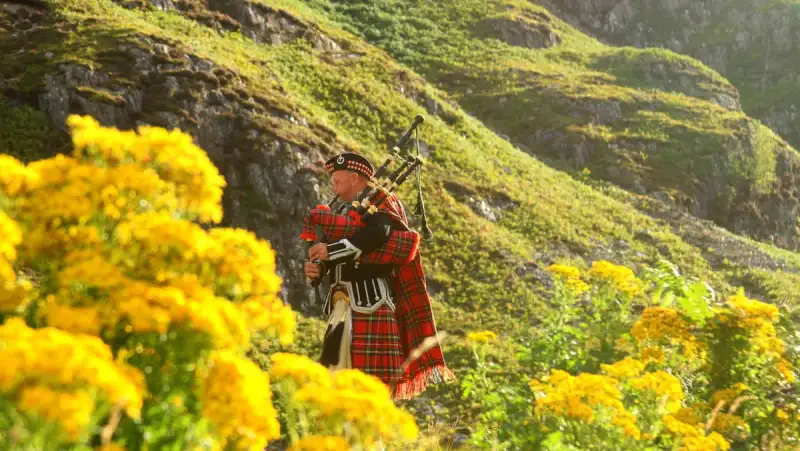
The Scottish Highlands: Myths, Lochs, and Ancient Clans Introduction The Scottish Highlands are a land where mist clings to the peaks of ancient mountains, where the wind carries whispers of clans long forgotten, and where the waters of lochs shimmer under a sky so vast it feels like the edge of the world. This is a place where history is not just remembered—it is felt in the very stones beneath your feet and the legends that echo through the glens. For centuries, the Highlands have been a magnet for adventurers, historians, and dreamers alike, offering a raw, untamed beauty that modern life often lacks. Whether you're drawn by the call of the wild, the allure of ancient mysteries, or the promise of a slower, more meaningful way of life, the Highlands deliver an experience unlike any other. But beyond the romance of tartan and bagpipes lies a region that is also embracing the future. With the introduction of Scotland’s Digital Nomad Visa, the Highlands are becoming a sanctuary for remote workers seeking inspiration in its rugged landscapes. Imagine trading the hum of a city office for the quiet rustle of pine trees, or swapping a coffee shop for a lochside coworking space with WiFi as reliable as the Highland breeze. Affordable living, breathtaking scenery, and a thriving remote work community are making the Highlands a hidden gem for digital nomads. In this article, we’ll explore the myths that shape the Highlands’ identity, the lochs that cradle its secrets, and the clans whose legacy still lingers in the air. We’ll also uncover how you can live and work in this magical region without breaking the bank.The Enigmatic Myths of the Scottish Highlands The Scottish Highlands are steeped in folklore that has been passed down through generations, each tale adding a layer of mystery to the landscape. These myths are not mere stories—they are the heartbeat of the region, shaping its culture and identity. One of the most enduring legends is that of the Selkies, mythical creatures said to be seals that shed their skins to become human on land. In coastal villages like Plockton, locals still speak of selkies emerging from the sea at dusk, their melancholic songs echoing across the water. The tale of the Blue Men of the Minch is another chilling story, where these aquatic beings are said to challenge sailors to rhyming contests, drowning those who fail to match their wit. These myths are more than entertainment; they are a reflection of the Highlands’ deep connection to the sea and the unpredictable forces of nature. Then there’s the legend of the Each-Uisge, a deadly water horse that lures unsuspecting travelers onto its back before dragging them into the depths. This myth serves as a cautionary tale, warning of the dangers lurking in the Highlands’ deceptively calm lochs and rivers. Even the standing stones of places like Callanish on the Isle of Lewis are said to hum with ancient power, their alignment with celestial events hinting at a lost understanding of astronomy. These myths are not confined to the past; they are alive in the present, with festivals like the Up Helly Aa in Shetland celebrating Viking heritage through fire and folklore. For those who visit, these stories offer a gateway into the Highlands’ soul, where every glen and peak has a tale to tell.For modern-day explorers, engaging with these myths is as simple as visiting the sites where they originated. The Clava Cairns near Inverness, for example, are Bronze Age burial chambers that feel eerily connected to the otherworldly tales of the Highlands. Guided folklore tours, such as those offered in the Cairngorms National Park, provide deeper insights into these legends, often led by locals who grew up hearing the stories. Whether you’re a skeptic or a believer, the myths of the Highlands add a layer of magic to any visit, making the region feel like a living storybook.Lochs: The Jewels of the Highlands and Their Hidden Secrets The Highlands are home to over 31,000 freshwater lochs, each one a mirror to the sky and a keeper of secrets. These lochs are not just bodies of water; they are the lifeblood of the region, shaping its geography, ecology, and even its mythology. The most famous of these is Loch Ness, a deep, dark expanse of water that has captivated the world with tales of the elusive Nessie, the Loch Ness Monster. While scientific evidence for Nessie remains elusive, the loch itself is a marvel, plunging to depths of 230 meters and holding more water than all the lakes in England and Wales combined. Sonar scans have revealed underwater caves and geological formations that add to the loch’s mystique, making it a must-visit for anyone exploring the Highlands. Beyond Loch Ness, other lochs hold their own allure. Loch Lomond, the largest freshwater loch in Great Britain by surface area, is a playground for outdoor enthusiasts, offering kayaking, hiking, and even island-hopping adventures. Its southern shores are dotted with charming villages like Luss, where cottages with slate roofs and flower-filled gardens create a postcard-perfect scene. Meanwhile, Loch Maree in Wester Ross is renowned for its crystal-clear waters and the Isle Maree, an island that was once a sacred site for ancient Celts. According to legend, the loch’s waters have healing properties, and its trees are said to be home to fairies. The loch’s isolation and untouched beauty make it a sanctuary for wildlife, including rare birds like the black-throated diver.For those seeking a deeper connection to the Highlands’ natural wonders, loch-hopping is an unforgettable experience. The North Coast 500 road trip, often called Scotland’s answer to Route 66, winds past some of the most stunning lochs in the country, including Loch Eriboll and Loch Laxford. Each loch has its own character—some are calm and reflective, while others are wild and windswept, their surfaces whipped into froth by the Atlantic winds. Kayaking on these lochs offers a unique perspective, allowing you to glide silently across the water and witness the Highlands’ wildlife up close, from otters to golden eagles. Whether you’re paddling at dawn or watching the sunset paint the loch in hues of gold and pink, these experiences are a reminder of why the Highlands are so revered.The Ancient Clans: Legacy of the Highlands’ Warrior Spirit The Scottish Highlands were once the domain of powerful clans, each with its own tartan, crest, and fierce loyalty to its chief. These clans shaped the region’s history, from the battles of the Jacobite risings to the everyday lives of Highlanders who lived off the land. The Clan MacLeod, for example, has its roots on the Isle of Skye, where the ruins of Dunvegan Castle still stand as a testament to their power. The castle’s Fairy Flag, a mysterious silk banner said to possess magical properties, is one of its most prized possessions, embodying the clan’s deep connection to folklore and superstition. Meanwhile, the Clan Campbell, one of the most influential clans in Scottish history, played a pivotal role in the suppression of the Jacobites and the forging of modern Scotland. Their stronghold, Inveraray Castle, is a grand estate that offers a glimpse into the opulence and politics of clan life. The legacy of the clans is not confined to history books; it lives on in the Highlands’ culture and traditions. The Gathering of the Clans at Culloden Battlefield is a poignant reminder of the Jacobite defeat in 1746, where the clans’ hopes for a Stuart restoration were crushed. Today, the battlefield is a place of reflection, with memorials to the fallen and exhibits that tell the story of the clans’ struggle. Tartan, the fabric woven into the identity of each clan, is still worn with pride at Highland games and festivals. Events like the Braemar Gathering bring together pipers, dancers, and athletes in a celebration of Highland culture, where the past feels alive in every note of the bagpipes and every step of the Highland dance.For those eager to trace their own clan heritage, the Highlands offer numerous resources. The Highland Clan Center in Newtonmore provides genealogy workshops and access to clan records, while local historians in places like Fort William and Inverness can help piece together family histories. Many clans also hold regular gatherings, known as ceilidhs, where descendants come together to share stories, music, and food. These events are a chance to connect with the past while enjoying the warmth of Highland hospitality. Whether you have Highland blood or simply admire the clans’ legacy, exploring their history is a journey into the heart of what makes the Highlands so special.Living and Working in the Highlands: A Digital Nomad’s Paradise The Scottish Highlands are no longer just a destination for hikers and history buffs—they’re also becoming a haven for digital nomads. With the introduction of Scotland’s Digital Nomad Visa, remote workers can now live and work in the Highlands while immersing themselves in its breathtaking landscapes. This visa, designed for freelancers and employees of overseas companies, allows stays of up to six months, giving nomads ample time to explore the region’s hidden gems. The Highlands offer a unique blend of affordability, natural beauty, and a growing remote work community, making it an ideal base for those seeking a slower pace of life without sacrificing connectivity. One of the biggest draws for digital nomads is the cost of living. Compared to major cities like Edinburgh or Glasgow, towns in the Highlands offer significantly lower rents. For example, a one-bedroom apartment in Inverness, the Highlands’ largest city, averages around £600 per month, while smaller towns like Fort William or Ullapool can be even more affordable, with options as low as £400 per month. Coworking spaces are also on the rise, with venues like The Hub in Inverness and The Lighthouse in Fort William providing high-speed internet and a collaborative environment. These spaces often overlook lochs or mountains, turning the daily grind into an inspiring experience. For those who prefer a more nomadic lifestyle, glamping sites like EcoVilla in the Cairngorms offer fully equipped cabins with WiFi, allowing you to wake up to panoramic views of the Highlands.The Highlands’ remote work scene is still in its early stages, but it’s growing rapidly. Facebook groups like Digital Nomads Scotland and Remote Workers Highlands are great places to connect with like-minded individuals, share tips, and even find roommates. Local cafes, such as The Black Isle Bar in Inverness or The Mountain Café in Aviemore, are popular spots for freelancers, offering strong coffee and a welcoming atmosphere. For those who crave a change of scenery, coffee shops with a view like The Bothy in Plockton provide a serene setting to tackle your to-do list. The Highlands also host regular meetups and workshops, from coding retreats to photography tours, ensuring that nomads can balance work with exploration.Practical Guide: How to Embrace the Highlands as a Digital Nomad 1. Choosing Your Base: Towns vs. Villages The Highlands offer a range of living options, from vibrant towns to remote villages. Inverness is the largest city in the region, with all the amenities of urban life, including supermarkets, hospitals, and a thriving arts scene. It’s ideal for nomads who want a balance of convenience and nature. Fort William, known as the "Outdoor Capital of the UK," is perfect for adventure seekers, with easy access to hiking, skiing, and mountain biking. For those seeking solitude, villages like Applecross or Shieldaig offer a slower pace of life, with stunning coastal views and a tight-knit community. Each location has its own charm, so consider your priorities—whether it’s proximity to nature, social opportunities, or cost of living—when choosing your base. 2. Transportation: Getting Around the Highlands The Highlands are vast, and public transportation can be limited, so having your own vehicle is highly recommended. Renting a car gives you the freedom to explore at your own pace, whether it’s driving the North Coast 500 or taking a detour to a secluded loch. For those who prefer not to drive, buses and trains connect major towns, with services like the Jacobite Steam Train (famous for its Hogwarts Express route) offering a scenic way to travel. Biking is also an option, with routes like the Caledonian Canal providing a flat and picturesque path for cyclists. If you’re staying in a village, consider carpooling with locals or using community transport schemes, which are becoming more common in rural areas. 3. Work-Life Balance: Making the Most of Your Time The Highlands are a playground for outdoor activities, so it’s easy to fall into the trap of overworking and missing out on the region’s beauty. To maintain a healthy work-life balance, set a schedule that includes time for exploration. Many nomads find that working in the mornings and spending afternoons hiking or kayaking keeps them energized and inspired. Joining local clubs or classes, such as pottery workshops in Plockton or Gaelic language courses in Stornoway, can also help you integrate into the community and make the most of your time. Additionally, take advantage of the Highlands’ dark sky parks, where you can stargaze without light pollution—an experience that’s both humbling and rejuvenating. 4. Budgeting: Cost of Living Breakdown To give you a realistic idea of what to expect, here’s a breakdown of monthly expenses for a digital nomad living in the Highlands:Expense Category Inverness (£) Fort William (£) Small Village (£)Rent (1-bed apartment) 600 550 400Groceries 200 200 180Coworking Space 100 80 N/AEating Out 150 120 100Transportation 100 120 80Utilities 100 90 80Miscellaneous 150 140 100Total 1,400 1,300 1,040Notes: Prices are approximate and can vary based on season and personal lifestyle. Rent in smaller villages may include utilities.5. Legal and Visa Considerations To live and work in the Highlands as a digital nomad, you’ll need to apply for Scotland’s Digital Nomad Visa. This visa allows you to stay for up to six months and is open to freelancers, remote employees, and business owners. Requirements include proof of income (typically around £2,500 per month), travel insurance, and a clean criminal record. Once approved, you’ll need to register with the local council if staying longer than three months. It’s also wise to familiarize yourself with UK tax laws, especially if you plan to stay beyond the visa’s duration. Consulting with an immigration lawyer or using resources like the UK Government’s official website can help ensure a smooth process.Conclusion The Scottish Highlands are more than just a destination—they are an experience that lingers long after you’ve left. Whether you’re drawn by the allure of ancient myths, the tranquility of its lochs, the legacy of its clans, or the promise of a slower, more connected way of life, the Highlands have a way of capturing your heart. For digital nomads, this rugged paradise offers the perfect blend of affordability, natural beauty, and a growing remote work community, making it an ideal place to live and work. The region’s ability to balance tradition with modernity is what sets it apart, allowing you to walk in the footsteps of clans while still enjoying the comforts of the 21st century. As you plan your journey, remember that the Highlands reward those who take their time. Whether it’s lingering by a loch at sunrise, striking up a conversation with a local in a village pub, or simply letting the silence of the glens wash over you, these moments are what make the Highlands unforgettable. The region’s magic isn’t something you can rush—it’s something you feel, deep in your bones. So pack your bags, bring your laptop, and prepare to be enchanted. For those ready to take the leap, the Highlands are waiting. And who knows? You might just find that the myths, the lochs, and the clans were waiting for you all along.#DigitalNomadLife #ScottishHighlands #RemoteWorkAdventure #LiveAbroadUK #HighlandExplorer