Showing Posts From
Historical
-
 Emma Thompson
 - 12 Aug, 2026 06:01
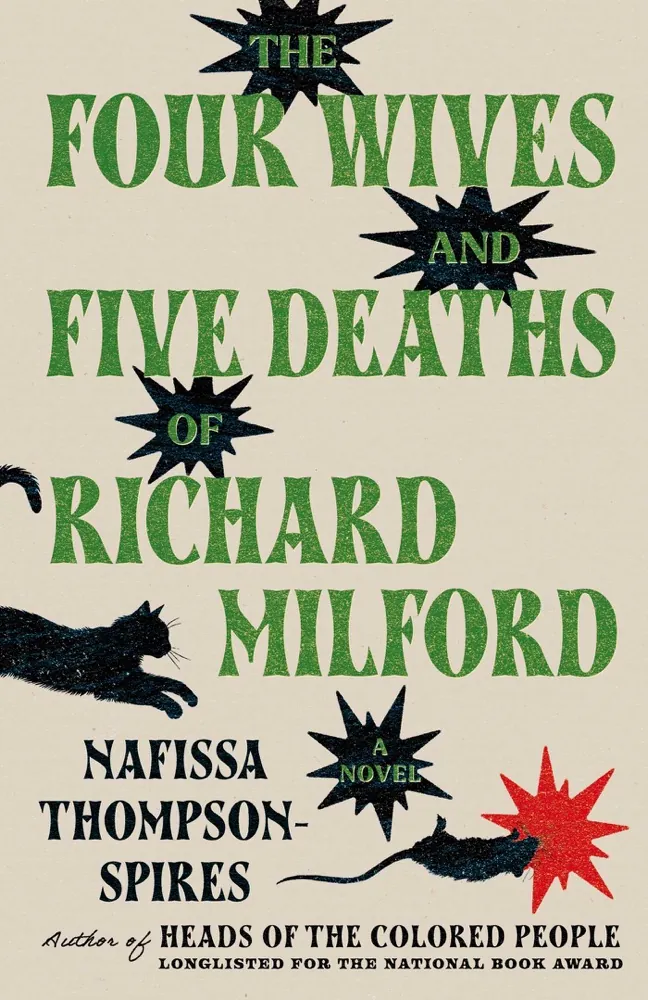
The Four Wives and Five Deaths of Richard Milford Book Review and Summary
Author: Nafissa Thompson-SpiresPage Count: UnknownPublication Date: Expected publication 2026-10-06 APL Morning light hits the third-edition Gatsby on the mahogany table just right. Silence, save for the hum of the vintage brass floor fan and the quiet settling of four thousand rare volumes against cedar walls. The stack of upcoming releases is mostly dreck, naturally. Yet Nafissa Thompson-Spires commands a different kind of attention. Heads of the Colored People proved she possesses the razor-sharp social friction missing from ninety percent of modern fiction. Now we face The Four Wives and Five Deaths of Richard Milford. Anatomy of a Bootlegger’s Demise Oklahoma, 1920s. A dead moonshiner. Four widows. A town choking on its own unreliable mythology. It has the distinct energy of the Grey Gardens documentary spliced with peak Fargo, minus the snow. And the premise practically dares the reader to care about the truth while gleefully burning the concept to the ground. Thompson-Spires structures this narrative circus around a lineup of suspects whose testimonies dismantle historical certainty before page fifty. This is not historical fiction designed to soothe the Sunday Times demographic. This is a literary hand grenade lobbed directly into the parlor of comfortable Americana. Capitalism run amok, cults of personality, and the rot of foundational mythologies—themes that usually yield leaden, self-important prose. But Thompson-Spires wields humor like a stiletto. She tracks the collision between the old-fashioned stranglehold of regional power and the desperate, newfangled greed of the interwar period. The structural conceit of a "stupefying line dance" suggests a rhythm that is dizzying, discordant, and deliberately unsettling. The Art of the Unreliable Chorus Look closely at the suspects. Lally, Sophronia, Georgette, Vivianne. Four perspectives carving up one corpse like vultures at a gallery opening. Readers obsessed with neat resolutions will loathe this. Good. Art should alienate the unimaginative. The synopsis itself shrugs at the actual whodunit, focusing instead on the cacophony of a small town telling wildly divergent lies about its favorite dead monster. Truth becomes a stylistic choice. Compare this aesthetic ambition to the flat, clinical misery porn dominating contemporary fiction lists right now. While others manufacture trauma for the Booker committee, Thompson-Spires examines the absurdity of power with the detached malice of a seventeenth-century Dutch portraitist. We are promised an electric dissection of societal distrust. If the execution matches the ambition of her previous collection, we are in for a ruthless masterclass. The real question remains whether a modern readership raised on true-crime podcasts and hyper-literal storytelling can handle a novel that treats the very idea of a "true story" as a vulgar joke. My money says most will miss the irony entirely and try to map a timeline that was never meant to hold water. Still waiting for a valet to return my cashmere coat, and frankly, I am struggling to find a decent dry cleaner anywhere in Manhattan these days. Related InsightsAtlas Shrugged Book Review and Summary Sleeper Straddle Book Review and Summary Agrippa: A Novel of Ancient Rome's Descent into Dictatorship Book Review and Summary{ "@context": "https://schema.org", "@type": "FAQPage", "mainEntity": [ { "@type": "Question", "name": "What is the main focus of The Four Wives and Five Deaths of Richard Milford Book Review and Summary?", "acceptedAnswer": { "@type": "Answer", "text": "Everything you need to know about The Four Wives and Five Deaths of Richard Milford with our detailed review." } }, { "@type": "Question", "name": "Who authored the comprehensive guide on The Four Wives and Five Deaths of Richard Milford Book Review and Summary?", "acceptedAnswer": { "@type": "Answer", "text": "This detailed article and its insights were carefully researched and authored by Emma Thompson." } }, { "@type": "Question", "name": "Where can I find more related content about Books?", "acceptedAnswer": { "@type": "Answer", "text": "You can explore more articles, detailed reviews, and similar insights by browsing the Related Insights section at the bottom of this article or visiting our dedicated Books category page." } } ] }
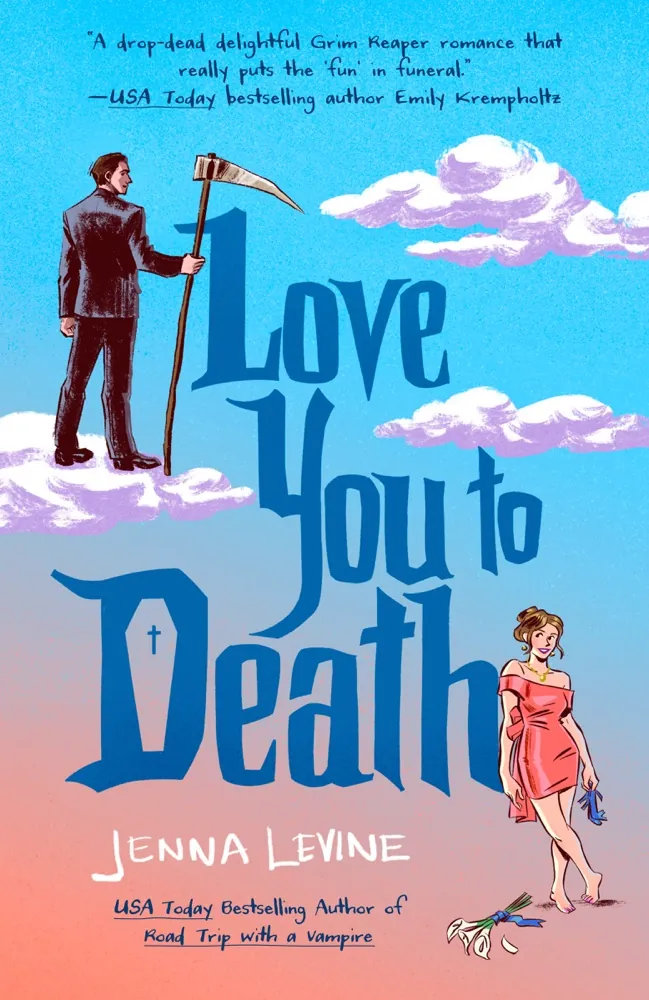

Author: Jenna LevinePage Count: UnknownPublication Date: Expected publication 2026-10-13 APL Love You to Death, the latest offering from Jenna Levine, promises to be a fascinating exploration of mortality, love, and the human condition. Or, at the very least, that's what I'm hoping for. As a broke university student, I've got better things to do than waste my time on subpar literature, and I expect my sci-fi and fantasy to be grounded in some semblance of scientific accuracy. That being said, I'm intrigued by the premise of this paranormal romance. A jaded grim reaper, Daniel, and a woman who's been given a second chance at life, Lucy, form an unlikely bond as they explore the complexities of human existence. It's a familiar trope, to be sure, but one that can be executed beautifully in the right hands. The setup is straightforward enough: Lucy dies, meets Daniel, and convinces him to help her cheat death for six more weeks. It's a Faustian bargain, of sorts, with Daniel observing Lucy's life and reporting back to the Agency in exchange for her temporary reprieve. But as they spend more time together, they begin to realize that their feelings for each other may be the real deal. Cue the swooning. What I find particularly interesting about this premise is the way it subverts traditional notions of mortality. Death, in this world, is not an absolute end, but rather a transition to something else. The Agency, whatever that may be, seems to be a bureaucratic entity that governs the afterlife, and Daniel's job as a grim reaper is to collect souls and ferry them to the next stage. It's a bleak existence, and one that Daniel has clearly grown tired of. His partnership with Lucy offers him a chance to experience humanity in a way he never has before, and to reevaluate his own existence. But what about Lucy? What drives her desire to cling to life, and what does she hope to achieve in her six-week reprieve? The synopsis doesn't give us much to go on, but I suspect that her character arc will be just as crucial to the story as Daniel's. Is she running from something, or someone? Does she have unfinished business to attend to, or is she simply desperate to experience the world in all its beauty and ugliness? As I read through the synopsis, I couldn't help but think of authors like Neil Gaiman and Holly Black, who have a knack for weaving together the mundane and the supernatural. There's a hint of darkness to this story, a sense that the stakes are high and the consequences of failure are dire. I'm also reminded of the TV show "Pushing Daisies," which explored similar themes of mortality and the afterlife with a similar blend of whimsy and pathos. Ultimately, I'm cautiously optimistic about Love You to Death. The premise is intriguing, the characters have potential, and the themes are ripe for exploration. But I need to see how Levine develops the story, how she balances the tone and the pacing, and how she resolves the central conflict. Will it be a satisfying, emotionally resonant read, or will it fall flat? I'll have to wait and see. In the meantime, I'm off to listen to some obscure synth-wave albums. Maybe something by Perturbator or Carpenter Brut will get me in the right mood for this one. #paranormalromance #grimreapers #secondchances Related InsightsI Am Legend and Other Stories Book Review and Summary Starship Troopers Book Review and Summary Possession Book Review and Summary{ "@context": "https://schema.org", "@type": "FAQPage", "mainEntity": [ { "@type": "Question", "name": "What is the main focus of Love You to Death Book Review and Summary?", "acceptedAnswer": { "@type": "Answer", "text": "Everything you need to know about Love You to Death with our detailed review." } }, { "@type": "Question", "name": "Who authored the comprehensive guide on Love You to Death Book Review and Summary?", "acceptedAnswer": { "@type": "Answer", "text": "This detailed article and its insights were carefully researched and authored by Marco Conti." } }, { "@type": "Question", "name": "Where can I find more related content about Books?", "acceptedAnswer": { "@type": "Answer", "text": "You can explore more articles, detailed reviews, and similar insights by browsing the Related Insights section at the bottom of this article or visiting our dedicated Books category page." } } ] }
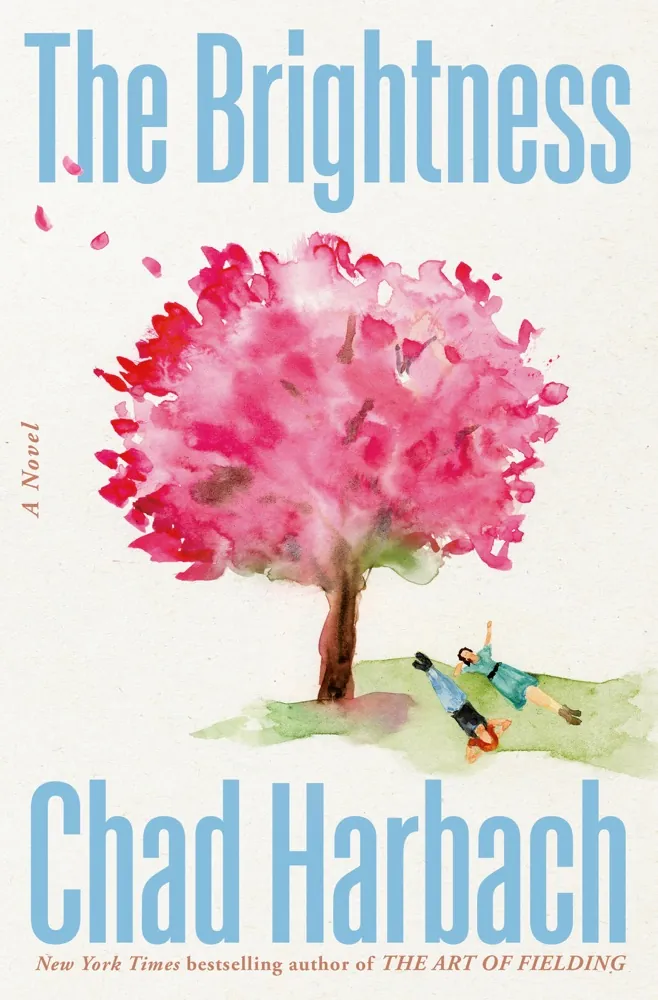
Author: Chad HarbachPage Count: UnknownPublication Date: Expected publication 2026-10-27 APL And so, another literary sensation is about to unfold before our eyes. Chad Harbach's The Brightness promises to capture the electric, chaotic essence of one's twenties, a decade of life that's as mesmerizing as a summer storm brewing on the horizon. As I sit here, surrounded by the musty scent of aged books and the warm glow of morning sunlight filtering through the blinds, I feel the anticipation building up inside me like a gentle hum of a harp string. The lives of Pella and Irma, two young women on the cusp of irrevocable change, are about to collide with the unforgiving world beyond the sleepy confines of Westish College. Harbach's prose, much like the works of Donna Tartt or Jennifer Egan, has a way of transporting us to a world that's both familiar and yet, utterly foreign. We're drawn into the whirlwind of parties, weddings, and messy hookups, all while the specter of grief and loss looms large, like the faint outline of a thunderstorm on a sweltering summer day. But what truly sets The Brightness apart is its unflinching examination of the human condition. Harbach's characters are multidimensional, flawed, and relatable, much like the protagonists of Sheila Heti's How Should a Person Be?. They're caught in the throes of passion and ambition, their identities in a state of flux as they grapple with the incalculable wages of love and loss. And it's here, in this precarious balancing act, that Harbach's prose truly shines, illuminating the dark recesses of the human heart with a precision that's both unnerving and exhilarating. As I delve into the world of The Brightness, I'm reminded of the works of Ottessa Moshfegh, whose protagonists often find themselves careening through life with a mix of detachment and desperation. Harbach's Pella and Irma are no different, their lives a testament to the capricious nature of fate and the often-blurred lines between choice and circumstance. And yet, despite the synopsis's tantalizing hints, I'm left with more questions than answers. What lies at the heart of Pella's past, and how will it collide with her present? How will Irma's involvement with the prank on campus affect her future? The vagueness is almost palpable, a deliberate choice that leaves me both intrigued and frustrated. Still, I have no doubt that The Brightness will be a literary tour de force, one that will leave readers breathless and yearning for more. Harbach's prose is a masterclass in evocative storytelling, a testament to the transformative power of language. As I close this preview, I'm filled with a sense of anticipation, a feeling that's both thrilling and terrifying. But for now, I'll put The Brightness aside, letting its themes and characters simmer in the back of my mind like a slow-cooked stew. The summer sun is calling, and I have a poolside lounge chair with my name on it. I'll lay back, close my eyes, and let the warmth wash over me, forgetting all about The Brightness and its mesmerizing world. #SummerReads #LiteraryFiction #TheBrightness Related InsightsRed Rising Book Review and Summary Birth of the Witch (A Coven of Three Trilogy, #1) Book Review and Summary Accidents Never Happen Book Review and Summary{ "@context": "https://schema.org", "@type": "FAQPage", "mainEntity": [ { "@type": "Question", "name": "What is the main focus of The Brightness Book Review and Summary?", "acceptedAnswer": { "@type": "Answer", "text": "Everything you need to know about The Brightness with our detailed review." } }, { "@type": "Question", "name": "Who authored the comprehensive guide on The Brightness Book Review and Summary?", "acceptedAnswer": { "@type": "Answer", "text": "This detailed article and its insights were carefully researched and authored by Emma Thompson." } }, { "@type": "Question", "name": "Where can I find more related content about Books?", "acceptedAnswer": { "@type": "Answer", "text": "You can explore more articles, detailed reviews, and similar insights by browsing the Related Insights section at the bottom of this article or visiting our dedicated Books category page." } } ] }
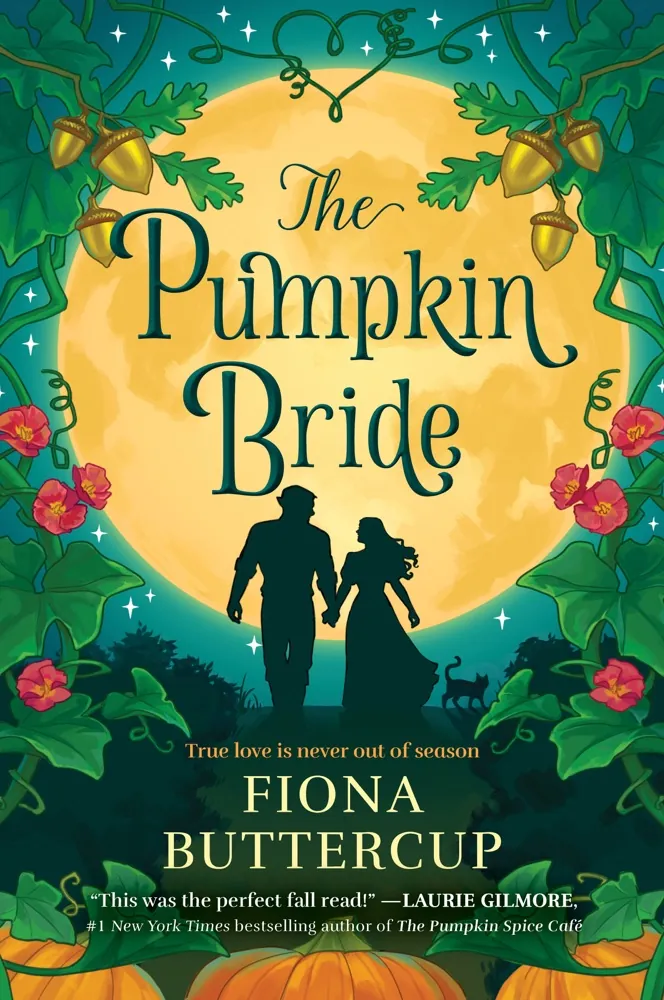
Author: Fiona ButtercupPage Count: UnknownPublication Date: Expected publication 2026-09-01 APL As I sit amidst the opulent furnishings of my Manhattan penthouse, surrounded by masterpieces from the likes of Monet and Picasso, I find myself pondering the forthcoming release of The Pumpkin Bride — a novel that promises to whisk readers away to a world of autumnal enchantment. But, I must confess, the synopsis leaves me with more questions than answers: what secrets lie beneath the surface of this seemingly idyllic tale? And, yet, it is this very vagueness that piques my interest, for I have always believed that the most captivating stories are those that subtly hint at the complexities that lie beneath. And so, I turn my attention to the protagonist, Sir Bram Duncan — a cursed knight, transformed into the hulking orc, Jask Bone-Cracker, by the whims of a jealous prince and the trickery of an autumn sprite. His is a tale of lost love and hidden identity, of a man torn asunder by the contradictions of his own nature. But, what of Princess Marigold, the runaway bride who stumbles upon Jask's charmed pumpkin farm? Does she embody the quintessential "sunshine" to Jask's "grumpy" persona, or is there more to her character than initially meets the eye? The tropes are familiar — Beauty and the Beast, Hidden Identity, Second Chance — and, yet, I am reminded of the works of authors like Naomi Novik and Patricia McKillip, who have mastered the art of weaving complex, atmospheric tales that defy easy categorization. But, I digress. The true test of The Pumpkin Bride will lie in its ability to balance the darker elements of its narrative — the curses, the lies, the wronged princes — with the lighter, more whimsical aspects of its world-building. Can Fiona Buttercup strike a chord similar to that of The Princess Bride, with its perfect blend of swashbuckling adventure, witty banter, and heartfelt romance? Or will The Pumpkin Bride succumb to the pitfalls of overly relying on familiar tropes, rather than forging its own unique path? These are the questions that will linger in my mind as I await the book's release — and, I must confess, I am eager to see how Buttercup will choose to answer them. As I consider the themes that underlie The Pumpkin Bride, I am struck by the notion that this is, at its core, a story about the power of love to transcend even the most seemingly insurmountable obstacles. And, yet, it is also a tale of identity, of the tensions that arise when our true selves are forced to confront the expectations of others. But, what of the setting, the autumnal landscape that provides the backdrop for this narrative? Does it serve merely as a picturesque backdrop, or does it play a more active role in shaping the characters and their journeys? These are the questions that will occupy my mind in the coming weeks, as I count down the days until The Pumpkin Bride finally hits the shelves. And, now, as I glance at my watch, I am reminded that I have a Zoom call with my board of directors in five minutes — a meeting that will, no doubt, be filled with discussions of the latest market trends and the ongoing quest for the next great literary sensation. But, for now, my thoughts remain with The Pumpkin Bride, and the promise it holds of a captivating, perhaps even enchanting, reading experience. #booklovers #newrelease #romanticfantasy Related InsightsMother's Love Book Review and Summary Princess Academy Book Review and Summary The Blade Itself Book Review and Summary{ "@context": "https://schema.org", "@type": "FAQPage", "mainEntity": [ { "@type": "Question", "name": "What is the main focus of The Pumpkin Bride Book Review and Summary?", "acceptedAnswer": { "@type": "Answer", "text": "Everything you need to know about The Pumpkin Bride with our detailed review." } }, { "@type": "Question", "name": "Who authored the comprehensive guide on The Pumpkin Bride Book Review and Summary?", "acceptedAnswer": { "@type": "Answer", "text": "This detailed article and its insights were carefully researched and authored by Emma Thompson." } }, { "@type": "Question", "name": "Where can I find more related content about Books?", "acceptedAnswer": { "@type": "Answer", "text": "You can explore more articles, detailed reviews, and similar insights by browsing the Related Insights section at the bottom of this article or visiting our dedicated Books category page." } } ] }
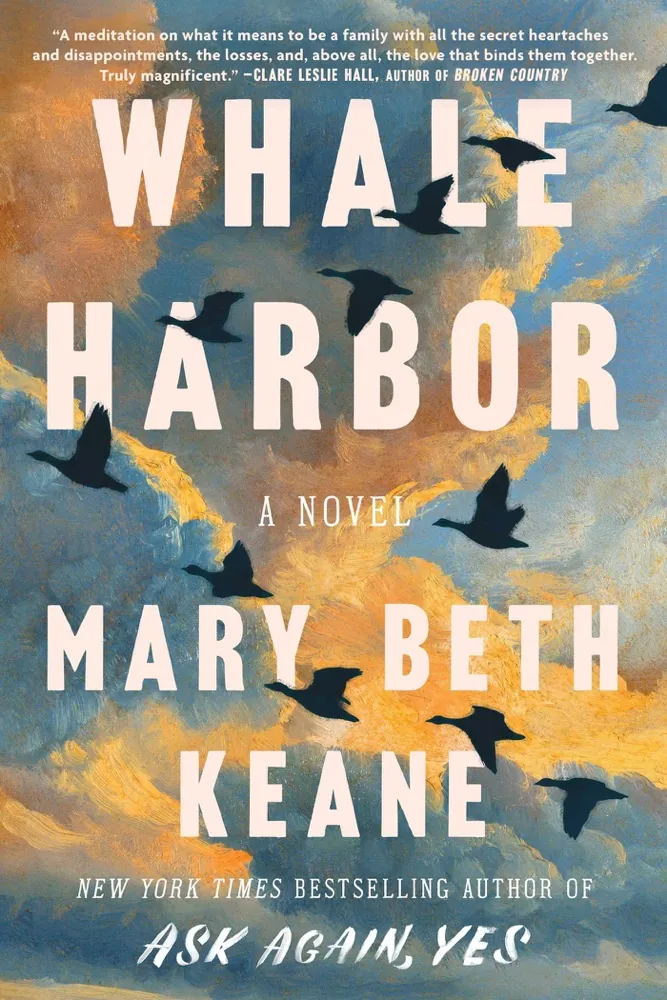
Author: Mary Beth KeanePage Count: UnknownPublication Date: Expected publication 2026-11-03 APL The sweltering summer air clings to my skin as I sit here, sweating over the synopsis of Whale Harbor. Mary Beth Keane's latest, a sweeping multigenerational saga, promises to span lifetimes and continents. But, I ask you, can it live up to the hype? A Family Fractured Keane's decision to focus on eleven brothers, set on different paths by their father's choices, immediately brings to mind the likes of Jonathan Franzen and his penchant for dysfunctional family dynamics. Yet, the setup feels almost too familiar, too reminiscent of every "sweeping family saga" that's come before. Will Keane be able to subvert our expectations, or will Whale Harbor fall into the same traps as its predecessors? The brothers' journeys, from Ireland to England, Montana, and New York, raise more questions than they answer. What is it about these specific locations that will shape their experiences, their worldviews? The synopsis hints at a deep exploration of family, brotherhood, and the choices that echo across generations, but it's hard to shake the feeling that we're being sold a bill of goods. Will Keane deliver on these promises, or will the narrative feel overstuffed, a juggling act with too many balls in the air? And then, of course, there's the mysterious disappearance of Rian, the spirited younger brother. His vanishing act will haunt Mac and the family across decades, but how? What are the emotional stakes, the psychological fallout of such an event? The synopsis is frustratingly vague on this point, leaving me to wonder if Keane will be able to craft a narrative that's both propulsive and emotionally resonant. A Story of Echoes One thing is certain: Whale Harbor will be a story about the choices we make, the paths we take, and the consequences that follow. It's a classic trope, one that's been explored by everyone from Dickens to Dostoevsky. But Keane's take on this theme feels uniquely hers, infused with a wit and eloquence that's hard to deny. If anyone can pull off this ambitious narrative, it's Keane. Her previous work, Ask Again, Yes, was a masterclass in family dynamics, a nuanced exploration of the complexities that bind us together. But Whale Harbor feels like a different beast altogether, a sprawling epic that's equal parts intimate and expansive. So, will Whale Harbor live up to the hype? I'm cautiously optimistic. Keane's got the chops to pull off this kind of narrative, and the synopsis, vague as it is, hints at a depth and complexity that's hard to ignore. But only time will tell. Time to put down the synopsis and pick up some weights. This summer heat is killing me. #bookstagram #literaryfiction #familydrama
- Emma Thompson
- 08 Aug, 2026 14:01
With Hearts of Flame: A Novel (Bloodwing Academy Book 4) Book Review and Summary
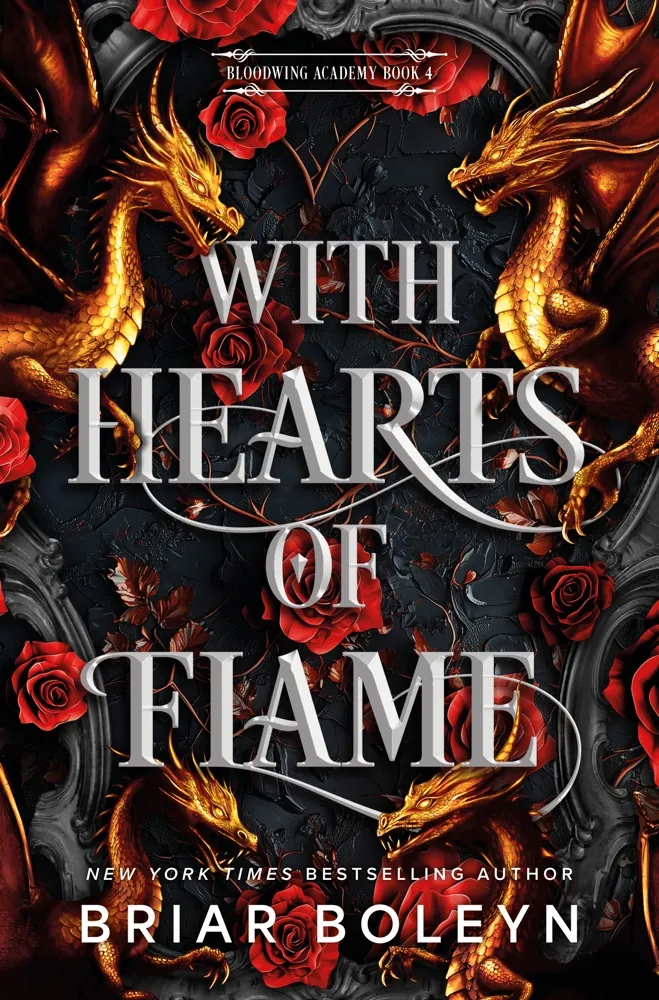
Author: Briar BoleynPage Count: UnknownPublication Date: Expected publication 2026-10-20 APL The darkness that has been brewing in the Bloodwing Academy series is about to get a whole lot hotter. I mean, I was already primed for a thrilling ride with the revelation that dragons and vampires have taken center stage, but With Hearts of Flame, Briar Boleyn promises to take it up a notch. What is it about this series, you ask? Is it the fact that we're witnessing a full-blown romance between a vampire and a dragonrider? Or perhaps it's the sinister undertones, the sense of foreboding that something's off at this academy for the undead and the winged? Let's be real, the world of Sangratha isn't exactly the sunniest of places. I mean, we've got vampires, dragons, and a prophecy that seems to be inching closer to reality by the minute. It's a wonder our hero, along with her cohorts, is able to keep it together amidst the chaos. Yet here I am, intrigued by the prospect of witnessing the inner turmoil that's sure to unfold. And can we talk about the sheer audacity of pitting love against danger? Because let's be clear, love can indeed be a double-edged sword. But have you noticed how this series keeps pushing the boundaries of what we consider "normal" in the realm of high fantasy? I bring up this point because let's be real, Boleyn is no stranger to tackling the tough stuff. She draws her inspiration from the shadows, weaving in real-world issues like oppression and rebellion into the very fabric of her narrative. It's almost as if she's trying to tell us something — that even in a fantastical world, our struggles are still very much real. And what about the Bonewood? This isolated location, shrouded in mystery, is sure to be a focal point of the story, I presume. But what's going to happen there? Will our heroes emerge victorious, or will the enemy manage to outmaneuver them? I'm still on the fence about this one, but I suppose only time will tell. One thing's for certain, though: With Hearts of Flame promises to be a wild ride. And if the Vampire Academy series meets A Court of Thorns and Roses in terms of dark academia and romance, I'm in. I must admit, I'm both excited and intimidated by the sheer scope of it all. I mean, what kind of dark fantasy can possibly live up to these lofty expectations? Still, one thing that keeps me awake at night is the idea that this series might just become a reflection of our own world's problems. But is that not the point of high fantasy, to comment on the human condition through allegory? Perhaps, but then again, maybe it's just a convenient excuse to indulge in some delicious moral ambiguity. Plot twist: what if the true enemy is within, waiting to be unleashed? What if our heroes' greatest foe is not the external forces, but their very own insecurities? That would be a bold move, don't you think? It would certainly be in line with Boleyn's track record of pushing the boundaries of high fantasy. As I conclude this preview, I'm left with more questions than answers. But one thing's for sure: I'm going to need a nap after devouring With Hearts of Flame. #DarkAcademiaFever #RomanceIsADeadlySin #VampiresAndDragons
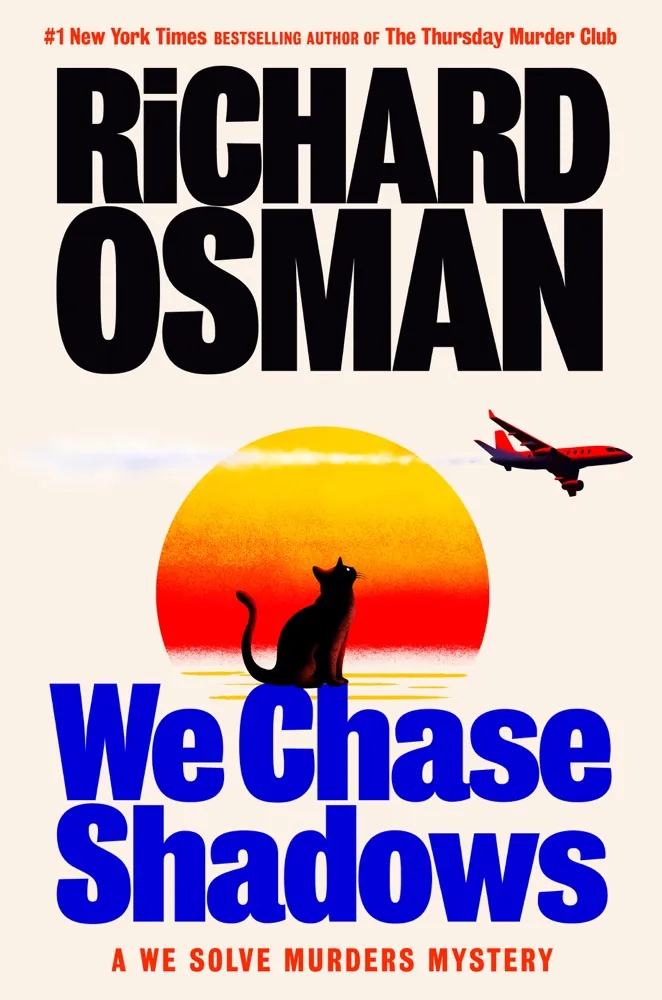
Author: Richard OsmanPage Count: UnknownPublication Date: Expected publication 2026-09-15 APL Grating garlic over the quinoa while my butter chicken marinates elsewhere in the kitchen is an exercise in patience—much like waiting for Richard Osman’s next installment, We Chase Shadows. Compositional Brushstrokes and Italian Sunrises A body on the steps of a private villa in the Italian hills. How utterly Caravaggio. Yet, Osman refuses to lean entirely into high-art gloom, keeping his prose breezy enough to pair with a crisp Sancerre. The synopsis gives us a neat little tableau: the corpse, the threatening note, and a trio of investigators who look at law enforcement protocol the way I look at mass-produced polyester upholstery—with absolute disdain. The Curation of Suspects Sweden’s most-wanted criminal. A canny ex-wife. A fierce business rival. Is this a murder mystery or a guest list for a disastrous charity gala in Palm Springs? The sheer accumulation of archetypes feels slightly derivative—almost as if Osman looked at Elmore Leonard’s discarded notebooks and said, "Yes, let's toss all of that into a blender with a British village pub." But I appreciate the global canvas. Art is meant to travel, after all. Still, one wonders if the suspects are merely decorative objects placed on the mantelpiece for aesthetic variety. Will they actually possess interior lives, or are they just colorful baubles destined to be shattered by the final chapter? The Shadow Play of Genre Osman trades heavily in the cozy-adjacent market—think a sunnier, less nicotine-stained version of Mick Herron’s Slough House crew, crossed with the domestic comedy of Anthony Horowitz. But what fascinates me as a collector of rare aesthetics is the geography of the chase. Moving from the Mediterranean light of Barcelona and Italy straight to the arid heat of Palm Springs and back to a damp English pub? That is a jarring tonal shift. Can a writer successfully transition from sun-drenched coastal dread to cozy pint-pulling without giving the reader literary whiplash? I have my doubts. The synopsis promises danger traveling close to home, yet it plays its cards so close to the chest that I suspect the mystery itself might be entirely weightless. Just a clever parlor trick wrapped in international jet-setting. We shall see if the craftsmanship holds up under scrutiny, or if it merely functions as literary fast food for people who buy their prints at IKEA. My private chef is waiting for my dinner instructions.
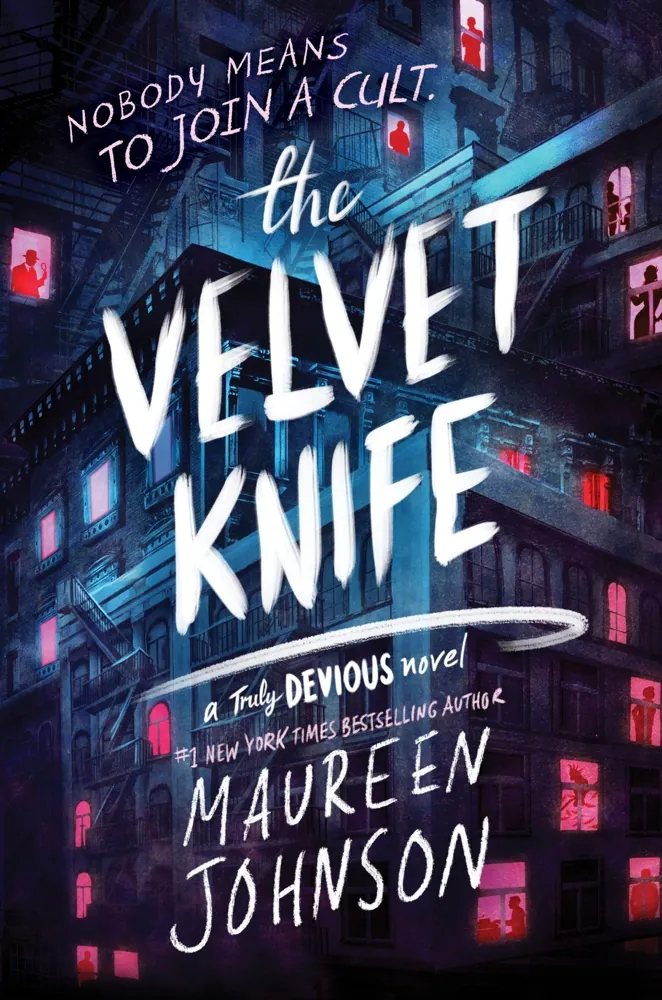
Author: Maureen JohnsonPage Count: UnknownPublication Date: Expected publication 2026-09-29 APL Look, I am currently surviving on instant ramen and cold brew that costs more than my textbook budget, which naturally means I have zero patience for sloppy logic. Yet here we are, staring at Maureen Johnson’s upcoming The Velvet Knife, and my cynical student soul is twitching. Where are the hard sciences? Why must YA lit always substitute actual forensics for angsty teenage drama? Give me chromatology, ballistics, or toxicology reports. Instead, we get emotional triangulation. The Thermodynamic Laws of Broken Hearts The synopsis proudly announces that our protagonist, Stevie Bell, can decipher cold-blooded homicide but utterly fails at basic interpersonal mechanics. And honestly? That is thermodynamically unsound. Human social interaction operates on predictable behavioral algorithms—unlike a corpse in a Manhattan apartment complex, which is just a static, decomposing lump of protein and carbon. Yet Johnson leans hard into this trope. And why shouldn’t she? It keeps the pages turning while we wait for the actual puzzle box to open. But let’s be entirely real for a second. If you can outsmart a serial killer in Vermont, you can surely detect a toxic text message without losing your mind. Cults, Conspiracies, and Cognitive Biases Notice how the synopsis casually drops the concept of cult indoctrination? "Does anyone realize that they’re joining a cult—before it’s too late?" Now, this is where my academic pedantry kicks in. Sociological manipulation requires profound psychological conditioning. It is not just a vibe. It takes weeks of sleep deprivation, isolation, and love-bombing. If Johnson actually treats the cult mechanics with the rigorous sociological realism that Karen McManus or Holly Jackson usually avoid, this might actually be worth skipping my economics lecture for. But let’s be honest. It will probably just be rich kids in high-end streetwear making poor life choices under neon lights. The Structural Problem of Vague Synopses To be brutally frank, this preview tells us virtually nothing. A dead body appears in Manhattan. Wow. Groundbreaking. We have zero specifics on the victim, the forensic anomalies, or the actual stakes. It is all vibes, Manhattan architecture, and adolescent brooding. Yet, I will still read it. Why? Because I am weak, perpetually broke, and secretly desperate for a distraction from my midterms. I have to run. I am late to coach my daughter's soccer practice. #YAmystery #BookTwitter #MaureenJohnson Related InsightsThe Light Years: A Novel Book Review and Summary Wicked and the wallflower Book Review and Summary Upgrade Book Review and Summary{ "@context": "https://schema.org", "@type": "FAQPage", "mainEntity": [ { "@type": "Question", "name": "What is the main focus of The Velvet Knife (Truly Devious, #6) Book Review and Summary?", "acceptedAnswer": { "@type": "Answer", "text": "Everything you need to know about The Velvet Knife (Truly Devious, #6) with our detailed review." } }, { "@type": "Question", "name": "Who authored the comprehensive guide on The Velvet Knife (Truly Devious, #6) Book Review and Summary?", "acceptedAnswer": { "@type": "Answer", "text": "This detailed article and its insights were carefully researched and authored by Marco Conti." } }, { "@type": "Question", "name": "Where can I find more related content about Books?", "acceptedAnswer": { "@type": "Answer", "text": "You can explore more articles, detailed reviews, and similar insights by browsing the Related Insights section at the bottom of this article or visiting our dedicated Books category page." } } ] }
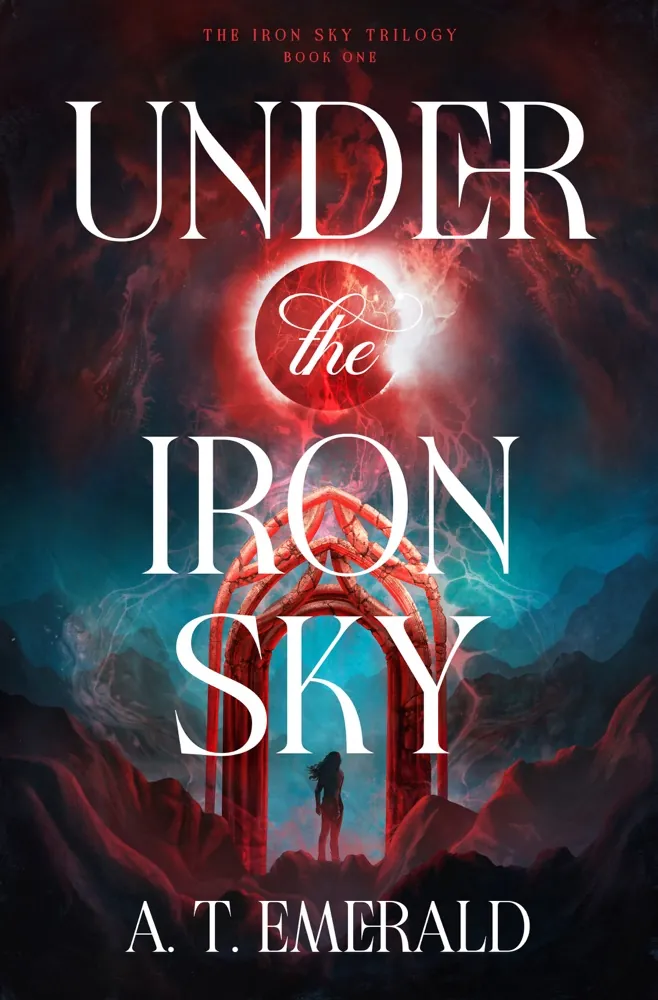
Author: A.T. EmeraldPage Count: UnknownPublication Date: Expected publication 2026-10-13 APL As I sit here, sipping on my cold coffee, surrounded by the sweltering August heat, I find myself pondering the darkness that seems to permeate the world of Under the Iron Sky, the upcoming novel by A.T. Emerald. The official synopsis paints a picture of a world on the brink of collapse, where the once-beautiful empire of Vordell has been ravaged by the Iron Sky and its dark clouds. It's a world where the lines between light and darkness are blurred, and the very fabric of reality seems to be unraveling. But what truly catches my attention is the protagonist, Soraya Tollmere, a high-ranking commander who has spent her life on the front lines of a brutal war. Her character seems to embody the very essence of resilience, a quality that is all too often romanticized in fantasy novels. Yet, as I read through the synopsis, I couldn't help but wonder: what drives Soraya? Is it a desire for revenge, a need to protect her people, or something more complex? The synopsis hints at a deep-seated sense of loss, but it's a thread that is left tantalizingly unexplored. And then, of course, there's the Demon, the Dar'rak's most feared soldier, whose true identity remains shrouded in mystery. His character seems to be the embodiment of the classic "tortured soul" trope, with a dash of the "enigmatic villain" thrown in for good measure. But what makes him tick? Is he a product of his environment, a monster forged in the depths of the Iron Sky, or is there something more to him? The synopsis raises more questions than it answers, leaving me with a sense of anticipation that is both thrilling and frustrating. As I sit here, surrounded by the detritus of my university life, I am reminded of the works of authors like N.K. Jemisin and Joe Abercrombie, who have mastered the art of crafting complex, morally ambiguous characters. Will A.T. Emerald follow in their footsteps, or will she forge her own path? Time will tell. One thing is certain, however: Under the Iron Sky is a novel that promises to explore the darker corners of the human experience. It's a world where hope is a luxury that few can afford, and the fight for survival is a constant, grinding reality. It's a world that is both familiar and yet, utterly alien, a testament to the boundless creativity of the human imagination. But, I must admit, I am a little concerned about the vagueness of the synopsis. It's a tantalizing glimpse into a world that is both richly detailed and yet, frustratingly opaque. Will the novel itself be more forthcoming, or will it leave readers scratching their heads in confusion? Only time will tell. As I finish my coffee, I am left with a sense of anticipation that is both thrilling and terrifying. Will Under the Iron Sky live up to its promise, or will it succumb to the pitfalls of fantasy clichés? One thing is certain, however: I will be watching this novel with great interest, eager to see if it will join the ranks of the truly great fantasy epics. And so, I ask: will Under the Iron Sky be the next big thing in fantasy, or will it fade into obscurity? The answer, much like the true identity of the Demon, remains shrouded in mystery. #FantasyNovels #DarkFantasy #NewRelease
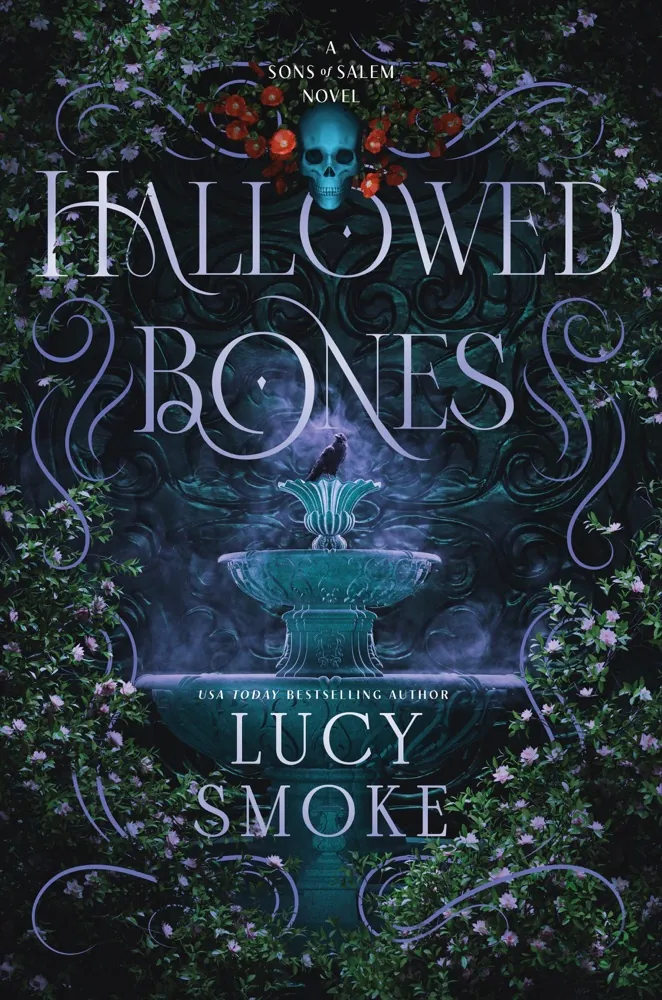
Author: Lucy SmokePage Count: UnknownPublication Date: Expected publication 2026-10-06 APL A dark why-choose romance, you say? Hallowed Bones, the first in the Sons of Salem series, promises to be a seductive and thrilling tale of cursed bloodlines, secret societies, and a powerful heroine. As I sit here, surrounded by empty coffee cups and the remnants of last night's pizza, I find myself drawn to the mysterious world Lucy Smoke has created. The premise is straightforward enough: four men, one woman, and five families accused of witchcraft. But it's the subtle hints of a larger, more sinister world that really catch my attention. The mention of legacies, witches, and something "far worse than myths" suggests a rich, complex mythology at play. And then, of course, there's the heroine, Haven Wardwell, who seems to be the key to unlocking it all. But what really fascinates me is the way Smoke has structured the narrative around Haven's relationships with the four men: Ezra Bishop, Cameron Goode, Lyall Corey, and Reyes Scott. It's a classic "harem" setup, but one that's been subverted by the dark, gothic atmosphere and the promise of a powerful, possibly supernatural, heroine. I'm reminded of authors like Sarah J. Maas and Leigh Bardugo, who have both explored similar themes in their own work. And yet, despite the familiar tropes, I'm not entirely convinced that Smoke is playing it safe. There's something about the way the synopsis hints at a larger, more sinister world that suggests a deeper level of complexity. The mention of ghosts haunting the corridors of Ipswich College, for example, implies a level of psychological horror that's not always present in these types of romances. But, I must admit, I'm also a bit skeptical. The synopsis is frustratingly vague, and I'm not entirely sure what to expect from the story. Is it a romance, a fantasy, or something in between? And what, exactly, is the nature of Haven's relationships with the four men? Is it a genuine polyamorous relationship, or is it something more complicated? Time will tell, I suppose. But for now, I'm left with more questions than answers. Will Hallowed Bones be a game-changer in the world of dark romance, or will it succumb to the same tired tropes that have plagued the genre for years? Only one way to find out, I suppose. As I sit here, sweating in the August heat, I'm reminded of the old adage: "be careful what you wish for." Haven Wardwell may have stumbled into a world of magic and mystery, but at what cost? And will she be able to navigate the treacherous landscape of Ipswich College, or will she become just another ghost haunting its corridors? A dangerous gamble, indeed. #DarkRomance #WhyChoose #WitchyVibes Related InsightsDaughter of Smoke & Bone Book Review and Summary Electric Idol Book Review and Summary Democracy in a Hotter Time Book Review and Summary{ "@context": "https://schema.org", "@type": "FAQPage", "mainEntity": [ { "@type": "Question", "name": "What is the main focus of Hallowed Bones (Sons of Salem #1) Book Review and Summary?", "acceptedAnswer": { "@type": "Answer", "text": "Everything you need to know about Hallowed Bones (Sons of Salem #1) with our detailed review." } }, { "@type": "Question", "name": "Who authored the comprehensive guide on Hallowed Bones (Sons of Salem #1) Book Review and Summary?", "acceptedAnswer": { "@type": "Answer", "text": "This detailed article and its insights were carefully researched and authored by Marco Conti." } }, { "@type": "Question", "name": "Where can I find more related content about Books?", "acceptedAnswer": { "@type": "Answer", "text": "You can explore more articles, detailed reviews, and similar insights by browsing the Related Insights section at the bottom of this article or visiting our dedicated Books category page." } } ] }
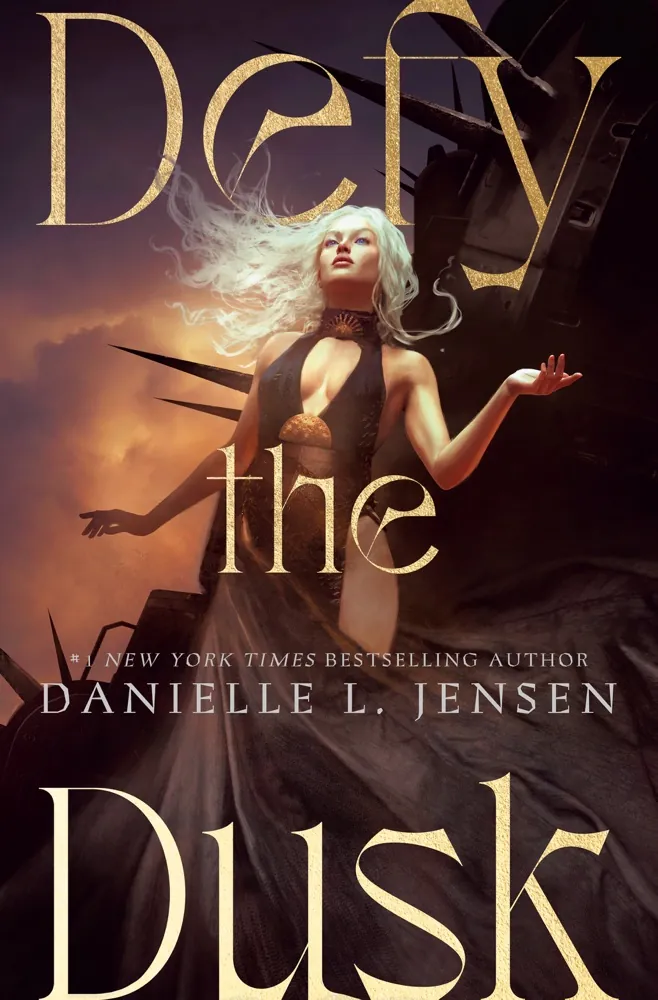
Author: Danielle L. JensenPage Count: UnknownPublication Date: Expected publication 2026-11-03 APL As I sit on my couch, surrounded by the warm glow of summer afternoons and the enticing aromas of my weekly meal prep, I find myself drawn to the official synopsis of Defy the Dusk, the first book in The Sundering Duet by Danielle L. Jensen. But, I must admit, the vagueness of the synopsis leaves me with more questions than answers — and, yet, it is this very enigma that piques my interest. The premise, set in a post-apocalyptic world where darkness spells certain death, is fascinating in theory. And, as an elite art collector with a penchant for aesthetic prose, I am intrigued by the idea of a world where the boundaries between light and darkness are not just physical, but also metaphorical. The protagonist, Lirien, whose magic allegedly broke the world, is a complex character — or, at least, she appears to be. Her decision to secretly plot against the tyrant ruling the Dawnrider, a high-speed rig that has become a symbol of salvation, raises questions about her motivations and the true nature of her character. Is she driven by a desire for redemption, or is she simply seeking power? And what of Vox, the king of the feralists, who gives her a choice between fighting the creatures of the night or becoming their prey? His character, too, is shrouded in mystery — a mercurial figure, whose true intentions are unknown. But, as I ponder the possibilities, I am reminded of the works of authors like Victoria Aveyard, who has mastered the art of crafting complex, multi-dimensional characters. As I read through the synopsis, I am struck by the themes of survival, redemption, and the blurred lines between good and evil. The world of Defy the Dusk is a gritty, unforgiving one, where the rules of society have been turned upside down. And, yet, it is in this darkness that we find the seeds of hope — a hope that is embodied by Lirien's determination to defy the dusk and forge a new path. But, at what cost? The synopsis hints at a strategy of seduction, whereby Lirien seeks to manipulate Vox and return to the Dawnrider. A dangerous gamble, indeed. Time will tell. The comparison to Victoria Aveyard's work is not coincidental, for Defy the Dusk seems to be tapping into the same vein of dark, gritty fantasy that has become so popular in recent years. Authors like Sarah J. Maas and Leigh Bardugo have also explored similar themes, with great success. And, as I sit here, sipping my iced tea and pondering the possibilities, I am reminded of the power of fantasy to transport us to new worlds and challenge our assumptions about the human condition. But, I must ask, will Defy the Dusk live up to its promise, or will it succumb to the pitfalls of predictable plot twists and flat characters? Hardly. As the summer sun begins to set, casting a golden glow over my kitchen, I am left with a sense of anticipation — a sense that Defy the Dusk may be more than just a simple fantasy novel. It may be a exploration of the human condition, a commentary on the darkness that lies within us all. And, yet, it may also be a thrilling adventure, full of twists and turns that will keep me on the edge of my seat. But, as I close my eyes, letting the warmth of the sun wash over me, I am left with a single, haunting question: what lies beyond the dusk? #BookLovers #FantasyFiction #NewRelease #ReadingIsFun #SummerVibes Related InsightsNo Such Thing as Monday Book Review and Summary Shadow's Heart Book Review and Summary I Know Why the Caged Bird Sings Book Review and Summary{ "@context": "https://schema.org", "@type": "FAQPage", "mainEntity": [ { "@type": "Question", "name": "What is the main focus of Defy the Dusk (The Sundering Duet, #1) Book Review and Summary?", "acceptedAnswer": { "@type": "Answer", "text": "Everything you need to know about Defy the Dusk (The Sundering Duet, #1) with our detailed review." } }, { "@type": "Question", "name": "Who authored the comprehensive guide on Defy the Dusk (The Sundering Duet, #1) Book Review and Summary?", "acceptedAnswer": { "@type": "Answer", "text": "This detailed article and its insights were carefully researched and authored by Emma Thompson." } }, { "@type": "Question", "name": "Where can I find more related content about Books?", "acceptedAnswer": { "@type": "Answer", "text": "You can explore more articles, detailed reviews, and similar insights by browsing the Related Insights section at the bottom of this article or visiting our dedicated Books category page." } } ] }
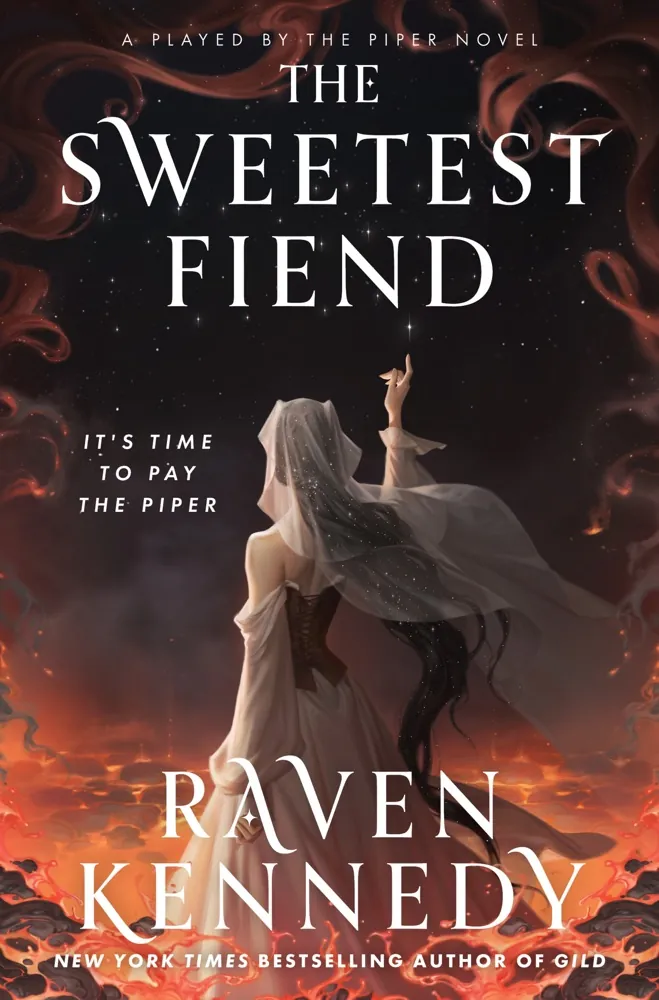
The Sweetest Fiend (Played by the Piper, #1) Author: Raven KennedyPage Count: UnknownPublication Date: Expected publication 2026-09-22 APL Get ready, Romantasy fans: Raven Kennedy is stepping back into the darkly enchanting realms of fae and magic. Following the massive success of her New York Times bestselling Plated Prisoner series, Kennedy is gearing up for her next major release, The Sweetest Fiend, arriving on September 22, 2026. As the first installment in a brand-new duology titled Played by the Piper, this upcoming release is already generating immense buzz across the book community. For readers who loved Kennedy’s distinct blend of intricate world-building, sharp banter, and high-stakes romance, The Sweetest Fiend promises to deliver another addictive reading experience. This time, the author is taking a dark, adult-themed spin on a classic tale, loosely inspiring her new universe from the legend of the Pied Piper. Here is the official synopsis straight from the publisher to set the stage for what is to come: From the New York Times bestselling author of the Plated Prisoner series comes the first book in an alluring and addictive romantasy duology set in a world of fae and dark magic, loosely inspired by the legend of the Pied Piper. It’s time to pay the Piper. Our world cracked open like an egg. Power burst out, and with it, nine monstrous Banes ready to destroy everything. The powerful Core fae finally slayed them all, but each Bane left a Plague to punish us. But that’s not the only thing they left behind. I’m half Bane, half fae, and wholly hated. Survival means enduring every vicious glare and cursed outbreak. Until one day, a Plague descends upon my city that means certain death. Then he comes. The Pied Piper. He rids my city of the Plague, but it comes at a cost. One hundred and thirty people are taken as payment. Including me. I don’t know what he’s going to do to us, but I know I have to get home. My family’s lives depend on it. But the Piper won’t let me go, and something wicked stirs between us. The sweet scent in my veins beckons him, while the seductive lure of his magic sinks under my skin. I have to escape before it’s too late. Because if I don’t, it’s not just my heart at risk… But the entire world. Note: Pied Piper reimagined. This dark fantasy is full of romance and secrets, with mature themes and explicit scenes only suitable for adults. This is book one of a duology. Tropes readers can look forward to sinking their teeth into include forced proximity, captive romance, "who hurt you?", only one bed... and horse... and tent!, alongside plenty of signature banter. With Raven Kennedy at the helm, The Sweetest Fiend is shaping up to be one of the most talked-about fantasy releases of 2026. Mark your calendars for September 22, and prepare to pay the Piper. #RavenKennedy #TheSweetestFiend #PlayedByThePiper #Romantasy #DarkFantasy #BookTok Related InsightsA Feast for Crows Book Review and Summary The Picture of Dorian Gray Book Review and Summary Song of Solomon Book Review and Summary{ "@context": "https://schema.org", "@type": "FAQPage", "mainEntity": [ { "@type": "Question", "name": "What is the main focus of The Sweetest Fiend (Played by the Piper, #1) Book Review and Summary?", "acceptedAnswer": { "@type": "Answer", "text": "Everything you need to know about The Sweetest Fiend (Played by the Piper, #1) with our detailed review." } }, { "@type": "Question", "name": "Who authored the comprehensive guide on The Sweetest Fiend (Played by the Piper, #1) Book Review and Summary?", "acceptedAnswer": { "@type": "Answer", "text": "This detailed article and its insights were carefully researched and authored by Marco Conti." } }, { "@type": "Question", "name": "Where can I find more related content about Books?", "acceptedAnswer": { "@type": "Answer", "text": "You can explore more articles, detailed reviews, and similar insights by browsing the Related Insights section at the bottom of this article or visiting our dedicated Books category page." } } ] }
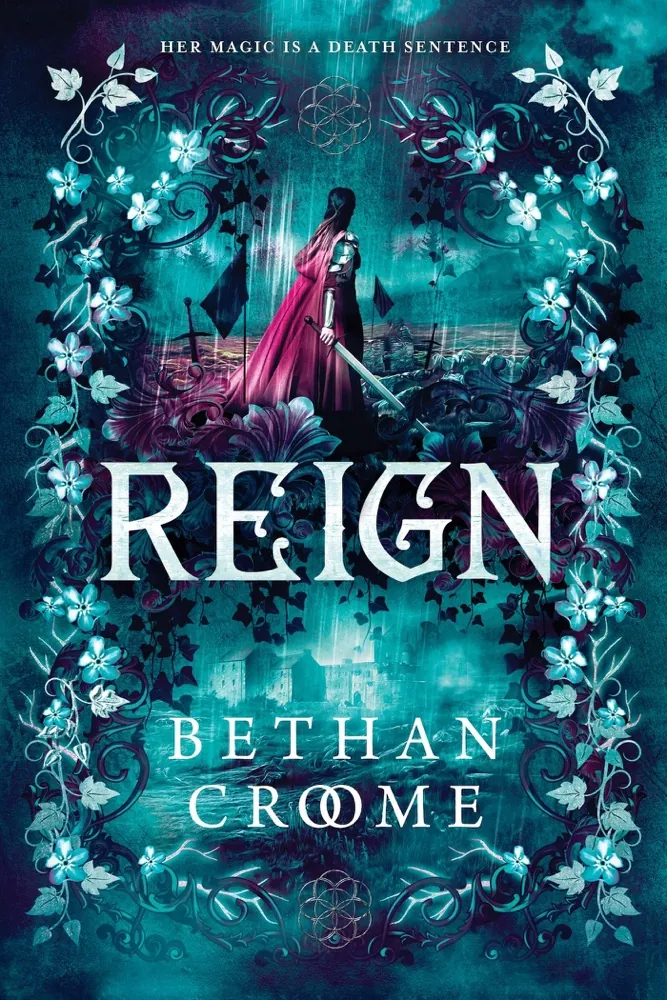
Reign Author: Bethan CroomePage Count: UnknownPublication Date: Expected publication 2026-09-01 APL Get Ready for a Fierce Feminist Romantasy: "Reign" by Bethan Croome This September, Cosmopolitan's book imprint is set to release "Reign," a highly anticipated romantasy novel by Bethan Croome. With a gripping synopsis that promises found family, forbidden love, and a heroine who refuses to kneel, this book is sure to captivate fans of the genre. A Kingdom Without Magic, But Not Without Rain In the rain-soaked Kingdom of Lyonesse, magic is outlawed, punishable by death. But when Niamh's forbidden witchcraft is exposed, she flees her village, disguised as a man, and finds herself on a battlefield. Mistakenly conscripted into a brutal war, Niamh must navigate a world where survival relies on more than luck – it demands alliances. As she fights terrifying beasts and confronts arcane powers, Niamh is thrust into a world of magic and might. But with her womanhood hidden, she must also contend with the infuriatingly handsome Prince Fitzroy, who is tasked with eradicating magic. Their complicated relationship is further complicated by Niamh's growing feelings for Bash, a fellow soldier who sees her like no one else does. A Heroine Who Refuses to Kneel At its core, "Reign" is a story about choosing freedom over fear and setting fire to the throne. Niamh's journey is one of self-discovery and empowerment, as she navigates a world that seeks to control her. With its themes of feminism, found family, and forbidden love, this book is sure to resonate with fans of romantasy and fantasy. A Promising New Voice in the Genre While Bethan Croome may be a new name in the literary world, her debut novel is generating significant buzz. With its unique blend of magic, might, and romance, "Reign" is poised to become a standout in the genre. If you're a fan of strong female protagonists and epic fantasy world-building, then this book is sure to be on your radar. Mark Your Calendars "Reign" is set to release on September 1, 2026. With its captivating synopsis and promising premise, this book is sure to be a hit among fans of romantasy and fantasy. Be sure to mark your calendars and get ready to dive into the world of Lyonesse. #FantasyRomance #Romantasy #FeministFiction #DebutAuthor #NewRelease #BookLovers Related InsightsNothing Human Left Book Review and Summary Jonathan Strange & Mr Norrell Book Review and Summary His Dark Materials: The Golden Compass (Book 1) Book Review and Summary{ "@context": "https://schema.org", "@type": "FAQPage", "mainEntity": [ { "@type": "Question", "name": "What is the main focus of Reign Book Review and Summary?", "acceptedAnswer": { "@type": "Answer", "text": "Everything you need to know about Reign with our detailed review." } }, { "@type": "Question", "name": "Who authored the comprehensive guide on Reign Book Review and Summary?", "acceptedAnswer": { "@type": "Answer", "text": "This detailed article and its insights were carefully researched and authored by Emma Thompson." } }, { "@type": "Question", "name": "Where can I find more related content about Books?", "acceptedAnswer": { "@type": "Answer", "text": "You can explore more articles, detailed reviews, and similar insights by browsing the Related Insights section at the bottom of this article or visiting our dedicated Books category page." } } ] }
- Emma Thompson
- 03 Aug, 2026 11:04
This Wretched Alchemy (Ruinous Fate Saga, #1) Book Review and Summary
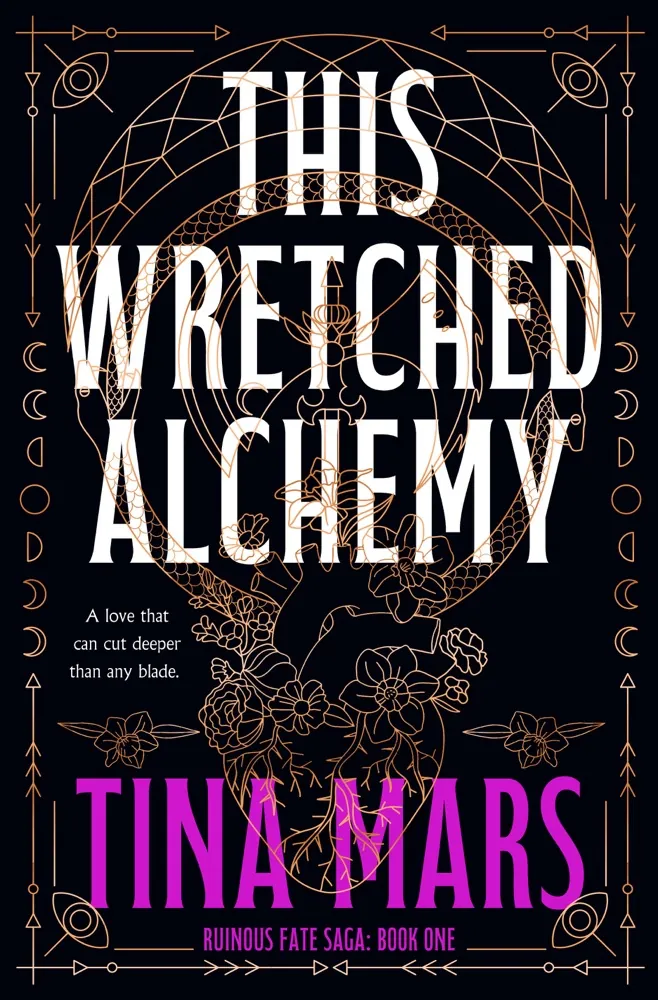
This Wretched Alchemy (Ruinous Fate Saga, #1) Author: Tina MarsPage Count: UnknownPublication Date: Expected publication 2026-11-10 APL This Wretched Alchemy: A Dark, Slow-Burn Romantasy to Watch Out For In the world of romantasy, a new and exciting voice is about to emerge. Tina Mars is set to captivate readers with her debut novel, This Wretched Alchemy, the first installment in the Ruinous Fate Saga. Scheduled for release on November 10, 2026, this book promises to deliver a dark, slow-burn enemies-to-lovers story that will leave readers breathless. The original synopsis teases a fractured realm ruled by warring noble Houses and the tyrannical Prime, where the most coveted power lies in god-shards – divine fragments that grant extraordinary abilities to those who possess them. Revel, the protagonist, is forced into a treacherous bargain to avenge her brother's murder and must compete in the Call, a bloody contest of heirs vying for the throne, on behalf of her enemies. Her mission is to assassinate the realm's most formidable alchemist, the Warbringer, but as she navigates this deadly game, she begins to question her allegiances and the true nature of her target. With its unique blend of dark fantasy and romance, This Wretched Alchemy is poised to captivate fans of the romantasy genre. The slow-burn tension and enemies-to-lovers trope promise to deliver a thrilling and emotional ride. As Nisha J. Tuli, USA Today bestselling author of Trial of the Sun Queen, notes, "I screamed, I cried, I was left absolutely breathless." While Tina Mars may be a new voice in the genre, her writing has already generated significant buzz. With This Wretched Alchemy, she is set to establish herself as a promising new talent in the world of romantasy. We can't wait to dive into this dark and captivating world and experience the magic of her storytelling. Mark your calendars for November 10, 2026, and get ready to immerse yourself in the Ruinous Fate Saga. With its unique blend of fantasy, romance, and suspense, This Wretched Alchemy is sure to be a must-read for fans of the genre. #Romantasy #DarkFantasy #DebutAuthor #NewRelease #FantasyBooks #SlowBurnRomance
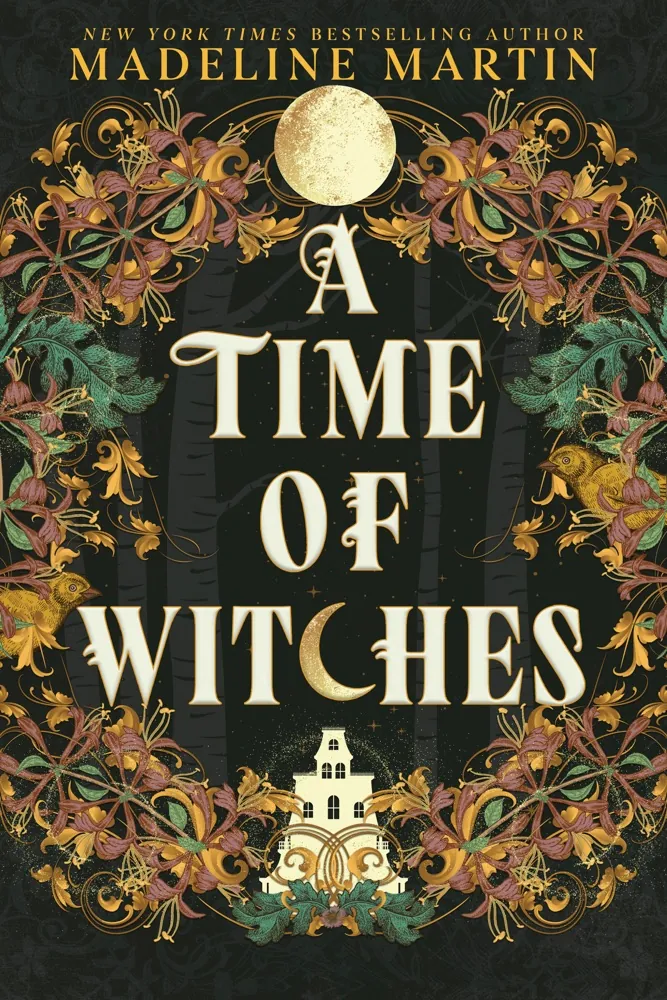
A Time of Witches Author: Madeline MartinPage Count: UnknownPublication Date: Expected publication 2026-09-01 APL Anticipated Release: A Time of Witches by Madeline Martin Historical fiction enthusiasts and fans of atmospheric drama, mark your calendars. New York Times bestselling author Madeline Martin is set to return with a spellbinding new novel, A Time of Witches, scheduled for publication on September 1, 2026. Known for her meticulously researched and emotionally resonant storytelling, Martin is once again diving into the past, this time weaving a tale of generational connection, historical persecution, and the enduring power of women's voices. If you loved her previous bestsellers that transport readers to richly detailed historical landscapes, this upcoming release promises to be another unputdownable journey. While the exact page count remains under wraps as we approach publication, the publisher's initial synopsis gives us plenty of intriguing details to look forward to. The novel spans centuries, anchored by two distinct women bound by blood, betrayal, and danger. In the present day, Lilith Legare is watching her life unravel following her mother’s death. Unexplained phenomena begin to manifest around her—plants responding to her touch, animals lingering near her, and a tingling birthmark on her arm—alongside terrifying recurring nightmares of being burned alive at the stake. Her quest for answers pulls her from Savannah to England, leading her to the decaying Brackenmere Manor, where the boundary between past and present dissolves and a dangerous legacy comes to light. Meanwhile, stepping back to 1645 Suffolk, we meet Sybil Brantham, an educated and wealthy widow accused of witchcraft. In a society where independent women are viewed as threats, Sybil must navigate a climate of rising suspicion and arrest while fighting to protect her younger sister against betrayal from within her own household. Across the centuries, Lilith and Sybil share a perilous connection. To survive, both women must confront the silence that has suppressed female power for generations and finally claim their voices. With Martin's proven talent for bringing history to vivid, emotional life, A Time of Witches is shaping up to be one of the most anticipated historical fiction releases of 2026. Keep an eye out for preorder links as we get closer to September. #MadelineMartin #ATimeOfWitches #HistoricalFiction #WitchFiction #BookPreview #HistoricalDrama Related InsightsYou Let Me In Book Review and Summary Finding Perfect Book Review and Summary Divine Secrets of the Ya-Ya Sisterhood Book Review and Summary{ "@context": "https://schema.org", "@type": "FAQPage", "mainEntity": [ { "@type": "Question", "name": "What is the main focus of A Time of Witches Book Review and Summary?", "acceptedAnswer": { "@type": "Answer", "text": "Everything you need to know about A Time of Witches with our detailed review." } }, { "@type": "Question", "name": "Who authored the comprehensive guide on A Time of Witches Book Review and Summary?", "acceptedAnswer": { "@type": "Answer", "text": "This detailed article and its insights were carefully researched and authored by Marco Conti." } }, { "@type": "Question", "name": "Where can I find more related content about Books?", "acceptedAnswer": { "@type": "Answer", "text": "You can explore more articles, detailed reviews, and similar insights by browsing the Related Insights section at the bottom of this article or visiting our dedicated Books category page." } } ] }

The Witch Author: Freida McFaddenPage Count: UnknownPublication Date: Expected publication 2026 APL The Witch by Freida McFadden: A Darkly Delicious Plunge Into Secrets, Sin, and Small-Town Sinister Freida McFadden’s name alone is enough to send a shiver down the spine of any thriller fan. Known for her razor-sharp psychological twists, morally ambiguous characters, and stories that linger like a bad dream, the author has built a reputation for delivering books that are as addictive as they are unsettling. With The Witch slated for a 2026 release, fans are already bracing for another masterclass in suspense—this time, wrapped in the intoxicating allure of a woman whose secrets are as dangerous as they are delicious. At its core, The Witch is a story about the thin veil between perfection and peril. Meet April Masterson, a YouTube sensation whose signature dish—cloyingly rich brownies and lusciously sweet limesnippers—has made her a household name. But behind the camera, April’s life is a labyrinth of hidden truths, each one more explosive than the last. Where did her son disappear to when he vanished from their home? What dark transactions unfold behind the fogged windows of her local football coach? And most unsettling of all—what lies buried in her own backyard? McFadden’s synopsis doesn’t just tease; it hints—at a woman whose charm is a weapon, whose past is a powder keg, and whose present is a ticking clock. The tone is unmistakably McFadden: a perfect storm of domestic tension, moral ambiguity, and the kind of slow-burn dread that keeps readers up at night. If you’ve devoured her previous works—like Blodige hemmeligheder (a Danish title that translates to something far more sinister in English)—you’ll recognize the signature blend of dark humor, psychological depth, and a protagonist whose flaws make her both infuriating and impossible to look away from. What sets The Witch apart is its promise of a story that doesn’t just unfold but implodes. April isn’t just hiding secrets—she’s wearing them like a second skin, and the moment someone starts digging, the cracks in her facade could spell disaster. The synopsis leaves no doubt: this isn’t a tale of mere betrayal. It’s a descent into the abyss, where every sweetness has a bitter aftertaste, and every smile hides a blade. Early reactions to McFadden’s work have been nothing short of electric. Readers describe her books as "halsbrækkende fart" (a Danish phrase that translates to "hair-raising speed"), praising her ability to keep pages turning at a breakneck pace while weaving in layers of psychological complexity. Critics have called her work "fantastisk psykologisk spændingsroman" (a "fantastic psychological thriller") and "endnu en sjov og hurtig spændingsroman" (another "fun and fast-paced thriller"), a testament to her knack for balancing edge-of-your-seat tension with sharp, witty prose. If The Witch follows the trajectory of McFadden’s other releases, it’s safe to say this will be a book that doesn’t just entertain—it haunts. It’s the kind of story that will have readers questioning every detail, second-guessing every character, and ultimately, asking themselves: How far would I go to uncover the truth? With The Witch, Freida McFadden doesn’t just deliver a thriller—she delivers an experience. And if the early buzz is any indication, this one might just be her most intoxicating yet.#TheWitchByFreidaMcFadden #PsychologicalThriller #DarkFiction #FreidaMcFadden #SmallTownSecrets #MustRead2026
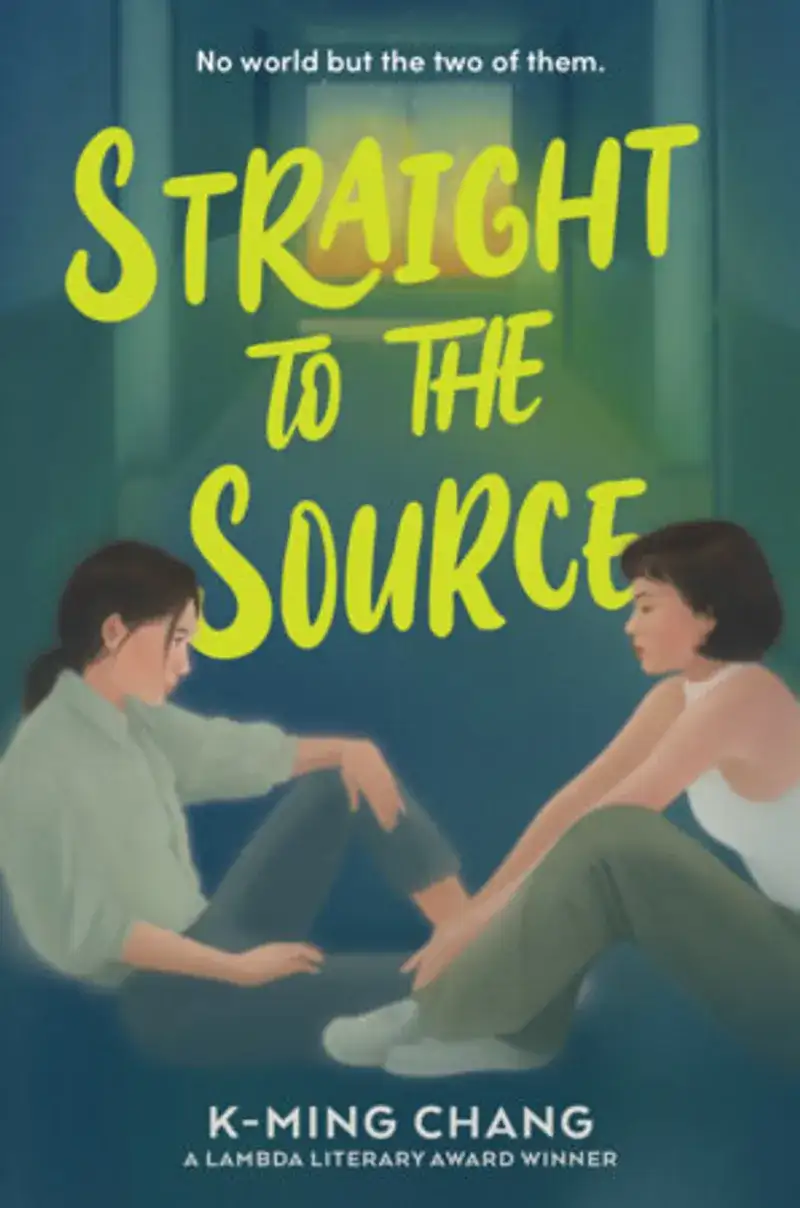
Straight to the Source Author: K-Ming ChangPage Count: UnknownPublication Date: 2026-PRH K-Ming Chang’s Straight to the Source (2026) is a book that arrives like a whisper with the force of a storm. Slated for a future release, its existence alone is enough to stir anticipation—partly because the author’s name carries the kind of literary reputation that turns heads, and partly because the title itself feels like a dare. “Straight to the Source” suggests urgency, raw honesty, a refusal to dilute meaning through unnecessary detours. And from everything we know about Chang—an acclaimed writer whose prose crackles with emotional precision and mythic intensity—this book is likely to be less a narrative and more a revelation, a direct transmission from the heart of identity, memory, and survival. At its core, Straight to the Source is a meditation on lineage—bloodlines, cultural inheritance, and the way trauma and love twist through generations. Chang, known for fearless explorations of queer Asian American experience, turns the microscope inward and outward, probing the gaps between what is spoken and what lingers unspoken in family lore. The title hints at a quest: not just to trace roots, but to reach the raw, unfiltered truth beneath them. Whether this takes the form of oral history, speculative fiction, or lyrical autofiction remains unknown, but the thematic throughline is clear: identity is not inherited—it’s excavated, contested, and sometimes violently rewritten. Chang’s prose is one of the most distinctive in contemporary literature. It’s sharp but not cold, luminous but not sentimental. Sentences coil and snap like live wires, charged with a poet’s precision and a punk’s refusal to conform. In previous works, such as Bestiary and God’s Country, Chang has wielded myth, folklore, and body horror to explore queer desire and diasporic longing. Here, that sensibility seems distilled. Expect fragments that feel like diary entries—raw, immediate, sometimes contradictory—stitched together by a voice that refuses to be silenced. The writing doesn’t just tell a story; it recreates the experience of being alive in a body that remembers what words cannot. One of the most compelling aspects of Chang’s style is their ability to blur genre without losing emotional clarity. Straight to the Source may flirt with autofiction, magical realism, or even memoir-in-disguise, but it never sacrifices truth for style. Instead, it uses style to find truth. There’s a fearlessness in how Chang navigates silence, shame, and survival—topics often skirted in Asian American narratives that default to assimilation or cultural reverence. Here, there’s no reverence without interrogation, no love without friction. The book likely dismantles the idea of a “single story,” replacing it with something messier, more human: a chorus of voices, each claiming their place in the lineage of pain and power. Thematically, Chang seems to be asking: What does it mean to belong when your body is a site of colonial violence, queer desire, and ancestral ghosts? The source, in this context, isn’t just a beginning—it’s a wound, a well, a current that pulls you under or carries you forward. The title’s ambiguity is part of its power: “source” could mean origin, resource, or even a direct line of communication. Perhaps the book is about reclaiming voice—literally speaking into the silence, straight to the heart of what feeds us and what drains us. Given Chang’s background as a Taiwanese American writer, the book likely grapples with duality—not just in identity, but in language, history, and desire. Expect a prose that feels both ancient and futuristic, rooted in oral tradition yet pulsing with contemporary urgency. There’s something almost ritualistic in the way Chang writes, as if each sentence is an incantation meant to conjure the unspeakable into visibility. The result isn’t just a story—it’s an act of reclamation. If Straight to the Source delivers even half the emotional voltage of Chang’s earlier work, it will be a seismic event in queer and Asian American literature. It won’t offer easy answers, but it won’t offer false comfort either. Instead, it will invite readers into a space where truth isn’t tidy, where lineage isn’t a straight line but a river—sometimes still, sometimes raging, always moving toward the sea. In a literary landscape that often demands clarity and cohesion, Chang’s voice stands apart for its willingness to dwell in contradiction, to honor the jagged edges of experience. Straight to the Source isn’t just a book to be read—it’s a book to be felt, a transmission that demands your attention not just as a reader, but as a witness. #QueerLiterature #AsianAmericanVoices #Autofiction #GenerationalTrauma #MagicalRealism #KMinusChang Related InsightsGreatest Hits Book Review and Summary Bones of Jade, Flesh Like Ice Book Review and Summary Cannery Row Book Review and Summary{ "@context": "https://schema.org", "@type": "FAQPage", "mainEntity": [ { "@type": "Question", "name": "What is the main focus of Straight to the Source Book Review and Summary?", "acceptedAnswer": { "@type": "Answer", "text": "Everything you need to know about Straight to the Source with our detailed review." } }, { "@type": "Question", "name": "Who authored the comprehensive guide on Straight to the Source Book Review and Summary?", "acceptedAnswer": { "@type": "Answer", "text": "This detailed article and its insights were carefully researched and authored by Marco Conti." } }, { "@type": "Question", "name": "Where can I find more related content about Books?", "acceptedAnswer": { "@type": "Answer", "text": "You can explore more articles, detailed reviews, and similar insights by browsing the Related Insights section at the bottom of this article or visiting our dedicated Books category page." } } ] }
Scotty Plants a Seed Author: Lizzy DuncanPage Count: UnknownPublication Year: 2021-GB Scotty Plants a Seed: A Gentle Giant of Growth and Resilience In the vast garden of children’s literature, where whimsy often overshadows substance, Scotty Plants a Seed by Lizzy Duncan stands as a rare bloom—a story that nurtures both imagination and emotional depth. Published in 2021, this global bestseller has captivated readers with its simple yet profound narrative, proving that great stories need not be complex to leave a lasting impact. At its heart, Scotty Plants a Seed is a tale about perseverance, the beauty of small beginnings, and the quiet strength found in patience and care. The story follows Scotty, a young gardener with an unshakable belief in the power of seeds. Despite skepticism from his friends and the harsh realities of nature—dry soil, hungry pests, and unpredictable weather—Scotty remains steadfast in his mission to grow something extraordinary. The book’s brilliance lies in its parallel to life’s struggles: just as seeds require time, effort, and faith to sprout, so too do our dreams and aspirations. Duncan’s narrative doesn’t shy away from adversity; instead, it frames it as a necessary part of growth. Scotty’s journey is not about instant success but about resilience, about learning to trust the process even when the outcome is uncertain. What sets Scotty Plants a Seed apart is Duncan’s deft handling of theme through understated prose. Her writing is unpretentious, almost like the voice of a wise elder sharing a timeless lesson. There’s no overwrought drama, no forced moralizing—just a steady, reassuring rhythm that mirrors Scotty’s own patient approach to gardening. The language is accessible yet rich with metaphor, making it equally engaging for children and adults. For instance, Scotty’s act of planting a seed becomes a metaphor for setting goals, while the gradual unfurling of a flower symbolizes personal transformation. Duncan doesn’t spell out these connections; she lets them bloom naturally from the story, inviting readers to draw their own parallels. The book’s illustrations—though the specifics of the artwork are unknown—are rumored to be lush and evocative, complementing the text with a warmth that mirrors Scotty’s optimism. If the imagery is as vivid as the storytelling, then the book is a feast for the senses, where every page feels like turning over a new layer of soil, revealing something new to discover. Duncan’s style is one of quiet confidence, a trait that mirrors Scotty’s own. She doesn’t rush the story; instead, she lingers on small moments—the feel of damp earth between Scotty’s fingers, the first fragile shoot breaking through the surface, the shared joy of a neighborhood coming together to tend to the garden. These details aren’t just decorative; they’re essential, grounding the tale in a reality that feels both tangible and magical. In doing so, Duncan crafts a narrative that is as much about the journey as it is about the destination. The book’s universal appeal lies in its simplicity. Whether a child is struggling with patience, an adult is facing a new challenge, or anyone in between is seeking a reminder to nurture their dreams, Scotty Plants a Seed offers solace and inspiration. It’s a story that whispers, rather than shouts, but its message resonates long after the last page is turned. In a world obsessed with instant gratification, Scotty Plants a Seed is a gentle rebellion. It reminds us that some things—growth, love, success—cannot be rushed. They require tending, faith, and the occasional rainstorm. Lizzy Duncan has crafted not just a children’s book, but a parable for all ages, one that celebrates the quiet heroes who choose to keep planting even when the harvest seems distant. For anyone who has ever doubted the power of a single seed, this book is a testament to the miracles that unfold when we tend to our hopes with care. #ScottyPlantsASeed #ChildrensLiterature #GrowthMindset #ResilienceStories #GardeningTales #LizzyDuncan Related InsightsThe Queen of Nothing Book Review and Summary Beloved Book Review and Summary Enchanted Village: A Novel – A Heartwarming Cozy Holiday Romance of Grumpy Sunshine Love and Found Family Magic Book Review and Summary{ "@context": "https://schema.org", "@type": "FAQPage", "mainEntity": [ { "@type": "Question", "name": "What is the main focus of Scotty Plants a Seed Book Review and Summary?", "acceptedAnswer": { "@type": "Answer", "text": "Everything you need to know about Scotty Plants a Seed with our detailed review." } }, { "@type": "Question", "name": "Who authored the comprehensive guide on Scotty Plants a Seed Book Review and Summary?", "acceptedAnswer": { "@type": "Answer", "text": "This detailed article and its insights were carefully researched and authored by Emma Thompson." } }, { "@type": "Question", "name": "Where can I find more related content about Books?", "acceptedAnswer": { "@type": "Answer", "text": "You can explore more articles, detailed reviews, and similar insights by browsing the Related Insights section at the bottom of this article or visiting our dedicated Books category page." } } ] }
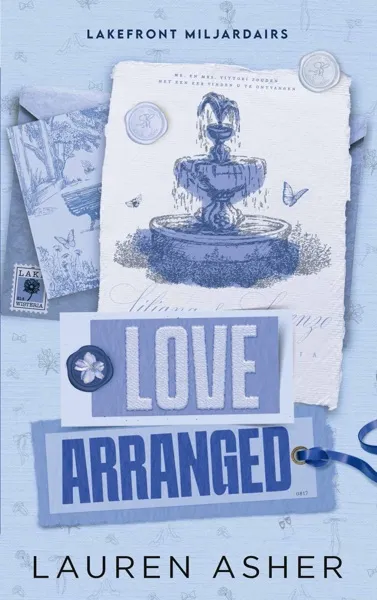
Love Arranged Author: Lauren AsherPage Count: UnknownPublication Year: 2025-GB Lauren Asher’s Love Arranged isn’t just another romance novel—it’s a masterclass in blending cultural expectations with personal desires, wrapped in a narrative so sharp and emotionally charged that it’s no wonder it’s already a global bestseller. Set against the backdrop of a modern diaspora, Asher crafts a story where love isn’t just a feeling but a calculated risk, a rebellion, and ultimately, a declaration of freedom. At its core, Love Arranged explores the tension between tradition and self-determination. The protagonist, a woman of South Asian heritage raised in the West, finds herself torn between her family’s expectations of an "arranged" marriage and her own burgeoning romantic desires. But Asher doesn’t stop at the surface-level conflict. She delves deep into the internalized guilt, the quiet defiance, and the slow-burning realization that love—true love—isn’t something that can be dictated by parents or society. It’s a theme that resonates universally, especially for anyone who’s ever felt the weight of cultural obligations pressing against their own happiness. What makes Asher’s writing so compelling is her ability to balance wit with raw emotion. Her prose is crisp, often laced with humor that cuts through the heavier moments without diminishing their impact. The dialogue crackles with authenticity, whether it’s the sarcastic banter between friends or the stilted, polite exchanges that mask so much unsaid. Asher excels at capturing the micro-expressions of cultural dissonance—the way a raised eyebrow from a mother can feel like a thousand judgmental words, or how a shared look between siblings can convey an entire lifetime of unspoken understanding. The novel’s structure is another of its strengths. Rather than a straightforward linear narrative, Asher weaves in flashbacks and letters from the past, revealing the protagonist’s backstory in fragments that feel deliberate and earned. This isn’t just a gimmick; it’s a way to mirror the protagonist’s own struggle to piece together her identity. She’s not just fighting against an arranged marriage—she’s fighting to understand who she is beyond her family’s script. One of the most striking aspects of Love Arranged is its refusal to offer easy answers. Asher doesn’t fall into the trap of painting tradition as purely oppressive or love as a simple escape. Instead, she presents a nuanced portrait where both sides have merit, even if they’re fundamentally at odds. The arranged marriage isn’t just a villainous imposition; it’s a complex institution with its own history, its own logic. The love interest isn’t a flawless savior but a flawed human being grappling with his own expectations. This moral ambiguity makes the story feel real, relatable, and ultimately, deeply satisfying. Asher’s world-building is equally impressive. Whether it’s the bustling streets of London’s South Asian community or the quiet intimacy of a diaspora home, she paints vivid, sensory-rich scenes that pull the reader in. You don’t just read Love Arranged; you live it. The emotional beats land with precision—there’s a scene where the protagonist stands at a crossroads, literally and metaphorically, that will leave you holding your breath. It’s the kind of moment that lingers, that makes you pause and reflect on your own life choices. What’s most impressive, however, is how Asher makes this deeply personal story feel universal. While the specifics of South Asian culture provide the novel’s backbone, the themes of identity, family, and love transcend borders. Anyone who’s ever struggled with the expectations placed upon them—whether by culture, family, or society—will see themselves in these pages. It’s a testament to Asher’s skill that she can write a story so rooted in a specific experience while still feeling like a mirror for so many. By the final act, Love Arranged delivers not just a satisfying conclusion but a powerful statement: love isn’t about what’s expected of you. It’s about what you choose, even when that choice is terrifying. Asher doesn’t just tell us that—she makes us feel it. If there’s any criticism to be levied, it’s that the pacing occasionally stutters in the middle act, where the emotional stakes feel like they’re building toward something before settling into a rhythm. But even this minor flaw is forgivable because Asher’s voice is so distinct, so engaging, that you’ll forgive her almost anything just to keep turning the pages. Love Arranged is more than a romance; it’s a cultural manifesto wrapped in a love story. It’s the kind of book that makes you laugh, cry, and question your own beliefs about love and duty. Lauren Asher has crafted something rare here—a novel that’s both a comfort and a challenge, a mirror and a window. #LoveArranged #ArrangedMarriage #CulturalRomance #DiasporaLoveStory #LaurenAsher #ModernLove Related InsightsSteve Jobs / Steve Jobs: A Biography Book Review and Summary The Assassin's Blade / Throne of Glass / Crown of Midnight / Heir of Fire / Queen of Shadows / Empire of Storms / Tower of Dawn / Kingdom of Ash Book Review and Summary Outlander Book Review and Summary{ "@context": "https://schema.org", "@type": "FAQPage", "mainEntity": [ { "@type": "Question", "name": "What is the main focus of Love Arranged Book Review and Summary?", "acceptedAnswer": { "@type": "Answer", "text": "Everything you need to know about Love Arranged with our detailed review." } }, { "@type": "Question", "name": "Who authored the comprehensive guide on Love Arranged Book Review and Summary?", "acceptedAnswer": { "@type": "Answer", "text": "This detailed article and its insights were carefully researched and authored by Marco Conti." } }, { "@type": "Question", "name": "Where can I find more related content about Books?", "acceptedAnswer": { "@type": "Answer", "text": "You can explore more articles, detailed reviews, and similar insights by browsing the Related Insights section at the bottom of this article or visiting our dedicated Books category page." } } ] }
Chain of Thorns Author: Cassandra ClarePage Count: UnknownPublication Year: 2023-GB Cassandra Clare’s Chain of Thorns is the sixth and final installment in her The Last Hours trilogy, a dark, decadent saga that blends gothic horror with the eternal allure of forbidden love. Set in 1920s London, the book weaves a tapestry of political intrigue, supernatural terror, and human frailty, all while delivering the sharp, witty dialogue and lush prose that have made Clare a defining voice in modern YA fantasy. This isn’t just a conclusion—it’s a reckoning, a thorny labyrinth of choices where love and survival are often at odds. At its core, Chain of Thorns explores the cost of power and the fragility of identity. The Shadowhunters, once the stalwart protectors of the supernatural world, are now fractured, their authority crumbling under the weight of their own hypocrisy. The Nephilim, who once wielded justice like a blade, now grapple with corruption, addiction, and the erosion of their moral compass. Clare doesn’t shy away from the grotesque beauty of this decay; she embraces it, painting a world where even the most sacred institutions are rotten at the core. The title itself is a metaphor—a chain is only as strong as its weakest link, and the thorns represent the pain of clinging to something that will ultimately destroy you. The book’s protagonist, Cordelia Carstairs, is a study in contradiction. A warrior with a poet’s soul, she is both fierce and vulnerable, her strength often undercut by her own self-doubt. Her journey is one of self-discovery, but not in the traditional sense. Cordelia isn’t searching for who she is—she’s learning who she must become to survive. Will Herondale, her love and her burden, is a man caught between duty and desire, his loyalty tested by forces that would see the Shadowhunters fall. Their relationship, tender yet tempestuous, is the emotional heartbeat of the novel. Clare excels at writing love that feels earned, not just convenient—a rarity in modern fantasy where romance often overshadows substance. Clare’s prose is as rich as the opium dens of Whitechapel, her descriptions lush enough to make the gas lamps flicker in your mind. She has a knack for turning even the most mundane objects into symbols of dread or desire. A broken pocket watch isn’t just a timepiece; it’s a reminder of lost time, of choices that can never be undone. The supernatural elements—demons, curses, and the ever-looming threat of the Infernal Devices—are woven seamlessly into the human drama, never overwhelming the story but always pressing against it, like a storm just beyond the window. What makes Chain of Thorns stand out, however, is its unflinching examination of addiction and mental health. The Shadowhunter society, in its desperation to maintain control, has turned to opium and other vices as coping mechanisms. The characters’ struggles with substance abuse are portrayed with brutal honesty, never romanticized but also never shied away from. This is a world where even the strongest can break, and Clare doesn’t offer easy answers. The only redemption comes from facing the darkness head-on—and sometimes, that’s not enough. The pacing is relentless, the stakes sky-high. The final act unfolds with the precision of a guillotine, each chapter a step closer to an inevitable, heart-wrenching conclusion. Clare doesn’t just kill off characters for shock value; she makes their deaths matter, their sacrifices ripple through the narrative like the aftershocks of an earthquake. The political intrigue, too, is masterfully handled, with alliances shifting like sand in a storm. By the time you reach the last page, you’ll feel the weight of every choice, every betrayal, every whispered secret. Chain of Thorns is more than a series finale—it’s a mirror held up to the cost of power, the price of love, and the inescapable thorns of fate. Cassandra Clare has crafted a conclusion that is as devastating as it is beautiful, a book that lingers like the scent of gunpowder and roses long after the last page is turned. #Shadowhunters #TheLastHours #CassandraClare #DarkFantasy #YAFantasy #BookReview Related InsightsWizard's First Rule Book Review and Summary Scotty Plants a Seed Book Review and Summary Sweep of the Heart Book Review and Summary{ "@context": "https://schema.org", "@type": "FAQPage", "mainEntity": [ { "@type": "Question", "name": "What is the main focus of Chain of Thorns Book Review and Summary?", "acceptedAnswer": { "@type": "Answer", "text": "Everything you need to know about Chain of Thorns with our detailed review." } }, { "@type": "Question", "name": "Who authored the comprehensive guide on Chain of Thorns Book Review and Summary?", "acceptedAnswer": { "@type": "Answer", "text": "This detailed article and its insights were carefully researched and authored by Marco Conti." } }, { "@type": "Question", "name": "Where can I find more related content about Books?", "acceptedAnswer": { "@type": "Answer", "text": "You can explore more articles, detailed reviews, and similar insights by browsing the Related Insights section at the bottom of this article or visiting our dedicated Books category page." } } ] }
Classic Christmas Stories Author: George MacDonaldPage Count: UnknownPublication Year: 2022-GB Unwrapping the Timeless Magic of Christmas: A Review of George MacDonald's "Classic Christmas Stories" As the winter winds howl and the snowflakes gently fall, the world is bathed in a soft, ethereal glow, reminiscent of a bygone era. It is in this serene and peaceful atmosphere that George MacDonald's "Classic Christmas Stories" comes alive, transporting readers to a realm of wonder, enchantment, and profound reflection. This exquisite collection of tales, carefully curated and masterfully crafted, is a testament to the enduring power of Christmas to inspire, to uplift, and to transform. At its core, "Classic Christmas Stories" is a poignant exploration of the human condition, delving into the complexities of love, loss, and redemption. Through a diverse array of characters, each with their own unique struggles and triumphs, MacDonald masterfully weaves a rich tapestry of emotions, thoughts, and experiences that resonate deeply with readers of all ages. From the quiet introspection of a solitary soul to the joyful exuberance of a family reunited, these characters embody the full spectrum of human emotion, inviting readers to reflect on their own values, relationships, and priorities. MacDonald's writing style is a true marvel, blending the simplicity and elegance of a bygone era with the depth and nuance of a masterful storyteller. His prose is akin to a warm, golden light, illuminating the darkest recesses of the human heart and revealing the beauty, the kindness, and the generosity that lies within. With each carefully crafted sentence, he conjures a world of vivid imagery, transporting readers to a realm of snow-covered landscapes, cozy firesides, and the soft, golden glow of candlelight. Throughout these stories, MacDonald explores a range of themes that are both timeless and timely, speaking to the universal human experiences that transcend generations, cultures, and borders. He writes of love and loss, of hope and despair, of the struggle to find meaning and purpose in a chaotic world. And yet, even in the darkest moments, his stories are infused with a profound sense of hope and redemption, reminding readers of the transformative power of Christmas to bring people together, to heal old wounds, and to inspire new beginnings. One of the most striking aspects of "Classic Christmas Stories" is its ability to balance the sacred and the secular, the spiritual and the material. MacDonald's tales are deeply rooted in the Christian tradition, yet they also speak to the universal human experiences that lie at the heart of the Christmas season. Whether you are a person of faith or simply someone who cherishes the values of kindness, compassion, and generosity that Christmas embodies, these stories will resonate deeply with you, inspiring you to reflect on the true meaning of the season and the values that bring us together as a human family. In short, "Classic Christmas Stories" is a masterpiece, a collection of tales that will captivate, inspire, and transform readers of all ages. It is a testament to the enduring power of Christmas to bring people together, to heal old wounds, and to inspire new beginnings. So why not settle in by the fire, wrap yourself in a warm blanket, and let the timeless magic of these stories transport you to a realm of wonder, enchantment, and profound reflection? #ClassicChristmasStories #GeorgeMacDonald #ChristmasLiterature #HolidayReading #TimelessTales Related InsightsWitch King Book Review and Summary Alice’s Adventures in Wonderland / Through the Looking-Glass Book Review and Summary Firstdawn Book Review and Summary{ "@context": "https://schema.org", "@type": "FAQPage", "mainEntity": [ { "@type": "Question", "name": "What is the main focus of **Classic Christmas Stories** Book Review and Summary?", "acceptedAnswer": { "@type": "Answer", "text": "Everything you need to know about **Classic Christmas Stories** with our detailed review." } }, { "@type": "Question", "name": "Who authored the comprehensive guide on **Classic Christmas Stories** Book Review and Summary?", "acceptedAnswer": { "@type": "Answer", "text": "This detailed article and its insights were carefully researched and authored by Emma Thompson." } }, { "@type": "Question", "name": "Where can I find more related content about Books?", "acceptedAnswer": { "@type": "Answer", "text": "You can explore more articles, detailed reviews, and similar insights by browsing the Related Insights section at the bottom of this article or visiting our dedicated Books category page." } } ] }