Showing Posts From
How to win friends i
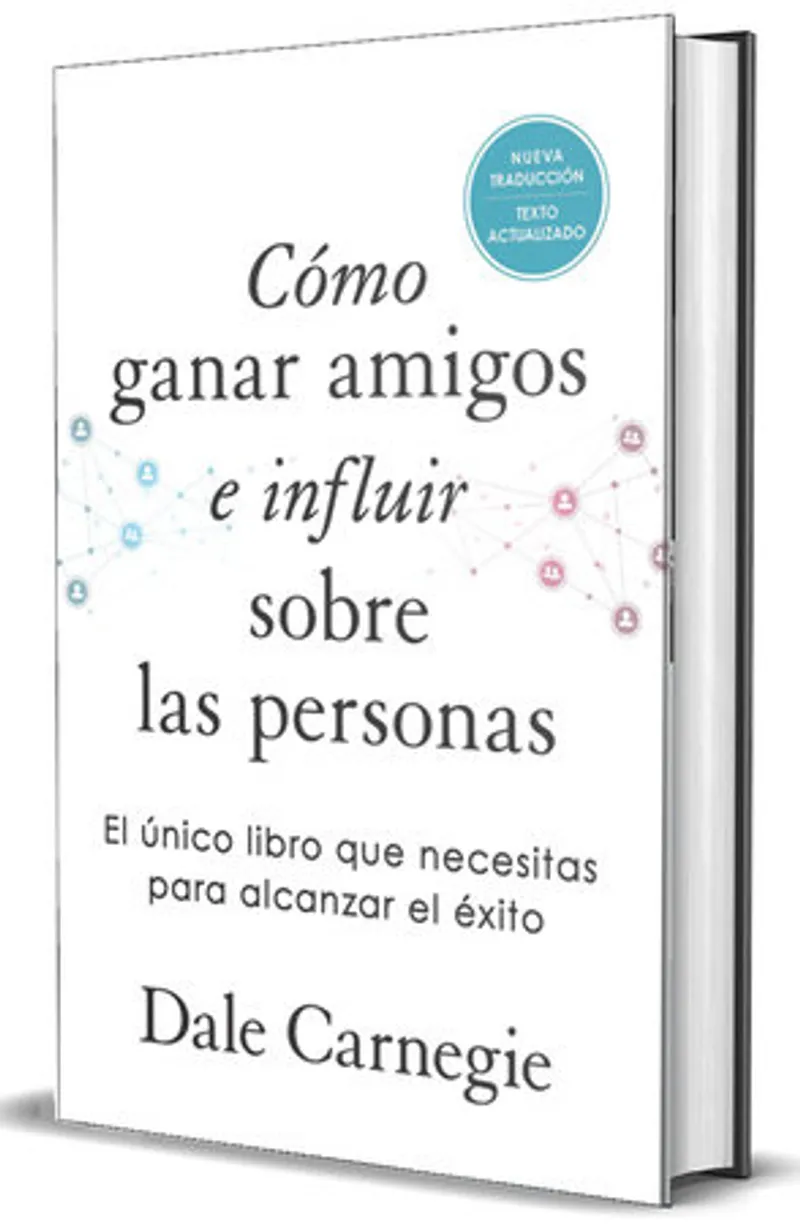
Cómo ganar amigos e influir sobre las personas (Edición de regalo) / How to Win Friends & Influence People Author: Dale CarnegiePage Count: UnknownPublication Date: 2024-PRH Dale Carnegie’s How to Win Friends & Influence People isn’t just a book—it’s a cultural phenomenon. First published in 1936, it has sold over 30 million copies worldwide and remains one of the most enduring self-help guides ever written. The 2024 gift edition, updated by Carnegie’s daughter Donna, refreshes the timeless wisdom with modern language while restoring lost material from the original text. But make no mistake: this isn’t a book about manipulation or superficial charm. It’s a manual for human connection, a guide to navigating relationships with authenticity and empathy. At its core, the book is about influence—not in the Machiavellian sense, but in the way we shape our interactions to foster mutual respect and understanding. Carnegie’s philosophy is simple yet profound: success, whether personal or professional, hinges on how well we treat others. His advice isn’t about quick fixes or empty flattery; it’s about genuine engagement, active listening, and making people feel valued. In an era where digital communication often replaces face-to-face interaction, Carnegie’s principles feel more relevant than ever. Carnegie’s writing style is disarmingly conversational, as if he’s sitting across from you at a café, sharing hard-earned lessons from decades of observing human behavior. He doesn’t rely on jargon or abstract theories. Instead, he grounds his advice in real-life anecdotes—stories of salesmen who turned around hostile clients, leaders who inspired loyalty through kindness, and individuals who transformed their lives by changing how they listened to others. This approach makes the book accessible, even to readers who typically shy away from self-help literature. One of the book’s most striking themes is Carnegie’s emphasis on making others feel important. He argues that the deepest human desire is to be recognized, and he provides practical ways to fulfill that need in others. Techniques like remembering names, giving sincere compliments, and avoiding criticism (which he calls "futile") aren’t just social niceties—they’re tools for building trust and rapport. Carnegie’s famous principle, "Don’t criticize, condemn, or complain," isn’t about suppressing honest feedback but about framing it in a way that doesn’t bruise egos. It’s a lesson in emotional intelligence before the term even existed. The book is divided into four parts, each tackling a different aspect of human interaction. The first section, "Fundamental Techniques in Handling People," lays the groundwork by teaching readers to see situations from others’ perspectives. Carnegie’s advice here is deceptively simple: "Begin with praise and honest appreciation" before addressing problems. This isn’t about manipulation—it’s about creating an environment where people are open to change because they feel respected. The second part, "Six Ways to Make People Like You," feels almost counterintuitive in its simplicity. Carnegie’s suggestions—like smiling, being a good listener, and making others feel important—might seem like common sense, but how often do we actually practice them? The book forces readers to confront their own habits, like interrupting or dominating conversations, and challenges them to do better. The third section, "How to Win People to Your Way of Thinking," is where Carnegie’s leadership principles shine. He teaches that persuasion isn’t about force but about collaboration. Techniques like letting others feel their ideas are their own ("The secret of Socrates") and admitting when you’re wrong ("If you’re wrong, admit it quickly and emphatically") disarm defensiveness and open doors to cooperation. These aren’t tricks; they’re the building blocks of respectful leadership. The final part, "Be a Leader: How to Change People Without Offending Them," tackles the delicate art of influence. Carnegie’s advice here is especially valuable in workplaces where ego and hierarchy often stifle growth. He advocates for encouragement over punishment, praising effort rather than results, and making faults seem easy to correct. It’s a philosophy that aligns with modern leadership trends like servant leadership and emotional intelligence. What makes this book timeless is its refusal to date itself. Carnegie’s principles don’t rely on fleeting trends or cultural norms; they tap into universal truths about human nature. Whether you’re a CEO, a student, or someone struggling to connect with others, the book offers something tangible. The 2024 update ensures the language feels fresh, but the wisdom remains unchanged. It’s a rare book that doesn’t just tell you what to do—it makes you want to do it. Carnegie’s genius lies in his ability to blend pragmatism with warmth. He doesn’t promise overnight success or magical charisma. Instead, he offers a path: one small, consistent action at a time. Readers who apply his lessons won’t become manipulative social climbers; they’ll become better listeners, more empathetic leaders, and, ultimately, more likable people. If there’s a criticism to be made, it’s that some readers might find the book’s advice too idealistic for cutthroat environments. Carnegie’s world is one where people respond to kindness and respect—but what about those who don’t? The book doesn’t pretend to have all the answers, but it does provide a framework for navigating even the toughest relationships with dignity. In the end, How to Win Friends & Influence People is more than a guide—it’s a manifesto for a kinder, more connected world. Whether you’re looking to advance your career, deepen your relationships, or simply become a more considerate person, Carnegie’s lessons are a compass pointing toward a better way to live. #HowToWinFriends #DaleCarnegie #SelfImprovement #PeopleSkills #Leadership #TimelessWisdom Related InsightsTales from the Folly Book Review and Summary Música, sólo música Book Review and Summary All the Bright Places Book Review and Summary{ "@context": "https://schema.org", "@type": "FAQPage", "mainEntity": [ { "@type": "Question", "name": "What is the main focus of How to Win Friends & Influence People Book Review and Summary?", "acceptedAnswer": { "@type": "Answer", "text": "Everything you need to know about How to Win Friends & Influence People with our detailed review." } }, { "@type": "Question", "name": "Who authored the comprehensive guide on How to Win Friends & Influence People Book Review and Summary?", "acceptedAnswer": { "@type": "Answer", "text": "This detailed article and its insights were carefully researched and authored by Dale Carnegie." } }, { "@type": "Question", "name": "Where can I find more related content about Books?", "acceptedAnswer": { "@type": "Answer", "text": "You can explore more articles, detailed reviews, and similar insights by browsing the Related Insights section at the bottom of this article or visiting our dedicated Books category page." } } ] }