Showing Posts From
Hyderabadi biryani
-
 Kenji Sato
 - 01 Sep, 2026 11:58
The Scents of Royalty: A Journey Through Indian Biryani's Aromatic Delights
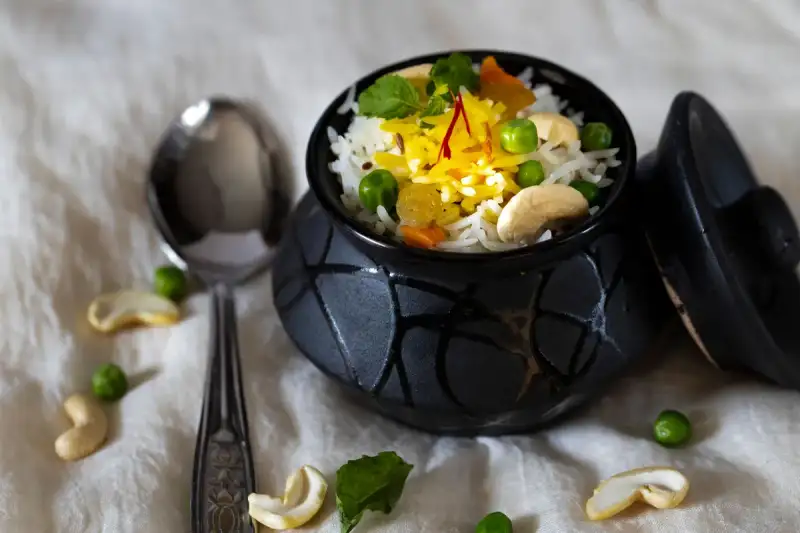
The first whiff of biryani is like stepping into a Mughal palace—warm, complex, and undeniably regal. This isn’t just a dish; it’s a symphony of spices, slow-cooked traditions, and centuries-old craftsmanship. From the royal kitchens of Delhi to the bustling streets of Hyderabad, biryani has traveled through time, carrying with it the scents of empire, the whispers of spice traders, and the soul of a subcontinent.The Mughal Legacy: How Biryani Became the Crown Jewel of Indian Cuisine The story of biryani begins not in India, but in Persia. The word itself derives from the Persian beryan, meaning "to fry or roast." When Persian chefs entered the Indian subcontinent under Mughal rule in the 16th century, they brought with them techniques of layering meat and rice, slow-cooked in sealed pots—a method perfected in the royal kitchens of Emperor Babur and later refined by his successors. Historical records from the Mughal court, such as the Ain-i-Akbari compiled during Akbar’s reign, mention dishes resembling biryani, prepared for emperors and nobility. The dish evolved as it traveled—Persian pulao met Indian spices, and the result was biryani: a layered masterpiece where basmati rice, marinated meat, and aromatic spices meld into one transcendent bite. The technique of dum cooking—sealing the pot with dough and slow-cooking over charcoal—was a Mughal innovation. This method ensured that the flavors of meat, rice, and spices intermingled without losing their individual identities. The use of saffron, a luxury imported from Kashmir, became a hallmark of royal biryani, symbolizing opulence and refinement. Today, two styles dominate the biryani narrative: Hyderabadi and Lucknowi. The Hyderabadi version, born in the Nizami court, is robust and fiery, with layers of basmati rice, spiced meat (usually mutton or chicken), and fried onions. The Lucknowi biryani, on the other hand, is delicate and perfumed, with meat marinated in yogurt and rose water, and rice lightly spiced with kewra and saffron.The Spice Alchemy: Decoding the Aromatic Soul of Biryani At the heart of every biryani lies its spice blend—a carefully curated orchestra of flavors that dance on the palate. While regional variations exist, the core spices remain consistent: cardamom, cinnamon, cloves, bay leaves, and nutmeg, along with ginger, garlic, and green chilies for depth. The star, however, is biryani masala, a proprietary mix that varies from family to family. The process begins with marinating the meat—traditionally lamb or chicken—in yogurt, ginger-garlic paste, and a blend of spices. The yogurt tenderizes the meat while infusing it with flavor. The marinade often includes kasturi methi (dried fenugreek leaves), which lends a distinctive earthy aroma, and saffron strands soaked in warm milk, adding a golden hue and floral notes. For the rice, basmati is the gold standard—long-grain, fragrant, and non-sticky. The rice is parboiled with whole spices like bay leaves, cinnamon, and cardamom, then layered with the marinated meat in a handi (clay pot) or heavy-bottomed vessel. The final touch is the dum process: the pot is sealed with dough or foil, and the biryani is slow-cooked over low heat, allowing the steam to work its magic. The result? A dish where every grain of rice is infused with the essence of the meat, and every bite of meat carries the warmth of spices. The aroma alone—cardamom’s citrusy sweetness, cinnamon’s woody depth, and the faint smokiness of charred onions—is enough to transport you to the streets of Old Delhi or the palaces of Awadh.Regional Variations: A Culinary Map of India’s Biryani Kingdom India’s biryani is not a monolith—it’s a patchwork of regional identities, each with its own history, ingredients, and techniques. Hyderabad: The Fire and Spice Capital Hyderabadi biryani is the stuff of legend. Here, the kacchi style—where raw marinated meat is layered with parboiled rice and slow-cooked—dominates. The meat is cooked in its own juices, absorbing the spices deeply. The dish is finished with fried onions, mint, and coriander, and served with mirchi ka salan (a fiery chili curry) and raita. The heat is balanced by the cooling yogurt, creating a perfect harmony. Lucknow: The Elegance of Awadh Lucknowi biryani is a study in subtlety. The pakki style—where meat is pre-cooked before layering—results in tender, melt-in-the-mouth pieces. The rice is lightly spiced with kewra water and saffron, giving it a pale golden hue. The meat is marinated in yogurt and rose water, lending a delicate floral note. This biryani is often served with raita and shahi tukda (a royal dessert), reflecting its Mughal aristocratic roots. Kolkata: The Colonial Fusion Biryani in Kolkata is a product of British colonial influence. The Kolkata biryani uses potatoes and boiled eggs alongside meat, a nod to the British preference for softer textures. The spices are milder, and the dish is often garnished with fried cashews and raisins, adding a touch of sweetness. This version is a testament to how biryani adapted to local tastes while retaining its essence. Malabar: The Coastal Twist In Kerala’s Malabar region, biryani takes on a coastal flair. The Malabar biryani features short-grain rice, coconut milk, and a generous dose of curry leaves and black pepper. The meat—often chicken or beef—is marinated in coconut yogurt and spices, then layered with rice. The result is a biryani that’s fragrant, slightly tangy, and deeply aromatic, with the unmistakable influence of Malabar’s spice trade history. Sindhi: The Bold and Spicy Sindhi biryani, hailing from the Sindh region (now in Pakistan), is known for its bold flavors. The meat is marinated in a fiery blend of spices, including red chili powder and garam masala, and cooked with potatoes. The rice is vibrantly colored with turmeric or food coloring, and the dish is garnished with fried onions and boiled eggs. This biryani is hearty, spicy, and unapologetically robust.Biryani Style Key Ingredients Cooking Style Flavor ProfileHyderabadi Mutton, basmati rice, fried onions Kacchi (raw meat) Spicy, robust, layeredLucknowi Chicken, yogurt, kewra water Pakki (pre-cooked meat) Mild, floral, delicateKolkata Potatoes, eggs, basmati rice Pakki Milder, slightly sweetMalabar Chicken, coconut milk, curry leaves Kacchi Tangy, fragrant, coastalSindhi Beef, potatoes, red chili powder Kacchi Bold, spicy, vibrantThe Biryani Ritual: From Market to Table Making biryani is not just cooking—it’s a ritual. It begins at the spice market, where vendors grind fresh spices on stone wheels, their aromas mingling in the air. The selection of basmati rice is crucial; only the finest, aged grains will yield the perfect texture. The meat—whether lamb, chicken, or goat—must be fresh and marinated overnight to allow the spices to penetrate deeply. The handi (clay pot) is an essential tool. It’s preheated to ensure even cooking, and the dough seal (purda) is meticulously crafted to trap the steam. The dum process is where the magic happens—low heat, slow cooking, and patience. Some chefs even place a lit charcoal on top of the sealed pot, infusing the biryani with a smoky aroma. Serving biryani is an art in itself. It’s traditionally presented in a large platter, with the rice and meat arranged in layers. Garnishes like fried onions, mint, and coriander are added just before serving, along with a side of raita (yogurt with cucumber and mint) to balance the heat. In Hyderabad, it’s served with mirchi ka salan, while in Lucknow, it’s paired with shahi tukda for a royal finish. The experience of eating biryani is communal—often shared from a single platter, with hands or utensils, in a setting that’s as much about the people as the food. It’s a dish that brings families together, celebrates festivals, and marks life’s milestones.Biryani Beyond Borders: Global Adaptations and Health Considerations While biryani is deeply rooted in Indian culture, its influence has spread globally. In the UK, Pakistani and Bangladeshi communities have popularized biryani as a takeaway staple, often served with raita and salad. In the Middle East, versions like Yemeni mandi (a spiced rice and meat dish) and Omani kabsa share similarities with biryani, reflecting the historical spice trade routes. In the US, biryani has found a niche in food trucks and fusion restaurants. Chefs experiment with ingredients like quinoa instead of rice, or tofu for a vegetarian twist. However, purists argue that these adaptations dilute the essence of biryani, which relies on the harmony of traditional spices and techniques. For those mindful of nutrition, biryani can be a balanced meal when prepared with lean meats and less oil. A typical serving of Hyderabadi biryani (about 300g) contains approximately:Calories: 450-500 kcal Protein: 25-30g (from meat) Carbohydrates: 50-60g (from rice) Fat: 15-20g (mostly from ghee and oil) Fiber: 3-5g (from vegetables and spices)The spices in biryani also offer health benefits. Turmeric, a key ingredient, is anti-inflammatory, while cardamom aids digestion. However, the high sodium content from fried onions and added salt should be consumed in moderation.The Future of Biryani: Preserving Tradition in a Modern World As global interest in biryani grows, so does the challenge of preserving its authenticity. Fast-food chains and instant biryani mixes threaten to dilute the centuries-old techniques that make biryani special. Yet, there’s hope in the revival of artisanal methods—chefs like Imtiaz Qureshi (a pioneer of modern Indian cuisine) and Zorawar Kalra (of Masala Library fame) are reimagining biryani with a focus on tradition and innovation. Social media has also played a role in biryani’s resurgence. Platforms like Instagram and TikTok have turned biryani into a viral sensation, with videos of the dum process and layered rice garnering millions of views. Food festivals dedicated to biryani, such as the Hyderabad Biryani Festival, celebrate the dish’s diversity and cultural significance. For home cooks, the key to a great biryani lies in patience and attention to detail. Start with the right spices, marinate the meat overnight, and don’t rush the dum process. The result will be a dish that’s not just food, but a piece of history on your plate.A Feast for the Senses: Why Biryani Endures Biryani is more than a dish—it’s a cultural artifact, a culinary masterpiece, and a sensory experience. Its aromas evoke memories of bustling markets and royal feasts. Its flavors tell stories of trade routes, empires, and local ingenuity. And its textures—crispy fried onions, tender meat, fluffy rice—are a testament to the skill of the cook. In a world where fast food often dominates, biryani reminds us of the beauty of slow cooking, of layering flavors, and of sharing a meal with loved ones. It’s a dish that transcends borders, bringing people together in celebration of India’s rich culinary heritage. So the next time you take a bite of biryani, close your eyes and let the scents transport you. You’re not just eating a meal—you’re tasting history.#IndianFoodie #BiryaniLove #SpiceTrails #RoyalCuisine #FoodMemories Related InsightsSip, Savor, and Swoon: The Art of French Wine and Cheese Pairings That Will Transport You to the Vineyards of Bordeaux French Lentil Soup with Kale and Dijon: A High Protein Delight Das Herz des Dampfes: Die Kunst und Philosophie hinter der Dim Sum Kultur{ "@context": "https://schema.org", "@type": "FAQPage", "mainEntity": [ { "@type": "Question", "name": "What is the main focus of The Scents of Royalty: A Journey Through Indian Biryani's Aromatic Delights?", "acceptedAnswer": { "@type": "Answer", "text": "Discover the regal history, regional variations, and aromatic secrets of India's most celebrated dish—biryani." } }, { "@type": "Question", "name": "Who authored the comprehensive guide on The Scents of Royalty: A Journey Through Indian Biryani's Aromatic Delights?", "acceptedAnswer": { "@type": "Answer", "text": "This detailed article and its insights were carefully researched and authored by Kenji Sato." } }, { "@type": "Question", "name": "Where can I find more related content about Food?", "acceptedAnswer": { "@type": "Answer", "text": "You can explore more articles, detailed reviews, and similar insights by browsing the Related Insights section at the bottom of this article or visiting our dedicated Food category page." } } ] }