Showing Posts From
I am the monster und
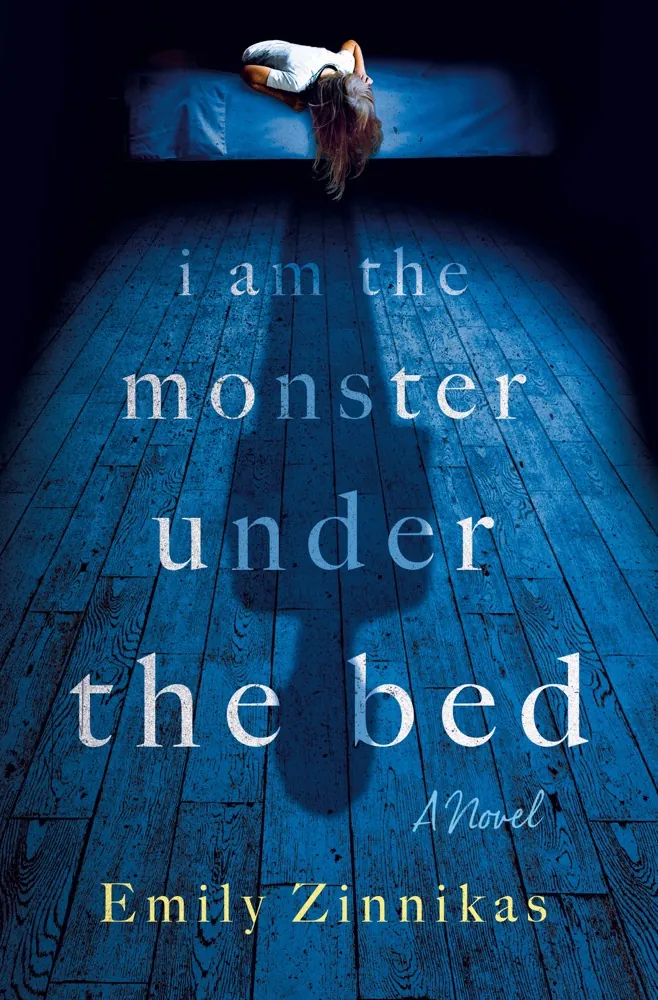

Author: Emily ZinnikasPage Count: UnknownPublication Date: Expected publication 2026-09-15 APL Dirt under my fingernails, the humid August sun baking the back of my neck, and yet my mind is entirely snagged on a premise about a girl who learned to read from the thing under her bed. I was out here sinking Early Girl tomato cages into the stubborn soil after a brutally long shift at the desk, completely numb to the ache in my joints, when Emily Zinnikas’s upcoming release, I Am the Monster Under the Bed, somehow infiltrated my thoughts. Fascinating in theory. But can a book manage the delicate tightrope walk between profound childhood isolation and outright supernatural horror without losing its pulse? Let us consider the thematic weight of a thirty-two-year-old reclusive painter dragged back to a gossipy, suffocating hometown. Zinnikas—slated for publication in late 2026—sets up a psychological pressure cooker. And honestly, who hasn't felt the sting of a town that decided your worst chapter before you even reached adulthood? Willa is branded as the survivor of the Rapture Mystery Slayings, an unsolved tragedy that left six teenagers dead in the woods while she walked away completely unscathed. Or so the town whispered. Anticipating the Shadows What strikes me—sitting here covered in garden loam, feeling remarkably detached from the sweltering afternoon heat—is the brilliant ambiguity of the synopsis. Does the monster under the bed actually exist, or is it a manifestation of trauma coping mechanisms? Zinnikas leaves us guessing. Yet the blurb hints at whispering trees and unexplained basement knocking, suggesting we are diving headfirst into atmospheric horror that leans heavily on tactile dread. Think Shirley Jackson meets The Hazel Wood, but with a sharper focus on domestic decay and public persecution. The synopsis boasts a lovely, chilling juxtaposition: fond memories of a literacy-teaching entity contrasted against a thirty-two-year-old woman sliding gracefully into the role of the village villain. A dangerous gamble for any author. If handled carelessly, the descent into villainy feels rushed or unearned. But if Zinnikas maintains the icy emotional detachment that pulses through this summary? We might witness something genuinely remarkable. Time will tell, of course. For now, I have these rogue tomato vines to tie down and an unsettling urge to check the dark space beneath my own guest room bed. Would you invite your childhood monster back inside just to spite the neighbors? Related InsightsWe Chase Shadows (We Solve Murders, #2) Book Review and Summary Agrippa: A Novel of Ancient Rome's Descent into Dictatorship Book Review and Summary Headfirst Book Review and Summary{ "@context": "https://schema.org", "@type": "FAQPage", "mainEntity": [ { "@type": "Question", "name": "What is the main focus of I Am the Monster Under the Bed Book Review and Summary?", "acceptedAnswer": { "@type": "Answer", "text": "Everything you need to know about I Am the Monster Under the Bed with our detailed review." } }, { "@type": "Question", "name": "Who authored the comprehensive guide on I Am the Monster Under the Bed Book Review and Summary?", "acceptedAnswer": { "@type": "Answer", "text": "This detailed article and its insights were carefully researched and authored by Maximilian Fischer." } }, { "@type": "Question", "name": "Where can I find more related content about Books?", "acceptedAnswer": { "@type": "Answer", "text": "You can explore more articles, detailed reviews, and similar insights by browsing the Related Insights section at the bottom of this article or visiting our dedicated Books category page." } } ] }