Showing Posts From
Icelandtravel
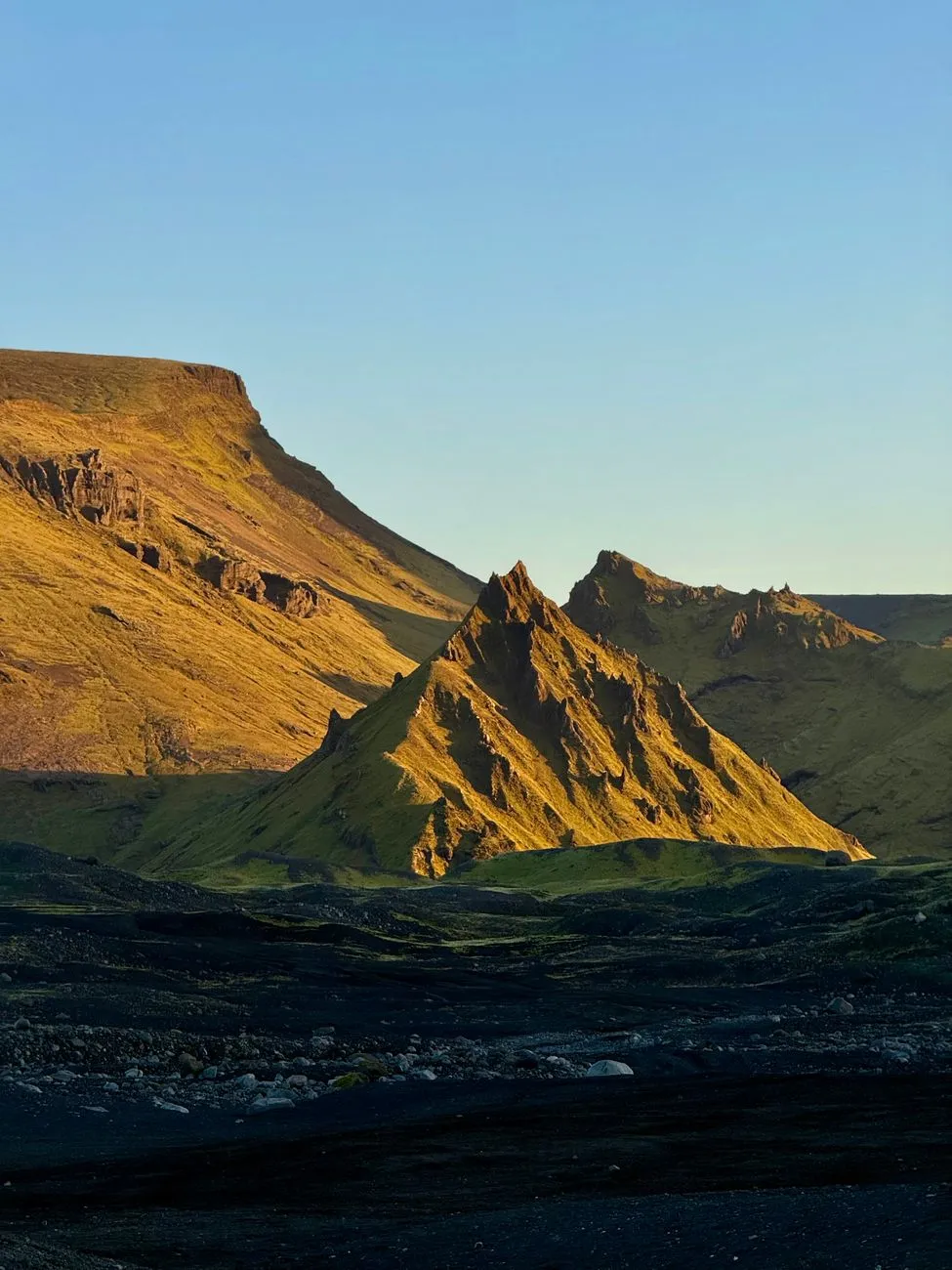

The siren song of the North is louder than ever, and for the modern remote worker, Iceland’s Golden Circle has transformed from a mere tourist checklist into a potential long-term base. As we step into 2026, the intersection of rugged wilderness and high-speed fiber-optic connectivity has created a paradox: how does one balance the raw, unforgiving elements of the Arctic with the professional demands of a global digital career? I am Mark Dinn, and having spent years navigating the nomadic lifestyle across various continents, I find that Iceland demands more preparation, more capital, and more reverence than perhaps any other destination on the planet. This region, defined by the interplay of tectonic shifts, geothermal heat, and glacial water, is not a place for the impulsive traveler. It is a place for the disciplined professional. To thrive here, you must understand the logistical scaffolding that supports life in a country where the sun dictates your mood and the wind dictates your schedule. We are looking at a landscape where the infrastructure is top-tier, but the price of admission—both literally and figuratively—is high. If you are planning to relocate your office to the shadow of the Great Geysir, you need a blueprint that goes beyond Instagram filters. You need the cold, hard data of 2026. Navigating the Legal Landscape of Icelandic Remote Residency The Icelandic long-term visa for remote work remains one of the most coveted yet misunderstood documents in the digital nomad ecosystem. By 2026, the process has matured into a stable, albeit stringent, administrative procedure. To be eligible, you must prove that you are not seeking to settle permanently in the traditional sense, but rather that you are an international professional providing services to companies based outside of Iceland. The core requirement remains: a consistent monthly income threshold that reflects the country’s high cost of living. As of current assessments, the income requirement is significant—aimed at ensuring you can sustain yourself without tapping into the local labor market. When you cross the 183-day threshold, you become a tax resident. This is where many nomads get caught off guard. Iceland’s tax system is robust and integrated; once you hit that six-month mark, the Revenue Directorate will expect a declaration of your global income. It is imperative that you consult with a local tax advisor before you even land in Keflavík. Many nomads choose to rotate their stays to avoid the automatic tax residency trap, but for those committed to the full experience, it is a matter of integrating into the local financial infrastructure. Banking in Iceland is remarkably digitized, yet it is notoriously difficult to open a local kennitala (national ID) account without a specific residence permit. For most nomads on the remote work visa, you will be relying on international digital banking solutions. However, you will need that Icelandic ID number for everything from gym memberships to booking local logistics or utilities in the Golden Circle area. This bureaucratic hurdle is the first test of your patience. If you can navigate the UTL (Directorate of Immigration) requirements, you have already cleared the hardest part of the relocation. The transition from tourist to resident is not a physical move; it is a mental shift into the methodical, organized, and often expensive reality of Icelandic law.The Financial Reality of the Fire and Ice Economy Living in the Golden Circle is an indulgence that comes with a steep price tag. When we look at the numbers for 2026, it is clear that Iceland is not for the budget-conscious traveler. The cost of living is approximately 47.4% higher than in the United States, a figure that becomes tangible the moment you walk into a grocery store in Selfoss or Hveragerði. For a single person, excluding rent, you are looking at a monthly commitment of roughly $1,594.60 (191,609.7 ISK). If you are bringing a family, that figure balloons to over $6,000, and that is before you sign a lease on a property that is likely heated by geothermal energy but priced by local scarcity. The primary expenses that will erode your savings are food, imported goods, and transport. Because the Golden Circle is a relatively remote, sparsely populated area, you will be reliant on a vehicle. Car ownership in Iceland is expensive due to taxes, fuel costs, and the high maintenance required to handle the volcanic terrain and harsh winters. You aren't just paying for the car; you are paying for the safety features and the insurance that covers damage from everything from volcanic ash to stray sheep. Despite these costs, the value proposition is found in the intangible. High-speed, reliable internet is ubiquitous, even in the smallest hamlets. You will rarely find yourself offline. Utilities, specifically electricity and heating, are surprisingly affordable compared to the rest of Europe because they are sourced directly from geothermal vents. This is a massive boon for the remote worker. Your heating bill in the dead of winter will be a fraction of what you would pay in a modern apartment in London or New York. The trade-off is clear: you pay a premium for imported food and transport, but you save significantly on your climate-controlled office environment. Smart nomads learn to live like locals—buying seasonal produce, utilizing the local community pools (the heart of Icelandic social life), and minimizing trips to the capital for non-essentials.Expense Category Monthly Cost (Single - USD) Monthly Cost (Family of 4 - USD)Basic Utilities (Heating/Water) $185.00 $310.00Grocery/Food Supplies $650.00 $2,400.00High-Speed Internet/Comms $95.00 $130.00Transportation/Fuel/Maintenance $480.00 $1,250.00Leisure/Community Pools $184.60 $1,937.20Total (Excluding Rent) $1,594.60 $6,027.20Climate Adaptation and the Nomad’s Daily Schedule The climate in the Golden Circle is not something you "deal with"—it is something you integrate into your daily pulse. By 2026, the weather patterns have remained as volatile as ever. In the summer, the Midnight Sun provides an almost unnatural energy; you might find yourself working until midnight, simply because your internal clock forgets that darkness is a requirement for sleep. Conversely, the winter brings the short, dark days where the sun barely crests the horizon. This is the most challenging period for the nomadic professional. If you lack structure, the seasonal affective shift can plummet your productivity and mood. Successful nomads in the Golden Circle don't fight the weather; they equip for it. My advice is to invest in high-quality technical gear immediately. Do not buy your outdoor clothing locally unless you are prepared to pay the premium; bring your base layers, high-end waterproof shells, and durable footwear from home. You will be spending your mornings either working or hitting the local geothermal pools to wake your muscles. The pool culture—sundlaugar—is essential for mental health. Sitting in a 40-degree Celsius hot tub while the air temperature hovers near freezing is the most effective way to clear a brain drained by Zoom calls and data analysis. Your workday in the Golden Circle will likely be fragmented. You might choose to block your time during the early morning hours, catch the peak daylight for outdoor exploration during lunch, and finish your tasks in the evening. This flexibility is the nomad’s greatest asset. However, you must remain vigilant about safety. If you decide to go for a hike near the Gullfoss waterfall or the Kerid crater, check the local weather apps religiously. The wind speeds in Iceland can be lethal, and the weather changes in minutes. When you are a remote worker, your laptop is your livelihood; don't risk getting caught in a storm that makes it impossible to return to your workspace. The Golden Circle teaches you that efficiency is not about doing things fast; it is about doing things at the right time when the elements allow.Infrastructure, Connectivity, and the Remote Office The myth of the isolated nomad in Iceland is just that—a myth. In 2026, the Golden Circle is arguably one of the most technologically advanced regions in the world. Iceland has invested heavily in fiber-optic infrastructure, and most guest houses, farms, and modern residential hubs in areas like Laugarvatn or Flúðir are equipped with high-speed internet that rivals any major city. However, you must verify this before you sign a lease. A "remote" house might be picturesque, but if it relies on a satellite connection that struggles during high-wind events, your professional life will suffer. When choosing a base, look for "Work-Ready" certifications. Many properties in the Golden Circle are now catering specifically to the nomad market, offering ergonomic chairs, dedicated desk spaces, and backup power generators. This is a critical investment. Iceland’s electrical grid is stable, but in the middle of a winter blizzard, any rural property is vulnerable. Having a secondary source of power or a reliable mobile hotspot is non-negotiable. I recommend securing a local SIM card with a high-data plan immediately upon arrival; the local carriers (Nova, Síminn, Vodafone) offer coverage that is startlingly good, even in the middle of a lava field. Setting up your "city playbook" for the Golden Circle involves knowing your service hubs. You won't find a sprawling metropolis here, but you will find reliable grocery stores like Bónus and Krónan, which are the lifelines of the local economy. Plan your shopping trips. If you are working on a high-stakes project, do not count on a grocery delivery service to be available at the drop of a hat. You must manage your supplies like a local resident. Stock up on pantry staples, respect the cold chain, and understand that you are living in a supply-chain-sensitive environment. The beauty of living here is the forced simplification. Without the distractions of a city, the noise of traffic, or the constant temptation of urban consumption, you will find your output increasing. The Golden Circle is not a distraction; it is a canvas for deep, focused work. The Cultural Integration and Long-Term Lifestyle Strategy Living in the Golden Circle as a nomad is not merely about surviving the climate; it is about engaging with a culture that values autonomy, resilience, and a deep connection to the land. The local population is sparse but welcoming to those who demonstrate respect for their environment. The most common pitfall for temporary residents is a lack of engagement. If you hide behind your screen for months, you miss the essence of the Icelandic experience. Attend the local community events, support the local farmers' markets, and respect the "Leave No Trace" ethos that defines Icelandic environmental policy. If you choose to stay for an extended period, you will start to notice the rhythms of the year. The transition from the frantic tourist season in summer to the contemplative quiet of winter is profound. As a nomad, you are in the unique position of being able to observe this transformation. You aren't just visiting the Golden Circle; you are bearing witness to the geological and social changes that define this region. It is a humbling experience that shifts your perspective on what "home" really means. Ultimately, your strategy for success is rooted in the balance between professional output and personal presence. You must master the logistics—the visas, the taxes, the specialized winter gear—but you must also leave room for the wonder. Hike the trails behind the waterfalls, sit in silence at the edge of a tectonic plate, and let the sheer scale of the landscape reset your professional focus. In 2026, the Golden Circle offers more than just a place to plug in your computer; it offers a place to rediscover the clarity of purpose that often gets lost in the noise of the digital world. You are not just working in Iceland; you are living in a place that has survived eruptions, ice ages, and the relentless passage of time. If you can mirror that resilience in your work and your lifestyle, you won't just succeed here—you will thrive in a way that few professionals ever get the chance to experience. Embracing the North: Your Next Professional Frontier The Golden Circle is more than a destination; it is an environment that tests your readiness for the modern nomadic life. It requires a level of fiscal maturity and logistical discipline that is rare in the wanderlust-driven world of remote work. By navigating the complexities of the 2026 visa regulations and embracing the high costs as a trade-off for unparalleled quality of life, you position yourself at the forefront of a new wave of global professionals. Iceland does not offer an easy path, but for those willing to brave the winds and the cold, it offers the ultimate reward: a life lived with intention, surrounded by the raw, untamed majesty of the Earth. Whether you are here for the six-month permit or planning to rotate your residency to make this your long-term base, remember that the environment you cultivate is just as important as the one you are inhabiting. Keep your finances in order, respect the local infrastructure, and never stop exploring. The Land of Fire and Ice will change the way you work, the way you think, and the way you view the world. Pack your layers, secure your connectivity, and prepare for a chapter of your career that will define your professional growth for years to come. Your office is waiting, and the view is unlike anything else on the planet.#DigitalNomad #IcelandTravel #RemoteWorkLife #GoldenCircle #LocationIndependence Related Insights西递:中国古代木雕的巅峰 Dive Into a Hidden World: The Most Breathtaking Underwater Museums and Sculpture Parks L'Écho des Pierres : Voyage au Cœur du Patrimoine Vivant{ "@context": "https://schema.org", "@type": "FAQPage", "mainEntity": [ { "@type": "Question", "name": "What is the main focus of The Nomad’s Guide to the Golden Circle: Living and Thriving in Iceland’s Volcanic Heart?", "acceptedAnswer": { "@type": "Answer", "text": "Discover the realities of remote work in Iceland's Golden Circle, from navigating the digital nomad visa to managing the high cost of living in the Land of Fire and Ice." } }, { "@type": "Question", "name": "Who authored the comprehensive guide on The Nomad’s Guide to the Golden Circle: Living and Thriving in Iceland’s Volcanic Heart?", "acceptedAnswer": { "@type": "Answer", "text": "This detailed article and its insights were carefully researched and authored by Mark Dinn." } }, { "@type": "Question", "name": "Where can I find more related content about Travel?", "acceptedAnswer": { "@type": "Answer", "text": "You can explore more articles, detailed reviews, and similar insights by browsing the Related Insights section at the bottom of this article or visiting our dedicated Travel category page." } } ] }