Showing Posts From
If on a winter s nig
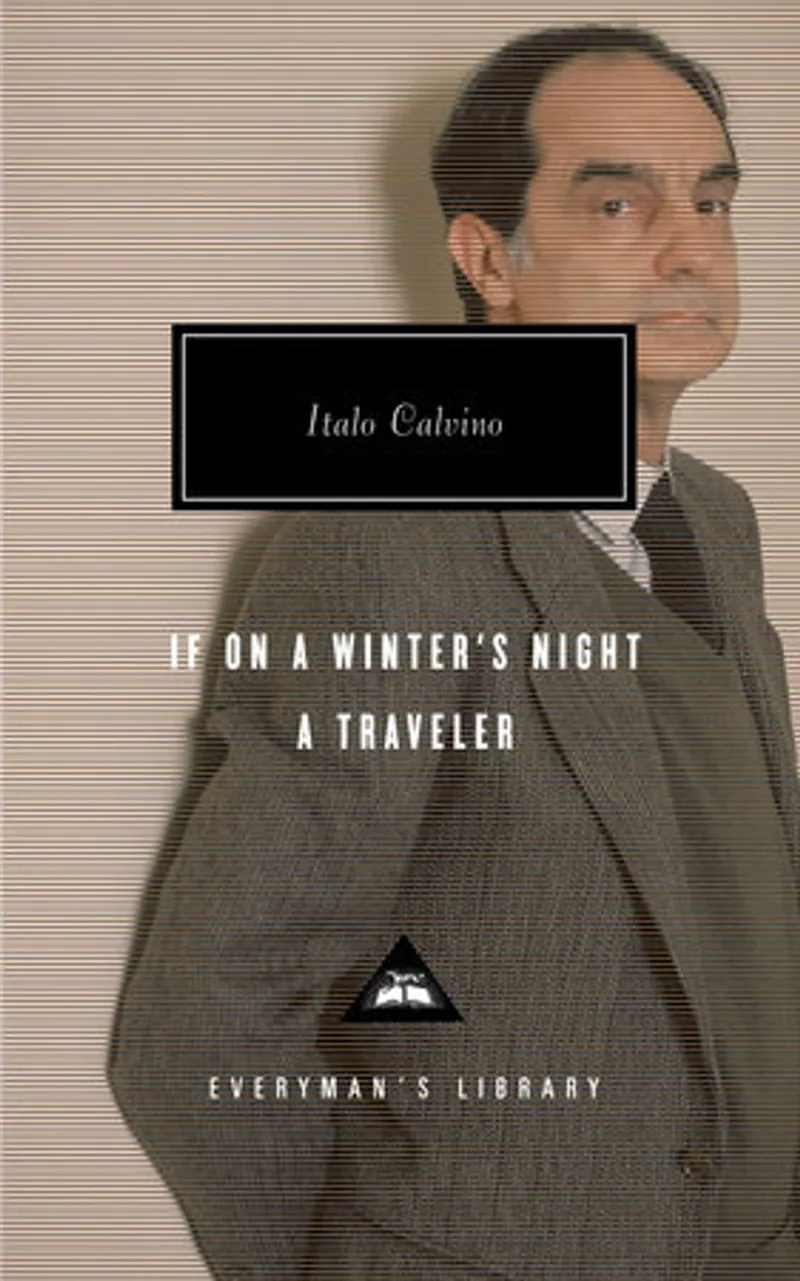
If on a Winter's Night a Traveler Author: Italo CalvinoPage Count: UnknownPublication Date: 1993-PRH Italo Calvino’s If on a Winter’s Night a Traveler is not just a book—it’s an experience, a puzzle, a love letter to the act of reading itself. Published in 1993, this postmodern masterpiece defies conventional storytelling, inviting the reader not merely to consume a narrative but to become an active participant in its creation. Calvino crafts a labyrinthine tale where the boundaries between fiction and reality blur, where every chapter ends prematurely, and where the reader’s frustration mirrors the protagonist’s own quest for fulfillment. It is a book about books, about desire, and about the elusive nature of meaning in a world saturated with stories. At its core, If on a Winter’s Night a Traveler explores the symbiotic relationship between reader and text. The novel opens with the second-person address, "You are about to begin reading Italo Calvino’s new novel, If on a Winter’s Night a Traveler," immediately pulling the reader into the story as both observer and protagonist. The "You" of the narrative is a curious, determined reader who, like the lover in Calvino’s allegory, seeks to consummate their passion for the book—only to find each attempt thwarted by missing chapters, faulty translations, or narrative dead ends. This structural gambit is not mere gimmickry; it is a profound meditation on the act of reading. Calvino forces us to confront our own impatience, our hunger for resolution, and our willingness to suspend disbelief in the face of an incomplete story. The novel’s structure is deceptively simple yet endlessly inventive. Each chapter begins with a few pages of a new story—only for the narrative to be abruptly interrupted, leaving the reader (and the protagonist) stranded. These fragments—ranging from a Kafkaesque tale of a man trapped in a bureaucratic nightmare to a romantic espionage plot—are not merely placeholders; they are tantalizing glimpses of worlds that refuse to be fully realized. Calvino’s genius lies in making these interruptions feel like betrayals, not just of the reader but of the very idea of narrative coherence. In doing so, he exposes the fragility of storytelling and the reader’s complicity in its construction. Calvino’s style is a dazzling blend of wit, erudition, and playfulness. His prose is crystalline yet layered, capable of shifting from dry humor to lyrical beauty in a single paragraph. The novel’s postmodern sensibilities are evident in its self-referentiality, its playful manipulation of genre conventions, and its refusal to settle into a single narrative mode. Yet beneath the intellectual pyrotechnics lies a deeply human core. The "You" of the story is not just a stand-in for the reader but a stand-in for all of us, grappling with the frustrations and joys of engaging with art. Calvino’s exploration of the reader’s desire—whether for a story’s conclusion or for a lover’s embrace—is both hilarious and poignant, a reminder that our quests for meaning are often as absurd as they are earnest. The novel’s themes extend beyond the act of reading into broader existential questions. The recurring motifs of conspiracy, censorship, and political oppression hint at a world where stories are not just entertainment but acts of resistance. The "rogue translator" and the "disintegrating publishing house" are not merely plot devices but metaphors for the forces that seek to control narrative, to silence dissent, or to commodify art. Calvino, writing in an era of Cold War tensions and cultural upheaval, seems to suggest that the act of reading is itself a subversive act—a way to reclaim agency in a world that seeks to dictate meaning. What makes If on a Winter’s Night a Traveler so enduring is its ability to be both a cerebral puzzle and a deeply emotional experience. Calvino’s novel is a celebration of the reader’s imagination, a reminder that every unfinished story is an invitation to participate, to fill in the gaps, to make the narrative our own. It is a book that demands patience, curiosity, and a willingness to embrace uncertainty. In an age where instant gratification is the norm, Calvino’s masterpiece is a radical act—a call to slow down, to savor the journey, and to recognize that the act of reading is, in itself, a form of creation. For those who love literature, for those who have ever felt the sting of a cliffhanger, and for those who believe that stories are not just told but lived, If on a Winter’s Night a Traveler is a revelation. It is a book that will frustrate, delight, and ultimately enchant, leaving the reader with a renewed sense of wonder for the power of the written word. #PostmodernLiterature #ItaloCalvino #Metafiction #ReaderAsProtagonist #LiteraryLabyrinth #BookAboutBooks Related InsightsHistorical Collection 2018 Book Review and Summary Halfway to the Grave Book Review and Summary In the Likely Event Book Review and Summary{ "@context": "https://schema.org", "@type": "FAQPage", "mainEntity": [ { "@type": "Question", "name": "What is the main focus of If on a Winter's Night a Traveler Book Review and Summary?", "acceptedAnswer": { "@type": "Answer", "text": "Everything you need to know about If on a Winter's Night a Traveler with our detailed review." } }, { "@type": "Question", "name": "Who authored the comprehensive guide on If on a Winter's Night a Traveler Book Review and Summary?", "acceptedAnswer": { "@type": "Answer", "text": "This detailed article and its insights were carefully researched and authored by Italo Calvino." } }, { "@type": "Question", "name": "Where can I find more related content about Books?", "acceptedAnswer": { "@type": "Answer", "text": "You can explore more articles, detailed reviews, and similar insights by browsing the Related Insights section at the bottom of this article or visiting our dedicated Books category page." } } ] }