Showing Posts From
In patagonia
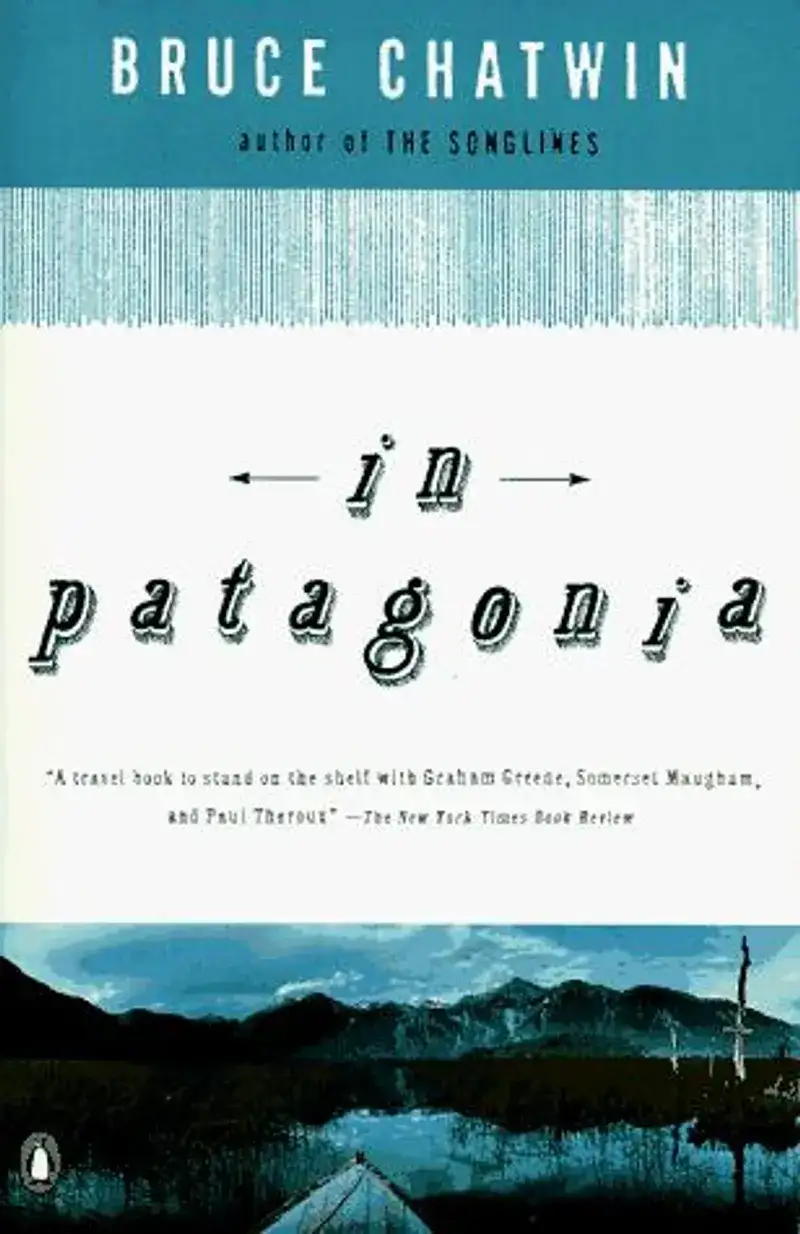

In Patagonia Author: Bruce ChatwinPage Count: UnknownPublication Date: 1977-OL In Patagonia, Bruce Chatwin's 1977 masterpiece, is a mesmerizing blend of travelogue, memoir, and philosophical inquiry that defies easy categorization. This enigmatic book is an invitation to embark on a journey to the farthest reaches of Argentina and Chile, a land of untamed beauty and mystique. Chatwin's Patagonia is a realm of wonder, where the boundaries between reality and myth blur, and the human experience is distilled to its essence. Through Chatwin's lyrical prose, the reader is transported to a world of towering mountains, glaciers, and vast expanses of uninhabited wilderness. His writing is akin to a rich tapestry, woven from threads of history, anthropology, and personal anecdote. Each chapter is a vignette, a self-contained narrative that contributes to the larger mosaic of the book. Chatwin's style is characterized by a unique blend of erudition and intimacy, as if he were sharing secrets and stories with a close friend. The book's central theme is the allure of the unknown, the siren call of the unexplored. Chatwin is drawn to Patagonia like a magnet, compelled by the region's reputation for mystery and inaccessibility. As he delves deeper into the landscape, he becomes increasingly obsessed with the concept of "elsewhere," the idea that there exists a place beyond the horizon, a place of untainted beauty and freedom. This notion is both a personal and universal quest, as Chatwin seeks to reconcile his own sense of dislocation and disillusionment with the modern world. Throughout the book, Chatwin's fascination with the indigenous people of Patagonia, the Tehuelche and the Mapuche, is palpable. He is drawn to their stories, their myths, and their struggles against the forces of colonialism and modernity. These encounters serve as a counterpoint to the author's own experiences as a traveler and outsider, highlighting the tensions between tradition and progress, authenticity and artifice. One of the most striking aspects of In Patagonia is its use of language. Chatwin's prose is economical, precise, and evocative, capable of conjuring entire worlds from a few, well-chosen words. His writing is also deeply allusive, drawing on a wide range of cultural and literary references, from Shakespeare to Borges. This intertextual quality adds depth and complexity to the narrative, inviting the reader to engage with the book on multiple levels. In Patagonia is a book that resists summary or reduction. It is a work of fragments, a collage of impressions, observations, and reflections. And yet, despite its apparent disjointedness, the book coheres around a central axis, a vision of the human condition that is both poignant and profound. Chatwin's Patagonia is a place of exile and refuge, a realm of the imagination where the self can be remade and rediscovered. In conclusion, In Patagonia is a masterpiece of contemporary literature, a book that continues to captivate readers with its beauty, its wisdom, and its sense of wonder. It is a testament to the power of language to evoke the unknown, to conjure the invisible, and to transform the reader's perception of the world. #Patagonia #BruceChatwin #TravelLiterature #SouthAmericanAdventures #LiteraryClassics #Wanderlust Related InsightsSea of Tranquility Book Review and Summary Dead Take the a Train Book Review and Summary A Year Without Home Book Review and Summary{ "@context": "https://schema.org", "@type": "FAQPage", "mainEntity": [ { "@type": "Question", "name": "What is the main focus of In Patagonia Book Review and Summary?", "acceptedAnswer": { "@type": "Answer", "text": "Everything you need to know about In Patagonia with our detailed review." } }, { "@type": "Question", "name": "Who authored the comprehensive guide on In Patagonia Book Review and Summary?", "acceptedAnswer": { "@type": "Answer", "text": "This detailed article and its insights were carefully researched and authored by Beatriz Costa." } }, { "@type": "Question", "name": "Where can I find more related content about Books?", "acceptedAnswer": { "@type": "Answer", "text": "You can explore more articles, detailed reviews, and similar insights by browsing the Related Insights section at the bottom of this article or visiting our dedicated Books category page." } } ] }